Who Is a Good Candidate for Gastric Sleeve Surgery?
Gastric sleeve surgery, also called sleeve gastrectomy, stands as one of the most performed metabolic and bariatric procedures worldwide. Surgeons remove approximately 80 percent of the stomach and create a narrow, tube-shaped stomach pouch. This procedure restricts food intake and alters gut hormones that regulate hunger and satiety. The central question remains: who qualifies for gastric sleeve surgery? Body mass index serves as an important screening tool, but BMI alone never determines candidacy. Medical history, obesity-related conditions, previous weight-loss attempts, psychological readiness, and the ability to follow long-term postoperative recommendations all shape eligibility. This article explores every factor that defines a good candidate for gastric sleeve surgery.
What Is Gastric Sleeve Surgery and How Does It Work?
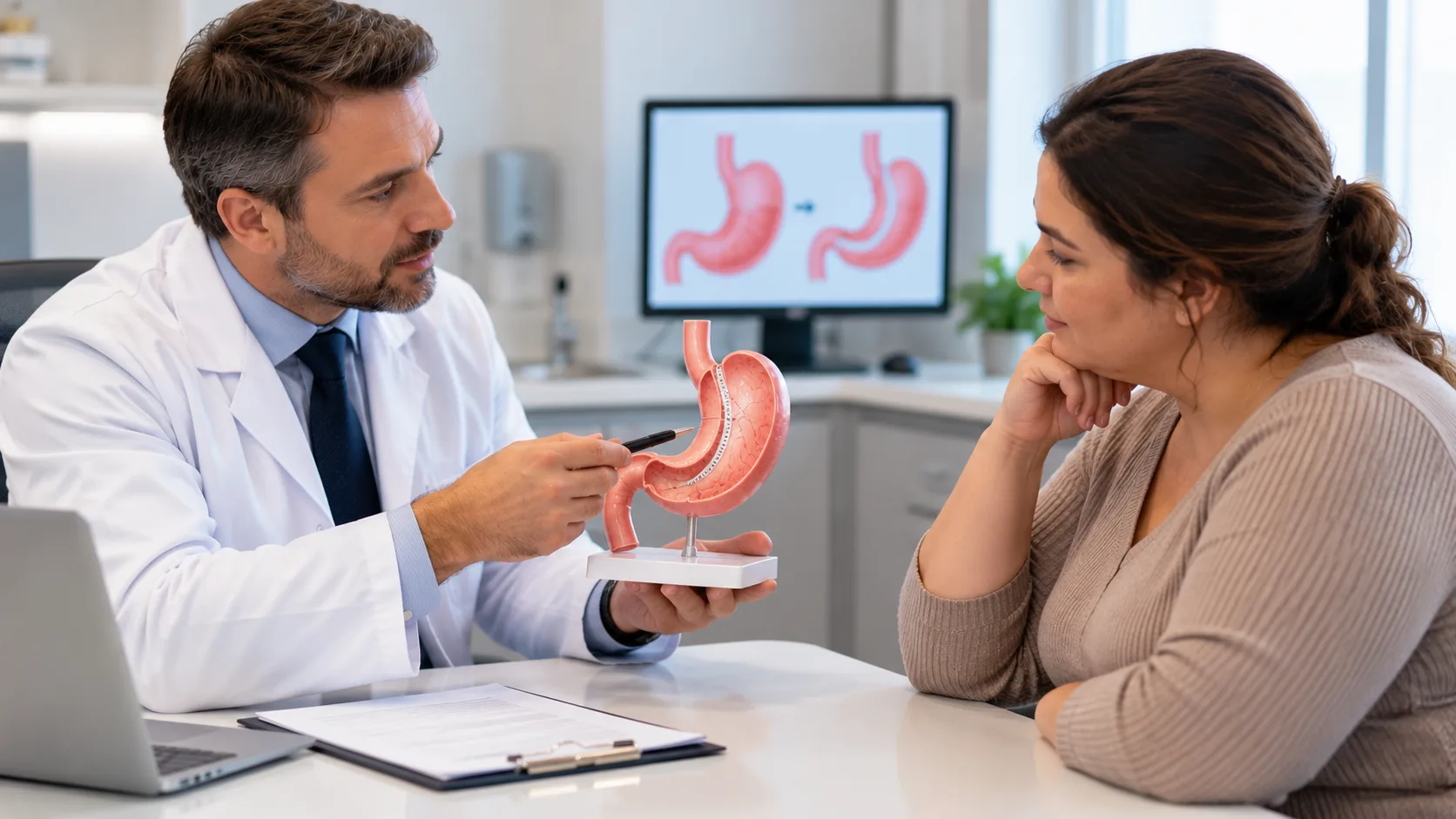
Gastric sleeve surgery removes a large portion of the stomach and reshapes the remaining tissue into a slender tube. This procedure limits how much food a person can consume and changes how the stomach communicates with the brain about hunger and fullness.
What happens during sleeve gastrectomy?
During sleeve gastrectomy, the surgeon removes the outer, curved portion of the stomach. The remaining stomach forms a narrow sleeve that holds approximately 100 to 150 milliliters of food. This is a restrictive procedure. Unlike gastric bypass, sleeve gastrectomy does not reroute the intestines. The surgeon performs the operation laparoscopically in most cases. Small incisions allow the surgical team to insert a camera and specialized instruments. The procedure typically takes one to two hours. Patients usually stay in the hospital for one to three days.
Why is gastric sleeve surgery considered metabolic surgery?
Sleeve gastrectomy does more than reduce stomach size. The procedure removes the portion of the stomach that produces ghrelin, a hormone that stimulates appetite. Lower ghrelin levels reduce hunger signals. Patients often experience earlier satiety and reduced food cravings. Weight loss follows, and metabolic improvements occur. Research shows that substantial weight loss after sleeve gastrectomy improves type 2 diabetes, hypertension, dyslipidemia, and obstructive sleep apnea (Sjöström et al., 2014). The metabolic effects extend beyond calorie restriction. Gut hormone changes, alterations in bile acid metabolism, and shifts in gut microbiota all contribute to improved metabolic health.
What makes sleeve gastrectomy different from gastric bypass?
Gastric bypass creates a small gastric pouch and reroutes the small intestine. Sleeve gastrectomy only reduces stomach volume. Gastric bypass causes more malabsorption of nutrients because food bypasses portions of the small intestine. Sleeve gastrectomy preserves normal intestinal continuity. Patients who undergo sleeve gastrectomy generally face lower risks of nutritional deficiencies, dumping syndrome, and internal hernias. However, gastric bypass may produce greater metabolic effects for some patients with severe diabetes. Procedure selection requires individualized assessment based on medical history, metabolic needs, and patient preference.
What BMI Qualifies Someone for Gastric Sleeve Surgery?
BMI provides a standardized measure for classifying obesity severity. However, BMI functions as a screening tool rather than a definitive eligibility marker.
Is a BMI of 40 or higher enough to qualify for bariatric surgery?
A BMI of 40 or higher defines severe obesity. Patients in this category face elevated risks of premature death, cardiovascular disease, and multiple obesity-related conditions. Traditional guidelines have long recognized BMI ≥40 as an indication for bariatric surgery. However, BMI alone does not guarantee surgical approval. Clinicians must evaluate overall health status, surgical risk, psychological readiness, and the presence of comorbidities. A patient with BMI 42 but uncontrolled substance use may not qualify immediately. Conversely, a patient with BMI 38 and severe metabolic disease may qualify under expanded criteria.
Can someone with a BMI of 35 to 39.9 qualify for gastric sleeve surgery?
Yes. Patients with BMI 35 to 39.9 qualify when they have obesity-related diseases. Traditional criteria require at least one significant comorbidity in this BMI range. Common qualifying conditions include type 2 diabetes, obstructive sleep apnea, hypertension, cardiovascular disease, and metabolic syndrome. The presence of these conditions indicates that obesity has already caused measurable organ damage. Surgery aims to reduce this disease burden. Modern guidelines have expanded these indications further, recognizing that metabolic disease severity matters more than a rigid BMI threshold.
Can gastric sleeve surgery be considered with a BMI of 30 to 34.9?
Yes, under specific circumstances. The American Society for Metabolic and Bariatric Surgery and the International Federation for the Surgery of Obesity updated their recommendations in 2022. These organizations now support metabolic and bariatric surgery for patients with BMI ≥35 regardless of comorbidity presence. For patients with type 2 diabetes and BMI ≥30, surgery represents a recommended treatment option. Surgery may also be considered for patients with BMI 30 to 34.9 when nonsurgical treatments fail to produce substantial or durable weight loss or metabolic improvement (Eisenberg et al., 2022). Eligibility thresholds vary across clinical guidelines, countries, and healthcare systems. Individual circumstances always influence the final decision.
BMI Range | Traditional Criteria | Current ASMBS/IFSO Recommendations |
≥40 | Eligible | Eligible |
35–39.9 | Eligible with comorbidities | Eligible regardless of comorbidities |
30–34.9 | Generally not eligible | Consider for type 2 diabetes or failed nonsurgical treatment |
Which Health Conditions Can Make Someone a Good Candidate for Gastric Sleeve Surgery?
Obesity-related diseases often drive the decision to pursue surgery. These conditions demonstrate that excess weight has already harmed organ systems.
Does type 2 diabetes affect eligibility for gastric sleeve surgery?
Yes, type 2 diabetes strongly supports surgical candidacy. Obesity drives insulin resistance, which strains pancreatic beta cells and elevates blood glucose. Many patients with obesity and diabetes struggle to achieve glycemic control through medication and lifestyle changes alone. Metabolic surgery, including sleeve gastrectomy, often produces rapid improvements in glucose metabolism. Some patients achieve diabetes remission within days or weeks of surgery, before substantial weight loss occurs. This phenomenon points to direct metabolic effects beyond calorie restriction. The presence of difficult-to-control diabetes can qualify patients for surgery even at lower BMI thresholds. Diabetes-related indications now exist alongside purely weight-based indications.
Can people with obstructive sleep apnea benefit from gastric sleeve surgery?
Yes. Obesity represents the strongest modifiable risk factor for obstructive sleep apnea. Excess fat tissue around the neck and upper airway narrows the breathing passage. Collapse of this tissue during sleep causes repeated breathing interruptions. These interruptions fragment sleep, reduce oxygen levels, and increase cardiovascular strain. Substantial weight loss after sleeve gastrectomy often reduces apnea severity. Many patients decrease or eliminate their need for continuous positive airway pressure therapy. Improvement in sleep quality enhances daytime functioning and reduces accident risk.
Can hypertension and cardiovascular risk support bariatric surgery?
Yes. High blood pressure, abnormal cholesterol levels, and metabolic syndrome frequently accompany obesity. These conditions damage blood vessels, strain the heart, and increase stroke and heart attack risk. Reducing obesity-related cardiovascular risk represents a major treatment objective of metabolic surgery. Studies demonstrate that sleeve gastrectomy lowers blood pressure, improves lipid profiles, and reduces markers of systemic inflammation (Schauer et al., 2017). Patients with established cardiovascular disease require careful preoperative evaluation, but obesity itself often worsens cardiac function. Weight reduction can improve cardiac workload and vascular health.
What other obesity-related conditions may influence candidacy?
Multiple additional conditions support surgical consideration. Nonalcoholic fatty liver disease affects the majority of patients with severe obesity. Progressive fat accumulation in the liver can lead to inflammation, fibrosis, and cirrhosis. Weight loss after sleeve gastrectomy reduces liver fat content and may reverse early-stage disease. Osteoarthritis causes joint pain and mobility limitations. Excess weight accelerates cartilage breakdown in knees, hips, and the lower back. Substantial weight loss reduces mechanical stress on joints and often decreases pain medication needs. Dyslipidemia, metabolic syndrome, polycystic ovary syndrome, gastroesophageal reflux disease, and certain obesity-related cancers also factor into candidacy assessments.
Do You Need to Try Diet and Exercise Before Gastric Sleeve Surgery?
Previous weight-loss attempts form part of the standard evaluation. However, the concept of surgery as a "last resort" has evolved.
Is failure of nonsurgical weight loss part of the assessment?
Yes. Clinicians review previous structured diet and lifestyle interventions. These may include medically supervised diets, behavioral weight-management programs, physical activity plans, and anti-obesity medications where appropriate. Many patients lose weight initially but regain it over time. This pattern of weight cycling demonstrates the difficulty of achieving durable weight loss through nonsurgical means alone. The assessment focuses on whether previous efforts produced substantial, sustained results. Failure to maintain weight loss does not represent personal failure. Biology drives weight regain through metabolic adaptation, hormonal changes, and neural reward pathways.
Does previous weight-loss history affect surgical evaluation?
Yes. Clinicians examine patterns of weight loss and regain, the duration and severity of obesity, and responses to previous treatments. A patient who has battled obesity for decades with multiple failed attempts presents a different profile than someone with recent weight gain. The overall trajectory matters more than any single failed diet. Long-standing severe obesity often indicates entrenched metabolic dysfunction that responds poorly to conventional interventions.
Is bariatric surgery considered only when diet and exercise fail?
No. This older concept is increasingly incomplete. Metabolic surgery now occupies a central position within comprehensive obesity treatment. The disease of obesity involves neurohormonal dysregulation, genetic susceptibility, environmental factors, and metabolic adaptation. Diet and exercise remain essential components of health, but they often cannot overcome the biological defenses against weight loss that the body mounts. Surgery addresses these biological mechanisms directly. Presenting surgery as a replacement for healthy lifestyle management is incorrect. Surgery works best when patients commit to ongoing dietary quality, physical activity, and behavioral health.
What Medical Tests Are Needed Before Gastric Sleeve Surgery?

Preoperative evaluation ensures patient safety and optimizes outcomes.
Why is a preoperative medical evaluation necessary?
The evaluation identifies obesity-related diseases that require treatment before surgery. It assesses surgical and anesthesia risk. It establishes baseline health status for postoperative comparison. Some conditions, such as uncontrolled heart failure or severe lung disease, may require stabilization before surgery proceeds. The evaluation also identifies conditions that might change the surgical approach or contraindicate surgery altogether.
Which medical conditions are commonly evaluated?
The medical team screens for cardiovascular disease, obstructive sleep apnea, kidney disease, liver disease, thyroid disorders, and metabolic abnormalities. Blood tests evaluate blood counts, electrolytes, liver function, kidney function, glucose, and lipid levels. An electrocardiogram assesses cardiac rhythm. Echocardiography or stress testing may be needed for patients with cardiac symptoms or risk factors. Sleep studies confirm sleep apnea severity. Upper endoscopy evaluates the stomach and esophagus for abnormalities such as ulcers, hiatal hernias, or Barrett's esophagus.
What does the multidisciplinary bariatric assessment involve?
The bariatric surgeon leads the evaluation. A primary healthcare professional coordinates medical optimization. A registered dietitian assesses nutritional status and educates patients about postoperative dietary requirements. An anesthesiologist evaluates anesthesia risk, particularly airway management challenges in patients with obesity. A mental health professional screens for psychological conditions that might affect surgical outcomes. Other specialists, including cardiologists, pulmonologists, or endocrinologists, contribute when specific conditions require expert management.
Does Psychological Readiness Affect Gastric Sleeve Candidacy?
Psychological factors significantly influence surgical success. Assessment aims to identify barriers and support patient readiness.
Why is mental health evaluated before sleeve gastrectomy?
Surgery demands major behavioral and lifestyle changes. Patients must adopt new eating patterns, manage emotional triggers without using food, attend regular follow-up appointments, and adhere to supplement regimens. Psychological factors can enhance or undermine these behaviors. The evaluation identifies treatable barriers such as untreated depression, anxiety, or disordered eating. It does not simply exclude patients. Instead, it guides appropriate interventions that improve readiness and outcomes.
Can an eating disorder prevent someone from having gastric sleeve surgery?
Uncontrolled eating disorders can delay surgery. Binge eating disorder, bulimia nervosa, and other problematic eating patterns require assessment and treatment before surgery. Some patients use food to cope with emotional distress. Surgery changes stomach capacity but does not resolve underlying psychological drivers of eating behavior. Patients with active, untreated eating disorders face higher risks of poor adherence, nutritional complications, and psychological distress after surgery. Appropriate treatment, including cognitive behavioral therapy, can improve readiness.
Do depression, anxiety or other mental health conditions affect eligibility?
Mental health conditions do not automatically exclude patients. Millions of people with obesity also experience depression or anxiety. These conditions often improve after surgery as weight loss enhances physical function, self-image, and social participation. The key factor is treatment status. Adequately treated and stable depression or anxiety does not contraindicate surgery. Uncontrolled psychiatric illness, active suicidal ideation, or severe untreated mental health disorders may require stabilization first. The surgical team distinguishes treated conditions from uncontrolled illness.
How does motivation affect bariatric surgery success?
Motivation drives adherence to postoperative recommendations. Successful candidates demonstrate the ability to adopt new eating patterns, attend follow-up appointments consistently, understand postoperative restrictions, and commit to physical activity and nutritional monitoring. Motivation is not a fixed trait. It fluctuates. The evaluation assesses whether patients have realistic expectations, social support, and concrete plans for managing challenges after surgery.
What Lifestyle Changes Must a Good Gastric Sleeve Candidate Be Willing to Make?
Sleeve gastrectomy initiates weight loss, but long-term success depends on sustained behavioral changes.
Can you commit to lifelong dietary changes after sleeve surgery?
Yes, and this commitment is essential. Patients must eat smaller portions at each meal. The sleeve-shaped stomach holds limited volume, so every bite must provide nutritional value. Nutrient-dense foods, including lean proteins, vegetables, and whole grains, take priority. Adequate protein intake preserves muscle mass during rapid weight loss. Patients must follow specific hydration strategies, drinking fluids between meals rather than with meals to prevent stomach overfilling. Problematic eating patterns, such as grazing, high-sugar snacking, or drinking carbonated beverages, must stop.
Do gastric sleeve patients need vitamins and minerals?
Yes. Postoperative nutritional monitoring is mandatory. The reduced stomach size limits food intake and may affect absorption of certain nutrients. Patients require prescribed supplementation according to individual clinical needs. Common supplements include multivitamins, vitamin B12, iron, calcium, and vitamin D. Blood tests monitor nutritional status at regular intervals. Long-term follow-up ensures that deficiencies are caught early and corrected. Failure to take supplements can lead to anemia, bone loss, neurological complications, and other serious problems.
Is regular physical activity necessary after gastric sleeve surgery?
Yes. Patients begin with gradual activity increases during recovery. Walking starts within days of surgery. Over weeks and months, patients build toward structured exercise programs. Long-term physical activity preserves muscle mass, enhances metabolic rate, supports cardiovascular health, and improves mood. Resistance training becomes particularly important to maintain lean body mass during weight loss. Physical activity integrates into comprehensive obesity management alongside dietary changes.
Who May Not Be Ready for Gastric Sleeve Surgery?
Certain conditions require treatment or stabilization before surgery proceeds.
Can uncontrolled substance use affect candidacy?
Yes. Active alcohol or drug use impairs judgment, reduces adherence to medical recommendations, and increases surgical risks. Substance use disorders require appropriate treatment before surgery. Some patients develop transfer addictions after surgery, substituting food with alcohol or drugs. Preoperative screening and treatment reduce this risk.
Can smoking delay gastric sleeve surgery?
Yes. Smoking increases surgical risks, impairs wound healing, raises infection rates, and contributes to respiratory complications. Most bariatric programs require preoperative smoking cessation. Patients who quit smoking several weeks before surgery demonstrate better outcomes. Some programs require documentation of smoking cessation through testing.
Can severe medical disease make surgery unsafe?
Yes. Severe cardiovascular disease, such as recent heart attack or uncontrolled heart failure, may contraindicate surgery until stabilization occurs. Anesthesia-related risks increase with severe lung disease or difficult airway anatomy. Blood-clotting disorders require careful management. Other conditions that substantially increase perioperative risk may lead surgeons to recommend medical optimization or alternative treatments.
Can pregnancy affect the timing of bariatric surgery?
Yes. Pregnancy generally changes surgical timing. Surgeons typically recommend delaying surgery until after pregnancy and breastfeeding. If a patient becomes pregnant after surgery, the medical team monitors nutritional status closely. Planning pregnancy around postoperative weight stabilization, usually 12 to 18 months after surgery, optimizes outcomes for both mother and baby.
Is There an Age Limit for Gastric Sleeve Surgery?
Age alone does not determine candidacy. Physiological health, obesity severity, and treatment goals matter more than chronological age.
Can younger adults undergo sleeve gastrectomy?
Younger adults can undergo sleeve gastrectomy when they meet medical and psychological criteria. Early intervention may prevent decades of obesity-related disease accumulation. However, young patients must demonstrate maturity, understanding of lifelong commitments, and adequate support systems.
Can adults over 65 have gastric sleeve surgery?
Yes, selected older adults may undergo sleeve gastrectomy. Individualized assessment evaluates operative risk and expected benefit. Functional status and comorbidities matter more than age alone. Research from Mayo Clinic and other institutions shows that carefully selected older adults can achieve outcomes comparable to younger patients, though the risk profile differs (Kwon et al., 2020). The surgical team weighs potential benefits against age-related risks.
Can teenagers undergo sleeve gastrectomy?
Adolescents represent a distinct population. Criteria differ from adult criteria. Multidisciplinary pediatric assessment includes pediatric specialists, mental health professionals, and family evaluation. Family support and long-term behavioral readiness are essential. Adolescent bariatric surgery is reserved for severe obesity with significant comorbidities when other treatments fail.
What Are the Signs That You May Be a Good Candidate for Gastric Sleeve Surgery?
A concise candidate profile checklist helps patients understand whether they might qualify:
Severe or clinically significant obesity
BMI within an appropriate surgical range
Obesity-related medical conditions when applicable
Inadequate response to nonsurgical treatment
Understanding of surgical risks and benefits
Psychological readiness
Ability to make long-term dietary and activity changes
Willingness to take prescribed supplements
Commitment to lifelong medical follow-up
No uncontrolled condition that makes surgery unsafe
Patients who recognize these characteristics in themselves should seek evaluation by a qualified bariatric team.
What Happens During the Gastric Sleeve Candidate Evaluation?
The evaluation process is thorough and structured.
How does the bariatric surgeon determine eligibility?
The surgeon reviews BMI and obesity history. The surgeon evaluates comorbidities and their severity. The surgeon reviews previous weight-loss treatments and their outcomes. The surgeon discusses surgical alternatives, including gastric bypass, adjustable gastric banding, or nonsurgical options. The surgeon assesses individual risks and expected benefits based on age, medical history, and anatomical factors.
Why is a multidisciplinary team important?
Nutritional assessment identifies eating patterns, nutritional deficiencies, and educational needs. Psychological assessment screens for mental health conditions, eating disorders, and behavioral barriers. Medical optimization treats uncontrolled conditions before surgery. Surgical planning selects the appropriate procedure and approach. Long-term follow-up ensures sustained success and early detection of complications.
What questions should you ask before choosing sleeve gastrectomy?
Why is sleeve gastrectomy appropriate for me?
What alternatives are available?
What risks apply to my medical history?
What weight-loss outcome is realistic?
What nutritional supplements will I need?
What follow-up schedule will I require?
How Do Current Gastric Sleeve Eligibility Guidelines Differ From Older BMI Criteria?
Understanding guideline evolution helps patients and providers make informed decisions.
What were the traditional bariatric surgery criteria?
Traditional criteria required BMI ≥40 or BMI ≥35 with significant obesity-related disease. These thresholds originated from the 1991 National Institutes of Health Consensus Development Conference Statement. For decades, these criteria dominated surgical practice and insurance authorization.
How have metabolic surgery recommendations evolved?
The ASMBS and IFSO published updated recommendations in 2022 that expanded eligibility. These guidelines support metabolic and bariatric surgery for BMI ≥35 regardless of comorbidity severity. Surgery is recommended for patients with type 2 diabetes and BMI ≥30. Surgery may be considered for BMI 30–34.9 when nonsurgical treatment does not achieve substantial or durable results (Eisenberg et al., 2022). This shift reflects growing recognition that obesity is a complex metabolic disease requiring earlier intervention.
Why should BMI not be used as the only eligibility measure?
BMI does not capture the full metabolic burden of obesity. It does not distinguish muscle from fat. It does not indicate where fat is distributed. Visceral fat around organs drives metabolic disease more than subcutaneous fat. Health conditions, treatment response, surgical risk, and psychological readiness all matter. Different guidelines and healthcare systems apply different criteria. Individualized assessment always supersedes rigid numerical thresholds.
Factor | Older Criteria | Current Approach |
BMI threshold | ≥40 or ≥35 with comorbidities | ≥35; ≥30 with diabetes; 30–34.9 with failed nonsurgical treatment |
Comorbidity requirement | Required for BMI 35–39.9 | Not required for BMI ≥35 |
Diabetes consideration | Weight-based | Metabolic disease-based |
Assessment focus | Numerical | Individualized, multidisciplinary |
How Does Gastric Sleeve Candidacy Differ From Other Bariatric Procedures?
Procedure selection depends on individual factors.
Who may be better suited to gastric sleeve than gastric bypass?
Patients who prefer a less anatomically complex procedure may choose sleeve gastrectomy. The sleeve avoids intestinal rerouting, which reduces risks of malabsorption, dumping syndrome, and internal hernias. Patients with certain gastrointestinal conditions, such as Crohn's disease, may be better candidates for sleeve gastrectomy. Patients who take medications that require consistent absorption may benefit from the preserved intestinal continuity of the sleeve.
When might another bariatric procedure be considered?
Patients with more complex metabolic disease, particularly severe or long-standing type 2 diabetes, may achieve greater metabolic improvement with gastric bypass. Patients with significant gastroesophageal reflux disease may require evaluation, as sleeve gastrectomy can worsen reflux in some cases. Previous bariatric procedures may influence the choice of revision surgery. Individual surgeon assessment guides these decisions.
What Are the Benefits of Gastric Sleeve Surgery for an Appropriate Candidate?
Benefits extend across metabolic, physical, and psychological domains.
Can sleeve gastrectomy improve obesity-related diseases?
Yes. Substantial weight loss after sleeve gastrectomy improves type 2 diabetes management, reduces blood pressure, alleviates obstructive sleep apnea, corrects lipid abnormalities, and enhances overall metabolic health. The STAMPEDE trial demonstrated that metabolic surgery, including sleeve gastrectomy, achieved superior glycemic control compared to intensive medical therapy alone in patients with obesity and diabetes (Schauer et al., 2017).
Can gastric sleeve surgery improve quality of life?
Yes. Patients often report improved mobility, physical function, and ability to perform daily activities. The obesity-related health burden decreases. Pain from osteoarthritis often diminishes. Energy levels increase. Social participation and employment opportunities may expand.
Why should expected benefits be balanced against surgical risks?
Sleeve gastrectomy carries risks. Surgical complications include bleeding, leakage from the staple line, infection, and blood clots. Nutritional consequences require lifelong monitoring. Some patients experience gastrointestinal symptoms such as nausea, vomiting, or food intolerance. Weight regain can occur if patients do not adhere to lifestyle recommendations. Lifelong follow-up is essential. Patients must weigh these risks against the documented benefits.
What Should You Expect After Being Accepted for Gastric Sleeve Surgery?
The journey continues through preparation, surgery, and lifelong follow-up.
What happens before the operation?
Medical optimization treats uncontrolled conditions. Nutritional preparation begins with dietary education and possibly a preoperative diet to reduce liver size. Psychological preparation reinforces coping strategies. Smoking cessation must occur when applicable. Patients receive specific preoperative instructions regarding medications, fasting, and logistics.
What lifestyle changes occur after surgery?
Patients progress through dietary stages, beginning with liquids and advancing to pureed, soft, and then regular textures. Portion control becomes permanent. Protein and nutrient intake requires careful attention. Hydration strategies prevent dehydration. Physical activity increases gradually and becomes a permanent habit.
Why is lifelong follow-up essential?
Regular follow-up monitors weight trends, nutritional status, and comorbidity management. Blood tests detect vitamin and mineral deficiencies before symptoms develop. The medical team adjusts supplements and medications as needed. Early identification of complications or weight regain allows prompt intervention. Lifelong follow-up distinguishes successful long-term outcomes from initial weight loss alone.
Frequently Asked Questions About Gastric Sleeve Candidacy
What BMI do you need for gastric sleeve surgery?
Current guidelines support surgery at BMI ≥35, at BMI ≥30 for patients with type 2 diabetes, and at BMI 30–34.9 when nonsurgical treatments fail. Traditional criteria required BMI ≥40 or BMI ≥35 with comorbidities.
Can I get gastric sleeve surgery with a BMI of 30?
Yes, if you have type 2 diabetes or if nonsurgical treatments have not produced substantial or durable results. Individual assessment and guideline variations apply.
Can I get gastric sleeve surgery with a BMI of 35?
Yes. Current ASMBS/IFSO recommendations support surgery at BMI ≥35 regardless of comorbidity presence.
Do I need diabetes to qualify for gastric sleeve surgery?
No. Diabetes is one of several obesity-related conditions that support candidacy, but it is not required. Patients with other comorbidities or with BMI ≥40 may qualify.
Do I have to try diet and exercise before sleeve surgery?
Clinicians review previous weight-loss attempts, but surgery is not reserved only for those who have failed every possible diet. Metabolic surgery is a legitimate treatment for obesity as a disease.
Does age affect gastric sleeve eligibility?
Age alone does not determine eligibility. Physiological health, functional status, and comorbidities matter more than chronological age. Both younger and older adults can qualify with appropriate assessment.
Can someone with high blood pressure qualify for sleeve gastrectomy?
Yes. Hypertension is a recognized obesity-related comorbidity that supports surgical candidacy, particularly when associated with other metabolic risk factors.
Can sleep apnea make me a candidate for gastric sleeve surgery?
Yes. Obstructive sleep apnea is a significant obesity-related condition that improves with substantial weight loss after surgery.
Can mental health conditions prevent sleeve surgery?
Untreated, uncontrolled mental health conditions may delay surgery until stabilization occurs. Adequately treated depression, anxiety, or other conditions do not automatically exclude patients.
Can I have gastric sleeve surgery if I smoke?
Most programs require smoking cessation before surgery. Smoking increases surgical risks and impairs healing.
Is gastric sleeve surgery suitable for everyone with obesity?
No. Surgery requires individualized assessment. Some patients have medical conditions that make surgery unsafe. Others may not be psychologically ready or willing to commit to lifelong follow-up.
Who makes the final decision about gastric sleeve eligibility?
A qualified multidisciplinary bariatric team makes the final decision after comprehensive evaluation. The patient participates actively in informed decision-making.
What Is the Bottom Line on Who Is a Good Candidate for Gastric Sleeve Surgery?
No single BMI or characteristic makes someone automatically eligible for gastric sleeve surgery. Candidacy depends on multiple interconnected factors. The degree of obesity matters, but BMI functions as a screening tool rather than a definitive gatekeeper. Obesity-related comorbidities, particularly type 2 diabetes, hypertension, sleep apnea, and metabolic syndrome, demonstrate that excess weight has already caused organ damage. Response to nonsurgical treatment informs realistic expectations. Overall medical suitability ensures that patients can safely undergo anesthesia and surgery. Psychological and behavioral readiness predicts adherence to postoperative requirements. Understanding of risks and benefits enables informed consent. Commitment to lifelong lifestyle changes and follow-up separates temporary weight loss from sustained metabolic health.
Candidacy requires an individualized assessment by a qualified multidisciplinary bariatric team. This team includes surgeons, primary care providers, dietitians, mental health professionals, anesthesiologists, and other specialists. Together, they evaluate the whole person, not just a number on a scale. Patients who meet medical criteria, demonstrate readiness, and commit to long-term care can achieve substantial improvements in health, function, and quality of life through sleeve gastrectomy.
References
Eisenberg, Dan, et al. "2022 American Society for Metabolic and Bariatric Surgery (ASMBS) and International Federation for the Surgery of Obesity and Metabolic Disorders (IFSO): Indications for Metabolic and Bariatric Surgery." Surgery for Obesity and Related Diseases, vol. 18, no. 12, 2022, pp. 1345–1356.
Kwon, Sungwon, et al. "Bariatric Surgery in Older Adults: a Review of Outcomes and Considerations." Obesity Surgery, vol. 30, no. 3, 2020, pp. 1078–1085.
Schauer, Philip R., et al. "Bariatric Surgery versus Intensive Medical Therapy for Diabetes - 5-Year Outcomes." New England Journal of Medicine, vol. 376, no. 7, 2017, pp. 641–651.
Sjöström, Lars, et al. "Association of Bariatric Surgery with Long-term Remission of Type 2 Diabetes and with Microvascular and Macrovascular Complications." JAMA, vol. 311, no. 22, 2014, pp. 2297–2304.