Why Do Thousands of Women Choose Turkey for Breast Aesthetics Every Year?
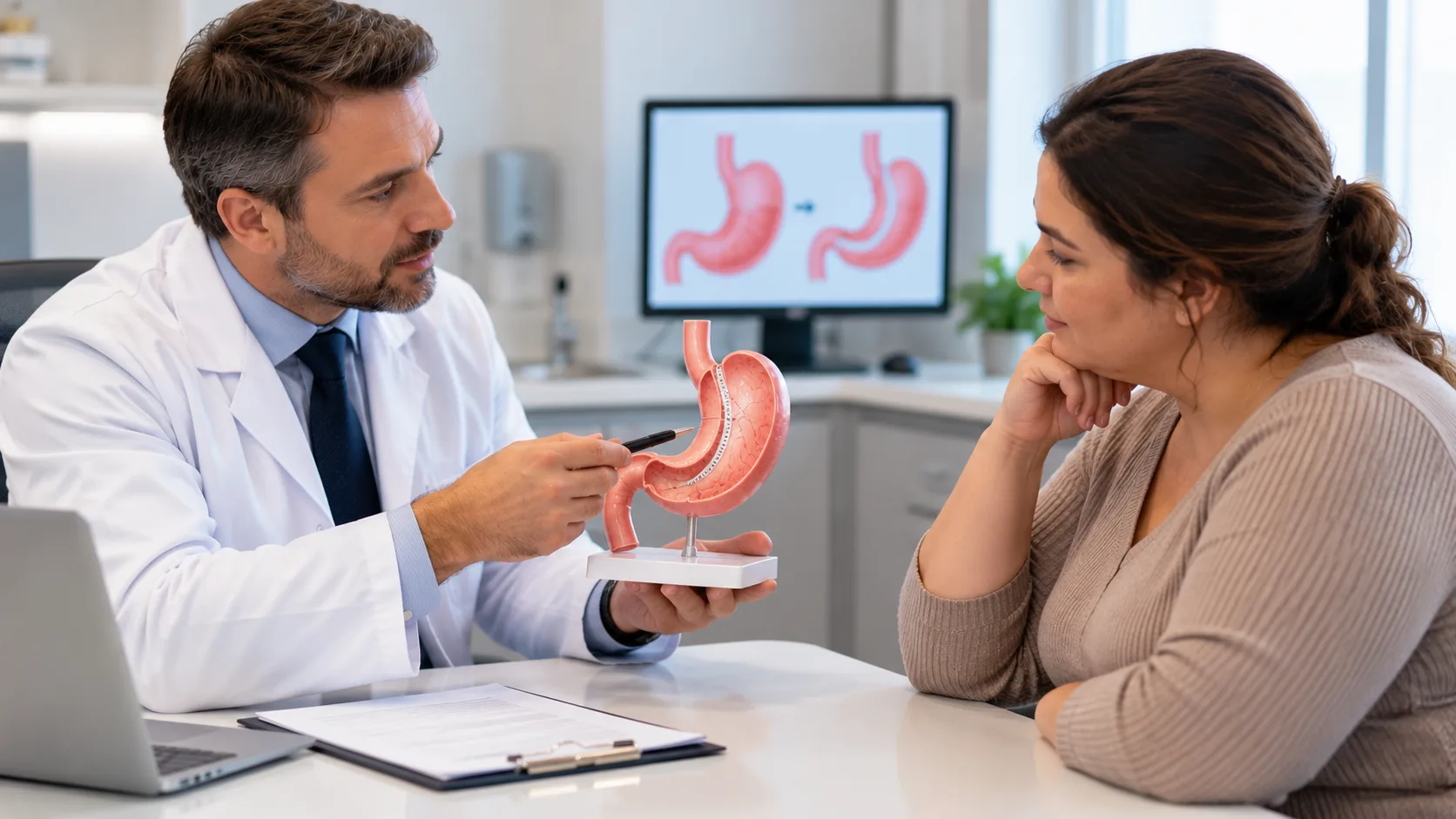
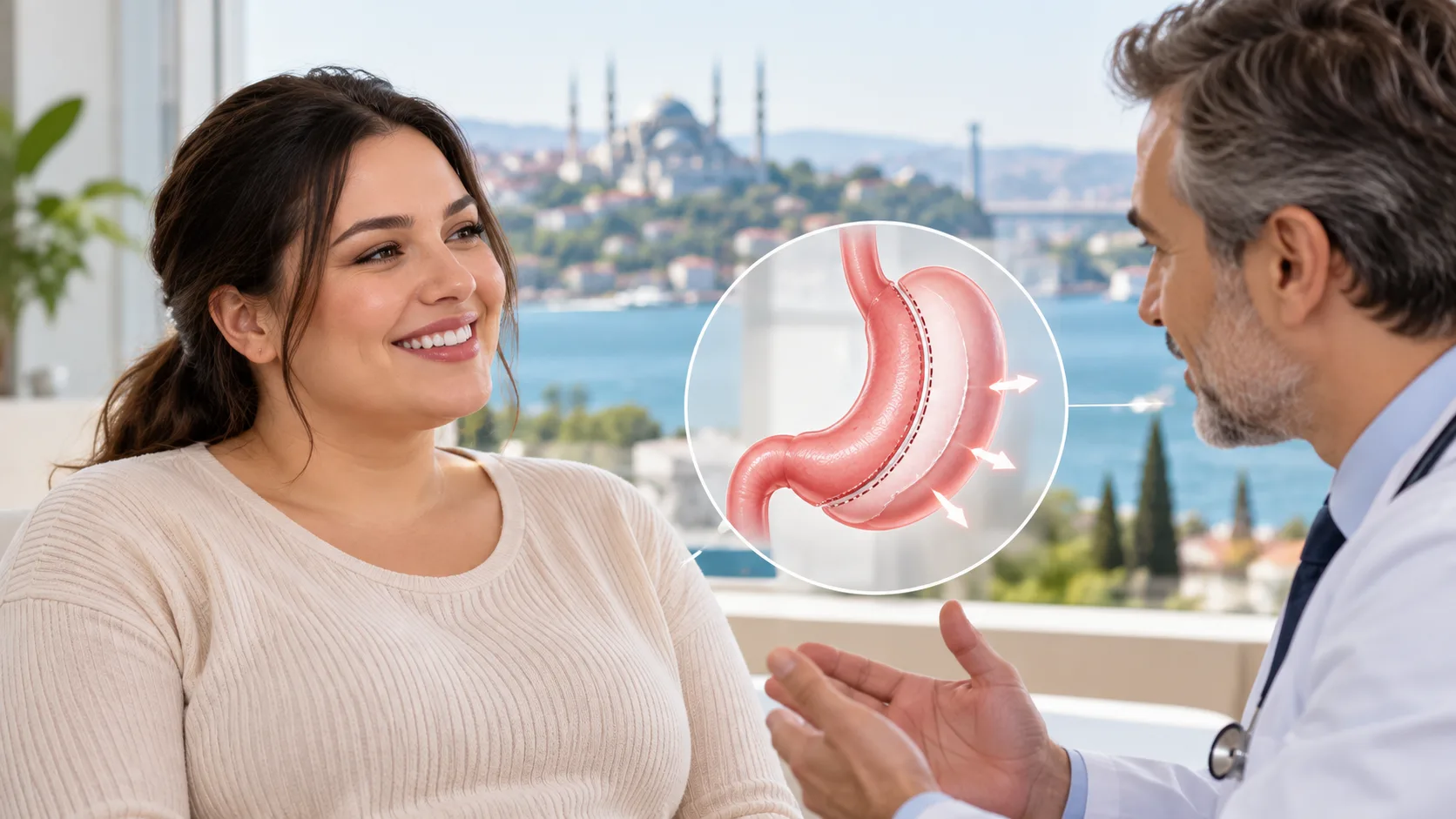
Turkey stands as one of the world's most popular destinations for breast aesthetic surgery. Women from Europe, North America, the Middle East, and Asia travel to Turkey each year for breast augmentation, breast lift, breast reduction, and combined cosmetic breast procedures. This trend reflects a combination of surgical expertise, modern hospital infrastructure, competitive pricing, and comprehensive patient services. Successful outcomes depend on selecting qualified plastic surgeons and accredited healthcare facilities rather than focusing on price alone.
Why Has Turkey Become One of the World's Leading Destinations for Breast Aesthetics?
Turkey has emerged as a global leader in breast aesthetics because the country combines experienced plastic surgeons, advanced medical technology, and competitive costs within a regulated healthcare framework.
How Has Medical Tourism Expanded in Turkey?
Medical tourism in Turkey has grown rapidly over the past decade. Government support and healthcare investments have created a robust infrastructure for international patients. The Turkish medical tourism market now serves hundreds of thousands of foreign patients annually. Cosmetic and plastic surgery represents a significant portion of this market. International patient demand continues to rise as women discover the quality of care available in Turkish hospitals.
The growth of cosmetic surgery tourism in Turkey follows global trends. The International Society of Aesthetic Plastic Surgery reported that plastic surgeons performed more than 15.8 million surgical procedures worldwide in 2023, representing a 40% increase over the past four years (De Cordier et al. 2024). Breast augmentation ranked as the second most common surgical procedure globally. Turkey has captured a significant share of this growing market by offering high-quality care at accessible prices.
Which Breast Aesthetic Procedures Are Most Common?
International patients in Turkey most commonly request breast augmentation, breast lift, breast reduction, implant replacement, breast asymmetry correction, and combined mommy makeover procedures. Each procedure addresses specific aesthetic goals and anatomical needs.
The following table summarizes the most common breast aesthetic procedures:
Procedure | Primary Goal | Typical Candidates | Average Recovery Time |
Breast Augmentation | Increase breast size | Women seeking volume enhancement | 1-2 weeks |
Breast Lift (Mastopexy) | Elevate breast position | Women with breast sagging | 2-3 weeks |
Breast Reduction | Decrease breast size | Women with macromastia symptoms | 2-4 weeks |
Implant Replacement | Exchange old implants | Women with aging implants | 1-2 weeks |
Breast Asymmetry Correction | Balance breast size | Women with significant asymmetry | 2-3 weeks |
Mommy Makeover | Restore post-pregnancy body | Mothers with multiple concerns | 3-4 weeks |
Why Do Thousands of Women Prefer Turkey for Breast Aesthetics Every Year?
Women choose Turkey for breast aesthetics because the country offers experienced surgeons, modern hospitals, affordable pricing, comprehensive packages, and short waiting times.
What Makes Turkish Plastic Surgeons So Experienced?
Turkish plastic surgeons complete rigorous specialized training. Many surgeons perform high annual surgical volumes. This extensive experience with international patients develops refined technical skills and cultural sensitivity. Turkish surgeons frequently attend international conferences and publish research in peer-reviewed journals. Their training meets or exceeds European and American standards.
How Modern Are Hospitals and Surgical Technology in Turkey?
Turkish hospitals maintain international accreditation standards. Advanced operating rooms feature modern anesthesia protocols and digital imaging systems. Surgical planning software allows precise preoperative visualization. These facilities invest in continuous staff training and equipment upgrades. Many hospitals hold Joint Commission International accreditation, which verifies compliance with global patient safety standards (Lam et al. 2018).
How Do Cost Advantages Work Without Compromising Standards?
Economic differences between countries create natural cost advantages. Turkey offers transparent package pricing that includes surgery, hospital stay, and basic aftercare. Patients from Western Europe and North America often pay 50% to 70% less than they would in their home countries. These savings reflect lower operational costs and currency differences rather than reduced quality. Value remains high because surgeons use the same implant brands and surgical techniques available in London, Paris, or New York.
What Do Comprehensive Medical Tourism Packages Include?
Medical tourism packages in Turkey typically include airport transfers, hotel accommodation, interpreter services, postoperative follow-up, and dedicated patient coordinators. These services remove logistical barriers for international patients. A coordinator manages scheduling, communication, and recovery instructions. This integrated approach reduces stress and ensures continuity of care.
How Short Are Waiting Times in Turkey?
Turkish clinics offer faster consultation and flexible scheduling. Reduced waiting lists allow patients to book surgery within weeks rather than months. This efficiency appeals to women who face long delays in public healthcare systems. Flexible scheduling accommodates international travel plans and work commitments.
Which Breast Aesthetic Procedures Can International Patients Undergo in Turkey?
International patients can access the full spectrum of breast aesthetic procedures in Turkey. Each procedure requires individualized planning and realistic expectations.
What Is Breast Augmentation?
Breast augmentation increases breast size using implants or fat transfer. Surgeons place silicone or saline implants beneath the breast tissue or chest muscle. The procedure enhances volume, shape, and symmetry. Modern silicone implants demonstrate high safety profiles and natural feel. A systematic review by Meretsky et al. found that the periareolar technique offers minimal postoperative pain and high patient satisfaction (2024). Textured implants show significantly lower capsular contracture rates compared to smooth implants in subglandular placement (Wong et al. 2009).
What Is a Breast Lift?
A breast lift elevates sagging breasts by removing excess skin and tightening surrounding tissue. The procedure restores a youthful breast contour without necessarily changing size. Surgeons use various incision patterns based on the degree of ptosis. Recovery typically requires two to three weeks before returning to normal activities.
What Is Breast Reduction?
Breast reduction removes excess breast tissue, fat, and skin to achieve a breast size proportionate to the body. This procedure relieves physical symptoms associated with macromastia, including back pain, neck pain, and skin irritation. Research demonstrates significant quality of life improvements following breast reduction surgery. Coroneos et al. found that breast reduction patients experienced normalized health-related quality of life within three months of surgery, with improvements sustained at 12 months (2020). Gonzalez et al. reported that over 95% of breast reduction patients expressed satisfaction and would undergo the procedure again (2012). Crittenden et al. confirmed that these positive outcomes persist for up to 12 years postoperatively (2024).
What Is Breast Reconstruction?
Breast reconstruction restores breast shape following mastectomy or trauma. Surgeons use implants, tissue expanders, or autologous tissue flaps. This procedure helps women regain confidence and body image after cancer treatment. Reconstruction requires specialized surgical expertise and often involves multiple stages.
What Is Implant Revision Surgery?
Implant revision surgery addresses complications or aesthetic concerns from previous breast augmentation. Surgeons may replace implants, adjust pocket position, or perform capsulectomy. Revision procedures require greater technical skill than primary augmentation due to existing scar tissue.
Can Patients Combine Breast Procedures?
Yes. Surgeons frequently combine breast procedures to address multiple concerns simultaneously. Augmentation-mastopexy combines breast lift with implant placement. Mommy makeover procedures combine breast surgery with abdominoplasty and liposuction. Toto et al. demonstrated that combined surgery proves non-inferior to single procedures in terms of patient safety while offering superior body-image perception improvement (2023).
Who Is a Suitable Candidate for Breast Aesthetic Surgery?
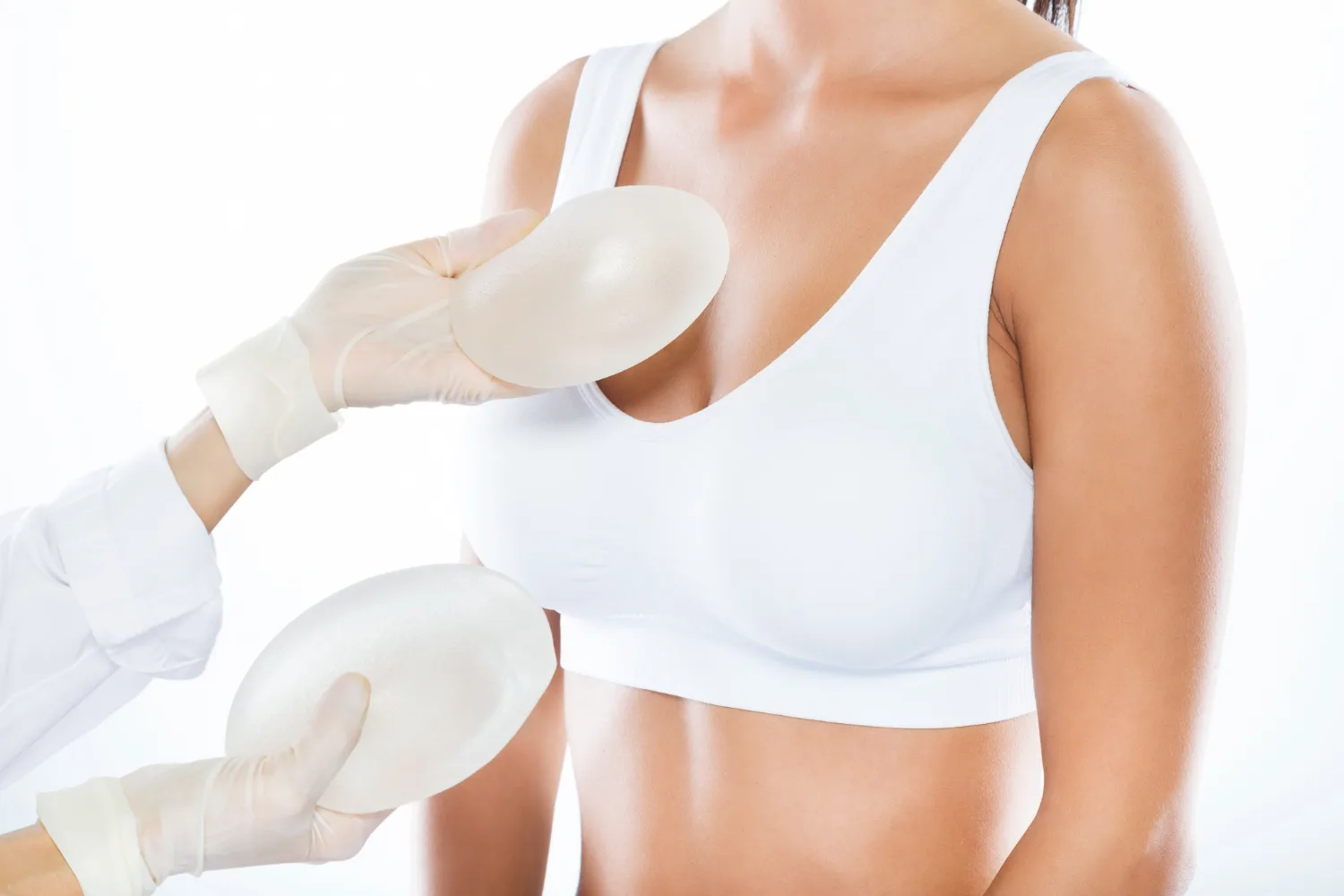
Suitable candidates maintain good general health, stable weight, realistic expectations, and clear aesthetic goals. Each procedure has specific candidacy requirements.
Who Qualifies for Breast Augmentation?
Breast augmentation candidates desire increased breast volume. Candidates should have fully developed breasts, stable weight, and no active infections. Women should not be pregnant or breastfeeding. Surgeons evaluate breast anatomy, skin elasticity, and chest wall structure during consultation.
Who Qualifies for a Breast Lift?
Breast lift candidates experience breast sagging due to aging, pregnancy, weight loss, or genetics. Candidates should maintain stable weight and have realistic expectations about scarring. The degree of ptosis determines the surgical approach.
Who Qualifies for Breast Reduction?
Breast reduction candidates suffer from physical symptoms related to large breasts. These symptoms include chronic back pain, shoulder grooves from bra straps, skin rashes, and activity limitations. Candidates should have fully developed breasts and stable weight. Insurance may cover medically indicated reductions in some countries.
Who Needs Revision Surgery?
Revision candidates experience implant-related complications, aesthetic dissatisfaction, or desire size changes. Common reasons include capsular contracture, implant rupture, malposition, or rippling. Candidates should wait at least six months after initial surgery before considering revision.
What Does Medical Evaluation Before Surgery Involve?
Preoperative medical evaluation includes blood tests, cardiac assessment, and imaging studies. Surgeons review medical history, medications, allergies, and previous surgeries. Anesthesia providers evaluate airway and cardiovascular fitness. This comprehensive assessment identifies risk factors and optimizes patient safety.
How Does the Breast Aesthetic Journey Work for International Patients?
The breast aesthetic journey for international patients follows a structured pathway from initial consultation through long-term follow-up.
What Happens During the Initial Online Consultation?
Patients submit photographs and medical history through secure platforms. Surgeons review breast anatomy, skin quality, and aesthetic goals. The surgeon explains procedure options, implant choices, and expected outcomes. This consultation establishes rapport and allows preliminary surgical planning.
How Does Personalized Surgical Planning Work?
Surgeons create individualized surgical plans based on body proportions, breast measurements, and patient preferences. Digital imaging software simulates potential results. Surgeons select implant size, shape, and placement plane. This planning ensures predictable outcomes and patient satisfaction.
What Should Patients Expect Upon Arrival in Turkey?
Patients arrive one to two days before surgery. The clinic arranges airport pickup and hotel transfer. A patient coordinator reviews the schedule and answers questions. This buffer period allows acclimatization and final preoperative preparation.
What Does Preoperative Medical Assessment Include?
The medical team performs physical examination, blood tests, and cardiac evaluation. Anesthesia providers conduct airway assessment and discuss anesthesia options. Surgeons mark surgical sites and confirm the plan. Patients sign informed consent documents after discussing risks and benefits.
What Happens on Surgery Day?
Surgery typically occurs in the morning. Anesthesia providers administer general anesthesia or deep sedation. Surgeons perform the planned procedure using sterile techniques. Operating room staff monitor vital signs continuously. Most breast procedures require one to three hours.
What Does Hospital Recovery Involve?
Patients recover in monitored hospital rooms. Nurses administer pain medication and monitor drainage. Surgeons evaluate incision sites and implant position. Most patients stay one to two nights in the hospital. Discharge occurs when patients demonstrate stable vital signs and adequate pain control.
How Does Postoperative Follow-Up Work?
Surgeons examine patients before departure. They provide written instructions for wound care, activity restrictions, and medication schedules. Patients receive contact information for emergency support. Follow-up appointments occur at one week, one month, and three months through virtual consultations.
How Can Patients Return Home Safely?
Patients typically stay seven to ten days in Turkey before flying home. Surgeons clear patients for air travel based on healing progress. Patients receive compression garments and medical documentation. Airlines require medical clearance for travel within 24 to 48 hours after surgery.
Is Breast Aesthetic Surgery in Turkey Safe?
Breast aesthetic surgery in Turkey is safe when patients select board-certified plastic surgeons and accredited hospitals. Safety depends on surgeon qualifications, facility standards, and adherence to protocols.
Why Do Board-Certified Plastic Surgeons Matter?
Board certification verifies that surgeons have completed accredited training programs and passed rigorous examinations. Certified surgeons maintain continuing education requirements. They follow evidence-based practices and ethical standards. Board certification serves as an objective quality indicator for international patients.
How Does Hospital Accreditation Protect Patients?
Accredited hospitals undergo regular inspections for safety standards, equipment maintenance, and staff qualifications. Accreditation bodies verify infection control protocols, emergency preparedness, and surgical safety checklists. Research demonstrates that accredited centers experience lower complication rates and improved patient outcomes (Lam et al. 2018). Johns Hopkins Aramco Healthcare maintained patient satisfaction above 90% through continuous accreditation compliance (Almalki et al. 2023).
What Patient Safety Protocols Do Turkish Hospitals Follow?
Turkish hospitals implement WHO Surgical Safety Checklists, patient identification protocols, and medication safety systems. Staff receive training in advanced cardiac life support. Facilities maintain emergency equipment and transfer agreements with tertiary hospitals. These protocols minimize preventable errors.
How Do Hospitals Prevent Infections?
Infection prevention includes preoperative skin preparation, sterile surgical techniques, and prophylactic antibiotics. Operating rooms maintain positive pressure ventilation and HEPA filtration. Staff follow hand hygiene protocols and sterile draping standards. These measures reduce surgical site infection rates below 2%.
How Safe Is Anesthesia During Breast Surgery?
Modern anesthesia protocols use short-acting agents with rapid recovery profiles. Board-certified anesthesiologists monitor patients continuously using advanced monitoring equipment. Jumaily et al. found that deep intravenous sedation offers comparable safety to general anesthesia in aesthetic surgery with quality recovery advantages (2022). Anesthesia providers evaluate each patient's risk profile individually.
What Postoperative Monitoring Do Patients Receive?
Nurses monitor vital signs, pain levels, and drainage output in recovery units. Surgeons evaluate incision healing and implant position at scheduled intervals. Patients receive 24-hour emergency contact numbers. This monitoring catches complications early when intervention proves most effective.
Why Does Surgeon Selection Matter More Than Price?
Experienced surgeons evaluate patients thoroughly, plan meticulously, and manage complications effectively. They set realistic expectations and provide long-term follow-up. Low prices may indicate inadequate training, outdated facilities, or hidden costs. Patients should prioritize surgeon credentials over cost savings.
What Factors Influence Breast Aesthetic Results?

Multiple factors determine breast aesthetic outcomes. Understanding these variables helps patients set realistic expectations.
How Does Individual Anatomy Affect Results?
Chest wall width, breast base diameter, and nipple position influence implant selection and surgical approach. Surgeons measure these parameters precisely. Anatomical variations require customized planning rather than standardized techniques.
Why Does Skin Quality Matter?
Skin elasticity determines how well breast tissue accommodates implants or heals after lifting. Younger patients typically have better skin quality. Sun damage, smoking, and significant weight fluctuations reduce elasticity. Surgeons assess skin quality during consultation.
How Does Existing Breast Tissue Impact Outcomes?
Patients with more natural breast tissue achieve softer, more natural results. Thin patients may experience more visible implant edges or rippling. Surgeons select appropriate implant profiles and placement planes based on tissue coverage.
How Do Surgeons Select Implants?
Surgeons choose implant size, shape, and surface texture based on patient anatomy and goals. Round implants provide upper pole fullness. Anatomical implants create natural teardrop shapes. Textured implants reduce capsular contracture risk in subglandular placement (Wong et al. 2009).
How Does Surgical Technique Affect Results?
Surgical technique determines scar placement, implant position, and long-term stability. The inframammary incision offers the lowest capsular contracture rate. Submuscular placement reduces capsular contracture compared to subglandular placement (Araco et al. 2009). Meretsky et al. confirmed that precise surgical planning optimizes outcomes across all techniques (2024).
How Does the Healing Process Vary?
Healing varies by age, genetics, nutrition, and lifestyle. Most patients see final results at six to twelve months. Swelling resolves gradually. Scar maturation continues for one year. Patients should avoid comparing their recovery to others.
Why Does Patient Compliance During Recovery Matter?
Patients who follow activity restrictions, wear compression garments, and attend follow-up appointments achieve better outcomes. Smoking cessation, proper nutrition, and adequate sleep support healing. Noncompliance increases complication risks and compromises results.
What Should International Patients Consider Before Choosing a Clinic?
International patients should verify surgeon credentials, confirm hospital accreditation, review before-and-after cases, understand the surgical plan, discuss risks, clarify follow-up care, understand revision policies, and ask about emergency support.
How Can Patients Verify Surgeon Credentials?
Patients should confirm board certification through official medical associations. They should verify training background, years of experience, and specialization in breast surgery. Reviewing publication records and conference presentations provides additional validation.
How Can Patients Confirm Hospital Accreditation?
Patients should request accreditation certificates from recognized bodies such as Joint Commission International or ISO. They should verify that the facility maintains current licenses and insurance. Accreditation ensures compliance with international safety standards.
Why Should Patients Review Before-and-After Cases?
Before-and-after photographs demonstrate a surgeon's aesthetic style and technical consistency. Patients should look for cases similar to their body type and goals. Consistent, natural-looking results indicate surgical skill and artistic judgment.
How Should Patients Understand the Surgical Plan?
Patients should receive written documentation of the planned procedure, implant specifications, and incision locations. They should understand the rationale for each decision. Clear communication prevents misunderstandings and ensures aligned expectations.
What Risks and Complications Should Patients Discuss?
Surgeons should explain bleeding, infection, scarring, implant-related complications, and anesthesia risks. They should discuss capsular contracture rates, implant longevity, and potential need for revision. Informed consent requires thorough risk disclosure.
How Should Patients Clarify Follow-Up Care?
Patients should understand the follow-up schedule, communication methods, and duration of postoperative support. They should confirm whether virtual consultations suffice or whether return visits are required. Clear follow-up protocols ensure continuity of care.
What Should Patients Know About Revision Policies?
Patients should ask whether revision surgery carries additional costs. They should understand the timeframe for addressing complications. Some clinics include revision coverage within a specified period. Written policies prevent financial surprises.
How Can Patients Assess Emergency Support?
Patients should confirm 24-hour emergency contact availability. They should understand the protocol for addressing urgent complications after returning home. Coordination with local physicians ensures seamless emergency management.
What Are the Benefits of Choosing Turkey for Breast Aesthetics?
Turkey offers high surgical experience, comprehensive patient care, personalized treatment plans, affordable healthcare infrastructure, advanced medical technology, convenient international accessibility, and multilingual healthcare teams.
How Does High Surgical Experience Benefit Patients?
Turkish surgeons perform high volumes of breast procedures annually. This repetition hones technical skills and problem-solving abilities. Experienced surgeons anticipate challenges and manage complications effectively. High volume correlates with better outcomes in surgical specialties.
What Does Comprehensive Patient Care Include?
Comprehensive care spans preoperative education, surgical execution, and postoperative support. Patient coordinators manage logistics. Nurses provide round-the-clock monitoring. Surgeons remain accessible throughout recovery. This holistic approach reduces anxiety and optimizes healing.
How Do Personalized Treatment Plans Improve Outcomes?
Surgeons customize every aspect of surgery to individual anatomy and goals. They select appropriate implants, incision patterns, and surgical planes. Personalization minimizes complications and maximizes satisfaction. Cookie-cutter approaches produce inferior results.
How Does Affordable Healthcare Infrastructure Help?
Lower operational costs allow investment in premium equipment and staff training. Patients access world-class facilities without premium pricing. Affordability expands access to quality care for middle-income patients globally.
What Advanced Medical Technology Is Available?
Turkish hospitals feature 3D imaging systems, endoscopic surgical equipment, and advanced anesthesia monitoring. Digital planning software enhances precision. Modern implant technologies offer improved safety profiles. Technology investments keep Turkish facilities at the forefront of aesthetic surgery.
How Convenient Is International Accessibility?
Turkey offers direct flights from major European, Middle Eastern, and Asian cities. Istanbul Airport serves as a global aviation hub. Visa requirements remain straightforward for most nationalities. This accessibility reduces travel burden for medical tourists.
How Do Multilingual Healthcare Teams Assist International Patients?
Clinics employ English, Arabic, Russian, Spanish, and French-speaking staff. Interpreters accompany patients during consultations and recovery. Language support eliminates communication barriers and ensures informed decision-making.
What Risks Should Patients Understand Before Breast Aesthetic Surgery?
All surgery carries risks. Patients should understand general surgical risks, implant-related complications, scarring, infection, capsular contracture, revision surgery possibilities, and the importance of informed consent.
What Are General Surgical Risks?
General risks include bleeding, hematoma, seroma, anesthesia reactions, and blood clots. These complications occur in less than 5% of healthy patients. Proper patient selection and surgical technique minimize these risks.
What Implant-Related Complications Can Occur?
Implant complications include rupture, deflation, malposition, and rippling. Modern silicone implants demonstrate rupture rates below 1% at five years. The FDA recommends MRI screening at five to six years post-surgery and every two to three years thereafter for silicone implants.
How Does Scarring Affect Results?
Scars form at incision sites. Surgeons place incisions in inconspicuous locations. Scar quality depends on genetics, skin type, and postoperative care. Most scars fade significantly within one year. Silicone gel and sun protection optimize scar healing.
How Common Is Infection?
Infection occurs in approximately 1% to 4% of breast surgery patients. Prophylactic antibiotics, sterile technique, and proper wound care prevent most infections. Early detection and antibiotic treatment resolve uncomplicated infections.
What Is Capsular Contracture?
Capsular contracture occurs when scar tissue around an implant tightens and hardens. This complication causes breast firmness, distortion, and pain. Araco et al. identified capsular contracture as the most common reason for reoperation within four years of primary augmentation (2009). Submuscular placement and textured implants reduce this risk. Tamboto et al. demonstrated that subclinical biofilm infection strongly associates with capsular contracture development (2010).
When Does Revision Surgery Become Necessary?
Revision surgery addresses complications, aesthetic dissatisfaction, or implant aging. The reoperation rate for primary augmentation reaches approximately 11.6% at ten years. Common indications include capsular contracture, size change desires, and implant malposition.
Why Is Informed Consent Essential?
Informed consent ensures patients understand procedure details, risks, benefits, and alternatives. It represents a legal and ethical requirement. Patients should ask questions until they feel fully informed. Signed consent documents protect both patients and surgeons.
How Long Is Recovery After Breast Aesthetic Surgery?
Recovery progresses through distinct phases. Most patients resume normal activities within four to six weeks. Complete healing requires six to twelve months.
What Happens During the First Week?
Patients experience swelling, bruising, and mild to moderate pain. Surgeons prescribe pain medication and antibiotics. Patients wear compression garments continuously. Arm movement remains limited. Rest proves essential during this phase.
What Changes Occur From Weeks Two to Four?
Swelling begins to subside. Patients gradually increase activity levels. Most patients return to desk work within two weeks. Surgeons remove external sutures during this period. Patients should still avoid heavy lifting and strenuous exercise.
What Happens From One to Three Months?
Breast shape continues to settle. Implants drop into final position. Scars begin to fade from red to pink. Patients resume most normal activities. Surgeons evaluate results and address concerns.
What Does Long-Term Recovery Involve?
Final results become apparent at six to twelve months. Scars mature and fade. Sensation gradually returns to normal. Patients should maintain stable weight to preserve results. Annual follow-up examinations monitor implant integrity.
When Can Patients Return to Exercise?
Patients resume light walking within one week. They return to cardio exercise at four weeks. They resume weight training and high-impact exercise at six to eight weeks. Surgeons provide individualized timelines based on healing progress.
How Long Does Scar Maturation Take?
Scars mature over twelve to eighteen months. They progress from red and raised to flat and pale. Silicone sheets, massage, and sun protection optimize scar appearance. Final scar quality depends on genetics and wound care compliance.
The following table compares recovery milestones across different breast procedures:
Recovery Milestone | Breast Augmentation | Breast Lift | Breast Reduction |
Return to desk work | 5-7 days | 7-10 days | 10-14 days |
Light exercise | 2 weeks | 2-3 weeks | 3-4 weeks |
Heavy lifting | 6 weeks | 6 weeks | 6-8 weeks |
Final results | 3-6 months | 3-6 months | 6-12 months |
Scar maturation | 12 months | 12-18 months | 12-18 months |
What Are the Most Common Questions About Breast Aesthetics in Turkey?
Why Do Thousands of Women Travel to Turkey for Breast Aesthetics Every Year?
Women travel to Turkey because the country offers experienced surgeons, modern hospitals, competitive prices, and comprehensive medical tourism services. Turkey combines quality with accessibility in ways that few other destinations match.
Is Breast Aesthetic Surgery in Turkey Safe?
Yes. Breast aesthetic surgery in Turkey is safe when patients choose board-certified surgeons and accredited hospitals. Safety standards meet international benchmarks. Patient outcomes depend on proper surgeon selection and facility accreditation.
How Long Should International Patients Stay in Turkey?
International patients should plan to stay seven to ten days. This duration accommodates preoperative assessment, surgery, hospital recovery, and postoperative evaluation before air travel. Surgeons clear patients for flight based on individual healing.
Can Surgeons Perform Breast Lift and Augmentation Together?
Yes. Surgeons frequently combine breast lift with augmentation in a single operation. This combination addresses both sagging and volume loss simultaneously. Toto et al. confirmed that combined procedures prove safe for appropriately selected patients (2023).
Will Breast Implants Need Replacement in the Future?
Breast implants are not lifetime devices. Modern implants typically last 10 to 20 years. Patients should undergo routine monitoring rather than automatic replacement. The FDA recommends imaging surveillance for silicone implants starting at five to six years.
When Can Patients Fly Home After Surgery?
Patients can typically fly home seven to ten days after surgery. Surgeons evaluate healing, remove drains if present, and clear patients for air travel. Long flights require walking every hour to prevent blood clots.
Are the Results Permanent?
Breast aesthetic results are long-lasting but not immune to aging. Gravity, weight changes, pregnancy, and hormonal shifts affect breast appearance over time. Maintaining stable weight and healthy lifestyle preserves results longer.
How Should Patients Choose the Right Surgeon?
Patients should verify board certification, review before-and-after portfolios, confirm hospital accreditation, and assess communication quality. The right surgeon combines technical skill with artistic judgment and patient-centered care.
Conclusion
Turkey has earned its position as a preferred destination for breast aesthetic procedures. The country's appeal rests on experienced plastic surgeons, modern hospitals, efficient patient pathways, and competitive pricing. These factors work together to create a compelling value proposition for international patients.
Successful outcomes depend on comprehensive preoperative assessment, individualized surgical planning, and diligent postoperative care. Patients should prioritize surgeon qualifications, hospital accreditation, transparency, and long-term follow-up when planning breast aesthetic surgery abroad.
Women considering breast aesthetics in Turkey should research thoroughly, ask detailed questions, and select providers based on merit rather than price alone. The combination of medical excellence and patient-centered service explains why thousands of women choose Turkey for their breast aesthetic journey every year.
References
Almalki, Mohammed J., et al. "Impact of Accreditation Certification on Improving Healthcare Quality and Patient Safety at Johns Hopkins Aramco Healthcare." Journal of Multidisciplinary Healthcare, vol. 16, 2023, pp. 2011-2024.
Araco, Antonino, et al. "Capsular Contractures: A Systematic Review." Plastic and Reconstructive Surgery, vol. 124, no. 6, 2009, pp. 1808-19.
Coroneos, Christopher J., et al. "Does Breast Reduction Surgery Improve Health-Related Quality of Life? A Prospective Cohort Study in Australian Women." BMJ Open, vol. 10, no. 3, 2020, e031804.
Crittenden, T. A., et al. "Long-Term Outcomes of Breast Reduction Surgery." Journal of Plastic, Reconstructive & Aesthetic Surgery, vol. 77, 2024, pp. 170-78.
De Cordier, Benjamin C., et al. "Trends in Surgical and Nonsurgical Aesthetic Procedures." Plastic and Reconstructive Surgery, 2024.
Gonzalez, Mark A., et al. "Quality of Life after Breast Reduction Surgery: A 10-Year Retrospective Analysis Using the Breast Q Questionnaire." Aesthetic Surgery Journal, vol. 32, no. 7, 2012, pp. 872-78.
Jumaily, Jean S., et al. "Quality of Recovery and Safety of Deep Intravenous Sedation Compared to General Anesthesia in Facial Plastic Surgery: A Prospective Cohort Study." American Journal of Otolaryngology, vol. 43, no. 2, 2022, 103352.
Lam, Matthew B., et al. "Association between Patient Outcomes and Accreditation in US Hospitals: Observational Study." BMJ, vol. 363, 2018, k4011.
Meretsky, Christopher, et al. "Advantages and Disadvantages of Breast Augmentation: A Systematic Review." Cureus, 2024.
Tamboto, Hary, et al. "Subclinical (Biofilm) Infection Causes Capsular Contracture in a Porcine Model Following Augmentation Mammaplasty." Plastic and Reconstructive Surgery, vol. 126, no. 3, 2010, pp. 835-42.
Toto, Vito, et al. "Combined Surgery (Mommy-Makeover) Compared to Single Procedure (Abdominoplasty) in After-Pregnancy Women: A Prospective Study on Risks and Benefits." Aesthetic Plastic Surgery, vol. 47, 2023, pp. 2565-73.
Wong, Chee H., et al. "The Impact of Textured Implants versus Smooth Implants on Capsular Contracture Rates in Subglandular Breast Augmentation." Plastic and Reconstructive Surgery, 2009.