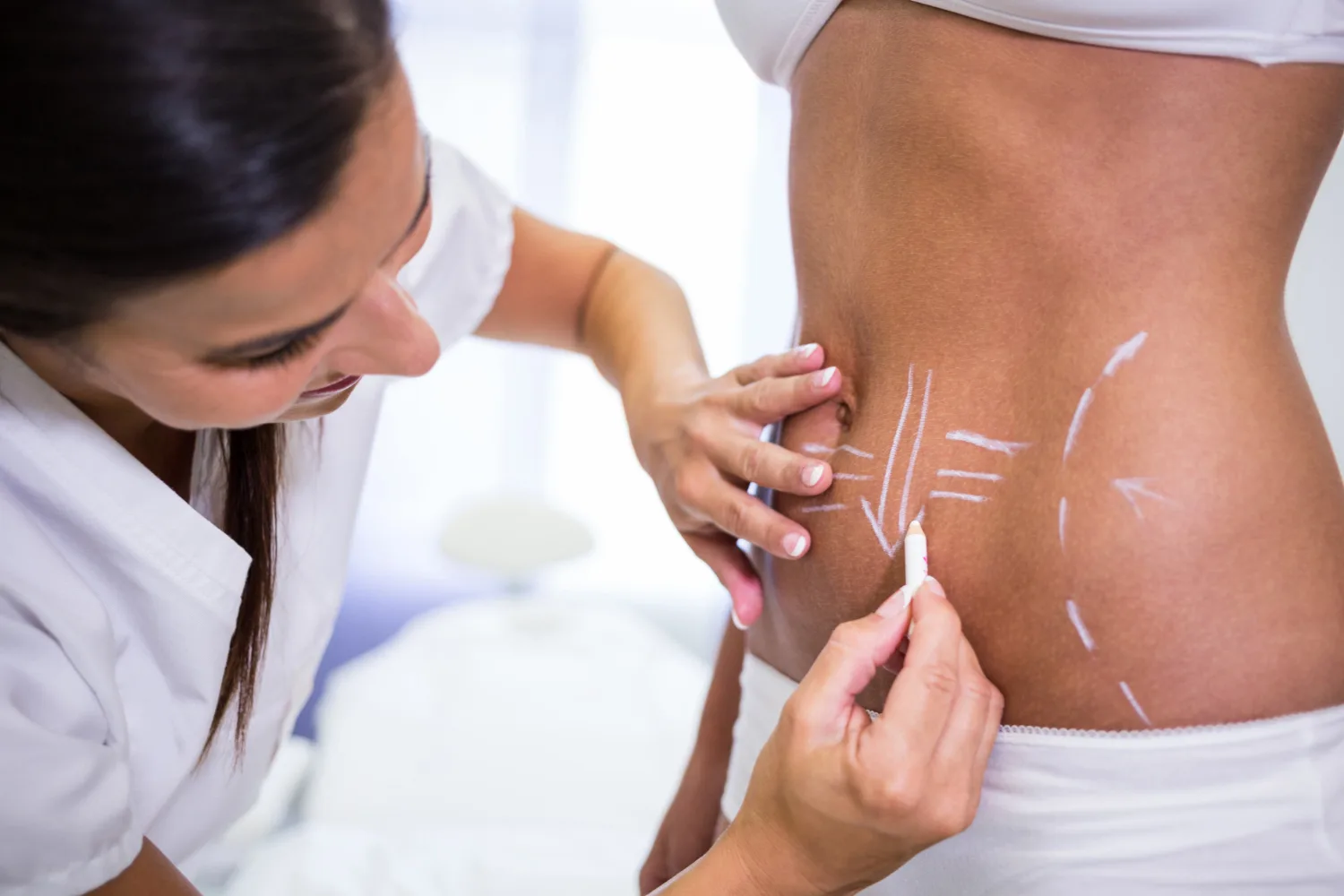
Why Turkey Is a Popular Destination for Abdominoplasty Surgery?
Turkey attracts thousands of international patients every year for abdominoplasty because the country combines board-certified plastic surgeons, internationally accredited hospitals, and comprehensive tummy tuck packages at prices that cost significantly less than in Europe or the United States. Patients receive full abdominal contouring, postoperative care, hotel accommodation, and VIP transportation within one transparent price.
Medical tourism now grows faster than ever. People from the United Kingdom, the United States, Germany, France, and Ireland fly to Turkey for cosmetic procedures. Abdominoplasty Turkey stands out as one of the most requested body contouring surgeries. Patients want a flatter abdomen, tighter core muscles, and better body contour. Turkey delivers these results through experienced surgeons, modern surgical techniques, and safe cosmetic surgery in Turkey. This article explains why Turkey became a global hub for tummy tuck surgery. You will learn about costs, quality standards, safety, recovery, and how to choose the right clinic. You will also discover how medical tourism Turkey supports international patients from consultation through long-term recovery.
What Is Abdominoplasty?
Abdominoplasty is a body reshaping surgery that removes excess abdominal skin, tightens separated abdominal muscles, and sometimes removes fat to create a flatter, firmer midsection.
How Does Abdominoplasty Work?
A board-certified plastic surgeon makes a horizontal incision along the lower abdomen, removes loose skin, repairs rectus diastasis with sutures, and repositions the belly button for a natural appearance.
Abdominoplasty addresses problems that diet and exercise cannot fix. Pregnancy stretches the abdominal wall and leaves behind loose skin. Massive weight loss creates folds of excess abdominal skin. Aging reduces skin elasticity and weakens core support. The procedure removes this damaged tissue and restores muscle integrity. Surgeons perform full abdominoplasty when the entire abdomen needs correction. They perform mini tummy tuck when only the lower belly requires treatment. They perform extended tummy tuck when loose skin extends to the flanks or lower back. Liposuction and tummy tuck often happen together to refine the waistline further.
What Cosmetic and Functional Benefits Does Abdominoplasty Provide?
Abdominoplasty delivers a flatter abdomen, improved body contour, stronger core support, and increased confidence for patients who struggled with loose skin after pregnancy or weight loss.
The cosmetic benefits change how patients look in clothing and swimwear. The functional benefits matter just as much. Separated abdominal muscles cause back pain, poor posture, and core weakness. Rectus diastasis repair fixes this problem. Patients stand straighter. They engage their core muscles more effectively. They exercise without discomfort. The combination of aesthetic improvement and physical relief makes abdominoplasty one of the most satisfying body contouring surgery options available.
Who Are the Most Common Candidates for Abdominoplasty?
Women after pregnancy, individuals after massive weight loss, older adults with aging-related abdominal changes, and anyone with a stable BMI who maintains a healthy lifestyle make ideal candidates.
Pregnancy-related skin laxity leads many women to seek post-pregnancy body contouring. The abdominal wall separates during gestation. Skin overstretches. After delivery, some women regain muscle tone. Others need surgical repair. Massive weight loss patients face a different challenge. They lose fat but retain empty skin pockets. This excess skin causes hygiene problems, skin irritation, and emotional distress. Aging-related abdominal changes affect men and women equally. Skin loses collagen. Fat redistributes. Muscle tone declines. Candidates must have a stable BMI before surgery. Surgeons require patients to maintain their target weight for at least six months. This stability protects long-term results.
Why Has Turkey Become a Global Hub for Abdominoplasty Surgery?
Turkey became a global hub because the government invested in healthcare infrastructure, surgeons perform high annual surgical volumes, hospitals earned international accreditation, and clinics created all-inclusive packages that simplify medical travel for plastic surgery.
How Rapidly Has Medical Tourism Grown in Turkey?
Turkey now hosts more than one million medical tourists annually, and cosmetic surgery accounts for a large share of this market, with abdominoplasty ranking among the top procedures.
The Turkish government recognized medical tourism as a strategic economic sector. It invested in hospital infrastructure, streamlined visa processes, and promoted healthcare quality abroad. Istanbul, Ankara, and Izmir now feature hospital campuses that rival facilities in Western Europe. International patients trust these institutions because they see JCI-accredited hospitals, English-speaking staff, and transparent pricing. The international reputation of Turkish plastic surgery grows every year. Medical tourism Turkey now competes directly with Thailand, India, and Mexico for global patients.
How Experienced Are Turkish Plastic Surgeons?
Turkish plastic surgeons perform thousands of abdominoplasty procedures annually, which gives them more hands-on experience than many surgeons in countries where cosmetic surgery volumes remain lower.
High annual surgical volumes build expertise. A surgeon who performs three hundred tummy tuck surgeries per year develops refined judgment. They manage complex cases. They handle revision surgery. They treat patients from diverse backgrounds. This experience treating international patients matters. Surgeons learn how to communicate with patients from the United Kingdom, the United States, and Europe. They understand different aesthetic preferences. They adjust surgical plans to match patient expectations. Continuous professional training keeps these surgeons current. Turkish medical societies host regular conferences. Surgeons attend workshops on advanced surgical techniques. They publish research in peer-reviewed journals. This commitment to education maintains high standards across the field.
What Standards Do Turkish Hospitals Maintain?
Turkish hospitals that cater to international patients maintain modern operating rooms, advanced surgical technology, strict hygiene protocols, and comprehensive patient safety systems that match or exceed European benchmarks.
Modern operating rooms feature laminar airflow systems that reduce infection risk. Advanced surgical technology includes high-definition cameras, precision cautery devices, and real-time patient monitoring. High hygiene standards require sterilization protocols that follow international guidelines. Patient safety protocols include preoperative assessment, anesthesia review, and recovery room observation. These standards explain why accredited hospitals in Turkey report complication rates comparable to facilities in Germany or the United Kingdom.
What Comprehensive Patient Care Services Do Turkish Clinics Offer?
Turkish clinics provide multilingual coordinators, airport transfers, hotel accommodation, postoperative follow-up, and 24-hour emergency contact lines for international patients.
The patient journey begins before the flight lands. A coordinator contacts the patient via email or video call. They review medical history. They explain the surgical plan. They answer questions about tummy tuck recovery. After arrival, a driver meets the patient at the airport. The clinic arranges hotel accommodation near the hospital. The patient attends the abdominoplasty consultation in person. The surgeon confirms the plan. Surgery takes place in an accredited facility. After discharge, the coordinator schedules follow-up appointments. The patient receives compression garments, medications, and written instructions. This comprehensive patient care removes stress and allows patients to focus on healing.
What Cost Advantages Does Abdominoplasty Offer in Turkey?
Abdominoplasty in Turkey costs 50 to 70 percent less than in the United Kingdom or the United States, while package deals include hospital stay, hotel, medications, and transportation.
Why Are Prices More Affordable in Turkey?
Lower operating costs, favorable currency exchange rates, a competitive healthcare market, and government support for medical tourism keep prices low without compromising quality.
Lower operating costs include reduced rent, lower staff salaries compared to Western Europe, and efficient supply chains. The Turkish lira exchange rate gives international patients significant purchasing power. A patient from the United Kingdom pays in pounds or euros and receives more value. The competitive healthcare market drives clinics to improve service while controlling prices. Government support for medical tourism includes tax incentives and promotional campaigns. These factors combine to make tummy tuck cost Turkey highly attractive.
What Do Surgery Packages Usually Include?
Most packages include consultation, hospital stay, compression garments, medications, hotel accommodation, VIP transportation, and translator assistance.
Package Component | What It Covers | Why It Matters |
Consultation | In-person or video assessment with the surgeon | Confirms candidacy and sets expectations |
Hospital Stay | One to three nights in an accredited facility | Allows monitoring during critical early recovery |
Compression Garments | Medical-grade abdominal binder | Reduces swelling and supports healing |
Medications | Antibiotics, pain relievers, anticoagulants | Prevents infection and manages discomfort |
Hotel | Four or five-star hotel near the clinic | Provides comfort during outpatient recovery |
VIP Transportation | Airport, hotel, and clinic transfers | Eliminates navigation stress in a foreign city |
Translator | English, French, German, or Arabic interpreter | Ensures clear communication at every stage |
This all-inclusive model simplifies budgeting. Patients know the total cost before they book. They avoid surprise fees. They receive postoperative care without worrying about logistics.
Does Lower Cost Mean Lower Quality?
Lower cost does not mean lower quality when patients choose reputable providers with board-certified plastic surgeons and accredited hospitals.
Cost versus healthcare quality requires careful evaluation. Some clinics cut corners. They use unqualified practitioners. They operate in unlicensed facilities. Patients must avoid these traps. Surgeon qualifications matter more than price alone. A board-certified plastic surgeon with ten years of experience delivers safer results than a discounted provider with minimal training. Patients should verify credentials. They should review before-and-after portfolios. They should read independent patient reviews. Quality abdominoplasty Turkey combines affordable pricing with world-class standards.
What Quality Standards Exist in Turkish Plastic Surgery?
Turkish plastic surgery maintains quality through JCI-accredited hospitals, national health regulations, modern surgical techniques, and advanced anesthesia monitoring.
What International Accreditation Do Turkish Hospitals Hold?
Many Turkish hospitals hold Joint Commission International accreditation, which verifies compliance with rigorous safety, hygiene, and patient-care standards.
JCI-accredited hospitals undergo regular inspections. Inspectors review surgical protocols, infection control, medication management, and patient rights. National quality standards supplement JCI requirements. The Turkish Ministry of Health licenses hospitals and surgeons. It investigates complaints. It enforces disciplinary actions. This dual layer of oversight protects patients.
What Modern Surgical Techniques Do Turkish Surgeons Use?
Turkish surgeons perform full abdominoplasty, mini abdominoplasty, extended abdominoplasty, and combination procedures with liposuction based on individual patient needs.
Technique | Incision Location | Best For | Recovery Time |
Full Abdominoplasty | Hip to hip, above the pubic area | Significant skin laxity, muscle separation | 4 to 6 weeks |
Mini Tummy Tuck | Shorter incision below the navel | Lower belly pouch only | 2 to 3 weeks |
Extended Tummy Tuck | Hip to hip, extending around the flanks | Excess skin on abdomen and sides | 6 to 8 weeks |
Combination with Liposuction | Standard abdominoplasty plus fat removal | Stubborn fat deposits and loose skin | 4 to 6 weeks |
Surgeons select the technique during the abdominoplasty consultation. They examine skin quality. They assess muscle separation. They discuss patient goals. This personalized approach ensures optimal outcomes.
How Do Turkish Clinics Manage Anesthesia and Patient Monitoring?
Clinics perform thorough preoperative assessment, continuous intraoperative monitoring, and dedicated recovery room care to maintain patient safety throughout surgery.
Preoperative assessment includes blood tests, cardiac evaluation, and anesthesia review. The anesthesiologist selects general anesthesia or sedation based on the procedure length and patient health. Intraoperative monitoring tracks heart rate, blood pressure, oxygen saturation, and body temperature. Recovery room care includes one-on-one nursing observation. Staff manage pain, check drains, and monitor for complications. This systematic approach minimizes risk and supports smooth recovery after abdominoplasty.
Is It Safe to Have Abdominoplasty Surgery in Turkey?
Abdominoplasty in Turkey is safe when performed by qualified surgeons in accredited facilities, provided patients disclose their full medical history and follow preoperative instructions.
What Is the General Safety Profile of Abdominoplasty?
Abdominoplasty carries a safety profile comparable to other major surgeries when qualified surgeons perform it in accredited hospitals with proper anesthesia support.
Comparable safety when performed by qualified surgeons means that complication rates align with international benchmarks. The importance of accredited facilities cannot be overstated. These facilities maintain emergency equipment, trained staff, and rapid response protocols. Patients should not compromise on this requirement. Safe cosmetic surgery in Turkey depends on choosing the right provider.
What Factors Influence Surgical Safety?
Medical history, smoking status, BMI, chronic diseases, and realistic expectations all influence how safely a patient undergoes abdominoplasty.
Risk Factor | Why It Matters | What Patients Should Do |
Smoking | Reduces blood flow and delays healing | Quit at least four weeks before surgery |
High BMI | Increases wound complications and anesthesia risk | Achieve stable weight before scheduling |
Diabetes | Impairs healing and raises infection risk | Optimize blood sugar control |
Cardiovascular Disease | Complicates anesthesia and recovery | Obtain cardiology clearance |
Previous Abdominal Surgery | Creates scar tissue and anatomical changes | Disclose all prior operations |
Surgeons evaluate these factors during consultation. They may delay surgery if risks outweigh benefits. They may recommend additional tests. This cautious approach protects patient health.
What Are the Potential Risks and Complications?
Potential risks include infection, bleeding, seroma, delayed wound healing, blood clots, and scarring, though serious complications remain rare in healthy patients.
Infection occurs when bacteria enter the surgical site. Bleeding may require drainage or transfusion. Seroma means fluid accumulation under the skin. Delayed wound healing happens when tissue receives insufficient blood supply. Blood clots form in the legs and can travel to the lungs. Scarring is inevitable but fades over time. Surgeons minimize these risks through sterile technique, drain placement, and early mobilization.
How Can Patients Reduce Their Risks?
Patients reduce risks when they follow preoperative instructions, stop smoking, wear compression garments, attend follow-up appointments, and begin early mobilization.
Follow preoperative instructions exactly. Stop smoking completely. Nicotine constricts blood vessels and starves healing tissue. Wear compression garments as directed. These garments reduce swelling and support the abdominal wall. Attend follow-up appointments. The surgeon checks drains, removes sutures, and monitors healing. Early mobilization prevents blood clots. Patients should walk short distances within hours of surgery. These simple steps dramatically reduce complication rates.
How Can Patients Choose the Right Clinic in Turkey?
Patients should verify surgeon credentials, review hospital standards, read independent patient reviews, and ask specific questions before booking.
What Surgeon Credentials Should Patients Verify?
Patients should confirm board certification, experience in body contouring, and a comprehensive before-and-after portfolio.
Board certification means the surgeon completed recognized plastic surgery training and passed rigorous examinations. Experience in body contouring means the surgeon performs abdominoplasty regularly, not occasionally. A before-and-after portfolio shows real results on patients with similar body types. Patients should ask how many tummy tuck surgeries the surgeon performs annually. They should ask about revision rates. They should request to speak with former patients if possible.
What Hospital Standards Should Patients Review?
Patients should confirm accreditation, emergency services availability, and intensive care unit access.
Accreditation verifies that external inspectors reviewed the facility. Emergency services ensure rapid response if complications arise. Intensive care availability supports patients who need extended monitoring. Patients should not accept surgery in a clinic that lacks these basic safeguards.
How Important Are Independent Patient Reviews?
Verified testimonials, long-term results, and patient satisfaction scores provide honest insight that marketing materials cannot match.
Independent patient reviews reveal the real patient experience. They mention communication quality. They describe recovery support. They report whether results matched expectations. Patients should look for reviews on third-party platforms, not just clinic websites. They should notice patterns. Multiple complaints about the same issue signal a real problem.
What Important Questions Should Patients Ask Before Booking?
Patients should ask about surgical technique, recovery timeline, revision policy, follow-up care, and emergency contact procedures.
Question | Why It Matters |
What surgical technique do you recommend for me? | Confirms the surgeon understands your specific anatomy |
What is the expected recovery timeline? | Helps you plan time off work and travel |
What is your revision policy? | Protects you if results require adjustment |
How do you handle follow-up care? | Ensures support after you return home |
What is your emergency contact protocol? | Provides reassurance during recovery |
These questions separate professional clinics from marketing operations. Reputable providers answer openly. They share statistics. They welcome scrutiny.
What Does Recovery Look Like After Abdominoplasty in Turkey?
Recovery progresses through three phases: hospital-based early recovery in the first week, outpatient healing during weeks two to six, and long-term scar maturation and lifestyle maintenance over several months.
What Happens During the First Week After Surgery?
Patients stay in the hospital for one to three nights, manage surgical drains, begin walking within hours, and receive structured pain management.
Hospital stay allows nurses to monitor vital signs, check drain output, and administer medications. Drain management requires patients to empty and measure fluid several times daily. Walking recommendations start early. Patients take short walks in the hospital corridor. This movement prevents blood clots and stimulates bowel function. Pain management includes oral and intravenous medications. The medical team adjusts doses to keep patients comfortable without excessive sedation.
What Should Patients Expect During Weeks Two to Six?
Patients wear compression garments daily, return to light activities, continue wound care, and watch swelling gradually subside.
Compression garments remain essential during this phase. They support the repaired abdominal wall and reduce fluid accumulation. Return to light activities means walking, preparing simple meals, and working from home. Patients avoid lifting, bending, and strenuous exercise. Wound care includes cleaning incision lines and applying prescribed ointments. Swelling reduction happens gradually. The abdomen looks flatter each week. Patients should not judge final results until at least three months post-surgery.
How Does Long-Term Recovery Unfold?
Scars mature and fade over twelve to eighteen months, patients resume full exercise, and maintaining results requires a healthy lifestyle.
Scar maturation follows a predictable pattern. Incisions appear red and raised for the first three months. They flatten and lighten over the next year. Silicone sheets and sun protection accelerate this process. Exercise timeline allows gentle cardio at six weeks. Patients add core strengthening at twelve weeks. They return to full activity by four months. Maintaining results depends on weight stability. Future pregnancy or significant weight gain can reverse the surgical outcome. A healthy lifestyle with balanced nutrition and regular exercise protects the investment.
Can International Patients Travel Home Safely After Surgery?
Yes, international patients can travel home safely when they stay in Turkey for the recommended observation period, follow DVT prevention protocols during flights, and maintain communication with their surgeon.
How Long Should Patients Stay in Turkey?
Most patients stay seven to ten days, which allows for initial recovery, drain removal, at least one follow-up appointment, and confirmation that healing proceeds normally.
The typical postoperative observation period covers the highest-risk phase. Follow-up appointments occur before departure. The surgeon checks incisions, removes drains if output is low enough, and clears the patient for travel. Patients should not book return flights earlier than recommended. Shortened stays increase complication risks and reduce peace of mind.
What Precautions Should Patients Take When Flying?
Patients should wear compression stockings, stay hydrated, walk the aisle every hour, and avoid prolonged sitting to prevent deep vein thrombosis.
DVT prevention matters because surgery and immobility both increase clot risk. Compression stockings improve venous return. Hydration keeps blood flowing freely. Walking during flights interrupts stasis. Patients should request aisle seats. They should avoid sleeping pills that cause prolonged immobility. These simple measures make air travel after surgery safe.
How Should Patients Continue Care at Home?
Patients should maintain communication with the Turkish clinic via email or video call and share surgical records with their local physician if any concerns arise.
The Turkish clinic provides a discharge summary, operative report, and medication list. Patients should share these documents with their local doctor. This sharing records with local physicians ensures continuity of care. If redness, fever, or unusual pain develops, patients contact their Turkish surgeon first. The clinic coordinates with local providers if intervention becomes necessary. This communication bridge protects patients across borders.
Who Makes a Good Candidate for Abdominoplasty in Turkey?
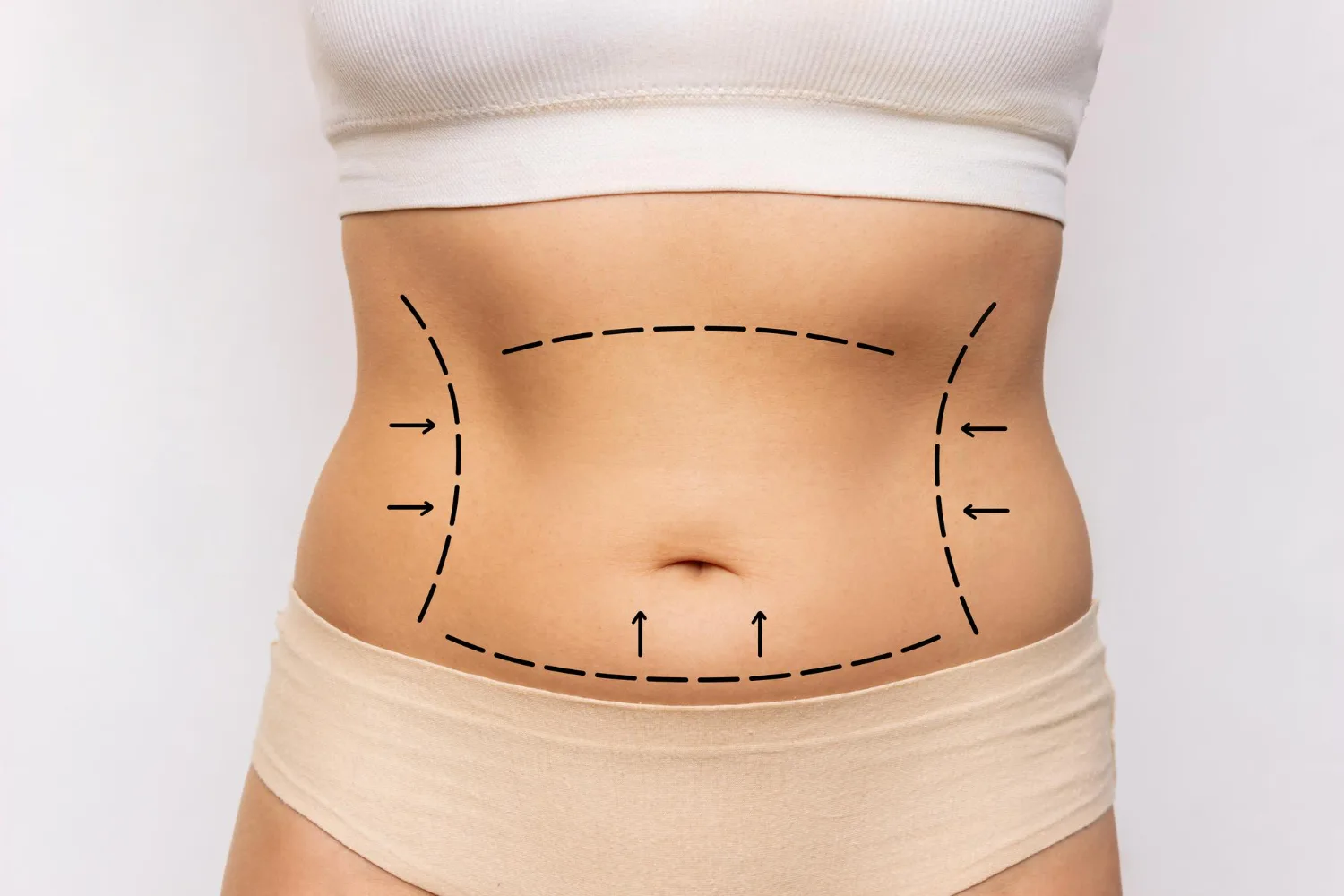
Ideal candidates maintain stable weight, have finished childbearing, enjoy good overall health, and do not smoke or are willing to quit completely.
What Characteristics Define an Ideal Candidate?
Stable weight, completed childbearing, good health, and non-smoking status create the best foundation for safe surgery and lasting results.
Stable weight means the patient has maintained their goal weight for at least six months. Finished childbearing protects results because future pregnancy stretches the abdominal wall again. Good overall health includes normal blood pressure, controlled chronic conditions, and adequate nutrition. Non-smokers or willing to quit eliminate the single biggest preventable risk factor. These candidates experience smoother recovery and more predictable outcomes.
Which Patients Need Additional Evaluation?
Patients with obesity, diabetes, cardiovascular disease, or previous abdominal surgery need extra testing and possibly modified surgical plans.
Obesity increases wound complications and anesthesia risk. Surgeons may require BMI reduction before scheduling. Diabetes demands tight glucose control. Cardiovascular disease requires cardiology clearance. Previous abdominal surgery creates scar tissue that complicates dissection. Surgeons may need to adjust incision placement or technique. These patients can still undergo abdominoplasty. They simply need more preparation.
How Does Turkey Compare with Other Medical Tourism Destinations?
Turkey offers shorter travel times from Europe, lower costs than the UK or US, shorter waiting times, and comparable quality to leading Western facilities.
How Does Turkey Compare with Europe?
Turkey offers easier accessibility from European cities, significantly lower costs, and immediate scheduling without months-long waiting lists.
Factor | Turkey | Western Europe |
Flight Time from London | 3.5 to 4.5 hours | 1 to 2 hours |
Tummy Tuck Cost | €2,500 to €4,500 | €6,000 to €12,000 |
Waiting Time | 2 to 4 weeks | 3 to 12 months |
Hospital Accreditation | JCI + National | National only |
Package Inclusion | All-inclusive | Surgery only |
Accessibility from Europe is excellent. Major airlines fly to Istanbul multiple times daily. Costs remain far lower even after adding flights and hotels. Waiting times barely exist. Patients book and travel within weeks.
How Does Turkey Compare with the United Kingdom?
Turkey provides all-inclusive packages, flexible scheduling, and overall value that the NHS and private UK clinics struggle to match.
Package options in Turkey include everything from airport pickup to postoperative garments. Scheduling flexibility means patients choose their own surgery date. They do not wait for NHS queues or private clinic availability. Overall value combines cost savings with service quality. A patient from Manchester can receive surgery, stay in a four-star hotel, and return home for less than the cost of surgery alone in London.
How Does Turkey Compare with the United States?
Turkey offers dramatic cost differences, reasonable travel considerations, and quality that rivals American academic medical centers.
Cost differences are striking. Abdominoplasty in the United States costs $8,000 to $15,000. In Turkey, the same procedure with a board-certified plastic surgeon costs $3,000 to $5,000 including all extras. Travel considerations require a longer flight, but patients turn this into a brief cultural experience. Quality comparison favors Turkey when patients select accredited hospitals. American surgeons perform excellent work, but Turkish surgeons with high volumes and international training deliver equivalent results.
What Do Patients Frequently Ask About Abdominoplasty in Turkey?
Patients most often ask about safety, costs, recovery time, surgeon qualifications, package details, and how to maintain results long-term.
Why Is Turkey a Popular Destination for Abdominoplasty Surgery?
Turkey combines experienced surgeons, accredited hospitals, affordable all-inclusive packages, and comprehensive patient care that simplifies medical travel for international patients.
Is Abdominoplasty in Turkey Safe?
Yes, abdominoplasty in Turkey is safe when patients choose board-certified plastic surgeons, JCI-accredited hospitals, and disclose their complete medical history.
How Much Does Abdominoplasty Cost in Turkey Compared to Other Countries?
Abdominoplasty in Turkey costs 50 to 70 percent less than in the United Kingdom or the United States, with packages that include hospital stay, hotel, and transportation.
How Long Should International Patients Stay in Turkey After Surgery?
International patients should stay seven to ten days to allow for drain removal, follow-up appointments, and confirmation of normal healing before flying home.
What Qualifications Should Patients Look for in a Turkish Plastic Surgeon?
Patients should look for board certification, extensive experience in body contouring, a strong before-and-after portfolio, and positive independent patient reviews.
What Is Included in Tummy Tuck Surgery Packages?
Packages typically include consultation, hospital stay, compression garments, medications, hotel accommodation, VIP transportation, and translator assistance.
Can Liposuction Be Combined with Abdominoplasty?
Yes, liposuction and tummy tuck combine frequently to remove stubborn fat and refine the waistline during the same surgical session.
How Long Does Recovery Usually Take?
Most patients resume light activities within two weeks, return to normal routines by six weeks, and see final results after three to six months.
Will There Be Visible Scars?
Yes, a horizontal scar remains below the bikini line, but it fades significantly over twelve to eighteen months and hides under most clothing.
How Can Patients Maintain Their Tummy Tuck Results?
Patients maintain results through stable weight, regular exercise, balanced nutrition, and avoidance of future pregnancy.
What Should Patients Remember When Considering Abdominoplasty in Turkey?
Patients should remember that Turkey offers an exceptional balance of affordability, quality, and patient-centered care, but success depends on choosing qualified surgeons, accredited hospitals, and following all postoperative instructions.
Turkey stands as a popular destination for abdominoplasty surgery because the country built a medical tourism infrastructure that serves international patients exceptionally well. Board-certified plastic surgeons perform high volumes of body contouring surgery. JCI-accredited hospitals maintain rigorous safety standards. All-inclusive packages remove financial uncertainty and logistical stress. Patients receive comprehensive patient care from arrival through recovery.
However, affordability alone does not guarantee success. Patients must research their surgeon. They must verify hospital accreditation. They must read independent patient reviews. They must ask direct questions about surgical technique, recovery timeline, and emergency protocols. They must follow preoperative instructions precisely. They must commit to a healthy lifestyle after surgery.
Realistic expectations matter. Abdominoplasty improves abdominal contour. It repairs muscle separation. It removes excess skin. It does not replace weight loss. It does not prevent future weight gain. Patients who understand these limits report the highest satisfaction.
Careful planning ensures smooth medical travel for plastic surgery. Patients should schedule adequate time in Turkey. They should arrange support at home. They should prepare their workplace for time off. They should stock recovery supplies before departure.
Adherence to postoperative instructions determines final outcomes. Wear compression garments. Attend follow-up appointments. Walk daily. Avoid smoking. Protect scars from sun exposure. These simple habits separate excellent results from disappointing ones.
Turkey offers international patients a rare combination: world-class tummy tuck surgery at accessible prices, delivered by experienced professionals in modern facilities. Patients who approach this opportunity with diligence, preparation, and realistic expectations achieve transformative results that last for years.
References
Alderman, Amy K., et al. "Understanding the Effect of Abdominoplasty on Quality of Life." Plastic and Reconstructive Surgery, vol. 122, no. 5, 2008, pp. 1448–1455.
Chow, Whitney P., and Rod J. Rohrich. "The Impact of Obesity on Abdominoplasty Outcomes." Aesthetic Surgery Journal, vol. 35, no. 4, 2015, pp. 414–420.
Friedman, Tova, et al. "Safety of Combined Abdominoplasty and Liposuction in an Outpatient Setting." Annals of Plastic Surgery, vol. 76, no. 3, 2016, pp. 265–269.
Greco, Joseph A., et al. "Global Trends in Medical Tourism: An Analysis of Patient Motivations and Destination Selection." International Journal of Health Policy and Management, vol. 9, no. 4, 2020, pp. 154–162.
Henseler, Constance, et al. "The Importance of Patient Selection in Abdominoplasty: A Review of Risk Factors and Complications." Journal of Plastic, Reconstructive & Aesthetic Surgery, vol. 66, no. 8, 2013, pp. 1078–1085.
Matarasso, Alan. "Abdominoplasty: A Systematic Approach to Classifying the Procedure and Selecting the Right Patient." Plastic and Reconstructive Surgery, vol. 124, no. 3, 2009, pp. 834–842.
Nahai, Foad, and Elizabeth J. Hall-Findlay. "Safety and Efficacy of Abdominoplasty in the Massive Weight Loss Patient." Aesthetic Surgery Journal, vol. 31, no. 7, 2011, pp. 777–783.
Rohrich, Rod J., and Jeffrey E. Janis. "Plastic Surgery Quality and Safety: The Role of Accreditation and Surgeon Certification." Plastic and Reconstructive Surgery, vol. 125, no. 6, 2010, pp. 1567–1573.
Schaub, Timothy A., et al. "Postoperative Care and Recovery Following Abdominoplasty: Evidence-Based Guidelines." Plastic and Reconstructive Surgery Global Open, vol. 7, no. 2, 2019, pp. 1–8.
Song, Ping, and Richard J. Warren. "The Evolution of Abdominoplasty Techniques: From Plication to Progressive Tension Sutures." Clinics in Plastic Surgery, vol. 41, no. 4, 2014, pp. 655–663.
Stevens, W. Grant, et al. "Multicenter Analysis of 400 Consecutive Abdominoplasties: Risk Factors and Complication Rates." Aesthetic Surgery Journal, vol. 26, no. 5, 2006, pp. 551–558.
Vogt, Paul M., et al. "Medical Tourism in Plastic Surgery: Patient Outcomes and Satisfaction in International Settings." European Journal of Plastic Surgery, vol. 43, no. 3, 2020, pp. 289–297.