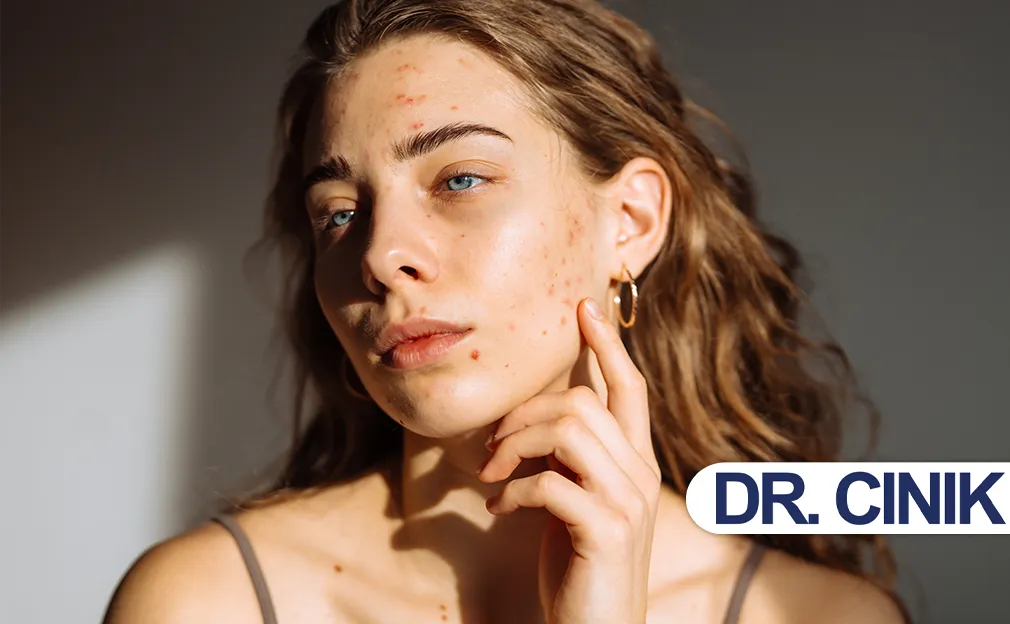
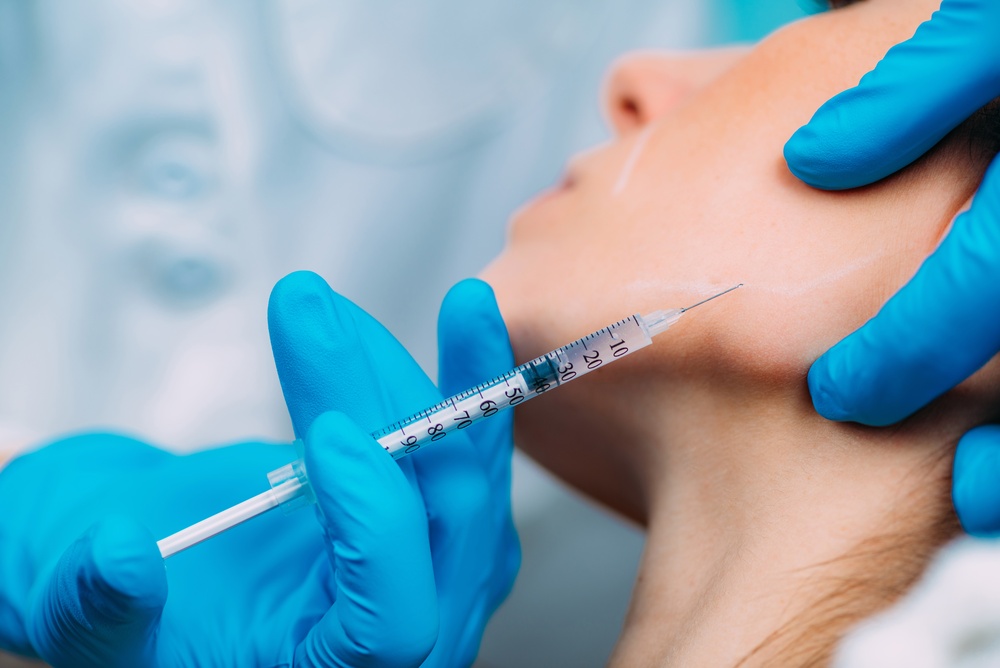
Nobody likes to look in the mirror and see acne scars staring back. Those little craters and discolorations can be more stubborn than uninvited in-laws. Luckily, modern dermatology offers many effective tools to transform textured, uneven skin into a smoother, more radiant complexion. In this guide, we’ll explore how doctors approach acne scars, what methods work, why patience pays off, and why self-care matters just as much as the treatment itself.
Choosing the Right Treatment: Laser, Microneedling, or Chemical Peel?
Doctors don’t just grab the fanciest laser off the shelf and hope for the best. Choosing the right treatment for acne scars is more like solving a puzzle. A real specialist takes into account your skin tone, the type of scars you have, how deep the damage goes, and how much downtime you can realistically handle.
Well, let’s break it down.
Factor 1: Fitzpatrick Skin Type
This is a scale from I (very fair) to VI (very dark), and it matters more than most people realize. Why? Because different skin tones react differently to heat and damage. For example:
- Lighter skin types (I–III) can usually tolerate stronger peels and deeper laser resurfacing like CO₂.
- Darker skin types (IV–VI) are more prone to hyperpigmentation, so safer, non-ablative options like microneedling or gentle lasers (e.g., Nd:YAG) are often preferred.
No, it’s not unfair—just physiology. Doctors want to get results without triggering new problems.
Factors 2 and 3: Scar Type & Depth
Not all acne scars are created equal, and different ones respond to different treatments better:
- Ice pick scars: Narrow, deep, and hard to treat—often require TCA CROSS or punch excision.
- Boxcar scars: Wide with sharp edges—can respond well to lasers and subcision.
- Rolling scars: Soft depressions caused by tethered tissue—often treated with subcision and microneedling.
- Post-inflammatory hyperpigmentation (PIH): These aren’t technically scars, but the pigmentation is left behind after acne. They're treatable with peels, topicals, or lasers targeting melanin.
Understanding the type of scar is critical, because it determines whether you’ll benefit more from collagen-inducing treatments (like microneedling) or resurfacing (like laser).
Factor 4: Healing Time & Lifestyle
Here’s where the real world kicks in. Treatments vary not just in power but also in the time your skin needs to bounce back. So, be ready to answer questions like these:
- Can you afford to be red, swollen, or flaky for a few days?
- Do you work in front of people or on camera?
- Are you disciplined enough for multiple sessions spaced weeks apart?
Doctors weigh all of this to avoid recommending something that could derail your work or your social life.
So, Which Treatment Will Be Best for You?
Here's where things get interesting—and personal. Let’s say you’re a 32-year-old with mild rolling scars, Fitzpatrick type III skin, and a job that allows for moderate downtime. A doctor might suggest a staged plan:
- Microneedling + PRP to boost collagen with minimal risk.
- Mild chemical peels between sessions to tackle pigment and texture.
- Eventually, a non-ablative laser to resurface remaining unevenness.
Or imagine you have Fitzpatrick type V skin with deep PIH and some boxcar scars. A more conservative approach might include:
- Topicals (azelaic acid, retinoids)
- Superficial peels (like glycolic or lactic acid)
- Gentle fractional lasers or microneedling only after prepping the skin to avoid complications.
As you see, no two plans are alike—and that’s the point.
What Should You Ask Your Doctor?
When considering a treatment, patients often focus on price or speed. But here are some smarter questions to bring to your consultation. Here are some of the questions you may want to ask the doctor who is going to treat your acne scars:
- “What is my skin type and scar type?”
- “Which treatments are safest and most effective for my skin tone?”
- “How many sessions will I likely need?”
- “What kind of downtime should I plan for?”
- “What are the possible risks for my skin?”
- “What happens if I don’t follow aftercare strictly?”
The answers can help you avoid disappointment—and sometimes even damage. Always choose a provider who evaluates your skin in person, uses clinical photos, and offers a long-term plan instead of promising a miracle.
Customization Is the Gold Standard
In the end, clinical guidelines and fancy devices are just part of the story. The best doctors act more like strategists than salespeople. They combine scientific insight with hands-on experience to design a plan that works for your skin, your schedule, and your goals.
That might mean starting small, combining methods, or even saying “not yet” if your skin isn’t ready. Because getting smoother, clearer skin is a process, not a quick fix.
|
Treatment
|
Target Scars
|
Depth
|
Downtime
|
Best For
|
|---|
|
CO₂ / Fractional Ablative Laser
|
Moderate to deep atrophic scars
|
Deep dermis (up to ~1.5 mm)
|
7-14 days
|
Lighter skin types; deeper boxcar/rolling scars
|
|
Non-ablative Laser (e.g. Fraxel, Nd:YAG)
|
Mild to moderate scars & pigmentation
|
Mid-dermis (~0.4–1 mm)
|
1-3 days
|
Most skin types; early texture/pigment changes
|
|
Microneedling (with or without PRP)
|
Atrophic scars, fine texture issues
|
Papillary–reticular dermis (~0.5–2.5 mm depending on device)
|
2-4 days
|
All skin types; low risk of pigment change
|
|
Chemical Peels (TCA, Glycolic, Jessner’s)
|
Superficial scars, PIH
|
Epidermis to papillary dermis (~0.06–0.45 mm)
|
3-7 days
|
Lighter skin or pre-treated darker skin with PIH
|
How Do Doctors Create Realistic Treatment Plans?
Forget one-size-fits-all treatments. Every patient should get a program designed around their unique skin story.
- Initial Assessment – Doctors classify scar types, evaluate skin tone, learn about previous treatments, and lifestyle (sun habits, meds, healing capacity).
- Tiered Strategy:
- Starting gentle: they clear PIH (Post-Inflammatory Hyperpigmentation) with topicals (retinoids, azelaic acid, hydroquinone with sunscreen)
- Stepping up: applying peels or microneedling to stimulate collagen.
- A finish trim: using deeper lasers or fillers for stubborn pits.
- Patient Education: A good doctor will explain the “why,” clarify the time frame, expected results, and possible side effects.
- Photo Documentation: Clinical photos ensure objective tracking and manage expectations.
- Safety Checks: Info about allergies, medications (like isotretinoin use), or health issues can be extremely important.
Essentially, building the treatment plan is like assembling a puzzle: each piece must align, if you want to achieve the best possible outcome.
Why a Single Session Doesn’t Cut It
Collagen regeneration and overall skin renewal do take time. One session is a starter, not a finish line.
- Collagen Reboot Time: Treatments promote new collagen over 4-6 weeks. Visible results often show up after several months.
- Layered Approach: Each session builds up, remodeling more dermal structure. Too much can cause burns, PIH, or delayed healing.
- Treatment Intervals:
- Microneedling: every 4-6 weeks.
- Non-ablative laser: sessions spaced 4-8 weeks apart.
- Realistic Outcomes: Patients move toward smoother texture, not perfect porcelain — and the goal should always be subtle and natural.
Combining Techniques for Maximum Effect
Combo strategies offer synergy, e.g.:
- Laser + PRP: A laser kickstarts collagen; PRP (Platelet-Rich Plasma) infuses growth factors to speed repair.
- Microneedling + Chemical Peel: Tiny needles allow chemical peels to sink deeper, further enhancing exfoliation and renewal.
- Staged Plans:
- Mild peels → to reduce pigmentation and surface bumpiness.
- Microneedling → to build dermal support.
- Laser resurfacing → to refine deeper pits.
- Fillers or subcision → to raise stubborn craters.
Post-Treatment Care: The Unsung Hero
The real results of acne scar treatments don’t come just from what happens in the clinic—they depend heavily on how you care for your skin afterward. Freshly treated skin is more vulnerable to the sun, irritation, and infection, so protecting it is essential. Sunscreen becomes your best friend, and harsh products take a back seat while your skin heals.
Redness, flaking, or mild swelling are normal, but resisting the urge to pick or cover it up with makeup too soon is key. Your doctor may recommend soothing products or follow-up visits to make sure things are on track. Skipping aftercare can slow results or even cause setbacks, while a good routine helps your skin bounce back stronger, smoother, and more radiant.
Why Medical Treatments Trump At-Home Solutions
At-home skincare can do a lot—fade dark spots, brighten tone, and support overall skin health. But when it comes to treating real acne scars, especially deeper ones, professional treatments win every time.
Why? Because they go deeper. Lasers, microneedling, and chemical peels used in clinics reach the layers of skin where scars actually form—something your everyday serum can’t do. They’re also stronger, more precise, and tailored to your skin by trained experts, which means better results and fewer risks.
This isn’t to say that at-home skincare is useless—far from it. Retinoids, vitamin C, azelaic acid, and gentle chemical exfoliants can absolutely support your skin’s health and help maintain results between clinical treatments. But when your goal is to smooth out real scarring and create lasting texture changes, nothing compares to what trained hands and medical technology can deliver.
Read more: What Is the Deep Plane Facelift and Why Is It Trending?
What Patients Need to Know
- Acne First: Always treat active breakouts before removing old damage—physicians focus on healing then resurfacing.
- Stay Patient: Complete results may take 6 to 12 months—healing acne scars is a marathon, not a sprint.
- Budgeting: Multiple sessions over time mean financial planning is important. Quality costs, but outcomes last.
- Risks Exist: Bruising, swelling, redness, pigment changes, or rarely, infection. Choose an experienced doctor from a reputable treatment center.
- No Picking: Manual popping before treatments can worsen scars.
- Realistic Goals: Perfect skin doesn’t happen—aim to improve, not to erase every imperfection.
- Skincare Routine: Good sunscreen, moisturizer, and active ingredients prolong results.
- Medical Disclosure: Always tell the doctor about your laser history, taking isotretinoin or other medication, and health conditions.
Bottom Line: The Smooth Path Ahead
Getting from acne scars to smoother, more even-toned skin isn’t about chasing perfection—it’s about progress. The most effective treatment journeys begin with a thoughtful diagnosis and a personalized plan. Whether your scars are shallow or deep, your skin light or dark, doctors carefully choose tools like microneedling, chemical peels, or lasers based on what will work best for you.
Real changes don’t happen overnight. It takes a series of well-timed treatments, a bit of patience, and proper post-care to support healing.
And while at-home options can help support results, professional treatments go deeper, work smarter, and are tailored to your skin’s unique needs. So, if you’re considering taking the next step toward smoother skin, know that it’s a journey. With the right guidance, it’s surely a path worth walking.
FAQ
Q: Will my acne scars ever completely go away?
A: Scars won’t vanish entirely, but they can significantly fade. 50-80% improvement sounds more realistic — not perfection, but much better than nothing.
Q: Are there any quick fixes?
A: No lightning-fast magic—quality results come from layered, spaced-out treatments.
Q: Can I treat myself at home?
A: You can maintain results with OTC retinoids, vitamin C, azelaic acid, and sunscreens, but deeper changes need medical touch.
Q: What’s the best age to start treating acne scars?
A: There’s no perfect age, but most doctors recommend waiting until active acne is under control. For many people, that’s late teens to early twenties. That said, it’s never “too late”: plenty of patients treat scars well into their 30s or 40s. The key is stable skin and realistic expectations.
Q: Will I need maintenance treatments after I finish my sessions?
A: Sometimes, yes. While acne scar treatments can give long-lasting results, skin continues to age and change. A yearly microneedling session or occasional laser "touch-up" can help maintain smoother texture.