Breast aesthetics focuses on improving breast appearance to enhance body image and confidence, with proportion, symmetry, and shape as key principles. The main procedures include breast augmentation to increase size and improve proportions, breast lift (mastopexy) to correct sagging, combined lift with implant for both volume and elevation, and breast reduction to relieve physical discomfort and improve quality of life.
Celebrity examples have influenced public interest in breast aesthetics, shaping trends toward both dramatic and natural results. However, the choice of procedure remains highly personal and should prioritize individual anatomy, long-term goals, safety, and professional medical guidance over popular influence.
1. What is breast aesthetics?
Quick Answer: Breast aesthetics is the study and practice of enhancing breast appearance, focusing on proportion, shape, symmetry, and vertical balance, to improve body image, self-confidence, and patient satisfaction.
The study of breast aesthetics is emerging both as a research priority and as an area of clinical interest among women. The breast itself is a prominent feature of the female body, and breast aesthetics is seen as an important factor in resulting body image and self-confidence (Liu, 2009). According to indications of priorities for female breast aesthetics among subjects, the most determinative factors are lower pole shape, upper pole shape, and breast height, with vertical factors regarded as more important than horizontal ones (Johan Sandberg et al., 2020). Breast aesthetics provides an evolving and impermanent standard toward which plastic surgery might aim, leading to the initiation of satisfaction-driven breast aesthetics.
Proportion, shape, and symmetry are recognised as key elements of breast aesthetics, and satisfy the bulk of a range of patient needs and desires beyond breast appearance (K. Atamian and L. Smith, 2023). Notably, proportion and symmetry are considerations in every aesthetic procedure on (or relating to) the breast. Because proportion and symmetry of the breast are among the factors influencing overall satisfaction with breast corrective procedures such as augmentation, and since augmentation is the most commonly performed breast related surgical elective, knowledge of augmentation specifics can benefit discussions regarding the choice of procedures.
2. What is breast augmentation: increasing size and proportion

Quick Answer: Breast augmentation is a surgical procedure that increases breast size and improves body proportions using implants or fat transfer, with volume and shape tailored to the patient’s anatomy and aesthetic goals.
Breast augmentation aims to increase breast size or enhance body proportions. Procedures increase breast volume when development is insufficient or has diminished after changes such as pregnancy. Patients should discuss desired outcomes with a surgeon, who can make specific recommendations. Typical breast volume ranges from 150 to 700cc, with common placements of 200–350cc or 350–500cc (Izzuddin Hamzan et al., 2021).
Implants and fat grafting represent the principal volumising options. Breast augmentations using either method usually set goals for the breast’s proportions, diameter, and shape. Ideal proportions remain a matter of debate. Breast diameter and volume often accommodate a ratio of 1:1.6, although ranges of 1:1 to 1:1.9 appear elsewhere. The augmentation comparison technique displays projected circles upon existing breast images after defining existing diameters and volumes. The addition of over-projected circles reveals either ideal or excess volumes, facilitating the choice of the correct breast implant (Ahmad, 2017).
3. What is breast lift: restoring youthful appearance
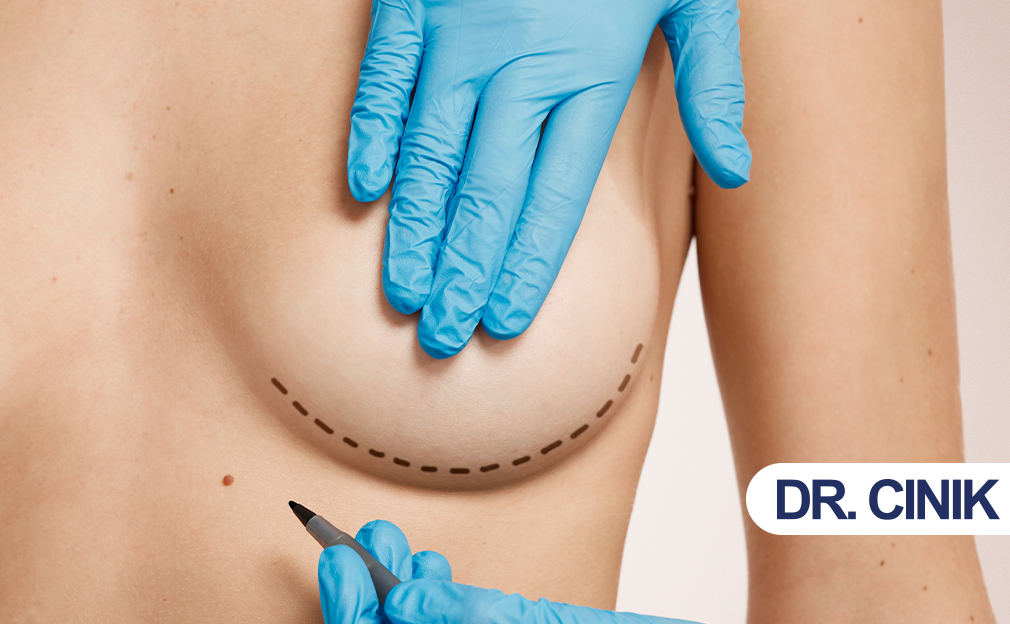
Quick Answer: Breast lift (mastopexy) is a surgical procedure that raises and reshapes sagging breasts to restore firmness, youthful position, and natural contour by correcting breast droop (ptosis).
Mastopexy, or breast lift, improves breast position and firmness. Signs of aging or other factors contribute to breast sagging, or ptosis, even in young women. Various methods address lift and position.
Mastopexy, popularly known as breast lift, restores firmness and youthful position. Factors such as aging, heredity, and pregnancy can contribute to drooping breasts, or ptosis, even in young women. Certain characteristics describe and help diagnose breast ptosis, including distance from the sternal notch to the nipple, nipple–inframammary fold (IMF) distance, skin excess or laxityLaxity: Looseness or slackness in the skin or tissues, often referring to the loss of firmness and elasticity in aging..., and breast volume. A common classification system defines three grades of breast ptosis: the nipple–sternal notch distance is longer than 20 cm and the nipple is at or above the IMF in grade I; the nipple is between the IMF and the inframammary fold in grade II; and the nipple is below the IMF in grade III. Preoperative assessment determines candidate suitability and desired outcomes. Patients commonly seek correction of volume loss, restoration of the youthful shape of the breast, and enhancement of breast position and projection.
Mastopexy techniques vary widely. Horizontal skin incisions form around the areola, allow inferior breast pedicle fixation, and help reposition, redistributing and reshaping the remaining breast tissue. Techniques differentiate based on incision and flap patterns, degree of skin excision, and whether the areola is repositioned. Other criteria, such as shape, firmness, and left-right symmetry, guide operative choice, along with factors such as skin quality, glandular tissue redistribution, and degree of skin laxity for augmentation mastopexy (Daraz Khan et al., 2022).
4. What is breast lift with implant: lifting and adding volume
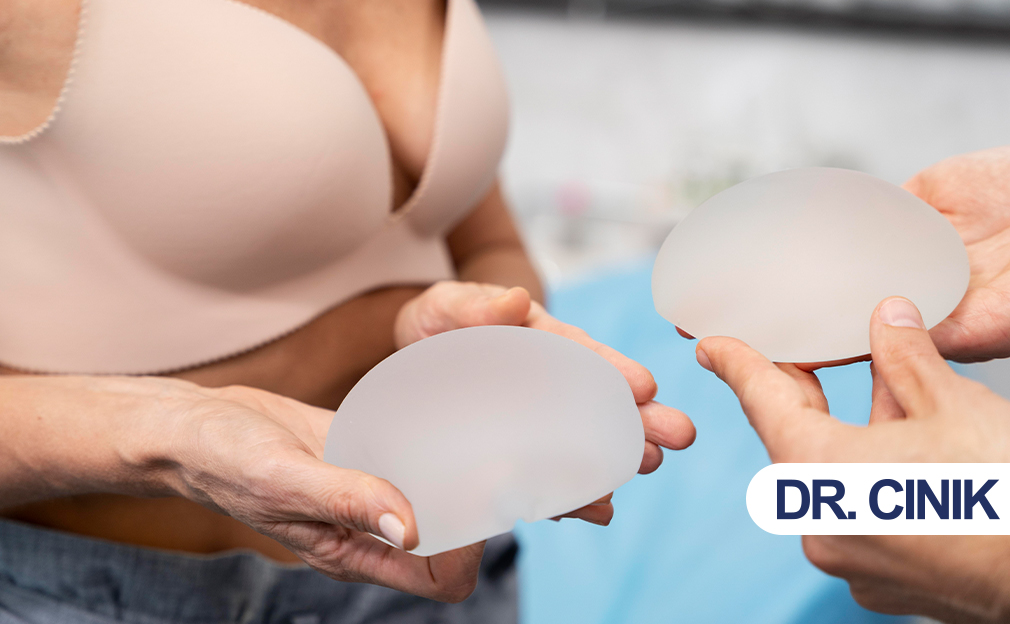
Quick Answer: Breast lift with implant is a combined procedure that lifts sagging breasts while adding volume, restoring upper pole fullness and a more youthful breast shape.
Breast lift with implant is designed for women who want to raise sagging breast tissue and regain upper pole volume at the same time. These individuals typically exhibit skin laxity in the lower pole between the nipple and inframammary fold, and an upper pole-to-lower pole breast ratio of less than 0.7. When performed together, these approaches maintain the integrity of the support structures relatively well, and patients achieve the desired upper pole fullness. The combined procedure thus remains the most popular method for addressing the simultaneous need for breast elevation and augmentation (Abdelkader et al., 2022).
5. What is breast reduction: relieving discomfort and improving life
Quick Answer: Breast reduction is a surgical procedure that removes excess breast tissue to relieve physical discomfort and improve quality of life, body comfort, and confidence.
Heavy breasts are associated with many problems: neck pain, back pain, shoulder pain, irritation (such as skin rashes under the breast), and other physical discomforts. Many women experience these issues, and some women seek breast reduction even when these physical complaints are not present, often to enhance breast shape or for aesthetic reasons (Guridi and Ramón Rodriguez, 2019).
The patient who wishes to undergo breast reduction surgery should meet some general criteria. They should show no signs of psychological instability, such as depression or excessive anxiety, and should not expect the breast operation to resolve relationship issues. They should also be at or near their target body weight and should have no illness or systemic disease that might increase surgical risk or hamper healing. Further, they should consciously desire and have realistic goals to reduce specific breast size and contour (R. Faulkner et al., 2023).
Breast reduction surgery can alleviate physical discomfort, improve quality of life, and enhance body image and confidence (Cohen et al., 2016). The benefits of breast reduction surgery are not just for the present but extend into a woman’s future. Quality of life improves post-operatively and remains consistently superior over time.
6. Which celebrities had breast aesthetics?
Quick Answer: Celebrities associated with breast aesthetics include Pamela Anderson, Katy Perry, Nicki Minaj, Jennifer Aniston, Ellen Pompeo, Regina Hall, Heidi Montag, Janet Jackson, and Britney Spears, influencing trends from dramatic to natural-looking results.
Celebrities actively influence the public perception of breast aesthetics and the demand for associated procedures. Popular artists such as Pamela Anderson, Katy Perry, and Nicki Minaj have undergone breast augmentation. Such examples have broadened the range of approaches to proportion, shape, and size. Pamela Anderson’s sizable augmentations inspired imitators seeking more modest increases. Conversely, Katy Perry and Nicki Minaj drew attention for curvier, augmented silhouettes. Both artists later returned to less exaggerated aesthetics, leading to wider cultural acceptance of choices beyond the extremes.
Regina Hall, Jennifer Aniston, and Ellen Pompeo show that breast-related surgery can maintain a natural look throughout life. Joanna Krupa, Mary J. Blige, and Heidi Montag illustrate how aesthetic procedures can become an identifiable part of an individual’s persona. Pamela Anderson, Janet Jackson, and Britney Spears have contributed to cultural conversations on the pros and cons of having or foregoing augmentation (Soon 1974- Kim, 2007).
The choice of a breast procedure remains personal and requires careful consideration of current and future preferences. The weight of celebrity opinions may vary. Safety, qualifications, aesthetics, and trade offs are universal factors regardless of fame (Johan Sandberg et al., 2020).
7. Conclusion
Breast aesthetics focuses on surgeries that enhance breast appearance through reshaping, resizing, and restoring youthful looks, aiming for proportion and symmetry with one’s figure. Procedures are categorized as augmentation, lift, reduction, and a combination of lift and augmentation. Breast augmentation increases size, commonly requesting C to D cup sizes, using implants (silicone or saline) or fat transfer, focusing on proportion and shape relevant to an individual’s chest size. Breast-lift surgery addresses drooping and firmness loss, utilizing less invasive techniques like the vertical or short-scar method to elevate and firm the breasts. A popular option combines lift and augmentation for those seeking both elevation and volume restoration. Candidates typically have a positive body image and specific preferences about shape and firmness. Breast reduction aims to alleviate discomfort from large breast tissue, improving pain, skin irritation, and self-esteem, while ensuring candidates meet certain symptoms. Celebrities like Salma Hayek and Nicole Kidman have discussed their positive experiences, promoting a more favorable beauty image and inspiring others to consider enhancements, fostering a healthier mindset towards breast aesthetics.
References:
Liu, Y. J. “Aesthetics of the Female Breast: Correlation of Pluralistic Evaluations with Volume and Surface Area.” 2009. [PDF]
Johan Sandberg, L., A. Tønseth, K., Kloster-Jensen, K., Liu, J., Robe, C., Reece, G., H. Hansen, E., Berntsen, K., Halle, M., Edsander-Nord, Åsa, Höckerstedt, A., Kauhanen, S., Sneistrup, C., Tindholdt, T., Petter Gullestad, H., Leifur Gunnarsson, G., Berg, E., and Creed Selber, J. “An Aesthetic Factor Priority List of the Female Breast in Scandinavian Subjects.” 2020. ncbi.nlm.nih.gov
- Atamian, E. and L. Smith, M. “Optimizing aesthetic results in autologous breast reconstruction.” 2023. ncbi.nlm.nih.gov
Izzuddin Hamzan, M., Azman Wan Sulaiman, W., and Nadia Ismail, N. “Bigger Bust No Longer on Trend: Malaysians Prefer Moderation in Ideal Female Breast Augmentation.” 2021. ncbi.nlm.nih.gov
Ahmad, M. “Experience of Breast Augmentation in Pakistani Females.” 2017. ncbi.nlm.nih.gov
Daraz Khan, U., Naseem, S., and Rafiq, S. “Mastopexy using de-epithelialised dermoglandular flaps: a case series for maximal volume conservation following breast implants removal.” 2022. ncbi.nlm.nih.gov
Abdelkader, R., Raafat, S., Sakr, W., Abdelaziz, M., and ElNoamany, S. “Augmentation Mastopexy: A Five-step Standardized Strategy Approach.” 2022. ncbi.nlm.nih.gov
Guridi, R. and Ramón Rodriguez, J. “A Step-by-Step Approach to a Successful Cosmetic Breast Reduction.” 2019. ncbi.nlm.nih.gov
- Faulkner, H., Merceron, T., Wang, J., and Losken, A. “Safe Reproducible Breast Reduction.” 2023. ncbi.nlm.nih.gov
Cohen, W. A., Homel, P., and Patel, N. P. “Does Time Affect Patient Satisfaction and Health-Related Quality of Life After Reduction Mammoplasty?.” 2016. ncbi.nlm.nih.gov
Soon 1974- Kim, M. “Quantifying aesthetic factors after breast reconstruction.” 2007. [PDF]