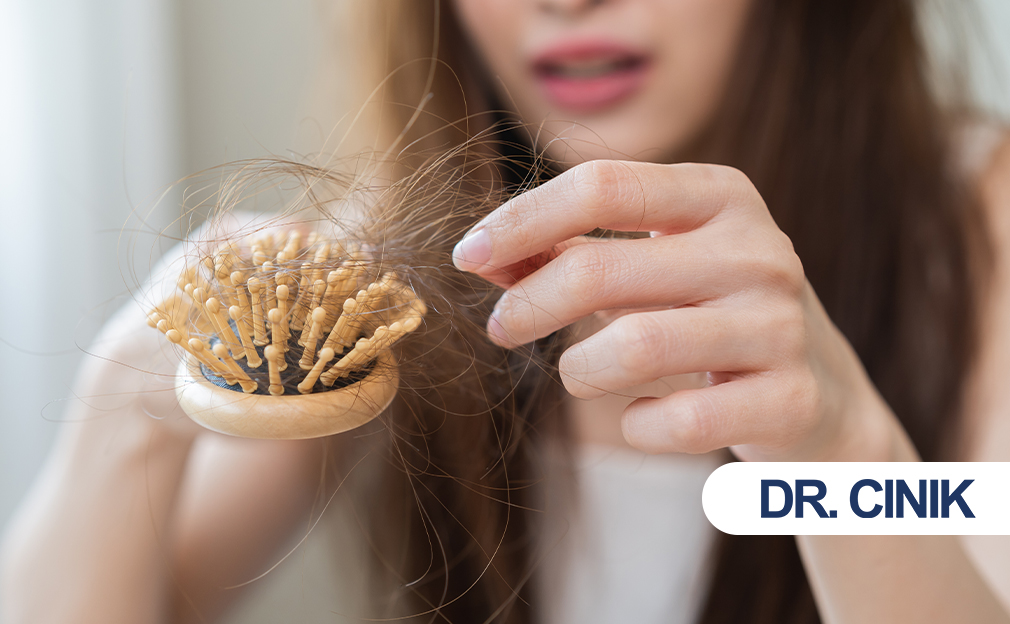
Hair loss after pregnancy, COVID-19, or illness is usually temporary and most often caused by telogen effluvium, a condition where physical or emotional stress pushes many hair follicles into the resting (shedding) phase at the same time. Shedding typically begins 2–3 months after the triggering event and can feel sudden or alarming, but it does not mean permanent hair loss.
In most cases, hair growth resumes naturally within 6–9 months once the body recovers. Supporting recovery includes managing stress, ensuring adequate iron (ferritin), protein, vitamin D, and B vitamins, and avoiding crash diets. If shedding is severe, lasts longer than a year, or is accompanied by other symptoms, a medical evaluation is recommended to rule out hormonal or nutritional issues.
1. What is postpartum hair loss (after pregnancy)?
Quick Answer: Postpartum hair loss is a common, temporary telogen effluvium that occurs 2–3 months after childbirth due to hormonal shifts pushing hair into the shedding phase.
Postpartum hair loss occurs in many women after pregnancy, but reliable information about its frequency and timing is limited. It results from changes in the hair cycle, with hair follicles entering the shedding phase (telogen effluvium) postpartum (Hirose et al., 2023). This condition is distinct from other types of hair loss such as androgenetic alopecia. Many women experience postpartum hair loss. A questionnaire-based survey revealed that over 90% of participants had experienced it. The transition of hair follicles into the telogen phase is believed to cause excessive hair shedding after childbirth. The study investigated the prevalence, timing, and impact of postpartum hair loss on women, excluding those with prior alopecia or multiple pregnancies. Results highlight the need for increased awareness and proper information to help women cope better with this common condition.
Postpartum hair loss is often classified as telogen effluvium, which typically occurs 2-3 months after pregnancy, other stressful events, or illness. Stresses such as delivery and adjusting to newborn care can trigger hair loss during this period. Symptoms include diffuse thinning, sometimes accompanied by “hair pain” or trichodynia, although no organic cause is found. Examination may reveal diffuse thinning if severe. A hair pull test and trichoscopy can assist diagnosis. Differential diagnoses like diffuse alopecia areata may be suspected if short vellus hairs are present (Suresh Sattur and Sandeep Sattur, 2021). Treatment focuses on reassurance, managing stressors, correcting deficiencies, and ensuring proper nutrition. Topical minoxidil can be considered if underlying pattern hair loss exists; topical corticosteroids have limited evidence of efficacy. Patience, empathy, and maintaining a nutritious diet are essential.
1.1. Why it happens
Quick Answer: Postpartum and post-illness hair loss happens because hormone levels and body stress suddenly shift, pushing many hairs from the growth phase into the shedding phase (telogen effluvium), usually causing diffuse thinning a few months after the trigger.
Pregnancy significantly alters the hormonal milieu of women, leading to hair thinning and shedding, two of the most unpleasant concerns after delivery. During pregnancy, high estrogen levels prolong the anagen phase of the hair cycle. A gradual return to baseline levels, which may take up to 6 months, induces telogen shedding. The phenomenon occurs around the time when women typically visit a dermatologist concerning hair thinning after pregnancy. Though not fully understood, fever following a viral illness, such as Covid-19, surgery, and other significant physiologic stresses create a strong enough inflammatory response that can generate hair loss due to excessive telogen effluvium. Only generalized thinning involving crown areas are observed; patchy loss is not common (Suresh Sattur and Sandeep Sattur, 2021).
1.2. What are the common signs?
Quick Answer: Common signs include diffuse thinning, increased shedding in clumps, and noticeable hair loss at the temples or frontal hairline.
After the initial phase of postpartum hair loss, the shedding pattern tends to stabilize. Despite the general thinning, some women notice pronounced loss at the temples or along the frontal hairline (Suresh Sattur and Sandeep Sattur, 2021). Often, hair falls out in large clumps, with noticeable strands on the pillow or in the brush. Patterns of shedding can vary considerably from person to person, but those accompanying other concerns may signal an underlying issue.
1.3. Is it permanent?
Quick Answer: Postpartum hair loss is usually temporary and resolves within months, but it may become permanent only if an underlying condition like androgenetic alopecia is present.
For most people, postpartum hair loss is temporary. It occurs due to changes during pregnancy and the early postpartum period. Many women notice an increase in hair shedding months after giving birth, a phenomenon that is normal for some (Suresh Sattur and Sandeep Sattur, 2021).
Women usually report diffuse thinning over the scalp without accompanying patches of baldness. However, some individuals may experience a shift from hair shedding to progressive thinning, resulting in permanent hair loss even though hair shedding has stopped. This is commonly connected to underlying androgenetic alopecia.
1.4. How long it lasts
Quick Answer: Hair loss after pregnancy or illness is usually temporary, starting 2–3 months after the trigger and lasting 4–12 months, with most postpartum cases improving within 9 months (sometimes up to 36 months).
After pregnancy, the hair loss can last anywhere from 6 to 36 months, with most cases recovering within 9 months (Suresh Sattur and Sandeep Sattur, 2021). Factors influencing the duration include the individual’s baseline and hormonal conditions and the overall health of the hair (Saki et al., 2022). Most people notice some form of hair loss in their life, but excessive hair loss or thinning can be alarming.
2. What is hair loss after COVID-19 (post-COVID telogen effluvium)?
Quick Answer: Post-COVID telogen effluvium is a temporary, diffuse hair shedding that begins weeks after COVID-19 infection, triggered by inflammation and physical stress that push many hairs into the shedding (telogen) phase.
On average, hair shedding amounts to between 70 and 100 strands a day in healthy individuals (C. Inamadar, 2022). However, many individuals report sudden hair loss several weeks after recovering from COVID-19, resulting in a significant increase in hair shedding that is recognised as post-COVID telogen effluvium. Telogen effluvium is an expected reaction to stressors that disrupt the hair cycle and lead to massive hair shedding several weeks or even months after the initial stimulus, causing a majority of hair to shed during the telogen phase. Common conditions that provoke this phenomenon include physical stress, such as a serious medical illness, and cognitive stress, such as life-changing events (Suresh Sattur and Sandeep Sattur, 2021).
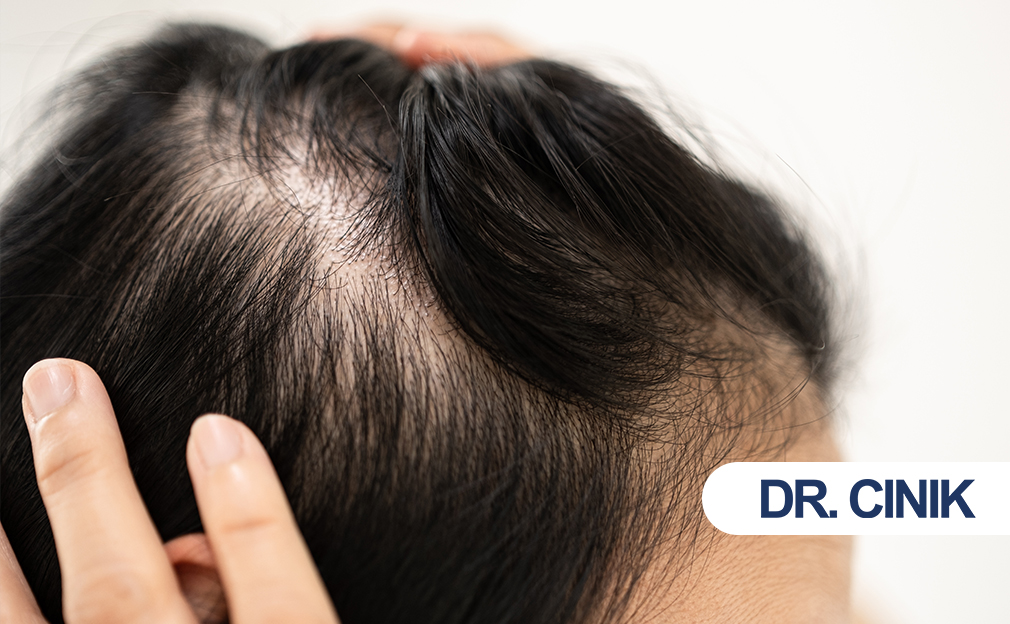
Post-COVID telogen effluvium is induced by a combination of stress and inflammation stemming directly from the infection, as well as disturbances to the immune response that accompany COVID-19. Hair examination typically reveals diffuse thinning, which differs from the patchy loss associated with alopecia areata, and occurs approximately six weeks after recovery from infection. Patients generally do not experience additional hair fall beyond the 4–12 week period of excessive shedding. Although normal cycles can return gradually over 2–3 months, an absence of regrowth for six months post-infection frequently leaves patients with lingering concerns regarding recovery.
2.1. Why COVID triggers shedding
Quick Answer: COVID triggers hair shedding because infection-related stress, inflammation, and immune activation push many hair follicles prematurely into the telogen (resting) phase, causing diffuse hair loss weeks to months after illness.
The COVID-19 pandemic has had a major impact on world health. The disease has manifested with several symptoms and exhibited various consequences on different organ systems. The hair was identified as an organ system susceptible to COVID-19 infection (Suresh Sattur and Sandeep Sattur, 2021) , primarily due to inflammation and immune response following infection. Hair loss following COVID-19 infection has been termed “post-COVID telogen effluvium”.
After infection, hair is lost primarily due to stress, inflammation, and immune system response. In a study, 154 of 534 COVID-19 survivors were found to have developed some form of alopecia three months after discharge. It is believed that an intense and sudden inflammatory response triggers a large number of hair follicleA hair follicle is a small, tube-like structure embedded in the scalp that produces and grows individual strands of hair.... units to go into the telogen (resting) phase abruptly, followed by shedding.
Hair is lost in a generalized manner, thinning over the entire scalp rather than in patches. The time from diagnosis to shedding can range from 10 days to 2 months, and shedding usually lasts a few months, with the entire process often sparing the eyebrows and lashes; recovery may take another 6 months.
2.2. What are the typical signs?
Quick Answer: Typical signs include diffuse thinning across the scalp (especially the crown) with increased shedding starting 2–3 months after COVID, followed by gradual regrowth over months.
Hair loss after COVID known as post-COVID telogen effluvium typically manifests as diffuse thinning over the top and crown of the scalp. The earliest signs appear 2–3 months after infection, and the duration is usually 6 months, with recovery times varying from 3 to 24 months.
Post-COVID telogen effluvium resembles the postpartum variant in its timing and duration. The disrupted hair cycle is believed to stem from the combined effects of stress, fever, and inflammation associated with COVID-19. Congestion and malaise affecting the respiratory system can trigger heightened immune-system activity, causing the relatively rare but well-documented phenomenon of excessive shedding after full recovery.
The extent of hair loss varies considerably; patients report thinning over small areas, across half the scalp, or even more commonly diffusely. In most cases, the follicles remain active and are not completely stopped; thus recovery does occur. Flattening of hair strands can exacerbate the appearance of thinning. The presence or absence of fever seems unrelated to the frequency or form of hair loss following COVID-19 (Wadhwa et al., 2023).
Most people experience generalized thinning rather than localized or patchy loss after febrile illnesses. The outbreak of COVID-19 was concurrent with an epidemic of similar shedding in various parts of the world; the two phenomena COVID-related illness and hair shedding are therefore not always linked (Suresh Sattur and Sandeep Sattur, 2021). The onset of hair loss occurs 8 weeks or more after increased shedding of hair and can appear by weeks 2 or 3. Recovery is gradual, commencing 8 weeks after the onset of shedding, and is generally completed within 6 months. In some cases improvement is evident after 1 month, but the course can extend to 2 years.
2.3. How long it lasts
Quick Answer: Post-COVID hair loss usually improves within 6 months, with full regrowth taking 6 months to up to 2 years, depending on the individual.
Typically, hair regrowth resumes within six months after COVID-19 and the full restitution period varies from six months to two years depending on individual recovery profiles (Suresh Sattur and Sandeep Sattur, 2021).
3. What is hair loss after illness, fever or surgery?
Quick Answer: Hair loss after illness, fever, or surgery is usually telogen effluvium, where physical stress accelerates the hair cycle and triggers diffuse shedding weeks to months later. It is typically temporary, with recovery occurring within 6–12 months once the body heals.
After other types of illness, patients may also experience unexpected hair shedding. In these instances, apoptosis in the hair follicle, a natural cycle of life and renewal, is accelerated. Figuring out how to counter this process is key to avoiding excessive hair loss (Suresh Sattur and Sandeep Sattur, 2021). The final factor to consider is surgery, which can lead to significant hair loss afterwards. The recovery period can last anywhere from six months to one year (C. Inamadar, 2022).
3.1. Why this happens
Quick Answer: After illness, fever, or surgery, physical stress and inflammation push many hair follicles into the resting (telogen) phase, causing diffuse hair shedding about 2–3 months later.
After an illness, surgery, or fever, a well-documented phenomenon triggers hair loss about 2 months later. Infectious diseases, especially those associated with high fever, can also cause telogen effluvium, leading to diffuse thinning rather than patchy baldness (Suresh Sattur and Sandeep Sattur, 2021).
3.2. How it looks
Quick Answer: Hair loss after illness, fever, or surgery appears as diffuse, overall thinning 2–3 months later, with increased shedding but no bald patches, and individual hairs remaining intact.
Hair loss occurs after illness, fever, or surgery when hair follicles cycle from growth to rest. Gradual thinning appears two to three months after disruption, a sign of the hair’s return to normal. The hair-cycle delay time, under contrived conditions, limits recovery to several months (Suresh Sattur and Sandeep Sattur, 2021).
Shocks to the immune system, such as COVID-19 and other febrile illnesses, trigger an inflammatory response that affects the hair-cycle. In serious illness, when the hair already prepares for shedding, the process can accelerate. During times of significant stress, sleep, nutrition, weight, temperature, and mood may similarly deteriorate. Restoration can be difficult (Wadhwa et al., 2023).
Shedding is generalized, and individual hair strands remain resilient and robust. Entropy increases but no patches of missing growth occur.
3.3. What is the timeline?
Quick Answer: Hair loss after illness, fever, or surgery (telogen effluvium) typically begins 2–3 months after the trigger and presents as diffuse thinning, then gradually resolves over several months as the hair cycle normalizes.
Post-infection hair loss occurs after illness, fever, or surgery, when the normal cycle of hair growth is disrupted. The condition commonly called telogen effluvium affects hair follicles, causing many of them to retreat prematurely into the resting (telogen) phase. This event markedly slows hair production, while hair already in telogen remains static instead of commencing its usual shedding. Post-infection telogen effluvium disrupts the hair cycle, with a characteristic time lag from trigger to thinning. Generalized thinning usually begins two to three months after a vigorous illness, spike in fever, or major surgical procedure and resolves gradually over several months (Suresh Sattur and Sandeep Sattur, 2021). Stressors induce inflammation during the critical period between infection and the commencement of hair-loss phases. Consequently, chronic conditions affecting nearly all hair follicles can provoke widespread loss (Wadhwa et al., 2023).
Telogen effluvium triggers thinning of many hairs simultaneously, whereas hair-patch loss is more typical of alopecia areata, classic androgenetic alopecia, and cicatricial processes conditions that operate outside these timeframes. After eight months, growth reacquisition signals restoration rather than the commencement of a new hair volume. These observation windows confirm that hair is not shed, inhibiting the start of the cycle at random intervals as would occur in other forms of pattern loss.
4. Will my hair grow back?
Quick Answer: Yes, hair regrows in over 90% of cases, with visible improvement usually starting within 6 months and gradual recovery continuing for 6–12 months.
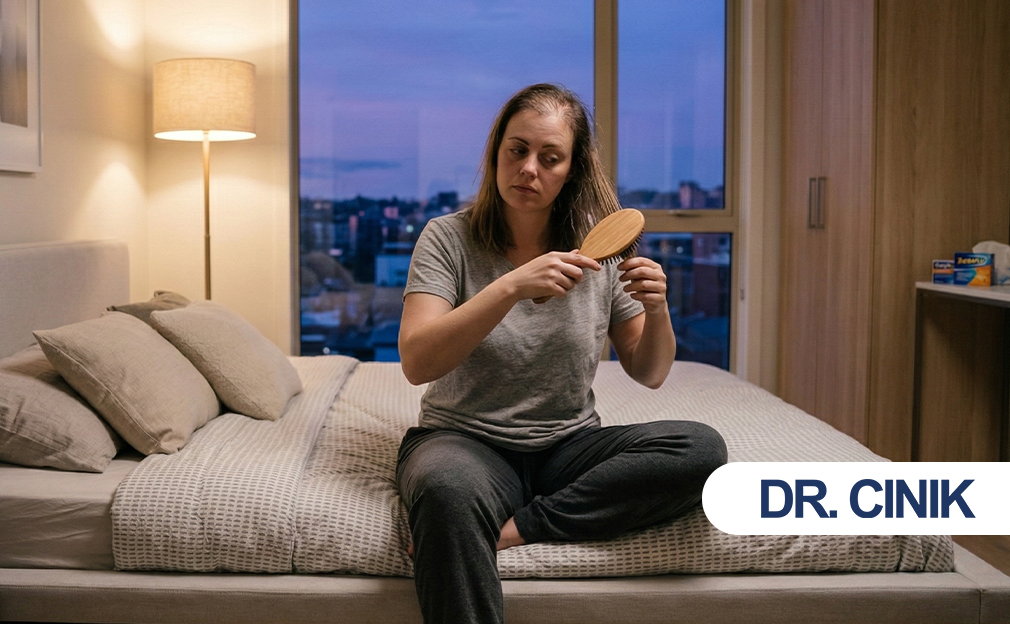
Yes, hair will grow back. In fact, it does so in more than 90 percent of cases. After the onset of shedding, the regrowth phase starts slowly, continuing for 6 to 12 months. Visibility is involved: hair has to grow 1.5 to 2 cm before the increasing fullness becomes apparent. Nevertheless, most patients experience improvement within 6 months.
Regrowth is typically gradual and occurs in the same region and pattern as earlier loss. Disruptions from medication or other stressors that trigger new shedding can reintroduce delay (Suresh Sattur and Sandeep Sattur, 2021) (C. Inamadar, 2022).
5. When should you be concerned?
Quick Answer: You should be concerned if hair shedding is sudden, severe, persistent beyond 6–12 months, worsening instead of improving, or accompanied by other symptoms, as this may indicate an underlying condition rather than temporary telogen effluvium.
The clinical presentation of hair loss is characterized by its morphology, is usually accompanied by variations in the cycle of growth, and influences both the general and clinical picture of scalp disease. The telogen effluvium, occurs following stressful occurrences. After a typical, acute decrease in hair number in a ‘hair fall’ pattern, a slower, gradual recovery occurs. The acceleration of hair entering the rest and shedding phase can occur at many different times post an infection; at any point during the whole cycle, and do not need to occur immediately or nevertheless evenly towards the end.
Uncovering the ‘secrets’ of hair loss is, to an extent, still at a relatively nascent stage. Understanding the basic principles as to what occurs and therefore leads to the hair loss followed by a ‘full house’ regrowth approach – where already recovered, yet dormant, hair starts to thicken up towards the southern end of the hair line to measure a healthier density is paramount. Lastly, comprehending the available range of naturally derived circulatory and stimulants options which can support the end-to-end recovery of hair long-term is one of the most promising approaches identified to date.
6. What helps speed up regrowth?
Quick Answer: Correct deficiencies with bloodwork, use topical minoxidil (± microneedling), consider targeted supplements if needed, and support recovery with good nutrition, stress reduction, sleep, and healthy lifestyle habits.
The following measures may help promote hair regrowth.
Bloodwork may reveal hormonal issues, nutritional deficiencies, or metabolic problems affecting recovery.
Topical treatments like minoxidil support regrowth. Microneedling enhances absorption of topical agents, including minoxidil, and also stimulates hair follicles.
Internal supplements that may help include a basic multivitamin; iron, if low based on bloodwork; omega-3s to stimulate follicle activity and reduce inflammation; and biotin and coleus forskohlii extract for general support.
Medical treatments available through prescription may include topical minoxidil (5% solution), antiandrogens (for those with androgenetic hair loss), and oral minoxidil (off-label use for candidates with prolonged or widespread shedding).
Lifestyle measures may also support healing. A healthy diet, regular exercise, and hydration are general recommendations. Adequate sleep, stress reduction, and minimizing aggravating factors — such as smoking, caffeine, and high-sugar foods — are also beneficial.
A summary of key points regarding potential measures for supporting and accelerating recovery follows.
6.1. How bloodwork helps regrow
Quick Answer: Bloodwork helps by identifying hidden deficiencies or hormonal imbalances (iron, vitamin D, B12, thyroid) that can delay hair regrowth after stress, illness, or pregnancy.
Routine bloodwork can help identify hormonal or biochemical conditions that may contribute to the slower-than-expected recovery of hair growth. Stress, illness, COVID, and childbirth can each interfere with hormone and nutrient levels. Biochemical deficiency can alter the hair cycle, and hormonal disbalance can affect the hair-follicle regrowth induced by physical shock. The following conditions can be screened for in bloodwork: iron, vitamin D, vitamin B12, and thyroid (TSH) (Gentile, 2022) ; (Wadhwa et al., 2023) ; (Suresh Sattur and Sandeep Sattur, 2021).
6.2. How topical treatments help regrow
Quick Answer: Topical treatments like minoxidil stimulate hair regrowth by improving scalp blood flow, prolonging the growth phase, and reactivating dormant follicles, helping speed recovery after shedding.
Hair loss (HL) is often experienced after pregnancy (post-partum HL), after infection (especially after COVID-19), after surgery, after fever, after prolonged high fever, or after various illnesses such as COVID-19 (post-COVID HL) (Suresh Sattur and Sandeep Sattur, 2021). In most cases, hair will regrow. One approach that helps speed regrowth is the use of topical treatments.
Alopecia influences women and men. Alopecia can be familial (genetic) and non-familial (non-genetic). Topical approaches include topical Minoxidil, topical Finasteride, topical Dutasteride, topical Nutrafol, topical Minoxidil with biotin, Nutrafol for women, Nutrafol for men, and topical Tretinoin (Liu et al., 2024). These treatments stimulate hair regrowth by different mechanisms and are sometimes combined (Liu et al., 2024).
Minoxidil is often combined with a serum that contains biotin (Liu et al., 2024). Minoxidil is an FDA-approved agent for hair loss following pregnancy that works through multiple mechanisms (Liu et al., 2024). These mechanisms include causing vasodilation, increasing time in the anagen phase, and increasing number of blood vessels (Liu et al., 2024). Minoxidil does not cause systemic side effects when applied topically (Liu et al., 2024).
6.3. How internal support help regrow
Quick Answer: Internal support helps regrowth by correcting nutrient deficiencies—especially iron/ferritin, protein, vitamin D, B12, and biotin—which are essential for restoring the hair growth cycle after illness or stress.
Nutritional deficiencies can amplify the effects of COVID-19 telogen effluvium (Wadhwa et al., 2023). A vitamin C–rich diet may facilitate recovery from illness and hair regrowth. Other nutritional deficiencies associated with post-COVID hair loss include iron, protein, ferritin, vitamin D3, and vitamin B12 (Suresh Sattur and Sandeep Sattur, 2021). Ensuring adequate biotin intake, typically above 30 µg per day, may also aid recovery (Saki et al., 2022). The efficacy of topical minoxidil for post-COVID telogen effluvium remains uncertain; guidance typically suggests starting treatment if and when pre-existing androgenetic alopecia emerges.
6.4. How medical treatments help regrow
Quick Answer: Medical treatments help regrowth by correcting deficiencies, stimulating scalp circulation, supporting active follicles, and restoring the hair cycle disrupted by stress and inflammation.
Interestingly, what emerges as a striking trend is a point at which, fueled by relentless stress and the inflammatory aftermath of the immune response (“cytokine storm”), the hair cycle entirely stutters and gives rise to extensive premature shedding equally in length and magnitude striking up to 70% of hair. Telogen effluvium (TE) in consequence, comprising acute and chronic variants, accounts for the overwhelmingly predominant pattern of post-COVID hair loss (Gentile, 2022). With a short terminal segment of high-grade increased hair fall just after COVID, extending well thereafter and possibly lending itself, depending on co-occurring conditions, to protracted and punctuated deficits, post-COVID TE fulminates yet is, in its crudeness, more amenable.
Effectively expediting regrowth typically begins by resorting to blood analysis to ascertain pre-existent deficiencies or the more subtle traces of propensity. Outwardly, topical electrolytes and microcirculation enhancers serve to bolster in-place growing follicles; alongside those, certain antistress and metabolic-improving supplements can enhance the background net growth rate; and lifestyle streamlining stands perennially at hand to augment circulation and advance overall well-being. Observation of concurrent TE and maintenance of that long deferred pre-COVID desired bulk momentarily contemporaneous with into-covid trimming—elucidate the very greatest demand for heightened activity throughout yet further adjuvants boost the eventual redirection almost exclusively for its coarser cohabitation and fullest emphasis of hydration.
6.5. How lifestyle help regrow
Quick Answer: A balanced lifestyle good nutrition, stress management, regular activity, proper hair care, and a healthy environment supports hair regrowth by improving overall scalp and body health.
Hair loss has adverse effects on personal feelings and the body self-image. Nutritional deficiencies can lead to adverse changes in hair and skin (Suresh Sattur and Sandeep Sattur, 2021). Nutritional deficiency evaluation requires careful analysis of a wide range of disorders and conditions with detailed attention to risk factors related to physical health, medical history and parameters that may lead to nutritional deficiency (Wadhwa et al., 2023).
Building a balanced lifestyle that involves psychological well-being and physical activities that can eliminate stress and improve body resistances are advocated. People are suggestive to take care of the hair in daily life by keeping it clean and hygienic.
Adjusting the living and working environment to maintain good air circulation and pleasant temperature is encouraged.
7. What consumers should know
Quick Answer: Hair loss after pregnancy, COVID-19, or illness is common, usually temporary, and most often resolves on its own within 6–12 months as the hair growth cycle normalizes. Excessive shedding even in clumps does not usually indicate permanent hair loss or a serious condition.
Some hair loss after pregnancy, COVID or other illness is common and usually temporary, with most people regrowing their hair without treatment.
Postpartum changes in hormone levels can trigger hair shedding. COVID-19 can induce telogen effluvium, a reversible form of hair loss linked to stress and illness; hair typically regrows within six to twelve months. Other illnesses and infections may also lead to hair loss by disrupting normal growth and resting cycles, with a similar recovery timeframe. Excessive shedding does not indicate a more severe condition, even when hair is lost in larger clumps (Wadhwa et al., 2023).
References:
Hirose, A., Terauchi, M., Odai, T., Fudono, A., Tsurane, K., Sekiguchi, M., Iwata, M., Anzai, T., Takahashi, K., and Miyasaka, N. “Investigation of exacerbating factors for postpartum hair loss: a questionnaire-based cross-sectional study.” 2023. ncbi.nlm.nih.gov
Suresh Sattur, S. and Sandeep Sattur, I. “COVID-19 Infection: Impact on Hair.” 2021. ncbi.nlm.nih.gov
Saki, N., Sari Aslani, F., Sepaskhah, M., Shafiei, M., Alavizadeh, S., Ali Hosseini, S., Ansari Asl, F., and Ahramiyanpour, N. “Intermittent chronic telogen effluvium with an unusual dermoscopic finding following COVID‐19.” 2022. ncbi.nlm.nih.gov
- Inamadar, A. “Covid Induced Telogen Effluvium (CITE): An Insight.” 2022. ncbi.nlm.nih.gov
Wadhwa, D., Monga, A., Kumar, N., Khullar, G., Karmakar, S., and Khunger, N. “A Cross-Sectional Study on Post-Coronavirus Disease (COVID-19) Hair Loss at a Tertiary Care Hospital.” 2023. ncbi.nlm.nih.gov
Alkeraye, S., Alrashidi, A., S Alotaibi, N., Almajli, N., Alkhalifah, B., Bajunaid, N., Alharthi, R., AlKaff, T., and Alharbi, K. “The Association Between Hair Loss and COVID-19: The Impact of Hair Loss After COVID-19 Infection on the Quality of Life Among Residents in Saudi Arabia.” 2022. ncbi.nlm.nih.gov
Gentile, P. “Hair Loss and Telogen Effluvium Related to COVID-19: The Potential Implication of Adipose-Derived Mesenchymal Stem Cells and Platelet-Rich Plasma as Regenerative Strategies.” 2022. ncbi.nlm.nih.gov
Liu, D., Xu, Q., Meng, X., Liu, X., and Liu, J. “Status of research on the development and regeneration of hair follicles.” 2024. ncbi.nlm.nih.gov