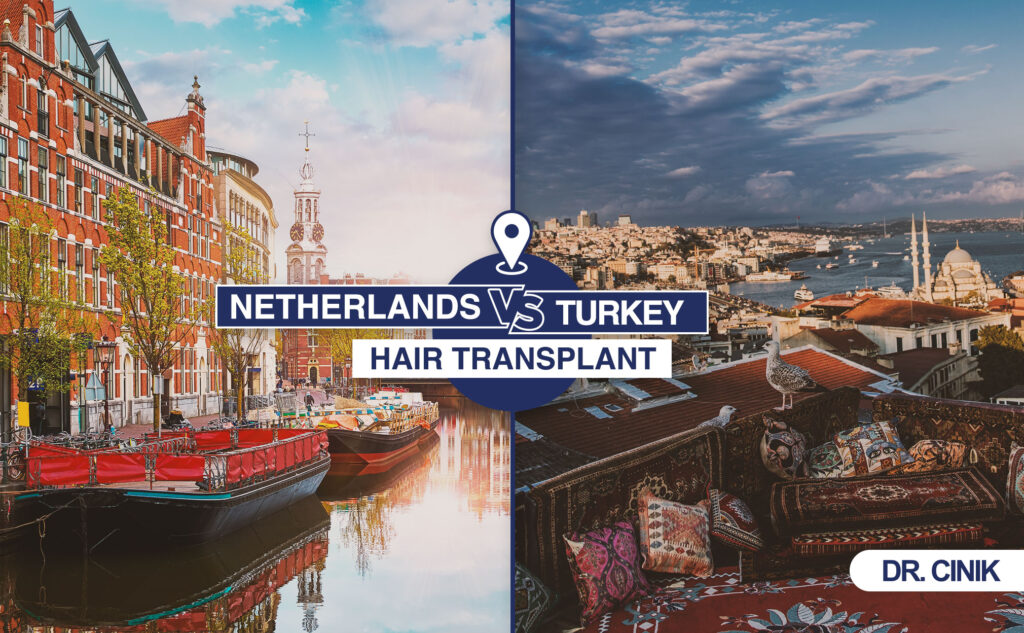
Millions of people suffer from hair loss, and many travel abroad for hair transplant surgery. The Netherlands and Turkey are two popular destinations for this procedure. Both countries have modern clinics and qualified doctors, but they differ significantly in terms of cost, the level of experience, and the structure of medical tourism. This article outlines the key differences between hair transplant treatment in the Netherlands and Turkey regarding cost, quality, technology, techniques, and results to help you reach an informed decision.
What is the Difference Between Hair Transplant in the Netherlands and Turkey?
Quick Answer: Turkey has lower prices, more experienced clinics, and a better medical tourism infrastructure than the Netherlands.
Hair transplantation is available in both countries; however, clinics in the Netherlands operate under an extremely structured healthcare system. Doctors comply with strict European medical guidelines. Patients are usually treated at dermatology clinics or private aesthetic centers. Yet demand for hair transplants remains low in the Netherlands; most clinics carry out a limited number of procedures each year. This lower volume means less surgical experience. The story in Turkey is different; it has become a worldwide hub for hair restoration.
Thousands of international patients visit Istanbul every year for this treatment; clinics perform hair transplant surgery every day! A high patient volume allows doctors to develop advanced skills very quickly. The Turkish government also supports medical tourism; many clinics offer attractive all-inclusive packages that include airport transfer, hotel stay, translators, and post-op careEnsuring Long-Term Success Post-operative care is essential for protecting grafts and optimizing the results of a hair transplant. Following proper.... The Turkish Statistical Institute indicated that over one million medical tourists visited Turkey in 2023 with requests for procedures such as hair transplantationHair transplantation is a surgical procedure that involves the extraction of hair follicles from a designated donor site, followed by... (Turkish Statistical Institute, 2024). These differences will be critical to many patients when they finally choose where to go.
How Much Does a Hair Transplant Cost in the Netherlands vs Turkey?
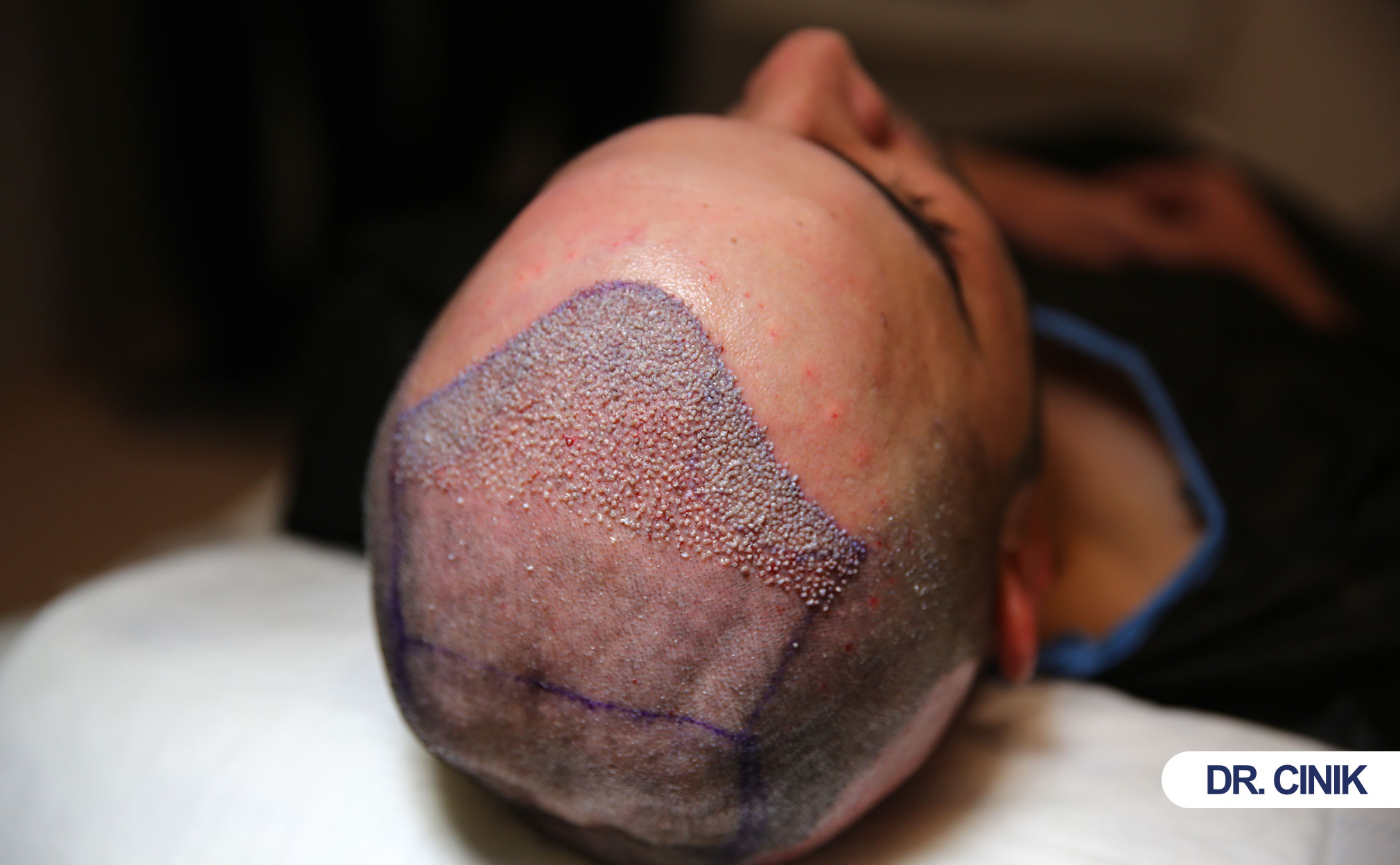
Quick Answer: Hair transplant Turkey cost much less than it does in The Netherlands for similar or even larger graft sessions.
The cost of a hair transplant remains one of the major reasons why patients travel abroad for treatment since prices tend to be high in Western Europe. In general terms, you can expect to pay several thousand euros for a hair transplant procedure carried out within The Netherlands. Clinics base their pricing on the number of grafts required; one graft may contain anywhere between one to four hair follicles so that someone with moderate levels of baldness will typically need around 3,000-4,000 grafts.
In the Netherlands such procedures could range from €7,000 up to €12,000 depending upon factors such as clinic overheads and staff salaries plus insurance costs which are relatively higher here compared to other parts of Europe leading towards increased final prices charged by clinics based there on these grounds! On another hand though, Turkey offers vastly reduced costs! Many clinics provide comprehensive treatment packages including surgery itself along with accommodation transfers medications aftercare etc., making it more affordable overall!
Below is a simple comparison.
Hair Transplant Price Comparison
|
Country / City |
Average Price |
Usual Graft Range |
|
Turkey (Istanbul) |
€2,000 – €4,500 |
3000 – 4500 grafts |
|
Netherlands (Amsterdam / Rotterdam) |
€7,000 – €12,000 |
2500 – 4000 grafts |
Lower prices in Turkey do not mean lower medical quality. The difference mainly comes from lower operating costs and strong competition among clinics. In fact, based on a study of global medical tourism, Turkey is home to some of the cheapest hair transplant prices in Europe (Connell, 2021). For most foreign patients, just the price difference is enough reason to travel abroad.
Does it make a difference in the quality of hair transplants between the Netherlands and Turkey?
Quick Answer:Short Answer: Both countries provide safe treatment, but Turkey often has better surgeon experience because of more patients.
Quality is very important for the success of a hair transplant. A hair transplant needs skill and planning as well as artistic design thinking about things like how to shape a new hairline or where to put grafts or manage donors. The clinics in the Netherlands follow strict rules for medicine. Doctors must work under healthcare laws from the European Union. These laws help keep patients safe. However, hair transplant surgery is just one small service at many Dutch clinics. Therefore surgeons may not do this many times in a year.
Things are very different in Turkey. Many Turkish clinics have made hair transplantation into their own special field. Some clinics even do several surgeries every single day! This high surgical volume helps doctors gain deep experience in extraction of grafts, channel creation and implantation. Research published in dermatologic surgery journals shows that surgeon experience strongly influences graft survival and natural appearance (Bernstein and Rassman, 2018). Many Turkish clinics also focus exclusively on hair restoration; teams often include surgeons, technicians and hair specialists who work together during the whole procedure resulting finally an outcome that is very natural for experienced clinics in Turkey.
What Hair Transplant Techniques and Technology Do Clinics Use?
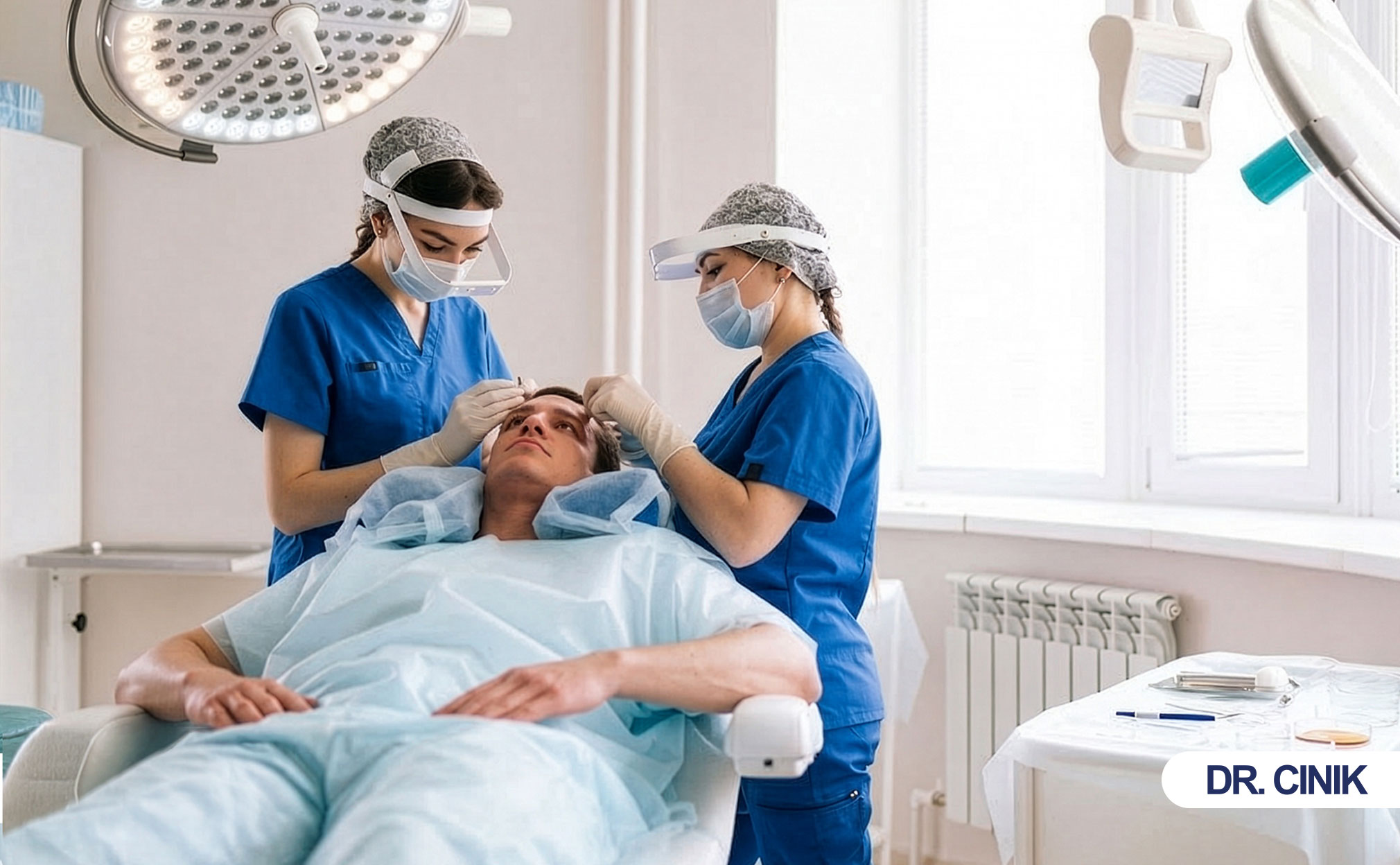
Quick Answer: Both countries use modern methods such as FUE and DHI but Turkish clinics adopt new technologies faster than others do.
Hair transplant technology has improved a lot over the past twenty years; old strip surgery techniques have almost disappeared now with most of today’s popular clinics performing follicular unit extraction instead!
What Is FUE Hair Transplant?
Quick Answer: FUE takes out single hair follicles from where there are lots of hairs and puts them into places without any hairs at all!
FUE means Follicular Unit Extraction; surgeons take grafts one by one using a small punch tool then they put these grafts inside tiny channels created earlier on recipient area with an implanting tool -this method gives natural results since it leaves minimum scarring plus quicker recovery time compared to older methods! Both Dutch as well as Turkish clinics perform procedures based on FUE technique nowadays!
What is DHI Hair Transplant?
Quick Answer: DHI implants hair follicles directly into the scalp with an implanter pen tool. DHI means Direct Hair Implantation.
Surgeons use a Choi implanter pen device to place grafts directly into the scalp without creating separate channels first. This technique allows precise control over direction, angle, and depth for each hair. Many Turkish clinics offer DHI and sapphire FUE techniques; sapphire blades are thought to create smaller incisions than steel blades, possibly reducing trauma to the scalp and speeding recovery. Medical literature indicates that FUE and DHI can both produce outstanding cosmetic results when performed by experienced surgeons (Avram and Rogers, 2017). The most important factor is not what tool you use but how good the surgeon is at using it.
Do Hair Transplant Results and Success Rates Differ?
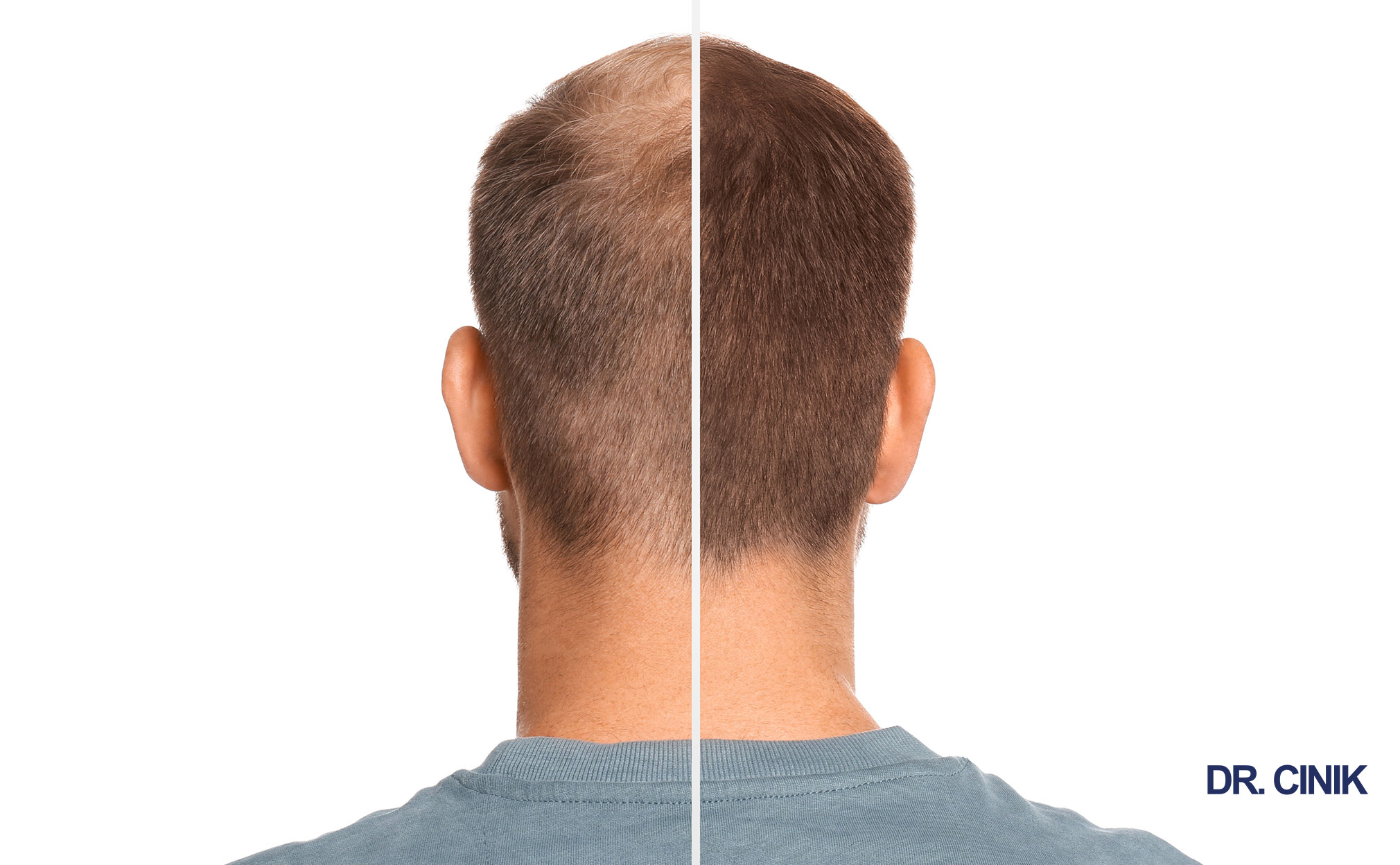
Quick Answer: Hair transplant success depends on surgeon skill and patient characteristics, but experienced clinics in Turkey often achieve very high graft survival rates.
Results of hair transplant surgery are permanent. The transplanted hair follicles come from the donor areaThe Source of Restoration The donor area plays a critical role in hair transplantation, as it serves as the source... at the back of your scalp where they do not fall out due to genetics. After the surgery, these hairs will typically shed within a few weeks; new growth starts around three to four months with final results seen between nine to twelve months post-op. This is usually what people mean when they talk about success: over ninety percent of newly implanted grafts should take in an ideal situation.
Several factors influence the final result: surgeon experience graft handling quality donor area management patient health post-operative care Studies indicate that hair restoration surgery yields graft survival rates above 90 percent when surgeons use modern FUE techniques (Unger and Shapiro, 2020).
Surgeons in Turkey have a lot of cases to work on, giving them many opportunities to gain practical experience that can be used to make sure more grafts survive and look good together as a whole. However, patients should still do their homework on clinics because not all are up to par; some offer better standards than others, but choosing a qualified surgeon is always key!
Why Do So Many International Patients Go To Turkey For Hair Transplant?
Quick Answer: Patients pick Turkey because it mixes low cost with experience and full medical tourism support.
Thousands of people go to Turkey every year for hair transplants. There are several reasons for this trend. First, there is still a big price gap; many people save thousands of euros even after paying travel costs! Second, Turkish surgeons do lots of these operations every year, high case volume equals advanced surgical know-how! Thirdly, clinics have designed their services specifically for overseas patients, many provide translators at the clinic/airport as well as hotel stays plus follow-up consultations!
Convenience and transparent package pricing are the key factors influencing patient choice in medical tourism, as revealed by the research conducted by Bookman and Bookman in 2019. Istanbul has become a global hub for hair restoration, with patients from Europe, the Middle East, and North America coming to this vibrant city for their treatments. It is due to these benefits that Turkey has maintained its status as one of the top destinations for surgical procedures related to hair transplants.
Which country should you select for your hair transplant?
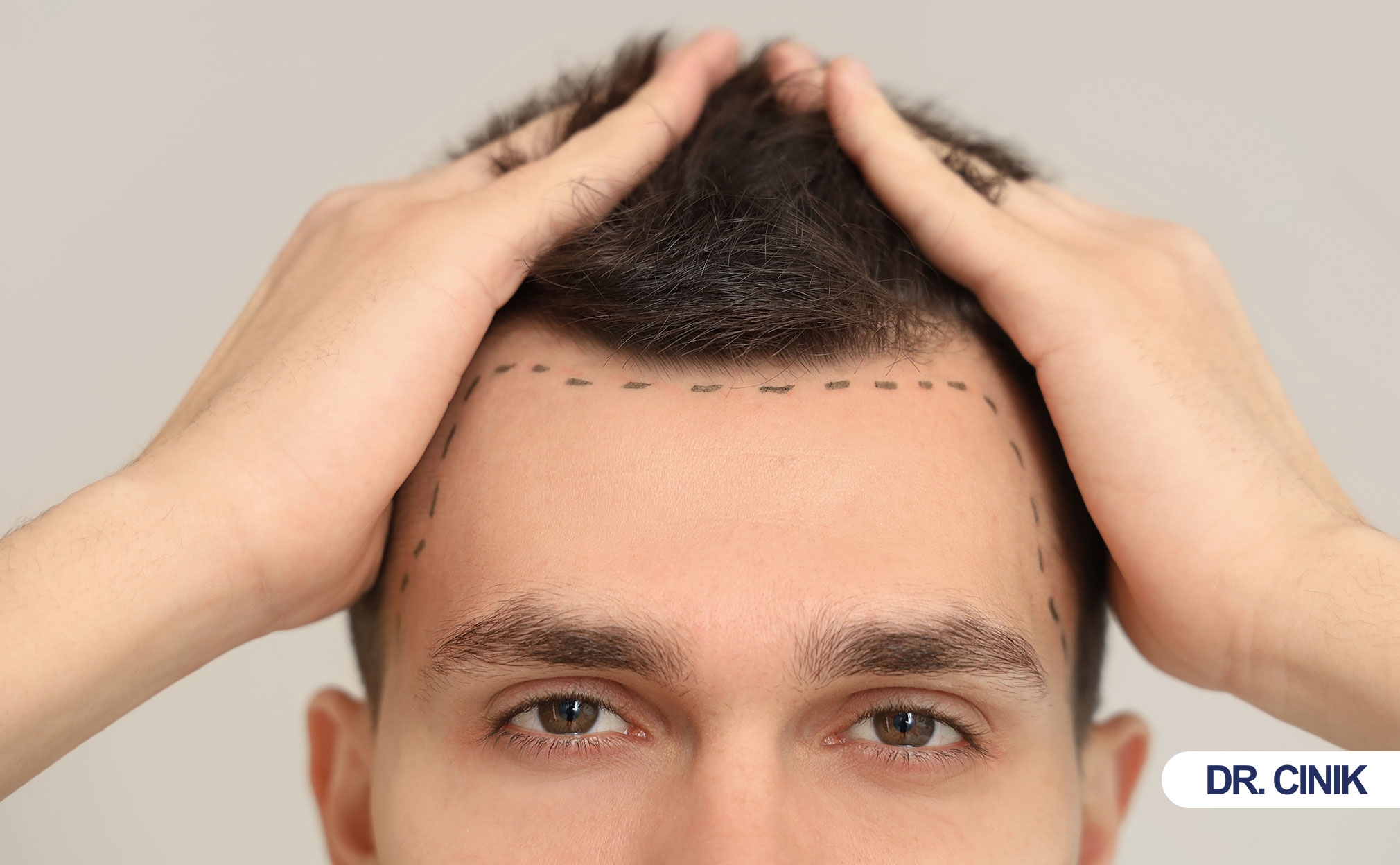
Quick Answer: Patients who value convenience may opt for the Netherlands, while those looking for low costs and vast experience amongst surgeons usually go to Turkey.
Both countries have modern techniques regarding hair transplants. Clinics in the Netherlands work under strict regulations of healthcare and will provide you with local treatment within your country if you are a resident there. On the other hand, Turkey has something else to offer; patients usually get cheaper prices, large graft sessions with very experienced surgical teams, plus many clinics present full medical tourism packages too.
Patients can make a decision only after thorough research about clinics; some important factors are surgeon credentials, patient reviews, clinic accreditation, and before-and-after results. Hair transplantation gives life-changing results; selecting an appropriate clinic and surgeon ensures maximum benefit from this procedure.
References:
Avram, Marc R., and Nicole E. Rogers. Hair Transplantation. Dermatologic Clinics, 2017.
Bernstein, Robert M., and William R. Rassman. “Follicular Unit Extraction: Minimally Invasive Surgery for Hair Transplantation.” Dermatologic Surgery, 2018.
Bookman, Milica, and Karla Bookman. Medical Tourism in Developing Countries. Palgrave Macmillan, 2019.
Connell, John. Medical Tourism. CABI Publishing, 2021.
Turkish Statistical Institute. International Health Tourism Statistics Report. 2024.
Unger, Walter P., and Ron Shapiro. Hair Transplantation. CRC Press, 2020.