
Bariyatrik Cerrahi ve Zayıflama İlaçları: Hangi Yöntem Daha İyi Sonuçlar Veriyor?
Obezite, kısa dönem kilo kaybı yerine uzun süreli yönetim gerektiren kronik ve çok faktörlü bir hastalıktır. Modern tıp bu durumu yenmek için iki güçlü yaklaşım sunmaktadır:bariyatrik cerrahive obeziteyi önleyici ilaçlar. Bariyatrik cerrahi, yiyecek alımını sınırlamak ve metabolizmayı değiştirmek amacıyla sindirim sistemini yeniden şekillendirir. Obeziteyi önleyici ilaçlar, özellikle GLP-1 reseptör agonistleri ve çift GIP/GLP-1 reseptör agonistleri, iştahı baskılamak ve metabolik fonksiyonu iyileştirmek için hormonal yollarla çalışır. Bu tedavilerin karşılaştırılması, semaglutid ve tirzepatidin yaygın olarak benimsenmesiyle birlikte aciliyet kazandı. Artık hastalar ve klinik uzmanlar, hangi yaklaşımın daha iyi kilo kaybı, daha iyi metabolik sonuçlar ve daha büyük uzun vadeli değer ürettiği sorusuyla karşı karşıya kalıyorlar? Bu makale, kilo kaybı büyüklüğü, dayanıklılığı, metabolik faydaları, güvenlik profilleri, maliyetleri, tedavi yüklerini ve hasta uygunluğunu inceleyerek kapsamlı, kanıta dayalı bir karşılaştırma sunmaktadır. Tedavi seçimi, yalnızca kilo kaybına dayanmamalıdır, bireysel klinik özelliklere bağlı olmalıdır.
Bariyatrik Cerrahi Nedir ve Kilo Kaybını Nasıl Destekler?
Bariyatrik cerrahi, önemli ve sürdürülebilir kilo kaybı sağlamak amacıyla gastrointestinal sistemi modifiye eden cerrahi işlemleri ifade eder. Bu operasyonlar, yiyecek alımının fiziksel kısıtlaması, bağırsak hormonlarının değişimi ve besin emilimindeki değişiklikler gibi birden fazla mekanizma aracılığıyla çalışır. İki ana cerrahi yaklaşım, tüp mide ve Roux-en-Y mide baypasını içerir. Her iki prosedür de basit kalori kısıtlamasının ötesinde önemli anatomik ve metabolik değişiklikler üretir.
Tüp Mide Nasıl Çalışır?
Tüp mide, midenin yaklaşık %75-80'ini büyük kıvrım boyunca çıkarır. Bu işlem, mide hacmini dramatik bir şekilde azaltan dar, muz şeklinde bir mide kesesi oluşturur. Hastalar, küçük gıda porsiyonları tükettikten sonra doygunluk hissi yaşarlar. Ameliyat ayrıca derin hormonal değişiklikleri tetikler. Çıkarılan mide kısmında grelin üreten hücreler bulunur. Grelin, açlığı uyarır. Tüp mide sonrası grelin seviyeleri önemli ölçüde düşer. Hastalar iştah kaybı ve iyileşen doygunluk sinyalleri deneyimler. İşlem ayrıca GLP-1, peptid YY ve oksintomodulin gibi diğer bağırsak hormonlarını da değiştirir. Bu hormonal değişiklikler, insülin duyarlılığını artırır ve glukoz metabolizmasını iyileştirir. Hastalar genellikle ameliyattan sonra ilk 12-18 ay içinde toplam vücut ağırlıklarının %25-30'unu kaybederler. Uzun vadeli çalışmalar, hastaların ameliyat sonrası beş yıl içinde fazla kilo kaybının yaklaşık %50-60'ını koruduklarını göstermektedir. Ancak, başlangıçtaki hızlı kayıptan sonra bazı kiloların geri alınması mümkün olabilir. Başarı, diyet kurallarına uyum, düzenli fiziksel aktivite ve sürekli tıbbi takibe bağlıdır.
Roux-en-Y Mide Baypası Nasıl Çalışır?
Roux-en-Y mide baypası, yaklaşık 30 mililitre boyutunda küçük bir mide kesesi oluşturur. Cerrah daha sonra ince bağırsığı bu keseye bağlamak için yeniden yönlendirir. Bu çift mekanizma hem kısıtlama hem de malabsorpsiyon üretir. Küçük kesecik, gıda alımını sınırlamaktadır. Bağırsakların yeniden yönlendirilmesi, açıktık bağırsak ve proksimal jejunumun atlanmasını sağlar, böylece kalori ve besinlerin emilimi azalır. İşlem ayrıca bağırsak hormonlarının salgılanmasında dramatik değişiklikler tetikler. GLP-1 ve peptid YY önemli ölçüde artar. Bu hormonlar iştahı baskılar, insülin salgısını artırır ve glikoz kontrolünü iyileştirir. Mide baypası, bazı hastalar için tüp mideye göre daha büyük metabolik faydalar sağlar. Değişen anatomi, vücudun besinlerle başa çıkma şekli ve doygunluk sinyallerini değiştirir. Hastalar genellikle 18-24 ay içinde toplam vücut ağırlıklarının %30-35'ini kaybederler. Bu işlem, genellikle önemli kilo kaybı olmadan, tip 2 diyabetin remisyonda güçlü etkiler gösterir. Bu metabolik avantaj, bağırsak hormonları ve besin algılama mekanizmaları üzerindeki doğrudan etkisinden kaynaklanır.
Bariyatrik Cerrahinin Ana Metabolik Faydaları Nelerdir?
Bariyatrik cerrahi, yalnızca kilo kaybı ile sınırlı kalmayacak şekilde geniş kapsamlı metabolik iyileştirmeler sağlar. Tip 2 diyabet, mide baypası sonrası hastaların %60-80'inde dramatik bir iyileşme veya tam remisyonda görülmektedir; tüp mide sonrası ise %50-70 oranında görülmektedir. Hipertansiyon, hastaların %60-70'inde çözülmekte ya da iyileşmektedir. Dislipidemi, vakaların yaklaşık %60'ında düzelmektedir. Obstrüktif uyku apnesi, hastalar kilo kaybettikçe ve hava yolu basıncı azaldıkça genellikle tamamen çözülmektedir. Metabolik disfonksiyonla ilişkili steatoz karaciğer hastalığı, önemli histolojik iyileşmeler göstermektedir. Kardiyovasküler risk belirteçleri, iltihaplı sitokinler, endotelyal fonksiyon ve kalp yükü gibi faktörlerde önemli iyileşmeler yaşanmaktadır. Uzun süreli çalışmalar, kardiyovasküler hastalıklardan, kanserden ve diyabetle ilişkili komplikasyonlardan kaynaklanan mortalitenin azaldığını göstermektedir. Johns Hopkins Tıbbı, tüp mide ve mide baypasını ana cerrahi yaklaşımlar olarak tanımlamakta ve bu yöntemlerin kilo ve obezite ile ilişkili hastalık yönetimindeki önemli etkilerine vurgu yapmaktadır (Johns Hopkins Medicine).
Zayıflama İlaçları Nedir ve Nasıl Çalışır?
Obeziteye karşı ilaçlar, farmakoterapinin hızla gelişen bir alanını temsil etmektedir. Bu ilaçlar, iştah, tokluk ve enerji metabolizmasını düzenleyen belirli hormonal ve sinirsel yolları hedef alır. En etkili modern ajanlar, inkretin hormonu sınıfına aittir. Bu ilaçlar, tokluk sinyali veren ve kan şekerini kontrol eden doğal bağırsak hormonlarını taklit eder.
GLP-1 Reseptör Agonistleri Vücut Ağırlığını Nasıl Azaltır?
GLP-1 reseptör agonistleri, bağırsak tarafından yiyecek alımından sonra salgılanan glukagon benzeri peptid-1 hormonunu taklit eder. Doğal GLP-1, insülin salgılanmasını teşvik eder, glukagon salınımını baskılar, mide boşalmasını yavaşlatır ve beyin sinyalleri aracılığıyla tokluk hissini artırır. Semaglutid, liraglutid ve dulaglutid gibi sentetik GLP-1 ilaçları, doğal hormonlara göre daha uzun etki süresi ile aynı yollara etki eder. Haftalık 2.4 mg semaglutid enjeksiyonu, en çok araştırılan anti-obezite GLP-1 ajanıdır. Hipotalamik yeme merkezi üzerinde etkili olarak iştahı azaltır. Mide boşalmasını geciktirir ve bu, yemeklerden sonra tokluk süresini uzatır. Glukoz bağımlı bir şekilde insülin salgısını artırarak glukoz düzenlemesini iyileştirir. Klinik denemeler, yaşam tarzı müdahalesi ile birlikte kullanıldığında semaglutid'in 68 haftada yaklaşık %15 toplam vücut ağırlığı kaybı sağladığını göstermektedir. Bu ilaç haftada bir subkutan enjeksiyon gerektirir. Hastalar, gastrointestinal yan etkileri en aza indirmek için dozu yavaşça ayarlamalıdır.
Çift GIP/GLP-1 İlaçları GLP-1 İlaçlarından Nasıl Farklıdır?
Çift GIP/GLP-1 reseptör agonistleri, obezite farmakoterapisinin bir sonraki neslini temsil etmektedir. Tirzepatid, hem glukoz bağımlı insülinotropik polipeptid (GIP) hem de glukagon benzeri peptit-1 (GLP-1) reseptörlerini aktive eder. Bu çift mekanizma, iştah baskılama ve metabolik düzenleme üzerinde sinerjik etkiler üretmektedir. GIP reseptör aktivasyonu insülin salgısını artırır ve lipid metabolizmasını iyileştirebilir. Kombine yol aktivitesi, yalnızca tek yollu GLP-1 agonistlerine göre daha büyük bir kilo kaybı üretmektedir. Klinik denemeler, tirzepatidin haftada 15 mg dozda uygulanmasının 72 hafta sonunda toplam vücut ağırlığında yaklaşık %20-22 kayıp sağladığını göstermektedir. Bu miktar, bazı cerrahi sonuçlara yaklaşmaktadır. Ancak, araştırmacılar, obeziteye özel olarak onaylanmış ilaçları, esasen tip 2 diyabet için endike edilen ilaçlardan ayırmaktadır. Bazı GLP-1 ilaçları, daha düşük dozlarda diyabet endikasyonları taşırken, daha yüksek dozlar obezite onayı alır. Düzenleyici çerçeveler, ülkeye ve spesifik ilaca göre değişiklik göstermektedir.
Hastaların kilo verme ilaçlarını ne kadar süre almaları gerekiyor?
Obezite tedavisi için anti-obezite ilaçları kronik kullanım gerektirir. Obezite, kronik bir hastalık olarak işlev görür. Bu ilaçlar, altta yatan durumu tedavi etmekten çok semptomları yönetir. Hastalar GLP-1 veya GIP/GLP-1 ilaçlarını almayı bıraktıklarında iştah geri döner. Mide boşalması hızlanır. Hormonal ortam, tedavi öncesi duruma geri döner. Klinik çalışmalar, hastaların tedavi sonlandırıldıktan sonraki 12 ay içinde kaybettikleri kiloların çoğunu geri kazandıklarını göstermektedir. STEP 1 deneme uzantısı, semaglutid tedavisi sonlandırıldığında belirgin bir kilo geri kazanımını göstermiştir. Bu kalıp, ilaçların bırakılması durumunda semptomların yeniden ortaya çıktığı hipertansiyon veya diyabet gibi diğer kronik hastalıklarla paralellik gösterir. Uyum zorlukları, gerçek dünya etkinliğini etkileyebilir. Bazı hastalar, tolere edilebilirliği sınırlayan yan etkiler yaşayabilir. Sigorta kapsamındaki boşluklar tedaviyi kesintiye uğratabilir. Tedarik sıkıntıları erişim sorunları yaratmıştır. Uzun vadeli tedavi, sürdürülen motivasyon, finansal kaynaklar ve tıbbi denetim gerektirir. Johns Hopkins Tıbbı, GLP-1 ilaçları ile kilo kaybının genel olarak tedavinin sürdürülmesine bağlı olduğunu ve tedavi sonlandırıldığında sıkça kilo geri kazanımının meydana geldiğini belirtmektedir (Johns Hopkins Tıbbı).
Kimler Bariyatrik Cerrahi veya Kilo Kaybı İlaçları İçin Uygun?
Cerrahi ve farmakolojik yaklaşımlar arasındaki uygunluk kriterleri önemli ölçüde farklılık göstermektedir. Bu farklılıklar, her bir tedavi yönteminin kendine özgü risk profilleri, müdahale yoğunlukları ve beklenen sonuçlarını yansıtmaktadır.
Bariyatrik Cerrahi İçin Hangi BMI Kriterleri Kullanılmaktadır?
Bariyatrik cerrahi adayları genellikle belirli BMI eşiklerini karşılar. Çoğu kılavuz, BMI'si ≥40 kg/m² olan hastalar için cerrahiyi önermektedir. BMI'si ≥35 kg/m² olan hastalar, tip 2 diyabet, hipertansiyon veya obstrüktif uyku apnesi gibi önemli obezite ile ilgili komorbiditeleri olduğunda uygun kabul edilir. Bazı kılavuzlar, metabolik cerrahi prosedürleri için özellikle kötü kontrol edilen tip 2 diyabeti olan BMI'si ≥30 kg/m² olan hastaları da uygunluğa dahil eder. Uygunluk yalnızca BMI'ya bağlı değildir. Cerrahlar, yapılandırılmış yaşam tarzı programları aracılığıyla daha önceki kilo verme girişimlerini değerlendirir. Genel cerrahi uygunluk, kardiyak, pulmoner ve beslenme durumu dahil olmak üzere değerlendirilir. Çok disiplinli ekipler kapsamlı preoperatif taramalar yapar. Beslenme danışmanlığı, hastaları postoperatif diyet gereksinimleri için hazırlar. Psikolojik değerlendirme, sonuçları riske atabilecek yeme bozukluklarını, tedavi edilmemiş ruh sağlığı koşullarını veya gerçekçi olmayan beklentileri tespit eder. Preoperatif tarama, laboratuvar testlerini, kardiyak değerlendirmeyi ve ilaç etkileşimlerinin değerlendirilmesini içerir.
Obezite Karşıtı İlaçlardan Kimler Faydalanabilir?
Ağırlık kaybı ilaçları, cerrahiden daha geniş bir uygunluk sunar. Çoğu anti-obezite ilacı, BMI'si ≥30 kg/m² olan yetişkinler için kullanım onayı verir. BMI'si ≥27 kg/m² olan hastalar, hipertansiyon, tip 2 diyabet veya dislipidemi gibi en az bir kilo ile ilgili tıbbi durumu olduğunda uygun hale gelir. Bazı yeni ilaçlar, belirli klinik durumlarda daha düşük BMI eşiklerinde bile onay alır. Reçeteleme kriterleri, belirli ilaç ve düzenleyici gösterimi ile değişiklik göstermektedir. GLP-1 reseptör agonistleri, dikkatli hasta seçimi gerektirir. Klinikler, pankreas geçmişi, tiroid kanseri risk faktörleri ve gastrointestinal durumları değerlendirmelidir. Hamilelik, mevcut tüm anti-obezite ilaçlarını kontrendike eder. Daha geniş uygunluk, farmakoterapi ile cerrahi arasındaki daha düşük prosedürel riskin yansımasını göstermektedir. Johns Hopkins Medicine, bariatrik cerrahi ve GLP-1 tedavisi için farklı uygunluk çerçevelerini tanımlamakta, cerrahinin genellikle daha ağır obeziteye sahip hastalar için hizmet ettiğini belirtmekte ve ilaç uygunluğunun uygun hastalarda daha düşük BMI kategorilerine uzandığını vurgulamaktadır (Johns Hopkins Medicine).
Bariyatrik Cerrahi mi Yoksa Kilo Verme İlaçları mı Daha Fazla Kilo Kaybı Sağlar?
Kilo kaybı büyüklüğü, hastalar ve klinik uzmanlar için birincil bir unsur teşkil etmektedir. Her iki yaklaşım da klinik açıdan anlamlı sonuçlar üretmektedir, ancak kilo azaltma derecesi ve hızı açısından önemli farklılıklar bulunmaktadır.
Bariyatrik Cerrahiden Sonra Hastalar Ne Kadar Ağırlık Kaybedebilir?
Bariyatrik cerrahi, prosedür ve hasta özelliklerine göre değişen önemli kilo kaybı sağlar. Sleeve gastrektomi genellikle 12-18 ayda toplam vücut ağırlığının %25-30 kadar kaybını sağlar. Mide bypassı benzer bir zaman diliminde toplam vücut ağırlığının %30-35 kadar kaybını üretir. Cerrahlar genellikle sonuçları toplam vücut ağırlığı kaybı yerine fazla kilo kaybı yüzdesi kullanarak rapor ederler. Sleeve gastrektomi için fazla kilo kaybı yüzdeleri genellikle 12-24 ayda %60-70, mide bypassı için ise %65-75 arasında değişir. Cerrahi sonuçlar birden fazla faktöre bağlıdır. Başlangıç BMI'si mutlak kilo kaybını etkiler. Daha yüksek başlangıç ağırlığı genellikle daha fazla mutlak kilo kaybı üretir. Hastaların diyet önerilerine uyumu, uzun vadeli kilo korumasını etkiler. Bariyatrik ekiple düzenli takip, sonuçları iyileştirir. Fiziksel aktivite seviyeleri kilo kaybını artırır ve yağsız kas kütlesini korur. Yaş, cinsiyet ve genetik faktörler de bireysel yanıtları modüle eder.
GLP-1 ve GIP/GLP-1 İlaçları ile Hastalar ne Kadar Kilo Verebilir?
Klinik deneme verileri modern obezite karşıtı ilaçlar için etkileyici sonuçlar gösteriyor. Semaglutid 2.4 mg, STEP 1 denemesinde 68 haftada yaklaşık %15 toplam vücut ağırlığı kaybı sağlıyor. Tirzepatid 15 mg, SURMOUNT-1 denemesinde 72 haftada yaklaşık %20-22 toplam vücut ağırlığı kaybı sağlıyor. Gerçek dünya sonuçları genellikle klinik deneme sonuçlarının altında kalıyor. Klinik denemeler, yoğun destekle yüksek motivasyona sahip hastaları kayıt etmektedir. Gerçek dünya hastaları, uyum sorunları, yan etkiler ve davranışsal destek sınırlamaları gibi zorluklarla karşılaşmaktadır. Gerçek dünya semaglutid kullanımı genellikle klinik uygulama ortamlarında %10-15 ağırlık kaybı sağlamaktadır. Tirzepatid, deneme ve uygulama sonuçları arasında benzer farklar göstermektedir. Tedavi süresi önemli ölçüde etki etmektedir. Hastalar, daha uzun süreli sürekli tedavi ile daha fazla kilo kaybı elde etmektedir. Doz artırma programları erken sonuçları etkilemektedir. Enjeksiyon programlarına uyum, steady-state ilaç seviyelerini etkiler.
Başa Başa Kanıtlar Ne Gösteriyor?
Doğrudan karşılaştırma çalışmaları tedavi seçiminde kritik bilgiler sunmaktadır. 2025 ASMBS raporuna göre, 2018-2024 yılları arasındaki retrospektif elektronik sağlık kayıtlarından yararlanarak 51.000'den fazla hasta analiz edilmiştir. Araştırmacılar karşılaştırmaları yaş, BMI ve komorbiditeler için ayarlamıştır. Çalışma, cerrahi hastalarda iki yıllık kilo kaybının ilaç tedavisi gören hastalarla kıyaslandığında önemli ölçüde daha fazla olduğunu bulmuştur. Sleeve gastrik bypass veya gastrik bypass olan hastalar, iki yılın sonunda yaklaşık %24 toplam kilo kaybı elde etmiştir. En az altı ay boyunca enjekte edilebilir semaglutid veya tirzepatid alan hastalar yaklaşık %4.7 toplam kilo kaybı göstermiştir. Bir yıl boyunca sürekli ilaç kullanımı, yaklaşık %7 toplam kilo kaybıyla ilişkilendirilmiştir. Bu gözlemsel tasarım dikkatli bir yorum gerektirmektedir. Çalışma popülasyonlarının, istatistiksel ayarlamalara rağmen, temel özellikler açısından farklılık göstermesi muhtemeldir. Cerrahiyi seçen hastalar daha fazla motivasyona sahip olabilir ya da daha ciddi bir hastalıkla karşı karşıya kalmış olabilir. Rastgele kontrollü çalışmalar daha güçlü bir kanıt sağlayacaktır, ancak mevcut başa baş RCT'ler sınırlıdır. Bu bulgular her hastaya evrensel olarak uygulanmamalıdır. Bireysel yanıtlar her iki tedavi kategorisinde de geniş bir değişkenlik gösterir.
Obezite Cerrahisi, Uzun Dönemde Kilo Kaybı İçin Kilo Kaybı İlaçlarından Daha Etkili Mi?
Kilo kaybının sürekliliği, başlangıçtaki azalmadan daha önemlidir. Birçok hasta farklı yöntemlerle kilo kaybedebilir. Bu kaybın sürdürülebilmesi, başarılı bir obezite tedavisini tanımlar.
Kilo Kaybının Sürekliliği Neden Önemlidir?
Sürekli kilo kaybı en büyük sağlık faydalarını üretir. Obezite, daha yüksek vücut ağırlığına fizyolojik adaptasyonu içerir. Vücut, kilo kaybına karşı çeşitli mekanizmalarla savunma yapar. Metabolizma hızı düşer. Açlık hormonları artar. Tokluk sinyalleri zayıflar. Bu adaptasyonlar, başlangıçtaki başarıdan sonra kilo artışını yaygın hale getirir. Cerrahiden kaynaklanan kalıcı anatomik değişiklikler, vücudun kilo savunma mekanizmalarını değiştirir. Sürekli farmakolojik tedavi bu adaptasyonları sürekli olarak aşmalıdır. Obezitenin kronik doğası kalıcı müdahale talep eder. Bakım olmadan kısa süreli kilo kaybı, sınırlı metabolik fayda sağlar. Kardiyovasküler risk azaltımı, diyabet önlenmesi ve yaşam kalitesindeki iyileşmelerin tümü, sürdürülen kilo yönetimine bağlıdır.
Hastalar Kilo Kaybı İlaçlarını Bıraktığında Ne Olur?
İlaçların kesilmesi, hızlı bir fizyolojik geri dönme tetikler. İştahta birkaç gün içinde geri dönüş olur. Mide boşalma süreci hızlanır. Beynin yeme merkezleri tedavi öncesi aktivite kalıplarına geri döner. Kilo artışı tahmin edilebilir bir şekilde takip eder. STEP 1 denemesi uzantısı, semaglutidi bıraktıktan sonra hastaların kaybettikleri kiloların yaklaşık üçte ikisini bir yıl içinde geri aldığını göstermiştir. Kan basıncı, lipid seviyeleri ve glisemik göstergeler de kesildikten sonra kötüleşmiştir. Gerçek dünyada yüksek kesilme oranları sağlık hizmeti etkinliğini daha da sınırlamaktadır. Sigorta değişiklikleri, yan etkiler, tedarik sorunları ve mali engeller tedaviyi kesintiye uğratır. İlaç etkinliğini ilaç sürekliliğinden ayırmak çok önemlidir. Koleksiyon tedavi edici bir ilaç, hastalar devam edemedikçe hiçbir fayda sağlamaz.
Obezite Cerrahisi Sonrası Kilo Kaybı Ne Kadar Süreklidir?
Uzun süreli takip çalışmaları, obezite cerrahisi sonrasında sürekli ama kusurlu sonuçları göstermektedir. İsveç Obez Süje çalışması, gastrik bypass hastalarının 10-20 yıl içinde yaklaşık %25-30 kilo kaybını sürdüğünü göstermiştir. Sleeve gastrektomi, çoğu hastada benzer bir kalıcılık gösterir. Ancak kilo kaybı, hastaların %20-30'unu farklı derecelerde etkilemektedir. Yeniden kilo alma genellikle cerrahiden sonra 2-5 yıl içinde gerçekleşir. Nedenler arasında yavaş yavaş poşun genişlemesi, bağırsak hormonlarının adaptasyonu ve kötü beslenme alışkanlıklarına geri dönüş yer alır. Ameliyat sonrası diyet uyumu kritik kalır. Hastaların yüksek proteinli, düşük kalori yoğunluklu beslenme düzenlerini sürdürmeleri gerekir. Davranışsal destek, duygusal yeme davranışlarını tanımaya ve ele almaya yardımcı olur. Beslenme takibi, yeme isteğine yol açabilecek eksikliklerin önlenmesini sağlar. Düzenli tıbbi takip, erken yeniden kilo alma eğilimlerini tespit eder. Bazı yeniden kilo alma durumlarına rağmen, çoğu cerrahi hasta on yıllar boyunca önemli kilo kaybı ve metabolik iyileşme sağlamaktadırlar.
Hangi Tedavi Obezite ile İlgili Hastalıklarda Daha Fazla İyileşme Sağlar?
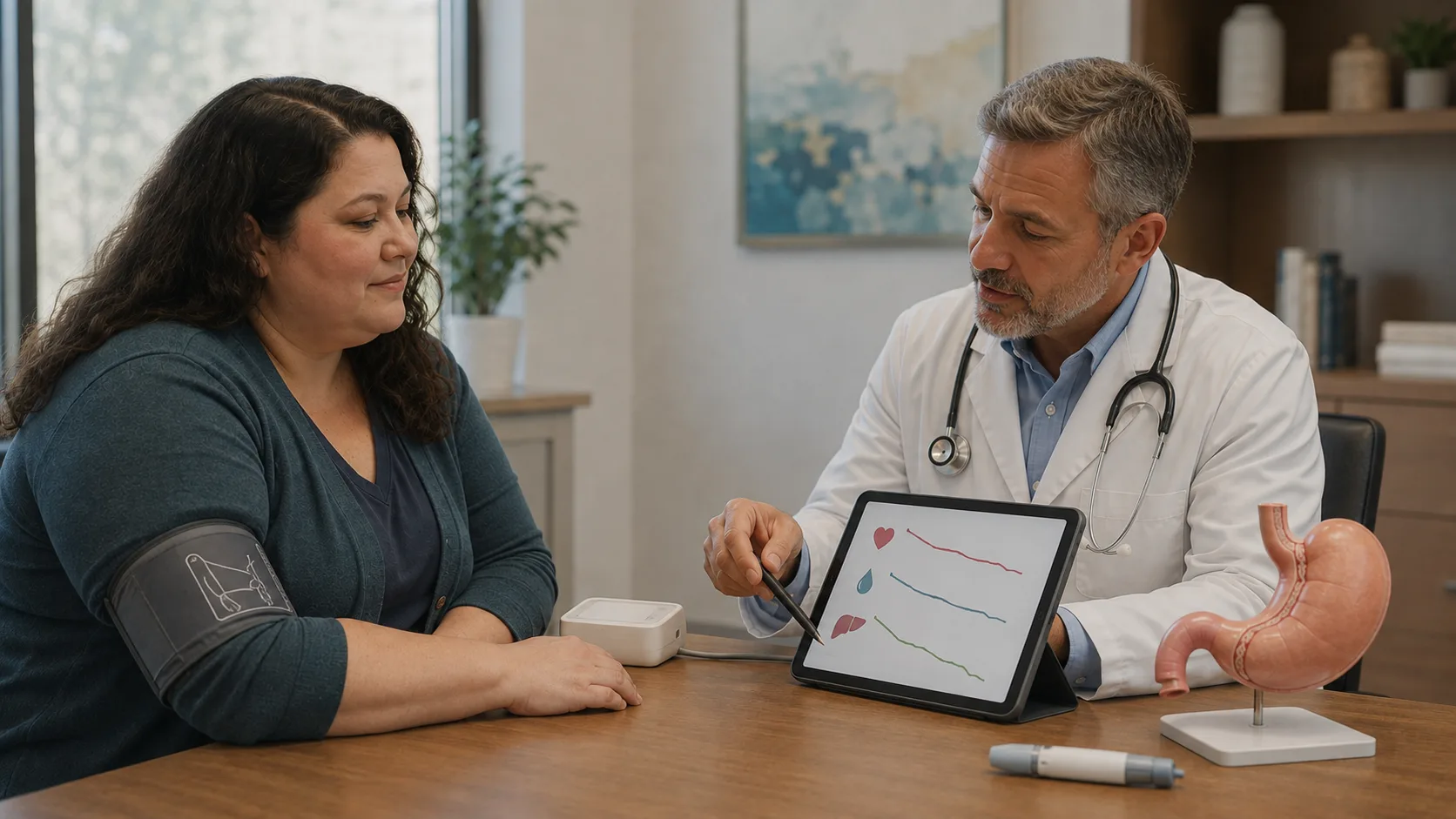
Kilo kaybı, bir sona ulaşma aracıdır. Nihai hedef sağlık iyileştirmesi, hastalık yükünü azaltma ve yaşam süresini uzatmadır. Her iki tedavi de obeziteye bağlı durumları etkiler, ancak kalıplar farklılık gösterir.
Obezite Cerrahisi Tip 2 Diyabeti İyileştirir Mi?
Metabolik cerrahi, tip 2 diyabet üzerinde dikkate değer etkiler üretmektedir. Gastrik bypass sonrasında hastaların %60-80'inde diyabet remisyonu gerçekleşir. Sleeve gastrektomi sonrasında remisyon oranları %50-70’e ulaşır. Bu faydalar genellikle cerrahiden birkaç gün içinde, önemli bir kilo kaybı gerçekleşmeden görünmeye başlar. Mekanizmalar, basit kalori kısıtlamasının ötesine geçmektedir. Değişen bağırsak anatomisi, safra asidi metabolizmasını değiştirir. Bağırsak hormon profilleri önemli ölçüde değişir. Proksimal ince bağırsak bypass'ı, anti-incretin faktörlerini azaltır. Bu metabolik değişiklikler, kilo kaybından bağımsız olarak insülin duyarlılığını ve beta hücresi fonksiyonunu iyileştirir. Diyabet Cerrahisi Zirvesi yönergeleri, metabolik cerrahiyi obez hastalar için tip 2 diyabetin standart tedavi seçeneği olarak kabul etmektedir. Uzun dönem çalışmalar, remisyonun birçok hasta için devam ettiğini göstermekte, ancak bazıları birkaç yıl sonra tekrar diyabet ilaçları gerektirebilmektedir. Tam remisyonsuz bile, çoğu hasta daha az ilaçla daha iyi glisemik kontrol sağlamakta.
Kilo Kaybı İlaçları Kardiyometabolik Sağlığı İyileştirir Mi?
GLP-1 ve GIP/GLP-1 ilaçları geniş kardiyometabolik faydalar sağlar. Semaglutid, diyabetli ve diyabetsiz hastalarda glisemik kontrolü iyileştirir. Diyabetik hastalarda HbA1c’yi yaklaşık %1.5-2.0 azaltır. Sistolik kan basıncı 4-6 mmHg düşer. Lipid profilleri trigliseritlerde azalma ve HDL kolesterolde artış ile iyileşir. İnflamatuar belirteçler azalır. SELECT denemesi, semaglutid’in önceden mevcut kardiyovasküler hastalığı olan hastalarda büyük olumsuz kardiyovasküler olayları %20 oranında azalttığını göstermiştir. Tirzepatid benzer veya daha büyük metabolik iyileşmeler göstermektedir. Bu faydalar yalnızca kilo kaybıyla sınırlı kalmaz. İlaçlar, doğrudan endotelyal fonksiyonu iyileştirir, oksidatif stresi azaltır ve kalp metabolizmasını artırır. Ancak, faydalar süregelen tedavi gerektirir. İlaç kullanımı durdurulursa, çoğu metabolik iyileşme aylar içinde tersine döner.
Hangi Tedavi Uzun Dönemde Hastalık Remisyonu İçin Daha Fazla Kanıt Sunar?
Obezite cerrahisi, uzun dönem hastalık remisyonu için daha güçlü kanıtlara sahiptir. STAMPEDE çalışması dahil olmak üzere çok sayıda rastgele kontrollü çalışma, cerrahinin yoğun tıbbi tedaviye kıyasla daha üstün diyabet remisyon oranları sağladığını göstermektedir. Uzun dönem gözlemsel çalışmalar, hastaları 10-20 yıl boyunca takip eder. Cerrahi hastalar daha düşük mortalite, daha az kardiyovasküler olay ve azalmış kanser insidansı göstermektedir. İlaçların kanıtları güçlüdür ancak süre açısından daha kısadır. Çoğu GLP-1 denemesi, hastaları 1-3 yıl boyunca takip etmektedir. Kardiyovasküler sonuç çalışmaları 3-5 yıla kadar uzanır. Hiçbir ilaç çalışması, cerrahi için mevcut 20 yıllık takip ile kıyaslanamaz. Ancak, yeni ilaçlar bazı cerrahi avantajları zorlayacak etkileyici metabolik etkiler gösterir. Hiçbir tedavi her komplike hastalık için evrensel olarak üstün değildir. Bireysel hasta faktörleri, hastalığın süresi, şiddeti ve genetik arka plan dahil olmak üzere sonuçları etkiler.
Obezite Cerrahisinin Riskleri ve Yan Etkileri Nelerdir?
Tüm tıbbi müdahaleler risk taşır. Cerrahi komplikasyonları anlamak, hastaların tedavi uygunluğu hakkında bilinçli kararlar vermelerine yardımcı olur.
Obezite Cerrahisinin Kısa Dönem Riskleri Nelerdir?
Bariyatrik cerrahi, anında perioperatif riskler taşır. Mortalite oranları, prosedür ve hasta faktörlerine bağlı olarak %0.1-0.5 arasında değişmektedir. Kanama, hastaların %1-3'ünde görülmektedir. Enfeksiyonlar, yara enfeksiyonları, apseler ve sepsis dahil olmak üzere hastaların %2-5'ini etkilemektedir. Mide bypassı sonrası anastomoz sızıntıları %1-2 oranında meydana gelir ve acil müdahaleyi gerektiren ciddi komplikasyonları temsil eder. Derin ven trombozu ve akciğer embolisi gibi tromboembolik olaylar hastaların %0.5-2'sinde görülmektedir. Anestezi ile ilgili komplikasyonlar, hava yolu yönetimi zorlukları nedeniyle obezitesi ağır olan hastaları daha sık etkilemektedir. Obstrüksiyon, perforasyon ve darlık gibi gastrointestinal komplikasyonlar ek prosedürler gerektirir. Deneyimli cerrahi ekipler komplikasyon oranlarını önemli ölçüde azaltır. Yüksek cerrahi hacme sahip akredite bariyatrik merkezler, daha iyi sonuçlar göstermektedir. Kan pıhtılaşmasını önleme, erken mobilizasyon ve dikkatli sıvı yönetimi içeren perioperatif izleme riski azaltır.
Uzun Vadede Hangi Beslenme Problemleri Ortaya Çıkabilir?
Beslenme eksiklikleri en yaygın uzun vadeli komplikasyondur. Mide bypassı hastaları, malabsorpsiyon nedeniyle özel bir risk altındadır. B12 vitamini eksikliği, takviye almayan hastaların %30-50'sini etkilemektedir. Demir eksikliği anemisi, hastaların %20-40'ında görülür. Kalsiyum ve D vitamini eksiklikleri kemik sağlığını tehdit eder. Folat, tiamin ve yağda çözünen vitamin eksiklikleri daha az sıklıkla ortaya çıkar ama izlenmesi gerekir. Protein malnütrisyonu, diyet kurallarına uymayan mide bypassı hastalarının %5-10'unu etkiler. Sleev gastrektomi, daha düşük malabsorpsiyon riski taşırken yine de vitamin eksiklikleri oluşturur. Tüm bariyatrik hastaların ömür boyu takviyeye ihtiyacı vardır. İlk yıl içinde her 3-6 ayda bir laboratuvar izleme ve sonrasında yıllık kontroller eksiklikleri erken tespit eder. Beslenme danışmanlığı, günlük 60-80 gram yeterli protein alımını garanti eder.
Bariyatrik Cerrahi Gastrointestinal Semptomlara Neden Olur mu?
Gastrointestinal semptomlar, birçok postoperatif hastayı etkiler. Bulantı ve kusma, erken adaptasyon döneminde sık görülür. Hastalar, iyice çiğneme, küçük lokmalar alma ve yavaş yeme gibi yeni yeme davranışlarını öğrenmelidir. Mide bypassı sonrası reflü semptomları düzelirken, bazı hastalarda sleeve gastrektomi sonrası kötüleşebilir. Dumping sendromu, mide bypassı hastalarının %20-30'unu etkilemektedir. Bu durum, şekerli veya yağlı yiyecekler tükettikten sonra çarpıntı, terleme, bulantı ve ishal gibi belirtilere yol açar. Dumping sendromu, hastaların sorunlu yiyeceklerden kaçınmasına yardımcı olur. Bazı hastalarda kırmızı et, ekmek veya süt ürünlerine karşı gıda intoleransı gelişir. Yeme alışkanlıklarındaki değişiklikler kalıcı yaşam tarzı ayarlamaları gerektirir. Çoğu hasta 6-12 ay içinde başarılı bir şekilde uyum sağlar.
Kilo Verme İlaçlarının Yan Etkileri Neler?
Farmakolojik tedavi farklı olumsuz etki profilleri taşır. Bu etkileri anlamak, hastaların tedaviye hazırlanmalarına ve uyumlarını sürdürmelerine yardımcı olur.
En Yaygın Gastrointestinal Yan Etkiler Nelerdir?
Gastrointestinal semptomlar, GLP-1 ve GIP/GLP-1 ilaçlarının yan etki profilinde baskın durumdadır. Semaglutid veya tirzepatid kullanmaya başlayan hastaların %30-40'ı bulantı yaşar. Kusma, hastaların %10-15'inde görülmektedir. Doz artırımı sırasında ishal, hastaların %20-30'unda etkili olur. Kabızlık, hastaların %10-15'inde ortaya çıkar. Abdominal rahatsızlık, şişkinlik ve kramplar, başlangıçta birçok hastayı etkiler. İştah ve gıda toleransındaki değişiklikler, özellikle yağlı yiyecekler olmak üzere bazı gıdalara karşı tiksinti meydana getirir. Bu yan etkiler, mide boşalmasının gecikmesi ve beynin kusma merkezleri üzerindeki doğrudan etkilerden kaynaklanmaktadır. Çoğu semptom, stabil bir dozda tedavi sonrası 4-8 hafta içinde düzelir. Yavaş doz artırımı, şiddeti azaltır. Daha küçük ve yavaş yemekler yemek bulantıyı minimize eder. Johns Hopkins Medicine, GLP-1 tedavisi ile ilişkili potansiyel olumsuz etkiler arasında bulantı, yorgunluk, baş dönmesi ve kabızlığı tanımlar (Johns Hopkins Medicine).
İlaç Toleransını Neler Etkiler?
Birçok faktör, hastaların obezite karşıtı ilaçlara toleransını etkiler. Doz artırma hızı, yan etkileri önemli ölçüde etkilemektedir. Hızlı titrasyon, gastrointestinal semptomları artırırken, daha yavaş titrasyon toleransı iyileştirir ama tedavi dozlarını geciktirir. Tedavi süresi önemlidir çünkü çoğu yan etki, başlangıç adaptasyon döneminden sonra azalır. Bireysel yanıt, genetik faktörler, başlangıç gastrointestinal fonksiyon ve hormonal değişikliklere karşı hassasiyete bağlıdır. Opioid, antibiyotik veya diğer gastrointestinal ilaçlar gibi eşlik eden ilaçlar, yan etkileri kötüleştirebilir. Gastroparezi, safra kesesi hastalığı veya pankreatit gibi altta yatan durumlar, GLP-1 kullanımını contraindike eder veya karmaşık hale getirir. Beklenen yan etkiler hakkında hasta eğitimi, uyumu artırır. Bulantının genellikle haftalar içinde geçtiğini bilmek, hastaların uyum sürelerinde devam etmelerine yardımcı olur.
Yan Etkiler Tedavi Uyumunu Etkilerse Ne Olur?
Yan etkiler, hastaların %15-30'unda ilaç kullanimini durdurmalarına yol açar. Bulantı veya kusma şiddetli hale geldiğinde, hekimler doz artırımını durdurabilir veya geçici olarak dozu azaltabilir. Bazı hastalar, ilk haftalarda antiemetik ilaçlar gerektirir. Alternatif farmakolojik stratejiler, farklı yan etki profillerine sahip başka GLP-1 ajanlarına geçiş yapmak veya non-incretin ilaçları denemek olabilir. Tıbbi gözetim, tedavi süresince esastır. Kontrolsüz kullanım komplikasyon risklerini artırır. Hastalar, ciddi veya kalıcı semptomları derhal bildirmelidir. Kusmadan kaynaklanan dehidrasyon acil müdahale gerektirir. Hızlı kilo kaybıyla safra kesesi problemleri gelişebilir ve değerlendirilmesi gerekebilir. Çoğu yan etki, uygun tıbbi destek ile yönetilebilir.
Bariyatrik Cerrahi mi Kilo Verme İlaçları mı Daha Pahalı?
Maliyet değerlendirmeleri, tedaviye erişilebilirlik ve uzun vadeli değer üzerinde etkilidir. Her iki yaklaşım da önemli ölçüde finansal yatırım gerektirir ancak maliyet yapıları dramatik bir şekilde farklıdır.
Bariyatrik Cerrahinin Maliyetini Neler Belirler?
Bariyatrik cerrahi, önemli bir başlangıç maliyeti gerektirir. Cerrahi prosedürün kendisi ABD'de 15,000 ile 25,000 dolar arasında değişmektedir. Hastane ve anestezi ücretleri birkaç bin dolar ekler. Kardiyovasküler değerlendirme, laboratuvar çalışmaları ve görüntüleme ile ilgili preoperatif testler 1,000-3,000 dolara mal olmaktadır. Postoperatif takip ziyaretleri, beslenme danışmanlığı ve psikolojik destek sürekli masraflar ekler. Beslenme takviyeleri, yıllık 500-1,000 dolar arasında maliyet oluşturmaktadır. Sigorta kapsamı büyük farklılıklar göstermektedir. Birçok plan, gerekli preoperatif programları tamamladıktan sonra uygun hastalar için bariyatrik cerrahiyi kapsar. Bazı planlar, bariyatrik kapsamı tamamen dışlar. Cebe çıkan maliyetler, muafiyetler, ortak ödemeler ve ağ durumu gibi faktörlere bağlıdır. Johns Hopkins Medicine, farklı planlar ve sağlık sistemleri arasında bariyatrik cerrahi için sigorta kapsamının önemli ölçüde değiştiğini belirtmektedir (Johns Hopkins Medicine).
Uzun Vadeli Kilo Verme İlaçları Ne Kadar Maliyet Oluşturabilir?
Kilo verme ilaçlarının maliyetleri, bir kerelik masraflar yerine sürekli maliyetler oluşturur. Semaglutid 2.4 mg, ABD'de aylık yaklaşık 1,300-1,500 dolara mal olmaktadır. Tirzepatid, aylık yaklaşık 1,000-1,300 dolara mal olmaktadır. Yıllık ilaç maliyetleri 12,000-18,000 dolara ulaşmaktadır. Beş yıllık ilaç maliyetleri 60,000-90,000 doları geçebilir. Obezite karşıtı ilaçlar için sigorta kapsamı tutarsız kalmaktadır. Medicare kilo verme ilaçlarını kapsamaz. Birçok özel sigortacı, obezite karşıtı ilaçları hariç tutar veya önceden izin gerektirir. Ortak ödemeler ve muafiyetler değişkendir. Kapsama sahip olmayan hastalar büyük finansal yüklerle karşılaşabilir. Tedarik kıtlıkları, maliyetleri artıran gri pazar fiyatlamaları yaratmıştır. Kronik tedavi modeli, bu giderlerin sonsuza dek devam etmesini sağlar. Johns Hopkins Medicine, sigorta tarafından karşılanmadığında kilo verme ilaçlarının önemli aylık sürekli maliyetler içerebileceğini not eder (Johns Hopkins Medicine).
Cerrahi Uzun Vadede Daha Mali Etkili mi?
Ekonomik analizler, bariyatrik cerrahinin uygun hastalar için uzun vadeli ilaç tedavisine göre genellikle daha maliyet etkin olduğunu önermektedir. Tek seferlik cerrahi harcama, yıllarca süren tekrar eden ilaç maliyetleriyle karşılaştırıldığında olumlu bir değerlendirme sunmaktadır. Araştırmalar, cerrahinin kendini 2-4 yıl içinde ilaç ihtiyacının azalması, daha az hastaneye yatış ve artan verimlilik ile geri ödendiğini göstermektedir. Diyabet remisyonu, hipertansiyonun çözümü ve uyku apnesinin tedavisi ile ilişkili sağlık tasarrufları önemli bir değer katmaktadır. Maliyet etkinliği, sağlık sistemi yapısına, sigorta kapsamına, ilaç erişimine ve tedavi süresine bağlıdır. cömert ilaç kapsamına sahip sistemlerde, farmakoterapi kısa vadede daha iyi bir değer sunabilir. Sağlık sigortası olmayan ve cebinden ödeme yapan hastalar için cerrahi, daha yüksek başlangıç maliyetine rağmen uzun vadeli ekonomik sonuçlar sunabilir.
İyileşme ve Tedavi Yükü Karşılaştırması Nasıl?
Tedavi yükü, iyileşme süresi, günlük yönetim gereksinimleri ve uzun vadeli izleme taahhütlerini kapsar. Hastalar, yaklaşımlar arasında seçim yaparken bu pratik farkları anlamalıdır.
Bariatrik Cerrahiden Sonra İyileşme Süresi Ne Kadardır?
Obezite cerrahisi önemli bir hemen iyileşme süresi gerektirir. Çoğu hasta, ameliyattan sonra hastanede 1-3 gün kalır. Laparoskopik yaklaşımlar, açık cerrahiye kıyasla iyileşme süresini kısaltır. Hastalar genellikle 2-3 hafta içinde masa başı işe döner. Ağır kaldırma ve yorucu aktiviteler için 4-6 hafta kısıtlama gereklidir. Diyet ilerlemesi yapılandırılmış bir protokolü takip eder. Hastalar birkaç gün boyunca sıvı gıda alır, sonra püre haline getirilmiş yiyeceklere, daha sonra yumuşak gıdalara ve nihayetinde 4-6 hafta içinde normal dokulara geçer. Günlük aktivitelere dönüş yavaş yavaş gerçekleşir. Egzersiz ilerlemesi yürüyüşle başlar ve 6-8 hafta içinde daha yoğun aktivitelere geçer. Uzun dönem takip ömür boyu devam eder. Hastalar, ilk yıl boyunca sık ziyaretler gerçekleştirir, ardından yıllık ziyaretler yaparlar.
Kilo Verme İlaçlarıyla Günlük Yaşam Nasıldır?
Kilo verme ilaçları farklı günlük yükler getirir. Hastalar, en modern ajanlar için haftalık subkütan enjeksiyonlar uygular. Bazı eski ilaçlar günlük enjeksiyon veya ağızdan dozaj gerektirir. Tedavi seviyelerine ulaşmak için doz artırımı 8-16 hafta boyunca gerçekleşir. Reçete takibi, her 3-6 ayda bir düzenli doktor ziyaretleri gerektirir. Yan etki yönetimi, yemek zamanı, gıda seçimleri ve hidrasyona dikkat edilmesini gerektirir. Uzun vadeli uyum, enjeksiyonları haftalık rutine entegre etmeyi gerektirir. Seyahat, ilaç depolama ve tedarik planlaması gerektirir. Cerrahinin aksine, ilaç tedavisinin herhangi bir iyileşme süreci yoktur. Hastalar normal aktivitelere hemen devam ederler. Ancak, tedavinin sürekli doğası farklı bir yük yaratır. Enjeksiyonları hatırlamak, ilaç yenilemek ve randevulara katılmak sonsuz bir şekilde devam eder.
Hangi Seçenek Daha Fazla Uzun Vadeli İzleme Gerektirir?
Her iki yaklaşım da önemli ölçüde uzun vadeli izleme gerektirir. Cerrahi hastaların başlangıçta her 3-6 ayda bir, ardından ise yıllık olarak beslenme laboratuvar değerlendirmesi yapılması gerekmektedir. Vitamin ve mineral takviyeleri sürekli bir ayarlama gerektirir. Kemik yoğunluğunun izlenmesi birkaç yıl sonra önemli hale gelir. İlaç kullanan hastalar, böbrek fonksiyonu, pankreatik enzimler ve tiroid belirteçlerini içeren metabolik izlemeye ihtiyaç duyarlar. Doz ayarlamaları, kilo değişiklikleri, yan etkiler ve metabolik belirteçlere göre yapılır. Her iki yaklaşım da yaşam tarzı müdahalesini talep eder. Diyet kalitesi, fiziksel aktivite, uyku hijyeni ve stres yönetimi, hangi tedavi yöntemi kullanılırsa kullanılsın sonuçları destekler. Hiçbir yaklaşım sağlıklı davranışların gerekliliğini ortadan kaldırmaz.
Bariatrik Cerrahi ve Kilo Verme İlaçları Birlikte Kullanılabilir Mi?
Modern obezite yönetimi, tedavilerin birleştirilmesinin değerini giderek daha fazla kabul etmektedir. Ameliyat ve ilaçların ardışık veya eşzamanlı kullanımı, belirli hastalar için sonuçları optimize edebilir.
Bariyatrik Cerrahiden Önce Ne Zaman İlaç Kullanılması Gerebilir?
Ameliyat öncesi farmakoterapi, seçilen hastaların ameliyata hazırlanmasına yardımcı olur. GLP-1 ilaçları, ciddi obez hastalarda ameliyat öncesi %10-15 oranında kilo kaybı sağlar. Bu azalma, karaciğer boyutunu azaltarak, karın erişimini iyileştirerek ve anestezi risklerini azaltarak cerrahi güvenliği artırır. Ameliyat öncesi metabolik optimizasyon, perioperatif glikoz kontrolünü iyileştirir. Bazı sigorta planları, cerrahiyi onaylamadan önce belgelenmiş kilo kaybı denemeleri talep eder. İlaç, bu gerekliliği karşılarken aynı zamanda gerçek sağlık yararları sağlar. Ameliyat öncesi tedavi, gerekli cerrahiyi sonsuza dek ertelememelidir. Çoğu hastada optimal süre 3-6 ay arasındadır.
Bariyatrik Cerrahiden Sonra Kilo Kaybı İlaçları Kullanılabilir Mi?
Postoperatif farmakoterapi birkaç klinik durumu ele almaktadır. Bazı hastalar, ameliyattan sonra %20'den az toplam kilo kaybı ile tanımlanan yetersiz kilo kaybı yaşayabilir. İlaçlar, cerrahi etkileri artırabilir. Kilo verme platoları genellikle ameliyat sonrası 12-18. aylarda ortaya çıkar. GLP-1 ajanları, kilo kaybını yeniden başlatabilir. Ameliyattan sonra kilo geri kazanımı, hastaların %20-30'unu 2-5 yıl içinde etkiler. Davranışsal müdahalelerin yetersiz olduğu durumlarda ilaçlar, geri kazanımı yönetmeye yardımcı olur. Mekanizmalar, ilaçların tamamlayıcı yollarla çalışması nedeniyle ameliyattan sonra da etkili olmaya devam eder. Johns Hopkins Medicine, GLP-1 tedavisinin, ek kilo kaybını veya postoperatif platoları ele almak için ameliyattan sonra kullanılabileceği durumları özel olarak tanımaktadır (Johns Hopkins Medicine).
Kombinasyon Tedavisi Mevcut Kanıtlarla Destekleniyor mu?
Kombinasyon tedavisi için kanıtlar ortaya çıkmaya devam ediyor. Küçük çalışmalar, postoperatif GLP-1 kullanımının tekrar kilo alan hastalarda %5-10 ek kilo kaybı sağladığını göstermektedir. Retrospektif analizler, birleşik yaklaşımlarla gelişmiş metabolik belirteçler önermektedir. Ancak, postoperatif ilaçlar ile plasebo arasında karşılaştırma yapan büyük randomize çalışmalarda sınırlı kalıyor. Metabolik cerrahinin yanı sıra farmakoterapi için ortaya çıkan rol, obezitenin kronik hastalık modeliyle paraleldir. Diyabet yönetiminin sıklıkla birden fazla ilacı gerektirmesi gibi, obezite yönetimi de çok modlu yaklaşımlardan fayda sağlayabilir. Bireyselleştirilmiş tedavi planları, tek modalitelerin yetersiz kaldığı durumlarda kombinasyon tedavisini dikkate almalıdır. Daha fazla araştırma, kombinasyon tedavisi için optimal zamanlama, dozlama ve hasta seçimini tanımlamalıdır.
Bariyatrik Cerrahi ile Zayıflama İlaçları Arasındaki Seçimi Belirleyecek Faktörler Nelerdir?
Tedavi seçimi, birçok hasta özel faktörünün sistematik bir değerlendirmesini gerektirir. Her hasta için geçerli evrensel bir algoritma bulunmamaktadır.
Obezitenin Şiddeti Tercih Edilen Tedaviyi Değiştirir mi?
BMI, tedavi seçiminde önemli bir etkiye sahiptir. BMI'si ≥40 kg/m² veya BMI'si ≥35 kg/m² olan, ciddi ek hastalığı bulunan hastalar genellikle ameliyatla daha iyi sonuçlar elde ederler. Aşırı kilonun derecesi, ne kadar ilacın gerçekçi bir şekilde fayda sağlayabileceğini etkiler. %30-40 oranında kilo vermesi gereken hastaların cerrahi müdahale gerektirmesi olabilir. %10-20 oranında kilo vermesi gerekenler ise ilaçla başarı elde edebilirler. Uzun süreli tip 2 diyabet gibi metabolik hastalıkların varlığı, remisyon potansiyeli için cerrahiyi destekler. Önceki tedavi geçmişi önemlidir. Birden fazla ilaç denemesinde başarısız olan hastaların cerrahi müdahaleye ihtiyaç duyması gerekebilir. Sadece yaşam tarzı değişikliğiyle başarı elde eden hastalar, cerrahiyi düşünmeden önce ilaç denemesi yapabilirler.
Mevcut Tıbbi Durumlar Kararınızı Nasıl Etkiler?
Eşlik eden hastalık profilleri tedavi seçiminde rehberlik eder. 5 yıldan kısa süredir devam eden tip 2 diyabet cerrahiden iyi yanıt alır. Uzun süreli insülin bağımlılığı olan diyabet daha az fayda sağlayabilir. Hipertansiyon her iki tedaviyle de iyileşmektedir ancak cerrahiden sonra daha tamamen düzelme gösterebilir. Obstrüktif uyku apnesi genellikle tam çözüm için cerrahi müdahale gerektirir. Şiddetli gastroözofageal reflü hastalığı, sleeve gastrektomiye kıyasla gastrik bypassı tercih edebilir. Kardiyovasküler hastalık dikkatli bir cerrahi risk değerlendirmesi gerektirir. İleri fibroz dahil karaciğer hastalığı cerrahiyi contraindike edebilir. Her bir durum bireyselleştirilmiş bir değerlendirme gerektirir.
Önceki Kilo Kaybı Denemeleri Tedavi Seçimini Nasıl Etkiler?
Tedavi geçmişi, gelecekteki başarıyı tahmin eder. Yaşam tarzı müdahalesi ile anlamlı kilo kaybı elde eden ancak tekrar kilo alan hastalar, ilaçla başarılı olabilirler. Yoğun çabalara rağmen önemli bir kayıp elde edemeyenler ise cerrahi müdahaleye ihtiyaç duyabilirler. Önceki ilaç tedavisi denemeleri, ilaçların toleransını ve uyum eğilimlerini ortaya koymaktadır. Yan etkiler nedeniyle ilaçları bırakan hastalar, yeni ilaçlarla benzer zorluklarla karşılaşabilirler. Önceki kilo kaybı ve kilo alma kalıpları, davranışsal tetikleyicileri ve fizyolojik adaptasyon eğilimlerini tanımlar.
Hasta Tercihlerinin Kararı Nasıl Etkilediği?
Hasta özerkliği, tedavi seçiminde merkezi bir öneme sahiptir. Bazı hastalar uygunluklarına bağlı olmaksızın cerrahiden kaçınmayı güçlü bir şekilde tercih etmektedir. Diğerleri ise ameliyatı kesin bir çözüm olarak görmekte ve devam eden tedavilere direnç göstermektedir. Bir operasyona girme isteği, psikolojik hazırlık, sosyal destek ve risk toleransı gerektirir. Uzun süreli ilaç kullanımına tolerans, kronik tedavi modellerinin kabulünü gerektirir. Finansal unsurlar, sigorta kapsamı, cebinden ödeme yapma maliyeti ve istihdam üzerindeki etkiler kararları etkiler. İstenilen kilo kaybı miktarı ve hızı farklılık göstermektedir. Bazı hastalar hızlı ve önemli bir kaybı öncelikli olarak görmekte, diğerleri ise yavaş ve tıbbi denetim altında bir azalmayı tercih etmektedir. Uzun süreli takip sağlama yeteneği her iki seçeneği de etkilemektedir. Güvenilir sağlık hizmeti erişimi olmayan hastalar, her iki yaklaşımla da zorluklar yaşayabilir.
Bariyatrik Cerrahi mi Yoksa Kilo Verme İlaçları mı: Farklı Hasta Profilleri için Hangisi Daha İyi?
Tedavi yönteminin hasta özelliklerine göre eşleştirilmesi sonuçları optimize eder. Farklı profiller, açıkça farklı yaklaşımları desteklemektedir.
Bariatrik Cerrahiden Kimler Daha Fazla Yararlanabilir?
Cerrahi tedavi, belirli hasta gruplarına uygundur. Şiddetli obezitesi olan hastalar, özellikle BMI ≥40 kg/m² olanlar, cerrahi ile daha iyi sonuçlar elde etmektedir. Kontrolsüz diyabet, şiddetli uyku apnesi veya metabolik sendrom gibi önemli obezite ile ilişkili komorbiditeleri bulunan hastalar, cerrahinin hastalık remisyon potansiyelinden fayda sağlamaktadır. %25-35 arasında önemli ve kalıcı bir kilo kaybına ihtiyaç duyan hastalar için cerrahi daha güvenilir bir seçenek sunar. Birden fazla ameliyatsız yaklaşımla yeterli sonuç alamayan hastalar, cerrahi seçenekleri düşünmelidir. Daha az cerrahi risk faktörüne sahip genç hastalar, erken cerrahi müdahale ile on yıllar boyunca yarar sağlayabilirler.
Kilo Kaybı İlaçlarından Kimler Daha Fazla Faydalanabilir?
Farmakoterapi, farklı hasta ihtiyaçlarına etkili bir şekilde hizmet eder. Cerrahi kriterleri karşılamayan, BMI'si 27-35 kg/m² arasında olan hastalar, cerrahi seçeneklerin mevcut olmadığı durumlarda ilaç kullanımı için uygun kabul edilir. Kişisel, kültürel veya tıbbi nedenlerden dolayı cerrahi bir yaklaşımı tercih eden hastalar, anlamlı sonuçlar elde edebilirler. Sağlık iyileşmesi için %10-20 oranında orta düzeyde kilo kaybı gereken hastalar, ilaç tedavisinin yeterli olduğunu görebilirler. Uzun süreli farmakolojik tedaviye önemli yan etkiler veya uyum engelleri olmaksızın tolerans gösterebilen ve bunu sürdürebilen hastalar, bu yaklaşımda başarılı olurlar. Kalp, akciğer veya kanama bozuklukları nedeniyle yüksek cerrahi riske sahip olan hastalar, birinci basamak tedavi olarak ilaç kullanımı gerektirebilir.
Kombinasyon Tedavisi Ne Zaman Uygun Olabilir?
Kombinasyon veya ardışık tedavi karmaşık vakaları ele alır. Tek başına ilaç tedavisine yetersiz yanıt veren hastalar, sonunda cerrahi müdahale gerekebilir. Cerrahi sonrası kilo kaybı duraklama dönemine giren hastalar, ilaç destek tedavisinden fayda görebilirler. Ameliyat sonrası kilo alımı, farmakolojik müdahaleye yanıt verir. Multimodal yönetim gerektiren karmaşık metabolik hastalıklar, her iki tedavi yöntemini de gerektirebilir. Yaklaşımları birleştirme kararı, çoğu hasta için ilk tedavi olarak hizmet etme yerine, tek modlu optimizasyonun başarısız olmasının ardından alınmalıdır.
Mevcut Kanıtlar Bariyatrik Cerrahi ve Kilo Kaybı İlaçları Hakkında Ne Diyor?
Mevcut kanıtlar her iki tedaviyi de desteklerken, önemli farklılıkları vurgulamaktadır. Çalışma sınırlamalarını anlamak, bulguları doğru bir şekilde yorumlamaya yardımcı olur.
Karşılaştırmalı Kanıtları Nasıl Yorumlamalıyız?
Kıyaslama kiloyla ilgili kanıt, çeşitli çalışma türlerinden gelmektedir. Rasgele klinik denemeler, en güçlü kanıtları sunar ancak doğrudan cerrahi ile ilaç karşılaştırmaları açısından sınırlı kalmaktadır. 2025 ASMBS tarafından rapor edilen gözlemsel çalışmalar, gerçek dünya içgörüleri sunar ancak içsel önyargılar taşımaktadır. ASMBS çalışması, 2018-2024 yılları arasındaki geriye dönük elektronik sağlık kayıt verilerini kullanmış ve yaş, BMI ve komorbiditeler için karşılaştırmaları ayarlamıştır. Gözlemsel tasarımı, ölçülmemiş karıştırıcıların sonuçları etkileyebileceği anlamına gelir. Hasta grupları motivasyon, sosyoekonomik durum ve sağlık hizmetlerine erişim açısından farklılık göstermektedir. Tedavi süresi gruplar arasında değişiklik göstermiştir. İlaç uyumu muhtemelen klinik deneme koşullarından farklılık göstermektedir. Çalışma tasarımındaki sınırlamalar temkinli yorumları yönlendirmelidir. Tek bir çalışma her hasta için kesin kanıt sağlamaz. Karşılaştırmalı etkinliği netleştirmek için daha uzun süreli doğrudan karşılaştırmalı rastgele denemeler gereklidir.
Bariyatrik Cerrahi ile Kilo Verme İlaçları Arasındaki Temel Farklar Nelerdir?
Yapılandırılmış bir karşılaştırma, her bir yaklaşımın karakteristik özelliklerini vurgular.
Faktör | Bariyatrik Cerrahi | Kilo Verme İlaçları |
Tedavi türü | Cerrahi/metabolik müdahale | Farmakolojik müdahale |
Kilo verme potansiyeli | Genelde şiddetli obezite için daha yüksektir | Değişken; yeni insan inkretin terapileri ile önemli ölçüde etkili |
Dayanıklılık | Genellikle uzun vadeli olup, yeniden kilo alma durumu söz konusu olabilir | Genellikle sürekli tedavi gerektirir |
İyileşme | Postoperatif iyileşme gerektirir | Cerrahi iyileşme yoktur |
Yaygın yan etkiler | Cerrahi ve beslenme komplikasyonları | Başlıca gastrointestinal ve ilaçla ilişkili etkiler |
Uzun vadeli izleme | Beslenme ve cerrahi takibi | İlaç ve metabolizma izleme |
Geri dönebilme | İşleme bağlı | Tedavi genel olarak durdurulabilir |
Maliyet yapısı | Daha yüksek başlangıç işlem maliyeti | Tekrarlayan ilaç maliyeti |
Uygunluk | Genel olarak daha kısıtlayıcı | Genellikle daha düşük BMI eşiğinde mevcut |
Eşlik eden hastalık etkileri | Güçlü metabolik ve hastalık remisyonda etkileri | Önemli metabolik ve kardiyovasküler faydalar |
Her Tedavinin Avantajları ve Sınırlamaları Nelerdir?
Her iki yaklaşım da hastaların dikkatle değerlendirmesi gereken farklı avantajlar ve dezavantajlar sunmaktadır.
Bariyatrik Cerrahinin Avantajları Nelerdir?
Bariyatrik cerrahi birkaç benzersiz avantaj sağlar. Ortalama ağırlık kaybı potansiyeli toplam vücut ağırlığının %25-35'ine ulaşır. Kalıcı sonuçlar çoğu hastada 10-20 yıl devam eder. Güçlü metabolik etkiler, uygun şekilde seçilmiş hastaların çoğunda diyabet remisyonu sağlar. Obezite ile ilgili hastalıkların potansiyel remisyonu veya iyileşmesi hipertansiyon, uyku apnesi ve yağlı karaciğer hastalığını kapsamaktadır. Uzun süreli anti-obezite ilaçlarına bağımlılığın azalması, kesin müdahale tercih eden hastalar için cazip olmaktadır. Tek işlem, iyileşme sonrası günlük tedavi yükünü ortadan kaldırır.
Bariyatrik Cerrahinin Sınırlamaları Nelerdir?
Cerrahi sınırlamalar ciddi bir değerlendirme gerektirir. İnvaziv müdahale, kanama, enfeksiyon ve anestezi komplikasyonları dahil perioperatif riskler taşır. Beslenme yetersizlikleri ömür boyu takviye ve izleme gerektirir. Ömür boyu süren davranışsal ve beslenme gereksinimleri, yeme alışkanlıklarını kalıcı olarak kısıtlar. Potansiyel postoperatif komplikasyonlar, darlıklar, ülserler veya fıtıklar ek işlemleri gerektirebilir. Anatomik değişikliklere rağmen önemli bir azınlığı etkileyen kilo geri kazanımı yaşanabilir. Bazı işlemlerin geri döndürülemezliği gelecekteki seçenekleri kısıtlar.
Kilo Kaybı İlaçlarının Avantajları Nelerdir?
İlaçlar önemli avantajlar sunar. Cerrahi tedavi risklerini ve iyileşme sürelerini ortadan kaldıran cerrahi olmayan bir tedavi seçeneği mevcuttur. Cerrahi iyileşme gerektirmemesi, normal aktivitelere hemen dönmeyi sağlar. Ayarlanabilir tedavi, yanıt ve toleransa bağlı olarak doz değişikliklerine veya durdurmaya izin verir. Cerrahiye uygun olmayan veya cerrahiden kaçınmayı tercih eden hastalar için uygunluk, tedavi erişimini artırır. Yeni meydana gelen inkretin tabanlı tedavilerle önemli kilo kaybı potansiyeli, bazı cerrahi sonuçlara yaklaşmaktadır. Geri döndürülebilirlik, yan etkilerin veya yaşam koşullarının değişmesi durumunda tedavinin durdurulmasına olanak tanır.
Kilo Kaybı İlaçlarının Sınırlamaları Nelerdir?
İlaç sınırlamaları, gerçek dünyadaki başarıyı etkiler. Sürekli tedavi gereksinimi, ömür boyu uyum gerektirir. Yan etkiler, hastaların %15-30'unda tedaviye uyumu sınırlayabilir. Tedavi kesildikten sonra kilo yeniden kazanımı öngörülebilir bir şekilde gerçekleşir. Uzun vadeli maliyet ve sigorta kapsamı birçok sağlık sistemi için sorunlu kalmaya devam etmektedir. Gerçek dünya etkinliği, uyum zorlukları nedeniyle genellikle klinik deneme sonuçlarının altında kalır. Bazı hastalar için kronik enjeksiyon gereksinimleri bir yük oluşturur. Tedarik eksiklikleri ve erişim engelleri tedavi kesintilerine yol açar.
Hastalar Bariyatrik Cerrahi ile Kilo Kaybı İlaçları Arasında Nasıl Karar Vermelidir?
Karar verme süreci, hastalar ile deneyimli klinisyenler arasında yapısal bir değerlendirme ve ortak karar verme gerektirir.
Doğru Karara Giden Adımlar Nelerdir?
Hastaların, obezite tıbbı veya metabolik cerrahi gibi alanlarda deneyimli bir doktor tarafından değerlendirilmesiyle başlamalıdır. Kapsamlı bir değerlendirme; BMI, komorbiditeler, önceki tedaviler, ilaç geçmişi ve cerrahi risk faktörlerini içerir. Gerçekçi kilo kaybı ve sağlık hedefleri tedavi olanaklarıyla uyumlu olmalıdır. Hastalar, her seçenekte beklenen yararları riskler ve tedavi yükü ile karşılaştırmalıdır. Sigorta kapsamı ve uzun vadeli maliyetler açık bir şekilde tartışılmalıdır. Multidisipliner ekip, ilaç, cerrahi veya kombinasyon terapisinin en uygun bireyselleştirilmiş stratejiyi sunup sunmadığını değerlendirmelidir. Psikolojik hazırlık, sosyoekonomik destek ve yaşam tarzı faktörleri, seçilen yöntemden bağımsız olarak başarıyı etkiler.
Sonuç: Bariyatrik Cerrahi Kilo Kaybı İlaçlarından Daha İyi Midir?
Bariyatrik cerrahi ile kilo kaybı ilaçları arasındaki karşılaştırmada evrensel bir kazanan yoktur. Kanıtlar, her iki tedavinin modern obezite yönetiminde değerli araçlar olduğunu desteklemektedir. Bariyatrik cerrahi, genellikle şiddetli obezite olan hastalarda daha büyük ve daha kalıcı kilo kaybı sağlar. Cerrahi müdahale, daha üstün diyabet remisyon oranları ve uzun vadeli hastalık modifikasyonu sunar. Modern kilo kaybı ilaçları, önemli bir cerrahi olmayan seçenek sağlayarak yeni ajanlar ile %15-22 oranında klinik olarak anlamlı kilo kaybı sağlayabilir. İlaçların etkinliği, kısmen sürekleyen tedavi ve uyuma bağlıdır. Cerrahi ve farmakoterapi, kapsamlı obezite bakımında rekabet eden alternatifler yerine tamamlayıcı araçlar olarak işlev görmelidir. İdeal tedavi planı, hasta tercihleri, klinik özellikler, metabolik ihtiyaçlar ve pratik kısıtlamaları göz önünde bulunduran multidisipliner, bireyselleştirilmiş karar verme sürecinden ortaya çıkar. Hastalar, kendileri için en uygun yaklaşımı seçme konusunda aktif katılımları için her iki yol hakkında kapsamlı eğitim almayı hak ederler. Obezite, ömür boyu yönetim gerektiren kronik bir hastalık olarak kalmaktadır. Anatomik modifikasyon, farmakolojik destek veya birleşik stratejiler aracılığıyla olsun, sağlıklı davranışlarla sürekli etkileşim ve tıbbi takip uzun vadeli başarıyı belirler.
Kaynaklar
Arterburn, David E., ve diğerleri. "Bariyatrik Cerrahiden Sonra Uzun Vadeli Sonuçlar: Tüm Bariyatrik Prosedürler İçin 10 veya Daha Fazla Yıl Kilo Kaybı Üzerine Sistematik Bir İnceleme ve 20 Yıl Sonrası Ayarlanabilir Gastrik Bantlama Üzerine Tek Merkez İncelemesi." Obesity Surgerydergisinde, cilt 30, sayı 4, 2020, ss. 1373-1383.
Garvey, W. Timothy, ve diğerleri. "Tirzepatide Haftada Bir, Tip 2 Diyabeti Olan Kişilerde Obezite Tedavisi İçin (SURMOUNT-2): İki Aşamalı, Rastgele, Çok Merkezli, Plasebo Kontrollü, Faz 3 Denemesi." The Lancetdergisinde, cilt 402, sayı 10403, 2023, ss. 613-626.
Jastreboff, Ania M., ve diğerleri. "Tirzepatide Haftada Bir Obezite Tedavisi İçin." New England Journal of Medicinedergisinde, cilt 387, sayı 3, 2022, ss. 205-216.
Mingrone, Geltrude ve diğ. "Tip 2 Diyabet için Bariyatrik Cerrahi ile Geleneksel Medikal Tedavi."New England Journal of Medicinecilt 366, sayı 17, 2012, ss. 1577-1585.
Neovius, Martin ve diğ. "Aşırı Obezitesi Olan Ergenlerde Bariyatrik Cerrahinin Maliyet-Etkinliği: Bir Markov Mikro Simülasyon Modelinin Sonuçları."Obezitecilt 30, sayı 8, 2022, ss. 1632-1642.
Rubino, Francesco ve diğ. "Tip 2 Diyabet İçin Tedavi Algoritmasında Metabolik Cerrahi: Uluslararası Diyabet Organizasyonları Tarafından Ortak Bildiri."Diyabet Bakımıcilt 45, sayı 3, 2022, ss. 675-683.
Wilding, John P. H. ve diğ. "Ağırlık veya Obezitesi Olan Yetişkinlerde Haftada Bir Semaglutid."New England Journal of Medicinecilt 384, sayı 11, 2021, ss. 989-1002.