
ما هو الناسور؟
الناسور هو اتصال بين هيكلين مجوفين أو أنبوبيين. يقوم الجراحون بإنشاء هذا الاتصال لاستعادة تدفق الدم أو الطعام أو السوائل أو البول أو الهواء عندما تتعطل المسار الطبيعي نتيجة مرض أو إصابة أو عملية سابقة.
If you’ve ever looked in the mirror and thought, “Hmm, is my chest puffier than usual?”, you’re not alone. It’s a question many guys (and even some teens and older men) have asked themselves at some…
استكشف المزيد من الرؤى حول العلاجات، التعافي، والرعاية الجمالية.
الناسور هو اتصال بين هيكلين مجوفين أو أنبوبيين. يقوم الجراحون بإنشاء هذا الاتصال لاستعادة تدفق الدم أو الطعام أو السوائل أو البول أو الهواء عندما تتعطل المسار الطبيعي نتيجة مرض أو إصابة أو عملية سابقة.

يتبع التعافي بعد جراحة تحويل المعدة نمطًا يمكن التنبؤ به، لكن لا يتعافى مريضان وفق نفس الجدول الزمني. يغادر معظم الناس المستشفى خلال يوم إلى ثلاثة أيام، ويستأنفون الأنشطة الخفيفة خلال أيام، ويعودون إلى العمل خلال أسبوعين إلى أربعة أسابيع، ويستمرون في التكيف مع نظام هضمي جديد لمدة عام كامل.

المرشح لجراحة تحويل مسار المعدة هو بالغ أو مراهق مختار بعناية يعاني من السمنة المفرطة، وغالبًا ما يكون لديه مؤشر كتلة جسم يبلغ 40 أو أكثر، أو مؤشر كتلة جسم يبلغ 35 أو أكثر مع مرض خطير مرتبط بالسمنة مثل مرض السكري من النوع الثاني، أو ارتفاع ضغط الدم، أو توقف التنفس أثناء النوم، أو خطر القلب والأوعية الدموية.

يمكنك تناول تقريبًا جميع مجموعات الطعام بعد جراحة تكميم المعدة، ولكن يجب أن تتناولها بتسلسل صارم، وبأجزاء أصغر بكثير، وقوام أكثر ليونة خلال الأسابيع الأولى.

متلازمة التفريغ هي حالة هضمية يتحرك فيها الطعام والسوائل من المعدة إلى الأمعاء الدقيقة أسرع مما ينبغي. هذه الحركة السريعة، المسماة بالتفريغ السريع للمعدة، تثير مجموعة من الأعراض المتعلقة بالهضم والدورة الدموية، وغالبًا ما تظهر بعد الجراحة على المعدة أو المريء.

بالون المعدة وتحويل مجرى المعدة كلاهما يعالج السمنة، لكنهما يعملان بطرق مختلفة جوهريًا. بالون المعدة هو جهاز تنظيري مؤقت يملأ جزءًا من المعدة لمدة ستة إلى اثني عشر شهرًا.

الارتجاع المريئي يشير إلى مرض الارتجاع المريئي المعدي. المصطلح يصف حالة مزمنة حيث تتحرك محتويات المعدة إلى الوراء إلى المريء وتنتج أعراض مزعجة أو تلف الأنسجة.

تُشير جراحة تحويل المعدة إلى العمليات التي تُنشئ كيسًا صغيرًا في المعدة وتعيد توجيه الأمعاء الدقيقة لتعزيز فقدان الوزن. لقد أجرى الجراحون هذه الإجراءات لعقود. لا تزال تكوينات Roux-en-Y الأكثر دراسة على مستوى العالم.
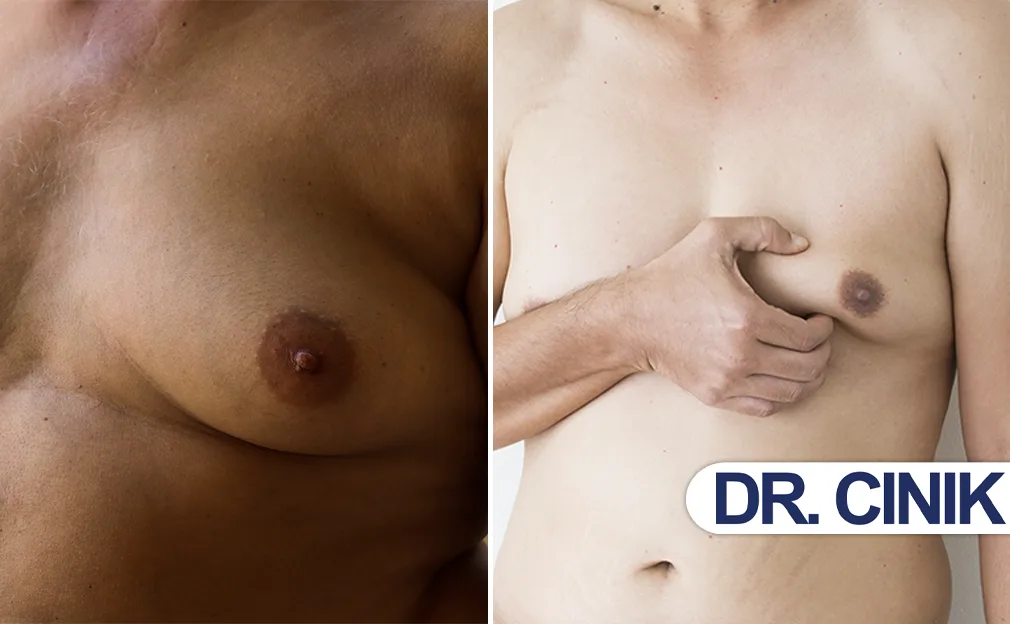
If you’ve ever looked in the mirror and thought, “Hmm, is my chest puffier than usual?”, you’re not alone. It’s a question many guys (and even some teens and older men) have asked themselves at some point. Is it just moobs (chest fat), or is it gynecomastia, a condition that occurs due to hormone imbalance? And most importantly, how can you tell the difference and what to do in either case?
Well, don’t worry. We’ve got your back (and your chest) covered.
Before we get into symptoms and signs, let’s start with the basics. Both gynecomastia and chest fat can give you that "man boobs" look, but the causes and treatments are quite different.
This is just what it sounds like: fat that collects in the chest area. It’s more common in overweight individuals, but it can happen to lean guys too, especially if genetics aren’t on their side. This isn’t a medical condition per se; it’s simply fat deposition, just like belly or love handles.
Unlike chest fat, gynecomastia is a medical condition that results in enlargement of male breast gland tissue. This is not only fat, but also actual glandular growth, often triggered by imbalance of hormones. Estrogen (yes, men have it too) starts playing a bigger role than testosterone, and breast tissue starts to grow.
So how do you figure out which one you’ve got?
Still not sure what you’re dealing with? Here’s a quick self-assessment checklist to help.
Use your thumb and forefinger to gently pinch around the nipple area. If it feels firm or rubbery directly behind the nipple, that could be glandular tissue (gynecomastia). If it just feels like soft fat and you can pinch it easily, it’s likely chest fat.
Is it sore or sensitive to touch? Gynecomastia is often painful; chest fat rarely is.
Do you carry extra fat elsewhere (belly, love handles, thighs)? Then it’s more likely chest fat. If your body is lean but your chest is puffy, that leans more toward gynecomastia.
Did it begin during puberty? Pubertal gynecomastia is quite common and usually fades within a couple of years. Did it appear later in life, or after taking a new medication? That’s worth paying attention to.
We love self-diagnosis as much as the next guy, but nothing beats a medical opinion. If you’re unsure, a doctor can do a physical exam or even order an ultrasound to be 100% certain.
Chest fat is typically a result of:
Unfortunately, you can’t spot-reduce fat, but a calorie-controlled diet and regular strength training will help trim things down.
Some men are pre-disposed to fat buildup in the chest zone. You could be ripped in the arms and legs but still soft up top. Blame evolution or your parents, whichever feels better.
Gynecomastia has a few more causes. It's all about hormones.
The most common ones include:
Basically, if your hormones get out of whack, breast tissue can grow. And once it’s there, it rarely shrinks back down on its own.
Good news: chest fat can be burned off with a mix of:
Best exercises include push-ups, bench presses, cable crossovers, and HIIT workouts. But remember: your body decides where to lose fat first, not you. Be patient.
Now here’s where things differ.
Mild cases during puberty often resolve on their own within a few years. But if it’s persistent or causing emotional distress, there are other options:
Gynecomastia doesn’t respond well to diet and exercise alone. If it’s truly glandular, no amount of bench pressing will flatten it out completely.
First off, don’t panic. Whether it’s chest fat or gynecomastia, both conditions are treatable.
Here’s your action plan:
Gynecomastia and chest fat can look similar, but they’re not the same. One is a fat issue, the other is glandular. Both are treatable. What matters most is understanding your body and knowing when to ask for help. If in doubt, talk to a doctor (not just the internet).
All in all, knowledge is power… and sometimes, the first step to a better t-shirt fit.
Read more: Thinking About Gynecomastia Surgery in Turkey? Here’s the Cost Breakdown
A: Yes, especially in teens. But if it sticks around for more than two years, it’s likely permanent without treatment.
A: Sadly, no. Exercise can build chest muscles and reduce fat, but it won’t eliminate glandular tissue.
A: Yes, especially when performed by a board-certified plastic surgeon. Recovery is usually smooth, and results can be life-changing.
A: It’s very common. About 60% of men develop gynecomastia at some point in their lives.
A: Absolutely. Gynecomastia is about hormones, not just fat. Even bodybuilders can have what's known as bodybuilder gyno.