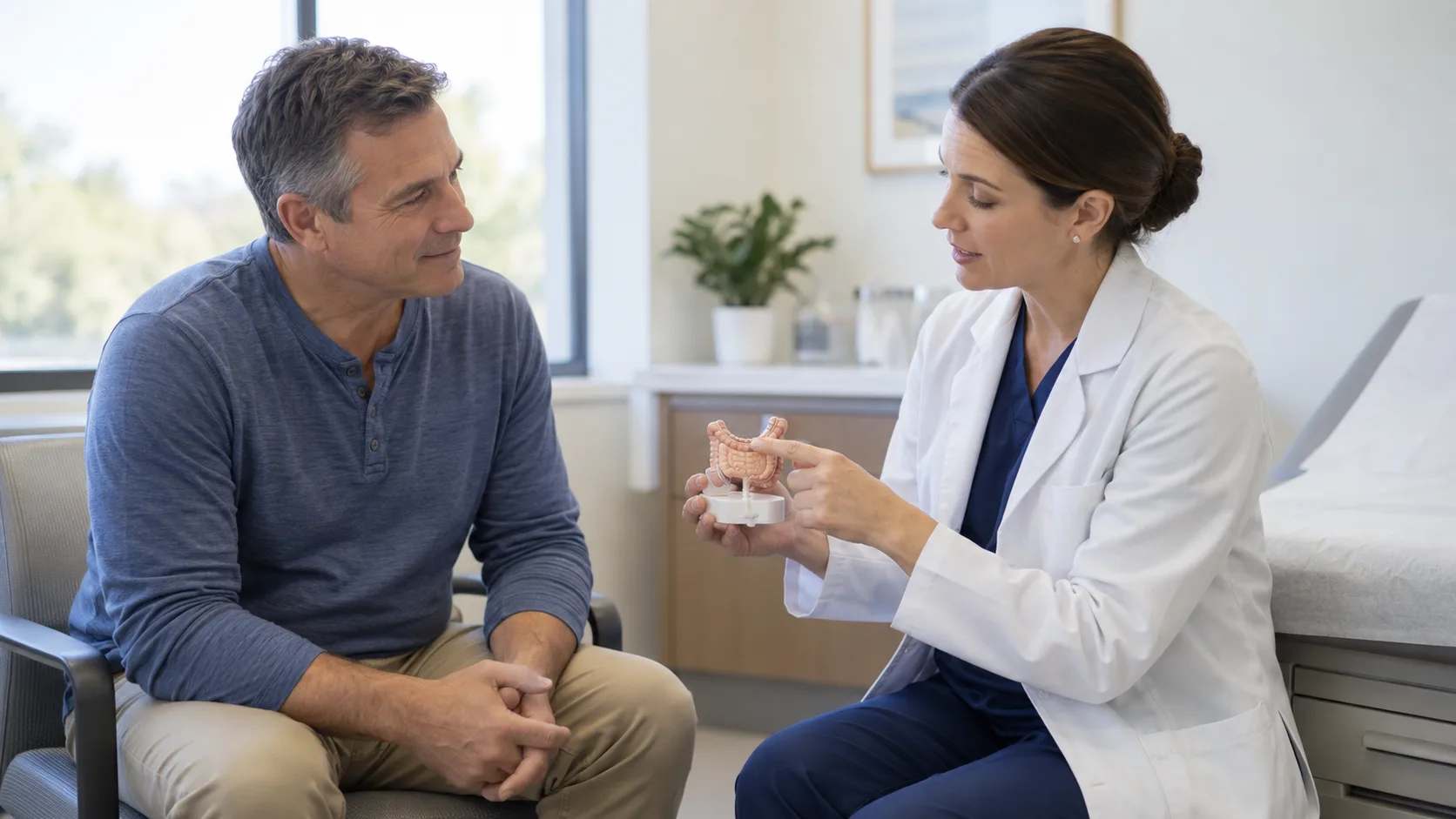
ما هو الناسور؟
الناسور هو اتصال بين هيكلين مجوفين أو أنبوبيين. يقوم الجراحون بإنشاء هذا الاتصال لاستعادة تدفق الدم أو الطعام أو السوائل أو البول أو الهواء عندما تتعطل المسار الطبيعي نتيجة مرض أو إصابة أو عملية سابقة.
يؤثر التثدي على الملايين من الرجال حول العالم. تسبب هذه الحالة تكبير الثديين عند الذكور وتخلق ضيقاً جسدياً ونفسياً عميقاً. تعتبر جراحة التثدي المعيار الذهبي…
استكشف المزيد من الرؤى حول العلاجات، التعافي، والرعاية الجمالية.
الناسور هو اتصال بين هيكلين مجوفين أو أنبوبيين. يقوم الجراحون بإنشاء هذا الاتصال لاستعادة تدفق الدم أو الطعام أو السوائل أو البول أو الهواء عندما تتعطل المسار الطبيعي نتيجة مرض أو إصابة أو عملية سابقة.

يتبع التعافي بعد جراحة تحويل المعدة نمطًا يمكن التنبؤ به، لكن لا يتعافى مريضان وفق نفس الجدول الزمني. يغادر معظم الناس المستشفى خلال يوم إلى ثلاثة أيام، ويستأنفون الأنشطة الخفيفة خلال أيام، ويعودون إلى العمل خلال أسبوعين إلى أربعة أسابيع، ويستمرون في التكيف مع نظام هضمي جديد لمدة عام كامل.

المرشح لجراحة تحويل مسار المعدة هو بالغ أو مراهق مختار بعناية يعاني من السمنة المفرطة، وغالبًا ما يكون لديه مؤشر كتلة جسم يبلغ 40 أو أكثر، أو مؤشر كتلة جسم يبلغ 35 أو أكثر مع مرض خطير مرتبط بالسمنة مثل مرض السكري من النوع الثاني، أو ارتفاع ضغط الدم، أو توقف التنفس أثناء النوم، أو خطر القلب والأوعية الدموية.

يمكنك تناول تقريبًا جميع مجموعات الطعام بعد جراحة تكميم المعدة، ولكن يجب أن تتناولها بتسلسل صارم، وبأجزاء أصغر بكثير، وقوام أكثر ليونة خلال الأسابيع الأولى.

متلازمة التفريغ هي حالة هضمية يتحرك فيها الطعام والسوائل من المعدة إلى الأمعاء الدقيقة أسرع مما ينبغي. هذه الحركة السريعة، المسماة بالتفريغ السريع للمعدة، تثير مجموعة من الأعراض المتعلقة بالهضم والدورة الدموية، وغالبًا ما تظهر بعد الجراحة على المعدة أو المريء.
بالون المعدة وتحويل مجرى المعدة كلاهما يعالج السمنة، لكنهما يعملان بطرق مختلفة جوهريًا. بالون المعدة هو جهاز تنظيري مؤقت يملأ جزءًا من المعدة لمدة ستة إلى اثني عشر شهرًا.

الارتجاع المريئي يشير إلى مرض الارتجاع المريئي المعدي. المصطلح يصف حالة مزمنة حيث تتحرك محتويات المعدة إلى الوراء إلى المريء وتنتج أعراض مزعجة أو تلف الأنسجة.
تُشير جراحة تحويل المعدة إلى العمليات التي تُنشئ كيسًا صغيرًا في المعدة وتعيد توجيه الأمعاء الدقيقة لتعزيز فقدان الوزن. لقد أجرى الجراحون هذه الإجراءات لعقود. لا تزال تكوينات Roux-en-Y الأكثر دراسة على مستوى العالم.
تؤثر التثدي على ملايين الرجال في جميع أنحاء العالم. تتسبب هذه الحالة في تضخم الثدي لدى الرجال وتخلق ضغوطًا جسدية ونفسية عميقة. جراحة التثدي تعتبر العلاج القياسي الذهبي لهذه الحالة. تتخلص الإجراء من الأنسجة الغدية والدهون الزائدة. تستعيد مظهر صدر مسطح وذكوري. لقد أصبحت تركيا وجهة رائدة لتقليص الثدي لدى الرجال. توفر البلاد جراحين ذوي خبرة، ومستشفيات حديثة، وتكاليف معقولة. يختار المرضى الدوليون تركيا لعلاج التثدي كل عام. يشرح هذا الدليل كل ما يحتاج الرجال معرفته عن جراحة التثدي في تركيا. ستتعلم عن الأسباب، والتقنيات الجراحية، والتعافي، والتكاليف، والأدلة العلمية. ستكتشف أيضًا كيفية تخطيط رحلتك الطبية واختيار العيادة المناسبة.
يشير التثدي إلى تضخم أنسجة الثدي لدى الرجال. تتطور الحالة عندما تنمو الأنسجة الغدية تحت الحلمة. يخلق هذا النمو مظهرًا أنثويًا للصدر. يشعر الرجال الذين يعانون من التثدي غالبًا بالحرج والعار. تختلف هذه الحالة عن دهون الصدر البسيطة. يتضمن التثدي الحقيقي انتشارًا غديًا. تتضمن التثدي الزائف تراكم الدهون فقط. يحدث اختلال هرموني في معظم الحالات. ترتفع مستويات الإستروجين أو تنخفض مستويات التستوستيرون. تؤدي هذه التغيرات إلى نمو أنسجة الثدي. تسبب البلوغ، والشيخوخة، والسمنة، والأدوية هذا الاختلال. تشمل أعراض التثدي تورم الثدي، والحنان، وحساسية الحلمة. يلاحظ بعض الرجال عدم التماثل بين الثديين. يعاني آخرون من ضغوط نفسية وانسحاب اجتماعي.
التثدي هو تضخم حميد لأنسجة الثدي الغدية لدى الرجال. تتطلب الحالة وجود قرص ملموس تحت الهالة من الأنسجة. يقيس هذا القرص أكثر من 0.5 سم في القطر. يفتقر التثدي الزائف إلى هذا القرص الغدي. بدلاً من ذلك، تتجمع الدهون عبر الصدر. يسبب الاختلال الهرموني التثدي الحقيقي. تزداد نسبة الإستروجين إلى التستوستيرون. يحفز هذا نمو الغشاء القنوي. يعاني الأولاد في فترة البلوغ من هذا الاختلال بشكل متكرر. حوالي 70% من الأولاد المراهقين يتطور لديهم بعض أنسجة الثدي. تحل معظم الحالات خلال ثلاث سنوات. يواجه الرجال الأكبر سناً أيضًا مخاطر أعلى. يظهر ما يقرب من 65% من الرجال الذين تتراوح أعمارهم بين 50 و69 عامًا بعض درجات التثدي. تؤثر الوراثة وتكوين الجسم على القابلية.
تسبب التقلبات الهرمونية معظم حالات التثدي. يؤدي البلوغ إلى تضخم الثدي temporarily في الأولاد المراهقين. تقلل الشيخوخة من إنتاج التستوستيرون لدى الرجال الأكبر سناً. تؤدي السمنة إلى زيادة تحويل الإستروجين من الأنسجة الدهنية. تسبب بعض الأدوية اضطراب التوازن الهرموني. تشمل هذه الأدوية مضادات الأندروجين، ليفات الستيرويد، وبعض مضادات الاكتئاب. تساهم الاضطرابات الغدد الصماء مثل فرط نشاط الغدة الدرقية ونقص الغدد التناسلية. تؤثر أمراض الكبد والكلى على استقلاب الهرمونات. وفقًا لبراونشتاين (2007)، تؤدي الحالات المزمنة إلى تعديل المحور الوطائي النخامي التناسلي. تعزز هذه الاضطرابات نمو أنسجة الثدي. تظل استخدام الستيرويدات بين لاعبي كمال الأجسام سببًا شائعًا. يواجه الرجال الذين يستخدمون الستيرويدات anabolic خطرًا بنسبة 37% في تطوير التثدي.
يشعر الرجال الذين يعانون من التثدي بكتلة صلبة ومرنة تحت الحلمة. هذه الكتلة تبدو مختلفة عن الأنسجة الدهنية اللينة. غالبًا ما يصاحب التورم tenderness وألم الثدي. يعاني بعض الرجال من إفرازات الحلمة. يحدث عدم التماثل بين الثديين بشكل متكرر. قد ينمو ثدي واحد أكبر من الآخر. يمثل القلق النفسي عرضًا رئيسيًا. يتجنب الرجال الملابس الضيقة والسباحة. يتخطون الأنشطة الاجتماعية والعلاقات الحميمة. وفقًا لمك نامارا، نوزي، وفيريولو (2022)، يُبلغ المراهقون والرجال الشباب عن تدهور ملحوظ في جودة حياتهم. ترتفع معدلات القلق والاكتئاب لدى المرضى غير المعالجين.
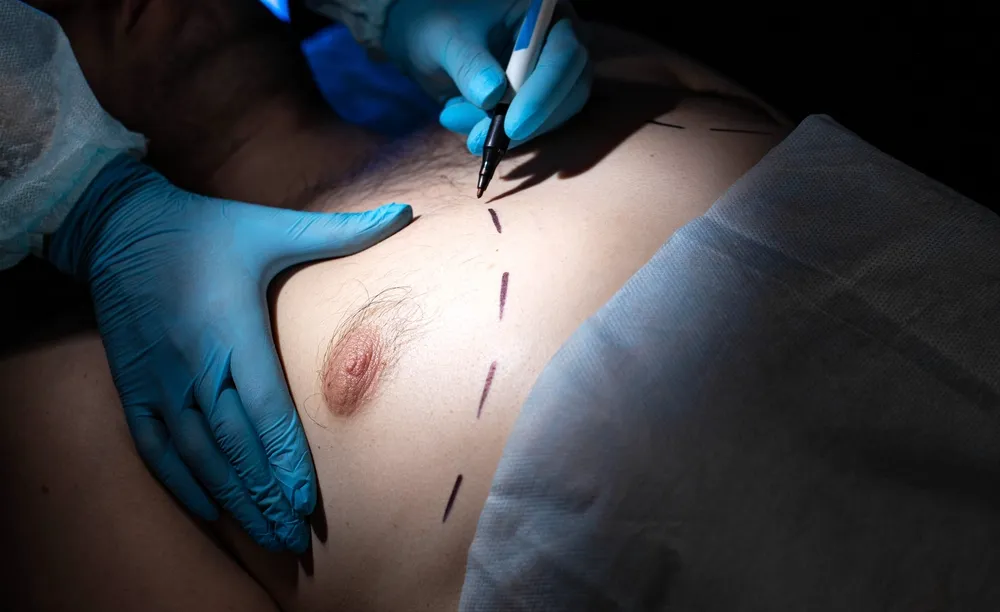
يوصي الأطباء بإجراء جراحة التثدي عندما تستمر الأنسجة لأكثر من 12 شهرًا. نادرًا ما تزيل العلاجات غير الجراحية الأنسجة الغدية المستقرة. تصبح الجراحة الحل النهائي للتضخم المستمر. يجب أن يستوفي المرشحون معايير صحية محددة. تناسب الإجراء الرجال الذين أنهوا مرحلة البلوغ. البالغون الذين يحافظون على وزن جسم مستقر هم الأكثر تأهيلاً. يقوم الجراحون بتقييم كل مريض بعناية قبل تحديد موعد لجراحة تقليل الثدي للذكور.
المرشحون المثاليون يعانون من تضخم الثدي المستمر الذي يستمر لأكثر من عام. يحافظون على وزن جسم مستقر دون تقلبات حديثة. تدعم الصحة العامة الجيدة التخدير الآمن والشفاء. يمتلك المرشحون توقعات واقعية بشأن النتائج. يفهمون أن الجراحة تحسن الشكل ولكن لا تخلق الكمال. يشفى غير المدخنين بشكل أفضل من المدخنين النشطين. يستفيد الرجال الذين لديهم تثدي من الدرجة الثانية إلى الرابعة أكثر. تشمل هذه الدرجات زيادة معتدلة إلى شديدة في الأنسجة. يظهر المرشحون أيضًا دافعًا نفسيًا. يسعون لتخفيف القلق الاجتماعي وقلق صورة الجسم.
يجب على الرجال الذين يعانون من اضطرابات هرمونية نشطة تأجيل الجراحة. يزيد مرض السكري غير المنضبط أو مرض الغدة الدرقية من المخاطر. تعقد السمنة المفرطة التخدير والنتائج. يوصي الجراحون غالبًا بفقدان الوزن أولاً. يجب على المدخنين الإقلاع عن التدخين قبل الجراحة بأربعة أسابيع على الأقل. يؤثر النيكوتين على تدفق الدم وشفاء الجروح. ينبغي على المراهقين الذين يعانون من تطور حديث في الثدي الانتظار. قد تحل أنسجتهم بشكل طبيعي خلال مرحلة البلوغ. وفقًا لكوردوفا وموسكيلا (2008) ، تؤدي الجراحة المبكرة في المراهقين إلى زيادة معدلات التعديل.
تحدد التقييمات الطبية الأسباب القابلة للعكس. يطلب الأطباء اختبارات الدم للتحقق من مستويات الهرمونات. يقيمون وظائف الكبد والكلى وحالة الغدة الدرقية. تستبعد دراسات التصوير سرطان الثدي في حالات مختارة. يقيم الفحص بالموجات فوق الصوتية تكوين الأنسجة. هذه الخطوة تميز الأنسجة الغدية عن الدهون. يساعد التشخيص الدقيق في توجيه تقنية الجراحة. قد تعالج العلاجات الهرمونية بعض الحالات دون جراحة. يكشف التقييم أيضًا عن العوامل التي تسبب الأدوية. قد يقوم الأطباء بتغيير الأدوية لوقف نمو الثدي.
يستخدم الجراحون عدة تقنيات لتقليل حجم الثدي عند الرجال. يعتمد الاختيار على تكوين الأنسجة وشدتها. تتم إزالة الأنسجة الدهنية بواسطة شفط الدهون. تزيل استئصال الغدة أقراص الغدة الصلبة. تتناول الأساليب المركبة كلا العنصرين. تعالج تقنيات تقليل الجلد الحالات الشديدة مع ترهل الأنسجة.
تزيل شفط الدهون الدهون الزائدة من خلال شقوق صغيرة. يقوم الجراحون بإدخال كانيولا رفيعة تحت الجلد. تكسر هذه الكانيولا وتشفط خلايا الدهون. تتناسب التقنية مع التثدي الكاذب والتثدي الحقيقي الخفيف. تترك ندوبًا بسيطة. يستغرق التعافي وقتًا أقل من الاستئصال. وفقًا لروريتش، ها، وكينكيل (2003) ، تحسن شفط الدهون بمساعدة الموجات فوق الصوتية إزالة الدهون في الأنسجة الكثيفة. تعزز الأجهزة المعززة للطاقة أيضًا الدقة. أفضل المرشحين لديهم مرونة جلدية جيدة. يتقلص جلد صدرهم بسلاسة بعد إزالة الدهون.
يتم استئصال الغدة لإزالة القرص الغدي الصلب. يقوم الجراحون بعمل شق صغير على طول حدود الهالة السفلية. يخفي هذا الشق الندبة داخل الحافة الملونة. يقومون بتفكيك الأنسجة الغدية. تبدو الأنسجة صلبة وصفراء-بيضاء. يناسب الاستئصال التثدي الحقيقي مع الحد الأدنى من الدهون. يمنع تكرار الحالة لأن الجراحين يزيلون الغدة نفسها. تظل إدارة الندوب مهمة. يطبق المرضى صفائح السيليكون ويتجنبون التعرض للشمس. يتلاشى الشق على مدى 12 شهرًا.
تجمع تقنية الدمج بين شفط الدهون وإزالة الغدة. يقوم الجراحون أولاً بامتصاص الدهون الزائدة. ثم يقومون باستئصال القرص الغدي من خلال شق حول الهالة. تمثل هذه الطريقة الطريقة الأكثر شيوعاً. إنها تعالج كلا من المكونات الدهنية والغدية. وفقًا لـ Li وFu وChang (2012)، تقلل تقنيات الدمج من معدلات المضاعفات مقارنةً بالطرق الفردية. معظم المرضى الذين يعانون من درجات II من التثدي الذكوري يتلقون هذه التقنية. إنها توفر الشكل الطبيعي الأكثر للصدر.
تتضمن جراحة تقليل الجلد علاج التثدي الذكوري الشديد مع الجلد المرتخي. غالبًا ما تحتاج الحالات من الدرجة III وIV إلى هذه الخطوة. يزيل الجراحون الجلد الزائد ويعيدون موضع الحلمة. قد يستخدمون شقاً دائرياً حول الهالة. أحيانًا يضيفون ندبة رأسية لتقليل أكبر. يعيد تحويل الحلمة موضعها لخلق شكل صدر ذكوري. تتطلب هذه التقنية ندبات أطول لكنها تقضي على الترهل.
تتبع عملية التثدي الذكوري بروتوكولًا هيكليًا. يخطط الجراحون كل خطوة بعناية. إنهم يعطون الأولوية لسلامة المريض والنتائج الجمالية.
يفحص الجراح الصدر خلال الزيارة الأولى. يقوم بتحسس الأنسجة لتقييم كثافة الغدد. يقيم جودة الجلد ومرونته. توثق الصور الحالة قبل العملية. يشرح الجراح التقنية المخطط لها. يناقش النتائج الواقعية والمخاطر المحتملة. يشارك المرضى تاريخهم الطبي وقائمة أدويتهم. غالبًا ما يكمل المرضى الدوليون هذه الخطوة عبر مكالمة فيديو.
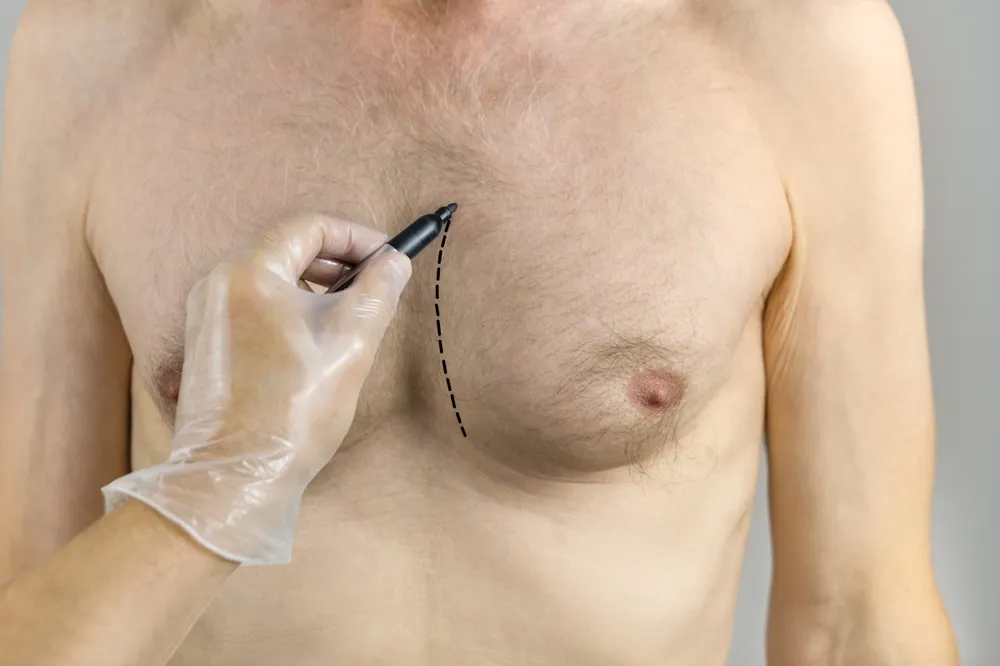
يتضمن التخطيط قبل الجراحة إجراء فحوصات دم وقياسات للصدر. يقوم الجراحون بتحديد مواقع الشقوق بينما يقف المريض. يخططون لكمية الأنسجة التي سيتم إزالتها. يحسبون موقع الحلمة لتحقيق التناظر. يتلقى المرضى تعليمات حول الصيام والأدوية. يتوقفون عن تناول مميعات الدم قبل أسبوع من الجراحة.
يجري الجراحون عملية التثدي الذكوري تحت التخدير العام. تستخدم بعض الحالات الخفيفة التخدير الموضعي مع التهدئة. يضمن التخدير العام الراحة التامة أثناء استئصال الغدة. يراقب طبيب التخدير العلامات الحيوية طوال الوقت. يعتمد الاختيار على طول الإجراء وتفضيل المريض.
يحدد الفريق الجراحي الصدر مع وقوف المريض. يقومون بعمل شقوق وفقًا للتقنية المخطط لها. لشفط الدهون، ينشئون مداخل بحجم 3 إلى 4 مم. للاستئصال، يقطعون على طول حافة الهالة السفلية. يزيل الجراحون الدهون والأنسجة الغدية. يحققون السيطرة على النزيف لمنع حدوثه. يشدون غلاف الجلد. يغلقون الشقوق بالخيوط القابلة للذوبان. يطبقون الضمادات وقطعة ملابس ضغط.
تستغرق جراحة ginecomastia من 90 إلى 180 دقيقة. الحالات التي تشمل شفط الدهون فقط تنتهي بشكل أسرع. الإجراءات المركبة تتطلب وقتًا أكثر. تقليل الجلد يمدد المدة أكثر. يكمل معظم المرضى الجراحة في غضون ساعتين.
يبقى المرضى في المستشفى ليلة واحدة. يذهب بعض الحالات التي تشمل شفط الدهون فقط إلى المنزل في نفس اليوم. تراقب الممرضات تصريف السوائل ومستويات الألم. يتم الخروج عندما يبقى المريض مستقرًا.
تدعم ملابس الضغط الصدر بعد الجراحة. تقلل من التورم وتمنع تراكم السوائل. تساعد الجلد على الالتصاق بطبقة العضلات. يرتديها المرضى بشكل مستمر لمدة أربعة إلى ستة أسابيع. تشكل هذه الملابس الشكل النهائي للصدر.
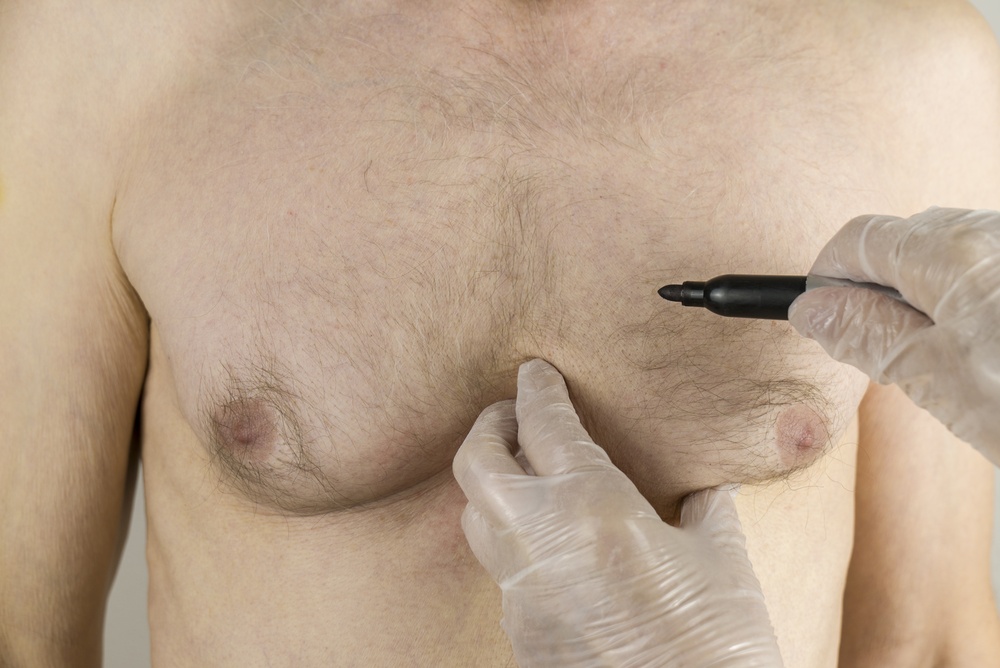
توفر عملية ginecomastia فوائد جسدية ونفسية تدوم. يبلّغ الرجال عن تحسنات ملحوظة في حياتهم اليومية.
تخلق الجراحة شكل صدر أكثر انسيابية. يعود المظهر الذكوري. تناسب الملابس بشكل أفضل. تتدلى القمصان والبدلات بشكل طبيعي. لم يعد الرجال يختبئون وراء طبقات فضفاضة. يصبح النشاط البدني أسهل. الجري والسباحة يشعران بالراحة مرة أخرى.
يتحسن مستوى الثقة بشكل ملحوظ بعد تصغير الثديين عند الرجال. يشعر الرجال بالراحة في غرف تبديل الملابس وعلى الشواطئ. تتماشى صورة الذات مع الهوية الجنسانية. تنخفض حدة القلق الاجتماعي. وفقًا لدراسة McNamara وNuzzi وFirriolo (2022)، أظهر المراهقون والشباب تحسنًا ملحوظًا في جودة الحياة بعد التصحيح. تنخفض درجات الاكتئاب. ترتفع رضا العلاقة.
تظل النتائج طويلة الأجل مستقرة مع العادات الصحية. يبقى الصدر مسطحًا لسنوات. تبهت الندبات وتصبح غير مرئية تقريبًا. لا يحتاج معظم الرجال أبدًا إلى جراحة مراجعة. تعزز النتائج الأداء المهني والاجتماعي بشكل دائم.
يتبع التعافي جدولاً زمنيًا متوقعًا. يجب على المرضى اتباع التعليمات بعد العملية بدقة.
تتطلب الساعات الأربع والعشرون الأولى الراحة والحركة المحدودة. تدير الممرضات الألم باستخدام الأدوية الفموية. الأسبوع الأول يجلب ذروة التورم والكدمات. يعود المرضى إلى النشاطات الخفيفة بعد 7 إلى 10 أيام. تظهر الأسابيع من 2 إلى 4 انخفاضًا في التورم. يستأنف العمل المكتبي خلال هذه الفترة. تكشف الأشهر من 2 إلى 6 عن الشكل النهائي. تنضج الندبات وتبهت خلال هذه الفترة.
|
مرحلة التعافي |
الإطار الزمني |
المعالم الرئيسية |
|
ما بعد الجراحة الفوري |
اليوم الأول |
الراحة، إدارة الألم، تطبيق الملابس الضاغطة |
|
الشفاء المبكر |
الأيام 2–7 |
ذروة التورم، ظهور الكدمات، المشي الخفيف |
|
العودة إلى العمل |
الأسبوع 2 |
استئناف الأعمال المكتبية، انخفاض التورم |
|
استئناف التمارين |
الأسبوع 4–6 |
بدء الكارديو الخفيف، تجنب رفع الأثقال الثقيلة |
|
التحكم النهائي |
الأشهر 3–6 |
تلاشي الندبات، ظهور الشكل الدائم |
يصف الجراحون مسكنات الألم عن طريق الفم. تتحكم الأسيتامينوفين والأدوية المضادة للالتهابات في الانزعاج. يستخدم بعض الجراحين مخدر موضعي طويل المفعول أثناء الجراحة. هذا يقلل الألم لمدة 48 ساعة الأولى. يصف معظم المرضى الألم كألم خفيف بدلاً من ألم حاد.
يبلغ ذروة التورم في 3 إلى 5 أيام بعد الجراحة. تنتشر الكدمات عبر الصدر والبطن العلوي. كلاهما يزول خلال 2 إلى 4 أسابيع. تسرع الارتفاع والضغط من الشفاء. قد تساعد مكملات أرنيكا بعض المرضى.
تبدأ ندبات الشقوق حمراء ومرفوعة. تصبح مسطحة وتفقد لونها خلال 6 إلى 12 شهرًا. تعمل شرائح هلام السيليكون على تحسين جودة الندوب. يحمي الواقي من الشمس من الالتواء. تخفي الشقوق المصطنعة الندوب بشكل طبيعي.
يعود المرضى إلى الأعمال المكتبية خلال 7 إلى 10 أيام. ينتظر العمال البدنيون 3 إلى 4 أسابيع. يعتمد الجدول الزمني على مستويات الألم ومتطلبات العمل. يقدم الجراحون تصاريح مخصصة.
يبدأ المرضى بالمشي فورًا. يتجنبون الكارديو لمدة أسبوعين. يتجنبون تمارين الصدر لمدة 4 إلى 6 أسابيع. يبقى رفع الأثقال الثقيلة محظورًا لمدة 6 أسابيع. تمنع العودة التدريجية المضاعفات.
ينام المرضى على ظهورهم لمدة أسبوعين. تقلل الوسائد المرتفعة من تورم الصدر. تستأنف النوم الجانبي بعد أسبوعين. ينتظر النوم على المعدة حتى الأسبوع الرابع.
يرتدي المرضى صدرية الضغط لمدة 4 إلى 6 أسابيع. يزيلونها فقط لأغراض الاستحمام. الضمان المستمر يضمن انكماش الجلد بشكل أمثل. يوصي بعض الجراحين بارتداء جزئي في الأسبوعين الخامس والسادس.
تراقب مواعيد المتابعة عملية الشفاء. يتحقق الجراحون من تجمعات السوائل. يقيمون تقدم الندبات والتناسق. يclear المرضى لمراحل النشاط. يكمل المرضى الدوليون بعض المتابعات عن بعد.
تحمل جميع العمليات الجراحية بعض المخاطر. تحتفظ جراحة الجينية بسجل أمان قوي. تبقى المضاعفات نادرة لدى المرضى الأصحاء.
تؤثر الوذمة والكدمات على كل مريض. يحدث الخدر المؤقت حول الحلمة بشكل متكرر. تزول هذه الآثار في غضون أسابيع. التناسق الطفيف أثناء الشفاء يعتبر طبيعياً.
يحدث العدوى في أقل من 2% من الحالات. يحتاج النزيف والورم الدموي إلى تصريف في حوالي 3% من الحالات. يحدث سيروما، أو تجمع السوائل، في 1 إلى 2% من المرضى. وفقاً لـ Wiesman وLehman وParker (2004)، تصبح جراحة التعديل ضرورية في 4.8% إلى 17.3% من الحالات. قد يحتاج التناسق وعدم انتظام الكونتور إلى تحسينات. يؤثر تشوه الندبات على المرضى الذين لديهم استعداد وراثي.
|
المضاعفة |
معدل الحدوث |
الإدارة |
|
ورم دموي |
3–8% |
شفط في العيادة أو تصريف جراحي |
|
سيروما |
1–2% |
شفط بإبرة |
|
عدوى |
<2% |
مضادات حيوية، تصريف إذا لزم الأمر |
|
عدم التناسق |
1–2% |
جراحة تعديل |
|
ندبات تضخمية |
2% |
حقن الستيرويد، علاج السيليكون |
يختار المرضى الجراحين المعتمدين من مجلس الإدارة. يتبعون التعليمات قبل العملية بدقة. يتوقفون عن التدخين قبل الجراحة. يرتدون الملابس الضاغطة وفقاً للتوجيهات. يحضرون جميع مواعيد المتابعة. هذه الخطوات تقلل بشكل كبير من معدلات المضاعفات.
تتحسن النتائج تدريجياً بعد الجراحة. الصبر يضمن الرضا.
يظهر التسطح الأولي فوراً بعد الجراحة. يخفى الورم النتيجة النهائية لعدة أسابيع. يظهر التحسن الملحوظ بحلول الأسبوع الثالث. تستمر عملية التحسين حتى الشهر الثالث.
يستغرق الشفاء النهائي من 3 إلى 6 أشهر. تنضج الندوب خلال هذه الفترة. يشعر الصدر بالطبيعة والنعومة. تعود حساسية الحلمة جزئياً أو كلياً.
النتائج عادةً ما تكون دائمة. يزيل الجراحون الأنسجة الغدية تماماً. لا تتجدد خلايا الدهون في المنطقة المعالجة. ومع ذلك، يمكن أن يؤدي زيادة الوزن الجديدة إلى إعادة توزيع الدهون. قد تحفز التغيرات الهرمونية الأنسجة المتبقية.
استقرار الوزن يحمي النتائج. التوازن الهرموني يمنع حدوث الانتكاسة. تدعم العادات الصحية النتائج الدائمة. يظل تجنب المنشطات الابتنائية أساسياً.
تتصدر تركيا السياحة الطبية العالمية لجراحة التجميل. يختار الرجال تركيا لعلاج التثدي لأسباب متعددة.
يقوم الجراحون الأتراك بإجراء الآلاف من عمليات التثدي سنوياً. العديد منهم يتدرب في أوروبا والولايات المتحدة. يتحدثون الإنجليزية ويعتمدون المعايير الدولية. تشمل خبرتهم جميع درجات التثدي.
تتميز المستشفيات التركية بغرف عمليات حديثة. يستخدمون أجهزة شفط الدهون المتقدمة. يحافظون على بيئات معقمة وفقاً للمعايير الأوروبية. تشمل المعدات أجهزة مدعومة بالموجات فوق الصوتية وأجهزة مدعومة بالطاقة.
تحمل المستشفيات الرائدة اعتماد اللجنة الدولية المشتركة. يحقق اعتماد JCI بروتوكولات الأمان. يضمن اعتماد ISO إدارة الجودة. تتوافق هذه المعايير مع أفضل المنشآت في الدول الغربية.
تتراوح تكلفة جراحة التثدي في تركيا من €2,000 إلى €4,500. تشمل هذه التكلفة رسوم الجراح، التخدير، والإقامة في المستشفى. تكلف نفس الإجراءات €6,000 إلى €10,000 في المملكة المتحدة. تصل أسعار الولايات المتحدة إلى $8,000 إلى $15,000. تقدم تركيا مدخرات تصل إلى 60% إلى 70% دون المساس بالجودة.
تغطي الحزم الشاملة الاستشارة، الجراحة، والإقامة في المستشفى. تشمل الإقامة في الفندق والتنقل من وإلى المطار. تأتي الأدوية والملابس الضاغطة كجزء أساسي. تكمل الزيارات المتابعة الحزمة.
يتحدث المنسقون المتعددون اللغات الإنجليزية، الفرنسية، الألمانية، والعربية. يساعدون في جدولة المواعيد والنقل. يحضر المترجمون الاستشارات الطبية. يوفر هذا الدعم إزالة الحواجز اللغوية.
تحدد العيادات التركية مواعيد الجراحة في غضون أيام من الاستشارة. يتجنب المرضى قوائم الانتظار التي تستمر لعدة أشهر. تجذب هذه الكفاءة المسافرين الدوليين المشغولين.
تمثل التكلفة عاملاً مهماً للمرضى الدوليين. تقدم تركيا قيمة استثنائية.
تتراوح تكلفة جراحة التثدي في تركيا بين €2,500 إلى €4,500 في المتوسط. الحالات المعقدة التي تتطلب تقليل الجلد تصل إلى €5,000. قد تكلف حالات شفط الدهون وحدها أقل.
تؤثر التقنية الجراحية على السعر. تزيد خبرة الجراح من الرسوم. تضيف اعتماد المستشفى قيمة. يكلف التخدير العام أكثر من المحلي. يغير مستوى الإقامة من إجماليات الحزمة. تؤثر مدة الرعاية اللاحقة على الأسعار.
تشمل الحزم رسوم الجراح والتخدير. تغطي الإقامة في المستشفى واستخدام غرفة العمليات. تأتي الفنادق والتنقلات والأدوية مشمولة. تكمل الملابس الضاغطة وزيارات المتابعة الحزمة.
|
عنصر الحزمة |
عادة ما تشمل |
أحياناً إضافي |
|
رسوم الجراح والتخدير |
نعم |
لا |
|
الإقامة في المستشفى (ليلة واحدة) |
نعم |
لا |
|
الفندق (3–6 ليالٍ) |
نعم |
لا |
|
نقل المطار |
نعم |
لا |
|
الاختبارات قبل الجراحة |
نعم |
لا |
|
ملابس الضغط |
نعم |
لا |
|
الأدوية |
نعم |
إمدادات إضافية |
|
إقامة فندقية ممتدة |
لا |
نعم |
تكلفة تقليص الثدي للذكور في المملكة المتحدة تتراوح بين £3,500 إلى £6,000 في العيادات الخاصة. نادراً ما تغطي خدمة الصحة الوطنية جراحة التثدي التجميلية. توفر تركيا نفس الجودة بتكلفة أقل بنسبة 50% إلى 60%.
تتراوح تكلفة جراحة التثدي في الولايات المتحدة الأمريكية بين $4,000 إلى $8,000. المدن الكبرى تتقاضى أكثر من $10,000. توفر تركيا رعاية مكافئة بتكلفة تتراوح بين $2,000 إلى $3,500. يوفر المرضى الآلاف حتى بعد إضافة تكلفة الرحلات الجوية.
تتقاضى العيادات الخاصة الكندية بين CAD 6,000 إلى CAD 10,000. خطط الصحة الإقليمية لا تغطي الحالات التجميلية. تكلفة تركيا أقل بنسبة 60% من البدائل الكندية.
يحصل المرضى الدوليون على رعاية متميزة بتكلفة منخفضة. يمكنهم الوصول إلى جراحين ذوي خبرة ومستشفيات معتمدة. يتمتعون بتنسيق شخصي. تظل التكلفة الإجمالية أقل بكثير من الأسعار الغربية.
يضمن التخطيط تجربة ناجحة في السياحة الطبية. التنظيم يقلل من التوتر.
يقدم المرضى صوراً من خلال منصات آمنة. يقوم الجراحون بمراجعة تشريح الصدر وتقييم الشدة. يوصون بالأساليب ويعطون أسعار. تتيح مكالمات الفيديو طرح الأسئلة مباشرة. هذه الخطوة تحل محل الزيارة الشخصية الأولية.
يجب على المرضى إحضار اختبارات الدم الحديثة وتحاليل الهرمونات. يحملون قوائم الأدوية وسجلات الحساسية. تساعد دراسات التصوير السابقة الجراحين. يكفي جواز سفر ساري للدخول. يحتاج بعض الجنسيات إلى التأشيرات الإلكترونية.
يحجز المرضى رحلات إلى اسطنبول أو أنقرة. يصلون قبل يومين من الجراحة. وهذا يتيح الوقت للتشاور الشخصي والفحوصات النهائية. يختارون العيادات بالقرب من فندقهم.
ترتب العيادة استلام من المطار. يقوم الموظفون بتسجيل دخول المريض إلى الفندق. يلتقي الجراح بالمريض لإجراء الفحص النهائي. تشرح الممرضات قواعد ما قبل العملية.
تحدث الجراحة عادة في اليوم التالي للوصول. يصوم المرضى لمدة 8 ساعات قبل ذلك. توفر العيادة وسائل النقل إلى المستشفى. يستغرق القبول ساعة واحدة.
يبقى المرضى لمدة 5 إلى 7 أيام إجمالاً. تشغل الجراحة اليوم 2 أو 3. يتم الخروج من المستشفى بعد 24 ساعة. تتم زيارات المتابعة في اليومين 4 و5. يعود المرضى إلى منازلهم بعد clearance.
يتلقى المرضى خطاب سفر طبي. يشرح هذا الجراحة الأخيرة لأمن المطار. يرتدون ملابس ضغط خلال الرحلات. يمشون كل ساعة لمنع تجلط الدم. تسمح معظم شركات الطيران بالسفر بعد 5 أيام.
تقدم العيادات متابعة بالفيديو بعد عودة المريض إلى المنزل. يرسل المرضى صورًا في الأسابيع 1 و2 و4. يجيب الجراحون على الأسئلة عبر البريد الإلكتروني وتطبيقات المراسلة. تستمر هذه الدعم لمدة 6 أشهر.
يضمن اختيار العيادة المناسبة السلامة والرضا. تساعد الأبحاث في تجنب خيبة الأمل.
يستكمل جراحو التجميل المعتمدون تدريبًا صارمًا. يجتازون امتحانات التخصص. يحافظون على التعليم المستمر. تضمن الشهادة من الجمعية التركية للجراحين التجميلية والترميمية والتجميلية الكفاءة.
يختار المرضى مستشفيات معتمدة من JCI. تتحقق هذه الشهادة من معايير السلامة الدولية. تشير شهادة ISO 9001 إلى إدارة الجودة. تحافظ المنشآت المعتمدة على بروتوكولات الطوارئ ومراقبة العدوى.
تفهم العيادات ذات الخبرة الدولية احتياجات السياحة الطبية. ينظمون تنقلات المطار ويوفرون طاقمًا متعدد اللغات. يعرفون متطلبات التأشيرة ولوجستيات السفر. تسهل هذه الخبرة رحلة المريض بالكامل.
تكشف المراجعات عن تجارب حقيقية. يقرأ المرضى عن التواصل، وإدارة الألم، والنتائج. يتحققون من المنصات المستقلة. تشير التعليقات الإيجابية المستمرة إلى موثوقية العيادة.
توفر المعارض قبل وبعد دليلاً على المهارة الجراحية. يبحث المرضى عن حالات مشابهة لحالتهم. النتائج الطبيعية تهم أكثر من التغييرات الدراماتيكية. يجب أن تختبئ الندبات بشكل جيد في الصور.
تمنع الشفافية في التسعير الفواتير المفاجئة. قوائم الأسعار المفصلة تسرد كل عنصر. يقارن المرضى بين خيارات متشابهة. الرسوم المخفية تشير إلى سوء في ممارسة الأعمال.
توفر أفضل العيادات خطوط اتصال على مدار الساعة. يديرون المضاعفات على الفور. يقدمون متابعة عن بعد للمرضى الدوليين. توجيهات الرعاية المكتوبة تساعد في التعافي في المنزل.
يسأل الرجال الذين يفكرون في جراحة التثدي أسئلة شائعة. توفر الإجابات الواضحة الثقة.
نعم، تعتبر جراحة التثدي دائمة في معظم الحالات. يقوم الجراحون بإزالة الأنسجة الغدية. هذه الأنسجة لا تنمو مرة أخرى. يتعين على المرضى الحفاظ على وزن مستقر وتوازن هرموني.
يمكن أن يعود التثدي إذا اكتسب المرضى وزنًا كبيرًا أو استخدموا الستيرويدات الابتنائية. قد تؤدي الاضطرابات الهرمونية إلى نمو جديد. العادات الصحية تمنع تكرار المشكلة.
العملية نفسها لا تسبب أي ألم تحت التخدير. يشعر المعاناة بعد العملية وكأنها ألم عضلي. تتحكم مسكنات الألم في الانزعاج بشكل فعال. يصنف معظم الرجال الألم بأنه خفيف إلى متوسط.
تختبئ الندبات على طول حافة الهالة. تتلاشى إلى خطوط بيضاء رقيقة خلال 12 شهرًا. يجد معظم الرجال أن الندبات بالكاد ملحوظة. العناية المناسبة بالندبات تحسن النتائج.
يجب على المرضى البقاء من 5 إلى 7 أيام. يشمل ذلك الاستشارة، والجراحة، والمتابعة الأولية. بعض المرضى يمددون البقاء إلى 10 أيام لراحة أكبر.
يعود المرضى إلى العمل المكتبي بعد 7 إلى 10 أيام. تحتاج الأعمال البدنية إلى 3 إلى 4 أسابيع. يمكن استئناف العمل عن بُعد بعد 3 أيام.
يمكن للمرضى المشي على الفور. تبدأ تمارين القلب الخفيفة بعد 2 أسبوع. تعود تمارين الصدر بعد 4 إلى 6 أسابيع. يجب الانتظار 6 أسابيع لرفع الأثقال.
تعتبر معظم خطط التأمين جراحة التثدي جراحة تجميلية. وهي ترفض التغطية. تغطي بعض السياسات الحالات التي تحتوي على آلام موثقة أو أمراض هرمونية. ينبغي على المرضى التحقق من خطتهم المحددة.
يقلل فقدان الوزن من التثدي الكاذب. ولكنه لا يزيل الأنسجة الغدية. يتطلب التثدي الحقيقي استئصالًا جراحيًا. تساعد الحمية والتمارين، لكنها لا تعالج الحالة.
يتضمن التثدي أنسجة غدية صلبة تحت الحلمة. بينما تبدو الشحوم في الصدر ناعمة وتمتد عبر الصدر. تحتاج الأنسجة الغدية إلى الاستئصال. بينما تستجيب الشحوم لعملية شفط الدهون.
يفضل الجراحون المرضى الذين تزيد أعمارهم عن 18 عامًا. يجب أن تستقر عملية تطور الثدي. قد يكون المراهقون الذين يعانون من حالات ثابتة من الدرجة الثالثة أو الرابعة مؤهلين مبكرًا. كل حالة تتطلب تقييمًا فرديًا.
نعم، يقوم الجراحون بعلاج كلا الثديين في عملية واحدة. يشكلون التماثل خلال نفس الجلسة. يقلل إجراء الجراحة في مرحلة واحدة من التكلفة الكلية ووقت التعافي.
تدعم الأدبيات الطبية بقوة جراحة التثدي. تؤكد الأبحاث على الأمان والرضا.
تُبلغ الدراسات عن معدلات نجاح تزيد عن 90٪. وفقًا لكاسيليسكا وأنتوشوفسكي (2013)، تحقق الإدارة الجراحية نتائج ممتازة في الغالبية العظمى من المرضى. تبقى معدلات المضاعفات منخفضة. يحدث الورم الدموي في 3% إلى 8% من الحالات. وتبقى نسبة العدوى أقل من 2%.
يصل رضا المرضى إلى 95% في المتابعة طويلة المدى. وفقًا لويسمان، ليهمان، وباركر (2004)، يُبلغ الرجال عن تحسين في تقدير الذات والوظيفة الاجتماعية. ترتفع درجات جودة الحياة بشكل كبير بعد الجراحة. يقول معظم المرضى إنهم سيختارون الإجراء مرة أخرى.
تقلل التقنيات الحديثة من الصدمة. يحافظ شفط الدهون بمساعدة الموجات فوق الصوتية على الأوعية الدموية. تقلل الأجهزة المعززة بالقدرة من تعب الجراح. تُخفض الأساليب التركيبية من معدلات التعديل. وفقًا لهاموند، أرنولد، وسيمون (2003)، تحقق شفط الدهون بالموجات فوق الصوتية مع الاستئصال من خلال السحب نتائج متسقة مع الحد الأدنى من فقدان الدم.
تذوب الموجات فوق الصوتية الشحوم الكثيفة. يسرع شفط الدهون المعزز بالقدرة من إزالة الشحوم. تُنظم التقنيات المركبة الحدود. تخفي أساليب تقليل الندبات الشقوق داخل الهالة. تجعل هذه التطورات تشكيل صدر الرجل أكثر أمانًا وتوقعًا.
تخلق الجراحة الأساس. تحافظ أسلوب الحياة على النتائج.
زيادة الوزن تودع دهون جديدة في الصدر. هذه الدهون تخفي نتائج الجراحة. الوزن المستقر يحافظ على الشكل المسطح. يهدف المرضى إلى مؤشر كتلة جسم أقل من 30.
تساعد التمارين في بناء تعريف عضلات الصدر. يعزز توتر العضلات شكل الصدر الرجولي. تمنع التمارين القلبية تراكم الدهون. تبدأ تدريبات القوة بعد الحصول على إجازة طبية.
تخلل المنشطات الابتنائية توازن الهرمونات. تتحول إلى الإستروجين في الأنسجة الدهنية. يُحفز ذلك نمو غدي جديد. يواجه الرجال الذين يستخدمون المنشطات خطر تكرار مرتفع.
يساهم نقص الهرمونات أو أمراض الغدة الدرقية غير المعالجة في نمو أنسجة الثدي. يدير أطباء الغدد الصماء هذه الحالات. تحمي المعالجة الصحيحة الاستثمار الجراحي.
يدعم التغذية المتوازنة صحة الهرمونات. يساهم الحد من الكحول في حماية وظيفة الكبد. يساعد النوم الكافي على تقليل الكورتيزول. يساعد إدارة الضغط النفسي في منع زيادة الوزن. تحافظ هذه العادات على النتائج لعقود.
تقدم جراحة جينكومستيا حلاً نهائياً لصدور الرجال الكبيرة. تزيل العملية الأنسجة الغدية والدهون الزائدة. تستعيد الشكل المسطح للصدر الرجالي. تعتبر تركيا وجهة رائدة لتقليل صدور الرجال. تجمع البلاد بين الجراحين ذوي الخبرة والمستشفيات الحديثة والأسعار المعقولة. يتلقى المرضى الدوليون رعاية عالمية المستوى بتكاليف أقل بكثير من التكاليف الغربية. يجب على الرجال اختيار جراحين معتمدين من قبل مجلس الشهادات ومرافق معتمدة. يجب عليهم الخضوع لتقييم طبي شامل قبل العلاج. تضمن التوقعات الواقعية والرعاية اللاحقة المناسبة رضا المرضى. تؤكد الأدلة العلمية سلامة وفعالية جراحة جينكومستيا الحديثة. يكتسب الرجال الذين يختارون تركيا راحة جسدية وحرية نفسية. يعودون إلى منازلهم بثقة ونوعية حياة مُعزَّزة.
براونشتاين، غلين د. "الممارسة السريرية: جينكومستيا." مجلة نيو إنجلاند الطبية، المجلد 357، العدد 12، 2007، الصفحات 1229–1237.
كوردوفا، أدريانا، وفرانشيسكو موسكيلا. "خوارزمية للتقييم السريري والعلاج الجراحي لجينكومستيا." مجلة الجراحة التجميلية والترميمية والأداء الجمالي، المجلد 61، العدد 1، 2008، الصفحات 41–49.
هاموند، د. سي، J. F. أرنولد، A. M. سيمون، وآخرون. "الاستخدام المدمج لشفط الدهون بالموجات فوق الصوتية مع تقنية السحب لعلاج التثدي." الجراحة التجميلية والترميمية، المجلد 112، العدد 3، 2003، الصفحات 891–895.
كاسييلسكا، آنا، وبوغوسواف أنطوشيفسكي. "الإدارة الجراحية للتثدي: تحليل النتائج." سجلات الجراحة التجميلية، المجلد 71، العدد 5، 2013، الصفحات 471–475.
لي، تشونغ-تشانغ، J. P. فو، S. C. تشانغ، وآخرون. "العلاج الجراحي للتثدي: المضاعفات والنتائج." سجلات الجراحة التجميلية، المجلد 69، العدد 5، 2012، الصفحات 510–515.
ماكنمارا، C. T.، L. C. نوزي، J. M. فيريولو، وآخرون. "المضاعفات وجودة الحياة بعد تصحيح التثدي لدى المراهقين والشباب." الجراحة التجميلية والترميمية، المجلد 149، العدد 5، 2022، الصفحات 1062e–1070e.
روهريتش، R. J.، R. Y. ها، J. M. كنكل، وآخرون. "تصنيف وإدارة التثدي: تعريف دور شفط الدهون بمساعدة الموجات فوق الصوتية." الجراحة التجميلية والترميمية، المجلد 111، العدد 2، 2003، الصفحات 909–923.
سوانسون، إريك. "جراحة التثدي." الجراحة التجميلية للثدي المعتمدة على الأدلة، Springer Nature، 2017، الصفحات 199–210.
ويزمان، I. M.، J. A. ليهمان، الابن، M. G. باركر، وآخرون. "التثدي: تحليل النتائج." سجلات الجراحة التجميلية، المجلد 53، العدد 1، 2004، الصفحات 97–101.