
ما هو الناسور؟
الناسور هو اتصال بين هيكلين مجوفين أو أنبوبيين. يقوم الجراحون بإنشاء هذا الاتصال لاستعادة تدفق الدم أو الطعام أو السوائل أو البول أو الهواء عندما تتعطل المسار الطبيعي نتيجة مرض أو إصابة أو عملية سابقة.
عمليتا شفط البطن المصغرة والكاملة تخدمان مرضى مختلفين. تعالج هذه الإجراءات مشاكل تشريحية مختلفة. يقوم جراحو التجميل المعتمدون بتقييم كل مريض بشكل فردي. هم...
استكشف المزيد من الرؤى حول العلاجات، التعافي، والرعاية الجمالية.
الناسور هو اتصال بين هيكلين مجوفين أو أنبوبيين. يقوم الجراحون بإنشاء هذا الاتصال لاستعادة تدفق الدم أو الطعام أو السوائل أو البول أو الهواء عندما تتعطل المسار الطبيعي نتيجة مرض أو إصابة أو عملية سابقة.

يتبع التعافي بعد جراحة تحويل المعدة نمطًا يمكن التنبؤ به، لكن لا يتعافى مريضان وفق نفس الجدول الزمني. يغادر معظم الناس المستشفى خلال يوم إلى ثلاثة أيام، ويستأنفون الأنشطة الخفيفة خلال أيام، ويعودون إلى العمل خلال أسبوعين إلى أربعة أسابيع، ويستمرون في التكيف مع نظام هضمي جديد لمدة عام كامل.

المرشح لجراحة تحويل مسار المعدة هو بالغ أو مراهق مختار بعناية يعاني من السمنة المفرطة، وغالبًا ما يكون لديه مؤشر كتلة جسم يبلغ 40 أو أكثر، أو مؤشر كتلة جسم يبلغ 35 أو أكثر مع مرض خطير مرتبط بالسمنة مثل مرض السكري من النوع الثاني، أو ارتفاع ضغط الدم، أو توقف التنفس أثناء النوم، أو خطر القلب والأوعية الدموية.

يمكنك تناول تقريبًا جميع مجموعات الطعام بعد جراحة تكميم المعدة، ولكن يجب أن تتناولها بتسلسل صارم، وبأجزاء أصغر بكثير، وقوام أكثر ليونة خلال الأسابيع الأولى.

متلازمة التفريغ هي حالة هضمية يتحرك فيها الطعام والسوائل من المعدة إلى الأمعاء الدقيقة أسرع مما ينبغي. هذه الحركة السريعة، المسماة بالتفريغ السريع للمعدة، تثير مجموعة من الأعراض المتعلقة بالهضم والدورة الدموية، وغالبًا ما تظهر بعد الجراحة على المعدة أو المريء.

بالون المعدة وتحويل مجرى المعدة كلاهما يعالج السمنة، لكنهما يعملان بطرق مختلفة جوهريًا. بالون المعدة هو جهاز تنظيري مؤقت يملأ جزءًا من المعدة لمدة ستة إلى اثني عشر شهرًا.

الارتجاع المريئي يشير إلى مرض الارتجاع المريئي المعدي. المصطلح يصف حالة مزمنة حيث تتحرك محتويات المعدة إلى الوراء إلى المريء وتنتج أعراض مزعجة أو تلف الأنسجة.

تُشير جراحة تحويل المعدة إلى العمليات التي تُنشئ كيسًا صغيرًا في المعدة وتعيد توجيه الأمعاء الدقيقة لتعزيز فقدان الوزن. لقد أجرى الجراحون هذه الإجراءات لعقود. لا تزال تكوينات Roux-en-Y الأكثر دراسة على مستوى العالم.
تخدم عملية شفط البطن المصغرة وشفط البطن الكامل مرضى مختلفين. تتناول هذه الإجراءات مشاكل تشريحية مختلفة. يقوم جراحو التجميل المعتمدون بتقييم كل مريض بشكل فردي. يطابقون الإجراء مع احتياجات المريض المحددة. يشرح هذا المقال الفروق الرئيسية بين هذين النوعين من عمليات شد البطن.
تتعامل عملية شفط البطن المصغرة فقط مع أسفل البطن. بينما تعالج عملية شفط البطن الكامل الجدار البطني بالكامل. يكمن الفرق في مدى التصحيح. يختار الجراحون الإجراء بناءً على تشريح المريض.
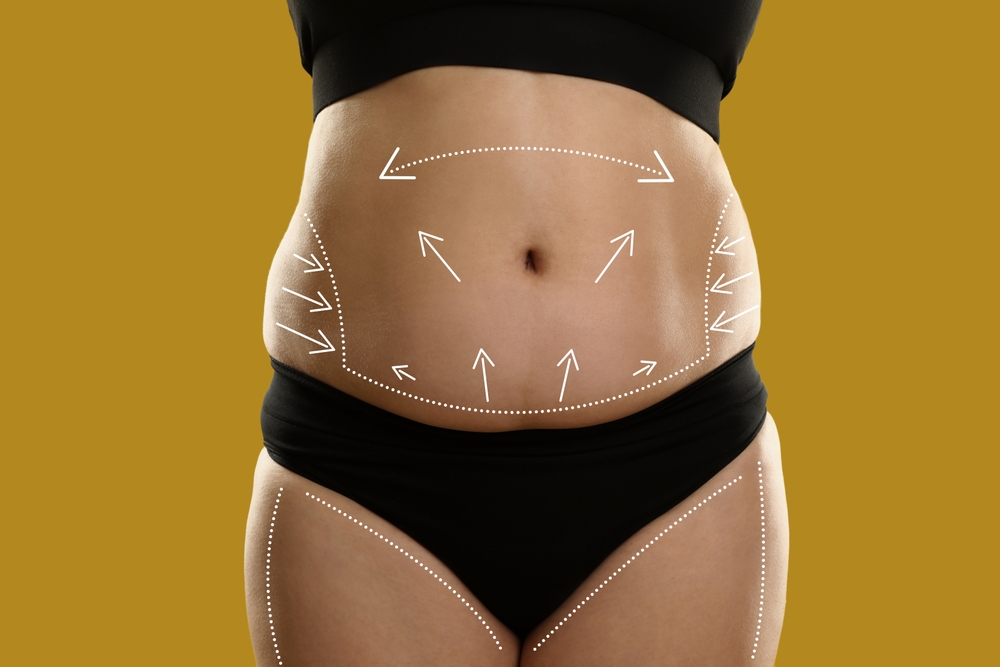
تعد عملية شفط البطن المصغرة شكلاً محدوداً من شد البطن. يقوم الجراحون بإجراء هذه العملية للمرضى الذين يعانون من ترهل خفيف في أسفل البطن. تركز الجراحة على المنطقة أسفل السرة. تزيل كمية صغيرة من الجلد الزائد. تقوم بشد عضلات البطن السفلية عند الحاجة. تبقى الشقوق منخفضة على البطن. تبقى السرة في موقعها الأصلي. توفر هذه العملية أوقات تعافي أقصر. تناسب المرضى الذين يتمتعون بمرونة جيدة في الجلد (Mazzocchi et al. 538).
يضع الجراحون أهدافًا جراحية محددة خلال عملية شفط البطن المصغرة. يهدفون إلى تسطيح أسفل البطن. يزيلون كميات محدودة من الجلد الزائد. يقومون بتشكيلContour للجزء السفلي من البطن. يتعاملون مع رواسب دهنية صغيرة. لا يعيدون تو posicion السرة.
يبقى مكان العلاج محصوراً في أسفل البطن. لا يعالج الجراحون مشاكل أعلى البطن باستخدام هذه التقنية. يركزون على المنطقة بين عظمة العانة والسرة. تحدد هذه القيود الإجراء.
يشكل تشكيلContour لأسفل البطن جوهر هذه الجراحة. يقوم الجراحون بشد الجلد وطبقة الدهون في هذه المنطقة المحددة. يخلقونContour أكثر سلاسة أسفل السرة.
تتميز هذه الطريقة بإزالة الجلد المحدودة. يزيل الجراحون فقط Ellipse صغيرة من الجلد. لا يعالجون الفائض الكبير من الجلد.
تعتبر عملية شفط البطن الكامل إجراءً شاملاً لتشكيلContour البطني. يقوم الجراحون بإجراء هذه الجراحة للمرضى الذين يعانون من مشاكل واسعة في جدار البطن. تتناول العملية كلاً من البطن العلوي والسفلي. تزيل كميات كبيرة من الجلد الزائد. تقوم بشد عضلات البطن المنفصلة. تعيد تو posicion السرة (Hunstad and Repta 45).
ينفذ الجراحون تشكيلContour شامل للبطن خلال هذه العملية. يعالجون الجدار البطني بالكامل. يتناولون تصحيح البطنين العلوي والسفلي. يزيلون الجلد الزائد من المنطقة بالكامل. يقومون بشد العضلات المستقيمة من خلال تثبيت العضلة المستقيمة. يقومون بإعادة تو position السرة من خلال نقل السرة.
تصحيح البطن العلوي والسفلي يميز هذه العملية. يقوم الجراحون برفع الجلد من القفص الصدري إلى عظمة العانة. يمكنهم الوصول إلى جدار البطن بالكامل. يمكنهم رؤية وإصلاح مدى فصل العضلات بالكامل.
تشكيل توتر العضلات يعد عنصراً أساسياً. يقوم الجراحون بخياطة العضلات المستقيمة المفصولة معاً. هذا الإصلاح يستعيد سلامة جدار البطن. ويخلق وسطاً أكثر تماسكاً.
إعادة وضع السرة تسمح للجراحين بإزالة جلد البطن العلوي الزائد. يقومون بإفراج السرة من ساقها. يجرون جلد البطن العلوي نحو الأسفل. يخلقون فتحة جديدة للسرة. هذه الخطوة تحقق نتائج طبيعية المظهر.
يساعد فهم هذه الاختلافات المرضى في اختيار الإجراء المناسب. يطابق الجراحون الإجراء مع التشريح بدلاً من التفضيل. يفحصون كل مريض بعناية. ينظرون إلى جودة الجلد. يقيمون فصل العضلات. يقيسون مدى الجلد الزائد.
تخطيط الجراحة الفردي ينتج أفضل النتائج. لا يقدم الجراحون حلاً موحداً يناسب الجميع. يكيفون العملية مع جسم المريض المحدد. يأخذون في اعتبارهم أهداف المريض. يوازنوا تلك الأهداف مع الحقائق التشريحية. هذا النهج يضمن سلامة ورضا المريض.
يختلف شد البطن المصغر وعمليّة شد البطن الكامل بطرق عديدة. الجدول المقارن أدناه يوضح هذه الاختلافات بوضوح.
|
الميزة |
شد البطن المصغر |
شد البطن الكامل |
|
منطقة الجراحة |
البطن السفلي فقط |
البطن العلوي والسفلي |
|
طول الشق الجراحي |
من 4 إلى 8 بوصات |
من الورك إلى الورك، عادةً 10 إلى 12 بوصة |
|
إصلاح العضلات |
محدود أو لا يوجد |
تخاط كامل لعضلات المستقيم |
|
إعادة وضع السرة |
غير مُنفذة |
دائماً مُنفذة |
|
إزالة الجلد |
محدودة، 2 إلى 4 بوصات |
واسعة، من 6 إلى 12 بوصة أو أكثر |
|
إزالة الدهون |
كميات صغيرة |
كميات كبيرة، غالباً مع شفط الدهون |
|
توافق شفط الدهون |
أحياناً يتم الجمع |
يتم الجمع بشكل متكرر |
|
مدة العملية |
من 1 إلى 2 ساعة |
من 2 إلى 4 ساعات |
|
مدة البقاء في المستشفى |
عادةً للرعاية الخارجية |
عادةً للرعاية الخارجية، أحيانًا ليلاً |
|
مدة التعافي |
من 1 إلى 2 أسبوع للأنشطة الأساسية |
من 2 إلى 4 أسابيع للأنشطة الأساسية |
|
الندوب |
يستخدم الجراحون هذا المقارنة أثناء الاستشارة الجراحية. يوضحون للمرضى مكانهم في هذا الطيف. يشرحون البدائل. يساعدون المرضى على فهم ما يمكن وما لا يمكن أن تفعله كل عملية.
تتناسب جراحة شد البطن المصغرة مع مرضى محددين. لا يتأهل الجميع لهذه الإجراء المحدود. يقيم الجراحون عدة عوامل قبل التوصية بهذه الطريقة.
يتأهل المرضى الذين يعانون من ترهل خفيف في جلد أسفل البطن لجراحة شد البطن المصغرة. هؤلاء المرضى لديهم كيس صغير أسفل السرة. يبدو بطنهم العلوي مسطحًا وثابتًا. يبقى فائض الجلد محصورا في المنطقة السفلية. يمكن للجراحين إزالة هذا الفائض المحدود من الجلد من خلال شق قصير. هؤلاء المرضى يحققون نتائج ممتازة.
الأشخاص القريبون من وزنهم المثالي يعتبرون مرشحين جيدين. يبحث الجراحون عن مرضى لديهم مؤشر كتلة جسم مستقر. يفضلون المرضى الذين يتراوح وزنهم بين 10 إلى 15 في المئة من الوزن المستهدف. يحتاج المرضى الأثقل إلى إجراءات أكثر تعقيداً. يستفيد المرضى النحيفون الذين يعانون من مشاكل معزولة في البطن السفلي أكثر من الأسلوب المصغر.
تتأهل النساء بعد الحمل مع انفصال عضلي طفيف لهذه العملية. بعض النساء يستعيدن شكلهن قبل الحمل بسرعة. يتطور لديهن كميات صغيرة فقط من الجلد المترهل أسفل السرة. تبقى عضلات البطن سليمة بشكل كبير. لا تحتاج هؤلاء النساء إلى إصلاح عضلي كامل. يستفيدن من الأسلوب المحدود.
المرضى الذين لا يعانون من فائض جلد البطن العلوي الكبير يتأهلون لجراحة تجميل البطن المصغرة. يقوم الجراحون بفحص البطن العلوي بعناية. يقومون بقرص الجلد فوق السرة. إذا كان هذا الجلد يظهر مرونة جيدة، فقد يتأهل المريض. إذا كان جلد البطن العلوي مترهلاً أو متجعداً، يحتاج المريض إلى عملية تجميل بطن كاملة.
تكون الإجراءات المصغرة غير كافية لبعض المرضى. المرضى الذين يعانون من فائض جلد كبير يحتاجون إلى المزيد. المرضى الذين لديهم انفصال عضلي كبير يحتاجون إلى إصلاح كامل. المرضى الذين لديهم علامات تمدد فوق السرة يحتاجون إلى تصحيح كامل. يرفض الجراحون إجراء عملية تجميل البطن المصغرة على هؤلاء المرضى. يعرفون أن النتائج ستخيب آمالهم. يوصون بالإجراء المناسب بدلاً من ذلك.
تساعد عملية تجميل البطن الكاملة المرضى الذين يعانون من مشاكل كبيرة في جدار البطن. يحتاج هؤلاء المرضى إلى تصحيح شامل. تتناول العملية الكاملة احتياجاتهم المعقدة.
يستفيد المرضى بعد فقدان الوزن الكبير بشكل كبير من جراحة تجميل البطن الكاملة. يؤدي فقدان الوزن الشديد إلى ترك كميات كبيرة من الجلد الزائد. يفقد الجلد مرونته. لا يمكنه الانكماش ليعود إلى حجم الجسم الجديد. يطور هؤلاء المرضى طيات جلدية مترهلة. تزيل عملية تجميل البطن الكاملة هذا الفائض. تستعيد شكل الجسم الطبيعي (Aly et al. 1471).
الأشخاص الذين لديهم جلد مترهل بشكل واسع يحتاجون إلى هذه العملية. يؤدي الشيخوخة إلى تقليل مرونة الجلد. تفاقم الضرر الناتج عن الشمس هذه المشكلة. تلعب الوراثة أيضاً دوراً. يطور هؤلاء المرضى تجاعيد وطيات عبر البطن بأسره. تزيل عملية تجميل البطن الكاملة هذا الجلد. تخلق سطحاً سلساً.
يستفيد المرضى الذين يعانون من انفصال المستقيم من إصلاح كامل للعضلات. الحمل يمدد جدار البطن. تنفصل عضلات المستقيم. ينتج عن هذا الانفصال نتوء. يضعف الجذع. لا يمكن للتمارين أن تغلق هذه الفجوة تمامًا. يقوم الجراحون بأداء طيات عضلة المستقيم خلال عملية شد البطن الكامل. يقومون بخياطة العضلات معًا. يعيدون جدار البطن المسطح (Nahas et al. 189).
النساء بعد عدة حملات بحاجة غالبًا إلى تصحيح كامل. كل حمل يمدد جدار البطن أكثر. يفقد الجلد مرونته. تنفصل العضلات أكثر. يتشوه السرة. تطور هؤلاء النساء مشاكل في كل من البطن العلوي والسفلي. تعالج عملية شد البطن الكامل جميع هذه التغيرات المتعلقة بالحمل في البطن.
بعض المرضى يحتاجون إلى إعادة بناء جدار البطن المركبة. قد تترافق الفتوق مع المشاكل التجميلية. يقوم الجراحون بإصلاح هذه الفتوق خلال عملية شد البطن. يستخدمون تعزيز الشبكة عند الحاجة. يشدون العضلات. يزيلون الجلد الزائد. تعيد هذه الطريقة المركبة كل من الوظيفة والمظهر.
يعالج كل إجراء مناطق تشريحية مختلفة. فهم هذه المناطق يساعد المرضى على معرفة ما يمكن توقعه.
يمتد البطن السفلي من السرة إلى عظمة العانة. تعالج كلا الإجرائين هذه المنطقة. تعالج عملية شد البطن المصغرة هذه المنطقة فقط. تعالج عملية شد البطن الكامل هذه المنطقة بالإضافة إلى مناطق أخرى. يزيل الجراحون الجلد الزائد هنا. يشدون العضلات هنا. يخلقون انتقالًا سلسًا إلى منطقة العانة.
يمتد البطن العلوي من عظمة الصدر إلى السرة. تعالج عملية شد البطن الكامل فقط هذه المنطقة. يقوم الجراحون برفع الجلد من عظمة الصدر. يسحبونه لأسفل. يزيلون الزائد. يخلقون جدارًا سفليًا متماسكًا وسلسًا.
يعالج الجراحون الجوانب عندما يجمعون بين شفط الدهون وعملية شد البطن. يزيل شفط الدهون الدهون من مناطق الحب. تخلق هذه المجموعة خصرًا أنحف. تحسن الشكل العام. يمكن لكل من مرضى شد البطن المصغر والشد الكامل تلقي هذه الإضافة. يحتاج مرضى الشد الكامل إليها غالبًا أكثر.
يحسن تشكيل الخصلة أضيق جزء من الجذع. غالبًا ما تتضمن عملية شد البطن الكامل هذه الفائدة. يقوم الجراحون بشد عضلات البطن. يسحب هذا الخصر إلى الداخل. يزيلون الجلد الزائد. يحدد هذا خط الخصر أكثر. توفر عملية شد البطن المصغرة تحسينًا محدودًا لخط الخصر.
تتحسن نسب الجسم العامة بعد كلا الإجراءين. يصبح البطن أكثر انبساطاً. تصبح الخصر أكثر وضوحاً. يبدو الجذع أطول. تبدو الأرداف أكثر تناسقاً. تؤدي هذه التغييرات إلى تحسين شكل الملابس. تعزز ثقة المريض.
تختلف التقنيات الجراحية بشكل ملحوظ. تختلف كل خطوة بين الإجراءين.
يضع الجراحون الشق في أسفل البطن لكلا الإجراءين. يستخدم شد البطن المصغر شقاً أقصر. عادةً ما يتراوح طوله بين 4 إلى 8 بوصات. يقع مباشرة فوق خط شعر العانة. يستخدم شد البطن الكامل شقاً أطول. يمتد من ورك إلى ورك. يقع أيضاً في أسفل البطن. يخفي كلا الشقين تحت الملابس الداخلية وملابس السباحة.
يرفع الجراحون الجلد بشكل مختلف في كل إجراء. خلال شد البطن المصغر، يرفعون فقط جلد البطن السفلي. يخلقون طية صغيرة. خلال شد البطن الكامل، يرفعون الجلد من عظمة العانة إلى جدار القفص الصدري. يخلقون طية كبيرة. تسمح هذه الطية الكبيرة بالوصول إلى كامل طبقة العضلات.
يزيل الجراحون الدهون من خلال الاستئصال المباشر وشفط الدهون. في شد البطن المصغر، يزيلون Deposits دهون صغيرة. قد يستخدمون شفط الدهون المحدود. في شد البطن الكامل، يزيلون كميات أكبر من الدهون. غالباً ما يقومون بإجراء شفط الدهون الواسع. ينحتون كامل جدار البطن (Matarasso 829).
يقوم الجراحون بإحكام العضلات من خلال الغرز. في شد البطن المصغر، قد يشدون العضلات السفلى فقط. يضعون بعض الغرز تحت السرة. في شد البطن الكامل، يقومون بعمل تحديد كامل لعضلات المستقيم. يضعون الغرز من جدار القفص الصدري إلى عظمة العانة. يجمعون العضلات المنفصلة. يخلقون مشدداً داخلياً محكماً.
يدير الجراحون السرة بشكل مختلف. في شد البطن المصغر، تبقى السرة في مكانها. لا يقوم الجراحون بإزعاجها. في شد البطن الكامل، يقوم الجراحون بإجراء نقل سري. يحررون السرة من الجلد المحيط. يسحبون جلد البطن العلوي لأسفل. يقومون بقطع فتحة جديدة. يعيدون وضع السرة بشكل طبيعي.
يستخدم الجراحون تقنيات الإغلاق المتعددة الطبقات لكلا الإجراءين. يغلقون الأنسجة العميقة أولاً. يستخدمون غرز قابلة للامتصاص. يغلقون الجلد باستخدام غرز دقيقة أو دبابيس. قد يستخدمون غراء جراحي. يضعون أنابيب تصريف في حالات شد البطن الكامل. أحياناً يتجاهلون الأنابيب في حالات شد البطن المصغر.
ليس كل مريض يحتاج إلى إصلاح العضلات. يقوم الجراحون بتقييم كل حالة بشكل فردي.
تمدد المستقيم هو انفصال عضلات المستقيم. تمتد هذه العضلات عموديًا على كل جانب من السرة. تربطها حزمة من النسيج الضام تُعرف باسم "لينيا ألبا". الحمل أو زيادة الوزن تمدد هذه الحزمة. تنفصل العضلات. هذا يخلق فجوة. يتسبب في بروز مرئي. يضعف العضلات الأساسية.
يمتد الحمل بشكل كبير جدار البطن. تدفع الرحم المتنامي العضلات بعيدًا. تساعد الهرمونات على تليين النسيج الضام. تتسع "لينيا ألبا". بعد الولادة، تتعافى بعض النساء بشكل طبيعي. تحتفظ أخريات بالانفصال. الحمل المتعدد يزيد هذه المشكلة سوءًا. لا يمكن للعضلات العودة إلى وضعها الأصلي دون جراحة.
يقوم الجراحون بإصلاح العضلات أثناء عملية شد البطن الكاملة من خلال طي عضلات المستقيم. يكشفون عن الطبقة العضلية بأكملها. يضعون غرزًا دائمة أو قابلة للامتصاص ببطء. يخيطون العضلات معًا على طول الخط الأوسط. يبدأون من القفص الصدري. ويستمرون إلى عظمة العانة. هذا الإصلاح يقوم بتمليس البطن. يقوي العضلات الأساسية. يحسن من الوضعية (نهاص وآخرون 192).
يمكن للجراحين إجراء إصلاح محدود للعضلات أثناء عملية شد البطن المصغرة. يصلون فقط إلى العضلات السفلية للبطن. يضعون الغرز تحت السرة. لا يمكنهم الوصول إلى العضلات العليا. هذا الإصلاح المحدود يساعد بعض المرضى. لا يعالج تمدد المستقيم بالكامل. يحتاج المرضى الذين يعانون من انفصال كبير إلى عملية شد بطن كاملة.
يختلف حجم الشقوق والتندب بين الإجراءين. غالبًا ما يقلق المرضى بشأن الندوب. فهم الاختلافات يساعد في وضع توقعات واقعية.
يبلغ طول ندبة شد البطن المصغرة من 4 إلى 8 بوصات. تقع منخفضة على البطن. تختبئ تحت خط البيكيني. هذه الندبة الأقصر جذابة للعديد من المرضى. يستطيع الجراحون غالبًا وضعها داخل التجاعيد الموجودة. تتلاشى الندبة مع مرور الوقت. تصبح رفيعة ومستوية.
يمتد طول ندبة شد البطن الكاملة من الورك إلى الورك. عادة ما يتراوح طولها بين 10 إلى 12 بوصة. تقع أيضًا منخفضة على البطن. تختبئ تحت الملابس. يطور بعض المرضى علامة عمودية صغيرة بالقرب من المركز. تظهر هذه الندبة عندما يحتاج الجراحون إلى إزالة جلد زائد عند نقطة الإغلاق. تظل الندبة الأفقية هي الأساسية.
تتشكل ندبة السرة خلال جراحة شد البطن الكامل. يقوم الجراحون بإنشاء فتحة جديدة للسرة. يضعونها داخل الساق الموجود للسرة. تختبئ الندبة داخل حافة السرة. تصبح شبه غير مرئية. المرضى الذين يخضعون لعملية شد البطن المصغرة لا يحصلون على هذه الندبة. تبقى سرتهم غير ممسوكة.
تؤثر عدة عوامل على جودة الندبة. تلعب الوراثة دورًا كبيرًا. تشكل بعض المرضى ندوبًا سميكة بشكل طبيعي. بينما يلتئم الآخرون بندوب رقيقة ومستوية. يُؤذّي التدخين شفاء الندوب. يقلل من تدفق الدم. يؤخر الشفاء. يفاقم مظهر الندبة. تؤثر التغذية على الشفاء أيضًا. يحتاج المرضى إلى البروتينات والفيتامينات الكافية. تحسين العناية بالندوب بعد العملية يُحسّن النتائج. يوصي الجراحون بالعلاج بالسيليكون. يطبق المرضى أوراق أو جل السيليكون. تحمي الندوب من التعرض للشمس. يقومون بتدليك الندوب بلطف. هذه الخطوات تعزز نضوج الندبة (كوستا-فيريرا وآخرون 1545).
كلا الإجرائين يوفران نتائج تجميلية ممتازة عند تطابقهما مع المريض المناسب. تعتمد النتيجة "الأفضل" على نقطة انطلاق المريض.
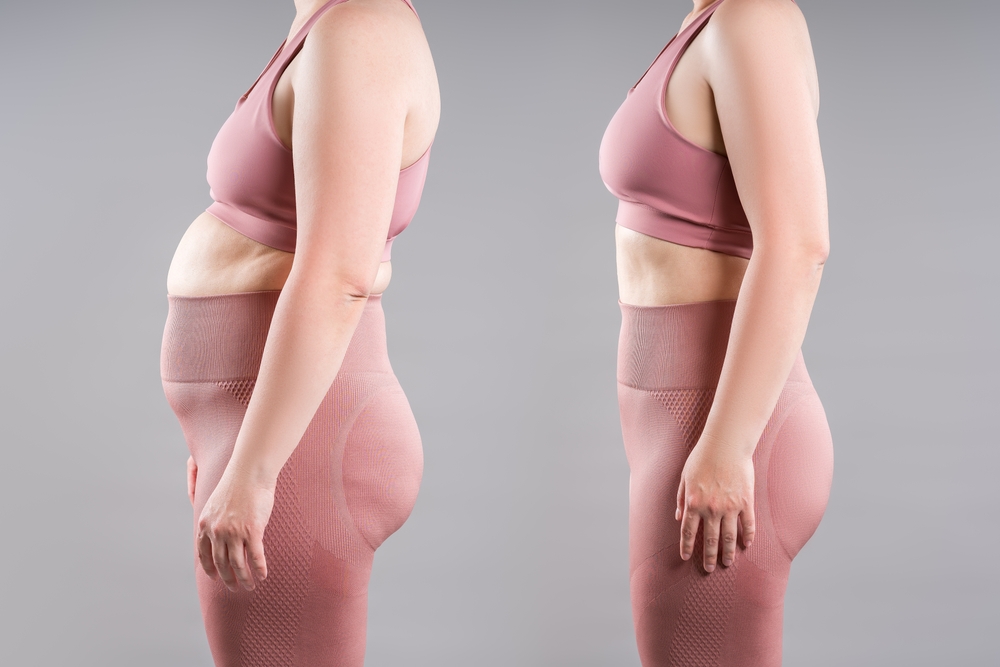
تحدث تحسينات في شكل البطن مع كلا الإجرائين. يرى مرضى شد البطن المصغر بطنًا سفليًا أكثر انسيابية. يرى مرضى شد البطن الكامل بطنًا مستويًا ومحددًا. يتحسن البطن العلوي. يتحسن البطن السفلي. تبدو الانتقالات بين المناطق سلسة. يقوم الجراحون بإنشاء شكل طبيعي وشبابي.
يتحسن تحديد الخصر أكثر مع جراحة شد البطن الكامل. يقوم الجراحون بشد كامل لطبقة العضلات. هذا يُضيّق الخصر. يزيلون الجلد والدهون الزائدة. هذا يُحدد خط الخصر بشكل أكبر. يشهد مرضى شد البطن المصغر تحسنًا محدودًا في الخصر. لا يعالج الإجراء عضلات البطن العلوية.
يحدث شد الجلد في كلا الإجرائين. يرى مرضى شد البطن الكامل شدًا أكثر دراماتيكية. يزيل الجراحون كميات كبيرة من الجلد الزائد. يشدون الجلد المتبقي بشدة. يشهد مرضى شد البطن المصغر شدًا معتدلًا. يقيّد إزالة الجلد المحدودة درجة الشد.
تقل علامات تمدد الجلد عندما يقوم الجراحون بإزالة الجلد الذي يحتوي عليها. تزيل جراحة شد البطن الكامل معظم الجلد تحت السرة. هذا يقضي على العديد من علامات التمدد في الجزء السفلي من البطن. يسحب الجلد العلوي للبطن للأسفل. هذا يُخفض موضع علامات التمدد المتبقية. يشهد مرضى شد البطن المصغر تحسنًا محدودًا في علامات التمدد. تختفي فقط علامات التمدد في الجزء السفلي من البطن.
تظل معدلات رضا المرضى على المدى الطويل عالية لكلا الإجراءين. تظهر الدراسات أن المرضى يبلغون عن تحسين نوعية حياتهم. يشعرون بمزيد من الثقة. يرتدون الملابس الضيقة بشكل أكثر تكراراً. يحافظون على نتائجهم مع وزن مستقر. غالباً ما يبلغ مرضى شفط البطن الكامل عن رضا أعلى عندما بدأوا بمشاكل أكثر خطورة. يبلغ مرضى شفط البطن المصغر عن رضا كبير عندما كانت لديهم مخاوف محدودة (هيلر وآخرون 951).
تختلف مدة التعافي بين الإجراءين. يحتاج المرضى إلى فهم هذه الجداول الزمنية.
يبدأ التعافي الفوري في المنشأة الجراحية. يستيقظ المرضى من التخدير. يراقب الممرضون العلامات الحيوية. يتحقق الجراحون من الضمادات. يحصل المرضى على مسكنات للألم. يبدأون بالمشي خلال ساعات. يقلل المشي المبكر من خطر تجلط الدم. ويسرع الشفاء.
يدير الجراحون الألم باستخدام أدوية متعددة. يستخدمون مسكنات الألم غير الأفيونية. يصفون مرخيات العضلات. قد يستخدمون كتلة عصبية. هذه الكتل تخدر جدار البطن. تقلل من الألم لمدة 24 إلى 72 ساعة. يتناول المرضى الأدوية حسب الجدول. يبقون في مقدمة الألم.
يستخدم الجراحون التصريفات أثناء جراحة شفط البطن الكامل. تعمل التصريفات على إزالة السوائل التي تتجمع تحت الجلد. تمنع تشكيل السيرومة. يفرغ المرضى التصريفات عدة مرات يومياً. يسجلون الكمية. يزيل الجراحون التصريفات عندما تنخفض الكمية. وعادة ما يستغرق هذا من 5 إلى 10 أيام. بعض الجراحين يستخدمون غرز التوتر التدريجي بدلاً من ذلك. هذه الغرز تقضي على الحاجة إلى التصريفات. نادراً ما يحتاج مرضى شفط البطن المصغر إلى التصريفات.
يبدأ المرضى في المشي في نفس يوم الجراحة. يقومون بالمشي القصير المتكرر. يتجنبون الراحة الطويلة في السرير. يمنع المشي تجلط الدم. يقلل من الانتفاخ. يعزز وظيفة الأمعاء. يمشي المرضى في البداية مع انحناء بسيط. يستقيمون تدريجياً على مدى أسبوع إلى أسبوعين.
يعود المرضى إلى العمل في أوقات مختلفة. يعود مرضى شفط البطن المصغر في غضون 1 إلى 2 أسبوع. يحتاجون إلى وقت أقل. يعود مرضى شفط البطن الكامل في غضون 2 إلى 4 أسابيع. يحتاج بعضهم إلى مزيد من الوقت إذا كانت وظائفهم تتطلب عملاً بدنياً. يعود العاملون في المكاتب في وقت أقرب. ينبغي على المرضى عدم التسرع في هذا الجدول الزمني.
يستأنف المرضى ممارسة الرياضة تدريجياً. يبدأون بالمشي. يضيفون تمارين الكارديو الخفيفة بعد 3 إلى 4 أسابيع. يتجنبون تمارين البطن لمدة 6 إلى 8 أسابيع. يتجنبون رفع الأثقال الثقيلة لمدة 6 أسابيع. يقوم الجراحون بإعطاء الإذن لكل مريض على حدة. يراقبون الشفاء. وتعدل الجداول الزمنية بناءً على التقدم.
تستمر الورم لعدة أشهر. يصل ذروته بعد 3 إلى 5 أيام من الجراحة. يتحسن بشكل كبير بعد 6 أسابيع. تستمر الورم المتبقية لمدة 3 إلى 6 أشهر. يلاحظ بعض المرضى ورم طفيف لمدة تصل إلى عام. تساعد الملابس الضاغطة في السيطرة على الورم. يرتدي المرضى هذه الملابس لمدة 4 إلى 6 أسابيع.
تظهر النتائج النهائية بعد أن يزول كل الورم. يرى معظم المرضى شكلهم النهائي بعد 6 أشهر. يحتاج بعضهم إلى عام كامل. يستمر الندب في التلاشي خلال هذه الفترة. يستغرق نضوج الندب من 12 إلى 18 شهرًا. يجب على المرضى أن يتحلوا بالصبر. يجب عليهم الوثوق في العملية.
تحمل جميع الجراحات مخاطر. يجب على المرضى فهم هذه المخاطر قبل المتابعة.
تحدث العدوى عندما تدخل البكتيريا إلى موقع الجراحة. يستخدم الجراحون تقنيات معقمة. يصفون المضادات الحيوية. يحافظ المرضى على نظافة الشق. تشمل علامات العدوى الاحمرار، والحرارة، والحمى. يعالج الجراحون العدوى بالمضادات الحيوية. تحتاج العدوى الشديدة إلى تصريف (Friedman et al. 533).
السيروما هي تجمع سائل تحت الجلد. تتشكل عندما تتجمع سوائل الأنسجة. تساعد الصمامات في منع هذه المشكلة. بدون صمامات، قد تتشكل السيرومات. يقوم الجراحون بتصريفها بإبرة. يضعون صمامات جديدة إذا لزم الأمر. تقلل الملابس الضاغطة من خطر السيروما.
الهيماتومة هي تجمع من الدم تحت الجلد. تتشكل عندما تنزف الأوعية الدموية بعد الجراحة. يتحكم الجراحون في النزيف أثناء العملية. تسبب الهيماتومات ورمًا وألمًا. يقوم الجراحون بتفريغ الهيماتومات الكبيرة في غرفة العمليات. تتلاشى الهيماتومات الصغيرة من تلقاء نفسها.
تحدث تأخيرات شفاء الجروح في المرضى الذين يعانون من ضعف في الدورة الدموية. يواجه المدخنون هذا الخطر. يواجه مرضى السكري هذا الخطر. يواجه المرضى الذين يعانون من سوء التغذية هذا الخطر. قد تنفصل الجروح عند الحواف. يعالج الجراحون ذلك بالعناية بالجروح. قد يستخدمون ضمادات خاصة. يراقبون التقدم عن كثب.
يكون تكوين الندبات السيئة نتيجة لعوامل وراثية، أو توتر، أو عدوى. يشكل بعض المرضى ندبات تضخمية. تبقى هذه الندبات سميكة وحمراء. يشكل البعض الآخر الكيلويدات. تنمو هذه الندبات خارج خط الشق. يعالج الجراحون الندبات السيئة بحقن الستيرويد. قد يقومون بتعديل الندبة لاحقًا.
تتكون جلطات الدم في الساقين بعد الجراحة. يمكن أن تنتقل إلى الرئتين. تسمى هذه الحالة انسداد رئوي. إنها تهدد الحياة. يمنع المشي المبكر تكون الجلطات. يستخدم الجراحون أجهزة ضغط. قد يصفون مميعات الدم. يبلغ المرضى عن ألم في الساق أو ضيق في التنفس على الفور.
تحدث تغييرات في إحساس الجلد بعد كلا الإجراءين. تمتد الأعصاب أثناء الجراحة. هذا يسبب الخدر. يؤثر الخدر على أسفل البطن. يتحسن على مدى شهور. يحتفظ بعض المرضى بمناطق صغيرة من الخدر بشكل دائم. هذا لا يؤثر على الوظيفة.
تصبح جراحة التعديل ضرورية عندما لا تلبي النتائج التوقعات. قد تتشكل آذان الكلاب عند أطراف الجرح. يمكن للجراحين تقليمها. قد يحدث عدم تماثل. يمكن للجراحين تصحيحه. يرغب بعض المرضى في مزيد من شفط الدهون. يقوم الجراحون بإجراء هذه التعديلات بعد الشفاء الكامل.
غالبًا ما يجمع الجراحون بين شفط الدهون وجراحة شد البطن. تعزز هذه المجموعة النتائج.
تقدم الإجراءات المجمعة عدة فوائد. يزيل شفط الدهون الدهون التي لا يمكن لجراحة شد البطن وحدها معالجتها. يشكل الجوانب. يعرف الخصر. يخلق انتقالات أكثر سلاسة. يستمتع المرضى بنتائج أكثر شمولاً لعملية تشكيل الجسم.
يستخدم تشكيل الجسم عالي الدقة تقنيات شفط الدهون الدقيقة. يشكل الجراحون حول مجموعات العضلات. يخلقون خطوطًا بطنية مرئية. يعرفون الخصر. يعززون شكل الجذع. يعمل هذه التقنية بشكل جيد مع جراحة شد البطن الكامل.
يعالج شفط الدهون الدائري الجسم بالكامل. يزيل الجراحون الدهون من البطن والجوانب والظهر. يخلق ذلك شكلًا متناسقًا. يحسن البروفايل من جميع الزوايا. غالبًا ما يختار المرضى الذين يخضعون لجراحة شد البطن الكامل هذه الإضافة.
تعتبر اعتبارات السلامة مهمة خلال الإجراءات المجمعة. تزيد الجراحة الطويلة من المخاطر. يحد الجراحون من كمية إزالة الدهون. يراقبون توازن السوائل. يتجنبون انخفاض حرارة الجسم. يعملون مع فرق تخدير ذات خبرة. ي prioritiz سلامة المرضى على تشكيل الجسم العدواني.
تحسن الاستعداد النتائج الجراحية. يجب على المرضى اتباع جميع التعليمات بعناية.
يحتاج المرضى إلى تقييم طبي شامل. يراجع الجراحون تاريخهم الطبي. يقومون بإجراء الفحوصات البدنية. يطلبون اختبارات الدم. يتحققون من وظيفة القلب. يحددون عوامل الخطر. يقومون بتأهيل المرضى للتخدير.
ت stabilizing الوزن مهم لأن التقلبات تؤثر على النتائج. يفضل الجراحون المرضى الذين يحافظون على وزن مستقر. يفضلون المرضى الذين حافظوا على وزنهم لمدة 6 أشهر. زيادة الوزن المستقبلية تمتد النتائج. فقدان الوزن في المستقبل يخلق جلدًا زائدًا جديدًا.
يجب على المرضى التوقف عن التدخين لأن النيكوتين يضر بالشفاء. إنه يضيق الأوعية الدموية. يقلل من توصيل الأكسجين. يزيد من خطر العدوى. يسبب تشكل ندبات سيئة. يتطلب الجراحون الإقلاع عن التدخين لمدة لا تقل عن 4 أسابيع قبل وبعد الجراحة.
يحتاج المرضى إلى مراجعة كاملة للأدوية. يجب عليهم التوقف عن مميعات الدم قبل الجراحة. يجب عليهم تجنب المكملات العشبية. يجب عليهم التوقف عن تناول الأدوية المضادة للالتهابات. تزيد هذه المواد من خطر النزيف. يقدم الجراحون قائمة محددة بالعناصر المحظورة.
يساعد تحسين التغذية المرضى على الشفاء بشكل أسرع. يحتاج المرضى إلى البروتين الكافي. يحتاجون إلى الفيتامينات A و C. يحتاجون إلى الزنك. يجب عليهم تناول نظام غذائي متوازن. يمكنهم تناول المكملات. تدعم التغذية الجيدة وظيفة المناعة. تعزز شفاء الجروح.
يجب على المرضى تجهيز منازلهم قبل الجراحة. يجب عليهم إنشاء منطقة للتعافي. يجب عليهم وضع الوسائد في متناول اليد. يجب عليهم إعداد الوجبات مسبقًا. يجب عليهم ترتيب المساعدة في رعاية الأطفال. يجب عليهم تعبئة الوصفات الطبية. يجب عليهم وضع الملابس الفضفاضة بالقرب. يجب عليهم الاستعداد للحركة المحدودة.
تمنع التوقعات الواقعية خيبة الأمل. يجب أن يفهم المرضى الجدول الزمني للشفاء.
فورًا بعد الجراحة، يرى المرضى بطنًا أكثر سلاسة. تخفي التورمات بعض التحسن. يبدو الجلد مشدودًا. تبدو خطوط incision حمراء. تظهر الكدمات. يرتدي المرضى الملابس الضاغطة. يشعرون بالشد والألم.
بعد شهر واحد، يرى المرضى تحسنًا كبيرًا. يقل التورم. تتلاشى الكدمات. يستأنف المرضى الأنشطة الخفيفة. يعودون إلى العمل. يبدو incision في حالة شفاء. لا يزالون يرتدون الملابس الضاغطة. يتجنبون التمارين الشاقة.
بعد ثلاثة أشهر، تبدو النتائج أفضل بكثير. يتم حل معظم التورم. يبدو البطن أكثر سلاسة. يبدو الخصر أكثر تحديدًا. تبدأ الندبات في التلاشي. يستأنف المرضى معظم التمارين. يشعرون بالراحة في الأنشطة اليومية.
بعد ستة أشهر، تقترب النتائج من الشكل النهائي. التورم ضئيل. الشكل يبدو طبيعياً. ندوب الجراحة تلاشت بشكل ملحوظ. يستمتع المرضى بشكلهم الجديد. يرتدون ملابس ضيقة بثقة. يحافظون على نتائجهم من خلال عادات صحية.
يحافظ المرضى على النتائج على المدى الطويل من خلال وزن ثابت. يتبعون نظام غذائي متوازن. يمارسون الرياضة بانتظام. يتجنبون الحمل في المستقبل إذا كان ذلك ممكنًا. يحافظون على الندوب من أشعة الشمس. يتبعون نصيحة الجراح. يمكن أن تستمر النتائج لعدة سنوات.
يتطلب القرار تقييمًا دقيقًا. يجب ألا يتخذ المرضى هذا الخيار بمفردهم.
خلال تقييم الجراح، يقوم الجراح المعتمد من البورد بفحص المريض. ينظرون إلى جودة البشرة. يقيمون تون العضلات. يقيسون الجلد الزائد. يناقشون الأهداف. يشرحون الخيارات. يوصون بالإجراء الذي يتناسب مع التش Anatomy.
يقيم الجراحون جودة البشرة من خلال قرص الجلد. يقيمون مرونته. يبحثون عن علامات التمدد. يتحققون من وجود تجاعيد. يحددون مدى انكماش الجلد. ضعف مرونة الجلد يجعل جراحة شد البطن الكاملة مفضلة.
يقيس الجراحون انفصال العضلات من خلال الفحص البدني. يشعرون بالفجوة بين عضلات المستقيم. يقيسون عرضها. يقيمون طولها. يحددون ما إذا كانت تمتد فوق السرة. الانفصال الكبير يتطلب إصلاحاً كاملاً.
يؤثر مؤشر كتلة الجسم بشكل كبير على القرار. يفضل الجراحون المرضى الذين لديهم مؤشر كتلة جسم أقل من 30. زيادة مؤشر كتلة الجسم تزيد من المخاطر. تقلل من النتائج. قد يحتاج المرضى الذين لديهم مؤشر كتلة جسم أعلى إلى فقدان الوزن أولاً. يناقش الجراحون ذلك بشكل صريح. يقدمون السلامة في المقام الأول.
يجب على المرضى أخذ خطط الحمل المستقبلية بعين الاعتبار. الحمل يمدد النتائج. قد يعيد المشاكل. يوصي الجراحون بالانتظار حتى ينتهي المرضى من إنجاب الأطفال. وهذا يحافظ على الاستثمار. ويجنب جراحة التعديل.
توجه الأهداف التجميلية الشخصية القرار النهائي. بعض المرضى يرغبون في تحسين أقصى. يقبلون الندوب الأطول وفترة شفاء أطول. آخرون يريدون تحسين معتدل. يفضلون الندوب الأقصر. يوازن الجراحون بين هذه الرغبات والواقع التشريحي. يضعون خطة جراحية مخصصة.
يمكن لجراحة شد البطن المصغرة إصلاح عضلات البطن السفلى فقط. يصل الجراحون إلى العضلات الموجودة أسفل السرة. يقومون بوضع غرز محدودة. لا يمكنهم إصلاح الانفصال فوق السرة. يحتاج المرضى الذين يعانون من افتراق كلي في المستقيم إلى شد بطن كامل.
تسبب جراحة شد البطن الكامل انزعاجًا أكبر من جراحة شد البطن المصغرة. تؤدي إصلاح العضلات إلى شعور بالشد. يسبب الشق الأكبر المزيد من الألم. يدير الجراحون هذه الآلام بفعالية. يستخدمون حجب الأعصاب. يصفون الأدوية. يصف معظم المرضى الألم بأنه قابل للتحمل.
تنقل جراحة شد البطن الكامل السُرّة. يقوم الجراحون بإجراء نقل سُرّي. ينشئون فتحة جديدة في الجلد المشدود. يضعون السُرّة في موضعها الطبيعي. لا تحرك جراحة شد البطن المصغرة السُرّة. تبقى في موضعها الأصلي.
تترك جراحة شد البطن المصغرة ندبة أصغر. يقيس الشق من 4 إلى 8 بوصات. تترك جراحة شد البطن الكامل ندبة أطول. تمتد من الورك إلى الورك. تخفي كلا الندبتين في أسفل البطن. تتلاشى كلتا الندبتين بمرور الوقت.
لا يمكن لشفط الدهون أن يحل محل جراحة شد البطن. يزيل شفط الدهون الدهون فقط. لا يزيل الجلد الزائد. لا يقوم بإصلاح العضلات. يحتاج المرضى الذين يعانون من جلد مترهل إلى إزالة الجلد. يحتاجون إلى جراحة شد البطن للحصول على نتائج مثلى.
جراحة شد البطن ليست إجراءً لفقدان الوزن. إنها جراحة لتقويم الجسم. ينبغي أن يصل المرضى إلى الوزن المستهدف أولاً. تزيل الجراحة بعض الوزن من خلال إزالة الجلد والدهون. هذه الكمية صغيرة. يجب ألا يتوقع المرضى فقدانًا كبيرًا في الوزن.
تستمر نتائج جراحة شد البطن لعدة سنوات مع الحفاظ على الوزن. يستمتع المرضى الذين يحافظون على وزنهم بنتائج دائمة. لا يعود الجلد المزال. تبقى إصلاحات العضلات سليمة. قد يؤثر زيادة الوزن المستقبلية أو الحمل على النتائج.
يمكن للمرضى أن يصبحوا حاملاً بعد جراحة شد البطن. لا تؤثر الجراحة على الخصوبة. ومع ذلك، فإن الحمل يشد جدار البطن مرة أخرى. قد يعيد خلق الجلد المترهل وفصل العضلات. يوصي الجراحون بالانتظار حتى بعد الإنجاب.
تتمتع جراحة شد البطن المصغرة بفترة تعافي أقصر. يعود المرضى إلى العمل خلال 1 إلى 2 أسبوع. يستأنفون التمارين الرياضية في وقت أقرب. تتطلب جراحة شد البطن الكامل 2 إلى 4 أسابيع قبل العودة إلى العمل. تستغرق فترة التعافي وقتًا أطول بسبب إصلاح العضلات الشامل.
يمكن للرجال الخضوع لعملية شد البطن الجزئي والكامل. غالبًا ما يسعى المرضى الذكور لهذه الإجراءات بعد فقدان الوزن. هم يريدون إزالة الجلد الزائد. يريدون شد جدار البطن. يقوم الجراحون بتكييف التقنية مع تشريح الذكور. يحافظون على السمات الذكورية.
تتمحور الاختلافات السريرية الأساسية بين شد البطن الجزئي والكامل حول النطاق. يعالج شد البطن الجزئي الجزء السفلي من البطن فقط. يستخدم شقًا أقصر. يوفر تعافيًا أسرع. يعالج شد البطن الكامل البطن بالكامل. يصلح العضلات المنفصلة. يعيد موضع زر البطن. يتطلب شقًا أطول ووقت تعافٍ أطول.
يجب على المرضى ألا يختاروا بناءً على طول الندبة أو وقت التعافي وحده. يجب أن يختاروا بناءً على تشريحهم. تحدد التقييمات التشريحية الإجراء الصحيح. يقوم جراح تجميل معتمد بإجراء هذا التقييم. ينظرون إلى مرونة الجلد. يقيسون انفصال العضلات. يقيمون الجلد الزائد. ينشئون خطة جراحية فردية.
يؤدي التخطيط الجراحي الشخصي إلى أفضل النتائج. يضمن اتخاذ القرار المشترك بين المريض والجراح الرضا. يجب على المرضى طرح الأسئلة. يجب عليهم مراجعة صور ما قبل وما بعد. يجب عليهم فهم المخاطر. يجب عليهم اتباع جميع تعليمات التحضير والتعافي. الإجراء الصحيح، الذي يجريه الجراح المناسب، يقدم نتائج آمنة وجميلة ودائمة.
علي، أ. س.، وآخرون. "عملية شفط الدهون على شكل حزام لتقليل الانتفاخ في الجسم." جراحة التجميل والترميم، المجلد 117، العدد 5، 2006، الصفحات 1471-81.
كوستا-فيريرا، أ.، وآخرون. "جودة الندوب بعد جراحة تجميل البطن." جراحة التجميل والترميم، المجلد 112، العدد 5، 2003، الصفحات 1543-8.
فريد مان، ت.، وآخرون. "تفشي العدوى في جراحة التجميل." مجلة جراحة التجميل، المجلد 28، العدد 5، 2008، الصفحات 531-7.
هيلر، ج. ب.، وآخرون. "النتائج بعد جراحة تجميل البطن." جراحة التجميل والترميم، المجلد 122، العدد 3، 2008، الصفحات 951-8.
هونستاد، ج. ب.، و ر. ريبيا. دليل جراحة تجميل البطن. إلسفير، 2009.
لوك وود، ت. "رفع الجسم السفلي مع تعليق نظام اللفافة السطحية." جراحة التجميل والترميم، المجلد 92، العدد 6، 1993، الصفحات 1112-22.
ماتاراسو، أ. "شفط الدهون كإضافة لجراحة البطن الكاملة." الجراحة التجميلية والترميمية، المجلد 95، العدد 5، 1995، الصفحات 829-36.
مازوكي، م.، وآخرون. "تطور تقنيات شفط الدهون وجراحة البطن." الجراحة التجميلية الجمالية، المجلد 35، العدد 4، 2011، الصفحات 538-45.
نهاس، ف. إكس، وآخرون. "طريقة فعّالة لتصحيح انفصال المستقيم المتكرر." الجراحة التجميلية الجمالية، المجلد 28، العدد 4، 2004، الصفحات 189-96.
سالدانها، أ. ر.، وآخرون. "جراحة البطن مع شفط الدهون بتقنية الحك الاختياري والآمن." مجلة الجراحة التجميلية، المجلد 23، العدد 2، 2003، الصفحات 111-7.
|
ندبة أقصر، أسفل البطن |
|
ندبة أطول، من الورك إلى الورك |
|
أفضل المرشحين |
ترهل خفيف في أسفل البطن |
مشاكل واسعة في الجلد والعضلات |
|
النتائج المتوقعة |
بطن أسفل أكثر تسطحًا |
بطن مسطح ومحدد بالكامل |
|
القيود |
لا تعالج الجزء العلوي من البطن |
ندبة أطول، تعافي أطول |