
ما هو الناسور؟
الناسور هو اتصال بين هيكلين مجوفين أو أنبوبيين. يقوم الجراحون بإنشاء هذا الاتصال لاستعادة تدفق الدم أو الطعام أو السوائل أو البول أو الهواء عندما تتعطل المسار الطبيعي نتيجة مرض أو إصابة أو عملية سابقة.
تصف جماليات الشفاه المترهلة النزول المرئي لانسجة الشفاه والانحدار في زوايا الفم الذي يرافق تقدم العمر. تؤثر هذه الحالة على تناغم الوجه، التعبير العاطفي، و...
استكشف المزيد من الرؤى حول العلاجات، التعافي، والرعاية الجمالية.
الناسور هو اتصال بين هيكلين مجوفين أو أنبوبيين. يقوم الجراحون بإنشاء هذا الاتصال لاستعادة تدفق الدم أو الطعام أو السوائل أو البول أو الهواء عندما تتعطل المسار الطبيعي نتيجة مرض أو إصابة أو عملية سابقة.

يتبع التعافي بعد جراحة تحويل المعدة نمطًا يمكن التنبؤ به، لكن لا يتعافى مريضان وفق نفس الجدول الزمني. يغادر معظم الناس المستشفى خلال يوم إلى ثلاثة أيام، ويستأنفون الأنشطة الخفيفة خلال أيام، ويعودون إلى العمل خلال أسبوعين إلى أربعة أسابيع، ويستمرون في التكيف مع نظام هضمي جديد لمدة عام كامل.

المرشح لجراحة تحويل مسار المعدة هو بالغ أو مراهق مختار بعناية يعاني من السمنة المفرطة، وغالبًا ما يكون لديه مؤشر كتلة جسم يبلغ 40 أو أكثر، أو مؤشر كتلة جسم يبلغ 35 أو أكثر مع مرض خطير مرتبط بالسمنة مثل مرض السكري من النوع الثاني، أو ارتفاع ضغط الدم، أو توقف التنفس أثناء النوم، أو خطر القلب والأوعية الدموية.

يمكنك تناول تقريبًا جميع مجموعات الطعام بعد جراحة تكميم المعدة، ولكن يجب أن تتناولها بتسلسل صارم، وبأجزاء أصغر بكثير، وقوام أكثر ليونة خلال الأسابيع الأولى.

متلازمة التفريغ هي حالة هضمية يتحرك فيها الطعام والسوائل من المعدة إلى الأمعاء الدقيقة أسرع مما ينبغي. هذه الحركة السريعة، المسماة بالتفريغ السريع للمعدة، تثير مجموعة من الأعراض المتعلقة بالهضم والدورة الدموية، وغالبًا ما تظهر بعد الجراحة على المعدة أو المريء.

بالون المعدة وتحويل مجرى المعدة كلاهما يعالج السمنة، لكنهما يعملان بطرق مختلفة جوهريًا. بالون المعدة هو جهاز تنظيري مؤقت يملأ جزءًا من المعدة لمدة ستة إلى اثني عشر شهرًا.

الارتجاع المريئي يشير إلى مرض الارتجاع المريئي المعدي. المصطلح يصف حالة مزمنة حيث تتحرك محتويات المعدة إلى الوراء إلى المريء وتنتج أعراض مزعجة أو تلف الأنسجة.

تُشير جراحة تحويل المعدة إلى العمليات التي تُنشئ كيسًا صغيرًا في المعدة وتعيد توجيه الأمعاء الدقيقة لتعزيز فقدان الوزن. لقد أجرى الجراحون هذه الإجراءات لعقود. لا تزال تكوينات Roux-en-Y الأكثر دراسة على مستوى العالم.
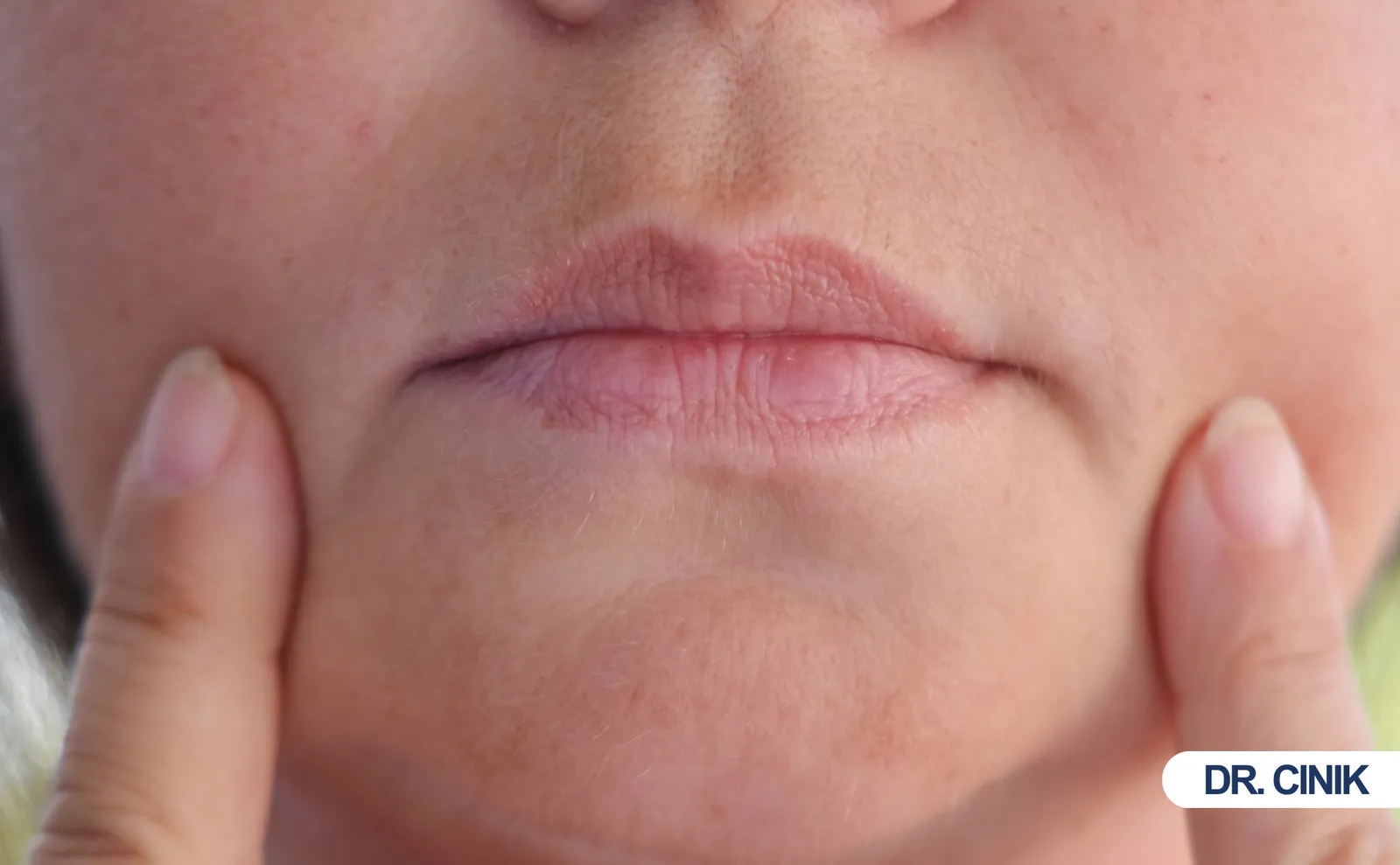
تصف جمالية الشفاه المترهلة الهبوط المرئي لأنسجة الشفاه والتوجه للأسفل في زوايا الفم التي ترافق الشيخوخة. تؤثر هذه الحالة على انسجام الوجه، والتعبير العاطفي، والثقة بالنفس. تقدم الطب التجميلي الحديث العديد من الحلول التي تستعيد موضع الشفاه الشاب دون التضحية بالحركة الطبيعية.
تشير جمالية الشفاه المترهلة إلى الإزاحة نحو الأسفل للشفاه العليا أو السفلى أو زوايا الفم، مما يُحدث مظهرًا متعبًا أو حزينًا. تختلف هذه الحالة عن ترقق الشفاه البسيط لأنها تتضمن هبوط الأنسجة بدلاً من فقدان الحجم فقط. يؤكد الهمشري وآخرون (2023) أن التغيرات المرتبطة بالعمر في الأنسجة الرخوة للوجه تسبب علامات سريرية مثل تآكل الشفاه، وخطوط دمى الماريونيت، وتأكيد طية الشفاه الأنفية. تقلل هذه التغيرات من الجاذبية والرفاه النفسي. يسعى المرضى الآن إلى إجراءات تجديد الشفاه الأقل تدخلاً أكثر من أي وقت مضى. تنشأ أيضًا مشاكل وظيفية. يعاني بعض المرضى من صعوبة في وضع أحمر الشفاه بشكل متساوٍ. ولاحظ آخرون تسرب اللعاب في الحالات الشديدة. يفصل التشخيص الصحيح بين الترهلات الحقيقية ومتطلبات الحجم ويحدد اختيار العلاج.
تستند الشفاه إلى نظام دعم معقد يتقدم في العمر مع مرور الوقت. يساعد فهم هذا التشريح الأطباء في تخطيط تجديد فعال.
يحدد حد الشفاه الانتقال بين الجلد والشفاه الحمراء. يشكل تاج كيوبيد الشفاه العليا المركزية. تمتد أعمدة الفيلتروم من الأنف إلى الشفاه العليا. تشكل زوايا الفم زوايا الفم. يحيط عضلة الأوربكولاريس أوري جلستها ويسيطر على الحركة. تعمل هذه الهياكل معًا للحفاظ على موضع الشفاه والتعبير.
يقلل امتصاص العظام حول الفك العلوي والسفلي من دعم الهيكل العظمي. يؤكد بيسا وآخرون (2012) أن الفك العلوي يتراجع مع تقدم العمر وأن زاوية الفك العلوي تنخفض بحوالي 10 درجات بين الشباب وكبار السن. يؤدي فقدان هذا العظم إلى تغيير موضع ارتباطات العضلات والأربطة. يؤدي فقدان الكولاجين والإيلاستين إلى إضعاف الجلد. يزيل تآكل وسادة الدهون الدعم الشبابي. تتطور ترهلات الجلد. يجذب هبوط الأنسجة الناتج عن الجاذبية الشفاه نحو الأسفل. يلخص صن وآخرون (2025) المعرفة الحالية حول الشيخوخة البشرية للشفاه ويؤكدون أن هذه التغيرات الهيكلية تخلق آثار الشيخوخة حول الفم.
تدفع عوامل متعددة ترهل الشفاه. بعض العوامل لا يمكن تجنبها. بينما يمكن تجنب البعض الآخر.
نعم. تتقدم الترهل الناتج عن العمر بشكل مستمر. يسمح انخفاض مرونة الجلد بتمدد الشفاه. يزيل فقدان الحجم المحيطي التدريجي الدعم. Quantify Sleilati و Chalhoub (2024) طول الشفاه العلوية للنساء مع تقدم العمر ويقدمون بيانات قياس مباشر على السطح توجه إجراءات رفع الشفاه.
نعم. يخلق التباين الخلقي في الشفاه دعماً غير متساوي. يوفر الدعم الهيكلي الرقيق مقاومة أقل للجاذبية. يرث بعض الأفراد بشكل طبيعي الشفاه المائلة للأسفل.
نعم. يعمل التدخين على تكسير الكولاجين ويقلل من تدفق الدم. يتسبب التعرض المفرط للشمس في تلف ألياف الإيلاستين. يؤدي فقدان الوزن السريع إلى تخفيض وسائد الدهون في الوجه. تترك عادات العناية بالبشرة ضعيفة الجلد المحيط بالفم عرضة للتلف.
نعم. يؤدي النشاط المفرط لعضلة خافض زاوية الفم (DAO) إلى سحب الزوايا لأسفل. تعزز التعابير الوجهية المتكررة هذا السحب العضلي. مع مرور الوقت، يتفوق DAO على عضلات الرفع.
أحياناً. يؤدي انتقال الفيلر إلى إزاحة الحجم بشكل غير صحيح. يمدد تكبير الشفاه غير الصحيح النسيج. يقيد تشكيل ندبات الأنسجة الحركة. تؤثر المضاعفات الناتجة عن الإفراط في التعبئة على التشريح الطبيعي.
|
فئة السبب |
عوامل محددة |
هل يمكن الوقاية منها؟ |
|
الشيخوخة الطبيعية |
ترهل الأنسجة، فقدان الكولاجين، تكسير الإيلاستين |
لا |
|
الجينات |
هيكل عظمي رفيع، عدم التماثل الخلقي، تفوق DAO |
لا |
|
نمط الحياة |
التدخين، التعرض للشمس، فقدان الوزن السريع، العناية بالبشرة السيئة |
نعم |
|
نشاط العضلات |
فرط نشاط DAO، العبوس المتكرر |
جزئياً |
|
الإجراءات السابقة |
هجرة الفيلر، الإفراط في التعبئة، ندبة الأنسجة |
نعم |
التعرف على مرحلة تدلي الشفاه يساعد الأطباء على اختيار التدخل المناسب.
تظهر الانحدارات الخفيفة في زوايا الفم أولاً. التمدد الشفهي يمدّد الشفاه. شكل قوس كيوبيد يتسطح. غالباً ما يلاحظ المرضى هذه التغييرات في الصور قبل أن يروا أنفسهم في المرآة.
تتكون خطوط دمى عميقة بين زوايا الفم والذقن. يصبح عدم التماثل في الشفاه واضحاً. تفقد الشفاه بروزها للأمام. يبدو الوجه حزينًا أو متعبًا حتى عندما يشعر المريض بالسعادة.
نعم. يشتكي المرضى من صعوبة تطبيق أحمر الشفاه بشكل متساوٍ لأن حواف الشفاه تصبح غير واضحة. تتغير جمالية الابتسامة لأن الزوايا لم تعد تتجه لأعلى. الحالات الشديدة قد تتضمن تسرب اللعاب بسبب ضعف الإغلاق الفموي.
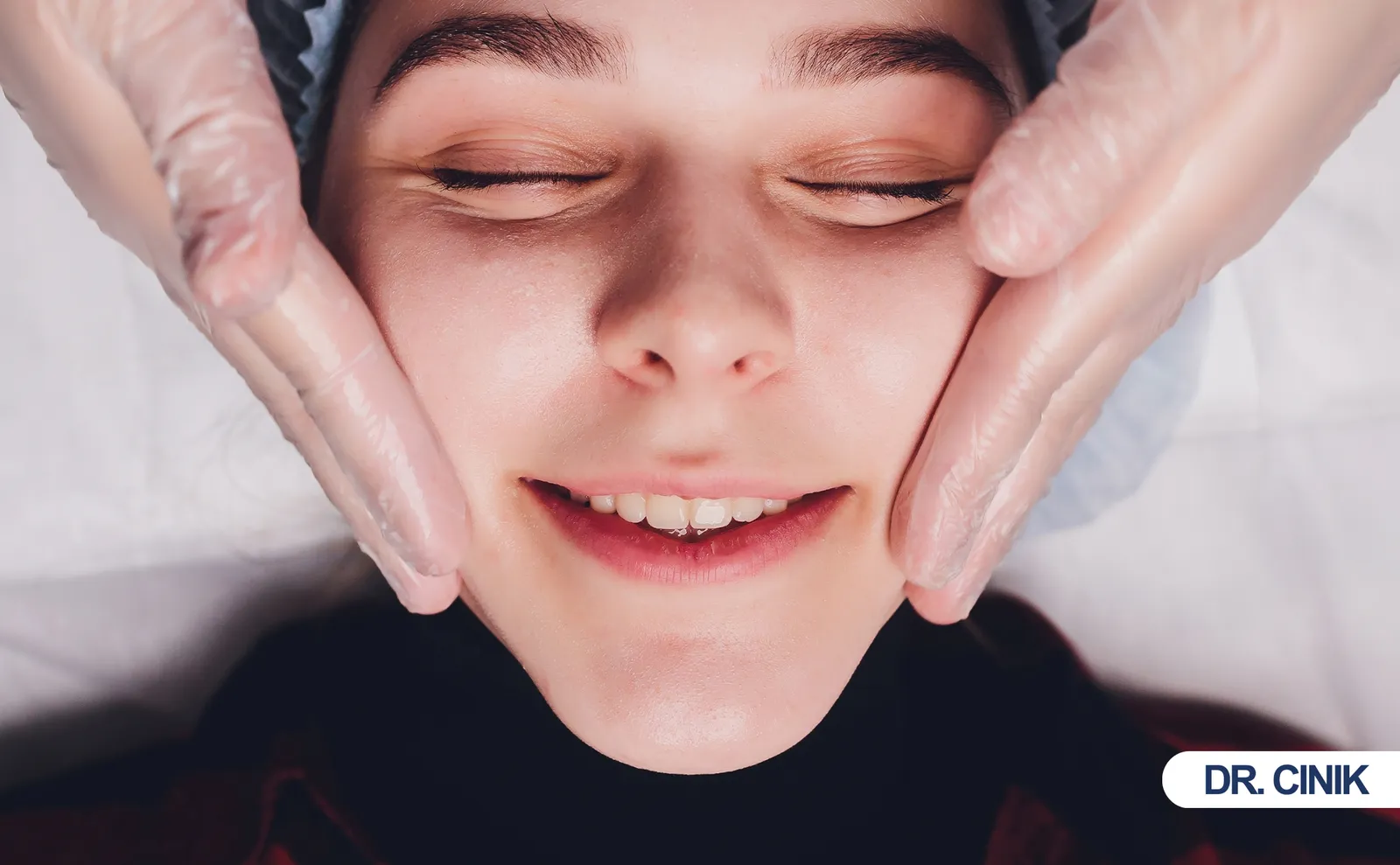
التقييم الدقيق يمنع العلاج المفرط ويضمن نتائج طبيعية.
يقوم الأطباء بتحليل نسب الشفاه إلى الوجه. يقيمون طول الفيلتروم. يدرسون ديناميات الابتسامة. يسجلون وضع الزوايا الفموية. يشير كوميساريك وآخرون (2025) إلى أن تقنيات رفع الشفاه الحديثة تتطلب تقييمًا دقيقًا قبل العملية ورعاية مستنيرة من الأدلة خلال العملية.
يناقش الأطباء النتائج الطبيعية مقابل الدرامية. يأخذون بعين الاعتبار الفروق العرقية والجنسية. يخططون لاستراتيجيات تجديد مناسبة للعمر. تدمج خطط العلاج الشخصية تقنيات متعددة لتحقيق أفضل النتائج. تتعلق التناغم الوجهي الفردي أكثر من اتباع نموذج.
نعم. تستعيد مواد الحشو الهيكل وترفع منطقة ما حول الفم دون جراحة.
تستعيد مواد الحشو الدعم الهيكلي. ترفع زوايا الفم. تعزز حواف الشفاه. أفاد الـدومياتي وآخرون (2023) أن مواد الحشو المعتمدة على HA حسنت حجم الشفاه في 73.5% من المشاركين بعد ثلاثة أسابيع من الحقن. كما تعمل مواد الحشو على تليين خطوط الدمى. يقدم دياز-أغوايو وآخرون (2024) توصيات محددة لتجديد الشفاه وما حول الفم باستخدام مواد حشو معتمدة على HA مثل هايلا كروس وفاي كروس.
يستهدف المحقنون قوس كيوبيد. يعيدون بناء الأعمدة الفيلترومية. يعبئون خطوط الدمى. يضعون نقاط دعم الزوايا لرفع الزوايا الفموية.
حشوات الحمض الهيالوروني غير جراحية بشكل طفيف. تنتج نتائج فورية. تقدم نتائج قابلة للعكس. يعود المرضى إلى أنشطتهم الطبيعية بسرعة.
تُعدّ التورم والكدمات شائعة. قد يحدث عدم تناظر. انسداد الأوعية الدموية نادر لكنه خطير. قد يحدث انتقال للحشوة مع تقنية سيئة. يؤكد El-Domyati وآخرون (2023) أن هناك اختلافات إقليمية في مدة بقاء الحشوات، وتظهر الشفاه مدة أقصر من خطوط التجاعيد الأنفية الشفوية.
|
الميزة |
حشوات الشفاه الحمض الهيالوروني |
|
آلية العمل |
استبدال الحجم والدعم الهيكلي |
|
أفضل للاستخدام مع |
ترهل خفيف إلى معتدل، خطوط الماريونيت، تعزيز الشفاه |
|
المدة |
6–12 شهرًا للشفاه |
|
القابلية للعكس |
نعم، مع الهيالورونيداز |
|
فترة التعافي |
حد أدنى |
|
المخاطر الرئيسية |
تورم، كدمات، عدم تناظر، انسداد الأوعية الدموية |
يعمل البوتوكس على استرخاء العضلة DAO ويسمح للعضلات الرافعة بالسيطرة.
سم البوتولينوم من النوع A يمنع إشارات الأعصاب إلى DAO. تعمل هذه العضلة عادةً على سحب الزوايا لأسفل. عندما يرتخي DAO، ترفع العضلات الرافعة مثل الزاوية الكبيرة وعضلات أخرى الزوايا. تشمل دراسة Díaz-Aguayo وآخرون (2024) استرخاء DAO كجزء من نهج شامل لتجديد الجلد حول الفم.
المرضى الذين يعانون من نزول خفيف في الزوايا الفموية هم الأكثر استجابة. يجب أن تسود قوة العضلات الديناميكية على المشكلة. يتطلب الفائض الثابت من الأنسجة نهجًا مختلفًا.
تستمر النتائج عادةً من ثلاثة إلى أربعة أشهر. تساعد العلاجات المتكررة في الحفاظ على التأثير.
توفر خيوط PDO رفعًا مؤقتًا للمرضى الذين يعانون من ترهل خفيف.
يقوم الأطباء بإدخال خيوط بوليديوكسانون تحت الجلد. تخلق الخيوط رفعًا ميكانيكيًا. كما أنها تحفز إنتاج الكولاجين. تشير دراسة سوه وآخرون (2015) إلى أن 87% من المرضى يعتبرون نتائج رفع خيوط PDO بدون عقد مرضية.
تدوم فعالية الرفع عدة أشهر. تذوب الخيوط خلال ستة إلى ثمانية أشهر. قد تطيل تحفيز الكولاجين الفوائد.
لا يمكن للخيوط أن تحل محل الجراحة لحالات الهبوط الشديدة. تحدث الكدمات لدى معظم المرضى. swelling شائع. النتائج متواضعة مقارنة بالخيارات الجراحية. تؤكد علييفا (2025) أن خيوط PDO توفر رفعًا ميكانيكيًا ولكن لا يمكنها تخفيف التجاعيد الديناميكية، وهذا هو السبب في أن الجمع مع البوتوكس غالبًا ما يكون أكثر فعالية.
نعم. تحفز هذه الأجهزة الكولاجين دون حقن أو شقوق.
تقوم أجهزة الترددات الراديوية بتسخين الأدمة وتحفيز انقباض الكولاجين. تؤكد باي وآخرون (2025) أن تقنية RF ثنائية القطب تنتج تأثيرات تجديد ملحوظة عن طريق تحفيز الكولاجين حراريًا خلال أسبوعين دون التسبب في أضرار حرارية.
تستهدف العلاجات القائمة على الموجات فوق الصوتية طبقات الأنسجة الأعمق. تعيد علاجات الليزر الجزئي سطح الجلد وتحسن الملمس. تعمل هذه الطرق بشكل أفضل للتجاعيد الدقيقة والرخاوة الطفيفة.
نعم. تحفز هيدروكسيباتيت الكالسيوم وحمض بولي-لاكتيك إنتاج الكولاجين. تحسن هذه الحقن جودة الجلد مع مرور الوقت. لا توفر حجمًا فوريًا.
|
طريقة غير جراحية |
الآلية |
الأفضل لـ |
المدة |
|
filler HA |
حجم وبنية |
الرخاوة الطفيفة إلى المتوسطة، خطوط الماريونيت |
6–12 شهرًا |
|
البوتوكس |
استرخاء عضلة DAO |
زوايا منحرفة ديناميكية |
3–4 أشهر |
|
خيوط PDO |
رفع ميكانيكي + كولاجين |
رخاوة طفيفة، هبوط مبكر |
6–12 شهرًا |
|
الترددات الراديوية |
تحفيز الكولاجين الحراري |
ترهل الجلد، الخطوط الدقيقة |
6–12 شهرًا |
|
المحفزات الحيوية |
تحفيز الكولاجين |
جودة الجلد، شد تدريجي |
12–24 شهرًا |
جراحة رفع الشفاه تقصر المسافة بين الشفاه العليا والأنف وتستعيد نسب الشفاه العليا الشبابية.
يقوم الجراح بإزالة شريط من الجلد تحت الأنف. تعمل هذه الخطوة على تقصير المسافة بين الشفاه العليا وزيادة ظهور الشفاه. تشير تقارير Komisarek وآخرون (2025) إلى أن تقنيات البوق تحت الأنف تقلل طول المسافة من 14.0 – 14.5 مم إلى 10.8 – 12.0 مم وتزيد ارتفاع الشفاه من 5.0 – 6.0 مم إلى 7.0 – 9.0 مم.
يؤهل المرضى الذين لديهم شفاه عليا طويلة وظهور أسنان مخفضة. يستفيد المرضى الذين لم يحققوا النتائج المرجوة باستخدام الفيلر أيضًا. أولئك الذين يسعون للتغيير الدائم يختارون الجراحة.
يصل التورم إلى ذروته في الأسبوع الأول. تستغرق نضوج الندبة عدة أشهر. تظهر النتائج النهائية بعد ثلاثة إلى ستة أشهر. يجب على المرضى تجنب النشاط البدني الشاق خلال فترة الشفاء المبكر.
نعم. يختار الجراحون التقنيات بناءً على التشريح والأهداف.
يضع رفع الشفاه بشكل بوق شقًا عند قاعدة الأنف على شكل بوق. يقوم الجراح بإزالة الجلد الزائد ويرفع الشفاه العليا المركزية. تخفي هذه التقنية الندبات داخل تجاعيد الأنف.
يرفع رفع الشفاه في الزاوية الزوايا الفموية المتدلية بشكل مباشر. تتيح الشقوق الصغيرة عند زوايا الفم للجراح إعادة وضع الأنسجة.
يستخدم رفع الشفاه الإيطالي شقوقًا تحت كل منخر بدلاً من أن تمتد عبر قاعدة الأنف بالكامل. يتناسب هذا الأسلوب مع المرضى الذين يحتاجون إلى رفع مركزي فقط.
يضع رفع الشفاه بشكل جناح الغ Gull الشق على طول حافة الشفاه. يزيد مباشرة من ظهور الشفاه ولكنه يترك ندبة أكثر وضوحًا.
|
نوع رفع الشفاه |
مكان الشق |
الأفضل لـ |
رؤية الندبة |
|
بوق الثور |
تحت قاعدة الأنف |
تقليل الفيلتروم العام |
منخفضة، مخفية في الطيات |
|
زاوية الفم |
عند زوايا الفم |
زوايا متجهة للأسفل |
طفيفة، جانبية |
|
إيطالي |
تحت كل فتحة أنف |
رفع الشفة العلوية المركزية |
منخفض جداً |
|
جناح النورس |
على طول الحدود الشفافة |
تعزيز الشفاه |
أعلى، على طول حافة الشفاه |
تستهدف هذه العملية الزوايا الفموية بشكل خاص.
يقوم الجراح بإزالة مثلث صغير من الجلد فوق كل زاوية من زوايا الفم. يسمح هذا بالإفراج عن الزاوية للصعود إلى وضع محايد أو مرتفع قليلاً.
ينصح الجراحون بذلك عندما تتجه الزوايا للأسفل بشكل حاد. كما أنها تعمل جيداً بالاقتران مع إجراءات أخرى.
أحياناً تشير تدلي الشفاه إلى شيخوخة الوجه بشكل أوسع.
عندما يتدلى منتصف الوجه والفك السفلي بشكل متزامن، يبدو تصحيح الشفاه المعزول غير مكتمل. تعيد عملية رفع الوجه أو رفع منتصف الوجه وضع الأنسجة الأعمق. ثم تقوم عملية رفع الشفاه أو الحشوات بتنقيح المنطقة المحيطة بالفم. أظهرت دراسة بارك وآخرون (2024) أن دمج الجراحة التجميلية للجفون مع رفع منتصف الوجه باستخدام خيوط PDO يقدم نتائج جمالية أفضل ورضا أعلى من المرضى مقارنةً بالجراحة التجميلية للجفون بمفردها.
دمج الطرق غالبًا ما ينتج عنه نتائج أكثر طبيعية.
تملأ الشفاه بالإضافة إلى البوتوكس تعالج كلًا من الحجم وسحب العضلات. رفع الشفاه بالإضافة إلى الفيلر يحسن النتائج الجراحية. شد الجلد بالإضافة إلى الحقن يحسن الملمس والبنية. بروتوكولات تجديد الشفاه الكاملة تخصص هذه التوليفات لكل مريض. يؤكد وولينا (2013) أن تجديد منطقة الشفاه يتطلب استعادة الجاذبية من خلال إجراءات minimally invasive مصممة وفقًا لاحتياجات الأفراد.
تختلف فترة التعافي حسب شدة العلاج.
يتم حل التورم والكدمات الخفيفة خلال أيام. يقوم المرضى بوضع الثلج وتجنب التمارين الشاقة لفترة قصيرة. تعليمات العناية بعد الاجراء بسيطة.
يتقدم الشفاء أسبوعًا بعد أسبوع. تتضمن الأسبوع الأول حدوث أكبر قدر من التورم. يتم إزالة الغرز خلال أسبوع. تبدأ إدارة الندبات مبكرًا. تستمر قيود النشاط لعدة أسابيع. يشير حياة وآخرون (2025) إلى أنه على الرغم من أن جراحة رفع الشفاه تعتبر عادة مقبولة بشكل جيد، يجب على المرضى فهم النتائج الواقعية للندبات لتجنب عدم الرضا.
يجب على المرضى التوقف عن التدخين. يجب عليهم حماية المنطقة من التعرض لأشعة الشمس. يجب عليهم البقاء رطبين وتناول أطعمة مغذية.
|
مرحلة التعافي |
غير جراحي |
جراحي |
|
الأولى 24-48 ساعة |
تورم خفيف، كدمات محتملة |
تورم كبير، حركة محدودة للفم |
|
الأسبوع الأول |
يتم حل معظم التورم |
إزالة الغرز، تراجع ذروة التورم |
|
الأسبوع 2-4 |
النتائج النهائية مرئية |
بداية نضوج الندبة، تحسين تدريجي في الشكل |
|
الأشهر 3-6 |
علاجات الصيانة مرتبة |
النتائج النهائية مرئية |
تحمل جميع الإجراءات مخاطر. فهمها يحسن السلامة.
التورم، الكدمات، والحساسية طبيعية. هذه الأعراض تزول بسرعة.
يمكن أن تحدث عدوى. التهديد الوعائي يعرض بقاء الأنسجة للخطر. نخر الأنسجة هو حالة طوارئ. النتائج التجميلية غير المرضية تتطلب مراجعة. تشير حياة وآخرون (2025) إلى أن المخاوف المتعلقة بالندبات تتصدر قائمة عدم رضا المرضى بعد جراحة رفع الشفاه، مما يؤثر على 60% من المرضى غير الراضين. كما تظهر عدم التناسق وتشوه الأنف.
يجب على المرضى اختيار المحقنين أو الجراحين ذوي الخبرة. المعرفة بالتش anatomy تمنع الحوادث الوعائية. التقنية المحافظة تتجنب التصحيح الزائد.
ليس كل شخص يحتاج أو يريد نفس العلاج.
استجابة جودة البشرة الصحية أفضل. التوقعات الواقعية تمنع خيبة الأمل. انحدار الشفاه من الخفيف إلى المعتدل يناسب الخيارات غير الجراحية. قد تحتاج حالات الترهل الشديدة إلى جراحة.
يجب على المرضى الذين يعانون من عدوى نشطة الانتظار. المرضى الذين لديهم حالات طبية خطيرة يواجهون مخاطر أعلى. المرضى الذين لديهم توقعات تجميلية غير واقعية من المحتمل أن يشعروا بعدم الرضا. وجد جوين وآخرون (1980) أن المرضى الذين كانوا يعانون من اكتئاب مسبق كانوا أكثر عرضة لردود فعل اكتئابية متزايدة بعد الجراحة، لذا فإن فحص الحالة النفسية مهم.
تختلف مدة الفعالية حسب الطريقة والعوامل الفردية.
تدوم مواد HA في الشفاه عادة من ستة إلى اثني عشر شهرًا. الحركة العالية لمنطقة الشفاه تسرع من التحلل. وجد الم Domyati وآخرون (2023) أن 33% فقط من الأشخاص الذين تم علاجهم بالشفاه حافظوا على النجاح بعد 18 شهرًا، مقارنةً بـ 91% لطي الأنف والشفتين.
تدوم البوتوكس من ثلاثة إلى أربعة أشهر حول الفم. قد تزيد العلاجات المتكررة من الفاصل الزمني قليلاً.
نعم. إزالة الأنسجة دائمة. ومع ذلك، فإن تقدم الشيخوخة الطبيعي مستمر. ستظل البشرة المتبقية تتقدم في العمر.
تؤثر سرعة الأيض، حالة التدخين، التعرض للشمس، ونشاط العضلات جميعها على طول مدة الفعالية.
|
العلاج |
متوسط مدة الفعالية |
العوامل المؤثرة الرئيسية |
|
حشوات HA |
6–12 شهرًا |
حركة الشفاه، الأيض، اختيار المنتج |
|
البوتوكس |
3–4 أشهر |
قوة العضلة، الجرعة، الاستجابة الفردية |
|
الخيوط PDO |
6–12 شهرًا |
نوع الخيط، استجابة الكولاجين، سرعة الشيخوخة |
|
جراحة رفع الشفاه |
تغيير هيكلي دائم |
التقدم الطبيعي في السن، جودة البشرة |
نعم. استراتيجيات الوقاية تبطئ عملية الشيخوخة.
يجب على المرضى استخدام واقي الشمس يوميًا. يجب عليهم ترطيب المنطقة المحيطة بالفم. ينبغي عليهم استخدام الريتينويدات لتحفيز الكولاجين.
الإقلاع عن التدخين يمنع تكسير الكولاجين. الحفاظ على وزن مستقر يتجنب تقلبات الدهون. الحفاظ على الترطيب يبقي البشرة ممتلئة.
مضادات الأكسدة في العناية بالبشرة تحارب الجذور الحرة. العلاجات الاحترافية مثل المايكرونيدلنج تعزز الكولاجين بشكل دوري. التغذية الجيدة تدعم عملية إصلاح البشرة.
تؤثر الجماليات الوجهية بشكل كبير على النفسية.
نعم. الفم المائل للأسفل يجعل المرضى يبدون حزينين أو غاضبين حتى عندما يشعرون بالحياد. هذا التناقض يؤثر على التفاعلات الاجتماعية.
نعم. وجدت دراسة Meningaud et al. (2003) أن القلق تحسن بشكل ملحوظ بعد جراحة التجميل الوجهية، مما أدى إلى تحسين المدرك في جودة الحياة. أفاد Papadopulos et al. (2007) أن جودة الحياة تحسنت بشكل مستقبلي بعد الجراحة التجميلية.
نعم. تميل الاتجاهات الحديثة إلى تحسينات دقيقة. يرغب المرضى في الظهور بمظهر متجدد، وليس مختلفًا.
تظهر هذه الأسئلة بشكل متكرر في الممارسة السريرية.
تتسبب الشيخوخة، والوراثة، وسحب العضلات، وعوامل نمط الحياة في حدوث الترهل.
نعم. تساعد مواضع الفيلر الاستراتيجية عند الزوايا والخطوط المارionette في رفع الزوايا.
يساعد البوتوكس عندما يسبب عضلة DAO سحب الزوايا للأسفل. لكنه لا يصحح فائض الجلد.
يعتمد أفضل علاج على شدة الحالة. تستجيب الحالات الخفيفة للفيلر والبوتوكس. قد تحتاج الحالات المتوسطة إلى خيوط أو أجهزة طاقة. تتطلب الحالات الشديدة الجراحة.
تنتج جراحة رفع الشفاه تغييرًا هيكليًا دائمًا. تستمر عملية الشيخوخة، لكن القصر يبقى.
يخفي الجراحون المهرة الندوب عند قاعدة الأنف. تتلاشى معظم الندوب بشكل ملحوظ خلال عام. تؤكد Hayat وآخرون (2025) أن المخاوف المتعلقة بالندوب تسود عدم رضا المرضى، لذا فإن الاستشارات ما قبل الجراحة ضرورية.
لا توجد طريقة غير جراحية يمكن أن تعكس الترهل الشديد بالكامل. ومع ذلك، قد تساعد العناية بالبشرة والتمارين العضلية في إبطاء التقدم.
يستأنف معظم المرضى الأنشطة الاجتماعية خلال أسبوعين. تستغرق النتائج النهائية من ثلاثة إلى ستة أشهر.
تنتج الأساليب المجمعة النتائج الأكثر طبيعية. يؤدي الاعتماد المفرط على طريقة واحدة إلى التشوه.
تسبب العلاجات غير الجراحية انزعاجًا خفيفًا. تتطلب الإجراءات الجراحية تخديرًا وتسبب ألمًا بعد العملية.
يتطور هذا المجال بسرعة.
نعم. تستمر تركيبات الفيلر الجديدة في البقاء لفترة أطول. تقدم تصاميم الخيوط المحسنة رفعًا أفضل. تصبح أجهزة الطاقة أكثر دقة.
نعم. قد تعيد علاجات الخلايا الجذعية والمحقنات المنشطة بناء الأنسجة بدلاً من مجرد ملء الفراغ. ستستبدل خوارزميات العلاج الشخصية الأساليب العامة.
علييفا، أينور. "التجديد الجلدي المتناغم باستخدام خيوط PDO وسم العصبية بوتولينوم A لبشرة الشيخوخة." تقارير الحالات في جراحة التجميل وجراحة اليد، المجلد 12، 2025، الصفحات 2546528.
باي، يوبينغ، وآخرون. "تحسن خطوط الوجه الدقيقة بواسطة الترددات الراديوية من خلال تأثير حراري: ضرر أم مجرد تحفيز؟" مجلة الأمراض الجلدية التجميلية، المجلد 24، العدد 1، يناير 2025، الصفحات e16618.
دياز-أغوايو، إيراتشي، وآخرون. "الإدارة التجميلية للشفاه ومنطقة حول الفم باستخدام حشوات حمض الهيالورونيك Hylacross® و Vycross®: وثيقة توصيات." مجلة الأمراض الجلدية التجميلية، المجلد 23، العدد 9، سبتمبر 2024، الصفحات 2843–2856.
الدومياتي، أ، وآخرون. "دراسة سريرية متعددة المراكز مستقبلية لتقييم فعالية وسلامة حشوة تعتمد على حمض الهيالورونيك باستخدام تقنية Tri-Hyal في علاج الشفاه ومنطقة حول الفم." مجلة الأمراض الجلدية التجميلية، المجلد 22، العدد 5، 2023، الصفحات e13050.
غوين، م. ك، وآخرون. "دراسة نفسية مستقبلية لـ 50 مريضًا خضعوا لعملية رفع وجه." جراحة التجميل والترميم، المجلد 65، العدد 4، أبريل 1980، الصفحات 436–442.
حيات، جعفر، وآخرون. "عدم رضا المرضى المبلغ عنه بعد رفع الشفاه: رؤى من تحليل موضوعي لمراجعات RealSelf." مجلة جراحة التجميل، المجلد 7، 2025، الصفحات ojaf129.
كوميسارك، أوسكار، وآخرون. "رفع الشفاه العصري وما بعده: مراجعة مستندة إلى الأدلة لتقنيات رفع الشفاه المعاصرة." مجلة جراحة التجميل، 2025، الصفحات ojaf075.
مينينغاود، ج. ب، وآخرون. "الاكتئاب، القلق وجودة الحياة: النتائج بعد 9 أشهر من الجراحة التجميلية للوجه." مجلة جراحة الجمجمة والفك، المجلد 31، العدد 1، 2003، الصفحات 46–50.
بابادوبولوس، ن. أ، وآخرون. "جودة الحياة بعد الجراحة التجميلية: دراسة مستقبلية." مجلة الجراحة التجميلية والترميمية والتجميلية، المجلد 60، العدد 9، 2007، الصفحات 915–921.
بارك، جون هو، وآخرون. "التجديد الوجه المتقدم: التأثيرات التآزرية لعملية تجميل الجفن السفلي ورفع منتصف الوجه الموجه بواسطة الموجات فوق الصوتية باستخدام خيوط بوليديوكسانون (PDO)." جراحة تجميلية، المجلد 48، العدد 9، 2024، الصفحات 1706–1714.
بسا، جويل إي، وآخرون. "تغيرات في الهيكل العظمي للوجه مع التقدم في العمر." جراحة التجميل والترميم، المجلد 129، العدد 5، مايو 2012، الصفحات 780e–787e.
سليلاتي، ف، و ر. شلهوب. "تحديد طول الشفة العليا للإناث مع العمر عن طريق القياس المباشر على السطح: دليل لإجراء رفع الشفة." مجلة جراحة التجميل والترميم والجراحة التجميلية، المجلد 93، 2024، الصفحات 55–57.
سو، د. هـ، وآخرون. "نتائج رفع الوجه باستخدام خيوط بولي ديوكسانون دون عقد." جراحة الجلدية، المجلد 41، العدد 6، يونيو 2015، الصفحات 720–725.
شين، ف، وآخرون. "تقدم عمر الشفاه البشرية: المعرفة الحالية والآثار السريرية." مجلة الأمراض الجلدية التجميلية، المجلد 24، العدد 8، 2025، الصفحات e70310.
وولين، أ. "تجديد منطقة الفم: استعادة الجاذبية لدى الإناث المسنات بواسطة إجراءات طفيفة التوغل." التدخلات السريرية في الشيخوخة، المجلد 8، 2013، الصفحات 1149–1156.