
ما هو الناسور؟
الناسور هو اتصال بين هيكلين مجوفين أو أنبوبيين. يقوم الجراحون بإنشاء هذا الاتصال لاستعادة تدفق الدم أو الطعام أو السوائل أو البول أو الهواء عندما تتعطل المسار الطبيعي نتيجة مرض أو إصابة أو عملية سابقة.
Have you ever wondered “Would a different nose suit my face better?” Probably, millions of people looked in the mirror and asked themselves the same question.
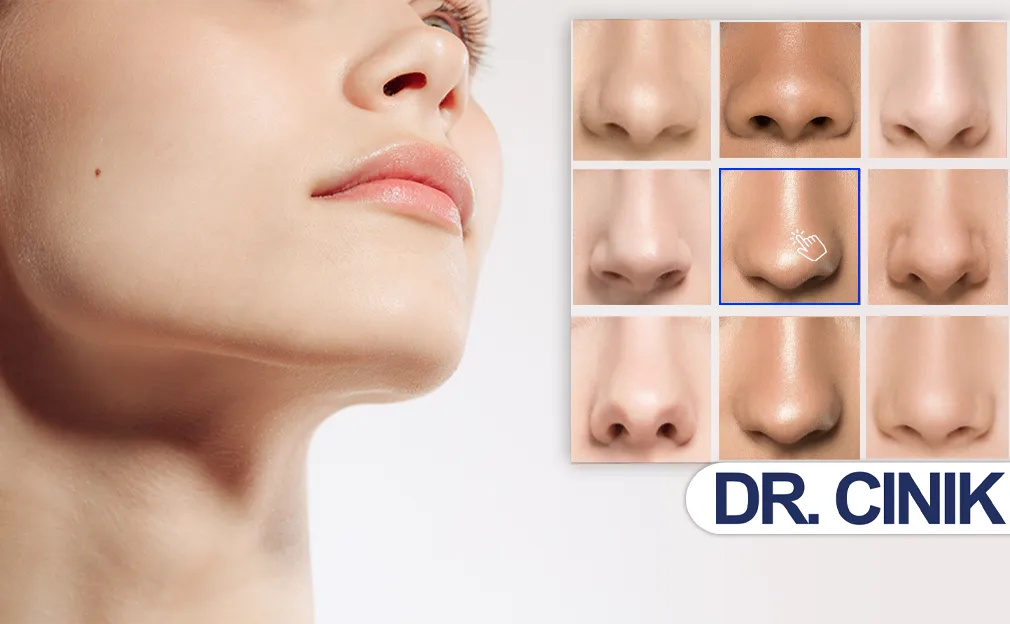
استكشف المزيد من الرؤى حول العلاجات، التعافي، والرعاية الجمالية.
الناسور هو اتصال بين هيكلين مجوفين أو أنبوبيين. يقوم الجراحون بإنشاء هذا الاتصال لاستعادة تدفق الدم أو الطعام أو السوائل أو البول أو الهواء عندما تتعطل المسار الطبيعي نتيجة مرض أو إصابة أو عملية سابقة.

يتبع التعافي بعد جراحة تحويل المعدة نمطًا يمكن التنبؤ به، لكن لا يتعافى مريضان وفق نفس الجدول الزمني. يغادر معظم الناس المستشفى خلال يوم إلى ثلاثة أيام، ويستأنفون الأنشطة الخفيفة خلال أيام، ويعودون إلى العمل خلال أسبوعين إلى أربعة أسابيع، ويستمرون في التكيف مع نظام هضمي جديد لمدة عام كامل.

المرشح لجراحة تحويل مسار المعدة هو بالغ أو مراهق مختار بعناية يعاني من السمنة المفرطة، وغالبًا ما يكون لديه مؤشر كتلة جسم يبلغ 40 أو أكثر، أو مؤشر كتلة جسم يبلغ 35 أو أكثر مع مرض خطير مرتبط بالسمنة مثل مرض السكري من النوع الثاني، أو ارتفاع ضغط الدم، أو توقف التنفس أثناء النوم، أو خطر القلب والأوعية الدموية.

يمكنك تناول تقريبًا جميع مجموعات الطعام بعد جراحة تكميم المعدة، ولكن يجب أن تتناولها بتسلسل صارم، وبأجزاء أصغر بكثير، وقوام أكثر ليونة خلال الأسابيع الأولى.

متلازمة التفريغ هي حالة هضمية يتحرك فيها الطعام والسوائل من المعدة إلى الأمعاء الدقيقة أسرع مما ينبغي. هذه الحركة السريعة، المسماة بالتفريغ السريع للمعدة، تثير مجموعة من الأعراض المتعلقة بالهضم والدورة الدموية، وغالبًا ما تظهر بعد الجراحة على المعدة أو المريء.

بالون المعدة وتحويل مجرى المعدة كلاهما يعالج السمنة، لكنهما يعملان بطرق مختلفة جوهريًا. بالون المعدة هو جهاز تنظيري مؤقت يملأ جزءًا من المعدة لمدة ستة إلى اثني عشر شهرًا.

الارتجاع المريئي يشير إلى مرض الارتجاع المريئي المعدي. المصطلح يصف حالة مزمنة حيث تتحرك محتويات المعدة إلى الوراء إلى المريء وتنتج أعراض مزعجة أو تلف الأنسجة.

تُشير جراحة تحويل المعدة إلى العمليات التي تُنشئ كيسًا صغيرًا في المعدة وتعيد توجيه الأمعاء الدقيقة لتعزيز فقدان الوزن. لقد أجرى الجراحون هذه الإجراءات لعقود. لا تزال تكوينات Roux-en-Y الأكثر دراسة على مستوى العالم.
Have you ever wondered “Would a different nose suit my face better?” Probably, millions of people looked in the mirror and asked themselves the same question.
Noses come in all shapes and sizes, and they play a huge role in defining our facial aesthetics. From an elegant Roman nose to cute button nose shape, each type has its own charm.
In this article, we’ll explore the different types of noses, their cultural and aesthetic significance, and how rhinoplasty can enhance or refine your look. Whether you're curious about ethnic nose types or considering cosmetic surgery, we’ve got you covered.
Nose shapes are determined by particular combinations of genes, which in their turn are a result of long evolution, where natural selection served as a tool. In other words, it is evolution that shaped our noses. Lots of factors, such as climate, played their role. For example, flat nose shapes are more common in warmer climates (where wider nostrils help with heat regulation), while aquiline nose shapes (with a prominent bridge) are often seen in colder regions, where a longer nose helps warm inhaled air.
When it comes to nose types and beauty standards, remember that people’s ideas about beauty have shifted many times throughout history: what was considered aristocratic in one time period, might be seen as quite dull in another. Today, rhinoplasty (nose surgery) allows people to reshape their noses to match their ideal look… But fashion is fickle, don’t forget about it.
Let’s break down the most common nose shapes and their characteristics. Some people believe that there is kind of a link nose shape-personality: in other words, your nose can tell something about traits of your character. While this is folklore rather than science, these opinions (or better say, stereotypes) are surprisingly tenacious!
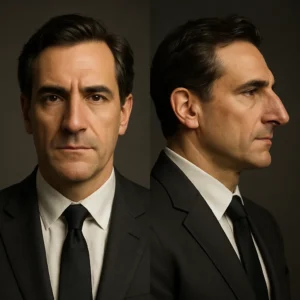
This bold nose features a prominent bridge that curves outward like a gentle mountain slope. Anatomically, the nasal bones are strong, with a convex dorsum that starts its dramatic sweep right where the nose meets the forehead. While it gives profiles a regal edge (perfect for coin portraits), some feel it’s too dominant.
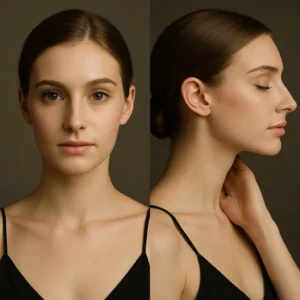
Straight as a ruler and just as precise, this nose is what happens when geometry and genetics high-five. Its near-perfect bridge (no humps, no bumps) creates such flawless symmetry that Renaissance artists used it as their "Ctrl+C, Ctrl+V" reference. Underneath, the septal cartilage is usually textbook-perfect, which is why surgeons love it.

Small, pert, and irresistibly squishable, the button nose is basically the puppy of nasal shapes. Its upturned tip (usually at a perky 105-110° angle) and rounded contours make it the go-to for "cute" character designs, though real-life owners sometimes are tired of being called "adorable" well into their 30s. Underneath that soft exterior lies surprisingly delicate cartilage that surgeons handle like blown glass.
This is one of the most requested types of nose shapes female patients desire in rhinoplasty.
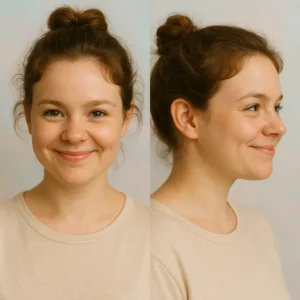
Short, slightly upturned, and forever stuck looking surprised, this nose is the facial equivalent of a surprised emoji. Anatomically, it’s like the button nose’s younger sibling who stopped growing early: nasal bones are petite, and the tip cartilage is often extra-flexible (great for comedy roles, less for poker faces).
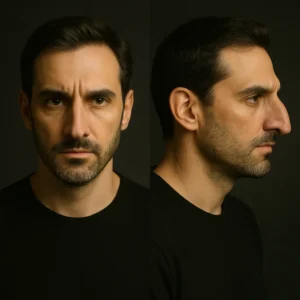
With its sharp, downward-curving bridge, this nose means business. Anatomically, it’s like the Roman nose’s more intense cousin, with extra-dense cartilage at the tip. Perfect for dramatic stage roles... but if you’ve ever been asked "Why so serious?" at parties, you might consider tipping it up a few degrees.
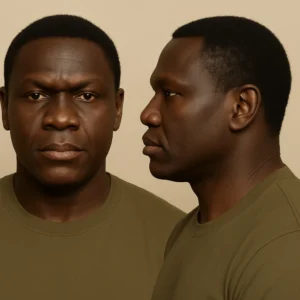
This nose is evolution’s genius solution for tropical climates, where maximum airflow trumps ski-slope elegance. The nasal bones are shorter, giving the face a grounded, harmonious look. While some cultures historically saw this as "strong" and "authentic," modern beauty ads still play hard to get with narrow bridges, though that’s slowly changing.
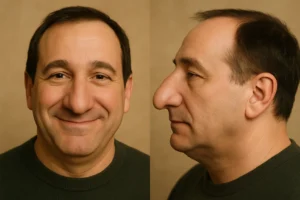
Round, cheerful, and impossible to ignore, this nose tip is like the mic drop of facial features. Under its thick skin (literally), cartilage spreads out like a pancake—giving surgeons a challenge to sculpt definition without losing its infectious charm. Pro: Great for Santa roles. Con: Resting "jolly" face.
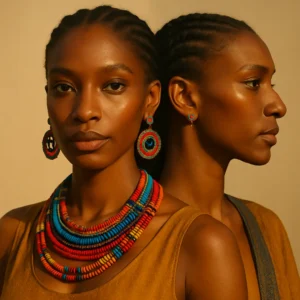
This nose is a masterclass in airflow efficiency and cultural uniqueness. The nasal bones are strong but elegantly tapered, while the alar base (that’s fancy talk for nostril zone) gives the face regal proportions.

(Richard Nixon’s official portrait, 1972) Source
Straight but with a twist — literally. The tip cartilage takes an unexpected turn toward bulbousness, like a politician dodging a question. Anatomically, it’s a study in contrasts: disciplined bridge, rebellious tip. Surgeons often approach it like diplomats—negotiating balance without compromising character.

Delicately upturned, this nose is the reason words like "ethereal" “and angelic” were invented. The tip tilts up just enough to avoid "piggy" territory (around 100°), supported by fine cartilage that surgeons treat like origami paper.
It’s among the types of nose shapes male patients feel like correcting, while women usually don’t.
Nose shapes vary significantly across different ethnic groups. While no single feature defines an entire ethnicity, certain nasal characteristics are more common in specific populations. Let’s briefly explore how ethnic nose types differ and how cultural perceptions shape aesthetic preferences.

Historically, broader noses were celebrated in African art and sculpture, symbolizing strength and heritage.
Modern beauty standards in Western media have often favored narrower noses, leading some to seek rhinoplasty for narrowing nostrils or raising the bridge.
However, movements like "Black is Beautiful" have pushed back, encouraging people appreciate their natural features.

In many Asian cultures, a high, narrow nose has been traditionally seen as desirable, influenced by Western beauty standards in media.
"Double eyelid and high nose" is a common aesthetic goal in countries like South Korea and Japan.
Non-surgical rhinoplasty (filler-based nose jobs) is popular in Asia for temporarily enhancing the bridge without surgery.

The Greek nose has long been idolized in classical art as the "perfect" nose. In some cultures, a strong nose is associated with nobility (e.g., the "royal" aquiline nose). So, there is no winner in the Roman nose vs Greek nose dispute.

Vary widely, but often include a medium-width bridge, slightly rounded tip, or subtle hump.
Some Indigenous groups have broader, flatter noses, similar to Asian or African types.
Colonial beauty standards have sometimes favored European features, leading to rhinoplasty requests for narrowing or lifting. However, many people now embrace their natural traits, rejecting Eurocentric ideals.

Bollywood beauty standards have long favored delicate, refined noses.
Rhinoplasty in South Asia often focuses on tip refinement and hump reduction, while keeping a natural look.
Key Takeaway
While both nose types and beauty standards vary greatly, the best aesthetic results imply individuality. Whether you embrace your natural shape or opt for subtle refinements, the goal should always be confidence, not toeing the line.
Read more: Blake Lively’s Nose Job: Natural Glow or Hollywood Surgery?
One of the reasons you should know types of noses — rhinoplasty, if you’re considering it. The procedure varies based on your natural shape. Here’s how surgeons approach different cases:
Wondering about the best nose shape for face harmony? Here what surgeon considers when making a decision:
A really good surgeon won’t give everyone the same nose; they’ll enhance what suits you.
If you're considering rhinoplasty, the first step is answering questions: what is my nose shape and how it will influence surgical options? Not all noses are reshaped the same way: what works for a button nose shape, won’t necessarily suit an aquiline.
Pro Tip: Bring reference photos, but let your surgeon recommend what suits your anatomy. After all, even the most beautiful Greek nose won’t fit every face!
Read more: Important Things to Consider Before Getting a Nose Job in Turkey
Here are the most frequent reasons why people opt for a rhinoplasty:
Common Concerns: Lack of definition, overly rounded, "boxy" tip.
Rhinoplasty Solutions:
Bulbous noses usually have extra-wide lower lateral cartilages. By reshaping and repositioning them, surgeons create natural-looking angles instead of a "boxy" silhouette. Surgeons carefully sculpt the thick cartilage at your nasal tip (imagine a barber thinning out bulky hair layers) to create a more tapered shape. This often involves:
Common Concerns: Prominent dorsal hump, overly strong bridge; desire for a straighter profile.
Rhinoplasty Solutions:
The surgeon doesn’t just "shave off" the bump: they rebuild your nose like a sculptor:
Rhinoplasty Solutions:
Surgeons can elevate flat nose bridge using implants or grafts, i.e., silicone implants (pre-shaped) or the patient’s own rib/cartilage (more natural, but recovery will take longer).
African and Asian patients often prefer 2-4mm of added height, which is enough for definition without erasing cultural traits.
Rhinoplasty Solutions:
Common Concerns: “Witchy” appearance, obstructed nostrils.
Rhinoplasty Solutions:
Common Concerns: Minor asymmetries, subtle refinements (the tip looks too wide, there’s a tiny bump showing up in every selfie)
Rhinoplasty Solutions:
Transdomal Sutures: Surgeons place internal stitches to gently narrow the tip cartilages (like cinching the drawstring on a hoodie).
Cartilage Trimming: The surgeon removes no more than 1-2mm of excess from the lower laterals. Thick-skinned patients may need soft tissue thinning to reveal the refined shape.
Cartilage Rasping: The surgeon smooths minor irregularities with a special tool.
Camouflage Grafts: For asymmetries, surgeon tucks rice-grain-sized cartilage pieces under the skin.
Why It’s Tricky:
Over-refining a Greek nose leads to the dreaded "operated" look. Experienced surgeons love the idea of imperfect perfection (think of a handmade Stradivarius violin).
As to aesthetic nose types and correction options, surgeons consider:
Best for:
What to Expect:
Best for:
What to Expect:
Surgical vs. Non-Surgical
|
Concern |
Open/Closed Surgery |
Fillers/Threads |
|---|---|---|
|
Reduce a hump |
✅ Permanent |
❌ Can’t reduce |
|
Lift the tip |
✅ Lasts decades |
⏳ Temp (1-2 yrs) |
|
Fix breathing |
✅ Yes |
❌ No |
|
Downtime |
2-4 weeks |
2 days |
Read more: Rhinoplasty in Turkey: Nose Job Dreamland
Before booking surgery, discuss:
Now that you have this nose shape guide for rhinoplasty patients, you’re equipped to make smart choices. Rhinoplasty isn’t about chasing trends; it’s about enhancing harmony. Whether you want to reduce a dorsal hump, refine a bulbous tip, add height to a flat bridge, the best results come from working with your natural shape, not against it. Consult a board-certified surgeon to explore types of noses and surgical solutions tailored for you.
Your nose is as unique as you are; whether you keep it natural or opt for a tweak, the best look is the one that makes you happy.