Gastric Sleeve Success Rates: What Results Can Patients Expect?
Clinical evidence reports gastric sleeve success rates of roughly 80 to 90 percent in the first years after surgery, according to UCLA Health. That figure drops as follow-up extends. A five-year prospective study recorded a 73 percent success rate, while a small ten-year cohort recorded 41 percent. The final number always depends on how researchers define success.
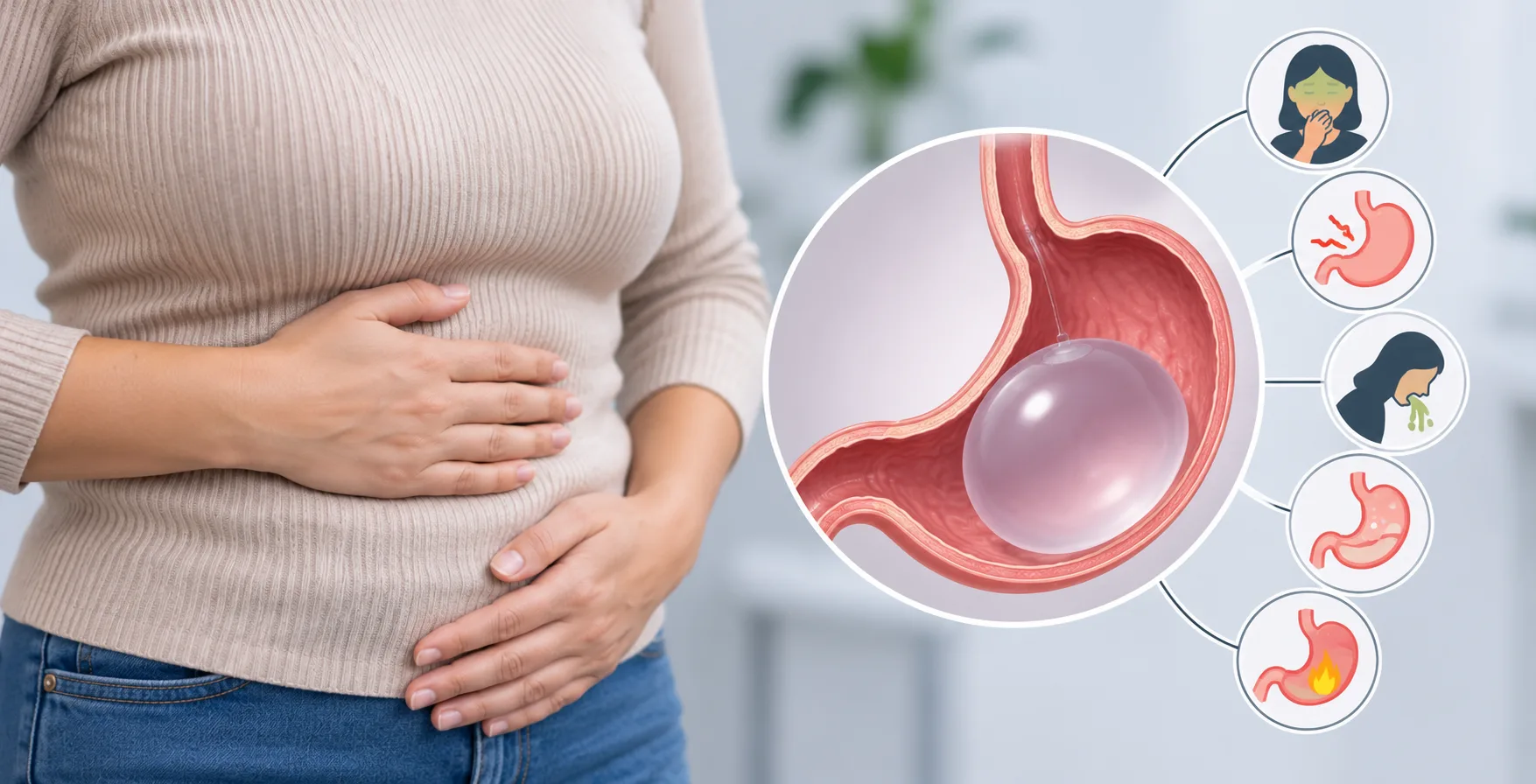
Gastric sleeve surgery, also called sleeve gastrectomy or vertical sleeve gastrectomy (VSG), removes about 75 to 80 percent of the stomach. Surgeons perform the procedure laparoscopically and leave a narrow, tube-shaped stomach behind. The operation restricts food intake and lowers levels of the hunger hormone ghrelin. These two mechanisms drive most of the weight loss.
Success rates matter because they shape every treatment decision. A patient who understands realistic outcomes can weigh the benefits against the risks. Success rates also help bariatric teams select the right procedure for each person. This article examines the published evidence on sleeve gastrectomy outcomes. It covers weight-loss measurements, five-year and ten-year results, metabolic improvements, risk factors, and long-term maintenance. The evidence shows one clear principle. Surgery supports weight management, but it never guarantees a specific result.
What Is Considered a Successful Gastric Sleeve Surgery?
Researchers most often define success as losing more than 50 percent of excess body weight. Some studies add a second condition: no need for revisional surgery. No single universal definition exists.
Medical research measures bariatric success through several distinct metrics. Each metric answers a different clinical question.
Measurement | Abbreviation | What It Captures |
Excess weight loss | %EWL | Share of weight above ideal body weight that a patient loses |
Total body weight loss | %TWL | Share of total preoperative weight that a patient loses |
Excess BMI loss | %EBMIL | Share of excess body mass index that a patient eliminates |
Comorbidity remission | None | Resolution of conditions such as type 2 diabetes |
Long-term maintenance | None | Sustained weight loss without revisional surgery |
These definitions matter because a patient can succeed by one measure and fall short by another. A person may lose 60 percent of excess weight within two years, then regain part of it by year five. That patient meets the short-term success threshold but fails a strict long-term maintenance standard. Follow-up duration and study objectives shape every published percentage. Researchers who track patients for one year report higher success rates than researchers who track patients for a decade. Patient satisfaction adds one more dimension. Some patients report strong quality-of-life gains even when their weight loss sits below the 50 percent excess weight loss threshold. A complete evaluation therefore combines clinical outcomes with the patient's own experience.
What Is the Average Gastric Sleeve Success Rate?
UCLA Health reports an average success rate of approximately 80 to 90 percent for gastric sleeve surgery. This number describes favorable short-term outcomes, not a universal lifetime guarantee.
The 80 to 90 percent estimate requires careful interpretation. Five variables shift the reported rate in any study:
Definition of success. Studies that use 50 percent excess weight loss report different rates than studies that require comorbidity remission.
Patient selection criteria. Centers that operate on lower-BMI patients often report better outcomes.
Follow-up duration. One-year results almost always look stronger than ten-year results.
Surgical technique and experience. Sleeve sizing and operative consistency influence long-term restriction.
Postoperative adherence. Patients who follow dietary and activity guidance maintain more weight loss.
Short-term success figures can differ sharply from decade-long outcomes. The five-year and ten-year evidence in the next sections illustrates this gap clearly. Readers should always examine the original clinical studies rather than rely on one general percentage.
How Much Weight Can Patients Lose After Gastric Sleeve Surgery?

UCLA Health reports an average of 60 to 70 percent excess weight loss within the first year after surgery. Most patients reach their lowest weight between 12 and 24 months postoperatively.
Weight loss after sleeve gastrectomy follows a predictable progression. The first three months bring rapid reduction as patients adapt to a smaller stomach and a liquid-to-solid diet transition. At six months, body weight continues to fall at a steadier pace. At twelve months, most patients have lost a substantial share of their excess weight. Between twelve and twenty-four months, many patients reach their lowest postoperative weight, often called the nadir weight.
Initial body mass index changes how readers should interpret these percentages. Excess weight loss describes the share of weight above ideal body weight, not total weight. A patient with a BMI of 38 and a patient with a BMI of 55 can both achieve 65 percent excess weight loss. Their absolute weight reduction will differ greatly. The higher-BMI patient may still carry obesity after excellent percentage-based results. This distinction explains why two patients with identical %EWL values can have very different health outcomes. Individual results vary, and no percentage predicts a single patient's outcome with certainty.
How Do Gastric Sleeve Results Change Over Five Years?
A 2017 prospective study of 156 patients found that average excess weight loss fell from 82 percent at one year to 60.3 percent at five years. The success rate, defined as more than 50 percent excess weight loss, fell from 96.1 percent to 73 percent over the same period (Hoyuela 2017).
Carlos Hoyuela published a prospective study in 2017 that followed 156 patients who underwent laparoscopic sleeve gastrectomy as a primary procedure. The study recorded no deaths, a 1.2 percent leak rate, and a 5.1 percent thirty-day morbidity rate. The weight-loss results show a gradual, measurable decline over time (Hoyuela 2017).
Follow-up Point | Mean Excess Weight Loss | Success Rate (%EWL above 50%) |
1 year | 82.0% | 96.1% |
2 years | Not reported | 95.1% |
3 years | 76.7% | 89.5% |
4 years | Not reported | 82.1% |
5 years | 60.3% | 73.0% |
Two findings deserve attention. First, average excess weight loss erodes slowly rather than collapsing. Second, the number of patients available at each follow-up point shrinks over time, which affects how confidently readers can interpret later figures. The study also separates two ideas that patients often merge. Maintaining clinically meaningful weight loss, defined here as more than 50 percent excess weight loss, is not the same as maintaining the maximum weight a patient lost after surgery. Most patients kept meaningful results at five years, but few kept their peak reduction.
What Do Ten-Year Studies Reveal About Gastric Sleeve Effectiveness?
A 2021 cohort study found a 41 percent ten-year success rate. Average excess weight loss declined from 70 percent at one year to 42 percent at a median follow-up of 11 years (Hauters et al. 2021).
Hauters and colleagues published a monocentric cohort study in 2021 titled "Ten-Year Outcomes After Primary Vertical Sleeve Gastrectomy for Morbid Obesity." The researchers evaluated 40 consecutive patients treated between 2006 and 2008, and 34 patients completed the ten-year follow-up. The team defined success as more than 50 percent excess weight loss with no conversion to another bariatric procedure (Hauters et al. 2021).
The main findings were:
Average excess weight loss reached 70 percent at one year.
Average excess weight loss declined to 42 percent at a median follow-up of 11 years.
The overall long-term success rate was 41 percent.
Six patients, or 18 percent, converted to gastric bypass because of weight regain.
Patients with a first-year excess weight loss above 75 percent achieved an 83 percent ten-year success rate, compared with 17 percent for the remaining patients.
These results differ from shorter-term estimates for clear reasons. Weight regain accumulates over a decade, and the strict definition counts any conversion surgery as a failure. The study also carries limitations. A small, single-center retrospective cohort cannot represent every patient population. A separate 2022 ten-year study of 80 patients reported a similar pattern, with 42.65 percent mean excess weight loss and 35 percent of patients maintaining at least 50 percent excess weight loss (Avidan et al. 2022). The evidence points to one conclusion: long-term monitoring is essential when evaluating bariatric surgery outcomes.
Does Gastric Sleeve Surgery Improve Obesity-Related Health Conditions?
Yes. Weight reduction and hormonal changes improve metabolic health for most patients. UCLA Health reports that 60 to 80 percent of patients with type 2 diabetes experience remission or improvement after surgery.
Sleeve gastrectomy acts on metabolic disease through two pathways. Weight loss reduces insulin resistance and systemic inflammation. Hormonal shifts, including reduced ghrelin and altered gut hormone signaling, improve glucose regulation independent of weight change. Clinical studies document improvement or remission across several conditions:
Type 2 diabetes
High blood pressure
Obstructive sleep apnoea
Fatty liver disease
High cholesterol
Joint pain and mobility limitations
The five-year prospective study reported diabetes remission in 75 percent of affected patients and hypertension improvement in 71.7 percent. All patients with obstructive sleep apnoea stopped using CPAP masks (Hoyuela 2017). Improvement and complete remission remain distinct outcomes. A patient may reduce medication doses without eliminating a disease. Preoperative disease severity and medication requirements strongly influence results. Patients with shorter diabetes duration and no insulin use achieve remission more often. For these reasons, clinicians assess metabolic success separately from weight-loss success.
Which Factors Influence Gastric Sleeve Success Rates?
Preoperative BMI, age, medical conditions, eating habits, physical activity, surgical technique, surgeon experience, and follow-up adherence all shape outcomes. Behavioral factors carry the greatest long-term influence.
Individual characteristics and postoperative behavior interact to produce each patient's result. The main factors are:
Preoperative BMI. Starting BMI influences the percentage of excess weight loss a patient can realistically achieve.
Age. Older patients often lose weight more slowly and face additional health considerations.
Existing medical conditions. Diabetes and other obesity-related diseases affect the metabolic prognosis.
Eating habits. Portion control, food quality, and nutritional consistency determine weight maintenance.
Physical activity. Regular exercise protects lean mass and supports long-term energy balance.
Surgical technique. Stomach sizing and stapling consistency influence restriction and reflux risk.
Surgeon experience. Operative expertise reduces complications and improves procedural quality.
Postoperative follow-up. Regular monitoring catches complications and early weight regain.
These factors explain why patients with similar starting BMIs experience different results. Two people can receive identical operations and diverge within three years based on diet, activity, and follow-up attendance alone.
Can Gastric Sleeve Surgery Fail or Lead to Weight Regain?
Yes. Insufficient weight loss and significant weight regain are recognized postoperative challenges. Weight regain does not automatically mean the procedure has failed.
Clinicians separate two distinct problems. Inadequate initial weight loss means the patient never reached the success threshold. Weight regain means the patient achieved success and later regained a meaningful share of the lost weight. The ten-year cohort documented this pattern clearly: average excess weight loss fell from 70 percent at the one-year peak to 42 percent at 11 years (Hauters et al. 2021).
Several factors contribute to regain:
Gradual changes in stomach capacity
Persistent hunger or shifts in appetite regulation
High-calorie food and beverage consumption
Frequent snacking and grazing
Reduced physical activity
Psychological and behavioral factors
Inconsistent nutritional and medical follow-up
Identifying the underlying cause must come before any further treatment. Anatomical changes may call for endoscopic or surgical evaluation. Behavioral patterns respond better to nutritional and psychological support. Each cause demands a different response.
How Does Gastric Sleeve Surgery Compare With Gastric Bypass in Long-Term Outcomes?
Gastric bypass produces modestly greater excess weight loss at five and ten years, but both procedures sustain clinically meaningful results. Sleeve gastrectomy carries a lower risk of nutritional deficiency and a higher risk of reflux (Salminen et al. 2022).
Sleeve gastrectomy and Roux-en-Y gastric bypass work through different mechanisms. The sleeve reduces stomach volume and alters hunger-related hormones. The bypass creates a small stomach pouch and reroutes food through part of the small intestine, adding a malabsorptive effect. The SLEEVEPASS randomized trial compared both procedures directly. At five years, mean excess weight loss reached 49 percent after sleeve gastrectomy and 57 percent after gastric bypass (Salminen et al. 2018). At ten years, the figures were 43.5 percent and 51.9 percent respectively (Salminen et al. 2022).
Outcome | Sleeve Gastrectomy | Gastric Bypass |
5-year mean %EWL | 49% | 57% |
10-year mean %EWL | 43.5% | 51.9% |
Nutritional deficiency risk | Lower | Higher |
GERD risk | Higher | Lower |
Supplement requirements | Moderate | Lifelong and intensive |
Reflux risk shapes many revision decisions. Seven of ten reoperations after sleeve gastrectomy in the five-year trial addressed severe reflux, and those patients converted to gastric bypass (Salminen et al. 2018). Surgeons may recommend bypass when a patient has inadequate weight loss or severe reflux after a sleeve. Procedure selection always depends on medical history, BMI, metabolic conditions, and individual risk factors.
What Are the Risks That Can Affect Gastric Sleeve Outcomes?
Early risks include staple-line leakage, bleeding, blood clots, and infection. Long-term risks include GERD, gastric stenosis, nutritional deficiencies, gallstones, and weight regain.
Early postoperative complications occur within the first thirty days. The five-year prospective study recorded a 1.2 percent leak rate and 5.1 percent overall thirty-day morbidity, with no deaths (Hoyuela 2017). The main early risks are:
Staple-line leakage
Bleeding
Blood clots
Infection
Anaesthesia-related complications
Long-term complications develop over months or years. The ten-year cohort found that 65 percent of patients had long-term GERD requiring medical treatment, and the incidence of de novo GERD was 41 percent (Hauters et al. 2021). Other long-term risks include gastric narrowing or stenosis, vitamin and mineral deficiencies, gallstones after rapid weight loss, and weight regain. Complications affect recovery, nutritional intake, and final outcomes, so patients must recognize symptoms early and seek medical assessment. Surgical safety, complication rates, and weight-loss effectiveness are three separate measures. A procedure can be safe and still produce weak long-term weight results.
How Can Patients Maintain Their Gastric Sleeve Results?
Patients maintain results through structured nutrition, regular physical activity, vitamin supplementation, and lifelong bariatric follow-up. Surgery starts the process; daily habits sustain it.
Sleeve gastrectomy requires permanent lifestyle adjustment. The core maintenance practices are:
Following a structured postoperative diet
Prioritizing protein intake at every meal
Eating smaller portions and eating slowly
Maintaining adequate hydration
Taking prescribed vitamins and supplements
Incorporating regular physical activity
Attending nutritional consultations
Monitoring weight and metabolic health
Behavioral support strengthens every item on this list. Dietitians and psychologists help patients manage eating patterns, emotional triggers, and portion habits. Long-term bariatric follow-up adds a safety net. Scheduled visits catch early weight regain, rising blood glucose, or vitamin deficiencies before they become serious. Lifelong nutritional monitoring remains essential after sleeve gastrectomy because the smaller stomach permanently changes how the body absorbs nutrients.
Who Is More Likely to Achieve Successful Gastric Sleeve Results?
Patients with a lower preoperative BMI, no pre-existing GERD, and strong commitment to follow-up achieve the best outcomes. The ten-year study found an 83 percent success rate among patients whose first-year excess weight loss exceeded 75 percent (Hauters et al. 2021).
Patient selection shapes success rates before the operation begins. The 2017 five-year study found that patients with an initial BMI below 40 kg/m² achieved greater weight loss than the overall study population (Hoyuela 2017). The 2021 ten-year study added two more predictors. Patients with a lower preoperative BMI, 41 versus 45 kg/m², succeeded more often. Patients without preoperative GERD symptoms also achieved more favorable outcomes (Hauters et al. 2021).
Bariatric teams also assess eating behavior, readiness for lifestyle change, and willingness to attend long-term follow-up. These psychological and practical factors predict adherence, and adherence predicts maintenance. Eligibility for surgery and likelihood of success are related but distinct considerations. A patient may qualify for the operation under national guidelines yet carry characteristics that predict weaker outcomes. Honest preoperative counseling addresses both questions separately.
How Is Gastric Sleeve Success Measured During Postoperative Follow-Up?
Bariatric teams track weight, BMI, excess weight loss, blood markers, nutritional status, symptoms, and quality of life at scheduled intervals. No single measurement can establish long-term success.
Progress measurement follows a structured schedule, typically at 3, 6, and 12 months, then annually. The main monitoring parameters include:
Body weight and BMI
Percentage of total body weight loss (%TWL)
Percentage of excess weight loss (%EWL)
Blood glucose and HbA1c
Blood pressure and cholesterol
Nutritional status and vitamin levels
Gastrointestinal symptoms
Quality of life and physical activity
One postoperative measurement cannot confirm lasting success. The five-year and ten-year data show that results at year one predict, but do not guarantee, results at year ten (Hauters et al. 2021). Bariatric teams use follow-up findings to guide action. A rising HbA1c may trigger a medication review. A vitamin deficiency calls for supplementation changes. Persistent weight regain may lead to nutritional counseling, behavioral support, or evaluation for revisional surgery.
Frequently Asked Questions About Gastric Sleeve Success Rates
How Successful Is Gastric Sleeve Surgery After One Year?
Most patients lose 60 to 70 percent of excess weight within the first year. The five-year prospective study recorded 82 percent mean excess weight loss and a 96.1 percent success rate at one year (Hoyuela 2017).
First-year results represent the strongest phase of treatment. The definition of success still matters, because studies apply different thresholds.
What Percentage of Excess Weight Can Patients Lose After Gastric Sleeve Surgery?
UCLA Health reports an average of 60 to 70 percent excess weight loss in the first year. Excess weight loss measures only the weight above ideal body weight.
Total body weight loss offers a complementary measure. Ten-year data show mean total weight loss of about 19 percent (Avidan et al. 2022).
Does Gastric Sleeve Surgery Work Permanently?
The surgery is permanent, but the results are not automatic. Average excess weight loss declines gradually, and some patients regain weight over a decade (Hauters et al. 2021).
Long-term effectiveness depends on diet, activity, and follow-up. The stomach cannot regrow, but its capacity can increase with sustained overeating.
Can Patients Regain Weight Five Years After Gastric Sleeve Surgery?
Yes. Mean excess weight loss fell from 82 percent at one year to 60.3 percent at five years in prospective data (Hoyuela 2017).
Regain usually reflects behavioral factors such as grazing, high-calorie intake, and reduced activity. Early follow-up visits catch the trend while it remains reversible.
What Is the 10-Year Success Rate of Gastric Sleeve Surgery?
A small monocentric cohort reported a 41 percent ten-year success rate, defined as more than 50 percent excess weight loss without conversion to another procedure (Hauters et al. 2021).
Success percentages vary between studies because definitions, populations, and follow-up completeness differ. Ten-year figures should never be compared directly with one-year figures.
Does Gastric Sleeve Surgery Improve Type 2 Diabetes?
Yes. UCLA Health reports that 60 to 80 percent of patients with type 2 diabetes experience remission or improvement. Prospective data show 75 percent remission at five years (Hoyuela 2017).
Shorter disease duration and no preoperative insulin use predict stronger metabolic outcomes.
Does a Higher BMI Reduce Gastric Sleeve Success Rates?
A higher starting BMI is associated with lower percentage-based success in some studies. Patients with a BMI below 40 kg/m² achieved greater weight loss at five years (Hoyuela 2017).
Higher-BMI patients still lose substantial absolute weight. Percentage measures and absolute measures answer different questions.
Can Gastric Sleeve Surgery Be Repeated if the Initial Procedure Is Unsuccessful?
Surgeons rarely repeat the sleeve itself. The standard revision converts the sleeve to a gastric bypass or another procedure, based on the cause of failure.
In the ten-year cohort, 18 percent of patients converted to gastric bypass because of weight regain (Hauters et al. 2021). Revisional decisions require a full evaluation of anatomy, eating behavior, and metabolic status.
How Can Patients Improve Their Chances of Long-Term Success?
Follow the postoperative diet, prioritize protein, exercise regularly, take supplements, and attend every follow-up visit.
First-year results also carry predictive value. Patients who exceeded 75 percent excess weight loss at one year achieved an 83 percent ten-year success rate (Hauters et al. 2021). Strong early adherence builds the habits that protect long-term outcomes.
References
Avidan, Roi, et al. "Ten-Year Results of Laparoscopic Sleeve Gastrectomy." Journal of Obesity, 2022.
Hauters, Pierre, et al. "Ten-Year Outcomes After Primary Vertical Sleeve Gastrectomy for Morbid Obesity: A Monocentric Cohort Study." Surgical Endoscopy, vol. 35, no. 12, 2021, pp. 6466-6471.
Hoyuela, Carlos. "Five-Year Outcomes of Laparoscopic Sleeve Gastrectomy as a Primary Procedure for Morbid Obesity: A Prospective Study." World Journal of Gastrointestinal Surgery, vol. 9, no. 4, 2017, pp. 109-117.
Salminen, Paulina, et al. "Effect of Laparoscopic Sleeve Gastrectomy vs Laparoscopic Roux-en-Y Gastric Bypass on Weight Loss at 5 Years Among Patients With Morbid Obesity: The SLEEVEPASS Randomized Clinical Trial." JAMA, vol. 319, no. 3, 2018, pp. 241-254.
Salminen, Paulina, et al. "Effect of Laparoscopic Sleeve Gastrectomy vs Roux-en-Y Gastric Bypass on Weight Loss, Comorbidities, and Reflux at 10 Years in Adult Patients With Obesity: The SLEEVEPASS Randomized Clinical Trial." JAMA Surgery, vol. 157, no. 8, 2022, pp. 656-666.
UCLA Health. "Gastric Sleeve Surgery (Sleeve Gastrectomy)." UCLA Health, www.uclahealth.org. Accessed 16 Nov. 2026.