Πεσμένα Βλέφαρα: Αιτίες, Λύσεις και Όλα τα Ενδιάμεσα
Έχετε ποτέ ρίξει μια ματιά στον καθρέφτη και παρατηρήσει ότι τα βλέφαρά σας μοιάζουν με μικρές, νυσταγμένες κουκούλες; Μπορεί να είστε μέλος του κλαμπ με τα κουκούλωτα μάτια. Ενώ οι διάσημοι όπως η Blake Lively, η Claudia Schiffer, η Kate Hudson και η Taylor Swift φορούν αυτό το στιλ αβίαστα, μερικοί άνθρωποι αισθάνονται ότι τα σταγονωτά βλέφαρα τους κάνουν να φαίνονται μόνιμα εξ exhausted, ή, ακόμη χειρότερα, αρχίζουν να παίζουν κρυφτό με την όρασή τους.
Αν αναρωτιέστε τι είναι τα κουκούλωτα μάτια, γιατί συμβαίνουν και πώς να τα αντιμετωπίσετε, βρίσκεστε στο σωστό μέρος. Ας το αναλύσουμε όλα, χωρίς μπλέξιμο με ιατρικούς όρους.
Τι Είναι Τα Κουκούλωτα Μάτια;
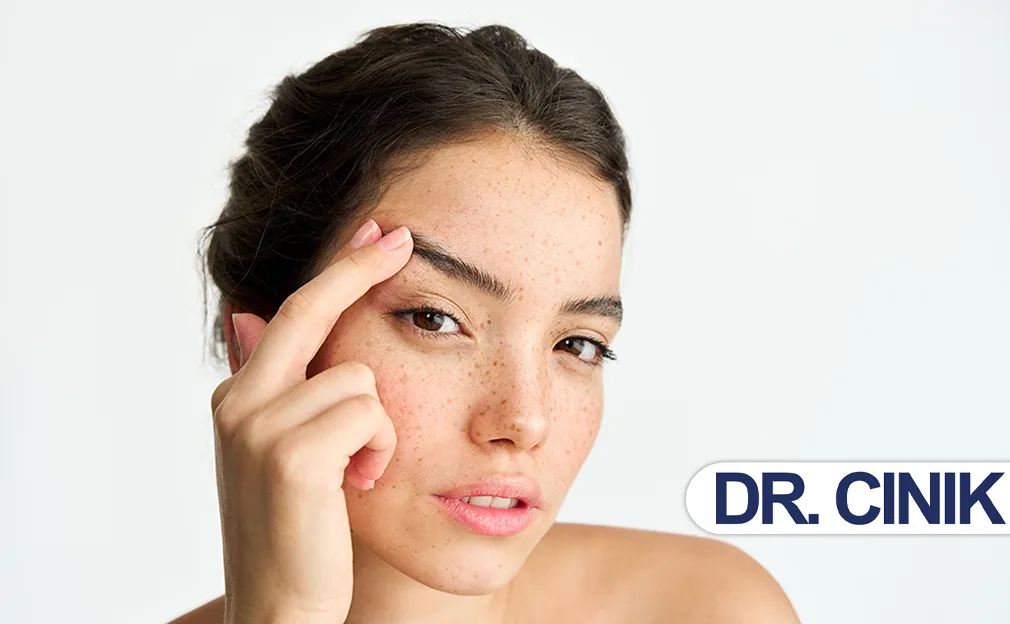
Λοιπόν, τι είναι τα κουκούλωτα μάτια; Με απλά λόγια, είναι μια κατάσταση όταν μια πτυχή περίσσειας δέρματος του άνω βλεφάρου κρέμεται πάνω από την πτυχή του βλεφάρου. Κάνει τα βλέφαρα να μοιάζουν μικρότερα ή ακόμα και τελείως κρυμμένα όταν τα μάτια σας είναι ανοιχτά. Σκεφτείτε το σαν μια μικρή "κουκούλα" δέρματος που πέφτει πάνω από το βλέφαρο. Τα κουκούλωτα μάτια διαφέρουν από τα σταγονωτά βλέφαρα ή από βλεφαροπτυσσία (ιατρικός όρος), που αναφέρεται σε μια ιατρική κατάσταση όταν το άνω βλέφαρο κρεμιέται προς τα κάτω και μπορεί πραγματικά να καλύψει την κόρη.
Τα κουκούλωτα μάτια είναι απλώς ένα ανατομικό χαρακτηριστικό, όπως το σχήμα της μύτης σας ή η καμπύλη των χειλιών σας. Αλλά υπάρχουν σοβαρές περιπτώσεις (αυτή η κατάσταση ονομάζεται δερματοχαλασία), όταν έχετε μια σημαντική ποσότητα περίσσειας δέρματος του βλεφάρου που θα μπορούσε μάλιστα να επηρεάσει την όρασή σας!
Πώς Μπορείτε Να Ξέρετε Αν Έχετε Κουκούλωτα Βλέφαρα;
Αναρωτιέστε πώς να καταλάβετε αν έχετε κουκούλωτα μάτια; Μπορείτε να το ελέγξετε εύκολα με μια απλή δοκιμή στον καθρέφτη.
Ακολουθούν οι οδηγίες:
- Κοιτάξτε ευθεία σε έναν καθρέφτη.
- Όταν τα μάτια σας είναι εντελώς ανοιχτά, θα πρέπει να βλέπετε την φυσική πτυχή του βλεφάρου σας. Αν δεν μπορείτε (επειδή το δέρμα κάτω από το τόξο του φρυδιού σας καλύπτει την πτυχή του βλεφάρου), έχετε κουκούλωτα βλέφαρα.
- Άλλη ένδειξη; Το eyeliner και η σκιά ματιών φαίνεται να εξαφανίζονται τη στιγμή που ανοίγετε τα μάτια σας (μια κοινή απογοήτευση για τους λάτρεις του μακιγιάζ).
Τι Κρύβεται Πίσω από Τα Πεπλατυσμένα Βλέφαρα;
Η κατανόηση του τι προκαλεί τα πεπλατυσμένα μάτια δεν είναι μόνο μια απλή απάντηση. Είναι ένα μείγμα επιρροών, και κάποιες φορές αυτές συνασπίζονται εναντίον σας. Ας εξερευνήσουμε μερικούς από τους κύριους υπόπτους.
Φταίει το Οικογενειακό Δέντρο
Ειλικρινά, η γενετική είναι πιθανώς ο μεγαλύτερος παράγοντας εδώ. Ορισμένοι άνθρωποι απλά γεννιούνται με αυτήν την επιπλέον πτυχή δέρματος πάνω από το άνω βλέφαρο. Είναι η προεπιλεγμένη ρύθμισή τους από την πρώτη ημέρα. Αν οι γονείς σας, οι παππούδες σας ή ακόμη και εκείνη η θεία που επιμένει ότι "ποτέ δεν χρειάστηκε eyeliner" έχουν πεπλατυσμένα βλέφαρα, οι πιθανότητες είναι ότι μπορεί να κληρονομήσατε και εσείς αυτήν την εμφάνιση.
Η Επίπτωση της Γήρανσης
Έπειτα υπάρχει η όλη κατάσταση του "να γερνάμε". Με την πάροδο του χρόνου, το δέρμα μας λέει αντίο σε ένα καλό ποσοστό του κολλαγόνου και της ελαστικότητάς του — τα πράγματα που κρατούν τα πάντα ελαστικά και λεια. Και επειδή το δέρμα γύρω από τα μάτια σας είναι εξαιρετικά λεπτό, είναι συνήθως το πρώτο που σηκώνει λευκή σημαία. Καθώς τα χρόνια περνούν, οι μύες που κρατούν τα βλέφαρά σας ψηλά χάνουν λίγο από την ενέργειά τους, και αυτή η πτώση γίνεται πιο εμφανής.
Όταν Η Απώλεια Βάρους Παίζει Ρόλο
Να μια απροσδόκητη ανατροπή που οι περισσότεροι άνθρωποι δεν περιμένουν: η απώλεια βάρους, ειδικά αν είναι μεγάλη και γρήγορη, μπορεί κάποτε να κάνει τα βλέφαρά σας να φαίνονται πιο πεπλατυσμένα. Γιατί; Λοιπόν, όταν το λίπος του προσώπου εξαφανίζεται γρήγορα, το δέρμα δεν αναπηδά πάντα αμέσως, αφήνοντάς το πιο χαλαρό. Αυτό περιλαμβάνει το δέρμα πάνω από τα μάτια σας.
Επιλογές Τρόπου Ζωής: Ύπνος, Ήλιος & Στρες
Και τελικά, τα καθημερινά ζητήματα. Η έλλειψη ύπνου μπορεί να προκαλέσει πρήξιμο στα μάτια σας και να κάνει το οποιοδήποτε πεπλατυσμένο αποτέλεσμα να φαίνεται χειρότερο. Πάρα πολύ ήλιος χωρίς σωστή προστασία; Αυτό θα επιταχύνει την αποδόμηση του κολλαγόνου, πράγμα που σημαίνει ότι το χαλαρό δέρμα θα έρθει νωρίτερα. Βάλτε και το κάπνισμα στη μέση, που επιταχύνει τη γήρανση του δέρματος σε όλα τα επίπεδα, και έχετε μια συνταγή για πιο πεπλατυσμένα βλέφαρα νωρίτερα από ό,τι πιθανόν θα θέλατε. Το στρες δεν βοηθά ούτε; δεν είναι άμεση αιτία, αλλά σίγουρα δεν προσφέρει τίποτα καλό στο δέρμα σας.
Συνοπτικά, τα πεπλατυσμένα βλέφαρα μπορεί να προέρχονται από έναν συνδυασμό του τι γεννηθήκατε με, πώς έχετε ζήσει και τι αποφάσισε ο χρόνος να σας κάνει. Μερικές φορές υπάρχει μία καθαρή αιτία, άλλες φορές είναι λίγο από όλα.
Πότε Πρέπει να Αντιμετωπίσετε Τα Πεπλατυσμένα Μάτια;
Οι περισσότερες φορές, τα πεπλατυσμένα μάτια είναι απλά μέρος του πώς έχει χτιστεί το πρόσωπό σας (όπως οι φακίδες ή οι βαθιάκια) και δεν χρειάζονται διόρθωση. Ζείτε με αυτά, τα ξεχνάτε, και η ζωή συνεχίζεται. Παρ' όλα αυτά, υπάρχουν στιγμές που σας πιάνει η εικόνα στον καθρέφτη ή αντιμετωπίζετε ένα πρακτικό πρόβλημα και σκέφτεστε, “Ίσως δεν θα ήταν κακό να δω ποιες είναι οι επιλογές μου.” Αυτοί οι λόγοι μπορούν να αφορούν το πώς φαίνονται, το πώς αισθάνονται ή ακόμη και το πώς επηρεάζουν αυτό που βλέπετε.
Όταν η Όραση είναι Εμπόδιο
Σε πιο σοβαρές περιπτώσεις, αυτή η επιπλέον πτυχή του δέρματος μπορεί στην πραγματικότητα να κρέμεται αρκετά χαμηλά ώστε να εμποδίζει μέρος της πλευρικής σας όρασης. Αυτό μπορεί να κάνει την καθημερινότητα, όπως η ανάγνωση των πινακίδων του δρόμου κατά την οδήγηση ή ακόμη και η ανάγνωση ενός βιβλίου, πιο δύσκολη από ό,τι θα έπρεπε. Σε αυτό το σημείο, δεν είναι μόνο θέμα εμφάνισης; γίνεται ιατρική ανησυχία και έχει νόημα να δεις έναν επαγγελματία.
Όταν Πρόκειται για το Πώς Αισθάνεστε
Ίσως έχετε παρατηρήσει ότι τα βλέφαρά σας σας κάνουν να φαίνεστε λίγο πιο κουρασμένοι από ό,τι στην πραγματικότητα είστε, ή απλά δεν σας αρέσει η εμφάνισή τους στις φωτογραφίες. Αυτό είναι απολύτως δικαιολογημένο. Πολλοί άνθρωποι επιλέγουν να εξερευνήσουν τις αισθητικές θεραπείες απλά και μόνο επειδή θέλουν να αισθάνονται λίγο πιο σίγουροι για την εμφάνισή τους.
Όταν Είναι Φυσικά Άβολο
Η πτώση των βλεφάρων δεν είναι πάντα απλώς θέμα οπτικής, μπορεί επίσης να είναι βαριά. Αυτή η συνεχής αίσθηση, ακόμη και όταν είστε εντελώς ξύπνιοι και γεμάτοι ενέργεια, μπορεί να είναι αποσπασματική ή ακόμη και εκνευριστική. Και αυτό είναι ένας ακόμη απόλυτα έγκυρος λόγος για να εξετάσετε επιλογές για αλλαγή.
Πώς να Διορθώσετε τα Χαλαρωμένα Βλέφαρα: Από Γρήγορες Λύσεις μέχρι Σημαντικές Παρεμβάσεις
Λοιπόν, αναρωτιέστε πώς να απαλλαγείτε από τα χαλαρωμένα βλέφαρα. Τα καλά νέα είναι ότι υπάρχουν πολλοί τρόποι για να το κάνετε. Ορισμένοι είναι γρήγοροι και μη επεμβατικοί· άλλοι απαιτούν το σταθερό χέρι ενός χειρουργού. Εξαρτάται πραγματικά από το πόσο μακριά θέλετε να φτάσετε και πόσο καιρό θέλετε να διαρκέσουν τα αποτελέσματα. Ας το αναλύσουμε.
Μη Επεμβατικές Διαδικασίες
Εάν η σκέψη της χειρουργικής παρέμβασης σας κάνει να αισθάνεστε άβολα, υπάρχουν ακόμη αρκετές θεραπείες που μπορούν να αναδείξουν την εμφάνιση των ματιών σας. Τα αποτελέσματα μπορεί να μην είναι τόσο εντυπωσιακά ή μόνιμα όσο της χειρουργικής, αλλά θα εκπλαγείτε πόση ανανέωση μπορείτε να πετύχετε χωρίς νυστέρι.
Ενέσεις Botox
Ναι, το Botox δεν προορίζεται μόνο για την εξομάλυνση των γραμμών στο μέτωπο. Σε περίπτωση χαλαρωμένων βλεφάρων, μικρές ενέσεις στους μύες που τραβούν τα φρύδια σας προς τα κάτω μπορούν να δώσουν ένα ήπιο lifting στο φρύδι σας. Όταν το φρύδι ανεβαίνει, το δέρμα πάνω από το άνω βλέφαρο ακολουθεί. Είναι γρήγορο, σχετικά ανώδυνο, αλλά είναι προσωρινό, συνήθως λίγους μήνες πριν χρειαστείτε ανανέωση.
Δερμικά Πληρώματα
Αυτά τα ενέσιμα, ζελέ-όπως προϊόντα μπορούν να κάνουν θαύματα όταν τοποθετηθούν στα σωστά σημεία, όπως στους κροτάφους και κάτω από τα φρύδια. Προσθέτοντας μια αίσθηση όγκου εκεί όπου έχει χαθεί με την πάροδο του χρόνου, τα πληρώματα μπορούν να στηρίξουν την περιοχή του φρυδιού, κάνοντάς την να δείχνει λιγότερο βαριά. Σκεφτείτε το ως διακριτική υποστήριξη για τα μάτια σας.
Ανύψωση Plasma Fibroblast
Αυτό ακούγεται σαν κάτι από ταινία επιστημονικής φαντασίας, αλλά στην πραγματικότητα είναι μια θεραπεία σύσφιξης του δέρματος που χρησιμοποιεί έναν μικρό πλάσματι «άξονα» για να δημιουργήσει ελεγχόμενους μικροτραυματισμούς στην επιφάνεια του δέρματος. Αυτός ο μικροτραυματισμός προκαλεί το σώμα σας να παράγει περισσότερο κολλαγόνο, το οποίο με τη σειρά του σφίγγει και ανυψώνει το δέρμα των βλεφάρων σας τις εβδομάδες που ακολουθούν.
Ραδιοσυχνότητα Συσφιξής Δέρματος
Εδώ, ειδικές συσκευές στέλνουν θερμική ενέργεια βαθιά στις στρώσεις του δέρματός σας για να ενεργοποιήσουν την παραγωγή κολλαγόνου. Το αποτέλεσμα χτίζεται σταδιακά, αλλά αν είστε υπομονετικοί, μπορείτε να δείτε το δέρμα γύρω από τα μάτια σας να αρχίζει να φαίνεται σφιχτότερο και πιο λείο.
Φυσικές και Οικιακές Προσεγγίσεις
Δεν σας αρέσουν οι σύγχρονες συσκευές ή οι βελόνες; Λοιπόν, υπάρχουν πιο ήπιες μέθοδοι για να υποστηρίξετε την περιοχή των ματιών σας: απλά δεν θα σας προσφέρουν το ίδιο εντυπωσιακό αποτέλεσμα. Η τακτική άσκηση του προσώπου, οι κρύες κομπρέσες για να μειώσουν το πρήξιμο και οι ενυδατικές κρέμες ματιών με πεπτίδια ή ρετινόλη μπορούν να βοηθήσουν. Προσθέστε τα βασικά: πιείτε αρκετό νερό, καταναλώστε πολλές τροφές πλούσιες σε αντιοξειδωτικά, φορέστε γυαλιά ηλίου και χρησιμοποιήστε αντηλιακό, και τουλάχιστον διατηρείτε το δέρμα σας σε καλύτερη κατάσταση μακροπρόθεσμα.
Χειρουργικές Επιλογές για πτώση βλεφάρων
Αν επιθυμείτε μια μεγαλύτερη, μακροχρόνια αλλαγή, τότε η χειρουργική επέμβαση μπορεί να είναι ο δρόμος που πρέπει να ακολουθήσετε. Είναι περισσότερη δέσμευση, ναι, αλλά τα αποτελέσματα μπορεί να είναι δραματικά και, σε πολλές περιπτώσεις, μόνιμα.
Άνω Βλεφαροπλαστική
Συχνά χαρακτηρίζεται ως το χρυσό πρότυπο για πτώση βλεφάρων, αυτή η διαδικασία αφαιρεί το επιπλέον δέρμα (και μερικές φορές λίγο λίπος) από τα άνω βλέφαρα σας. Η τομή γίνεται στην φυσική πτυχή, έτσι η ουλή είναι σχεδόν αόρατη μόλις επουλωθεί. Το αποτέλεσμα; Ένα καθαρότερο περίγραμμα βλεφάρων και μια πιο ξύπνια, φρέσκια έκφραση. Ορισμένες από τις μεταμορφώσεις πριν και μετά από αυτή είναι πραγματικά εντυπωσιακές.
Ανύψωση Φρυδιών
Κάποιες φορές αυτό που ονομάζετε “πτώση βλεφάρων” είναι τα φρύδια που κάθονται χαμηλότερα από ότι παλιά. Μια ανύψωση φρυδιών τα repositioning υψηλότερα στο μέτωπο, γεγονός που μπορεί να κάνει τα μάτια να φαίνονται πιο ανοιχτά. Σε ορισμένες περιπτώσεις, οι χειρουργοί προτείνουν να συνδυάσετε αυτό με τη βλεφαροπλαστική για το πιο ισορροπημένο, νεανικό αποτέλεσμα.
Ποια είναι λοιπόν η Σωστή Επιλογή για Εσάς;
Εξαρτάται από το τι ελπίζετε να επιτύχετε και πόσο χρόνο, προϋπολογισμό και ανάρρωση είστε διατεθειμένοι να επενδύσετε.
- Θέλετε κάτι γρήγορο και διακριτικό; Το Botox για πτώσεις βλεφάρων ή τα δερμικά εμφυτεύματα θα μπορούσαν να γίνουν οι νέοι καλύτεροι φίλοι σας.
- Ψάχνετε για μια πραγματική, διαρκή αλλαγή; Η ανωτέρα βλεφαροπλαστική είναι η πιο σημαντική επιλογή.
- Προτιμάτε να δουλέψετε με αυτά που έχετε; Κατα-master την τέχνη του μακιγιάζ για πτώσεις βλεφάρων — οι τεχνικές για smoky μακιγιάζ μπορούν να κάνουν θαύματα.
Στο τέλος της ημέρας, η “καλύτερη θεραπεία για πτώσεις βλεφάρων” είναι αυτή που ταιριάζει στον τρόπο ζωής σας και σας κάνει να νιώθετε καλά όταν κοιτάτε στον καθρέφτη.
ΣΥΧΝΕΣ ΕΡΩΤΗΣΕΙΣ
Μπορεί να προκαλέσουν προβλήματα όρασης οι πτώσεις βλεφάρων;
Ναι, σε σοβαρές περιπτώσεις, όταν το περίσσιο δέρμα βλεφάρου κρέμεται πάνω από τις βλεφαρίδες και εμποδίζει την περιφερειακή όραση. Σε αυτήν την περίπτωση, οι γιατροί συχνά προτείνουν βλεφαροπλαστική.
Ποια ηλικία ξεκινούν οι πτώσεις βλεφάρων;
Ενώ πολλοί άνθρωποι γεννιούνται με πτώσεις βλεφάρων, η κατάσταση μπορεί να αναπτυχθεί ή να χειροτερέψει με την ηλικία. Η φυσική διαδικασία γήρανσης, με την απώλεια της ελαστικότητας του δέρματος, συνήθως αρχίζει να γίνεται αισθητή στα τέλη της 20ης ή στις αρχές της 30ης.
Δημιουργούν οι πτώσεις βλεφάρων μια πιο ηλικιωμένη εμφάνιση;
Ναι, η βαριά ή κουρασμένη εμφάνιση των πτώσεων βλεφάρων μπορεί να κάνει ένα άτομο να φαίνεται μεγαλύτερο από ό,τι είναι. Αυτός είναι ένας από τους κύριους λόγους που οι άνθρωποι αναζητούν θεραπεία.
Επιδεινώνονται οι πτώσεις βλεφάρων με την ηλικία;
Συνήθως συμβαίνει αυτό, καθώς η βαρύτητα και η απώλεια ελαστικότητας του δέρματος συνεχίζουν να επιδρούν. Αυτό σημαίνει ότι αν παρατηρήσατε ότι τα βλέφαρά σας γίνονται βαρύτερα στα 40 σας ή 50 σας, να το αποδίδετε στον Πατέρα Χρόνο.
Μπορείτε να προλάβετε τις πτώσεις βλεφάρων;
Ενώ δεν μπορείτε να προλάβετε τη γενετική ή τη γήρανση, μπορείτε να λάβετε μέτρα για να επιβραδύνετε τη διαδικασία. Η προστασία των ματιών σας από τον ήλιο, η καλή ενυδάτωση και η αποφυγή του καπνίσματος μπορούν να βοηθήσουν στη διατήρηση της ελαστικότητας του δέρματος και να προλάβουν την πρόωρη χαλάρωση των βλεφάρων.
Είναι επώδυνη η ανωτέρα βλεφαροπλαστική;
Η βλεφαροπλαστική είναι συνήθως μη επώδυνη επέμβαση. Οι περισσότεροι ασθενείς αναφέρουν ήπια δυσφορία, πρήξιμο και μελανιές, αλλά γενικά είναι διαχειρίσιμα με φαρμακευτική αγωγή που χορηγείται χωρίς συνταγή. Ένας χειρουργός θα συνταγογραφήσει φάρμακα για τον πόνο, αλλά πολλοί ασθενείς δεν τα χρειάζονται καν.
Είναι τα κουκουλωτά μάτια ελκυστικά;
Η ομορφιά είναι απολύτως υποκειμενική! Πολλοί άνθρωποι θεωρούν τα κουκουλωτά μάτια όμορφα και μοναδικά. Είναι ένα χαρακτηριστικό που έχουν πολλοί μοντέλα και celebrities και γιορτάζεται σε πολλές κουλτούρες.
Πόσο διαρκεί η επέμβαση για κουκουλωτά μάτια;
Τα αποτελέσματα μιας ανώτερης βλεφαροπλαστικής είναι μακροχρόνια, με πολλούς ασθενείς να απολαμβάνουν τα αποτελέσματα για 10-15 χρόνια ή και περισσότερο. Ενώ η διαδικασία γήρανσης συνεχίζεται, τα αποτελέσματα της επέμβασης είναι σημαντικά και συχνά θεωρούνται μόνιμα.
Ποιο είναι το κόστος της επέμβασης για κουκουλωτά μάτια;
Το κόστος της ανώτερης βλεφαροπλαστικής μπορεί να διαφέρει σημαντικά ανάλογα με την αμοιβή του χειρουργού, την εγκατάσταση και την γεωγραφική τοποθεσία. Στον μέσο όρο, η αμοιβή του χειρουργού μπορεί να κυμαίνεται από μερικές χιλιάδες δολάρια έως πάνω από πέντε χιλιάδες δολάρια.
Πώς να απλώσετε μακιγιάζ σε κουκουλωτά μάτια;;
Το κλειδί είναι να δημιουργήσετε μια "ψεύτικη" πτυχή. Εφαρμόστε μια ματ σκιές ελαφρώς πάνω από την φυσική σας πτυχή και αναμίξτε την προς τα επάνω προς τον οστό του φρυδιού. Αυτό θα δημιουργήσει την ψευδαίσθηση ενός πιο ανοιχτού βλεφάρου. Μπορείτε επίσης να απλώσετε μολύβι στην ανώτερη υδαρή γραμμή για να προσθέσετε διαμόρφωση και να δημιουργήσετε μια λεπτή γραμμή που πετάει από την εξωτερική γωνία του ματιού για να επιμηκύνει το σχήμα των ματιών σας.