How Does a Gastric Balloon Work?
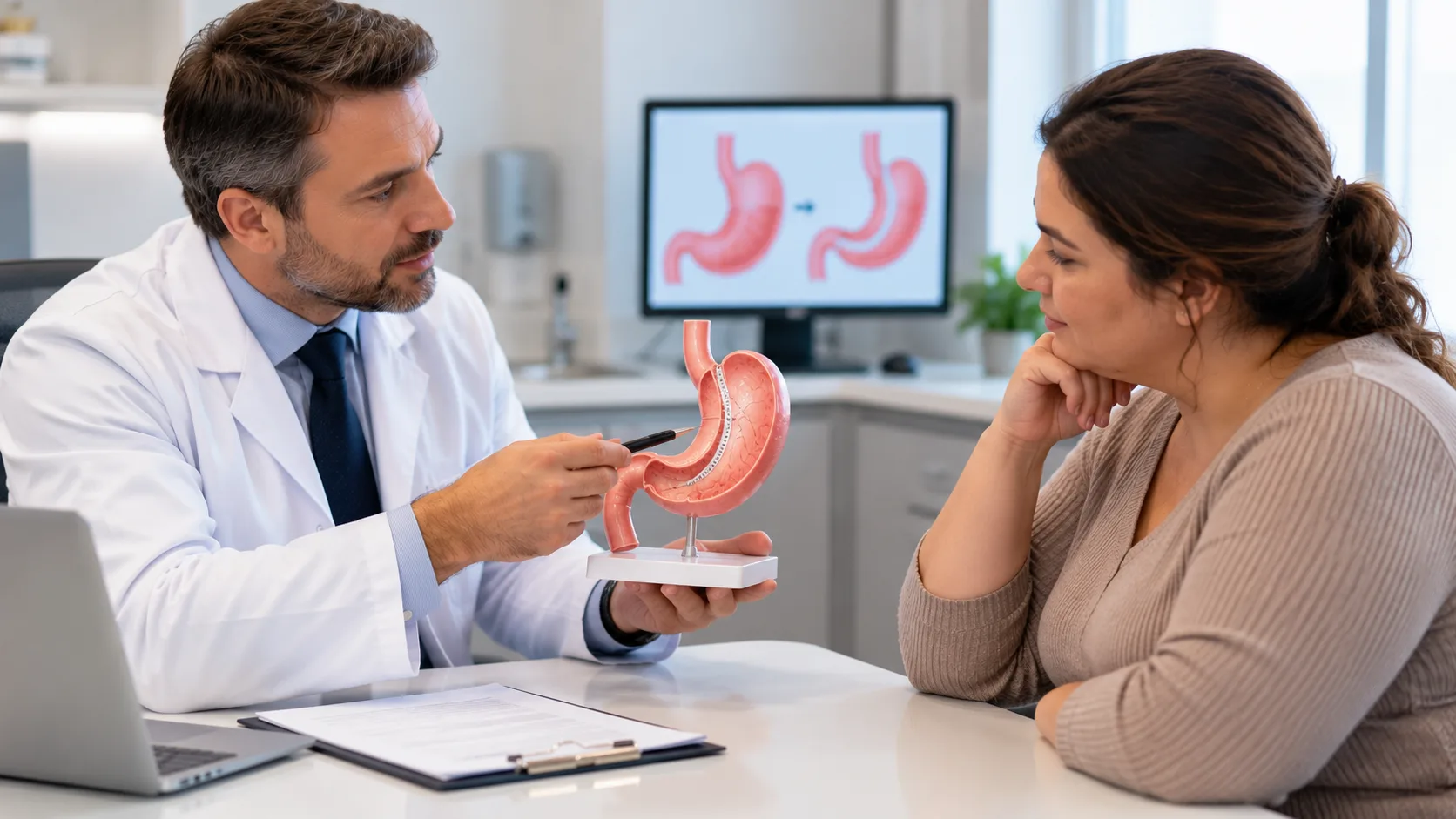
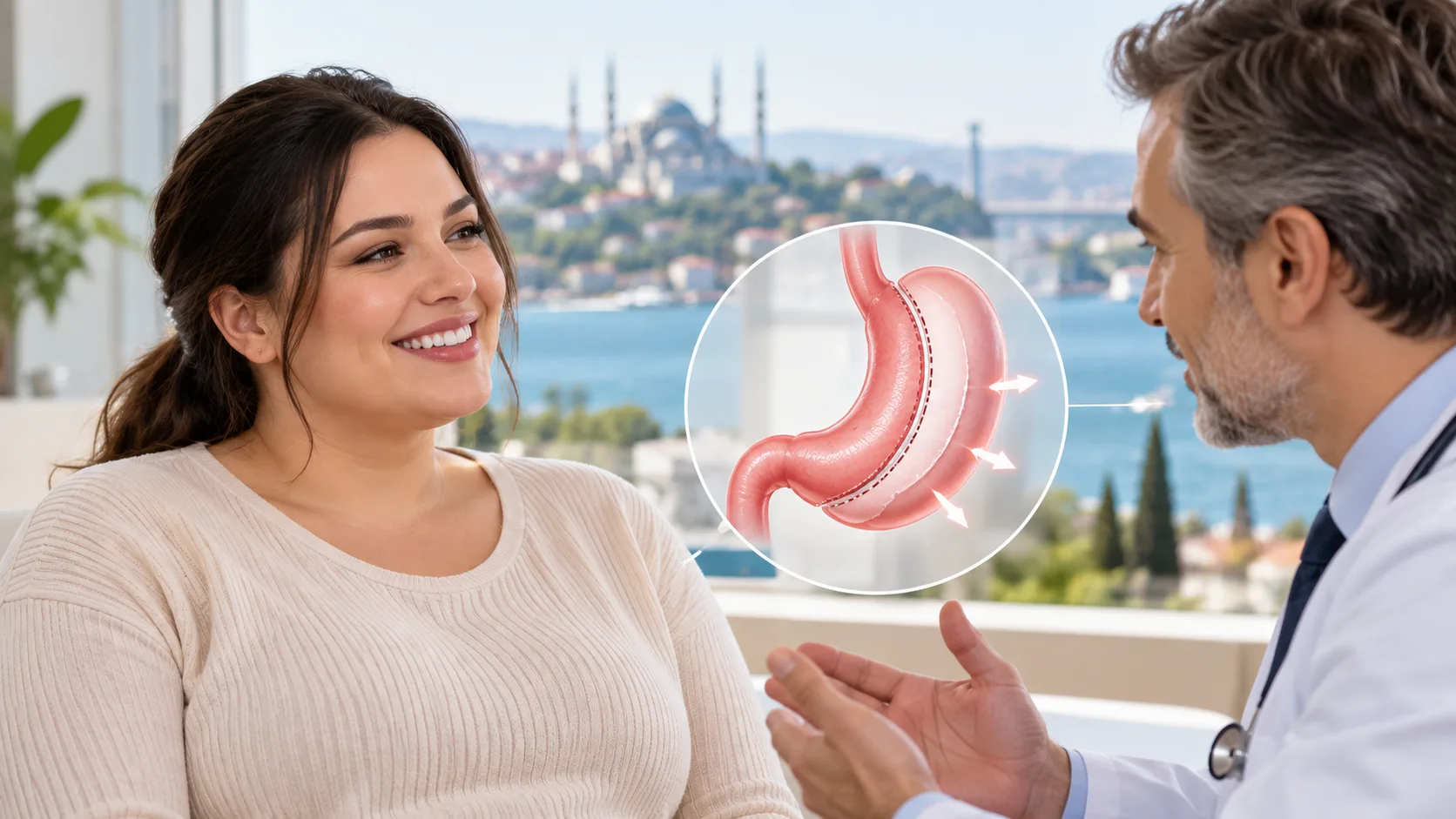
A gastric balloon works by occupying space inside the stomach, which reduces how much food a person can comfortably eat and promotes an earlier feeling of fullness. The device does not change the anatomy of the digestive system. It supports weight loss by limiting portion size, increasing satiety, and helping patients build lasting changes in their eating habits (Imaz et al. 2008).
Weight-loss treatment has expanded far beyond surgery in recent years, and the intragastric balloon has become one of the most studied non-surgical options available. The concept is simple, yet the mechanism behind it involves careful interaction between stomach volume, appetite signals, and behavior. This article explains how a gastric balloon works, what it changes inside the body, and why long-term results depend so heavily on lifestyle.
What Is a Gastric Balloon and What Does It Do?
A gastric balloon is a soft, saline-filled or gas-filled device placed inside the stomach to occupy space and reduce its functional capacity. It is a temporary, non-surgical treatment for obesity.
A gastric balloon, also called an intragastric balloon, is a silicone device that a doctor places inside the stomach through a non-surgical endoscopic procedure. Once positioned, the balloon is filled with liquid or gas until it reaches roughly the size of a grapefruit. The filled balloon then occupies a meaningful portion of the stomach's volume (Sullivan et al. 2018).
This physical presence changes how the stomach receives food. Instead of holding a full meal, the stomach now holds a smaller volume, and the balloon presses against its walls. The device works purely through this space-occupying effect, without cutting, stapling, or rerouting any part of the digestive tract.
That difference matters clinically. Bariatric surgeries such as gastric bypass permanently alter gastrointestinal anatomy, while a gastric balloon creates no anatomical change at all. This is why medical societies classify the balloon as a non-surgical, reversible weight-loss treatment (Sullivan et al. 2018).
How Does a Gastric Balloon Affect the Size of a Meal?
A gastric balloon reduces the amount of food the stomach can comfortably hold, which forces smaller portion sizes and supports a calorie deficit.
The stomach normally stretches to accommodate meals. When a balloon occupies a large share of that volume, the stomach reaches its comfortable limit much sooner. Patients report feeling "full" after eating only a fraction of their usual portion (Dumonceau et al. 2008).
This early fullness is the mechanical core of how a gastric balloon works. Portion control stops being a matter of willpower alone, because the device physically limits intake. When a person consistently consumes smaller meals, total calorie intake drops, and a sustained calorie deficit drives weight loss. Research on intragastric balloons consistently shows that reduced meal volume, not any metabolic alteration, is the primary driver of early weight reduction (Imaz et al. 2008).
How Does a Gastric Balloon Help Control Hunger?
A gastric balloon stimulates stretch receptors in the stomach wall, which signal fullness to the brain and reduce appetite between meals.
Satiety, the sensation of fullness, depends heavily on the physical distension of the stomach. As the stomach fills, mechanoreceptors in its walls send signals through the vagus nerve to appetite-regulating centers in the brain. A filled balloon maintains gentle, constant pressure on these receptors, so patients often feel satisfied with less food and experience fewer hunger signals (Genco et al. 2006).
Appetite control plays a central role in weight management, and this is where the balloon delivers much of its value. By reducing the frequency and intensity of hunger, the device makes dietary adherence easier during the treatment period.
However, hunger reduction varies between individuals. Factors such as baseline eating patterns, hormonal response, and psychological relationships with food all influence how strongly each patient experiences this effect. Medical teams account for this variability when they design a treatment plan.
Does a Gastric Balloon Change Digestion?
No, a gastric balloon does not change how the body digests food. It does not bypass the intestines or alter nutrient absorption.
The balloon simply takes up room. Food still passes through the entire digestive system in the normal sequence. The stomach continues to mix food with acid and enzymes, and gastric emptying, the movement of food from the stomach into the small intestine, continues largely as it did before treatment (Dumonceau et al. 2008).
This stands in sharp contrast to procedures that alter gastrointestinal anatomy. Gastric bypass reroutes food around part of the stomach and small intestine, and sleeve gastrectomy removes a large portion of the stomach permanently. These operations change both intake capacity and absorption. A gastric balloon changes only capacity.
Feature | Gastric Balloon | Gastric Bypass | Sleeve Gastrectomy |
Anatomical change | None | Permanent rerouting | Permanent stomach removal |
Duration | Temporary, 6 to 12 months | Permanent | Permanent |
Surgical incisions | None required | Yes | Yes |
Nutrient absorption | Unchanged | Reduced | Mostly unchanged |
Reversibility | Fully removable | Difficult to reverse | Irreversible |
Because digestion remains intact, the balloon avoids the long-term nutritional deficiencies that can follow malabsorptive surgery. Still, patients must follow a structured diet to protect their results and comfort.
How Is a Gastric Balloon Inserted Into the Stomach?
A doctor places the deflated balloon into the stomach through the mouth using an endoscope, then fills it while the patient is under sedation. The entire procedure typically takes about 20 to 30 minutes.
How Is the Balloon Positioned?
The doctor passes a thin, flexible endoscope through the mouth and esophagus into the stomach. The endoscope allows direct visual confirmation that the stomach is healthy and suitable for the device. The deflated balloon then travels down on a thin tube and settles in the body of the stomach, below the esophagus and above the outlet valve (Sullivan et al. 2018).
Once positioned, the doctor fills the balloon with sterile saline, sometimes mixed with a blue dye that warns of leakage, or with gas, depending on the device system. Filling continues until the balloon reaches the volume specified by the manufacturer.
How Long Does the Balloon Stay in the Stomach?
Most gastric balloon systems remain in place for six months. Some newer swallowable balloon systems follow different schedules, and a few adjustable balloons can stay longer under medical supervision. Removal timing depends on the specific device, the patient's progress, and the medical plan set by the treating team (Genco et al. 2006). Leaving any balloon beyond its approved duration raises the risk of deflation and migration, so strict adherence to the schedule is essential.
How Does a Gastric Balloon Influence Eating Habits?
A gastric balloon acts as a behavioral training tool. It teaches patients to recognize fullness, eat slowly, and follow structured meal patterns that can persist after removal.
The device changes the physical experience of eating, and this creates a learning window. Patients quickly learn to identify genuine fullness signals, because overeating now produces immediate discomfort. This feedback encourages slower eating and thorough chewing, habits that dietitians consistently recommend for weight management (Kotzampassi et al. 2012).
Structured meal patterns develop naturally during treatment. Patients shift toward three planned meals and scheduled snacks instead of grazing, because the stomach cannot accommodate constant intake. These patterns, repeated over six months, form the foundation of sustainable dietary habits that continue after the balloon leaves the stomach.
What Should You Eat With a Gastric Balloon?
Patients should eat small, protein-focused meals, drink fluids steadily throughout the day, and avoid high-fat and high-sugar foods that trigger nausea or discomfort.
Which Foods Provide Enough Protein?
Lean protein protects muscle mass during weight loss. Suitable sources include skinless poultry, fish, eggs, low-fat dairy, legumes, and lean cuts of meat. Dietitians typically recommend protein at every meal, because inadequate protein during rapid weight loss increases muscle loss (Yorke et al. 2016). Small protein-rich snacks between meals help patients meet daily targets without overloading the stomach.
How Much Should You Drink With a Gastric Balloon?

Hydration requires steady attention, because the balloon reduces fluid capacity at any single moment. Patients should sip water and other permitted fluids consistently across the day rather than drinking large amounts with meals. Individual fluid needs vary with body size, activity level, and climate, so the medical team sets a personal target. Drinking during meals often worsens fullness, so most programs separate fluids from mealtimes by at least 30 minutes.
Which Foods May Be Difficult to Tolerate?
High-fat foods, fried items, sugary desserts, and carbonated drinks commonly cause nausea, bloating, or reflux in balloon patients. Large portions of any food can trigger vomiting. During the first one to two weeks, soft and liquid foods dominate the menu, and textures expand gradually as tolerance improves (Sullivan et al. 2018).
Food Category | Recommended Examples | Foods to Limit |
Protein | Chicken, fish, eggs, yogurt | Fatty cuts, fried protein |
Vegetables | Cooked, soft vegetables | Raw bulky salads early on |
Grains | Oatmeal, soft rice | Large portions of bread |
Fluids | Water, herbal tea | Carbonated and sugary drinks |
How Does a Gastric Balloon Lead to Weight Loss?
A gastric balloon produces weight loss through reduced food intake, increased satiety, and improved eating behavior, which together create a sustained calorie deficit.
The mechanism combines physical and behavioral effects. The balloon limits portion size mechanically. Satiety signaling reduces hunger. Behavioral retraining improves meal quality and structure. None of these factors works in isolation, and the strongest outcomes appear when all three align (Imaz et al. 2008).
This is why lifestyle change remains essential during and after treatment. The balloon is a tool, not a cure. Patients who treat the device as the entire solution typically lose less weight and regain more after removal (Kotzampassi et al. 2012).
How Much Weight Can You Lose With a Gastric Balloon?
Clinical studies commonly report total body weight loss of roughly 10 to 15 percent over the treatment period, but individual results vary widely.
Several factors shape the outcome. Starting weight, metabolic rate, hormonal conditions, dietary adherence, physical activity, and the specific balloon system all influence results (Imaz et al. 2008). Patients who follow structured nutrition programs and maintain activity generally achieve better outcomes than those who rely on the device alone.
Advertised figures should never be read as guarantees. Published averages come from cohorts of patients under medical supervision, and individual response can fall above or below those numbers. A realistic, personalized target set with the care team produces better long-term satisfaction than any marketing number.
What Happens After a Gastric Balloon Is Removed?
After removal, weight maintenance depends entirely on the habits built during treatment. Patients who retain their new eating patterns sustain their results, while those who revert to old patterns often regain weight.
Long-term research confirms this pattern. In a five-year follow-up study, patients who maintained structured nutrition and lifestyle habits kept a meaningful share of their lost weight, while those without continued support regained most of it (Kotzampampassi et al. 2012; Kotzampassi et al. 2012). The removal procedure itself is quick and mirrors the placement process under sedation.
Continued professional support matters here. Nutrition counseling, follow-up appointments, and attention to physical activity give patients the structure they need after the device no longer enforces portion control. Multidisciplinary care before, during, and after treatment consistently produces the most durable outcomes (Sullivan et al. 2018).
Can a Gastric Balloon Cause Side Effects?
Most side effects are mild and occur early. Nausea, vomiting, and abdominal discomfort usually fade within one to two weeks as the body adapts.
What Are the Common Early Side Effects?
The most frequently reported effects include nausea, vomiting, abdominal discomfort, bloating, and temporary appetite changes (Dumonceau et al. 2008). These symptoms reflect the stomach's adjustment to a foreign object and typically respond well to medication, dietary modification, and patience. Severe persistent symptoms in the first days sometimes require early removal, which happens in a small minority of patients.
Which Symptoms Require Medical Attention?
Persistent vomiting, severe or worsening abdominal pain, difficulty maintaining hydration, fever, or signs of balloon deflation demand immediate medical contact. Blue-tinted urine signals saline leakage from a dye-marked balloon, and acid reflux that resists medication also warrants review. The treating medical team provides a complete symptom checklist before discharge (Sullivan et al. 2018).
Who May Benefit From a Gastric Balloon?
A gastric balloon suits adults with obesity who want a non-surgical option, have struggled with previous weight-loss attempts, and can commit to structured dietary and behavioral change.
Candidate selection follows clinical criteria. Body mass index, obesity-related health conditions such as type 2 diabetes or hypertension, and prior weight-loss history all shape eligibility (Imaz et al. 2008). Motivation matters as much as biology, because the device only works alongside disciplined eating.
A full medical assessment precedes any placement. Doctors screen for esophageal disorders, previous stomach surgery, and conditions that would make the balloon unsafe. This evaluation protects patients and sets realistic expectations from the start.
How Does a Gastric Balloon Compare With Bariatric Surgery?
A gastric balloon offers a temporary, anatomy-preserving alternative to permanent surgical procedures, with lower risk but generally smaller and less durable weight loss.
The comparison involves trade-offs. Surgery produces greater average weight loss and stronger metabolic effects, but it carries higher operative risk and permanent anatomical consequences. The balloon avoids both. Digestive anatomy stays intact, recovery is rapid, and the treatment reverses completely.
Follow-up requirements differ as well. Surgery patients need lifelong monitoring for nutritional deficiencies, while balloon patients need concentrated support during the six-month treatment window and structured maintenance afterward. The choice depends on BMI, health status, risk tolerance, and personal goals, and it belongs in a conversation with a bariatric specialist (Sullivan et al. 2018).
Why Is Lifestyle Change Important After Gastric Balloon Treatment?
Lifestyle change determines whether weight loss lasts, because the balloon leaves the stomach after a fixed period and only habits remain.
Sustainable eating patterns, regular physical activity, portion awareness, and nutritional quality form the complete maintenance equation. Ongoing professional support, whether through dietitians, physicians, or structured programs, reinforces these behaviors when motivation fades. Evidence consistently links continued lifestyle management with better long-term weight maintenance after balloon removal (Kotzampassi et al. 2012).
What Factors Determine How Well a Gastric Balloon Works?
Results depend on individual satiety response, dietary habits, physical activity, starting weight, medical conditions, medication use, follow-up adherence, and the quality of the care team.
No single factor predicts success alone. A patient with strong satiety response but poor dietary structure will underperform, just as a disciplined eater with untreated hormonal conditions might. This is why leading programs use a multidisciplinary model that combines the device with nutrition therapy, behavioral support, and medical monitoring (Sullivan et al. 2018).
What Questions Should You Ask Before Getting a Gastric Balloon?
Ask about device type, insertion and removal methods, treatment duration, dietary requirements, expected side effects, follow-up structure, and the plan for weight regain after removal.
Informed patients make better decisions. Key questions include which balloon system fits your situation, how the procedure works step by step, how long the balloon stays, what the nutrition program requires, which side effects to expect, what follow-up support exists, and what happens if weight returns after removal. Clear answers to these questions separate a well-run program from a device-only provider, and they give you a realistic picture of the commitment ahead (Genco et al. 2006).
References
Dumonceau, Jean-Marc, et al. "Intragastric Balloon for Obesity: Safety and Efficacy of an Old Concept." Endoscopy, vol. 40, no. 9, 2008, pp. 827-831.
Genco, Alfredo, et al. "BioEnterics Intragastric Balloon: The Italian Experience." Obesity Surgery, vol. 16, no. 4, 2006, pp. 489-492.
Imaz, Iñaki, et al. "Safety and Effectiveness of the Intragastric Balloon for Obesity: A Meta-Analysis." Obesity Surgery, vol. 18, no. 7, 2008, pp. 841-846.
Kotzampassi, Katerina, et al. "500 Intragastric Balloons: What Happens 5 Years Thereafter?" Obesity Surgery, vol. 22, no. 6, 2012, pp. 896-903.
Sullivan, Scott, et al. "ASMBS Position Statement on Intragastric Balloon Therapy for Obesity." Surgery for Obesity and Related Diseases, vol. 14, no. 12, 2018, pp. 1697-1699.
Yorke, Emilia, et al. "Quality of Life and Psychological Well-Being in Patients with Intragastric Balloon." Obesity Surgery, vol. 26, no. 5, 2016, pp. 1081-1085.