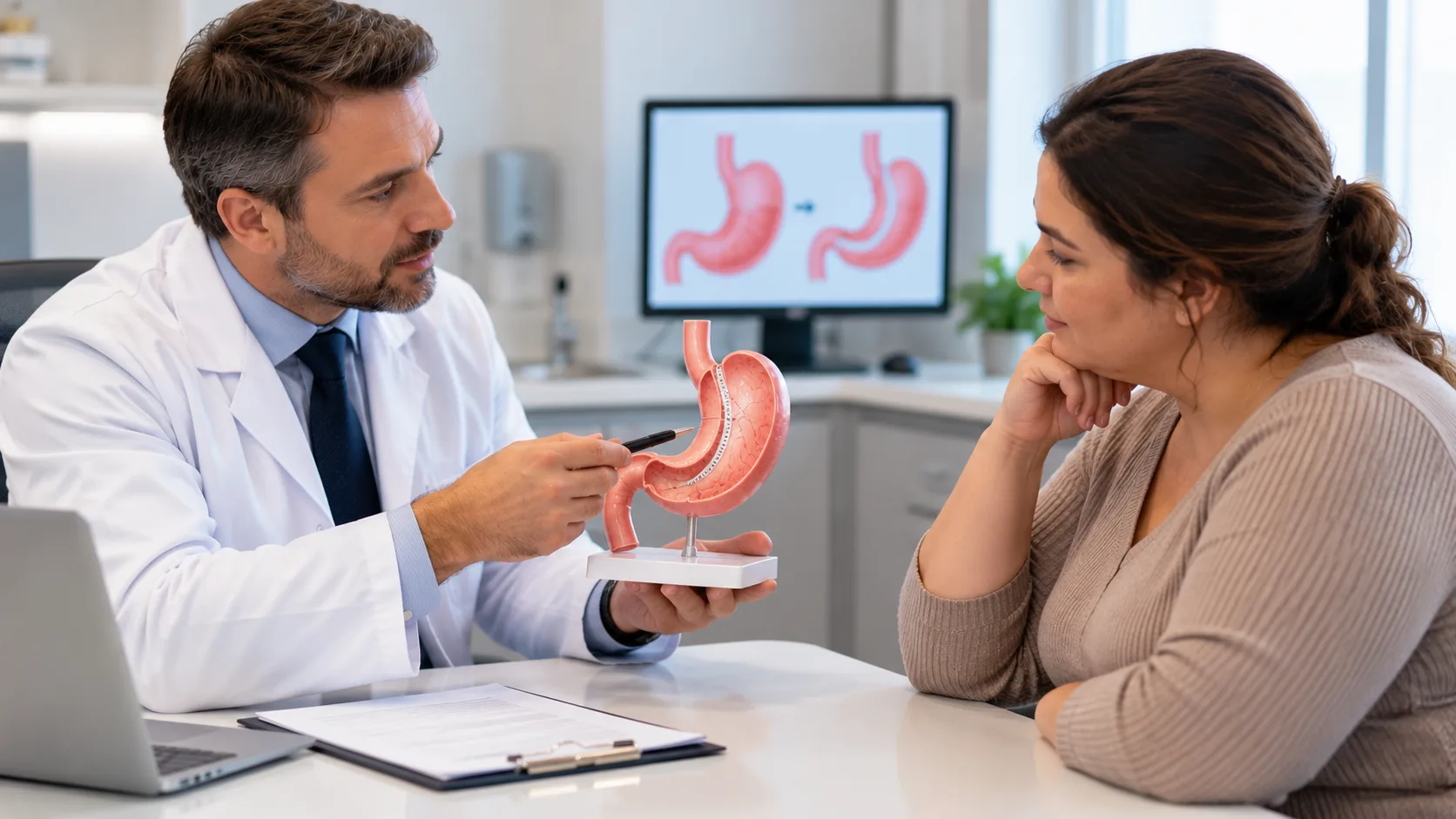
Τι Είναι η Παχυσαρκία Υψηλού Βαθμού; Ένας Πλήρης Επιστημονικός Οδηγός για την Κατηγορία III Παχυσαρκία
Η παχυσαρκία υψηλού βαθμού, γνωστή και ως κατηγορία IIIπαχυσαρκίαή σοβαρή παχυσαρκία, περιγράφει μια χρόνια ιατρική κατάσταση όπου ένα άτομο φέρει υπερβολικό σωματικό λίπος που αυξάνει σημαντικά τον κίνδυνο σοβαρών επιπλοκών στην υγεία. Οι επαγγελματίες υγειονομικής περίθαλψης ορίζουν αυτή την κατάσταση χρησιμοποιώντας δείκτη σωματικής μάζας (ΔΣΜ) 40 ή υψηλότερο, αν και η σύγχρονη ιατρική κοινότητα προτιμά ολοένα και περισσότερο τους όρους "κατηγορία III παχυσαρκία" ή "σοβαρή παχυσαρκία" γιατί αυτοί οι όροι μειώνουν το στίγμα διατηρώντας παράλληλα την κλινική ακρίβεια.
Γιατί η Παχυσαρκία Υψηλού Βαθμού Ονομάζεται Τώρα Κατηγορία III Παχυσαρκία;
Οι ιατρικές οργανώσεις αντικατέστησαν τον όρο "παχυσαρκία υψηλού βαθμού" με "κατηγορία III παχυσαρκία" και "σοβαρή παχυσαρκία" προκειμένου να χρησιμοποιούν γλώσσα που διευκολύνει τον άνθρωπο και δεν βλάπτει, περιγράφοντας ακριβώς την ιατρική κατάσταση χωρίς αρνητικές κοινωνικές συνηγορίες.
Η παχυσαρκία λειτουργεί ως μια χρόνια, πολυπαραγοντική ασθένεια και όχι απλώς ως υπερβολικό σωματικό βάρος. Το ανθρώπινο σώμα αποθηκεύει ενέργεια ως λιπώδη ιστό και όταν αυτή η αποθήκευση φτάσει σε ακραία επίπεδα, πυροδοτεί ευρείες μεταβολικές, καρδιοαγγειακές, αναπνευστικές και μυοσκελετικές επιπλοκές. Ιστορικά, οι κλινικοί ιατροί χρησιμοποίησαν τη φράση "παχυσαρκία υψηλού βαθμού" για να περιγράψουν αυτό το σοβαρό στάδιο. Η λέξη "παθολογικός" στην ιατρική αναφέρεται σε καταστάσεις ή επιπλοκές ασθένειας, και όχι σε οποιοδήποτε προσωπικό χαρακτηριστικό του ατόμου. Ωστόσο, η λαϊκή κουλτούρα μετέτρεψε τον "παθολογικό" σε έναν κριτικό όρο, δημιουργώντας εμπόδια για την συμπαθητική φροντίδα.
Οι επαγγελματίες υγειονομικής περίθαλψης χρησιμοποιούν ολοένα και περισσότερο την κατηγορία III παχυσαρκία ή τη σοβαρή παχυσαρκία αντ' αυτού. Αυτή η αλλαγή αντικατοπτρίζει δεκαετίες υπεράσπισης από ομάδες ασθενών, ενδοκρινολόγους και ερευνητές δημόσιας υγείας που αναγνώρισαν ότι η γλώσσα διαμορφώνει τα αποτελέσματα της θεραπείας. Όταν οι ασθενείς αισθάνονται στιγματισμένοι, καθυστερούν να αναζητήσουν ιατρική βοήθεια, γεγονός που επιδεινώνει τις μακροχρόνιες υγειονομικές επιπτώσεις. Η σύγχρονη ορολογία διατηρεί την κλινική ακρίβεια ενώ σέβεται την ανθρώπινη αξιοπρέπεια.
Η κλινική σημασία της αναγνώρισης της σοβαρής παχυσαρκίας παραμένει πρωταρχική. Οι έρευνες δείχνουν συνεχώς ότι ο κίνδυνος μεταβολικών ασθενειών, καρδιακής ανεπάρκειας, εγκεφαλικού και πρόωρης θνησιμότητας αυξάνεται με την μεγαλύτερη λιπώδη μάζα. Ο ΔΣΜ 40 kg/m² ή υψηλότερος χρησιμεύει ως η συνήθως χρησιμοποιούμενη κατώτατη γραμμή για την κατηγορία III παχυσαρκία. Ωστόσο, ο ΔΣΜ από μόνος του δεν μπορεί να χαρακτηρίσει πλήρως τον κίνδυνο υγείας ενός ατόμου. Η περιφέρεια της μέσης, η κατανομή οστών του σπλαχνικού λίπους, η αρτηριακή πίεση, η αντοχή στη γλυκόζη και η φυσική λειτουργία συμβάλλουν σε μια πλήρη κλινική εικόνα.
Τι Είναι η Παχυσαρκία Υψηλού Βαθμού;
Η παχυσαρκία υψηλού βαθμού ιστορικά περιέγραφε ένα σοβαρό επίπεδο υπερβολικού σωματικού λίπους που αυξάνει σημαντικά τον κίνδυνο απειλητικών για τη ζωή προβλημάτων υγείας. Η σύγχρονη ιατρική τώρα ταξινομεί αυτήν την ίδια κατάσταση ως κατηγορία III παχυσαρκία ή σοβαρή παχυσαρκία.
Πώς Ορίζεται Ιατρικά η Παχυσαρκία Υψηλού Βαθμού;
Οι ιατρικοί επαγγελματίες ιστορικά ορίζουν την παχυσαρκία υψηλού βαθμού ως ΔΣΜ 40 ή υψηλότερο, ή ΔΣΜ 35 ή υψηλότερο με σημαντικές ασθένειες που σχετίζονται με την παχυσαρκία όπως ο σακχαρώδης διαβήτης τύπου 2 ή σοβαρή άπνοια ύπνου.
Η ιστορική κλινική έννοια της μoρβιδικής παχυσαρκίας εμφανίστηκε στα μέσα του 20ού αιώνα, όταν οι χειρουργοί και οι παθολόγοι χρειάζονταν ορολογία για να προσδιορίσουν τους ασθενείς που αντιμετώπιζαν ακραίους χειρουργικούς και ιατρικούς κινδύνους λόγω υπερβολικής λιπώδους ιστού. Τα παραδοσιακά κριτήρια περιλάμβαναν δύο μετρήσεις. Πρώτον, έναν ΔΜΣ 40 kg/m² ή υψηλότερο. Δεύτερον, έναν ΔΜΣ 35 kg/m² ή υψηλότερο, όταν ο ασθενής είχε επίσης σημαντικές συννοσηρότητες που σχετίζονται με την παχυσαρκία, όπως ανεξέλεγκτη υπέρταση, σοβαρή υπνική άπνοια ή σακχαρώδη διαβήτη τύπου 2.
Ένα άλλο ιστορικό κριτήριο περιλάμβανε τη μέτρηση σημαντικής απόκλισης πάνω από το ιδανικό σωματικό βάρος. Ορισμένες παλιές κλινικές κατευθυντήριες γραμμές πρότειναν ότι οι άνθρωποι που ζύγιζαν 100 λίβρες ή περισσότερες πάνω από το ιδανικό τους σωματικό βάρος πληρούσαν τις προϋποθέσεις για αυτήν την κατηγοριοποίηση. Αυτή η προσέγγιση δεν είχε ακρίβεια, καθώς οι τύποι υπολογισμού του ιδανικού σωματικού βάρους διαφέρουν και δεν λαμβάνουν υπόψη τη μυϊκή μάζα, την πυκνότητα των οστών ή την ατομική μεταβολική υγεία.
Οι σύγχρονες ταξινομητικές συστήματα έχουν αντικαταστήσει αυτούς τους ιστορικούς ορισμούς με τυποποιημένες κατηγορίες ΔΜΣ. Ο Παγκόσμιος Οργανισμός Υγείας και οι κύριες ιατρικές κοινωνίες ταξινομούν τώρα την παχυσαρκία σε τρεις κλάσεις με βάση τα εύρη του ΔΜΣ. Αυτό το σύστημα επιτρέπει στους κλινικούς να επικοινωνούν με συνέπεια σε διάφορες ειδικότητες και γεωγραφικές περιοχές. Ο όρος «μoρβιδική παχυσαρκία» δεν σημαίνει ότι ένα άτομο είναι εγγενώς «μoρβιδικό» με την καθημερινή έννοια της λέξης. Ο όρος προήλθε από την ιατρική έννοια της νοσηρότητας, η οποία αναφέρεται στην εμφάνιση ασθενειών ή τις επιπλοκές που σχετίζονται με μια κατάσταση.
Τι είναι η Κατηγορία III Παχυσαρκίας;
Η Κατηγορία III παχυσαρκίας σημαίνει ΔΜΣ 40 kg/m² ή υψηλότερο. Αυτός ο όρος αναπαριστά την υψηλότερη κατηγορία ΔΜΣ για ενήλικες στο τυποποιημένο ιατρικό ταξινομητικό σύστημα και αντικαθιστά τον παλαιότερο όρο «μoρβιδική παχυσαρκία».
Η Κατηγορία III παχυσαρκίας έχει τρία εναλλακτικά ονόματα στη σύγχρονη ιατρική βιβλιογραφία: σοβαρή παχυσαρκία, Κατηγορία III παχυσαρκία και παλαιότερα ονομαζόταν μoρβιδική παχυσαρκία. Το κατώφλι του ΔΜΣ 40 kg/m² ή υψηλότερο τοποθετεί ένα άτομο σε αυτή την υψηλότερη κατηγορία ΔΜΣ για ενήλικες. Για σύγκριση, ένα άτομο που έχει ύψος 5 πόδια και 9 ίντσα και ζυγίζει 271 λίβρες έχει ΔΜΣ 40.
Αυτή η ταξινόμηση έχει σημασία διότι οι έρευνες δείχνουν ότι οι κίνδυνοι για την υγεία επιταχύνονται σημαντικά σε αυτό το κατώφλι. Η σχέση μεταξύ ΔΜΣ και θνησιμότητας ακολουθεί μια καμπύλη σχήματος J, με τις πιο απότομες αυξήσεις στους θανάτους από καρδιοαγγειακά νοσήματα και καρκίνο να παρατηρούνται στην Κατηγορία III. Οι ιατρικοί επαγγελματίες χρησιμοποιούν αυτή την ταξινόμηση για να ενεργοποιήσουν πιο εντατικές διαδικασίες αξιολόγησης και θεραπείας, συμπεριλαμβανομένης της εξέτασης φαρμάκων κατά της παχυσαρκίας και της βαριατρικής χειρουργικής.
Είναι η μoρβιδική παχυσαρκία το ίδιο με την Κατηγορία III Παχυσαρκία;
Ναι, η μoρβιδική παχυσαρκία και η Κατηγορία III Παχυσαρκία περιγράφουν ουσιαστικά την ίδια κλινική κατάσταση, αλλά οι σύγχρονες ιατρικές οργανώσεις προτιμούν ολοένα και περισσότερο την «Κατηγορία III παχυσαρκίας» διότι χρησιμοποιεί πιο ακριβή και λιγότερο στιγματιστική γλώσσα.
Η επικάλυψη μεταξύ αυτών των όρων είναι σχεδόν πλήρης. Ένας ασθενής που πληροί τις προϋποθέσεις για μια ιστορική διάγνωση μoρβιδικής παχυσαρκίας είναι σχεδόν βέβαιο ότι πληροί τα τρέχοντα κριτήρια για Κατηγορία III παχυσαρκίας. Ωστόσο, σύγχρονες ιατρικές οργανώσεις, όπως η Αμερικανική Ένωση Κλινικής Ενδοκρινολογίας, η Εταιρεία Παχυσαρκίας και η Παγκόσμια Ομοσπονδία Παχυσαρκίας προτιμούν ολοένα και περισσότερο την «Κατηγορία III παχυσαρκία» στις κλινικές κατευθυντήριες γραμμές και δημοσιεύσεις έρευνας.
Η γλώσσα που δίνει προτεραιότητα στον ασθενή, χωρίς στιγματισμό, βελτιώνει τα αποτελέσματα για τους ασθενείς. Μελέτες δείχνουν ότι όταν οι επαγγελματίες υγείας χρησιμοποιούν ουδέτερη, ιατρικά ακριβή ορολογία, οι ασθενείς συμμετέχουν πιο ενεργά στα σχέδια θεραπείας. Η μετάβαση από τη «μoρβιδική παχυσαρκία» στην «Κατηγορία III παχυσαρκία» ή τη «σοβαρή παχυσαρκία» αντικατοπτρίζει αυτή την προσέγγιση βασισμένη σε αποδείξεις για την συμπαθητική φροντίδα.
Ποιος ΔΜΣ θεωρείται μoρβιδική παχυσαρκία;
Ένας ΔΜΣ 40 kg/m² ή υψηλότερος υποδεικνύει Κατηγορία III παχυσαρκίας. Ένας ΔΜΣ 35 έως 39.9 kg/m² με σοβαρές ασθένειες που σχετίζονται με την παχυσαρκία σηματοδοτεί επίσης κλινικά σοβαρή παχυσαρκία που απαιτεί εντατική ιατρική διαχείριση.
Ποιες είναι οι κατηγορίες ΔΜΣ για ενήλικες;
Οι κατηγορίες ΔΜΣ για ενήλικες κυμαίνονται από υποweight κάτω από 18.5 έως Κατηγορία III παχυσαρκίας στα 40 ή περισσότερα, με υγιές βάρος, υπέρβαρο και δύο κλάσεις παχυσαρκίας ενδιάμεσα.
Οι επαγγελματίες υγειονομικής περίθαλψης χρησιμοποιούν το ακόλουθο τυποποιημένο σύστημα ταξινόμησης ΔΜΣ για ενήλικες:
Εύρος ΔΜΣ | Κατηγορία Βάρους |
Κάτω από 18.5 | Υποweight |
18.5–24.9 | Υγιές ή κανονικό βάρος |
25.0–29.9 | Υπέρβαρος |
30.0–34.9 | Κατηγορία I παχυσαρκίας |
35.0–39.9 | Κατηγορία II παχυσαρκίας |
40.0 ή παραπάνω | Κατηγορία III παχυσαρκίας |
Ο Δείκτης Μάζας Σώματος (BMI) ισούται με το βάρος σε κιλά διαιρεμένο με το ύψος σε μέτρα τετραγωνικά. Για παράδειγμα, ένα άτομο που ζυγίζει 100 κιλά και έχει ύψος 1.75 μέτρα υπολογίζει το BMI του ως 100 διαιρεμένο με 3.0625, το οποίο ισούται με 32.7. Αυτό το τοποθετεί στην Κατηγορία I παχυσαρκίας.
Ο BMI λειτουργεί ως μέτρο σκόπιμης εξέτασης και όχι ως άμεση μέτρηση του σωματικού λίπους. Παρέχει μία γρήγορη, οικονομική και universally applicable μέθοδο για την αναγνώριση ατόμων που μπορεί να έχουν περιττό λίπος. Ωστόσο, ο BMI δεν μπορεί να ξεχωρίσει τη λιπώδη μάζα από τη μυϊκή μάζα, ούτε μπορεί να προσδιορίσει πού αποθηκεύει το λίπος το σώμα. Αυτοί οι περιορισμοί έχουν σημαντική σημασία κατά την αξιολόγηση μεμονωμένων ασθενών.
Μπορεί κάποιος να έχει σοβαρή παχυσαρκία με BMI κάτω από 40;
Ναι, οι κλινικοί γιατροί αναγνωρίζουν ότι το BMI 35 έως 39.9 kg/m² σε συνδυασμό με σοβαρές παθήσεις σχετικές με την παχυσαρκία, όπως ο διαβήτης τύπου 2, η σοβαρή υπέρταση ή η αποφρακτική άπνοια ύπνου δημιουργεί ένα επίπεδο κλινικού κινδύνου ισοδύναμο με την Κατηγορία III παχυσαρκίας.
Η κλινική σημασία του BMI 35 έως 39.9 kg/m² αυξάνεται δραματικά όταν σοβαρές συννοσηρότητες εισέρχονται στην εικόνα. Ένας ασθενής με BMI 37 που έχει επίσης μη ελεγχόμενο διαβήτη τύπου 2, λιπώδη νόσο του ήπατος και σοβαρή οστεοαρθρίτιδα αντιμετωπίζει κινδύνους για την υγεία συγκρίσιμους με κάποιον που έχει BMI 42. Οι συννοσηρότητες επηρεάζουν σημαντικά τον κλινικό κίνδυνο και τις αποφάσεις θεραπείας.
Οι κατωφλιοί του BMI δεν θα πρέπει να λειτουργούν απομονωμένα. Ένας μυώδης αθλητής μπορεί να καταγράψει BMI 32 με πολύ χαμηλό ποσοστό σωματικού λίπους, ενώ ένας καθιστικός ηλικιωμένος με BMI 32 μπορεί να φέρει επικίνδυνες επίπεδες κοιλιακού λίπους. Οι κλινικοί γιατροί πρέπει να αξιολογούν κάθε ασθενή ατομικά αντί να βασίζονται αποκλειστικά σε έναν μόνο αριθμό.
Γιατί ο BMI δεν είναι πάντα αρκετός για να διαγνωστεί η παχυσαρκία;
Ο BMI δεν μπορεί να ξεχωρίσει την λιπώδη μάζα από τη μυϊκή, να εντοπίσει το σπλαχνικό λίπος ή να μετρήσει την μεταβολική υγεία, έτσι οι κλινικοί γιατροί χρησιμοποιούν πρόσθετες αξιολογήσεις για να αξιολογήσουν πλήρως τον σχετικό κίνδυνο της παχυσαρκίας.
Ποιες είναι οι περιορισμοί του BMI;
Ο BMI αποτυγχάνει να διακρίνει τη λιπώδη μάζα από τη μυϊκή μάζα, δεν μπορεί να εντοπίσει επικίνδυνο σπλαχνικό λίπος, και αγνοεί την ατομική μεταβολική υγεία, καθιστώντας τον ένα ελλιπές διαγνωστικό εργαλείο.
Ο Δείκτης Μάζας Σώματος (BMI) έχει αρκετούς σημαντικούς διαγνωστικούς περιορισμούς. Πρώτον, δεν μπορεί να διακρίνει τη λιπώδη μάζα από τη μυϊκή μάζα. Ένας επαγγελματίας αθλητής μπορεί να καταγράψει ένα BMI 35 ή μεγαλύτερο λόγω πυκνού μυϊκού ιστού ενώ διατηρεί πολύ χαμηλό ποσοστό σωματικού λίπους και εξαιρετική μεταβολική υγεία. Δεύτερον, ο BMI δεν μπορεί να διακρίνει το σπλαχνικό λίπος από το υποδόριο λίπος. Το σπλαχνικό λίπος, το οποίο περιβάλλει τα εσωτερικά όργανα στην κοιλιακή κοιλότητα, οδηγεί σε πολλές από τις μεταβολικές βλάβες που σχετίζονται με την παχυσαρκία. Το υποδόριο λίπος, το οποίο βρίσκεται κάτω από το δέρμα, έχει χαμηλότερο κίνδυνο υγείας. Τρίτον, ο BMI αγνοεί τα πρότυπα κατανομής του σωματικού λίπους. Δύο άτομα με παidentικά BMI μπορεί να αποθηκεύουν λίπος σε δραματικά διαφορετικές θέσεις, δημιουργώντας διαφορετικούς κινδύνους για την υγεία.
Οι πολύ μυώδεις άνθρωποι επιδεικνύουν συχνά αυξημένο BMI χωρίς αντίστοιχα επίπεδα λιπώδους ιστού. Αυτός ο περιορισμός εξηγεί γιατί το Αμερικανικό Κολέγιο Καρδιολογίας και άλλοι σημαντικοί ιατρικοί φορείς συνιστούν να χρησιμοποιείται ο BMI ως εργαλείο πληθυσμιακής και κλινικής ανίχνευσης και όχι ως πλήρης διαγνωστική αξιολόγηση.
Ποιες άλλες μετρήσεις βοηθούν στην αξιολόγηση της σοβαρής παχυσαρκίας;
Οι κλινικοί ιατροί συμπληρώνουν τον BMI με την περίμετρο της μέσης, την αναλογία μέσης προς ύψος, την ανάλυση σωματικής σύστασης, τις αιματολογικές εξετάσεις, την αρτηριακή πίεση και τις αξιολογήσεις ύπνου για να σχηματίσουν μια ολοκληρωμένη εικόνα της υγείας.
Ορισμένες επιπλέον μετρήσεις βελτιώνουν την αξιολόγηση της παχυσαρκίας πέρα από τον BMI:
Περίμετρος μέσης: Μετρά τη συσσώρευση λιπώδους ιστού στην κοιλιακή χώρα. Οι άνδρες με περίμετρο μέσης άνω των 40 ιντσών και οι γυναίκες με περίμετρο μέσης άνω των 35 ιντσών αντιμετωπίζουν αυξημένο καρδιομεταβολικό κίνδυνο.
Αναλογία μέσης προς ύψους: Διαιρεί την περίμετρο της μέσης με το ύψος. Μια αναλογία άνω του 0.5 υποδηλώνει αυξημένο κίνδυνο για την υγεία ανεξαρτήτως BMI.
Ανάλυση σωματικής σύστασης: Χρησιμοποιεί βιοηλεκτρική αντίσταση, διπλής ενέργειας ακτινογραφία (DXA) ή άλλες μεθόδους για να μετρήσει τη πραγματική λιπώδη μάζα, τη μυϊκή μάζα και την πυκνότητα των οστών.
Μετρήσεις δερματικής πτυχής: Τα καλιπέρ μετρούν τη λεπτότητα του υποδόριου λίπους σε συγκεκριμένες περιοχές του σώματος, αν και η ακρίβεια εξαρτάται σε μεγάλο βαθμό από την τεχνική του ελεγκτή.
Αρτηριακή πίεση: Η υπέρταση συνοδεύει συχνά την παχυσαρκία και αυξάνει τον κίνδυνο καρδιοαγγειακών παθήσεων.
Σάκχαρο στο αίμα και HbA1c: Αυτές οι εξετάσεις προσδιορίζουν την αντίσταση στην ινσουλίνη και την προδιαβητική κατάσταση ή τον διαβήτη.
Λιπιδαιμικό προφίλ: Μετρά τα επίπεδα χοληστερόλης και τριγλυκεριδίων, τα οποία συχνά γίνονται ανώμαλα στην παχυσαρκία.
Εξετάσεις λειτουργίας ήπατος: Ελέγχουν για μη αλκοολική λιπώδη νόσο του ήπατος, μια συνηθισμένη επιπλοκή της παχυσαρκίας.
Αξιολόγηση ύπνου: Προσδιορίζει την αποφρακτική άπνοια ύπνου, η οποία επηρεάζει πολλούς ασθενείς με σοβαρή παχυσαρκία.
Η ταυτοποίηση του σπλαχνικού λιπού και των μεταβολικών επιπλοκών έχει μεγαλύτερη σημασία από οποιονδήποτε μεμονωμένο αριθμό BMI. Ένας ασθενής με παχυσαρκία Κατηγορίας III αλλά με φυσιολογική αρτηριακή πίεση, υγιή επίπεδα γλυκόζης και καλή φυσική λειτουργία αντιμετωπίζει διαφορετικούς άμεσους κινδύνους από κάποιον με το ίδιο BMI και πολλαπλές μεταβολικές ανωμαλίες.
Τι προκαλεί την παχυσαρκία Κατηγορίας III ή Μοραβίδα;
Η παχυσαρκία Κατηγορίας III είναι αποτέλεσμα μιας πολύπλοκης αλληλεπίδρασης γενετικής ευαισθησίας, ορμονικής ρύθμισης, επιδράσεων φαρμάκων, προτύπων ζωής και περιβαλλοντικών παραγόντων και όχι απλώς υπερφαγίας ή αδράνειας.
Η παχυσαρκία λειτουργεί ως πολυπαραγοντική χρόνια νόσος. Η ξεπερασμένη άποψη ότι η παχυσαρκία προέρχεται αποκλειστικά από κακή θέληση ή υπερβολική κατανάλωση τροφής αγνοεί δεκαετίες επιστημονικών στοιχείων. Πολλαπλά βιολογικά, συμπεριφορικά και περιβαλλοντικά συστήματα αλληλεπιδρούν για να ρυθμίζουν το σωματικό βάρος, και όταν αυτά τα συστήματα δυσλειτουργούν ή αντιμετωπίζουν υπερβολικές περιβαλλοντικές πιέσεις, μπορεί να αναπτυχθεί σοβαρή παχυσαρκία.
Πώς συμβάλλει η γενετική στην σοβαρή παχυσαρκία;
Η γενετική επηρεάζει τη ρύθμιση της όρεξης, τη δαπάνη ενέργειας, την αποθήκευση λίπους και τα σήματα κορεσμού, με εκτιμήσεις κληρονομικότητας να υποδηλώνουν ότι τα γονίδια ευθύνονται για το 40% έως 70% των ατομικών διαφορών στο σωματικό βάρος.
Η γενετική προδιάθεση παίζει σημαντικό ρόλο στην ανάπτυξη της παχυσαρκίας. Μελέτες διδύμων και μελέτες οικογενειακής συσχέτισης δείχνουν σταθερά ότι τα γονίδια συμβάλλουν σε σημαντικό ποσοστό της παραλλαγής του βάρους του σώματος. Οι κληρονομούμενες διαφορές επηρεάζουν πολλές βιολογικές διαδικασίες, συμπεριλαμβανομένης της ρύθμισης της όρεξης, της ανάπαυσης ενεργειακής δαπάνης, των προτύπων αποθήκευσης λίπους και της σήμανσης κορεσμού.
Ορισμένα σπάνια γενετικά σύνδρομα συνδέονται επίσης άμεσα με την σοβαρή παχυσαρκία. Καταστάσεις όπως το σύνδρομο Prader-Willi, το σύνδρομο Bardet-Biedl και η ανεπάρκεια της λεπτίνης προκαλούν ακραία παχυσαρκία μέσω βιολογικών μηχανισμών που είναι εντελώς εκτός του ελέγχου του ασθενή. Αυτά τα σύνδρομα αποδεικνύουν ότι η ρύθμιση του σωματικού βάρους περιλαμβάνει περίπλοκο γενετικό προγραμματισμό.
Πιο συχνά, εκατοντάδες κοινές γενετικές παραλλαγές συνεισφέρουν με μικρές επιδράσεις στη ρύθμιση του βάρους του σώματος. Οι παραλλαγές κοντά στο γονίδιο FTO, για παράδειγμα, επηρεάζουν την όρεξη και την πρόσληψη τροφής. Η Cleveland Clinic εντοπίζει γενετικούς και συνδρομικούς παράγοντες ανάμεσα στους κύριους συνεισφέροντες στην Παχυσαρκία Κατηγορίας III, τονίζοντας ότι η γενετική προδιάθεση μπορεί να προδιαθέσει τα άτομα σε αύξηση βάρους ακόμη και σε περιβάλλοντα όπου άλλοι διατηρούν κανονικό βάρος.
Πώς Επηρεάζουν οι Ορμόνες και ο Μεταβολισμός το Βάρος του Σώματος;
Πολλές ορμόνες, συμπεριλαμβανομένων της ινσουλίνης, της λεπτίνης, της γκρελίνης, των θυρεοειδικών ορμονών και της κορτιζόλης, ρυθμίζουν την όρεξη, τη δαπάνη ενέργειας και την αποθήκευση λίπους, και η δυσλειτουργία αυτών των συστημάτων προάγει την αύξηση βάρους.
Το ανθρώπινο σώμα διατηρεί το βάρος του μέσω πολύπλοκων ορμονικών δικτύων σήμανσης. Η σήμανση της όρεξης και της κορεσμού περιλαμβάνει τον άξονα εντέρου-εγκεφάλου, όπου το πεπτικό σύστημα επικοινωνεί με τον εγκέφαλο για να ρυθμίσει την πείνα και την πληρότητα. Η ινσουλίνη, που παράγεται από το πάγκρεας, διευκολύνει την πρόσληψη γλυκόζης στα κύτταρα και προάγει την αποθήκευση λίπους όταν τα επίπεδα παραμένουν χρόνια αυξημένα. Η λεπτίνη, που εκκρίνεται από τον λιπώδη ιστό, κανονικά στέλνει σήμα κορεσμού στον εγκέφαλο, αλλά πολλοί άνθρωποι με παχυσαρκία αναπτύσσουν αντίσταση στη λεπτίνη, όπου ο εγκέφαλος αγνοεί αυτά τα σήματα.
Η γκρελίνη, που παράγεται στο στομάχι, διεγείρει την πείνα πριν από τα γεύματα. Οι θυρεοειδείς ορμόνες ρυθμίζουν τη βασική μεταβολική δραστηριότητα και η υποθυρεοειδισμός μπορεί να μειώσει την ενεργειακή κατανάλωση. Η κορτιζόλη, η ορμόνη του στρες, προάγει τη συσσώρευση κοιλιακού λίπους και αυξάνει την όρεξη όταν είναι χρόνια αυξημένη. Η ενεργειακή κατανάλωση ποικίλει σημαντικά μεταξύ των ατόμων λόγω της μεταβολικής προσαρμογής, κατά την οποία το σώμα αντισταθμίζει τις αλλαγές στις θερμίδες προσαρμόζοντας τη χρήση ενέργειας. Αυτοί οι ορμονικοί και μεταβολικοί παράγοντες εξηγούν γιατί η απώλεια βάρους γίνεται ολοένα και πιο δύσκολη καθώς προχωρά η παχυσαρκία.
Μπορούν τα φάρμακα να προκαλέσουν σημαντική αύξηση βάρους;
Ναι, αρκετές κατηγορίες φαρμάκων, συμπεριλαμβανομένων ορισμένων αντικαταθλιπτικών, αντιψυχωτικών, φαρμάκων για επιληψία και κορτικοστεροειδών, μπορούν να προκαλέσουν σημαντική αύξηση βάρους μέσω επιδράσεων στην όρεξη, τον μεταβολισμό και την αποθήκευση λίπους.
Πολλές κλάσεις φαρμάκων συνδέονται με σημαντική αύξηση βάρους. Ορισμένα αντικαταθλιπτικά, κυρίως τα τρικυκλικά και ορισμένοι εκλεκτικοί αναστολείς επαναπρόσληψης σεροτονίνης, αυξάνουν την όρεξη και προάγουν την αύξηση βάρους σε πολλούς ασθενείς. Τα αντιψυχωσικά φάρμακα, κυρίως οι δεύτερης γενιάς παράγοντες όπως η ολανζαπίνη και η κλοζαπίνη, μπορούν να προκαλέσουν δραματική αύξηση του βάρους μέσω επιδράσεων στους υποδοχείς ισταμίνης και σεροτονίνης. Τα αντισπασμωδικά φάρμακα συμπεριλαμβανομένων του валπροϊκού οξέος και της καραμαζεπίνης συχνά αυξάνουν το σωματικό βάρος. Τα κορτικοστεροειδή όπως η πρεδνιζόνη διεγείρουν την όρεξη, προάγουν την κατακράτηση υγρών και αναδιανέμουν το λίπος στο πρόσωπο και την κοιλιά.
Η αύξηση βάρους που σχετίζεται με τη λήψη φαρμάκων απαιτεί ατομική ιατρική αξιολόγηση και όχι αυτοδιακοπή. Οι ασθενείς που υποπτεύονται ότι τα φάρμακά τους συμβάλλουν στην αύξηση βάρους θα πρέπει να συμβουλεύονται τον ιατρό που τους τα έχει συνταγογραφήσει και όχι να διακόπτουν τη θεραπεία απότομα, καθώς αυτό μπορεί να προκαλέσει σοβαρές υγειονομικές συνέπειες.
Πώς συμβάλλουν οι παράγοντες του τρόπου ζωής και του περιβάλλοντος;
Οι διατροφικές συνήθειες, η σωματική αδράνεια, η στέρηση ύπνου, το χρόνιο άγχος, η προσβασιμότητα σε τρόφιμα και οι κοινωνικοοικονομικοί παράγοντες συμβάλλουν στην παχυσαρκία, αλλά αυτοί οι παράγοντες αλληλεπιδρούν με τις βιολογικές προδιαθέσεις αντί να δρουν μόνοι τους.
Οι σύγχρονες συνθήκες δημιουργούν συνθήκες που προάγουν την αύξηση του βάρους σε ολόκληρους πληθυσμούς. Τα διατροφικά πρότυπα έχουν μετατοπιστεί προς τρόφιμα υψηλής ενέργειας και επεξεργασμένα που παρέχουν μεγάλες ποσότητες θερμίδων σε μικρές ποσότητες. Οι μερίδες σε εστιατόρια και συσκευασμένα τρόφιμα έχουν αυξηθεί σημαντικά τα τελευταία χρόνια. Η σωματική αδράνεια έχει αυξηθεί καθώς οι θέσεις εργασίας γίνονται πιο καθιστικές και η ενεργητική μετακίνηση μειώνεται.
Η έλλειψη ύπνου διαταράσσει τις ορμόνες της όρεξης και αυξάνει τις επιθυμίες για τρόφιμα πλούσια σε θερμίδες. Η χρόνια πίεση αυξάνει την κορτιζόλη και προάγει το συναισθηματικό φαγητό. Η προσβασιμότητα σε τρόφιμα ποικίλλει δραματικά ανά γειτονιά, με πολλές κοινότητες να στερούνται προσιτών φρέσκων τροφίμων, ενώ οι επεξεργασμένες επιλογές παραμένουν άφθονες. Το κατασκευασμένο περιβάλλον σε πολλές περιοχές αποτρέπει το περπάτημα και τη σωματική δραστηριότητα. Οι κοινωνικοοικονομικοί παράγοντες, συμπεριλαμβανομένου του εισοδήματος, της εκπαίδευσης και του άγχους από την εργασία, επηρεάζουν τόσο τις επιλογές τροφίμων όσο και τις ευκαιρίες για σωματική δραστηριότητα. Οι πολιτιστικές επιρροές διαμορφώνουν τα πρότυπα διατροφής και τις αντιλήψεις για την εικόνα του σώματος.
Αυτοί οι παράγοντες τρόπου ζωής και περιβάλλοντος δεν λειτουργούν απομονωμένοι από τη βιολογία. Δύο άτομα που εκτίθενται σε πανομοιότυπα περιβάλλοντα μπορεί να βιώσουν πολύ διαφορετικά αποτελέσματα βάρους, ανάλογα με την γενετική προδιάθεση, την ορμονική κατάσταση και την μεταβολική προσαρμογή. Αυτή η αλληλεπίδραση μεταξύ βιολογίας, συμπεριφοράς και περιβάλλοντος εξηγεί γιατί οι απλοϊκές αποδόσεις της παχυσαρκίας στην θέληση αποτυγχάνουν επιστημονικά.
Ποιοι είναι οι κίνδυνοι για την υγεία της παχυσαρκίας;

Η παχυσαρκία Κατηγορίας III αυξάνει σημαντικά τον κίνδυνο καρδιοπαθειών, διαβήτη τύπου 2, υπνική άπνοια, βλάβες στις αρθρώσεις, ορισμένων μορφών καρκίνου, κατάθλιψη και πρόωρο θάνατο.
Η παχυσαρκία κατηγορίας III λειτουργεί ως κατάσταση που σχετίζεται με σημαντική νοσηρότητα και θνησιμότητα. Το πλεονάζον λιπώδης ιστός στην σοβαρή παχυσαρκία δεν παραμένει απλά αδρανής; ενεργά εκκρίνει φλεγμονώδεις κυτοκίνες, διαταράσσει το μεταβολικό σήμα, ασκεί μηχανικό στρες στις αρθρώσεις και τα όργανα και μεταβάλλει την κανονική φυσιολογική λειτουργία σε πολλαπλά συστήματα του σώματος.
Πώς επηρεάζει η σοβαρή παχυσαρκία την καρδιά και τα αιμοφόρα αγγεία;
Η σοβαρή παχυσαρκία αυξάνει τον κίνδυνο υπέρτασης, στεφανιαίας νόσου, καρδιακής ανεπάρκειας, αθηροσκλήρωσης και εγκεφαλικού επεισοδίου, προάγοντας την φλεγμονή, την αντίσταση στην ινσουλίνη και την μηχανική καταπόνηση του καρδιαγγειακού συστήματος.
Το καρδιοαγγειακό σύστημα αντιμετωπίζει πολλαπλές απειλές από την υπερβολική παχυσαρκία. Η υπέρταση αναπτύσσεται καθώς ο αυξημένος όγκος αίματος, η ενεργοποίηση του συμπαθητικού νευρικού συστήματος και η καθυστέρηση νατρίου από τους νεφρούς αυξάνουν την αρτηριακή πίεση. Η στεφανιαία νόσος επιταχύνει καθώς η δυσλιπιδαιμία και η φλεγμονή που σχετίζονται με την παχυσαρκία προάγουν τη σχηματισμό αθηρωματικών πλάκων στις αρτηρίες της καρδιάς. Ο κίνδυνος καρδιακής ανεπάρκειας αυξάνεται, καθώς η καρδιά πρέπει να εργάζεται σκληρότερα για να αντλεί το αίμα μέσα από ένα μεγαλύτερο σώμα, και η παχυσαρκία βλάπτει άμεσα τον καρδιομυϊκό ιστό μέσω λιποτοξικότητας.
Η αθηροσκλήρωση, η σκληραίνουσα και στενότητα των αρτηριών, προχωρά ταχύτερα στη σοβαρή παχυσαρκία λόγω των συνδυασμένων επιδράσεων της υψηλής αρτηριακής πίεσης, της ανωμαλίας της χοληστερόλης, της αντίστασης στην ινσουλίνη και της συστηματικής φλεγμονής. Ο κίνδυνος εγκεφαλικού επεισοδίου αυξάνεται μέσω παρόμοιων μηχανισμών, ιδιαίτερα όταν αναπτύσσεται υπέρταση και κολπική μαρμαρυγή. Η κεντρική ή σπλαχνική παχυσαρκία αποδεικνύεται ιδιαιτέρως σχετική με τον καρδιομεταβολικό κίνδυνο, καθώς το κοιλιακό λίπος απελευθερώνει φλεγμονώδεις ουσίες απευθείας στην πυλωρική κυκλοφορία, η οποία διοχετεύεται στο ήπαρ και εντείνει τη μεταβολική βλάβη.
Η παχυσαρκία οδηγεί σε αυτά τα ερωτήματα: Προκαλεί η παχυσαρκία τύπου 2 διαβήτη;
Η σοβαρή παχυσαρκία αυξάνει δραματικά τον κίνδυνο τύπου 2 διαβήτη, προάγοντας την αντίσταση στην ινσουλίνη, όπου τα κύτταρα του σώματος αποτυγχάνουν να ανταποκριθούν σωστά στην ινσουλίνη, οδηγώντας σε αυξημένα επίπεδα γλυκόζης στο αίμα.
Η αντίσταση στην ινσουλίνη αντιπροσωπεύει τον κεντρικό μηχανισμό που συνδέει την υπερβολική παχυσαρκία με τον τύπο 2 διαβήτη. Ο λιπώδης ιστός, ειδικά το σπλαχνικό λίπος, απελευθερώνει ελεύθερα λιπαρά οξέα και φλεγμονώδη μόρια που παρεμβαίνουν στην σήμανση της ινσουλίνης. Καθώς τα κύτταρα γίνονται ανθεκτικά στην ινσουλίνη, το πάγκρεας αντισταθμίζει παράγοντας περισσότερη ινσουλίνη. Με το πέρασμα του χρόνου, το πάγκρεας δεν μπορεί να διατηρήσει αυτήν την υπερπαραγωγή, και τα επίπεδα γλυκόζης στο αίμα αυξάνονται στο διαβητικό εύρος.
Το μεταβολικό σύνδρομο συνοδεύει συχνά τη σοβαρή παχυσαρκία. Αυτό το σύμπλεγμα καταστάσεων περιλαμβάνει αυξημένα επίπεδα σακχάρου στο αίμα, υψηλή αρτηριακή πίεση, ανωμαλίες χοληστερόλης και κοιλιακή παχυσαρκία. Μαζί, αυτοί οι παράγοντες πολλαπλασιάζουν τον κίνδυνο καρδιοαγγειακής νόσου και διαβήτη. Η σχέση μεταξύ υπερβολικής παχυσαρκίας και διαταραχής των γλυκαιμικών επιπέδων είναι τόσο ισχυρή ώστε η βαριατρική χειρουργική, που οδηγεί σε σημαντική απώλεια βάρους, συχνά προκαλεί γρήγορη βελτίωση ή ύφεση του τύπου 2 διαβήτη πριν ακόμη συμβεί η σημαντική απώλεια βάρους, υποδεικνύοντας ότι οι αλλαγές στις ορμόνες του εντέρου παίζουν σημαντικό ρόλο.
Πώς επηρεάζει η σοβαρή παχυσαρκία την αναπνοή και τον ύπνο;
Η σοβαρή παχυσαρκία προκαλεί αποφρακτική άπνοια ύπνου, σύνδρομο υποαναπνοής παχυσαρκίας, μειωμένη πνευμονική ικανότητα και δυσκολία στην αναπνοή λόγω μηχανικής συμπίεσης των αεραγωγών και μειωμένης συμμόρφωσης του θωρακικού τοιχώματος.
Οι αναπνευστικές επιπλοκές αποτελούν μερικές από τις πιο άμεσες και επικίνδυνες συνέπειες της κλάσης III παχυσαρκίας. Η αποφρακτική άπνοια ύπνου εμφανίζεται όταν ο υπερβολικός ιστός στο λαιμό καταρρέει κατά τη διάρκεια του ύπνου, μπλοκάροντας την ροή του αέρα επανειλημμένα κατά τη διάρκεια της νύχτας. Αυτές οι αναπνευστικές παύσεις προκαλούν υποξία, ενεργοποιούν το συμπαθητικό νευρικό σύστημα και διασπούν την αρχιτεκτονική του ύπνου. Οι ασθενείς βιώνουν σοβαρή ημερήσια κόπωση, πονοκεφάλους το πρωί και αυξημένο κίνδυνο ατυχημάτων.
Το σύνδρομο υποαναπνοής παχυσαρκίας αναπτύσσεται όταν το επιπλέον βάρος στο θωρακικό τοίχωμα εμποδίζει την επαρκή αναπνοή κατά τη διάρκεια του ύπνου και της εγρήγορσης, οδηγώντας σε χρόνια χαμηλά επίπεδα οξυγόνου και υψηλά επίπεδα διοξειδίου του άνθρακα. Αυτή η κατάσταση μπορεί να προκαλέσει δεξιά καρδιακή ανεπάρκεια αν δεν αντιμετωπιστεί. Η μειωμένη αναπνευστική λειτουργία και η δυσκολία στην αναπνοή συμβαίνουν επειδή ο λιπώδης ιστός στην κοιλιά και το στήθος περιορίζει την κίνηση του διαφράγματος και μειώνει την συνολική πνευμονική ικανότητα. Οι επιπλοκές που σχετίζονται με τον ύπνο επεκτείνονται πέρα από την άπνοια περιλαμβάνοντας το σύνδρομο ανήσυχων ποδιών και χρόνια αϋπνία.
Μπορεί η σοβαρή παχυσαρκία να προκαλέσει προβλήματα στις αρθρώσεις και στον μυοσκελετικό σύστημα;
Ναι, η σοβαρή παχυσαρκία αυξάνει σημαντικά τον κίνδυνο οστεοαρθρίτιδας, βλάβης στα γόνατα και τους γοφούς, χρόνιας οσφυαλγίας, μειωμένης κινητικότητας και σωματικής αναπηρίας μέσω μηχανικού στρες και φλεγμονωδών διαδικασιών.
Το μυοσκελετικό σύστημα φέρει το μηχανικό βάρος της υπερβολικής σωματικής μάζας. Η οστεοαρθρίτιδα αναπτύσσεται νωρίτερα και προχωρά ταχύτερα στις αρθρώσεις που φέρουν βάρος, ιδιαίτερα στα γόνατα και τους γοφούς. Η έρευνα δείχνει ότι κάθε κιλό σωματικού βάρους ασκεί περίπου τέσσερα κιλά πίεσης στα γόνατα κατά τη διάρκεια του περπατήματος, επομένως ένα άτομο με κλάση III παχυσαρκίας μπορεί να υποβάλλει τα γόνατά του σε εκατοντάδες επιπλέον κιλά δύναμης με κάθε βήμα.
Το στρες στα γόνατα και τους γοφούς οδηγεί σε επιτάχυνση της διάσπασης του χόνδρου, χρόνιας πόνου και τελικά αναγκαστικής ανάγκης για χειρουργική επέμβαση αντικατάστασης αρθρώσεων. Η οσφυαλγία αναπτύσσεται συχνά καθώς το βάρος της κοιλιάς μετατοπίζει τη στάση και επιβαρύνει τη σπονδυλική στήλη. Η μειωμένη κινητικότητα δημιουργεί έναν φαύλο κύκλο όπου ο πόνος στις αρθρώσεις περιορίζει τη σωματική δραστηριότητα, πράγμα που μειώνει την καύση θερμίδων και καθιστά πιο δύσκολη τη διαχείριση του βάρους. Η σωματική αναπηρία και η μειωμένη ικανότητα άθλησης θίγουν περαιτέρω την καρδιοαγγειακή και μεταβολική υγεία.
Η σοβαρή παχυσαρκία αυξάνει τον κίνδυνο καρκίνου;
Η σοβαρή παχυσαρκία σχετίζεται με αυξημένο κίνδυνο αρκετών καρκίνων, περιλαμβανομένων των καρκίνων του παχέος εντέρου, του μαστού, του ενδομητρίου, του ήπατος, του παγκρέατος και της χοληδόχου κύστης μέσω μηχανισμών που εμπλέκουν χρόνια φλεγμονή, αντίσταση στην ινσουλίνη και αλλοιωμένα επίπεδα ορμονών.
Η επιδημιολογική έρευνα σταθερά συνδέει την παχυσαρκία με αυξημένο κίνδυνο καρκίνου, αν και οι ερευνητές διακρίνουν τη συσχέτιση από την άμεση ατομική αιτία. Οι μηχανισμοί περιλαμβάνουν χρόνια χαμηλής έντασης φλεγμονή, αυξημένες ινσουλίνη και ινσουλινοειδείς αυξητικούς παράγοντες και αλλοιωμένα επίπεδα σεξουαλικών ορμονών. Ο κίνδυνος καρκίνου του παχέος εντέρου αυξάνεται και στους άνδρες και στις γυναίκες με σοβαρή παχυσαρκία. Ο κίνδυνος καρκίνου του μαστού αυξάνεται στις μεταπ menopausal γυναίκες, καθώς ο λιπώδης ιστός παράγει οιστρογόνα. Ο καρκίνος του ενδομητρίου δείχνει μια από τις ισχυρότερες συσχετίσεις με την παχυσαρκία λόγω της έκθεσης σε οιστρογόνα και της αντίστασης στην ινσουλίνη.
Ο κίνδυνος καρκίνου του ήπατος αυξάνεται μέσω της οδού της μη αλκοολικής λιπώδους ηπατικής νόσου που προοδεύει σε κίρρωση και ηπατοκυτταρικό καρκίνωμα. Ο καρκίνος του παγκρέατος και οι καρκίνοι σχετιζόμενοι με τη χοληδόχο κύστη δείχνουν επίσης αυξημένη συχνότητα στις ομάδες παχυσαρκίας. Ωστόσο, δεν αναπτύσσει κάθε άτομο με κλάση III παχυσαρκίας καρκίνο, και πολλά άτομα με κανονικό βάρος αναπτύσσουν αυτούς τους ίδιους καρκίνους. Η συσχέτιση υποδεικνύει αυξημένο κίνδυνο σε επίπεδο πληθυσμού και όχι ατομική μοίρα.
Πώς μπορεί η σοβαρή παχυσαρκία να επηρεάσει την ψυχική υγεία και την ποιότητα ζωής;
Η σοβαρή παχυσαρκία συμβάλλει στην κατάθλιψη, το άγχος, το κοινωνικό στίγμα, την περιορισμένη κινητικότητα, τις λειτουργικές περιορισμούς και την ελαχιστοποίηση της ποιότητας ζωής, ενώ οι προκλήσεις ψυχικής υγείας μπορούν επίσης να επιδεινώσουν τη αύξηση βάρους.
Η σχέση μεταξύ παχυσαρκίας και ψυχικής υγείας ρέει και στις δύο κατευθύνσεις. Η κατάθλιψη συνυπάρχει συχνά με σοβαρή παχυσαρκία. Το ψυχολογικό βάρος της χρόνιας ασθένειας, το κοινωνικό στίγμα, οι σωματικοί περιορισμοί και οι επαναλαμβανόμενες αποτυχίες απώλειας βάρους συμβάλλουν στα συμπτώματα κατάθλιψης. Διαταραχές άγχους, συμπεριλαμβανομένου του κοινωνικού άγχους και του γενικευμένου άγχους, παρατηρούνται σε υψηλότερα ποσοστά σε άτομα με παχυσαρκία, εν μέρει λόγω διακρίσεων που βασίζονται στο βάρος και του φόβου της κριτικής σε δημόσιους χώρους.
Το κοινωνικό στίγμα εκδηλώνεται σε διακρίσεις στην εργασία, προκαταλήψεις στην υγειονομική περίθαλψη και κοινωνικό αποκλεισμό. Η περιορισμένη κινητικότητα περιορίζει τη συμμετοχή σε αναψυχές, ταξίδια και κοινωνικές εκδηλώσεις. Οι λειτουργικοί περιορισμοί σε καθημερινές εργασίες όπως το μπάνιο, το ντύσιμο και οι οικιακές δουλειές περιορίζουν την ανεξαρτησία. Κοινωνικές και οικονομικές συνέπειες περιλαμβάνουν χαμηλούς μισθούς, υψηλότερα κόστη υγειονομικής περίθαλψης και περιορισμένες εκπαιδευτικές ευκαιρίες.
Οι ψυχολογικές επιπλοκές μπορούν τόσο να συμβάλλουν όσο και να προκύψουν από την παχυσαρκία. Το συναισθηματικό φαγητό, το ιστορικό τραυμάτων και το χρόνιο άγχος αυξάνουν τον κίνδυνο παχυσαρκίας, ενώ η ίδια η παχυσαρκία προκαλεί ψυχολογική δυσφορία. Η αποτελεσματική θεραπεία πρέπει να αντιμετωπίζει ταυτόχρονα και τις δύο διαστάσεις της σωματικής και ψυχικής υγείας.
Πώς διαγιγνώσκεται η μοιραία παχυσαρκία;
Οι επαγγελματίες υγειονομικής περίθαλψης διαγιγνώσκουν την παχυσαρκία Κατηγορίας III μέσω μιας εκτενούς ιατρικής αξιολόγησης που περιλαμβάνει ιστορικό, φυσική εξέταση, υπολογισμό ΔΜΣ, μέτρηση περιφέρειας μέσης, εξετάσεις αίματος και εκτίμηση για σχετικές επιπλοκές.
Τι περιλαμβάνει μια ιατρική αξιολόγηση για την παχυσαρκία Κατηγορίας III;
Μια πλήρης αξιολόγηση καλύπτει ιατρικό ιστορικό, μέτρηση βάρους και ύψους, υπολογισμό ΔΜΣ, περιφέρεια μέσης, φυσική εξέταση, ανασκόπηση φαρμάκων, οικογενειακό ιστορικό, διατροφική αξιολόγηση, αξιολόγηση δραστηριότητας, εκτίμηση ύπνου, έλεγχο ψυχικής υγείας και αξιολόγηση για επιπλοκές σχετιζόμενες με την παχυσαρκία.
Η διαδικασία διάγνωσης αρχίζει με μια λεπτομερή ιατρική ιστορία που καταγράφει τα μοτίβα βάρους από την παιδική ηλικία μέχρι την ενηλικίωση, προηγούμενες απόπειρες απώλειας βάρους και παράγοντες που προκάλεσαν την αύξηση βάρους. Οι κλινικοί γιατροί μετρούν το βάρος και το ύψος χρησιμοποιώντας καλιμπραρισμένο εξοπλισμό και υπολογίζουν το ΔΜΣ. Μετρούν την περιφέρεια μέσης για να εκτιμήσουν την κατανομή του σπλαχνικού λίπους. Η φυσική εξέταση περιλαμβάνει εκτίμηση της αρτηριακής πίεσης, των ήχων της καρδιάς, της λειτουργίας των πνευμόνων, της κοιλιακής εξέτασης και αξιολόγηση για ενδείξεις επιπλοκών όπως η ακάνθωση νιγρίκανς (μια δερματική κατάσταση που υποδηλώνει αντοχή στην ινσουλίνη).
Η ανασκόπηση φαρμάκων αναγνωρίζει τα φάρμακα που μπορεί να προάγουν την αύξηση βάρους. Το οικογενειακό ιστορικό αποκαλύπτει γενετική προδιάθεση και οικογενειακά μοτίβα παχυσαρκίας, διαβήτη και καρδιοαγγειακής νόσου. Η διατροφική αξιολόγηση εξετάζει τα παραδείγματα διατροφής, την ώρα των γευμάτων και την ποιότητα της διατροφής. Η αξιολόγηση δραστηριότητας καταγράφει τόσο τη δομημένη άσκηση όσο και τα καθημερινά μοτίβα κίνησης. Η εκτίμηση ύπνου ελέγχει για συμπτώματα αποφρακτικής υπνικής άπνοιας, συμπεριλαμβανομένου του δυνατού ροχαλητού, των διακοπών αναπνοής που παρατηρούνται και της υπερβολικής ημερήσιας υπνηλίας. Η εκτίμηση ψυχικής υγείας εντοπίζει την κατάθλιψη, το άγχος, τις διατροφικές διαταραχές και τα ψυχολογικά εμπόδια στη θεραπεία. Η αξιολόγηση για επιπλοκές σχετιζόμενες με την παχυσαρκία καθοδηγεί περαιτέρω εξετάσεις και παραπομπές σε ειδικούς.
Ποιες εξετάσεις αίματος μπορεί να χρησιμοποιηθούν;
Κοινές εξετάσεις αίματος περιλαμβάνουν HbA1c, γλυκόζη νηστείας, λιπιδαιμικό προφίλ, εξετάσεις λειτουργίας ήπατος, εξετάσεις λειτουργίας νεφρών, θυρεοτροπίνης και πλήρη μέτρηση αίματος, με επιπλέον εξετάσεις με βάση τα ατομικά συμπτώματα και το ιστορικό.
Η εργαστηριακή εκτίμηση παρέχει αντικειμενικά δεδομένα σχετικά με τη μεταβολική και οργανική λειτουργία. Η HbA1c μετρά την μέση γλυκόζη αίματος σε διάστημα τριών μηνών και ελέγχει για διαβήτη. Η γλυκόζη νηστείας παρέχει άμεσες πληροφορίες σχετικά με τη βελτίωση του σακχάρου στο αίμα. Το λιπιδαιμικό προφίλ μετρά τη συνολική χοληστερόλη, τη χοληστερόλη LDL, τη χοληστερόλη HDL και τα τριγλυκερίδια ώστε να εκτιμηθεί ο καρδιοαγγειακός κίνδυνος. Οι εξετάσεις λειτουργίας ήπατος ελέγχουν για μη αλκοολική λιπώδη νόσο του ήπατος, η οποία επηρεάζει έως και 75% των ασθενών με παχυσαρκία. Οι εξετάσεις λειτουργίας νεφρών αξιολογούν εάν ο διαβήτης ή η υπέρταση έχει προκαλέσει βλάβη στη νεφρική λειτουργία.
Η θυρεοτροπίνη ελέγχει για υποθυρεοειδισμό, που μπορεί να συμβάλει στην αύξηση βάρους και να περιπλέξει τη διαχείριση του βάρους. Η πλήρης μέτρηση αίματος εντοπίζει αναιμία και άλλες αιματολογικές καταστάσεις. Η Κλινική του Κλίβελαντ απαριθμεί μεταβολικές, νεφρικές, ηπατικές, θυρεοειδικές και άλλες εργαστηριακές αξιολογήσεις που αποτελούν μέρος μιας συνολικής αξιολόγησης παχυσαρκίας. Οι πρόσθετες εξετάσεις μπορεί να περιλαμβάνουν φλεγμονώδεις δείκτες, επίπεδα βιταμίνης D και πάνελ ορμονών με βάση την κλινική παρουσίαση.
Πότε χρειάζονται επιπλέον εξετάσεις;
Οι γιατροί μπορεί να παραγγείλουν ηλεκτροκαρδιογράφημα, μελέτες ύπνου, εκτίμηση σύνθεσης σώματος και επιπλέον ενδοκρινολογικές εξετάσεις όταν συμπτώματα, φυσικά ευρήματα ή αρχικά αποτελέσματα εξετάσεων υποδεικνύουν συγκεκριμένες επιπλοκές.
Το ηλεκτροκαρδιογράφημα αξιολογεί τον ρυθμό της καρδιάς και εντοπίζει ενδείξεις προηγούμενης βλάβης ή πίεσης στην καρδιά, ιδίως πριν από την έναρξη προγραμμάτων άσκησης ή τη σκέψη για χειρουργική επέμβαση. Οι μελέτες ύπνου χρησιμοποιώντας πολυσογνογραφία διαγιγνώσκουν οριστικά την αποφρακτική υπνική άπνοια και προσδιορίζουν τη σοβαρότητά της. Η εκτίμηση σύνθεσης σώματος χρησιμοποιώντας DXA ή βιοηλεκτρική αντίσταση διακρίνει τη λιπώδη μάζα από την μυϊκή μάζα και εντοπίζει επικίνδυνη σπλαχνική συσσώρευση λίπους. Οι επιπλέον ενδοκρινολογικές εξετάσεις μπορεί να διερευνήσουν το σύνδρομο της Cushing, το σύνδρομο πολυκυστικών ωοθηκών ή άλλες ορμονικές διαταραχές όταν υπάρχει κλινική υποψία βάσει των συμπτωμάτων.
Πώς αντιμετωπίζεται η μοιραία παχυσαρκία;
Η θεραπεία περιλαμβάνει μακροχρόνια, εξατομικευμένη διαχείριση της παχυσαρκίας χρησιμοποιώντας αλλαγές στον τρόπο ζωής, συμπεριφορική θεραπεία, φάρμακα, ενδοσκοπικές διαδικασίες ή χειρουργική επέμβαση βάσει της κατάστασης υγείας του ασθενούς, των προτιμήσεών του και των θεραπευτικών στόχων.
Η θεραπεία της παχυσαρκίας Κατηγορίας III απαιτεί μια μακροχρόνια, εξατομικευμένη προσέγγιση, αντί μιας βραχυπρόθεσμης δίαιτας. Ο χρόνιος χαρακτήρας της παχυσαρκίας σημαίνει ότι η θεραπεία πρέπει να αντιμετωπίζει ταυτόχρονα τη βασική βιολογία, συμπεριφορά και περιβάλλον. Η αποτελεσματική διαχείριση συχνά περιλαμβάνει πολλαπλές παρεμβάσεις που εφαρμόζονται διαδοχικά ή συνδυασμένα.
Μπορούν οι αλλαγές στον τρόπο ζωής να θεραπεύσουν την παχυσαρκία κατηγορίας III;
Ναι, οι αλλαγές στον τρόπο ζωής αποτελούν τη βάση της θεραπείας όλων των μορφών παχυσαρκίας και μπορούν να προσφέρουν σημαντικές βελτιώσεις στην υγεία, ακόμα και όταν απαιτούνται φάρμακα ή χειρουργική επέμβαση.
Οι διατροφικά ισορροπημένες διατροφικές συνήθειες που δίνουν έμφαση σε ολόκληρες τροφές, επαρκή πρωτεΐνη, φυτικές ίνες και ελεγχόμενες μερίδες δημιουργούν τη βάση για τη διαχείριση βάρους. Η διαχείριση των θερμίδων πρέπει να παραμένει βιώσιμη και όχι ακραία. Οι δίαιτες πολύ χαμηλών θερμίδων απαιτούν ιατρική παρακολούθηση. Η αύξηση της φυσικής δραστηριότητας, ακόμη και προγράμματα ήπιων περιπάτων, βελτιώνει την καρδιοαγγειακή υγεία, την ευαισθησία στην ινσουλίνη και τη διάθεση. Η αντίσταση στην προπόνηση διατηρεί τη μυϊκή μάζα κατά τη διάρκεια της απώλειας βάρους, κάτι που συντηρεί τον μεταβολικό ρυθμό και τη φυσική λειτουργία.
Η βελτιστοποίηση του ύπνου αντιμετωπίζει τις ορμονικές διαταραχές που προκαλούνται από την έλλειψη ύπνου. Τεχνικές διαχείρισης του άγχους, συμπεριλαμβανομένων της ενσυνειδητότητας, του διαλογισμού και της συμβουλευτικής, μειώνουν την κατανάλωση τροφής που επηρεάζεται από την κορτιζόλη. Στρατηγικές αλλαγής συμπεριφοράς βοηθούν τους ασθενείς να εντοπίζουν τα ερεθίσματα, να αναπτύσσουν δεξιότητες αντετοχή και να χτίζουν βιώσιες συνήθειες. Η παρέμβαση στον τρόπο ζωής παραμένει μια σημαντική βάση ακόμη και όταν απαιτούνται φάρμακα ή χειρουργικές επεμβάσεις, διότι αυτές οι παρεμβάσεις βελτιώνουν τη συνολική υγεία ανεξάρτητα από το μέγεθος της αλλαγής βάρους.
Ποιο ρόλο παίζει η Συμπεριφορική και Ψυχολογική Θεραπεία;
Η Συμπεριφορική και Ψυχολογική Θεραπεία αντιμετωπίζει την συναισθηματική κατανάλωση τροφής, την κατανάλωση τροφής σχετιζόμενη με το άγχος, τα ψυχολογικά εμπόδια και τις προκλήσεις μακροχρόνιας συμμόρφωσης που υπονομεύουν τις προσπάθειες διαχείρισης βάρους.
Η γνωστική συμπεριφορική θεραπεία βοηθά τους ασθενείς να εντοπίζουν και να αλλάζουν διαστρεβλωμένα πρότυπα σκέψης σχετικά με την τροφή, το βάρος και την αυτοεικόνα. Τα προγράμματα διαχείρισης βάρους συμπεριφοράς διδάσκουν δεξιότητες όπως η αυτοπαρακολούθηση, η καθορισμένη στόχοι, ο έλεγχος ερεθισμάτων και η επίλυση προβλημάτων. Η συναισθηματική κατανάλωση τροφής, η οποία ορίζεται ως κατανάλωση τροφής σε αντίκτυπο αρνητικών συναισθημάτων αντί για φυσική πείνα, ανταγωνίζεται καλά στον στοχευμένο ψυχολογικό παρεμβατικούς. Η κατανάλωση τροφής λόγω άγχους απαιτεί την ανάπτυξη εναλλακτικών στρατηγικών αντιμετώπισης.
Η υποστήριξη στη ψυχική υγεία αντιμετωπίζει την κατάθλιψη, το άγχος, το τραύμα και τις διαταραχές διατροφής που συχνά συνοδεύουν την σοβαρή παχυσαρκία. Η μακροχρόνια συμμόρφωση βελτιώνεται όταν η θεραπεία ασχολείται με τις ψυχολογικές ρίζες των διατροφικών συμπεριφορών αντί να απλά συνταγογραφεί διατροφικούς περιορισμούς. Η ομαδική θεραπεία και οι ομάδες υποστήριξης παρέχουν σύνδεση με συνομηλίκους και μειώνουν την απομόνωση.
Ποια φάρμακα χρησιμοποιούνται για την σοβαρή παχυσαρκία;
Μοντέρνα φάρμακα κατά της παχυσαρκίας, συμπεριλαμβανομένων των ορλιστάτης, φεντερμίνη, φεντερμίνη/τοπιραμάτη, ναλτρεξόνη/βουπροπιόν, λιραγλουτίδη, σεμαγλουτίδη και τυρζεπτάτη, βοηθούν τους ασθενείς να επιτύχουν κλινικά σημαντική απώλεια βάρους όταν συνδυάζονται με αλλαγές στον τρόπο ζωής.
Η φαρμακευτική θεραπεία της παχυσαρκίας έχει προχωρήσει δραματικά τα τελευταία χρόνια. Τα παρακάτω φάρμακα διαδραματίζουν επί του παρόντος ρόλους στη διαχείριση της παχυσαρκίας:
Φάρμακο | Μηχανισμός | Τυπική Απώλεια Βάρους |
Ορλιστάτη | Αποτρέπει την απορρόφηση λίπους | 2-3% του βάρους του σώματος |
Φεντερμίνη | Καταστέλλει την όρεξη | 5-10% του βάρους του σώματος (βραχυπρόθεσμα) |
Φαιντερμίνη/τοπιραμάτη | Καταστολή της όρεξης + ενίσχυση του κορεσμού | 7-10% σωματικού βάρους |
Ναλτρεξόνη/βουπροπιόνη | Μειώνει τις επιθυμίες για φαγητό | 5-7% σωματικού βάρους |
Λιραγλουτίδη | Διεγερτής υποδοχέα GLP-1 | 10-12% σωματικού βάρους |
Σεμαγλουτίδη | Διεγερτής υποδοχέα GLP-1 | 15-17% σωματικού βάρους |
Τιρζεπατίδη | Διπλός διεγέρτης υποδοχέα GIP/GLP-1 | 20-22% σωματικού βάρους |
Η επιλογή φαρμάκων εξαρτάται από το ιατρικό ιστορικό, αντενδείξεις, συγγενείς παθήσεις, στόχους θεραπείας και ανοχή. Οι διεγερτές υποδοχέα GLP-1 όπως η σεμαγλουτίδη και η τιρζεπατίδη παράγουν αυτήν τη στιγμή τη μεγαλύτερη απώλεια βάρους και βελτιώνουν επίσης τον γλυκαιμικό έλεγχο, καθιστώντας τους ιδιαίτερα πολύτιμους για ασθενείς με σακχαρώδη διαβήτη τύπου 2. Αυτά τα φάρμακα απαιτούν ένεση και μπορεί να προκαλέσουν γαστρεντερικές παρενέργειες. Οι παProviders υγειονομικής περίθαλψης πρέπει να αξιολογούν το ατομικό προφίλ κινδύνου κάθε ασθενούς πριν από τη συνταγογράφηση.
Πότε θεωρείται η βαριατρική χειρουργική;
Η βαριατρική χειρουργική γίνεται επιλογή για ασθενείς με ΔΜΣ 40 ή υψηλότερο, ή ΔΜΣ 35 ή υψηλότερο με σημαντικές παθήσεις σχετικές με την παχυσαρκία, όταν άλλες θεραπείες έχουν αποτύχει να παράγουν επαρκή αποτελέσματα.
Η βαριατρική χειρουργική έχει μια ιστορική σχέση με την σοβαρή παχυσαρκία που χρονολογείται από τη δεκαετία του 1950. Οι σύγχρονες διαδικασίες περιλαμβάνουν την γαστρεκτομή τύπου sleeve, η οποία αφαιρεί περίπου το 80% του στομάχου για να μειώσει την ικανότητα και να αλλάξει τις ορμόνες πείνας. Η γαστρική παράκαμψη Roux-en-Y δημιουργεί μια μικρή σακούλα στομάχου και ανακατεύει το λεπτό έντερο για να μειώσει την απορρόφηση και να προκαλέσει μεταβολικές αλλαγές. Άλλες επιλογές διαδικασιών, όπως η ρυθμιζόμενη γαστρική ζώνη και η βιλιοπαγκρεατική παράκαμψη με αλλαγή δωδεκαδακτύλου παραμένουν διαθέσιμες ανάλογα με τις τρέχουσες κλινικές οδηγίες και παράγοντες ατομικών ασθενών.
Η αξιολόγηση καταλληλότητας περιλαμβάνει ολοκληρωμένη ιατρική, ψυχολογική και διατροφική εκτίμηση. Αναμένονται οφέλη όπως σημαντική απώλεια βάρους, ύφεση του σακχαρώδη διαβήτη τύπου 2, βελτίωση της υπέρτασης, αποκατάσταση της άπνοιας ύπνου και βελτίωση της ποιότητας ζωής. Πιθανές επιπλοκές περιλαμβάνουν χειρουργικούς κινδύνους, διατροφικές ελλείψεις, πέτρες στη χολή και την ανάγκη για διαδικασίες αναθεώρησης. Η διατροφική παρακολούθηση και η μακροχρόνια παρακολούθηση παραμένουν ουσιαστικές διότι οι διαταραχές απορρόφησης μπορεί να προκαλέσουν ελλείψεις βιταμινών και μετάλλων. Η πολυδιάστατη φροντίδα που περιλαμβάνει διατροφή, καρδιολογία, πνευμονολογία, ενδοκρινολογία, ψυχιατρική και αναισθησία βελτιστοποιεί τα αποτελέσματα.
Είναι οι Ενδοσκοπικές Διαδικασίες Απώλειας Βάρους Μια Επιλογή;
Οι ενδοσκοπικές διαδικασίες, συμπεριλαμβανομένης της ενδοσκοπικής γαστροπλαστικής και της ενδογαστρικής μπαλονιού, προσφέρουν λιγότερο επεμβατικές εναλλακτικές λύσεις στη συμβατική βαριατρική χειρουργική για επιλεγμένους ασθενείς.
Η ενδοσκοπική γαστροπλαστική χρησιμοποιεί μια συσκευή ραφής που εισάγεται μέσω του στόματος για να μειώσει τον όγκο του στομαχιού χωρίς εξωτερικές τομές. Το ενδογαστρικό μπαλόνι περιλαμβάνει την τοποθέτηση ενός μπαλονιού γεμάτου με αλμυρό νερό στο στομάχι για να αυξήσει την αίσθηση πληρότητας, το οποίο συνήθως αφαιρείται μετά από έξι μήνες. Αυτές οι διαδικασίες διαφέρουν από τη συμβατική βαριατρική χειρουργική επειδή αποφεύγουν τις κοιλιακές τομές, έχουν χαμηλότερο άμεσο χειρουργικό κίνδυνο και παράγουν πιο μέτρια απώλεια βάρους.
Η επιλογή ασθενών για τις ενδοσκοπικές διαδικασίες περιλαμβάνει συνήθως άτομα με ΔΜΣ μεταξύ 30 και 40 που δεν έχουν επιτύχει ικανοποιητικά αποτελέσματα με παρέμβαση στον τρόπο ζωής και φάρμακα, αλλά μπορεί να μην πληρούν τις προϋποθέσεις ή να μην επιθυμούν τη συμβατική χειρουργική. Πιθανές πλεονεκτήματα περιλαμβάνουν χαμηλότερα ποσοστά επιπλοκών, ταχύτερη ανάρρωση και αναστρεψιμότητα. Περιορισμοί περιλαμβάνουν λιγότερη μόνιμη απώλεια βάρους σε σύγκριση με τη βαριατρική χειρουργική, την ανάγκη για συνεχή τροποποίηση του τρόπου ζωής και περιορισμένη κάλυψη από τις ασφαλιστικές εταιρείες σε πολλές περιοχές.
Μπορεί να αναστραφεί ή να διαχειριστεί επιτυχώς η Μορβίδης Παχυσαρκία;
Ναι, η σοβαρή παχυσαρκία μπορεί να διαχειριστεί επιτυχώς μέσω βιώσιμης μείωσης του βάρους, τροποποίησης του τρόπου ζωής, φαρμάκων ή χειρουργείου, με ακόμη και μέτρια απώλεια βάρους να παρέχει σημαντικές βελτιώσεις στην υγεία.
Μπορεί η απώλεια 5% έως 10% του σωματικού βάρους να βελτιώσει την υγεία;
Η απώλεια μόνο 5% έως 10% του σωματικού βάρους επιφέρει κλινικά σημαντικές βελτιώσεις στη γλυκόζη του αίματος, την αρτηριακή πίεση, τα τριγλυκερίδια, τη φυσική λειτουργία και την ποιότητα ζωής.
Οι κλινικά σημαντικές ωφέλειες της μέτριας μείωσης βάρους εκτείνονται πολύ πέρα από τις αισθητικές αλλαγές. Ερευνα δείχνει ότι μια απώλεια βάρους 5% έως 10% μπορεί να βελτιώσει την ευαισθησία στην ινσουλίνη, να μειώσει την HbA1c σε ασθενείς με τύπου 2 διαβήτη, να χαμηλώσει την συστολική και διαστολική αρτηριακή πίεση, να μειώσει τα επίπεδα τριγλυκεριδίων, να ελαχιστοποιήσει την περιεκτικότητα λίπους στο συκώτι και να βελτιώσει την κινητικότητα. Αυτές οι βελτιώσεις συμβαίνουν ακόμη και όταν οι ασθενείς παραμένουν στην κατηγορία της παχυσαρκίας.
Η Κλινική του Κλίβελαντ σημειώνει ότι ακόμη και η απώλεια 5-10% του βάρους μπορεί να φέρει σημαντικές βελτιώσεις στην υγεία. Αυτή η απόδειξη είναι σημαντική διότι καθορίζει ότι οι ασθενείς δεν χρειάζεται να επιτύχουν το ιδανικό σωματικό βάρος για να απολαύσουν σημαντικά οφέλη για την υγεία. Μικρές, σταθερές μειώσεις δημιουργούν έναν θετικό ανατροφοδοτικό κύκλο όπου η βελτιωμένη υγεία καθιστά τις περαιτέρω αλλαγές τρόπου ζωής πιο εφικτές.
Μπορεί η Βαριατρική Χειρουργική να παράξει Μακροχρόνια Απώλεια Βάρους;
Η βαριατρική χειρουργική συνήθως παράγει σημαντική μακροχρόνια απώλεια βάρους που κατά μέσο όρο κυμαίνεται από 25% έως 35% του αρχικού σωματικού βάρους, αν και η μετεγχειρητική παρακολούθηση και η διατροφική παρακολούθηση παραμένουν απαραίτητες για τη διατήρηση των αποτελεσμάτων.
Το μέγεθος και η ανθεκτικότητα της απώλειας βάρους μετά από βαριατρικές διαδικασίες ξεπερνούν αυτά που μπορούν να επιτύχουν μέσω παρεμβάσεων τρόπου ζωής ή μόνο φαρμάκων. Οι ασθενείς που υποβάλλονται σε γαστρεκτομή με δακτύλιο συνήθως χάνουν 25-30% του αρχικού τους βάρους, ενώ οι ασθενείς που υποβάλλονται σε γαστρική παράκαμψη μπορεί να χάσουν 30-35%. Μακροχρόνιες μελέτες δείχνουν ότι οι περισσότεροι ασθενείς διατηρούν σημαντική απώλεια βάρους 10 έως 20 χρόνια μετά την επέμβαση, αν και συνήθως συμβαίνει κάποια επαναφορά βάρους μετά την αρχική κορυφαία απώλεια.
Η μετεγχειρητική παρακολούθηση είναι σημαντική διότι επιτρέπει την έγκαιρη αναγνώριση επιπλοκών, θρεπτικών ελλείψεων και τάσεων επαναφοράς βάρους. Οι θρεπτικές ελλείψεις επηρεάζουν ιδιαίτερα τον σίδηρο, τη βιταμίνη B12, το φυλλικό οξύ, το ασβέστιο και τη βιταμίνη D μετά από διαδικασίες απορρόφησης. Η μακροχρόνια παρακολούθηση περιλαμβάνει ετήσια εργαστηριακή αξιολόγηση, διατροφική καθοδήγηση και υποστήριξη ψυχικής υγείας. Οι ασθενείς που διατηρούν τακτική παρακολούθηση έχουν καλύτερα μακροπρόθεσμα αποτελέσματα από εκείνους που διακόπτουν τη φροντίδα.
Μειώνει η θεραπεία της Σοβαρής Παχυσαρκίας τους Κινδύνους Υγείας;
Ναι, η θεραπεία της σοβαρής παχυσαρκίας μπορεί να οδηγήσει σε ύφεση ή σημαντική βελτίωση του διαβήτη τύπου 2, της υπέρτασης, της άπνοιας ύπνου, της δυσλιπιδαιμίας, των περιορισμών κινητικότητας και του συνολικού καρδιομεταβολικού κινδύνου.
Τα οφέλη για την υγεία από τη θεραπεία της παχυσαρκίας εκτείνονται σε διάφορα συστήματα οργάνων. Ο διαβήτης τύπου 2 συχνά εισέρχεται σε ύφεση μετά από βαριατρική χειρουργική, με ορισμένες μελέτες να δείχνουν ποσοστά ύφεσης που υπερβαίνουν το 70% για ασθενείς με διαβήτη πρόσφατης εμφάνισης. Η υπέρταση βελτιώνεται καθώς η απώλεια βάρους μειώνει τον όγκο του αίματος και τη συμπαθητική δραστηριότητα. Η άπνοια ύπνου συνήθως επιλύεται εντελώς μετά από 10-15% απώλειας βάρους καθώς μειώνεται ο ιστός των αεραγωγών και βελτιώνεται η λειτουργία των πνευμόνων. Η δυσλιπιδαιμία διορθώνεται καθώς τα τριγλυκερίδια μειώνονται και η HDL χοληστερόλη αυξάνεται. Οι περιορισμοί κινητικότητας μειώνονται καθώς η καταπόνηση στις αρθρώσεις μειώνεται και η φυσική ικανότητα αυξάνεται.
Ο καρδιομεταβολικός κίνδυνος μειώνεται σημαντικά με τη βιώσιμη διαχείριση του βάρους. Η δοκιμή Look AHEAD απέδειξε ότι η εντατική παρέμβαση τρόπου ζωής σε ασθενείς με διαβήτη τύπου 2 μείωσε τα καρδιοαγγειακά συμβάντα, αν και ο κύριος στόχος δεν παρουσίασε στατιστική σημασία (Wing et al., 2013). Ωστόσο, πολλοί δευτερεύοντες στόχοι, συμπεριλαμβανομένων της άπνοιας ύπνου, της κινητικότητας και της ποιότητας ζωής, βελτιώθηκαν σημαντικά.
Ποια είναι η προσδόκιμη ζωή ενός ατόμου με Παχυσαρκία Κατηγορίας III;
Η σοβαρή παχυσαρκία συνδέεται με μειωμένο προσδόκιμο ζωής και αυξημένη πρόωρη θνησιμότητα, κυρίως από καρδιοαγγειακή νόσο και καρκίνο, αν και τα ατομικά αποτελέσματα διαφέρουν ανάλογα με τις συννοσηρότητες, τη θεραπεία και άλλους παράγοντες υγείας.
Η έρευνα δείχνει σταθερά μια συσχέτιση μεταξύ της σοβαρής παχυσαρκίας και της πρόωρης θνησιμότητας. Η Μελέτη Καρδιάς Framingham και άλλες μεγάλες ομάδες δείχνουν ότι η κατηγορία ΙΙΙ παχυσαρκία μειώνει την προσδόκιμη ζωή κατά εκτιμώμενα 6 έως 14 χρόνια σε σύγκριση με άτομα φυσιολογικού βάρους, ανάλογα με την ηλικία, το φύλο και το βάρος των συννοσηρότητων. Οι καρδιοαγγειακές παθήσεις και ο καρκίνος αποτελούν τους κύριους παράγοντες που συμβάλλουν σε αυτόν τον αυξημένο κίνδυνο θνησιμότητας.
Ωστόσο, οι εκτιμήσεις προσδόκιμου ζωής αντιπροσωπεύουν στατιστικά επίπεδου πληθυσμού αντί για εξατομικευμένες προβλέψεις. Ένα άτομο με κατηγορία ΙΙΙ παχυσαρκία το οποίο διατηρεί κανονική αρτηριακή πίεση, δεν καπνίζει, διαχειρίζεται αποτελεσματικά τον διαβήτη και παραμένει σωματικά ενεργό αντιμετωπίζει διαφορετικές προοπτικές από κάποιον με πολλές ανεξέλεγκτες συννοσηρότητες. Η θεραπεία μπορεί να βελτιώσει τα αποτελέσματα υγείας και να μειώσει τις επιπλοκές. Η βαριατρική χειρουργική, για παράδειγμα, μειώνει τη θνησιμότητα από όλες τις αιτίες σε ασθενείς με σοβαρή παχυσαρκία σε σύγκριση με ελεγχόμενους ασθενείς που δεν υποβάλλονται σε χειρουργική επέμβαση (Sjöström et al., 2007).
Γιατί αντικαθίσταται ο όρος "παθολογική παχυσαρκία";
Οι ιατροί αντικατέστησαν τον όρο "παθολογική παχυσαρκία" με "παχυσαρκία κατηγορίας ΙΙΙ" και "σοβαρή παχυσαρκία" για να εξαλείψουν το στίγμα, να χρησιμοποιήσουν γλώσσα που προτεραιοποιεί τον άνθρωπο και να διατηρήσουν την κλινική ακρίβεια χωρίς αρνητικές κοινωνικές συνδηλώσεις.
Τι σημαίνει "παθολογικό" στην ιατρική ορολογία;
Στην ιατρική, ο όρος "παθολογικό" αναφέρεται σε καταστάσεις νόσων, επιπλοκές ή την εμφάνιση νοσημάτων εντός ενός πληθυσμού, που διαφέρει πλήρως από τη συνηθισμένη έννοια που υποδηλώνει κάτι ανατριχιαστικό ή ανώμαλο.
Η ιστορική ιατρική έννοια της παθολογίας περιλαμβάνει την εμφάνιση νόσων, τα ποσοστά επιπλοκών και την κατάσταση που επηρεάζεται από ασθένεια. Οι επιδημιολόγοι μιλούν για "ποσοστά νοσηρότητας" όταν παρακολουθούν πόσα άτομα σε έναν πληθυσμό αναπτύσσουν μια συγκεκριμένη ασθένεια. Οι χειρουργοί ιστορικά χρησιμοποιούσαν τον όρο "παθολογική παχυσαρκία" για να υποδείξουν ότι το βαθμό υπερβολικού βάρους δημιουργούσε σημαντικό κίνδυνο επιπλοκών ασθένειας, ιδιαίτερα γύρω από χειρουργικές διαδικασίες.
Αυτή η τεχνική έννοια διαφέρει έντονα από την καθημερινή χρήση, όπου ο όρος "παθολογικό" υποδηλώνει κάτι φρικτό, ανθυγιεινό σε ψυχολογικό επίπεδο ή εμμονή με το θάνατο. Αυτή η γλωσσική παρέκκλιση δημιούργησε σημαντικά προβλήματα στην κλινική επικοινωνία. Οι ασθενείς που άκουγαν "παθολογική παχυσαρκία" συχνά βίωναν ντροπή και αμηχανία, γεγονός που τους αποθάρρυνε να ζητήσουν απαραίτητη ιατρική φροντίδα.
Γιατί προτιμούν οι γιατροί την "παχυσαρκία κατηγορίας ΙΙΙ";
Οι γιατροί προτιμούν την "παχυσαρκία κατηγορίας ΙΙΙ" διότι χρησιμοποιεί γλώσσα που προτεραιοποιεί τον άνθρωπο και δεν στιγματίζει, με ακρίβεια που επικοινωνεί τη σοβαρότητα της ασθένειας ενώ σέβεται την αξιοπρέπεια του ασθενή.
Η γλώσσα που προτεραιοποιεί τον άνθρωπο τοποθετεί τον άνθρωπο πριν από την κατάσταση. Αντί να ορίζει κάποιον ως "παθολογικά παχύσαρκο", η γλώσσα που προτεραιοποιεί τον άνθρωπο περιγράφει ένα άτομο ως "έχοντα κατηγορία ΙΙΙ παχυσαρκία". Αυτή η λεπτή γραμματική αλλαγή αναγνωρίζει ότι η παχυσαρκία αντιπροσωπεύει μια πτυχή της υγείας ενός ατόμου αντί να είναι η απόλυτη ταυτότητά του.
Το στίγμα που σχετίζεται με την ορολογία της παχυσαρκίας δημιουργεί μετρήσιμη ζημιά. Έρευνες δείχνουν ότι οι ασθενείς που βιώνουν στίγμα λόγω βάρους αποφεύγουν ραντεβού υγειονομικής φροντίδας, ασκούνται λιγότερο και εμπλέκονται σε πιο διαταραγμένη διατροφή. Οι πάροχοι υγειονομικής περίθαλψης που χρησιμοποιούν στιγματισμένη γλώσσα ενδέχεται να παρέχουν χαμηλότερης ποιότητας φροντίδα, δαπανώντας λιγότερο χρόνο με ασθενείς και προσφέροντας λιγότερες τεκμηριωμένες θεραπείες.
Η κατηγορία ΙΙΙ παχυσαρκία και η σοβαρή παχυσαρκία λειτουργούν ως προτιμώμενοι σύγχρονοι όροι διότι διατηρούν την κλινική ακρίβεια χωρίς να φέρουν αρνητικά κοινωνικά βάρη. Αυτοί οι όροι εντάσσονται ομαλά στο τυποποιημένο σύστημα κατάταξης του ΠΟΥ μαζί με την κατηγορία Ι και την κατηγορία ΙΙ παχυσαρκίας, γεγονός που βελτιώνει την ιατρική επικοινωνία μεταξύ ειδικοτήτων και διεθνών συνόρων. Η ακριβής ορολογία βελτιώνει την επικοινωνία χωρίς να ελαχιστοποιεί τη σοβαρότητα της νόσου.
Ποια είναι η διαφορά μεταξύ της κατηγορίας Ι, της κατηγορίας ΙΙ και της κατηγορίας ΙΙΙ παχυσαρκίας;
Οι τρεις κατηγορίες παχυσαρκίας διαφέρουν ανάλογα με την περιοχή ΔΜΣ και το επίπεδο κινδύνου για την υγεία, με την κατηγορία ΙΙΙ παχυσαρκία να αντιπροσωπεύει την κατηγορία του υψηλότερου κινδύνου.
Ο παρακάτω πίνακας σύγκρισης συνοψίζει τις κύριες διακρίσεις:
Κατηγοριοποίηση | Εύρος ΔΜΣ | Γενική Κλινική Σημαντικότητα |
Παχυσαρκία κατηγορίας Ι | 30.0–34.9 | Αυξημένος κίνδυνος υγείας σχετιζόμενος με την παχυσαρκία; συχνά διαχειρίσιμος με παρέμβαση στον τρόπο ζωής και φαρμακευτική αγωγή |
Κατηγορία II παχυσαρκίας | 35.0–39.9 | Υψηλότερος κίνδυνος επιπλοκών σχετιζόμενων με την παχυσαρκία; μπορεί να απαιτεί εντατική ιατρική διαχείριση και αξιολόγηση για χειρουργική επέμβαση |
Κατηγορία III παχυσαρκίας | 40.0 ή παραπάνω | Σοβαρή παχυσαρκία με σημαντικά αυξημένο κίνδυνο υγείας; συνήθως απαιτεί ολοκληρωμένη πολυδιάστατη θεραπεία |
Μια σημαντική σημείωση: ο ΔΜΣ δεν καθορίζει ανεξάρτητα την πλήρη κατάσταση υγείας ενός ατόμου. Ένα άτομο με κατηγορία I παχυσαρκίας που καπνίζει, έχει μη ελεγχόμενο διαβήτη και φέρει μεγάλες ποσότητες σπλαγχνικού λίπους μπορεί να αντιμετωπίζει υψηλότερο άμεσο κίνδυνο από κάποιον με κατηγορία III παχυσαρκίας αλλά με καλή μεταβολική υγεία και τακτική φυσική δραστηριότητα. Οι συννοσηρότητες και η κατανομή του σωματικού λίπους επηρεάζουν επίσης σημαντικά τη λήψη κλινικών αποφάσεων.
Πότε θα πρέπει κάποιος με σοβαρή παχυσαρκία να δει γιατρό;
Τα άτομα θα πρέπει να ζητούν ιατρική αξιολόγηση όταν δυσκολεύονται να ελέγξουν το βάρος τους παρά τις επίμονες προσπάθειες, εμφανίζουν συμπτώματα υπνικής άπνοιας, αναπτύσσουν δυσφορία κατά την αναπνοή, έχουν υψηλή αρτηριακή πίεση, δείχνουν ανώμαλα επίπεδα σακχάρου στο αίμα, υποφέρουν από πόνους στις αρθρώσεις ή προβλήματα κινητικότητας ή έχουν ερωτήσεις σχετικά με φάρμακα ή χειρουργική επέμβαση.
Πρακτικοί δείκτες που απαιτούν επαγγελματική αξιολόγηση περιλαμβάνουν:
Δυσκολία στην εξουσίαση του βάρους παρά τις επίμονες και καλοπροαίρετες προσπάθειες στη διατροφή και την άσκηση
Δυνατός ροχαλητός, αυτόπτες μάρτυρες παύσεων στην αναπνοή κατά τη διάρκεια του ύπνου ή σοβαρή υπνηλία κατά τη διάρκεια της ημέρας που υποδηλώνει αποφρακτική υπνική άπνοια
Δυσκολία στην αναπνοή με ήπια δραστηριότητα ή όταν ξαπλώνει
Αναγνώσεις αρτηριακής πίεσης σταθερά πάνω από 130/80 mmHg
Σακχαρώδης γλυκόζη νηστείας πάνω από 100 mg/dL ή συμπτώματα διαβήτη που περιλαμβάνουν υπερβολική δίψα και συχνές ούρηση
Πόνοι στις αρθρώσεις, μειωμένη κινητικότητα, ή δυσκολία στην εκτέλεση καθημερινών δραστηριοτήτων
Συμπτώματα μεταβολικής ασθένειας περιλαμβάνοντας κόπωση, θολούρα εγκεφάλου και κοιλιακή ενόχληση
Ερωτήσεις σχετικά με το αν οι φαρμακευτικές αγωγές κατά της παχυσαρκίας θα μπορούσαν να βοηθήσουν
Ενδιαφέρον ή ερωτήσεις σχετικά με τις επιλογές βαριατρικής χειρουργικής
Οι επαγγελματίες υγείας μπορούν να αξιολογήσουν τους υποκείμενους παράγοντες, συμπεριλαμβανομένων των ορμονικών διαταραχών, των επιδράσεων των φαρμάκων, των διαταραχών ύπνου και των ψυχολογικών παραγόντων. Μπορούν να δημιουργήσουν ένα εξατομικευμένο σχέδιο θεραπείας που να αντιμετωπίζει τους συγκεκριμένους βιολογικούς, συμπεριφορικούς και περιβαλλοντικούς παράγοντες που επηρεάζουν κάθε ασθενή.
Συχνές Ερωτήσεις Για Τη Μοβίδα Παχυσαρκία
Τι Είναι Η Μοβίδα Παχυσαρκία;
Η μοβίδα παχυσαρκία, που τώρα ονομάζεται κατηγορία III παχυσαρκία ή σοβαρή παχυσαρκία, σημαίνει τη μεταφορά υπερβολικού σωματικού λίπους που αυξάνει σημαντικά τον κίνδυνο σοβαρών προβλημάτων υγείας, με τη συνήθη έννοια να ορίζεται ως ΔΜΣ 40 ή υψηλότερος.
Ποιος ΔΜΣ Θεωρείται Μοβίδα Παχυσαρκία;
Ένας ΔΜΣ 40 kg/m² ή υψηλότερος κατατάσσεται γενικά ως κατηγορία III παχυσαρκία. Ένας ΔΜΣ 35 kg/m² ή υψηλότερος με σημαντικές παθήσεις που σχετίζονται με την παχυσαρκία, όπως ο διαβήτης ή η σοβαρή υπνική άπνοια, ορίζεται ιστορικά επίσης ως κλινικά σοβαρή παχυσαρκία.
Είναι ΔΜΣ 35 Θεωρείται Μοβίδα Παχυσαρκία;
Ένας ΔΜΣ 35 μόνος του εντάσσεται στην κατηγορία II παχυσαρκία. Ωστόσο, ένας ΔΜΣ 35 έως 39.9 σε συνδυασμό με σοβαρές παθήσεις που σχετίζονται με την παχυσαρκία μπορεί να πυροδοτήσει την ίδια εντατική αξιολόγηση και θεραπεία όπως η κατηγορία III παχυσαρκία.
Είναι ΔΜΣ 40 Μοβίδα Παχυσαρκία;
Ναι, ένας ΔΜΣ 40 αντιστοιχεί στην κατηγορία III παχυσαρκία, τη υψηλότερη κατηγορία στο πρότυπο ιατρικό σύστημα κατηγοριοποίησης.
Ποια Είναι Η Διαφορά Μεταξύ Σοβαρής Παχυσαρκίας Και Μοβίδας Παχυσαρκίας;
Αυτοί οι όροι περιγράφουν σε μεγάλο βαθμό την ίδια κλινική σοβαρότητα, αλλά οι "σοβαρή παχυσαρκία" και "κατηγορία III παχυσαρκία" εκπροσωπούν την προτιμώμενη σύγχρονη ορολογία επειδή αποφεύγουν το στίγμα που σχετίζεται με τη λέξη "μοβίδα".
Μπορεί Να Θεραπευτεί Η Μοβίδα Παχυσαρκία;
Η παχυσαρκία λειτουργεί ως χρόνια ασθένεια παρά ως κατάσταση με απλή θεραπεία. Ωστόσο, η διαρκής μείωση του βάρους μπορεί να οδηγήσει σε μακροχρόνια ύφεση των επιπλοκών που σχετίζονται με την παχυσαρκία και σημαντική βελτίωση της υγείας.
Μπορεί Να Θεραπευτεί Η Μοβίδα Παχυσαρκία Χωρίς Χειρουργική Πα παρέμβαση;
Ναι, η παρέμβαση στον τρόπο ζωής, η συμπεριφορική θεραπεία, τα φάρμακα κατά της παχυσαρκίας και επιλεγμένες ενδοσκοπικές διαδικασίες μπορούν να θεραπεύσουν σοβαρή παχυσαρκία χωρίς παραδοσιακή χειρουργική επέμβαση, αν και τα αποτελέσματα ποικίλλουν.
Είναι Επικίνδυνη Η Κατηγορία III Παχυσαρκία;
Η κατηγορία III παχυσαρκία αυξάνει σημαντικά τον κίνδυνο καρδιοαγγειακής νόσου, διαβήτη τύπου 2, αποφρακτικής υπνικής άπνοιας, οστεοαρθρίτιδας, ορισμένων καρκίνων και πρόωρου θανάτου, καθιστώντας την μια σοβαρή ιατρική κατάσταση που απαιτεί προσοχή.
Μπορείτε Να Ζήσετε Μια Μακρά Ζωή Με Κατηγορία III Παχυσαρκία;
Η ατομική προσδόκιμη ζωή ποικίλλει με βάση τις συννοσηρότητες, την εμπλοκή στη θεραπεία, τη γενετική και τους παράγοντες τρόπου ζωής. Πολλοί άνθρωποι με παχυσαρκία κατηγορίας III ζουν μακροχρόνιες ζωές, ειδικά όταν διαχειρίζονται αποτελεσματικά τις σχετικές καταστάσεις και ακολουθούν τεκμηριωμένες θεραπείες.
Τι Πρέπει να Γνωρίζετε για την Παχυσαρκία;
Η παχυσαρκία κατηγορίας III ονομάζεται επίσης σοβαρή παχυσαρκία. Αντιπροσωπεύει μια χρόνια, θεραπεύσιμη ιατρική κατάσταση που ορίζεται από ΔΜΣ 40 ή υψηλότερο, αλλά η διάγνωση και η θεραπεία απαιτούν εκτενή αξιολόγηση πέραν του ΔΜΣ.
Αυτό το άρθρο καθόρισε αρκετά κρίσιμα γεγονότα σχετικά με τη σοβαρή παχυσαρκία. Πρώτον, η παχυσαρκία κατηγορίας III ονομάζεται πλέον σοβαρή παχυσαρκία στην σύγχρονη ιατρική πρακτική. Αυτή η αλλαγή ορολογίας αντικατοπτρίζει τη δέσμευση της ιατρικής κοινότητας για γλώσσα που σέβεται την αξιοπρέπεια του ασθενούς και έχει κλινική ακρίβεια.
Δεύτερον, ο ΔΜΣ 40 kg/m² ή υψηλότερος λειτουργεί ως το κύριο σύγχρονο όριο κατηγοριοποίησης για την παχυσαρκία κατηγορίας III. Ωστόσο, ο ΔΜΣ θα πρέπει πάντα να ερμηνεύεται σε συνδυασμό με μετρήσεις σωματικής σύνθεσης, περιφέρεια μέσης και δείκτες μεταβολικής υγείας. Ένας μόνο αριθμός δεν μπορεί να αποτυπώσει την πολυπλοκότητα της υγειονομικής κατάστασης ενός ατόμου.
Τρίτον, η παχυσαρκία προκύπτει από πολυάριθμους αιτίες, συμπεριλαμβανομένων των γονιδίων, ορμονών, φαρμάκων, τρόπου ζωής και περιβάλλοντος. Κανένας μόνος παράγοντας δεν εξηγεί κάθε περίπτωση, και οι προσέγγισεις που βασίζονται στην κατηγορία της παχυσαρκίας αντιφάσκουν με την τρέχουσα επιστημονική κατανόηση. Η αλληλεπίδραση μεταξύ βιολογικής προδιάθεσης και σύγχρονης περιβαλλοντικής πίεσης δημιουργεί συνθήκες όπου η σοβαρή παχυσαρκία μπορεί να αναπτυχθεί παρόλο που το άτομο προσπαθεί.
Τέταρτον, η σοβαρή παχυσαρκία λειτουργεί ως χρόνια ιατρική κατάσταση που μπορεί να θεραπευτεί. Οι επιλογές θεραπείας ποικίλουν από παρέμβαση στον τρόπο ζωής και συμπεριφοριστική θεραπεία μέχρι σύγχρονα φάρμακα κατά της παχυσαρκίας και βαριατρική χειρουργική. Ακόμη και μια μέτρια απώλεια βάρους 5% έως 10% έχει νόημα για τη βελτίωση της υγείας. Η πολυδιάστατη διαχείριση που περιλαμβάνει ιατρούς, διαιτολόγους, ψυχολόγους και ειδικούς άσκησης βελτιστοποιεί τα αποτελέσματα.
Τέλος, τα άτομα που ανησυχούν για το βάρος τους θα πρέπει να ζητούν επαγγελματική αξιολόγηση και όχι μόνο να βασίζονται σε υπολογιστές ΔΜΣ ή στρατηγικές αυτοκατευθυνόμενης απώλειας βάρους. Οι επαγγελματίες υγείας μπορούν να εντοπίσουν τις υποκείμενες αιτίες, να αξιολογήσουν για επιπλοκές και να δημιουργήσουν εξατομικευμένα σχέδια θεραπείας με βάση τις τρέχουσες αποδείξεις. Η παχυσαρκία κατηγορίας III αντιπροσωπεύει μια σοβαρή κατάσταση υγείας, αλλά επίσης και μια θεραπεύσιμη. Με την κατάλληλη ιατρική υποστήριξη, οι ασθενείς μπορούν να επιτύχουν σημαντικές βελτιώσεις στην υγεία, τη λειτουργία και την ποιότητα της ζωής τους.
Βιβλιογραφία
Flegal, Katherine M., et al. "Συνεργασία με τη συνολική θνησιμότητα σε σχέση με το υπέρβαρο και την παχυσαρκία χρησιμοποιώντας κατηγορίες ΔΜΣ.",JAMA , τόμος 309, αριθ. 1, 2013, σ. 71-82.
Garvey, W. Timothy, et al. "Οι Πολιτισμικές Κατευθυντήριες Οδηγίες για την Ιατρική Φροντίδα Ασθενών με Παχυσαρκία από την Αμερικανική Ένωση Κλινικών Ενδοκρινολόγων και το Αμερικανικό Κολλέγιο Ενδοκρινολογίας.",Endocrine Practice , τόμος 22, αριθ. 3, 2016, σ. 1-203.
Jensen, Michael D., et al. "Κατευθυντήριες Οδηγίες 2013 AHA/ACC/TOS για τη Διαχείριση Υπέρβαρων και Παχύσαρκων Ατόμων.",Circulation , τόμος 129, αριθ. 25, 2014, σ. S102-S138.
Lauby-Secretan, Béatrice, et al. "Σωματική Παχυσαρκία και Καρκίνος - Οπτική της Ομάδας Εργασίας IARC.",The New England Journal of Medicine, τόμ. 375, αρ. 8, 2016, σ. 794-798.
Must, Aviva και συνεργάτες. "Το βάρος της νόσου που σχετίζεται με την υπέρβαση και την παχυσαρκία." JAMA, τόμ. 282, αρ. 16, 1999, σ. 1523-1529.
Pi-Sunyer, Xavier και συνεργάτες. "Μια τυχαιοποιημένη, ελεγχόμενη μελέτη 3,0 mg Λιραγλουτιδής στη διαχείριση βάρους." The New England Journal of Medicine, τόμ. 373, αρ. 1, 2015, σ. 11-22.
Sjöström, Lars και συνεργάτες. "Επιπτώσεις της βariatric χειρουργικής σε θνησιμότητα σε Σουηδούς παχύσαρκους ασθενείς." The New England Journal of Medicine, τόμ. 357, αρ. 8, 2007, σ. 741-752.
Wadden, Thomas A. και συνεργάτες. "Απώλεια βάρους με τη θεραπεία συνδυασμού Naltrexone SR/Bupropion SR ως συμπλήρωμα στη συμπεριφορική τροποποίηση." Obesity, τόμ. 19, αρ. 1, 2011, σ. 110-120.
Wilding, John P. H. και συνεργάτες. "Semaglutide μία φορά την εβδομάδα σε ενήλικες με υπέρβαση ή παχυσαρκία." The New England Journal of Medicine, τόμ. 384, αρ. 11, 2021, σ. 989-1002.
Wing, Rena R. και συνεργάτες. "Καρδιοαγγειακές επιπτώσεις της εντατικής παρέμβασης τρόπου ζωής σε ασθενείς με διαβήτη τύπου 2." The New England Journal of Medicine, τόμ. 369, αρ. 2, 2013, σ. 145-154.