Gastric Balloon Diet Plan: What to Eat Before and After the Procedure?
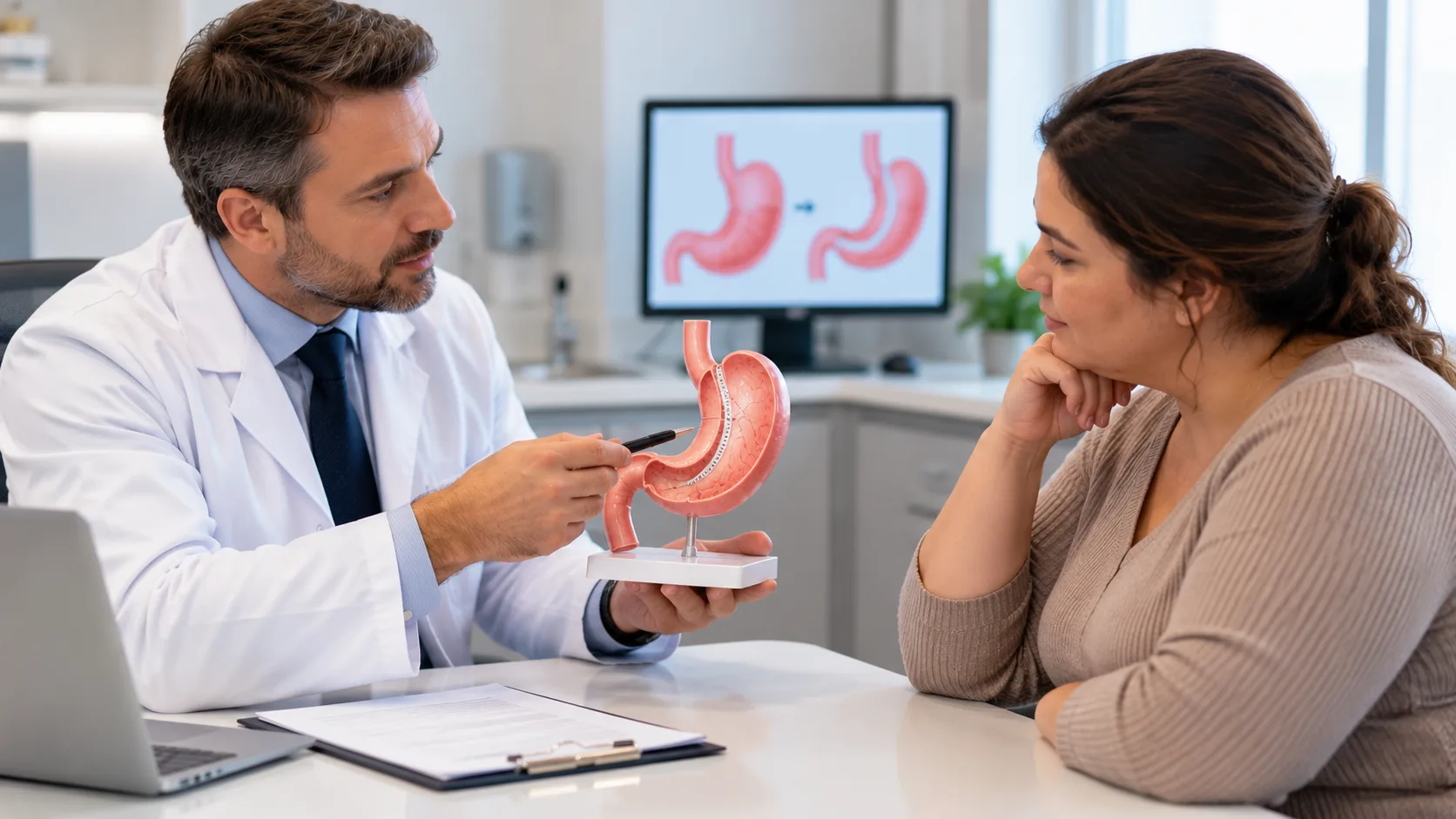
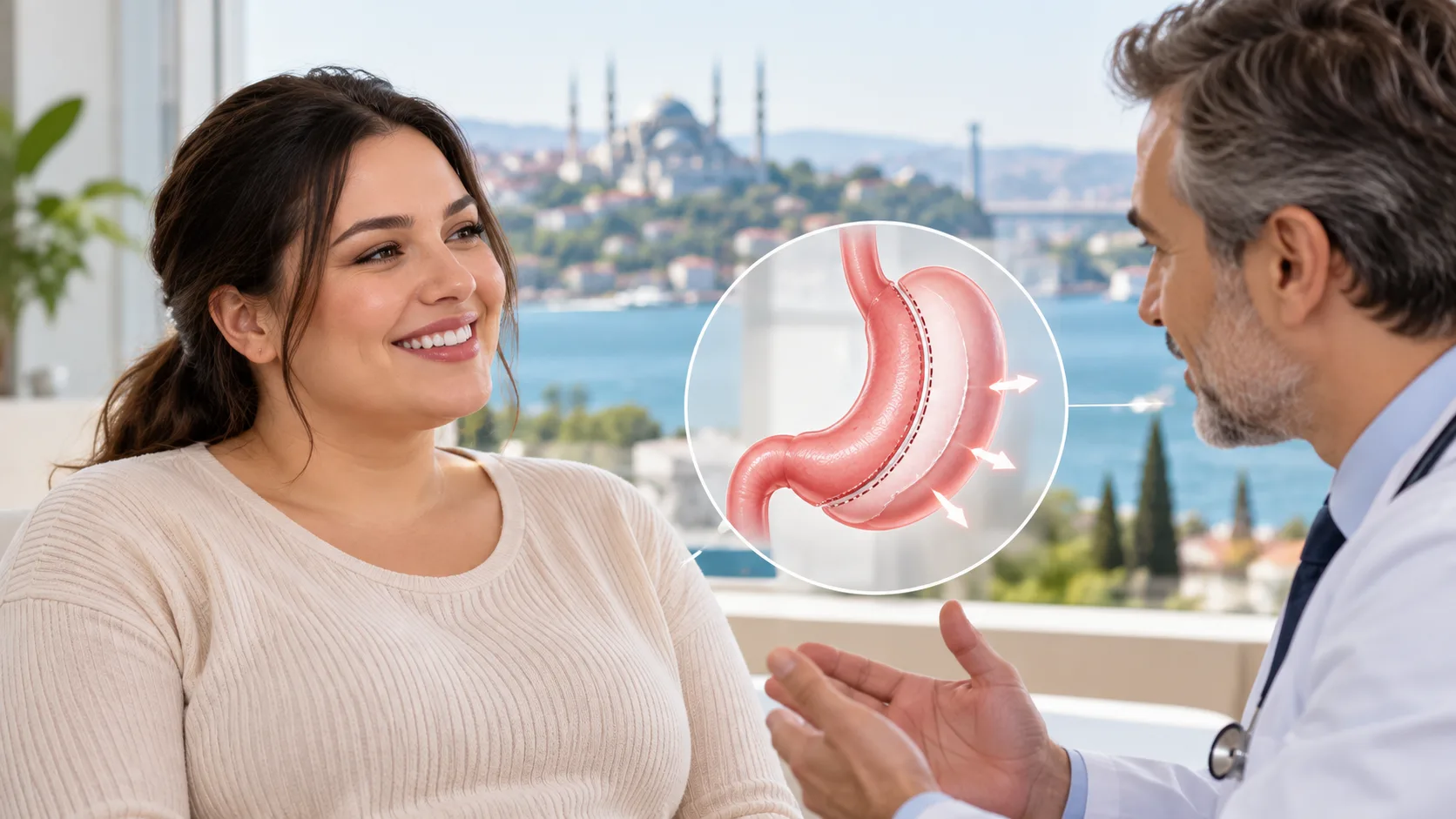
A gastric balloon occupies space in the stomach for six to twelve months and helps patients eat less. The balloon works best when patients follow a structured gastric balloon diet plan that adapts food texture to the stomach's healing process and builds habits for long-term weight management.
This guide covers the full dietary journey: pre-procedure preparation, the four recovery diet stages, recommended foods, foods to avoid, hydration, symptom management, and weight maintenance after removal. Timelines vary by balloon type and tolerance, so always follow the schedule your treating team provides.
How Does a Gastric Balloon Affect Eating Habits?
The balloon fills part of the stomach, so you feel full faster and need smaller portions. You must still change your eating habits, because the restriction is temporary.
The balloon reduces the stomach's available volume and delays gastric emptying, which increases fullness after small meals (Pasquali et al. 1990). This physical effect means most patients tolerate smaller portions and must slow their eating pace to avoid pressure and discomfort.
However, the balloon is a tool, not a cure. It creates a window for habit change. Research shows patients lose more weight when the balloon is combined with a supervised diet and behavioral program than when they rely on the device alone (Zheng et al. 2015). The habits you build during balloon treatment determine your results after removal.
What Should You Eat Before Gastric Balloon Placement?
Follow your clinic's fasting instructions exactly, usually no food or drink for six to eight hours before the procedure.
Fasting keeps the stomach empty during sedation and reduces the risk of complications. Some teams prescribe a short low-calorie or low-residue diet before placement to shrink the liver and improve access. Confirm these details with your clinician, along with instructions for blood-thinning medication, diabetes medication, and hydration. Fasting duration varies with the sedation protocol, so never assume a universal schedule.
What Are the Four Stages of a Gastric Balloon Diet Plan?
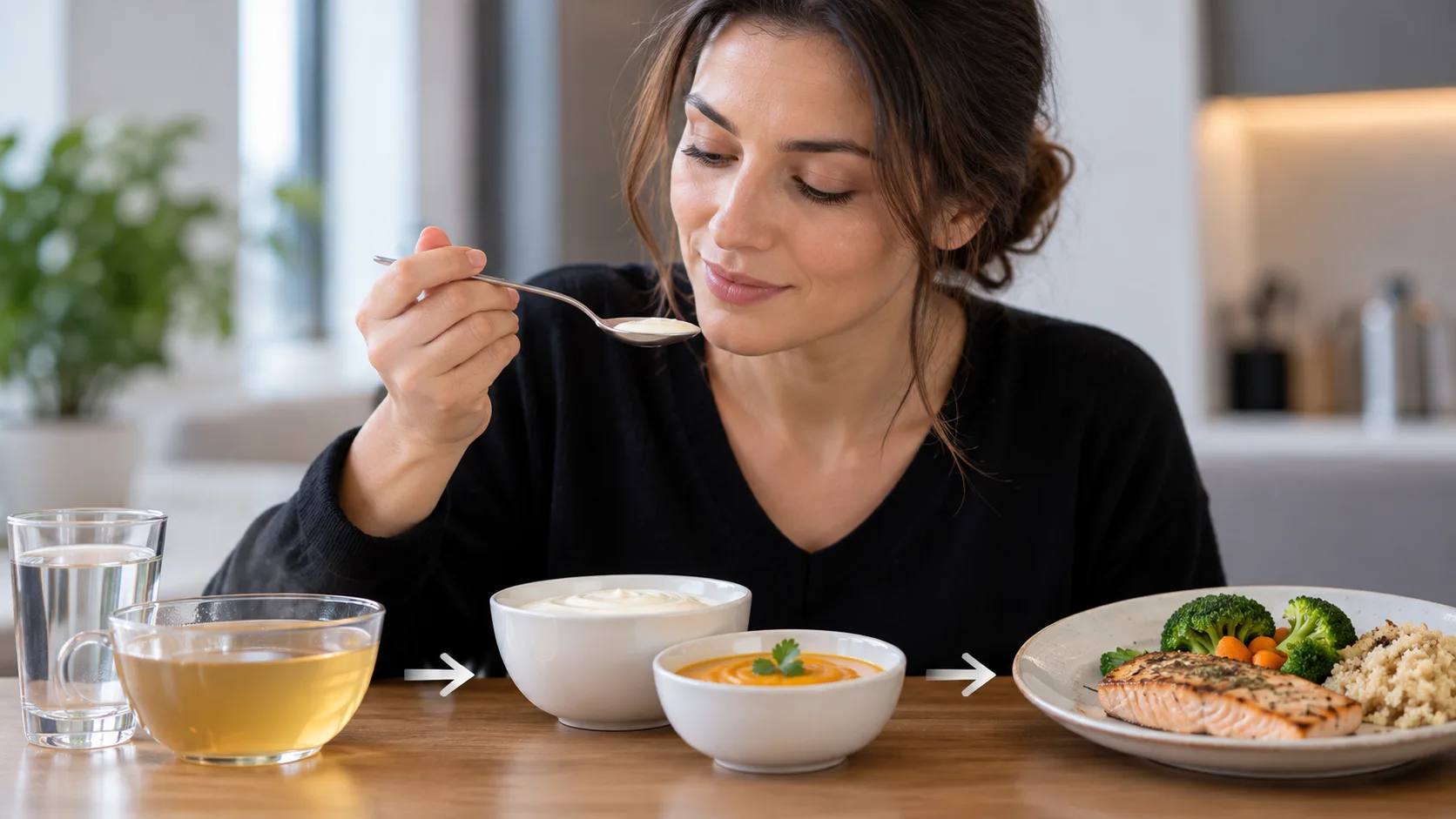
Most protocols move from liquids to puréed foods, then soft foods, then regular texture, over one to three weeks. Published timings differ, so follow your own team's schedule.
Each stage lets the stomach adapt to the balloon while minimizing nausea and pain. Skipping stages increases the risk of vomiting and dehydration, the most common reasons for early balloon removal (Trang et al. 2018).
Stage 1: Which Liquids Can You Consume During the First Week?
Drink smooth, protein-rich liquids such as milk, protein shakes, and sieved soups, sipped in small, frequent amounts.
Liquids require no chewing and pass the stomach easily while it adjusts. Aim for 1.5 to 2 liters of fluid daily, prioritizing protein-rich options like skimmed milk, kefir, and high-protein soups to protect muscle mass. Take small sips every few minutes rather than large gulps.
Avoid carbonated drinks, which cause bloating, and high-sugar drinks, which add calories without nutrition.
Sample liquid day: Protein shake for breakfast, blended lentil soup mid-morning, milk or kefir at lunch, a second protein shake mid-afternoon, smooth yogurt-based soup for dinner, and water or herbal tea between meals.
Stage 2: How Should You Prepare Puréed Foods?
Blend foods until completely smooth and lump-free, then eat small portions slowly.
Suitable options include blended chicken or fish, smooth lentil soup, plain yogurt, and puréed vegetables. Add liquid or skimmed milk powder to reach a pourable consistency. Start with three to four tablespoons per meal and increase only as tolerated.
Stay at this texture until your care team confirms progression. Textured food too early can trigger vomiting and gastric irritation.
Stage 3: Which Soft Foods Are Suitable During Recovery?
Choose moist foods you can mash with a fork, such as scrambled eggs, tender fish, mashed potato, soft vegetables, and minced lean meat.
These foods provide more protein and fiber than purées while remaining gentle. Introduce variety across food groups without enlarging portions. Avoid hard, dry, tough, or chewy items such as crusty bread, steak, and raw carrot at this stage, since they cause pressure and discomfort.
Stage 4: How Can You Return to Regular Foods Safely?
Reintroduce normal-texture foods one at a time, chew thoroughly, and keep portions small.
Build meals around lean protein, cooked vegetables, fruit, whole grains, and other nutrient-dense foods. Eat slowly, stop at the first sign of fullness, and wait before adding more food. Regular texture does not mean a return to old habits. The balloon only restricts volume, so food quality now shapes your long-term result.
What Foods Should You Include in a Gastric Balloon Diet Plan?
Build each meal around protein, add vegetables and fruit, include modest whole-grain carbohydrates and healthy fats, and match texture to your recovery stage.
Which Protein-Rich Foods Help Meet Daily Nutritional Needs?
Eat eggs, fish, skinless poultry, lean meat, low-fat dairy, tofu, and legumes at every stage, prepared to match your current texture.
Protein preserves muscle mass during rapid weight loss and supports tissue repair. Add protein powder to soups and shakes in early stages, then shift to soft animal and plant proteins. Your care team should set your daily protein target based on your weight and health status.
Which Fruits and Vegetables Should You Choose?
Start with cooked, soft vegetables and peeled, soft fruit; introduce raw produce and fibrous textures gradually.
Vegetables and fruit supply vitamins, minerals, and fiber. Skins, seeds, and stringy fibers are hard to tolerate early on. As food tolerance improves, increase fiber slowly to protect digestive comfort.
Are Whole Grains and Other Carbohydrates Allowed?
Yes, choose oats, porridge, rice, and potatoes for energy, and favor whole grains over refined products once you tolerate texture.
Carbohydrates fuel daily activity, but portion size and texture matter most during recovery. A small portion of mashed potato fits Stage 3; a large bowl of fibrous whole grains may not.
Which Healthy Fats Can Be Included in Small Portions?
Use olive oil, avocado, and smooth nut butters in small amounts once you tolerate soft textures.
Unsaturated fats support a balanced diet, but they are energy-dense, so portion awareness is essential. Avoid whole nuts and seeds early in recovery because hard textures cause discomfort.
What Foods and Drinks Should You Avoid After Gastric Balloon Placement?
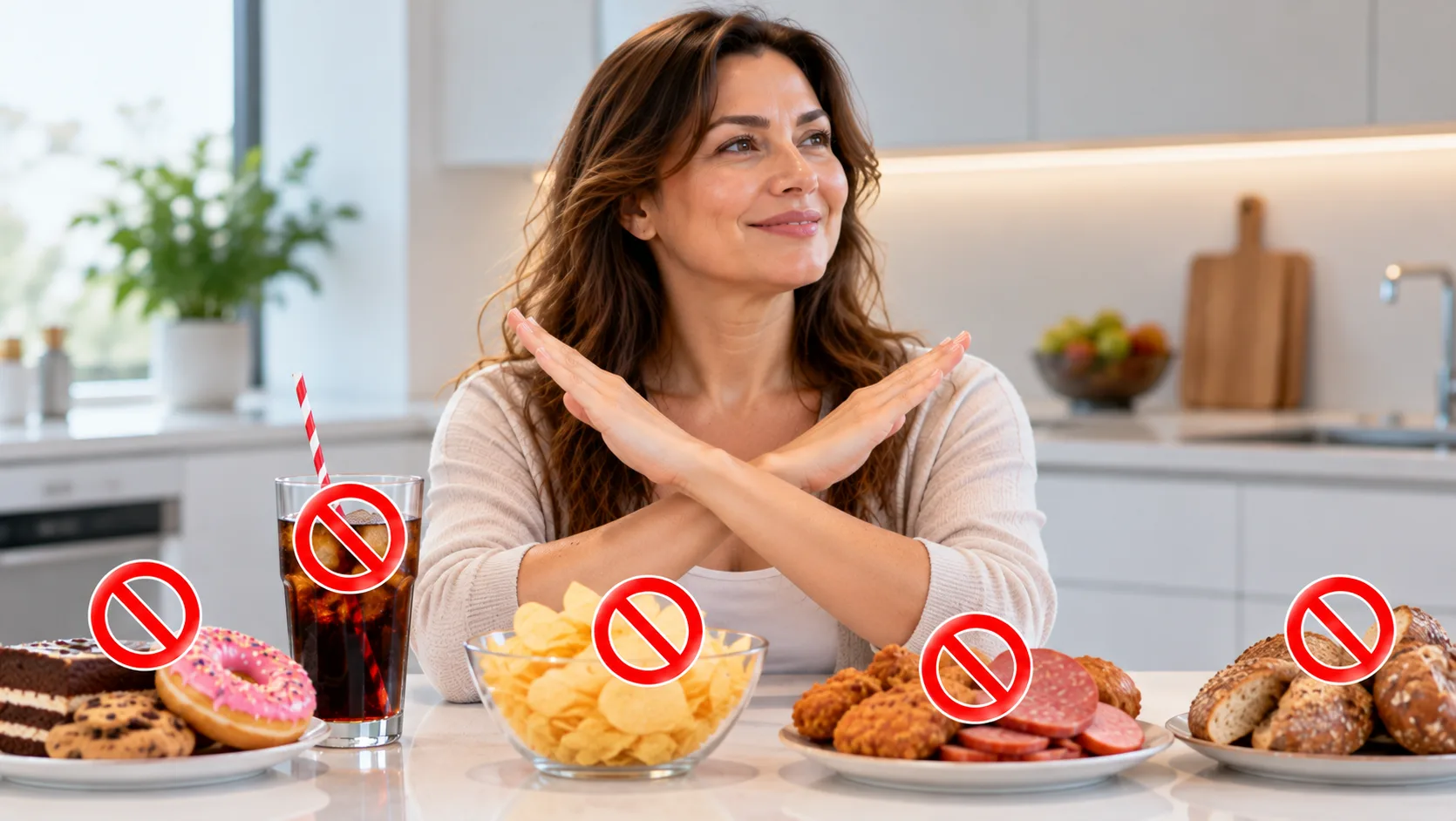
Limit sugary foods, carbonated drinks, and alcohol long term, and avoid tough, dry textures during early recovery.
Why Should You Limit Sugary and High-Calorie Foods?
Sweets, pastries, sugary drinks, and frequent snacks add calories without nutrients and undermine weight loss.
Small stomach capacity does not compensate for energy-dense choices. Swap sweetened drinks for water or unsweetened tea, and trade pastries for protein-rich snacks like yogurt.
Can Carbonated Drinks and Alcohol Cause Problems?
Avoid carbonated drinks because they cause bloating and discomfort, and avoid alcohol during recovery entirely.
Carbonation expands the limited stomach space. Alcohol adds empty calories, disrupts hydration, and irritates the stomach lining. Reintroduce it only if your treating team later confirms it is appropriate.
Which Textures May Be Difficult to Tolerate?
Tough meat, dry bread, hard vegetables, and thick skins challenge the reduced stomach space during recovery.
Thorough chewing and moist preparation reduce the risk of obstruction-like discomfort. These are temporary restrictions; long-term limits depend on individual tolerance.
How Can You Build a Daily Gastric Balloon Meal Plan?
Plan three small meals plus one or two protein-based snacks, distributed across the day.
What Does a Sample Gastric Balloon Meal Plan Look Like?
Once you reach regular texture, a balanced day looks like this.
Meal | Example |
Breakfast | Scrambled egg with a small portion of soft whole-grain toast |
Mid-morning snack | Plain high-protein yogurt |
Lunch | Baked fish with cooked vegetables |
Afternoon snack | Soft fruit or a protein-rich snack |
Dinner | Lean chicken with cooked vegetables and a modest portion of potato |
Between meals | Small, frequent sips of water |
This menu suits the regular-texture stage only. Calorie intake, portions, and meal frequency need individual adjustment with your dietitian.
How Should You Adjust Portion Sizes as Your Tolerance Improves?
Start small, increase slowly, and stop eating at the first sign of fullness.
Use a small plate or bowl to control servings. Never force food to finish a planned portion. Comfort is the correct signal, not an empty plate.
Should You Eat Snacks Between Meals?
Planned protein snacks are useful; continuous grazing on calorie-dense snacks is not.
Snacks bridge the nutrition gap when meals are small. They should complement meals, not replace them.
How Much Water Should You Drink With a Gastric Balloon?
Sip fluids frequently throughout the day rather than drinking large volumes at once.
Reduced food intake lowers fluid intake, so dehydration is a real risk. Many protocols recommend separating drinks from meals by 30 minutes to improve comfort. Your team will set your individual daily fluid target.
How Can You Prevent Nausea, Vomiting, and Digestive Discomfort?
Eat slowly, chew thoroughly, keep portions small, and never advance diet stages faster than your body allows.
Nausea and discomfort are common in the first days because the stomach adapts (Trang et al. 2018). Take prescribed anti-nausea medication as directed. Do not move to the next diet stage until you tolerate the current one. Contact your bariatric team if symptoms persist or prevent you from eating and drinking.
Which Nutrients and Supplements May You Need After Gastric Balloon Placement?
Reduced intake can create gaps in protein, iron, vitamin B12, folate, calcium, and vitamin D, so testing guides supplementation.
Unlike bariatric surgery, the balloon does not alter absorption, so not every patient needs supplements (Gletsu-Miller and Wright 2013). Your clinician should base any regimen on blood tests and dietary review. A registered dietitian should reassess your intake at follow-up visits.
How Does a Gastric Balloon Diet Plan Support Weight Loss?
Smaller portions create a calorie deficit, and balanced nutrition plus activity and follow-up care sustain it.
Patients in structured programs typically achieve meaningful short-term weight loss, with systematic reviews reporting average total body weight loss around 10 to 15 percent (Yorke et al. 2016). Results vary with adherence, baseline health, and behavioral support. No protocol can promise a specific number.
How Can You Maintain Weight Loss After Gastric Balloon Removal?
Keep the portion control, balanced meals, and activity habits you built, and arrange a maintenance plan before removal.
Long-term studies show many patients regain weight without ongoing support (Keren and Rainis 2018). Set your post-removal nutrition and follow-up plan with your dietitian in advance. Behavioral support helps you manage hunger without the balloon's physical restriction.
When Should You Contact Your Doctor During Gastric Balloon Treatment?
Seek prompt assessment for persistent vomiting, inability to keep fluids down, severe abdominal pain, or dehydration, and urgent care for vomiting blood, fainting, or worsening severe pain.
These symptoms can signal serious complications, and dietary adjustments never substitute for medical evaluation. Contact your bariatric team if you cannot progress through the diet stages.
Frequently Asked Questions About the Gastric Balloon Diet Plan
How Long Do You Need to Follow a Special Diet After Gastric Balloon Placement?
The texture-modified recovery diet usually lasts one to three weeks; the healthy eating plan continues long term.
Can You Eat Normally With a Gastric Balloon?
Yes, most patients return to regular texture with smaller portions, slow eating, and careful chewing.
Can You Drink Coffee After Gastric Balloon Placement?
Avoid coffee during early recovery if it triggers nausea or reflux, and confirm reintroduction timing with your team.
Can You Eat Bread and Rice With a Gastric Balloon?
Reintroduce them gradually with small portions and thorough chewing as your diet stage allows.
What Happens If You Eat Too Much After Gastric Balloon Placement?
Overeating causes pressure, nausea, vomiting, and abdominal pain. Stop at the first sign of fullness.
Do You Need to Follow a Diet After the Balloon Is Removed?
Yes. Long-term habits, not the balloon, determine whether weight loss lasts. Continue dietitian support after removal.
References
Gletsu-Miller, N., and B. N. Wright. "Mineral Malnutrition Following Bariatric Surgery." Advances in Nutrition, vol. 4, 2013, pp. 506-517.
Keren, D., and T. Rainis. "Intragastric Balloons for Overweight Populations: 1 Year Post Removal." Obesity Surgery, vol. 28, 2018, pp. 2368-2373.
Pasquali, R., et al. "Mechanisms of Action of the Intragastric Balloon in Obesity: Effects on Hunger and Satiety." Appetite, vol. 15, 1990, pp. 3-11.
Trang, J., et al. "Incidence of Nausea and Vomiting After Intragastric Balloon Placement in Bariatric Patients: A Systematic Review and Meta-Analysis." International Journal of Surgery, vol. 57, 2018, pp. 22-29.
Yorke, E., et al. "Intragastric Balloon for Management of Severe Obesity: A Systematic Review." Obesity Surgery, vol. 26, 2016, pp. 2248-2254.
Zheng, Y., et al. "Short-Term Effects of Intragastric Balloon in Association with Conservative Therapy on Weight Loss: A Meta-Analysis." Journal of Translational Medicine, vol. 13, 2015, p. 246.