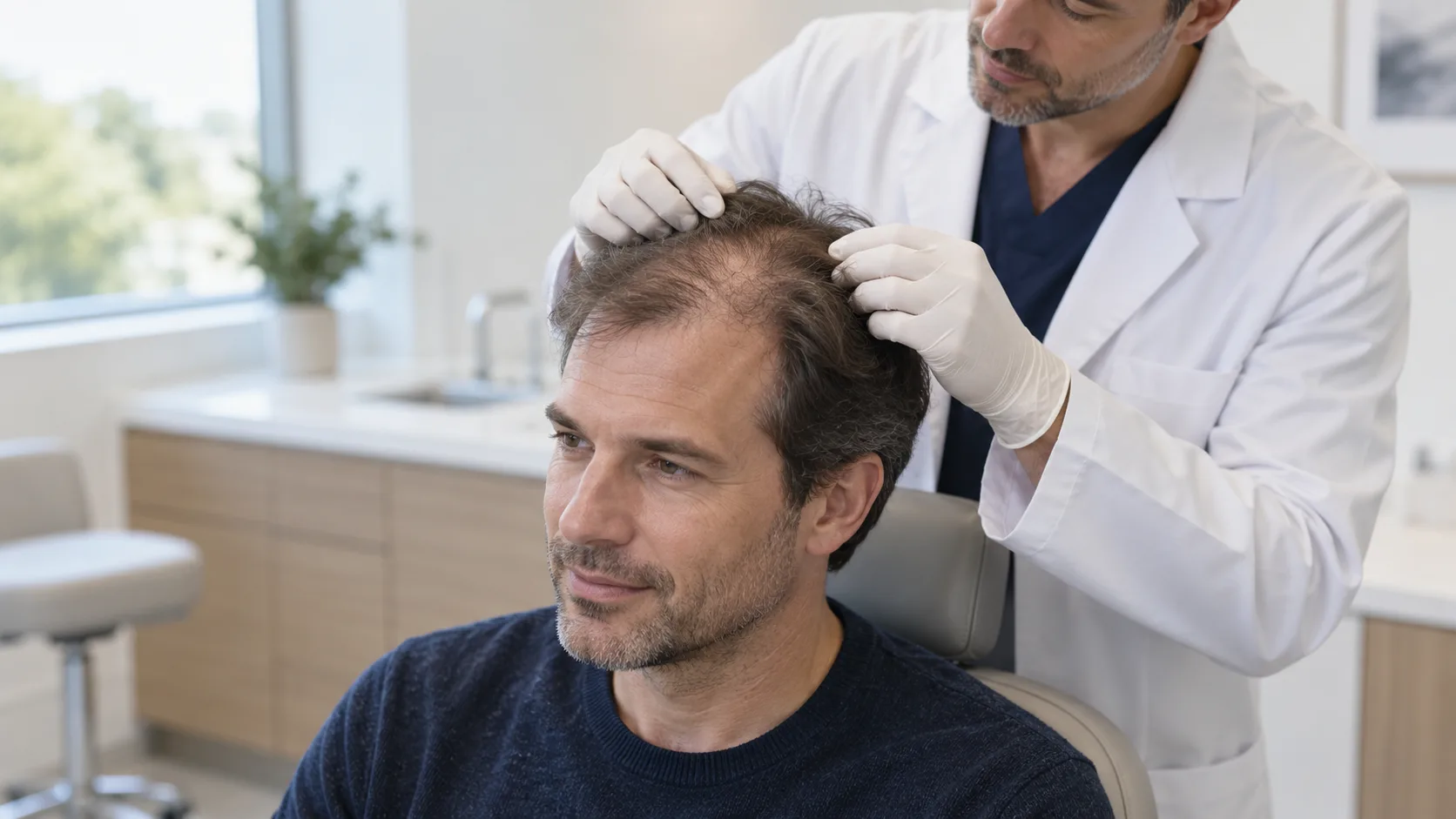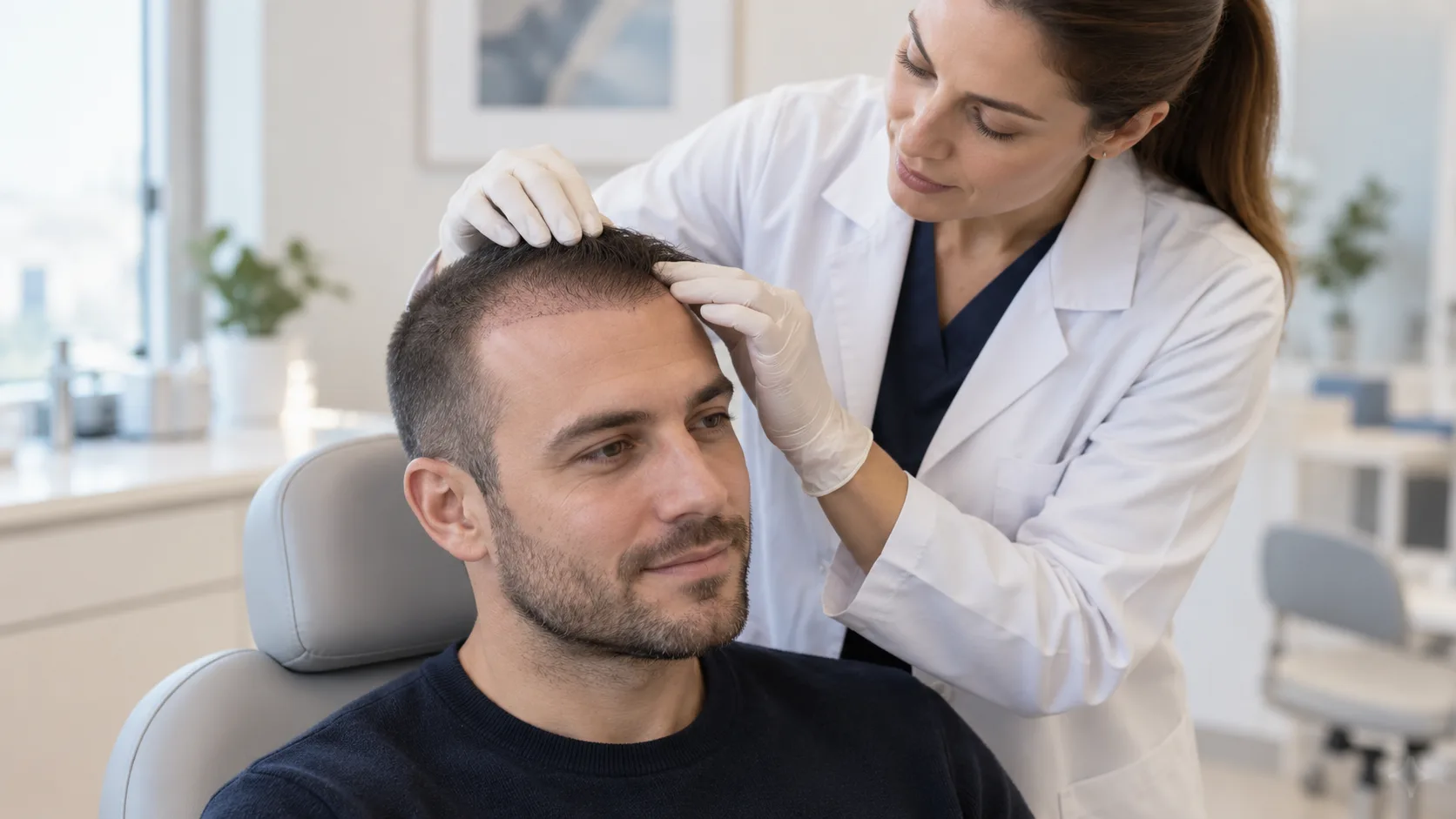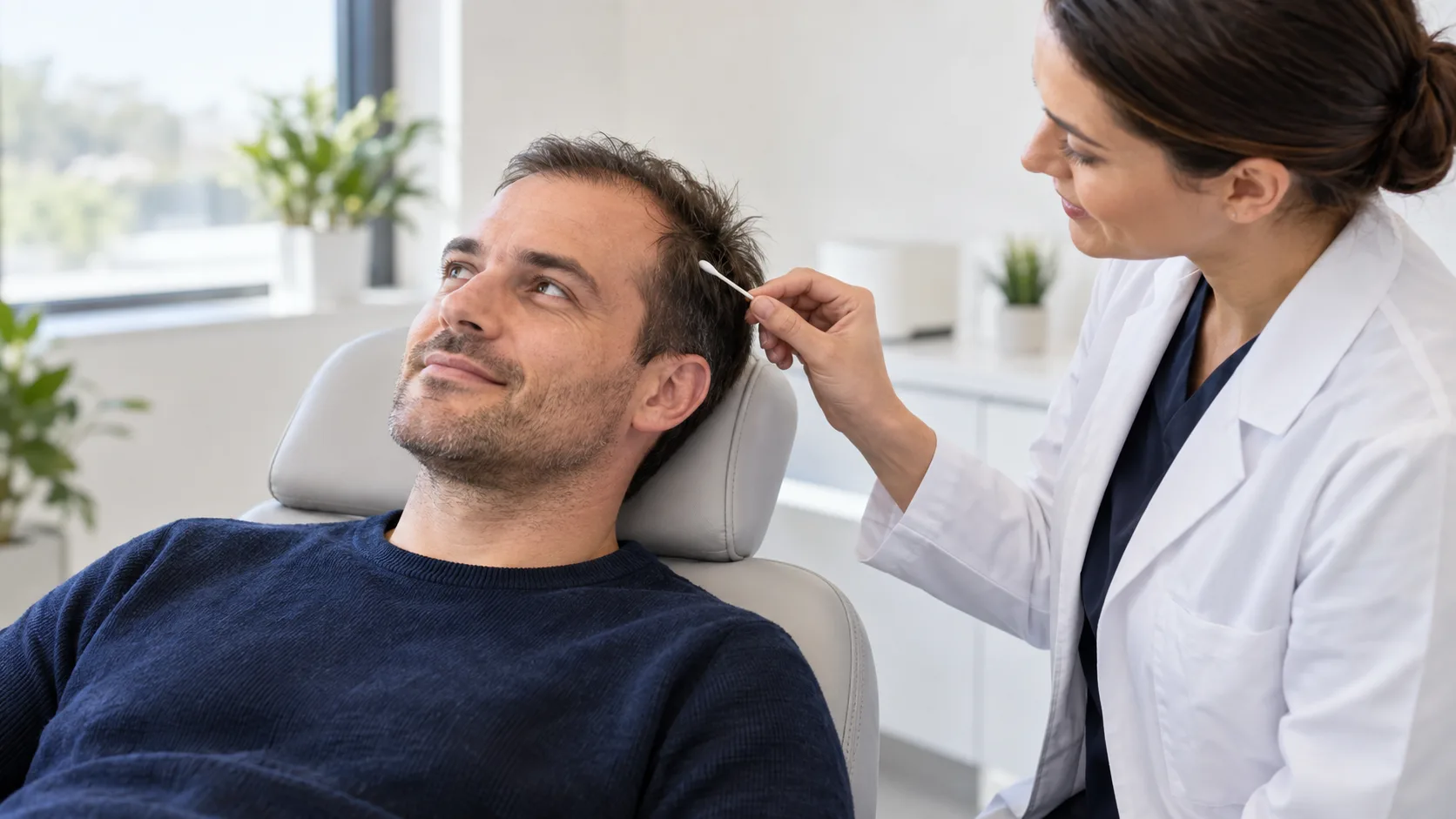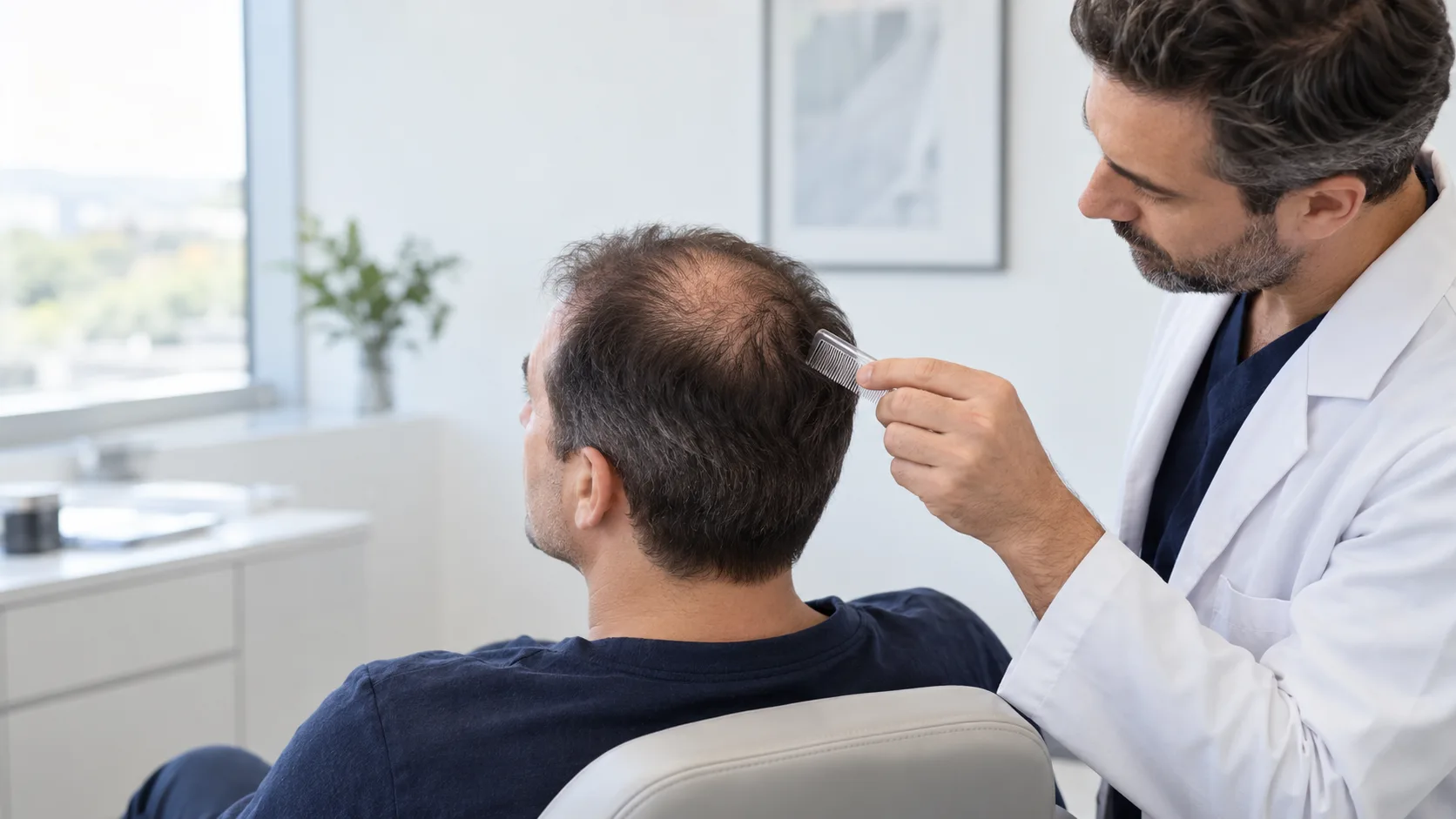
Recuperación tras un trasplante capilar Sapphire FUE en Turquía
Turquía se ha convertido en la referencia mundial en cirugía de restauración capilar. Cada año, miles de pacientes internacionales viajan a Estambul y otras ciudades turcas para someterse a trasplantes capilares Sapphire FUE.Sapphire FUE representa la forma más avanzada de extracción de unidades foliculares disponible en la actualidad. Esta técnica emplea hojas de zafiro en lugar de las tradicionales de acero. El zafiro permite incisiones más nítidas y precisas. Los pacientes experimentan menos trauma. La cicatrización es más rápida. Los resultados lucen más naturales.
Comprender el calendario de recuperación ayuda a los pacientes a prepararse mental y físicamente. La recuperación tras Sapphire FUE sigue un patrón predecible. Cada fase trae cambios específicos. Algunas fases causan preocupación temporal. Otras aportan alegría visible. Este artículo explica cada etapa de la recuperación, responde a preguntas frecuentes, aporta evidencia científica y guía a los pacientes hacia los mejores resultados.
¿Qué es la trasplantología capilar Sapphire FUE?
Sapphire FUE es una técnica avanzada de restauración capilar que utiliza hojas de zafiro para extraer e implantar folículos pilosos individuales con excepcional precisión.
Sapphire FUE significa Extracción de Unidades Foliculares con zafiro. Los cirujanos emplean hojas fabricadas con cristal sintético de zafiro, que cortan de forma más nítida y limpia que las alternativas de acero. La técnica extrae unidades foliculares individuales de la zona donante y luego implanta estos injertos en diminutos sitios receptores. Todo el procedimiento se realiza con anestesia local; el paciente permanece despierto durante la intervención.
Bernstein y colaboradores (2013) describen la FUE como el estándar de oro en la trasplantología capilar moderna. La técnica evita cicatrices lineales, permite peinados cortos y produce resultados de apariencia natural. Sapphire FUE se apoya en esta base y añade una tecnología de hoja superior. El zafiro alcanza 9 en la escala de dureza de Mohs; solo el diamante es más duro. Esta dureza permite filos de hoja ultra delgados.
¿En qué se diferencia Sapphire FUE de la FUE estándar?
Sapphire FUE utiliza hojas de zafiro más duras y afiladas que crean incisiones más pequeñas y provocan menos traumatismo tisular que las hojas de acero estándar.
La FUE estándar emplea hojas o punchs de acero, que pierden filo con rapidez, generan incisiones ligeramente mayores y provocan más alteración tisular. Las hojas de zafiro mantienen su filo durante todo el procedimiento y producen incisiones en V tan pequeñas como 0,6 a 0,8 milímetros. Las hojas de acero suelen crear incisiones de 1,0 a 1,2 milímetros.
Las incisiones más pequeñas permiten una mayor densidad de injertos: los cirujanos pueden colocar los injertos más juntos, el cuero cabelludo cicatriza más rápido, hay menos enrojecimiento y las costras se resuelven con mayor rapidez. Cole (2014) señala que la nitidez de la hoja influye directamente en las tasas de supervivencia de los injertos: hojas más afiladas reducen el daño por aplastamiento a los folículos y preservan el tejido delicado que rodea cada raíz capilar.
Sapphire FUE también mejora el resultado estético. El control preciso del ángulo y la dirección crea una línea capilar natural. Cada injerto se coloca a la profundidad correcta. El tejido circundante sufre un daño mínimo. La circulación sanguínea se mantiene fuerte. Esto favorece una cicatrización más rápida y una mejor supervivencia de los injertos.
¿Por qué es popular Sapphire FUE en Turquía?
Turquía ofrece equipos quirúrgicos experimentados, tecnología avanzada de zafiro, paquetes integrales de turismo médico y excelente atención a pacientes internacionales.
Los cirujanos turcos realizan más trasplantes capilares al año que los de cualquier otro país. Este alto volumen genera una experiencia sin igual. Muchas clínicas turcas fueron pioneras en la tecnología Sapphire FUE. Han invertido en los equipos más recientes y han formado equipos específicamente para esta técnica.
Los paquetes de turismo médico atraen a pacientes internacionales. Estos paquetes incluyen traslados desde el aeropuerto, alojamiento en hotel, servicios de clínica y cuidados posoperatorios. Los pacientes reciben apoyo integral. Las barreras idiomáticas desaparecen. Coordinadores dedicados gestionan cada detalle.
Zontos y Apostolou (2015) resaltan el creciente dominio de Turquía en el turismo médico para la restauración capilar. El país combina precios competitivos con estándares de clase mundial. Las clínicas turcas mantienen protocolos de higiene estrictos y siguen normas de acreditación internacionales. Pacientes de Europa, Oriente Medio y Norteamérica eligen Turquía por estas razones.
¿Qué ocurre inmediatamente después de un trasplante capilar Sapphire FUE?
Los pacientes experimentan molestias leves, vendaje, hinchazón y enrojecimiento a medida que la anestesia local desaparece durante las primeras horas.
El periodo posoperatorio inmediato establece la base para una cicatrización exitosa. Los pacientes necesitan expectativas claras y instrucciones precisas. Las primeras horas determinan las tasas de supervivencia de los injertos.
Las primeras horas
La anestesia local desaparece entre dos y cuatro horas, provocando molestias leves, sensación de tirantez y sensibilidad en las zonas donante y receptora.
El equipo quirúrgico coloca un vendaje ligero en el área donante. Este vendaje protege los sitios de extracción y absorbe cualquier pequeño sangrado. El área receptora queda al aire; los cirujanos evitan cubrir los injertos implantados. Los injertos necesitan exposición al oxígeno y una temperatura estable.
Los pacientes sienten adormecimiento al principio. Este adormecimiento desaparece conforme la anestesia se disipa. Le sigue una ligera molestia que se percibe como una sensación de casco apretado. Algunos pacientes notan un dolor sordo. La mayoría controla estas molestias con analgésicos de venta libre.
¿Qué se considera normal?
Sangrado leve, hinchazón, enrojecimiento, tirantez y sensibilidad son totalmente normales durante las primeras 24 a 48 horas.
Pueden aparecer pequeños puntos de sangre en el área receptora. Este sangrado se detiene rápidamente. Las diminutas incisiones forman costra en minutos. La hinchazón comienza alrededor de la frente y las sienes, alcanzando su máximo alrededor del tercer día. El enrojecimiento rodea tanto la zona donante como la receptora. El cuero cabelludo se siente tirante porque la piel se estira para acomodar los nuevos injertos.
Uebel (1997) explica que el traumatismo del cuero cabelludo desencadena una respuesta inflamatoria normal: los vasos sanguíneos se dilatan y se acumula líquido en los tejidos. Esta inflamación protege las heridas, aporta células inmunitarias e inicia la cascada de curación. Los pacientes no deben temer estos signos normales.
Primera noche después de la cirugía
Los pacientes deben dormir con la cabeza elevada, evitar tocar los injertos y beber abundante agua durante la primera noche.
La posición al dormir es crucial. Los pacientes deben dormir boca arriba y elevar la cabeza con dos o tres almohadas. Esta elevación reduce la hinchazón y previene la acumulación de líquidos en el rostro. Dormir de lado conlleva el riesgo de rozar los injertos contra la almohada; dormir boca abajo aplica presión directa. Ambas posiciones pueden desplazar los injertos.
La hidratación favorece la cicatrización. El agua ayuda a transportar nutrientes y a eliminar desechos. Los pacientes deben beber al menos ocho vasos de agua. Deben evitar la cafeína y el alcohol, ya que ambas sustancias deshidratan el cuerpo y pueden aumentar el riesgo de sangrado.
Cronograma de recuperación tras un trasplante capilar Sapphire FUE en Turquía
La recuperación completa abarca de 12 a 18 meses e incluye fases diferenciadas: curación inicial, shock loss, fase de reposo, crecimiento temprano y maduración final.
El cronograma de recuperación sigue la biología natural de los folículos pilosos. Cada fase tiene un propósito. La paciencia ofrece los mejores resultados. Comprender cada etapa evita ansiedad innecesaria.
Día 1
El primer día aparece sensibilidad en el cuero cabelludo, se sigue un régimen estricto de medicación, se aplican sprays salinos y se recomienda descanso absoluto.
El cuero cabelludo está sensible. Los pacientes deben tomar los antibióticos prescritos para prevenir infecciones y el antiinflamatorio para controlar la inflamación. Deben aplicar el spray salino cada pocas horas para mantener los injertos húmedos y evitar que se sequen.
El reposo es clave el primer día. Los pacientes deben evitar cualquier actividad física, no inclinarse (pues aumenta la presión sanguínea en la cabeza y puede provocar sangrado) y no levantar objetos pesados; deben mantener la frecuencia cardíaca baja.
Días 2–3
La inflamación alcanza su punto máximo, comienzan a formarse costras, la zona donante empieza a cicatrizar y se entregan las primeras instrucciones de lavado.
La inflamación suele extenderse a la frente y alrededor de los ojos; algunos pacientes presentan párpados hinchados. Es llamativo pero no peligroso; la hinchazón cede de forma natural. Compressas frías en la frente ayudan, pero nunca debe aplicarse hielo directamente sobre los injertos.
Se forman costras sobre las pequeñas incisiones que protegen las heridas y evitan la entrada de bacterias. En la zona donante aparecen pequeñas costras sobre cada sitio de extracción. La clínica proporciona instrucciones específicas de lavado para enjuagar el cuero cabelludo con suavidad y qué productos utilizar.
Días 4–7
Las costras se vuelven más visibles, la rojez disminuye, los pacientes comienzan la limpieza suave y deben evitar rascarse el cuero cabelludo.
Las costras se oscurecen al secarse y pueden resultar antiestéticas, pero es vital no arrancarlas: hacerlo puede desalojar injertos, introducir bacterias y crear cicatrices. El lavado suave ablanda las costras; la clínica indica un champú especial que se diluye y se vierte sobre el cuero cabelludo sin frotar, dejando que el agua elimine los restos.
La rojez disminuye de forma significativa hacia el día siete. La zona donante está menos sensible y la mayoría de pacientes pueden volver a paseos suaves, evitando aún actividades intensas y protegiendo el cuero cabelludo del polvo y la contaminación.
Semana 2
Las costras caen de forma natural, los injertos quedan firmemente asentados, los pacientes pueden retomar trabajo de oficina y la comodidad del cuero cabelludo mejora notablemente.
La caída natural de las costras marca un hito: se desprenden sin resistencia y, alrededor del día diez, los injertos se fijan firmemente al cuero cabelludo. Los vasos sanguíneos se reconectan y los folículos establecen su irrigación. Los pacientes pueden reintegrarse al trabajo de oficina y participar en actividades sociales ligeras.
Jimenez y Ruifernandez (2012) confirman que la supervivencia del injerto depende de una revascularización rápida: los nuevos vasos deben alcanzar los bulbos foliculares en cuestión de días. Sapphire FUE acelera este proceso porque las incisiones más pequeñas cicatrizan antes y los vasos se reconectan más pronto.
Semanas 3–4
Comienza la pérdida por shock; los pacientes observan una caída temporal del cabello, lo cual es una parte completamente normal de la recuperación.
La pérdida por shock sorprende a muchos pacientes. Los cabellos trasplantados se caen. Los folículos permanecen vivos bajo la piel. Solo se desprenden los tallos visibles. Esta caída indica que los folículos entran en una fase de reposo y se preparan para un nuevo crecimiento.
True (1986) explica claramente el ciclo de crecimiento capilar. El cabello crece mediante las fases anágena, catágena y telógena. La trasplante provoca que los folículos pasen a telógeno. Permanecen en reposo varias semanas y luego vuelven a la anágena. Aparecen nuevos cabellos. Los pacientes deben confiar en este proceso biológico.
Meses 2–3
La fase de reposo continúa, la mejoría visible sigue siendo limitada y los folículos se recuperan bajo la superficie del cuero cabelludo.
El cuero cabelludo luce similar al estado previo a la cirugía. Algunos pacientes se preocupan y temen que el procedimiento haya fallado. Ese temor es innecesario. Los folículos trabajan en silencio bajo la piel: reconstruyen su estructura y refuerzan su fijación. La zona donante sana por completo y cualquier enrojecimiento remanente desaparece.
Los pacientes deben mantener hábitos saludables: consumir alimentos ricos en proteínas, tomar vitaminas y evitar fumar. El tabaquismo constriñe los vasos sanguíneos, reduce la entrega de oxígeno y retrasa la fase de crecimiento.
Meses 3–4
Aparece el incipiente crecimiento nuevo, primero brotan cabellos finos y suaves, y los pacientes deben mantener expectativas realistas.
Los primeros cabellos nuevos emergen como vello suave. Son finos y a veces de color más claro; carecen del grosor del cabello maduro. Esta apariencia es temporal: los folículos producen inicialmente tallos inmaduros que se fortalecen con el tiempo.
Los pacientes deben fotografiar su progresión mensualmente. Esas fotos revelan cambios sutiles: la línea capilar toma forma y la densidad aumenta gradualmente. La mayoría de los pacientes se siente ilusionada en esta etapa: la espera empieza a dar resultados.
Meses 5–6
La densidad capilar aumenta de forma significativa, la textura mejora y la línea capilar adquiere un aspecto natural.
Los cabellos nuevos se engrosan, ganan pigmento y adquieren más cuerpo. La línea capilar deja de verse translúcida. Los pacientes pueden peinarse con productos ligeros y la cobertura mejora en toda el área receptora.
Beehner (2015) señala que las mejoras en la densidad se vuelven clínicamente significativas alrededor del sexto mes. Pacientes y médicos pueden evaluar el resultado temprano; la mayoría alcanza entre el 40 y el 50 por ciento de su densidad final en este momento.
Meses 7–9
Los pacientes observan una mejoría cosmética notable, el cabello se densifica considerablemente y aumentan las opciones de peinado.
El cabello gana volumen real, responde al peinado y al estilo, y la textura se asemeja al cabello nativo. La línea capilar enmarca el rostro de forma natural. Muchos pacientes cortan y peinan su cabello con normalidad y recuperan confianza en entornos sociales y profesionales.
La zona donante no muestra signos visibles de la cirugía; los pequeños sitios de extracción desaparecen por completo. Incluso los peinados cortos lucen naturales y la apariencia general se transforma de forma notable.
Meses 10–12
Los resultados se acercan al estado casi definitivo, el crecimiento capilar madura y la apariencia se vuelve completamente natural.
El cabello alcanza aproximadamente entre el 80 y el 90 por ciento de la densidad final. Los tallos se engrosan hasta su diámetro máximo. La línea frontal adquiere características maduras. Los pacientes disfrutan de plena libertad de peinado. Pueden usar productos capilares. Pueden acudir al barbero con regularidad.
Devroye (2013) enfatiza que el punto del año ofrece una evaluación fiable del éxito quirúrgico. La mayoría de los injertos han producido cabello maduro. El cuero cabelludo se ha curado por completo. El resultado estético se estabiliza.
Meses 12–18
Se produce una maduración continua, se establece la densidad final y los pacientes completan la evaluación de su resultado a largo plazo.
Algunos folículos producen su mejor cabello entre los meses doce y dieciocho. El último 10 a 20 por ciento de mejora ocurre durante este periodo. El cabello alcanza su máximo grosor y cobertura. Los pacientes pueden evaluar su transformación completa.
El seguimiento a largo plazo es importante. Los pacientes deben mantener sus resultados. Deben considerar tratamientos médicos si presentan pérdida capilar continua. Deben programar revisiones anuales. Estas revisiones garantizan satisfacción duradera.
¿Por qué suele sanar antes la FUE con zafiro que la FUE tradicional?
La FUE con zafiro sana antes porque crea incisiones más pequeñas, provoca menos traumatismo tisular, mejora la circulación sanguínea, reduce la inflamación, hace que las costras desaparezcan más rápido y disminuye el riesgo de cicatrices.
La ventaja de cicatrización de las hojas de zafiro se basa en sólidos principios biomecánicos. Cada factor contribuye a una recuperación más rápida.
Incisiones receptoras más pequeñas
Las hojas de zafiro crean incisiones un 30 a 40 por ciento más pequeñas que las de acero, lo que permite un cierre de la herida más rápido.
La hoja de zafiro en forma de V realiza una incisión precisa. El ancho mide menos de un milímetro. El tejido del cuero cabelludo se comprime alrededor del injerto. La herida se cierra con una brecha mínima. Las heridas más pequeñas cicatrizan antes. Requieren menos formación de tejido nuevo. Dejan menos evidencia visible.
Menos traumatismo tisular
La extrema nitidez de las hojas de zafiro corta el tejido limpiamente sin rasgar ni triturar las células circundantes.
Las hojas desafiladas desgarran el tejido. Aplastan vasos sanguíneos. Dañan terminaciones nerviosas. Las hojas de zafiro evitan este trauma. El corte limpio preserva las estructuras adyacentes. Tejido sano rodea cada injerto. Este tejido sano favorece una reparación rápida.
Mejora de la circulación sanguínea
La mínima alteración tisular preserva la red microvascular, asegurando un flujo sanguíneo robusto hacia los injertos implantados.
Los vasos sanguíneos nutren el cuero cabelludo. Aportan oxígeno y nutrientes. Eliminan dióxido de carbono y desechos. Las incisiones con zafiro evitan seccionar estos vasos. Los injertos reciben perfusión inmediata. Una circulación fuerte acelera la cicatrización durante todo el periodo de recuperación.
Inflamación reducida
Los cortes limpios provocan una respuesta inflamatoria más leve que las heridas desgarradas, reduciendo la hinchazón y las molestias.
El cuerpo responde a una lesión con inflamación. Un trauma severo causa una inflamación intensa. Las hojas de zafiro minimizan la señal de lesión. El sistema inmunitario reacciona de manera moderada. La hinchazón se mantiene bajo control. El enrojecimiento desaparece con rapidez. Los pacientes se sienten más cómodos.
Resolución más rápida de costras
Las incisiones más pequeñas forman costras menores que se desprenden de forma natural entre los 10 y 14 días.
Las costras protegen las heridas. Las costras grandes tardan más en disolverse. Las pequeñas costras de las incisiones de zafiro se desprenden con facilidad. Un lavado suave las elimina sin esfuerzo. El cuero cabelludo se limpia más rápido. Los pacientes recuperan antes una apariencia normal.
Menor riesgo de cicatrices visibles
La precisión de las hojas de zafiro evita cicatrices visibles tanto en la zona donante como en la receptora.
Las cicatrices se forman cuando las heridas cicatrizan con exceso de colágeno. Las heridas grandes producen cicatrices grandes. Las incisiones con zafiro cicatrizan con una deposición mínima de colágeno. La piel permanece lisa. Los poros mantienen un aspecto natural. Incluso una inspección cercana no revela evidencias quirúrgicas.
¿Qué factores influyen en la recuperación tras una Sapphire FUE?
La cantidad de greftes, la calidad de la zona donante, la edad del paciente, la salud general, el tabaquismo, el consumo de alcohol, las condiciones médicas, la técnica quirúrgica y el cumplimiento del posoperatorio afectan la velocidad de recuperación y los resultados.
Múltiples variables determinan la rapidez y la completitud de la cicatrización de un paciente. Comprender estos factores ayuda a optimizar los resultados.
Número de greftes trasplantados
Un mayor número de greftes genera más incisiones totales, lo que prolonga el periodo inicial de cicatrización.
Un procedimiento de 2,000 greftes cicatriza más rápido que uno de 4,000 greftes. El cuero cabelludo debe cerrar el doble de sitios. La respuesta inflamatoria dura más tiempo. La hinchazón puede persistir varios días adicionales. Los pacientes con sesiones extensas necesitan más paciencia.
Calidad de la zona donante
La piel donante gruesa y elástica cicatriza más rápido que la piel delgada y frágil.
La calidad de la zona donante varía según la persona. Los pacientes más jóvenes suelen tener una donación capilar más densa. La elasticidad de su piel favorece un cierre rápido. Los pacientes de mayor edad pueden tener la piel más fina. Sus sitios de extracción tardan más en difuminarse. Una buena densidad donante también permite una mejor selección de greftes.
Edad del paciente
Los pacientes más jóvenes generalmente cicatrizan más rápido gracias a una regeneración celular más vigorosa y respuestas inmunitarias más fuertes.
La edad afecta todos los aspectos de la cicatrización. La piel más joven produce colágeno con mayor rapidez. Los vasos sanguíneos responden con más actividad. Las células inmunitarias funcionan con mayor eficiencia. Los pacientes mayores de cincuenta pueden experimentar un enrojecimiento ligeramente prolongado. Sus resultados finales siguen siendo satisfactorios si cumplen los cuidados adecuados.
Estado general
Un buen estado de salud general favorece una cicatrización más rápida, una mayor supervivencia de los injertos y un mejor crecimiento capilar a largo plazo.
Los pacientes sanos tienen una circulación fuerte. Transportan la nutrición adecuada al cuero cabelludo. Combaten la infección de forma eficaz. Afecciones como la diabetes ralentizan la cicatrización. Una mala circulación reduce el suministro de oxígeno. Los pacientes deben optimizar su salud antes de la cirugía.
Tabaco y alcohol
El consumo de tabaco y alcohol retrasa significativamente la cicatrización y aumenta el riesgo de complicaciones.
La nicotina contrae los vasos sanguíneos. Reduce el flujo sanguíneo hasta en un 40 por ciento. El monóxido de carbono del cigarrillo desplaza el oxígeno. El alcohol deshidrata los tejidos. Deteriora la función inmunitaria. Los pacientes deben dejar de fumar al menos dos semanas antes de la cirugía. Deben evitar el alcohol una semana antes y una semana después.
Enfermedades crónicas
Afecciones como la diabetes, la hipertensión y los trastornos autoinmunes requieren manejo específico y pueden prolongar la recuperación.
La diabetes dificulta la cicatrización. La hiperglucemia daña los vasos sanguíneos. Debilita las respuestas inmunitarias. La hipertensión aumenta el riesgo de sangrado. Las enfermedades autoinmunes pueden provocar inflamación atípica. Los pacientes deben informar sobre todas sus enfermedades. El equipo quirúrgico ajustará los protocolos en consecuencia.
Técnica quirúrgica
La habilidad, rapidez y precisión del cirujano afectan directamente el trauma tisular y el tiempo de recuperación.
Los cirujanos experimentados trabajan con eficiencia. MinimizaN la manipulación de los injertos. Colocan los injertos a la profundidad correcta. Mantienen los ángulos adecuados. Los cirujanos noveles pueden causar mayor trauma. Pueden colocar injertos demasiado profundos o demasiado superficiales. La técnica importa tanto como la tecnología.
Cumplimiento de las instrucciones posoperatorias
Los pacientes que siguen exactamente las instrucciones posoperatorias logran una cicatrización más rápida y una mejor supervivencia de los injertos.
Las instrucciones de cuidados existen por razones científicas. Cada norma protege los injertos. Cada pauta favorece la curación. Los pacientes que omiten los lavados corren riesgo de infección. Los que hacen ejercicio demasiado pronto aumentan la hinchazón. El cumplimiento diferencia los buenos resultados de los malos.
¿Cuánto tiempo deben permanecer los pacientes internacionales en Turquía después de Sapphire FUE?
Los pacientes internacionales deben permanecer en Turquía entre 5 y 7 días después de Sapphire FUE para recibir el seguimiento adecuado y el primer lavado.
La planificación del viaje requiere una cuidadosa sincronización. Los pacientes necesitan tiempo de recuperación suficiente antes de volar. Necesitan instrucción profesional para los lavados. Requieren una valoración de seguimiento.
Duración recomendada de la estancia
Una estancia de 5 a 7 días permite la cirugía, el reposo, el primer lavado y la primera revisión antes de viajar internacionalmente.
La mayoría de las clínicas programan el procedimiento el primer día. Los pacientes descansan el segundo día. La clínica realiza el primer lavado el tercer día. Una visita de seguimiento tiene lugar el quinto o sexto día. Los pacientes pueden volar de regreso tras esta secuencia. Algunos pacientes amplían su estancia por turismo. Turquía ofrece ricas experiencias culturales.
Visitas de seguimiento postoperatorias
Las visitas de seguimiento en el tercer y quinto día permiten al cirujano evaluar la cicatrización, retirar vendajes y atender cualquier inquietud.
La primera revisión examina los injertos. El cirujano comprueba su correcta colocación. Evalúa los niveles de inflamación. Responde a las preguntas del paciente. La segunda revisión evalúa la técnica de lavado. Se asegura de que el paciente comprenda los cuidados en casa. Estas visitas detectan problemas de forma temprana.
Primer lavado capilar en la clínica
La clínica realiza el primer lavado para mostrar la técnica adecuada y proteger los injertos.
La técnica de lavado es crucial. El paciente debe aprender la temperatura correcta del agua. Debe aprender la dilución adecuada del champú. Debe aprender el gesto correcto al enjuagar. La clínica lo demuestra personalmente. El paciente practica bajo supervisión. Esta formación evita el desprendimiento accidental de injertos en casa.
Regreso en avión de forma segura
El paciente puede volar de regreso después del tercer día, pero esperar hasta el quinto día o más ofrece márgenes de seguridad mayores.
El transporte aéreo conlleva riesgos específicos. La presión de cabina cambia ligeramente. Este cambio rara vez afecta a los injertos en cicatrización. Sin embargo, los aeropuertos requieren caminar. Los controles de seguridad exigen movimientos de la cabeza. Otros pasajeros pueden rozar el cuero cabelludo. Esperar hasta el quinto día reduce estos riesgos.
Precauciones de viaje tras la cirugía
El paciente debe usar gorros holgados, evitar levantar equipaje en los compartimentos superiores, mantenerse hidratado y moverse con cuidado por el aeropuerto.
Un sombrero holgado protege el cuero cabelludo del sol y del polvo. Evita el contacto accidental. El paciente debe evitar levantar maletas al compartimento superior. Ese movimiento tensa los músculos del cuello. Aumenta la tensión en el cuero cabelludo. Debe pedir ayuda. Debe beber agua durante el vuelo. La deshidratación ralentiza la cicatrización.
¿Qué debe evitar el paciente durante la recuperación?
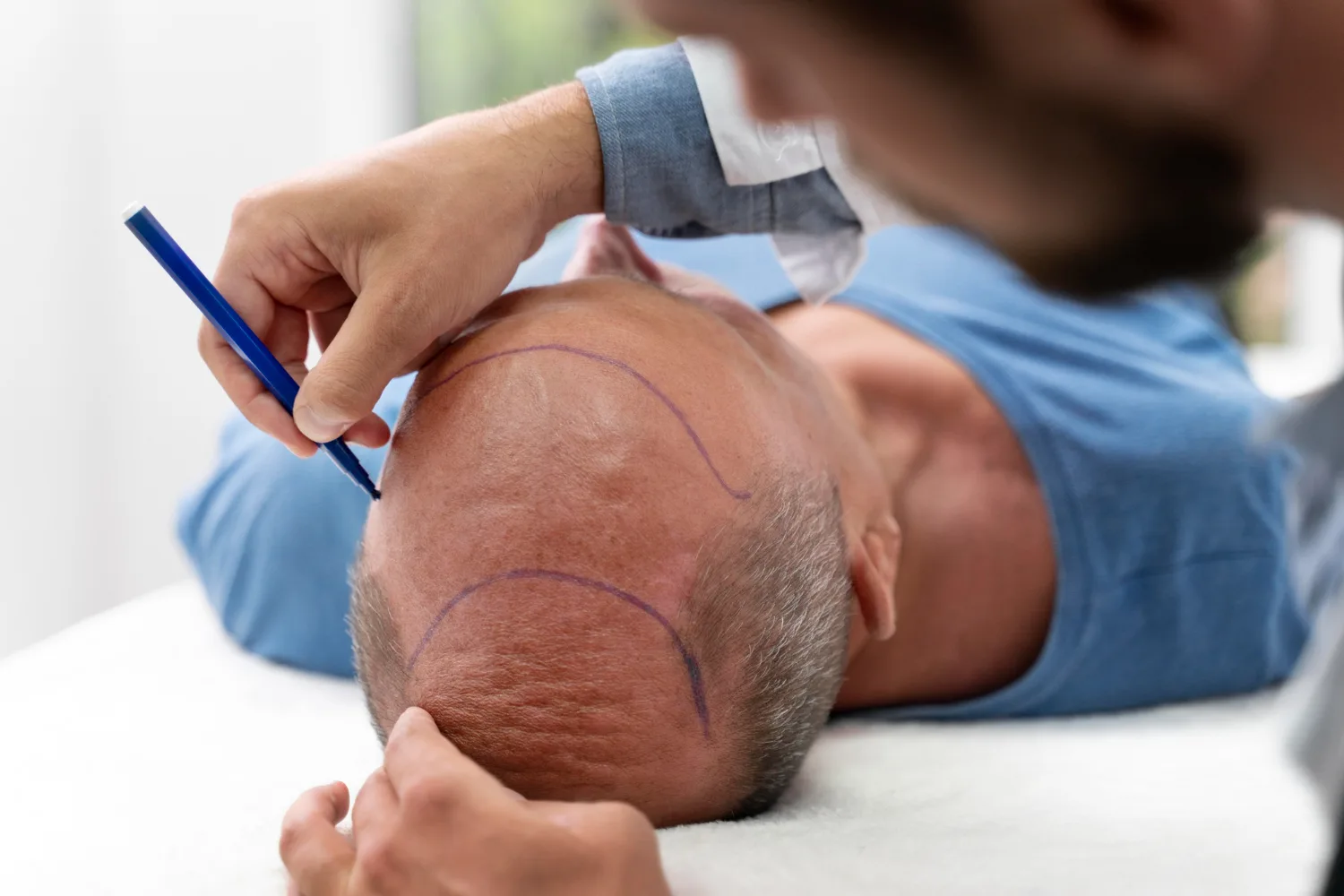
El paciente debe evitar la exposición solar directa, el ejercicio intenso, nadar, saunas, fumar, beber alcohol, gorros ajustados y rascarse durante la recuperación.
Ciertas actividades amenazan la supervivencia de los injertos. Otras retrasan la cicatrización. El paciente debe comprender y cumplir estas restricciones con diligencia.
Exposición solar directa
La luz solar directa daña los injertos en cicatrización, provoca quemaduras solares y aumenta los cambios de pigmentación durante al menos tres meses.
La radiación UV perjudica la piel en cicatrización. Daña las células nuevas. Provoca hiperpigmentación. El cuero cabelludo permanece sensible durante semanas. El paciente debe usar sombrero al aire libre. Debe aplicar protector solar a partir de la segunda semana. Debe evitar el sol del mediodía por completo.
Ejercicio intenso
Los pacientes deben evitar el ejercicio intenso durante al menos dos semanas porque el aumento de la presión arterial puede desplazar los injertos y provocar sangrado.
El ejercicio eleva la frecuencia cardíaca. Aumenta la presión arterial. Provoca sudoración. El sudor contiene sal. La sal irrita las incisiones en proceso de cicatrización. Los pacientes pueden caminar suavemente después de una semana. Pueden volver a trotar tras dos semanas. Deben esperar un mes para entrenamientos muy intensos.
Natación
Los pacientes deben evitar piscinas, océanos y lagos durante al menos un mes debido a la exposición a agentes químicos y bacterianos.
El cloro de las piscinas reseca el cuero cabelludo. Irrita los tejidos en cicatrización. El agua salada pica las incisiones. Lagos y océanos contienen bacterias que pueden causar infección. Los pacientes deben mantener el cuero cabelludo completamente seco mientras dure la restricción para nadar.
Saunas y baños de vapor
Las saunas y los baños de vapor aumentan el flujo sanguíneo en el cuero cabelludo y la sudoración, lo que pone en riesgo los injertos durante al menos un mes.
El calor dilata los vasos sanguíneos. Aumenta el riesgo de sangrado. El vapor ablanda las costras prematuramente. Las costras blandas pueden desprender los injertos. El ambiente húmedo favorece la proliferación bacteriana. Los pacientes deben evitar todo tipo de salas de calor y ducharse únicamente con agua tibia.
Tabaquismo
Fumar reduce el aporte de oxígeno y retrasa la cicatrización durante todo el periodo de recuperación y más allá.
La nicotina es el enemigo de la cicatrización. Contrae los vasos durante horas tras cada cigarrillo. El monóxido de carbono se une a la hemoglobina y reduce la capacidad de transporte de oxígeno. Los pacientes deben dejar de fumar por completo. Incluso un solo cigarrillo perjudica la recuperación.
Consumo de alcohol
El alcohol adelgaza la sangre, deshidrata los tejidos y altera la función inmunitaria durante al menos dos semanas tras la cirugía.
El alcohol actúa como anticoagulante. Aumenta el riesgo de sangrado. Deshidrata el organismo. Reduce la función de los glóbulos blancos. Los pacientes deben evitar todas las bebidas alcohólicas, incluidas vino, cerveza y licores. Deben esperar al menos dos semanas antes de consumir alcohol.
Uso de sombreros ajustados
Los sombreros ajustados rozan los injertos, reducen el flujo sanguíneo y pueden desplazar los folículos durante las primeras dos semanas.
Las prendas ceñidas comprimen el cuero cabelludo. Rozan los injertos al quitarlas. Atrapan calor y humedad. Los pacientes deben usar solo sombreros sueltos y limpios. El sombrero no debe tocar el área receptora; debe posarse ligeramente sobre la cabeza.
Rascar el área receptora
Rascar seborra los injertos, introduce bacterias y puede producir cicatrices permanentes.
La picazón es frecuente durante la cicatrización. Los pacientes deben evitar rascarse. Deben dar golpecitos suaves en la zona. Deben aplicar las cremas hidratantes prescritas. Deben tomar antihistamínicos si se lo indica el médico. Rascarse provoca pérdida de injertos. Provoca infección. Provoca cicatrices.
¿Cómo debe cuidar su cuero cabelludo durante la recuperación?
El cuidado adecuado del cuero cabelludo incluye lavado suave, hidratación, cumplimiento de la medicación, posición correcta al dormir, buena nutrición y adecuada hidratación.
Las rutinas diarias de cuidado protegen la inversión. Pequeñas acciones marcan grandes diferencias. Los pacientes deben establecer hábitos constantes.
Instrucciones de lavado
Los pacientes deben lavar a diario con el champú especial diluido, verter el agua con suavidad, evitar frotar y secar a toques con toallas suaves.
La clínica proporciona un champú específico. Los pacientes lo diluyen con agua. Vierten la mezcla sobre el cuero cabelludo. No masajean. No frotan. Dejan que el agua fluya de forma natural. Secan a toques con una toalla limpia y suave. Evitan el secador durante dos semanas.
Hidratación del cuero cabelludo
Los pacientes deben aplicar las hidratantes prescritas o pulverizaciones salinas para evitar la sequedad y ablandar las costras.
La sequedad causa picazón. Provoca tirantez. Retrasa la caída natural de las costras. Las hidratantes mantienen un entorno adecuado. Mantienen los tejidos flexibles. Favorecen la migración celular. Los pacientes deben aplicar la hidratante según las indicaciones. Deben usar solo productos aprobados por la clínica.
Cumplimiento de la medicación
Los pacientes deben tomar exactamente según horario todos los antibióticos, antiinflamatorios y analgésicos prescritos.
Los antibióticos previenen la infección. Los pacientes deben completar todo el tratamiento. No deben saltarse tomas. Los antiinflamatorios controlan la inflamación. Los analgésicos garantizan confort. Cada medicamento tiene un propósito. Saltarse dosis aumenta el riesgo de complicaciones.
Posición al dormir
Los pacientes deben dormir boca arriba con la cabeza elevada durante, al menos, las primeras siete noches.
La elevación reduce la hinchazón. Dormir boca arriba protege los injertos. Los pacientes deben usar una almohada de viaje. Esta almohada evita que rueden. Deben dormir en un entorno limpio. Deben cambiar las fundas cada día. La ropa de cama limpia evita la exposición bacteriana.
Nutrición para la recuperación capilar
Una dieta rica en proteínas y con vitaminas A, C, D, E, zinc y hierro favorece la recuperación folicular y el crecimiento de cabello nuevo.
El cabello está formado principalmente por proteína. Los pacientes necesitan una ingesta adecuada de proteínas. Deben consumir huevos, pescado, pollo y legumbres. Las vitaminas apoyan la reparación celular. El zinc refuerza la función inmunitaria. El hierro transporta oxígeno. Una dieta equilibrada acelera la curación.
Hidratación
Beber al menos ocho vasos de agua al día mantiene la hidratación de los tejidos y favorece los procesos metabólicos de la cicatrización.
El agua constituye la mayor parte de los tejidos del cuerpo. La cicatrización necesita transporte de fluidos. Los nutrientes circulan en la sangre, que es a base de agua. Los desechos se eliminan mediante la orina, también acuosa. La deshidratación ralentiza cada etapa de la curación. Los pacientes deberían llevar botellas de agua y beber pequeños sorbos a lo largo del día.
¿Cuándo puede volver a sus actividades habituales?
La mayoría de los pacientes regresan al trabajo de oficina en 5 a 7 días, pueden conducir en 3 a 5 días, retomar ejercicio ligero en 2 semanas y reanudar actividades completas entre 1 y 3 meses.
La reanudación de actividades sigue una cronología gradual. Cada actividad somete el cuero cabelludo a distintos tipos de tensión. Los pacientes deben respetar estos plazos.
Trabajo de oficina
La mayoría de los pacientes vuelve a trabajos de oficina en 5 a 7 días, siempre que eviten esfuerzos físicos y mantengan el cuero cabelludo limpio.
El trabajo de oficina supone un riesgo mínimo. Los pacientes deben evitar agacharse para recoger objetos, no usar auriculares que presionen la zona y mantener su espacio de trabajo limpio. Puede que necesiten explicar su apariencia: el enrojecimiento y las costras suelen ser visibles durante una o dos semanas.
Conducción
Los pacientes pueden conducir a partir de los 3 a 5 días si se sienten alerta, no están tomando analgésicos fuertes y pueden mover el cuello con comodidad.
Conducir implica movimiento de la cabeza y requiere estar alerta. Los analgésicos pueden provocar somnolencia; debe suspenderlos antes de conducir. Gire la cabeza con cuidado: los movimientos bruscos tensionan el cuello. Evite viajes largos al principio.
Ejercicio
Puede caminar suavemente tras una semana, trotar después de dos semanas y reanudar ejercicio intenso tras un mes.
Caminar suavemente mejora la circulación y reduce el estrés sin elevar significativamente la presión arterial. Trotar aumenta más la frecuencia cardíaca; conviene esperar a que caigan las costras. El ejercicio intenso incluye levantamiento de pesas, ciclismo y deportes de equipo, y debe posponerse un mes.
Levantamiento de pesas
Los pacientes deben evitar levantar pesas al menos durante un mes, porque el esfuerzo eleva la presión sanguínea en el cuero cabelludo de forma notable.
El levantamiento de pesas provoca la maniobra de Valsalva: se contiene la respiración y se fuerza contra la resistencia, lo que produce picos de tensión arterial que ponen en riesgo los injertos y pueden provocar sangrado. Espere un mes y comience con cargas ligeras.
Cortes de pelo
Los pacientes pueden recortar cabello no trasplantado tras dos semanas, pero deben evitar cortar el área de los nuevos injertos al menos durante un mes.
Los barberos deben evitar tocar la zona receptora, usar herramientas limpias y no aplicar presión. Las máquinas eléctricas vibran, lo que puede desplazar los injertos; al principio es preferible usar tijeras. El paciente debe informar al barbero sobre la cirugía.
Coloración del cabello
Los pacientes deben esperar al menos un mes antes de usar tinte, decolorante o tratamientos químicos.
Los productos químicos del tinte irritan el cuero cabelludo. Penetran la piel en proceso de cicatrización y pueden provocar reacciones alérgicas. El cuero cabelludo permanece sensible durante semanas. Los pacientes deben hacer una prueba en una zona pequeña antes de usar cualquier producto y considerar alternativas naturales inicialmente.
Uso de cascos
Los pacientes deben evitar cascos de motocicleta, bicicleta y deportivos durante al menos un mes.
Los cascos ajustan con fuerza, presionan el cuero cabelludo y rozan al ponerse o quitarse. También retienen calor y sudor. Todos estos factores ponen en riesgo los injertos. Los pacientes deben evitar actividades que requieran casco y buscar transporte alternativo.
¿Qué es la pérdida por choque después de Sapphire FUE?
La pérdida por choque es la caída temporal de los cabellos trasplantados que ocurre de dos a cuatro semanas después de la cirugía, cuando los folículos entran en fase de reposo.
La pérdida por choque confunde a muchos pacientes: ven pelos caer y se alarman. Es necesario explicarles que se trata de una transición biológica normal.
¿Por qué ocurre?
El traumatismo de la intervención empuja a los folículos desde la fase de crecimiento hacia la fase de reposo.
Los folículos capilares pasan por ciclos. La fase anágena produce cabello visible; la telógena es la fase de reposo. La trasplante altera el entorno del folículo, que conserva energía, suelta el tallo piloso y se prepara para un crecimiento futuro. Esta transición protege al folículo.
¿Cuándo comienza?
La pérdida por choque suele comenzar entre la segunda y cuarta semana tras Sapphire FUE.
Algunos pacientes notan la caída antes y otros más tarde; el momento varía. La mayoría observa una pérdida notable hacia la semana tres: el desagüe de la ducha acumula más pelo y la almohada muestra mechones sueltos. Esta fase alcanza su punto máximo alrededor de la cuarta semana.
¿Cuánto dura?
La fase de caída visible dura de dos a cuatro semanas, pero los folículos permanecen en reposo durante dos o tres meses.
Los cabellos se caen durante varias semanas y luego el cuero cabelludo queda aparentemente tranquilo sin crecimiento visible. Este periodo silencioso dura entre ocho y doce semanas mientras los folículos se reconstruyen internamente y preparan nuevos tallos. La paciencia es clave.
¿La pérdida por choque es permanente?
La pérdida por choque no es permanente; los folículos sobreviven y producirán cabello nuevo.
El folículo en sí permanece vivo. Se ancla en el cuero cabelludo y recibe suministro sanguíneo; solo se desprende el tallo. El cabello nuevo nace del mismo folículo. La pérdida permanente requeriría la muerte del folículo. Sapphire FUE preserva la viabilidad folicular. Gho et al. (2013) demuestran que los folículos manejados correctamente mantienen su capacidad regenerativa.
¿Cuándo verá crecimiento capilar visible?
El primer crecimiento visible aparece alrededor del tercer mes, con mejora significativa hacia el sexto mes y resultados casi definitivos al mes doce.
Los tiempos de crecimiento siguen patrones previsibles. Conocer estos patrones evita decepciones.
Primeros signos de crecimiento
Cabellos finos y delgados aparecen alrededor del tercer mes después de la cirugía.
Los primeros cabellos parecen pelusilla: sin pigmento, sin grosor y frágiles. Se rompen con facilidad, por lo que no debe juzgarse el resultado en esta fase. Estos primeros cabellos son intentos iniciales; luego aparecen hebras más fuertes.
Progreso mensual del crecimiento capilar
El cabello crece aproximadamente un centímetro por mes, con aumentos de densidad apreciables cada mes a partir del tercero.
El cabello humano crece a un ritmo estable que varía según la persona, con un promedio de un centímetro mensualmente. El cabello trasplantado sigue este ritmo: cada mes añade longitud y más folículos entran en fase de crecimiento. El efecto acumulado genera mejoría visible.
Cronograma hasta la densidad final
Los pacientes alcanzan entre el 80 y el 90 por ciento de la densidad final en el mes doce, con maduración completa al mes dieciocho.
La densidad se construye gradualmente: mes tres ~10%, mes seis ~50%, mes nueve ~75%, mes doce ~90% y mes dieciocho ~100%. Este cronograma es orientativo: algunos pacientes maduran antes y otros necesitan más tiempo.
Factores que afectan la velocidad de crecimiento capilar
La genética, la edad, la nutrición, la salud del cuero cabelludo, los tratamientos médicos y la calidad del cuidado postoperatorio influyen en la velocidad de crecimiento.
Los factores genéticos determinan la tasa basal de crecimiento: algunas personas crecen más rápido de forma natural. La edad ralentiza el metabolismo. La nutrición aporta los componentes necesarios. La terapia PRP acelera el crecimiento. Un buen cuidado postoperatorio protege los injertos. Cada factor contribuye al cronograma.
¿Cuáles son los síntomas comunes de recuperación y cuándo debe preocuparse?
Los síntomas normales incluyen enrojecimiento, hinchazón, picor, leve entumecimiento y caída temporal; signos de alerta son sangrado persistente, dolor intenso, fiebre, pus, hinchazón excesiva y pérdida inusual de injertos.
Distinguir lo normal de lo anormal ayuda a los pacientes a solicitar ayuda cuando procede.
Síntomas normales de la recuperación
Enrojecimiento, hinchazón, picor, leve entumecimiento y caída temporal del cabello son partes esperadas del proceso de cicatrización.
El enrojecimiento desaparece entre dos y cuatro semanas. La hinchazón alcanza su máxima expresión al tercer día y se resuelve hacia el séptimo día. El picor indica la recuperación de los nervios. El entumecimiento afecta de forma temporal la zona donante. La caída señala el ciclo folicular. Estos síntomas no requieren tratamientos especiales y se solucionan de forma natural.
Signos de advertencia que requieren atención médica
Sangrado persistente, dolor intenso, fiebre, pus, hinchazón excesiva y pérdida de injertos indican complicaciones que necesitan atención médica inmediata.
Sangrado más allá de 24 horas sugiere un problema. Dolor severo que no cede con medicación precisa valoración. La fiebre indica infección. La presencia de pus confirma infección bacteriana. La hinchazón que empeora después del quinto día necesita evaluación. Los injertos que caen con tejido adherido señalan fallo. El paciente debe contactar a su cirujano de inmediato.
¿La Sapphire FUE deja cicatrices?
La Sapphire FUE deja solo cicatrices microscópicas que se vuelven invisibles al ojo desnudo tanto en la zona donante como en la receptora.
La preocupación por las cicatrices la tiene todo paciente. Desean un resultado natural. Desean una cirugía imperceptible.
Cicatrización de la zona donante
La zona donante cicatriza con pequeñas marcas puntiformes de aproximadamente 0,7 a 1,0 milímetros de diámetro.
Cada extracción deja una pequeña marca circular. Estas marcas cuentan por miles. Se distribuyen por la zona donante. Cada marca queda rodeada por cabello sano. Las marcas se difuminan hasta el tono de la piel. Se vuelven invisibles con la longitud normal del cabello. Incluso los cortes muy cortos suelen ocultarlas.
Cicatrización de la zona receptora
La zona receptora cicatriza sin cicatrices visibles porque los injertos llenan completamente las incisiones.
El injerto implantado ocupa la incisión por completo. No queda hueco. La piel cicatriza al ras con el injerto. No se forma una cicatriz elevada. No aparece depresión. El cabello crece a través del tejido cicatrizado. El resultado parece completamente natural.
Cicatrices microscópicas
El examen microscópico revela una deposición de colágeno mínima, pero esta cicatrización permanece invisible a la observación casual.
Todas las heridas cicatrizan con algo de colágeno. Las incisiones Sapphire provocan una respuesta colágena mínima. La cantidad es clínicamente insignificante. No afecta la apariencia. No afecta el crecimiento capilar futuro.
Apariencia cosmética a largo plazo
Al cabo de un año, ni los pacientes ni los observadores detectan signos de la cirugía Sapphire FUE sin un examen especializado.
Parsley y Rose (2013) confirman que las técnicas FUE modernas producen resultados indetectables. Sapphire FUE eleva este estándar. El resultado cosmético satisface incluso a los pacientes más exigentes. Pueden peinar su cabello con total libertad. Viven sin complejos.
¿Cómo pueden los pacientes maximizar el crecimiento capilar después de una Sapphire FUE?
Los pacientes maximizan el crecimiento mediante una dieta saludable, cuidado adecuado del cuero cabelludo, terapia PRP, terapia láser de baja intensidad, tratamientos médicos apropiados y revisiones periódicas.
La optimización activa va más allá del cuidado básico posterior. Los pacientes pueden potenciar sus resultados.
Dieta saludable
Una dieta rica en proteínas, ácidos grasos omega-3, antioxidantes y oligoelementos favorece un crecimiento capilar vigoroso.
El cabello necesita bloques constructores. La queratina requiere síntesis proteica. Los omega-3 reducen la inflamación. Los antioxidantes protegen los folículos. El zinc y el hierro apoyan la división celular. Los pacientes deben consumir salmón, frutos secos, hojas verdes y carnes magras.
Cuidado del cuero cabelludo
Una limpieza suave, protección solar y evitar químicos agresivos mantienen un entorno óptimo en el cuero cabelludo.
El cuero cabelludo actúa como el suelo para el cabello. Un suelo sano produce plantas fuertes. Los pacientes deben mantener el cuero cabelludo limpio, protegerlo del sol y evitar productos de peinado agresivos. Deben masajearlo con suavidad a partir del tercer mes.
Terapia PRP
Las inyecciones de plasma rico en plaquetas aportan factores de crecimiento que aceleran la recuperación folicular y aumentan la densidad capilar.
Gkini et al. (2014) demuestran que el PRP incrementa significativamente la densidad capilar. La terapia utiliza la propia sangre del paciente; la centrifugación concentra las plaquetas y las inyecciones entregan factores de crecimiento directamente al cuero cabelludo. Estos factores estimulan la proliferación celular y mejoran la supervivencia de los injertos.
Terapia láser de baja intensidad
La LLLT emplea longitudes de onda de luz roja para estimular la producción de energía celular en los folículos pilosos.
Avram y Rogers (2009) confirman que la terapia láser de baja intensidad mejora el recuento capilar. La luz penetra el cuero cabelludo y estimula las mitocondrias, aumentando la producción de ATP; este impulso energético activa los folículos. Los pacientes pueden usar gorros o peines láser en casa.
Tratamientos médicos (cuando proceda)
Finasterida, minoxidil y dutasterida pueden favorecer el cabello nativo y proteger los resultados del trasplante en candidatos adecuados.
Kaufman et al. (1998) prueban que la finasterida detiene la progresión de la alopecia androgenética. Los pacientes con pérdida capilar activa se benefician de la terapia médica. Estos fármacos protegen el cabello nativo y complementan el trasplante. Los pacientes deben consultar a su médico antes de iniciar su uso.
Revisiones periódicas
Las revisiones anuales permiten al cirujano controlar el progreso, resolver inquietudes y recomendar estrategias de optimización.
El seguimiento se extiende durante años. El cirujano evalúa la densidad. Valoran el diseño de la línea frontal. Recomiendan ajustes. Detectan problemas a tiempo. Las relaciones a largo plazo garantizan satisfacción duradera.
Preguntas frecuentes sobre la recuperación tras un trasplante capilar Sapphire FUE en Turquía
Esta sección responde las preguntas más comunes de los pacientes sobre el dolor, el lavado, las costras, los vuelos, los sombreros, la inflamación, el ejercicio, la caída por shock, el resultado final y la velocidad de recuperación.
¿Cuánto dolor produce la recuperación tras un Sapphire FUE?
La recuperación provoca molestias leves a moderadas, no dolor intenso, y la mayoría de los pacientes lo controla con analgésicos habituales.
El nivel de dolor se asemeja a una leve quemadura solar. Suele alcanzar su punto máximo la primera noche y disminuye de forma constante. La mayoría necesita medicación para el dolor durante dos o tres días; después, las molestias son manejables. Sapphire FUE causa menos dolor que los métodos tradicionales porque genera heridas más pequeñas.
¿Cuándo puedo lavar mi cabello?
La clínica realiza el primer lavado al tercer día; a partir de entonces los pacientes continúan lavándose a diario en casa.
Los pacientes deben esperar a que los injertos se fijen. El día tres ofrece tiempo suficiente. La clínica muestra la técnica y los pacientes la repiten cada día. No deben saltarse los lavados. La higiene previene infecciones.
¿Cuándo se caen las costras?
Las costras se desprenden de forma natural entre los días 10 y 14 después de la cirugía.
Los pacientes no deben rascarse las costras. La caída natural indica que la cicatrización progresa correctamente. Un lavado suave acelera el proceso. Algunas costras pueden persistir hasta el día 14; este plazo es normal.
¿Cuándo puedo volar de regreso a casa?
Los pacientes pueden volar después del día tres, aunque a partir del día cinco o más tarde es más seguro.
Los vuelos cortos suponen un riesgo mínimo. En los trayectos largos conviene extremar las precauciones. Recomienda elegir asiento de pasillo, caminar periódicamente, mantenerse hidratado y proteger el cuero cabelludo de rozaduras con el compartimento superior.
¿Puedo llevar sombrero tras la cirugía?
Los pacientes pueden usar sombreros sueltos y limpios después del día tres, pero deben evitar prendas ceñidas durante dos semanas.
Los sombreros protegen del sol y del polvo y ofrecen privacidad. Deben evitar el contacto con los injertos y no ejercer presión. Las gorras de béisbol sirven si quedan holgadas. Retirar el sombrero con cuidado.
¿Es normal la inflamación?
La inflamación es totalmente normal y suele alcanzar su máximo en el día tres, resolviéndose hacia el día siete.
La hinchazón de la frente puede parecer llamativa. No indica un problema. Elevar la cabeza la reduce. Las compresas frías ayudan. Se resuelve sin intervención. Los pacientes no deben entrar en pánico.
¿Cuándo puedo volver al gimnasio?
El ejercicio cardiovascular ligero se reanuda a las dos semanas; el entrenamiento con pesas debe esperar un mes.
El sudor y el esfuerzo ponen en riesgo los injertos. Los pacientes deben respetar los plazos. Pueden caminar de inmediato. Pueden trotar después de dos semanas. Deben evitar levantar peso pesado durante un mes. Deben reincorporarse gradualmente.
¿Cuánto dura la caída por shock?
La caída visible dura de dos a cuatro semanas; la fase de reposo continúa durante dos a tres meses.
La caída asusta a los pacientes. La educación evita el pánico. Los folículos sobreviven. El cabello nuevo reemplaza al que se cayó. El proceso requiere tiempo. Confíe en la biología.
¿Cuándo veré los resultados finales?
Los resultados casi definitivos aparecen alrededor del mes doce; la maduración completa termina en el mes dieciocho.
La paciencia recompensa al paciente que espera. Las fotos mensuales muestran el progreso. La transformación se desarrolla de forma gradual. La espera se siente larga. Los resultados duran décadas.
¿La recuperación de Sapphire FUE es más rápida que la de la FUE tradicional?
Sí, Sapphire FUE normalmente cicatriza entre un 20 y un 30 por ciento más rápido que la FUE tradicional debido a incisiones más pequeñas y menor trauma.
La evidencia respalda esta afirmación. Las heridas más pequeñas cicatrizan antes. Menos trauma reduce la inflamación. Los pacientes recuperan antes la apariencia normal. Reanudan actividades con mayor rapidez. La tecnología justifica su popularidad.
Conclusión
La recuperación tras una extracción capilar Sapphire FUE sigue un cronograma predecible de 12 a 18 meses, y los cuidados adecuados garantizan la supervivencia óptima de los injertos y un resultado de aspecto natural.
La recuperación después de un trasplante capilar Sapphire FUE en Turquía combina tecnología avanzada con curación biológica. Los pacientes experimentan cambios postoperatorios inmediatos. Atravesan la desafiante fase de caída por shock. Celebran los primeros crecimientos. Alcanzan resultados maduros en el mes dieciocho.
Turquía ofrece a los pacientes internacionales atención excepcional. Cirujanos experimentados realizan miles de procedimientos. Clínicas modernas proporcionan apoyo integral. La tecnología Sapphire FUE minimiza el trauma. Maximiza los resultados.
El éxito depende de la colaboración del paciente. Seguir las instrucciones de cuidado protege los injertos. Evitar conductas perjudiciales favorece la curación. Mantener hábitos saludables optimiza el crecimiento. Las revisiones periódicas garantizan satisfacción a largo plazo.
El proceso requiere paciencia. Los resultados justifican la espera. Los pacientes que comprenden el cronograma afrontan la recuperación con confianza. Toman decisiones informadas. Logran el cabello denso y natural que desean.
Referencias
Avram, Marc R., y Nicole Rogers. "El uso de la terapia de luz de bajo nivel en la alopecia androgenética." Journal of Cosmetic and Laser Therapy, vol. 11, n.º 3, 2009, pp. 140-146.
Beehner, Michael L. "Comparación entre FUE y FUT." Hair Transplant Forum International, vol. 25, n.º 1, 2015, pp. 1-6.
Bernstein, Richard M., et al. "Extracción de unidades foliculares: una actualización." Dermatologic Surgery, vol. 39, n.º 5, 2013, pp. 789-794.
Cole, John P. "Estado del arte en FUE." Hair Transplant Forum International, vol. 24, n.º 2, 2014, pp. 43-48.
Devroye, Jean. "FUE: estado del arte." Hair Transplant Forum International, vol. 23, n.º 4, 2013, pp. 121-126.
Gho, Coen, et al. "Multiplicación capilar: un tratamiento prometedor para la alopecia androgenética." Tissue Engineering Part C: Methods, vol. 19, n.º 8, 2013, pp. 612-619.
Gkini, Maria-Alexandra, et al. "Estudio de inyecciones de plasma rico en plaquetas en el tratamiento de la alopecia androgenética." Journal of Cutaneous and Aesthetic Surgery, vol. 7, nº 4, 2014, pp. 213-219.
Jimenez, Francisco, y Maria Isabel Ruifernandez. "Seguimiento a largo plazo de la densidad capilar y satisfacción del paciente." Dermatologic Surgery, vol. 38, nº 9, 2012, pp. 1542-1549.
Kaufman, Keith D., et al. "Finasterida en el tratamiento de hombres con alopecia androgenética." Journal of the American Academy of Dermatology, vol. 37, nº 4, 1998, pp. 578-589.
Parsley, William M., y Paul T. Rose. "Avances en FUE." Facial Plastic Surgery Clinics of North America, vol. 21, nº 3, 2013, pp. 437-444.
True, Robert T. "El ciclo de crecimiento del cabello." Dermatologic Clinics, vol. 4, nº 3, 1986, pp. 429-436.
Uebel, Carlos Oscar. "Microinjerto y minigraft megasesión de trasplante capilar." Dermatologic Clinics, vol. 15, nº 4, 1997, pp. 635-645.
Unger, Walter P., y Ronald Shapiro. Hair Transplantation. 5.ª ed., Marcel Dekker, 2011.
Zontos, George, y Apostolos G. Apostolou. "Turismo médico en la restauración capilar." Revista de Cirugía Cutánea y Estéticavol. 8, n.º 2, 2015, pp. 67-72.