
ما هو الناسور؟
الناسور هو اتصال بين هيكلين مجوفين أو أنبوبيين. يقوم الجراحون بإنشاء هذا الاتصال لاستعادة تدفق الدم أو الطعام أو السوائل أو البول أو الهواء عندما تتعطل المسار الطبيعي نتيجة مرض أو إصابة أو عملية سابقة.
تبحث النساء في جميع أنحاء العالم عن جراحة تكبير الثدي أكثر من أي وقت مضى. تُفيد الجمعية الأمريكية لجراحي التجميل أن الجراحين نفذوا أكثر من 300,000 إجراء لتكبير الثدي في…
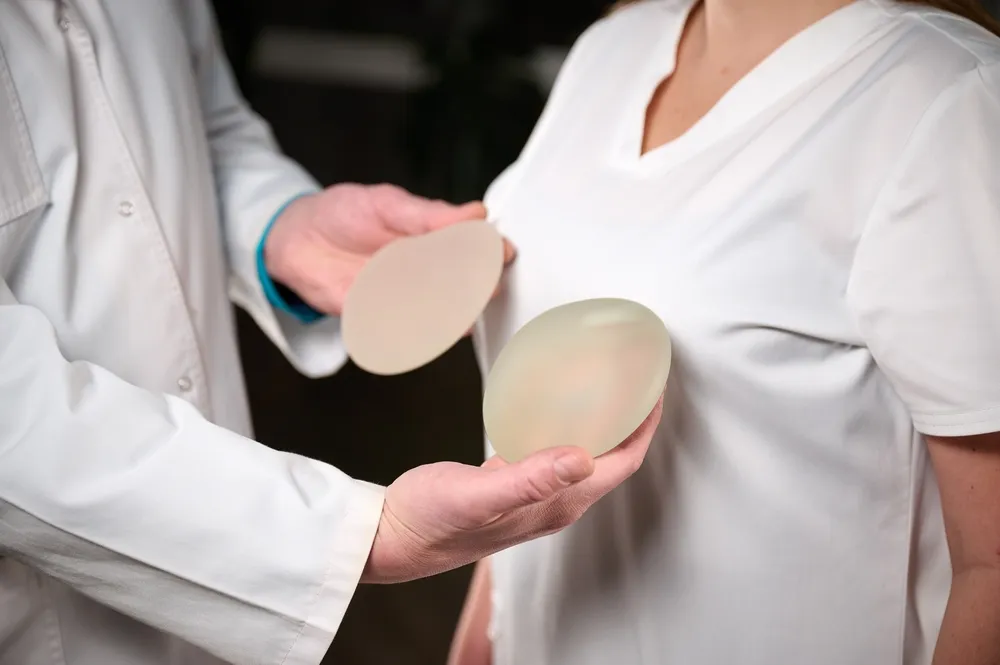
استكشف المزيد من الرؤى حول العلاجات، التعافي، والرعاية الجمالية.
الناسور هو اتصال بين هيكلين مجوفين أو أنبوبيين. يقوم الجراحون بإنشاء هذا الاتصال لاستعادة تدفق الدم أو الطعام أو السوائل أو البول أو الهواء عندما تتعطل المسار الطبيعي نتيجة مرض أو إصابة أو عملية سابقة.

يتبع التعافي بعد جراحة تحويل المعدة نمطًا يمكن التنبؤ به، لكن لا يتعافى مريضان وفق نفس الجدول الزمني. يغادر معظم الناس المستشفى خلال يوم إلى ثلاثة أيام، ويستأنفون الأنشطة الخفيفة خلال أيام، ويعودون إلى العمل خلال أسبوعين إلى أربعة أسابيع، ويستمرون في التكيف مع نظام هضمي جديد لمدة عام كامل.

المرشح لجراحة تحويل مسار المعدة هو بالغ أو مراهق مختار بعناية يعاني من السمنة المفرطة، وغالبًا ما يكون لديه مؤشر كتلة جسم يبلغ 40 أو أكثر، أو مؤشر كتلة جسم يبلغ 35 أو أكثر مع مرض خطير مرتبط بالسمنة مثل مرض السكري من النوع الثاني، أو ارتفاع ضغط الدم، أو توقف التنفس أثناء النوم، أو خطر القلب والأوعية الدموية.

يمكنك تناول تقريبًا جميع مجموعات الطعام بعد جراحة تكميم المعدة، ولكن يجب أن تتناولها بتسلسل صارم، وبأجزاء أصغر بكثير، وقوام أكثر ليونة خلال الأسابيع الأولى.

متلازمة التفريغ هي حالة هضمية يتحرك فيها الطعام والسوائل من المعدة إلى الأمعاء الدقيقة أسرع مما ينبغي. هذه الحركة السريعة، المسماة بالتفريغ السريع للمعدة، تثير مجموعة من الأعراض المتعلقة بالهضم والدورة الدموية، وغالبًا ما تظهر بعد الجراحة على المعدة أو المريء.

بالون المعدة وتحويل مجرى المعدة كلاهما يعالج السمنة، لكنهما يعملان بطرق مختلفة جوهريًا. بالون المعدة هو جهاز تنظيري مؤقت يملأ جزءًا من المعدة لمدة ستة إلى اثني عشر شهرًا.

الارتجاع المريئي يشير إلى مرض الارتجاع المريئي المعدي. المصطلح يصف حالة مزمنة حيث تتحرك محتويات المعدة إلى الوراء إلى المريء وتنتج أعراض مزعجة أو تلف الأنسجة.

تُشير جراحة تحويل المعدة إلى العمليات التي تُنشئ كيسًا صغيرًا في المعدة وتعيد توجيه الأمعاء الدقيقة لتعزيز فقدان الوزن. لقد أجرى الجراحون هذه الإجراءات لعقود. لا تزال تكوينات Roux-en-Y الأكثر دراسة على مستوى العالم.
تسعى النساء حول العالم أكثر من أي وقت مضى إلى جراحة تكبير الثدي. تُفيد الجمعية الأمريكية لجراحي التجميل بأن الجراحين قاموا بأكثر من 300,000 إجراء لتكبير الثدي في عام 2023 وحده (ASPS 2024). يدخل العديد من المرضى غرف الاستشارة وهم مرتابون حول خيارين رئيسيين. يتساءلون عما إذا كانوا بحاجة إلى رفع الثدي أو زراعة الثدي. يعتقد البعض أن هذه الإجراءات تحقق نفس النتائج. هذه الاعتقاد يخلق خيبة أمل ونتائج جراحية سيئة. يقوم رفع الثدي بإعادة تشكيل الثديين المترهلين. تضيف زراعة الثدي الحجم والامتلاء. تخدم هذه الإجراءات أغراضاً مختلفة تماماً. تحدد تشريحك الخيار الصحيح، وليس تفضيلك وحده. تشرح هذه المقالة كل التفاصيل التي تحتاج إلى معرفتها. ستتعلم كيفية عمل كل إجراء. ستكتشف من يتأهل لكل جراحة. ستفهم المخاطر والتعافي والتكاليف والنتائج طويلة الأجل. ستتعلم أيضًا متى يؤدي الدمج بين الإجراءين إلى أفضل النتائج.
يرفع رفع الثدي ويعيد تشكيل الثديين المترهلين دون إضافة حجم صناعي. يسمي الجراحون هذه العملية الماستوبكسي. تزيل الجراحة الجلد الزائد. يقوم الجراح بشد الأنسجة المتبقية. ينتقل مركب الحلمة والهالة إلى موقع أعلى على جدار الصدر. هذا يخلق شكل ثدي أكثر شباباً.
يصحح رفع الثدي تدلي الثدي. تدلي الثدي يعني ترهل الثدي. يزيل الجراح الجلد الممدود. يعيد الجراح تشكيل كتلة الثدي. يعيد الجراح وضع الحلمة لأعلى. يصبح الثدي أكثر firmness وحيوية. لا يغير الإجراء حجم الثدي بشكل ملحوظ. تلاحظ بعض النساء تقليصاً طفيفاً في الحجم لأن الجراح يزيل الجلد الزائد. تلاحظ أخريات زيادة في حجم الكوب بسبب الشكل الأكثرtight وcompact. يوضح سبير أن الماستوبكسي تتعامل مع شكل الثدي وموقع الحلمة بدلاً من الحجم (سبير 2003).
يمدد الحمل والرضاعة الأنسجة الثديية. تفقد البشرة مرونتها. تتدلى الثديين وتنفخ. يؤدي فقدان الوزن إلى إزالة الدهون من الثديين. يبقى الجلد مترهلاً. يقلل التقدم في العمر من إنتاج الكولاجين. تضعف روابط كوبر. تسحب الجاذبية الثديين لأسفل. تلعب الوراثة أيضًا دورًا. بعض النساء يرثن ضعف مرونة الجلد. تطور هذه النساء ثديين مترهلين في وقت مبكر من الحياة. يقوم رفع الثدي بتصحيح كل هذه المشكلات. تستعيد العملية وضع الثدي الشبابي. تحسن من تماثل الثدي. تعزز من ثقة المرضى.
تزيد عملية تكبير الثدي من حجم الثدي باستخدام الزرعات. يضع الجراحون أجهزة من السيليكون أو المحلول الملحي تحت أنسجة الثدي أو عضلة الصدر. تضيف هذه العملية الحجم. تعزز من الوضوح. تحسن من شكل الثدي. لا ترفع الثديين المترهلين بشكل ملحوظ.
يستخدم الجراحون ثلاثة أنواع رئيسية من زراعة الثدي. تحتوي زراعة السيليكون على جل سيليكون متماسك. يشعرون بالنعومة والطبيعة. تحتوي زراعة الماء المالحي على ماء مالح معقم. يقوم الجراح بملئها أثناء الجراحة. وهذا يسمح بحجم شقوق أصغر. تحتوي زراعة "غومي بير" على جل سيليكون متماسك للغاية. يحتفظون بالشكل حتى في حالة كسر القشرة. يشير ماكسويل وغابريل إلى أن زراعة السيليكون تبقى الخيار الأكثر شعبية في جميع أنحاء العالم (ماكسويل وغابريل 2009). كل نوع يقدم فوائد مختلفة. سينصحك جراحك بأفضل خيار بناءً على جودة الأنسجة لديك والنتيجة المرغوبة.
يختار الجراحون من ثلاثة خيارات لوضع الزراعة. يتم وضع الزراعة تحت الغدد، حيث تكون الزراعة خلف الأنسجة الثدي ولكن فوق العضلة. هذا يخلق رفعًا وإسقاطًا أكبر. يتم وضع الزراعة تحت العضلة الكبرى، مما يوفر تغطية أنسجة أكبر. يقلل من خطر تموجات مرئية. تقنية الطائرة المزدوجة تضع الزراعة جزئيًا تحت العضلة وجزئيًا تحت الأنسجة الثدي. هذا يجمع بين فوائد كلا الطريقتين. يؤكد تيبيتي أن وضع الزراعة يعتمد على خصائص أنسجة المريض وتشريح الصدر (تيبيتي 2002).
تزيد زراعة الثدي من حجم الثدي. تعزز امتلاء الجزء العلوي. تخلق انقسامًا أفضل. تصحح عدم تماثل الثدي الناتج عن اختلافات الحجم. تستعيد حجم الثدي المفقود بعد الحمل أو فقدان الوزن. ومع ذلك، لا يمكن للزراعة وحدها رفع الثدي المترهل بشكل شديد. يؤكد هيدالجو أن تكبير الثدي يتناول في المقام الأول نقص الحجم بدلاً من التهديد (هيدالجو 2017).

تخدم هذه الإجراءات أغراضًا مختلفة تمامًا. إن فهم هذه الاختلافات يمنع خيبة الأمل.
يعمل رفع الثدي على إعادة تشكيل الأنسجة الموجودة. يزيل الجلد الزائد. قد يقلل قليلاً أو يعيد توزيع الحجم. لا يضيف حجمًا. تضيف زراعة الثدي حجمًا كبيرًا. يزيدون من حجم الكوب. يخلقون أثداء أكثر امتلاءً. يغير رفع الثدي الشكل. تغيّر زراعة الثدي الحجم.
رفع الثدي يعالج تدلي الثدي مباشرة. الجراح يزيل الجلد المترهل. الجراح يشد غلاف الثدي. الجراح يرفع الحلمة. زرع الثدي يوفر رفعًا طفيفًا. قد يخلق زرع صغير وهمًا برفع طفيف في الثدي المترهل قليلاً. ومع ذلك، لا يمكن للزرعات وحدها معالجة التدلي المتوسط إلى الشديد. يؤكد ستيفنز وآخرون أن الزرعات وحدها تفشل في معالجة التدلي الكبير (ستيفنز وآخرون 2014).
رفع الثدي يعيد وضعية مجمع الحلمة-الهالة. الجراح ينقله إلى مركز كتلة الثدي. هذا يخلق مظهرًا شابًا. نادرًا ما تغير زرعات الثدي وضعية الحلمة. الزرعة تضيف حجمًا أسفل الحلمة. قد يتسبب هذا في ميل الحلمة قليلًا للأعلى. ومع ذلك، الزرعة لا تنقل الحلمة جسديًا أعلى على جدار الصدر.
تستمر نتائج رفع الثدي لسنوات عديدة. الجاذبية الشيخوخة تستمر. قد يتدلى الثدي مرة أخرى مع مرور الوقت. ومع ذلك، تظل التحسينات ملحوظة. تستمر زرعات الثدي من 10 إلى 20 عامًا. توصي إدارة الغذاء والدواء بالمراقبة المنتظمة. قد تتطلب الزرعات استبدالًا أو إزالة. قد يحدث انكماش كابسولي أو تمزق. يلاحظ هاندل أن المراقبة طويلة المدى للزرعات تظل ضرورية لسلامة المرضى (هاندل 2017).
ليس كل امرأة لديها ثدي مترهل تحتاج إلى رفع الثدي. تحدد معايير معينة الأهلية.
تشير حلماتك إلى الأسفل. تقع حلماتك تحت الثنية الثدية. يبدو ثدياك غير ممتلئين. لديك بشرة مترهلة وممتدة. تبدو ثدييك غير متناسقين بعد الحمل. تشعر بعدم الارتياح بدون حمالة صدر. تشير هذه العلامات إلى تدلي الثدي. يعالج رفع الثدي جميع هذه المخاوف.
تحافظ على وزن جسم مستقر. لا تخططين لحمل في المستقبل. لديك توقعات واقعية. تفهمين أن الندبات ستنتج. تتمتعين بصحة جيدة بشكل عام. لا تدخنين. التدخين يؤخر شفاء الجروح. يزيد من مخاطر المضاعفات. سيقوم جراحك بتقييم جودة بشرتك. تحسن مرونة البشرة الجيدة النتائج. قد تحدد مرونة البشرة الضعيفة النتائج.
تناسب زرعات الثدي النساء اللواتي يرغبن في ثديين أكبر. تجعل ظروف معينة هذه الإجراء مناسبًا.
صدر لديك صغير بشكل طبيعي. فقدت حجم الثدي بعد الحمل أو فقدان الوزن. ترغبين في صدر أكثر امتلاءً. لديك عدم تناسق في الثدي بسبب نقص الحجم. تحافظين على وزن ثابت للجسم. لديك توقعات واقعية. تفهمين أن الزرعات تحتاج إلى مراقبة مستقبلية. ليس لديك تدلي ملحوظ في الثدي. يؤكد بينغتسون أن اختيار المرضى هو ما يحدد نجاح الزرعة أكثر من نوع الزرعة (بينغتسون 2010).
بعض النساء يحتاجن إلى كلا الإجراءين. يؤدي دمج العمليات إلى نتائج مثالية.
يقوم شد الثدي بإعادة تشكيل الثدي. تضيف الزرعة الحجم. معًا، يعيدان الشكل والحجم. يتناول هذا الدمج مشكلتين في وقت واحد. يCorrect the sagging. تعيد الزرعة الامتلاء. النتيجة تبدو أكثر اكتمالًا. تشير تقارير ستيفنز وآخرون إلى أن دمج عملية رفع الثدي وزيادة الحجم ينتج رضا عالٍ للمرضى (ستيفنز وآخرون 2014).
لقد فقدتِ الحجم وتطورت لديكِ تدلي. يبدو أن صدرك منفخ ومتدلي. تريدين صدورًا أكبر وأعلى. ترغبين في تقليل وقت التعافي. تريدين تجنب إجراء عمليتين منفصلتين. يقلل دمج الإجراءات من إجمالي وقت التعطل. كما أنه يخفض التكلفة الإجمالية. ويخلق تحولًا أكثر دراماتيكية. ومع ذلك، تزيد الجراحة المجمعة من التعقيد. يجب أن يمتلك جراحك خبرة متقدمة.
يستخدم الجراحون أساليب تقييم محددة. تضمن هذه الأساليب التوصية الصحيحة.
يفحص الجراح صدرك. يقيس الجراح درجة التدلي. يقيم الجراح جودة الجلد. يقيم الجراح حجم الثدي الحالي. يأخذ الجراح في الاعتبار تشريح صدرك. يسأل الجراح عن نمط حياتك. يسأل الجراح عن خطط الحمل المستقبلية. يستعرض الجراح أهدافك. بناءً على هذا التقييم، يوصي الجراح بالإجراء المناسب. يشير سبيل إلى أن الفحص الشامل للثدي يبقى أساس التخطيط الجراحي الناجح (سبيل 2003).
يوضح الجدول المقارن التالي الفروق الأساسية.
|
الميزة |
شد الثدي |
زرع الثدي |
|
ما هو الهدف الأساسي؟ |
رفع وإعادة تشكيل الثديين المتدليين |
زيادة حجم الثدي وامتلائه |
|
هل يصحح التدلي؟ |
نعم، مباشرةً |
فقط بشكل محدود |
|
هل يضيف امتلاءً؟ |
أثر محدود |
نعم، بشكل ملحوظ |
|
هل يُحسن وضع الحلمة؟ |
نعم، يعيد وضعها لأعلى |
نادراً، ميل طفيف فقط |
|
هل يُزيل الجلد الزائد؟ |
نعم |
لا |
|
هل يتطلب زرعاً؟ |
لا |
نعم |
|
هل هو مناسب بعد الحمل؟ |
نعم |
غالباً، ولكن قد يستمر الترهل |
|
ما مدة بقاء النتائج؟ |
طويلة الأمد، لسنوات |
10-20 سنة، قد تحتاج إلى استبدال |
تظهر هذه الجدول أن رفع الثدي وزرع الثدي يعالجان مشكلات مختلفة. اختر بناءً على تشريحك وأهدافك المحددة.
تختلف جداول الشفاء قليلاً بين الإجراءات. كلاهما يتطلب عناية دقيقة بعد الجراحة.
يُعاني معظم المرضى من تورم وكدمات لمدة أسبوع إلى أسبوعين. يبقى الألم تحت السيطرة مع الأدوية الموصوفة. يلاحظ مرضى رفع الثدي تغيرات شكلية فورية. يلاحظ مرضى الزرع تغيرات فورية في الحجم. ومع ذلك، تستغرق النتائج النهائية شهوراً لتظهر. يختفي التورم تدريجياً. تنضج الندوب خلال 12 إلى 18 شهراً. وجد هنريكسن وآخرون أن معظم المرضى يستأنفون أنشطتهم الطبيعية خلال أربعة إلى ستة أسابيع (هنريكسن وآخرون 2003).
يمكنك العودة إلى العمل المكتبي خلال أسبوع إلى أسبوعين. يجب أن تتجنب الرفع الثقيل لمدة أربعة إلى ستة أسابيع. يجب أن تتجنب التمارين الشاقة لمدة ستة أسابيع. يجب عليك ارتداء حمالة صدر جراحية أو ملابس ضغط. هذا الدعم يقلل من التورم. ويعزز الشفاء الصحيح. سيقدم لك جراحك إرشادات محددة. اتبع هذه التعليمات بدقة.
تحمل جميع العمليات الجراحية مخاطر. يساعد فهم هذه المخاطر في اتخاذ قرار مستنير.
تحدث الندبات في مواقع الشق. يضع الجراحون الندبات حول الهالة، عمودياً إلى الثنية، وأحيانًا على طول الثنية. قد تحدث تأخر في شفاء الجروح. تحدث تغييرات في إحساس الحلمة لدى بعض المرضى. قد يؤدي ذلك إلى عدم تناسق الثديين. العدوى والنزيف تظل نادرة ولكنها ممكنة. يمكن أن تحدث مضاعفات بسبب التخدير.
تسبب انقباض الكبسولة انقباض الأنسجة الندبية حول الزرعة. هذا يؤدي إلى تصلب الثدي. تمزق الزرعة يحرر السيليكون أو المحلول الملحي في الأنسجة المحيطة. يShift تمركز الزرعة عن موضعها. تسبب التجاعيد ظهور تجاعيد مرئية على سطح الثدي. تقوم إدارة الغذاء والدواء بمراقبة المضاعفات المرتبطة بالزرعات عن كثب. يوصي هاندل بإجراء تصوير متابعة دوري للكشف عن التمزقات الصامتة (هاندل 2017).
تشكل العدوى تهديدًا لأي موقع جراحي. قد يتطلب النزيف تصريفًا. تظل مضاعفات التخدير ممكنة. النتائج التجميلية غير المرضية تخيب أمل بعض المرضى. اختيار جراح تجميل معتمد من هيئة فحص الأطباء يقلل هذه المخاطر بشكل كبير. مهارة وخبرة جراحك أكثر أهمية من أي عامل آخر.
تضمن التوقعات الواقعية الرضا.
تخلق عملية رفع الثدي منحنيات تبدو طبيعية. يستخدم الجراح أنسجتك الخاصة. تتحرك الثديان بشكل طبيعي. يمكن أن تبدو زراعة الثدي طبيعية. يعتمد الناتج على حجم الزرعة، موضعها، وأنسجتك الحالية. تبدو الزرعات الكبيرة على الأطر الصغيرة أقل طبيعية. تبدو الزرعات المعتدلة ذات تغطية كافية من الأنسجة طبيعية جدًا. تحدد تشريحك الفردي المظهر النهائي.
تستمر نتائج رفع الثدي لعدة سنوات. يستمر الشيخوخة. تستمر الجاذبية. تؤثر الحمل وتغيرات الوزن على النتائج. تدوم زراعة الثدي من 10 إلى 20 سنة. توصي إدارة الغذاء والدواء بإجراء فحص بالرنين المغناطيسي أو بالموجات فوق الصوتية لمراقبة سلامة الزرعة. يحتاج بعض المرضى إلى عملية إعادة إجراء. يختار آخرون إزالة الزرعة. تحافظ المتابعة المنتظمة مع جراحك على النتائج على المدى الطويل.
تختلف التكلفة بشكل كبير. تؤثر عوامل متعددة على السعر النهائي.
خبرة الجراح تتطلب رسومًا أعلى. الجراحون ذوو الخبرة يتقاضون المزيد. نوع الزرع يؤثر على التكلفة. زرع السيليكون يكلف أكثر من زرع محلول الملح. تختلف رسوم المستشفى حسب الموقع. يؤثر الموقع الجغرافي على التسعير. المدن الكبرى تتقاضى أكثر من المناطق الريفية. العمليات المشتركة تكلف أكثر من العمليات الفردية. ومع ذلك، فإن الجمع بين الجراحة غالبًا ما يكلف أقل من تنفيذها بشكل منفصل. نادرًا ما تغطي شركات التأمين جراحة الثدي التجميلية. يجب عليك التخطيط للنفقات الشخصية.
الحمل والرضاعة يغيران الثدي بشكل كبير.
التقلبات الهرمونية تكبر الثدي. الرضاعة تمتد الأنسجة. بعد الفطام، ينكمش الثدي. تبقى البشرة مشدودة. قد تنخفض الحلمات. تخلق هذه التغييرات الترهل وفقدان الحجم. بعض النساء يحتاجن فقط إلى رفع. الأخريات يحتاجن فقط إلى زراعة. الكثير منهن يحتاجن كليهما.
انتظري ستة أشهر على الأقل بعد التوقف عن الرضاعة. يحتاج نسيج الثدي الخاص بك إلى وقت للاستقرار. يجب أن تعود مستويات الهرمونات إلى طبيعتها. يحتاج جراحك إلى تقييم شكل الثدي الحقيقي الخاص بك. قد تؤثر الحملات المستقبلية على نتائج الجراحة. ناقشي تخطيط الأسرة مع جراحك.
تشعر العديد من النساء بالقلق بشأن الرضاعة المستقبلية.
تظهر الأبحاث نتائج متباينة. بعض النساء يرضعن بنجاح بعد جراحة الثدي. الأخريات يعانين من انخفاض في إمدادات الحليب. وجد كروز-كورشين وآخرون أن الشقوق حول الهالة تحمل مخاطر أعلى لصعوبات الرضاعة مقارنةً بالشقوق تحت الثدي (كروز-كورشين وآخرون 2003). تقنية الجراحة تهم. قد يؤثر إعادة وضع الحلمة على قنوات الحليب. وضع الزرع خلف العضلة يقلل من التداخل مع نسيج الثدي. ناقش أهدافك للرضاعة مع جراحك. سيختار جراحك التقنيات التي تحافظ على وظيفة الرضاعة.
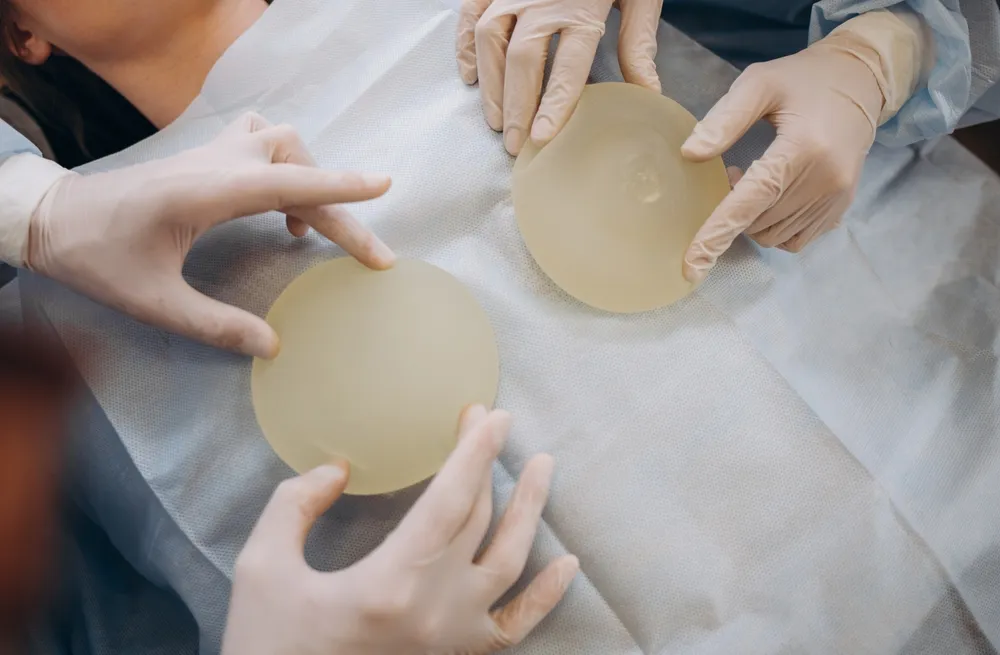
المظهر الطبيعي يعتمد على عوامل متعددة.
حجم الزرع يؤثر على النتائج. الزرعات كبيرة الحجم تبدو صناعية. الزرعات المتوسطة تندمج بشكل أفضل. تخطيط الجراحة له تأثير. يجب على جراحك مطابقة الزرع مع عرض صدرك وجودة الأنسجة. تؤثر جودة نسيج الثدي على التغطية. الأنسجة الرقيقة تكشف عن حواف الزرع. الأنسجة السميكة تخفي الزرع تمامًا. يحدد تشريحك الفردي الحدود. يعمل الجراح الماهر ضمن هذه الحدود. يخلق الجراح نتائج تت complement جسمك.
تحدد استشارتك خطة جراحتك.
اسأل عن الإجراء الذي يعالج مخاوفك المحددة. اسأل عما إذا كان لديك تدلي في الثدي. اسأل عما إذا كانت الزرعات وحدها ستصحح تدلي الثدي. اسأل عما إذا كنت يجب أن تجمع بين كلا الإجرائين. اسأل عن النتائج التي تظل واقعية لجسمك. اطلب رؤية صور قبل وبعد. اسأل عن خبرة الجراح في حالتك المحددة. اسأل عن بروتوكولات الشفاء. اسأل عن معدلات المضاعفات. جراح التجميل المعتمد يرحب بهذه الأسئلة. يقدم الجراح إجابات واضحة وصادقة.
التحضير يحسن النتائج ويقلل من المخاطر.
أكمل تقييمًا طبيًا شاملاً. سيقوم جراحك بمراجعة تاريخك الصحي. توقف عن التدخين قبل الجراحة بأربع أسابيع على الأقل. التدخين يعيق الشفاء. اضبط الأدوية حسب توجيهات الطبيب. تجنب مميعات الدم. رتب للمساعدة في الأيام القليلة الأولى. حضّر منطقة الشفاء الخاصة بك. خطط لأخذ إجازة من العمل. اتبع جميع التعليمات السابقة للجراحة. التحضير السليم يؤدي إلى شفاء أكثر سلاسة.
لا يوجد إجراء أفضل. كل منهما يعالج مشكلات مختلفة. رفع الثدي يصحح التدلي. زراعة الثدي تضيف الحجم. anatomyour يحدد الخيار الأفضل.
توفر الزرعات رفعًا طفيفًا. تخلق الوهم بالرفع في الثدي المتدلي قليلاً. لا يمكنها تصحيح التدلي المتوسط إلى الشديد.
قد تفقد كمية صغيرة من الحجم. يزيل الجراح الجلد الزائد. يحدث بعض إعادة توزيع الأنسجة. يحتفظ معظم المرضى بأحجام مشابهة من الأكواب.
نعم. تختار العديد من النساء إجراء الماستوبكسي فقط. يعمل هذا جيدًا عندما يكون لديك حجم ثدي كافٍ لكن تعاني من التدلي.
تدوم الزرعات من 10 إلى 20 عاماً. توصي إدارة الغذاء والدواء بمراقبة منتظمة. تدوم بعض الزرعات لفترة أطول. تتطلب أخرى استبدالًا مبكرًا.
نعم، عندما يقوم بها جراح ذو خبرة. الجراحة المدمجة تزيد من التعقيد. كما تقلل من وقت الشفاء الكلي والتكلفة.
فترات الشفاء متشابهة. تتطلب كلا الإجرائين إجازة من العمل تتراوح من أسبوع إلى أسبوعين. كلاهما يتطلب من أربعة إلى ستة أسابيع من قيود التمارين.
تنجح العديد من النساء في الرضاعة. بعضهن يعانين من ضعف الإمداد. تؤثر تقنية الجراحة على النتائج. ناقش خططك مع جراحك.
تبقى ندبات رفع الثدي مرئية ولكنها تتلاشى مع الوقت. تكون ندبات الزرع أصغر. يقوم الجراحون بوضع الشقوق في أماكن غير ظاهرة. تحسين العناية بالندبات يعزز الشفاء.
عادةً ما يبدو رفع الثدي أكثر طبيعية. يستخدم أنسجتك الخاصة. يمكن أن تظهر الزرعات بشكل طبيعي عند الحجم والموضع الصحيحين.
تتناول عمليات رفع الثدي وزرع الثدي مخاوف جمالية مختلفة تماماً. يعيد رفع الثدي تشكيل ورفع الثدي المترهل. تضيف زرعات الثدي الحجم والامتلاء. لا يمكنك استبدال واحدة بالأخرى. يحدد حجم ثديك، ومرونة الجلد، ودرجة الهبوط، وأهدافك الشخصية الإجراء الصحيح. تحقق بعض المرضى أفضل النتائج من خلال الجمع بين رفع الثدي مع التكبير. تعيد هذه الطريقة كل من الشكل والحجم. تظل الاستشارة الشاملة مع جراح تجميل معتمد من مجلس الإدارة أساسية. يقوم الجراح بتقييم تشريحك. يستمع الجراح لأهدافك. ينشئ الجراح خطة علاج فردية. لا تختار بناءً على التكلفة وحدها. لا تختار بناءً على الصور وحدها. اختر بناءً على التقييم المهني والتوقعات الواقعية. تعتمد سلامتك ورضاك على اتخاذ الخيار الصحيح المستنير.
جمعية جراحي التجميل الأمريكية. "تقرير إحصاءات جراحة التجميل لعام 2023." ASPS، 2024.
بينغتسون، برادلي ب. "سلامة زرع الثدي والنتائج على المدى الطويل." مجلة الجراحة التجميلية، المجلد 30، العدد 5، 2010، الصفحات 715-22.
كروز-كورشين، ن.، وآخرون. "الرضاعة بعد تكبير الثدي." الجراحة التجميلية والترميمية، المجلد 112، العدد 5، 2003، الصفحات 1400-05.
هاندل، نيل. "السلامة والفعالية على المدى الطويل لزرعات الثدي." مجلة الجراحة التجميلية، المجلد 37، العدد 8، 2017، الصفحات 892-900.
هينريكسن، ت. ف.، وآخرون. "نتيجة الجراحة بعد تكبير الثدي." الجراحة التجميلية والترميمية، المجلد 112، العدد 3، 2003، الصفحات 893-99.
هيدالجو، ديفيد أ. "تكبير الثدي: وجهات نظر حالية." الجراحة التجميلية والترميمية، المجلد 140، العدد 4، 2017، الصفحات 621-32.
ماكسويل، جي. باتريك، وآلن غابرييل. "تكبير الثدي." الجراحة التجميلية والترميمية، المجلد 124، العدد 4، 2009، الصفحات 1S-10S.
سبيير، سكوت ل. "تصحيح الثدي." الجراحة التجميلية والترميمية، المجلد 111، العدد 2، 2003، الصفحات 872-82.
ستيفنز، و. غرانت، وآخرون. "تصحيح الثدي والتكبير: مراجعة للإجراءات المدمجة." مجلة الجراحة التجميلية، المجلد 34، العدد 5، 2014، الصفحات 753-62.
تيبيتي، جون ب. "نظام لاختيار زراعة الثدي بناءً على خصائص الأنسجة لدى المريضة." الجراحة التجميلية والترميمية، المجلد 109، العدد 5، 2002، الصفحات 1726-37.