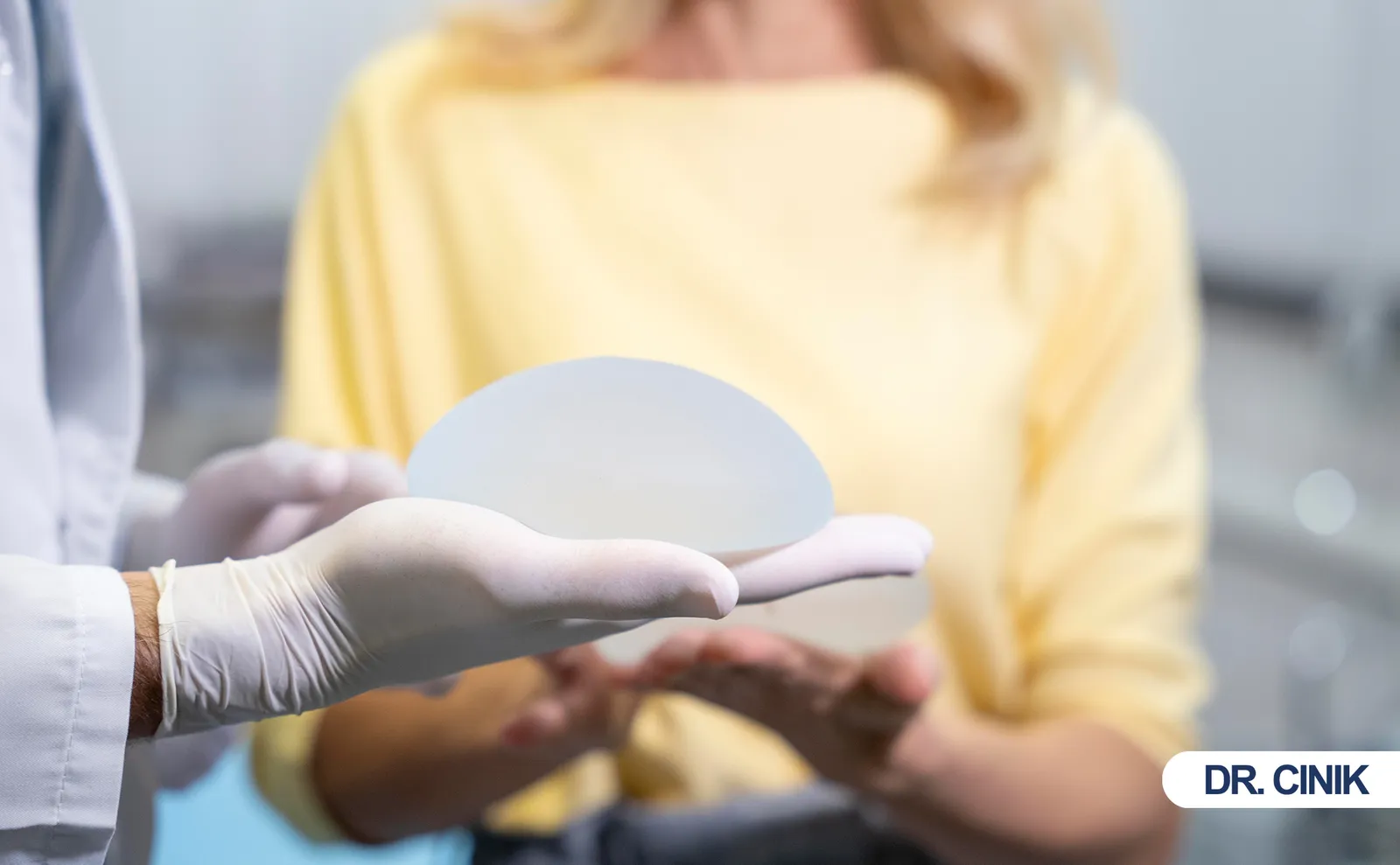
Göğüs implantı boyutu, birçok hastayı karıştırır. 300 cc veya 400 cc gibi sayılar görürsünüz. Bu sayıların bedeniniz için ne anlama geldiğini merak edersiniz. Bu kılavuz size net bilgiler sunar. Hacim, şekil ve seçim yöntemlerini ayrıntılı olarak inceliyoruz. Bu önemli kararı vermeden önce doğru bilgiyi hak ediyorsunuz.
Göğüs İmplantı Boyutu Nedir ve Neden Önemlidir?
Göğüs implantı boyutu, implantın hacmini santimetreküp cinsinden ölçer. Doğru boyutlandırma, son sonucun nasıl göründüğünü ve hissettirdiğini belirler. Cerrahlar, güvenli ve güzel sonuçlar elde etmek için implantı bedeninize uygun hale getirir.
Göğüs implantı boyutu, rastgele bir sayı seçmekten çok daha fazlasıdır. Cerrahlar, implant boyutunu santimetreküp cinsinden ölçer. Doktorlar bunu "cc" olarak kısaltır. Bir cc bir mililitreye eşittir. Bu birim hacmi ölçer, ağırlığı değil. 300 cc'lik bir implant, 300 mililitre silikon veya tuzlu su tutar.
Birçok hasta, implant boyutunu sütyen kupası boyutuyla karıştırır. Bu iki ölçüm tamamen farklıdır. Kupa boyutu, sütyen üreticisine bağlıdır. İmplant hacmi ise kesin tıbbi ölçüme dayanır. 350 cc'lik bir implant, farklı hastalarda farklı kupa boyutları oluşturur. Göğüs genişliğiniz, doku kalınlığınız ve mevcut göğüs boyutunuz nihai sonucu etkiler.
Doğru boyutlandırma, hem güvenlik hem de estetik açısından önemlidir. Yanlış boyut, dokunuzu zorlar. Doğru boyut, çerçevenizi tamamlar. Sertifikalı plastik cerrahlar, bu ölçümleri öğrenmek için yıllar harcar. Özel bir hacim önermeden önce anatomiyi analiz ederler.
Cerrahlar İmplant Boyutunu Nasıl Tanımlar?
Cerrahlar, implant boyutunu hacim olarak santimetreküp cinsinden tanımlar. Aynı zamanda taban genişliğini ve projeksiyonu da göz önünde bulundururlar.
Cerrahlar, implant boyutunu üç ana sayı ile tanımlar. İlk olarak, hacmi santimetreküp cinsinden incelerler. İkincisi, taban genişliğini santimetre cinsinden ölçerler. Üçüncüsü, projeksiyonu veya profili değerlendirirler. Bu üç faktör birlikte çalışır. Sadece hacim karar vermeye rehberlik edemez.
Kupa Boyutu Neden İmplant Boyutundan Farklıdır?
Kupa boyutu markalar arasında değişir. İmplant hacmi sabit kalır. Anatominiz, herhangi bir hacmin kupa boyutuna nasıl dönüşeceğini belirler.
Sütyen üreticileri farklı boyutlandırma sistemleri kullanır. Bir markanın C kupası, başka bir markanın D kupasına eşittir. İmplant hacmi dünya genelinde aynı metriği kullanır. Mevcut göğüs dokunuz, implant hacmine eklenir. Bu kombinasyon nihai kupa boyutunuzu oluşturur. Aynı 350 cc'lik implantlara sahip iki hasta farklı kupa boyutları giyebilir.
Cerrahlar Göğüs İmplantı Boyutlarını Nasıl Ölçer?
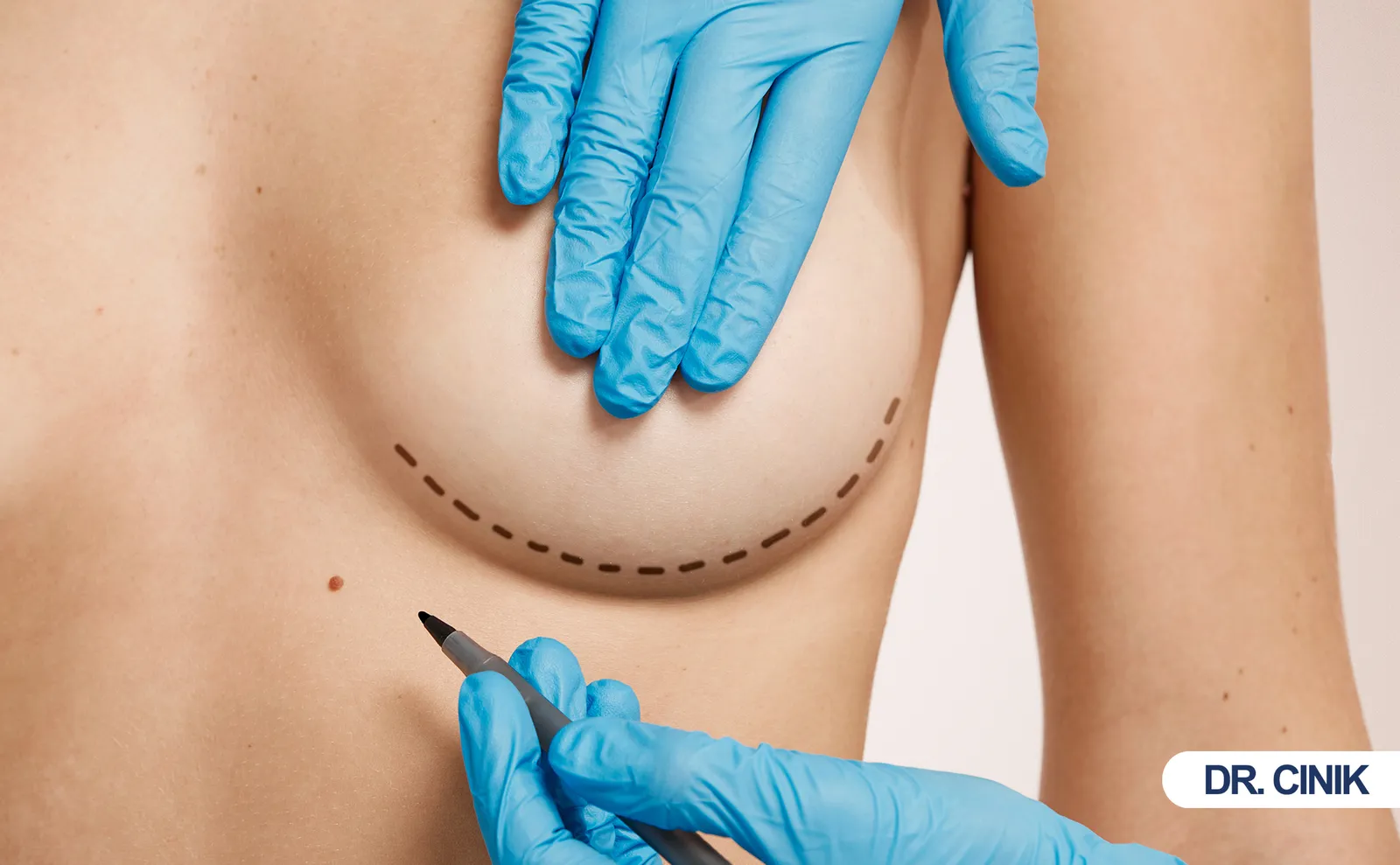
Cerrahlar, implantları hacim, taban genişliği ve projeksiyonla ölçerler. Bu üç metrik, doğru uyumu sağlamaya yardımcı olur.
Her implant seçimi üç ana ölçümle yönlendirilir. Cerrahlar hacmi, taban genişliğini ve projeksiyonu değerlendirir. Her ölçümün belirli bir amacı vardır. Birlikte tam bir boyutlandırma resmi oluştururlar.
Implant Hacmi Nasıl Çalışır?
Implant hacmi, implantın işgal ettiği alanı santimetreküp olarak ölçer. Küçük implantlar 100–300 cc tutar. Orta implantlar 300–400 cc tutar. Büyük implantlar 400–800+ cc tutar.
Cerrahlar implant hacmini santimetreküp cinsinden ölçer. Bu ölçüm, implantın ne kadar sıvı veya jel içerdiğini gösterir. Aşağıdaki tablo standart aralıkları göstermektedir.
|
Boyut Kategorisi
|
Hacim Aralığı (cc)
|
Tipik Kullanım
|
|
Küçük
|
100–300 cc
|
Hafif artırma, küçük asimetri
|
|
Orta
|
300–400 cc
|
Dengeli, doğal görünümlü büyütme
|
|
Büyük
|
400–800+ cc
|
Dramatik boyut artışı
|
Küçük implantlar 100 ile 300 cc arasında değişir. Hastalar bunları hafif değişiklikler için tercih eder. Orta implantlar 300 ile 400 cc arasında değişir. Cerrahlar bu aralığı en popüler olarak bildirir. Büyük implantlar 400 cc'den fazladır. Bazı hastalar belirgin bir artırma için 600 cc veya 800 cc'yi tercih eder.
Taban Genişliği Uyumunu Nasıl Etkiler?
Taban genişliği implantın çapını ölçer. Göğüs duvarınızla eşleşmelidir. Çoğu implant 7 ile 17 santimetre arasında değişir.
Taban genişliği implantın düz çapını ölçer. Bu sayı göğüs duvarınıza uymalıdır. Taban genişliği, doğal meme genişliğinizi aşmamalıdır. Aksi takdirde, implant fazla dışarı doğru sarkar. Bu, doğal olmayan bir görünüm yaratır. Taban genişliği yetersiz kalırsa, yetersiz kaplama elde edersiniz.
Cerrahlar, danışmanlık sırasında göğüs duvarınızı ölçer. Mevcut doku genişliğinizi istediğiniz genişlikten çıkartırlar. Bu hesaplama, ideal implant taban genişliğinizi ortaya koyar. Çoğu implant 7 cm ile 17 cm arasında değişir. Anatomik yapınız sınırı belirler. Vücut yapınızı aşan bir taban genişliği seçemezsiniz.
Implant Profili Sonuçları Nasıl Değiştirir?
Profil, implantın ne kadar öne doğru projeksiyon yaptığını belirler. Düşük profiller hafif bir projeksiyon yaratır. Yüksek profiller ise dramatik bir öne projeksiyon oluşturur.
İmplant profili projekksiyonu kontrol eder. Bu terim, implantın göğsünüzden ne kadar ileriye itildiğini tanımlar. Üreticiler düşük, orta, yüksek ve ultra-yüksek profiller sunmaktadır.
|
Profil Tipi
|
Projeksiyon Düzeyi
|
En Uygun Olanlar
|
|
Düşük
|
Minimum ileri itme
|
Geniş göğüs duvarları, hafif sonuçlar
|
|
Orta
|
Orta düzeyde ileri itme
|
Ortalama çerçeveler, dengeli görünüm
|
|
Yüksek
|
Belirgin ileri itme
|
Dar göğüsler, daha fazla dekolte
|
|
Ultra-Yüksek
|
Maksimum ileri itme
|
Çok dar göğüsler, dramatik sonuçlar
|
İki implant aynı hacmi tutabilir ancak farklı görünümler yaratabilir. 350 cc orta profil implant, hacmi daha geniş bir tabana yayar. 350 cc yüksek profil implant ise aynı hacmi daha dar bir tabana yoğunlaştırarak daha fazla ileri itme sağlar. Profil her şeyi değiştirir.
Standart Göğüs İmplantı Boyut Aralıkları Nedir?
İmplantlar 100 cc'den 800 cc'ye kadar uzanır. Çoğu hasta 300–400 cc'yi tercih eder. Cerrahlar boyutları küçük, orta ve büyük kategorilere ayırır.
Plastik cerrahlar implantları belirgin kategorilere gruplar. Bu kategoriler, hastaların seçeneklerini anlamalarına yardımcı olur. Anatominiz ve hedefleriniz hangi kategorinin size uygun olduğunu belirler.
Hangi Boyutlar Küçük İmplant Olarak Sayılır?
Küçük implantlar 100–300 cc içerir. Hafif bir artırma sağlarlar. Küçük değişiklikler isteyen hastalar için uygundurlar.
Küçük implantlar 100 ile 300 santimetreküp arasında yer alır. Hastalar bunları temkinli bir artırma için tercih ederler. Bu implantlar küçük asimetrileri düzeltir. Ayrıca sınırlı doku örtüsü olan hastalara da uygundur. Küçük implantlar doğal sonuçlar yaratır. Cilt ve kas üzerinde daha az stres oluştururlar. Küçük hacimlerle iyileşme genellikle daha hızlı gerçekleşir.
Hangi Boyutlar Orta İmplant Olarak Sayılır?
Orta implantlar 300–400 cc içerir. Cerrahlar bunu en çok talep edilen aralık olarak rapor etmektedir. Bu implantlar, belirgin değişimi doğal oranlarla dengeler.
Orta boy greftler 300 ile 400 cc arasındadır. Araştırmalar, çoğu hastanın bu aralıkta greftleri seçtiğini göstermektedir (ASPS 2024). Bu hacimler, aşırı oranlar olmadan görünür artışlar yaratır. Genellikle 350 cc greft, çoğu hastayı yaklaşık bir ile bir buçuk kupa büyüklüğü kadar artırır. Orta boy greftler birçok vücut tipiyle uyumludur. Kadınsı bir siluet için yeterli hacim sunarlar. Ayrıca gerçekçi oranları korur.
Büyük Greftler Hangi Boyutları Kapsar?
Büyük greftler 400–800+ cc içerir. Dramatik bir artırma sağlarlar. Doku gücünün dikkatli değerlendirilmesini gerektirirler.
Büyük greftler 400 cc'yi aşar. Bazı hastalar 500 cc, 600 cc veya hatta 800 cc seçer. Bu greftler belirgin boyut artışları yaratır. Güçlü doku desteği gerektirir. Hacmi karşılamak için cildinizin gerilmesi gerekir. Göğüs duvarınız eklenen ağırlığı taşımalıdır. Büyük greftler kapsamlı tıbbi değerlendirme gerektirir. Cerrahlar bu hacimleri onaylamadan önce doku kalitenizi dikkatlice değerlendirir.
Çoğu Hasta Hangi Boyutları Seçiyor?
Çoğu hasta 300–500 cc'yi seçmektedir. Klinik ortalama yaklaşık 350–400 cc civarındadır.
İstatistikler net eğilimleri ortaya koymaktadır. Amerikan Plastik Cerrahlar Derneği ulusal verileri takip etmektedir. 2023 raporları, çoğu hastanın 300 ile 500 cc arasında greft seçtiğini göstermektedir. Ortalama seçim 350 ile 400 cc arasında yer almaktadır. Bu aralık, çoğu estetik hedefi karşılar. Ayrıca makul güvenlik marjlarını korur. 600 cc'nin üzerindeki aşırı boyutlar nadirdir. Toplam prosedürlerin küçük bir yüzdesini temsil ederler.
Greft Boyutu Kupa Boyutuyla Nasıl İlişkilidir?
Greft boyutu ve kupa boyutu dolaylı olarak bağlantılıdır. Yaklaşık 150–200 cc, kupa boyutunu yaklaşık bir seviyeye artırır. Anatominiz bu denklemi değiştirir.
Hastalar sıklıkla belirli bir kupa boyutu talep eder. C kupası veya D kupası isterler. Cerrahlar kesin kupa boyutlarını garanti edemez. Sonucu etkileyen çok fazla değişken bulunmaktadır.
Kupa Boyutu Neden Bu Kadar Tutarsızdır?
Sutyen üreticileri farklı ölçüm sistemleri kullanmaktadır. Evrensel bir standart yoktur. Bu durum, kupa boyutunu güvenilir bir cerrahi hedef haline getirmemektedir.
Sutyen firmaları kupaları farklı ölçmektedir. Bir üreticinin C kupası, diğerinin D kupasına eşittir. Bazı markalar inç kullanırken, diğerleri santimetre kullanır. Bu tutarsızlık kafa karışıklığı yaratmaktadır. Cerrahlar, cerrahi hedef olarak kupa boyutunu kullanmaktan kaçınır. Kesin hacim ölçümlerini tercih ederler. Hacim, size öngörülebilir ve tekrarlanabilir sonuçlar verir.
Bir Kupa Boyutuna Eşit Kaç CC Vardır?
Yaklaşık 150–200 cc, kupa boyutunu bir seviyeye artırır. Göğüs genişliğiniz, doku elastikiyetiniz ve başlangıç hacminiz bu tahmini değiştirebilir.
Cerrahlar, 150 ile 200 cc arasında yapılan bir artışın yaklaşık olarak bir seviye artırdığını tahmin ediyor. Bu kural yalnızca kabaca bir rehber sunar. Vücudunuz hesaplamaları değiştirir. Dar bir göğüse ve sıkı bir cilde sahip bir hasta, 200 cc den daha büyük bir artış görebilir. Geniş bir göğse ve gevşek bir cilde sahip bir hasta ise aynı hacimden daha küçük bir değişim görebilir.
|
Başlangıç Yapısı
|
Kupa Artışı İçin Yaklaşık CC
|
|
Dar göğüs, sıkı cilt
|
150 cc
|
|
Ortalama yapı
|
175 cc
|
|
Geniş göğüs, gevşek cilt
|
200+ cc
|
Neden Boyut Tahminleri Sıklıkla Başarısız Olur?
İnsan anatomisi çok fazla değişkenlik gösterir. Doğrusal olmayan sonuçlar kesin tahminleri engeller. Her hasta aynı hacme farklı şekilde yanıt verir.
Tahminsel modeller tüm değişkenleri hesaba katamaz. Doku elastikiyetiniz genişlemeyi etkiler. Göğüs duvarı kalınlığınız yayılmayı etkiler. Kas kalınlığınız projeksiyonu etkiler. Tamamen aynı 350 cc implant alan iki hasta, tamamen farklı görünümlerle sonuçlanabilir. Bu değişkenlik, kesin kupa boyutu vaatlerini imkansız kılar. İyi cerrahlar bu sınırlamayı baştan açıklar.
En İyi İmplant Boyutunu Belirleyen Faktörler Nelerdir?
Anatominiz, vücut oranlarınız, implant tipi, yaşam tarzınız ve cerrahi araçlarınız ideal boyutunuzu belirler. Tek bir faktör yalnızca tek başına karar vermez.
Optimal implant seçimi kapsamlı bir analiz gerektirir. Cerrahlar birden fazla faktörü değerlendirir. Bu faktörleri kişiselleştirilmiş bir öneriye dönüştürürler.
Anatominiz Boyutu Nasıl Etkiler?
Göğüs genişliğiniz, mevcut dokunuz ve cilt kaliteniz fiziksel sınırları belirler. Bu unsurlar güvenli maksimum hacimleri belirler.
Göğüs duvarı boyutlarınız ilk sınırı oluşturur. Dar bir göğüs geniş bir implantı taşıyamaz. Mevcut meme dokunuz toplam hacme katkıda bulunur. Az dokuya sahip ince hastalar, daha fazla doğal hacme sahip hastalardan farklı boyutlara ihtiyaç duyar. Cilt elastikiyetiniz ve kalınlığınız da önemlidir. İnce, elastik olmayan cilt büyük implantları destekleyemez. Kalın, elastik cilt daha büyük hacimleri daha iyi taşır.
Vücut Oranları Seçimi Nasıl Yönlendirir?
Boyunuz, kilonuz, omuz genişliğiniz ve bel kalça oranınız cerrahların orantılı implantları seçmesine yardımcı olur.
Cerrahlar, genel çerçevenizi dikkate alır. Uzun boylu ve geniş omuzlu hastalar, dengelerini korumak için genellikle daha büyük implantlar gerektirir. Dar çerçeveye sahip kısa hastalar ise genellikle daha küçük implantlar isteyebilir. Belinizin kalça ile oranı, ideal meme genişliğini etkiler. Cerrahlar, göğüs, bel ve kalça arasında uyum sağlamayı hedefler. Bu oranları konsultasyon sırasında ölçerler.
|
Vücut Özelliği
|
Tipik İmplant Değerlendirmesi
|
|
Uzun ve geniş omuzlu
|
Daha büyük hacim, daha geniş taban
|
|
Kısa ve dar çerçeveli
|
Daha küçük hacim, daha dar taban
|
|
Geniş kalçalar
|
Denge için orta ila büyük hacim
|
|
Az yağlı atletik yapı
|
Küçük ila orta hacim
|
İmplant Özellikleri Sonuçları Nasıl Etkiler?
Yuvarlak implantlar, üst göğüslerin daha dolgun görünmesini sağlar. Anatomik implantlar, kademeli eğimler oluşturur. Yüzey dokusu ve profili de sonuçları değiştirir.
İmplant şekli görünümünüzü önemli ölçüde değiştirir. Yuvarlak implantlar, üst göğüste daha fazla dolgunluk yaratır. Bu bir "itme" etkisi yaratır. Anatomik veya damla şeklindeki implantlar, doğal meme eğimini taklit eder. Daha fazla hacmi alt kısma yerleştirirler. Profil, implante ne kadar ön plana çıktığını etkiler. Yüzey dokusu, dokunun implanta nasıl yapıştığını etkiler. Dokulu implantlar, anatomik şekillerde dönme riskini azaltır.
Yaşam Tarzı Boyut Seçimini Nasıl Etkiler?
Aktif hastalar genellikle orta boyutları tercih eder. Büyük implantlar, koşu, yoga veya ağırlık antrenmanı yaparken sorun oluşturabilir.
Günlük aktiviteleriniz önemlidir. Maraton koşucuları genellikle daha küçük implantlar tercih eder. Büyük implantlar ağırlık ekler. Bu ağırlık, koşu mekaniğinizi etkiler. Ağırlık kaldıranlar, göğüs egzersizleri sırasında büyük implantların rahatsız edici olduğunu bulabilir. Giyim tercihlerinizi de rol oynar. Bazı hastalar, belirli moda hedeflerine uygun implantlar ister. Cerrahlar, egzersiz alışkanlıklarınızı sorar. Kıyafet tercihleriniz hakkında bilgi alırlar. Bu yanıtlar, boyut önerilerine rehberlik eder.
Cerrahların Boyut Planlamasına Yardımcı Olan Araçlar Nelerdir?
3D görüntüleme, deneme boyutlandırıcıları ve simülasyon yazılımları, cerrahların sonuçları önceden görmesine yardımcı olur. Bu araçlar, karar verme sürecini iyileştirir.
Modern teknoloji son derece yardımcı olmaktadır. Üç boyutlu görüntüleme sistemleri gövdenizi fotoğraflar. Yazılım, görüntünüzün üzerine farklı implant boyutları yerleştirir. Ameliyattan önce simüle edilmiş sonuçları görüyorsunuz. Deneme boyutları, sütyeninizde örnek implantları yerleştirmenizi sağlar. Hemen hacim etkilerini görebilirsiniz. Bazı cerrahlar bilgisayar simülasyonu kullanır. Diğerleri fiziksel boyutlar kullanır. Birçok cerrah her ikisini de kullanmaktadır. Bu araçlar tahminleri azaltır. Hastaların beklentilerini gerçekçi sonuçlarla hizalar (Hammond ve diğ. 2017).
İmplant Türleri Algılanan Boyutu Nasıl Etkiler?

Silicon ve tuzlu su implantları yoğunluk ve his bakımından farklılık gösterir. Şekil ve profil de göğüslerin ne kadar büyük göründüğünü değiştirir.
İmplant türü görsel sonuçları değiştirir. Aynı hacim silikon ile tuzlu su arasında farklı görünür. Şekil ve profil ek varyasyonlar yaratır.
Silikon ve Tuzlu Su İmplantları Nasıl Farklıdır?
Silikon jel daha yumuşak hissettirir ve daha doğal hareket eder. Tuzlu su çözeltisi daha sert hissedilir. Silikon implantlar genellikle aynı hacim için biraz daha küçük görünür.
Silikon implantlar kohezif jel içerir. Bu jel doğal göğüs dokusunu taklit eder. Tuzlu su implantları ise steril tuzlu su içerir. Tuzlu su santimetreküp başına biraz daha hafif gelir. Ancak, silikon jel daha yumuşak kenarlar oluşturur. Silikon implantlar genellikle daha doğal görünür. Tuzlu su implantları daha fazla dalgalanma gösterebilir. Bazı hastalar tuzlu su implantlarını görsel olarak biraz daha büyük algılayabilir. Diğerleri ise silikonu vücutlarıyla daha entegre olarak algılar.
|
Özellik
|
Silikon İmplantlar
|
Tuzlu Su İmplantları
|
|
Doldurma materyali
|
Kohezif jel
|
Steril tuzlu su
|
|
Hissiyat
|
Daha yumuşak, daha doğal
|
Daha sert
|
|
Santimetreküp başına ağırlık
|
Biraz daha ağır
|
Biraz daha hafif
|
|
Dalgalanma riski
|
Daha düşük
|
Daha yüksek
|
|
Görsel entegrasyon
|
Daha doğal
|
Daha belirgin
|
Şekil Görünümü Nasıl Değiştirir?
Yuvarlak implantlar, üst kutupları daha yuvarlak ve dolgun hale getirir. Anatomik implantlar, kademeli üst eğimlere sahip damla şekilleri oluşturur.
Yuvarlak implantlar hacmi eşit şekilde dağıtır. Bu, göğsün üst kısmında dolgunluk yaratır. Birçok hasta bu görünümü tercih eder. Anatomik implantlar hacmi alt kısımda yoğunlaştırır. Üst göğüs, göğüsle kademeli bir geçiş yapar. Bu, doğal anatomiyi taklit eder. Tercihiniz estetik hedeflerinize bağlıdır. Her iki şekil de çeşitli boyutlarda sunulmaktadır.
Profil Nihai Sonuçları Nasıl Değiştirir?
Yüksek profilli implantlar hacmi öne yoğunlaştırır. Düşük profilli implantlar hacmi geniş bir alana yayar. Aynı cc, profile bağlı olarak farklı görsel boyutlar oluşturur.
Profil, projeksiyon hakkında her şeyi değiştiren bir unsurdur. Yüksek profilli 300 cc implant, dramatik bir şekilde öne itilme sağlar. Göğüs duvarından önemli bir projeksiyon oluşturur. Düşük profilli 300 cc implant, aynı hacmi daha geniş bir tabana yayar. Daha az öne itilme sağlar ancak daha fazla yan dolgunluk yaratır. Göğüs genişliğiniz, hangi profilin size uygun olduğunu belirler. Dar göğüsler daha yüksek profiller gerektirir. Geniş göğüsler ise daha düşük profiller gerektirir.
Boyut Biomekanikleri ve Uzun Dönem Sonuçları Nasıl Etkiler?
Daha büyük implantlar, dokunuza daha fazla yük bindirir. Bu, belirli komplikasyon risklerini artırır. Orta boyutlar genellikle daha iyi uzun vadeli stabilite sağlar.
İmplantlar, vücudunuzla mekanik olarak etkileşime girer. Boyut, bu etkileşimi önemli ölçüde etkiler. Daha büyük hacimler daha fazla stres oluşturur.
Büyük İmplantlar Dokuyu Nasıl Etkiler?
Büyük implantlar, deriyi gerer ve altındaki dokuyu sıkıştırır. Bu genişleme, kan akışını ve destek yapıları değiştirir.
Her implant, dokunuzu genişletir. Daha büyük implantlar daha fazla genişleme yaratır. Deriniz hacmi kaplamak için gerilir. Göğüs dokunuz sıkışır ve inceleşir. Kan damarları yeni konumlara uyum sağlamak zorundadır. Zamanla, ağır implantlar aşağı doğru çekilir. Bu yerçekimi etkisi boyutla artar. Dokunuz bu çekilmeye sürekli olarak karşı koymak zorundadır. Sağlam dokular bu durumu daha iyi yönetir. Zayıf dokular aşırı yük altında başarısız olabilir.
İmplant Boyutuyla İlişkilendirilen Komplikasyonlar Nelerdir?
Aşırı büyük implantlar, kapsüler kontraktür, sarkma ve bel ağrısı riskini artırır. Orta boyutlar bu riskleri azaltır.
Araştırmalar, implant boyutunu belirli komplikasyonlarla ilişkilendirir. Kapsüler kontraktür, skar dokusunun implant etrafında sıkılaşmasıyla meydana gelir. Çalışmalar, daha büyük implantların bu riski artırabileceğini öne sürmektedir (Brown ve ark. 2000). Ptozis, sarkma anlamına gelir. Ağır implantlar, zamanla göğsün sarkmasını hızlandırır. Çok büyük implantlar, kas-iskelet rahatsızlıklarına neden olabilir. Bazı hastalar, aşırı boyutlarla bel veya boyun ağrısı bildirmektedir.
|
Komplikasyon
|
Büyük İmplantlarla Risk
|
Orta İmplantlarla Risk |
|
Kapsül kontraktürü
|
Daha yüksek
|
Daha düşük
|
|
Ptozis (sarkma)
|
Daha hızlı başlangıç
|
Daha yavaş başlangıç
|
|
Doku incelmesi
|
Daha olası
|
Daha az olası
|
|
Sırt/ boyun ağrısı
|
Daha fazla rapor
|
Daha az rapor
|
Cerrahlar bu riskleri danışmanlık sürecinde değerlendirirler. Dokularınızın yıllarca destekleyebileceği boyutları önerirler.
Cerrahlar Son Boyut Kararını Nasıl Alır?
Cerrahlar danışmanlık verilerini, fiziksel muayeneleri ve operasyon sırasında gözlemleri birleştirirler. Hedeflerinizi anatomik gerçeklik ile dengelerler.
Boyut seçimi aşamalı olarak gerçekleşir. Süreç cerrahiden önce başlar. Bazen cerrahi sırasında devam eder. Cerrahlar her hasta için en uygun kesim, implant türü ve cep düzlemini de seçmelidir (Hidalgo 2006).
Danışmanlık Sürecinde Ne Olur?
Cerrahlar anatomiyi inceler. Hedeflerinizi tartışırlar. Görsel referansları ve 3D simülasyonları gösterirler.
Danışmanlık, sohbet ile başlar. İstenen sonucu tanımlarsınız. Cerrah, göğsünüzü inceler. Göğüs genişliğinizi, yüksekliğinizi ve doku kalınlığını ölçer. Cilt kalitenizi değerlendirir. 3D analiz için torso fotoğraflarınızı çeker. Benzer hastaların önceki ve sonraki fotoğraflarını gösterir. Özel bir sutyen içinde deneme boyutlarını sunar. 150 cc, 250 cc veya 350 cc'nin görünümünü gövdenizde nasıl durduğunu görürsünüz. Bu süreç beklentileri hizalar (Tebbetts 2006).
Cerrahlar Ameliyat Sırasında Boyutu Nasıl Ayarlar?
Cerrahlar ameliyat sırasında deneme boyutları yerleştirir. Görünümü değerlendirirler. Canlı gözleme dayalı olarak nihai implantı seçerler.
Cerrahlar ameliyattan önce birden fazla implant boyutu hazırlarlar. Seçtiğiniz aralığı açarlar. İşlem sırasında geçici deneme boyutlarını yerleştirirler. Sizi hafifçe oturturlar. Hacmin göğsünüzde nasıl göründüğünü değerlendirirler. Simetrik olup olmadığını kontrol ederler. Doku tepkisini değerlendirirler. Sonra nihai implantı seçerler. Bu adım kesinliği sağlar. Hiçbir ölçümün öngöremediği faktörleri hesaba katar.
Cerrahlar Güvenlik ve Estetiği Nasıl Dengeler?
Cerrahlar doku kapasitesini aşan talepleri reddederler. Uzun vadeli sağlığı koruyan boyutlar önerirler.
İyi cerrahlar güvenliği önceliklendirir. Güzelliğin sağlıklı dokular gerektirdiğini anlarlar. 600 cc talep edebilirsiniz. Ancak, dokunuz yalnızca 350 cc destekleyebilir. Cerrah ardından riski açıklar. Aşırı talepleri reddedebilirler. Komplikasyonların estetik sonuçları yok ettiğini açıklarlar. Şu anda güzel görünen ve ileride de güzel kalacak boyutlara yönlendirirler. Bu denge etik cerrahi pratiğini tanımlar.
Göğüs İmplantı Boyutları Hakkında Hangi Efsaneler Vardır?
Birçok hasta daha büyük implantların her zaman daha iyi göründüğüne inanır. Diğerleri ise kupa boyutlarına tamamen güvenir. Bu efsaneler hayal kırıklığına yol açar.
Göğüs büyütme konusunda yanlış bilgiler mevcuttur. Hastalar yanlış inançlarla gelir. Cerrahlar bu inançları düzeltmek zorundadır.
Büyüklük Her Zaman Daha İyi mi?
Hayır. Aşırı büyük implantlar doğala aykırı sonuçlar oluşturur. Komplikasyon risklerini artırır. Uzun vadede hastaları sıklıkla hayal kırıklığına uğratır.
Birçok hasta daha büyük implantların daha iyi sonuçlar garantilediğini varsayar. Bu inanç sorunlara yol açar. Dokunun kapasitesini aşan implantlar sahte görünür. Cildi aşırı gerer. Geniş dekolte boşlukları oluşturur. Kabarabilir veya görünür hale gelebilir. Aşırı büyük implantlara sahip hastalar genellikle revizyon ameliyatı talep eder. Daha küçük hacimlere düşerler. Araştırmalar, orta boyutların zamanla daha yüksek memnuniyet oranları sağladığını göstermektedir (Adams ve diğ. 2007).
Sadece Kupa Boyutlarına Neden Güvenemezsiniz?
Kupa boyutları evrensel standartlardan yoksundur. Markalar ve ülkeler arasında değişiklik gösterir. Hacim, güvenilir ve tekrarlanabilir sonuçlar verir.
Hastalar "D kupa olmak istiyorum" derler. Bu talep basit görünse de aslında kafa karıştırıcıdır. Bir markadaki D kupa, başka bir markada C kupa eşdeğeri olabilir. Avrupa boyutları, Amerikan boyutlarından farklıdır. Spor sütyeni boyutları, iç çamaşırı boyutlarından farklıdır. Cerrahlar sizinle alışveriş yapamaz. Belirli bir sütyen etiketinin garantisini veremezler. Ancak belirli bir hacmin garantisini verebilirler. Hacim, tutarlı ve ölçülebilir sonuçlar yaratır.
Hacim Tüm Hikayeyi Neden Anlatmaz?
Profil, taban genişliği ve şekil, görünümünüzü yalnızca hacimden daha fazla değiştirir. Aynı cc'ye sahip iki hasta tamamen farklı görünebilir.
Hastalar santimetreküpe takılıp kalır. Çevrimiçi notları karşılaştırır. "375 cc aldım." Bu sayı bağlam olmadan pek bir şey ifade etmez. Dar bir göğüste 375 cc yüksek profilli bir implant büyük görünür. Geniş bir göğüste 375 cc düşük profilli bir implant alçakgönüllü görünür. Profil ve şekil, nihai görünümünüzü belirler. Hacim, yalnızca bulmacanın bir parçası olarak hizmet eder.
Hangi Gelecek Eğilimler İmplant Boyutlandırmasını Şekillendiriyor?
Hastalar giderek doğal oranları tercih ediyor. Teknoloji artık yapay zeka simülasyonları ve özel implantlar sunuyor.
Alan sürekli olarak evrim geçiriyor. Yeni tercihler ve araçlar, cerrahların boyutlandırmaya yaklaşımını değiştiriyor. İmplant teknolojisi son birkaç on yılda önemli ölçüde gelişmiştir (Maxwell ve Gabriel 2009).
Neden Doğal Oranlar Tercih Ediliyor?
Modern hastalar ince bir iyileştirme istiyor. Aşırı boyutları reddediyorlar. Çerçevelerine uyan sonuçları tercih ediyorlar.
Eğilimler, ölçülülüğe doğru kayıyor. Çok büyük implantlar 1990'larda popülerlik kazandı. 2020'ler farklı tercihler gösteriyor. Hastalar doğal, atletik, orantılı görünümler istiyor. Meslektaşlarının iyi göründüğünü fark etmesini istiyorlar. Meslektaşlarının ameliyat olduklarını bilmesini istemiyorlar. Bu "belirlenemez" estetik, boyut seçimlerini aşağı çekiyor. Artık makul boyutlar konsultasyonlarda hakimiyet kuruyor (Swanson 2020).
Teknoloji Boyutlandırmayı Nasıl Değiştiriyor?
Yapay zeka görüntüleme ve 3D baskı şimdi hassas preoperatif planlama yapmayı sağlıyor. Özel implantlar yakında bireysel anatomiye tam olarak uyum sağlayabilir.
Teknoloji her yıl gelişiyor. Üç boyutlu kameralar tam olarak gövde ölçülerini alıyor. Yapay zeka, sonuçları giderek daha fazla doğrulukla tahmin ediyor. Bazı araştırmacılar hasta spesifik implantları inceliyor. Bu kişiye özel cihazlar, tam olarak anatominizle eşleşecek. Sizin benzersiz çerçeveniz için hacim, genişlik ve çıkıntıyı optimize edecekler. Bu gelişmeler revizyon oranlarını azaltıyor. Hasta memnuniyetini artırıyor.
Hastaların İmplant Boyutlandırması Hakkında Unutmaması Gerekenler Neler?
İmplant boyutlandırması birden fazla faktör gerektirir. Sadece hacim, kararı yönlendiremez. Anatominiz, implant özellikleriniz ve cerrahınızın uzmanlığı, en iyi sonucu yaratır.
Göğüs implant boyutlandırması kapsamlı düşünmeyi gerektirir. Bir tablodan sayı seçemezsiniz. Arkadaşınızın seçimini kopyalayamazsınız. Vücudunuz kişiselleştirilmiş analiz gerektirir. Cerrahınız göğüs duvarınızı değerlendirir. Dokunuzu inceler. Yaşam tarzınızı göz önünde bulundurur. Uygun hacim, genişlik ve profili seçer. Bu çok faktörlü yaklaşım, sağlığınızı korur. Ayrıca güzel ve kalıcı sonuçlar oluşturur.
Sıkça Sorulan Sorular
En Yaygın Göğüs İmplant Boyutu Nedir?
Çoğu hasta 300-400 cc seçiyor. Bu aralık, çoğu estetik hedefi güvenli bir şekilde karşılıyor.
Ulusal veriler bu aralığı doğruluyor. Amerikan Plastik Cerrahlar Derneği, çoğu büyütme hastasının 300 ile 400 cc arasında implant seçtiğini bildiriyor. Bu hacim, çoğu vücut tipi için belirgin bir iyileştirme sağlıyor. Ayrıca makul güvenlik marjlarını koruyor.
Bir Kupa Boyutuna Eşit Kaç CC Vardır?
Yaklaşık 150-200 cc, kupa boyutunu bir seviye artırır. Anatominiz bu tahmini değiştirir.
Cerrahlar bu kuralı kabaca bir rehber olarak kullanır. Ortalama vücut yapısına ve orta dokulara sahip bir hasta genellikle 175 cc başına bir kupalık artış görür. Daha sıkı deri veya daha dar göğüs, bu etkiyi artırabilir. Daha gevşek deri veya daha geniş göğüs ise azaltabilir.
Büyük Bir Göğüs İmplantı Nedir?
Çoğu cerrah, 400 cc'nin üzerindeki implantları büyük olarak sınıflandırır. Bazıları "büyük" etiketini 500+ cc için rezerve eder.
Sınıflandırma cerraha göre biraz değişiklik gösterir. Çoğu cerrah, 400 cc'nin büyük implantların başlangıcını işaret ettiğinde hemfikirdir. Çok büyük implantlar 600 cc'yi geçer. Bu implantlar olağanüstü doku kalitesi gerektirir. Ayrıca daha yüksek uzun vadeli riskler taşırlar.
İmplant Boyutu Bardak Boyutunu Garantiler mi?
Hayır. Cerrahlar belirli bardak boyutlarını garanti edemezler. Sonucu etkileyen çok fazla değişken bulunmaktadır.
Mevcut dokunuz, göğüs genişliği, cilt elastikiyeti ve implant profili tümü bardak boyutunu etkiler. Sütyen üreticileri tutarsız boyutlandırma kullanır. Cerrahlar hacmi garanti eder. Sütyen etiketlerini garanti edemezler.
Referanslar
Adams, W. P., ve diğ. "İmplant Boyutunun Meme Büyütme Sonuçlarındaki Rolü." Plastic and Reconstructive Surgery, cilt 120, sayı 1, 2007, sayfalar 71-78.
American Society of Plastic Surgeons. "2023 Ulusal Plastik Cerrahi İstatistikleri." ASPS, 2024.
Brown, M. H., ve diğ. "Meme Büyütmede Kapak Kontraktürü Üzerine Bir Çalışma." Plastic and Reconstructive Surgery, cilt 106, sayı 2, 2000, sayfalar 408-416.
Hammond, D. C., ve diğ. "Meme Büyütmede Üç Boyutlu Görüntülemenin Kullanımı." Aesthetic Surgery Journal, cilt 37, sayı 2, 2017, sayfalar 184-191.
Hidalgo, David A. "Meme Büyütme: Optimal Kesim, İmplant ve Ceplik Uçlarının Seçilmesi." Plastic and Reconstructive Surgery, cilt 118, sayı 5, 2006, sayfalar 81S-93S.
Maxwell, G. Patrick, ve Allen Gabriel. "Meme İmplantlarının Evrimi." Plastic and Reconstructive Surgery, cilt 124, sayı 4, 2009, sayfalar 1156-1164.
Swanson, Eric. "Meme İmplant Boyutu Seçiminde Eğilimler." Plastic and Reconstructive Surgery Global Open, cilt 8, sayı 9, 2020.
Tebbetts, John B. "Birincil Meme Büyütmeye Sistematik Bir Yaklaşım." Plastic and Reconstructive Surgery, cilt 118, sayı 7, 2006, sayfalar 1846-1856.