Gastric Bypass vs Gastric Balloon: Which Weight-Loss Treatment Is Right for You?
Gastric bypass is a permanent metabolic surgery that alters your anatomy and produces substantial, durable weight loss. A gastric balloon is a temporary endoscopic device that occupies stomach space and produces more modest weight loss. The right choice depends on your BMI, health conditions, risk tolerance, and long-term commitment.
Obesity is a chronic, multifactorial disease. It is not a simple lack of willpower. It involves genetic, hormonal, environmental, and behavioral factors. When lifestyle changes and conventional weight-loss methods fail, medical professionals may recommend bariatric surgery or endoscopic interventions. Many patients compare gastric bypass vs gastric balloon because they want effective, evidence-based solutions. This article compares these two approaches using current scientific evidence. We examine mechanism, eligibility, outcomes, risks, recovery, nutrition, and long-term maintenance. We also explain why no single treatment fits every patient. Your decision should involve a multidisciplinary obesity-care team.
What Is Gastric Bypass?
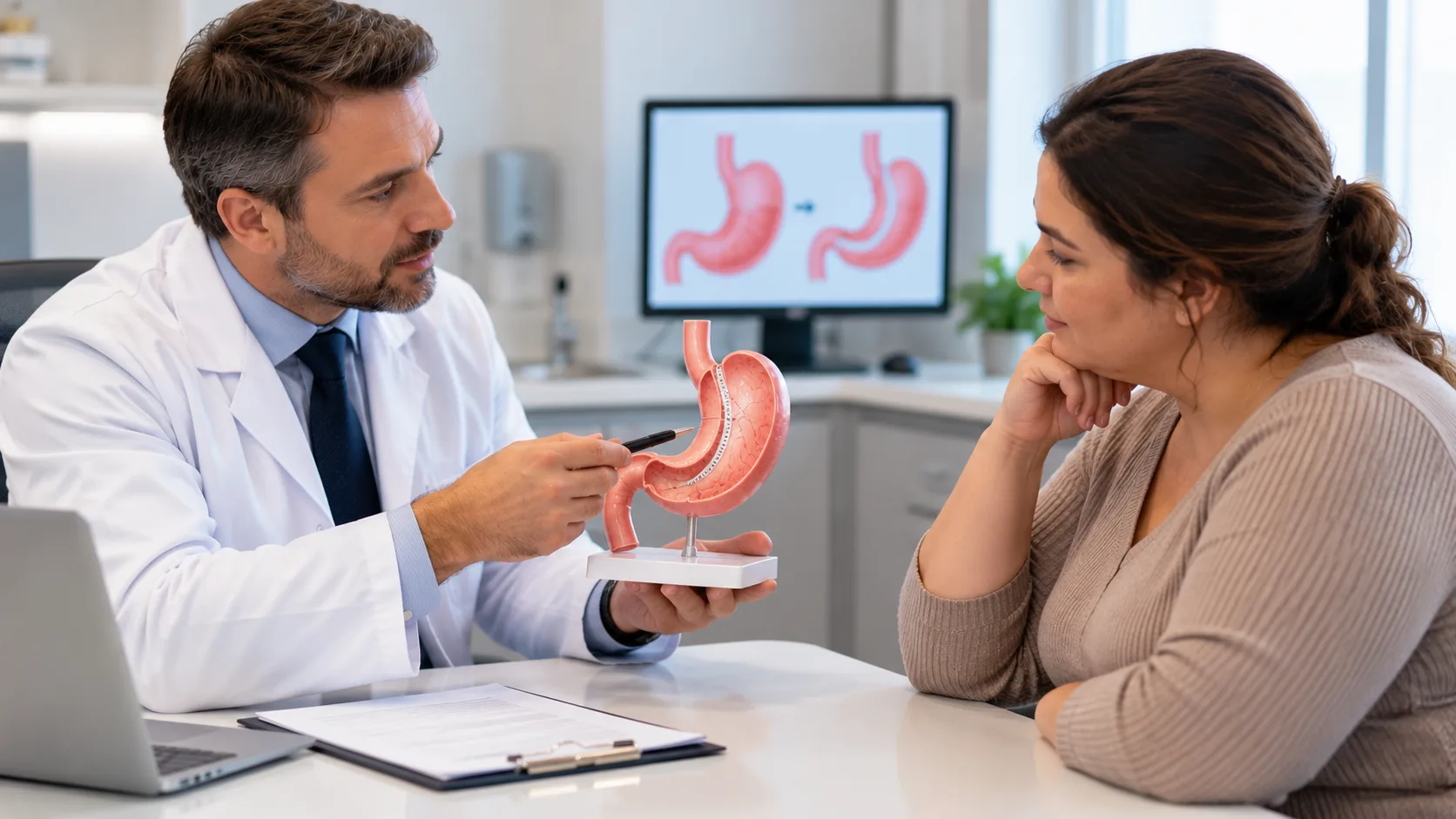
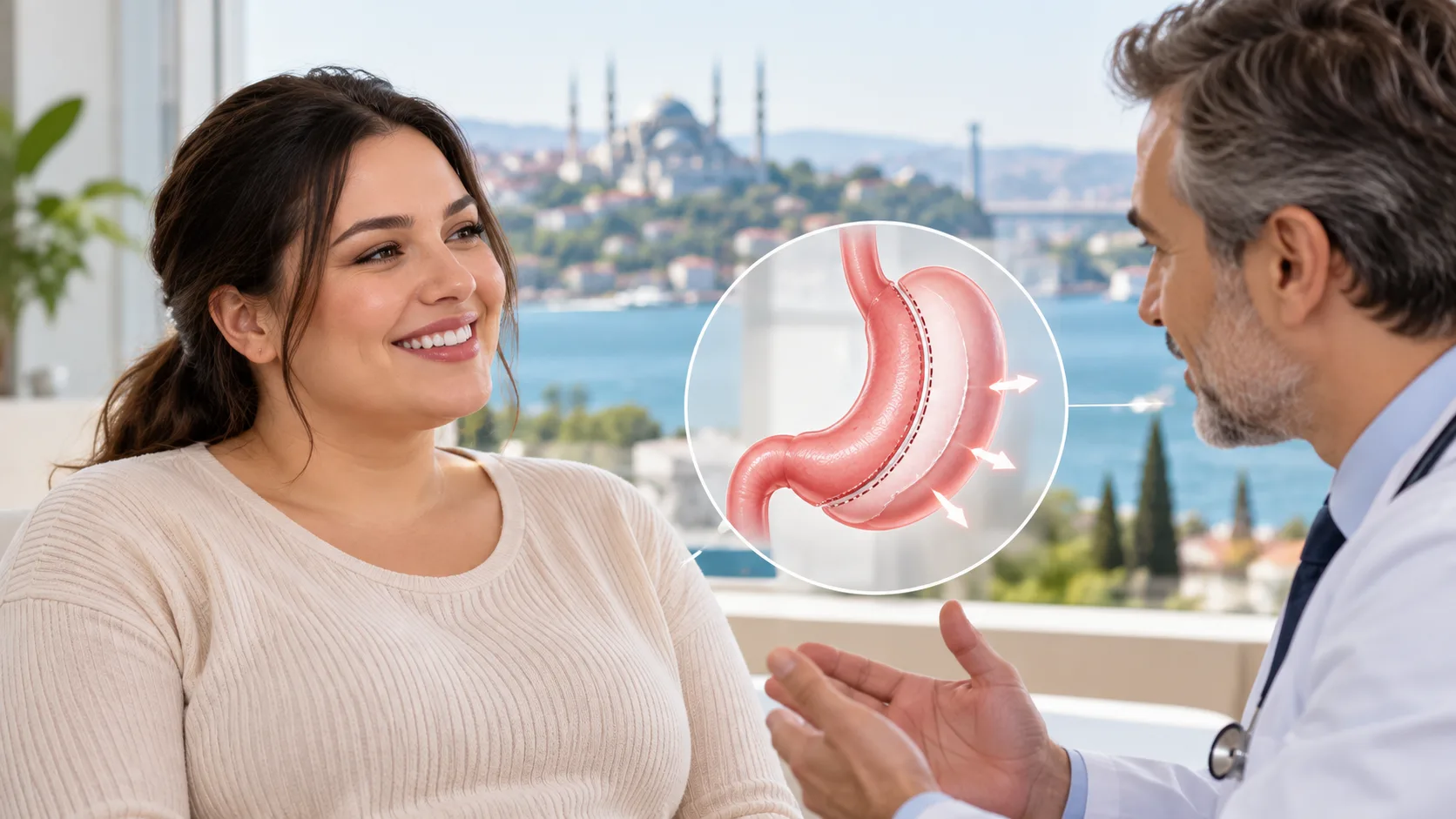
Gastric bypass is a bariatric and metabolic surgery. It creates a small stomach pouch and reroutes the small intestine. This reduces food intake and changes how your body absorbs nutrients and hormones.
How Does Gastric Bypass Work?
Surgeons create a small pouch from your stomach. They connect this pouch directly to the small intestine. This limits food intake and alters gut hormones that control hunger and blood sugar.
Surgeons first divide the stomach to create a small upper pouch. This pouch holds roughly one ounce of food. They then divide the small intestine and connect the lower portion to the new pouch. Food bypasses most of the stomach and the first section of the small intestine. This anatomical change produces two major effects. First, it restricts the amount of food you can eat at one time. Second, it reduces nutrient absorption in the bypassed segment. The procedure also changes gastrointestinal hormones. These hormones regulate appetite, satiety, glucose metabolism, and insulin sensitivity. Research shows that gastric bypass increases peptide YY and glucagon-like peptide-1 (GLP-1). These hormones promote satiety and improve blood sugar control (Schauer et al., 2017).
What Types of Gastric Bypass Are Available?
Roux-en-Y gastric bypass is the principal technique. It is the most widely performed and studied version globally.
Roux-en-Y gastric bypass (RYGB) remains the gold standard. Surgeons perform it laparoscopically in most cases. Some variations exist, but RYGB dominates clinical practice because it produces consistent, reproducible results. Other bypass configurations exist for specific clinical scenarios, but RYGB is the reference point for most comparisons.
What Are the Main Benefits of Gastric Bypass?
Gastric bypass produces substantial and durable weight loss. It often improves or remits type 2 diabetes and other obesity-related conditions.
Clinical studies consistently show that gastric bypass produces 25% to 35% total body weight loss. This weight loss persists for many years. The procedure also improves metabolic health. The STAMPEDE trial demonstrated that gastric bypass achieved superior glycemic control compared to intensive medical therapy in patients with type 2 diabetes (Schauer et al., 2017). Cardiovascular risk factors also improve. Blood pressure, lipid profiles, and inflammatory markers often decline after surgery.
What Is a Gastric Balloon?
A gastric balloon is a temporary endoscopic device. A doctor places it inside your stomach through your mouth. It occupies space and helps you feel full sooner.
How Does a Gastric Balloon Work?
A doctor inserts a deflated balloon through your mouth and into your stomach using an endoscope. They then fill it with saline or air. The balloon takes up space in your stomach. This reduces your meal size and caloric intake.
The balloon works primarily through restriction. It physically limits how much food your stomach can hold at one time. You feel full after eating smaller portions. However, the balloon does not alter your intestines or change your gut hormones directly. It works best when combined with dietary counseling and behavioral modification. Patients must learn new eating habits while the balloon is in place. Without this support, results are limited.
How Long Does a Gastric Balloon Stay in the Stomach?
Most gastric balloons remain in place for six months. Some newer devices may stay longer depending on the specific product and regulatory approval.
The temporary nature of intragastric balloon treatment is a defining feature. After the treatment period, a doctor removes the balloon endoscopically. The removal process is similar to the placement process. The doctor deflates the balloon and pulls it out through the mouth. Some patients may receive a second balloon after a break, but this requires individual assessment.
What Are the Main Benefits of a Gastric Balloon?
A gastric balloon requires no permanent anatomical change. It is less invasive than surgery. It is reversible and may suit patients who do not qualify for or do not want bariatric surgery.
The balloon offers a lower-risk entry point into medical weight management. It avoids general anesthesia risks associated with major surgery. It requires no hospital stay in most cases. Some programs use the balloon as a bridge to surgery. They help patients lose weight before a planned operation to reduce surgical risk. This approach can improve operative outcomes in selected cases.
What Is the Difference Between Gastric Bypass and Gastric Balloon?
Gastric bypass permanently alters your anatomy and metabolism. A gastric balloon temporarily restricts stomach volume without changing your intestines. These differences affect weight-loss magnitude, durability, and risk profile.
How Do Gastric Bypass and Gastric Balloon Differ in Their Mechanism?
Gastric bypass combines restriction, malabsorption, and metabolic hormone changes. A gastric balloon provides only temporary volume restriction.
Gastric bypass fundamentally changes your gastrointestinal anatomy. It reduces stomach size, bypasses part of the small intestine, and alters hormone signaling. These combined mechanisms produce powerful and sustained effects. A gastric balloon only occupies space. It does not bypass intestine. It does not directly change nutrient absorption or gut hormones. This explains why gastric bypass generally produces greater and more durable weight loss than a balloon.
How Do Gastric Bypass and Gastric Balloon Differ in Invasiveness?
Gastric bypass is major surgery under general anesthesia. It requires hospitalization. A gastric balloon is an endoscopic procedure under sedation. It is usually outpatient.
Gastric bypass involves abdominal incisions, stapling, and intestinal rerouting. It requires general anesthesia and typically a one- to three-day hospital stay. Postoperative monitoring is intensive. A gastric balloon placement takes roughly 20 to 30 minutes. It uses conscious sedation or light anesthesia. Most patients go home the same day. This difference in invasiveness matters for patients with high surgical risk or strong preference for minimal intervention.
Is Gastric Bypass More Effective for Weight Loss Than a Gastric Balloon?
Yes. Gastric bypass generally produces greater percent total body weight loss (%TWL) and percent excess weight loss (%EWL) than a gastric balloon.
Researchers use %TWL and %EWL to standardize weight-loss reporting. %TWL measures weight lost as a percentage of starting total body weight. %EWL measures weight lost as a percentage of excess weight above ideal body weight. Gastric bypass typically achieves 25% to 35% TWL at one to two years. Gastric balloons typically achieve 10% to 15% TWL during the treatment period. Direct comparisons between studies require caution. Patient populations differ. Treatment protocols vary. Follow-up periods are not uniform. However, the overall evidence favors gastric bypass for magnitude of weight loss.
Which Treatment Provides More Durable Weight Loss?
Gastric bypass generally provides more durable long-term weight loss. Gastric balloon results often decline after removal unless strong lifestyle support continues.
Gastric bypass creates permanent anatomical and metabolic changes. These changes continue to influence eating behavior and metabolism for years. A gastric balloon is temporary. Once removed, the restrictive effect disappears. Weight regain becomes common if patients do not maintain behavioral changes. Long-term follow-up and structured lifestyle intervention are essential for both treatments.
How Do Gastric Bypass and Gastric Balloon Compare for Obesity-Related Conditions?
Gastric bypass generally produces stronger improvements in type 2 diabetes and metabolic disease. Gastric balloon benefits depend heavily on the amount and maintenance of weight loss.
Can Gastric Bypass Improve Type 2 Diabetes?
Yes. Gastric bypass often improves or remits type 2 diabetes through mechanisms beyond simple weight loss.
Metabolic surgery changes gut hormone pathways that regulate insulin and glucose. The STAMPEDE trial showed that 42% of gastric bypass patients achieved glycemic control without diabetes medication at five years, compared to only 1% of patients receiving intensive medical therapy alone (Schauer et al., 2017). These benefits begin before substantial weight loss occurs. This suggests direct metabolic effects independent of calorie reduction.
Can a Gastric Balloon Improve Obesity-Related Health Conditions?
Yes, but improvements are generally more modest and depend on sustained weight loss.
A gastric balloon can improve blood glucose, blood pressure, and lipid profiles during the treatment period. However, these benefits correlate closely with the degree of weight loss achieved. If weight returns after balloon removal, metabolic improvements may fade. The balloon does not produce the direct hormonal changes that metabolic surgery creates.
Which Option May Be More Appropriate for Severe Obesity and Multiple Comorbidities?
Gastric bypass is generally more appropriate for severe obesity and multiple metabolic diseases. Individual assessment matters more than BMI alone.
Doctors evaluate BMI, metabolic disease burden, previous weight-loss attempts, surgical risk, and patient goals. Patients with BMI above 40, or BMI above 35 with significant comorbidities, often qualify for bariatric surgery. Gastric bypass provides greater and more durable weight loss. This makes it more suitable when metabolic disease is advanced. However, some high-risk surgical candidates may benefit from a balloon as a safer initial step.
Who Is a Candidate for Gastric Bypass?

Candidates generally have BMI of 40 or higher, or BMI of 35 or higher with obesity-related conditions. They must have failed structured nonsurgical treatment and be able to commit to lifelong follow-up.
What Factors Determine Eligibility for Gastric Bypass?
BMI, comorbidities, previous nonsurgical weight-loss attempts, medical and psychological fitness, and willingness to participate in long-term follow-up determine eligibility.
Guidelines from the American Society for Metabolic and Bariatric Surgery recommend bariatric surgery for patients with BMI greater than or equal to 40, or BMI greater than or equal to 35 with obesity-related diseases. Patients must demonstrate previous attempts at structured nonsurgical management. They must undergo medical evaluation to assess surgical risk. Psychological evaluation screens for untreated mental health conditions, eating disorders, or unrealistic expectations. Nutritional assessment ensures they can adhere to postoperative dietary and supplement requirements.
When Might Gastric Bypass Be Preferred?
Gastric bypass is preferred when patients need substantial, durable weight loss and have significant metabolic disease.
Severe obesity requires greater weight reduction. Significant metabolic disease, such as poorly controlled type 2 diabetes, responds well to metabolic surgery. Patients who have failed multiple structured nonsurgical programs may benefit from surgical intervention. When the clinical risk of remaining obese exceeds the surgical risk, gastric bypass offers a favorable risk-benefit profile.
Who Is a Candidate for a Gastric Balloon?
Candidates typically have BMI between 30 and 40. Some programs consider patients with BMI as low as 27. The balloon suits patients who want a less invasive, temporary option.
What BMI Is Appropriate for Gastric Balloon Treatment?
Most programs require BMI of 30 or higher. Some devices and programs may consider patients at BMI 27 or above depending on individual circumstances.
Eligibility thresholds vary by device, regulatory environment, and clinical program. The balloon is generally intended for patients with lower obesity severity than surgical candidates. Some programs use it for patients who do not meet bariatric surgery criteria but still need medical intervention.
When Might a Gastric Balloon Be Preferred?
A balloon is preferred when patients want a nonsurgical approach, are not surgical candidates, or need temporary preoperative weight loss.
Patients who fear surgery or have contraindications to general anesthesia may choose a balloon. Some patients use the balloon to lose weight before another operation. This reduces liver size and abdominal fat, which can improve surgical safety. Patients who want to test their ability to change eating behaviors may also prefer a temporary device.
What Are the Risks and Side Effects of Gastric Bypass?
Gastric bypass carries both short-term surgical risks and long-term nutritional and anatomical complications.
What Are the Short-Term Risks of Gastric Bypass?
Short-term risks include bleeding, infection, leaks from staple lines or connections, blood clots, bowel obstruction, and anesthesia complications.
The immediate postoperative period requires close monitoring. Anastomotic leaks occur in approximately 1% to 2% of cases. These leaks can cause serious infection and require urgent intervention. Blood clots in the legs or lungs are a concern because obesity increases clotting risk. Surgeons use blood thinners and early mobilization to reduce this risk. Bleeding and bowel obstruction are also possible but generally manageable with prompt care.
What Are the Long-Term Risks of Gastric Bypass?
Long-term risks include nutritional deficiencies, dumping syndrome, ulcers, internal hernia, and bone health concerns.
Nutritional deficiencies are common without proper supplementation. Iron deficiency affects up to 50% of patients. Vitamin B12 deficiency is also frequent. Calcium and vitamin D absorption decline, which increases osteoporosis risk. Dumping syndrome occurs when sugary or high-carbohydrate foods move too quickly into the small intestine. Symptoms include nausea, cramping, diarrhea, and lightheadedness. Marginal ulcers can form where the pouch connects to the intestine. Internal hernias may develop months or years after surgery as bowel shifts into spaces created by the rerouting. Some patients require revision surgery for complications or inadequate weight loss.
What Are the Risks and Side Effects of a Gastric Balloon?
Common side effects include nausea, vomiting, and abdominal discomfort. Rare complications include balloon migration, obstruction, or perforation.
What Side Effects Are Common After Gastric Balloon Placement?
Nausea, vomiting, abdominal pain, and reflux are common in the first days to weeks after placement.
Most patients experience significant nausea and vomiting for the first three to seven days. Doctors prescribe anti-nausea medications to manage these symptoms. Abdominal discomfort and cramping are also typical. Some patients develop reflux or indigestion. Early intolerance occurs in a minority of patients and may require early balloon removal. These symptoms usually improve as the body adapts to the balloon.
What Are the Rare Complications of Gastric Balloon Treatment?
Rare complications include balloon migration into the intestine, gastric or intestinal obstruction, perforation, ulceration, and device deflation.
Balloon migration can cause bowel obstruction if the balloon passes into the small intestine. This is a surgical emergency. Perforation of the stomach or esophagus during placement or removal is rare but serious. Ulceration can occur where the balloon contacts the stomach wall. Device deflation may allow the balloon to pass into the intestine. Newer balloon designs have improved safety profiles. Regulatory agencies have removed some older devices from the market due to complication rates. Current devices vary in design, material, and fill volume, which affects their safety profile.
How Do Recovery Times Compare Between Gastric Bypass and Gastric Balloon?
Gastric bypass requires a longer hospital stay and weeks of dietary progression. Gastric balloon recovery is typically shorter, with most patients resuming normal activities within days.
How Long Does Recovery Take After Gastric Bypass?
Hospital stay is typically one to three days. Full dietary progression takes four to six weeks. Return to normal activities may take two to four weeks.
Patients begin with clear liquids immediately after surgery. They progress to full liquids, pureed foods, soft foods, and finally regular solid foods over several weeks. This staged approach allows the new pouch and intestinal connections to heal. Surgeons advise against heavy lifting or strenuous activity for several weeks. Long-term postoperative monitoring includes regular blood tests, nutritional assessments, and weight tracking.
How Long Does Recovery Take After Gastric Balloon Placement?
Most patients go home the same day. Normal activities often resume within one to three days. Initial nausea may last several days.
The endoscopic nature of balloon placement minimizes recovery time. Patients may experience throat discomfort from the endoscope. They may feel bloated or nauseated. Doctors recommend starting with liquids and progressing to soft foods over several days. Early nutritional support is important. Patients should begin working with a dietitian immediately to establish healthy eating patterns.
How Do Gastric Bypass and Gastric Balloon Compare in Reversibility?
Gastric balloon is designed to be temporary and easily removable. Gastric bypass is intended as a permanent anatomical change. Reversal is technically possible but complex and uncommon.
Is Gastric Bypass Reversible?
Reversal is technically possible in selected cases but is complex, risky, and uncommon. Patients should regard gastric bypass as a permanent intervention.
Surgeons can reverse gastric bypass by reconnecting the original anatomy. However, this is major surgery with significant risks. Scarring and adhesions from the original operation make reversal challenging. Reversal may be considered for severe complications, but it is not a routine option. Patients must commit to the permanent nature of the procedure before proceeding.
Is a Gastric Balloon Reversible?
Yes. The balloon is temporary by design. A doctor removes it endoscopically when the treatment period ends.
Removal is straightforward in most cases. The doctor deflates the balloon and withdraws it through the mouth. This takes roughly 15 to 20 minutes. The stomach returns to its original size and shape. However, removal of the device does not reverse any weight gained or lost. It simply removes the restrictive mechanism. Patients must maintain behavioral changes to preserve results.
How Do Gastric Bypass and Gastric Balloon Compare Nutritionally?
Gastric bypass requires lifelong nutritional monitoring and supplementation. A gastric balloon does not cause malabsorption, but patients still need dietary guidance during calorie restriction.
Are Vitamin and Mineral Supplements Needed After Gastric Bypass?
Yes. Lifelong supplementation is essential. Common supplements include vitamin B12, iron, calcium, vitamin D, and multivitamins.
The bypassed portion of the stomach and small intestine reduces absorption of several micronutrients. Vitamin B12 absorption requires intrinsic factor from the stomach, which is reduced after bypass. Iron absorption occurs primarily in the bypassed duodenum. Calcium and vitamin D absorption decline because the duodenum and proximal jejunum are bypassed. Doctors monitor blood levels regularly and adjust supplementation. Without proper supplementation, patients can develop anemia, osteoporosis, and neurological complications.
Are Nutritional Deficiencies Possible With a Gastric Balloon?
The balloon does not cause malabsorption. However, calorie restriction can lead to inadequate protein or micronutrient intake if patients do not eat a balanced diet.
Patients with a gastric balloon eat smaller portions. They must choose nutrient-dense foods to meet their needs. Protein intake is particularly important to preserve muscle mass during weight loss. A dietitian should guide food choices to ensure adequate vitamins, minerals, and protein. Nutritional deficiencies are less common than after gastric bypass but can still occur with poor dietary choices.
How Do Gastric Bypass and Gastric Balloon Compare in Cost?
Costs vary widely by country, healthcare system, device, and program. Gastric bypass generally has higher initial costs due to surgery, hospitalization, and long-term follow-up. Gastric balloon may have lower initial costs but may require repeat treatments.
What Determines the Cost of Gastric Bypass?
Surgical facility fees, surgeon and team fees, anesthesia, preoperative testing, hospitalization, and long-term follow-up determine cost.
Bariatric surgery is a comprehensive treatment. It involves a multidisciplinary team including surgeons, dietitians, psychologists, and medical physicians. Preoperative investigations may include endoscopy, cardiac testing, and sleep studies. Hospitalization adds to the cost. Lifelong nutritional supplementation and monitoring create ongoing expenses. Insurance coverage varies by country and policy.
What Determines the Cost of a Gastric Balloon?
Balloon type, treatment duration, endoscopic placement and removal, sedation, nutritional counseling, and follow-up program determine cost.
Different balloon devices have different pricing. Some balloons require a single placement and removal. Others may involve multiple devices or adjustable fill volumes. The need for nutritional counseling and follow-up visits adds to the total cost. Some programs include comprehensive lifestyle support, which increases cost but may improve outcomes.
Is Gastric Balloon Treatment Less Expensive Than Gastric Bypass?
Initial costs are often lower for gastric balloon. However, lower initial cost does not necessarily mean greater long-term cost-effectiveness.
If a patient requires multiple balloon treatments or eventually proceeds to surgery, total costs may approach or exceed surgical costs. Healthcare systems, countries, and insurance coverage create substantial variation. Patients should consider total cost of care over time, not just the initial procedure price.
Which Treatment Has Better Long-Term Weight Maintenance?
Gastric bypass generally provides better long-term weight maintenance. Gastric balloon results depend heavily on post-removal behavior change.
Why Can Weight Regain Occur After Gastric Balloon Removal?
The temporary restrictive mechanism disappears. Stomach capacity returns. Previous eating behaviors may resume without strong behavioral support.
When the balloon leaves, the stomach can hold more food again. If patients have not established new habits, they may eat larger portions. Caloric intake increases. Weight regain becomes likely. Studies show that weight loss achieved during balloon treatment often diminishes within 12 to 24 months after removal unless patients maintain intensive lifestyle intervention (Kotzampassi and Grosomanidis, 2012).
Can Weight Regain Occur After Gastric Bypass?
Yes. Weight regain can occur months or years after gastric bypass. It is not a standalone cure.
Physiological adaptation occurs over time. The pouch may stretch slightly. Metabolic rate may slow. Hormonal changes may diminish. Behavioral factors also contribute. Some patients gradually increase portion sizes or consume high-calorie liquids and snacks. Research indicates that 10% to 20% of patients may experience significant weight regain after five to ten years. Bariatric surgery is a treatment for obesity, not a permanent cure. Long-term follow-up, dietary adherence, and physical activity remain essential.
Gastric Bypass vs Gastric Balloon: Side-by-Side Comparison
The table below summarizes the key differences between these two treatments.
Factor | Gastric Bypass | Gastric Balloon |
Treatment type | Bariatric/metabolic surgery | Endoscopic therapy |
Anatomical change | Permanent | Temporary |
Intestinal bypass | Yes | No |
Invasiveness | Higher | Lower |
Weight-loss potential | Generally greater (25-35% TWL) | Generally more modest (10-15% TWL) |
Weight-loss durability | Generally longer-term | More dependent on post-removal maintenance |
Hospitalization | Usually required (1-3 days) | Usually outpatient |
Recovery | Longer (2-4 weeks for normal activities) | Shorter (1-3 days for normal activities) |
Nutritional monitoring | Long-term/lifelong | Important during treatment and follow-up |
Reversibility | Difficult and uncommon | Designed to be temporary/removable |
Metabolic effects | Strong and direct | Primarily mediated through weight loss |
Suitable for | Selected patients with severe obesity requiring substantial long-term treatment | Selected patients seeking a less invasive or temporary option |
Which Is Better: Gastric Bypass or Gastric Balloon?
Neither is universally better. Gastric bypass suits patients needing substantial, durable weight loss with significant metabolic disease. Gastric balloon suits patients wanting a less invasive, temporary approach.
When May Gastric Bypass Be the Better Option?
Gastric bypass is better when you need substantial and durable weight loss, have severe obesity, significant metabolic comorbidities, and can tolerate major surgery with lifelong follow-up.
Patients with BMI above 40, or BMI above 35 with type 2 diabetes, hypertension, or sleep apnea, often achieve better long-term outcomes with surgery. The metabolic benefits of gastric bypass are well-established. The procedure addresses both weight and disease. Patients must accept the commitment to lifelong nutritional monitoring.
When May a Gastric Balloon Be the Better Option?
A gastric balloon is better when you prefer a nonsurgical approach, have lower or moderate obesity, want a temporary intervention, or are ineligible for surgery.
Some patients have medical conditions that make surgery too risky. Others are not psychologically ready for permanent anatomical change. The balloon offers a trial period. It allows patients to experience restriction and develop new habits. If successful, they may maintain weight loss after removal. If unsuccessful, they can consider other options.
Can a Gastric Balloon Be Used Before Gastric Bypass?
Yes. Some programs use the balloon as a bridge-to-surgery treatment.
Preoperative weight loss can reduce liver size and visceral fat. This makes laparoscopic surgery technically easier and safer. It may reduce operative time and complications. However, this approach requires individualized assessment. Not every patient needs or benefits from a preoperative balloon. The decision depends on BMI, liver size, metabolic status, and surgical team preference.
What Factors Should Patients Consider Before Choosing Between Gastric Bypass and Gastric Balloon?
Patients should consider BMI, medical conditions, eating behaviors, lifestyle, personal preferences, and willingness to commit to long-term follow-up.
How Does BMI Affect the Treatment Decision?
Higher BMI generally favors gastric bypass. Lower BMI may favor a balloon. However, BMI alone is an imperfect decision tool.
BMI categories provide general guidance. Distribution of body fat matters. Central obesity carries more metabolic risk than peripheral obesity. The presence of metabolic complications influences the decision. Some patients with BMI below 35 but severe metabolic disease may still benefit from surgery. A comprehensive clinical assessment is more valuable than a single number.
How Do Medical Conditions Affect the Choice?
Type 2 diabetes, hypertension, sleep apnea, dyslipidemia, and reflux influence the decision. Gastric bypass generally produces stronger improvements in these conditions.
Metabolic disease burden pushes the decision toward surgery. The metabolic effects of gastric bypass are proven and durable. However, patients with severe cardiopulmonary disease may not tolerate surgery. In such cases, a balloon may be safer. Gastroesophageal reflux disease requires careful evaluation. Some patients with severe reflux may not be ideal balloon candidates because the balloon can worsen reflux symptoms.
How Do Lifestyle and Eating Behaviors Affect Treatment Success?
Dietary adherence, physical activity, emotional eating, and ability to attend follow-up appointments determine success for both treatments.
No procedure replaces healthy behavior. Patients must commit to eating nutrient-dense foods in appropriate portions. They must engage in regular physical activity. They must address emotional eating, stress, and other behavioral triggers. Long-term follow-up appointments provide accountability, troubleshooting, and support. Patients who cannot commit to this follow-up may struggle with either treatment.
How Do Patient Preferences Affect the Decision?
Tolerance for surgery, desire for reversibility, recovery expectations, and commitment to nutritional monitoring shape the decision.
Some patients fear surgery and anesthesia. They may prefer a balloon despite lower expected weight loss. Others want the most effective treatment and accept surgical risks. Desire for a reversible option favors the balloon. Willingness to accept lifelong supplementation and monitoring favors surgery. The decision should align with the patient's values and goals.
What Does the Scientific Evidence Say About Gastric Balloon Outcomes?
Systematic reviews and meta-analyses show that intragastric balloons produce clinically meaningful weight loss. However, results vary by device, patient population, and follow-up duration.
A meta-analysis by Kotzampassi and Grosomanidis (2012) analyzed multiple studies of intragastric balloons. They found that balloons produced significant short-term weight loss. However, they noted that weight loss often declined after balloon removal. The authors emphasized the importance of lifestyle modification and long-term follow-up. Another systematic review by Singh et al. (2022) confirmed that newer balloon devices have improved safety profiles compared to earlier generations. The review also highlighted that %TWL and %EWL are the standardized measures used to compare outcomes across studies. Heterogeneous devices and varying follow-up periods make direct comparisons challenging.
What Should Patients Expect After Either Treatment?
Both treatments require structured dietary progression, portion control, protein focus, micronutrient attention, and long-term follow-up.
What Is the Role of Diet After Gastric Bypass?
Diet progresses through clear liquids, full liquids, pureed foods, soft foods, and solids over four to six weeks. Protein intake, portion control, and lifelong supplementation are essential.
The staged postoperative diet protects the healing pouch and connections. Patients must prioritize protein to maintain muscle mass and promote healing. They must eat small portions slowly. They must avoid sugary foods that trigger dumping syndrome. Lifelong vitamin and mineral supplementation prevents deficiencies. Regular blood monitoring guides supplementation adjustments.
What Is the Role of Diet After Gastric Balloon?
Patients follow a calorie-controlled diet with portion management. Behavioral modification and continued dietary support after removal are critical.
The balloon enforces portion control mechanically. Patients must use this restriction to learn new habits. They should eat protein first, then vegetables, then carbohydrates if room remains. They should avoid drinking with meals. After balloon removal, they must maintain these behaviors without the mechanical assist. Continued dietary counseling bridges this transition.
Why Is Long-Term Follow-Up Important?
Follow-up monitors weight trajectory, screens for nutritional deficiencies, manages comorbidities, identifies weight regain early, and reinforces lifestyle changes.
Regular appointments allow doctors to detect problems before they become severe. Blood tests catch deficiencies early. Weight trends signal need for intervention. Behavioral support prevents relapse. Long-term follow-up is not optional. It is an integral part of successful obesity treatment.
Frequently Asked Questions About Gastric Bypass vs Gastric Balloon
The questions below address common concerns patients have when comparing these treatments.
Is Gastric Bypass More Effective Than a Gastric Balloon?
Yes. Gastric bypass produces greater and more durable weight loss on average.
Which Has a Faster Recovery, Gastric Bypass or Gastric Balloon?
Gastric balloon has faster recovery. Most patients resume normal activities within days.
Which Treatment Is Safer, Gastric Bypass or Gastric Balloon?
Gastric balloon has lower immediate procedural risk because it avoids major surgery. However, it carries its own risks. Neither is risk-free.
Is a Gastric Balloon Permanent?
No. It is temporary and requires removal after a defined treatment period.
Can You Regain Weight After a Gastric Balloon?
Yes. Weight regain is common after removal without sustained lifestyle changes.
Can You Regain Weight After Gastric Bypass?
Yes. Weight regain can occur years after surgery. It is not a cure.
Which Treatment Is Better for Type 2 Diabetes?
Gastric bypass is generally better for type 2 diabetes because of direct metabolic effects.
Which Treatment Requires More Nutritional Follow-Up?
Gastric bypass requires more intensive, lifelong nutritional follow-up.
Can a Gastric Balloon Replace Bariatric Surgery?
No. It is a different category of treatment with different expected outcomes.
Can a Gastric Balloon Be Used Before Gastric Bypass?
Yes. Some programs use it as a bridge to surgery for preoperative weight loss.
How Long Does a Gastric Balloon Stay in Place?
Typically six months, depending on the device.
How Long Does It Take to Recover From Gastric Bypass?
Hospital stay is one to three days. Return to normal activities is typically two to four weeks.
Which Treatment Is More Suitable for Severe Obesity?
Gastric bypass is generally more suitable for severe obesity.
Conclusion: Gastric Bypass vs Gastric Balloon: Which Option Is Right for You?
The right option depends on your BMI, health conditions, risk tolerance, lifestyle readiness, and personal preferences. No single treatment is universally superior.
Gastric bypass is a permanent metabolic surgery. It alters your anatomy, hormones, and nutrient absorption. It produces substantial, durable weight loss. It improves or remits type 2 diabetes and other metabolic diseases. It requires general anesthesia, hospitalization, and lifelong nutritional monitoring. It carries surgical risks and long-term complications. It is not reversible in practical terms.
A gastric balloon is a temporary endoscopic device. It occupies stomach space and reduces portion sizes. It produces more modest weight loss. It requires no permanent anatomical change. It involves lower procedural risk and faster recovery. It demands strong behavioral support to maintain results after removal. It does not produce the direct metabolic effects that surgery creates.
The decision between these treatments is not about which is better in absolute terms. It is about which is better for you. Your BMI, comorbidities, previous weight-loss attempts, surgical risk, nutritional needs, treatment goals, and personal preferences should guide the decision. A multidisciplinary obesity-care team can help you evaluate these factors. They can explain the evidence. They can assess your individual risk and benefit. They can support you through whichever treatment you choose.
Obesity is a chronic disease. It requires chronic management. Whether you choose gastric bypass or gastric balloon, your long-term success depends on your commitment to lifestyle change, nutritional awareness, physical activity, and ongoing medical follow-up. The procedure is a tool. Your behavior determines the outcome.
References
Kotzampassi, Katerina, and Vasilis Grosomanidis. "500 Intragastric Balloons: What Happens 5 Years Thereafter?" World Journal of Gastrointestinal Surgery, vol. 4, no. 12, 2012, pp. 195-99.
Schauer, Philip R., et al. "Bariatric Surgery versus Intensive Medical Therapy for Diabetes - 5-Year Outcomes." New England Journal of Medicine, vol. 376, no. 7, 2017, pp. 641-51.
Singh, Shelly, et al. "Intragastric Balloon in the Treatment of Obesity: A Systematic Review and Meta-Analysis." Obesity Surgery, vol. 32, no. 3, 2022, pp. 789-803.