What Is a FUE Punch? Types, Sizes and Why It Matters
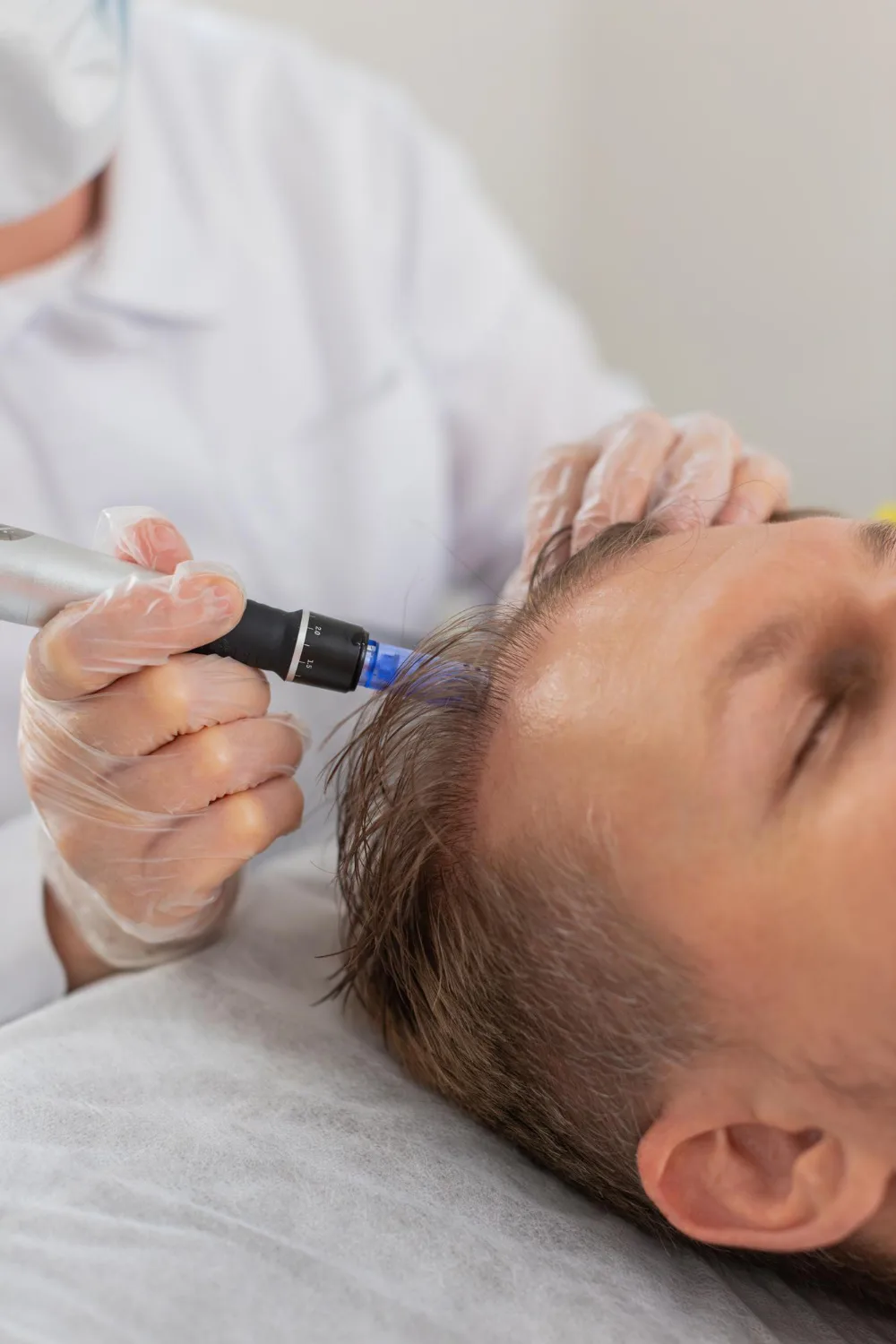
A FUE punch serves as a cylindrical surgical instrument that isolates individual follicular units during Follicular Unit Extraction. Surgeons use this tool to create precise circular incisions around hair follicles. The punch removes grafts with minimal trauma to surrounding tissue. Punch selection directly influences graft quality, donor healing, and overall surgical outcomes. Punch size alone does not determine the success of a hair transplant. This article explains what a FUE punch is, how it works, why it matters, and how surgeons select the right tool for each patient.
What Is a FUE Punch?
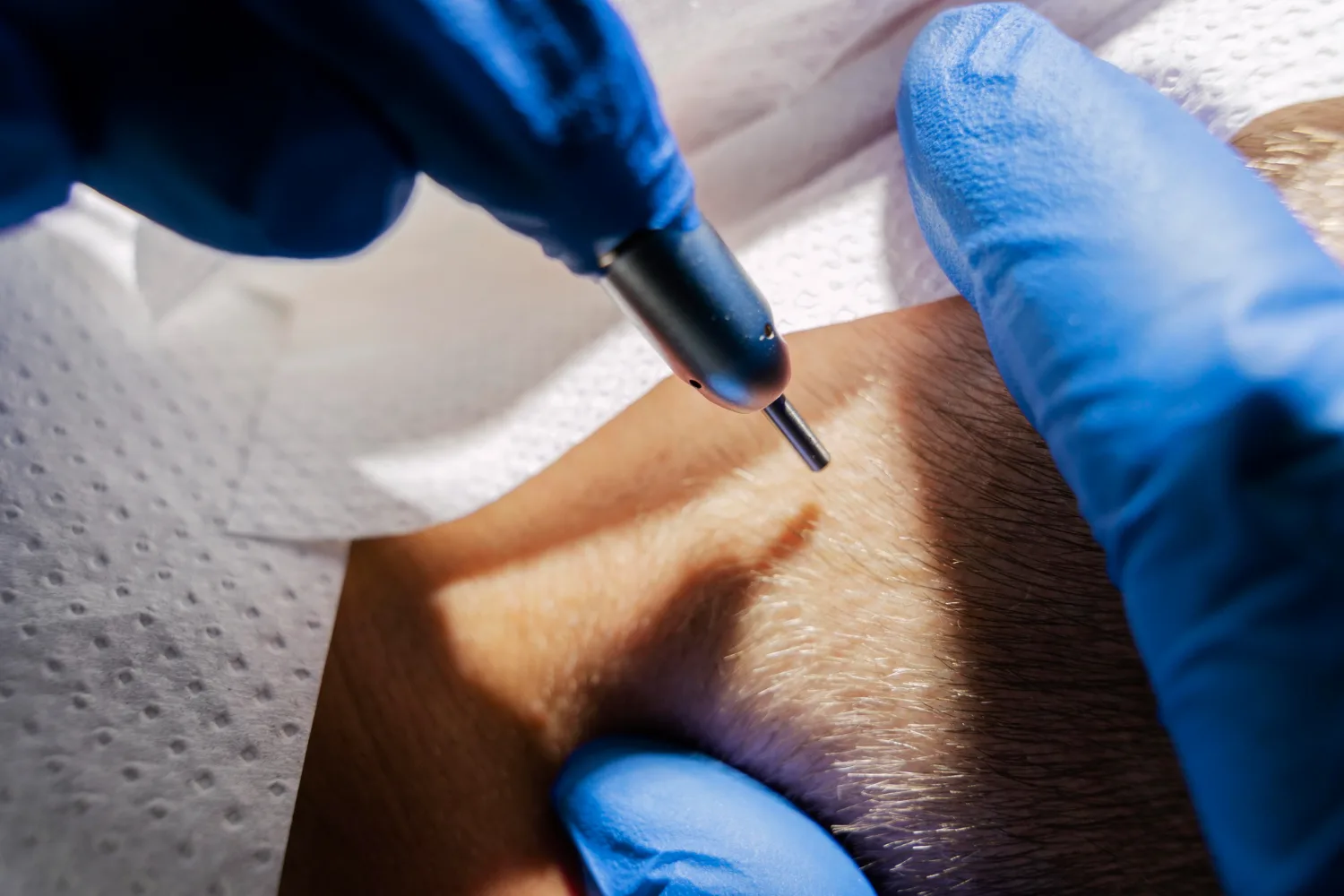
A FUE punch is a small cylindrical surgical instrument. Surgeons use it during Follicular Unit Extraction procedures. The punch creates a circular incision around each follicular unit. This incision separates the graft from surrounding tissue. The surgeon then removes the graft with forceps.
How Does a FUE Punch Work During Extraction?
The punch scores the skin surface first. It creates a circular cut around the follicular unit. This cut separates the graft from adjacent tissue. The surgeon then lifts the graft with fine forceps. The entire process requires steady hands and precise control. The punch must align with the natural angle of hair growth. Misalignment damages follicles and reduces graft survival.
What Are the Components of a Modern FUE Punch?
A modern FUE punch contains several key parts. The cutting edge performs the actual incision. The inner diameter determines the size of the circular cut. The outer diameter affects the total wound size. Depth control mechanisms prevent excessive tissue penetration. The handle or motor attachment provides grip and movement control. Each component plays a role in graft safety and surgical precision.
Why Is the FUE Punch So Important?
The FUE punch protects follicular grafts during extraction. It minimizes follicle transection. It preserves donor density. It reduces donor scarring. It supports natural healing. Without the right punch, surgeons cannot extract grafts safely.
How Does the Punch Protect Follicular Grafts?
The punch creates a clean circular incision. This incision isolates the graft without crushing surrounding tissue. A well-designed punch reduces mechanical trauma. It preserves the delicate structure of each follicular unit. Protected grafts survive better after transplantation.
How Does the Punch Minimize Follicle Transection?
Transection occurs when a punch cuts through a follicle. This damage destroys the graft. Sharp punches with proper alignment reduce transection rates. Blunt punches push follicles aside rather than cutting them. Both designs aim to keep follicles intact during extraction.
How Does the Punch Preserve Donor Density?
The punch removes only the targeted follicular unit. It leaves surrounding follicles untouched. This selective extraction maintains donor area density. Patients retain enough hair in the donor zone for future procedures if needed.
How Does the Punch Reduce Donor Scarring?
Circular wounds from FUE punches heal with minimal scarring. Small punch sizes create tiny wounds. These wounds close quickly and leave barely visible marks. Proper technique ensures scars remain virtually undetectable.
How Does the Punch Support Natural Healing?
Clean circular incisions heal faster than linear scars. The body repairs small round wounds efficiently. Minimal tissue trauma reduces inflammation. Faster healing means less downtime for patients.
What Types of FUE Punches Exist?
Surgeons use several types of FUE punches. Each type offers unique advantages. The choice depends on patient characteristics and surgeon preference.
What Is a Sharp Punch?
A sharp punch has a fine cutting edge. It slices through skin and tissue cleanly. Surgeons favor sharp punches for their precision. They create clean incisions with minimal tissue disruption.
Advantages: Sharp punches cut tissue efficiently. They work well on most hair types. They allow fast extraction when used correctly.
Limitations: Sharp punches carry a higher transection risk. Inexperienced surgeons may cut through follicles. They require excellent hand-eye coordination.
Ideal Candidates: Sharp punches suit patients with straight or slightly wavy hair. They work well when surgeons have extensive FUE experience.
What Is a Blunt Punch?
A blunt punch has a dull or rounded tip. It pushes follicles aside rather than cutting them. The blunt edge separates tissue around the follicular unit.
Advantages: Blunt punches reduce transection rates significantly. They protect follicles during extraction. They work well for beginners learning FUE technique.
Limitations: Blunt punches require more insertion force. They may cause more tissue trauma if misused. The learning curve remains steep despite lower transection risk.
What Is a Hybrid Punch?
A hybrid punch combines sharp and blunt characteristics. It has a sharp outer edge and a blunt inner edge. This design cuts skin cleanly while pushing follicles aside.
Modern Surgical Applications: Hybrid punches suit complex cases. They balance speed and safety. Many surgeons use them for curly or coarse hair types.
What Is a Serrated Punch?
A serrated punch has tiny teeth along the cutting edge. These teeth grip tissue during insertion. The design prevents slippage on difficult skin types.
Design Features: The serrated edge creates multiple small cuts. These cuts reduce friction during penetration. The punch grips tissue firmly without excessive force.
Benefits for Difficult Skin Types: Serrated punches work well on thick or elastic skin. They prevent the punch from sliding off target. They improve accuracy on patients with challenging donor characteristics.
What Is a Trumpet Punch?
A trumpet punch has a flared opening. The wider mouth reduces graft compression during extraction. This design protects fragile follicular units.
Flared Opening Design: The trumpet shape creates more space around the graft. The follicular unit enters the punch without squeezing. This reduces mechanical damage.
Reduced Graft Compression: Compressed grafts suffer trauma. The trumpet design maintains graft shape. Preserved grafts survive better after implantation.
What Are Textured and Specialized Punches?
Textured punches have surface patterns that improve grip. Specialized punches address specific surgical challenges.
Improved Grip: Textured surfaces prevent the punch from rotating unintentionally. Surgeons maintain better control during extraction.
Reduced Torsion: Torsion twists grafts during removal. Textured punches minimize this twisting motion. Reduced torsion means healthier grafts.
Specialty Applications: Some punches target specific hair types. Others suit body hair extraction. Surgeons select specialty punches for unique cases.
How Do Manual and Motorized FUE Punches Compare?
Surgeons choose between manual and motorized extraction systems. Each approach offers distinct benefits.
What Is a Manual Punch?
A manual punch requires the surgeon to rotate the tool by hand. The surgeon controls every movement directly. This method demands significant skill and experience.
What Is a Motorized Punch?
A motorized punch connects to a small motor. The motor rotates the punch automatically. Surgeons guide the punch while the motor provides consistent rotation.
What Are Oscillating Systems?
Oscillating systems rotate the punch back and forth. This back-and-forth motion reduces tissue trauma. The oscillation helps separate grafts from surrounding tissue.
What Are Rotational Systems?
Rotational systems spin the punch in one direction. They offer consistent cutting action. Many surgeons prefer rotational systems for their predictability.
Which System Offers Greater Precision?
Both systems achieve excellent results in skilled hands. Motorized systems offer consistent rotation speed. Manual systems give surgeons maximum tactile feedback. The surgeon's skill matters more than the system choice.
What Are Common FUE Punch Sizes?
Punch sizes range from approximately 0.75 mm to 1.0 mm in diameter. Each size serves specific purposes.
What Is the Standard Punch Diameter Range?
Most FUE punches measure between 0.75 mm and 1.0 mm. This range accommodates most follicular unit sizes. Surgeons select sizes based on individual patient needs.
What Are Small Punches?
Small punches measure around 0.7 to 0.8 mm in diameter. They create the smallest possible wounds.
Advantages: Small punches leave tiny scars. They heal quickly. They preserve maximum donor density. Patients appreciate the minimal visible impact.
Challenges: Small punches increase technical difficulty. They raise transection risk on larger grafts. They require exceptional surgical skill.
What Are Medium Punches?
Medium punches measure around 0.85 to 0.9 mm. These sizes represent the most commonly used diameters.
Most Commonly Used Sizes: Most surgeons prefer 0.85 mm or 0.9 mm punches. These sizes balance graft safety with wound size. They work well for the majority of patients.
What Are Larger Punches?
Larger punches measure around 0.95 to 1.0 mm. They suit specific extraction challenges.
Benefits: Larger punches extract bigger grafts easily. They reduce transection on multi-hair follicular units. They work faster for experienced surgeons.
Limitations: Larger punches create bigger wounds. They may leave slightly more visible scarring. They reduce donor density more per graft.
How Do Surgeons Choose the Right Punch Size?
Surgeons evaluate multiple factors before selecting a punch size. Each patient requires individualized assessment.
How Does Hair Shaft Diameter Influence Punch Size?
Thicker hair shafts need larger punches. Thin hair shafts fit smaller punches. The punch must accommodate the entire follicular unit without compression.
How Does the Number of Hairs Per Follicular Unit Affect Selection?
Multi-hair grafts contain two to four hairs. These grafts need larger punches. Single-hair grafts fit smaller punches. Surgeons match punch size to graft contents.
How Does Hair Curl Pattern Impact Punch Choice?
Curly hair grows at unpredictable angles. The curl extends below the skin surface. Surgeons need larger punches to capture the entire curled follicle. Straight hair allows smaller punch sizes.
How Does Skin Thickness Affect Punch Selection?
Thick skin requires deeper punch penetration. The punch must reach the full depth of the follicle. Thin skin needs less penetration. Depth control becomes critical on thin skin.
How Does Skin Elasticity Influence Punch Size?
Elastic skin stretches during punch insertion. This stretching changes the effective punch diameter. Surgeons account for elasticity when selecting size. Less elastic skin allows more predictable sizing.
How Do Ethnicity and Hair Characteristics Matter?
Different ethnic groups have distinct hair properties. Asian hair tends to be straight and coarse. African hair is curly and flat in cross-section. Caucasian hair varies widely. Surgeons select punches based on these characteristics.
How Does Donor Area Condition Affect Choice?
Healthy donor areas tolerate various punch sizes. Scarred or thin donor areas need careful sizing. Surgeons protect limited donor resources with appropriate punch selection.
How Does Previous Hair Transplant Surgery Impact Selection?
Patients with prior FUE have altered donor areas. Scar tissue changes tissue properties. Previous strip surgery leaves linear scars. Surgeons navigate these changes with specialized punch choices.
Does a Smaller Punch Always Mean Better Results?
No. Smaller punches do not guarantee superior outcomes. Punch size represents only one factor in surgical success.
What Are Common Misconceptions About Punch Size?
Many patients believe smaller punches always produce better results. Some clinics market tiny punches as superior technology. These beliefs oversimplify a complex surgical decision.
What Are the Risks of Using Punches That Are Too Small?
Punches smaller than necessary cause problems. They increase the transection rate. They damage grafts during extraction. They extend procedure time unnecessarily.
What Are the Risks of Using Punches That Are Too Large?
Oversized punches create bigger wounds. They increase scarring. They prolong healing time. They reduce donor density excessively.
How Do Surgeons Find the Optimal Balance?
Surgeons balance graft safety with wound size. They select the smallest punch that safely extracts each graft. This individualized approach produces the best outcomes.
What Is the Relationship Between Punch Size and Donor Scarring?
Punch size directly affects scar formation. However, other factors also influence scar visibility.
How Do Circular Wounds Heal?
The body heals circular wounds through contraction. Small wounds contract almost completely. The surrounding skin fills the gap. This process leaves minimal marks.
What Factors Influence Scar Visibility?
Several factors determine how visible scars become.
Punch Diameter: Smaller punches create smaller scars. The difference between 0.8 mm and 1.0 mm matters significantly when multiplied across thousands of extractions.
Surgical Technique: Proper technique minimizes trauma. Gentle extraction reduces inflammation. Less inflammation means better healing.
Healing Ability: Each patient heals differently. Younger patients often heal faster. Genetics influence scar formation.
Extraction Density: Extracting too many grafts from one area increases scarring. Proper spacing preserves tissue architecture.
Can Scars Become Virtually Invisible?
Yes. With proper technique and appropriate punch sizes, FUE scars become nearly undetectable. The small circular marks blend into surrounding hair. Most patients cannot locate their own extraction sites after healing.
Why Does Punch Depth Matter as Much as Diameter?
Punch depth controls how much tissue the punch penetrates. Depth matters equally with diameter.
What Is Punch Depth?
Punch depth measures how far the punch enters the skin. The punch must reach below the follicle bulb. It should not penetrate deeper than necessary.
What Is Minimal-Depth Extraction?
Minimal-depth extraction removes grafts with the least possible tissue disruption. Surgeons set punch depth precisely. They avoid cutting unnecessary tissue.
How Does Proper Depth Avoid Unnecessary Tissue Injury?
Excessive depth damages blood vessels and nerves. It creates larger wounds. It prolongs healing. Proper depth preserves tissue architecture.
How Does Depth Control Prevent Follicle Transection?
Follicles extend at angles below the skin. The punch must follow this angle through the full follicle length. Insufficient depth leaves the graft attached. Excessive depth cuts through the follicle base.
How Does Punch Design Affect Graft Survival?
Punch design influences how well grafts survive after extraction. Multiple design factors matter.
How Does Tissue Compression Affect Grafts?
Tight punches squeeze grafts during extraction. Compression damages delicate follicle structures. Wide or flared punch openings reduce this problem.
How Does Torsion During Extraction Damage Grafts?
Torsion twists grafts as the surgeon removes them. Twisted grafts suffer structural damage. Proper punch design and technique minimize torsion.
How Does Heat Generation Harm Grafts?
Motorized punches generate slight heat from friction. Excessive heat damages follicle cells. High-quality motors minimize heat production. Surgeons monitor temperature during long procedures.
How Does Mechanical Trauma Reduce Survival?
Any rough handling traumatizes grafts. Sharp edges, excessive force, or poor alignment cause damage. Gentle technique and proper punch design protect grafts.
How Do Surgeons Maintain Graft Integrity?
Surgeons use punches that match graft size. They extract grafts with minimal force. They place grafts in preservation solution quickly. Each step protects follicle viability.
What Challenges Does FUE Punch Selection Face With Different Hair Types?
Different hair types present unique extraction challenges. Surgeons adapt punch selection accordingly.
What Challenges Does Straight Hair Present?
Straight hair grows at consistent angles. This predictability simplifies extraction. Most punch types work well. Standard sizes suit most straight hair cases.
What Challenges Does Curly Hair Present?
Curly hair changes direction below the skin. The curl extends deeper than it appears. Surgeons need larger punches to capture the full follicle. They must follow the curl angle carefully.
What Challenges Does Afro-Textured Hair Present?
Afro-textured hair has the tightest curl pattern. The follicles curve sharply beneath the skin. Flattened hair shafts add complexity. Surgeons often use larger punches and specialized techniques. Transection rates run higher without proper approach.
What Challenges Does Fine Hair Present?
Fine hair has thin shafts and small follicles. Small punches suit fine hair well. However, fine grafts are fragile. Surgeons must handle them gently.
What Challenges Does Thick Hair Present?
Thick hair requires larger punches. The robust follicles tolerate more handling. Surgeons extract thick grafts with confidence.
What Challenges Does Body Hair Transplantation Present?
Body hair differs from scalp hair. It grows at different angles and depths. The skin texture varies by body location. Surgeons use specialized punches for body hair extraction.
Why Does Surgeon Experience Matter More Than Punch Size?
The surgeon's skill determines outcomes more than any tool. Technology supports expertise. It cannot replace it.
How Does Hairline Planning Require Experience?
Experienced surgeons plan extraction patterns carefully. They preserve donor density. They create natural-looking results. Planning requires years of practice.
How Does Proper Punch Alignment Protect Grafts?
Alignment means positioning the punch parallel to hair growth. Experienced surgeons feel the correct angle. They adjust instantly for each graft.
How Does the Angle of Extraction Affect Results?
Each follicle grows at a unique angle. The punch must follow this angle precisely. Wrong angles transect follicles. Experienced surgeons read angles instinctively.
How Does Experience Reduce Graft Damage?
Experienced surgeons recognize tissue resistance. They adjust pressure and speed accordingly. They extract grafts with minimal trauma.
How Does Technology Compare to Surgical Skill?
Advanced punches help skilled surgeons work better. They cannot compensate for poor technique. The best results come from experienced surgeons using appropriate technology.
What Innovations Exist in Modern FUE Punch Technology?
Punch technology continues evolving. New designs improve safety and efficiency.
What Are Thin-Wall Punches?
Thin-wall punches have reduced wall thickness. This design increases the inner diameter without enlarging the outer diameter. More graft space means less compression.
What Are Minimal-Depth Punches?
Minimal-depth punches limit penetration depth. They prevent excessive tissue cutting. They speed healing and reduce trauma.
What Are Flared Punches?
Flared punches widen at the opening. This trumpet shape accepts grafts easily. Reduced compression improves survival rates.
What Are Low-Friction Coatings?
Some punches receive special coatings. These coatings reduce friction during insertion. Less friction means less heat and tissue trauma.
What Are Precision-Engineered Punch Systems?
Modern manufacturers use computer-aided design. They engineer punches to exact specifications. These precision tools offer consistent performance.
What Should Patients Ask Before an FUE Hair Transplant?
Informed patients make better decisions. Specific questions reveal surgical quality.
Which Punch Size Will the Surgeon Use?
Patients should know their punch size. This knowledge shows the surgeon plans individually. It demonstrates attention to detail.
Why Did the Surgeon Select This Size?
The surgeon should explain the rationale. Good explanations reference hair type, graft size, and donor characteristics.
What Is the Expected Transection Rate?
Low transection rates indicate skill. Rates below 5 percent represent excellent technique. Patients should ask for specific numbers.
How Does the Surgeon Minimize Donor Scarring?
Surgeons should describe spacing techniques. They should explain wound care protocols. They should show healed donor photos.
Is the Punch Manually or Motor Driven?
Both systems work well. The answer reveals the surgeon's comfort level. It shows they have considered their approach carefully.
What Are the Benefits and Limitations of Different FUE Punch Sizes?
Punch Size | Advantages | Limitations |
0.75–0.80 mm | Smaller wounds, faster healing, minimal scarring | Higher technical difficulty, increased transection risk, slower extraction |
0.85–0.90 mm | Balance of graft safety and healing, most versatile size | May not suit all hair types, requires skill for optimal results |
0.95–1.00 mm | Easier extraction of larger grafts, lower transection on multi-hair units | Greater scar size, reduced donor density, longer healing |
What Myths Exist About FUE Punches?
Several myths mislead patients. Understanding the truth leads to better decisions.
Does a Smaller Punch Always Produce Better Results?
No. The optimal punch size depends on individual characteristics. A punch that is too small damages grafts. Results depend on proper sizing, not minimal sizing.
Does a Larger Punch Always Leave Obvious Scars?
No. Skilled surgeons use larger punches without obvious scarring. Technique and spacing matter more than diameter alone.
Does One Punch Size Fit Every Patient?
No. Each patient needs individualized punch selection. Hair type, graft size, and skin characteristics vary. Customized selection produces the best outcomes.
Does the Punch Alone Determine Transplant Success?
No. The punch is one tool among many. Surgeon skill, planning, and graft handling matter more. Technology supports expertise. It does not replace it.
Frequently Asked Questions
What Is a FUE Punch?
A FUE punch is a cylindrical surgical instrument. Surgeons use it to extract individual follicular units during hair transplantation. It creates circular incisions around hair grafts.
What Punch Size Is Best for Hair Transplantation?
The best size varies by patient. Most surgeons use 0.85 to 0.9 mm punches. Individual hair characteristics determine the optimal choice.
Do Smaller Punches Reduce Scarring?
Smaller punches create smaller wounds. However, proper technique matters more than size alone. A skilled surgeon minimizes scarring with any appropriate size.
Can the Wrong Punch Damage Hair Grafts?
Yes. An incorrectly sized punch transects follicles. It compresses or traumatizes grafts. Proper sizing protects graft integrity.
What Is the Difference Between Sharp and Blunt Punches?
Sharp punches cut tissue cleanly. Blunt punches push follicles aside. Sharp punches offer precision. Blunt punches reduce transection risk.
Does Punch Size Affect Graft Survival?
Yes. Proper sizing reduces trauma. Oversized punches cause unnecessary wounds. Undersized punches damage grafts during extraction.
Are Different Punch Sizes Used for Different Hair Types?
Yes. Curly and coarse hair often needs larger punches. Fine straight hair suits smaller punches. Surgeons match size to hair characteristics.
Does Punch Size Affect Recovery Time?
Smaller punches may heal slightly faster. However, overall recovery depends on many factors. Technique, patient health, and aftercare matter equally.
Is Manual or Motorized FUE Better?
Both approaches achieve excellent results. Motorized systems offer consistency. Manual systems provide tactile feedback. The surgeon's skill determines success.
Should Patients Ask About Punch Size Before Surgery?
Yes. Asking about punch size shows the surgeon individualizes treatment. It reveals attention to technical detail. It helps patients understand the procedure.
Conclusion
The FUE punch plays a central role in modern hair transplantation. This small cylindrical instrument isolates follicular units with precision. It protects grafts, minimizes scarring, and preserves donor density. Punch selection requires careful consideration of hair type, graft size, skin characteristics, and surgical goals.
Successful outcomes depend on selecting the appropriate punch size, design, and extraction technique for each patient. Surgeons must balance graft safety with wound size. They must match punch characteristics to individual needs. They must control depth, angle, and speed throughout the procedure.
Surgeon expertise, individualized planning, and careful graft handling have a greater impact on natural-looking results than using the smallest punch available. The best hair transplant results come from experienced surgeons who select the right tool for each graft. Patients should seek surgeons who explain their punch selection rationale. They should ask about transection rates and scarring prevention. Informed patients make better decisions and achieve better outcomes.
The FUE punch represents remarkable surgical innovation. It enables minimally invasive hair restoration. It leaves no linear scar. It allows natural results. However, the punch remains a tool. The surgeon's hands, mind, and experience transform that tool into art.
References
Cole, John P. "Follicular Unit Extraction: A New Minimally Invasive Approach to Hair Transplantation." Dermatologic Surgery, vol. 28, no. 8, 2002, pp. 720–728.
Harris, James A. "The SAFE System: A New Method for Follicular Unit Extraction." Hair Transplant Forum International, vol. 18, no. 3, 2008, pp. 91–94.
Rassman, William R., and Robert M. Bernstein. "Follicular Unit Extraction: Minimally Invasive Surgery for Hair Transplantation." Dermatologic Surgery, vol. 28, no. 8, 2002, pp. 720–728.
Bernstein, Robert M., and William R. Rassman. "The Logic of Follicular Unit Transplantation." Dermatologic Surgery, vol. 23, no. 9, 1997, pp. 785–789.
Unger, Walter P., and Ronald Shapiro. Hair Transplantation. 5th ed., Marcel Dekker, 2011.
Limmer, Bob L. "Micrograft Survival." Dermatologic Surgery, vol. 20, no. 11, 1994, pp. 786–790.
Nahas, Fabio X., et al. "The Effect of Punch Diameter on Donor Site Healing in Follicular Unit Extraction." Aesthetic Surgery Journal, vol. 34, no. 5, 2014, pp. 729–736.
Jimenez, Francisco, and Maria I. Ruifernandez. "Distribution of Human Hair in Follicular Units." Dermatologic Surgery, vol. 27, no. 11, 2001, pp. 923–925.
Gho, Coen G., et al. "Follicular Unit Extraction: A New Method for Hair Transplantation." Hair Transplant Forum International, vol. 13, no. 4, 2003, pp. 128–131.
Tsilosani, Akaki. "Comparison of Sharp and Blunt Punches in FUE Hair Transplantation." International Journal of Trichology, vol. 5, no. 2, 2013, pp. 78–82.