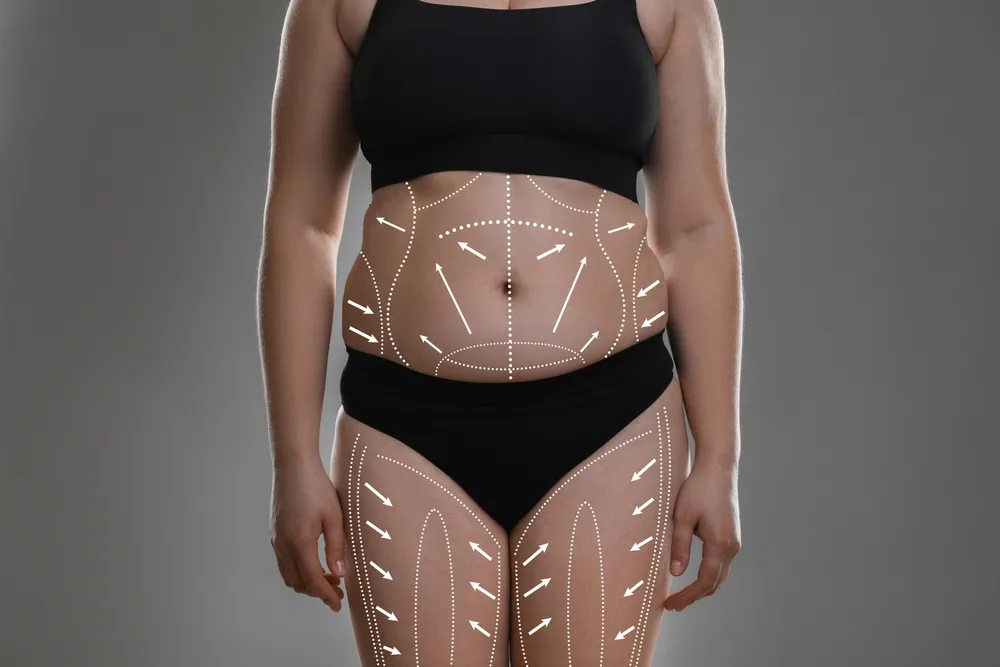
VASER λιποαναρρόφηση χρησιμοποιεί ενέργεια υπερήχων για να υγροποιήσει το λίπος πριν από την αφαίρεση, ενώ η παραδοσιακή λιποαναρρόφηση χρησιμοποιεί μηχανική αναρροφήση για να εξάγει το λίπος άμεσα. Και οι δύο διαδικασίες αφαιρούν επίμονες αποθήκες λίπους, αλλά διαφέρουν στην τεχνολογία, την ακρίβεια, τον χρόνο ανάρρωσης και τις ιδανικές περιπτώσεις χρήσης.
Η χειρουργική επέμβαση για την περίγραμμα του σώματος έχει αναπτυχθεί ραγδαία τα τελευταία σαράντα χρόνια. Εκατομμύρια ασθενείς αναζητούν χειρουργική επέμβαση αφαίρεσης λίπους κάθε χρόνο για να βελτιώσουν τη σιλουέτα τους και να μειώσουν τον τοπικό λιπώδη ιστό. Δύο τεχνικές κυριαρχούν σε αυτόν τον τομέα: η παραδοσιακή αναρρόφηση με μηχανική βοήθεια και η λιποαναρρόφηση με υπερήχους VASER. Οι ασθενείς συχνά ρωτούν ποια μέθοδος προσφέρει καλύτερα αποτελέσματα. Η απάντηση εξαρτάται από την ατομική ανατομία, την ποιότητα του δέρματος, την κατανομή του λίπους και τους αισθητικούς στόχους. Αυτό το άρθρο εξετάζει και τις δύο διαδικασίες σε βάθος. Συγκρίνει τους μηχανισμούς τους, τα οφέλη, τους περιορισμούς, τα μοτίβα ανάκαμψης, τους κινδύνους και το κόστος. Εξηγεί επίσης ποιος qualifies ως καλός υποψήφιος για καθεμία τεχνική. Στο τέλος, θα κατανοήσετε τις βασικές διαφορές μεταξύ της λιποαναρρόφησης VASER και της παραδοσιακής λιποαναρρόφησης. Θα γνωρίζετε επίσης ποιες ερωτήσεις να θέσετε κατά τη διάρκεια της συμβουλευτικής σας.
Τι είναι η λιποαναρρόφηση και πώς λειτουργεί;
Η λιποαναρρόφηση είναι μια χειρουργική διαδικασία που αφαιρεί τοπικές αποθήκες λίπους μέσω μικρών τομών χρησιμοποιώντας έναν κενό σωλήνα που ονομάζεται κανάλα. Ο χειρουργός σπάει τα λιποκύτταρα και τα αναρροφά για να διαμορφώσει συγκεκριμένες περιοχές του σώματος.
Η λιποαναρρόφηση κατατάσσεται μεταξύ των πιο δημοφιλών αισθητικών διαδικασιών παγκοσμίως. Η Διεθνής Εταιρεία Αισθητικής Πλαστικής Χειρουργικής παρακολουθεί τους ετήσιους όγκους διαδικασιών, και η λιποαναρρόφηση εμφανίζεται μόνιμα στην κορυφαία κατηγορία χειρουργικών παρεμβάσεων. Η διαδικασία στοχεύει τον υποδόριο λιπώδη ιστό που αντιστέκεται σε δίαιτα και άσκηση. Δεν αντιμετωπίζει το σπλαχνικό λίπος, το οποίο βρίσκεται βαθιά μέσα στην κοιλιακή κοιλότητα γύρω από τα εσωτερικά όργανα. Οι χειρουργοί εκτελούν λιποαναρρόφηση στην κοιλιά, τους γοφούς, τους μηρούς, τα χέρια, την πλάτη, το στήθος, το λαιμό και άλλες περιοχές.
Η βασική αρχή παραμένει συνεπής σε όλες τις τεχνικές. Ο χειρουργός διεισδύει μια υγρή λύση στη στρώση λίπους. Αυτή η λύση περιέχει αλατούχο διάλυμα, τοπικό αναισθητικό και επινεφρίνη. Το υγρό διογκώνει τον ιστό, μειώνει την αιμορραγία και μουδιάζει την περιοχή. Στη συνέχεια, ο χειρουργός εισάγει μια κανάλα μέσω μικροσκοπικών τομών. Η κανάλα ξεχωρίζει τα λιποκύτταρα και η αναρρόφηση τα αφαιρεί. Στη συνέχεια, το σώμα επουλώνεται και το δέρμα συρρικνώνεται πάνω από το νέο περίγραμμα.
Τι είναι η παραδοσιακή λιποαναρρόφηση;
Η παραδοσιακή λιποαναρρόφηση χρησιμοποιεί μηχανική δύναμη από μια κανάλα για να σπάσει και να αναρροφήσει τα λιποκύτταρα χωρίς βοήθεια ενέργειας.
Η παραδοσιακή λιποαναρρόφηση, γνωστή και ως λιπακτομή με υποβοήθηση αναρρόφησης (SAL), έχει τις ρίζες της στα τέλη της δεκαετίας του 1970. Ο Fischer ανέπτυξε την αρχική τεχνική φιλτράρισμα με αμβλύ εργαλείο στην Ιταλία το 1974. Οι Illouz και Fournier εκλέπτυνσαν τη μέθοδο στη Γαλλία κατά τη διάρκεια των τελών της δεκαετίας του 1970 και αρχών της δεκαετίας του 1980 (Ahern 34). Αυτοί οι πρωτοπόροι χρησιμοποίησαν κοίλες κανίλες συνδεδεμένες με συσκευές αναρρόφησης για την εξαγωγή λίπους. Οι πρώτες διαδικασίες προκάλεσαν σημαντική απώλεια αίματος καθώς οι χειρουργοί εκτέλεσαν ξηρή λιποαναρρόφηση χωρίς υγρή εισβολή.
Το 1987, ο Klein επαναστάτησε το πεδίο με την εισαγωγή της τεχνικής τυμισμένης λιποαναρρόφησης. Εισήγαγε μεγάλους όγκους αραιωμένης τοπικής αναισθητικής λύσης στο υποδόριο λίπος. Αυτή η προσέγγιση μείωσε την απώλεια αίματος, ελαχιστοποίησε τον πόνο και επέτρεψε στους χειρουργούς να εκτελούν τη διαδικασία υπό τοπική αναισθησία αντί για γενική αναισθησία (Klein 263; Venkataram 75). Η τυμισμένη τεχνική παραμένει το πρότυπο φροντίδας σήμερα.
Στην παραδοσιακή SAL, ο χειρουργός κινεί χειροκίνητα την κανίλα μπρος-πίσω. Η άκρη της κανίλας κόβει και ξύνει το λιπώδες ιστό. Η συσκευή αναρρόφησης απορροφά το θρυμματισμένο λίπος. Αυτή η μέθοδος λειτουργεί καλά για την απομάκρυνση μεγάλων όγκων λίπους. Απαιτεί επίσης λιγότερο εξειδικευμένο εξοπλισμό από ότι οι τεχνικές υποβοήθησης ενέργειας. Ωστόσο, η μηχανική δράση διαταράσσει τα αιμοφόρα αγγεία, τα νεύρα και τον συνδετικό ιστό αδιακρίτως.
Τι Είναι η Λιποαναρρόφηση VASER;
Η λιποαναρρόφηση VASER χρησιμοποιεί ενέργεια υπερήχων για να υγροποιήσει τα λιποκύτταρα πριν την αναρρόφηση, διατηρώντας τους γύρω ιστούς.
VASER σημαίνει Ενίσχυση Δόνησης Ενέργειας Ήχου σε Αντήχηση. Αντιπροσωπεύει την τρίτη γενιά λιποαναρρόφησης με υποβοήθηση υπερήχων (UAL). Ο Zocchi εισήγαγε την υπερηχητική λιποαναρρόφηση τη δεκαετία του 1990, αλλά οι πρώτες συσκευές παρήγαγαν υπερβολική θερμότητα και προκαλούσαν θερμικά τραύματα. Η σύγχρονη τεχνολογία VASER χρησιμοποιεί μικρότερες συμπαγείς προβολές τιτανίου, παλμική παράδοση ενέργειας και χαμηλότερες ρυθμίσεις ισχύος. Αυτές οι βελτιώσεις έχουν δημιουργήσει ένα πιο ασφαλές και ακριβές εργαλείο (Jewell et al. 131).
Το σύστημα VASER εκπέμπει υπερηχητικά κύματα σε μια συχνότητα που συντονίζεται με τις μεμβράνες των λιποκυττάρων. Αυτή η ακουστική ενέργεια προκαλεί καβιταция. Η καβιτατία δημιουργεί ταχεία αλλαγή πίεσης που ρήγνει τα λιποκύτταρα. Το λίπος γαλακτωματοποιείται σε υγρή κατάσταση. Ο χειρουργός στη συνέχεια αφαιρεί αυτό το υγροποιημένο λίπος χρησιμοποιώντας αναρρόφηση με χαμηλή πίεση και μικρές κανίλες. Δεδομένου ότι η ενέργεια υπερήχων στοχεύει επιλεκτικά το λίπος, τα αιμοφόρα αγγεία, τα νεύρα και οι δομές κολλαγόνου παραμένουν σε μεγάλο βαθμό ανέπαφα. Αυτή η επιλεκτικότητα καθορίζει το κύριο πλεονέκτημα της τεχνολογίας VASER.
Ποιες Είναι οι Διαφορές Μεταξύ της Λιποαναρρόφησης VASER και της Παραδοσιακής Λιποαναρρόφησης;
Η VASER υγροποιεί το λίπος με υπερήχους πριν την αφαίρεση, ενώ η παραδοσιακή λιποαναρρόφηση μηχανικά εξάγει το στερεό λίπος. Η VASER προκαλεί λιγότερο τραύμα στους ιστούς, αλλά η παραδοσιακή λιποαναρρόφηση κοστίζει λιγότερο και λειτουργεί ταχύτερα για μεγάλους όγκους.
Οι διαφορές μεταξύ αυτών των δύο τεχνικών εκτείνονται πέρα από την πηγή ενέργειας. Επηρεάζουν την χειρουργική τεχνική, τη διατήρηση των ιστών, την ακρίβεια και τον έλεγχο του χειρουργού.
Ποιες Είναι οι Διαφορές στην Τεχνολογία Αφαίρεσης Λίπους Μεταξύ των Δύο Μεθόδων;
Η παραδοσιακή λιποαναρρόφηση βασίζεται στον μηχανικό scraping και την αναρρόφηση, ενώ η VASER χρησιμοποιεί υπέρηχους καβίτισης για την υγροποίηση του λίπους πριν από την ήπια εξαγωγή.
Η παραδοσιακή SAL εξαρτάται από τη φυσική κοπή της κάνουλας. Ο χειρουργός πρέπει να ασκήσει δύναμη για να σπρώξει την κάνουλα μέσα από το λιπώδη ιστό. Αυτή η μηχανική διαταραχή επηρεάζει όλους τους ιστούς στη διαδρομή της κάνουλας. Τα αιμοφόρα αγγεία σχίζονται, τα νεύρα τεντώνονται, και οι ίνες του συνδετικού ιστού σπάζουν.
Η λιποαναρρόφηση VASER διαχωρίζει τα λιποκύτταρα χρησιμοποιώντας ηχητικά κύματα προτού η κάνουλα αγγίξει ποτέ αυτά. Η κάψα εκπέμπει υπερηχητική ενέργεια που διαταράσσει συγκεκριμένα τις μεμβράνες των λιποκυττάρων. Οι περιβάλλουσες δομές απορροφούν ελάχιστη ενέργεια επειδή δεν δονηθούν στην ίδια συχνότητα. Μετά την εμάλυνση, ο χειρουργός χρησιμοποιεί άτραυματικές κάνουλες για να αναρροφήσει το υγρό λίπος. Αυτή η διαδικασία δύο βημάτων απαιτεί λιγότερη φυσική δύναμη (Garcia και Nathan 430).
Πώς Διαφέρει η Χειρουργική Τεχνική;
Η VASER απαιτεί ένα επιπλέον βήμα εμάλυνσης με υπερηχητικές κάψες, ενώ η παραδοσιακή λιποαναρρόφηση προχωρεί άμεσα στην αναρρόφηση μετά την εισβολή.
Και οι δύο διαδικασίες αρχίζουν με τη θυμώδη εισβολή. Ο χειρουργός εγχέει την υγρή λύση στην περιοχή θεραπείας. Στην παραδοσιακή λιποαναρρόφηση, ο χειρουργός εισάγει αμέσως την κάνουλα αναρρόφησης. Η διάμετρος της κάνουλας κυμαίνεται συνήθως από 2 mm έως 5 mm. Ο χειρουργός κάνει πολλές περάσματα μέσα από το λιπώδες στρώμα, εξάγοντας κύτταρα με κάθε κίνηση.
Στη λιποαναρρόφηση VASER, ο χειρουργός πρώτα εισάγει μια λεπτή κάψα τιτανίου. Η κάψα παρέχει υπερηχητική ενέργεια για μια υπολογισμένη διάρκεια. Ο χειρουργός κινεί την κάψα αργά και ομοιόμορφα για να αποφύγει τη θερμική συσσώρευση. Μετά την εμάλυνση, ο χειρουργός αλλάζει σε μια κάνουλα αναρρόφησης χαμηλής πίεσης. Το υγροποιημένο λίπος ρέει εύκολα. Οι διαστάσεις της κάψας και της κάνουλας είναι παρόμοιες, αλλά η διαδικασία VASER προσθέτει μία φάση παράδοσης ενέργειας.
Πώς Συγκρίνεται η Διατήρηση Ιστού;
Η VASER διατηρεί τα αιμοφόρα αγγεία, τα νεύρα και τον συνδετικό ιστό καλύτερα από την παραδοσιακή λιποαναρρόφηση γιατί οι υπέρηχοι στοχεύουν επιλεκτικά το λίπος.
Η έρευνα επιβεβαιώνει αυτή τη διαφορά. Σε μια πολυκεντρική τυχαιοποιημένη ελεγχόμενη δοκιμή, οι Nagy και Vanek σύγκριναν την λιποπλαστική με υποστήριξη VASER με την λιποπλαστική με υποστήριξη αναρρόφησης. Κατέγραψαν ότι η VASER παρήγαγε περίπου 26% λιγότερη απώλεια αίματος από την παραδοσιακή SAL (Nagy και Vanek 681e). Αυτός ο περιορισμός συμβαίνει επειδή η υπερηχητική ενέργεια χάρη σταμάτησε τα αιμοφόρα αγγεία ενώ διαταράσσει τα λιποκύτταρα.
Το δίκτυο του συνδετικού ιστού παραμένει επίσης πιο ακέραιο με τη VASER. Αυτή η διατήρηση είναι σημαντική επειδή ο συνδετικός ιστός αγκαλιάζει το δέρμα στους υποκείμενους μύες. Όταν οι χειρουργοί διατηρούν αυτές τις δομές, το δέρμα μπορεί να επανέλθει πιο ομαλά. Οι ρυθμοί ζημιάς στα νεύρα μειώνονται επίσης επειδή η συχνότητα των υπερηχών δεν επηρεάζει σημαντικά τον νευρικό ιστό.
Πώς Συγκρίνεται η Ακρίβεια της Αφαίρεσης Λίπους;
Η VASER προσφέρει μεγαλύτερη ακρίβεια για λεπτομερή γλυπτική, ενώ η παραδοσιακή λιποαναρρόφηση λειτουργεί καλά για ευρεία μείωση λίπους.
Η παραδοσιακή SAL ξεχωρίζει στην αφαίρεση μεγάλων όγκων λίπους από βαθιά διαμερίσματα. Οι χειρουργοί μπορούν να μειώσουν τον όγκο στην κοιλιά, στις πλευρές ή στους μηρούς με αποδοτικότητα. Ωστόσο, η τεχνική προσφέρει περιορισμένη ακρίβεια σε επιφανειακά στρώματα. Οι χειρουργοί συχνά αποφεύγουν το υποδερμικό στρώμα λίπους για να προλάβουν ανωμαλίες στη μορφή.
Η τεχνολογία VASER επιτρέπει στους χειρουργούς να εργάζονται με ασφάλεια σε επιφανειακά στρώματα λίπους. Το εμαλτωμένο λίπος αφαιρείται εύκολα χωρίς επιθετική ξύστρα. Αυτή η ικανότητα επιτρέπει την υψηλής ευκρίνειας λιπογλυπτική. Οι χειρουργοί μπορούν να γλυπτούν γύρω από ομάδες μυών για να δημιουργήσουν ορατή οριοθέτηση. Μπορούν επίσης να λείανουν τις άκρες για ομαλότερες μεταβάσεις. Οι Hoyos και Millard προώθησαν αυτή την εφαρμογή, αποδεικνύοντας ότι η VASER επιτρέπει λεπτομερή χάραξη των κοιλιακών μυών, των γραμμών του στήθους και άλλων αισθητικών ορόσημων (Hoyos και Millard 594).
Πώς Λειτουργεί η Επιστήμη Πίσω από την Τεχνολογία VASER;
Η VASER χρησιμοποιεί υπερηχητική καβίτωση, θερμικά αποτελέσματα και ήπια μηχανική δόνηση για να σπάσει τα λιποκύτταρα ενώ εξερχονται άλλα ιστό.
Τι Είναι η Ενέργεια Υπερήχων στη Λιποαναρροφήση VASER;
Η VASER εκπέμπει ηχητικά κύματα σε συγκεκριμένη συχνότητα που προκαλεί τα λιποκύτταρα να δονηθούν και να ραγίσουν ενώ αφήνει τα άλλα ιστό κυρίως ανεπηρέαστα.
Η συσκευή VASER μετατρέπει ηλεκτρικά σήματα σε ηχητικά κύματα υψηλής συχνότητας. Αυτά τα κύματα ταξιδεύουν μέσω της τιτανικής πρόβας στο λιπώδη ιστό. Τα λιποκύτταρα περιέχουν μεγάλες σταγονίτσες λιπιδίων που περιβάλλονται από λεπτές μεμβράνες. Αυτές οι μεμβράνες δονούνται όταν εκτίθενται σε αντηχητική συχνότητα. Η δόνηση γεννά μικροσκοπικές φυσαλίδες. Αυτές οι φυσαλίδες επεκτείνονται και καταρρέουν γρήγορα, δημιουργώντας μηχανικό άγχος που ραγίζει τα τοιχώματα των λιποκυττάρων. Αυτή η διαδικασία ονομάζεται καβίτωση.
Το θερμικό αποτέλεσμα παρέχει έναν δεύτερο μηχανισμό. Η ενέργεια υπερήχων παράγει ελεγχόμενη θερμότητα στον ιστό. Αυτή η θερμότητα ενεργοποιεί τα ινώδη κύτταρα του δέρματος να παράγουν νέο κολλαγόνο και ελαστίνη. Το νέο κολλαγόνο σφίγγει το δέρμα από μέσα. Το θερμικό αποτέλεσμα βοηθά επίσης στη πήξη μικρών αιμοφόρων αγγείων, μειώνοντας την αιμορραγία.
Γιατί Είναι Σημαντική η Επιλεκτική Διαστροφή των Λιποκυττάρων;
Η επιλεκτική διαστροφή σημαίνει ότι μόνο τα λιποκύτταρα σπάνε, ενώ τα αιμοφόρα αγγεία, οι νευρικές ίνες και το κολλαγόνο παραμένουν άθικτα. Αυτό μειώνει το τραύμα και βελτιώνει την ανάρρωση.
Ο λιπώδης ιστός διαφέρει από τις γύρω δομές στις ακουστικές του ιδιότητες. Τα λιποκύτταρα περιέχουν κυρίως έλαιο και νερό. Αυτά τα περιεχόμενα απορροφούν την υπερηχητική ενέργεια αποτελεσματικά. Τα αιμοφόρα αγγεία περιέχουν αίμα, το οποίο έχει διαφορετική ακουστική αντίσταση. Ο νευρικός ιστός περιέχει μυελινωμένες ίνες που δεν ανα resonate στην ίδια συχνότητα. Ο συνδετικός ιστός περιέχει κολλαγόνο, το οποίο είναι πιο ανθεκτικό στην καβίτωση.
Αυτή η επιλεκτικότητα σημαίνει ότι ο χειρουργός μπορεί να εμαλτώσει το λίπος χωρίς να κομματιάσει τα πάντα στο δρόμο. Τα διατηρημένα αιμοφόρα αγγεία μειώνουν τον τραυματισμό και τον κίνδυνο αιματώματος. Οι διατηρημένοι νευρικοί ιστοί μειώνουν την μετεγχειρητική αναισθησία. Ο διατηρημένος συνδετικός ιστός παρέχει ένα σκελετό για την επαναφορά του δέρματος.
Γιατί Υφίστανται Τα Γύρω Ιστοί Λιγότερο Τραυματισμό;
Η συχνότητα υπερήχων στοχεύει συγκεκριμένα στο λίπος, οπότε άλλοι ιστοί απορροφούν ελάχιστη ενέργεια και υφίστανται ελάχιστη ζημιά.
Στην παραδοσιακή SAL, η κάνουλα κόβει τα πάντα. Τα αιμοφόρα αγγεία σπάνε, προκαλώντας αιμορραγία και μελανιές. Οι νευρικές ίνες διατείνονται ή διαχωρίζονται, προκαλώντας προσωρινή ή μόνιμη αναισθησία. Ο συνδετικός ιστός σπάει, γεγονός που μπορεί να δημιουργήσει ανωμαλίες.
Η VASER αποφεύγει τους περισσότερους από αυτούς τους τραυματισμούς. Ο ανιχνευτής γλιστράει μέσα από τον ιστό χωρίς να κόβει. Η ενέργεια ακτινοβολεί προς τα έξω από την άκρη του ανιχνευτή, αλλά διαχέεται γρήγορα. Ο χειρουργός ελέγχει το επίπεδο ενέργειας, τη λειτουργία παλμού και το χρόνο εφαρμογής. Οι συσκευές VASER τρίτης γενιάς χρησιμοποιούν παλμική παροχή αντί για συνεχή ενέργεια. Αυτή η παλμική λειτουργία επιτρέπει την ψύξη του ιστού μεταξύ των παλμών, γεγονός που αποτρέπει τη θερμική συσσώρευση.
Πώς Επηρεάζει Η VASER Την Ποιότητα Συγκομιδής Λίπους Για Μεταφορά;
Η VASER διατηρεί υψηλή βιωσιμότητα των λιποκυττάρων, καθιστώντας το συγκομισμένο λίπος κατάλληλο για αυτολόγηση.
Οι ασθενείς επιθυμούν ολοένα και περισσότερο να χρησιμοποιούν το αφαιρούμενο λίπος για αύξηση σε άλλα μέρη. Κοινές εφαρμογές περιλαμβάνουν την ανύψωση γλουτών Brazilian, τη μεταφορά λίπους στο πρόσωπο και την αυξητική στήθους. Η επιβίωση του λίπους που έχει μεταμοσχευθεί εξαρτάται από τη βιωσιμότητα των λιποκυττάρων κατά τη διάρκεια της συγκομιδής.
Οι Schafer και οι συνεργάτες του εξέτασαν τη βιωσιμότητα των λιποκυττάρων μετά από λιποαναρρόφηση VASER τρίτης γενιάς. Βρήκαν μέση βιωσιμότητα 85.1% μέσω δοκιμής λιπόλυσης και 88.7% μέσω χρώσης με ιωδιούχο προπίδιο. Αυτές οι τιμές εμπίπτουν στην ιστορική γκάμα για λιποαναρρόφηση με σύριγγα και με υποβοηθούμενη αναρρόφηση. Οι ερευνητές κατέληξαν στο συμπέρασμα ότι το λίπος που έχει συγκομιστεί με VASER παραμένει βιώσιμο και κατάλληλο για αυτολόγηση (Schafer et al. 698).
Οι Leethochavalit και οι συνεργάτες του διερεύνησαν επίσης τα επίπεδα ενέργειας VASER και την επιβίωση των λιποκυττάρων. Δοκίμασαν ρυθμίσεις ενέργειας στο 60%, 80% και 90%. Δεν βρήκαν σημαντική διαφορά στη βιωσιμότητα των λιποκυττάρων σε αυτά τα επίπεδα. Η μέση βιωσιμότητα υπερέβη το 97% σε όλες τις ομάδες. Αυτό υποδηλώνει ότι οι χειρουργοί μπορούν να χρησιμοποιούν τυπικές κλινικές ρυθμίσεις χωρίς να περιθωριοποιούν την ποιότητα του λίπους (Leethochavalit et al. 16).
Ποια Είναι Τα Κύρια Οφέλη Της Παραδοσιακής Λιποαναρρόφησης;
Η παραδοσιακή λιποαναρρόφηση προσφέρει αποδεδειγμένο μητρώο, αποτελεσματική αφαίρεση μεγάλου όγκου, ευρεία διαθεσιμότητα, χαμηλότερο κόστος και απλή τεχνική.
Γιατί Έχει Αποδεδειγμένο Μητρώο Η Παραδοσιακή Λιποαναρρόφηση;
Οι χειρουργοί έχουν εκτελέσει παραδοσιακή SAL εδώ και πάνω από τέσσερις δεκαετίες, δημιουργώντας εκτενή δεδομένα αποτελεσμάτων και βελτιωμένες τεχνικές.
Η παραδοσιακή SAL υφίσταται από τα τέλη της δεκαετίας του 1970. Χιλιάδες άρθρα κριτών διdocumentουν την ασφάλεια και την αποτελεσματικότητά της. Οι χειρουργοί κατανοούν τους περιορισμούς της και προβλέπουν τα αποτελέσματά της. Αυτή η μακρά ιστορία παρέχει εμπιστοσύνη τόσο στους ασθενείς όσο και στους επαγγελματίες.
Οι Beidas και Gusenoff εξέτασαν τις σύγχρονες πρακτικές λιποαναρρόφησης σε μια ενημέρωση του 2021. Ανέφεραν ότι η λιποαναρρόφηση με βοήθεια αναρρόφησης παραμένει η πιο κοινά χρησιμοποιούμενη τεχνική παγκοσμίως. Η απλότητα, η αξιοπιστία και η οικονομική της απόδοση διατηρούν τη δημοτικότητά της (Beidas και Gusenoff 658e).
Πόσο Αποτελεσματική Είναι Η Παραδοσιακή Λιποαναρρόφηση Για Μεγάλους Λιπαρούς Όγκους;
Η παραδοσιακή SAL αφαιρεί μεγάλους λιπαρούς όγκους αποτελεσματικά επειδή η μηχανική κανονική εξαγάγει το συμπαγές λίπος επιθετικά.
Όταν οι ασθενείς χρειάζονται σημαντική μείωση όγκου, η παραδοσιακή λιποαναρρόφηση λειτουργεί καλά. Ο χειρουργός μπορεί να κάνει πολλαπλές διελεύσεις μέσω βαθιών λιπαρών τμημάτων. Η υψηλή πίεση αναρρόφησης αφαιρεί σημαντικούς όγκους γρήγορα. Για ασθενείς με ΔΜΣ κάτω από 30 που χρειάζονται περιφερειακή θεραπεία κορμού, η παραδοσιακή SAL επιτυγχάνει δραματικές αλλαγές στη μορφή.
Γιατί Είναι Ευρέως Διαθέσιμη Η Παραδοσιακή Λιποαναρρόφηση;
Οι περισσότεροι πλαστικοί χειρουργοί μαθαίνουν την παραδοσιακή SAL κατά την εκπαίδευσή τους, και το κόστος του εξοπλισμού είναι χαμηλότερο από εκείνα των συστημάτων VASER.
Η παραδοσιακή λιποαναρρόφηση απαιτεί μόνο κανόνες, μηχανές αναρρόφησης και αντλίες διείσδυσης. Αυτά τα εργαλεία κοστίζουν λιγότερο από τους γεννήτριες υπερήχων και τις εξειδικευμένες προεξοχές. Σχεδόν κάθε πιστοποιημένος πλαστικός χειρουργός εκτελεί παραδοσιακή SAL. Οι ασθενείς μπορούν να βρουν καταρτισμένους παρόχους στις περισσότερες πόλεις.
Γιατί Είναι Χαμηλότεροι Οι Κόστος Εξοπλισμού;
Η παραδοσιακή SAL χρησιμοποιεί βασικά χειρουργικά όργανα, ενώ η VASER απαιτεί ακριβούς γεννήτριες υπερήχων και αναλώσιμες προεξοχές.
Το σύστημα VASER απαιτεί σημαντική κεφαλαιακή επένδυση. Ο γεννήτριας, οι λαβές και οι προεξοχές κοστίζουν περισσότερο από τις κανονικές κανόνες. Αυτά τα έξοδα μεταφράζονται σε υψηλότερες αμοιβές για τους ασθενείς. Η παραδοσιακή SAL αποφεύγει αυτό το περιθώριο κόστους.
Πότε Είναι Η Παραδοσιακή Λιποαναρρόφηση Η Καλύτερη Επιλογή;
Η παραδοσιακή SAL ταιριάζει σε ασθενείς που χρειάζονται αφαίρεση μεγάλου όγκου λίπους, έχουν καλή ελαστικότητα δέρματος και θέλουν μια διαδικασία χαμηλού κόστους.
Οι ασθενείς που επιθυμούν πρωταρχική λιποαναρρόφηση χωρίς ανάγκη για ορισμό μυών συχνά τα πηγαίνουν καλά με παραδοσιακές τεχνικές. Αυτοί με σφιχτό, ελαστικό δέρμα και εντοπισμένα λιπαρά που βρίσκονται σε σημείο επιτυγχάνουν εξαιρετικά αποτελέσματα. Οι ασθενείς με περιορισμένο προϋπολογισμό επωφελούνται επίσης από το χαμηλό κόστος.
Ποια Είναι Τα Κύρια Οφέλη Της Λιποαναρρόφησης VASER;
Η VASER προσφέρει ενισχυμένη ακρίβεια, μειωμένη βλάβη στους ιστούς, λιγότερους μώλωπες, ταχύτερη ανάρρωση, καλύτερη επαναφορά του δέρματος και ανώτερη λίπανση για μεταμόσχευση.
Πώς Παρέχει Η VASER Ενισχυμένη Ακρίβεια;
Η VASER υγροποιεί το λίπος ομοιόμορφα, επιτρέποντας στους χειρουργούς να το απομακρύνουν ομαλά από τις βαθιές και επιφανειακές στοιβάδες.
Η διαδικασία εξομάλυνσης δημιουργεί ομοιόμορφο υγρό λίπος. Ο χειρουργός αναρροφά αυτό το υγρό χρησιμοποιώντας μικρές, απαλές κάνουλες. Δεν υπάρχει ανάγκη για επιθετική ξύσιμο. Αυτή η ομαλή εξαγωγή αποτρέπει την άνιση αφαίρεση που προκαλεί ανωμαλίες στο περίγραμμα.
Πώς μειώνει το VASER τη βλάβη στους ιστούς;
Ο υπέρηχος διαταράσσει επιλεκτικά τα λιποκύτταρα, αφήνοντας τα αιμοφόρα αγγεία, τα νεύρα και τον συνδετικό ιστό κυρίως ανέπαφα.
Οι Tran και οι συνεργάτες του κατέγραψαν αυτό το όφελος σε μια σειρά 261 ασθενών που υποβλήθηκαν σε λιποαναρρόφηση τρίτης γενιάς VASER. Αναφέρθηκαν συνολικός ρυθμός επιπλοκών της τάξης του 4.6%. Αυτός ο ρυθμός είναι χαμηλότερος από τον 8.6% που αναφέρθηκε από τους Kim και τους συνεργάτες τους για την παραδοσιακή επιφανειακή λιποαναρρόφηση σε μια ανασκόπηση 2,398 ασθενών (Tran et al. 2310; Kim et al. 863). Το χαμηλότερο προφίλ τραύματος προέρχεται άμεσα από την τεχνολογία επιλεκτικής αφαίρεσης ιστών.
Πώς μειώνει το VASER τους μώλωπες και το πρήξιμο;
Τα διατηρημένα αιμοφόρα αγγεία διαρρέουν λιγότερο αίμα, πράγμα που σημαίνει λιγότερους μώλωπες. Λιγότερο τραύμα στους ιστούς σημαίνει λιγότερο φλεγμονώδες πρήξιμο.
Οι μώλωπες προέρχονται από σπασμένα αιμοφόρα αγγεία. Η παραδοσιακή SAL σκίζει αυτά τα αγγεία μηχανικά. Το VASER τα προστατεύει. Οι ασθενείς παρατηρούν λιγότερη μετεγχειρητική αποχρωματισμό. Το πρήξιμο μειώνεται επίσης, διότι το σώμα ενεργοποιεί μια μικρότερη φλεγμονώδη αντίδραση όταν το τραύμα στους ιστούς είναι ελάχιστο.
Πώς επιτρέπει το VASER ταχύτερη ανάρρωση;
Λιγότεροι μώλωπες, λιγότερο πρήξιμο και λιγότερος πόνος επιτρέπουν στους ασθενείς να επανέλθουν στις φυσιολογικές τους δραστηριότητες νωρίτερα.
Η τυχαιοποιημένη μελέτη των Nagy και Vanek κατέγραψε ταχύτερα πρότυπα ανάρρωσης με το VASER. Οι ασθενείς επέστρεψαν στην εργασία τους σε γραφείο εντός 3 έως 7 ημερών μετά το VASER, σε σύγκριση με 7 έως 14 ημέρες μετά την παραδοσιακή SAL. Οι πλήρεις δραστηριότητες αποκαταστάθηκαν σε 2 έως 4 εβδομάδες σε σχέση με 4 έως 6 εβδομάδες. Οι μώλωπες επιλύθηκαν σε 1 έως 2 εβδομάδες αντί για 4 έως 6 εβδομάδες (Nagy και Vanek 681e).
Πώς βελτιώνει το VASER τον ορισμό του σώματος;
Το VASER επιτρέπει στους χειρουργούς να σμιλεύουν το επιφανειακό λίπος γύρω από τους μύες, δημιουργώντας ορατό ορισμό.
Η λιπογλυπτική υψηλής ανάλυσης απαιτεί ακριβή αφαίρεση λίπους ακριβώς πάνω από τις ομάδες μυών. Η παραδοσιακή SAL κινδυνεύει από ανωμαλίες σε αυτό το επιφανειακό επίπεδο. Το VASER το καθιστά ασφαλές. Οι Hoyos και Millard περιέγραψαν αυτήν την τεχνική το 2007, δείχνοντας ότι το VASER επιτρέπει λεπτομερή χαραγμένη απεικόνιση των μυών του ορθού κοιλιακού, των πλάγιων, του σαρκώδους και των θωρακικών (Hoyos και Millard 594).
Πώς βελτιώνει το VASER την αναδίπλωση του δέρματος;
Η θερμική επίδραση διεγείρει την παραγωγή κολλαγόνου, το οποίο σφίγγει το δέρμα από μέσα.
Η ενέργεια του υπερήχου παράγει ελεγχόμενη θερμότητα στο δέρμα και στον υποδόριο ιστό. Αυτή η θερμότητα προκαλεί δραστηριότητα των ινοβλαστών. Νές ίνες κολλαγόνου και ελαστίνης σχηματίζονται, τραβώντας το δέρμα προς τα μέσα. Οι Nagy και Vanek μέτρησαν την αναδίπλωση του δέρματος στην τυχαιοποιημένη μελέτη τους. Κατέγραψαν 53% ανώτερη αναδίπλωση του δέρματος με το VASER σε σύγκριση με την παραδοσιακή SAL (Nagy και Vanek 681e).
Πώς Διατηρεί το VASER το Λίπος για Μεταφορά;
Η ήπια γαλακτωματοποίηση και η αναρρόφηση χαμηλής πίεσης διατηρούν τα λιποκύτταρα ζωντανά και ανέπαφα.
Όπως αναφέρθηκε νωρίτερα, ο Schafer και οι συνεργάτες του επιβεβαίωσαν την επιβιωσιμότητα των λιποκυττάρων στο 85% έως 88% μετά τη συγκομιδή VASER. Αυτή η υψηλή επιβιωσιμότητα υποστηρίζει την επιτυχία της μεταφοράς λίπους. Η αναρρόφηση χαμηλής πίεσης μειώνει επίσης το μηχανικό τραύμα στα λιποκύτταρα κατά την εξαγωγή.
Ποιες Είναι οι Περιορισμοί της Παραδοσιακής Λιποαναρρόφησης;
Η παραδοσιακή SAL προκαλεί περισσότερο μηχανικό τραύμα, μεγαλύτερη αποκατάσταση σε ορισμένες περιπτώσεις, λιγότερη ακρίβεια σε ευαίσθητες περιοχές και περισσότερους μώλωπες.
Γιατί Η Παραδοσιακή Λιποαναρρόφηση Προκαλεί Μεγαλύτερο Μηχανικό Τραύμα;
Η κάνουλα κόβει απρόσκοπτα όλους τους τύπους ιστών, σκίζοντας αγγεία και νεύρα.
Η φυσική δράση ξυσίματος δεν μπορεί να διακρίνει ανάμεσα στο λίπος και σε άλλες δομές. Οι αιχμηρές ακμές της κάνουλας κόβουν ό,τι έρχεται σε επαφή. Αυτό δημιουργεί μεγαλύτερη εσωτερική ζημιά. Το σώμα πρέπει να επισκευάσει αυτή τη ζημιά κατά την αποκατάσταση.
Γιατί Μπορεί Η Αποκατάσταση Να Διαρκέσει Περισσότερο;
Περισσότερο τραύμα ιστού προκαλεί ισχυρότερη φλεγμονώδη αντίδραση, γεγονός που επεκτείνει τον χρόνο επούλωσης.
Οι ασθενείς βιώνουν περισσότερους μώλωπες και πρήξιμο μετά την παραδοσιακή SAL. Η φλεγμονώδης αλυσίδα χρειάζεται χρόνο για να επιλυθεί. Τα ρούχα συμπίεσης πρέπει να φοριούνται περισσότερο. Ορισμένοι ασθενείς χρειάζονται αρκετές εβδομάδες πριν το πρήξιμο υποχωρήσει αρκετά ώστε να δουν το τελικό τους σχήμα.
Γιατί Η Παραδοσιακή Λιποαναρρόφηση Είναι Λιγότερο Ακριβής Σε Ευαίσθητες Περιοχές;
Η μηχανική κάνουλα δεν μπορεί να προσεγγίσει με ασφάλεια τις επιφανειακές στιβάδες λίπους χωρίς να διακινδυνεύει ανωμαλίες.
Περιοχές όπως ο λαιμός, οι εσωτερικοί γόνατοι και οι αστράγαλοι περιέχουν λεπτές στιβάδες λίπους πάνω από ευαίσθητες δομές. Η παραδοσιακή SAL διακινδυνεύει να δημιουργήσει λακκουβίτσες ή κυματισμούς σε αυτές τις περιοχές. Οι χειρουργοί συχνά αποφεύγουν τη θεραπεία αυτών των σημείων ή πρέπει να χρησιμοποιούν πολύ μικρές κάνουλες.
Γιατί Η Παραδοσιακή Λιποαναρρόφηση Παράγει Περισσότερους Μώλωπες;
Η κάνουλα σκίζει αιμοφόρα αγγεία σε όλη την περιοχή θεραπείας, προκαλώντας διαρροή αίματος σε γύρω ιστούς.
Οι μώλωπες προκύπτουν από την εξωτερίκευση του αίματος σε υποδόριο ιστό. Η παραδοσιακή SAL προκαλεί περισσότερη αυτή την αιμορραγία γιατί δεν επιφυλάσσει επιλεκτικά αγγεία. Οι ασθενείς με ανοιχτόχρωμο δέρμα ή ευαίσθητους θρόισσους παρατηρούν ιδιαίτερα προφανείς μώλωπες.
Ποιες Είναι οι Περιορισμοί της Λιποαναρρόφησης VASER;
Η VASER απαιτεί μεγαλύτερη καμπύλη μάθησης, κοστίζει περισσότερο, διαρκεί περισσότερο για να εκτελεστεί και δεν ταιριάζει σε κάθε ασθενή.
Γιατί Η VASER Απαιτεί Μεγαλύτερη Καμπύλη Μάθησης;
Οι χειρουργοί πρέπει να κυριαρχήσουν στην φυσική υπερήχων, την κίνηση του αισθητήρα, τις ρυθμίσεις ενέργειας και την θερμική ασφάλεια.
Το VASER δεν είναι απλώς παραδοσιακή λιποαναρρόφηση με μια πρόσθετη συσκευή. Ο χειρουργός πρέπει να κατανοήσει πώς αλληλεπιδρά ο υπέρηχος με τον ιστό. Πρέπει να μάθει τα κατάλληλα επίπεδα ενέργειας για διαφορετικές περιοχές του σώματος. Πρέπει να αποφεύγει την παρατεταμένη επαφή του καθετήρα για να προλάβει θερμικούς τραυματισμούς. Οι ομάδες συμφωνίας ειδικών προτείνουν συγκεκριμένη εκπαίδευση πριν από την ανεξάρτητη χρήση του VASER (Wu et al. 367; Ομάδα Συμφωνίας 2023).
Γιατί το VASER κοστίζει περισσότερο;
Ο εξοπλισμός, οι αναλώσιμοι καθετήρες και η εξειδικευμένη εκπαίδευση αυξάνουν το κόστος της διαδικασίας.
Οι γεννήτριες VASER, τα χεριά και οι καθετήρες από τιτάνιο αντιπροσωπεύουν σημαντικά κεφαλαιακά έξοδα. Πολλοί καθετήρες είναι μίας χρήσης ή απαιτούν δαπανηρή επεξεργασία. Αυτά τα έξοδα μετακυλίονται στον ασθενή. Οι διαδικασίες VASER κοστίζουν συνήθως 30% έως 50% περισσότερο από την παραδοσιακή SAL.
Γιατί μπορεί το VASER να διαρκεί περισσότερο;
Το βήμα της γαλακτωματοποίησης προσθέτει χρόνο στη διαδικασία.
Ο χειρουργός πρέπει να διεισδύσει στη λύση υγρασίας, έπειτα να εφαρμόσει ενέργεια υπερήχων, και τελικά να αναρροφήσει. Η φάση των υπερήχων απαιτεί αργή, προσεκτική κίνηση του καθετήρα. Η βιασύνη σε αυτό το βήμα εγκυμονεί κίνδυνο θερμικού τραυματισμού. Για μεγάλες περιοχές θεραπείας, ο επιπλέον χρόνος μπορεί να παρατείνει τη διάρκεια της αναισθησίας.
Γιατί το VASER δεν είναι κατάλληλο για κάθε ασθενή;
Οι ασθενείς με κακή ελαστικότητα του δέρματος, υπερβολικό σπλαχνικό λίπος ή μη ρεαλιστικές προσδοκίες μπορεί να μην ωφεληθούν από το VASER.
Το VASER βελτιώνει την αναδίπλωση του δέρματος, αλλά δεν μπορεί να εξαλείψει τη σημαντική χαλάρωση του δέρματος. Οι ασθενείς με κρεμασμένο δέρμα μετά από μαζική απώλεια βάρους χρειάζονται εκτομή, όχι λιποαναρρόφηση. Οι ασθενείς με υψηλό ΔΜΣ και σπλαχνική παχυσαρκία χρειάζονται πρώτα απώλεια βάρους. Το VASER δεν μπορεί επίσης να αντικαταστήσει έναν υγιεινό τρόπο ζωής.
Ποιες περιοχές του σώματος μπορούν να θεραπευτούν;
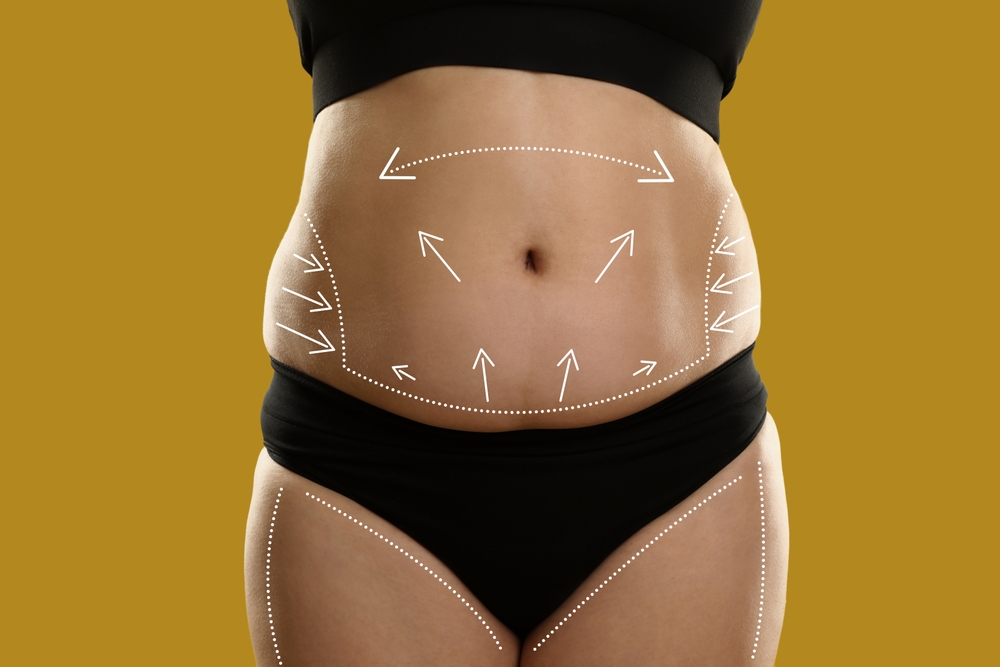
Και οι δύο τεχνικές θεραπεύουν την κοιλιά, τη μέση, τα πλευρά, την πλάτη, το στήθος, τα χέρια, τους μηρούς, τους γοφούς, τους γλουτούς, τον λαιμό, το πηγούνι, τα γόνατα και τους αστραγάλους.
Μπορεί να θεραπευτεί η κοιλιά;
Ναι. Και οι δύο τεχνικές θεραπεύουν αποτελεσματικά την κοιλιά. Το VASER υπερέχει στη δημιουργία καθορισμού στην κοιλιά.
Η κοιλιά είναι η πιο κοινή περιοχή λιποαναρρόφησης. Οι χειρουργοί αφαιρούν βαθύ και επιφανειακό λίπος για να ισιώσουν την κοιλιά. Το VASER επιτρέπει επιπλέον γλυπτική των γραμμών του ορθού κοιλιακού μυός.
Μπορεί να θεραπευτεί η μέση και τα πλευρά;
Ναι. Οι «λιπαροί» αντιδρούν καλά και στις δύο τεχνικές.
Το λίπος στα πλευρά συχνά επιμένει παρά τη δίαιτα και την άσκηση. Η λιποαναρρόφηση δημιουργεί μια πιο ομαλή μετάβαση από τη μέση στους γοφούς.
Μπορεί να θεραπευτεί η πλάτη;
Ναι. Το λίπος στην πλάτη, συμπεριλαμβανομένων των ρολών του σουτιέν, μειώνεται σημαντικά με τη λιποαναρρόφηση.
Το λίπος πίσω περιέχει ινώδη ιστό σε ορισμένους ασθενείς. Το VASER διαχειρίζεται αυτό το ινώδες λίπος καλύτερα από την παραδοσιακή SAL.
Μπορεί να θεραπευτεί το Στήθος;
Ναι. Η ανδρική γυναικομαστία ανταποκρίνεται καλά και στις δύο τεχνικές. Το VASER μπορεί να προσφέρει καλύτερη σύσφιξη του δέρματος.
Οι Elnahas και οι συνεργάτες του συνέκριναν την παραδοσιακή λιποαναρρόφηση, τη λιποαναρρόφηση VASER και το VASER σε συνδυασμό με J-Plasma για γυναικομαστία. Διαπίστωσαν ότι το VASER παρείχε αποτελεσματική αφαίρεση λίπους με καλά αποτελέσματα περιγράμματος (Elnahas et al. 2024).
Μπορούν να θεραπευτούν τα Χέρια;
Ναι. Η λιποαναρρόφηση επάνω χεριών μειώνει το περιττό λίπος. Το VASER μπορεί να βελτιώσει τη σύσφιξη του δέρματος.
Η επιδερμίδα των χεριών τείνει να χαλαρώνει με την ηλικία. Η θερμική επίδραση του VASER μπορεί να βοηθήσει το δέρμα να συρρικνωθεί μετά την αφαίρεση του λίπους.
Μπορούν να θεραπευτούν οι Μηροί;
Ναι. Και οι εσωτερικοί και οι εξωτερικοί μηροί ανταποκρίνονται στη λιποαναρρόφηση.
Οι Hersant και οι συνεργάτες του χρησιμοποίησαν το VASER για λιπαίμασμα κάτω άκρων σε 191 γυναίκες. Κατέγραψαν ασφαλή αφαίρεση λίπους και βελτιωμένο περίγραμμα ποδιών (Hersant et al. 2025).
Μπορούν να θεραπευτούν οι Γοφοί και οι Γλουτοί;
Ναι. Το λίπος στους γοφούς και οι ρόλοι στους κάτω γλουτούς μπορούν να σχηματιστούν.
Αυτές οι περιοχές απαιτούν προσεκτική τεχνική για να αποφευχθούν ανωμαλίες. Η ακρίβεια του VASER βοηθά στη δημιουργία ομαλών μεταβάσεων.
Μπορεί να θεραπευτεί ο Λαιμός και το Πηγούνι;
Ναι. Η λιποαναρρόφηση υπογνάθιου μειώνει τα διπλά πηγούνια.
Ο λαιμός έχει λεπτό δέρμα και ευαίσθητες δομές. Μικρές κάνουλες και προσεκτική τεχνική αποτρέπουν τις ανωμαλίες. Το VASER επιτρέπει ακριβή επιφανειακή εργασία.
Μπορούν να θεραπευτούν τα Γόνατα και οι Αστράγαλοι;
Ναι. Αυτές οι μικρές περιοχές απαιτούν ακρίβεια.
Η λιποαναρρόφηση γονάτων και αστραγάλων απαιτεί μεθοδική τεχνική. Η δυνατότητα του VASER να εργάζεται σε επιφανειακά επίπεδα την καθιστά πλεονεκτική εδώ.
Ποια Διαδικασία Παρέχει Καλύτερα Αποτελέσματα Σχηματισμού Σώματος;
Καμία διαδικασία δεν είναι καθολικά ανώτερη. Το VASER υπερέχει στο sculpting υψηλής ευκρίνειας, ενώ η παραδοσιακή SAL λειτουργεί καλά για τον γενικό σχηματισμό.
Τι Είναι το Sculpting Υψηλής Ευκρίνειας;
Το sculpting υψηλής ευκρίνειας αφαιρεί λίπος γύρω από ομάδες μυών για να δημιουργήσει ορατές γραμμές μυών.
Αυτή η τεχνική δημιουργεί την εμφάνιση ενός six-pack, καθορισμένων θωρακικών μυών ή τόνων χεριών. Απαιτεί ακριβή επιφανειακή αφαίρεση λίπους. Το VASER καθιστά αυτό εφικτό. Οι Hoyos και οι συνεργάτες του εξέτασαν 18 χρόνια εξέλιξης της λιπογλυπτικής υψηλής ευκρίνειας. Τόνισαν την ασφάλεια των ασθενών και τα αισθητικά αποτελέσματα χρησιμοποιώντας την τεχνολογία VASER (Hoyos et al. 737).
Πώς Διαφέρει ο Καθορισμός Μυών Μεταξύ των Τεχνικών;
Η παραδοσιακή SAL δεν μπορεί να σχηματίσει με ασφάλεια επιφανειακό λίπος γύρω από τους μύες. Το VASER μπορεί.
Η παραδοσιακή SAL διακινδυνεύει να δημιουργήσει λακκούβες ή κυματισμούς όταν εργάζεται κοντά στην επιφάνεια του δέρματος. Το VASER υγροποιεί το λίπος ομοιόμορφα, επιτρέποντας ομαλή αναρρόφηση από όλα τα στρώματα.
Τι είναι ο Αθλητικός Σχεδιασμός;
Ο αθλητικός σχεδιασμός δημιουργεί μια fit, μυώδη εμφάνιση χωρίς να κάνει τον ασθενή να φαίνεται υπερβολικά λεπτός.
Αυτή η προσέγγιση ταιριάζει σε εκείνους που πηγαίνουν στο γυμναστήριο και σε αθλητές που θέλουν οι μυϊκές τους γραμμές να φαίνονται. Το VASER το επιτρέπει αυτό μειώνοντας ομοιόμορφα το στρώμα λίπους.
Πόσο Φυσικά Φαίνονται τα Αποτελέσματα;
Και οι δύο τεχνικές παράγουν φυσικά αποτελέσματα όταν εκτελούνται από έμπειρους χειρουργούς. Το VASER μπορεί να δημιουργήσει πιο ομαλές μεταβάσεις.
Το κλειδί για φυσικά αποτελέσματα βρίσκεται στις σταδιακές μεταβάσεις μεταξύ των περιοχών που έχουν υποστεί θεραπεία και των μη θεραπευμένων. Η λείανση των άκρων αποτρέπει την "χειρουργική" εμφάνιση. Η ομοιόμορφη γαλακτωματοποίηση του VASER υποστηρίζει αυτή τη λείανση.
Γιατί έχει σημασία η Χειρουργική Εξειδίκευση περισσότερο από την Τεχνική;
Η δεξιότητα του χειρουργού, το καλλιτεχνικό του μάτι και η εμπειρία καθορίζουν τα αποτελέσματα περισσότερο από τη συσκευή που χρησιμοποιείται.
Ένας έμπειρος χειρουργός μπορεί να επιτύχει εξαιρετικά αποτελέσματα με οποιαδήποτε τεχνική. Ένας ανειδίκευτος χειρουργός μπορεί να δημιουργήσει επιπλοκές με οποιαδήποτε συσκευή. Οι ασθενείς θα πρέπει να δίνουν προτεραιότητα στην πιστοποίηση από δερματολογικά συμβούλια, την εμπειρία και τις φωτογραφίες πριν και μετά από τις διαφημιστικές αξιώσεις.
Είναι η Σύσφιγξη του Δέρματος Καλύτερη με την Λιποαναρρόφηση VASER;
Το VASER διεγείρει περισσότερη παραγωγή κολλαγόνου και σύσφιγξη του δέρματος από την παραδοσιακή SAL, αλλά καμία διαδικασία δεν αντικαθιστά ένα lift προσώπου ή κοιλιάς για σοβαρή χαλάρωση.
Ποια είναι η Σχέση Μεταξύ Αφαίρεσης Λίπους και Σύσφιξης Δέρματος;
Όταν φεύγει το λίπος, το δέρμα πρέπει να συρρικνωθεί για να ταιριάζει στο νέο περίγραμμά. Το χόριο περιέχει κολλαγόνο και ελαστίνη που επιτρέπουν αυτή τη συρρίκνωση.
Η αφαίρεση λίπους δημιουργεί έναν κενό χώρο κάτω από το δέρμα. Το δέρμα πρέπει να συστέλλεται για να εφάπτεται ομαλά πάνω από τον μειωμένο όγκο. Το νεανικό, ελαστικό δέρμα το κάνει αυτό καλά. Το παλαιότερο, κατεστραμμένο από τον ήλιο δέρμα συστέλλεται λιγότερο.
Ποιοι Παράγοντες Επηρεάζουν την Ελαστικότητα του Δέρματος;
Η ηλικία, η γενετική, η έκθεση στον ήλιο, το κάπνισμα, οι μεταβολές βάρους και η εγκυμοσύνη επηρεάζουν όλους την ελαστικότητα του δέρματος.
Το κολλαγόνο δίνει στο δέρμα την αυστηρότητά του. Η ελαστίνη του δίνει την ικανότητα ανάκτησης. Αυτές οι πρωτεΐνες υποβαθμίζονται με την πάροδο του χρόνου. Το κάπνισμα επιταχύνει αυτή την υποβάθμιση. Η γρήγορη αύξηση και απώλεια βάρους τεντώνει το δέρμα πέρα από την ικανότητά του να ανακάμψει.
Τι Πρέπει να Περιμένουν Διαφορετικές Ηλικιακές Ομάδες;
Οι ασθενείς κάτω των 40 συνήθως απολαμβάνουν καλή σύσφιγξη του δέρματος. Οι ασθενείς άνω των 50 μπορεί να χρειαστούν επιπλέον διαδικασίες σύσφιγξης.
Το νεανικό δέρμα περιέχει άφθονο κολλαγόνο και ελαστίνη. Επαναφέρει τη σφριγηλότητά του μετά την αφαίρεση λίπους. Το ηλικιωμένο δέρμα έχει λιγότερες από αυτές τις πρωτεΐνες. Ο VASER βοηθά διεγείροντας το νέο κολλαγόνο, αλλά δεν μπορεί να αντισταθμίσει πλήρως τη σοβαρή χαλάρωση σχετιζόμενη με την ηλικία.
Πότε χρειάζονται οι ασθενείς επιπλέον σύσφιξη του δέρματος;
Οι ασθενείς με σημαντική περίσσεια δέρματος, ραγάδες ή ιστορικό μαζικής απώλειας βάρους μπορεί να χρειάζονται κοιλιοπλαστική, ανόρθωση χεριών ή ανόρθωση μηρών.
Η λιποαναρρόφηση αφαιρεί το λίπος. Δεν αφαιρεί δέρμα. Όταν το δέρμα κρέμεται χαλαρά, η εκτομή του δέρματος προσφέρει τη μοναδική λύση. Οι χειρουργοί συνήθως συνδυάζουν τη λιποαναρρόφηση με την αφαίρεση του δέρματος για μια ολοκληρωμένη σμίλευση του σώματος.
Πώς συγκρίνονται οι χρόνοι αποκατάστασης;
Οι ασθενείς του VASER συνήθως αναρρώνουν πιο γρήγορα, με λιγότερους μώλωπες και πρήξιμο, αλλά τα ατομικά αποτελέσματα ποικίλλουν.
Τι συμβαίνει κατά την άμεση μετεγχειρητική αποκατάσταση;
Και οι δύο διαδικασίες απαιτούν συμπιεστικά ρούχα, ανάπαυση και περιορισμένη δραστηριότητα. Οι ασθενείς του VASER συχνά βιώνουν λιγότερη δυσφορία.
Μετά την επέμβαση, οι ασθενείς φορούν συμπιεστικά ρούχα για να μειώσουν το πρήξιμο και να υποστηρίξουν το δέρμα. Παίρνουν συνταγογραφούμενα φάρμακα για πόνο και για να προλάβουν λοιμώξεις. Οι περισσότεροι ασθενείς επιστρέφουν σπίτι την ίδια μέρα.
Πώς συγκρίνονται τα επίπεδα πόνου;
Ο VASER συνήθως προκαλεί λιγότερο μετεγχειρητικό πόνο επειδή διαφυλάσσει τα νεύρα και προκαλεί λιγότερο τραύμα στους ιστούς.
Η παραδοσιακή SAL δημιουργεί περισσότερους εσωτερικούς μώλωπες και φλεγμονές. Αυτό προκαλεί περισσότερους σήματος πόνου. Οι ασθενείς του VASER συχνά χρειάζονται λιγότερα παυσίπονα.
Πώς συγκρίνονται οι μώλωπες;
Ο VASER παράγει λιγότερους μώλωπες επειδή διατηρεί τα αιμοφόρα αγγεία.
Οι μώλωπες φτάνουν στην κορύφωσή τους 2 έως 3 ημέρες μετά την επέμβαση. Με τον VASER, ξεθωριάζουν εντός 1 έως 2 εβδομάδων. Με την παραδοσιακή SAL, μπορεί να επιμείνουν για 4 έως 6 εβδομάδες.
Πώς συγκρίνεται το πρήξιμο;
Ο VASER προκαλεί λιγότερο πρήξιμο, αλλά και οι δύο τεχνικές απαιτούν αρκετές εβδομάδες για να υποχωρήσει το πρήξιμο.
Το πρήξιμο αντιπροσωπεύει την φλεγμονώδη αντίδραση του σώματος στην επέμβαση. Λιγότερο τραύμα σημαίνει λιγότερο πρήξιμο. Ωστόσο, κάθε λιποαναρρόφηση προκαλεί κάποιο πρήξιμο. Τα τελικά αποτελέσματα εμφανίζονται μετά από 3 έως 6 μήνες.
Γιατί είναι σημαντικά τα συμπιεστικά ρούχα;
Τα συμπιεστικά ρούχα μειώνουν το πρήξιμο, προλαμβάνουν τη συσσώρευση υγρών και βοηθούν το δέρμα να προσαρμοστεί στις νέες περιγράμματα.
Οι χειρουργοί συνήθως συνιστούν την χρήση ρούχων για 4 έως 6 εβδομάδες. Ορισμένοι ασθενείς τα χρειάζονται περισσότερο. Η σωστή εφαρμογή των ρούχων είναι σημαντική. Πολύ σφιχτά περιορίζουν την κυκλοφορία. Πολύ χαλαρά δεν προσφέρουν κανένα όφελος.
Πότε μπορούν οι ασθενείς να επιστρέψουν στη δουλειά;
Οι ασθενείς που υποβάλλονται σε VASER επιστρέφουν συχνά σε 3 έως 7 ημέρες. Οι παραδοσιακοί ασθενείς SAL μπορεί να χρειαστούν 7 έως 14 ημέρες.
Οι θέσεις εργασίας γραφείου απαιτούν λιγότερη φυσική καταπόνηση. Οι ασθενείς με ενεργές εργασίες χρειάζονται περισσότερη ανάρρωση. Οι χειρουργοί παρέχουν εξατομικευμένα χρονοδιαγράμματα.
Πότε μπορούν οι ασθενείς να ασκηθούν;
Η ελαφριά περπάτηση ξεκινά αμέσως. Η εντατική άσκηση επαναλαμβάνεται σε 2 έως 4 εβδομάδες για το VASER και σε 4 έως 6 εβδομάδες για τον παραδοσιακό SAL.
Η πρώιμη περπάτηση μειώνει τον κίνδυνο θρόισής αίματος. Οι ασθενείς θα πρέπει να αποφεύγουν δραστηριότητες υψηλής έντασης μέχρι να υποχωρήσει το πρήξιμο και να θεραπευτούν οι τομές.
Πότε εμφανίζονται τα τελικά αποτελέσματα;
Τα τελικά αποτελέσματα εμφανίζονται μετά από 3 έως 6 μήνες και για τις δύο τεχνικές, αν και το VASER μπορεί να δείξει νωρίτερα βελτίωση.
Το πρήξιμο κρύβει τα αποτελέσματα αρχικά. Καθώς το υγρό υποχωρεί, οι γραμμές αναδύονται. Η συρρίκνωση του δέρματος συνεχίζεται για αρκετούς μήνες.
Ποια διαδικασία έχει περισσότερους κινδύνους και επιπλοκές;
Και οι δύο διαδικασίες μοιράζονται κοινούς κινδύνους, αλλά ο παραδοσιακός SAL έχει υψηλότερα ποσοστά μωλώπων και ανωμαλιών περιγράμματος, ενώ το VASER φέρει μικρό κίνδυνο θερμικού τραυματισμού αν χρησιμοποιηθεί λανθασμένα.
Ποιες είναι οι κοινές χειρουργικές επιπλοκές;
Μόλυνση, αιμορραγία, σερόμα, αιματώματα, ανωμαλίες περιγράμματος, μούδιασμα και ασυμμετρία μπορεί να συμβούν με οποιαδήποτε λιποαναρρόφηση.
Μια συστηματική ανασκόπηση και μεταανάλυση 21,776 ασθενών με λιποαναρρόφηση βρήκε συνολικό ποσοστό επιπλοκών 12%. Τα ειδικά ποσοστά περιλάμβαναν ανωμαλίες περιγράμματος στο 2%, σερόμα στο 2%, αιματώμα στο 1% και μόλυνση στο 1% (El-Khatib et al. 2024). Δεν αναφέρθηκαν θάνατοι σε αυτή την ανάλυση.
Ποιοι κίνδυνοι είναι συγκεκριμένοι για την παραδοσιακή λιποαναρρόφηση;
Η παραδοσιακή SAL έχει υψηλότερους κινδύνους για σοβαρούς μώλωπες, αιματώματα και ανωμαλίες περιγράμματος λόγω μηχανικού τραυματισμού.
Η επιθετική δράση της κάνουλας μπορεί να δημιουργήσει άνιση αφαίρεση λίπους. Μπορεί επίσης να προκαλέσει βλάβες σε μεγαλύτερα αιμοφόρα αγγεία, προκαλώντας περισσότερη αιμορραγία. Σε μια ανασκόπηση 2,398 περιστατικών, οι Kim και οι συνεργάτες του κατέγραψαν πρότυπα επιπλοκών συγκεκριμένα για την παραδοσιακή επιφανειακή λιποαναρρόφηση (Kim et al. 863).
Ποιοι κίνδυνοι είναι συγκεκριμένοι για τη λιποαναρρόφηση VASER;
Το VASER μπορεί να προκαλέσει θερμικό τραυματισμό, νέκρωση του δέρματος ή σερόμα αν ο χειρουργός εφαρμόσει υπερβολική ενέργεια ή αφήσει τον αισθητήρα ακίνητο.
Η Kandulu εξέτασε 1,486 περιπτώσεις VASER και βρήκε ποσοστό μικρών επιπλοκών 3.02%. Τα πιο συχνά ζητήματα ήταν απώλεια αισθητικότητας, ακαμψία ιστού και παρατεταμένο οίδημα. Δεν καταγράφηκαν σημαντικές επιπλοκές ή θάνατοι. Η μελέτη τόνισε ότι οι έμπειροι χειρουργοί που παρακολουθούν τις ρυθμίσεις ενέργειας και αποφεύγουν την παρατεταμένη επαφή του αισθητήρα ελαχιστοποιούν αυτούς τους κινδύνους (Kandulu 2024).
Πώς μπορούν να ελαχιστοποιηθούν οι επιπλοκές;
Επιλέξτε έναν πιστοποιημένο χειρουργό, ακολουθήστε τις προεγχειρητικές οδηγίες, διατηρήστε σταθερό βάρος και συμμορφωθείτε με τα πρωτόκολλα μετεγχειρητικής φροντίδας.
Η επιλογή των ασθενών είναι το πιο σημαντικό. Οι χειρουργοί πρέπει να αποκλείουν ασθενείς με μη ελεγχόμενες ιατρικές καταστάσεις, υψηλό ΔΜΣ ή μη ρεαλιστικές προσδοκίες. Η σωστή τεχνική, τα αποστειρωμένα περιβάλλοντα και η προσεκτική διαχείριση υγρών μειώνουν επίσης τον κίνδυνο.
Ποιος Είναι Καλή Υποψήφιος για Παραδοσιακή Λιποαναρρόφηση;
Καλοί υποψήφιοι έχουν τοπικές λιπαρές εναποθέσεις, καλή ελαστικότητα δέρματος, σταθερό βάρος, ρεαλιστικές προσδοκίες και ΔΜΣ κάτω από 30.
Χρειάζονται οι Ασθενείς Γενική Μείωση Λίπους;
Η παραδοσιακή SAL λειτουργεί καλά για ασθενείς που επιθυμούν ευρεία μείωση λίπους σε συγκεκριμένες περιοχές.
Οι ασθενείς που βρίσκονται εντός 30% του ιδανικού τους βάρους επιτυγχάνουν τα καλύτερα αποτελέσματα. Αυτοί που αναζητούν σημαντική απώλεια βάρους θα πρέπει να ακολουθήσουν πρώτα δίαιτα, γυμναστική ή βαριατρική χειρουργική.
Πόσο Σημαντική Είναι η Ελαστικότητα του Δέρματος;
Πολύ σημαντική. Η καλή ελαστικότητα του δέρματος εξασφαλίζει ομαλή συρρίκνωση μετά την αφαίρεση λίπους.
Οι ασθενείς με σφιχτό, νεανικό δέρμα αποφεύγουν το χαλαρό, κρεμασμένο δέρμα που μπορεί να προκύψει μετά τη λιποαναρρόφηση.
Γιατί Έχει σημασία η Σταθερότητα Βάρους;
Η σταθερότητα του βάρους δείχνει ότι ο ασθενής διατηρεί υγιεινές συνήθειες. Οι διακυμάνσεις βάρους μετά τη χειρουργική επέμβαση μπορούν να δημιουργήσουν νέες ανωμαλίες.
Οι χειρουργοί προτιμούν ασθενείς που έχουν διατηρήσει το βάρος τους τουλάχιστον για 6 μήνες. Αυτή η σταθερότητα προβλέπει μακροχρόνια ικανοποίηση.
Γιατί Πρέπει οι Προσδοκίες να Είναι Ρεαλιστικές;
Η λιποαναρρόφηση βελτιώνει τους σχηματισμούς αλλά δεν δημιουργεί τελειότητα. Οι ασθενείς πρέπει να κατανοούν τους περιορισμούς.
Μια λεπτομερής διαβούλευση διευκρινίζει τι μπορεί και τι δεν μπορεί να επιτύχει η διαδικασία. Οι χειρουργοί χρησιμοποιούν φωτογραφίες και κλινική εξέταση για να θέσουν κατάλληλους στόχους.
Ποιος Είναι Καλή Υποψήφιος για Λιποαναρρόφηση VASER;
Ιδανικοί υποψήφιοι επιθυμούν να έχουν ορισμό παρά απλώς απώλεια λίπους, έχουν καλή τόνο δέρματος, διαθέτουν ινώδες λίπος ή χρειάζονται επανεπέμβαση λιποαναρρόφησης.
Θέλουν οι Ασθενείς Ορισμό Αντί Για Απώλεια Βάρους;
Η VASER ταιριάζει σε ασθενείς που επιθυμούν αθλητικούς, γλυπτούς σχηματισμούς αντί για απλή μείωση όγκου.
Αυτοί οι ασθενείς συχνά γυμνάζονται κανονικά αλλά δεν μπορούν να εξαλείψουν την λεπτή λιπαρή στρώση που κρύβει τον καθορισμό των μυών τους.
Είναι οι Αθλητικοί Άτομα Καλοί Υποψήφιοι;
Ναι. Οι θαμώνες γυμναστηρίου με καλή μυϊκή τόνο αλλά επίμονο λίπος είναι εξαιρετικοί υποψήφιοι για VASER.
Η υποκείμενη μυϊκή τους δομή παρέχει το πλαίσιο για γλυπτική υψηλής ευκρίνειας. Η VASER αποκαλύπτει τι έχουν χτίσει μέσω της εκπαίδευσής τους.
Πώς Βοηθά το VASER τους Ασθενείς με Ινώδη Λίπος;
Η ενέργεια υπερήχων διασπά το πυκνό, ινώδες λίπος που αντιστέκεται σε μηχανικές κάνουλες.
Οι άνδρες ασθενείς συνήθως έχουν ινώδες λίπος στο στήθος, την πλάτη και τα πλευρά. Η παραδοσιακή SAL αντιμετωπίζει δυσκολίες εδώ. Το VASER emulsion για εύκολη διάσπαση αυτού του σκληρού ιστού.
Μπορεί το VASER να Βοηθήσει τις Περιπτώσεις Επαναληπτικής Λιποαναρρόφησης;
Ναι. Το VASER μπορεί να θεραπεύσει περιοχές που είχαν προηγούμενη λιποαναρρόφηση και ανέπτυξαν ουλώδη ιστό.
Ο ουλώδης ιστός γίνεται πυκνός και δύσκολος στην διείσδυση με τυπικές κάνουλες. Η ενέργεια υπερήχων μαλακώνει αυτή την ίνωση.
Μπορεί το VASER να Συνδυαστεί με Άλλες Διαδικασίες;
Ναι. Οι χειρουργοί συνήθως συνδυάζουν το VASER με γκραφτάρισμα λίπους, κοιλιοπλαστική ή διαδικασίες στήθους.
Οι Tran και οι συνεργάτες του παρατήρησαν ότι το 65% από τις 261 περιπτώσεις VASER συνδυάστηκαν με άλλες διαδικασίες. Ανέφεραν ότι δεν υπήρξε αύξηση στις επιπλοκές παρά τον συνδυασμό (Tran et al. 2310).
Μπορεί Καμία Διαδικασία να Βοηθήσει με την Απώλεια Βάρους;
Όχι. Η λιποαναρρόφηση αφαιρεί λίπος αλλά δεν μειώνει σημαντικά το σωματικό βάρος. Διαμορφώνει το σώμα, όχι την ζυγαριά.
Ποια Είναι η Διαφορά Μεταξύ Αφαίρεσης Λίπους και Απώλειας Βάρους;
Η αφαίρεση λίπους εξαλείφει τις τοπικές εναποθέσεις. Η απώλεια βάρους μειώνει τη συνολική σωματική μάζα μέσω θερμιδικού ελλείμματος.
Η λιποαναρρόφηση αφαιρεί υποδόριο λίπος σε συγκεκριμένες περιοχές. Δεν επηρεάζει το σπλαχνικό λίπος ή την μεταβολική υγεία. Το αφαιρεθέν λίπος ζυγίζει λιγότερο από ό,τι αναμένουν οι περισσότεροι ασθενείς.
Πώς Επηρεάζει ο Δείκτης Μάζας Σώματος (BMI);
Οι ασθενείς με BMI πάνω από 30 αντιμετωπίζουν υψηλότερα ποσοστά επιπλοκών. Οι ιδανικοί υποψήφιοι έχουν BMI κάτω από 30.
Οι Kim και οι συνεργάτες του ανάλυσαν πάνω από 4,500 ασθενείς λιποαναρρόφησης και διαπίστωσαν ότι ο BMI αλληλεπιδρά με τον όγκο λιποαναρρόφησης. Πρότειναν ένα σχετικό κατώφλι όγκου λιποαναρρόφησης βασισμένο στον BMI για να καθοδηγήσουν την ασφαλή πρακτική (Kim et al. 2015). Μια άλλη μελέτη διαπίστωσε ότι οι ασθενείς με BMI 30 ή μεγαλύτερο είχαν περίπου 3.5 φορές μεγαλύτερο κίνδυνο επιπλοκών σε σύγκριση με μη παχύσαρκους ασθενείς (Elnahas et al. 2024).
Γιατί Είναι Σημαντικές οι Αλλαγές Τρόπου Ζωής Μετά την Χειρουργική;
Η διατήρηση των αποτελεσμάτων απαιτεί υγιεινή διατροφή και τακτική άσκηση. Η λιποαναρρόφηση δεν αποτρέπει την μελλοντική αύξηση βάρους.
Τα αφαιρούμενα κύτταρα λίπους δεν αναπτύσσονται ξανά, αλλά τα παραμένοντα κύτταρα μπορούν να επεκταθούν. Οι ασθενείς που τρώνε υπερβολικά μετά την χειρουργική επέμβαση θα χάσουν τα αποτελέσματά τους.
Πώς Μπορούν οι Ασθενείς να Διατηρήσουν Μακροπρόθεσμο Βάρος;
Ακολουθήστε μια ισορροπημένη διατροφή, γυμναστείτε τακτικά, παραμείνετε ενυδατωμένοι και παρακολουθήστε το βάρος σας.
Οι βιώσιμες συνήθειες διατηρούν τα αποτελέσματα. Οι ασθενείς θα πρέπει να βλέπουν τη λιποαναρρόφηση ως εργαλείο διαμόρφωσης, όχι ως λύση διαχείρισης βάρους.
Πόσο Διαρκούν τα Αποτελέσματα;
Τα αποτελέσματα διαρκούν επ' αόριστον αν οι ασθενείς διατηρούν σταθερό βάρος. Οι αφαιρεθέντες λιπώδεις ιστοί δεν επιστρέφουν.
Είναι Μόνιμοι Οι Αφαιρεθέντες Λιπώδεις Ιστοί;
Είναι. Οι ενήλικες δεν αναγεννούν λιπώδεις ιστοί. Μόλις αφαιρεθούν, δεν ξανααναπτύσσονται.
Αυτή η μόνιμη κατάσταση καθορίζει την απήχηση της λιποαναρρόφησης. Η αλλαγή στη μορφολογία διαρκεί όσο το βάρος παραμένει σταθερό.
Τι Γίνεται Μετά Από Κέρδος Βάρους;
Οι παραμένοντες λιπώδεις ιστοί επεκτείνονται, κάτι που μπορεί να δημιουργήσει νέες προεξοχές σε μη θεραπευμένες περιοχές.
Το κέρδος βάρους κατανέμεται σε όλους τους λιπώδεις ιστοί. Οι θεραπευμένες περιοχές κερδίζουν λιγότερο γιατί εκεί υπάρχουν λιγότεροι ιστοί. Οι μη θεραπευμένες περιοχές μπορεί να γίνουν πιο έντονα εμφανείς.
Γιατί Έχουν Σημασία Οι Υγιείς Συνήθειες Ζωής;
Το σταθερό βάρος διατηρεί το χειρουργικό αποτέλεσμα. Οι διακυμάνσεις υπονομεύουν το αισθητικό αποτέλεσμα.
Οι ασθενείς που δεσμεύονται στη γυμναστική και τη διατροφή απολαμβάνουν τα αποτελέσματά τους για δεκαετίες. Αυτοί που κερδίζουν σημαντικό βάρος μπορεί να χρειαστούν διόρθωση.
Πώς Συγκρίνονται οι Τιμές;
Η τιμή της VASER είναι 30% έως 50% υψηλότερη από την παραδοσιακή λιποαναρρόφηση λόγω εξοπλισμού, εκπαίδευσης και μεγαλύτερης διάρκειας λειτουργίας.
Ποιοι Παράγοντες Επηρεάζουν την Τιμή;
Η γεωγραφική τοποθεσία, η εμπειρία του χειρουργού, η τεχνολογία που χρησιμοποιείται, ο αριθμός των περιοχών, οι χρεώσεις εγκαταστάσεων και ο τύπος αναισθησίας επηρεάζουν όλα την τιμή.
Πώς Επηρεάζει η Γεωγραφική Τοποθεσία την Τιμή;
Οι μεγάλες πόλεις και οι εύπορες περιοχές χρεώνουν περισσότερα λόγω υψηλότερων εξόδων και ζήτησης.
Γιατί Έχει Σημασία η Εμπειρία του Χειρουργού;
Οι έμπειροι χειρουργοί χρεώνουν περισσότερα γιατί προσφέρουν καλύτερα αποτελέσματα και χαμηλότερους δείκτες επιπλοκών.
Πώς Επηρεάζει η Τεχνολογία την Τιμή;
Ο εξοπλισμός VASER και οι αναλώσιμες ανιχνευτές προσθέτουν κόστος. Η παραδοσιακή SAL χρησιμοποιεί φθηνότερα εργαλεία.
Πώς Έχει Σημασία ο Αριθμός των Περιοχών Θεραπείας;
Περισσότερες περιοχές απαιτούν περισσότερη ώρα, προμήθειες και αναισθησία, γεγονός που αυξάνει το κόστος.
Τι Ισχύει Για τις Χρεώσεις Εγκαταστάσεων και την Αναισθησία;
Οι χειρουργικές αίθουσες των νοσοκομείων κοστίζουν περισσότερο από τις εξωτερικές κλινικές. Η γενική αναισθησία κοστίζει περισσότερο από την τοπική.
Γιατί Δεν Πρέπει η Τιμή Να Είναι Η Μοναδική Έννοια;
Η ασφάλεια και τα αποτελέσματα είναι πιο σημαντικοί παράγοντες από την τιμή. Η επιλογή χειρουργού μόνο με βάση τη χαμηλή τιμή κρύβει κινδύνους για επιπλοκές και δυσαρέσκεια.
Πώς Πρέπει Να Επιλέγουν Οι Ασθενείς Μεταξύ VASER Λιποαναρρόφησης και Παραδοσιακής Λιποαναρρόφησης;
Η επιλογή εξαρτάται από το επιθυμητό αποτέλεσμα, την ποιότητα του δέρματος, τον όγκο λίπους, τις ανάγκες αποκατάστασης και τον προϋπολογισμό.
Πώς καθοδηγεί το επιθυμητό αισθητικό αποτέλεσμα την επιλογή;
Οι ασθενείς που επιθυμούν ορισμό μυών θα πρέπει να επιλέξουν VASER. Οι ασθενείς που θέλουν γενική απώλεια βάρους μπορούν να επιλέξουν οποιαδήποτε από τις δύο.
Πώς επηρεάζει η ποιότητα του δέρματος την απόφαση;
Οι ασθενείς με ήπια χαλάρωση επωφελούνται από την σύσφιξη του δέρματος του VASER. Οι ασθενείς με σοβαρή χαλάρωση χρειάζονται εκτομή ανεξάρτητα από την τεχνική.
Πώς επηρεάζει ο όγκος λίπους την επιλογή;
Η αφαίρεση μεγάλου όγκου λειτουργεί καλά με την παραδοσιακή SAL. Η λεπτομερής γλυπτική ευνοεί το VASER.
Πώς επηρεάζουν οι προσδοκίες αποκατάστασης;
Οι ασθενείς που χρειάζονται γρήγορη επιστροφή στη δουλειά μπορεί να προτιμήσουν την ταχύτερη αποκατάσταση του VASER.
Πώς επηρεάζει ο προϋπολογισμός;
Οι ασθενείς με περιορισμένο προϋπολογισμό μπορεί να προτιμήσουν την παραδοσιακή SAL. Αυτοί που αναζητούν premium γλυπτική μπορεί να επενδύσουν στο VASER.
Γιατί είναι απαραίτητη η ατομική διαβούλευση;
Μόνο ένας εξειδικευμένος χειρουργός μπορεί να εξετάσει την ανατομία σας και να προτείνει την κατάλληλη τεχνική.
Ποιες ερωτήσεις πρέπει να κάνετε κατά τη διάρκεια μιας διαβούλευσης για λιποαναρρόφηση;
Ρωτήστε για την πρόταση τεχνικής, την καταλληλότητα, τα ρεαλιστικά αποτελέσματα, τις επιπλοκές, την εμπειρία, την αποκατάσταση και πρόσθετες διαδικασίες.
Ποια τεχνική προτείνετε και γιατί;
Ο χειρουργός θα πρέπει να εξηγήσει γιατί το VASER ή η παραδοσιακή SAL ταιριάζει στην συγκεκριμένη σας ανατομία.
Είμαι υποψήφιος για VASER ή παραδοσιακή λιποαναρρόφηση;
Ο χειρουργός θα πρέπει να αξιολογήσει το BMI, την ποιότητα του δέρματος, την κατανομή του λίπους και το ιατρικό ιστορικό σας.
Ποια αποτελέσματα είναι ρεαλιστικά;
Ο χειρουργός θα πρέπει να δείξει φωτογραφίες πριν και μετά από παρόμοιες περιπτώσεις και να εξηγήσει τις αναμενόμενες βελτιώσεις.
Ποιες είναι οι πιθανές επιπλοκές;
Ο χειρουργός θα πρέπει να συζητήσει τους συγκεκριμένους κινδύνους και τα ποσοστά εμφάνισής τους.
Πόσες παρόμοιες διαδικασίες έχετε πραγματοποιήσει;
Η εμπειρία συσχετίζεται με τα αποτελέσματα. Ρωτήστε για αριθμούς και ποσοστά επιπλοκών.
Τι περιλαμβάνει η αποκατάσταση;
Ο χειρουργός θα πρέπει να παρέχει ένα λεπτομερές χρονοδιάγραμμα για τον πόνο, το πρήξιμο, τη χρήση ρούχων και τους περιορισμούς δραστηριότητας.
Θα χρειαστώ πρόσθετες διαδικασίες μορφοποίησης;
Ο χειρουργός θα πρέπει να αξιολογήσει αν χρειάζεστε σύσφιξη δέρματος, μόσχευμα λίπους, ή άλλες συμπληρωματικές διαδικασίες.
Συχνές Ερωτήσεις (FAQ)
Είναι η λιποαναρρόφηση VASER πιο αποτελεσματική από την παραδοσιακή λιποαναρρόφηση;
Η VASER προσφέρει ανώτερη ακρίβεια και αναδίπλωση του δέρματος, αλλά η παραδοσιακή SAL παραμένει αποτελεσματική για τη γενική αφαίρεση λίπους. Καμία από τις δύο δεν είναι παγκοσμίως ανώτερη.
Οι Atieh και οι συνεργάτες του πραγματοποίησαν μια ανασκόπηση της βιβλιογραφίας συγκρίνοντας τα αποτελέσματα UAL και SAL. Κατέληξαν στο συμπέρασμα ότι ενώ η UAL επιδεικνύει κλινική αποτελεσματικότητα και σχετική ασφάλεια, ανεπαρκή μακροχρόνια δεδομένα επιβεβαιώνουν ανώτερα αισθητικά αποτελέσματα για όλους τους ασθενείς. Συνιστούν την προσφορά UAL σε συγκεκριμένους υποψήφιους αντί για όλους τους ασθενείς αδιακρίτως (Atieh et al. 4648).
Πονάει λιγότερο η λιποαναρρόφηση VASER;
Οι περισσότεροι ασθενείς αναφέρουν λιγότερο πόνο με τη VASER λόγω μειωμένου τραύματος στους ιστούς.
Ποια διαδικασία αφαιρεί περισσότερο λίπος;
Η παραδοσιακή SAL μπορεί να αφαιρέσει μεγαλύτερους όγκους πιο γρήγορα. Η VASER αφαιρεί το λίπος πιο επιλεκτικά.
Είναι ασφαλέστερη η λιποαναρρόφηση VASER;
Και οι δύο τεχνικές είναι ασφαλείς σε έμπειρα χέρια. Η VASER έχει χαμηλότερους δείκτες επιπλοκών σε ορισμένες μελέτες, αλλά η θερμική βλάβη παραμένει κίνδυνος αν χρησιμοποιηθεί неправильно.
Μπορεί η λιποαναρρόφηση VASER να σφίξει το χαλαρό δέρμα;
Η VASER διεγείρει την παραγωγή κολλαγόνου και βελτιώνει την αναδίπλωση του δέρματος, αλλά δεν μπορεί να διορθώσει σημαντικά χαλαρό δέρμα.
Διεξάγεται ακόμα ευρέως η παραδοσιακή λιποαναρρόφηση;
Ναι. Η παραδοσιακή SAL παραμένει η πιο κοινή τεχνική λιποαναρρόφησης παγκοσμίως.
Ποια επιλογή προσφέρει πιο σαφείς σωματικές περιφέρειες;
Η VASER επιτρέπει τη σκηνοθεσία υψηλής ευκρίνειας που δεν μπορεί να ανταγωνιστεί η παραδοσιακή SAL.
Μπορεί το λίπος που αφαιρείται με τη VASER να χρησιμοποιηθεί για μεταφορά λίπους;
Ναι. Η VASER διατηρεί υψηλή βιωσιμότητα των αδένων λιπώδους ιστού, κάνοντάς το λίπος εξαιρετικό για γκρέφτ.
Πόσο διαρκεί το πρήξιμο μετά από κάθε διαδικασία;
Το πρήξιμο κορυφώνεται από 3 έως 5 ημέρες και υποχωρεί σε 3 έως 6 μήνες για και τις δύο τεχνικές. Το πρήξιμο από τη VASER μπορεί να υποχωρήσει ελαφρώς γρηγορότερα.
Ποια διαδικασία προσφέρει ταχύτερη ανάρρωση;
Η VASER συνήθως προσφέρει ταχύτερη ανάρρωση με λιγότερες μωλωπισμούς και πόνο.
Είναι τα αποτελέσματα μόνιμα;
Ναι, εάν οι ασθενείς διατηρήσουν σταθερό βάρος. Τα αφαιρεθέντα λιποκύτταρα δεν επιστρέφουν.
Αφήνει η λιποαναρρόφηση VASER μικρότερες ουλές;
Και οι δύο τεχνικές χρησιμοποιούν παρόμοια μεγέθη τομών. Η VASER μπορεί να απαιτήσει λιγότερους περάσματα, γεγονός που μπορεί να μειώσει το τραύμα των σημείων εισόδου.
Μπορεί κάποια διαδικασία να θεραπεύσει την κυτταρίτιδα;
Καμία από τις διαδικασίες δεν θεραπεύει αξιόπιστα την κυτταρίτιδα. Ορισμένοι ασθενείς παρατηρούν βελτίωση, αλλά η λιποαναρρόφηση δεν είναι θεραπεία κατά της κυτταρίτιδας.
Πόσο σύντομα μπορούν οι ασθενείς να επιστρέψουν στην άσκηση;
Η ήπια περπάτηση ξεκινά αμέσως. Οι έντονες ασκήσεις επαναλαμβάνονται σε 2 έως 4 εβδομάδες για VASER και 4 έως 6 εβδομάδες για την παραδοσιακή SAL.
Συμπέρασμα
Η λιποαναρρόφηση VASER και η παραδοσιακή λιποαναρρόφηση αφαιρούν το λίπος αποτελεσματικά, αλλά εξυπηρετούν διαφορετικές ανάγκες των ασθενών. Η VASER διαπρέπει στην ακριβή γλυπτική και τη σύσφιξη του δέρματος. Η παραδοσιακή SAL λειτουργεί καλά για γενικό περίγραμμα με χαμηλότερο κόστος.
Η λιποαναρρόφηση VASER και η παραδοσιακή λιποαναρρόφηση αντιπροσωπεύουν δύο έγκυρες προσεγγίσεις στη διαμόρφωση του σώματος. Η VASER χρησιμοποιεί ενέργεια υπερήχων για να υγροποιήσει το λίπος πριν από την ήπια εξαγωγή. Αυτή η τεχνολογία προστατεύει τα αιμοφόρα αγγεία, τα νεύρα και τον συνδετικό ιστό. Επιτρέπει τη γλυπτική υψηλής ανάλυσης, μειώνει τους μώλωπες και τονώνει την επαναφορά του δέρματος. Η παραδοσιακή SAL χρησιμοποιεί μηχανική αναρρόφηση για να αφαιρέσει το λίπος άμεσα. Προσφέρει αποδεδειγμένο ιστορικό, χαμηλότερο κόστος και αποτελεσματική μείωση μεγάλου όγκου.
Καμία τεχνική δεν είναι κατάλληλη για κάθε ασθενή. Η ιδανική επιλογή εξαρτάται από την ατομική ανατομία, τους αισθητικούς στόχους, την ποιότητα του δέρματος, τον όγκο λίπους, τις προτιμήσεις αποκατάστασης και τον προϋπολογισμό. Οι ασθενείς που επιθυμούν αθλητική απόδοση και ήπια σύσφιξη του δέρματος συχνά επωφελούνται από την VASER. Οι ασθενείς που επιθυμούν απλή μείωση λίπους με χαμηλότερο κόστος μπορεί να προτιμήσουν την παραδοσιακή SAL.
Η έρευνα υποστηρίζει την ασφάλεια και των δύο τεχνικών όταν εκτελούνται από εξειδικευμένους χειρουργούς. Το κλειδί για την επιτυχία δεν βρίσκεται στη συσκευή αλλά στη δεξιότητα, την κρίση και την εμπειρία του χειρουργού. Οι ασθενείς θα πρέπει να αναζητούν πιστοποιημένους πλαστικούς χειρουργούς που πραγματοποιούν λεπτομερείς αξιολογήσεις και θέτουν ρεαλιστικές προσδοκίες.
Αν σκέφτεστε τη λιποαναρρόφηση, προγραμματίστε μια συμβουλή με έναν εξειδικευμένο χειρουργό. Συζητήστε τους στόχους σας, εξετάστε τις επιλογές σας και επιλέξτε την τεχνική που συμβαδίζει με τις μοναδικές σας ανάγκες. Οι ενημερωμένοι ασθενείς κάνουν τις καλύτερες αποφάσεις. Το ταξίδι σας στη διαμόρφωση του σώματος ξεκινά με γνώση και τελειώνει με εμπιστοσύνη.
Αναφορές
Ahern, R. W. "Η Ιστορία της Λιποαναρρόφησης." Journal of Dermatologic Surgery and Oncology, τ. 16, αρ. 12, 1990, σσ. 1087-1096.
Atieh, Bichara, et al. "Ανασκόπηση της Βιβλιογραφίας και Συγκριτική Ανάλυση Βασισμένη σε Αποδείξεις της Παραδοσιακής Λιποαναρρόφησης με Βοηθήματα Αναρρόφησης (SAL) έναντι των Αποτελεσμάτων της Λιποαναρρόφησης με Υπερήχους (UAL)." Aesthetic Plastic Surgery, τ. 49, αρ. 16, 2025, σσ. 4648-4655.
Beidas, Omar E., και Jeffrey A. Gusenoff. "Ενημέρωση σχετικά με τη Λιποαναρρόφηση: Τι Πρέπει να Ξέρουν Όλοι οι Πλαστικοί Χειρουργοί." Plastic and Reconstructive Surgery, τ. 147, αρ. 4, 2021, σσ. 658e-668e.
Coldiron, Brett. "Ιστορία Ανάπτυξης Τεχνικής." Δερματική Χειρουργική, τόμ. 32, αρ. 5, 2006, σσ. 697-700.
El-Khatib, H. A., και άλλοι. "Επιπλοκές της Αισθητικής Λιποαναρρόφησης που Εκτελείται σε Μοναξιά." Περιοδικό Πλαστικής, Ανακατασκευαστικής & Αισθητικής Χειρουργικής, 2024, doi:10.1016/j.bjps.2024.01.008.
Elnahas, M., και άλλοι. "Αξιολόγηση της Παραδοσιακής Λιποαναρρόφησης, της Λιποαναρρόφησης VASER, και της Λιποαναρρόφησης VASER Συνδυασμένης με J-Plasma στη Διαχείριση της Γυναικομαστίας." Πλαστική και Ανακατασκευαστική Χειρουργική Global Open, τόμ. 12, αρ. 11, 2024.
Garcia, Orlando, Jr., και N. Nathan. "Συγκριτική Ανάλυση Αιμορραγίας σε Λιποπλαστική με Βοήθεια Αναρρόφησης και Λιποπλαστική με Εσωτερική Υποβοηθούμενη Υπερηχογραφία Τρίτης Γενιάς." Περιοδικό Αισθητικής Χειρουργικής, τόμ. 28, αρ. 4, 2008, σσ. 430-435.
Hersant, B., και άλλοι. "Λιποαναρρόφηση με Υπερηχογράφημα VASER για Λιποειδή Γάγγλιο: Μια Μονοκεντρική Συνοδευτική Μελέτη 191 Γυναικών." Πλαστική και Ανακατασκευαστική Χειρουργική, 2025, doi:10.1097/PRS.0000000000012217.
Hoyos, Alfredo E., και John A. Millard. "Λιπογλυπτική Υψηλής Ευκρίνειας με Βοήθεια VASER." Περιοδικό Αισθητικής Χειρουργικής, τόμ. 27, αρ. 6, 2007, σσ. 594-604.
Hoyos, Alfredo E., και άλλοι. "Λιπογλυπτική Υψηλής Ευκρίνειας: 18 Χρόνια Εξέλιξης, Ασφάλεια Ασθενών και Αισθητικά Αποτελέσματα." Πλαστική και Ανακατασκευαστική Χειρουργική, τόμ. 151, αρ. 4, 2023, σσ. 737-747.
Jewell, Mark L., και άλλοι. "Κλινική Εφαρμογή της Λιποπλαστικής με Βοήθεια VASER: Μια Πιλότ Μελέτη." Περιοδικό Αισθητικής Χειρουργικής, τόμ. 22, αρ. 2, 2002, σσ. 131-146.
Kandulu, Huseyin. "Αξιολόγηση Μετεγχειρητικών Επιπλοκών στη Λιποαναρρόφηση με Βοήθεια VASER: Μια Αναδρομική Μελέτη 1.486 Περιστατικών." Περιοδικό Ιατρικής Namik Kemal, τόμ. 12, αρ. 1, 2024, σσ. 61-68.
Kim, John Y. S., και άλλοι. "Υπάρχει Ασφαλής Όγκος Λιποαναρρόφησης; Ένα Μοντέλο Εκτίμησης Ρίσκου του Όγκου Λιποαναρρόφησης ως Συνάρτηση του Δείκτη Μάζας Σώματος." Πλαστική και Ανακατασκευαστική Χειρουργική, τόμ. 136, αρ. 3, 2015, σσ. 474-483.
Kim, Yoon-Ho, et al. "Ανάλυση Μετεγχειρητικών Επιπλοκών για Υποδόρια Λιποαναρρόφηση: Μία Ανασκόπηση 2.398 Περιστατικών." Πλαστική και Επανορθωτική Χειρουργική, τόμ. 127, αρ. 2, 2011, σ. 863-871.
Klein, Jeffrey A. "Η Τεχνική Tumescent για Χειρουργική Λιποαναρρόφηση." Αμερικανικό Περιοδικό Αισθητικής Χειρουργικής, τόμ. 4, αρ. 4, 1987, σ. 263-267.
Leethochavalit, Worapong, et al. "Επίδραση των Επιπέδων Ενέργειας Υπερηχητικής Λιποαναρρόφησης στη Βιωσιμότητα Οξέων Αδενοκυττάρων." Περιοδικό της Ιατρικής Ένωσης της Ταϊλάνδης, τόμ. 109, αρ. 1, 2026, σ. 16-23.
Nagy, Michael W., and Paul F. Vanek, Jr. "Μία Πολυκεντρική, Προοπτική, Τυχαία, Μονοφασική, Ελεγχόμενη Κλινική Δοκιμή που Συγκρίνει τη Λιποτοξίνωση με Βοήθεια VASER και τη Λιποαναρρόφηση με Βοήθεια Συσκευής." Πλαστική και Επανορθωτική Χειρουργική, τόμ. 129, αρ. 4, 2012, σ. 681e-689e.
Schafer, Mark E., et al. "Βιωσιμότητα Οξέων Αδενοκυττάρων μετά από Υπερηχητική Λιποαναρρόφηση Τρίτης Γενιάς." Περιοδικό Αισθητικής Χειρουργικής, τόμ. 33, αρ. 5, 2013, σ. 698-704.
Tran, B., et al. "Ασφάλεια και Αποτελεσματικότητα της Υπερηχητικής Λιποαναρρόφησης Τρίτης Γενιάς: Μία Σειρά 261 Περιστατικών." Αισθητική Πλαστική Χειρουργική, τόμ. 46, 2022, σ. 2310-2318.
Venkataram, Jayashree. "Tumescent Λιποαναρρόφηση: Μία Ανασκόπηση." Περιοδικό Δερματικής και Αισθητικής Χειρουργικής, τόμ. 1, αρ. 2, 2008, σ. 75-79.
Wu, S., et al. "Λιποαναρρόφηση: Έννοιες, Ασφάλεια και Τεχνικές στη Χειρουργική Σχηματισμού Σώματος." Περιοδικό Ιατρικής Κλινικής του Cleveland, τόμ. 87, αρ. 6, 2020, σ. 367-375.
Zocchi, M. "Υπερηχητική Λιπεκτομή." Προόδους στην Πλαστική και Επανορθωτική Χειρουργική, τόμ. 11, 1998, σ. 197-221.