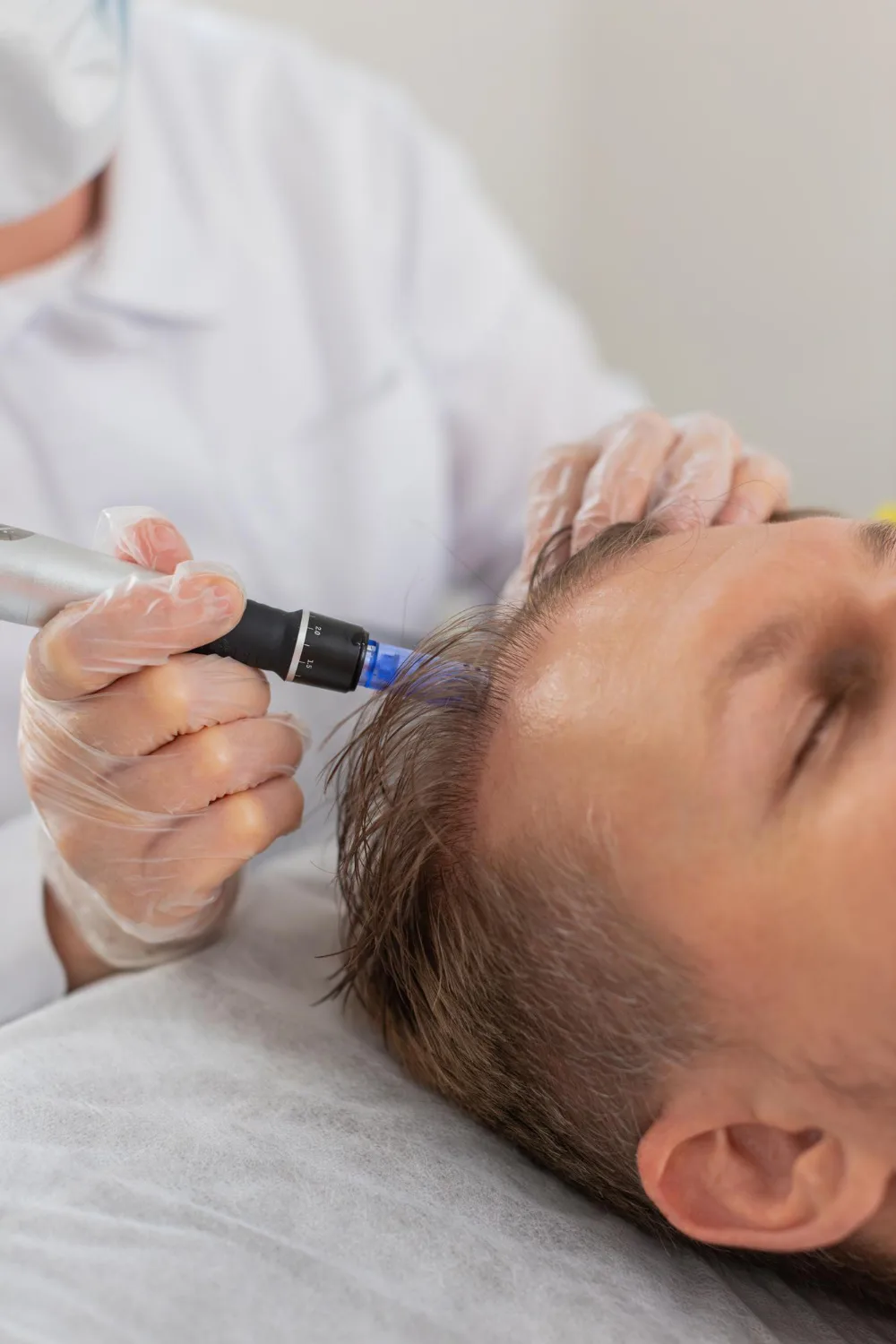
More men and women now choose Direct Hair Implantation (DHI) to restore their hair. Turkey has become the top destination for this advanced procedure. This guide explains every detail you need to know about DHI hair transplant in Turkey. You will learn how the technique works, why Turkey leads the field, and what results you can expect.
What Is a DHI Hair Transplant?
DHI stands for Direct Hair Implantation. Surgeons extract hair grafts and implant them immediately using a special tool called the Choi Implanter Pen.
How Did Direct Hair Implantation (DHI) Evolve from FUE Technology?
DHI grew out of Follicular Unit Extraction (FUE). Doctors wanted a faster way to place grafts without making separate incisions.
FUE changed hair restoration in the early 2000s. Surgeons stopped using large strips from the scalp. Instead, they removed individual follicular units one by one. This left tiny scars and reduced patient discomfort. But FUE still required two separate steps. First, the surgeon created channels in the bald area. Then, the team placed grafts into those channels. Doctors saw a need for a better method. They wanted to combine channel creation and implantation into one action. DHI answered this need. The technique removes the graft and places it directly into the scalp in a single motion. This reduces the time grafts spend outside the body. It also improves precision.
How Does the Choi Implanter Pen Work?
The Choi Pen opens a small channel and inserts the graft at the same time. It controls depth, angle, and direction with high accuracy.
The Choi Implanter Pen looks like a thick pen with a hollow needle at the tip. A technician loads a single hair graft into the needle. The surgeon then presses the pen into the scalp. The needle pierces the skin and releases the graft. The surgeon sets the depth before each insertion. This prevents the graft from going too deep or sitting too shallow. The angle of the pen controls the direction of hair growth. The surgeon can place grafts at 30 to 45 degrees. This matches natural hair patterns. The pen also reduces handling. The graft moves from the donor area to the recipient area with minimal touching. Less handling means less trauma. Less trauma means better survival rates.
What Science Supports DHI Hair Transplantation?
Research shows that graft survival depends on out-of-body time, handling, and placement precision. DHI optimizes all three factors.
Follicular units contain one to four hairs. Each unit has its own blood supply and nerve endings. When a surgeon removes a graft, it loses its blood supply. The graft must survive on stored nutrients. Scientists call this the "out-of-body time." Studies show that grafts survive best when doctors reimplant them quickly (Uebel 2011). DHI shortens this time because the team places grafts immediately after extraction. The technique also reduces graft handling. Traditional forceps squeeze the graft. The Choi Pen holds the graft by the surrounding tissue, not the bulb. This protects the delicate root structures. Research also confirms that precise depth and angle improve growth direction and density (Rose 2011). DHI gives surgeons direct control over these variables.
Why Choose Turkey for DHI Hair Transplant?
Turkey offers expert surgeons, modern clinics, low costs, and all-inclusive packages for international patients.
Why Does Turkey Hold an International Reputation in Hair Restoration?
Turkish surgeons perform more hair transplants per year than doctors in any other country. This volume creates unmatched expertise.
Turkey began investing in medical tourism in the early 2000s. The government supported private hospitals with tax incentives and infrastructure grants. Hair restoration became a flagship service. Istanbul alone hosts hundreds of specialized clinics. These clinics treat patients from Europe, the Middle East, North America, and Asia. The high patient volume forces surgeons to refine their skills daily. A Turkish DHI surgeon may perform 500 to 1,000 procedures per year. A surgeon in Germany or the United States might perform 50 to 100. This difference in volume creates a gap in experience. Turkey also built a reputation for natural results. Patients post their before-and-after photos on social media. Word spreads quickly. Today, Turkey ranks as the world's most popular destination for hair transplantation.
How Experienced Are Turkish Medical Teams?
Most Turkish hair transplant teams have 10 to 20 years of experience. Many trained in Europe or the United States before returning to Turkey.
Turkey produces thousands of medical graduates each year. Many specialize in dermatology and plastic surgery. These doctors then pursue advanced training in hair restoration. Some attend workshops in the United States or Germany. Others learn from senior Turkish surgeons who pioneered FUE and DHI techniques. The teams include not just surgeons but also technicians, nurses, and patient coordinators. These teams work together every day. They develop smooth workflows. They know how to handle large cases with 4,000 to 5,000 grafts. They also know how to manage complications if they arise. This depth of experience reassures international patients.
What Modern Medical Infrastructure Does Turkey Offer?
Turkish hair clinics use the latest Choi Pens, microscopes, and sterilization systems. Many operate within JCI-accredited hospitals.
The Turkish Ministry of Health enforces strict clinic standards. Clinics must pass regular inspections. They must maintain sterile operating rooms. They must use approved medical devices. Many clinics invest heavily in technology. They buy the newest Choi Implanter Pens. They use high-powered microscopes to sort grafts. They install advanced air filtration systems. Some clinics sit inside large private hospitals. These hospitals hold Joint Commission International (JCI) accreditation. JCI accreditation means the facility meets global safety standards. Patients receive care in modern, comfortable environments.
How Affordable Is DHI in Turkey Compared to Europe and North America?
DHI in Turkey costs 60 to 80 percent less than in the United Kingdom, Germany, or the United States.
A DHI procedure in London or New York can cost $10,000 to $20,000. The same procedure in Turkey costs $2,000 to $4,500. This price difference shocks many patients. But the lower cost does not mean lower quality. Turkey has lower labor costs, lower rent, and lower malpractice insurance. The government also subsidizes medical tourism. Clinics pass these savings to patients. Patients from Europe save money even after paying for flights and hotels. This value drives Turkey's popularity.
What Do All-Inclusive Medical Tourism Packages Include?
Most packages cover the surgery, hotel, airport transfers, interpreter, medication, and aftercare products.
Turkish clinics designed these packages for international patients. A patient books the procedure online. The clinic arranges airport pickup. The driver takes the patient to a four-star or five-star hotel. The next day, the clinic provides transport to the facility. A translator stays with the patient throughout the consultation and surgery. The package includes local anesthesia, the procedure itself, and postoperative medications. The clinic also gives a special shampoo and lotion. After the procedure, the driver returns the patient to the hotel. On the final day, the team checks the results and sends the patient home. Some packages even include a city tour. This convenience removes stress. Patients focus on recovery, not logistics.
How High Is Patient Satisfaction in Turkish DHI Clinics?
Most Turkish clinics report satisfaction rates above 90 percent. Many hold ISO certifications and international accreditations.
Patients leave reviews on Google, Trustpilot, and RealSelf. Thousands of reviews praise Turkish clinics for natural results and professional service. Some clinics publish their satisfaction statistics. These numbers often exceed 90 percent. Accreditation bodies like JCI and ISO verify clinic standards. Independent auditors inspect the facilities. They check hygiene, staff qualifications, and patient records. This oversight builds trust. Patients know they receive care that meets global benchmarks.
Who Is an Ideal Candidate for DHI Hair Transplant?
Men and women with stable hair loss, healthy donor hair, and realistic expectations make the best candidates.
Can Men with Male Pattern Baldness Undergo DHI?
Yes. DHI works very well for men with receding hairlines, crown thinning, or diffuse hair loss.
Male pattern baldness affects most men by age 50. Genetics and hormones drive this condition. DHT shrinks hair follicles on the top of the head. The back and sides of the scalp resist this hormone. These areas serve as donor zones. DHI moves healthy follicles from the donor zone to the bald areas. The surgeon designs a natural hairline. The new hair grows permanently because the donor follicles resist DHT. Men with Norwood stages 2 to 5 see the best results. Men with advanced baldness may need multiple sessions.
Can Women with Hair Loss Benefit from DHI?
Yes. DHI helps women with thinning hair, receding hairlines, and crown baldness.
Women lose hair differently than men. Female pattern hair loss causes diffuse thinning across the top of the scalp. The hairline may stay intact, but the part widens. Women also suffer from traction alopecia. Tight hairstyles pull hair from the roots. DHI restores density in these areas. The technique allows unshaven procedures. This matters greatly for women. Many women refuse to shave their heads. DHI can place grafts between existing hairs without full shaving. This makes DHI the preferred choice for many female patients.
Who Needs Hairline Restoration?
Anyone with a receding, uneven, or high hairline can restore it with DHI.
The hairline frames the face. A receding hairline makes a person look older. Some people have high hairlines from birth. Others lose hair from stress or hormones. DHI rebuilds the hairline hair by hair. The surgeon places single-hair grafts at the front. These create a soft, feathered edge. The result looks natural, not like a wall of hair. Patients can choose a conservative or aggressive hairline design. The surgeon plans this during the consultation.
Can DHI Treat Crown Area Thinning?
Yes. DHI places grafts in a circular pattern to restore crown density.
The crown sits at the top-back of the head. Hair loss here creates a visible bald spot. DHI covers this area with dense graft placement. The surgeon must follow the natural swirl pattern. This requires skill. The Choi Pen helps because it controls direction precisely. Crown restoration often needs 2,000 to 3,000 grafts. Patients with large bald crowns may need two sessions.
Who Wants Minimal Shaving?
DHI suits patients who cannot shave their heads for personal or professional reasons.
Traditional FUE often requires shaving the donor area. Some clinics offer partial shaving. But DHI frequently needs no shaving at all. The surgeon extracts long hairs and implants them immediately. The long hair hides the graft until it grows. Actors, business professionals, and women prefer this option. The unshaven DHI technique takes longer. But it offers maximum discretion.
What Makes a Healthy Donor Area?
The donor area must have thick, dense hair with good follicle quality.
The surgeon examines the back and sides of the scalp. They measure hair density with a densitometer. They check for miniaturization. Miniaturized hairs suggest future loss. Strong, thick hairs make the best grafts. The donor area must also have enough grafts to cover the bald zone. A patient with 80 grafts per square centimeter has excellent donor supply. A patient with 40 grafts per square centimeter has limited supply. The surgeon calculates this during the consultation.
What Conditions May Affect DHI Eligibility?
Active scalp diseases, certain autoimmune conditions, unrealistic expectations, and very young age may disqualify a patient.
Which Types of Alopecia Affect Candidacy?
Scarring alopecias and active alopecia areata may prevent DHI. Stable androgenetic alopecia responds best.
Alopecia means hair loss. Androgenetic alopecia causes pattern baldness. This type responds well to transplantation. Alopecia areata causes patchy bald spots. The immune system attacks hair follicles. DHI does not work well here because the immune system may attack the transplanted hairs too. Scarring alopecias destroy follicles permanently. These include lichen planopilaris and central centrifugal cicatricial alopecia. DHI cannot grow hair in scarred skin. The surgeon must diagnose the exact type of alopecia before planning treatment.
How Does Diffuse Thinning Impact Results?
Patients with diffuse thinning may lack enough donor hair. The surgeon must assess donor density carefully.
Diffuse thinning means hair loss spreads evenly across the scalp. Some patients lose hair in both the donor and recipient areas. If the donor area thins too, the surgeon cannot harvest enough grafts. The transplant may look patchy. The surgeon uses a microscope to check donor quality. They may also perform a test patch. This small transplant shows how the grafts survive. If the test succeeds, the surgeon proceeds with the full procedure.
Which Active Scalp Disorders Require Treatment First?
Psoriasis, seborrheic dermatitis, and active infections must clear before DHI.
A healthy scalp grows healthy hair. Active inflammation damages grafts. Psoriasis creates red, scaly patches. Seborrheic dermatitis causes flaking and itching. Bacterial or fungal infections threaten graft survival. The surgeon treats these conditions first. They may prescribe medicated shampoos or oral medications. Once the scalp heals, DHI becomes safe.
What Medical Conditions Need Evaluation?
Diabetes, bleeding disorders, and heart conditions require medical clearance.
DHI uses local anesthesia. But the procedure still stresses the body. Patients with uncontrolled diabetes heal poorly. They face higher infection risk. Bleeding disorders like hemophilia cause excessive bleeding during extraction. Heart conditions may react with adrenaline in the anesthesia. The surgeon reviews the patient's full medical history. They may request blood tests or a cardiology consultation. Safety comes first.
Does Age Matter for DHI?
Patients should be at least 25 years old. Younger patients may face ongoing hair loss that outpaces the transplant.
Hair loss progresses over time. A 20-year-old may have a receding hairline. But by age 35, they may lose much more hair. If the surgeon transplants too early, the patient may develop bald patches behind the new hairline. This looks unnatural. Surgeons prefer to wait until hair loss stabilizes. They also plan for future loss. They place grafts in a pattern that ages well. Some younger patients qualify if their family history shows stable early loss.
How Important Are Expectations and Psychological Readiness?
Very important. Patients must understand that results take 12 months and that density has limits.
DHI restores hair. It does not create the density of a teenager. Patients with advanced baldness may still see thin areas. The surgeon explains this honestly. They show realistic photos. They discuss the graft number needed. Patients with body dysmorphic disorder or severe anxiety may not handle the waiting period well. The surgeon screens for these issues. Psychological readiness ensures a positive experience.
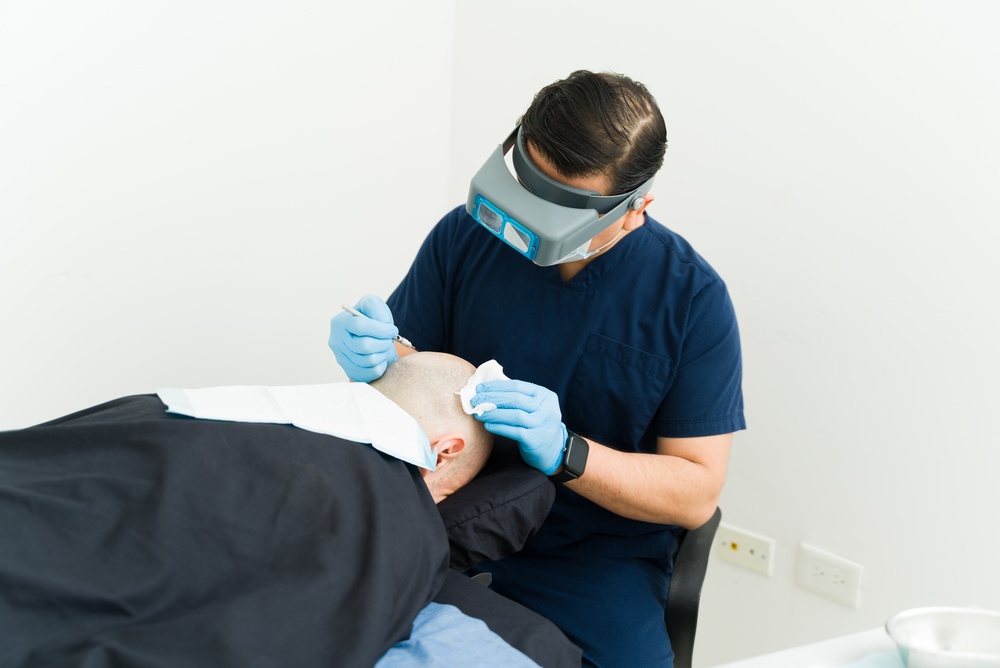
The surgeon consults, designs the hairline, extracts grafts, and implants them with Choi Pens in a single session lasting 6 to 8 hours.
What Happens During the Medical Consultation and Hair Analysis?
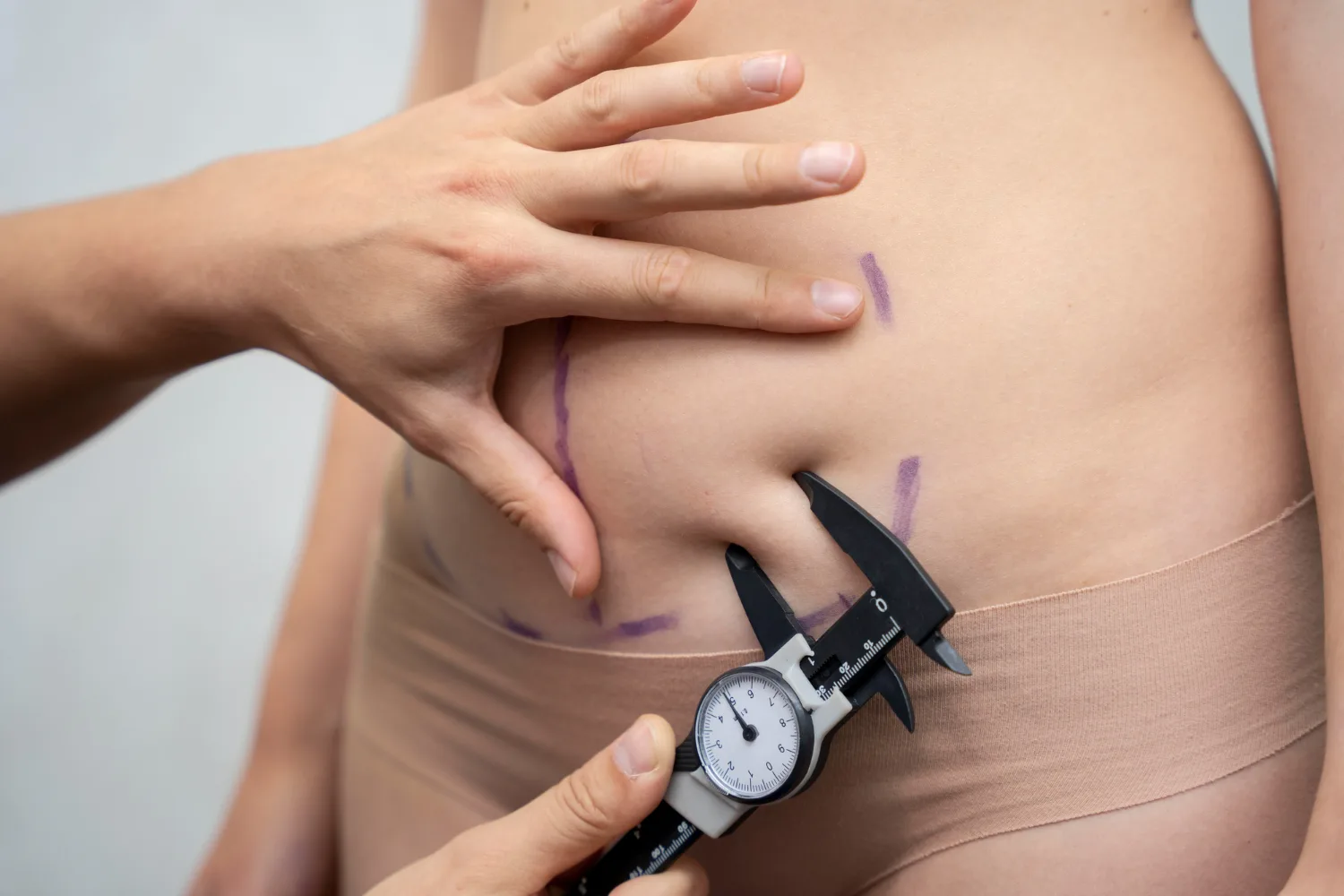
The surgeon examines the scalp, measures donor density, and calculates the graft count needed.
The consultation begins with a conversation. The surgeon asks about hair loss history, family patterns, and previous treatments. They examine the scalp with a magnifying tool. They measure the bald area. They count the grafts per square centimeter in the donor zone. They also check hair caliber. Thick hairs cover more scalp than thin hairs. The surgeon then calculates how many grafts the patient needs. They may draw a rough plan. They explain the expected density and coverage. The patient asks questions. Both agree on a plan before proceeding.
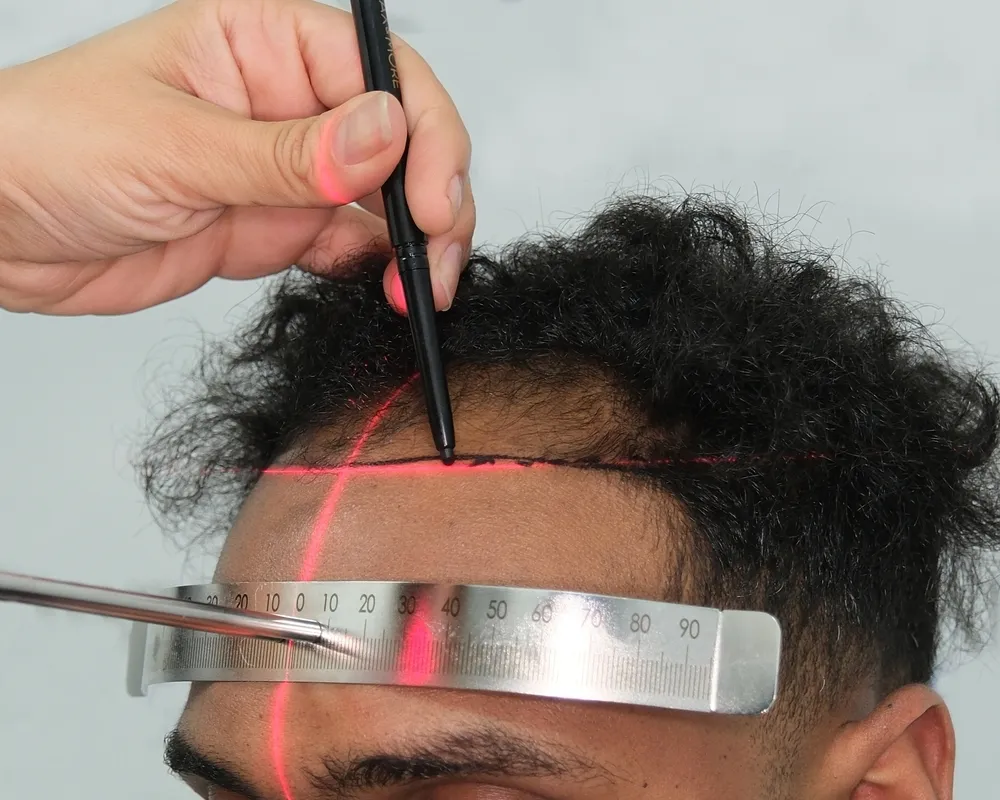
How Does the Surgeon Design the Hairline?
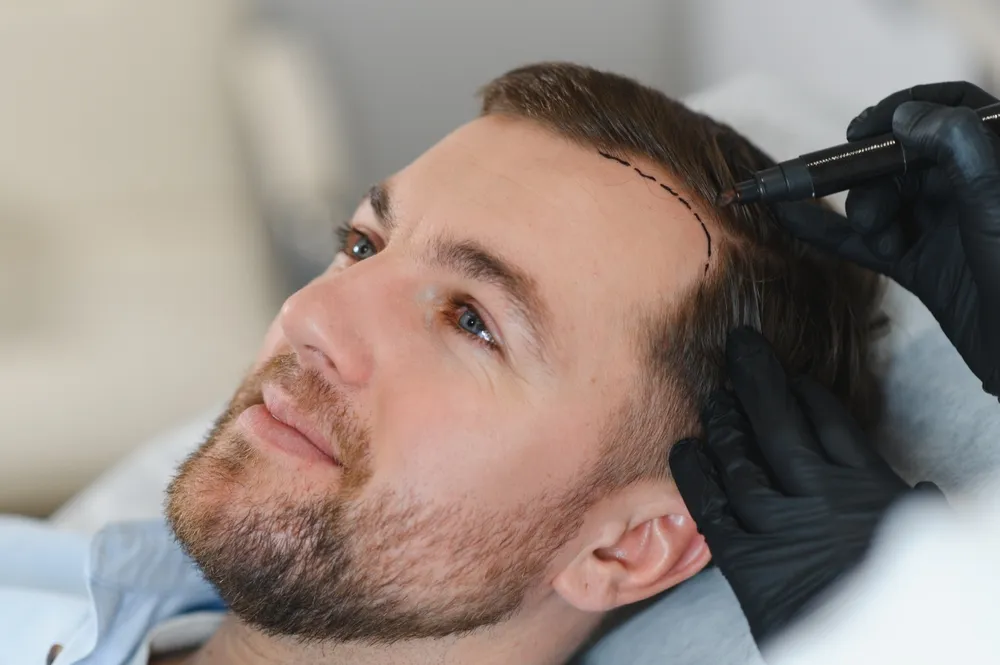
The surgeon draws the hairline considering facial proportions, age, and ethnic characteristics.
The hairline must suit the face. The surgeon uses a surgical marker to draw the new line. They follow the rule of thirds. The hairline should sit about 7 to 8 centimeters above the eyebrows in adult men. Women have lower, more rounded hairlines. The surgeon also considers ethnicity. Caucasian hairlines differ from African or Asian hairlines. The direction of hair growth matters too. The surgeon plans a soft, irregular edge. Straight lines look artificial. They show the patient the design in a mirror. The patient approves before surgery begins.
How Is the Donor Area Prepared?
The team trims the donor hair to 1 to 2 millimeters. They apply antiseptic solution. They mark the extraction zone.
The donor area sits at the back and sides of the head. The nurse trims the hair short. This allows the surgeon to see the follicles. But the hair stays long enough to cover the extraction sites. The team washes the scalp with antiseptic soap. They drape the patient with sterile sheets. The surgeon marks the safe donor zone. This zone has permanent hair that resists balding. They avoid overharvesting. Overharvesting creates thin patches in the donor area.
What Type of Anesthesia Does DHI Use?
Local anesthesia numbs the scalp. Patients stay awake but feel no pain.
The surgeon injects local anesthetic into the donor and recipient areas. The injections sting for a few seconds. Then the scalp goes numb. Some clinics offer sedation. Sedation helps anxious patients relax. But general anesthesia is unnecessary. The patient can talk, watch TV, or listen to music during the procedure. The anesthesia lasts 4 to 6 hours. The surgeon adds more if needed.
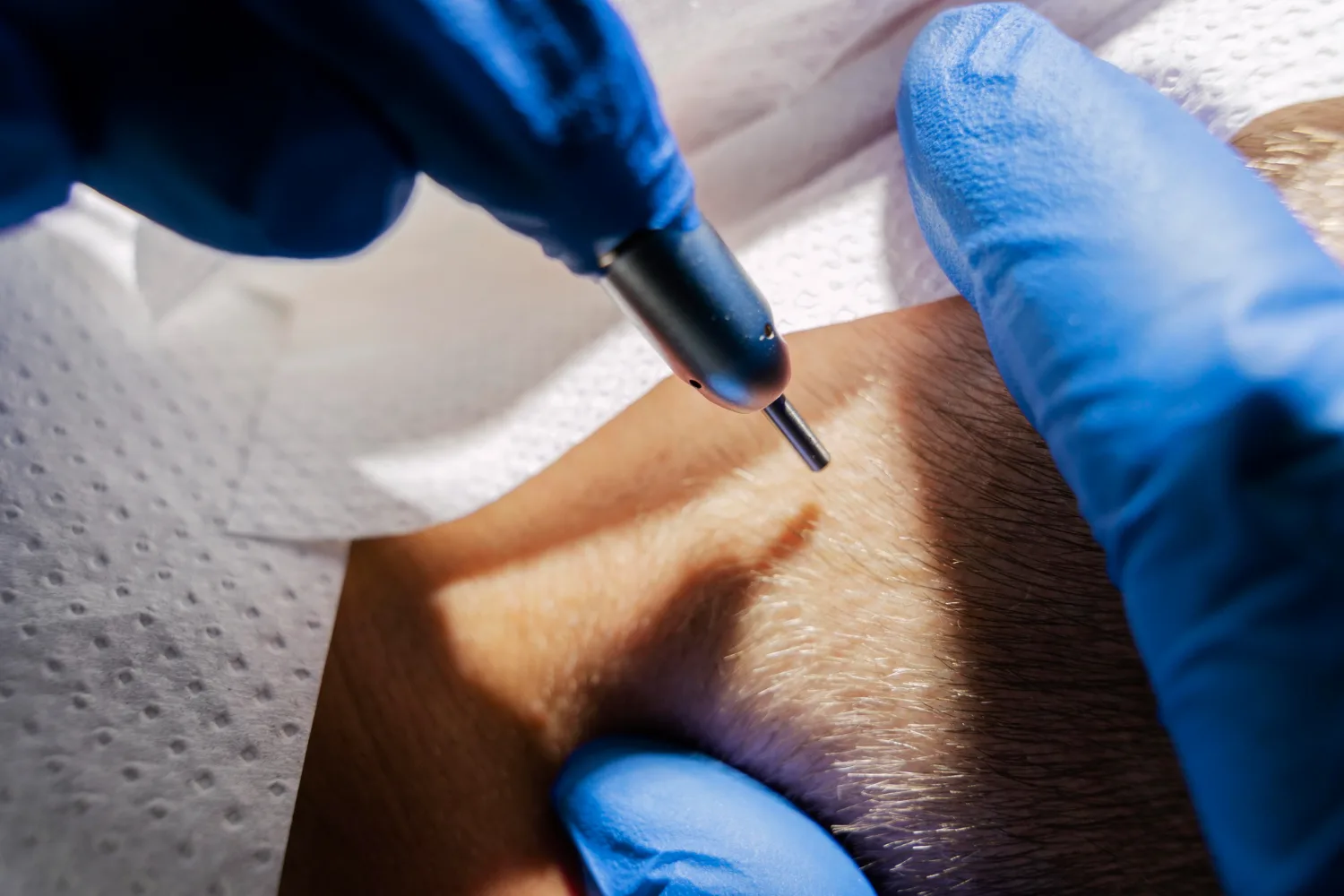
The surgeon uses a micro-punch tool to remove individual follicular units from the donor area.
The micro-punch has a sharp, hollow tip. It measures 0.7 to 1.0 millimeters in diameter. The surgeon centers the punch over a follicle. They rotate the punch to cut the skin around the follicle. Then they lift the graft with forceps. The graft contains the hair shaft, root, and surrounding tissue. The team places each graft in a chilled saline solution. The cold temperature preserves the graft. The surgeon extracts grafts in a scattered pattern. This prevents visible gaps in the donor area.
How Are Grafts Sorted and Preserved?
Technicians sort grafts by hair count under a microscope. They store them in a nutrient solution at 4 degrees Celsius.
Not all grafts are equal. Some contain one hair. Others contain two, three, or four hairs. The team sorts them into groups. Single-hair grafts go to the hairline. Multi-hair grafts go behind the hairline for density. Technicians use microscopes to avoid damaging the grafts. They place the grafts in a special solution. This solution mimics the body's fluids. It keeps the grafts alive. The temperature stays cool but not frozen. This slows metabolism. It extends the safe out-of-body time.
How Does Direct Implantation Using Choi Pens Work?
The surgeon loads each graft into a Choi Pen and inserts it directly into the scalp without pre-making channels.
This step defines DHI. The surgeon picks up a graft with the Choi Pen. The pen's hollow needle holds the graft. The surgeon presses the pen into the recipient area. The needle penetrates the skin. A plunger releases the graft. The surgeon withdraws the pen. The graft stays in place. The team repeats this thousands of times. Each insertion takes a few seconds. The surgeon controls the angle, depth, and direction with each press. They place single hairs at the front. They place multi-hair grafts behind. They follow the natural swirl in the crown. This step demands intense concentration. It may take 4 to 6 hours.
What Happens During the Final Examination and Dressing?
The surgeon checks graft placement, cleans the scalp, and applies a protective dressing.
After the last graft goes in, the surgeon inspects the entire scalp. They look for proper graft depth. They check for any bleeding. They count the grafts placed. They compare this to the number extracted. The nurse washes the scalp gently with saline. They remove any blood or debris. They apply an antibiotic ointment to the donor area. They may place a loose bandage over the donor zone. The recipient area usually needs no dressing. The grafts sit firmly in the scalp. The team gives the patient postoperative instructions. They schedule the first wash for the next day.
How Does DHI Compare to FUE Hair Transplant?
DHI and FUE both extract individual grafts. But DHI implants grafts directly without separate channel creation.
What Similarities Do DHI and FUE Share?
Both use FUE extraction, local anesthesia, and single-follicle grafts. Both produce natural results and leave minimal scarring.
DHI and FUE start the same way. Both remove grafts from the donor area with micro-punches. Both use local anesthesia. Both leave tiny dot scars instead of linear scars. Both allow short recovery times. Both create permanent results. The main difference lies in the implantation phase.
What Are the Key Differences Between DHI and FUE?
DHI combines channel creation and implantation. FUE separates these steps. DHI uses Choi Pens. FUE uses forceps or implanters.
|
Feature
|
DHI
|
Traditional FUE
|
|
Channel creation
|
Simultaneous with implantation
|
Separate step before implantation
|
|
Implantation tool
|
Choi Implanter Pen
|
Forceps or standard implanters
|
|
Precision
|
Very high
|
High
|
|
Recipient shaving
|
Often unnecessary
|
Usually required
|
|
Density potential
|
Higher
|
Moderate to high
|
|
Procedure duration
|
Longer (6-8 hours)
|
Shorter (4-6 hours)
|
|
Cost
|
Higher
|
Lower
|
DHI takes longer because each graft requires individual insertion. But this extra time improves precision. FUE works faster because technicians can implant grafts in batches after the surgeon makes all channels. However, FUE often requires shaving the recipient area. DHI frequently avoids this. DHI also allows denser packing because the surgeon controls each graft's position exactly.
What Are the Advantages of DHI Hair Transplant?
DHI offers natural hairlines, high precision, less trauma, better density, faster healing, and the option to avoid shaving.
How Does DHI Create Natural Hairline Design?
The surgeon places single-hair grafts at exact angles and directions. This mimics natural hair growth.
Natural hairlines have irregular edges. Hairs grow at different angles. Some point forward. Others point to the side. DHI lets the surgeon copy this pattern. They place each graft at the perfect angle. The result looks soft and feathered. No one can tell the hairline was restored.
Why Does DHI Offer Higher Implantation Precision?
The Choi Pen gives direct control over every graft's depth, angle, and direction.
In FUE, the surgeon makes channels first. Then technicians place grafts. The graft may not sit perfectly in the channel. With DHI, the surgeon places the graft exactly where they want it. They avoid damaging nearby grafts. They avoid creating empty spaces. This precision improves overall results.
How Does DHI Reduce Trauma to the Recipient Area?
DHI makes smaller incisions. It does not cut large channels. This preserves blood supply.
Traditional channel creation uses blades or needles. These tools cut through tissue. They damage small blood vessels. DHI uses a fine needle that only pierces the skin. The surrounding tissue stays intact. Better blood supply means better graft nutrition. Better nutrition means better growth.
Can DHI Improve Hair Density?
Yes. Surgeons can pack grafts closer together with DHI.
Because DHI does not require pre-made channels, the surgeon can place grafts very close. Some clinics achieve 50 to 60 grafts per square centimeter. This creates thick, dense hair. Patients with limited bald areas see excellent coverage. Patients with large bald areas still benefit from strategic density placement.
Does DHI Heal Faster?
Yes. The tiny punctures heal in 3 to 5 days. Patients return to normal activities quickly.
The small wounds close fast. Scabs form and fall off within a week. Redness fades in 10 to 14 days. Patients can wash their hair gently after 2 days. They can return to work in 3 to 5 days. This fast healing appeals to busy professionals.
How Does DHI Minimize Bleeding?
The fine needle causes less bleeding than blade incisions.
Blade incisions cut through small blood vessels. This causes bleeding during surgery. The surgeon must wash away blood to see the channels. DHI needles cause pinpoint bleeding. The blood stops quickly. The surgeon maintains a clear view. This improves accuracy and reduces postoperative crusting.
How Does DHI Control Hair Growth Direction?
The surgeon angles each graft individually. This matches natural hair flow.
Hair on the crown swirls in a spiral. Hair at the temples points backward. Hair at the front points forward. DHI copies these patterns exactly. The Choi Pen lets the surgeon change angle with each insertion. This creates hair that lies naturally and styles easily.
Can DHI Work Without Shaving?
Yes. Long-hair DHI allows patients to keep their existing hair length.
The surgeon extracts long hairs and implants them with the shaft intact. The existing hair hides the new grafts. This unshaven technique takes longer. But it offers complete privacy. No one knows the patient had surgery.
What Limitations and Considerations Should Patients Know?
DHI costs more, takes longer, requires expert surgeons, and may not suit every patient.
Why Does DHI Take Longer?
Each graft needs individual insertion. A 4,000-graft case may take 8 hours.
The surgeon cannot rush. They must place each graft with care. This extends the procedure time. Patients must sit still for many hours. The clinic may offer breaks. Some cases split into two days. Patients should prepare for a long day.
Why Does DHI Cost More?
DHI needs specialized pens, more staff, and greater surgeon skill.
Choi Pens cost hundreds of dollars each. The clinic needs many pens for a single case. The surgeon works longer hours. The team includes more technicians. All these factors raise the price. Patients pay for precision and expertise.
Why Must DHI Surgeons Have Special Skills?
DHI requires hand-eye coordination and experience. Not every hair transplant surgeon masters it.
The Choi Pen has a learning curve. The surgeon must load grafts quickly. They must control depth perfectly. Too shallow and the graft falls out. Too deep and it grows flat against the scalp. Surgeons need months of practice before they perform DHI independently. Patients should ask how many DHI procedures the surgeon has completed.
Who Is Not Suitable for DHI?
Patients with very curly hair, very advanced baldness, or limited donor supply may need FUE or other methods.
Very curly hair, especially African-type hair, has curved roots. The Choi Pen may damage these roots. FUE with special punches works better here. Patients with Norwood stage 6 or 7 baldness need 6,000 to 8,000 grafts. DHI may not place enough grafts in one session. These patients may need FUE or a combination approach. Patients with poor donor density also face limits.
What Is the DHI Hair Transplant Recovery Timeline?
Healing takes 2 weeks. New hair growth starts at 3 months. Full results appear at 12 months.
What Happens in the First 24 Hours?
The scalp feels tight and numb. Small crusts form around each graft. Patients must sleep with their head elevated.
The anesthesia wears off after 4 to 6 hours. Mild discomfort begins. The clinic provides pain medication. Swelling may start around the forehead. Patients should sleep on their back with two pillows. This reduces swelling. They must not touch the grafts.
What Happens During the First Week?
Scabs form and begin to fall off. Swelling peaks around day 3 and then fades. Patients wash their hair gently.
The clinic teaches the patient how to wash. They use a special shampoo and pour water carefully. They pat the scalp dry. They do not rub. Scabs loosen and fall off naturally. Redness remains but improves daily. Most patients return to work after day 3 or 4.
What Changes Occur at Two Weeks?
Scabs usually disappear. Redness fades. The transplanted hairs may start to shed.
This shedding is normal. It is called "shock loss." The grafts enter a resting phase. The hair shafts fall out, but the roots stay alive. New hair will grow from these roots in a few months. Patients should not panic. This shedding proves the grafts have survived the initial phase.
What Happens at One Month?
The scalp looks normal. The transplanted hairs have shed. The roots remain dormant.
Patients see no new growth yet. This is the "ugly duckling" phase. The scalp heals, but the hair has not returned. Some patients feel anxious. They must trust the process. The roots are preparing to grow.
When Does New Hair Appear at Three Months?
Fine, thin hairs begin to emerge from the transplanted grafts.
These first hairs look like baby hair. They are soft and light. They grow slowly. Patients notice them along the hairline first. The crown takes longer. This early growth reassures the patient that the procedure worked.
What Results Show at Six Months?
Significant coverage appears. The hair thickens and darkens. About 50 to 60 percent of the final result is visible.
The hair gains length and density. Patients can style it. The hairline looks solid. The crown fills in. Some hairs still grow at different rates. The texture may vary. But the improvement is clear.
What Does the Scalp Look Like at Twelve Months?
The final result appears. The hair reaches full thickness, length, and density.
All grafts have cycled through growth phases. The hair looks natural and mature. Patients can cut, color, and style it normally. The result lasts for decades because the donor hair resists balding.
|
Recovery Stage
|
Timeframe
|
What to Expect
|
|
Initial healing
|
24-48 hours
|
Numbness, mild discomfort, swelling begins
|
|
Scab formation
|
Days 3-7
|
Crusts form, gentle washing starts
|
|
Shock loss
|
Weeks 2-4
|
Transplanted hairs shed, roots stay alive
|
|
Dormant phase
|
Months 1-2
|
No visible growth, roots prepare
|
|
Early growth
|
Month 3
|
Fine hairs emerge
|
|
Mid-term growth
|
Month 6
|
50-60% of density visible
|
|
Final result
|
Month 12
|
Full thickness and natural appearance
|
What Results Can Patients Expect After DHI Hair Transplant?
Patients gain permanent, natural-looking hair with 90 to 95 percent graft survival in most cases.
What Are the Hair Growth Stages?
Hair grows in cycles: anagen (growth), catagen (transition), and telogen (rest). Transplanted grafts restart these cycles.
After implantation, the graft enters a shock phase. It sheds the hair shaft. It then enters telogen for 2 to 3 months. After that, it shifts to anagen. New hair pushes through the scalp. This hair grows about 1 centimeter per month. It thickens over time. By month 12, the hair reaches mature caliber.
What Is Shock Loss?
Shock loss means the transplanted hair falls out 2 to 4 weeks after surgery. The root survives and regrows hair.
Shock loss surprises many patients. They think the grafts died. But the hair follicle only shed its shaft. It entered a resting phase. This is a normal biological response to the trauma of transplantation. The root stays anchored in the scalp. It will produce new hair. Shock loss can also affect nearby native hairs. This is temporary too.
What Final Density Can Patients Achieve?
Most patients reach 40 to 50 grafts per square centimeter in the transplanted zone.
Density depends on donor supply and bald area size. A patient with 3,000 grafts covering 60 square centimeters achieves 50 grafts per square centimeter. This looks natural and full. It does not match teenage density. But it restores a normal appearance. Patients with more grafts and smaller bald zones achieve higher density.
How Permanent Are DHI Results?
The transplanted hair lasts a lifetime. It comes from the donor zone, which resists DHT.
DHT causes pattern baldness. But the back and sides of the scalp have DHT-resistant follicles. When surgeons move these follicles, they keep this resistance. The new hair grows forever. It may thin slightly with age, like all hair. But it will not fall out due to pattern baldness.
What Factors Affect Final Results?
Graft quality, surgeon skill, aftercare, and patient health all influence outcomes.
Smoking reduces blood flow. It hurts graft survival. Poor nutrition slows healing. Sunburn damages new grafts. Scratching dislodges grafts in the first week. Patients who follow instructions see the best results. Surgeon skill matters too. A skilled surgeon places grafts at the right depth and angle. This determines how natural the hair looks.
What Should Patients Know About Before and After DHI Hair Transplant?
Realistic expectations, proper planning, and patience separate good outcomes from disappointment.
What Can Patients Realistically Expect?
Patients expect fuller hair, a better hairline, and improved self-confidence. They should not expect perfection.
Before surgery, patients see thinning or bald areas. After surgery, they see new hair. But the density may not match their hair at age 18. The hairline may sit slightly higher than they hoped. The surgeon explains these limits during consultation. Good clinics show photos of patients with similar hair loss patterns. This sets realistic goals.
What Factors Influence Visual Outcomes?
Hair caliber, curl, color contrast, and scalp tone affect how full the hair looks.
Thick hair covers more scalp than thin hair. Curly hair hides the scalp better than straight hair. Dark hair on light skin shows more contrast than blonde hair on light skin. These factors affect the visual result. A patient with fine, straight, light hair may need more grafts to achieve the same coverage as a patient with thick, curly, dark hair.
Why Does Proper Hairline Planning Matter?
A poorly planned hairline looks unnatural and ages poorly. A well-planned hairline suits the face for decades.
The hairline must follow facial proportions. It must consider the patient's age. A 50-year-old should not get a hairline designed for a 20-year-old. That looks strange. The hairline must also have an irregular, feathered edge. Straight lines look like wigs. The surgeon must plan for future hair loss too. They must leave enough donor grafts for future sessions if needed.
What Are the Risks and Possible Complications of DHI?
DHI is safe. Most side effects are mild and temporary. Serious complications are rare.
How Long Does Temporary Swelling Last?
Forehead swelling peaks at day 3 and fades by day 7.
Fluid from the surgery drains downward. It collects in the forehead and around the eyes. This looks dramatic but causes no harm. Cold compresses and head elevation reduce it. The swelling resolves naturally.
How Long Does Redness Last?
Redness in the recipient area fades in 10 to 14 days. The donor area heals in 7 to 10 days.
The scalp looks pink after surgery. This is normal inflammation. It means the body is healing. Patients with fair skin see redness longer. Makeup or a hat can cover it. The donor area may also look pink. Small dots form crusts. These fall off in a week.
What Should Patients Know About Scabbing?
Small crusts form around each graft. Patients must not pick them. They fall off naturally in 7 to 10 days.
Scabs protect the grafts. Picking them can pull out the graft. Gentle washing softens the scabs. They fall off on their own. After they fall off, the grafts are secure.
What Is Folliculitis?
Folliculitis means inflamed hair follicles. It appears as small pimples around grafts. It usually resolves with warm compresses.
Some grafts trigger mild inflammation as they start growing. This causes tiny red bumps. Warm compresses help. In rare cases, the clinic prescribes antibiotics. Folliculitis does not damage the final result.
Is Shock Loss a Complication?
No. Shock loss is a normal part of the process. The hair regrows.
As discussed earlier, shock loss means the hair shaft falls out. The root stays alive. This is not a complication. It is an expected stage. Patients must understand this before surgery.
How Rare Is Infection?
Infection occurs in less than 1 percent of cases. Clinics prevent it with sterile technique and antibiotics.
The scalp has excellent blood supply. This fights infection naturally. Clinics also use sterile tools and clean rooms. They prescribe antibiotic ointments or pills. Patients who follow washing instructions rarely get infections. Signs of infection include increasing pain, pus, and fever. Patients should call the clinic immediately if these appear.
Can Poor Growth Result from Improper Technique?
Yes. Grafts placed too deep, too shallow, or damaged during handling may not grow.
This is why surgeon selection matters. An inexperienced surgeon may crush grafts with the Choi Pen. They may place them at wrong angles. They may let grafts dry out. These errors reduce survival rates. A skilled surgeon achieves 90 to 95 percent survival. An unskilled one may achieve 70 percent or less.
What Does Postoperative Care After DHI Involve?
Proper washing, sleeping position, activity limits, sun protection, and medication compliance protect grafts and speed healing.
How Should Patients Wash Their Hair?
Patients start gentle washing on day 2 or 3. They pour shampoo foam over the scalp. They do not rub or scratch.
The clinic provides a special shampoo. The patient mixes it with water in a cup. They pour the foam over the scalp. They let it sit for a few minutes. They rinse with lukewarm water. They pat dry with a soft towel. They repeat this daily for two weeks. After two weeks, they can wash normally.
What Is the Best Sleeping Position?
Sleep on your back with your head elevated for 7 to 10 days.
Elevation reduces swelling. Sleeping on the side or stomach may rub the grafts against the pillow. This dislodges them. A travel pillow helps keep the head stable. Patients should use a dark pillowcase in case of minor bleeding.
What Physical Activity Restrictions Apply?
Avoid heavy exercise for 2 weeks. Avoid swimming for 1 month. Avoid saunas for 2 weeks.
Sweating increases infection risk. It also irritates the scalp. Running, weightlifting, and contact sports must wait. Sexual activity should also wait 7 to 10 days because it increases blood pressure to the head. Swimming pools contain chemicals and bacteria. The ocean has salt and bacteria. Both threaten grafts. Saunas cause excessive sweating and heat.
How Important Is Sun Protection?
Very important. Sunburn damages grafts and causes pigmentation changes.
The scalp stays sensitive for 1 month. Patients should wear a loose hat when going outside. They should avoid direct sun for 2 weeks. After that, they can use sunscreen on the scalp. A sunburned scalp becomes red and peels. This damages new grafts.
Should Patients Avoid Smoking and Alcohol?
Yes. Stop smoking 2 weeks before and 2 weeks after surgery. Avoid alcohol for 1 week after.
Nicotine narrows blood vessels. This reduces blood flow to grafts. Alcohol thins the blood. This increases bleeding risk. Both slow healing. Patients who quit smoking see better results. Even reducing smoking helps.
Why Must Patients Follow Medication Instructions?
Antibiotics prevent infection. Pain medication controls discomfort. Some patients take finasteride or minoxidil to protect native hair.
The clinic prescribes a short course of antibiotics. Patients must finish the full course. They should not skip doses. Pain medication helps in the first 3 days. Some patients also take hair loss medications. These protect the native hairs that were not transplanted. The surgeon advises when to start these.
How Important Are Follow-Up Appointments?
Very important. The clinic checks healing, removes any concerns, and guides the patient through recovery.
The first follow-up happens the day after surgery. The team washes the hair and checks the grafts. They may schedule video calls for international patients. They answer questions. They monitor progress at 3, 6, and 12 months. Patients should attend all appointments. Early detection of issues prevents bigger problems.
How Much Does DHI Hair Transplant Cost in Turkey?
DHI in Turkey costs $2,000 to $4,500. This includes the procedure, hotel, transfers, and aftercare.
What Factors Affect the Price?
Graft count, surgeon experience, clinic reputation, technology, and included services determine cost.
A 2,000-graft case costs less than a 4,000-graft case. More grafts mean more time and more pens. A famous surgeon charges more than a junior doctor. A JCI-accredited clinic costs more than a small private office. Clinics using the latest Choi Pens may charge more. Packages that include luxury hotels and extra services cost more than basic packages.
What Do Typical Packages Include?
Most packages cover surgery, hotel, VIP transfers, interpreter, medication, shampoo, and aftercare support.
Table
|
Package Component
|
Description
|
|
Surgery
|
DHI procedure with local anesthesia
|
|
Hotel
|
2 to 3 nights in a 4-star or 5-star hotel
|
|
VIP transfers
|
Airport and clinic transportation
|
|
Interpreter
|
English, Arabic, French, or other language support
|
|
Medication
|
Antibiotics, pain relievers, anti-inflammatory drugs
|
|
Aftercare
|
Special shampoo, lotion, and instructions
|
|
Consultation
|
Preoperative and postoperative consultations
|
Some clinics add a city tour. Others offer a lifetime guarantee. Patients should read the package details carefully. They should ask what is not included.
Why Does Turkey Offer Better Value?
Lower operating costs, high competition, and government support keep prices low without sacrificing quality.
Turkey has lower salaries and rent than Western Europe. Clinics pass these savings to patients. The government also promotes medical tourism. It offers tax breaks and marketing support. High competition among hundreds of clinics drives prices down. Patients receive world-class care at a fraction of the cost.
How Can Patients Choose the Right DHI Clinic in Turkey?
Check surgeon qualifications, clinic licensing, DHI experience, portfolios, reviews, hygiene, pricing transparency, and aftercare.
What Surgeon Qualifications Should Patients Look For?
The surgeon should hold a medical degree, specialize in dermatology or plastic surgery, and have specific hair transplant training.
Patients should verify the surgeon's credentials. They should ask where the surgeon studied. They should ask how many years they have performed hair transplants. They should ask how many DHI cases they have done. A qualified surgeon answers these questions openly.
Why Does Ministry of Health Licensing Matter?
Licensed clinics meet Turkish health standards. Unlicensed clinics operate illegally and may lack safety protocols.
The Turkish Ministry of Health issues licenses to medical facilities. Patients can ask to see the license. Licensed clinics undergo inspections. They must maintain sterile conditions. They must employ qualified staff. Unlicensed clinics may cut corners. They may use unsterile tools. They may let unqualified technicians perform surgery. Patients should avoid these clinics.
How Much DHI Experience Should the Team Have?
Look for clinics that have performed DHI for at least 5 years. Ask for specific DHI case numbers.
DHI is not the same as FUE. A clinic may perform FUE for 10 years but DHI for only 1 year. Experience matters. The surgeon must master the Choi Pen. They must know how to handle complications. Clinics with thousands of DHI cases have refined their techniques.
Why Should Patients Review Before-and-After Portfolios?
Photos show the surgeon's skill. They reveal naturalness, density, and consistency.
Clinics should show photos of real patients. These photos should include different hair types and baldness stages. Patients should look for natural hairlines. They should look for even density. They should ask if the photos represent typical results. Some clinics show only their best cases. Patients should ask about average results too.
How Reliable Are Patient Reviews?
Reviews on Google, Trustpilot, and RealSelf provide honest feedback. Look for detailed reviews, not just star ratings.
Detailed reviews mention specific staff members. They describe the consultation process. They discuss pain levels and recovery. They mention communication quality. Patients should read both positive and negative reviews. They should see how the clinic responds to complaints. A clinic that addresses concerns professionally shows integrity.
What Hygiene Standards Should Clinics Maintain?
Clinics should use disposable tools, sterile gowns, and HEPA-filtered air systems. Operating rooms should look like hospital rooms, not beauty salons.
Patients should visit the clinic in person or request a virtual tour. They should look for clean floors, organized supplies, and proper waste disposal. The staff should wear gloves and masks. The surgeon should open new, sealed tools in front of the patient. These details matter.
Why Does Transparent Pricing Matter?
Hidden fees create stress and distrust. Good clinics explain all costs upfront.
The clinic should provide a written quote. This quote should list every charge. It should state what happens if the patient needs more grafts than planned. It should explain refund policies. Patients should not feel pressured to pay extra on the day of surgery.
How Important Is Aftercare Support?
Very important. International patients need remote support after they return home.
The clinic should offer 24/7 contact options. They should respond to emails and messages quickly. They should schedule video follow-ups. They should provide clear written instructions. Good aftercare prevents complications. It also reassures anxious patients.
Frequently Asked Questions
This section answers the most common questions patients ask about DHI.
Is DHI Better Than FUE?
DHI offers more precision and often avoids shaving. But it costs more and takes longer. The best technique depends on the patient's needs.
Is DHI Permanent?
Yes. The transplanted hair comes from DHT-resistant donor areas. It lasts a lifetime.
How Many Grafts Can Surgeons Implant in One Session?
Most clinics implant 2,000 to 4,500 grafts in one DHI session. Very large cases may need two sessions.
Is DHI Painful?
No. Local anesthesia numbs the scalp. Patients feel pressure but not pain. Mild discomfort lasts 2 to 3 days after surgery.
Does DHI Require Shaving?
Not always. Many clinics offer unshaven DHI. But shaved DHI is faster and may allow more grafts.
How Long Does the Operation Take?
DHI takes 6 to 8 hours for a standard case. Large cases may take longer or split into two days.
When Can Patients Return to Work?
Most patients return to desk work in 3 to 5 days. Physical jobs require 10 to 14 days.
When Can Patients Exercise?
Light walking is fine after 3 days. Heavy exercise should wait 2 weeks. Contact sports need 1 month.
Can Women Undergo DHI?
Yes. DHI works well for women. The unshaven option makes it especially popular among female patients.
How Long Do Results Last?
Results last for decades. The transplanted hair grows permanently. Native hair may continue to thin, so some patients use maintenance treatments.
Conclusion
DHI hair transplant combines precision with minimally invasive implantation. The Choi Implanter Pen allows surgeons to place each graft at the perfect angle, depth, and direction. This creates natural hairlines and dense coverage. Turkey remains the world's leading destination for DHI. Turkish surgeons perform thousands of procedures each year. They work in modern clinics with advanced technology. They offer all-inclusive packages at prices far below Europe and North America. Patients from every continent travel to Istanbul for this expertise.
But success depends on choosing the right team. Patients must research surgeon qualifications. They must verify clinic licensing. They must review real patient photos. They must set realistic expectations. DHI is not magic. It is a medical procedure that requires skill, patience, and proper aftercare. Patients who follow instructions see 90 to 95 percent graft survival. They see full results in 12 months. They regain not just hair but also confidence.
If you consider DHI hair transplant in Turkey, start with a consultation. Ask questions. Review portfolios. Compare packages. Choose a clinic that puts your safety and results first. The right choice gives you natural, long-lasting hair that transforms your appearance for years to come.
References
Avram, Marc R., and Nicole Rogers. Hair Transplantation. Cambridge University Press, 2017.
Beehner, Michael L. "A Study of the Survival of Hair Grafts after Placement." Dermatologic Surgery, vol. 23, no. 2, 1997, pp. 97-103.
Bernstein, Robert M., and William R. Rassman. "Follicular Unit Extraction: The Evolution of Hair Transplantation." Dermatologic Surgery, vol. 30, no. 5, 2004, pp. 720-728.
Jimenez, Joaquin J., et al. "Graft Survival in Hair Transplantation: A Review of the Literature." Journal of the American Academy of Dermatology, vol. 64, no. 3, 2011, pp. 512-520.
Mysore, Venkataram. "Hair Transplantation in Asians." Journal of Cutaneous and Aesthetic Surgery, vol. 4, no. 2, 2011, pp. 89-94.
Rassman, William R., et al. "Follicular Unit Extraction: Minimally Invasive Surgery for Hair Transplantation." Dermatologic Surgery, vol. 28, no. 8, 2002, pp. 720-728.
Rose, Paul T. "Recipient Site Creation in Hair Transplantation." Dermatologic Surgery, vol. 37, no. 9, 2011, pp. 1225-1233.
Uebel, Carlos Oscar. Hair Transplantation. 5th ed., Springer, 2011.
Unger, Walter P., and Ronald Shapiro. Hair Transplantation. 5th ed., Marcel Dekker, 2011.
Zontos, George, et al. "Direct Hair Implantation: A Review of Technique and Outcomes." Aesthetic Plastic Surgery, vol. 44, no. 3, 2020, pp. 891-898.