Women choose breast reduction surgery in Turkey because skilled surgeons offer world-class care at affordable prices. Turkey combines advanced medical technology, accredited hospitals, and comprehensive medical tourism packages. Patients gain relief from chronic pain, improved mobility, and better self-confidence.
Breast reduction surgery changes lives. This procedure, also called reduction mammoplasty, removes excess breast tissue, fat, and skin. It reshapes the breasts and repositions the nipple-areola complex. Women with overly large breasts suffer daily. They endure neck pain, back pain, shoulder pain, and skin irritation. They struggle to find clothes that fit. They avoid exercise. They feel self-conscious. Breast reduction surgery solves these problems.
Turkey has emerged as a global leader in cosmetic and reconstructive surgery. Istanbul attracts patients from the UK, USA, Europe, and the Middle East. Turkish plastic surgeons train at top institutions. They perform thousands of breast reduction procedures every year. Hospitals hold international accreditations. Surgical technology rivals any Western facility. Yet costs remain significantly lower. This guide explains everything you need to know about breast reduction surgery in Turkey. You will learn about surgical techniques, candidacy requirements, benefits, recovery, risks, costs, and how to choose the right surgeon.
What Is Breast Reduction Surgery?
Breast reduction surgery removes excess breast tissue, fat, and skin to create smaller, lighter, and better-shaped breasts.
Breast reduction surgery carries the medical name reduction mammoplasty. Surgeons perform this operation to decrease breast size and improve breast shape. They remove extra glandular tissue, fat, and skin. They lift and reposition the nipple-areola complex. They create symmetry between both breasts.
This procedure serves both medical and aesthetic purposes. Many women seek relief from physical symptoms caused by heavy breasts. Others want better body proportions. Some need both. Breast reduction differs from breast lift surgery, which doctors call mastopexy. A breast lift raises sagging breasts without removing significant tissue. Breast augmentation increases breast size using implants. Breast reduction decreases size while improving shape.
A breast reduction often includes a breast lift component. When surgeons remove tissue and tighten skin, the breast naturally sits higher on the chest. This combination gives patients smaller, perkier, and more proportionate breasts.
How Does Breast Reduction Surgery Work?
Surgeons remove excess tissue and fat, reshape the remaining breast, reposition the nipple, and close incisions to create smaller, symmetrical breasts.
The surgical goal centers on creating lighter, firmer, and more proportionate breasts. Surgeons follow a clear plan. They remove excess breast tissue. They eliminate extra skin that has stretched over time. They reduce fat volume. They reshape the breast mound into a natural contour. They reposition the nipple-areola complex to a higher, more youthful location. They improve symmetry between the left and right breast. This comprehensive approach delivers both functional relief and aesthetic improvement.
What Are the Common Surgical Techniques for Breast Reduction?
Surgeons choose from the Wise pattern, vertical lollipop, liposuction-assisted, and pedicle techniques based on breast size, skin quality, and patient goals.
What Is the Wise Pattern Technique?
The Wise pattern uses an anchor-shaped incision around the areola, down to the breast fold, and along the fold itself. It suits women with very large breasts or significant sagging.
Surgeons also call this the anchor incision technique. They make an incision around the nipple-areola border. They extend a vertical line down to the breast crease. They add a horizontal incision along the inframammary fold. This pattern allows maximum tissue removal and extensive reshaping. It works best for women with gigantomastia or severe ptosis. The trade-off involves more visible scarring. However, the scars fade over time with proper care.
What Is the Vertical Lollipop Technique?
The vertical technique uses a circular incision around the areola plus a vertical line down to the breast fold. It creates less scarring than the anchor method.
This approach suits women with moderate breast enlargement. Surgeons remove tissue through incisions around the areola and down to the breast crease. They avoid the horizontal scar under the breast. This technique creates a pleasing shape with less visible scarring. It works well for women with good skin elasticity.
When Do Surgeons Use Liposuction-Assisted Reduction?
Surgeons combine liposuction with excision techniques when breasts contain significant fatty tissue and the patient needs moderate reduction.
Liposuction alone rarely suffices for breast reduction. However, surgeons use it as an adjunct. They remove fatty tissue through small incisions using a cannula. This approach reduces scarring in selected cases. It works best for women with good skin tone and breasts composed mainly of fat rather than dense glandular tissue.
How Do Pedicle Techniques Preserve Nipple Function?
Pedicle techniques keep the nipple attached to underlying tissue. This preserves blood supply, sensation, and breastfeeding ability.
Surgeons classify breast reduction techniques by pedicle type. A pedicle is the tissue that remains attached to the nipple-areola complex. The superior pedicle keeps the upper tissue attached. The inferior pedicle keeps the lower tissue attached. The medial pedicle keeps the inner tissue attached. These techniques maintain blood flow to the nipple. They protect nerve pathways. They preserve the milk ducts. This matters greatly for women who want to breastfeed in the future.
Who Qualifies as a Good Candidate for Breast Reduction in Turkey?
Good candidates suffer from physical symptoms caused by large breasts, have realistic expectations, maintain stable weight, and do not smoke.
What Medical Conditions Indicate a Need for Breast Reduction?
Chronic neck pain, shoulder pain, upper back pain, skin irritation, bra strap grooving, exercise difficulty, poor posture, breast asymmetry, and gigantomastia all indicate medical need.
Large breasts place excessive weight on the chest and shoulders. This triggers chronic pain in the neck, shoulders, and upper back. The skin beneath the breasts rubs together. This causes chafing, rashes, and infections. Bra straps dig into the shoulders. They create painful grooves. Women struggle to run, swim, or exercise comfortably. Heavy breasts pull the shoulders forward. This creates poor posture. Some women have one breast significantly larger than the other. Others suffer from gigantomastia, a condition involving extreme breast enlargement. These symptoms disrupt daily life and justify medical intervention.
What Cosmetic Goals Drive Women to Seek Breast Reduction?
Women want better body proportions, improved clothing fit, increased self-confidence, and enhanced mobility.
Many women feel their breasts dominate their frame. They want balanced proportions. They struggle to find shirts, dresses, and swimsuits that fit both their chest and waist. After surgery, they enjoy a wider range of clothing options. They feel more confident in social and professional settings. They move more freely. They no longer feel self-conscious about their appearance.
Who Should Delay Breast Reduction Surgery?
Women who are pregnant, breastfeeding, have uncontrolled chronic diseases, smoke heavily, hold unrealistic expectations, or experience significant weight fluctuations should wait.
Pregnancy and breastfeeding change breast size and shape. Surgeons recommend waiting until family planning is complete. Uncontrolled diabetes, heart disease, or bleeding disorders increase surgical risk. Smoking impairs healing and raises complication rates. Women with unrealistic expectations about perfection may feel disappointed. Significant weight loss or gain after surgery alters results. Candidates should reach and maintain a stable weight before proceeding.
What Physical Benefits Does Breast Reduction Provide?

Breast reduction relieves chronic pain, improves physical activity, enhances posture, and eliminates skin problems beneath the breasts.
How Does Breast Reduction Relieve Chronic Pain?
Removing excess breast weight eliminates strain on the neck, back, and shoulders.
Heavy breasts pull the upper body forward. This strains the cervical spine and upper back muscles. Women develop chronic tension headaches. They experience persistent shoulder pain. After breast reduction, this burden disappears. Studies show that patients report dramatic pain relief within weeks. Kerrigan and colleagues found that breast reduction significantly improves physical functioning and reduces pain-related disability (Kerrigan 453).
How Does Breast Reduction Improve Physical Activity?
Smaller breasts allow easier movement, better exercise performance, and improved posture.
Women with large breasts often avoid sports. They skip running, aerobics, and swimming. After surgery, they return to active lifestyles. They jog without discomfort. They wear normal sports bras. They stand straighter. Better posture reduces secondary back problems. Improved fitness supports long-term weight management.
How Does Breast Reduction Improve Skin Health?
Reducing breast size eliminates skin-on-skin friction. This stops chafing, rashes, and infections beneath the breasts.
The inframammary fold traps moisture and heat. This creates an ideal environment for fungal and bacterial infections. Women experience chronic itching, redness, and odor. After reduction, the fold becomes smaller and better ventilated. Skin irritation resolves. Hygiene becomes easier to maintain.
What Emotional and Psychological Benefits Come with Breast Reduction?
Breast reduction improves body image, boosts self-esteem, increases confidence, and enhances overall quality of life.
Women with macromastia often feel embarrassed. They receive unwanted attention. They hide their bodies under loose clothing. They avoid beaches, gyms, and intimate relationships. After surgery, they feel liberated. They wear fitted clothing proudly. They participate in social activities without anxiety. Research by Davis and colleagues confirms that breast reduction produces lasting improvements in psychological well-being and social functioning (Davis 565). Women report higher satisfaction with their appearance and greater comfort in their own skin.
What Functional Improvements Follow Breast Reduction?
Patients sleep better, find more clothing options, breathe easier during activity, and experience greater daily comfort.
Large breasts interfere with sleep. Women struggle to find comfortable positions. They cannot lie on their stomachs. They need special pillows. After reduction, sleeping becomes easier. Clothing shopping transforms from a frustrating chore into an enjoyable experience. Women no longer need custom-made bras. They breathe more deeply during exercise. Everyday activities like bending, reaching, and driving become comfortable.
Why Should You Choose Turkey for Breast Reduction Surgery?
Turkey offers experienced surgeons, accredited hospitals, modern technology, affordable prices, and all-inclusive medical tourism packages.
What Experience Do Turkish Plastic Surgeons Offer?
Turkish plastic surgeons perform high volumes of breast reduction surgery. They train internationally and hold board certifications.
Istanbul ranks among the world's top destinations for cosmetic surgery. Turkish surgeons complete rigorous training. Many study in Europe or the United States. They return to Turkey with advanced skills. They perform thousands of breast procedures annually. This high volume hones their expertise. They handle complex cases. They manage complications effectively. They understand the aesthetic preferences of international patients.
Which Accreditations Do Turkish Hospitals Hold?
Leading Turkish hospitals hold Joint Commission International (JCI) accreditation and ISO certifications.
JCI accreditation represents the gold standard for international healthcare. Hospitals must meet strict standards for patient safety, surgical protocols, and infection control. Turkish facilities invest heavily in accreditation. They maintain modern operating rooms. They use advanced sterilization systems. They employ multilingual staff. This gives international patients confidence and security.
What Technology Supports Breast Reduction in Turkey?
Turkish clinics use 3D imaging, advanced anesthesia monitoring, and precision surgical instruments.
Preoperative planning has evolved. Surgeons use 3D imaging to simulate results. Patients see projected outcomes before surgery. Anesthesia teams use advanced monitoring equipment. This ensures patient safety throughout the procedure. Surgical instruments allow precise tissue removal and minimal blood loss. These technologies improve outcomes and reduce recovery time.
How Affordable Is Breast Reduction in Turkey?
Breast reduction in Turkey costs 60% to 80% less than in the UK, USA, or Western Europe.
Patients receive the same quality of care at a fraction of the price. Lower operating costs, favorable exchange rates, and competitive markets drive these savings. Turkish surgeons do not compromise quality. They simply work within a more efficient healthcare economy. Patients save thousands of dollars without sacrificing safety or results.
What Do All-Inclusive Medical Tourism Packages Include?
Packages typically cover hotel accommodation, airport transfers, interpreter services, medications, compression garments, and follow-up appointments.
Medical tourism companies streamline the entire experience. They greet patients at the airport. They provide comfortable hotel stays near the hospital. They assign interpreters who speak English, Arabic, French, or other languages. They include postoperative medications and surgical bras. They schedule follow-up visits. They assist with flight arrangements. This comprehensive support removes stress. Patients focus entirely on healing.
How Should You Prepare for Breast Reduction Surgery?
Preparation involves a thorough consultation, medical tests, and lifestyle adjustments to optimize safety and results.
What Happens During the Initial Consultation?
The surgeon reviews your medical history, examines your breasts, takes measurements, and photographs your chest for surgical planning.
The consultation establishes your candidacy. The surgeon asks about your health history. They inquire about previous surgeries, medications, and allergies. They examine your breast size, shape, and skin quality. They measure breast volume and nipple position. They take clinical photographs. These images guide surgical planning. They help track postoperative progress. The surgeon explains your options. They discuss incision patterns, pedicle techniques, and expected outcomes. They answer your questions openly.
Which Preoperative Tests Do You Need?
You need blood tests, an ECG if indicated, a mammogram based on age, and possibly a breast ultrasound.
Blood tests check your blood count, clotting function, and organ health. An electrocardiogram assesses heart function for patients over certain ages or with risk factors. Women over 40 or with family history need a mammogram. This screens for breast cancer. An ultrasound evaluates dense breast tissue or suspected abnormalities. These tests ensure you can safely undergo anesthesia and surgery.
What Lifestyle Changes Must You Make Before Surgery?
You must stop smoking, adjust certain medications, stabilize your weight, and prepare your recovery space at home.
Smoking severely impairs healing. It reduces blood flow to tissues. It increases infection risk. Surgeons require patients to quit at least four weeks before surgery. Blood thinners and certain supplements increase bleeding risk. The surgeon adjusts your medication schedule. You should reach a stable weight before surgery. Major weight changes after reduction alter your results. Prepare your home recovery area. Stock soft pillows, button-front shirts, and easy-to-reach items. Arrange help for the first few days.
What Happens During the Breast Reduction Procedure?
The procedure involves anesthesia, surgical markings, tissue removal, reshaping, nipple repositioning, and incision closure.
What Occurs Before Surgery Begins?
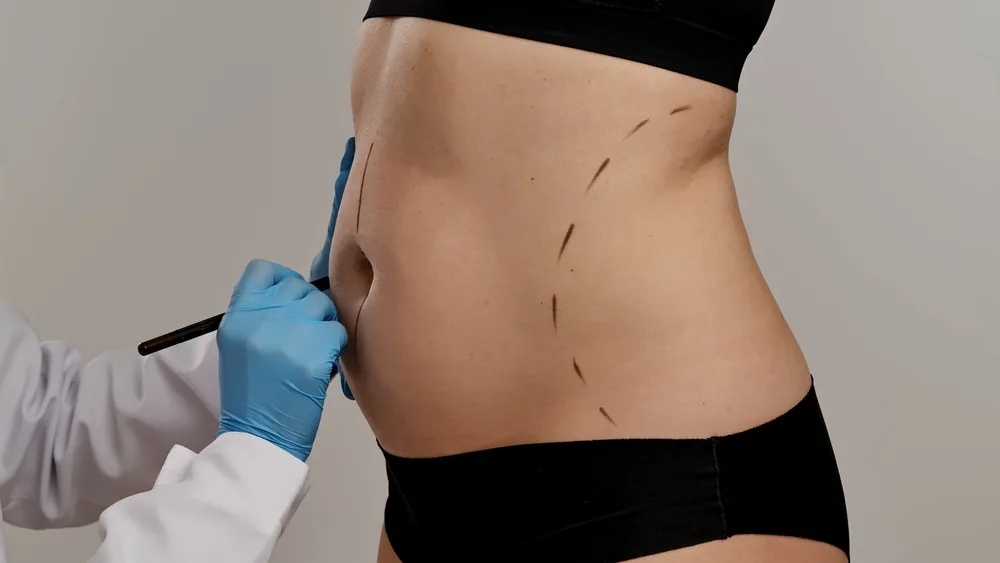
The anesthesiologist administers general anesthesia. The surgeon marks incision lines on your breasts while you stand upright.
General anesthesia ensures you sleep through the entire operation. You feel no pain. You remember nothing. The surgeon draws precise markings on your breasts. Standing position allows accurate assessment of breast shape and symmetry. These markings guide every incision.
Surgeons remove excess tissue and fat, reshape the breast mound, reposition the nipple-areola complex, and close the incisions with sutures.
The surgeon follows the preoperative plan. They make incisions along the marked lines. They remove glandular tissue, fat, and skin according to the chosen technique. They preserve the pedicle that supplies the nipple. They sculpt the remaining tissue into a natural breast shape. They move the nipple-areola complex to its new position. They close the incisions in layers. This minimizes tension and promotes fine scar healing. They apply dressings and a surgical bra.
What Happens in the Recovery Room?
Medical staff monitor your vital signs, manage pain, and ensure you wake up comfortably before transferring you to your room.
Nurses watch your blood pressure, heart rate, and oxygen levels. They administer pain medication. They check your dressings for bleeding. They help you sit up gradually. Most patients stay in the hospital for one night. Some go home the same day depending on the case complexity.
What Does the Breast Reduction Recovery Timeline Look Like?
Recovery progresses from immediate postoperative care through six months of gradual healing and final shape development.
What Should You Expect in the First 24 Hours?
You stay in the hospital, receive pain medication, possibly have drains, and should start walking soon after surgery.
The first day requires rest. Nurses manage your pain with oral or intravenous medications. Some surgeons place small drains to remove fluid. These prevent fluid accumulation. Medical staff encourage you to walk short distances. Walking prevents blood clots. It speeds recovery. You wear a surgical compression bra. This supports the breasts and reduces swelling.
How Does Recovery Progress in Week One?
You experience swelling and bruising. You wear a compression bra. You sleep on your back. Your surgeon may remove drains. You begin wound care.
Swelling peaks around day three. Bruising appears on the breasts and chest. This is normal. The compression bra provides critical support. You must sleep on your back with pillows elevating your upper body. This reduces swelling. Your surgeon removes drains within two to five days if you have them. You learn to clean your incision sites. You take prescribed antibiotics. You avoid showering until your surgeon clears you.
What Changes Occur in Weeks Two and Three?
You return to office work. Discomfort decreases. You resume light daily activities. You attend follow-up appointments.
Most patients return to desk jobs within ten to fourteen days. You still avoid lifting anything heavy. You continue wearing your surgical bra. You may switch to a soft sports bra. Your surgeon checks your healing progress. They address any concerns. You start to see the new breast shape emerging beneath the swelling.
What Improvements Happen in Weeks Four to Six?
You gradually resume exercise. You start scar management. Your breasts begin settling. Your mobility improves significantly.
Surgeons clear patients for light exercise around week four. You may walk briskly. You may use a stationary bike. You still avoid running, jumping, and upper body weights. You begin scar treatment. Silicone sheets or scar gels help scars flatten and fade. The breasts start to drop into a natural position. They feel softer. You regain full range of arm motion.
How Do Breasts Change Between Months Two and Six?
Scars mature, swelling resolves completely, the final breast shape develops, and you return to unrestricted activities.
Scars progress from red and raised to flat and pale. This process takes six to twelve months. Swelling fully subsides by month three. You see your true breast size and shape. The breasts settle into their final position. You resume all normal activities including swimming, running, and weight training. You transition to regular bras without underwire initially.
What Tips Speed Up Recovery After Breast Reduction?
Following specific recovery protocols ensures faster healing, less discomfort, and better results.
Why Should You Wear Your Surgical Bra?
The surgical bra supports breast tissue, reduces swelling, minimizes movement, and promotes proper shaping.
Your surgeon provides a specialized compression bra. You wear it continuously for several weeks. This garment holds the breasts in position. It prevents excessive swelling. It protects incision lines from tension. It helps the breasts heal in the correct shape. Do not switch to regular bras too early.
What Sleeping Position Helps Healing?
Sleeping on your back with your upper body elevated reduces swelling and protects your incisions.
Side sleeping or stomach sleeping puts pressure on your breasts. This increases swelling and pain. It distorts the healing tissue. Use multiple pillows to keep yourself propped up. Some patients sleep in a recliner for the first week. This position also makes getting up easier.
How Does Nutrition Affect Recovery?
Eating a protein-rich diet provides the building blocks your body needs to repair tissue.
Your body rebuilds surgical wounds using protein. Eat lean meats, fish, eggs, dairy, beans, and nuts. Stay hydrated. Drink at least eight glasses of water daily. Proper hydration supports circulation and toxin removal. Avoid processed foods and excess salt. Salt increases swelling.
Why Must You Avoid Smoking and Alcohol?
Smoking constricts blood vessels and delays healing. Alcohol thins blood and interacts with medications.
Nicotine reduces oxygen delivery to healing tissues. This increases infection risk and poor scar formation. Alcohol interferes with pain medications and antibiotics. It increases bleeding risk. Avoid both substances for at least four weeks before and after surgery.
When Can You Resume Daily Walking?
You should start walking the day of surgery. You gradually increase distance and pace.
Walking stimulates circulation. It prevents blood clots in the legs. It reduces constipation caused by pain medications. It boosts mood and energy. Start with short walks around your room. Progress to walks around your home. By week two, walk outside for twenty to thirty minutes daily.
What Lifting Restrictions Apply?
You must avoid lifting anything heavier than five to ten pounds for at least four to six weeks.
Lifting raises your blood pressure. It strains chest muscles. It puts tension on incision lines. This can cause bleeding, wound separation, or delayed healing. Let others carry groceries, laundry, and children. Do not push, pull, or reach overhead excessively.
Why Do Follow-Up Visits Matter?
Your surgeon monitors healing, removes sutures if needed, addresses complications early, and guides your recovery timeline.
Attend every scheduled appointment. Your surgeon checks for infection, fluid accumulation, or wound problems. They adjust your care plan. They clear you for new activities. They photograph your progress. These visits ensure optimal outcomes.
How Do You Manage Pain, Swelling, and Scars?
Proper pain management, patience with swelling, and consistent scar care produce the best long-term appearance.
Is Breast Reduction Painful?
Patients experience moderate discomfort rather than severe pain. Medication controls this effectively.
Most patients describe the sensation as tightness and pressure. They feel soreness similar to an intense workout. Prescription pain medication manages this well during the first week. By week two, most patients switch to over-the-counter pain relievers. The discomfort continues to decrease steadily.
How Long Does Swelling Last?
Major swelling subsides within four to six weeks. Minor swelling may persist for three to six months.
Swelling represents your body's natural healing response. It peaks at seventy-two hours. It gradually improves. By month three, most swelling has resolved. Final breast size becomes apparent around month three to four. Do not judge your results during the first month.
How Do Scars Heal Over Time?
Scars start red and raised. They gradually flatten and fade over six to eighteen months.
Incision lines heal in stages. Initially they appear red, firm, and slightly raised. This peaks at six to eight weeks. Over months, collagen remodeling occurs. Scars become flatter, softer, and lighter. They fade from red to pink to skin tone. Proper care significantly improves their final appearance.
What Scar Treatments Work Best?
Silicone sheets, scar gels, and massage improve scar appearance significantly.
Silicone-based products represent the gold standard for scar management. They hydrate the scar tissue. They regulate collagen production. Patients apply silicone sheets or gels daily for several months. Gentle scar massage starting at week three or four breaks down scar tissue. It improves flexibility. Your surgeon demonstrates proper technique.
How Does Sun Protection Help Scars?
Sun exposure darkens scars permanently. You must protect incision lines from UV rays for at least one year.
Ultraviolet radiation stimulates melanin production in healing skin. This causes scars to darken and become more visible. Cover your scars with clothing. Apply SPF 50 sunscreen when exposure is unavoidable. This simple step makes a dramatic difference in scar appearance.
What Risks and Complications Can Occur?
Breast reduction carries general surgical risks and specific risks related to breast tissue, nipple function, and scarring.
What General Surgical Risks Exist?
Bleeding, infection, hematoma, and seroma can occur after any surgery.
Bleeding during or after surgery may require transfusion or return to the operating room. Infection develops in a small percentage of cases. Antibiotics treat most infections effectively. A hematoma is a collection of blood beneath the skin. A seroma is a collection of clear fluid. Surgeons treat both by drainage if necessary. These risks remain low in healthy patients at accredited facilities.
What Specific Risks Affect Breast Reduction?
Specific risks include changes in nipple sensation, delayed wound healing, fat necrosis, breast asymmetry, scarring, and rare nipple circulation problems.
Some patients experience temporary or permanent numbness in the nipples or breast skin. This results from nerve disruption during tissue removal. Wound healing delays occur more often in smokers or patients with poor circulation. Fat necrosis happens when fatty tissue loses blood supply. It creates firm lumps. Asymmetry may occur if healing differs between breasts. Significant scarring affects some patients based on genetics. Rarely, the nipple loses blood supply. This requires additional surgery. Chadbourne and colleagues documented these complication rates in their systematic review and found that serious complications remain uncommon when surgeons follow proper protocols (Chadbourne 1158).
Contact your surgeon immediately if you experience fever, severe pain, wound separation, excessive bleeding, or nipple color changes.
Fever above 38 degrees Celsius suggests infection. Severe pain unrelieved by medication signals a problem. Wound separation exposes tissue to infection. Heavy bleeding saturates dressings. Nipple color changes to dark purple or black indicate circulation problems. These symptoms require immediate medical attention.
Can You Breastfeed After Breast Reduction?
Many women breastfeed successfully after breast reduction. Success depends on the surgical technique and individual anatomy.
Does Breast Reduction Affect Future Breastfeeding?
Some women breastfeed fully. Others supplement with formula. A minority cannot breastfeed.
Breast reduction removes glandular tissue and rearranges breast structure. This can disrupt milk ducts. However, modern pedicle techniques preserve significant ductal tissue. Studies show that women who undergo inferior pedicle techniques maintain better lactation function. Cruz-Korchin and colleagues found that many patients breastfeed successfully after reduction mammaplasty (Cruz-Korchin 873).
Which Factors Influence Breastfeeding Ability?
The amount of tissue removed, the pedicle type, and the extent of ductal preservation determine breastfeeding success.
Women who undergo minor reductions retain more functional tissue. Superior and medial pedicle techniques often preserve more ductal connections. Individual anatomy varies. Some women naturally have more milk-producing tissue. Preoperative counseling should address these factors honestly.
Which Techniques Preserve Lactation Function?
Pedicle techniques that maintain the connection between the nipple and underlying glandular tissue best preserve breastfeeding ability.
Surgeons using inferior pedicle or central pedicle methods keep more milk ducts intact. They avoid free nipple graft techniques except in extreme cases. Free nipple grafts completely detach the nipple. This almost always eliminates breastfeeding ability. Surgeons reserve this technique for massive reductions.
Will Breast Reduction Change Nipple Sensation?
Nipple sensation may decrease temporarily. Most patients regain normal sensation. A small percentage experience permanent changes.
Are Sensation Changes Temporary?
Most patients experience numbness or hypersensitivity for weeks to months. Normal sensation typically returns within six to twelve months.
Nerve stretching during surgery causes temporary sensation changes. Nerves heal slowly. Patience matters. Most women report steady improvement. By the one-year mark, sensation often equals or nearly equals preoperative levels.
Can Sensation Changes Become Permanent?
A small percentage of patients, approximately 10% to 15%, experience permanent numbness or reduced sensation.
Nerve transection during tissue removal causes permanent changes. The risk increases with larger reductions and certain pedicle types. Gonzalez and colleagues documented that superior pedicle techniques may better preserve sensation in some patients compared to inferior pedicle approaches (Gonzalez 812). However, individual results vary significantly.
How Does Sensation Recover?
Nerves regenerate slowly. Time, gentle massage, and avoiding trauma support recovery.
The body repairs nerve pathways at a rate of approximately one millimeter per month. This process takes months. Gentle massage stimulates nerve endings. Avoiding pressure on the nipples during early healing helps. Most improvement occurs within the first year.
What Results Can You Expect Before and After?
Results improve gradually. Immediate changes are visible. Final results appear after several months.
Your breasts sit higher and look smaller immediately after surgery. Swelling masks the final shape.
You see a dramatic difference when you wake up. Your breasts are smaller and perkier. However, swelling makes them appear larger than they will be. The shape looks somewhat artificial initially. This improves as healing progresses.
When Do Final Results Appear?
Final breast size and shape become apparent between three and six months post-surgery.
Swelling resolution reveals your true results. Scars mature and fade. The breasts settle into a natural position. By month six, you see the final outcome. Photographs at this stage show the complete transformation.
What Factors Shape Long-Term Results?
Weight stability, pregnancy, aging, and bra support influence how long your results last.
Your results depend on your behavior after surgery. Stable weight preserves breast size. Pregnancy and breastfeeding may enlarge breasts again. Natural aging causes some sagging over time. Proper bra support minimizes gravitational effects.
How Do You Maintain Your Results?
Maintaining stable weight, planning pregnancy carefully, wearing supportive bras, and living healthy protect your investment.
Why Does Weight Stability Matter?
Weight gain increases breast size. Weight loss may create sagging. Stable weight preserves your surgical results.
Breasts contain fatty tissue. When you gain weight, fat cells expand. Your breasts grow larger. This may reverse some benefits of reduction. When you lose weight rapidly, skin may loosen. This creates sagging. Maintain your postoperative weight for lasting results.
How Does Pregnancy Affect Results?
Pregnancy enlarges breasts. This may alter your surgical results. Some women need revision surgery after childbearing.
Hormonal changes during pregnancy stimulate breast growth. Milk production further enlarges the breasts. After breastfeeding ends, the breasts may sag or shrink. These changes differ for each woman. Discuss family planning with your surgeon before surgery.
What Role Does Bra Support Play?
A well-fitted supportive bra reduces gravity's effects. It preserves breast shape and position.
Invest in quality bras. Get professionally fitted. Wear supportive bras during exercise. This simple habit extends your results significantly. Avoid underwire bras until your surgeon clears you, usually around six to eight weeks.
How Does Lifestyle Impact Longevity?
Healthy eating, regular exercise, sun protection, and avoiding smoking support lasting results.
A healthy lifestyle benefits every aspect of your body. It maintains skin elasticity. It supports immune function. It prevents weight fluctuations. These factors collectively protect your surgical investment.
How Much Does Breast Reduction Cost in Turkey?
Breast reduction in Turkey costs between $2,500 and $5,000. This includes surgery, hospital stay, and basic aftercare.
What Factors Affect the Price?
Surgeon experience, hospital quality, surgical technique, case complexity, accommodation level, and included services all influence cost.
|
Factor
|
Impact on Price
|
|
Surgeon experience
|
Highly experienced surgeons charge more
|
|
Hospital quality
|
JCI-accredited hospitals cost more than standard clinics
|
|
Technique used
|
Complex techniques require more time and skill
|
|
Complexity
|
Gigantomastia or revision cases cost more
|
|
Accommodation
|
Luxury hotels increase package prices
|
|
Included services
|
Comprehensive packages cost more upfront but offer better value
|
What Do Treatment Packages Include?
Most packages include consultation, surgery, anesthesia, hospital stay, medications, compression garment, and follow-up visits.
|
Package Component
|
Typically Included
|
|
Initial consultation
|
Yes
|
|
Preoperative tests
|
Yes
|
|
Surgery and anesthesia
|
Yes
|
|
Hospital stay (1-2 nights)
|
Yes
|
|
Postoperative medications
|
Yes
|
|
Surgical compression bra
|
Yes
|
|
Follow-up appointments
|
Yes
|
|
Hotel accommodation
|
Often included
|
|
Airport transfers
|
Often included
|
|
Translation services
|
Often included
|
How Does Turkey Compare to Other Countries?
Turkey offers comparable or superior quality at significantly lower prices with shorter waiting times.
How Does Turkey Compare to the UK?
Turkey costs 70% less than the UK. Turkish surgeons often have equal or greater experience. UK patients face long NHS waiting lists.
Breast reduction in the UK costs £6,000 to £8,000 privately. NHS waiting times extend to months or years. Turkey offers immediate scheduling. The savings cover flights and accommodation with money left over.
How Does Turkey Compare to the USA?
Turkey costs 80% less than the USA. American patients pay $10,000 to $15,000. Turkish hospitals match American standards.
The USA has excellent surgeons. However, healthcare costs there are the highest globally. Insurance rarely covers cosmetic breast reduction. Turkey provides equivalent surgical quality at a fraction of the cost.
How Does Turkey Compare to Europe?
Turkey costs 60% to 75% less than Germany, France, or the Netherlands. European patients enjoy easy flights and cultural familiarity.
Western European countries offer high-quality care. However, prices remain high. Waiting times vary by country. Turkey provides an attractive alternative. Low-cost airlines connect major European cities to Istanbul daily.
|
Comparison Factor
|
Turkey
|
UK
|
USA
|
Europe
|
|
Average cost
|
$2,500-$5,000
|
£6,000-£8,000
|
$10,000-$15,000
|
€7,000-€12,000
|
|
Waiting times
|
Days to weeks
|
Months (NHS)
|
Weeks to months
|
Weeks to months
|
|
Surgeon expertise
|
Very high
|
High
|
Very high
|
High
|
|
Hospital standards
|
JCI accredited
|
High
|
High
|
High
|
|
Recovery support
|
All-inclusive packages
|
Limited
|
Limited
|
Limited
|
|
Medical tourism services
|
Excellent
|
Minimal
|
Minimal
|
Minimal
|
What Do Patients Frequently Ask About Breast Reduction?
Patients ask about size reduction, surgery duration, sensation, permanence, combination procedures, and return to normal activities.
How Many Cup Sizes Can You Reduce?
Surgeons typically reduce breasts by one to four cup sizes. They remove 200 to 1,000 grams per breast depending on your goals.
The amount of reduction depends on your starting size, body proportions, and desired outcome. Your surgeon discusses realistic expectations during consultation. Insurance companies often require minimum tissue removal for coverage.
How Long Does the Surgery Take?
Breast reduction surgery takes two to four hours. Complex cases may require more time.
The duration depends on technique, amount of tissue removed, and whether surgeons combine procedures. You spend additional time in preparation and recovery.
Will You Lose Nipple Sensation?
Most patients retain normal sensation. Some experience temporary changes. A minority have permanent numbness.
Nerve preservation techniques minimize this risk. Your surgeon discusses your specific risk based on anatomy and technique.
Can Breasts Grow Back After Reduction?
Removed tissue does not grow back. However, weight gain or pregnancy can enlarge remaining tissue.
The results are permanent in that sense. But your body can still change. Hormonal fluctuations and weight changes affect breast size.
Is Breast Reduction Permanent?
Yes, the tissue removal is permanent. However, lifestyle factors and aging continue to affect your breasts.
You will always have smaller breasts than you would have without surgery. Gravity, aging, and weight changes still occur naturally.
Can You Combine Breast Reduction with a Breast Lift?
Breast reduction inherently includes lifting. Surgeons rarely need to add a separate lift procedure.
The removal of tissue and tightening of skin automatically raises the breast position. Some patients with minimal tissue excess but significant sagging may need only a lift. Your surgeon recommends the best approach.
When Can You Fly Home After Surgery?
Most patients fly home seven to ten days after surgery. You need medical clearance before air travel.
Air travel too early increases blood clot risk. Cabin pressure changes may affect healing tissues. Your surgeon clears you based on your progress.
When Can You Return to Work?
Desk workers return in ten to fourteen days. Physical laborers need four to six weeks.
Your job demands determine your timeline. Light duties allow earlier return. Heavy lifting or strenuous activity requires longer recovery.
When Can You Drive Again?
Most patients drive after one to two weeks. You need full arm mobility and to be off prescription pain medication.
Driving requires the ability to turn the steering wheel suddenly. You must react quickly in emergencies. Do not drive while taking narcotic pain medication.
When Can You Exercise?
You walk immediately. You resume light exercise at four weeks. You return to full exercise at six to eight weeks.
Your surgeon provides specific clearance. Start slowly. Increase intensity gradually. Stop if you feel pain or pulling.
What Happens If You Become Pregnant Later?
Pregnancy enlarges breasts. This may alter your results. Breastfeeding remains possible.
Many women successfully carry pregnancies after reduction. Your breasts change during pregnancy regardless of previous surgery. Discuss family planning with your surgeon.
Will You Have Visible Scars?
Yes, scars exist. They fade significantly over time. Proper care makes them less noticeable.
All breast reduction techniques require incisions. Scar quality depends on genetics, technique, and aftercare. Most patients find scars acceptable given the dramatic improvement in comfort and appearance.
How Do You Choose the Right Surgeon in Turkey?
Verify credentials, review results, ask about experience, read reviews, check hospital accreditation, and understand aftercare.
How Do You Verify Board Certification?
Confirm your surgeon holds certification from the Turkish Plastic Reconstructive and Aesthetic Surgery Association or equivalent international boards.
Board certification proves specialized training. It indicates rigorous examination. Ask to see certification documents. Verify them through official channels if possible.
Why Should You Review Before-and-After Photos?
Photos reveal the surgeon's aesthetic style, consistency, and ability to handle cases similar to yours.
Look for patients with similar body types and breast sizes. Assess scar placement and quality. Evaluate symmetry and nipple position. This helps you set realistic expectations.
What Questions Reveal Experience?
Ask how many breast reductions the surgeon performs yearly. Ask about complication rates. Ask about their preferred technique and why.
Experienced surgeons welcome these questions. They provide specific numbers. They explain their reasoning. They discuss how they handle complications. Vague answers raise concerns.
How Do International Reviews Help?
Reviews from patients from your country reveal communication quality, cultural sensitivity, and overall satisfaction.
Search for reviews on independent platforms. Look for detailed accounts of the entire experience. Pay attention to how clinics handle problems. Positive reviews from your nationality suggest good experience with international patients.
Why Does Hospital Accreditation Matter?
Accredited hospitals meet international safety standards. They maintain proper equipment, staffing, and emergency protocols.
JCI accreditation specifically indicates adherence to global best practices. This protects you if complications arise. It ensures proper anesthesia monitoring and infection control.
What Aftercare Services Should You Expect?
Expect clear follow-up schedules, accessible emergency contact, wound care instructions, and long-term scar management guidance.
Quality aftercare distinguishes top clinics. You should receive written instructions. You should have a direct line to medical staff. You should know exactly when to return for checks. Comprehensive aftercare supports optimal healing.
Conclusion
Breast reduction surgery in Turkey offers exceptional physical relief, psychological benefits, and value for international patients.
Breast reduction surgery transforms lives. It ends chronic pain. It improves posture. It restores mobility. It boosts confidence. It allows women to wear normal clothing and participate fully in life. Turkey has earned its reputation as a premier destination for this procedure. Experienced surgeons, modern hospitals, and affordable prices attract patients worldwide.
Choosing the right surgeon matters most. Verify credentials. Review results. Ask questions. Understand the recovery process. Set realistic expectations. Follow all preoperative and postoperative instructions carefully.
The investment in breast reduction pays dividends for decades. Women report higher satisfaction with this procedure than almost any other cosmetic surgery. They wish they had done it sooner. If large breasts limit your life, consider breast reduction in Turkey. The combination of medical excellence, comprehensive care, and outstanding value makes Turkey an ideal choice. Take the first step. Schedule a consultation. Reclaim your comfort, confidence, and quality of life.
References
Chadbourne, E. B., et al. "Clinical Outcomes in Reduction Mammaplasty: A Systematic Review and Meta-Analysis." Plastic and Reconstructive Surgery, vol. 108, no. 5, 2001, pp. 1154-1163.
Cruz-Korchin, N., et al. "Breastfeeding After Reduction Mammaplasty." Plastic and Reconstructive Surgery, vol. 111, no. 2, 2003, pp. 872-877.
Davis, G. M., et al. "Long-Term Physical and Psychological Effects of Breast Reduction." Annals of Plastic Surgery, vol. 50, no. 6, 2003, pp. 563-572.
Gonzalez, F., et al. "Preoperative and Postoperative Nipple-Areola Sensitivity in Patients Undergoing Reduction Mammaplasty." Plastic and Reconstructive Surgery, vol. 92, no. 5, 1993, pp. 809-816.
Kerrigan, Caroline L., et al. "Measuring Quality of Life in Cosmetic and Reconstructive Breast Surgery: A Systematic Review and Patient Survey." Plastic and Reconstructive Surgery, vol. 124, no. 2, 2009, pp. 453-462.
Schnur, Aaron B., et al. "Reduction Mammaplasty: An Outcome Analysis." Annals of Plastic Surgery, vol. 38, no. 3, 1997, pp. 213-219.