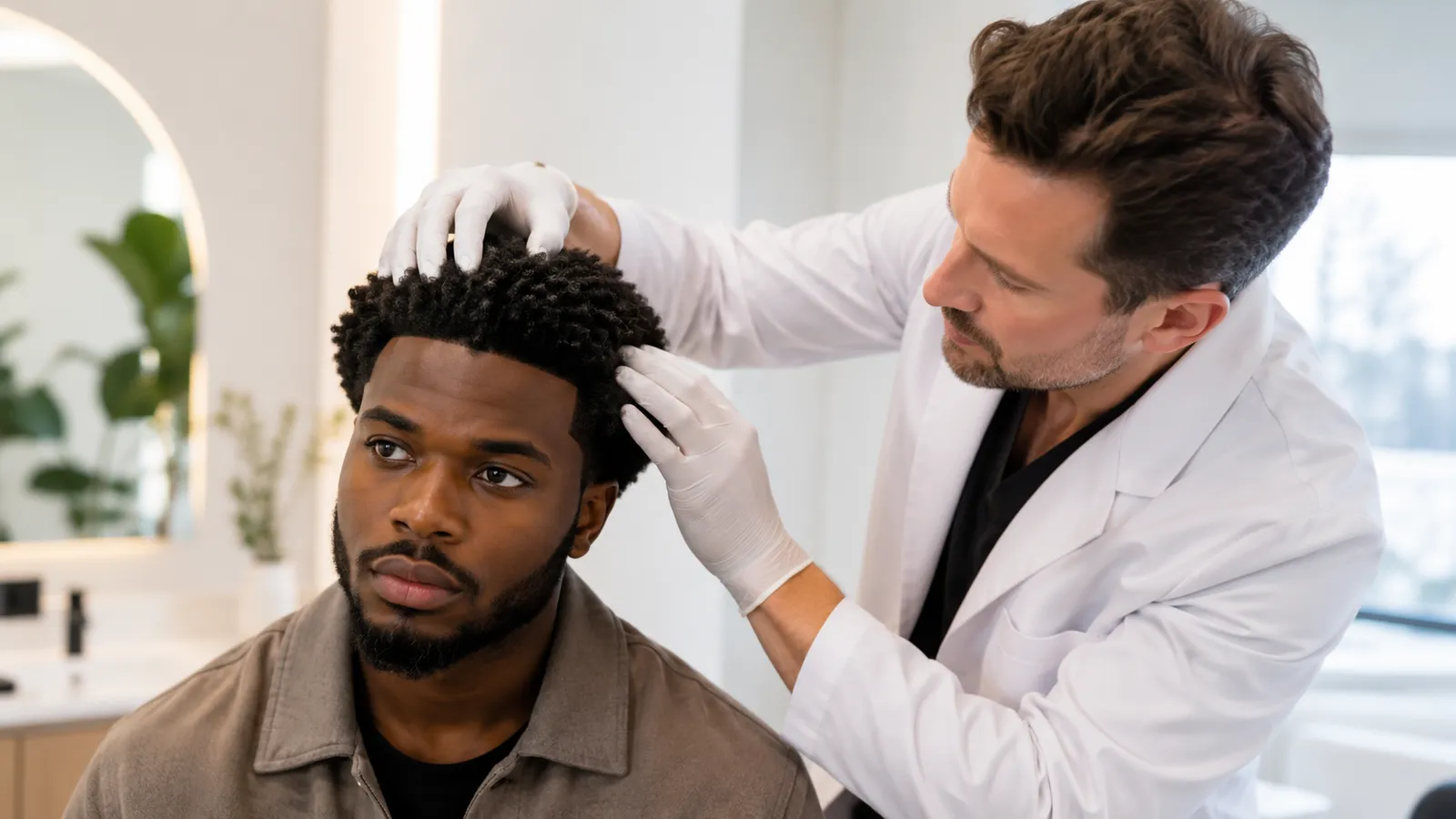
Why Does Afro Hair Require a Different Hair Transplant Approach?
Not all hair transplant techniques work the same way on every patient. Afro-textured hair stands out as one of the most technically demanding hair types in hair restoration surgery. Success depends on understanding both visible hair characteristics and hidden follicle anatomy. Surgeon experience and specialized extraction methods directly influence graft survival and natural-looking outcomes. This article explains the science behind Afro hair transplantation.
What Is Afro Hair Anatomy?
Afro hair anatomy differs from straight hair in ways that affect surgical planning. Doctors must understand these differences before they perform any transplant procedure.
What Makes Afro Hair Unique?
Afro hair shows tight curls above the scalp. The hair shaft curves in a spiral pattern. This creates an elliptical hair shape. The curls give the appearance of increased hair density even though the scalp holds fewer visible strands. The follicular orientation beneath the skin also differs from other hair types. Each follicle follows its own unique path under the scalp surface.
The hair shaft itself bends and twists. This bending starts at the root. The curl pattern remains consistent from the bulb to the tip. The sebaceous gland sits near the follicle opening. It produces oil that travels down the curved shaft. The arrector pili muscle attaches to each follicle. This muscle causes goosebumps when it contracts. These structures work together in Afro hair, but their curved arrangement changes how surgeons approach extraction (Orentreich, 1959).
What Does the Curved Follicle Beneath the Skin Look Like?
The follicle beneath Afro hair skin curves in a C-shape. Some follicles follow a hook-shaped trajectory. The bulb sits at an angle rather than straight down. This creates greater variability in follicle direction. One follicle may point left while the next points right. This variation makes prediction difficult.
The dermis holds these curved structures. The epidermis covers the surface. The bulb sits deep in the dermis. It contains the dermal papilla. This papilla feeds the hair with blood and nutrients. The curved path from bulb to surface means the follicle does not follow a straight line. Surgeons cannot see this curve from the outside. They must rely on tactile feedback and specialized knowledge. The curved follicle anatomy remains the single biggest challenge in Afro hair transplantation (Bernstein and Rassman, 2002).
Why Is Afro Hair More Challenging to Transplant?
Afro hair presents unique surgical challenges. These challenges stem from the curved follicle structure rather than the curl pattern alone.
Why Is There a Higher Risk of Follicle Transection?
Curved follicles are difficult to predict. The surgeon cannot see the curve from the scalp surface. Standard straight punches increase injury risk. The punch may cut through the follicle instead of wrapping around it. Damaged follicles cannot produce healthy hair. This damage is called transection. Transection kills the graft. The patient loses a precious donor hair forever.
Studies show that Afro hair transection rates run higher than straight hair transection rates. The curved path means the follicle crosses the punch path at an angle. Even slight misalignment causes damage. Experienced surgeons learn to feel the curve. They adjust their technique based on tactile feedback. But the risk never drops to zero. Every extraction requires care and patience (Jimenez, 2013).
Why Do Afro Hair Transplants Require Increased Surgical Precision?
Surgeons must adjust the punch angle for each graft. They cannot use a standard vertical approach. The extraction depth also varies. Some follicles sit deeper than others. The surgeon must customize the depth for each graft. Slow manual extraction works better than fast mechanical methods. The surgeon assesses each graft individually. They check for intact follicles before moving to the next one.
This level of precision takes time. A straight hair transplant might take four hours. An Afro hair transplant might take six or seven hours. The extra time allows the surgeon to work carefully. Rushing increases transection rates. Patience and skill produce better results. The surgeon must also select the right punch size. Smaller punches reduce scarring but increase transection risk. Larger punches protect the follicle but leave bigger marks. The surgeon balances these factors for each patient (Rogers, 2013).
How Do Straight Hair and Afro Hair Transplantation Differ?
Straight hair and Afro hair require different surgical approaches. The differences start at the follicle level and continue through recovery.
|
Feature |
Straight Hair |
Afro Hair |
|
Follicle Shape |
Straight |
Curved |
|
Extraction Difficulty |
Lower |
Higher |
|
Transection Risk |
Lower |
Higher |
|
Punch Selection |
Standard |
Customized |
|
Surgical Experience Needed |
Moderate |
Advanced |
|
Planning Complexity |
Standard |
High |
|
Hairline Design |
Standard angles |
Ethnic proportions |
|
Recovery Time |
Standard |
Slightly longer |
|
Scar Visibility |
Minimal |
Requires extra care |
Straight hair follicles follow a predictable vertical path. Surgeons can align punches easily. Afro hair follicles curve and twist. Each graft needs individual attention. The punch selection changes. The surgical experience requirement increases. Planning complexity rises because the surgeon must account for curl direction and density. These differences mean patients should seek surgeons with specific Afro hair experience rather than general hair transplant experience (Khoury, 2010).
What Is the Science Behind Afro Hair Density?
Afro hair density works differently than straight hair density. The curl pattern creates optical illusions that affect surgical planning.
How Does Curl Pattern Create Natural Volume?
The curl pattern creates what scientists call optical density. The three-dimensional curl structure pushes hair outward. This creates volume despite fewer actual hairs on the scalp. A patient with 50,000 Afro hairs might look as full as a patient with 80,000 straight hairs. This means Afro hair patients need fewer grafts for visual coverage.
The curl also covers the scalp from multiple angles. Straight hair falls flat. Afro hair stands up and out. One graft covers more surface area because the curl extends in all directions. Surgeons use this knowledge when they plan graft numbers. They calculate visual density rather than absolute density. This science helps patients achieve natural fullness with fewer donor hairs (Williams and True, 2002).
What Are the Different Hair Curl Types?
Scientists classify Afro hair into several curl types. Type 3 shows loose curls. Type 4A shows tight S-shaped curls. Type 4B shows tight Z-shaped curls. Type 4C shows the tightest coils with minimal curl definition. Each type influences surgical planning differently.
Type 3 hair has a looser follicle curve. Surgeons can extract these grafts with standard modified techniques. Type 4A and 4B hair has tighter curves. The follicle bends more sharply. Type 4C hair presents the greatest challenge. The follicle often shows a hook or C-shape. The bulb sits at an extreme angle. Surgeons must adjust their approach for each curl type. They examine the patient hair before surgery. They plan extraction angles based on the dominant curl type. This individualized planning improves outcomes (Cole, 2005).
How Do Surgeons Assess Donor Areas in Afro Hair Patients?
Donor area assessment determines whether a patient qualifies for surgery. It also guides the surgeon on how many grafts they can safely extract.
How Do Surgeons Evaluate Donor Density?
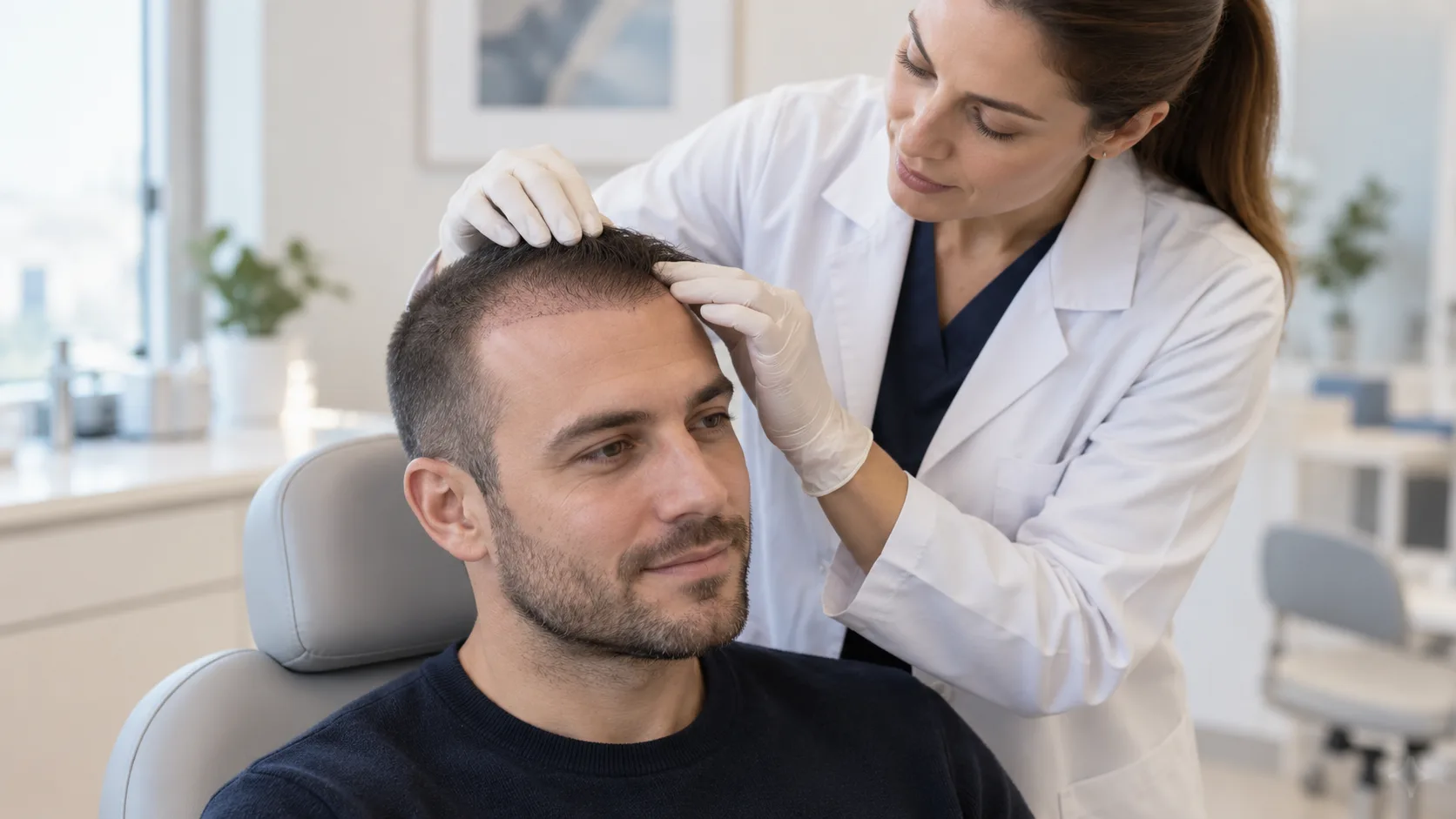
Surgeons measure follicular unit density in the donor area. They count how many follicular units exist per square centimeter. They also check hair caliber. Thick hair creates better coverage than thin hair. They examine curl characteristics. Tight curls mean curved follicles. They test elasticity. The scalp must stretch slightly during extraction. They check scalp laxity. Loose scalps allow easier extraction than tight scalps.
These factors differ in Afro hair patients. The follicular unit density often runs lower than in straight hair patients. But the hair caliber usually runs higher. The curl creates visual density. The surgeon balances these factors. They calculate safe extraction numbers. They plan for future hair loss. A good assessment prevents overharvesting. It ensures the donor area remains healthy after surgery (Unger and Shapiro, 2011).
Why Is Donor Area Preservation Important?
Long-term planning matters in every hair transplant. But it matters even more in Afro hair cases. The donor area holds limited grafts. Once a surgeon extracts a follicle, it never grows back. Future hair loss might require additional surgery. The surgeon must preserve enough donor hair for future needs.
Overharvesting creates bald patches in the donor area. These patches are hard to hide in Afro hair. The curl pattern makes thin spots more visible. Surgeons must avoid this mistake. They predict future hair loss patterns. They leave enough donor density for natural appearance. They maintain the cosmetic appearance of the back and sides of the head. This preservation strategy protects the patient for decades (Pathomvanich, 2013).
Which Hair Transplant Techniques Work Best for Afro Hair?

Different techniques offer different advantages for Afro hair patients. The surgeon selects the best method based on individual hair characteristics.
Is Sapphire FUE Effective for Afro Hair?
Sapphire FUE uses blades made from sapphire crystal. These blades create very small incisions. The small size reduces scarring. It also speeds healing. But the technique has limitations for Afro hair. The standard sapphire punch angle might not match the curved follicle. The surgeon must modify the approach.
Sapphire FUE works well when the surgeon has Afro hair experience. The sharpness of sapphire blades reduces tissue trauma. This helps graft survival. But the technique depends heavily on surgeon skill. An inexperienced surgeon using sapphire tools can still cause high transection rates. The tools help, but the hands matter more. Patients should ask about the surgeon's specific Afro hair results before choosing this method (Bernstein, 2004).
Is Traditional FUE Suitable for Afro Hair?
Traditional FUE remains the most common method for Afro hair. Surgeons modify the standard technique. They use customized punch selection. They choose punch sizes between 0.8 and 1.0 millimeters. They adjust the punch angle based on follicle direction. They feel the curve under the skin. They follow the follicle path rather than forcing a straight extraction.
The importance of follicle angle cannot be overstated. The surgeon must align the punch with the invisible curve. They enter the skin at an angle rather than vertically. They rotate the punch slightly to follow the follicle path. This modified technique reduces transection rates. It preserves graft viability. Traditional FUE offers flexibility. The surgeon can adjust for each graft. This adaptability makes it a strong choice for Afro hair (Jimenez, 2013).
Does DHI Work Well for Afro Hair?
DHI stands for Direct Hair Implantation. This technique uses a special pen tool. The surgeon loads grafts into the pen. They implant grafts directly without creating recipient sites first. This gives controlled implantation. The surgeon controls the angle and depth precisely.
For Afro hair, DHI offers natural angle placement. The pen allows the surgeon to match the natural curl direction. They place each graft at the exact angle needed for the curl pattern. Dense packing becomes possible. The surgeon can place grafts closer together. But DHI also has challenges. The curved grafts might not load easily into the pen. The implantation speed might slow down. The surgeon must work carefully to avoid graft damage. DHI works best when the surgeon has extensive Afro hair experience (Rogers, 2013).
When Do Surgeons Consider FUT for Afro Hair?
FUT stands for Follicular Unit Transplantation. This method uses strip harvesting. The surgeon removes a strip of scalp from the donor area. They dissect this strip into individual grafts under a microscope. They then implant the grafts.
Surgeons consider FUT in selected Afro hair cases. Strip harvesting offers advantages for highly curved follicles. The strip allows the surgeon to see the follicles under the microscope. They can dissect around the curve. They preserve the follicle better than punch extraction. But FUT leaves a linear scar. In Afro hair patients, this scar might become hypertrophic or keloid. The scar risk runs higher than in other ethnic groups. Surgeons reserve FUT for specific cases. They use it when the follicle curve is too extreme for FUE. They also use it when the patient needs maximum graft numbers. Patient-specific indications guide this decision. Scar considerations remain important in the choice (Khoury, 2010).
What Does Specialized Surgical Planning for Afro Hair Involve?
Surgical planning for Afro hair goes beyond counting grafts. The surgeon must design the result around ethnic characteristics.
How Do Surgeons Design Hairlines for Afro Hair?
Hairline design requires attention to ethnic facial proportions. Afro hair patients have specific forehead shapes and hairline patterns. The surgeon must respect these natural proportions. They cannot apply a Caucasian hairline template to an Afro hair patient.
The surgeon considers natural density. Afro hairlines often show a subtle curve rather than a straight line. The curl direction matters. The hair must flow in the natural direction. The surgeon plans symmetry. They measure both sides of the face. They account for the curl pattern. A well-designed Afro hairline looks natural because it follows ethnic norms. It respects the patient's heritage. It avoids the artificial look that comes from generic templates (Williams and True, 2002).
How Do Surgeons Create Recipient Sites for Afro Hair?
Recipient site creation involves making small incisions in the bald area. The surgeon places grafts into these incisions. For Afro hair, the incision angle matters greatly. The angle must match the curl orientation. If the angle is wrong, the hair grows in the wrong direction. This creates an unnatural appearance.
The surgeon plans for natural growth direction. They study the existing hair. They match the new hair to the old hair. They also plan for long-term appearance. Afro hair grows slowly. The final look takes months to develop. The surgeon must think ahead. They create sites that will look good after the curls fully form. This forward planning separates average results from excellent results (True, 2002).
What Should Women Know About Afro Hair Transplants?
Women with Afro hair face unique challenges. Their hair loss patterns differ from men. Their surgical needs require special attention.
What Hair Loss Patterns Do Women with Afro Hair Experience?
Women with Afro hair often suffer from traction alopecia. This condition comes from tight hairstyles. Braids, weaves, and ponytails pull on the hair roots. Over time, this pulling damages the follicles. The hairline recedes. The temples thin out. Female pattern hair loss also occurs. This creates diffuse thinning across the crown. Hormonal causes trigger this pattern. Postpartum hair loss affects many women. After pregnancy, hormone shifts cause shedding. Most women recover naturally. But some need medical help.
These patterns differ from male pattern baldness. Women rarely develop complete baldness. They usually thin in specific areas. The surgeon must identify the exact cause before planning surgery. They cannot transplant into active traction alopecia if the patient continues tight styling. They must address the root cause first (Samrao et al., 2011).
What Special Considerations Apply to Women?
Women need hairline preservation. The surgeon must maintain the feminine hairline shape. They cannot create a masculine hairline. Density restoration matters more than hairline lowering. Women want fullness rather than a new hairline.
Existing hairstyle preferences guide the plan. Many women with Afro hair wear protective styles. The surgeon must plan around these styles. They might use minimal shaving techniques. Some clinics offer unshaven FUE. This preserves the woman's existing hair during surgery. The surgeon also considers the curl pattern. Women often want to maintain their natural texture. The transplant must match this texture exactly. These considerations require a surgeon who understands female Afro hair needs (Rogers, 2013).
What Conditions Commonly Affect Afro Hair Patients?
Several medical conditions affect Afro hair patients more often than other groups. These conditions influence whether transplantation is appropriate.
What Is Traction Alopecia?
Traction alopecia results from prolonged tension on hair follicles. Tight braids cause it. Weaves cause it. Ponytails and dreadlocks can cause it. The hairline suffers first. The temples thin. The edges break off. Early traction alopecia is reversible. The patient must stop the tight styles. The hair grows back. But chronic traction alopecia causes permanent damage. The follicles scar. They stop producing hair.
Doctors can transplant hair into traction alopecia areas. But the patient must change their styling habits first. If they continue tight styles, the transplant fails. The new grafts suffer the same tension. Education plays a big role in treatment. The patient must understand the cause. They must commit to looser styles. Then transplantation can restore the hairline (Samrao et al., 2011).
What Is Central Centrifugal Cicatricial Alopecia?
Central Centrifugal Cicatricial Alopecia (CCCA) causes scarring hair loss. It starts at the crown. It spreads outward in a circular pattern. The follicles scar and die. This condition affects women of African descent most often. The exact cause remains unclear. Some researchers suspect genetics. Others suspect hair care practices. Chemical relaxers and heat might contribute.
CCCA presents a serious challenge for transplantation. Doctors cannot transplant into scarred tissue. The scarred scalp lacks blood supply. The grafts cannot survive. Early CCCA might respond to medication. Anti-inflammatory treatments can slow the progress. But advanced CCCA makes transplantation impossible. The surgeon must evaluate the scalp condition carefully. They must distinguish CCCA from other hair loss types. Misdiagnosis leads to transplant failure (Price, 2000).
What Is Androgenetic Alopecia?
Androgenetic alopecia causes pattern hair loss. It affects both men and women. In men, it creates a receding hairline and crown thinning. In women, it creates diffuse thinning. Hormones drive this condition. Dihydrotestosterone (DHT) shrinks the follicles. The hairs grow thinner and shorter. Eventually, the follicles stop producing hair.
Afro hair patients experience androgenetic alopecia too. The pattern might look different because of the curl. Thinning shows up as reduced volume rather than visible scalp. Transplantation works well for stable androgenetic alopecia. The surgeon must confirm the hair loss has stabilized. They must ensure the donor area remains healthy. They plan for future loss. This condition responds well to surgery when the patient selection is correct (Orentreich, 1959).
What Is Scarring Alopecia?
Scarring alopecia includes any condition that destroys follicles and replaces them with scar tissue. CCCA is one type. Other types include lichen planopilaris and discoid lupus. These conditions cause permanent hair loss. The scalp looks smooth and shiny. The pores disappear.
Transplantation may or may not work in scarring alopecia. The surgeon must evaluate the scar maturity. Young scars have poor blood supply. Old scars might support grafts better. The surgeon tests the area. They might perform a small test session. They implant a few grafts and wait. If the grafts survive, they proceed with full surgery. If the grafts die, they recommend other treatments. This careful approach protects the patient from wasted surgery (Price, 2000).
Which Technologies Improve Afro Hair Transplant Outcomes?
Modern technology helps surgeons overcome Afro hair challenges. These tools reduce transection rates. They improve graft survival.
High-magnification microscopes help surgeons see follicle details. They use these microscopes during dissection. The magnification reveals the curve. The surgeon adjusts their approach based on what they see. Customized punches match Afro hair needs. Some punches have special curves. Others have different edge designs. These modifications reduce follicle damage.
Smaller extraction instruments minimize scarring. But they must balance size with safety. Very small punches increase transection risk in curved follicles. Digital donor mapping creates a map of the donor area. The surgeon plans each extraction point. They avoid overharvesting one area. High-definition imaging shows the scalp surface in detail. It reveals curl patterns and growth directions. Advanced graft preservation solutions keep grafts alive outside the body. These solutions provide nutrients and temperature control. They extend the time grafts can survive before implantation. Together, these technologies improve outcomes for Afro hair patients (Bernstein and Rassman, 2002).
What Factors Influence Success in Afro Hair Transplants?
Success depends on multiple factors. The surgeon, the patient, and aftercare all play roles.
Why Does Surgeon Experience Matter?
Specialized Afro hair training makes a difference. General hair transplant training does not cover curved follicles. Surgeons must learn to feel the curve. They must practice on Afro hair patients. Follicle preservation skills develop over time. Lower transection rates come with experience. A surgeon who has performed hundreds of Afro hair cases knows the tricks. They know when to adjust the angle. They know when to change the punch. They recognize problematic grafts before they damage them.
Patients should ask about specific Afro hair experience. They should view before-and-after portfolios. They should ask about transection rates. An experienced surgeon reports rates below 10 percent. Inexperienced surgeons might report rates above 20 percent. This difference affects the final result significantly (Rogers, 2013).
How Does Patient Selection Affect Outcomes?
Stable hair loss marks the ideal candidate. The patient should not have active, rapid hair loss. The surgeon cannot keep up with fast progression. A healthy donor area provides the raw material for success. The patient needs enough grafts. They need good donor density. Medical history matters. Conditions like diabetes slow healing. Blood thinners increase bleeding risk. The surgeon reviews all medications.
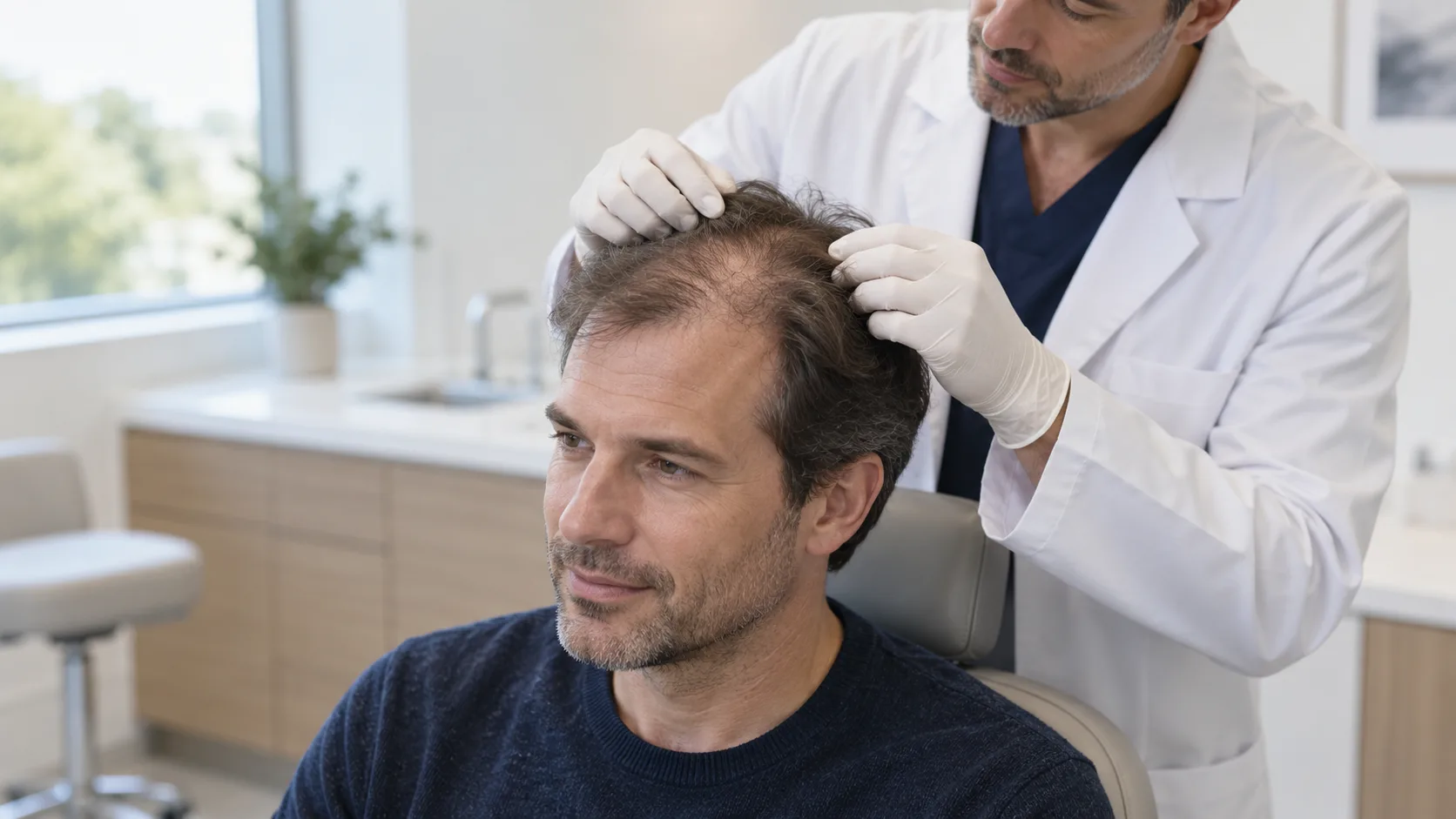
Scalp condition affects results. Healthy scalp skin accepts grafts better. Inflamed or scarred scalp rejects grafts. The surgeon examines the scalp carefully. They might order blood tests. They might consult dermatologists. Good patient selection prevents complications. It sets realistic expectations. It leads to better long-term satisfaction (Khoury, 2010).
What Aftercare Do Patients Need?
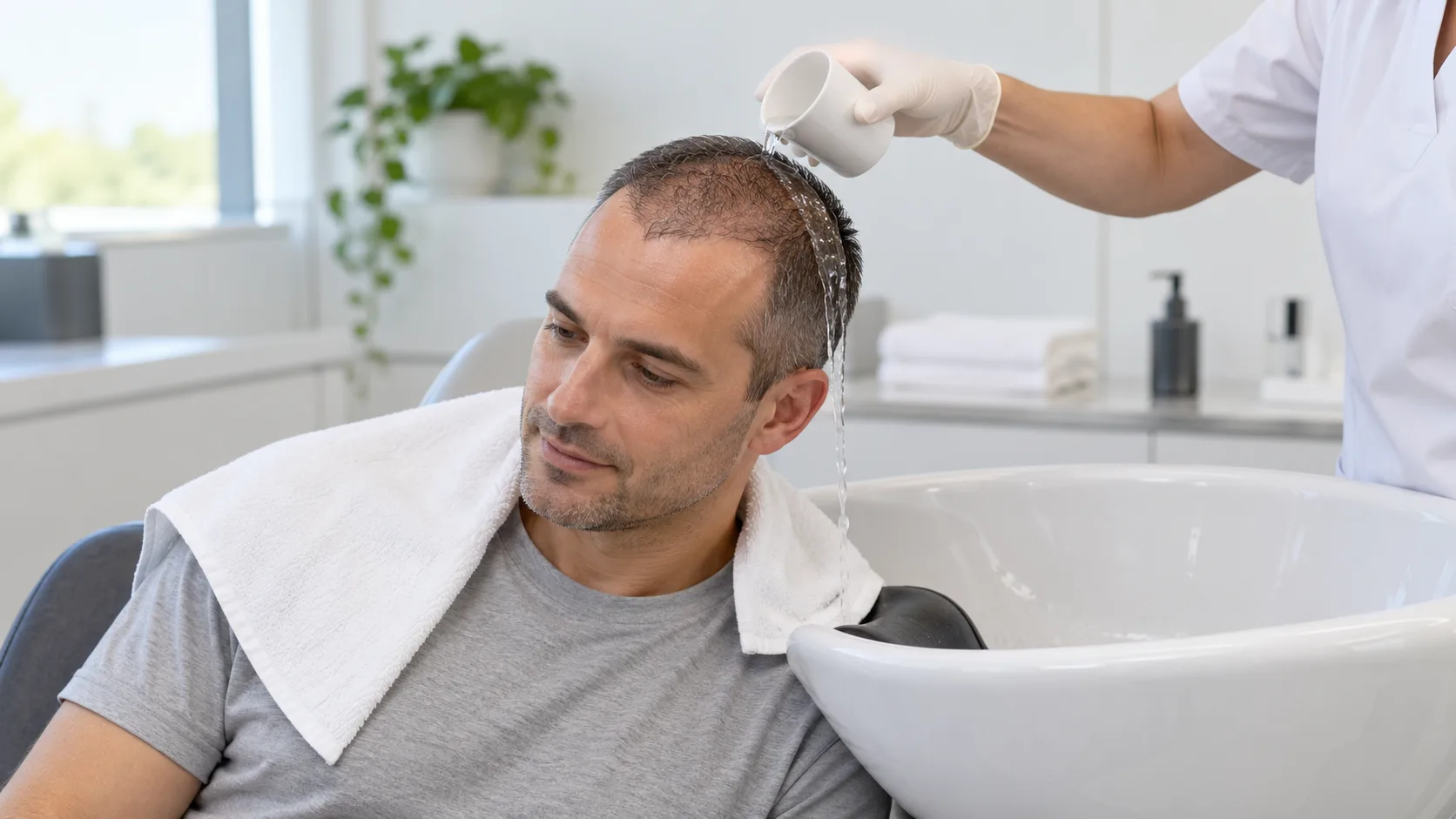
Washing protocol starts the recovery. Patients must clean the scalp gently. They cannot rub or scratch. They use special shampoos. They follow the surgeon's schedule. Sleeping position matters. Patients should sleep with their head elevated. This reduces swelling. They should avoid sleeping on the grafts. Sun protection is essential. The sun damages healing grafts. Patients wear hats or stay indoors. Exercise restrictions apply. Heavy lifting increases blood pressure. This can dislodge grafts. Patients avoid the gym for two weeks.
Follow-up schedules ensure proper monitoring. The surgeon checks graft survival. They address any issues early. They guide the patient through the shedding phase. They reassure the patient when shock loss occurs. Good aftercare maximizes graft survival. It protects the investment. Patients who follow instructions get better results than those who ignore them (Unger and Shapiro, 2011).
What Is the Recovery Timeline After an Afro Hair Transplant?
Recovery follows a predictable pattern. Patients should know what to expect at each stage.
|
Time |
Expected Changes |
|
Week 1 |
Healing and scab formation |
|
Weeks 2–4 |
Temporary shedding (shock loss) |
|
Months 3–4 |
Early regrowth |
|
Months 6–9 |
Noticeable improvement |
|
Months 12–18 |
Final density and maturation |
During week one, the scalp heals. Small scabs form around each graft. These scabs protect the wound. Patients must not pick them. The scabs fall off naturally. During weeks two through four, shock loss occurs. The transplanted hairs fall out. This alarms many patients. But it is normal. The follicle remains alive. It prepares to grow new hair.
Months three and four bring early regrowth. Fine hairs appear. They look thin at first. They lack the full curl pattern. Months six through nine show noticeable improvement. The hair thickens. The curl pattern returns. The patient sees real coverage. Months twelve through eighteen reveal the final density. The hair matures fully. The curls reach their natural thickness. The patient sees the complete result. Afro hair sometimes takes longer to mature than straight hair. The curl pattern needs extra time to develop fully. Patience pays off (Bernstein and Rassman, 2002).
What Are the Possible Risks and Complications?
Every surgery carries risks. Afro hair transplantation has specific complications that patients should understand.
Follicle transection tops the list. Curved follicles increase this risk. Infection remains possible despite sterile techniques. The scalp contains bacteria. Surgery creates entry points. Edema causes swelling. The forehead and eyes might puff up. This resolves within days. Folliculitis causes pimple-like bumps. Inflammation around new grafts triggers this condition. It responds to antibiotics.
Shock loss affects existing hair. The surgery traumatizes nearby follicles. They shed temporarily. They usually grow back. Poor growth happens when grafts fail. The patient sees thin coverage. Hypertrophic scarring creates raised scars. Keloid risk runs higher in Afro hair patients. The body overproduces collagen. Uneven density creates patchy results. Some areas look fuller than others.
Specialized surgical techniques minimize these risks. The surgeon uses proper punch angles. They maintain sterile conditions. They prescribe antibiotics. They plan graft distribution carefully. They avoid tension on the scalp. They monitor the patient closely. These precautions reduce complication rates significantly (Williams and True, 2002).
How Do Patients Choose the Right Hair Transplant Surgeon for Afro Hair?
Choosing the right surgeon requires careful research. Patients should use this checklist:
- Extensive Afro hair experience: The surgeon should show hundreds of Afro hair cases.
- Before-and-after portfolio: Real photos prove capability.
- Low transection rates: The surgeon should report rates below 10 percent.
- Personalized treatment planning: The surgeon should customize the approach.
- Modern extraction technology: The clinic should use updated tools.
- Transparent consultation: The surgeon should explain risks honestly.
- Long-term follow-up: The clinic should monitor progress for months.
Patients should ask direct questions. They should request Afro hair-specific results. They should avoid clinics that treat all hair types the same. They should feel comfortable with the surgeon. Trust matters. The right surgeon combines technical skill with cultural understanding. They respect the unique beauty of Afro hair. They aim to restore it naturally (Zontos, 2010).
What Are the Most Frequently Asked Questions About Afro Hair Transplants?
Why is Afro hair more difficult to transplant? The curved follicle anatomy makes extraction challenging. Surgeons cannot see the curve from the surface. They must rely on skill and experience.
Is Afro hair transplantation more expensive? It often costs more because the surgery takes longer. The surgeon works slower to avoid transection. The extra time increases the price.
Can all surgeons perform Afro hair transplants? No. General hair transplant training does not cover curved follicles. Patients need surgeons with specific Afro hair experience.
Is FUE suitable for Afro-textured hair? Yes. Modified FUE works well. The surgeon must adjust punch angles and depths.
Does DHI work well for Afro hair? Yes. DHI allows precise angle control. But the surgeon must load curved grafts carefully.
How many grafts are usually needed? Afro hair patients often need fewer grafts than straight hair patients. The curl creates visual density. The exact number depends on the balding area.
Does curly hair provide better visual density? Yes. The three-dimensional curl structure covers more scalp area. One curly graft covers more ground than one straight graft.
What is follicle transection? Transection means cutting the follicle during extraction. A damaged follicle cannot grow hair. It dies.
Can women undergo Afro hair transplantation? Yes. Women make excellent candidates. They must address traction alopecia causes first.
Can traction alopecia be treated with hair transplantation? Yes. But the patient must stop tight hairstyles. Otherwise, the new grafts suffer the same damage.
When are final results visible? Final results appear between twelve and eighteen months. Afro hair sometimes needs the full eighteen months.
Does Afro hair transplantation have a higher success rate with experienced surgeons? Yes. Experience dramatically improves success rates. Experienced surgeons achieve lower transection rates and better graft survival.
What Is the Final Conclusion About Afro Hair Transplantation?
Afro-textured hair requires a fundamentally different surgical strategy. The curved follicle anatomy drives this difference. The external curl pattern alone does not explain the challenge. The hidden C-shaped and hook-shaped follicles beneath the skin create the real complexity.
Successful outcomes depend on individualized planning. The surgeon must examine each patient carefully. They must select the right technique. They must harvest grafts with meticulous care. They must create recipient sites at the correct angles. They must execute the surgery with experience and patience.
Appropriate implantation angles ensure natural growth direction. The curl must flow correctly. The hairline must match ethnic proportions. The density must look natural. Experienced surgical execution ties everything together.
With specialized techniques and careful patient selection, Afro hair transplantation achieves excellent results. Patients gain natural density. They enjoy long-term graft survival. They receive aesthetically balanced outcomes that respect their natural hair texture. The key lies in choosing a surgeon who understands the science behind Afro hair. The key lies in respecting the unique anatomy. When surgeons do this, Afro hair patients thrive.
References
Bernstein, Robert M. "Follicular Unit Extraction: An Update." Dermatologic Surgery, vol. 30, no. 5, 2004, pp. 635-39.
Bernstein, Robert M., and William R. Rassman. "Follicular Unit Extraction: Minimally Invasive Surgery for Hair Transplantation." Dermatologic Surgery, vol. 28, no. 8, 2002, pp. 720-28.
Cole, John P. "The Use of Body Hair in Hair Transplantation." Hair Transplant Forum International, vol. 15, no. 4, 2005, pp. 125-29.
Jimenez, Francisco. "The Use of the Follicular Unit Extraction Method in Hair Restoration Surgery." Facial Plastic Surgery Clinics of North America, vol. 21, no. 3, 2013, pp. 443-49.
Khoury, Raymond. "Ethnic Considerations in Hair Transplantation." Facial Plastic Surgery, vol. 26, no. 2, 2010, pp. 131-37.
Orentreich, Norman. "Autografts in Alopecias and Other Selected Dermatological Conditions." Annals of the New York Academy of Sciences, vol. 83, no. 3, 1959, pp. 463-79.
Pathomvanich, Damkerng. "Hair Transplantation in Asians and Other Ethnic Groups." Facial Plastic Surgery Clinics of North America, vol. 21, no. 3, 2013, pp. 459-67.
Price, Vera H. "Central Centrifugal Cicatricial Alopecia." Archives of Dermatology, vol. 136, no. 2, 2000, pp. 236-38.
Rogers, Nicole E. "Hair Transplantation in African American Patients." Facial Plastic Surgery Clinics of North America, vol. 21, no. 3, 2013, pp. 451-57.
Samrao, Aman, et al. "Traction Alopecia: The Root of the Problem." British Journal of Dermatology, vol. 164, no. 6, 2011, pp. 1239-41.
True, Robert H. "The Art of Hair Transplantation in African Americans." Dermatologic Surgery, vol. 28, no. 8, 2002, pp. 729-33.
Unger, Walter P., and Ronald Shapiro. Hair Transplantation. 5th ed., Marcel Dekker, 2011.
Williams, Katrina, and Robert H. True. "Hair Transplantation in Patients of African Descent." Journal of the National Medical Association, vol. 94, no. 7, 2002, pp. 523-27.
Zontos, George. "Hair Transplantation in African American Patients." Facial Plastic Surgery, vol. 26, no. 2, 2010, pp. 138-43.