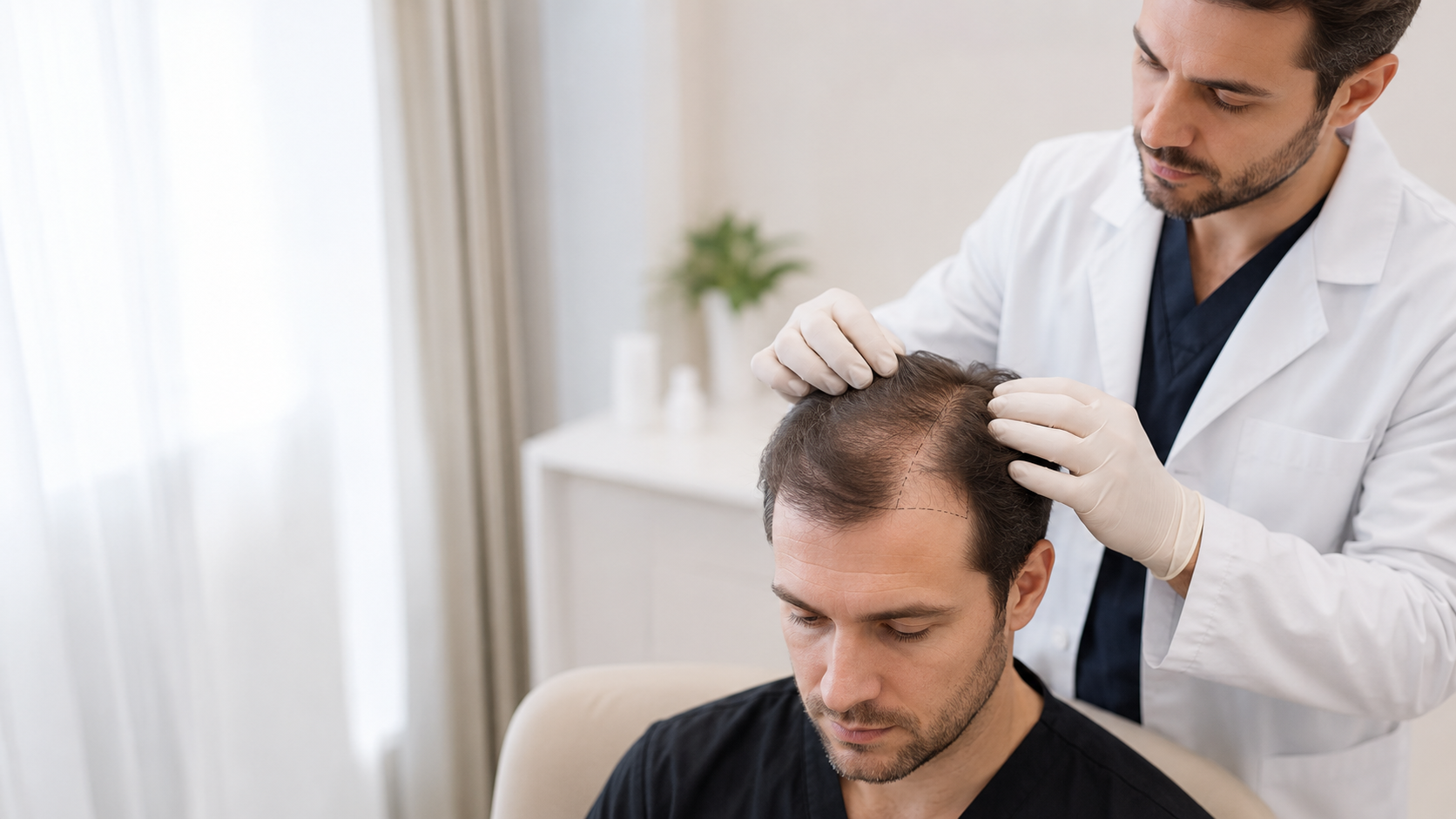
Hair transplantationHair transplantation is a surgical procedure that involves the extraction of hair follicles from a designated donor site, followed by... has become one of the most sought-after cosmetic procedures worldwide, with millions of men and women choosing modern restoration techniques to address androgenetic alopecia and thinning hair. As global demand continues to rise, understanding the full spectrum of hair transplant side effects is essential for anyone considering surgery. Today’s leading clinics primarily utilize DHI (Direct Hair Implantation)An Advanced Hair Restoration Technique Direct Hair Implantation (DHI) is a refined method of hair transplantation that enhances precision and... and Sapphire FUE, both of which offer refined approaches to follicular extraction and implantation. While these methods are considered minimally invasive, patients must distinguish between normal temporary side effects and true complications that require medical intervention. Surgeon expertise, sterile operating conditions, careful patient selection, and diligent aftercare collectively determine the safety and success of every procedure.
Are Hair Transplants Safe?
General Safety Profile of Hair Restoration Surgery
Hair transplantation is classified as a minimally invasive outpatient surgical procedure with a well-established safety record when performed by qualified professionals. Modern DHI and Sapphire FUE technologies have significantly reduced tissue trauma compared with older approaches, resulting in lower complication rates and faster recovery timelines. Because the procedure is performed under local anesthesiaEnsuring Comfort During Hair Transplants Sedation is used in hair transplantation to help patients remain calm and comfortable throughout the... and does not require general sedation, systemic risks remain minimal. Most patients return home the same day and resume light activities within 48 to 72 hours. Recent systematic reviews confirm that serious complications are rare in experienced hands, with overall adverse event rates estimated at approximately 1–5%.
Factors That Influence Side Effects
Individual outcomes vary based on several key variables. Surgeon experience directly impacts graft survival and wound healing. The total number of grafts transplanted affects procedural duration and scalp trauma. Pre-existing scalp conditions, smoking habits, and chronic diseases such as diabetes can compromise circulation and delay recovery. Strict compliance with post-operative washing protocols, sleeping positions, and medication schedules further reduces the likelihood of complications. Perhaps most importantly, conservative donor management prevents overharvesting and preserves long-term donor areaThe Source of Restoration The donor area plays a critical role in hair transplantation, as it serves as the source... aesthetics.
Common Temporary Hair Transplant Side Effects
Swelling After Hair Transplant
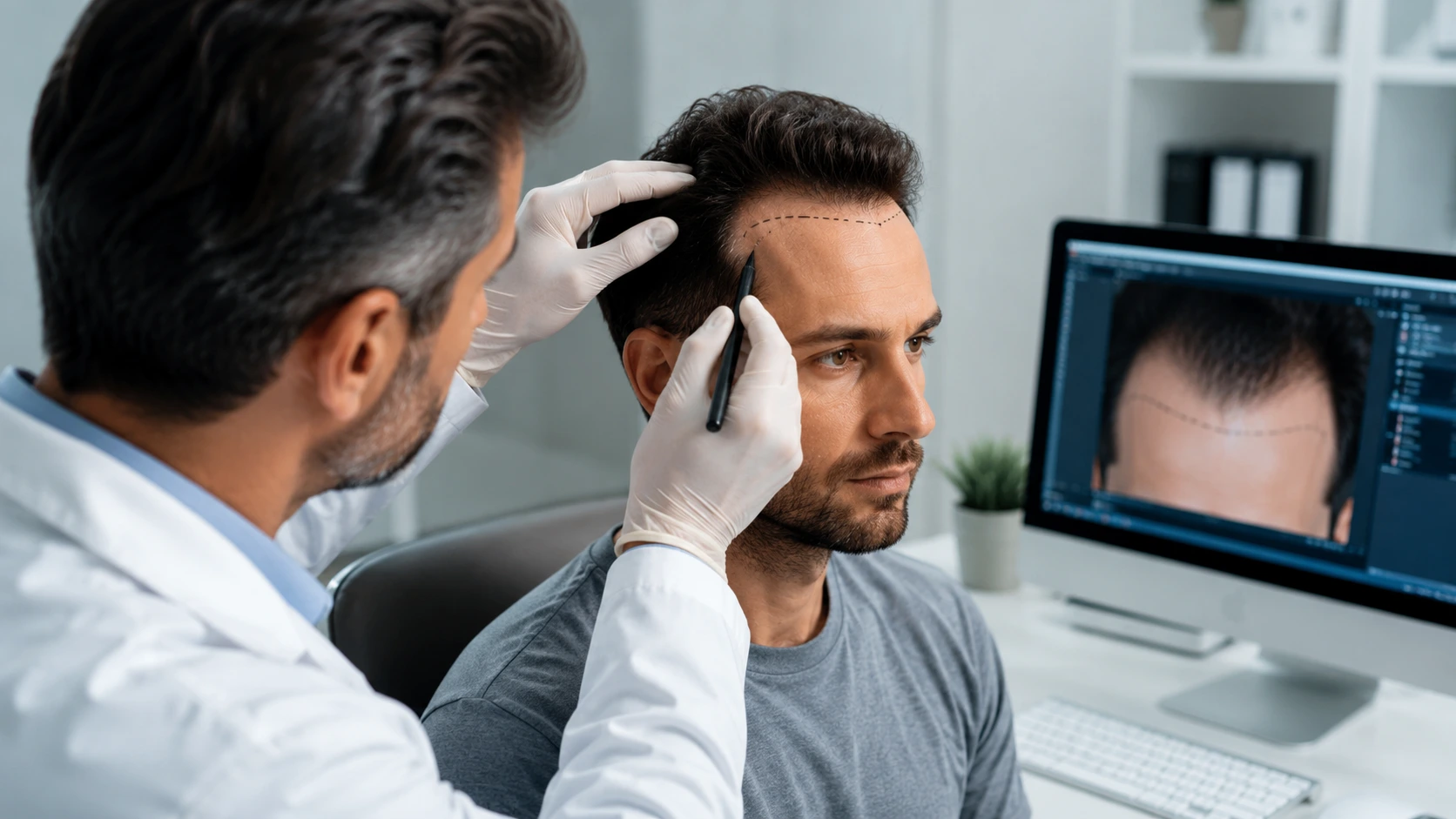
Forehead and eyelid edema frequently appear within the first 48 hours after surgery. This swelling results from the body’s inflammatory response to local anesthesia and micro-incisions. The condition typically peaks around days two through four and resolves spontaneously by day five. Patients can minimize swelling by sleeping with their head elevated at 45 degrees, maintaining adequate hydration, and taking prescribed anti-inflammatory medications as directed.
Redness and Inflammation
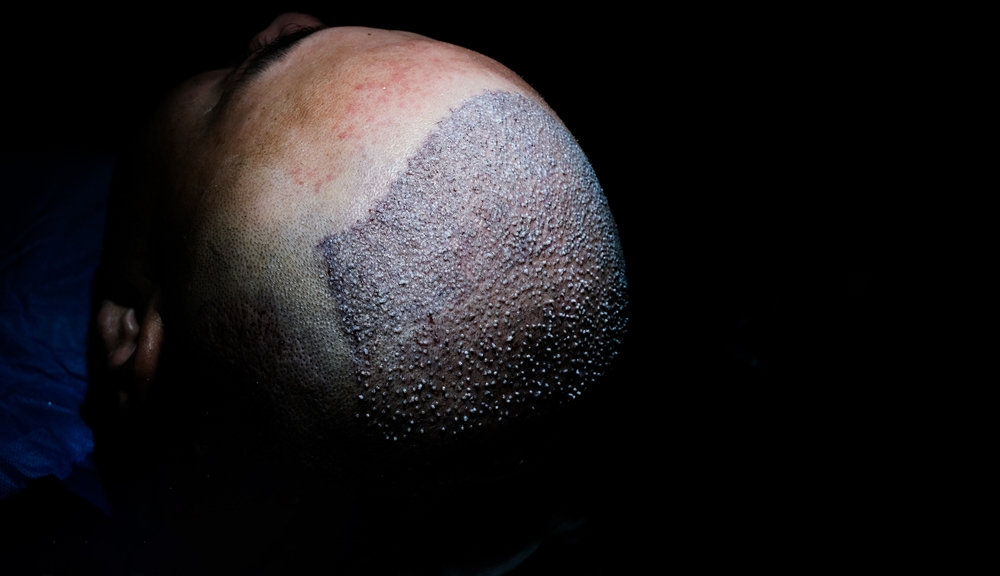
Erythema in the recipient area represents a normal healing response following graft implantation. The duration varies by skin type, with fair complexions often displaying redness longer than darker skin tones. Mild pinkness generally fades within two to three weeks. However, if redness intensifies, spreads, or accompanies warmth and pain, it may signal infection and warrants immediate clinical evaluation.
Scabbing and Crusting
Protective crusts form around each implanted graft within 24 to 48 hours post-surgery. These scabs typically begin shedding naturally between days seven and fourteen during gentle washing. Proper cleansing technique is critical; patients must avoid picking or scratching crusts, as premature removal can dislodge grafts and compromise final density.
Itching After Hair Transplant
Itchiness commonly emerges during the first and second weeks as the scalp heals and nerve endings regenerate. Dryness from reduced sebum production and early follicular activity contributes to the sensation. Patients should resist scratching and instead use saline sprays or physician-approved moisturizers to relieve discomfort safely.
Mild Pain and Tightness
Donor area discomfort and a mild tension sensation across the scalp are expected during the initial 72 hours. Pain is generally manageable with over-the-counter analgesics. Sapphire FUE patients often report slightly less post-operative tightness due to smaller, more precise incisions, while DHI recipients may experience minimal discomfort because implantation occurs without pre-made channels.
Temporary Numbness or Tingling
Minor nerve irritation during extraction and implantation can cause transient numbness or tingling in the donor or recipient zones. Sensory recovery typically occurs within three to twelve weeks. Prolonged numbness beyond three months is uncommon but should be discussed with the surgical team.
Shock Loss After Hair Transplant
What Is Shock Loss?
Shock loss refers to the temporary shedding of both transplanted and native hairs following surgical trauma. Patients may notice increased hair fall between weeks two and eight, which can cause understandable concern despite being a recognized physiological phenomenon.
Why Shock Loss Happens
The physical stress of surgery pushes nearby follicles into the telogen resting phase of the hair cycle. Local inflammation, circulatory adjustments, and systemic stress responses contribute to this synchronized shedding event.
Is Shock Loss Permanent?
In the vast majority of cases, shock loss is temporary. Regrowth typically begins around the third month and matures through the eighth to twelfth months. Permanent shock loss is rare and usually associated with pre-existing miniaturization, underlying medical conditions, or technical errors during graft handling.
Less Common Hair Transplant Complications
Infection Risk
Post-operative infection occurs in fewer than one percent of cases when sterile technique is maintained. Warning signs include purulent discharge, fever, severe spreading redness, and foul odor. Prophylactic antibiotics and proper wound hygiene effectively prevent most infections.
Bleeding and HematomaHematoma: A localized collection of blood outside the blood vessels, often causing swelling and discoloration, which can occur as a...
Minor spotting is normal during the first 24 hours. Excessive bleeding or hematoma formation is uncommon but more likely in patients using anticoagulants or those with bleeding disorders. Full disclosure of medication history during consultation is essential.
Folliculitis and Pimples
As new hairs penetrate the epidermis, some patients develop acne-like bumps or mild folliculitis. These ingrown hair responses typically resolve with warm compresses, gentle cleansing, and topical treatments if necessary.
Cysts Formation
Small keratin cysts may develop when epidermal debris becomes trapped beneath the surface. Most resolve spontaneously. Larger cysts occasionally require sterile medical drainage, though this is uncommon with modern techniques.
Delayed Healing
Patients with poor peripheral circulation, active smokers, or uncontrolled diabetes may experience prolonged wound healing. Overharvesting also compromises donor area recovery and should be avoided through conservative graft planning.
Scarring After Hair Transplant
Dot Scarring in Sapphire FUE and DHI
Both Sapphire FUE and DHI produce tiny circular or point scars in the donor area. These marks are typically imperceptible under normal hair lengths of even a few millimeters. Individual healing characteristics, skin type, and post-operative care influence final scar appearance.
Hypertrophic and Keloid Scars
Genetically predisposed individuals may develop raised hypertrophic or keloid scars. Pre-operative screening for personal or family history of abnormal scarring allows surgeons to adjust technique and recommend preventive treatments when appropriate.
Donor Area Overharvesting
Aggressive extraction beyond safe donor limits creates patchy, thinned appearances. Preserving adequate density in the donor zone ensures that future procedures remain possible and that the area maintains natural aesthetics.
Long-Term Hair Transplant Side Effects
Unnatural Hairline Design
Incorrect graft angulation, improper density distribution, or outdated design principles can yield an artificial or pluggy appearance. Meticulous pre-operative planning and artistic implantation prevent these permanent aesthetic concerns.
Progressive Native Hair Loss
Androgenetic alopecia continues in non-transplanted hair after surgery. Patients may require future sessions or maintenance medical therapy with minoxidil or finasteride to preserve overall coverage.
Chronic Scalp Sensitivity
Rarely, patients report persistent discomfort or heightened sensitivity lasting beyond six months. These symptoms usually relate to subtle nerve changes and typically improve gradually over time.
Dissatisfaction With Cosmetic Results
Psychological impact and unrealistic expectations represent significant non-physical side effects. Comprehensive consultations with visual simulations help align patient expectations with achievable outcomes.
Side Effects by Hair Transplant Technique
Sapphire FUE Side Effects
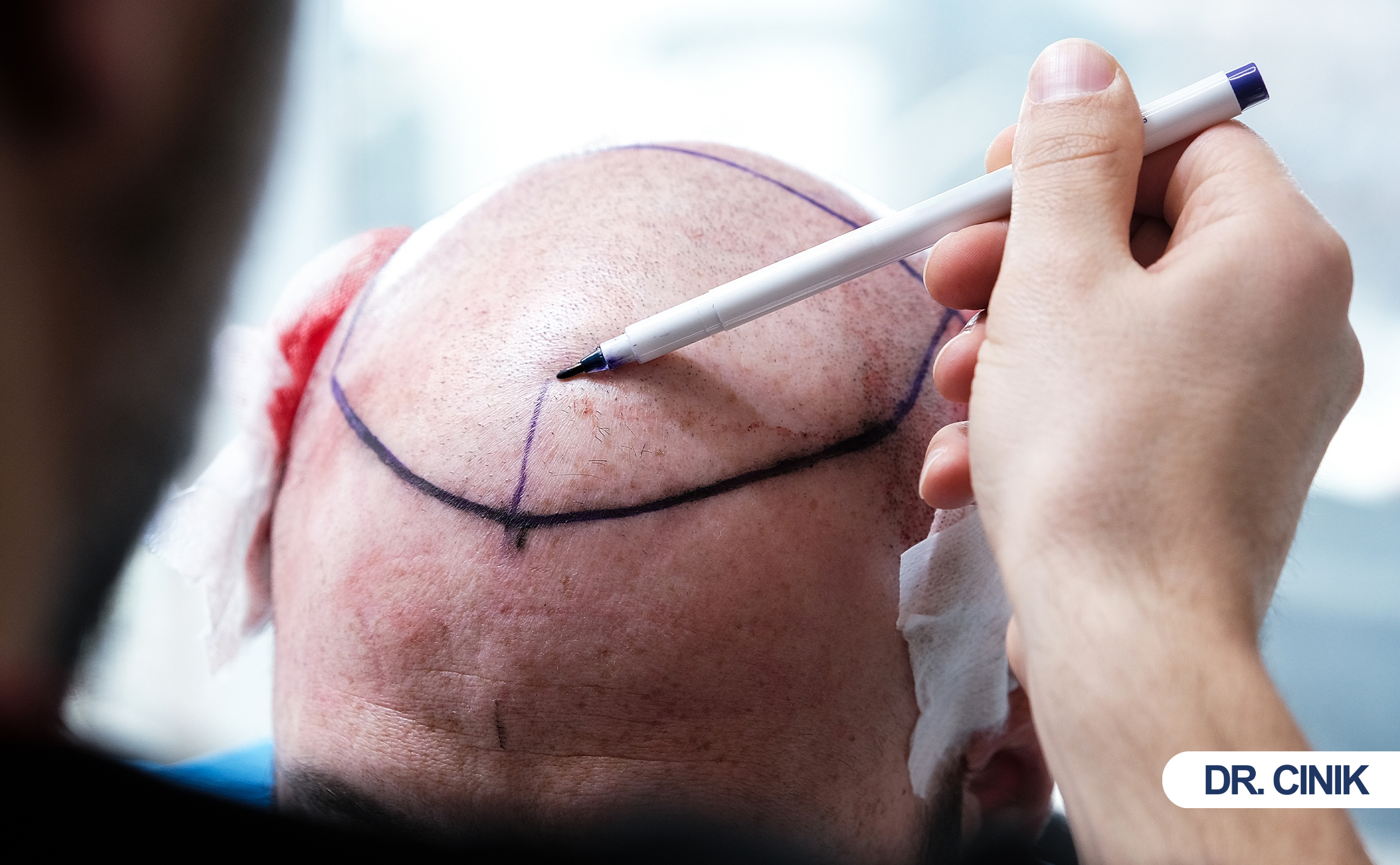
Sapphire FUE utilizes blades crafted from synthetic sapphire to create smaller, sharper incisions. Benefits include faster initial healing, reduced tissue trauma, and lower scarring risk. Swelling risk remains moderate and comparable to other FUE variants.
DHI Hair Transplant Side Effects
DHI employs a specialized Choi implanter pen that inserts grafts directly without recipient site pre-incision. This reduces graft handling time, improves density control, and minimizes out-of-body follicle exposure. Procedure duration may extend for large cases, but post-operative swelling is often milder.
Comparison of Modern Hair Transplant Methods
|
Technique |
Healing Speed |
Scarring Risk |
Swelling Risk |
Density Control |
|
Sapphire FUE |
Fast |
Low |
Moderate |
High |
|
DHI |
Fast-Moderate |
Low |
Mild-Moderate |
Very High |
How to Reduce Hair Transplant Side Effects
Choosing an Experienced Hair Transplant Surgeon
Verify medical credentials, board certification, and clinic accreditation. Avoid unlicensed facilities offering unusually low prices, as these frequently compromise sterile standards and surgical expertise.
Following Proper Aftercare Instructions
Adhere strictly to washing protocols beginning 48 to 72 hours post-surgery. Sleep with head elevation for one week. Abstain from smoking and alcohol for at least ten days. Protect the scalp from direct sun exposure during the first month.
Medications and Recovery Support
Complete prescribed antibiotic and anti-inflammatory courses. PRP therapy may accelerate healing and graft survival. Discuss minoxidil or finasteride timelines with your surgeon to support native hair retention.
Warning Signs That Require Medical Attention
Symptoms Patients Should Never Ignore
Seek immediate medical contact for persistent bleeding, fever exceeding 38 degrees Celsius, severe or worsening swelling, purulent discharge, skin necrosis signs, or sudden widespread graft loss.
When to Contact Your Surgeon
Distinguish expected healing symptoms from emergencies. Normal recovery includes mild redness, brief swelling, and temporary numbness. Any symptom that escalates rather than improves after day three deserves professional assessment.
Frequently Asked Questions About Hair Transplant Side Effects
How Long Do Hair Transplant Side Effects Last?
Most temporary side effects resolve within two to four weeks. Shock loss and sensory changes may persist for two to three months before full recovery.
Can Hair Transplant Cause Permanent Damage?
When performed correctly by experienced surgeons, permanent damage is exceedingly rare. Poor technique or untreated complications can, however, lead to lasting scarring or unnatural results.
Is Shock Loss Normal?
Yes, temporary shedding after transplantation is a well-documented and generally self-limiting phenomenon.
Does DHI Cause Less Scarring Than Traditional Methods?
DHI and Sapphire FUE both produce minimal scarring compared with older techniques. DHI offers the added advantage of no pre-made recipient incisions.
Can Hair Transplant Side Effects Be Prevented?
Not all side effects can be entirely prevented, but their severity and duration can be significantly minimized through surgeon selection, sterile technique, and rigorous aftercare.
Is Hair Transplant Painful?
The procedure itself is painless due to local anesthesia. Post-operative discomfort is typically mild and controllable with standard analgesics.
Are Hair Transplants Safe for Women?
Yes, women undergo hair transplantation safely. Female pattern hair loss requires careful diagnostic evaluation to ensure appropriate candidacy and realistic outcome planning.
Conclusion
Balancing Benefits and Risks of Hair Transplant Surgery
Hair transplantation remains one of the safest and most effective solutions for pattern baldness when patients approach the decision with informed expectations. The majority of side effects are temporary, self-limiting, and manageable through modern DHI and Sapphire FUE techniques. Selecting a reputable clinic with demonstrated surgical expertise dramatically reduces complication risk. Ultimately, long-term satisfaction depends on the combination of technical precision, individualized treatment planning, and committed post-operative care.
References
Mysore V, et al. Complications in follicular unit excision hair transplantation. PMC. 2025. https://pmc.ncbi.nlm.nih.gov/articles/PMC12909172/
Nadimi S. Complications with hair transplantation. Facial Plastic Surgery Clinics of North America. 2020;28(2):225-235. https://pubmed.ncbi.nlm.nih.gov/32183750/
Avram MR, Rogers N, Watkins S. Side-effects from follicular unit extraction in hair transplantation. Journal of Cutaneous and Aesthetic Surgery. 2014;7(3):177-179. https://pmc.ncbi.nlm.nih.gov/articles/PMC6371733/
Okochi H, et al. An analysis of risk factors of recipient site temporary effluvium after follicular unit excision. Aesthetic Plastic Surgery. 2024;48:1258-1263. https://pubmed.ncbi.nlm.nih.gov/40913181/
Zhou Y, et al. Characterization and risk factors of folliculitis after hair transplantation: a multicenter retrospective study. Plastic and Reconstructive Surgery. 2024;154(6):1115e-1122e. https://pubmed.ncbi.nlm.nih.gov/39121234/
Ceran F. Recipient site necrosis after follicular unit excision technique for hair transplantation: evaluation of 18 patients. Aesthetic Plastic Surgery. 2024;48:3735-3740. https://pubmed.ncbi.nlm.nih.gov/38420456/
Alhamzawi NK. Keloid scars arising after follicular unit extraction hair transplantation. Journal of Cutaneous and Aesthetic Surgery. 2020;13(3):237-239. https://pmc.ncbi.nlm.nih.gov/articles/PMC6371733/
Jimenez F, Vogel JE, Avram M. CME article part II. Hair transplantation: surgical technique. Journal of the American Academy of Dermatology. 2021;85(4):818-829. https://pubmed.ncbi.nlm.nih.gov/33838237/
Tan IJ, Jafferany M. Psychological dimensions of hair transplantation: a narrative review of current evidence. Journal of Cosmetic Dermatology. 2025;24:e70475. https://pubmed.ncbi.nlm.nih.gov/39607645/
Garg AK, Garg S. Complications of hair transplant procedures – causes and management. Indian Journal of Plastic Surgery. 2021;54(4):477-482. https://pubmed.ncbi.nlm.nih.gov/40913181/