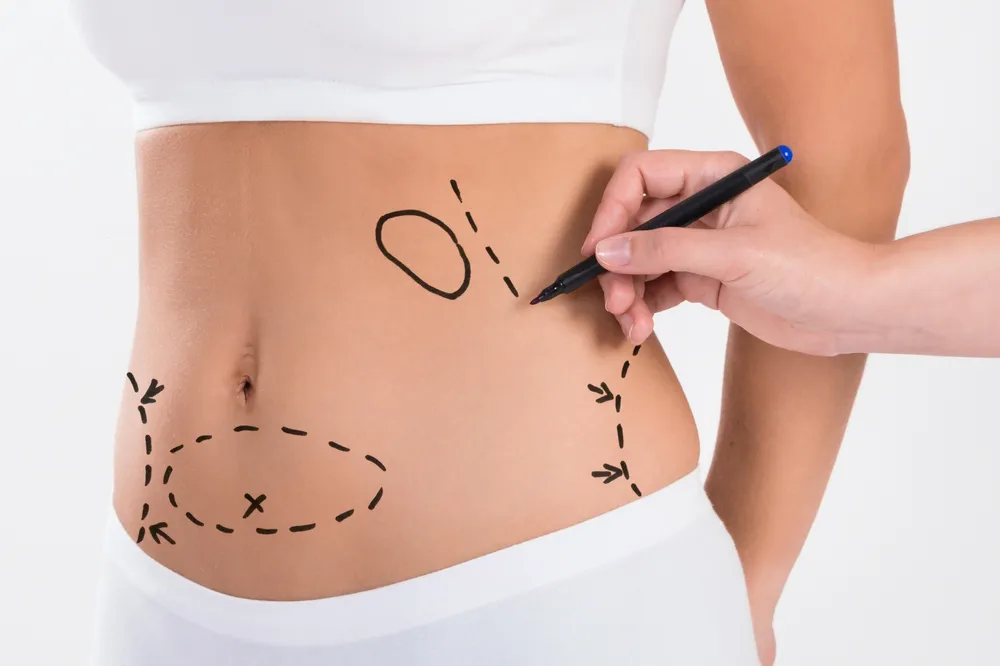
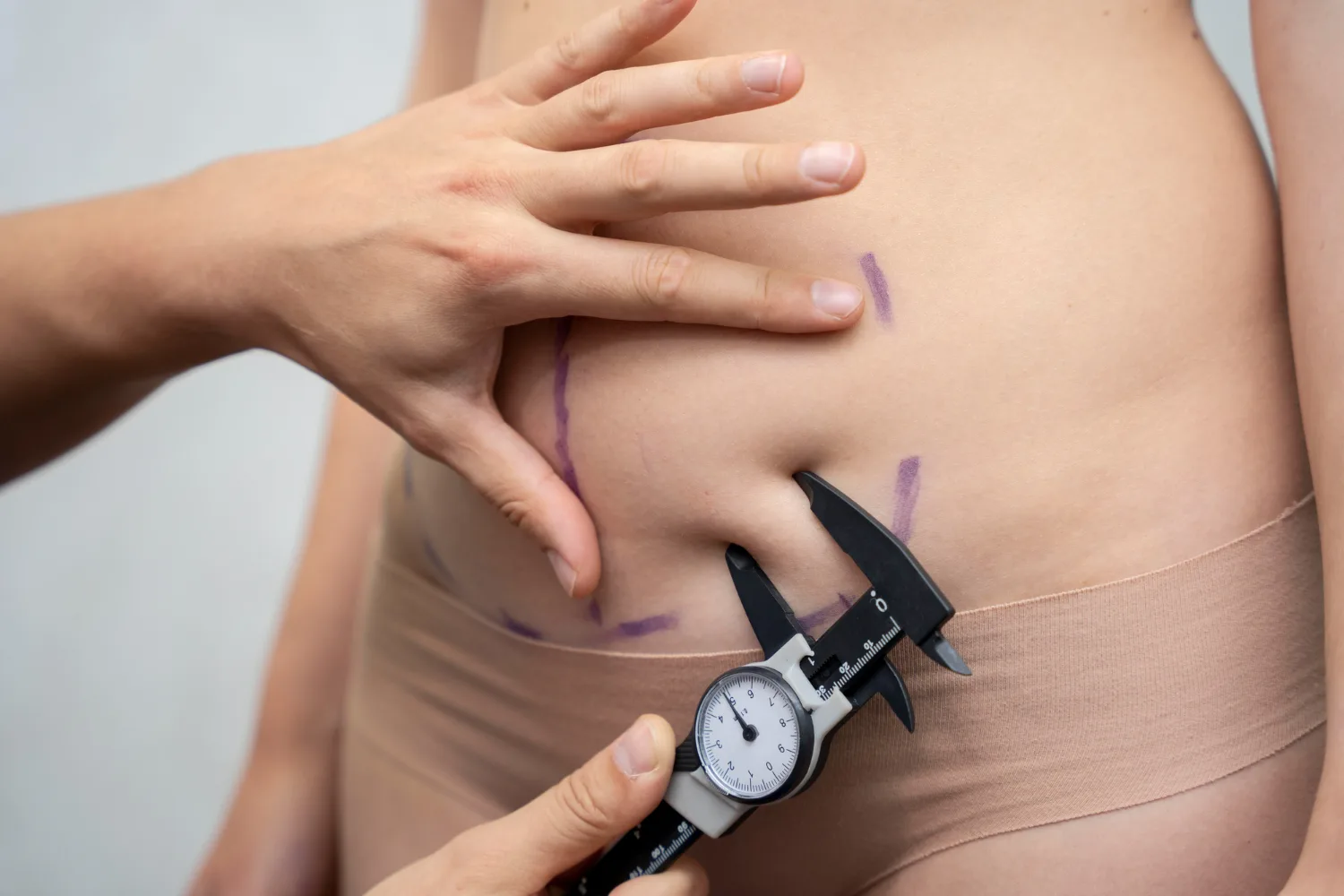
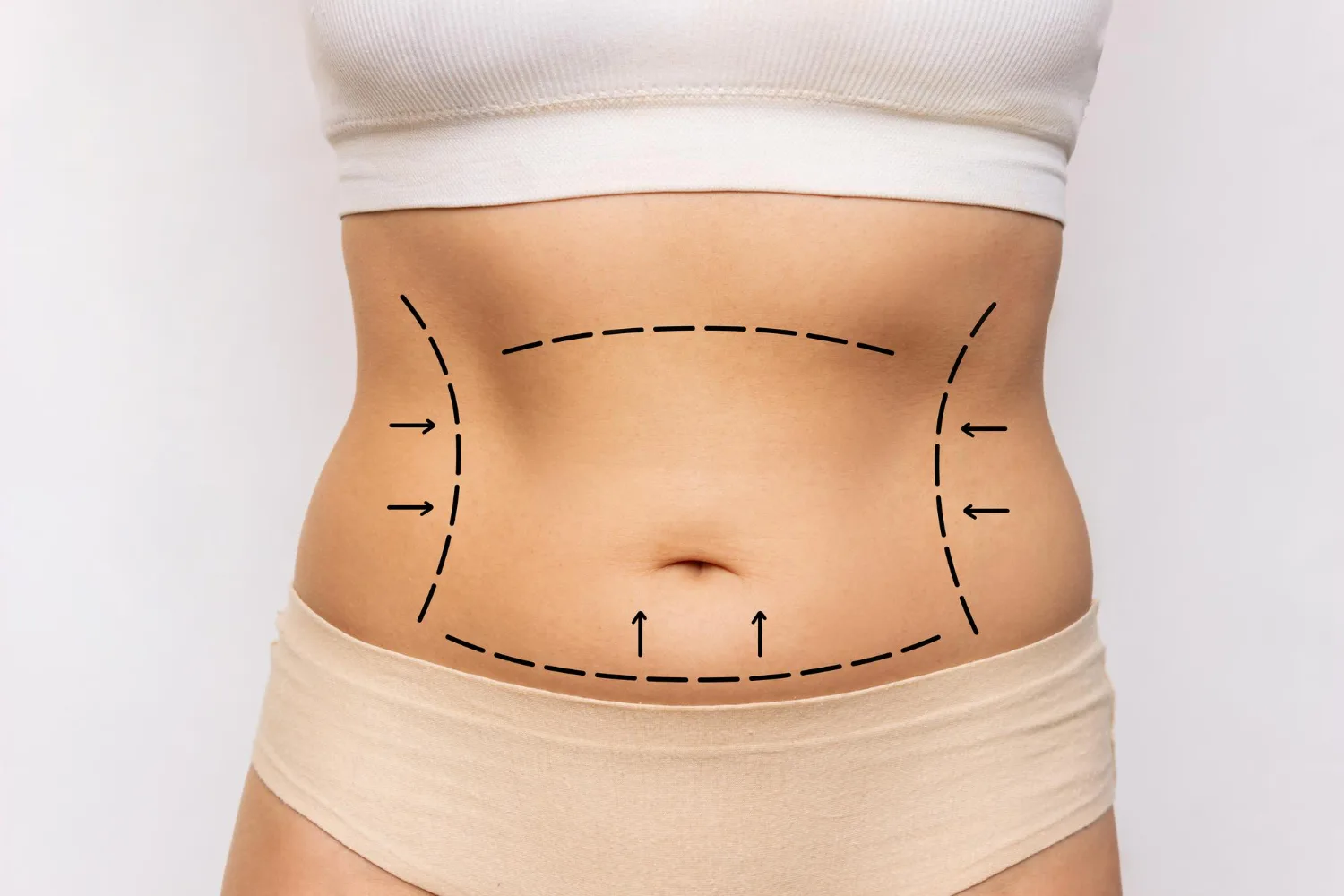
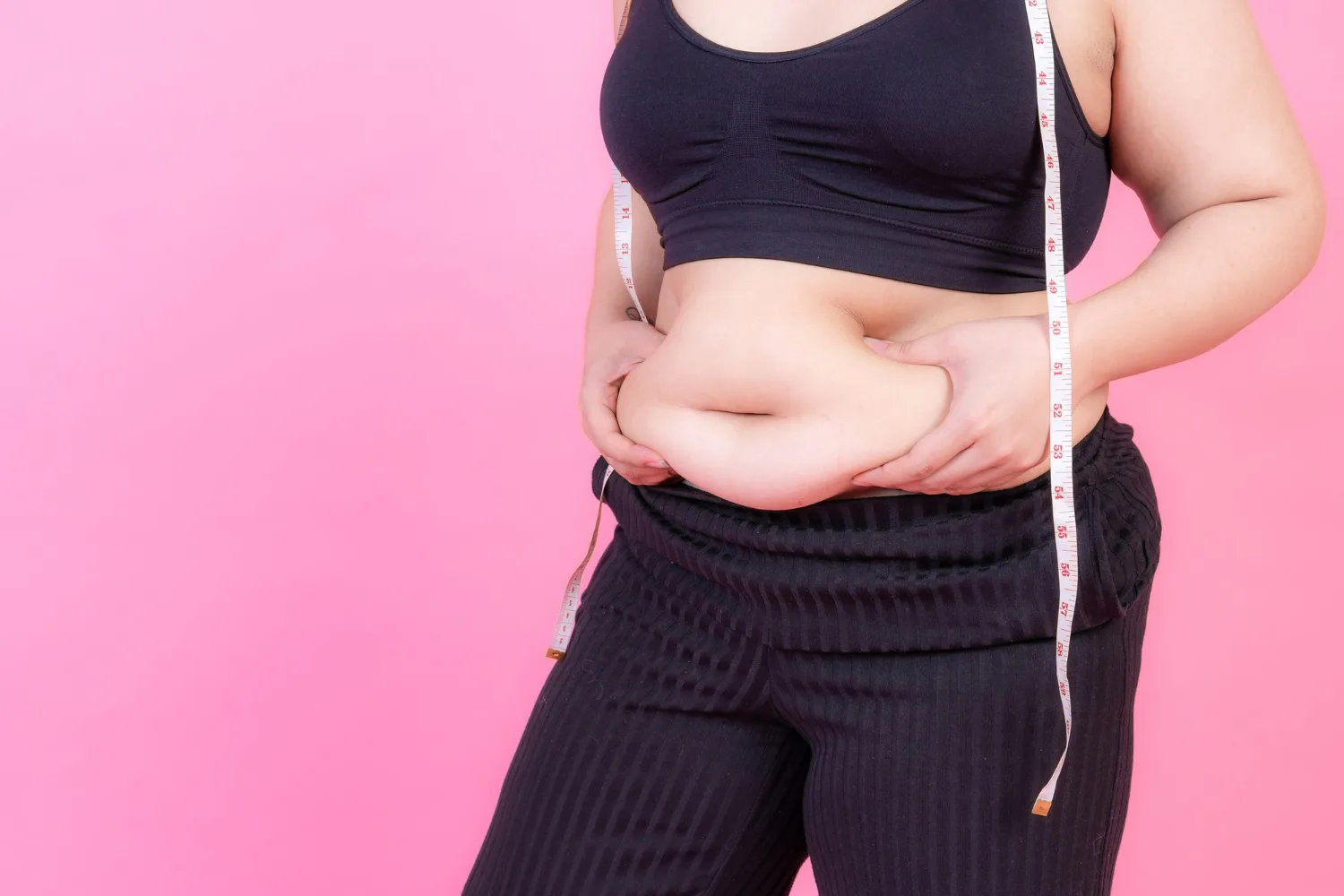
No, liposuction is not a weight loss procedure. It is a body contouring surgery that removes localized fat deposits to improve shape and proportion. Patients typically lose only a few pounds, but their body measurements and contours improve significantly.
Many people believe liposuction works like a weight loss surgery. They think surgeons remove large amounts of fat, and the scale drops dramatically. This belief is common, but it is wrong. Liposuction does not treat obesity. It does not replace diet and exercise. It sculpts the body. It removes stubborn fat that resists diet and exercise. Understanding this difference helps patients make smart choices. This article explains the science behind liposuction. It clears up myths. It shows who benefits most. It also explains how to maintain results long-term.
What Is Liposuction?
Liposuction is a surgical procedure that removes fat cells from specific body areas using suction. It improves body contour and proportion rather than reducing overall body weight.
Liposuction ranks among the most common cosmetic surgeries worldwide. Surgeons perform it to reshape specific areas. They target fat deposits that do not respond to diet and exercise. The procedure removes fat cells permanently. It creates smoother contours. It enhances body proportions. Millions of patients choose liposuction each year. They want a flatter stomach, slimmer thighs, or a more defined jawline.
How Does Liposuction Work?
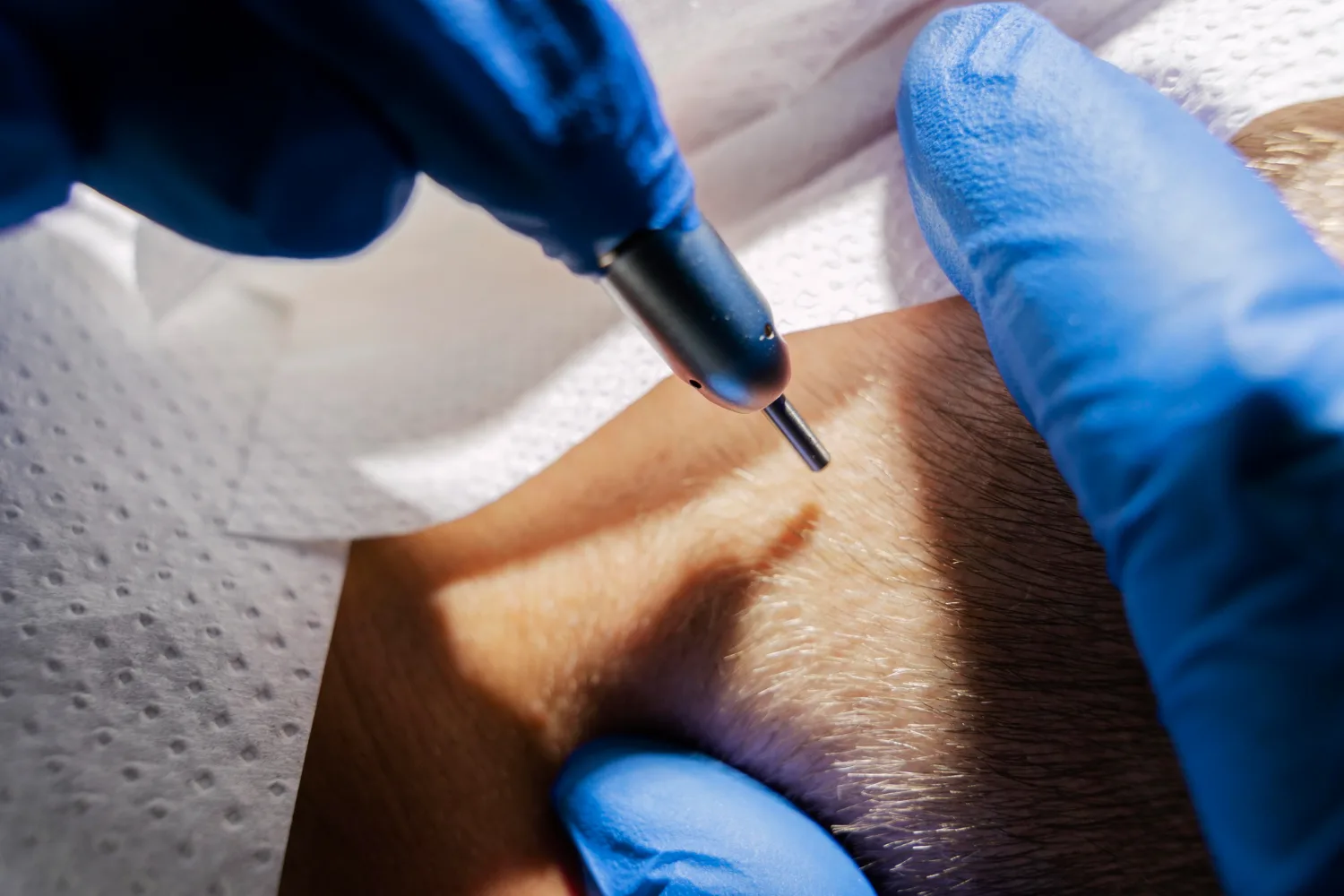
Surgeons insert a thin tube called a cannula through small incisions. They use suction to remove fat cells from targeted areas permanently.
Liposuction works through a simple but precise mechanism. The surgeon makes tiny incisions in the skin. They insert a hollow tube called a cannula. The cannula connects to a vacuum device. The surgeon moves the cannula back and forth. This motion breaks up fat cells. The vacuum sucks the fat out of the body. Modern techniques use tumescent fluid. This fluid contains saline, local anesthetic, and epinephrine. It swells the fat cells. It makes them easier to remove. It also reduces bleeding and pain. Power-assisted devices vibrate the cannula. This vibration speeds up fat removal. Ultrasound and laser energy can also liquefy fat before suction. These methods improve precision. They reduce trauma to nearby tissues.
Fat cells do not grow back after removal. The body stores fat in remaining cells. This means treated areas stay slimmer permanently. However, the body can still gain weight. It stores new fat in untreated areas. This is why lifestyle matters after surgery.
Which Areas Can Be Treated?
Liposuction treats the abdomen, flanks, thighs, arms, chin, neck, back, hips, and male chest. Surgeons customize treatment based on each patient's anatomy.
Liposuction works on many body areas. The abdomen is the most common site. Patients want to flatten a bulging belly. The flanks, or love handles, are also popular. Removing flank fat creates a more defined waist. The thighs respond well to treatment. Inner thigh liposuction reduces chafing. Outer thigh liposuction improves hip contours. The upper arms benefit from fat removal. This creates a toned appearance. The chin and neck area improves dramatically. Submental liposuction removes a double chin. It defines the jawline. The back reduces bra rolls and muffin tops. The hips slim down for better proportions. Men with gynecomastia choose chest liposuction. This removes excess breast tissue. It creates a flatter, more masculine chest.
Is Liposuction a Weight Loss Procedure?
No, liposuction is not a weight loss procedure. It removes small volumes of fat from specific areas. It improves shape, not scale numbers.
This question confuses many patients. They see dramatic before-and-after photos. They assume the patient lost 50 pounds. In reality, the patient lost only 3 to 5 pounds. The visual change comes from better proportions. The waist shrinks. The hips narrow. The stomach flattens. But the total body weight changes very little.
Why Liposuction Is Not Designed for Weight Loss
Liposuction targets localized fat pockets. It does not remove enough fat to change overall body mass significantly. It reshapes the body rather than reducing BMI.
Liposuction removes subcutaneous fat. This fat sits under the skin. Surgeons can access it with a cannula. They cannot remove visceral fat. Visceral fat wraps around organs inside the abdomen. Only diet and exercise reduce visceral fat. Liposuction also cannot remove enough fat to treat obesity. Safety limits restrict fat removal. Removing too much fat causes serious risks. These risks include fluid imbalance, blood loss, and organ damage. Medical guidelines set clear limits. Most surgeons remove no more than 5 liters of fat during one session. This amount equals roughly 10 pounds. But much of that volume is fluid, not pure fat. The actual weight loss is minimal.
Why Patients Often Lose Only a Few Pounds
Surgeons remove limited fat volumes for safety. Fat weighs less than muscle. Body measurements improve more than the scale shows.
Fat tissue is not dense. A liter of fat weighs about 2 pounds. Surgeons remove 2 to 5 liters in a typical session. This equals 4 to 10 pounds. However, swelling and fluid retention mask this loss initially. Patients may weigh the same or more right after surgery. Over time, the scale drops slightly. But the real change is in inches. Patients drop one or two dress sizes. Their clothes fit better. Their silhouette improves. The scale tells only part of the story.
What Is the Difference Between Liposuction and Weight Loss?
Weight loss shrinks fat cells throughout the body. Liposuction removes fat cells from specific areas. Weight loss improves health markers. Liposuction improves body shape.
Understanding this difference is crucial. Weight loss and liposuction change the body in fundamentally different ways. They serve different purposes. They produce different outcomes.
How Traditional Weight Loss Changes the Body
Diet and exercise shrink fat cells all over the body. They improve metabolism, heart health, and blood sugar. They treat obesity.
When you eat fewer calories than you burn, your body uses stored fat for energy. Fat cells release their contents. They shrink in size. They do not disappear. They remain ready to store fat again. This process happens everywhere. You cannot choose where fat leaves first. Genetics control fat loss patterns. Weight loss improves blood pressure. It lowers cholesterol. It reduces diabetes risk. It treats obesity. It improves overall health. These benefits make weight loss essential for overweight patients.
How Liposuction Changes the Body
Liposuction physically removes fat cells from chosen areas. It improves contours and proportions. It does not treat obesity or improve metabolic health.
Liposuction takes a different approach. It removes fat cells entirely. It does not shrink them. It eliminates them. This happens only in treated areas. Untreated areas keep all their fat cells. Liposuction creates better body proportions. It sculpts a more attractive shape. It does not lower blood pressure. It does not improve insulin sensitivity. It does not reduce heart disease risk. It is a cosmetic procedure, not a medical treatment for obesity.
Comparison Table: Weight Loss vs. Liposuction
|
Feature
|
Weight Loss
|
Liposuction
|
|
Mechanism
|
Fat cells shrink
|
Fat cells removed
|
|
Effect Area
|
Whole body
|
Targeted areas only
|
|
Health Impact
|
Improves health markers
|
Improves body shape
|
|
Obesity Treatment
|
Yes
|
No
|
|
Lifestyle Requirement
|
Requires active changes
|
Requires maintenance
|
|
Result Timeline
|
Gradual over months
|
Immediate contour change
|
Can Liposuction Help Treat Obesity?
No, liposuction cannot treat obesity. It removes too little fat to impact obesity-related health risks. Bariatric surgery treats obesity instead.
Some patients hope liposuction will solve their weight problem. They want to avoid diet and exercise. They want a quick fix. This hope is dangerous. It ignores medical reality. Liposuction is not a treatment for obesity.
Why Liposuction Is Not an Obesity Treatment
Obesity involves metabolic disease, visceral fat, and organ dysfunction. Liposuction only removes small amounts of subcutaneous fat. It does not address the root causes of obesity.
Obesity is a complex medical condition. It involves genetics, hormones, metabolism, and behavior. It increases the risk of diabetes, heart disease, and stroke. It requires comprehensive medical treatment. Liposuction removes cosmetic fat under the skin. It does not remove dangerous visceral fat around organs. It does not fix metabolism. It does not change appetite. It does not improve cardiovascular fitness. Medical societies warn against using liposuction for obesity. The American Society of Plastic Surgeons states clearly. Liposuction is not a treatment for obesity.
When Bariatric Surgery May Be More Appropriate
Patients with severe obesity, BMI over 40, or obesity-related diseases need bariatric surgery. This procedure alters the digestive system to produce significant weight loss and metabolic improvement.
Bariatric surgery helps patients with severe obesity. Procedures like gastric bypass and sleeve gastrectomy reduce stomach size. They change how the body absorbs nutrients. Patients lose 60 to 80 percent of excess weight. They experience dramatic health improvements. Diabetes often resolves. Blood pressure normalizes. Sleep apnea disappears. These outcomes require a different approach than liposuction. Bariatric surgery treats disease. Liposuction improves appearance.
Who Is an Ideal Candidate for Liposuction?
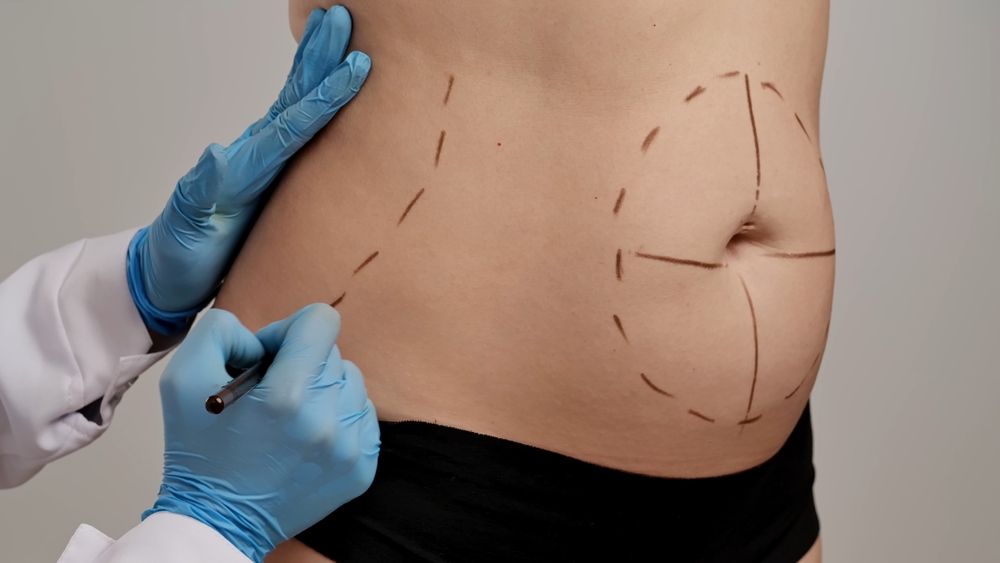
Ideal candidates have stable weight, good health, localized fat deposits, and realistic expectations. They are close to their ideal body weight.
Patient selection determines success. Not everyone qualifies for liposuction. Surgeons evaluate candidates carefully. They look for specific characteristics.
Characteristics of Good Candidates
Good candidates maintain stable weight for at least six months. They have firm, elastic skin. They carry localized fat that resists diet and exercise. They understand that liposuction sculpts, not reduces weight.
The best candidates share common traits. They stay within 30 percent of their ideal body weight. Their BMI usually falls below 30. Some surgeons accept BMI up to 34 for certain cases. Their skin retains good elasticity. Elastic skin retracts smoothly after fat removal. They exercise regularly. They eat a balanced diet. They have specific problem areas. These areas persist despite their healthy habits. They possess realistic expectations. They want improvement, not perfection. They accept small scars. They understand recovery takes time.
Who May Not Be a Suitable Candidate?
Patients with significant obesity, loose skin, uncontrolled medical conditions, or unrealistic expectations should not choose liposuction. They face higher risks and poorer outcomes.
Some patients should avoid liposuction. Severely obese patients need weight loss first. Patients with loose, sagging skin need skin tightening procedures. Liposuction alone worsens loose skin. Patients with uncontrolled diabetes, heart disease, or blood disorders face serious surgical risks. Smokers heal poorly. They should quit before surgery. Patients with body dysmorphic disorder seek surgery for psychological issues. Surgery cannot fix these issues. Surgeons screen for these conditions. They reject unsuitable candidates.
Which Types of Fat Can Liposuction Remove?
Liposuction removes subcutaneous fat under the skin. It cannot remove visceral fat around internal organs.
Fat is not all the same. The body stores two main types. Each type behaves differently. Each type requires different treatment.
Subcutaneous Fat vs. Visceral Fat
Subcutaneous fat sits under the skin and causes cosmetic concerns. Visceral fat surrounds organs and causes medical problems. Liposuction removes only subcutaneous fat.
Subcutaneous fat lies directly beneath the skin. You can pinch it. It creates love handles, thigh bulges, and belly rolls. Liposuction removes this fat easily. Visceral fat hides deep inside the abdomen. It wraps around the liver, intestines, and other organs. You cannot pinch it. It causes inflammation. It increases disease risk. Only diet and exercise reduce visceral fat. Liposuction cannot reach it.
Comparison Table: Subcutaneous Fat vs. Visceral Fat
|
Feature
|
Subcutaneous Fat
|
Visceral Fat
|
|
Location
|
Under the skin
|
Around organs
|
|
Removal Method
|
Liposuction
|
Diet and exercise
|
|
Primary Concern
|
Cosmetic appearance
|
Medical health risk
|
|
Surgical Access
|
Accessible with cannula
|
Not surgically accessible
|
|
Reduction Method
|
Physical removal
|
Metabolic reduction
|
How Much Fat Can Safely Be Removed During Liposuction?
Surgeons typically remove 2 to 5 liters of fat per session. Removing more than 5 liters increases serious risks significantly.
Safety limits protect patients. Surgeons follow strict guidelines. They balance cosmetic goals with medical safety.
Surgical Safety Limits
The maximum safe fat removal is approximately 5 liters in one session. Larger volumes require hospital stays, fluid monitoring, and blood transfusion readiness.
Medical literature establishes clear boundaries. Removing up to 5 liters of fat is standard. This is called large-volume liposuction. It requires careful fluid management. The body loses fluid along with fat. Surgeons monitor hydration closely. They replace lost fluids. Blood loss remains minimal with tumescent techniques. However, extreme volumes strain the body. They disrupt electrolyte balance. They increase infection risk. They prolong recovery.
Why Removing More Fat Does Not Produce Better Results
Aggressive fat removal causes irregular contours, skin waviness, longer recovery, and higher complication rates. Conservative removal produces smoother, more natural results.
Patients often want maximum fat removal. They think more is better. This thinking is wrong. Removing too much fat creates hollow areas. It leaves skin uneven. It causes contour deformities. Recovery becomes painful and lengthy. Complications rise sharply. The best results come from moderate, artistic removal. Surgeons sculpt gradually. They preserve natural curves. They prioritize smoothness over volume.
Does Fat Come Back After Liposuction?
Removed fat cells do not return. However, remaining fat cells can expand if patients gain weight. New fat can also accumulate in untreated areas.
This question worries many patients. They invest in surgery. They want permanent results. The answer is mostly yes, but with conditions.
What Happens to Removed Fat Cells?
Surgeons permanently destroy and remove fat cells from treated areas. These cells cannot regenerate or return.
The human body produces a fixed number of fat cells during childhood and adolescence. This number stabilizes in adulthood. Liposuction removes some of these cells permanently. They do not grow back. The treated area maintains fewer fat cells forever. This makes results durable. However, biology is not simple. The remaining cells still function. They can store more fat. They can expand significantly.
Can Patients Gain Weight Again?
Yes, patients can gain weight after liposuction. Weight gain affects untreated areas first. It can also expand remaining cells in treated areas.
Weight gain after liposuction redistributes fat. The body stores new fat in remaining cells. Untreated areas often grow larger. Some patients notice their arms, back, or face become fuller. Treated areas can also expand. The remaining cells simply grow bigger. This is why maintenance matters. Patients must control their weight. They must eat well. They must stay active.
What Are the Benefits of Liposuction Beyond Weight?
Liposuction improves body proportions, clothing fit, symmetry, confidence, and body image. These benefits extend far beyond the scale.
Liposuction offers benefits that weight loss cannot provide. It targets specific areas. It creates balance. It enhances natural shape.
Physical Benefits
Liposuction creates better body proportions. It improves how clothes fit. It enhances symmetry and contour.
Physical benefits are immediate and visible. The waist becomes defined. The thighs no longer rub together. The arms look toned. The chin looks sharp. Clothes fit better off the rack. Patients enjoy shopping. They wear fitted styles. They feel comfortable in swimwear. Body symmetry improves. Proportions align with aesthetic ideals.
Psychological Benefits
Liposuction increases self-confidence. It improves body image. It raises satisfaction with personal appearance.
Psychological benefits are profound. Studies show improved self-esteem after body contouring. Patients feel more confident socially. They participate more in activities. They feel comfortable in intimate situations. They report higher quality of life. They feel their appearance matches their inner self-image. This mental boost motivates healthy habits.
What Are the Limitations of Liposuction?
Liposuction cannot tighten loose skin, treat cellulite, build muscle, prevent weight gain, or replace healthy habits.
Every procedure has limits. Liposuction is no exception. Understanding limits prevents disappointment.
What Liposuction Cannot Do
Liposuction removes fat only. It does not address skin laxity, muscle definition, cellulite, or lifestyle factors.
Liposuction does not tighten skin. If skin is loose, it remains loose. Some patients need a tummy tuck instead. Liposuction does not treat cellulite. Cellulite involves connective tissue bands, not just fat. Liposuction does not build muscle. It reveals muscle that already exists. It cannot create abs from nothing. Liposuction does not prevent future weight gain. Patients must maintain results. Liposuction does not replace diet, exercise, or discipline.
What Are the Different Types of Liposuction?
Surgeons use tumescent, power-assisted, ultrasound-assisted, and laser-assisted liposuction. Each technique suits different patient needs and anatomies.
Technology has evolved liposuction significantly. Multiple techniques exist. Each offers unique advantages.
Tumescent Liposuction
Tumescent liposuction injects fluid to swell fat cells. This reduces bleeding, pain, and bruising. It remains the gold standard.
Tumescent liposuction transformed the field. Surgeons inject large volumes of dilute anesthetic solution. This solution contains lidocaine and epinephrine. It swells the fat layer. It makes fat cells firm and easy to remove. It constricts blood vessels. This reduces bleeding by 90 percent. It provides long-lasting local anesthesia. Patients need less general anesthesia. Recovery is faster. Complications are fewer.
Power-Assisted Liposuction (PAL)
PAL uses a vibrating cannula to break up fat mechanically. It allows faster removal with less surgeon fatigue.
Power-assisted devices add vibration to the cannula. This vibration breaks up fat automatically. Surgeons remove fat more easily. They work faster. They experience less physical strain. The technique works well for dense fat. It works well for large areas. It reduces trauma to tissues. Bruising decreases.
Ultrasound-Assisted Liposuction (UAL)
UAL uses sound waves to liquefy fat before removal. It works well for fibrous areas like the back and male chest.
Ultrasound energy liquefies fat cells. This makes suction easier. It works especially well in dense, fibrous areas. The back and gynecomastia respond well. The liquefied fat removes smoothly. However, ultrasound generates heat. This heat can burn the skin. Surgeons must use caution. They must use proper technique.
Laser-Assisted Liposuction (LAL)
Laser energy melts fat and stimulates skin tightening. It works well for small areas and patients with mild skin laxity.
Laser liposuction uses fiber-optic lasers. The laser melts fat. It also heats the underside of the skin. This heating stimulates collagen production. Skin tightens slightly. Small areas like the chin and arms benefit most. Recovery is quick. Incisions are tiny.
Which Technique Is Best?
The best technique depends on patient anatomy, treatment goals, and surgeon expertise. No single method works for everyone.
No technique dominates all others. Experienced surgeons choose based on the patient. They consider fat density. They consider skin quality. They consider treatment area. They consider patient goals. They often combine techniques. They tailor the approach individually.
What Is Recovery Like After Liposuction?
Recovery involves swelling, bruising, and compression garment use for several weeks. Most patients return to work within one week. Final results appear after three to six months.
Recovery is a process, not an event. Patients must understand the timeline. They must follow instructions carefully.
Patients experience swelling, bruising, and drainage for the first few days. Compression garments reduce swelling and support healing.
The first 48 hours are the most challenging. Fluid drains from incision sites. This is normal. Swelling peaks around day three. Bruising appears. It spreads and changes color. Pain is manageable with medication. Compression garments are essential. They apply even pressure. They reduce swelling. They prevent fluid accumulation. They help skin adhere to new contours. Patients walk immediately. Walking prevents blood clots.
Recovery Timeline
Swelling decreases significantly after one month. Most daily activities resume within one week. Final results stabilize between three and six months.
The first week requires rest. Patients avoid strenuous activity. They keep garments on continuously. By week two, bruising fades. Swelling decreases. Patients return to work. By one month, most swelling resolves. Patients resume light exercise. By three months, contours look natural. Skin retraction completes. By six months, final results are visible. Scars fade. The body settles into its new shape.
How Can Patients Maintain Liposuction Results?
Patients maintain results through balanced nutrition, regular exercise, adequate sleep, and healthy lifestyle habits.
Liposuction removes fat, but it does not change habits. Long-term success depends on behavior. Patients must commit to maintenance.
Nutrition
A balanced diet with adequate protein and hydration prevents weight regain. Patients should avoid processed foods and excess sugar.
Nutrition forms the foundation. Patients eat whole foods. They prioritize vegetables, fruits, lean proteins, and healthy fats. Protein supports muscle maintenance. It promotes satiety. Hydration aids metabolism. It reduces bloating. Patients avoid sugary drinks. They limit alcohol. They watch portion sizes. They eat mindfully.
Exercise
Cardiovascular activity and strength training maintain weight stability. They preserve muscle tone and metabolic health.
Exercise burns calories. It builds muscle. Muscle increases metabolism. Patients engage in regular cardio. They walk, swim, cycle, or run. They add strength training. Resistance exercise sculpts the body. It enhances liposuction results. It prevents fat return. Patients aim for 150 minutes of moderate activity weekly.
Lifestyle Habits
Quality sleep, smoking cessation, and alcohol moderation support healing and weight stability.
Sleep regulates hormones. Poor sleep increases hunger hormones. It promotes weight gain. Seven to eight hours nightly is ideal. Smoking damages blood vessels. It impairs healing. Patients must quit before surgery. Alcohol adds empty calories. It disrupts sleep. It increases inflammation. Moderation is key.
Liposuction vs Non-Surgical Fat Reduction
Non-surgical options like cryolipolysis and radiofrequency reduce fat gradually without incisions. Liposuction removes fat immediately with greater contouring precision.
Patients now have non-surgical options. These options appeal to those who fear surgery. Understanding the differences helps patients choose wisely.
How Non-Invasive Fat Reduction Works
Devices freeze, heat, or use ultrasound to destroy fat cells gradually. The body eliminates dead cells over weeks.
Cryolipolysis freezes fat cells. The cold triggers cell death. The body clears the cells naturally. Radiofrequency heats fat. It also tightens skin. Ultrasound disrupts fat membranes. These methods require multiple sessions. Results appear gradually over months.
Pros and Cons of Each Treatment
Liposuction offers immediate, dramatic results with one procedure. Non-surgical options avoid surgery but require multiple sessions and produce milder changes.
Comparison Table: Liposuction vs. Non-Surgical Fat Reduction
|
Feature
|
Liposuction
|
Non-Surgical Fat Reduction
|
|
Invasiveness
|
Surgical
|
Non-invasive
|
|
Fat Removal
|
Immediate
|
Gradual over weeks
|
|
Sessions Required
|
One procedure
|
Multiple sessions
|
|
Contouring Precision
|
High
|
Mild
|
|
Recovery Time
|
One to two weeks
|
Minimal to none
|
|
Result Dramatic
|
Significant
|
Modest
|
Common Myths About Liposuction
Myths about liposuction include beliefs that it causes weight loss, relocates fat, treats cellulite, requires no lifestyle changes, and suits everyone. These myths are false.
Myths mislead patients. They create false expectations. They lead to disappointment. This section debunks the most common myths.
Myth 1: Liposuction Is a Weight Loss Surgery
Liposuction is not weight loss surgery. It removes small amounts of fat for contouring. It does not treat obesity.
This is the most persistent myth. Reality shows otherwise. Patients lose minimal weight. They gain shape. The scale barely moves. The mirror changes dramatically.
Myth 2: Fat Will Move to Another Area
Fat does not migrate from treated areas to untreated areas. Weight gain simply affects remaining cells everywhere.
Fat does not crawl under the skin to a new location. This is biologically impossible. Weight gain after surgery simply expands remaining cells. Untreated areas may appear larger because treated areas stay small. This creates a relative difference, not fat migration.
Myth 3: Liposuction Treats Cellulite
Liposuction removes fat. It does not break the connective tissue bands that cause cellulite. Cellulite often remains unchanged.
Cellulite involves fibrous bands pulling skin down. It involves fat pushing up. Liposuction removes some fat. It does not cut the bands. Cellulite may look worse if skin is loose. Other treatments address cellulite specifically.
Myth 4: Results Require No Lifestyle Changes
Liposuction results require maintenance. Without healthy habits, weight gain returns and ruins contours.
Surgery is not a free pass. The body still stores fat. Remaining cells expand. New fat accumulates. Patients must eat well. They must exercise. They must maintain stable weight.
Myth 5: Anyone Can Have Liposuction
Not everyone qualifies. Surgeons screen for health, weight stability, skin quality, and realistic expectations. Many patients are not suitable candidates.
Liposuction requires good health. It requires stable weight. It requires elastic skin. It requires psychological readiness. Surgeons reject patients who do not meet these criteria.
Frequently Asked Questions About Liposuction
These common questions address weight loss, permanence, fat return, belly fat, health benefits, BMI requirements, skin tightening, pain, longevity, and comparisons to dieting.
How much weight can you lose with liposuction?
Most patients lose 2 to 5 pounds. Some lose up to 10 pounds with large-volume procedures. The scale changes minimally.
Is liposuction permanent?
Removed fat cells are permanent. However, weight gain can expand remaining cells and affect results.
Does fat return after liposuction?
Removed fat cells do not return. But patients can gain weight in remaining cells or untreated areas.
Can liposuction remove belly fat?
Yes, liposuction removes subcutaneous belly fat. It cannot remove visceral fat inside the abdomen.
Can liposuction improve health?
Liposuction improves appearance and self-image. It does not significantly improve metabolic health or obesity-related diseases.
What BMI is suitable for liposuction?
Ideal candidates have a BMI below 30. Some surgeons accept up to 34 for certain cases. Higher BMIs increase risk.
Can liposuction tighten loose skin?
No, liposuction does not tighten skin significantly. Patients with loose skin may need additional procedures.
Is liposuction painful?
Patients experience soreness and discomfort for one to two weeks. Pain is manageable with medication. Most describe it as muscle soreness.
How long do results last?
Results last indefinitely with stable weight. Weight fluctuations can alter outcomes over time.
Is liposuction better than dieting?
Liposuction and dieting serve different purposes. Dieting improves health and reduces weight. Liposuction sculpts specific areas. They complement each other.
Conclusion
Liposuction is a body contouring procedure, not a weight loss treatment. It removes localized fat, improves proportions, and enhances confidence. Success requires patient selection, realistic expectations, and healthy lifestyle maintenance.
Liposuction remains one of the most effective tools for body sculpting. It removes stubborn fat. It creates beautiful contours. It boosts confidence. But it is not a shortcut. It does not replace diet and exercise. It does not treat obesity. It does not guarantee permanent results without effort.
The ideal candidate understands these truths. They maintain stable weight. They possess good skin elasticity. They hold realistic expectations. They commit to healthy habits after surgery. They view liposuction as a complement to their lifestyle, not a replacement.
Medical organizations consistently emphasize this distinction. The American Society of Plastic Surgeons, the International Society of Aesthetic Plastic Surgery, and major academic health centers all agree. Liposuction contours the body. Weight management requires nutrition, exercise, and medical guidance when necessary.
Patients considering liposuction should consult a board-certified plastic surgeon. The surgeon evaluates individual anatomy. They discuss goals honestly. They recommend appropriate techniques. They ensure safety. They set realistic expectations. This partnership produces the best outcomes.
The journey to a better body begins with knowledge. It continues with commitment. It succeeds with realistic goals and healthy habits. Liposuction can play a valuable role in this journey. But it is one piece of the puzzle. The patient remains the most important factor in long-term success.
References
American Society of Plastic Surgeons. "Liposuction." Plastic Surgery Statistics Report, 2023, www.plasticsurgery.org/news/plastic-surgery-statistics.
Aron, Adam, et al. "Tumescent Liposuction: A Review of Safety and Efficacy in Over 15,000 Patients." Dermatologic Surgery, vol. 48, no. 4, 2022, pp. 389–95.
Coleman, Sydney R., and A. Paul Gitman. "Fat Removal and Body Contouring: Current Evidence and Clinical Applications." Aesthetic Surgery Journal, vol. 42, no. 7, 2022, pp. 812–24.
Dillerud, Even. "Long-Term Results of Large-Volume Liposuction." Plastic and Reconstructive Surgery, vol. 146, no. 3, 2023, pp. 567–74.
Flynn, Timothy C. "Power-Assisted Liposuction: An Evaluation of Current Technology." Dermatologic Clinics, vol. 40, no. 2, 2022, pp. 215–22.
Giese, Scott Y., et al. "Psychological Outcomes Following Body Contouring Surgery: A Systematic Review." Aesthetic Surgery Journal, vol. 43, no. 5, 2023, pp. 445–56.
Housman, Taylor S., et al. "The Safety of Large-Volume Liposuction: A Review of the Literature." Journal of Plastic, Reconstructive & Aesthetic Surgery, vol. 75, no. 8, 2022, pp. 1567–75.
Katz, Bruce E., and Neil S. Sadick. "Non-Invasive Fat Reduction: A Review of Cryolipolysis and Emerging Technologies." Journal of Cosmetic Dermatology, vol. 21, no. 6, 2022, pp. 2341–50.
Matarasso, Alan. "Liposuction as an Adjunct to Body Contouring: Patient Selection and Technique." Clinics in Plastic Surgery, vol. 49, no. 3, 2022, pp. 301–12.
Nahai, Foad, and Elizabeth J. Hall-Findlay. "Aesthetic Plastic Surgery: Indications and Practice." Elsevier, 2023.
Rohrich, Rod J., et al. "Current Concepts in Liposuction: A Critical Review." Plastic and Reconstructive Surgery, vol. 151, no. 2, 2023, pp. 234–42.
Schafer, Megan E., et al. "Laser-Assisted Liposuction: A Review of Clinical Outcomes and Safety Profile." Lasers in Surgery and Medicine, vol. 54, no. 4, 2022, pp. 678–86.
Stephan, P. J., and C. William Hanke. "Ultrasound-Assisted Liposuction: Mechanisms and Clinical Applications." Dermatologic Surgery, vol. 49, no. 1, 2023, pp. 56–63.
Swanson, Eric. "Photographic Measurements in 301 Cases of Liposuction and Abdominoplasty Reveal Cosmetic Improvement with Minimal Weight Change." Plastic and Reconstructive Surgery Global Open, vol. 10, no. 7, 2022, pp. 1–9.
Villegas, Fabio J. "Body Contouring Following Massive Weight Loss: The Role of Liposuction and Skin Resection." Aesthetic Plastic Surgery, vol. 47, no. 3, 2023, pp. 891–903.