Most patients need between 1,500 and 4,000 grafts for a natural FUE hair transplant. Your exact number depends on your hair loss stage, donor hair quality, and cosmetic goals. Only a surgeon can give you a precise count after a full scalp examination.
Every year, thousands of men and women fly to Turkey for FUE hair transplants. They all ask the same question first. How many grafts do I need? This question dominates online forums, consultation rooms, and patient groups. Everyone wants a number. But hair restoration does not work that way. No single graft count fits every patient. Your friend might need 2,500 grafts. You might need 3,800. Your brother might need only 1,800. Each scalp tells a different story.
Turkey has become the global capital for FUE hair transplants. Clinics in Istanbul and other cities perform more procedures per capita than anywhere else on earth. International patients choose Turkey because experienced surgeons, modern facilities, and comprehensive packages come at accessible prices. But the real reason they stay happy? Skilled doctors who plan graft counts with precision. They do not guess. They measure, analyze, and strategize.
This article explains everything about graft numbers. You will learn what a graft actually is. You will see how doctors calculate your needs. You will understand the Norwood scale. You will discover why some patients need one session and others need two. You will also learn why more grafts do not always mean better results. By the end, you will know exactly what questions to ask your surgeon.
What Is a Hair Graft?
A hair graft is a follicular unit containing 1 to 4 hairs. Doctors transplant these units, not individual hairs, during FUE surgery.
How Does a Follicular Unit Work?
A hair graft is a follicular unit. Dr. Robert Bernstein and Dr. William Rassman first described this concept in 1997. They showed that human hair grows in small, natural clusters. Each cluster contains one to four hair follicles. It also contains oil glands, tiny muscles, and connective tissue. Surgeons call each cluster one graft (Bernstein and Rassman).
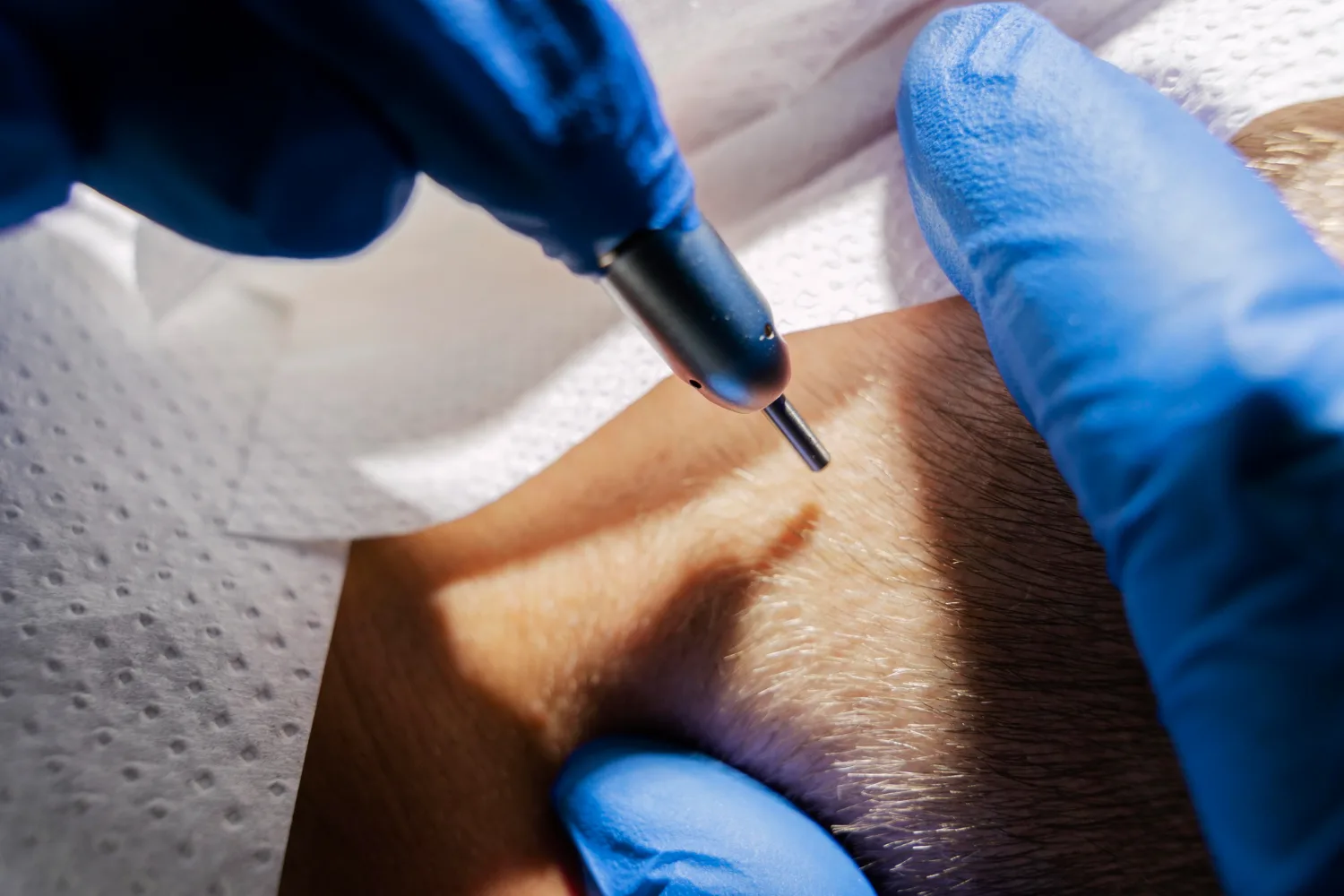
When doctors perform FUE, they extract these clusters one by one from your donor area. They do not pull out single hairs. They remove entire follicular units. This approach preserves the natural architecture of your hair. It also helps the transplanted hair grow in the same pattern as your original hair.
What Is the Difference Between Grafts and Individual Hairs?
Many patients confuse grafts with hairs. This confusion causes problems. A graft is not one hair. A graft is a group. One graft might contain one hair. Another graft might contain four hairs. On average, most grafts contain 2.2 hairs each.
So when a surgeon says you need 3,000 grafts, you are not getting 3,000 hairs. You are getting approximately 6,600 hairs. This distinction matters. It affects density. It affects coverage. It affects your final look.
Why Does This Difference Matter for Your Results?
Online photos sometimes mislead patients. Someone shows a result with 3,000 grafts and thick hair. You assume 3,000 grafts will give you the same thickness. But that patient might have three-hair grafts throughout. You might have mostly one-hair grafts. Your result will look different. Understanding this difference prevents disappointment. It sets realistic expectations before surgery.
How Is the Number of Grafts Calculated?
Surgeons calculate grafts by examining your hair loss severity, donor density, hair thickness, and scalp characteristics. They use digital tools and manual counting during consultation.
What Happens During the Medical Evaluation?
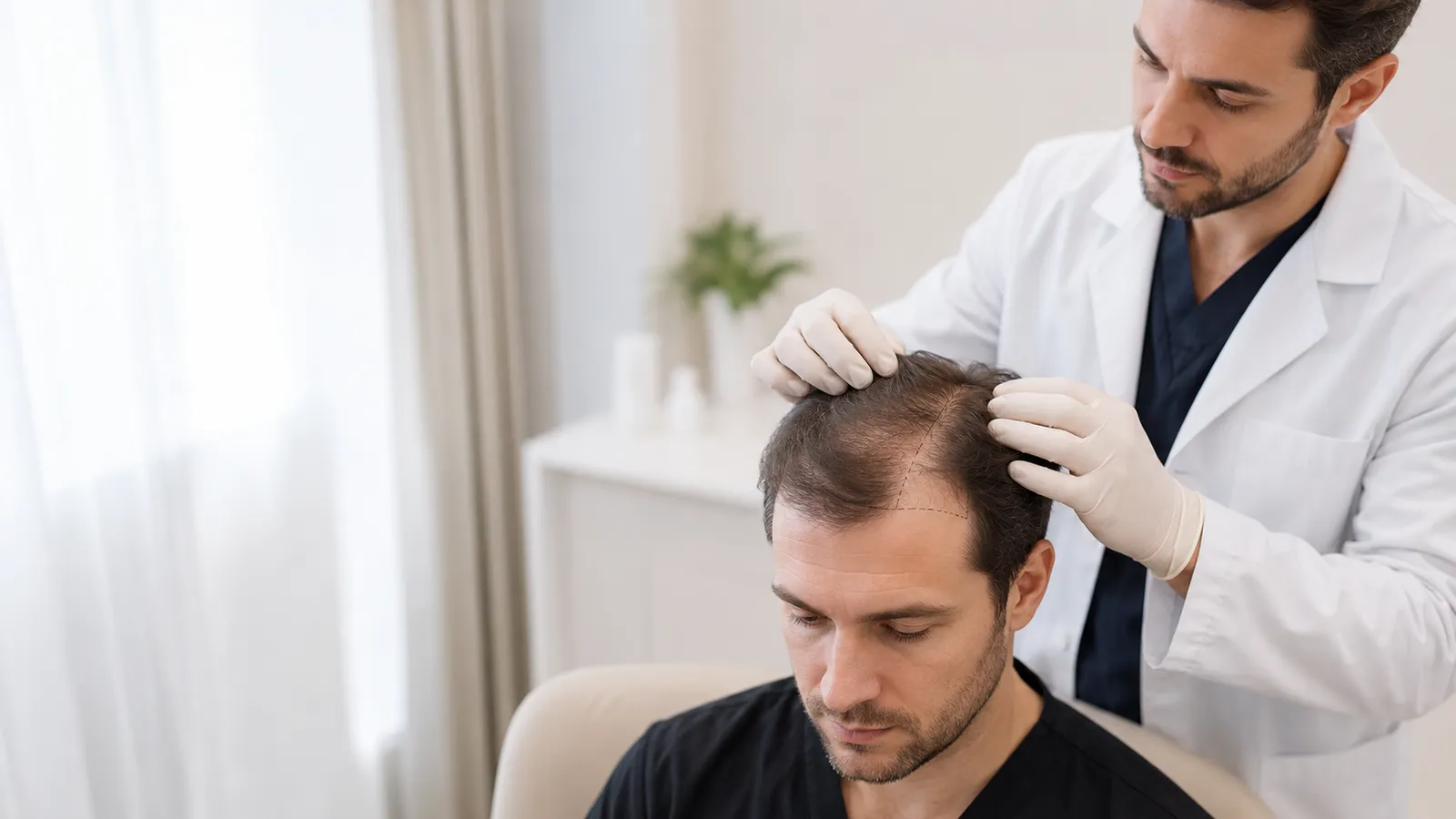
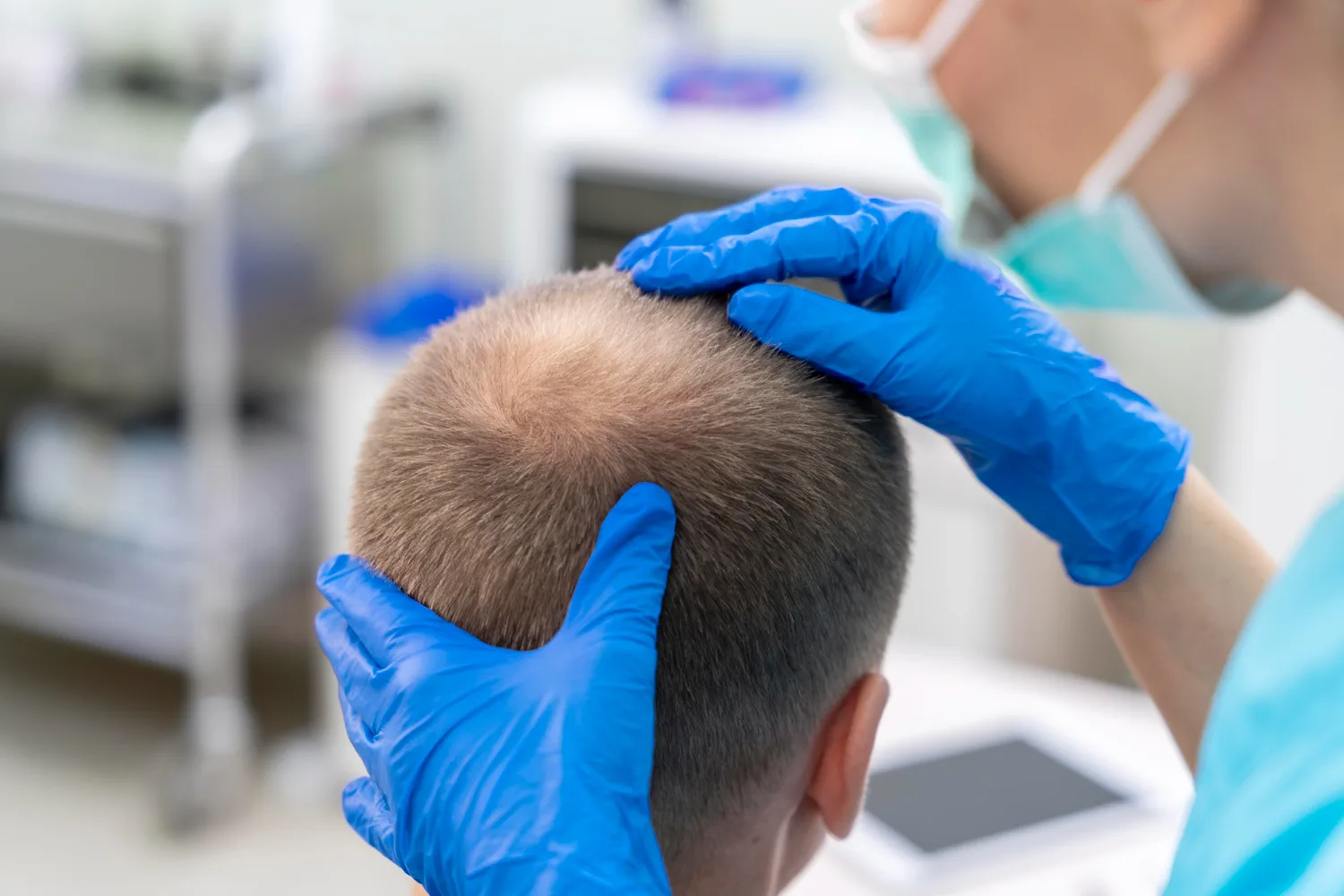
Before any FUE procedure, the surgeon examines your scalp. This examination includes several steps. First, the doctor assesses your hair loss severity. They look at your recession pattern. They check your crown. They measure your bald areas. Second, they inspect your donor area. This is the permanent hair zone at the back and sides of your head. They measure how many grafts this area can safely give.
Third, they evaluate your hair density. Dense donor areas yield more grafts. Sparse donor areas yield fewer. Fourth, they check your hair shaft thickness. Thick hairs cover more scalp. Thin hairs cover less. Fifth, they note your hair color and texture. Dark, thick, curly hair creates more visual density than light, thin, straight hair. Sixth, they test your scalp flexibility. A flexible scalp allows easier extraction and implantation.
Which Hair Characteristics Change Your Graft Needs?
Your hair type directly affects how many grafts you need. Thick hair shafts block more light. They create the illusion of fullness with fewer grafts. Thin hair shafts let light pass through. They require more grafts for the same visual effect.
Curly hair also helps. Each curl covers more surface area. A patient with curly hair might need 20% fewer grafts than a patient with straight hair for the same coverage. Hair color matters too. Dark hair on light skin creates high contrast. This contrast makes thinning more visible. These patients often need more grafts. Light hair on light skin blends naturally. These patients might need fewer grafts.
What Is the Norwood Scale and Why Does It Matter?
The Norwood scale classifies male pattern baldness into seven stages. It gives doctors a standardized way to estimate graft needs based on how much hair you have lost.
Dr. O'Tar Norwood developed this classification system in 1975. It remains the gold standard for measuring male pattern baldness. Surgeons worldwide use it to plan hair restoration. The scale ranges from Stage I to Stage VII. Each stage describes a specific pattern of hair loss. Each stage also suggests a typical graft range.
What Happens at Norwood Stage I–II?
Stage I shows no significant hair loss. The hairline might show slight recession. Stage II shows deeper recession at the temples. These early stages need the fewest grafts. Most patients need 1,000 to 1,500 grafts for hairline refinement. Some need only 800 grafts for minor temple work.
What Does Norwood Stage III Look Like?
Stage III shows obvious recession at both temples. The hairline forms a distinct M-shape. This stage requires more grafts. Surgeons typically need 2,000 to 2,500 grafts to rebuild the hairline and restore the temples. Some patients need additional grafts for density behind the hairline.
What Is Norwood Stage III Vertex?
This stage adds crown thinning. The vertex is the top-back of your scalp. Patients lose hair at the temples and the crown simultaneously. This pattern demands more grafts. Surgeons might need 2,500 to 3,500 grafts. They must plan carefully. They need enough grafts for both areas while preserving the donor supply.
How Does Norwood Stage IV Progress?
Stage IV shows significant frontal and mid-scalp loss. The hairline has receded substantially. The crown shows a bald spot. The bridge of hair between these areas has thinned. Patients at this stage usually need 3,000 to 4,000 grafts. One session might suffice if the donor area is strong.
What Does Norwood Stage V Involve?
Stage V shows extensive loss. The frontal area and crown have merged. Only a thin band of hair separates them. This stage requires 3,500 to 4,500 grafts. Some patients need two sessions. The surgeon must decide whether to cover the front first or distribute grafts across both areas.
How Serious Is Norwood Stage VI?
Stage VI shows large bald areas. The bridge of hair between the front and crown has disappeared. Most patients need 4,000 to 5,000 grafts. Surgeons often perform strategic graft distribution. They place more grafts in the front hairline and fewer in the crown. The front hairline frames the face. It provides the most cosmetic impact.
What Does Norwood Stage VII Mean for Patients?
Stage VII represents advanced hair loss. Only a horseshoe-shaped band of hair remains at the sides and back. These patients need 5,000 to 7,000 grafts total. No surgeon can transplant this many in one session. These patients need multiple procedures spaced months apart. The surgeon must also accept that full coverage might not be possible (Norwood).
What Are the Average Graft Requirements by Hair Loss Stage?
Graft needs range from 1,000 for minor hairline work to 5,500 or more for extensive baldness. The table below shows typical estimates.
|
Hair Loss Pattern
|
Estimated Grafts
|
Typical Norwood Stage
|
|
Hairline only
|
1,000–1,500
|
I–II
|
|
Temples
|
1,200–2,000
|
II–III
|
|
Frontal area
|
2,000–3,000
|
III
|
|
Frontal + Mid-scalp
|
3,000–4,000
|
IV
|
|
Crown only
|
1,500–2,500
|
III Vertex
|
|
Extensive frontal + Crown
|
4,000–5,500+
|
V–VII
|
These numbers serve as guidelines. Your actual needs might differ. A patient with thick, curly hair might achieve full coverage at the lower end. A patient with thin, straight hair might need the higher end. Your surgeon will give you a personalized estimate.
How Many Grafts Do Different Areas of the Scalp Need?
The hairline needs 1,000–1,500 grafts. The temples need 400–800 grafts each. The mid-scalp needs 1,500–2,500 grafts. The crown needs 1,500–2,500 grafts. Full head restoration needs 4,000–6,000 grafts.
How Many Grafts Does Hairline Restoration Require?
The hairline is the most visible part of your scalp. It frames your face. It determines how others perceive your age and health. Surgeons place one-hair grafts at the very front. They create a soft, natural edge. Behind this edge, they place two-hair and three-hair grafts for density. Most hairline restorations need 1,000 to 1,500 grafts. Complex reconstructions might need 2,000.
What About Temple Recession?
Temples sit at the corners of your hairline. They recede early in male pattern baldness. Restoring them requires 400 to 800 grafts per side. Some patients need both temples restored. Others need only one. Surgeons must match the temple angle to your existing hair. This angle creates a natural flow.
How Many Grafts Does the Mid-Scalp Need?
The mid-scalp is the area between your hairline and your crown. It provides the visual bulk of your hair. When this area thins, your scalp becomes visible from above. Mid-scalp restoration typically needs 1,500 to 2,500 grafts. Surgeons place larger follicular units here. These units create maximum density.
What Does Crown Restoration Demand?
The crown is the hardest area to restore. It sits at the highest point of your scalp. Everyone sees it from above. Hair grows in a swirling pattern here. Surgeons must follow this swirl. They need 1,500 to 2,500 grafts for good crown coverage. Some patients need more. The crown also shows shock loss more visibly. Patience is essential here.
What Does Full Head Restoration Involve?
Full head restoration covers the hairline, temples, mid-scalp, and crown. This is the most demanding procedure. It requires 4,000 to 6,000 grafts. Most surgeons split this into two sessions. They restore the front first. They address the crown six to twelve months later. This approach protects the donor area. It also allows the surgeon to assess how the first session grows.
What Does Each Graft Count Actually Cover?
1,000 grafts cover a small hairline. 2,000 grafts cover the hairline and temples. 3,000 grafts cover the front and mid-scalp. 4,000 grafts cover the front, mid-scalp, and some crown. 5,000+ grafts cover extensive baldness.
What Does 1,000 Grafts Cover?
One thousand grafts create a refined hairline. They add density to a slightly receding forehead. They do not cover the mid-scalp or crown. Patients with early hair loss choose this amount. It provides subtle, natural improvement.
What Does 2,000 Grafts Cover?
Two thousand grafts rebuild the hairline and both temples. They might add some density to the frontal third of the scalp. This amount suits Norwood Stage III patients. It creates a strong, youthful frame for the face.
What Does 3,000 Grafts Cover?
Three thousand grafts cover the hairline, temples, and mid-scalp. This is the most common graft count for FUE patients. It provides comprehensive frontal restoration. Most patients see dramatic improvement with this number.
What Does 4,000 Grafts Cover?
Four thousand grafts cover the hairline, temples, mid-scalp, and partial crown. Surgeons can create excellent density across the front two-thirds of the scalp. They might add lighter coverage to the crown. This amount suits Norwood Stage IV to V patients.
What Does 5,000+ Grafts Cover?
Five thousand or more grafts address extensive baldness. Surgeons can cover the entire scalp with reasonable density. However, they must distribute grafts strategically. They cannot place maximum density everywhere. They create natural-looking coverage instead of thick, uniform density.
Can You Receive 6,000 to 7,000 Grafts in One Session?
No. Most surgeons limit single sessions to 4,000 or 5,000 grafts. Extracting more risks overharvesting and poor graft survival.
What Are the Medical Limitations?
Your scalp has physical limits. The donor area contains only so many follicular units. A surgeon cannot extract them all. You need donor hair for future hair loss. The body also has healing limits. Creating 6,000 or 7,000 extraction sites traumatizes the scalp. It increases infection risk. It prolongs healing time.
How Much Donor Capacity Do You Actually Have?
The average donor area holds about 6,000 to 8,000 usable grafts. Some patients have more. Some have less. A surgeon must preserve at least 30% of the donor density. This preservation keeps the donor area looking natural. It also leaves grafts for future procedures. If a surgeon extracts 7,000 grafts in one session, they might deplete your reserve. You would have nothing left if your hair loss progresses.
What Risks Does Overharvesting Create?
Overharvesting damages the donor area. It creates visible thinning at the back of your head. It might cause scarring. It reduces blood supply to remaining follicles. Some overharvested patients develop a "moth-eaten" appearance. This looks worse than natural baldness. Ethical surgeons refuse to overharvest. They prioritize long-term health over short-term density.
When Are Mega Sessions Appropriate?
Mega sessions of 4,000 to 5,000 grafts work for some patients. These patients have excellent donor density. They have thick hair shafts. They have a large, flexible donor area. They also have stable hair loss. Their balding pattern is not rapidly progressing. Even then, the surgeon must work efficiently. Grafts cannot sit outside the body too long. The procedure might take two days.
Why Do Some Patients Need Multiple Procedures?
Hair loss is progressive. Today's bald area might grow larger next year. A surgeon must plan for the future. They might leave some grafts in reserve. They might also perform a second session after the first one matures. This staged approach gives better long-term results. It also protects the donor area.
What Factors Influence Your Final Graft Count?
Your donor density, hair thickness, previous surgeries, age, and future hair loss risk all change how many grafts you need.
How Does Donor Hair Density Affect Your Plan?
Donor density is the number of follicular units per square centimeter in your donor area. High-density patients might have 80 grafts per cm². Low-density patients might have 50. A high-density patient can spare more grafts. They might achieve full coverage in one session. A low-density patient must accept lighter coverage or multiple sessions.
What Is Your Available Donor Reserve?
Your donor reserve is your total lifetime supply of transplantable grafts. Most men have 6,000 to 8,000 grafts available. Women might have slightly less. Your surgeon must calculate this reserve. They must subtract any grafts used in previous surgeries. They must also predict future needs. A young patient with aggressive hair loss needs more reserve than an older patient with stable loss.
How Do Previous Hair Transplants Change Things?
Each previous surgery reduces your donor reserve. It might also create scar tissue. Scarred donor areas yield fewer grafts. The extraction becomes harder. The surgeon must work around old scars. Patients with previous transplants often need fewer grafts for touch-ups. But they also have less donor hair to use.
Why Does Future Hair Loss Progression Matter?
Hair loss does not stop after surgery. Your native hair might continue thinning. A surgeon must anticipate this. They might place grafts in areas that will thin next year. They might also leave extra donor grafts for future work. Young patients with family histories of advanced baldness need the most conservative planning.
How Does Desired Cosmetic Density Affect Graft Numbers?
Some patients want thick, youthful hair. Others want subtle coverage. Higher density demands more grafts. A patient might need 3,000 grafts for light coverage. The same patient might need 4,500 grafts for dense coverage. Your surgeon will ask about your preferences. They will explain what is possible with your donor supply.
Does Age Play a Role?
Age affects graft planning. Younger patients have more unpredictable hair loss. A 25-year-old might progress to Norwood VII by age 40. A 55-year-old probably has stable hair loss. Surgeons are more conservative with young patients. They use fewer grafts. They preserve donor hair for the future. Older patients can use more grafts because their hair loss pattern is clearer.
How Does Family History Influence Your Plan?
Genetics drive hair loss. If your father and brothers reached Norwood VII, you probably will too. Your surgeon will ask about family history. This history helps them predict your future needs. It guides their long-term strategy.
Why Do More Grafts Not Always Mean Better Results?
Quality matters more than quantity. Strategic placement, graft survival, and natural density create better results than simply adding more grafts.
What Is the Difference Between Natural Density and Cosmetic Density?
Natural density is what you had as a teenager. It might be 80 to 100 follicular units per cm². Cosmetic density is what looks full to other people. It might be only 40 to 50 follicular units per cm². Surgeons aim for cosmetic density, not natural density. They know that 40 grafts per cm² looks full in most lighting. Chasing natural density wastes grafts. It depletes your donor reserve.
How Do Surgeons Create Optical Fullness?
Surgeons use several tricks. They place larger grafts in the mid-scalp where light hits directly. They place single-hair grafts at the hairline for softness. They follow your natural hair angle. They create irregular patterns that mimic nature. These techniques make 3,000 grafts look like 5,000. Skill beats numbers every time.
How Does FUE Hair Transplant Planning Work in Turkey?
Turkish clinics use digital analysis, donor mapping, and custom hairline design to plan your graft count precisely.
What Is Digital Hair Analysis?
Modern Turkish clinics use high-resolution cameras. These cameras scan your scalp. They measure hair density per square centimeter. They count follicular units. They analyze hair shaft thickness. They create a digital map of your scalp. This map shows exactly where you need grafts. It removes guesswork.
How Does Donor Mapping Help?
Donor mapping identifies the best extraction zones. Not all donor areas are equal. Some zones have denser hair. Some have better-quality follicles. The surgeon marks these zones. They plan extraction patterns that preserve density. They avoid creating bald patches.
What Happens During Hairline Design?
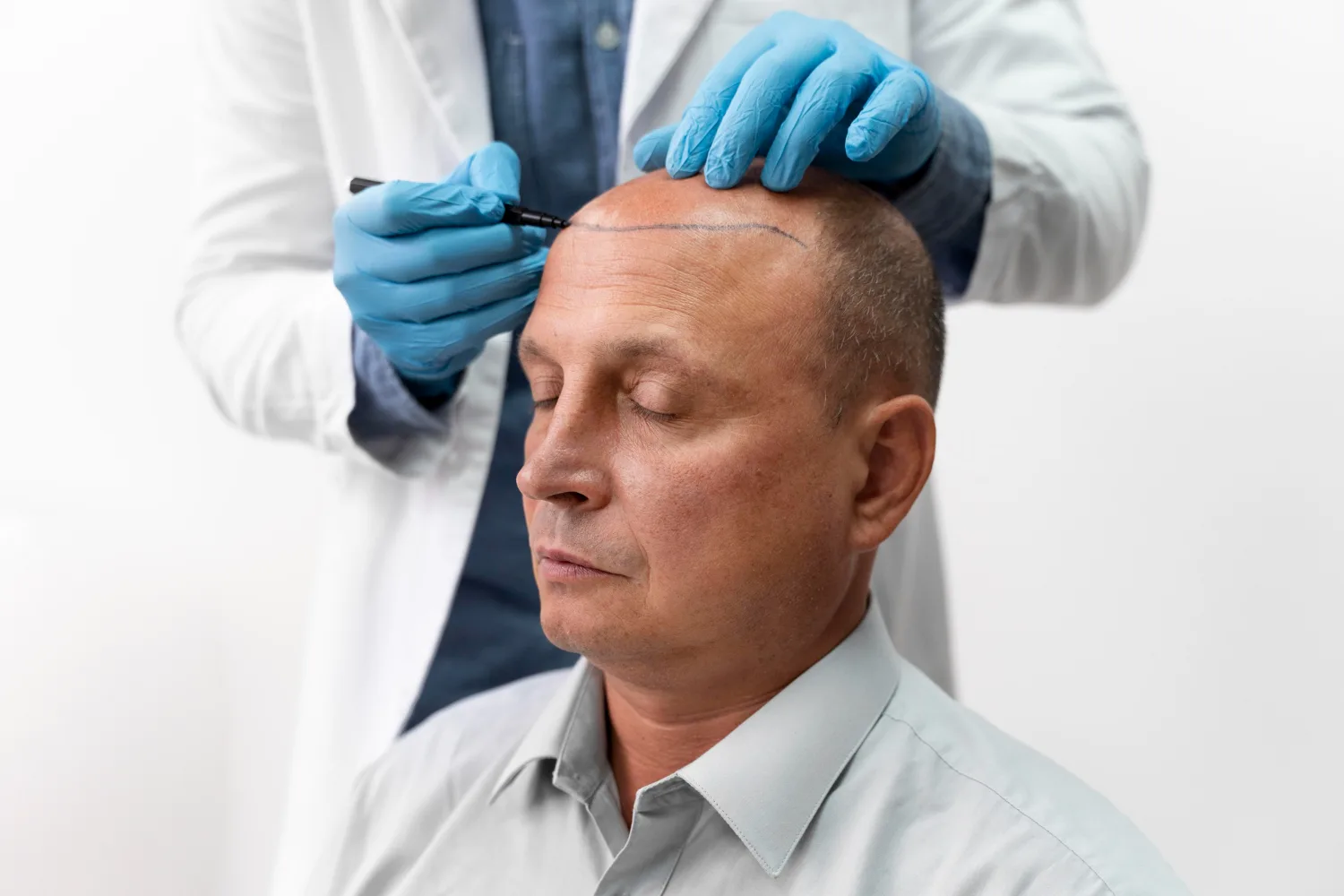
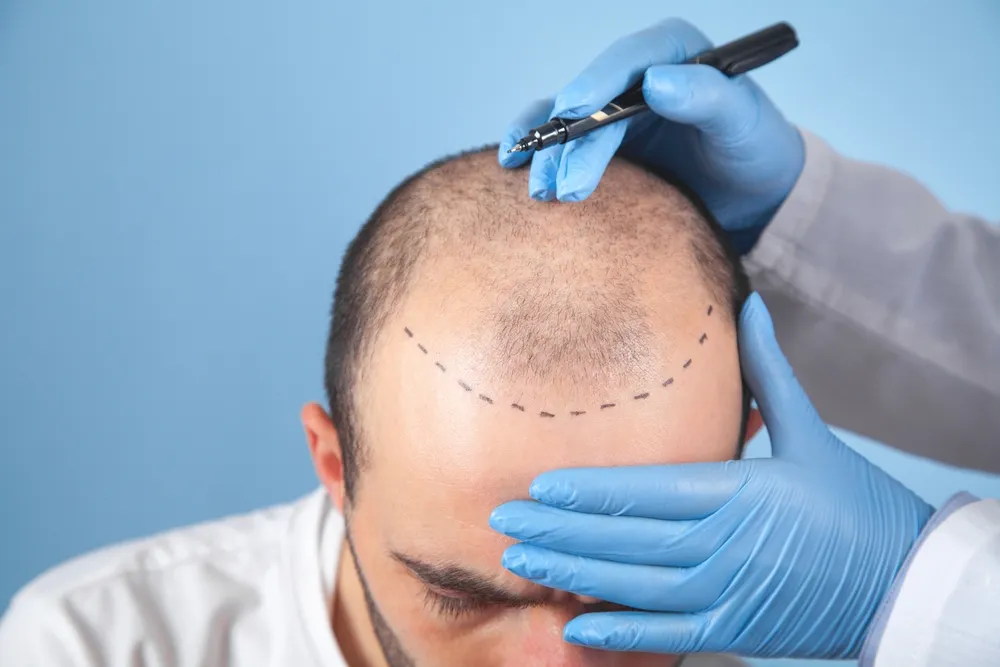
The surgeon draws your new hairline. They consider your facial proportions. They measure your forehead height. They check your existing temple position. They design a hairline that suits your age and ethnicity. They show you the design in a mirror. You approve it before surgery begins.
How Do Surgeons Plan the Recipient Area?
The recipient area is where grafts go. The surgeon divides it into zones. They calculate how many grafts each zone needs. They plan graft distribution for maximum visual impact. They also account for future hair loss. They leave space for native hair to thin without creating bald patches.
What Is a Long-Term Hair Restoration Strategy?
Good surgeons think five, ten, and twenty years ahead. They know your hair loss might continue. They plan your first surgery with future surgeries in mind. They preserve donor hair. They create a foundation that future work can build on. This strategy separates great surgeons from average ones.
How Long Does an FUE Procedure Take Based on Graft Count?
1,500 grafts take 4 to 6 hours. 2,500 to 3,500 grafts take 6 to 8 hours. 4,000 to 5,000 grafts take 8 to 10 hours or span two days.
What Is the Timeline for 1,500 to 2,000 Grafts?
Smaller sessions take half a day. The surgeon extracts grafts in the morning. They implant them in the afternoon. You might finish by mid-afternoon. These sessions cause less fatigue. Recovery is quicker.
What About 2,500 to 3,500 Grafts?
Medium sessions take most of the day. The team works carefully. They extract in batches. They implant in batches. The procedure might last 6 to 8 hours. You will have breaks for lunch and rest.
How Long Do 4,000 to 5,000 Grafts Take?
Large sessions push physical limits. The surgical team works 8 to 10 hours. Some clinics split these into two consecutive days. This split improves graft survival. It also reduces team fatigue. Fresh teams work better than tired ones.
When Do Patients Need Multi-Day Procedures?
Multi-day procedures suit mega sessions. They also suit patients who need combined techniques. Some clinics perform FUE on day one and DHI on day two. This approach maximizes results while protecting graft quality.
How Does Recovery Change Based on Graft Number?
More grafts mean more swelling and a longer healing period. But the basic timeline stays similar for everyone.
What Happens During the First Week?
All patients experience redness and tiny crusts around each graft. Small sessions heal faster. Large sessions create more crusts. They also cause more swelling. You must sleep with your head elevated. You must avoid touching the grafts. The clinic gives you special shampoo and instructions.
What Should You Expect During the First Month?
The transplanted hairs fall out. This is normal. It is called shock loss. The follicles remain alive beneath the skin. They enter a resting phase. They will start growing new hairs in three to four months. The donor area heals completely within two to four weeks.
What Is Shock Loss?
Shock loss is the shedding of transplanted hairs. It happens because the follicle gets traumatized during extraction and implantation. The hair shaft falls out. But the root survives. New hair grows from that root. Shock loss occurs between weeks two and eight. It scares many patients. But it is a normal part of the process.
When Does New Hair Start Growing?
New hair growth begins around month three. It starts slowly. By month six, you see noticeable improvement. By month nine, most grafts are growing. The final result appears at 12 to 18 months. Crown growth takes the longest. Frontal hair grows faster.
When Will You See Final Results?
You will see 80% of your results by month nine. The last 20% develops between months twelve and eighteen. Hair thickens and matures during this period. The texture might change slightly. The color stays the same. By month eighteen, you see your complete transformation.
Do More Grafts Mean Higher Success Rates?
No. Success depends on graft survival, surgical technique, and surgeon skill. A skilled surgeon with 2,500 grafts beats a rushed surgeon with 4,000 grafts.
What Is Graft Survival Rate?
Graft survival rate is the percentage of transplanted grafts that grow permanent hair. Good surgeons achieve 90% to 95% survival. Poor technique might yield only 70%. Survival depends on how gently the team handles grafts. It depends on how long grafts stay outside the body. It depends on implantation technique.
Why Does Surgical Technique Matter So Much?
FUE requires precision. The surgeon must extract each graft without damaging it. They must control depth and angle. One mistake cuts the follicle. A damaged follicle will not grow. The best surgeons use magnification. They use specialized punches. They work slowly and carefully.
How Does Graft Handling Affect Results?
Grafts are living tissue. They need moisture. They need oxygen. They need temperature control. The surgical team places extracted grafts in a storage solution. This solution keeps them alive. They implant grafts quickly. The longer grafts wait, the lower their survival. Large sessions risk longer waiting times. This is why mega sessions require larger teams.
What Storage Solutions Do Clinics Use?
Most clinics use saline or specialized holding solutions. Some add nutrients. Some use hypothermic storage. This cooling slows metabolism. It extends graft life outside the body. The best clinics change solutions regularly. They monitor graft condition throughout the procedure.
How Does Implantation Density Affect Success?
Implanting too many grafts too close together causes competition. The grafts fight for blood supply. Some might not survive. Surgeons must leave enough space between grafts. They must respect the scalp's blood flow. Dense packing looks good on paper. But it can backfire if the tissue cannot support it.
Why Does Surgeon Experience Matter?
Experience teaches judgment. An experienced surgeon knows when to stop extracting. They know how to angle grafts for natural growth. They know how to distribute grafts for maximum impact. They have handled complications. They have revised poor results. They bring wisdom that no textbook can teach.
Does the Technique Change the Number of Grafts You Need?
FUE and DHI need similar graft counts. The technique changes how surgeons place grafts, not how many you need.
What Are the Similarities Between FUE and DHI?
Both techniques extract individual follicular units. Both require the same donor assessment. Both aim for the same cosmetic density. Both use the same grafts. The number of grafts does not change based on technique alone.
What Are the Differences?
FUE uses micro-incisions. The surgeon creates recipient sites first. Then they place grafts into these sites. DHI uses a Choi implanter pen. This pen creates the site and implants the graft simultaneously. DHI allows denser packing. It might use grafts more efficiently. But it does not reduce the total number needed.
Which Technique Works Better for High Graft Counts?
FUE works better for high graft counts. It allows faster implantation. Large teams can work simultaneously. DHI is slower. It suits smaller cases or specific zones like the hairline. Some surgeons combine both. They use FUE for the bulk. They use DHI for the hairline.
How Much Does an FUE Hair Transplant Cost in Turkey?
Turkish FUE packages range from $1,800 to $4,000. Most clinics charge package prices, not per-graft prices.
Does Cost Depend on Graft Count?
Some clinics charge per graft. Others charge a flat package rate. Package pricing is more common in Turkey. You pay one price regardless of graft count. This pricing benefits patients who need more grafts. It removes financial pressure. The surgeon can transplant the optimal number without worrying about your budget.
What Is the Difference Between Package Pricing and Per-Graft Pricing?
Package pricing includes everything. It covers consultation, surgery, medications, and aftercare. It often includes hotel and airport transfers. Per-graft pricing charges a set rate for each graft. A patient needing 4,000 grafts pays more than a patient needing 2,000. Package pricing is simpler. It is usually more affordable for international patients.
What Do Turkish Packages Usually Include?
Most Turkish hair transplant packages include several services. They include the consultation and digital hair analysis. They include the FUE procedure itself. They include local anesthesia and sedation if needed. They include post-operative medications and shampoos. They include accommodation for two or three nights. They include airport transfers. They include a translator. They include follow-up appointments.
What Are Common Mistakes When Estimating Graft Needs?
Patients often compare themselves to others, trust online calculators, ignore donor limits, and chase maximum grafts instead of natural results.
Why Should You Stop Comparing Yourself to Other Patients?
Every patient is unique. Your hair loss pattern differs. Your donor density differs. Your hair characteristics differ. Your friend's 3,000-graft result tells you nothing about your needs. Focus on your own consultation. Let the surgeon assess your specific situation.
Why Should You Avoid Online Graft Calculators?
Online calculators ask generic questions. They cannot examine your scalp. They cannot measure your density. They cannot assess your hair shaft thickness. They give rough estimates at best. At worst, they mislead you. Only a physical or digital examination provides accurate numbers.
Why Must You Respect Donor Area Limitations?
Your donor area is finite. It will not grow back. Once you use those grafts, they are gone. Some patients demand 5,000 grafts when their donor area only holds 4,000. This demand leads to overharvesting. It leads to poor results. Trust your surgeon's assessment of your donor capacity.
Why Should You Prioritize Natural Results Over Maximum Grafts?
A natural result beats a dense result. A dense, artificial-looking hairline draws attention. It looks worse than a slightly thinner, natural hairline. Skilled surgeons aim for naturalness. They use fewer grafts at the hairline. They create irregular patterns. They match your native hair angle. This artistry matters more than the graft count.
What Are the Most Frequently Asked Questions About Graft Counts?
Patients commonly ask about hairline grafts, whether 3,000 grafts suffice, if 5,000 grafts is excessive, female graft needs, future additions, curly hair advantages, donor regrowth, and photo-based estimates.
How Many Grafts Do You Need for a Natural-Looking Hairline?
Most patients need 1,000 to 1,500 grafts for a natural hairline. Some need 2,000 if the hairline is deeply recessed. The surgeon places single-hair grafts at the front. This creates a soft, feathered edge. It looks completely natural.
Is 3,000 Grafts Enough for Most Patients?
Yes. Three thousand grafts covers the hairline, temples, and mid-scalp for most Norwood Stage III to IV patients. It provides excellent cosmetic density. It is the most common graft count in Turkey. Most patients achieve dramatic improvement with this number.
Is 5,000 Grafts Considered a Lot?
Yes. Five thousand grafts is a large session. It suits patients with extensive baldness. It requires strong donor density. It also requires an experienced surgical team. Not every patient is a candidate for this many grafts.
Can Women Need Hair Grafts Too?
Absolutely. Women experience pattern hair loss differently than men. They typically thin across the top of the scalp. They retain their hairline. Women might need 2,000 to 3,000 grafts for mid-scalp density. They need careful evaluation because their donor area might also be thinning.
Can You Add More Grafts Later?
Yes. Surgeons can perform second and third procedures. They use remaining donor grafts. They might also refine previous work. However, your donor supply limits the total number of procedures. Plan wisely from the start.
Does Curly Hair Require Fewer Grafts?
Often yes. Curly hair provides more coverage per graft. Each curl occupies more space. It blocks more light. Patients with curly hair might need 15% to 25% fewer grafts than patients with straight hair for the same visual result.
Will Your Donor Area Grow Back?
No. The donor area does not grow back. Once a surgeon extracts a follicular unit, it is gone forever. The surrounding hair might grow thicker. It might camouflage the extraction sites. But the extracted grafts will not regenerate. This is why donor preservation matters so much.
Can You Estimate Grafts from Photos Alone?
No. Photos show hair loss pattern. They do not show density. They do not show hair shaft thickness. They do not show donor capacity. A photo-based estimate is just a guess. You need an in-person or video consultation for accuracy.
How Do You Choose the Right Hair Transplant Clinic in Turkey?
Look for surgeon experience, donor preservation philosophy, transparent graft planning, personalized treatment, documentation, and long-term follow-up.
Why Does Surgeon Experience Matter?
Hair transplantation is both a medical procedure and an artistic practice. Experienced surgeons have performed thousands of procedures. They have seen every hair type. They have handled complications. They know how to create natural results. They understand long-term planning. Ask how many years the surgeon has practiced. Ask how many FUE procedures they have performed.
What Is a Donor Preservation Philosophy?
Ethical surgeons protect your donor area. They refuse to overharvest. They explain your finite graft supply. They plan for future hair loss. They prioritize long-term results over short-term density. Ask the surgeon how many grafts they think you can safely use. Ask how many they recommend saving.
Why Does Transparent Graft Planning Matter?
Some clinics promise unrealistic numbers. They say they can transplant 6,000 grafts when your donor area only holds 4,000. Transparent clinics show you the math. They explain your density measurements. They show you digital scans. They give you honest numbers even if those numbers are lower than you hoped.
How Important Are Personalized Treatment Plans?
Cookie-cutter plans fail. Your hair loss is unique. Your goals are unique. Your donor area is unique. The best clinics create custom plans. They design your hairline specifically for your face. They distribute grafts based on your pattern. They adjust technique based on your hair type.
Why Should You Review Before-and-After Documentation?
Reputable clinics document their results. They show you photos of patients with similar hair loss. They show you results at six months, twelve months, and eighteen months. They do not show only the best cases. They show realistic outcomes. This documentation builds trust.
What About Long-Term Patient Follow-Up?
Hair transplantation does not end when you leave the clinic. You need follow-up at one month, three months, six months, and twelve months. Good clinics provide this follow-up. They answer your questions. They monitor your growth. They address any concerns. They stand behind their work.
What Is the Final Takeaway on Graft Counts?
Your graft count is unique. It depends on your hair loss stage, donor quality, hair characteristics, and long-term goals. A comprehensive consultation with an experienced surgeon remains the only way to know your exact number.
Every patient walks a different path. Your hair loss stage gives a starting point. But it is only one factor. Your donor density might be higher or lower than average. Your hair might be thick or thin. Your hair loss might be stable or progressive. Your cosmetic goals might be modest or ambitious.
All these factors matter. The best surgeons weigh them carefully. They do not chase numbers. They chase naturalness. They preserve your donor area. They plan for the future. They create results that look good today and will still look good in ten years.
Turkey offers excellent FUE hair transplantation. The country has skilled surgeons and modern clinics. But the quality varies. Do your research. Ask questions. Demand transparency. Understand your graft count before surgery. Know why you need that number. Know what it will cover. Know what it will not cover.
A hair transplant is a lifelong investment. Make it wisely. Choose a surgeon who thinks like an artist and plans like an engineer. Your future self will thank you.
References
Bernstein, Robert M., and William R. Rassman. "Follicular Transplantation: Patient Evaluation and Surgical Planning." Dermatologic Surgery, vol. 23, no. 9, 1997, pp. 771–784.
Cole, John P. "Follicular Unit Extraction: Evolution of a Technology and a Term." Hair Transplant Forum International, vol. 18, no. 4, 2008, pp. 113–116.
Harris, James A. "Follicular Unit Extraction: The SAFE System." Hair Transplant Forum International, vol. 22, no. 4, 2012, pp. 121–124.
Jimenez, Francisco, and Jose M. Ruifernandez. "Graft Survival in Follicular Unit Extraction: A Comparative Study of Different Holding Solutions." Dermatologic Surgery, vol. 37, no. 6, 2011, pp. 812–817.
Limmer, Bob L. "Micrograft Survival." Hair Transplant Forum International, vol. 4, no. 4, 1994, pp. 18–19.
Norwood, O'Tar T. "Male Pattern Baldness: Classification and Incidence." Southern Medical Journal, vol. 68, no. 11, 1975, pp. 1359–1365.
Orentreich, Norman. "Autografts in Alopecias and Other Selected Dermatological Conditions." Annals of the New York Academy of Sciences, vol. 83, no. 3, 1959, pp. 463–479.
Rassman, William R., et al. "Follicular Unit Extraction: Minimally Invasive Surgery for Hair Transplantation." Dermatologic Surgery, vol. 28, no. 8, 2002, pp. 720–728.
Unger, Walter P. Hair Transplantation. 3rd ed., Marcel Dekker, 1995.
Unger, Robin H., and Walter P. Unger. "Hair Transplantation: The Treatment of Male Pattern Alopecia." Dermatologic Therapy, vol. 16, no. 2, 2003, pp. 118–124.