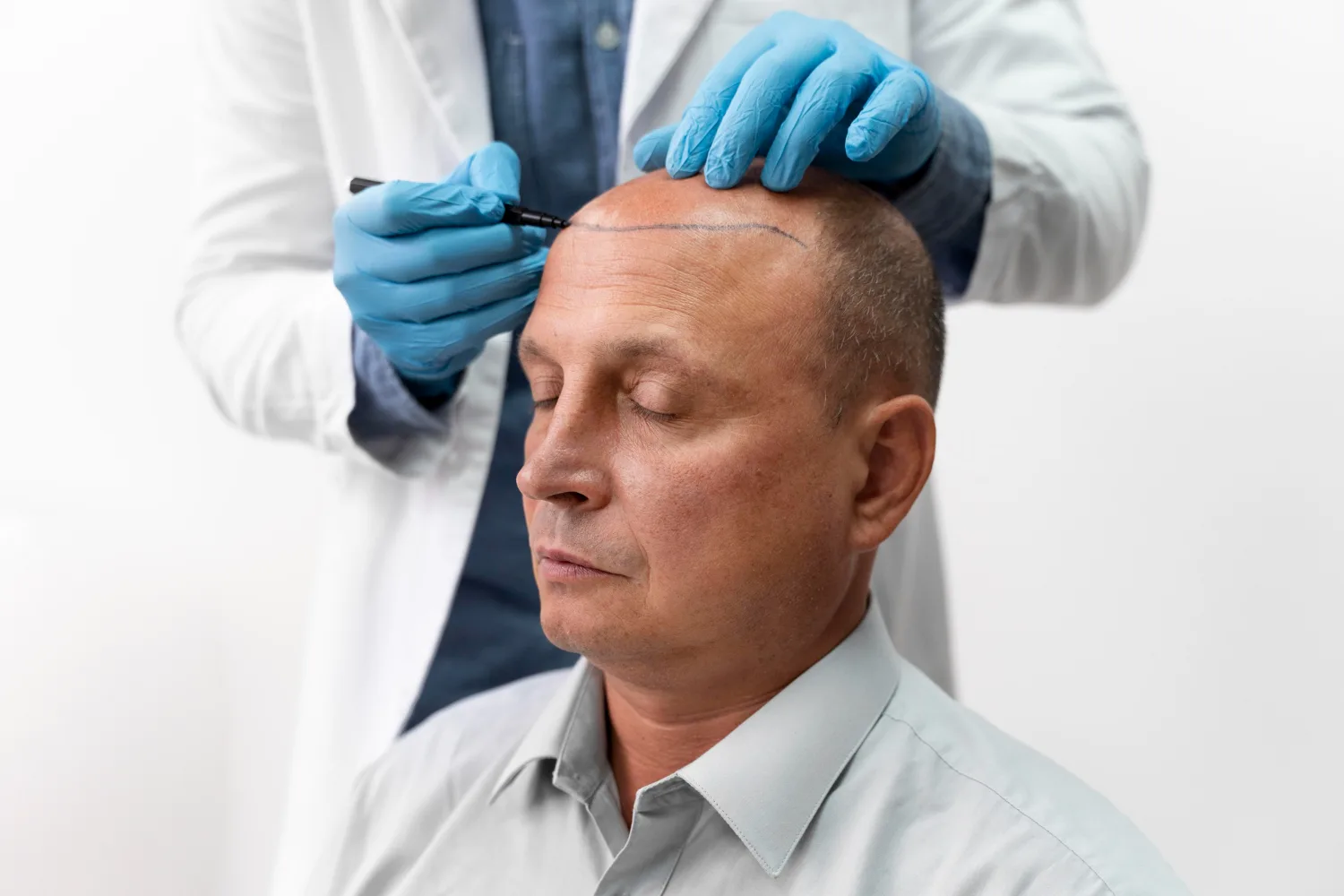
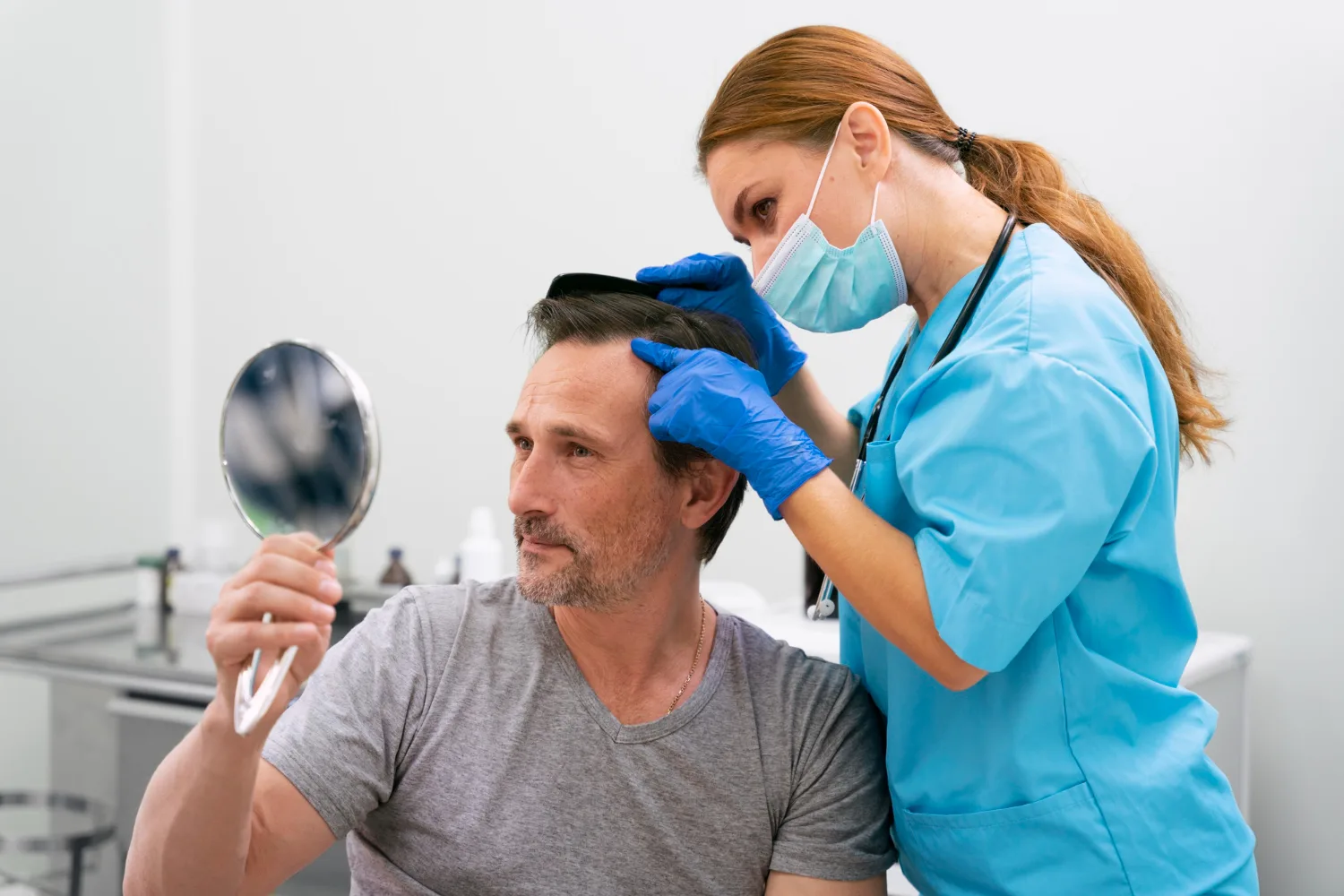
The global hair transplant market now exceeds $8.6 billion annually, and Turkey alone performs an estimated 60% to 70% of the world's procedures (Maximise Market Research 2026; Medical Tourism Co. 2026). Within this booming sector, clinics aggressively market "Sapphire FUE" as a premium upgrade. International patients face a genuine dilemma. Does the sapphire blade justify the higher price tag, or does clever branding obscure marginal gains? This evidence-based analysis delivers a clear verdict. Sapphire FUE offers measurable, peer-reviewed advantages in tissue trauma and healing speed. However, blade material remains secondary to surgeon expertise, clinic accreditation, and proper graft handling. Medical tourists who prioritize rapid recovery, maximum density, and natural hairlines will find the premium worthwhile. Patients with mild hair loss or access to master steel-blade surgeons may achieve equally satisfying outcomes for less cost.
What Is Sapphire FUE? Deconstructing the Technique
Sapphire FUE is not a separate surgery from standard FUE. It is an instrument refinement within the same follicular unit extraction protocol.
How Does the Anatomy of a Sapphire FUE Procedure Work?
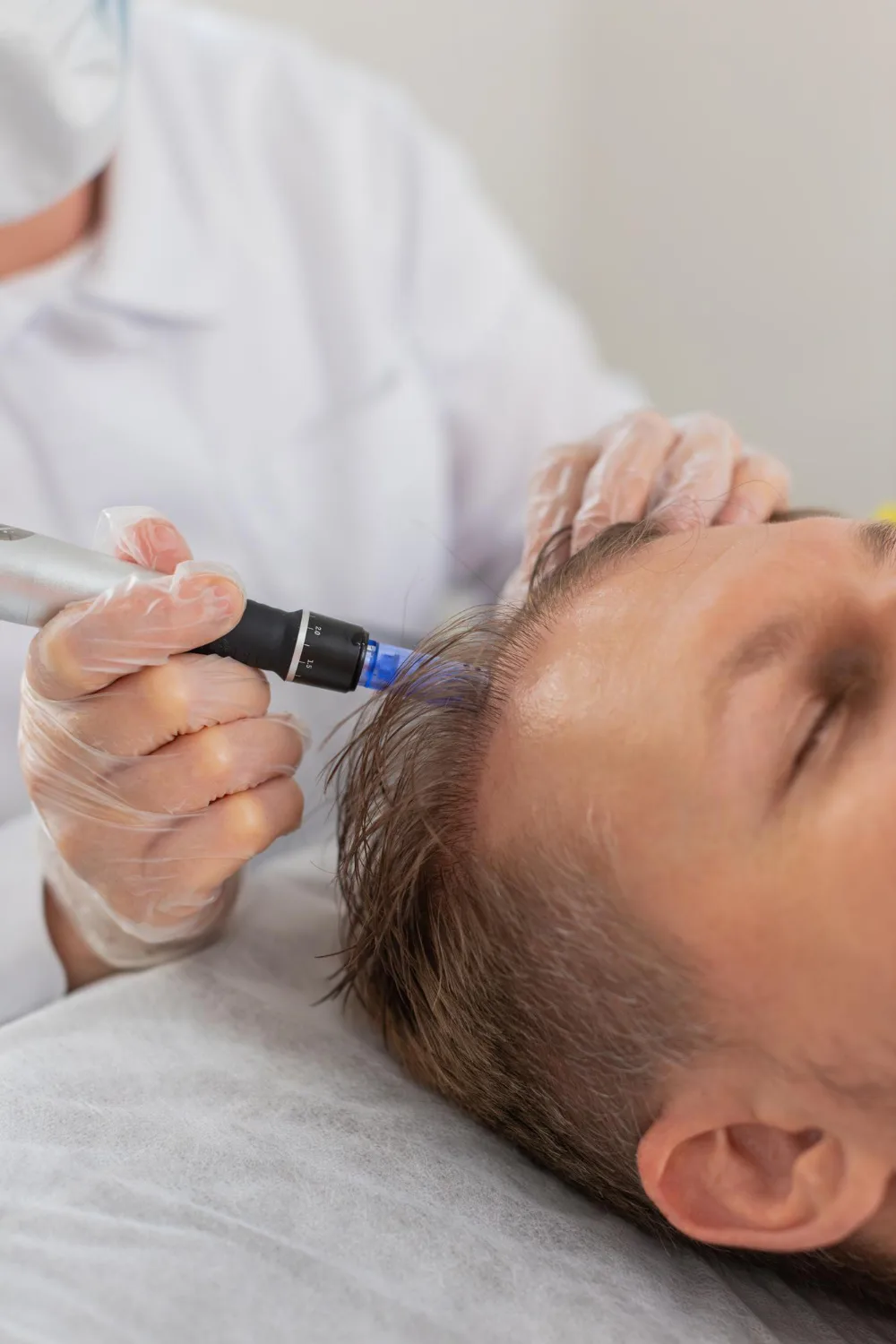
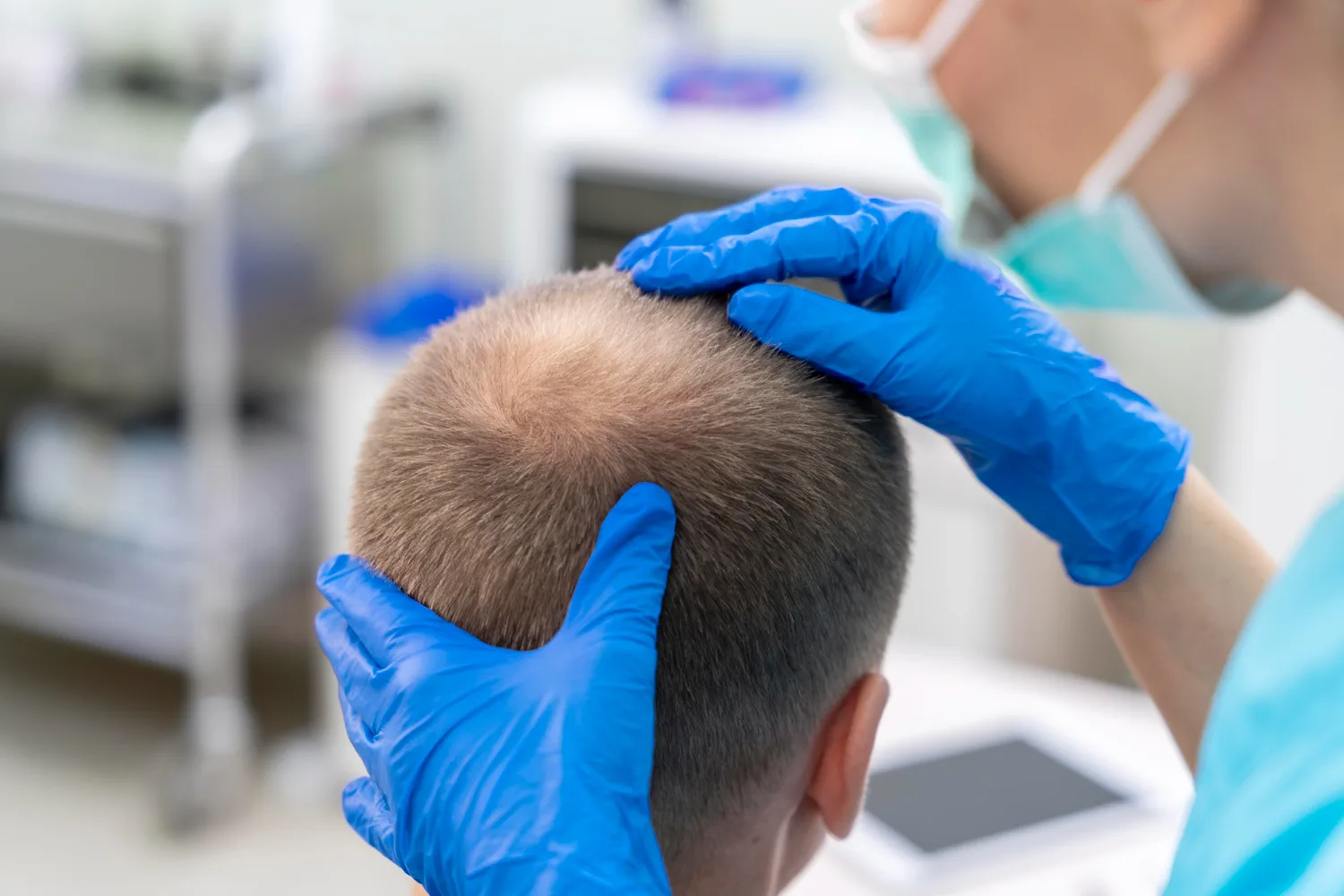
The procedure follows two identical phases. First, the surgeon extracts individual follicular units from the donor area using a micro-punch between 0.6 mm and 0.8 mm in diameter. Second, the surgeon creates recipient channels in the balding area. This second phase represents the only difference. Sapphire FUE uses synthetic sapphire blades instead of steel blades to make these micro-incisions. The extraction phase remains unchanged. The implantation phase remains unchanged. Only the channel-creation tool differs. Surgeons still place grafts into pre-made channels using fine forceps or implanter pens. Semantic entities include follicular unit extraction, donor area harvesting, recipient channel creation, and micro-punch technology.
What Is the Material Science Behind Sapphire Blades vs. Steel Blades?
Synthetic sapphire is crystallized aluminum oxide, also known as corundum. It ranks 9 on the Mohs hardness scale, second only to diamond. This extreme hardness allows sapphire blades to retain a razor-sharp edge throughout procedures involving thousands of incisions. Standard surgical steel dulls measurably after approximately 150 cuts. The geometry also differs fundamentally. Sapphire blades create V-shaped incisions. Steel blades create U-shaped incisions. The V-shape removes less tissue and displaces surrounding skin minimally. Sapphire is also chemically inert. It triggers no allergic reactions and resists corrosion. Patients with documented nickel sensitivity benefit directly from this biocompatibility. Steel blades can provoke localized inflammation in metal-sensitive individuals. The semantic cluster here includes sapphire blade technology, steel blade FUE, incision geometry, aluminum oxide corundum, and Mohs hardness scale.
What Are Common Misconceptions About Sapphire FUE?
Many marketing campaigns present Sapphire FUE as a categorically different surgery. This is false. The donor extraction, graft handling, and implantation steps remain identical to standard FUE. Another myth claims that sapphire blades guarantee superior results regardless of surgeon skill. This is also false. A dull sapphire blade in unskilled hands produces worse outcomes than a sharp steel blade in expert hands. Some clinics imply that sapphire FUE eliminates shock loss or guarantees 100% graft survival. No peer-reviewed study supports these claims. Shock loss remains a normal physiological response to surgical trauma. Graft survival depends on ischemia time, hydration, temperature control, and gentle handling far more than on blade material alone. Semantic clusters include DHI vs FUE, hair transplant techniques comparison, and evidence-based hair restoration.
What Does Peer-Reviewed Science Actually Show About Sapphire FUE?
Marketing claims must face scrutiny against published clinical evidence. The following section examines real studies indexed in PubMed and peer-reviewed surgical journals.
How Do Blade Shape and Tissue Injury Compare in Clinical Studies?
Ahmad et al. (2021) published a landmark study in the Journal of Cosmetic Dermatology that mathematically modeled tissue trauma from different blade shapes and insertion angles. The researchers calculated wound surface area as a proxy for tissue injury. The 30-degree sapphire blade produced the least tissue injury of all configurations tested. The rectangular steel blade produced the maximum tissue injury. The blade entering at a 15-degree angle caused less trauma than the blade entering at 90 degrees. The sagittal orientation caused less injury than the coronal orientation. These findings provide the strongest direct clinical evidence for sapphire blade advantages. Less tissue trauma translates to reduced inflammation, faster healing, and lower risk of damage to native follicles adjacent to transplant sites (Ahmad et al. 2021).
What Do Comparative Studies Reveal About Follicular Damage Rates?
Wang et al. (2024) conducted a retrospective study of 158 male patients with androgenetic alopecia who underwent FUE. The study found that over 90% of transplanted follicles survived at the 12-month follow-up. More than 85% of patients achieved follicle survival rates exceeding 95%. These figures establish the baseline performance of modern FUE regardless of blade material. Parsley and Perez (2010) reviewed factors affecting graft survival in their seminal analysis. They identified graft handling, hydration, and out-of-body time as primary determinants of follicular viability. Pathomvanich (2003) confirmed in Dermatologic Surgery that properly handled grafts achieve survival rates as high as 95% in ideal conditions. No peer-reviewed study has isolated sapphire blades as the sole driver of survival differences. The blade reduces trauma at the incision site, but graft survival depends on the entire surgical chain. Beehner (2021) demonstrated that grafts stored at room temperature actually showed higher survival (90.9%) than grafts stored at 4 degrees Celsius (80.3%), highlighting the complexity of variables involved (Wang et al. 2024; Parsley and Perez 2010; Pathomvanich 2003; Beehner 2021).
How Fast Is Healing After Sapphire FUE Compared to Standard FUE?
The narrower V-shaped incisions created by sapphire blades close faster than wider U-shaped steel incisions. Ahmad et al. (2021) established that reduced wound surface area correlates directly with faster re-epithelialization. Wasserbauer (2012) reported in Hair Transplant Forum International that FUE wounds typically re-epithelialize within 3 to 5 days when trauma is minimized. The Frontiers in Medicine scoping review (2026) noted that crust formation resolves within 7 to 10 days with proper postoperative care. Sapphire FUE patients typically report that redness fades within 5 to 7 days, compared to 7 to 10 days with steel blades. The donor area heals in approximately 7 to 10 days with either technique. The primary healing advantage lies in the recipient area, where smaller incisions create less inflammatory response and fewer scabs. Patients who need to return to professional settings quickly benefit from this accelerated timeline (Ahmad et al. 2021; Wasserbauer 2012; Frontiers in Medicine 2026).
What Are the Honest Limitations of Current Sapphire FUE Research?
The ISHRS 2025 Practice Census asked members to identify the next technological leap in hair restoration. The top responses were tissue-engineered hair follicles (27.9%) and stem cell therapy (26.7%). Improved medical devices for FUE ranked much lower at 8.7%. This expert consensus signals that blade material is not the frontier of innovation. No comprehensive randomized controlled trial has directly compared sapphire FUE against DHI or against steel-blade FUE in a large multicenter study. Most published data comes from retrospective analyses or mathematical modeling rather than prospective clinical trials. The existing studies measure intermediate outcomes like tissue trauma or wound surface area rather than long-term hair density or patient satisfaction at 24 months. Patients should view sapphire FUE as an incremental refinement, not a revolutionary breakthrough (ISHRS 2025; Ahmad et al. 2021).
How Does Sapphire FUE Compare to Standard FUE in Technical Terms?
The following side-by-side comparison distills the technical differences into clear metrics.
|
Factor
|
Sapphire FUE
|
Standard FUE
|
|
Blade material
|
Synthetic sapphire (Al₂O₃)
|
Surgical steel
|
|
Incision shape
|
V-shaped (narrower)
|
U-shaped (wider)
|
|
Tissue trauma
|
Minimal
|
Moderate
|
|
Healing time
|
5–7 days for redness
|
7–10 days for redness
|
|
Crust formation
|
Minimal
|
Moderate
|
|
Density potential
|
50–60 grafts/cm²
|
Lower packing density
|
|
Metal allergy risk
|
None (chemically inert)
|
Potential nickel sensitivity
|
|
Blade longevity
|
Retains edge >1,000 cuts
|
Dulls at ~150 cuts
|
|
Skill requirement
|
Higher
|
Standard
|
|
Cost in Turkey
|
$2,200–$3,500
|
$1,500–$2,500
|
The table reveals that sapphire FUE offers genuine mechanical advantages. The V-shaped incision reduces tissue displacement. The harder material maintains consistent sharpness. The chemically inert surface eliminates allergic reactions. However, both techniques achieve similar graft survival when surgeons follow proper protocols. The semantic cluster here includes hair transplant comparison, graft density, hairline design, and recipient channel geometry.
Is the Price Premium for Sapphire FUE Justified for International Patients?
Cost analysis forms the core of the medical tourism decision. International patients must weigh incremental benefits against incremental expenses.
What Is the Global Price Benchmark for Hair Transplants?
Turkey offers all-inclusive Sapphire FUE packages ranging from $2,200 to $5,000. The United Kingdom charges $7,000 to $12,000 for comparable procedures. The United States demands $8,000 to $25,000 or more. European markets outside Turkey typically range from $6,500 to $11,000. Turkey maintains this price advantage through lower operational costs, favorable exchange rates, and high surgical volume. The price gap does not reflect lower quality at accredited facilities. It reflects structural economic differences. The semantic cluster includes hair transplant cost Turkey, affordable hair transplant, and medical tourism pricing.
What Drives the Cost Difference in Turkey?
Three structural forces explain Turkey's cost leadership. First, lower staff wages and facility rents reduce overhead. Second, the Turkish lira's exchange rate makes services cheaper for dollar, euro, and pound holders. Third, intense competition among 650-plus Istanbul clinics drives efficiency. The Turkish Ministry of Health certifies over 360 facilities for international health tourism. These accredited clinics must meet strict sterility, equipment, and staffing standards. The low price results from market dynamics, not corner-cutting. Patients should verify Ministry of Health accreditation and JCI certification rather than assuming low cost equals low quality. Semantic entities include Ministry of Health Turkey, JCI certification, and health tourism accreditation.
What Do All-Inclusive Packages Typically Include?
Standard Turkish packages cover the surgical procedure, 2 to 3 nights in a hotel, airport transfers, medications, the first postoperative wash, and follow-up consultations. Some packages include blood tests, translators, and WhatsApp support after the patient returns home. Patients should confirm whether the operating surgeon or technicians perform the critical steps. Some low-cost packages use technicians for extraction and implantation while a doctor merely supervises. This practice reduces cost but increases risk. The semantic cluster includes hair transplant Turkey package, VIP medical tourism, and postoperative follow-up care.
Sapphire FUE justifies its premium for specific patient profiles. Patients needing maximum density in the crown or hairline benefit from tighter incision spacing. Patients with sensitive scalps or metal allergies avoid inflammatory reactions. Professionals requiring rapid social recovery appreciate the faster redness resolution. Medical tourists with limited time in Turkey value the shorter active healing period. Patients with mild hair loss requiring fewer than 2,500 grafts may find standard FUE equally effective, especially when performed by a master surgeon. The semantic cluster includes is sapphire FUE worth it, value for money hair transplant, and hair transplant candidacy.
What Recovery Timeline Should International Patients Expect?
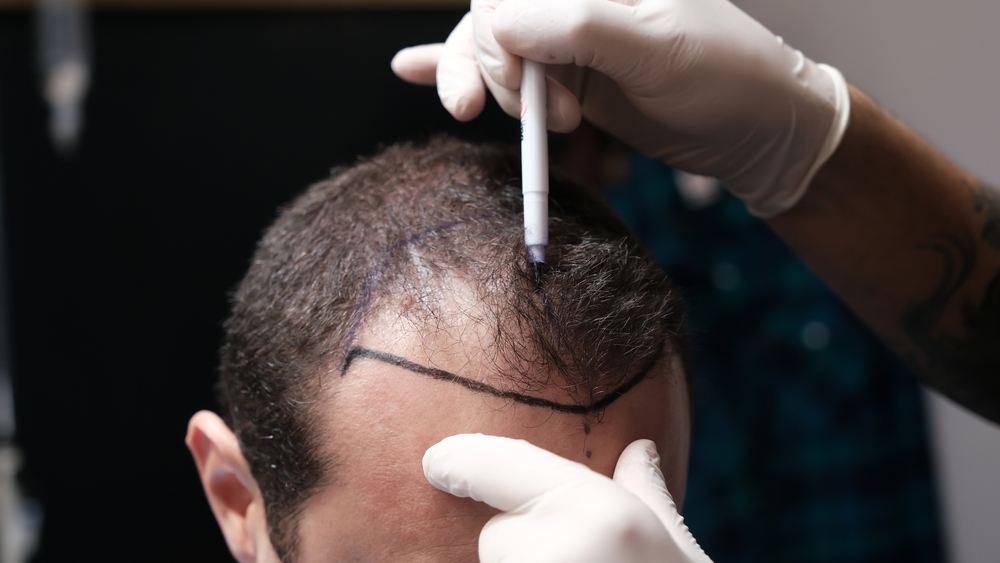
Understanding the healing sequence prevents anxiety and supports compliance.
What Happens in the First Three Days After Surgery?
Swelling peaks around day 2 or day 3. Patients should sleep with their head elevated at 45 degrees to reduce edema. Cold compresses help minimize forehead swelling. Sapphire FUE produces less bleeding during channel creation because the sharp blade seals small vessels immediately. This creates a cleaner surgical field and reduces postoperative crusting. The donor area forms tiny scabs that remain stable. Patients should avoid caffeine, alcohol, and smoking during this critical window. The semantic cluster includes immediate postoperative care, swelling management, and graft anchoring.
What Does Early Healing Look Like From Days 4 to 10?
Patients perform the first wash around day 3 or day 4 under clinic guidance. Gentle saline rinses remove early crusts without dislodging grafts. Sapphire FUE incisions close faster because the V-shaped wounds create less tissue disruption. Redness typically fades by day 5 to day 7 with sapphire blades, compared to day 7 to day 10 with steel. Scabs fall off naturally between day 7 and day 10. Patients should avoid direct sunlight, strenuous exercise, and swimming during this phase. The semantic cluster includes early healing, crust formation, and first wash protocol.
What Is the Shedding Phase at Weeks 2 to 4?
Shock loss is normal. Up to 90% of transplanted hairs shed within the first month. This is temporary effluvium, not graft failure. The follicles remain alive beneath the scalp and enter the telogen phase. Shedding occurs regardless of blade material. Patients must resist panic and avoid scratching or picking at the scalp. The semantic cluster includes shock loss, hair transplant shedding phase, and telogen effluvium.
When Does New Hair Actually Grow?
Initial growth emerges at 3 to 4 months post-surgery. Patients notice fine, soft hairs first. Density improves significantly between months 6 and 9. Full maturation requires 12 to 18 months. Wang et al. (2024) found that 80% of follicles enter active growth by month 12. Patients should evaluate final results only after this maturation period. The semantic cluster includes hair transplant results timeline, permanent hair growth, and anagen phase.
Who Is the Ideal Candidate for Sapphire FUE?
Not every patient needs sapphire blades. Candidacy depends on hair loss pattern, scalp characteristics, and lifestyle needs.
Which Patients Benefit Most From Sapphire FUE?
Patients with advanced hair loss (Norwood 4 to 6) requiring 4,000 to 5,000-plus grafts gain the most from higher density packing. Patients with thinning crowns need dense graft placement to achieve visual coverage. Younger patients aged 20 to 35 often demand undetectable results with minimal scarring. Patients with documented metal allergies avoid inflammatory reactions by using inert sapphire. Medical tourists with limited vacation time appreciate the faster healing timeline. The semantic cluster includes good candidate for Sapphire FUE, Norwood scale classification, and hair transplant candidacy.
When Is Standard FUE Sufficient?
Patients with mild hair loss requiring fewer than 2,500 grafts achieve excellent results with standard FUE. Budget-conscious patients who have access to highly experienced steel-blade surgeons should prioritize surgeon skill over blade material. Patients with coarse hair or specific scalp conditions may actually benefit from slightly larger U-shaped channels. The surgeon's judgment matters more than the marketing label. Semantic entities include standard FUE candidacy, mild hair loss, and budget hair transplant options.
Why Is Surgeon Skill More Important Than Blade Material?
Blade material is a tool. Surgeon skill is the craftsman. No instrument compensates for poor technique.
What Is the Proper Decision Framework for Choosing a Surgeon?
Patients should evaluate surgeons in this exact order. First, verify ISHRS membership and board certification in hair restoration surgery. Second, confirm that the surgeon personally performs the critical extraction, channel creation, and implantation steps. Third, assess the surgeon's hairline design philosophy through before-and-after galleries. Fourth, inquire about graft handling protocols, including storage solutions and ischemia time limits. Fifth, review postoperative care and long-term follow-up availability. Only after verifying these factors should patients consider blade material as a differentiator. Pathania et al. (2023) demonstrated that PRP-enriched holding solutions improve graft density and hair shaft length at 6 months. This adjunct matters more than blade choice. The semantic cluster includes ISHRS certified surgeon, surgeon credentials, and graft handling protocols.
What Red Flags Should Patients Watch in Sapphire FUE Marketing?
Clinics claiming 98% to 100% graft survival without peer-reviewed citations are misleading patients. No biological tissue transfer achieves 100% survival. Clinics presenting sapphire FUE as a categorically different surgery misrepresent the technique. All-inclusive packages that emphasize "sapphire" but hide who performs the procedure should trigger suspicion. Clinics that dismiss questions about surgeon credentials, technician roles, or postoperative protocols are prioritizing sales over safety. The semantic cluster includes black market hair transplant, technician-led clinics, and ISHRS warning signs.
How Can Patients Verify Clinic Quality in Turkey?
Patients should check three credentials. First, demand Ministry of Health accreditation for international health tourism. Second, verify JCI hospital certification if applicable. Third, confirm ISHRS membership through the official society registry. As of 2025, only approximately 16 doctors in Turkey hold ISHRS registration. Before-and-after galleries should show consistent lighting, multiple angles, and long-term results at 12 months or more. The semantic cluster includes best hair transplant clinic Turkey, how to choose a hair transplant surgeon, and clinic accreditation verification.
What Risks and Limitations Should Patients Understand?
Every surgical procedure carries risk. Sapphire FUE does not eliminate these risks.
What Risks Do Both Techniques Share?
Temporary shock loss affects most patients regardless of blade type. Infection is rare but possible when sterility breaks down. A retrospective analysis of 73 patients published in the Journal of Cutaneous and Aesthetic Surgery found sterile folliculitis in 23.29% of patients and bacterial folliculitis in 10.96% of patients. Postoperative edema occurred in 42.47% of patients. Poor graft growth can result from improper handling, dehydration, or extended out-of-body time. Limmer's foundational research showed that grafts lose approximately 1% viability for every hour outside the body. After 6 hours, survival drops to 86%. Unrealistic expectations represent the most common non-medical complication. Patients must understand that hair transplants restore density but do not recreate teenage hairlines. The semantic cluster includes hair transplant complications, folliculitis, and realistic expectations.
What Considerations Are Specific to Sapphire FUE?
Sapphire blades require higher surgical skill. Inappropriate depth or angle can damage existing native follicles. Graft compression can occur if slits are too small for the graft caliber. The "snug fit" principle demands precise matching between blade width and graft size. Surgeons must select blade specifications (45-degree, 60-degree, width 0.7 mm to 1.7 mm) based on patient ethnicity and hair characteristics. A 1.0 mm blade suits many Asian patients, while a 1.5 mm blade may better serve Caucasian patients with coarser hair. The semantic cluster includes sapphire-specific risks, graft compression, and blade width selection.
Why Does Turkey Dominate the International Sapphire FUE Market?
Turkey's dominance is not accidental. It results from deliberate policy, infrastructure investment, and clinical volume.
How Does Volume Translate to Expertise?
Turkey performs an estimated 1.1 million to 1.5 million hair transplant procedures annually, capturing 60% to 70% of global volume. Istanbul alone hosts over 650 clinics, with more than 360 holding Ministry of Health certification for international patients. Surgeons in high-volume centers perform thousands of procedures annually. This repetition develops refined motor skills and pattern recognition. The ISHRS 2025 Practice Census confirms that FUE accounts for approximately 80% of all surgical hair restoration procedures globally. Turkey's focus on this technique has created a deep reservoir of specialized expertise. The semantic cluster includes hair transplant Istanbul, medical tourism Turkey, and surgical volume expertise.
What Makes Turkey's Medical Tourism Ecosystem Unique?
The Turkish ecosystem supports international patients through multilingual staff fluent in English, Arabic, French, and Spanish. The 2-to-3-day trip aligns perfectly with the initial recovery timeline. Patients arrive, undergo surgery, receive their first wash, and return home within 72 hours. Postoperative support continues via video follow-ups and WhatsApp messaging. The government actively promotes health tourism through USHAS and the Health Türkiye portal. Istanbul Airport operates the world's largest single-terminal facility with capacity for 90 million passengers annually. This infrastructure makes Turkey more accessible than any competing destination. The semantic cluster includes international patient support, health tourism Turkey, and VIP medical tourism packages.
Frequently Asked Questions
Is Sapphire FUE Better Than Standard FUE?
Sapphire FUE reduces tissue trauma and accelerates healing. However, both techniques achieve similar graft survival in expert hands. The advantage is incremental, not transformative.
Does Sapphire FUE Grow More Hair?
No blade material increases the total number of hairs. Sapphire FUE may improve graft survival marginally by reducing incision trauma. Final density depends on donor supply, graft handling, and surgeon skill.
Is Sapphire FUE Less Painful?
Most patients report mild discomfort rather than pain with either technique. Sapphire FUE may produce less postoperative tightness because the V-shaped incisions displace less tissue.
How Long Does Recovery Take After Sapphire FUE?
Redness fades within 5 to 7 days. Scabs fall off by day 10. Patients resume non-strenuous activities within 2 to 3 days. Full cosmetic recovery occurs within 10 to 14 days.
Is Sapphire FUE Permanent?
Yes. Transplanted follicles come from the donor area, which is genetically resistant to androgenetic alopecia. These follicles continue growing for life. However, native hair may continue thinning without medical therapy.
Does Sapphire FUE Leave Scars?
FUE leaves tiny dot-like scars in the donor area, typically under 1 mm. Sapphire FUE creates minimal scarring in the recipient area because the incisions are microscopic. No technique is completely scarless.
Can Women Undergo Sapphire FUE?
Yes. Women represent approximately 15.3% of surgical hair transplant patients globally, with female participation growing 16.5% year over year according to the ISHRS 2025 Census. Women with female pattern hair loss or traction alopecia may benefit from sapphire precision.
How Many Grafts Can Be Transplanted in One Session?
Sapphire FUE allows up to 5,500 grafts in a single session depending on donor density. Sessions exceeding 4,000 grafts require careful planning to avoid donor depletion.
Patients can fly 2 to 3 days after surgery. They should follow postoperative washing instructions, avoid touching the grafts, and stay hydrated during the flight. Long-haul flights increase dehydration risk.
Which Technique Offers More Natural-Looking Results?
Natural results depend on hairline design, angle control, and graft distribution. Sapphire blades allow finer angle adjustments at the hairline. However, the surgeon's aesthetic judgment matters far more than the tool.
What Is the Final Verdict on Sapphire FUE for International Patients?
Sapphire FUE is worth the premium for specific medical tourists. Patients prioritizing maximum density, rapid social recovery, and natural hairlines will benefit from the reduced tissue trauma and faster healing. Patients with metal allergies avoid inflammatory complications. Medical tourists with limited time in Turkey appreciate the shorter active recovery window.
Standard FUE remains an excellent option for patients with mild hair loss, tighter budgets, or access to master surgeons with decades of steel-blade experience. The non-negotiable factor is surgeon expertise. Blade material cannot compensate for poor technique, technician-led procedures, or inadequate graft handling.
International patients should verify ISHRS membership, Ministry of Health accreditation, and JCI certification before booking. They should demand transparent answers about who performs each surgical step. They should review long-term before-and-after galleries with consistent documentation. Only after confirming these quality markers should they weigh sapphire against steel.
The evidence is clear. Sapphire FUE offers real, measurable advantages. It is not a miracle. It is a precision instrument that rewards skilled surgeons and informed patients.
References
Ahmad, Muhammad, et al. "Effect of different shapes of recipient site creation micro-blades at varying angles and wound injury." Journal of Cosmetic Dermatology, vol. 20, no. 11, 2021, pp. 3610-3615. doi:10.1111/jocd.14006.
Beehner, Michael L. "A study comparing survival of hair follicles stored cold and at room temperature." Hair Transplant Forum International, 2021.
Frontiers in Medicine. "Complications in follicular unit excision hair transplantation." Frontiers in Medicine, 2026.
International Society of Hair Restoration Surgery. "2025 ISHRS Practice Census Results." ISHRS, 2025.
Maximise Market Research. "Global hair transplant market: Industry analysis and forecast." Maximise Market Research, 2026.
Medical Tourism Co. "Turkey hair transplant tourism market analysis report." Medical Tourism Co, 2026.
Parsley, William M., and Isabela C. Perez. "Review of factors affecting the growth and survival of follicular grafts." Journal of Cutaneous and Aesthetic Surgery, 2010.
Pathania, Vikas, et al. "Randomized control trial to study the efficacy and safety of platelet-rich plasma as intraoperative holding solution in hair restoration surgery: A pilot study." Journal of Cutaneous and Aesthetic Surgery, 2023.
Pathomvanich, Damkerng. "Survival and growth of follicular unit grafts." Dermatologic Surgery, vol. 29, 2003, pp. 523-526.
Qian, Jiange, et al. "How long hair follicle units be preserved at 0 and 4 degrees C for delayed transplant?" Journal of Plastic, Reconstructive & Aesthetic Surgery, 2010.
Wang, Fang, et al. "Using the follicular unit extraction technique in treatment of male androgenetic alopecia." International Journal of Trichology, 2024.
Wasserbauer, Nicole F. "Wound healing for the hair transplant surgeon." Hair Transplant Forum International, vol. 22, no. 2, 2012, pp. 37-44.
"Complications of hair restoration surgery: A retrospective analysis." Journal of Cutaneous and Aesthetic Surgery, vol. 7, no. 4, 2014, pp. 226-231. PMC4212293.