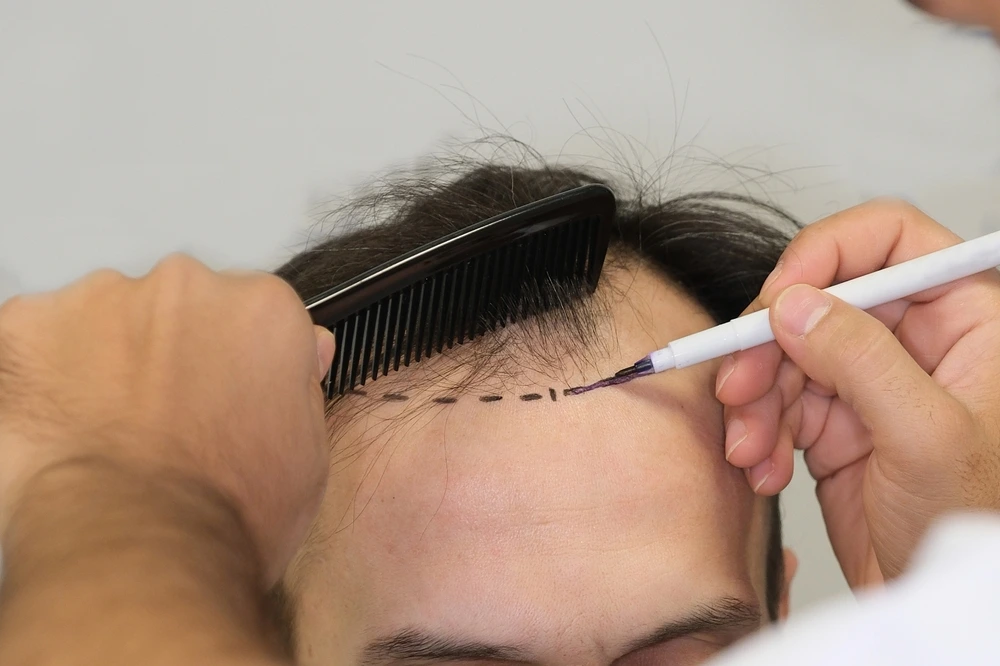
The complete hair transplant growth timeline spans 12 to 18 months. It includes immediate healing, shock loss, dormancy, early regrowth, thickening, and final maturation. Patients who choose FUE, DHI, or Sapphire FUE procedures must understand this roadmap. Realistic expectations prevent anxiety. They also ensure patient satisfaction. The biological process takes time. Hair follicles follow natural cycles. They do not grow overnight.
This hair transplant growth chart explains every phase. It uses simple language. It follows scientific facts. It helps patients track progress. It also helps them avoid panic during normal shedding. Modern hair restoration produces excellent results. However, patience matters more than instant gratification.
What Is a Hair Transplant Growth Chart and Why Should Patients Understand It?
A hair transplant growth chart maps biological recovery stages. It shows patients exactly when to expect visible changes after surgery. This tool reduces fear. It replaces uncertainty with knowledge.
Patients often worry during the first six months. They cannot see much growth. They fear the surgery failed. A clear timeline prevents this distress. It explains that dormancy is normal. It confirms that shedding is temporary. The chart also helps patients follow aftercare instructions. It shows them when to expect each milestone. Clinics use this chart during consultations. They set expectations before surgery. Patients who understand the timeline report higher satisfaction. They trust the process. They do not panic during the ugly duckling phase.
How Do Transplanted Hair Follicles Adapt After Surgery?
Surgeons extract individual follicular units from the donor areaThe Source of Restoration The donor area plays a critical role in hair transplantation, as it serves as the source.... They implant these grafts into tiny recipient sites using precision tools. Grafts anchor into the scalp within 8 to 14 days. New blood vessels connect to follicles during the first two weeks (Bernstein and Rassman 397).
The body accepts these new follicles gradually. The healing process starts immediately. Cells migrate to the graft sites. They build new connections. The scalp supplies oxygen and nutrients. This vascularization ensures graft survival. Without proper blood supply, follicles die. Patients must protect grafts during this window. They must avoid friction. They must follow washing protocols. Proper care maximizes graft survival rates.
What Happens During Graft Extraction and Implantation?
The surgical team removes grafts from the donor area. They use micro-punches for FUE procedures. They use implanters for DHI techniques. Sapphire FUE uses special blades. These blades create smaller incisions. Smaller incisions reduce trauma. They also speed up healing.
Each graft contains one to four hairs. The team keeps grafts moist. They store them in chilled solutions. This preservation prevents damage. Then they place each graft into a recipient site. The angle and direction match natural hair flow. Proper placement ensures natural results. Poor placement creates unnatural angles. Experienced surgeons master this skill.
How Long Does the Follicle Anchoring Period Last?
Grafts achieve permanent anchoring within 8 to 14 days after surgery. The first 72 hours present the highest risk. Grafts can dislodge if patients rub their scalp. They can also dislodge during sleep.
By day 4, grafts become more secure. By day 14, they anchor permanently. Patients can resume normal activities after this point. They can wear loose hats. They can sleep in any position. However, they must still avoid direct trauma. The scalp remains sensitive for several weeks.
When Does Blood Supply Establishment Occur?
New blood vessels begin connecting to grafts within the first week. This process stabilizes by day 14 (Cole 125). The body builds capillary networks around each follicle. These vessels deliver oxygen. They also deliver nutrients.
Blood supply determines graft survival. Follicles without blood flow die within days. Patients support this process through good nutrition. They also support it through hydration. Smoking harms blood vessels. It reduces oxygen delivery. Patients must avoid smoking after surgery.
What Are the Four Stages of Hair Growth After Transplantation?
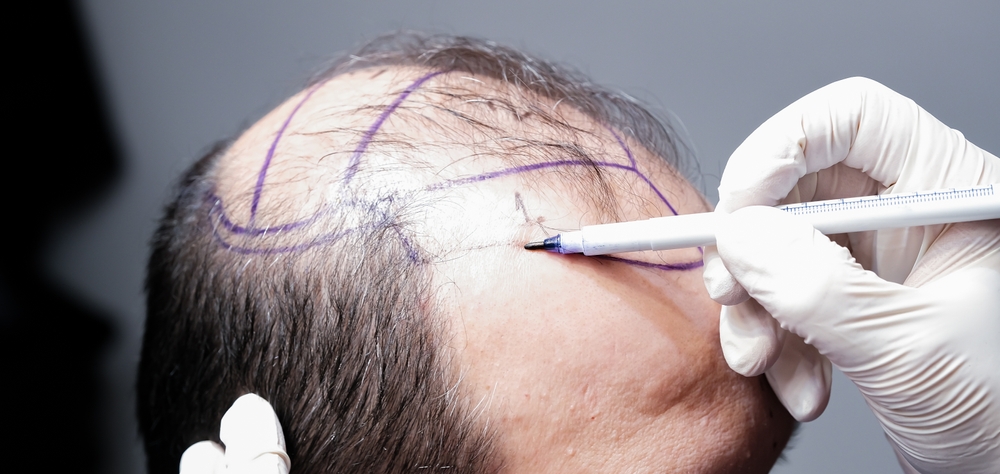
Transplanted hair cycles through anagen, catagen, telogen, and exogen phases. This cycling explains why growth appears gradual rather than immediate (Blume-Peytavi et al. 45). Every follicle operates on its own schedule. They do not synchronize perfectly. This independence creates uneven early growth.
Understanding these stages helps patients. They realize that dormancy is productive. The follicle prepares beneath the skin. It builds strength. Then it produces new hair. This cycle repeats throughout life. Transplanted hair follows the same pattern as native hair.
What Is the Anagen Phase?
Anagen is the active growth phase. Hair cells divide rapidly. Shafts lengthen during this period. Scalp anagen lasts two to seven years. Transplanted follicles re-enter anagen around month 3 or 4. Some enter earlier. Others enter later.
During anagen, the follicle pushes the hair shaft upward. The shaft becomes visible. Early anagen hairs look fine. They look lighter in color. They gain thickness over time. Full anagen production creates dense coverage.
What Is the Catagen Phase?
Catagen is the brief transition phase. Follicles shrink and detach from the blood supply. This stage lasts two to three weeks. Growth stops temporarily. The follicle resets its machinery.
Only a small percentage of hairs enter catagen at any time. Patients do not notice this phase individually. It happens beneath the surface. Then the follicle enters telogen.
What Is the Telogen Phase?
Telogen is the resting phase. Follicles remain dormant before new growth begins (Jimenez and Yunis 989). This phase lasts three to four months. Transplanted follicles often enter telogen immediately after surgery. This explains shock loss.
The follicle is alive during telogen. It does not produce hair. It conserves energy. It prepares for the next anagen cycle. Patients panic when they see no growth. They should remember that telogen is necessary. It leads to stronger regrowth.
What Is the Exogen Phase?
Exogen is the natural shedding phase. Old hairs fall out to make room for new ones. Patients see this as shock loss. The hair shaft detaches from the follicle. The follicle remains in the scalp.
Shedding usually peaks around week 6. It continues through week 8. Then it slows down. By week 12, most shedding stops. The follicles rest. Then they prepare for new anagen growth.
What Does the Hair Transplant Timeline Overview Show?
Patients experience healing first. Then shedding occurs. Then dormancy follows. Visible regrowth starts around month 3. Maturation completes by month 12 to 18. The table below summarizes this journey.
|
Time Period |
Expected Changes |
|
Days 1–14 |
Healing, redness, swelling, scabbing |
|
Weeks 2–6 |
Shock loss and shedding |
|
Months 2–3 |
Dormant phase |
|
Months 3–4 |
Early regrowth begins |
|
Months 4–6 |
Visible improvement and density increase |
|
Months 6–9 |
Thickening and maturation |
|
Months 9–12 |
Near-final appearance |
|
Months 12–18 |
Full maturation and crown development |
This table serves as a quick reference. Patients can check their progress against these benchmarks. Individual variation exists. However, most patients follow this general pattern.
What Happens During the First 14 Days After Hair Transplant Surgery?
The scalp heals. Grafts anchor. Scabs form. Swelling subsides. This window determines graft survival. Patients must treat their scalp gently. They must follow every instruction. The first two weeks set the foundation for all future growth.
What Occurs During Days 1 to 3?
Patients notice swelling and tenderness. Tiny scabs form around each graft. The donor area starts closing. Swelling peaks on day 3 or 4. It affects the forehead and around the eyes. This swelling is normal. It resolves within a week.
Patients must sleep with their heads elevated. They must use two or three pillows. Elevation reduces swelling. It also prevents graft dislodgement. The surgical team provides pain medication. Most patients need it for only two or three days.
What Changes Happen During Days 4 to 7?
Redness and swelling decrease. Grafts become more secure. Gentle washing can begin. Patients use special shampoo. They pour water carefully. They do not rub. They let water flow over the scalp.
Patients must avoid exercise. They must avoid bending. They must avoid heavy lifting. These activities increase blood pressure. Increased blood pressure can dislodge grafts. They can also cause bleeding. Most patients return to desk work after day 5. They should still avoid strenuous activity.
What Should Patients Expect During Days 8 to 14?
Scabs fall off naturally. Grafts achieve permanent anchoring. Most patients return to normal activities. The donor area heals significantly. Tiny puncture marks fade in FUE, DHI, and Sapphire FUE patients. These techniques all extract individual grafts. They leave minimal dot-like scars. They do not create linear scars.
Patients can resume light exercise after day 10. They should still avoid contact sports. They should avoid swimming. Chlorine and bacteria pose infection risks. Sun exposure also threatens healing skin. Patients should wear loose hats if they go outside.
What Is Shock Loss and Why Does It Happen?
Shock loss is temporary shedding of transplanted hair shafts. Follicles reset their growth cycle in response to surgical stress. This represents a normal biological response rather than graft failure (Mysore 184). The hair shaft falls out. The follicle root stays intact beneath the scalp.
Surgery disrupts the local environment. It causes temporary inflammation. It also interrupts blood flow briefly. Follicles react by entering telogen. This protects them. It allows recovery. Then they restart growth. Patients must understand this mechanism. It prevents unnecessary panic.
When Does Shock Loss Start?
Shedding typically begins around weeks 2 to 4. It peaks by week 6. Patients notice hairs on their pillow. They see hairs in the shower. This sight alarms them. They think their transplant failed.
The timing varies slightly. Some patients start shedding at week 2. Others start at week 4. A few patients shed earlier. A few shed later. All these patterns fall within normal range. Surgeons warn patients before surgery. Forewarned patients handle this phase better.
Is Shock Loss Normal After Hair Transplant?
Yes. Shock loss indicates healthy follicles entering the telogen phase before regrowth (Okochi et al. 1259). Research confirms that most patients experience some degree of shedding. A 2024 study analyzed 621 patients. It found that shock loss is common. It identified female sex as a risk factor. It also found that age matters in women.
Patients with shock loss should not worry. They should continue aftercare. They should avoid inspecting their scalp constantly. They should trust the timeline. The follicles remain alive. They will produce new hair.
What Does Hair Transplant Growth Look Like After 1 Month?
Most transplanted hairs have shed. The scalp appears normal. Visible growth remains minimal. Patients often feel disappointed. They expected more change. They must remember that month 1 is still early.
The donor area looks much better. Tiny donor puncture marks from FUE, DHI, and Sapphire FUE fade significantly. Redness diminishes. Patients can style their native hair. They can cover thin areas. Some patients use hair fibers. These products add temporary density. They do not harm grafts.
What Does Hair Transplant Growth Look Like After 2 Months?
Patients enter the dormant ugly duckling phase. Little visible progress occurs. Internal follicle activity continues beneath the surface. The scalp may look thinner than before surgery. This appearance is temporary.
This phase tests patience. Patients must resist the urge to judge results. They must wait for the anagen restart. They should continue any prescribed medications. They should eat well. They should sleep enough. Stress slows healing. They must manage anxiety.
What Does Hair Transplant Growth Look Like After 3 Months?
Fine baby hairs emerge unevenly. Early hairline formation begins. These first hairs look wispy. They look lighter than mature hair. They may curl slightly. This is normal.
Patients feel relief when they see these hairs. They prove the transplant worked. However, coverage remains patchy. Some areas show growth. Others remain bare. This unevenness is normal. Follicles activate at different times. Density will improve over the next months.
What Changes Occur Between Months 4 and 6 After Hair Transplant?
Regrowth accelerates. Density improves. Hair becomes thicker and darker. Around 40 to 60 percent of final results become visible. This period brings the first major cosmetic improvement.
Patients notice the “pop.” This term describes the sudden visible transformation. Hair fills in gaps. The hairline looks fuller. Crown areas start showing coverage. Patients can style their hair more freely. They gain confidence. They feel comfortable in social settings.
What Improvements Happen Between Months 6 and 9?
Hair texture normalizes. Crown areas fill in. Patients gain significant cosmetic improvement and styling flexibility. The hair blends with native hair. It looks natural.
By month 6, approximately 50 to 60 percent of final density is visible. By month 9, this reaches 75 to 80 percent. The hairline appears nearly complete. Crown coverage improves steadily. Patients can use normal hair products. They can cut and style their hair.
What Results Can Patients Expect After 12 Months?
Final density largely achieves. Natural appearance establishes. Hair shaft thickening completes. The frontal hairline looks mature. It frames the face naturally.
Patients can assess their results at this point. They can compare before-and-after photos. Most feel satisfied. Some want more density. They can discuss a second session with their surgeon. However, one session often provides sufficient coverage.
What Final Changes Occur Between Months 12 and 18?
Crown areas mature fully. Texture refines. Long-term stabilization completes. Crown transplants require more time than hairline transplants. The crown covers a larger area. It also has different blood supply patterns.
Patients with crown work must wait until month 18 for final judgment. The hair continues thickening during this window. It darkens. It integrates with surrounding hair. Final photography should occur at 18 months.
What Percentage of Hair Growth Occurs Each Month?
Growth progresses from zero percent at month 1 to 90 to 95 percent by month 12. Full maturation reaches 100 percent by month 18. The chart below shows estimated progress.
|
Month |
Estimated Visible Growth |
|
Month 1 |
0% |
|
Month 2 |
0–5% |
|
Month 3 |
5–15% |
|
Month 4 |
20–30% |
|
Month 5 |
30–40% |
|
Month 6 |
45–55% |
|
Month 7 |
55–65% |
|
Month 8 |
65–75% |
|
Month 9 |
75–80% |
|
Month 10 |
80–85% |
|
Month 11 |
85–90% |
|
Month 12 |
90–95% |
|
Months 14–18 |
95–100% |
These percentages are estimates. Individual results vary. However, they provide useful benchmarks. Patients can track their progress against this chart.
Which Factors Affect Hair Transplant Growth Timeline?
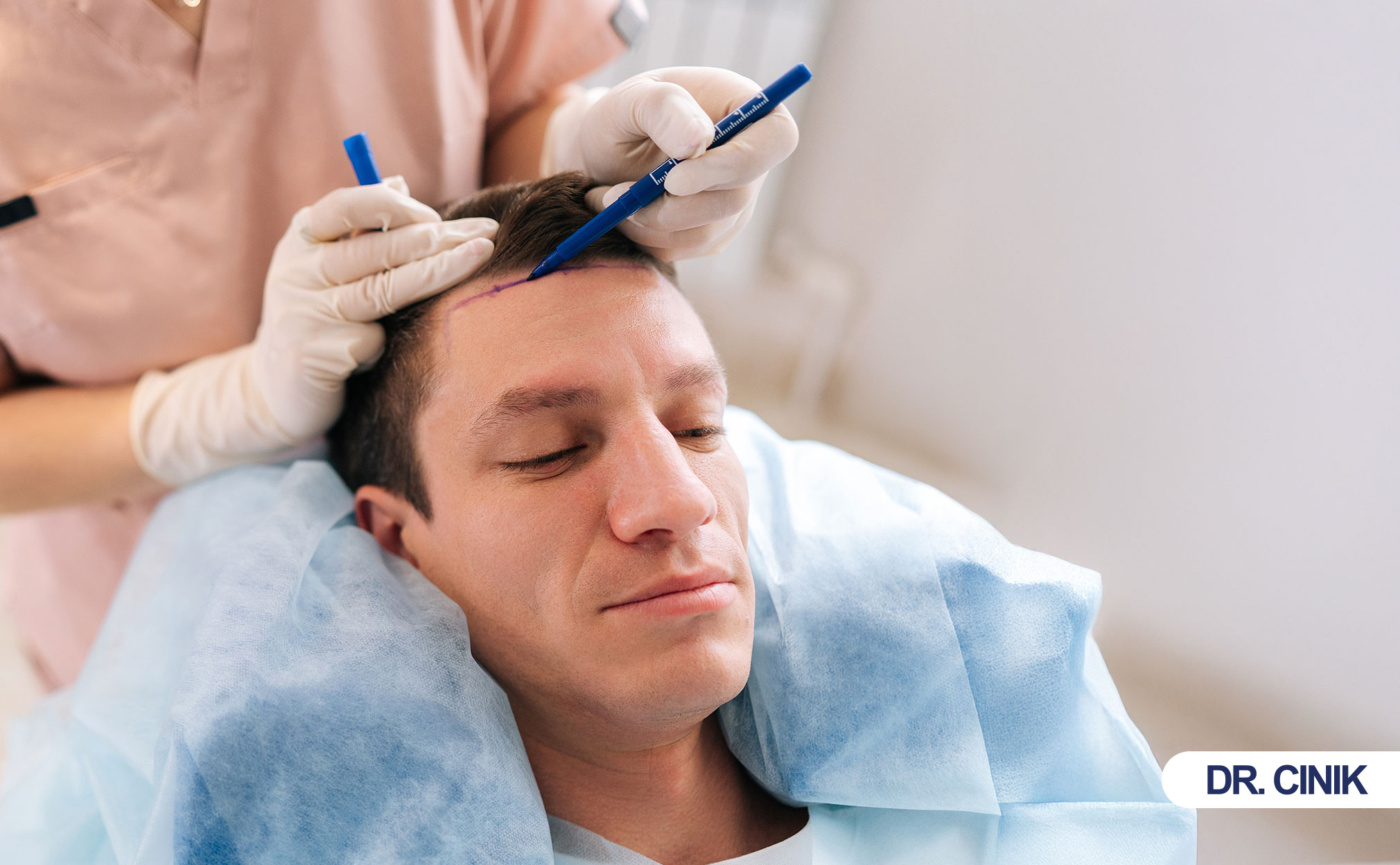
Surgical technique, patient genetics, age, lifestyle, and aftercare compliance all influence maturation speed. No two patients heal identically. Understanding these factors helps set realistic expectations.
How Does Surgical Technique Impact Growth?
FUE, DHI, and Sapphire FUE methods differ in graft handling precision. This difference affects survival rates. FUE extracts individual grafts. It leaves tiny dot scars. DHI uses an implanter pen. It places grafts directly. It reduces handling time. Sapphire FUE uses blades made from sapphire. These blades create smaller incisions. They reduce trauma.
Experienced surgeons achieve 90 to 98 percent graft survival. Poor technique damages follicles. It also wastes donor hair. Patients should research their surgeon. They should review credentials. They should examine before-and-after galleries.
Which Patient-Related Factors Matter Most?
Age, genetics, hair caliber, scalp condition, and smoking habits directly affect healing speed. Younger patients often heal faster. Their circulation is stronger. Older patients may need more time. Their skin elasticity differs.
Genetics determine hair characteristics. Thick hair shafts create fuller coverage. Curly hair provides better coverage than straight hair. Scalp condition matters too. Oily scalps may develop pimples. Dry scalps may flake. Patients should address these issues before surgery.
How Important Is Post-Operative Care?
Proper washing, graft protection, medication compliance, and hydration determine graft survival and growth quality. Surgeons provide detailed instructions. Patients must follow them exactly.
Washing removes crusts. It prevents infection. It also keeps grafts clean. Patients must use approved products. They must avoid harsh chemicals. They must sleep carefully. They must protect grafts from impact. Compliance directly correlates with results.
How Can Patients Improve Hair Growth After Transplant?
Proper scalp hygiene, nutrition, medical therapies, and healthy lifestyle habits support faster recovery. Patients play an active role. They cannot just wait passively. They must optimize their bodies for healing.
What Aftercare Practices Should Patients Follow?
Patients should maintain scalp hygiene. They should sleep with heads elevated. They should protect against sun exposure. They should avoid strenuous activity. They must also avoid scratching. Itching is common during healing. Scratching damages grafts.
Patients should wash gently. They should pat dry. They should not rub. They should avoid saunas and steam rooms. Heat increases swelling. It also increases infection risk. They should avoid swimming for one month.
Which Nutrients Support Hair Growth?
Protein, iron, zinc, biotin, and adequate hydration fuel follicle regeneration. Hair consists mainly of protein. Patients need 50 to 80 grams daily. They should eat eggs, fish, chicken, and legumes.
Iron carries oxygen to follicles. Patients should eat leafy greens and red meat. Zinc supports cell division. Biotin strengthens hair shafts. Patients should also drink 8 glasses of water daily. Hydration supports every healing process.
What Medical Therapies Enhance Results?
Minoxidil, finasteride, PRP therapy, and low-level laser therapy can stimulate growth. Minoxidil dilates blood vessels. It increases nutrient delivery. Finasteride blocks DHT. It prevents further hair loss. PRP uses the patient’s own platelets. It releases growth factors. Low-level laser therapy improves cellular metabolism.
Patients should discuss these options with their surgeon. Some start minoxidil two weeks after surgery. Others wait longer. Surgeons tailor recommendations to each case.
Which Lifestyle Habits Help Recovery?
Stress reduction, smoking cessation, and consistent sleep patterns create optimal healing conditions. Smoking constricts blood vessels. It reduces oxygen delivery. It also increases graft failure risk. Patients must quit before surgery. They must avoid smoking during recovery.
Alcohol also impairs healing. Patients should avoid it for two weeks. Sleep allows the body to repair. Patients need 7 to 8 hours nightly. Stress raises cortisol. Cortisol harms hair growth. Patients should practice relaxation techniques.
What Common Concerns Arise During Hair Transplant Recovery?
Uneven growth, prolonged redness, crown delays, scalp pimples, and haircut timing worry many patients. These concerns are normal. They deserve clear answers.
Why Does Hair Grow Unevenly After Transplant?
Follicles cycle independently. Some grafts enter anagen earlier than others. This creates patchy early growth. One area looks thick. Another looks thin. This unevenness resolves over time. All follicles eventually activate. Patience corrects this issue.
Is Redness Normal After 1 Month?
Mild redness can persist for several weeks. It usually fades by month 2 or 3. Patients with fair skin may notice redness longer. Redness fades gradually over several weeks. Patients should avoid sun exposure. Sun prolongs redness. It can also cause discoloration.
When Can Patients Cut or Dye Their Hair?
Patients can typically trim hair after 1 month. They can dye it after 6 months with surgeon approval. Early haircuts should avoid clippers near graft sites. Scissors are safer. Hair dye contains chemicals. These chemicals irritate healing skin. Patients must wait until the scalp fully recovers.
Why Does Crown Hair Grow More Slowly?
Crown follicles often require more time to vascularize and cycle into anagen. The crown area covers a larger surface. It also has a spiral growth pattern. Blood supply differs from the frontal region. These factors delay visible results. Crown patients must wait 12 to 18 months.
What Causes Scalp Pimples After Transplant?
Ingrown hairs or trapped sebum cause temporary pimples. These resolve with gentle care. Patients should not squeeze them. Squeezing damages grafts. Warm compresses help. Mild cleansing prevents buildup. Severe cases need medical attention. Surgeons may prescribe topical antibiotics.
When Should Patients Contact Their Surgeon?
Patients should call if they notice excessive bleeding, infection signs, or sudden patchy loss after month 3. Normal healing includes mild redness and swelling. Abnormal signs include pus, fever, and severe pain. These suggest infection. Sudden bald patches after month 6 may indicate graft failure. Early intervention helps.
What Myths and Facts Should Patients Know About Hair Transplant Growth?
Many patients believe results appear instantly. Others think shock loss signals failure. Science shows gradual maturation is normal. Facts replace fears.
Do Hair Transplant Results Appear Instantly?
No. Visible growth requires months. Follicles must cycle through natural phases. Patients cannot rush biology. They must wait for anagen restart. Then they must wait for thickening. Immediate results do not exist.
Does Shock Loss Mean Surgery Failed?
No. Shock loss represents normal shaft shedding. Follicles remain healthy beneath the scalp (Unger and Shapiro 112). The follicle root survives. It produces new hair. Shedding is a sign of success. It shows the follicle is cycling properly.
Does Transplanted Hair Never Shed?
No. Transplanted hair follows normal cycling. It sheds periodically throughout life. The donor area contains permanent follicles. These follicles resist DHT. However, they still cycle through anagen, catagen, telogen, and exogen. Shedding is lifelong and normal.
Do All Patients Heal at the Same Speed?
No. Individual genetics and physiology create natural variation in recovery timelines. Some patients see early growth at month 2. Others wait until month 4. Younger patients may heal faster. Older patients may need more time. Both outcomes are normal.
Can Final Results Take 18 Months?
Yes. Crown areas often need 12 to 18 months for full maturation. Frontal hairlines mature earlier. They usually complete by month 12 to 15. Crown coverage takes longer. Patients must not judge crown results prematurely.
What Before-and-After Expectations Should Patients Maintain?
Patients should expect gradual change. They should respect density limits. They should understand that donor capacity defines final coverage. Surgeons cannot create unlimited density. They work with available donor hair.
How Variable Is the Timeline Among Patients?
Some patients see early growth at month 2. Others wait until month 4. Genetics control much of this timing. Hair caliber affects visible density. Thick hair looks fuller faster. Thin hair requires more grafts for the same appearance.
What Emotional Stages Occur During Recovery?
Patients typically feel anxiety during shedding. They feel impatience during dormancy. They feel confidence during regrowth. These emotions are universal. Preparation reduces their intensity. Support groups help. Regular communication with the surgical team also helps.
Frequently Asked Questions About Hair Transplant Growth Charts?
Patients commonly ask about timing, shock loss permanence, density expectations, and crown growth duration. Clear answers build trust. They also improve compliance.
How Long Does It Take to See Hair Transplant Results?
Visible results typically begin at month 3. They improve steadily through month 12. Early signs include fine baby hairs. These signs strengthen over time. Full cosmetic improvement arrives between months 9 and 12.
When Does Transplanted Hair Start Growing?
New growth usually starts between months 2 and 4. The dormant phase ends first. Follicles re-enter anagen. They push new shafts upward. These shafts become visible as they emerge from the scalp.
How Much Growth Is Normal at 6 Months?
Most patients see 45 to 55 percent of final density by month 6. This percentage varies. Some see 60 percent. Others see 40 percent. Both ranges are normal. Growth accelerates between months 4 and 6.
Does Everyone Experience Shock Loss?
Most patients experience some shedding. Severity varies individually. Some lose most transplanted shafts. Others lose only a few. Rare patients experience minimal shedding. All patterns are acceptable.
Can Transplanted Hair Fall Out Permanently?
Properly implanted follicles from the permanent donor zone typically survive long-term. They resist DHT. They behave like native donor hair. However, surrounding native hair may continue thinning. Patients may need maintenance therapy.
When Can Patients Expect Full Density?
Full density usually arrives between months 12 and 18. Frontal areas complete earlier. Crown areas need the full 18 months. Patients should schedule final assessments accordingly.
Is Slow Growth a Sign of Failed Grafts?
Slow growth usually reflects normal variation rather than graft failure. Graft failure creates completely bald patches. Slow growth simply delays the timeline. Patients should consult their surgeon if they see no growth by month 6.
How Long Does Crown Transplant Growth Take?
Crown areas often need 12 to 18 months to mature fully. The spiral pattern and blood supply differences explain this delay. Crown patients must exercise extra patience. Their results will come.
What Should Patients Remember About Hair Transplant Recovery?
Patience, consistent aftercare, and realistic expectations produce the best long-term outcomes after modern hair restoration. The hair transplant growth chart guides patients through every phase. It shows them what to expect. It reassures them during difficult periods.
Patients must choose experienced clinics. They must follow aftercare instructions exactly. They must avoid shortcuts. Gradual growth is normal. It is expected. It is biological reality. Modern techniques produce natural, permanent results. However, these results require time. Trust the process. Follow the timeline. The reward is worth the wait.
References
Avram, Marc R., and Nicole Rogers. “Follicular Unit Harvesting.” Dermatologic Surgery, vol. 29, no. 10, 2003, pp. 1014-16.
Bernstein, Robert M., and William R. Rassman. “Follicular Unit Transplantation.” Dermatologic Clinics, vol. 23, no. 3, 2005, pp. 393-414.
Blume-Peytavi, Ulrike, et al. Hair Growth and Disorders. Springer, 2008.
Cole, John P. “The Care of Grafts.” Hair TransplantationHair transplantation is a surgical procedure that involves the extraction of hair follicles from a designated donor site, followed by..., edited by Russell S. Haber and David B. Stough, Elsevier, 2006, pp. 123-30.
Jimenez, Joaquin J., and Albert A. Yunis. “Telogen Effluvium.” Archives of Dermatology, vol. 135, no. 8, 1999, pp. 989-90.
Mysore, Venkataram. “Complications in Hair Transplantation.” Journal of Cutaneous and Aesthetic Surgery, vol. 12, no. 4, 2019, pp. 182-89.
Okochi, Hiromi, et al. “An Analysis of Risk Factors of Recipient Site Temporary Effluvium After Follicular Unit Excision: A Single-Center Retrospective Study.” Aesthetic Plastic Surgery, vol. 48, no. 7, 2024, pp. 1258-63.
Unger, Walter P., and Ronald Shapiro. Hair Transplantation. 5th ed., Marcel Dekker, 2011.