Breast augmentation in Turkey offers safe, affordable breast implant surgery with experienced plastic surgeons and modern hospitals. Thousands of women choose Turkey every year for natural-looking breast augmentation.
Breast augmentation stands as one of the most popular cosmetic procedures worldwide. Women choose this surgery to enhance breast size, restore volume, or improve symmetry. Many patients search for boob job Turkey options online. Turkey has emerged as a leading destination for breast enlargement Turkey procedures. The country attracts patients from the UK, Europe, the USA, and beyond.
In this guide, you will learn everything about breast augmentation in Turkey. We cover implant types, surgical techniques, recovery, costs, and safety. You will also discover why medical tourism Turkey continues to grow rapidly. Choosing a qualified plastic surgeon Turkey provider remains the most important decision you will make.
What Is Breast Augmentation?
Breast augmentation is a surgical procedure that enlarges the breasts using implants or fat transfer. Surgeons perform this surgery to enhance size, shape, and symmetry.
Breast augmentation changes the size and shape of a woman’s breasts. Surgeons perform this procedure under general anesthesiaEnsuring Comfort During Hair Transplants Sedation is used in hair transplantation to help patients remain calm and comfortable throughout the.... The surgery involves inserting breast implants Turkey providers offer or transferring fat from another body area. Most patients seek breast augmentation for cosmetic reasons. Some patients need reconstructive surgery after mastectomy or trauma.
What Does Breast Augmentation Surgery Mean?
Breast augmentation surgery means placing an implant behind the breast tissue or chest muscle to increase breast volume.
Cosmetic breast augmentation improves appearance. Reconstructive breast augmentation restores breasts after cancer surgery or injury. The primary goal of breast enhancement involves creating natural, proportionate results. Surgeons customize each procedure based on the patient’s body type and goals.
Why Do Women Choose Breast Augmentation?
Women choose breast augmentation to increase small breasts, fix asymmetry, restore volume after pregnancy, or reverse aging changes.
Many women have naturally small breasts. Breast asymmetry affects many patients. One breast may differ significantly in size or shape from the other. Pregnancy and breastfeeding often reduce breast volume. Weight loss can also shrink breast tissue. Aging causes breasts to lose fullness and sag. Breast implant surgery addresses all these concerns effectively.
Why Should You Choose Turkey for Breast Augmentation?
Turkey offers highly trained surgeons, modern hospitals, affordable prices, and comprehensive all-inclusive packages for breast augmentation.
Turkey ranks among the top destinations for cosmetic surgery Turkey procedures. The country combines medical excellence with cost savings. Patients receive world-class care while paying significantly less than in Western countries.
What Makes Turkish Plastic Surgeons So Experienced?
Turkish plastic surgeons complete international training and perform high surgical volumes using advanced techniques.
Turkish surgeons train at prestigious institutions worldwide. Many hold certifications from European and American boards. Surgeons in Turkey perform thousands of breast surgery Turkey procedures annually. This high volume builds exceptional skill. They master advanced techniques like dual plane placement and minimal-scar approaches. The International Society of Aesthetic Plastic Surgery confirms Turkey’s global ranking in aesthetic procedures (ISAPS, “ISAPS Global Survey 2023”).
How Modern Are Hospitals in Turkey?
Turkish hospitals feature state-of-the-art operating rooms and meet strict international healthcare standards.
Hospitals in Turkey invest heavily in modern technology. Operating rooms contain advanced surgical equipment and monitoring systems. Many facilities hold Joint Commission International accreditation. The Turkish government requires all international hospitals to obtain an International Health Tourism Authorization Certificate. Patient safety protocols match or exceed European standards. Future Market Insights notes that private healthcare dominates Turkey’s medical tourism market with 72.6% share (Future Market Insights, “Turkey Medical Tourism Sector Outlook and Forecast”).
Why Is Breast Augmentation More Affordable in Turkey?
Lower operational costs and favorable exchange rates allow Turkish clinics to offer quality care at lower prices.
Turkey maintains lower staff costs, facility rents, and administrative expenses than the UK or USA. The currency exchange rate works in favor of international patients. A breast augmentation package Turkey costs 50-75% less than equivalent procedures in Western Europe. Mordor Intelligence reports that Turkey’s medical tourism market reached USD 3.97 billion in 2025, driven largely by these cost advantages (Mordor Intelligence, “Turkey Medical Tourism Market Size & Growth to 2031”).
What Do All-Inclusive Packages Include?
All-inclusive packages cover airport transfers, hotel accommodation, hospital stay, interpreters, medication, and follow-up visits.
Clinics design these packages to remove stress from international patients. You receive door-to-door service from arrival to departure. An all-inclusive breast augmentation Turkey package typically includes VIP airport transfers, 4 or 5-star hotel accommodation, hospital stay in a private room, professional interpreter services, all medications and dressings, post-operative check-ups, and compression garments.
How Does Medical Tourism Work in Turkey?
Medical tourism in Turkey combines treatment with travel, supported by international patient coordinators in major cities.
Istanbul leads the market with over 650 certified clinics and 238 hospitals. Medical Tourism Co reports that Istanbul serves more than 50% of all cosmetic surgery patients traveling to Turkey (Medical Tourism Co, “Turkey Cosmetic Surgery Tourism Market Analysis Report”). Patient coordinators speak multiple languages. They handle scheduling, travel arrangements, and aftercare planning. Many patients extend their stay to explore Turkish culture and history.
Who Qualifies for Breast Augmentation?

Good candidates maintain stable health, fully developed breasts, realistic expectations, and stable body weight.
Not everyone qualifies for breast enlargement Turkey procedures immediately. Surgeons evaluate both physical and psychological readiness before scheduling surgery.
What Physical Health Requirements Do You Need?
You need good general health, stable body weight, and fully developed breast tissue.
Surgeons require patients to pass a comprehensive health screening. You should not have active infections or uncontrolled chronic diseases. Your body weight should remain stable for at least six months. Significant weight fluctuations after surgery can alter results. Your breasts must reach full development, which typically occurs by age 18.
What Mental Preparation Do You Need?
You need realistic expectations and a clear understanding of what breast augmentation can and cannot achieve.
Breast augmentation enhances your natural shape. It does not create perfection or solve unrelated body image issues. Surgeons discuss expected outcomes during consultation. You should understand the benefits and limitations of breast implant surgery. The American Society of Plastic Surgeons emphasizes that psychological readiness directly impacts satisfaction rates (American Society of Plastic Surgeons, “2023 Plastic Surgery Statistics Report”).
Who Should Wait for Surgery?
Pregnant women, breastfeeding mothers, smokers, and patients with certain medical conditions should delay surgery.
Pregnancy changes breast size and shape significantly. Surgeons recommend waiting until several months after breastfeeding ends. Smoking impairs healing and increases complication risks. Patients must quit smoking at least four weeks before surgery. Autoimmune disorders, bleeding disorders, and active cancer may disqualify patients temporarily.
What Types of Breast Implants Can You Get in Turkey?
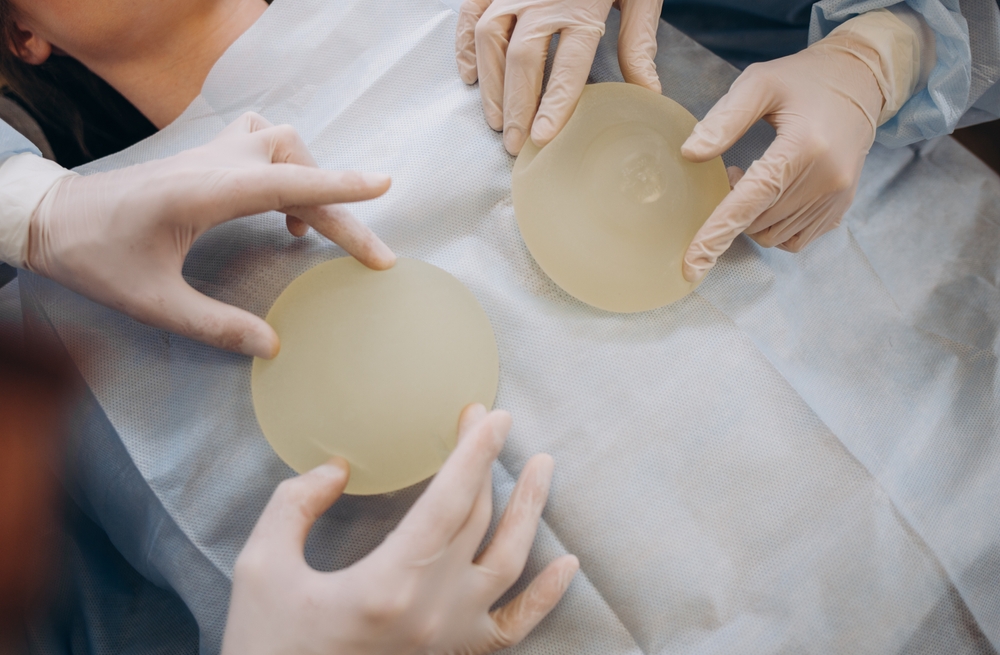
Turkish clinics offer silicone implants, saline implants, and cohesive gel gummy bear implants.
Breast implants Turkey clinics provide several options. Each type offers unique advantages. Your surgeon helps you select the best option for your body and goals.
What Are Silicone Implants?
Silicone implants contain a gel that feels similar to natural breast tissue and offers a natural appearance.
Silicone breast implants remain the most popular choice worldwide. The gel inside mimics the feel of natural breast tissue. Manufacturers offer various gel cohesiveness levels. Silicone implants come in smooth or textured surfaces. The FDA monitors silicone implant safety through ongoing studies. U.S. Food and Drug Administration guidance confirms that silicone implants maintain a strong safety profile when patients follow recommended screening (U.S. Food and Drug Administration, “Breast Implant Risks and Benefits”).
What Are Saline Implants?
Saline implants contain sterile salt water and allow surgeons to adjust volume during surgery.
Surgeons insert saline implants empty and fill them after placement. This technique requires smaller incisions. If rupture occurs, the body absorbs the saline safely. However, saline implants feel firmer and less natural than silicone. They may also show rippling more easily in patients with thin breast tissue.
What Are Cohesive Gel or Gummy Bear Implants?
Gummy bear implants contain a highly cohesive silicone gel that retains shape and resists leakage.
Cohesive gel implants earn the nickname “gummy bear” because their filling resembles the candy’s consistency. The gel holds its shape even if the shell breaks. These implants resist wrinkling and rippling. They suit patients seeking a teardrop shape or those with thin tissue. Shadrin and colleagues confirm that modern silicone implants demonstrate excellent long-term durability in clinical studies (Shadrin, V. V., et al., “Long-Term Durability of Silicone Breast Implants”).
How Do You Choose the Right Implant Size and Shape?
Your surgeon selects the ideal implant based on your chest anatomy, existing tissue, skin elasticity, and lifestyle goals.
Choosing the right implant requires careful measurement and discussion. Surgeons use sizers and 3D imaging to preview results. They consider multiple factors before recommending a specific implant.
What Is the Difference Between Round and Teardrop Implants?
Round implants create fuller upper poles, while teardrop implants mimic the natural slope of the breast.
Round implants provide more lift and cleavage. They suit patients wanting dramatic enhancement. Teardrop or anatomical implants taper at the top and fuller at the bottom. They create a more natural-looking breast augmentation result. However, teardrop implants require precise placement because rotation can distort the shape.
What Do Implant Profiles Mean?
Implant profiles determine how far the implant projects from the chest wall, ranging from low to high.
Low profile implants create a subtle, wide-based look. Moderate profiles suit most body types and create natural proportions. High profile implants project forward more dramatically. They suit narrow-chested patients who want significant volume without excessive width. Your surgeon measures your chest width to recommend the best profile.
What Factors Affect Your Implant Choice?
Your chest width, existing breast tissue, skin elasticity, and activity level all influence implant selection.
Surgeons measure your chest wall width first. They assess how much natural breast tissue covers the implant. Thin tissue requires more consideration to avoid visible edges. Loose skin accommodates larger implants more easily. Active patients may prefer smaller implants for comfort during exercise. Desired aesthetic outcome guides the final decision.
Where Do Surgeons Place Breast Implants?
Surgeons place implants over the muscle, under the muscle, or using the dual plane technique depending on your anatomy and goals.
Breast implant placement significantly affects the final look and feel. Each option offers distinct advantages.
What Is Over-the-Muscle Placement?
Over-the-muscle or subglandular placement positions the implant directly behind breast tissue.
Surgeons choose this option for patients with adequate natural breast tissue. Recovery tends to be easier because the muscle remains undisturbed. However, this placement may show more rippling in thin patients. It also carries a slightly higher capsular contracture risk according to some studies.
What Is Under-the-Muscle Placement?
Under-the-muscle or submuscular placement positions the implant beneath the pectoral muscle.
This technique provides more tissue coverage over the implant. It reduces visible rippling and may lower certain complication risks. Collis and colleagues found that subpectoral placement significantly reduces capsular contracture rates compared to subglandular placement (Collis, N., et al., “Ten-Year Prospective Study”). Recovery involves more muscle soreness initially.
What Is the Dual Plane Technique?
The dual plane technique places the implant partially under the muscle and partially behind breast tissue.
Tebbetts developed this approach to combine the benefits of both placements. The upper portion sits under the muscle for coverage. The lower portion rests behind the gland for natural movement. This technique suits patients with mild breast sagging who do not need a lift. It creates a natural-looking breast augmentation with good muscle coverage.
Which Placement Option Works Best?
Submuscular or dual plane placement works best for most patients, but your surgeon tailors the choice to your body.
Patients with thin tissue usually benefit from under-the-muscle or dual plane placement. Patients with ample breast tissue may do well with over-the-muscle placement. Your surgeon examines your chest anatomy and discusses your goals. Together, you select the breast implant placement that optimizes your results.
What Surgical Techniques Do Surgeons Use?
Surgeons use inframammary, periareolar, or transaxillary incisions to insert breast implants.
The incision location affects scar visibility and surgical access. Each technique serves specific patient needs.
What Is the Inframammary Incision?
The inframammary incision runs along the crease beneath the breast.
Surgeons prefer this approach because it provides direct access to the breast pocket. It allows precise implant placement with minimal tissue disruption. The scar hides naturally in the breast fold. This incision works with all implant types and placements. Most surgeons use this technique for primary breast augmentation.
What Is the Periareolar Incision?
The periareolar incision follows the lower edge of the areola where it meets the normal skin.
This approach creates a well-concealed scar that blends with the natural color transition. It suits patients who also need minor areolar adjustment. However, it may increase sensation changes and potentially affects breastfeeding more than other approaches. Adams recommends careful patient selection for this technique to minimize complications.
What Is the Transaxillary Incision?
The transaxillary incision hides in the natural fold of the armpit.
Surgeons use an endoscope to create the implant pocket through this remote access. This technique leaves no scar on the breast itself. It works best with saline implants or smaller silicone implants. Larger implants may prove difficult to insert through this approach. The scar remains hidden in the armpit.
How Do These Techniques Compare?
Inframammary incisions offer the most versatility, periareolar incisions hide well but carry more risks, and transaxillary incisions avoid breast scars but limit implant size.
|
Incision Type |
Scar Location |
Best For |
Limitations |
|
Inframammary |
Breast fold |
All implant types |
Slight visibility in some positions |
|
Periareolar |
Areola edge |
Minor lifts, small implants |
More sensation risk |
|
Transaxillary |
Armpit fold |
Saline, small silicone |
Difficult with large implants |
What Happens During Breast Augmentation Surgery?
Surgery involves consultation, health checks, anesthesia, implant insertion, and monitored recovery.
Understanding the surgical process reduces anxiety and prepares you for each stage.
What Happens at the Initial Consultation?
Your surgeon examines your breasts, discusses goals, recommends implant options, and explains the surgical plan.
You share your medical history and desired outcome. The surgeon measures your chest, breast width, and skin elasticity. They show you breast augmentation before and after photos of similar patients. You discuss implant type, size, placement, and incision location. The surgeon answers all questions and sets realistic expectations.
What Does Preoperative Assessment Involve?
Preoperative assessment includes blood tests, breast imaging, cardiac evaluation, and medication review.
The medical team checks your blood count, clotting function, and infection markers. Patients over 40 may need a mammogram. You must stop certain medications like blood thinners before surgery. The anesthesiologist reviews your health to plan safe anesthesia.
What Type of Anesthesia Do Surgeons Use?
Surgeons use general anesthesia for breast augmentation so you sleep comfortably throughout the procedure.
A board-certified anesthesiologist administers the anesthesia. They monitor your heart rate, blood pressure, and oxygen levels continuously. General anesthesia ensures you feel no pain during surgery. You wake up in the recovery room after the procedure ends.
What Are the Steps of the Surgical Procedure?
The surgeon makes an incision, creates a pocket, inserts the implant, checks symmetry, and closes the incision.
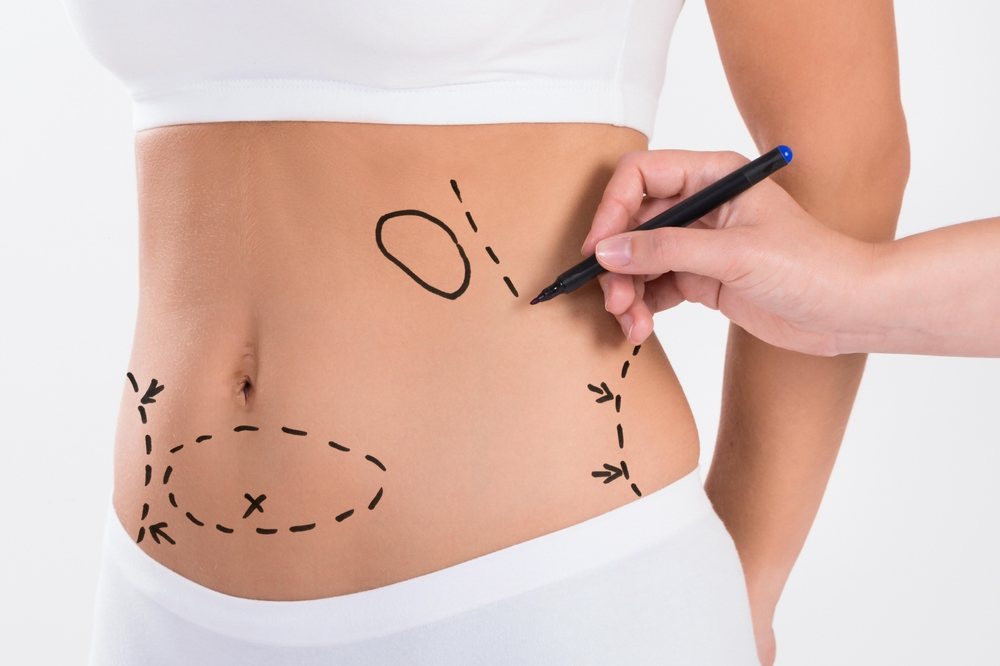
First, the surgical team marks your breasts while you stand. After anesthesia takes effect, the surgeon makes the planned incision. They create a precise pocket behind the breast tissue or muscle. The surgeon inserts the implant and checks position from multiple angles. They adjust until both breasts match perfectly. Finally, they close the incision with layered sutures and apply dressings.
How Long Does Surgery Take?
Breast augmentation surgery typically takes one to two hours.
Simple cases with one implant type may finish in 60 minutes. Complex cases involving asymmetry correction or combined procedures may take up to two hours. The surgical team never rushes. They prioritize precision and safety over speed.
What Happens in the Recovery Room?
Nurses monitor your vital signs, manage pain, and ensure you wake up safely before moving you to your room.
You wake up in a supervised recovery area. Nurses check your blood pressure, heart rate, and oxygen levels. They administer pain medication as needed. Most patients stay in the hospital for one night. Some clinics discharge patients the same day depending on the procedure complexity.
What Does Recovery After Breast Augmentation Look Like?
Recovery progresses from initial rest through gradual return to normal activities over several weeks.
Breast augmentation recovery requires patience and proper care. Following your surgeon’s instructions ensures the best outcome.
What Should You Expect in the First 24 to 72 Hours?
You will experience swelling, tightness, and mild discomfort that medication controls effectively.
The first three days require rest. Your chest feels tight and heavy. Swelling peaks around day two or three. Pain medication keeps discomfort manageable. You should sleep on your back with your upper body elevated. Someone should assist you with daily tasks during this period.
What Happens During the First Week?
Swelling begins to decrease, bruising appears and fades, and you attend your first follow-up visit.
Your surgeon removes drainage tubes if placed. They check incision healing and implant position. You may shower after 48 hours with careful drying of the incision area. Most patients feel well enough to walk around the house. You should still avoid lifting anything heavier than 2-3 kilograms.
When Can You Return to Work?
Most patients return to desk jobs within 5 to 7 days, but physically demanding work requires 2 to 3 weeks.
Office workers often resume duties after one week. Teachers, retail workers, and others who move frequently may need ten days to two weeks. Jobs requiring heavy lifting demand three weeks of rest. Your surgeon clears you based on your healing progress.
When Can You Exercise Again?
You can walk immediately, resume light exercise after two weeks, and return to full workouts after six weeks.
Walking promotes circulation and prevents blood clots. Avoid upper body exercises for at least three weeks. Running and high-impact activities may resume after four weeks with surgeon approval. Weightlifting and chest exercises require six weeks of healing time.
Why Do You Need Compression Garments?
Compression garments reduce swelling, support implants, and help tissues heal in the correct position.
Your surgeon provides a surgical bra or compression wrap. You wear this garment continuously for the first two to four weeks. It minimizes fluid buildup and keeps implants settled. Proper support during breast implant recovery prevents displacement and improves comfort.
How Long Does Scar Healing Take?
Scars appear red and raised for the first few months, then fade significantly over 12 to 18 months.
Incision lines heal closed within two weeks. The scar then enters a remodeling phase. Silicone sheets or scar gels help minimize visibility. Sun protection prevents darkening. Most scars fade to thin, pale lines that hide well in their chosen locations.
When Will You See Final Results?
Initial results appear immediately, but final results emerge after 3 to 6 months once swelling fully resolves.
Implants may sit high initially due to muscle tightness. They gradually settle into their natural position over several weeks. The breasts soften and take on a more natural shape. Patients should wait at least six months before judging their final appearance.
What Risks and Complications Can Occur?
Breast augmentation carries temporary side effects and rare but serious risks that proper surgical technique minimizes.
All surgery involves some risk. Understanding potential complications helps you make an informed decision and recognize warning signs.
What Temporary Side Effects Are Normal?
Swelling, bruising, mild discomfort, and temporary numbness represent normal healing responses.
Your body reacts to surgery with inflammation. Swelling spreads across the chest and sometimes into the abdomen. Bruising changes color from purple to yellow before disappearing. Nipple sensation may increase or decrease temporarily. These effects resolve within two to four weeks.
What Surgical Risks Should You Know About?
Infection, bleeding, implant displacement, capsular contracture, rupture, and sensation changes represent the main breast implant risks.
Infection occurs in less than 2% of cases but requires prompt antibiotic treatment. Bleeding may create a hematomaHematoma: A localized collection of blood outside the blood vessels, often causing swelling and discoloration, which can occur as a... needing drainage. Implant displacement happens when the pocket heals unevenly. Capsular contracture involves scar tissue tightening around the implant. Safran and colleagues describe capsular contracture as the most common long-term complication, affecting 10-15% of patients within the first decade (Safran, T., et al., “Current Concepts in Capsular Contracture”). Implant rupture remains rare with modern devices. Some patients experience permanent nipple sensation changes.
How Can You Minimize These Risks?
Choosing a board-certified surgeon, following preoperative instructions, and attending all follow-up visits significantly reduce complication risks.
Research your surgeon’s credentials thoroughly. Stop smoking well before surgery. Take all prescribed antibiotics and medications. Wear your compression garment as directed. Attend every scheduled follow-up appointment. Report unusual symptoms like fever, severe pain, or rapid swelling immediately.
How Long Do Breast Implants Last?
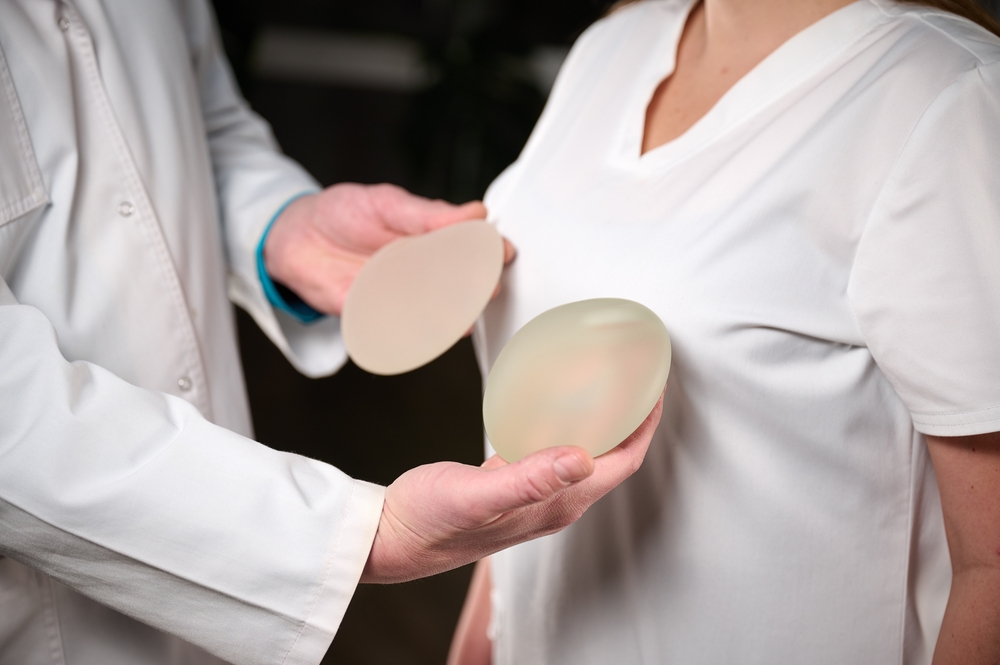
Modern breast implants last 10 to 20 years or more, but they are not lifetime devices.
Breast implants require monitoring and eventual replacement in some cases. Understanding longevity helps you plan for long-term maintenance.
What Is the Average Lifespan of Breast Implants?
Most silicone implants function well for at least 10 to 15 years, and many last much longer.
Goodman and colleagues conducted a meta-analysis showing that silicone gel implants demonstrate durable performance over extended periods (Goodman, C. M., et al., “The Life Span of Silicone Gel Breast Implants”). However, manufacturers do not label implants as lifetime devices. The FDA recommends periodic MRI screening for silicone implants starting three years after surgery and every two years thereafter.
When Might You Need Revision Surgery?
You may need revision surgery for capsular contracture, rupture, significant size change desires, or implant displacement.
Duteille and colleagues reported an explantation rate of 6% for augmentation patients over eight years in their clinical follow-up study (Duteille, F., et al., “Eight-Year Follow-Up Study”). Some patients simply want larger or smaller implants after many years. Pregnancy or weight changes may alter breast appearance and prompt revision.
What Follow-Up Care Do You Need?
You need annual clinical exams and imaging studies to monitor implant integrity.
Your surgeon examines your breasts yearly. They check for capsular contracture, displacement, or tissue changes. The FDA recommends MRI or ultrasound to evaluate silicone implant integrity. Self-exams help you detect changes between appointments.
How Much Does Breast Augmentation Cost in Turkey?
Breast augmentation in Turkey costs between €3,400 and €5,200 for all-inclusive packages, representing 50-75% savings compared to Western countries.
Cost remains a major factor for medical tourism patients. Turkey offers exceptional value without sacrificing quality.
What Is the Average Price Range?
Standard breast augmentation packages range from €3,400 to €5,200 depending on the clinic and implant type.
Basic packages with standard silicone implants start at the lower end. Premium packages with cohesive gel implants or combined procedures reach the higher end. These prices include surgery, implants, hospital stay, and basic aftercare.
What Factors Affect the Cost?
Implant brand, surgeon experience, clinic location, hospital quality, and combined procedures all influence price.
Mentor and Allergan implants cost more than lesser-known brands. Highly experienced surgeons charge premium fees. Istanbul clinics typically cost more than those in smaller cities. JCI-accredited hospitals charge more than standard clinics. Adding a breast lift or liposuction increases the total price.
What Do All-Inclusive Packages Cover?
All-inclusive breast augmentation package Turkey offerings cover surgery, implants, accommodation, transfers, medications, and follow-up care.
|
Package Component |
Included? |
|
Airport transfers |
Yes |
|
Hotel (4-5 nights) |
Yes |
|
Hospital stay (1-2 nights) |
Yes |
|
Surgery and anesthesia |
Yes |
|
Implants |
Yes |
|
Medications |
Yes |
|
Compression garment |
Yes |
|
Interpreter |
Yes |
|
Follow-up visits |
Yes |
How Does Turkey Compare to the UK, USA, and Europe?
Turkey offers the same quality at 50-75% lower cost than the UK, USA, and Western Europe.
|
Location |
Average Cost |
Savings vs Turkey |
|
Turkey |
€3,400-€5,200 |
Baseline |
|
UK |
£6,000-£10,000 |
50-60% more |
|
USA |
$8,000-$15,000 |
60-75% more |
|
Germany |
€7,000-€12,000 |
55-65% more |
Medical Tourism Co confirms that UK patients save 50-75% on all major procedures in Turkey (Medical Tourism Co, “Turkey Cosmetic Surgery Tourism Market Analysis Report”).
How Does Breast Augmentation in Turkey Differ from the UK?
Turkey offers faster scheduling, lower costs, immediate surgeon availability, and comprehensive packages compared to the UK system.
Patients from the UK represent one of the largest groups seeking cosmetic surgery Turkey procedures. Several key differences drive this trend.
How Do Costs Compare?
Breast augmentation costs 50-60% less in Turkey than in the UK private market.
UK private clinics charge £6,000 to £10,000 for breast augmentation. Turkish all-inclusive packages cost €3,400 to €5,200. The savings often cover travel expenses and accommodation with money left over.
How Do Waiting Times Compare?
Turkish clinics schedule surgery within days or weeks, while UK waiting lists for NHS procedures extend for months.
Private UK clinics offer faster scheduling than the NHS. However, Turkish clinics often provide next-week availability. Patients complete consultation and surgery within a single trip.
How Does Surgeon Availability Compare?
Turkey hosts thousands of plastic surgeons focused on international patients, while UK patients face limited local options.
Istanbul alone contains hundreds of board-certified plastic surgeons. Many specialize exclusively in breast procedures. UK patients in rural areas may need to travel to London or Manchester for experienced surgeons.
How Do Medical Facilities Compare?
Top Turkish hospitals match UK private hospitals in technology and accreditation.
Turkey maintains 50 to 60 JCI-accredited hospitals. These facilities undergo rigorous international inspections. Operating rooms contain the same equipment found in Harley Street clinics. The Turkish Ministry of Health enforces strict standards for international patient care.
What Aftercare Do International Patients Receive?
Turkish clinics provide structured aftercare including follow-up visits, remote consultations, and clear emergency protocols.
Your surgeon examines you before you fly home. They provide written aftercare instructions and emergency contact numbers. Many clinics offer WhatsApp support for months after surgery. You should arrange a local GP or nurse for wound checks if needed.
Can You Combine Breast Augmentation With Other Procedures?
Yes, surgeons commonly combine breast augmentation with lifts, liposuction, tummy tucks, and other body contouring procedures.
Combination procedures reduce overall recovery time and travel costs. However, they increase surgical time and complexity.
What Is a Breast Lift?
A breast lift or mastopexy raises sagging breasts by removing excess skin and tightening tissue.
Surgeons perform this procedure when breasts have lost elasticity. A lift removes loose skin and repositions the nipple. Combining a lift with augmentation restores both volume and position. This combination suits mothers after breastfeeding or patients with significant aging changes.
What Is a Mommy Makeover?
A mommy makeover combines breast and body procedures to restore pre-pregnancy contours.
Typical mommy makeovers include breast augmentation plus lift, tummy tuck, and liposuction. Surgeons address multiple areas in one surgical session. This approach saves money and reduces total downtime. Patients must be healthy enough for longer anesthesia exposure.
Can You Add Liposuction?
Yes, surgeons often perform liposuction on the abdomen, flanks, or thighs during breast augmentation.
Removing unwanted fat enhances overall body proportions. The harvested fat can also transfer to the breasts for a natural augmentation alternative. Fat transfer avoids implants but provides more modest size increases.
Can You Add a Tummy Tuck?
Yes, a tummy tuck or abdominoplasty removes excess abdominal skin and tightens muscles.
This combination appeals to post-pregnancy patients. The tummy tuck addresses stretched abdominal muscles while breast augmentation restores chest volume. Recovery takes longer than breast augmentation alone. Most patients need two to three weeks before returning to light activities.
How Should You Plan Your Trip to Turkey for Breast Augmentation?
You need a valid passport, medical records, comfortable clothing, and a companion for support during your stay.
Proper planning ensures a smooth medical tourism experience. Start preparing at least one month before departure.
What Should You Do Before You Travel?
Complete your consultation, arrange travel insurance covering medical procedures, and pack loose button-front clothing.
Most clinics conduct virtual consultations before you book flights. You need a valid passport and possibly a visa depending on your nationality. Purchase travel insurance that specifically covers cosmetic surgery abroad. Pack loose button-front clothing because raising your arms feels difficult initially. Bring slip-on shoes for the same reason.
How Long Should You Stay?
Plan to stay 7 to 10 days in Turkey for consultation, surgery, and initial recovery.
Day 1: Arrival and consultation. Day 2: Preoperative tests. Day 3: Surgery. Days 4-6: Hospital and hotel recovery. Day 7: Final check-up and clearance to fly.
Some patients prefer 10 days for extra recovery time. Your surgeon confirms when you can travel safely.
When Can You Fly Home Safely?
Most patients fly home 5 to 7 days after surgery, but long flights require special precautions.
Air travel increases blood clot risk after surgery. You should walk every hour during the flight. Wear compression stockings. Choose an aisle seat for easy movement. Short flights under 4 hours pose minimal risk. Long-haul flights may require waiting 10 days.
How Do You Manage Follow-Up Care at Home?
Your Turkish surgeon coordinates with your local doctor and provides remote support via video calls.
Request a detailed discharge summary in English. Share this with your GP or local nurse. Take photos of your healing progress weekly. Your Turkish clinic reviews these during video consultations. Attend local wound checks as needed. Contact your surgeon immediately if complications arise.
How Do You Choose the Best Clinic in Turkey?
Verify surgeon qualifications, hospital accreditation, patient reviews, and communication quality before booking.
Selecting the right clinic determines your safety and satisfaction. Do not choose based on price alone.
What Surgeon Qualifications Should You Look For?
Your surgeon should hold Turkish Board of Plastic Surgery certification and demonstrate extensive breast surgery experience.
Check where the surgeon trained. Look for international fellowship experience. Ask how many breast augmentations they perform monthly. Request to see their portfolio of breast augmentation before and after photos. A qualified surgeon welcomes these questions.
Why Does Hospital Accreditation Matter?
Accreditation proves the hospital meets international safety and quality standards.
Look for JCI accreditation or Turkish Ministry of Health International Health Tourism Authorization. These certifications require regular inspections. They verify sterilization protocols, emergency equipment, and staff training. Murphy and colleagues warn that unlicensed clinics carry significantly higher complication risks (Murphy, R., et al., “Cosmetic Tourism: The Cost of Going Under the Knife Abroad”).
Why Should You Review Before-and-After Photos?
Photos reveal the surgeon’s aesthetic style and consistency with results.
Every surgeon has a unique approach to shape and proportion. Review photos of patients with similar body types to yours. Look for natural results rather than obviously artificial outcomes. Consistent quality across many patients indicates reliable skill.
How Important Are Patient Reviews?
Verified reviews from real patients provide honest insights about care quality and results.
Search independent review platforms, not just clinic websites. Look for detailed accounts of the full experience. Pay attention to how clinics handle complications or concerns. The PMC study on medical tourism found that 98.2% of patients at accredited facilities would recommend their surgeon to friends and family (PMC, “Safety and Outcomes in Plastic Surgery Medical Tourism”).
How Should Communication Work?
Your clinic should communicate clearly in your language and respond promptly to all questions.
You need a dedicated patient coordinator who speaks your language. They should answer emails within 24 hours. During consultation, the surgeon should explain everything in understandable terms. You should never feel rushed or pressured.
What Questions Should You Ask?
Ask about the surgeon’s experience, implant options, complication rates, emergency protocols, and revision policies.
Key questions include: How many breast augmentations do you perform each year? What implant brands do you use? What is your capsular contracture rate? What happens if complications occur after I return home? Do you offer free revision surgery if needed?
What Do Patients Ask Most About Breast Augmentation in Turkey?
Patients most commonly ask about safety, recovery time, natural feel, breastfeeding, travel timing, scarring, exercise, replacement needs, rupture, and flight schedules.
This section addresses the most frequent concerns directly.
Is Breast Augmentation in Turkey Safe?
Yes, breast augmentation in Turkey is safe when you choose an accredited clinic and board-certified surgeon.
Turkey maintains 50 to 60 JCI-accredited hospitals. The Ministry of Health certifies international clinics through the HealthTürkiye portal. Complication rates at certified facilities mirror those in Western Europe. Verify your clinic’s credentials on healthturkiye.gov.tr before booking.
How Long Does Recovery Take?
Most patients resume normal activities within one to two weeks and full exercise within six weeks.
Initial swelling subsides within two weeks. Bruising fades by week three. You return to desk work after five to seven days. Complete healing takes three to six months.
Will Breast Implants Feel Natural?
Modern silicone implants feel very natural, especially when placed under the muscle.
Cohesive gel implants mimic natural breast tissue closely. Submuscular placement adds extra tissue coverage. Most partners cannot tell the difference by touch after full healing.
Can You Breastfeed After Breast Augmentation?
Most women breastfeed successfully after breast augmentation, especially with inframammary incisions and submuscular placement.
Incisions under the breast fold avoid milk ducts. Under-the-muscle placement preserves glandular tissue. Periareolar incisions carry slightly higher risks of breastfeeding interference. Discuss your family plans with your surgeon before surgery.
How Long Should You Stay in Turkey After Surgery?
Stay at least 7 days to allow for surgery, initial recovery, and a final check-up before flying.
This timeline ensures your surgeon monitors your immediate healing. They remove drains if needed and confirm incision integrity. Rushing home earlier increases travel-related complication risks.
Will You Have Visible Scars?
Scars hide well in natural creases and fade significantly over 12 to 18 months.
Inframammary scars rest in the breast fold. Periareolar scars blend with the areola edge. Transaxillary scars hide in the armpit. Proper scar care minimizes visibility.
When Can You Exercise Again?
You can walk immediately, resume light cardio after two weeks, and return to full training after six weeks.
Walking prevents blood clots and aids healing. Avoid upper body workouts for three weeks. Running and lower body exercises may resume after four weeks with approval. Chest exercises require six weeks.
Do Breast Implants Need Replacement?
Implants do not expire, but manufacturers recommend monitoring and possible replacement after 10 to 15 years.
Modern implants last much longer than older generations. You only need replacement if complications develop or you desire a size change. Regular monitoring catches issues early.
What Happens If an Implant Ruptures?
Saline implants deflate visibly and the body absorbs the fluid safely. Cohesive gel implants maintain their shape due to the gummy bear consistency.
MRI or ultrasound detects silent ruptures in silicone implants. The FDA recommends periodic imaging to monitor implant integrity. Ruptured implants require surgical removal and replacement.
How Soon Can You Travel Home?
Most patients fly home 5 to 7 days after breast augmentation surgery.
Your surgeon clears you based on your healing progress. Short flights pose minimal risk. Long-haul flights require extra precautions like walking and hydration. Some patients prefer 10 days for added safety.
What Should You Remember Before Booking Breast Augmentation in Turkey?
Turkey offers world-class breast augmentation at affordable prices, but your safety depends entirely on choosing an accredited clinic and experienced surgeon.
Turkey has earned its reputation as a global leader in medical tourism. The country combines skilled plastic surgeons, modern hospitals, and comprehensive all-inclusive breast augmentation Turkey packages. Patients save thousands while receiving excellent care.
However, research remains essential. Verify all credentials independently. Read verified reviews. Ask detailed questions during consultation. Understand both the benefits and limitations of breast implant surgery. Maintain realistic expectations about your results.
Your surgeon should listen to your goals and design a personalized treatment plan. Patient safety, surgeon expertise, and comprehensive aftercare matter more than price alone. Take time to choose wisely. A well-informed decision leads to satisfying, natural-looking results that enhance your confidence for years to come.
References
American Society of Plastic Surgeons. “2023 Plastic Surgery Statistics Report.” ASPS, 2024.
Collis, N., et al. “Ten-Year Prospective Study of Textured versus Smooth Silicone Gel Implants.” Journal of Plastic Surgery, 2000.
Duteille, F., et al. “Eight-Year Follow-Up Study on Eurosilicone Textured Implants.” Aesthetic Surgery Journal, 2018.
Future Market Insights. “Turkey Medical Tourism Sector Outlook and Forecast.” FMI, 24 Jan. 2026.
Goodman, C. M., et al. “The Life Span of Silicone Gel Breast Implants and a Comparison of Mammography, Ultrasonography, and Magnetic Resonance Imaging in Detecting Implant Rupture: A Meta-Analysis.” Annals of Plastic Surgery, vol. 41, no. 6, 1998, pp. 577-86.
Medical Tourism Co. “Turkey Cosmetic Surgery Tourism Market Analysis Report.” Medical Tourism Co, 31 Mar. 2026.
Mordor Intelligence. “Turkey Medical Tourism Market Size & Growth to 2031.” Mordor Intelligence, 25 Feb. 2026.
Murphy, R., et al. “Cosmetic Tourism: The Cost of Going Under the Knife Abroad for Cosmetic Surgery.” Wounds UK, 2025.
PMC. “Safety and Outcomes in Plastic Surgery Medical Tourism.” PubMed Central, 26 Sept. 2025.
Safran, T., et al. “Current Concepts in Capsular Contracture: Pathophysiology, Prevention, and Management.” Seminars in Plastic Surgery, vol. 35, no. 3, 2021, pp. 189-97.
Shadrin, V. V., et al. “Long-Term Durability of Silicone Breast Implants.” Exploratory BioMat-X, vol. 2, 2025, p. 101334.
U.S. Food and Drug Administration. “Breast Implant Risks and Benefits.” FDA, 2023.