Gynecomastia affects millions of men worldwide. This condition causes enlarged male breasts and creates deep physical and psychological distress. Gynecomastia surgery stands as the gold standard treatment for this condition. The procedure removes excess glandular tissue and fat. It restores a flat, masculine chest contour. Turkey has emerged as a leading destination for male breast reduction. The country offers experienced surgeons, modern hospitals, and affordable costs. International patients choose Turkey for gynecomastia treatment every year. This guide explains everything men need to know about gynecomastia surgery in Turkey. You will learn about causes, surgical techniques, recovery, costs, and scientific evidence. You will also discover how to plan your medical trip and choose the right clinic.
What Is Gynecomastia?
Gynecomastia means enlarged breast tissue in men. The condition develops when glandular tissue grows under the nipple. This growth creates a feminine chest appearance. Men with gynecomastia often feel embarrassment and shame. The condition differs from simple chest fat. True gynecomastia involves glandular proliferation. Pseudogynecomastia involves only fat deposits. Hormonal imbalance drives most cases. Estrogen levels rise or testosterone levels fall. This shift triggers breast tissue growth. Puberty, aging, obesity, and medications cause this imbalance. Gynecomastia symptoms include breast swelling, tenderness, and nipple sensitivity. Some men notice asymmetry between breasts. Others experience psychological distress and social withdrawal.
What Is the Definition of Gynecomastia?
Gynecomastia is the benign enlargement of male breast glandular tissue. The condition requires a palpable subareolar disk of tissue. This disk measures more than 0.5 cm in diameter. Pseudogynecomastia lacks this glandular disk. Instead, fat accumulates across the chest. Hormonal imbalance causes true gynecomastia. The estrogen-to-testosterone ratio increases. This stimulates ductal epithelial growth. Pubertal boys experience this imbalance frequently. Up to 70% of adolescent boys develop some breast tissue. Most cases resolve within three years. Older men also face higher risk. Nearly 65% of men aged 50 to 69 show some degree of gynecomastia. Genetics and body composition influence susceptibility.
What Causes Gynecomastia?
Hormonal fluctuations cause most gynecomastia cases. Puberty triggers temporary breast enlargement in teenage boys. Aging reduces testosterone production in older men. Obesity increases estrogen conversion from fat tissue. Certain medications disturb hormone balance. These include anti-androgens, anabolic steroids, and some antidepressants. Endocrine disorders like hyperthyroidism and hypogonadism contribute. Liver and kidney diseases impair hormone metabolism. According to Braunstein (2007), chronic conditions alter the hypothalamic-pituitary-gonadal axis. This disruption promotes breast tissue growth. Steroid use among bodybuilders remains a common cause. Men who use anabolic steroids face a 37% risk of developing gynecomastia.
What Are the Signs and Symptoms of Gynecomastia?
Men with gynecomastia notice a firm, rubbery mass under the nipple. This mass feels different from soft fatty tissue. Tenderness and breast pain often accompany the swelling. Some men experience nipple discharge. Asymmetry between the two breasts occurs frequently. One breast may grow larger than the other. Psychological distress represents a major symptom. Men avoid tight clothing and swimming. They skip social activities and intimate relationships. According to McNamara, Nuzzi, and Firriolo (2022), adolescents and young men report significant quality of life impairment. Anxiety and depression rates rise among untreated patients.
When Is Gynecomastia Surgery Recommended?
Doctors recommend gynecomastia surgery when tissue persists beyond 12 months. Non-surgical treatments rarely remove established glandular tissue. Surgery becomes the definitive solution for persistent enlargement. Candidates must meet specific health criteria. The procedure suits men who have completed puberty. Adults with stable body weight qualify best. Surgeons evaluate each patient carefully before scheduling male breast reduction surgery.
Who Are the Best Candidates for Surgery?
Ideal candidates have persistent breast enlargement lasting over one year. They maintain stable body weight without recent fluctuations. Good general health supports safe anesthesiaEnsuring Comfort During Hair Transplants Sedation is used in hair transplantation to help patients remain calm and comfortable throughout the... and healing. Candidates possess realistic expectations about outcomes. They understand that surgery improves contour but does not create perfection. Non-smokers heal better than active smokers. Men with grade II to IV gynecomastia benefit most. These grades involve moderate to severe tissue excess. Candidates also show psychological motivation. They seek relief from social anxiety and body image distress.
Who Should Delay Surgery?
Men with active hormonal disorders should delay surgery. Uncontrolled diabetes or thyroid disease increases risk. Significant obesity complicates anesthesia and results. Surgeons often recommend weight loss first. Smokers must quit at least four weeks before surgery. Nicotine impairs blood flow and wound healing. Adolescents with recent breast development should wait. Their tissue may resolve naturally during puberty. According to Cordova and Moschella (2008), premature surgery in adolescents leads to higher revision rates.
Why Does Medical Evaluation Matter?
Medical evaluation identifies reversible causes. Doctors order blood tests to check hormone levels. They assess liver function, kidney function, and thyroid status. Imaging studies rule out breast cancer in select cases. Ultrasound evaluates tissue composition. This step distinguishes glandular tissue from fat. Accurate diagnosis guides surgical technique. Hormonal treatment may resolve some cases without surgery. Evaluation also reveals medication triggers. Doctors may switch drugs to stop breast growth.
What Types of Gynecomastia Surgery Exist?
Surgeons use several techniques for male breast reduction. The choice depends on tissue composition and severity. Liposuction removes fatty tissue. Gland excision removes firm glandular disks. Combination approaches address both components. Skin reduction treats severe cases with sagging tissue.
How Does Liposuction Work?
Liposuction removes excess fat through small incisions. Surgeons insert a thin cannula under the skin. This cannula breaks up and suctions fat cells. The technique suits pseudogynecomastia and mild true gynecomastia. It leaves minimal scarring. Recovery takes less time than excision. According to Rohrich, Ha, and Kenkel (2003), ultrasound-assisted liposuction improves fat removal in dense tissue. Power-assisted devices also enhance precision. Best candidates have good skin elasticity. Their chest skin contracts smoothly after fat removal.
What Is Gland Excision?
Gland excision removes the firm glandular disk. Surgeons make a small incision along the lower areola border. This hides the scar within the pigmented edge. They dissect out the glandular tissue. The tissue looks firm and white-yellow. Excision suits true gynecomastia with minimal fat. It prevents recurrence because surgeons remove the gland itself. Scar management remains important. Patients apply silicone sheets and avoid sun exposure. The incision fades over 12 months.
What Is the Combination Technique?
The combination technique merges liposuction with gland excision. Surgeons first suction excess fat. Then they excise the glandular disk through a periareolar incision. This approach represents the most common method. It addresses both fatty and glandular components. According to Li, Fu, and Chang (2012), combination techniques reduce complication rates compared to single-method approaches. Most patients with grade II gynecomastia receive this technique. It delivers the most natural chest contour.
When Do Surgeons Perform Skin Reduction?
Skin reduction surgery treats severe gynecomastia with loose skin. Grade III and IV cases often need this step. Surgeons remove excess skin and reposition the nipple. They may use a doughnut incision around the areola. Sometimes they add a vertical scar for larger reductions. Nipple repositioning creates a masculine chest position. This technique requires longer scars but eliminates sagging.
How Is Gynecomastia Surgery Performed?
Gynecomastia operation follows a structured protocol. Surgeons plan each step carefully. They prioritize patient safety and aesthetic outcomes.
What Happens During the Initial Consultation?
The surgeon examines the chest during the first visit. He palpates the tissue to assess glandular density. He evaluates skin quality and elasticity. Photographs document the preoperative condition. The surgeon explains the planned technique. He discusses realistic outcomes and potential risks. Patients share their medical history and medication list. International patients often complete this step via video call.
What Does Preoperative Planning Involve?
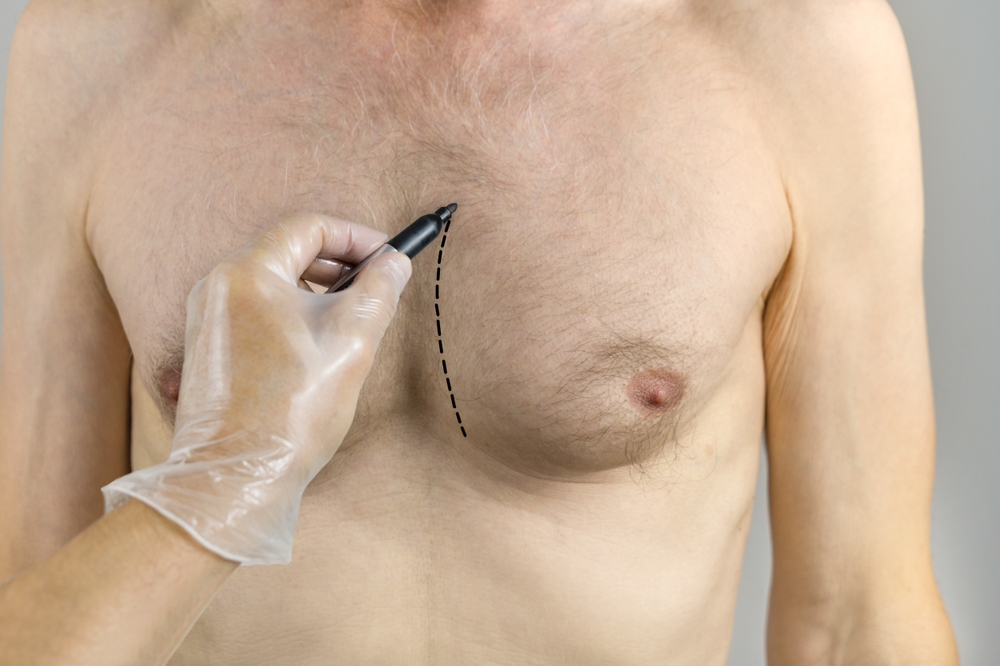
Preoperative planning includes blood tests and chest measurements. Surgeons mark incision sites while the patient stands. They plan the amount of tissue removal. They calculate nipple position for symmetry. Patients receive instructions about fasting and medication. They stop blood thinners one week before surgery.
What Anesthesia Do Surgeons Use?
Surgeons perform gynecomastia surgery under general anesthesia. Some mild cases use local anesthesia with sedation. General anesthesia ensures complete comfort during gland excision. An anesthesiologist monitors vital signs throughout. The choice depends on procedure length and patient preference.
What Are the Surgical Steps?
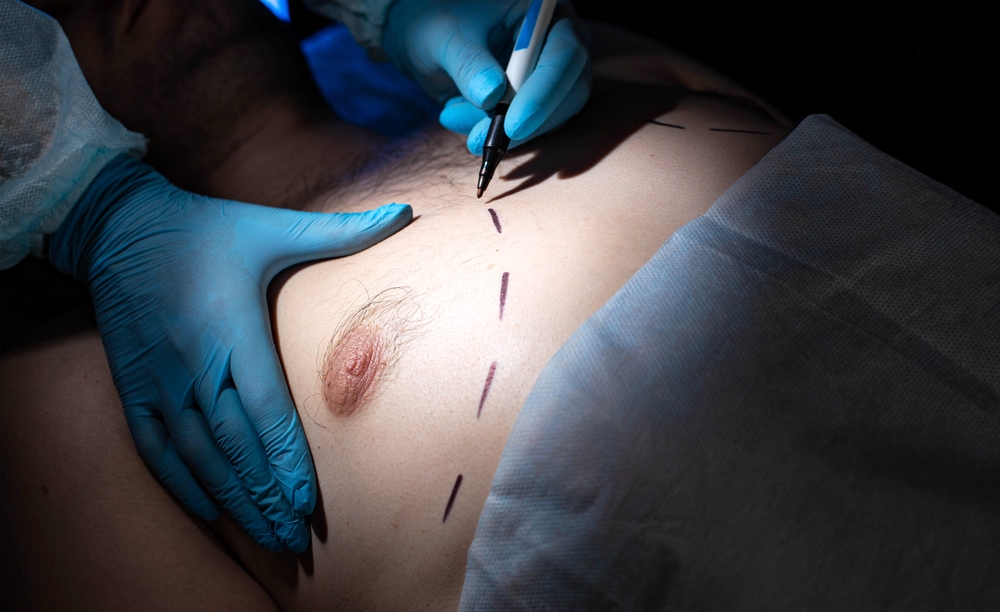
The surgical team marks the chest with the patient standing. They make incisions according to the planned technique. For liposuction, they create 3 to 4 mm access ports. For excision, they cut along the lower areola edge. Surgeons remove fat and glandular tissue. They achieve hemostasis to prevent bleeding. They tighten the skin envelope. They close incisions with dissolvable sutures. They apply dressings and a compression garment.
How Long Does Surgery Take?
Gynecomastia surgery takes 90 to 180 minutes. Liposuction-only cases finish faster. Combination procedures require more time. Skin reduction extends the duration further. Most patients complete surgery within two hours.
How Long Is the Hospital Stay?
Patients stay in the hospital for one night. Some liposuction-only cases go home the same day. Nurses monitor drainage and pain levels. Discharge occurs when the patient remains stable.
Why Do Patients Need a Compression Garment?
A compression garment supports the chest after surgery. It reduces swelling and prevents fluid accumulation. It helps the skin adhere to the muscle layer. Patients wear it continuously for four to six weeks. This garment shapes the final chest contour.
What Benefits Does Gynecomastia Surgery Offer?
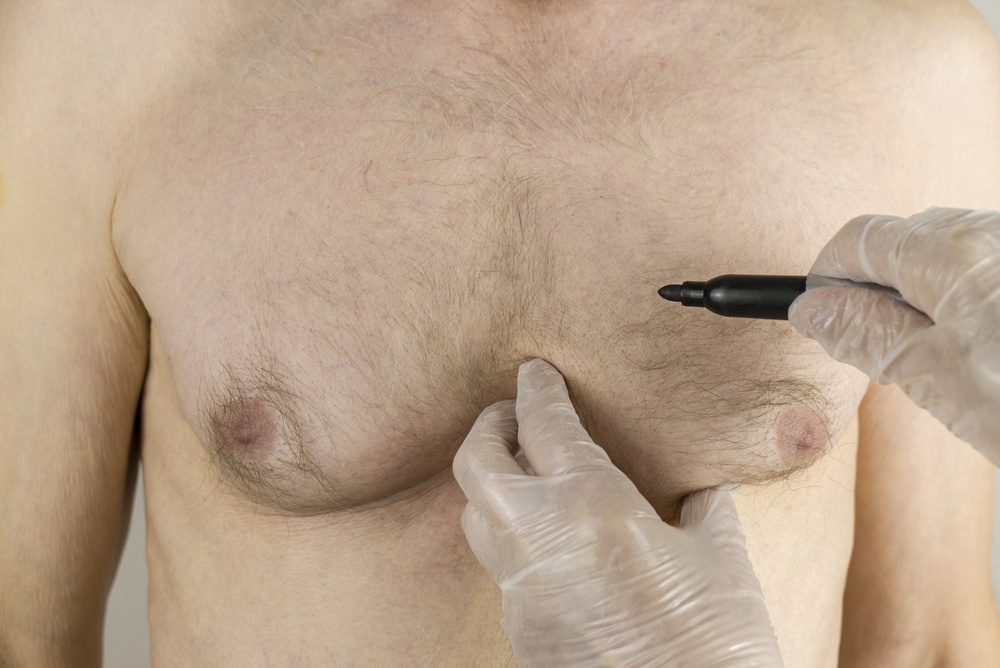
Gynecomastia surgery provides lasting physical and psychological benefits. Men report dramatic improvements in daily life.
What Physical Benefits Can Patients Expect?
Surgery creates a flatter chest contour. The masculine profile returns. Clothing fits better. T-shirts and suits drape naturally. Men no longer hide behind loose layers. Physical activity becomes easier. Running and swimming feel comfortable again.
What Psychological Benefits Does Surgery Provide?
Confidence improves dramatically after male breast reduction. Men feel comfortable in locker rooms and at beaches. Self-image aligns with gender identity. Social anxiety decreases. According to McNamara, Nuzzi, and Firriolo (2022), adolescents and young men show marked quality of life improvements after correction. Depression scores drop. Relationship satisfaction rises.
What Long-Term Outcomes Follow Surgery?
Long-term outcomes remain stable with healthy habits. The chest stays flat for years. Scars fade and become barely visible. Most men never need revision surgery. The results boost career and social performance permanently.
What Does Recovery After Gynecomastia Surgery Look Like?
Recovery follows a predictable timeline. Patients must follow postoperative instructions carefully.
What Is the Recovery Timeline?
The first 24 hours require rest and limited movement. Nurses manage pain with oral medications. The first week brings peak swelling and bruising. Patients return to light activities after 7 to 10 days. Weeks 2 to 4 show decreasing swelling. Desk work resumes during this period. Months 2 to 6 reveal the final contour. Scars mature and fade throughout this period.
|
Recovery Phase |
Timeframe |
Key Milestones |
|
Immediate postoperative |
Day 1 |
Rest, pain management, garment application |
|
Early healing |
Days 2–7 |
Swelling peaks, bruising appears, light walking |
|
Return to work |
Week 2 |
Desk jobs resume, swelling decreases |
|
Exercise resumption |
Week 4–6 |
Light cardio begins, heavy lifting avoided |
|
Final contour |
Months 3–6 |
Scars fade, permanent shape visible |
How Do Surgeons Manage Pain?
Surgeons prescribe oral pain relievers. Acetaminophen and anti-inflammatory drugs control discomfort. Some surgeons use long-acting local anesthetic during surgery. This reduces pain for the first 48 hours. Most patients describe soreness rather than sharp pain.
How Do Swelling and Bruising Resolve?
Swelling peaks at 3 to 5 days post-surgery. Bruising spreads across the chest and upper abdomen. Both resolve within 2 to 4 weeks. Elevation and compression speed recovery. Arnica supplements may help some patients.
How Do Scars Heal?
Incision scars start red and raised. They flatten and lighten over 6 to 12 months. Silicone gel sheets improve scar quality. Sun protection prevents darkening. Areolar incisions hide scars naturally.
When Can Patients Return to Work?
Patients return to desk jobs within 7 to 10 days. Physical laborers wait 3 to 4 weeks. The timeline depends on pain levels and job demands. Surgeons provide individualized clearance.
What Exercise Guidelines Do Patients Follow?
Patients start walking immediately. They avoid cardio for 2 weeks. They avoid chest exercises for 4 to 6 weeks. Heavy lifting remains prohibited for 6 weeks. Gradual return prevents complications.
What Sleeping Position Works Best?
Patients sleep on their backs for 2 weeks. Elevated pillows reduce chest swelling. Side sleeping resumes after 2 weeks. Stomach sleeping waits until week 4.
How Long Should Patients Wear a Compression Vest?
Patients wear the compression vest for 4 to 6 weeks. They remove it only for showering. Continuous wear ensures optimal skin contraction. Some surgeons recommend part-time wear for weeks 5 and 6.
Why Are Follow-Up Appointments Important?
Follow-up appointments monitor healing. Surgeons check for fluid collections. They assess scar progress and symmetry. They clear patients for activity stages. International patients complete some follow-ups remotely.
What Risks and Complications Can Occur?
All surgeries carry some risk. Gynecomastia surgery maintains a strong safety record. Complications remain uncommon in healthy patients.
What Side Effects Are Common?
Swelling and bruising affect every patient. Temporary numbness around the nipple occurs frequently. These effects resolve within weeks. Mild asymmetry during healing is normal.
What Surgical Risks Exist?
Infection happens in less than 2% of cases. Bleeding and hematomaHematoma: A localized collection of blood outside the blood vessels, often causing swelling and discoloration, which can occur as a... require drainage in about 3% of cases. SeromaSeroma: A pocket of clear serous fluid that sometimes develops in the body after surgery, which may require drainage.
, or fluid collection, occurs in 1 to 2% of patients. According to Wiesman, Lehman, and Parker (2004), revision surgery becomes necessary in 4.8% to 17.3% of cases. Asymmetry and contour irregularities may need touch-ups. Poor scarring affects patients with genetic predisposition.
|
Complication |
Incidence Rate |
Management |
|
Hematoma |
3–8% |
Office aspiration or surgical drainage |
|
Seroma |
1–2% |
Needle aspiration |
|
Infection |
<2% |
Antibiotics, drainage if needed |
|
Asymmetry |
1–2% |
Revision surgery |
|
Hypertrophic scarring |
2% |
Steroid injections, silicone therapy |
How Can Patients Minimize Risks?
Patients choose board-certified surgeons. They follow preoperative instructions exactly. They stop smoking before surgery. They wear compression garments as directed. They attend all follow-up appointments. These steps reduce complication rates significantly.
What Results Should Patients Expect?
Results improve gradually after surgery. Patience ensures satisfaction.
When Do Results Become Visible?
Initial flattening appears immediately after surgery. Swelling masks the final result for several weeks. Noticeable improvement shows by week 3. Continued refinement occurs through month 3.
What Is the Final Healing Timeline?
Final healing takes 3 to 6 months. Scars mature during this period. The chest feels natural and soft. Nipple sensation returns partially or fully.
Are Results Permanent?
Results are generally permanent. Surgeons remove glandular tissue completely. Fat cells do not regenerate in the treated area. However, new weight gain can redistribute fat. Hormonal shifts may stimulate remaining tissue.
What Factors Affect Long-Term Success?
Weight stability protects results. Hormonal balance prevents recurrence. Healthy lifestyle habits support lasting outcomes. Avoiding anabolic steroids remains essential.
Why Should Men Choose Turkey for Gynecomastia Surgery?
Turkey leads global medical tourism for plastic surgery. Men choose Turkey for gynecomastia treatment for multiple reasons.
What Experience Do Turkish Surgeons Hold?
Turkish plastic surgeons perform thousands of gynecomastia operations annually. Many train in Europe and the United States. They speak English and understand international standards. Their experience spans all grades of gynecomastia.
What Hospital Facilities Does Turkey Offer?
Turkish hospitals feature modern operating rooms. They use advanced liposuction devices. They maintain sterile environments with European standards. Equipment includes ultrasound-assisted and power-assisted devices.
What Accreditation Do Turkish Hospitals Carry?
Leading hospitals hold Joint Commission International accreditation. JCI accreditation verifies safety protocols. ISO certification ensures quality management. These standards match top facilities in Western countries.
How Affordable Is Treatment in Turkey?
Gynecomastia surgery cost in Turkey ranges from €2,000 to €4,500. This price includes surgeon fees, anesthesia, and hospital stay. The same procedure costs €6,000 to €10,000 in the United Kingdom. United States prices reach $8,000 to $15,000. Turkey offers 60% to 70% savings without quality compromise.
What Do Medical Tourism Packages Include?
All-inclusive packages cover consultation, surgery, and hospital stay. They include hotel accommodation and airport transfers. Medications and compression garments come standard. Follow-up visits complete the package.
What Language Support Do Patients Receive?
Multilingual coordinators speak English, French, German, and Arabic. They assist with scheduling and transportation. Translators attend medical consultations. This support removes language barriers.
How Long Are Waiting Times?
Turkish clinics schedule surgery within days of consultation. Patients avoid months of waiting lists. This efficiency appeals to busy international travelers.
How Much Does Gynecomastia Surgery Cost in Turkey?
Cost represents a major factor for medical tourists. Turkey delivers exceptional value.
What Is the Average Price Range?
Gynecomastia surgery in Turkey costs €2,500 to €4,500 on average. Complex cases with skin reduction reach €5,000. Liposuction-only cases may cost less.
What Factors Influence the Cost?
Surgical technique affects price. Surgeon expertise increases fees. Hospital accreditation adds value. General anesthesia costs more than local. Accommodation level changes package totals. Aftercare duration influences pricing.
What Do All-Inclusive Packages Cover?
Packages include the surgeon fee and anesthesia. They cover hospital stay and operating room use. Hotels, transfers, and medications come included. Compression garments and follow-up visits complete the bundle.
|
Package Component |
Usually Included |
Sometimes Extra |
|
Surgeon and anesthesia fees |
Yes |
No |
|
Hospital stay (1 night) |
Yes |
No |
|
Hotel (3–6 nights) |
Yes |
No |
|
Airport transfers |
Yes |
No |
|
Preoperative tests |
Yes |
No |
|
Compression garment |
Yes |
No |
|
Medications |
Yes |
Extra supply |
|
Extended hotel stay |
No |
Yes |
How Do Turkey and UK Prices Compare?
Male breast reduction in the UK costs £3,500 to £6,000 privately. The NHS rarely covers cosmetic gynecomastia surgery. Turkey offers the same quality for 50% to 60% less.
How Do Turkey and USA Prices Compare?
Gynecomastia surgery in the USA ranges from $4,000 to $8,000. Major cities charge over $10,000. Turkey provides equivalent care for $2,000 to $3,500. Patients save thousands even after adding flights.
How Do Turkey and Canada Prices Compare?
Canadian private clinics charge CAD 6,000 to CAD 10,000. Provincial health plans do not cover cosmetic cases. Turkey costs 60% less than Canadian alternatives.
What Value Do International Patients Receive?
International patients receive premium care at reduced cost. They access experienced surgeons and accredited hospitals. They enjoy personalized coordination. The total expense remains far below Western prices.
How Can Patients Plan Their Medical Trip to Turkey?
Planning ensures a smooth medical tourism experience. Organization reduces stress.
How Does Online Consultation Work?
Patients submit photos through secure platforms. Surgeons review chest anatomy and grade severity. They recommend techniques and quote prices. Video calls allow direct questions. This step replaces the initial in-person visit.
What Medical Documents Do Patients Need?
Patients bring recent blood tests and hormone panels. They carry medication lists and allergy records. Previous imaging studies help surgeons. A valid passport suffices for entry. Some nationalities need e-visas.
How Should Patients Plan Travel?
Patients book flights to Istanbul or Ankara. They arrive two days before surgery. This allows time for in-person consultation and final tests. They choose clinics near their hotel.
What Happens Upon Arrival?
The clinic arranges airport pickup. Staff check the patient into the hotel. The surgeon meets the patient for a final examination. Nurses explain preoperative rules.
How Do Surgeons Schedule the Surgery?
Surgery usually occurs the day after arrival. Patients fast for 8 hours beforehand. The clinic provides transport to the hospital. Admission takes one hour.
How Long Should Patients Stay in Turkey?
Patients stay 5 to 7 days total. Surgery occupies day 2 or 3. Hospital discharge happens after 24 hours. Follow-up visits occur on days 4 and 5. Patients fly home after clearance.
How Do Patients Return Home Safely?
Patients receive a medical travel letter. This explains recent surgery to airport security. They wear compression garments during flights. They walk hourly to prevent blood clots. Most airlines allow travel after 5 days.
What Remote Follow-Up Care Is Available?
Clinics offer video follow-ups after the patient returns home. Patients send photos at weeks 1, 2, and 4. Surgeons answer questions via email and messaging apps. This support continues for 6 months.
How Can Patients Choose the Best Clinic in Turkey?
Selecting the right clinic ensures safety and satisfaction. Research prevents disappointment.
Why Do Board-Certified Surgeons Matter?
Board-certified plastic surgeons complete rigorous training. They pass specialty examinations. They maintain continuing education. Certification by the Turkish Society of Plastic Reconstructive and Aesthetic Surgeons guarantees competence.
What Hospital Accreditation Should Patients Look For?
Patients choose JCI-accredited hospitals. This accreditation verifies international safety standards. ISO 9001 certification indicates quality management. Accredited facilities maintain emergency protocols and infection control.
How Important Is Experience with International Patients?
Clinics with international experience understand medical tourism needs. They arrange airport transfers and multilingual staff. They know visa requirements and travel logistics. This experience streamlines the entire journey.
How Do Patient Reviews Help?
Reviews reveal real experiences. Patients read about communication, pain management, and results. They check independent platforms. Consistent positive feedback indicates reliability.
Why Should Clinics Show Before-and-After Photos?
Before-and-after galleries demonstrate surgical skill. Patients look for cases similar to their own grade. Natural results matter more than dramatic changes. Scars should hide well in photos.
Why Does Transparent Pricing Matter?
Transparent pricing prevents surprise bills. Itemized quotes list every component. Patients compare apples to apples. Hidden fees signal poor business practice.
What Postoperative Support Should Patients Expect?
Top clinics provide 24/7 contact lines. They manage complications immediately. They offer remote follow-up for international patients. Written care instructions guide recovery at home.
What Are the Most Frequently Asked Questions?
Men considering gynecomastia surgery ask common questions. Clear answers build confidence.
Is Gynecomastia Surgery Permanent?
Yes, gynecomastia surgery is permanent in most cases. Surgeons remove the glandular tissue. This tissue does not grow back. Patients must maintain stable weight and hormone balance.
Can Gynecomastia Return After Surgery?
Gynecomastia can return if patients gain significant weight or use anabolic steroids. Hormonal disorders may trigger new growth. Healthy habits prevent recurrence.
Is the Procedure Painful?
The procedure itself causes no pain under anesthesia. Postoperative soreness feels like muscle ache. Pain medication controls discomfort effectively. Most men rate pain as mild to moderate.
Will Scars Remain Visible?
Scars hide along the areola border. They fade to thin white lines over 12 months. Most men find scars barely noticeable. Proper scar care improves outcomes.
How Long Should Patients Stay in Turkey?
Patients should stay 5 to 7 days. This covers consultation, surgery, and initial follow-up. Some patients extend to 10 days for comfort.
When Can Patients Return to Work?
Patients return to office work in 7 to 10 days. Physical jobs require 3 to 4 weeks. Remote work may resume after 3 days.
When Can Patients Exercise Again?
Patients walk immediately. Light cardio starts after 2 weeks. Chest exercises return after 4 to 6 weeks. Heavy lifting waits for 6 weeks.
Does Insurance Cover Gynecomastia Surgery?
Most insurance plans classify gynecomastia surgery as cosmetic. They deny coverage. Some policies cover cases with documented pain or hormonal disease. Patients should check their specific plan.
Can Weight Loss Cure Gynecomastia?
Weight loss reduces pseudogynecomastia. It does not remove glandular tissue. True gynecomastia requires surgical excision. Diet and exercise help but do not cure the condition.
What Is the Difference Between Gynecomastia and Chest Fat?
Gynecomastia involves firm glandular tissue under the nipple. Chest fat feels soft and spreads across the chest. Glandular tissue requires excision. Fat responds to liposuction.
What Age Is Appropriate for Surgery?
Surgeons prefer patients over 18 years old. Breast development should stabilize. Adolescents with persistent grade III or IV cases may qualify earlier. Each case requires individual evaluation.
Can Surgeons Treat Both Breasts in One Operation?
Yes, surgeons treat both breasts in one operation. They sculpt symmetry during the same session. Single-stage surgery reduces total cost and recovery time.
What Scientific Evidence Supports Gynecomastia Surgery?
Medical literature strongly supports gynecomastia surgery. Research confirms safety and satisfaction.
What Clinical Success Rates Do Studies Report?
Studies report success rates above 90%. According to Kasielska and Antoszewski (2013), surgical management achieves excellent outcomes in the vast majority of patients. Complication rates remain low. Hematoma occurs in 3% to 8% of cases. Infection stays below 2%.
What Do Studies Say About Patient Satisfaction?
Patient satisfaction reaches 95% in long-term follow-up. According to Wiesman, Lehman, and Parker (2004), men report improved self-esteem and social function. Quality of life scores rise dramatically after surgery. Most patients say they would choose the procedure again.
How Safe Are Modern Surgical Techniques?
Modern techniques minimize trauma. Ultrasound-assisted liposuction preserves blood vessels. Power-assisted devices reduce surgeon fatigue. Combination approaches lower revision rates. According to Hammond, Arnold, and Simon (2003), ultrasonic liposuction with pull-through excision produces consistent results with minimal blood loss.
What Advances Improve Male Chest Contouring?
Ultrasound-assisted liposuction melts dense fat. Power-assisted liposuction speeds fat removal. Combination techniques refine borders. Scar-minimizing approaches hide incisions within the areola. These advances make male chest contouring safer and more predictable.
What Tips Help Maintain Long-Term Results?
Surgery creates the foundation. Lifestyle preserves the outcome.
Why Should Patients Maintain a Stable Weight?
Weight gain deposits new fat in the chest. This fat masks surgical results. Stable weight preserves the flat contour. Patients aim for a body mass index under 30.
How Does Regular Exercise Help?
Exercise builds pectoral muscle definition. Muscle tone enhances the masculine chest shape. Cardio prevents fat accumulation. Strength training starts after surgical clearance.
Why Should Patients Avoid Anabolic Steroids?
Anabolic steroids disrupt hormone balance. They convert to estrogen in fat tissue. This triggers new glandular growth. Men who use steroids face high recurrence risk.
Why Must Patients Address Hormonal Disorders?
Untreated hypogonadism or thyroid disease promotes breast tissue growth. Endocrinologists manage these conditions. Proper treatment protects surgical investment.
What Healthy Lifestyle Habits Matter?
Balanced nutrition supports hormone health. Limiting alcohol protects liver function. Adequate sleep reduces cortisol. Stress management prevents weight gain. These habits sustain results for decades.
What Conclusion Should Men Draw?
Gynecomastia surgery offers a definitive solution for enlarged male breasts. The procedure removes glandular tissue and excess fat. It restores a flat, masculine chest contour. Turkey stands as a premier destination for male breast reduction. The country combines experienced surgeons, modern hospitals, and affordable prices. International patients receive world-class care at a fraction of Western costs. Men should select board-certified surgeons and accredited facilities. They should undergo thorough medical evaluation before treatment. Realistic expectations and proper aftercare ensure satisfaction. Scientific evidence confirms the safety and effectiveness of modern gynecomastia surgery. Men who choose Turkey gain physical relief and psychological freedom. They return home with confidence and a renewed quality of life.
References
Braunstein, Glenn D. “Clinical Practice: Gynecomastia.” The New England Journal of Medicine, vol. 357, no. 12, 2007, pp. 1229–1237.
Cordova, Adriana, and Francesco Moschella. “Algorithm for Clinical Evaluation and Surgical Treatment of Gynaecomastia.” Journal of Plastic, Reconstructive and Aesthetic Surgery, vol. 61, no. 1, 2008, pp. 41–49.
Hammond, D. C., J. F. Arnold, A. M. Simon, et al. “Combined Use of Ultrasonic Liposuction with the Pull-Through Technique for the Treatment of Gynecomastia.” Plastic and Reconstructive Surgery, vol. 112, no. 3, 2003, pp. 891–895.
Kasielska, Anna, and Bogusław Antoszewski. “Surgical Management of Gynecomastia: An Outcome Analysis.” Annals of Plastic Surgery, vol. 71, no. 5, 2013, pp. 471–475.
Li, Chun-Chang, J. P. Fu, S. C. Chang, et al. “Surgical Treatment of Gynecomastia: Complications and Outcomes.” Annals of Plastic Surgery, vol. 69, no. 5, 2012, pp. 510–515.
McNamara, C. T., L. C. Nuzzi, J. M. Firriolo, et al. “Complications and Quality of Life Following Gynecomastia Correction in Adolescents and Young Men.” Plastic and Reconstructive Surgery, vol. 149, no. 5, 2022, pp. 1062e–1070e.
Rohrich, R. J., R. Y. Ha, J. M. Kenkel, et al. “Classification and Management of Gynecomastia: Defining the Role of Ultrasound-Assisted Liposuction.” Plastic and Reconstructive Surgery, vol. 111, no. 2, 2003, pp. 909–923.
Swanson, Eric. “Gynecomastia Surgery.” Evidence-Based Cosmetic Breast Surgery, Springer Nature, 2017, pp. 199–210.
Wiesman, I. M., J. A. Lehman, Jr., M. G. Parker, et al. “Gynecomastia: An Outcome Analysis.” Annals of Plastic Surgery, vol. 53, no. 1, 2004, pp. 97–101.