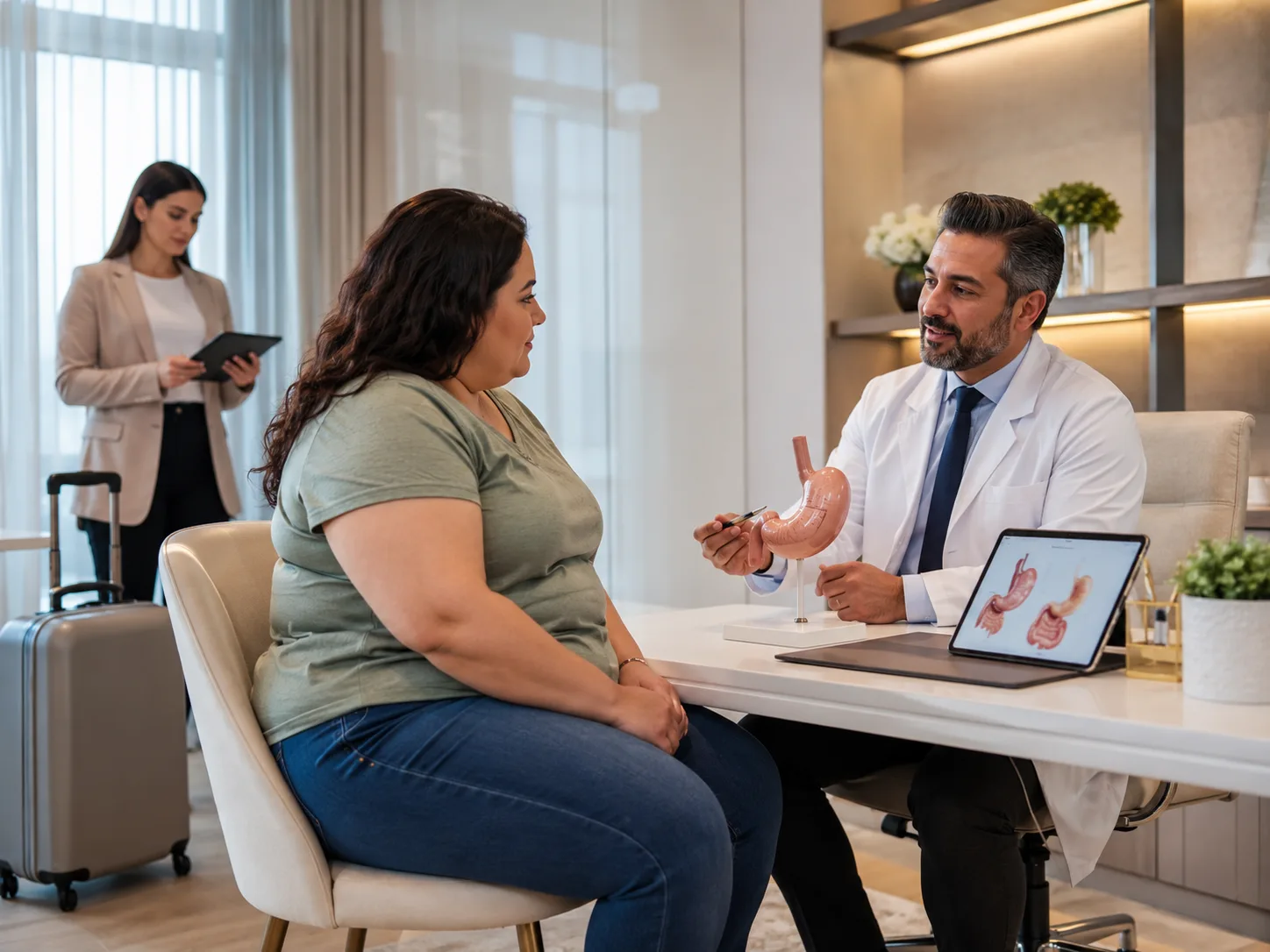
Турция привлекает тысячи международных пациентов каждый год, потому что в стране работают опытные бариатрические хирурги, современные больницы, конкурентные цены и развитая инфраструктура медицинского туризма. Пациенты из Европы, Ближнего Востока и других регионов выбираютТурция для операции по лапароскопической гастрэктомии, шунтирования желудка и других метаболических процедур. Однако одна популярность не гарантирует качество. Каждый пациент должен индивидуально оценить хирурга, больницу и план послеоперационного наблюдения.
Бариметрическая хирургия лечит клинически значительное ожирение. Врачи также называют это метаболической хирургией, потому что она улучшает заболевания, связанные с ожирением, такие как диабет 2 типа, гипертензия и апноэ сна. Турция за последние два десятилетия создала большой сектор частного здравоохранения. Этот рост поддерживает медицинский туризм и создает специализированные отделения по бариатрической хирургии в крупных городах. Международные пациенты теперь составляют значительную долю бариатрических процедур в ведущих турецких больницах. Турция предлагает лапароскопические и роботизированные техники, многопрофильные команды медицинского обслуживания и структурированную поддержку после операции. Эти факторы объясняют, почему Турция занимает одно из ведущих мест среди направлений для операций по снижению веса. Тем не менее, пациенты должны помнить, что не каждая клиника поддерживает одни и те же стандарты. Основной вопрос остается: что делает Турцию привлекательной для бариатрической хирургии и как международные пациенты должны оценивать безопасность и качество?
Что такое бариатрическая хирургия и кто может получить от нее пользу?
Что лечит бариатрическая хирургия?
Бариатрическая хирургия лечит тяжелое ожирение и связанные с ним проблемы со здоровьем. Врачи используют эти процедуры для уменьшения объема желудка или изменения анатомии кишечника. Цель выходит далеко за рамки потери веса. Бариатрическая хирургия улучшает метаболическую функцию и снижает бремя хронических заболеваний.
К сопутствующим заболеваниям, связанным с ожирением, относятся диабет 2 типа, гипертензия, обструктивное апноэ сна, дислипидемия, метаболический синдром и проблемы с суставами, вызванные ожирением. Сохан (2024) отмечает, что бариатрическая хирургия приводит к значительной и устойчивой потере веса и улучшает эти состояния на протяжении многих лет. Процедуры изменяют кишечные гормоны, регулируют аппетит и улучшают чувствительность к инсулину. Пациенты часто отмечают лучшее управление уровнем сахара в крови, снижение артериального давления и улучшение уровня холестерина в течение нескольких недель или месяцев после операции.
Кто обычно рассматривается для бариатрической хирургии?
Врачи рассматривают пациентов с индексом массы тела (ИМТ) 40 и выше. Также рассматриваются пациенты с ИМТ 35 и выше, у которых есть сопутствующие заболевания, связанные с ожирением. ИМТ предоставляет отправную точку, но не раскрывает всей картины. Врачи оценивают каждого пациента индивидуально. Они анализируют предыдущие попытки контроля веса, общее состояние здоровья и наличие метаболического заболевания. Пациент с ИМТ 34 и тяжелым диабетом 2 типа может соответствовать критериям, в то время как пациент с ИМТ 42 и без сопутствующих заболеваний может потребовать дополнительной оценки. Индивидуальная оценка важнее любого отдельного числа.
Почему бариатрическая хирургия считается долгосрочным медицинским лечением?
Барийная хирургия инициирует пожизненное медицинское обязательство. Операция длится несколько часов, но для достижения успеха требуется постоянные усилия. Пациенты должны поддерживать результаты похудения с помощью изменения диеты и физической активности. Им также необходимо проводить метаболический мониторинг и получать пищевые добавки. Пожизненное наблюдение предотвращает витаминные недостатки, контролирует набор веса и управляет любыми поздними осложнениями. Сохан (2024) подчеркивает, что дальнейшие достижения в хирургических техниках и послеоперационной помощи остаются критически важными для оптимизации долгосрочных результатов. Барийная хирургия изменяет тело навсегда, и пациенты тоже должны навсегда адаптировать свое поведение.
Почему Турция считается ведущим направлением для бариатрической хирургии?
Как Турция сочетает медицинскую экспертизу с медицинским туризмом?
В Турции за последние двадцать лет быстро развился частный сектор здравоохранения. Основные больничные группы в Стамбуле, Анкаре и Анталии теперь обслуживают тысячи иностранных пациентов ежегодно. Эти больницы нанимают бариатрических хирургов, прошедших обучение в Турции и за границей. Многие хирурги являются членами международных организаций, таких как Международная федерация хирургии ожирения и метаболических расстройств (IFSO). Турецкие больницы интегрируют клиническое лечение с международными пациентскими услугами. Они предлагают трансферы из аэропорта, организацию отелей, многоязычных координаторов и специальные международные отделы. Эта интеграция делает Турцию удобным выбором для пациентов, прибывающих из Европы, Ближнего Востока, Северной Африки и Центральной Азии.
Почему инфраструктура бариатрической хирургии в Турции важна?
Ведущие турецкие больницы поддерживают специализированные отделения по ожирению и метаболической хирургии. Эти отделения включают современные операционные, продвинутые анестезиологические возможности и полностью оборудованные отделения интенсивной терапии. Они также имеют диагностические центры и сертифицированные лаборатории. Многопрофильная больничная инфраструктура поддерживает безопасность пациентов. Анестезиологи, кардиологи, пульмонологи и специалисты по интенсивной терапии работают вместе с бариатрическими хирургами. Этот командный подход снижает риск и улучшает результаты. Современное оборудование позволяет хирургам выполнять сложные лапароскопические и роботизированные процедуры с высокой точностью.
Предлагает ли Турция международно признанные стандарты больниц?
Многие ведущие турецкие больницы имеют аккредитацию Joint Commission International (JCI). Аккредитация JCI указывает на то, что больница соответствует международным стандартам безопасности пациентов, контроля инфекций и хирургических протоколов. В Турции находится более пятидесяти аккредитованных JCI учреждений, что является одной из самых высоких концентраций в мире. Однако аккредитация применяется к больнице, а не к каждому конкретному хирургу. Пациентам следует проверять актуальный статус аккредитации непосредственно через веб-сайт JCI, а не полагаться только на рекламные материалы. Аккредитация демонстрирует организационную приверженность качеству, но пациенты все равно должны оценивать конкретного хирурга и хирургическую команду.
Какие бариатрические процедуры доступны в Турции?
Что такое слепая гастрэктомия?
Слепая гастрэктомия удаляет примерно семьдесят пять-восемьдесят процентов желудка. Хирург создает узкий желудок в форме рукава. Эта процедура происходит через два основных механизма. Во-первых, она ограничивает потребление пищи, уменьшая объем желудка. Во-вторых, она изменяет гормоны кишечника, которые регулируют аппетит. Хирургия снижает выработку грелина, гормона, который стимулирует голод. Пациенты чувствуют себя менее голодными и удовлетворяются меньшими порциями.
Слепая гастрэктомия теперь доминирует в современной бариатрической практике по всему миру. Салминен и др. (2024) сообщают, что слепая гастрэктомия требует более короткого времени операции, чем желудочный обход, и вызывает низкие периоперативные осложнения. Процедура обеспечивает значительную потерю веса и метаболическое улучшение. Однако она также несет риски. У некоторых пациентов развиваются симптомы рефлюкса или со временем наблюдается набор веса. Долгосрочное наблюдение остается необходимым.
Что такое гастроплиция по Roux-en-Y?
Гастроплиция по Roux-en-Y создает маленький желудочный карман и напрямую соединяет его с тонкой кишкой. Хирург обходится частично желудком и начальной секцией тонкой кишки. Эта процедура сочетает ограничение и мальабсорбцию. Маленький карман ограничивает потребление пищи, в то время как обходная анатомия изменяет усвоение питательных веществ и сигнализацию кишечных гормонов.
Гастроплиция по Roux-en-Y часто приводит к большему долгосрочному снижению веса и более сильным метаболическим эффектам, чем слепая гастрэктомия. Систематический обзор и мета-анализ 2025 года показал, что гастроплиция по Roux-en-Y приводит к значительно большему снижению лишнего веса, общему снижению веса и ремиссии сахарного диабета 2 типа по сравнению со слепой гастрэктомией после пяти и более лет наблюдения. Однако эта процедура также создает более высокие риски для питания. Пациенты нуждаются в пожизненных витаминах и минеральных добавках. Врачи должны контролировать пациентов на предмет недостатков железа, кальция, витамина B12 и жирорастворимых витаминов.
Что такое мини-желудочный обход?
Мини-желудочный обход создает длинный, узкий желудочный карман и соединяет его с петлей тонкой кишки. Эта процедура использует одно анастомоз, в отличие от двух соединений, необходимых при гастроплиции по Roux-en-Y. Прощеая анатомия может сократить время операции и техническую сложность. Однако мини-желудочный обход также несет риски. Рефлюкс желчи и недостатки в питательных веществах остаются проблемами. У этой процедуры нет таких же данных о долгосрочных результатах, как у гастроплиции по Roux-en-Y. Хирурги должны оценивать каждого пациента индивидуально, чтобы определить, предлагает ли мини-желудочный обход соответствующие преимущества.
Доступны ли роботизированные и лапароскопические бариатрические процедуры?
Турецкие больницы предлагают как лапароскопическую, так и роботизированную бариатрическую хирургию. Лапароскопическая хирургия использует небольшие разрезы на животе и специализированные инструменты. Этот подход снижает хирургическую травму, уменьшает послеоперационную боль и ускоряет восстановление. Салминен и др. (2024) обнаружили, что почти все слепые гастрэктомии и желудочные обходы в их большом рандомизированном исследовании выполнялись лапароскопически.
Роботизированная хирургия добавляет улучшенное визуализирование и точность с помощью компьютеризированных инструментов. Робот предоставляет трехмерное изображение и снижает дрожание. Однако роботизированная хирургия автоматически не дает лучших результатов для каждого пациента. Опыт хирурга и соответствующий отбор пациентов важнее, чем сама технология. Пациенты должны спросить своего хирурга о личном опыте работы с роботизированными системами, а не предполагать, что роботизированная хирургия гарантирует более высокие результаты.
Почему Турция привлекательна для международных пациентов с бариатрической хирургией?
Баринарная хирургия в Турции дешевле, чем во многих западных странах?
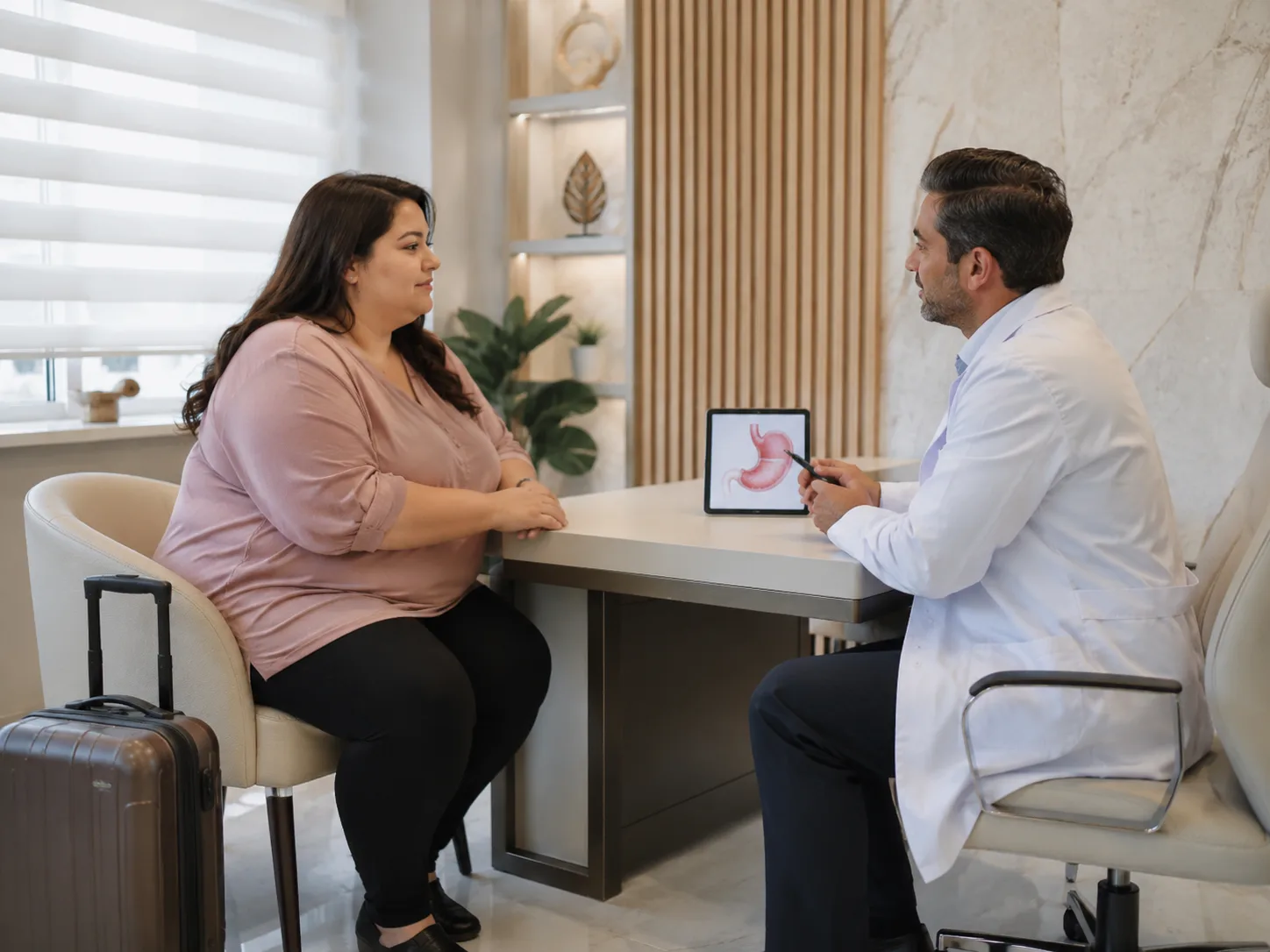
Да. Стоимость является одним из основных факторов медицинского туризма. Пациенты из Великобритании, США и Западной Европы часто обнаруживают, что бариатрическая хирургия в Турции стоит значительно меньше, чем частное лечение в их странах. Однако цены существенно варьируются. Конечная стоимость зависит от типа процедуры, выбора больницы, репутации хирурга, состояния здоровья пациента, использования роботизированных или лапароскопических техник, продолжительности госпитализации, необходимых диагностических тестов и последующих мероприятий. Опубликованные цифры значительно различаются между больницами и пакетами. Пациенты должны запрашивать подробные сметы с разбивкой по статьям расходов, а не просто сравнивать основные цены.
Что обычно включено в пакет бариатрической хирургии в Турции?
Большинство комплексных пакетов включает предоперационную консультацию, анализы крови, диагностику, анестезию, саму операцию, госпитализацию, медикаменты на время госпитализации, консультацию диетолога, трансферы из аэропорта и в отель, услуги переводчика и послеоперационное наблюдение. Некоторые пакеты также включают международного координатора пациентов, который управляет логистикой на протяжении всего пребывания. Пациенты должны подтвердить каждое включение письменно до поездки.
Какие расходы могут не быть включены?
Пациентам следует предусмотреть дополнительные расходы. Билеты на самолет обычно не входят в хирургический пакет. Дополнительные ночи в отеле для сопровождающих, туристическая страховка и расходы на сопровождающих остаются на ответственности пациента. Лекарства после возвращения домой, лечение осложнений, дополнительные диагностические исследования и потенциальные ремонтные процедуры также требуют отдельного финансирования. Пациенты должны уточнить покрытие осложнений, прежде чем забронировать.
Как опыт турецких бариатрических хирургов влияет на качество лечения?
Почему опыт хирурга важен в бариатрической хирургии?
Бариатрическая хирургия требует технических навыков и здравого клинического суждения. Опытные хирурги справляются с анатомическими вариациями, предотвращают осложнения и принимают правильные внутрисосудистые решения. Хирурги высокой активности, которые выполняют более двухсот бариатрических операций в год, демонстрируют заметно более низкие показатели осложнений по сравнению с коллегами с низким объемом операций. Техническая сложность увеличивается у пациентов с предыдущими abdominal surgery, тяжелым ожирением или значительными сопутствующими заболеваниями. Кумулятивный хирургический опыт снижает риски и улучшает результаты.
Что международным пациентам следует проверить о бариатрическом хирурге?
Пациенты должны подтвердить медицинскую степень и специальную квалификацию хирурга в области общей хирургии. Они должны подтвердить специальную подготовку по бариатрической и метаболической хирургии. Профессиональная регистрация в Турецкой медицинской ассоциации и членство в международных обществах, таких как IFSO, свидетельствуют о профессиональной приверженности. Пациенты должны уточнить объем операций, опыт в планируемой процедуре, показатели осложнений, показатели пересмотра, привилегии в больнице и организацию долгосрочного наблюдения. Публикации клинической работы и аудированные данные о результатах добавляют дополнительную степень доверия.
Высокое количество операций автоматически означает лучшие результаты?
Нет. Объем операций помогает, но не гарантирует качество. Мультидисциплинарная поддержка, надежное управление осложнениями, тщательный отбор пациентов и структурированное наблюдение все влияют на успех. Хирург, который выполняет много операций, но не предоставляет пищевую поддержку или психологическую проверку, может получить худшие долгосрочные результаты, чем хирург с низким объемом операций, который работает в рамках комплексной программы. Пациенты должны оценивать весь путь к лечению, а не только количество операций.
Почему многопрофильный уход важен в турецкой бариатрической хирургии?
Какие специалисты могут быть вовлечены до операции?
Ведущие турецкие бариатрические программы включают множество специалистов. Бариатрический хирург возглавляет команду. Анестезиолог оценивает риск дыхательных путей и сердца. Диетолог проверяет пищевая статус и подготавливает пациента к послеоперационным диетическим изменениям. Эндокринолог управляет диабетом и метаболическими состояниями. Кардиолог оценивает функцию сердца. Пульмонолог оценивает дыхание и синдром обструктивного апноэ сна. Психолог или психиатр проверяет наличие расстройств пищевого поведения и оценивает мотивацию. Гастроэнтеролог участвует при необходимости. Озаткан и Агырбай (2025) описывают многопрофильную предоперационную оценку в турецких центрах, особенно для пациентов с сопутствующими заболеваниями, связанными с ожирением.
Почему важно оценивание питания до бариатрической хирургии?
Оценка питания определяет дефициты белка, недостаток микроэлементов и анемию до операции. Многие пациенты с ожирением уже страдают от дефицита витамина D, железа или B12. Предоперационный скрининг устанавливает базовый уровень и позволяет скорректировать эти недостатки до операции. Диетологи также обучают пациентов требованиям по послеоперационному дополнению. Понимание этих потребностей до операции улучшает соблюдение и снижает послеоперационные осложнения.
Почему оценка психического состояния актуальна?
Психологическая оценка изучает пищевое поведение, ожидания и мотивацию. Врачам необходимо знать, смогут ли пациенты следовать строгим рекомендациям по послеоперационному питанию. Некоторые пациенты сталкиваются с проблемами эмоционального питания, переедания или пищевой зависимости. Выявление этих паттернов до операции позволяет команде предоставить поддержку и установить реалистичные ожидания. Пациенты с нелечеными психологическими состояниями сталкиваются с более высокими рисками плохого соблюдения рекомендаций и повторного набора веса.
Как современные технологии поддерживают бариатрическую хирургию в Турции?
Какова роль лапароскопической хирургии?
Лапароскопическая хирургия доминирует в бариатрической практике в Турции. Хирурги делают маленькие разрезы в брюшной полости и вводят камеру и инструменты. Такой подход уменьшает хирургическую травму, минимизирует рубцы, снижает послеоперационную боль и ускоряет восстановление. Пациенты, как правило, быстрее mobilизуются и покидают больницу раньше, чем после открытой операции. Salminen и др. (2024) подтверждают, что лапароскопический доступ остается стандартом как дляSleeve gastrectomy, так и для gastric bypass в современной практике.
Когда можно рассмотреть роботизированную бариатрическую хирургию?
Роботизированные системы предлагают повышенную точность, трехмерное визуализирование и улучшенную эргономику для хирурга. Эти преимущества могут быть полезны для пациентов со сложной анатомией или нуждающихся в повторной операции. Однако текущие данные не подтверждают, что роботизированная хирургия приводит к лучшим результатам в каждом рутинном бариатрическом случае. Разница между технологическими возможностями и доказанной клинической эффективностью остается важной. Пациентам следует спрашивать своего хирурга о конкретных показаниях к роботизированной помощи, а не запрашивать это автоматически.
Как современная больничная инфраструктура поддерживает безопасность пациентов?
Современные анестезиологические аппараты, отделения интенсивной терапии и возможности экстренной хирургии защищают пациентов. Современные больницы обладают сложными услугами визуализации и лабораторными исследованиями для быстрой диагностики. Системы контроля инфекций снижают риск инфекций на операционном поле. Мультидисциплинарный мониторинг после операции позволяет быстро выявлять осложнения. Эти системы создают сеть безопасности, поддерживающую как операцию, так и период восстановления.
Какие результаты могут ожидать пациенты после бариатрической хирургии в Турции?
Какую массу могут потерять пациенты после бариатрической хирургии?
Пациенты и врачи измеряют потерю веса с помощью двух основных метрик. Процент общего снижения веса (TWL) сравнивает потерянный вес с исходным весом. Процент снижения избыточного веса (EWL) сравнивает потерянный вес с количеством, превышающим здоровый диапазон ИМТ. Результаты вариируют в зависимости от индивидуальных особенностей. Факторы включают тип процедуры, исходный ИМТ, возраст, статус диабета, качество диеты и уровень физической активности.
Систематический обзор и мета-анализ 2024 года показали, что gastric bypass Roux-en-Y обеспечивает большую потерю веса, чем sleeve gastrectomy через пять лет. Ozatkan и Agirbay (2025) сообщили о среднем снижении избыточного веса на 68,3 процента через шесть месяцев после метаболической бариатрической хирургии в Турции. Долгосрочные данные систематического обзора указывают на то, что sleeve gastrectomy может обеспечить значительную стойкую потерю избыточного веса, хотя результаты могут варьироваться, и долгосрочное наблюдение остается важным.
Поможет ли бариатрическая хирургия улучшить диабет 2 типа?
Да. Бариатрическая хирургия часто быстро улучшает контроль над уровнем сахара в крови. Некоторые пациенты достигают полной ремиссии, то есть поддерживают нормальный уровень сахара в крови без применения медикаментов от диабета. Другие наблюдают значительное улучшение, хотя и продолжают нуждаться в лечении. Врачи различают улучшение, ремиссию и излечение. Gastric bypass Roux-en-Y, как правило, приводит к более выраженным метаболическим эффектам, чем sleeve gastrectomy при диабете 2 типа. Мета-анализ 2025 года показал более высокие показатели ремиссии диабета 2 типа после gastric bypass Roux-en-Y по сравнению со sleeve gastrectomy. Ozatkan и Agirbay (2025) сообщили о 89,5 процента ремиссии диабета через шесть месяцев после операции в своей турецкой когорте.
Поможет ли бариатрическая хирургия улучшить другие заболевания, связанные с ожирением?
Да. Пациенты часто наблюдают улучшение гипертонии, дислипидемии, обструктивного апноэ сна, метаболической дисфункции, качества жизни и физической подвижности. Ozatkan и Agirbay (2025) сообщили о показателях ремиссии 94,6 процента для гипертонии, 85,7 процента для гиперхолестеринемии и 100 процентов для обструктивного апноэ сна через шесть месяцев после операции в Турции. Турецкое долгосрочное исследование sleeve gastrectomy показало улучшение в лечении обструктивного апноэ, диабета 2 типа, гиперлипидемии, гипертонии и показателей качества жизни. Эти данные иллюстрируют широкие метаболические преимущества хирургии, помимо простой потери веса.
Является ли бариатрическая хирургия в Турции безопасной для иностранных пациентов?
Что определяет безопасность бариатрической хирургии за границей?
Безопасность зависит от множества факторов. Правильный отбор пациентов предотвращает операции у высокорисковых кандидатов, которым следует избегать хирургического вмешательства. Квалифицированный хирург с конкретной подготовкой в области бариатрии снижает количество технических ошибок. Аккредитованная или должным образом регулируемая больница поддерживает стандарты безопасности. Опытная команда анестезистов управляет рисками дыхательных путей и сердечно-сосудистой системы. Возможности экстренной помощи и интенсивной терапии справляются с непредвиденными обстоятельствами. Протоколы профилактики инфекций снижают количество осложнений. Прозрачные политики в отношении осложнений защищают пациентов. Наблюдение после операции позволяет вовремя выявлять проблемы.
Каковы потенциальные осложнения бариатрической хирургии?
Все бариатрические процедуры несут в себе риски. Потенциальные осложнения включают в себя кровотечение, инфекцию, утечку анастомозов или швов, венозный тромбоэмболизм, дегидратацию, недостаточность питательных веществ, желудочно-кишечные симптомы, рефлюкс, сужение или закупорку, желчнокаменную болезнь, повторное увеличение веса и необходимость в повторной операции. Дханноон и др. (2023) задокументировали случаи перфорации желудка, утечек анастомозов и других серьезных осложнений у пациентов, перенесших бариатрическую хирургию за границей. Эти случаи потребовали хирургического вмешательства и реверсии первоначальной процедуры. Пациенты должны понимать эти риски, прежде чем дать согласие на операцию.
Почему пациенты не должны выбирать клинику, основываясь только на цене?
Низкая цена не устанавливает клиническое качество. Маркетинговые пакеты могут скрывать, что на самом деле включает в себя цена. Осложнения создают дополнительные медицинские и финансовые расходы, которые значительно превышают любые первоначальные сбережения. Долгосрочная бариатрическая помощь выходит за пределы самой операции. Пациенты, выбирающие самый дешевый вариант, часто сталкиваются с скрытыми сборами, недостаточным наблюдением или недостаточно опытными хирургами. Общая стоимость ухода включает в себя предоперационную оценку, саму операцию, пребывание в больнице, лекарства, последующие визиты, пищевые добавки и управление потенциальными осложнениями.
Насколько важен послеоперационный уход после бариатрической операции в Турции?
Что включает в себя ранний послеоперационный уход?
Ранний уход сосредоточен на оценке раны, гидратации, контроле боли и выявлении ранних осложнений. Медсестры и врачи контролируют жизненные показатели, проверяют места разрезов и обеспечивают переносимость пациентами пероральных жидкостей. Пациенты проходят через постепенное увеличение диеты от прозрачных жидкостей до пюреобразных продуктов. Ранняя мобилизация снижает риск тромбообразования и ускоряет восстановление. Хирургическая команда следит за признаками утечки, кровотечения или инфекции в течение первых нескольких дней.
Почему необходимо длительное мониторирование питания?
Баріатрична хірургія змінює всмоктування і споживання поживних речовин. Пацієнти потребують довічного моніторингу наявності вітамінів і мінералів. Звичайні занепокоєння включають залізо, вітамін B12, фолат, вітамін D, кальцій і рівень білка. Хоутон і співавт. (2025) виявили, що дефіцит мікроелементів становить серйозні ризики через два або більше років після операції. Їх систематичний огляд виявив вітамін A, мідь і вітамін D як часто зустрічаються дефіцити. Деякі дефіцити призводили до постійної інвалідності або смерті, коли лікарі їх не помічали. Довічна додаткова терапія і щорічне тестування крові запобігають цим наслідкам.
Можуть ли міжнародные пациенты продолжать наблюдение после возвращения домой?
Да, но это требует планирования. Пациентам следует координировать действия с местным врачом перед поездкой. Дистанционные консультации с хирургической командой из Турции дополняют местное лечение. Пациенты могут получать лабораторный контроль в своей стране и делиться результатами со своим хирургом. Полные хирургические и медицинские записи должны отправиться с пациентом домой. Четкая связь между турецкой командой и местными поставщиками медицинских услуг обеспечивает преемственность. Пациенты не должны предполагать, что наблюдение будет происходить автоматически.
Сколько времени международные пациенты должны оставаться в Турции после бариатрической операции?
Сколько дней обычно требуется для восстановления в больнице?
Длительность пребывания в больнице зависит от процедуры и индивидуального восстановления. Пациенты после гастроктомии обычно остаются на два-три дня. Пациенты после гастрошунтирования могут оставаться на три-четыре дня. Врачи контролируют гидратацию, боль и жизненные показатели до выписки. Пациенты должны продемонстрировать, что могут пить жидкости, ходить и управлять базовым самообслуживанием, прежде чем покинуть больницу.
Когда пациенты обычно могут вернуться домой?
Пациенты нуждаются в клинической стабильности перед полетом. Они должны поддерживать гидратацию, демонстрировать достаточную подвижность и не проявлять никаких признаков осложнений. Хирург должен разрешить им путешествовать. Большинство пациентов остаются в Турции на семь-десять дней в общей сложности, включая время в больнице и первоначальные амбулаторные наблюдения. Спешка домой увеличивает риск.
Что следует учитывать пациентам перед полетом после операции?
Полет после операции увеличивает риск венозного тромбоэмболизма. Пациенты должны ходить во время полета, поддерживать гидратацию и носить компрессионные чулки при наличии клинических показаний. Страховка должна покрывать медицинские осложнения за границей. Пациенты также должны планировать на случай чрезвычайных ситуаций. Им нужна контактная информация хирургической команды и четкое понимание того, куда обращаться за помощью, если симптомы проявляются в аэропорту или во время полета.
Как пациентам выбрать лучшую больницу для бариатрической хирургии в Турции?
Должны ли пациенты искать аккредитацию больницы?
Да. Аккредитация является одним из показателей качества среди многих. Аккредитация JCI демонстрирует, что больница соответствует международным стандартам безопасности. Пациенты должны проверять текущий статус аккредитации напрямую, а не полагаться на маркетинговые заявления. Им также следует учитывать инфраструктуру экстренной помощи больницы, возможности интенсивной терапии и уровень контроля инфекций. Одна аккредитация не гарантирует успешного исхода, но обеспечивает базовую уверенность в качестве организации.
Как пациенты могут оценить bariatric-хирурга?
Пациенты должны ознакомиться с квалификацией, опытом и специфической экспертизой в процедурах. Им следует искать опубликованные клинические работы, проверенные данные о осложнениях и показатели пересмотра. Прямое общение перед лечением показывает готовность хирурга отвечать на вопросы и объяснять риски. Хирург, который предоставляет четкую и детальную информацию, внушает больше доверия, чем тот, кто дает расплывчатые обещания.
Какие вопросы пациенты должны задать перед записью на процедуру?
Пациенты должны спросить, кто будет выполнять операцию, какую процедуру хирург рекомендует и почему, каковы показатели осложнений и пересмотров хирурга, какие тесты команда требует перед операцией, кто осуществляет анестезию, какова продолжительность госпитализации, что происходит в случае осложнения, какую экстренную помощь предлагает больница, какой последующий уход предоставляет больница после возвращения домой и что включает цена пакета. Получение ответов в письменной форме защищает пациентов от недоразумений.
Каковы риски выбора bariatric-хирургии за границей?
Почему послеоперационный уход может стать более сложным после возвращения домой?
Географическая удаленность от операционной команды усложняет последующий уход. Пациенты могут столкнуться с проблемами коммуникации, языковыми барьерами и различиями в системах здравоохранения. Доступ к операционным записям из-за границы иногда вызывает задержки. Местные врачи могут не знать конкретной техники, использованной в операции. Эти факторы могут задерживать распознавание и лечение осложнений. Dhannoon et al. (2023) подчеркивают, что глобальный bariatric-туризм несет значительные риски, когда у пациентов нет соответствующего послеоперационного ухода.
Почему важна регуляция медицинского туризма?
Регулирование разделяет авторитетные больницы от низкокачественных поставщиков. Прозрачная реклама предотвращает вводящие в заблуждение заявления. Пациентам нужна точная информация о рисках, результатах и стоимости. Последние комментарии в медицине Великобритании подчеркивают обеспокоенность по поводу туризма bariatric-хирургии, особенно когда пациенты не получают адекватной послеоперационной поддержки за границей. Это подчеркивает необходимость оценивать весь путь лечения, а не выбирать поставщика, основываясь только на цене. Турция имеет авторитетные больницы, но пациентам все равно нужно тщательно исследовать.
Почему Стамбул особенно популярен для bariatric-хирургии?
Что делает Стамбул доступным для международных пациентов?
В Стамбуле находятся два крупных международных аэропорта с обширными авиасообщениями. В городе развита инфраструктура медицинского туризма. Многоязычные услуги для пациентов действуют в большинстве крупных частных больниц. Стамбул предлагает широкую сеть частных больниц с выделенными международными отделами. Эти факторы делают город удобным для пациентов, путешествующих из Европы, Ближнего Востока и других регионов.
Предлагает ли Стамбул несколько типов bariatric-хирургии?
Да. Ведущие больницы Стамбула проводятSleeve-гастрэктомию, гастрошунтирование по Роут с Y, мини-гастрошунтирование и избранные роботизированные процедуры. Хирурги индивидуализируют выбор лечения в зависимости от BMI пациента, сопутствующих заболеваний, анатомии и предпочтений. Пациенты не обязаны соглашаться на универсальный подход.
Могут ли пациенты комбинировать медицинское лечение с путешествием?
Пациенты должны ставить медицинское восстановление выше достопримечательностей. Врачи налагают ограничения на физическую активность после абдоминальной операции. Напряженные прогулки, подъем тяжестей и длительные экскурсии увеличивают риск осложнений. Пациенты могут наслаждаться мягкими культурными впечатлениями, если их хирург дает разрешение, но они не должны рассматривать поездку прежде всего как отпуск, а медицину как второстепенное. Восстановление требует отдыха, гидратации и соблюдения диетических протоколов.
Как Турция сравнивается с другими направлениями для bariatric-хирургии?
Фактор | Турция | Великобритания | США | Другие направления медицинского туризма |
Стоимость лечения | Конкурентоспособный | Высокие частные затраты | Высокий | Переменный |
Инфраструктура для международных пациентов | Обширная | Установленная | Установленная | Переменный |
Доступность бариатрических процедур | Широкая | Широкая | Широкая | Переменный |
Технологии в больницах | Современные в ведущих центрах | Современный | Современный | Переменный |
Международная доступность | Высокий | Высокий | Высокий | Переменный |
Многоязычная поддержка | Распространено в крупных центрах | Распространено | Распространено | Переменный |
Логистика последующих обращений для иностранных пациентов | Требует планирования | Проще для местных жителей | Проще для местных жителей | Переменный |
Турция сочетает в себе специализированный опыт, устоявшуюся частную медицинскую инфраструктуру, доступность и конкурентные цены. Эта комбинация делает страну привлекательной для международных пациентов. Тем не менее, Турция не утверждает о медицинском превосходстве над Великобританией или США. Каждое направление предлагает современные технологии и квалифицированных хирургов. Преимущество Турции заключается в эффективности затрат и интеграции медицинского туризма, а не в исключительном клиническом превосходстве.
Что должны знать пациенты о стоимости бариатрической хирургии в Турции?
Какие факторы определяют окончательную цену?
Хирургическая процедура формирует базовую стоимость. Выбор больницы, репутация хирурга и использование роботизированных или лапароскопических методов влияют на цену. Диагностические тесты, продолжительность пребывания в больнице, медикаменты, размещение, трансферы, последующие визиты и дополнительные процедуры увеличивают общую стоимость. Пациентам с сложной медицинской историей могут потребоваться дополнительные консультации и мониторинг.
Почему пациентам следует запрашивать детализированный расчет стоимости лечения?
Детализированные расчеты предотвращают неожиданные расходы. Они выявляют исключения и проясняют, что больница покрывает в случае осложнений. Пациенты могут сравнивать больницы на эквивалентных условиях, только когда видят полный breakdown. Пакет, который включает последующие визиты, поддержку диетолога и трансферы из аэропорта, может стоить дороже заранее, но сэкономит деньги в общем.
Является ли самый дешевый пакет бариатрической хирургии наилучшим вариантом?
Нет. Сравнение на основе цены вводит пациентов в заблуждение. Клиническое качество, опыт хирурга и поддержка после операции важнее, чем рекламируемая цена на операцию. Пациенты должны оценивать полную стоимость, а не только основную цену. Самый дешевый пакет может исключать необходимые услуги, использовать менее опытный персонал или работать в учреждениях с низкими показателями безопасности.
Что делает Турцию ведущим направлением, а не просто дешёвым направлением?
Сочетает ли Турция стоимость и клиническую инфраструктуру?
Да. Турция предлагает конкурентоспособные цены наряду с современными частными больницами. Ведущие центры инвестируют в современное оборудование, аккредитацию JCI и специализированное обучение. Это сочетание привлекает пациентов, желающих получить качественное обслуживание без высоких частных расходов Западной Европы или Северной Америки.
Предлагает ли Турция широкий ассортимент бариатрических процедур?
Да. Турецкие хирурги проводят гастрэктомию рукавным методом, шунтирование желудка, мини-шунтирование желудка и выбранные роботизированные процедуры. Это разнообразие позволяет выбирать индивидуализированное лечение. Пациенты с различными анатомическими, метаболическими и личными потребностями могут найти подходящие варианты.
Есть ли в Турции устоявшиеся услуги для международных пациентов?
Да. В крупных больницах работают координаторы для международных пациентов, переводчики и логистические группы. Они организуют трансферы, размещение и удалённое наблюдение. Эти услуги снижают уровень стресса для международных пациентов и создают структурированный опыт.
Могут ли пациенты получать многопрофильную помощь по вопросам ожирения?
Да. Ведущие программы сочетают хирургию с питанием, эндокринологией, психологией и кардиологией. Этот многопрофильный подход отражает международные лучшие практики. Пациенты получают комплексную оценку, а не просто хирургическую процедуру.
Является ли Турция подходящей для каждого пациента с ожирением?
Нет. Выбор пациентов остается индивидуализированным. Некоторые пациенты имеют сложные сопутствующие заболевания, требующие лечения ближе к дому. Другие не имеют возможности для последующего наблюдения на месте. Некоторые сталкиваются с повышенным хирургическим риском, который требует специализированных центров. Турция хорошо подходит многим пациентам, но ни одно направление не подходит всем.
Какие самые важные вопросы следует задать перед проведением бариатрической хирургии в Турции?
Пациенты должны подготовить контрольный список перед бронированием. Им следует подтвердить квалификацию хирурга и аккредитацию больницы. Им следует спросить, какую процедуру рекомендует хирург и почему. Им следует уточнить состав анестезиологической команды, данные о осложнениях и возможности экстренной помощи. Им следует прояснить необходимые предоперационные тесты, ожидаемую продолжительность пребывания и точные включения пакета. Им следует узнать о послеоперационных медикаментах, питательном мониторинге, возможностях удалённого наблюдения, политиках повторных операций, передаче медицинских записей и требованиях к страховке на поездку. Четкие ответы на эти вопросы предотвращают сюрпризы и формируют уверенность.
Часто задаваемые вопросы о бариатрической хирургии в Турции
Почему Турция популярна для бариатрической хирургии?
Турция привлекает пациентов, так как предлагает опытных хирургов, современные больницы, конкурентные цены и развитую инфраструктуру медицинского туризма. Международные пациенты находят комплексные пакеты и многоязычную поддержку.
Безопасна ли бариатрическая хирургия в Турции?
Безопасность зависит от конкретной больницы и хирурга. Больницы с аккредитацией JCI и опытные команды поддерживают высокие стандарты безопасности. Пациентам необходимо тщательно исследовать выбранного поставщика, а не предполагать универсальную безопасность.
Сколько стоит бариатрическая хирургия в Турции?
Стоимость варьируется в зависимости от процедуры, больницы и хирурга. Цены, как правило, значительно ниже, чем частные тарифы в Великобритании или США. Пациенты должны запрашивать детализированные расценки, чтобы понять полную стоимость.
Какая бариатрическая операция является наиболее распространенной в Турции?
Гастрэктомия по типу «рукав» остается наиболее часто выполняемой процедурой. Она обеспечивает значительное снижение веса, более короткое время операции и относительно низкие показатели осложнений.
Что лучше: гастрэктомия по типу «рукав» или шунтирование желудка?
Каждая процедура подходит различным пациентам. Шунтирование желудка, как правило, обеспечивает большее долгосрочное снижение веса и ремиссию диабета. Гастрэктомия по типу «рукав» предлагает более короткую операцию, меньшую заболеваемость и меньше риск дефицита питательных веществ. Хирург должен подобрать процедуру, соответствующую пациенту.
Сколько времени мне следует оставаться в Турции после бариатрической хирургии?
Большинство пациентов остаются на семь-десять дней. Это включает восстановление в больнице и первичное амбулаторное наблюдение. Хирурги разрешают пациентам путешествовать только после подтверждения стабильности.
Могут ли международные пациенты получать послеоперационное наблюдение удаленно?
Да, но пациенты должны запланировать это до операции. Удаленные консультации дополняют местное наблюдение. Пациентам нужен местный врач, и они должны делиться лабораторными результатами со своим турецким хирургом.
Квалифицированы ли турецкие бариатрические хирурги?
Многие турецкие бариатрические хирурги имеют продвинутое обучение и международные членства. Пациентам следует проверять индивидуальные квалификации, объем операций и данные о результатах, а не делать общие предположения.
Что я должен проверить перед выбором бариатрической больницы в Турции?
Пациенты должны проверить аккредитацию JCI, квалификацию хирургов, возможности для экстренной помощи, политику по осложнениям и организацию последующего наблюдения. Также следует изучить независимые отзывы и запросить проверенные данные о результатах.
Может ли бариатрическая хирургия в Турции улучшить диабет 2 типа?
Да. Как гастрэктомия по типу «рукав», так и шунтирование желудка улучшают состояние при диабете 2 типа. Шунтирование желудка часто обеспечивает более высокие показатели ремиссии. Турецкие исследования сообщают о ремиссии диабета примерно у 89 процентов пациентов через шесть месяцев.
Каковы риски проведения операции по снижению веса за границей?
Риски включают географическое отделение от хирургической команды, языковые барьеры, трудности с доступом к медицинским записям и задержку в распознавании осложнений. Пациенты также могут столкнуться с проблемами получения последующего ухода на дому.
Является ли Турция лучше, чем Великобритания или США для бариатрической хирургии?
Турция предлагает конкурентные цены и развитую инфраструктуру медицинского туризма. Великобритания и США имеют передовые технологии и устоявшиеся системы. Турция подходит пациентам, для которых важна стоимость и комплексные международные услуги. Великобритания и США могут подойти пациентам, которые предпочитают доморощенный послеоперационный уход. Ни одна из систем не является универсально превосходящей.
Заключение: Почему Турция является ведущим направлением для бариатрической хирургии?
Турция завоевала свою репутацию за счет сочетания обоснованных факторов. В стране работают опытные специализированные команды, которые ежегодно выполняют тысячи бариатрических процедур. Современная инфраструктура больниц поддерживает сложные метаболические операции. Турецкие больницы предлагают широкий выбор бариатрических процедур, включая малоинвазивные и роботизированные возможности. Мультидисциплинарные команды оказывают всестороннюю оценку состояния пациентов. Конкурентоспособные цены делают лечение доступным для международных пациентов. Сильная международная инфраструктура для пациентов и географическая доступность из Европы, Ближнего Востока и других регионов завершают картину.
Тем не менее, популярность направления никогда не должна заменять индивидуальную медицинскую оценку. Пациенты должны учитывать хирурга, больницу, аккредитацию, соответствие процедуры, способность к управлению осложнениями и долгосрочный послеоперационный уход в совокупности. Турция предлагает отличные варианты для многих пациентов, но успех зависит от выбора правильного поставщика и обязательства к пожизненному поведению и медицинскому контролю. Самый безопасный подход сочетает тщательное исследование, прямую коммуникацию с хирургической командой и реалистичные ожидания как от преимуществ, так и от обязанностей бариатрической хирургии.
Ссылки
Dhannoon, A. и др. "Проблемы, связанные с глобальным бариатрическим медицинским туризмом."Ирландский медицинский журнал, т. 116, номер 7, 2023, с. 809.
Haughton, Sophie и др. "Недостаток питательных веществ после бариатрической хирургии: Быстрый систематический обзор случаев недостаточности витаминов и микроэлементов, проявляющихся более чем через два года после операции."Клиническая ожирение, т. 15, номер 6, 2025, e70035.
Ozatkan, Yonca и Ismail Agirbay. "Здоровье и экономические результаты метаболической бариатрической хирургии."Турецкий журнал хирургии, 2025, с. 398-410.
Salminen, Paulina и др. "Сравнение Sleeve Gastrectomy и Roux-en-Y Gastric Bypass: Рандомизированное клиническое исследование."JAMA Network Open, т. 7, номер 1, 2024, e2351235.
Sohan, P. R. "Долгосрочная эффективность и результаты бариатрической хирургии." Cureus, том 16, № 1, 2024, e52435.
"Обновление по сравнению лапароскопическойSleeve гастрэктомии и лапароскопического шунтирования кишечника Ру: систематический обзор и метаанализ потери веса, сопутствующих заболеваний и качества жизни через 5 лет." BMC Surgery, том 24, 2024, 253.
"Долгосрочные результаты гастрэктомии с рукавом по сравнению с шунтированием желудка по методу Ру: систематический обзор и метаанализ рандомизированных испытаний." PubMed, 2025, PMID: 40622470.
"Усложнения малньюции после bariatric хирургии." StatPearls, NCBI, 2023.
"Медицинский туризм в области бариатрической и метаболической хирургии." PMC, NIH.
"Принятие решений о бариатрическом и косметическом медицинском туризме из стран с универсальным здравоохранением: быстрый систематический обзор." Глобализация и здоровье, том 22, 2026, 207.