Obesity now affects more than 650 million adults worldwide. Many patients seek minimally invasive weight loss treatments that avoid permanent surgery. Intragastric balloons fill this need. These temporary devices occupy space in the stomach. They restrict food intake and help patients build healthier habits. This article compares the top intragastric balloon brands. It explains how each system works. It covers who qualifies and what results you can expect. Patients want to know which gastric balloon brand is best for their situation. This guide covers the difference between Orbera and Obalon. It also explores the adjustable gastric balloon vs traditional balloon debate.
What Is a Gastric Balloon?
A gastric balloon serves as a temporary device that doctors place inside your stomach to help you lose weight. It offers a non-surgical path to meaningful weight reduction.
How Does a Gastric Balloon Work?
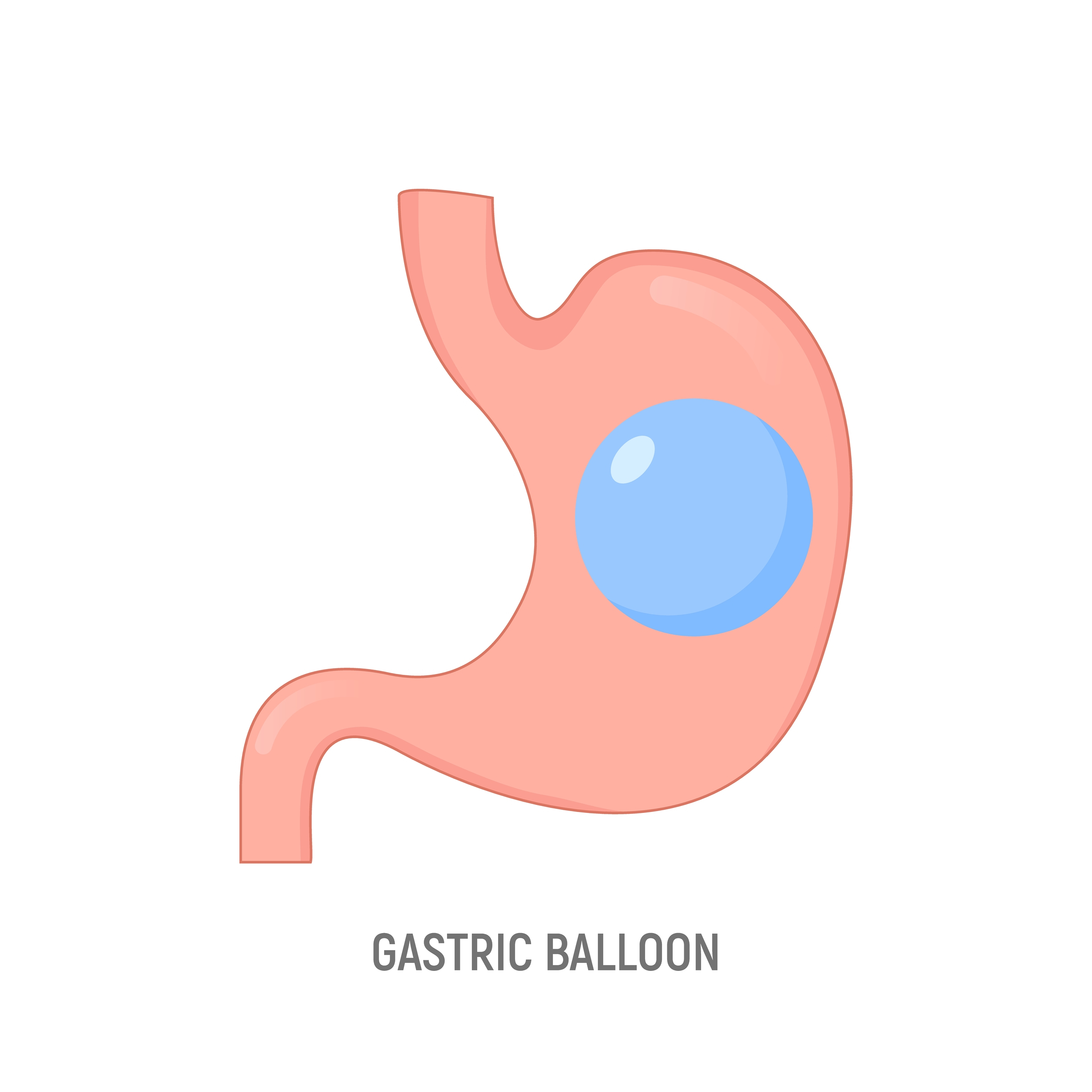
A gastric balloon occupies space inside your stomach. It restricts food intake and increases satiety. It also delays gastric emptying. This temporary and reversible treatment helps patients manage obesity without permanent surgery. The balloon physically limits the volume of food the stomach can hold. It presses against the stomach walls. This pressure triggers early satiety signals to the brain. Most balloons remain in place for 4 to 12 months. The specific duration depends on the brand. The mechanism relies on simple physics. A filled balloon reduces the functional capacity of the stomach. Patients feel full after eating smaller portions. This caloric reduction drives weight loss over time.
Who Qualifies for Gastric Balloon Treatment?
Patients with a BMI between 30 and 40 typically qualify. Individuals who cannot undergo bariatric surgery often choose gastric balloons. People seeking non-surgical weight loss represent another key group. Patients with obesity-related comorbidities frequently benefit. These conditions include type 2 diabetes, hypertension, and sleep apnea. Doctors also recommend balloons for patients who need to lose weight before elective surgery. Patients with prior gastric surgery do not qualify. Large hiatal hernias also disqualify candidates. Active gastrointestinal bleeding rules out this treatment. Doctors screen each patient carefully. They review medical history. They perform endoscopy before placement. This ensures the stomach can safely hold the device.
How Does Gastric Balloon Compare to Bariatric Surgery?
Gastric balloon treatment offers complete reversibility. Bariatric surgery permanently alters the digestive system. Patients recover faster after balloon placement. The procedure carries fewer risks than surgical alternatives. Expected weight loss outcomes typically range from 10% to 15% of total body weight with balloons. Surgery produces greater results. Surgery requires permanent anatomical changes. It requires longer hospital stays. It carries higher complication rates. Balloons suit patients who need moderate weight loss. They also suit patients who want to test their ability to maintain lifestyle changes. Surgery remains the better option for morbid obesity. Balloons serve patients who fall below surgical thresholds. They also help patients who fear permanent alteration.
How Do Gastric Balloon Systems Work?
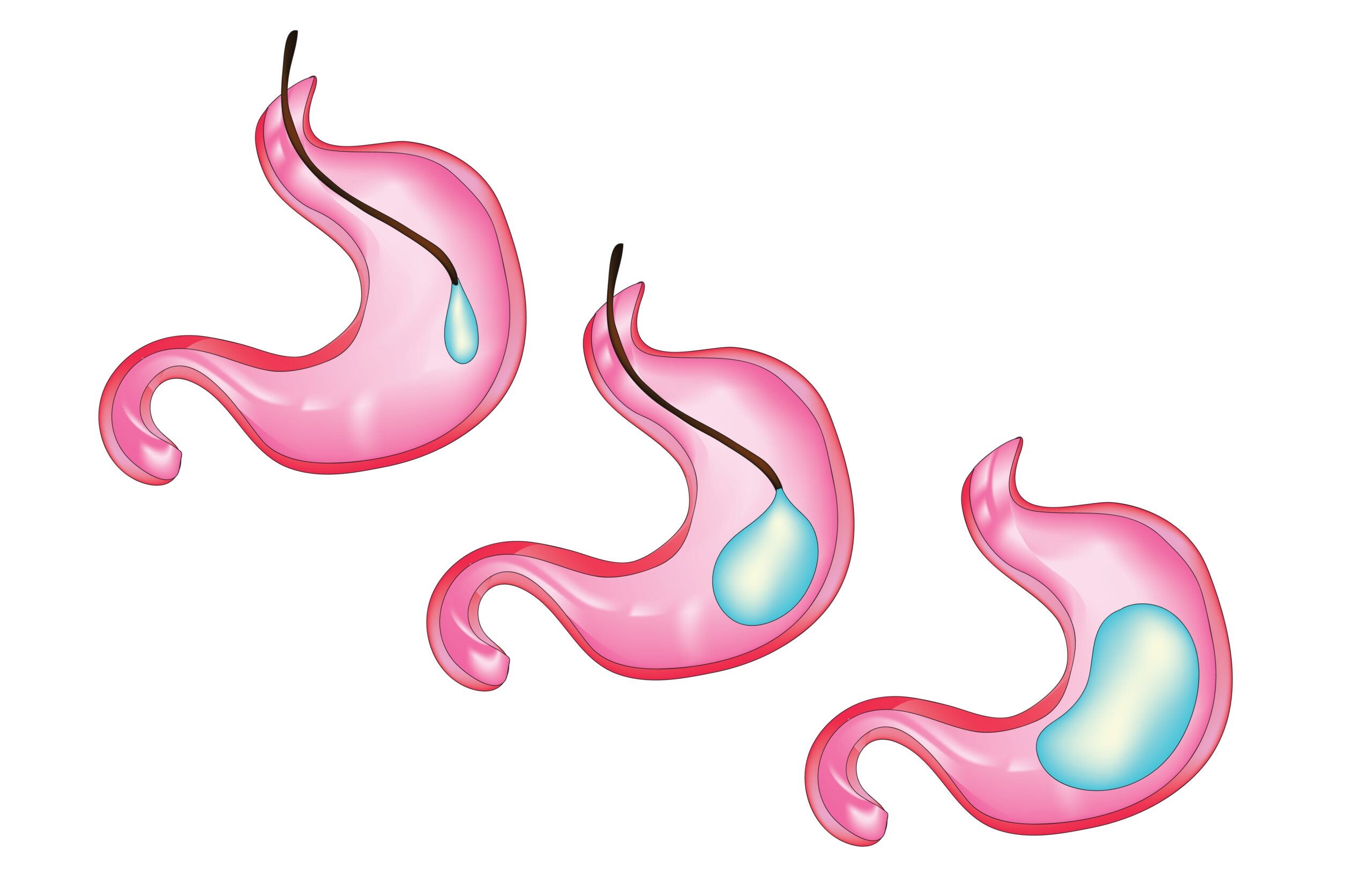
Medical professionals place gastric balloons through two main approaches. Endoscopic placement requires sedation. Swallowable placement requires no sedation. Each method suits different patient needs.
How Does Endoscopic Balloon Placement Work?
Doctors perform endoscopic balloon placement under sedation. They insert the balloon through the mouth using an endoscope. Saline-filled balloon systems fill with sterile solution after placement. Air-filled balloon systems inflate with gas. The entire procedure typically takes 20 to 30 minutes. Patients usually return home the same day. The endoscope allows direct visualization of the stomach. This ensures proper placement. It also checks for abnormalities. The doctor examines the esophagus first. Then they examine the stomach lining. They look for ulcers or tumors. They confirm the anatomy can safely accommodate the balloon. After inspection, they insert the deflated balloon. They fill it through a fill tube. They then detach the tube. They withdraw the endoscope.
What Is Swallowable Balloon Technology?
Swallowable gastric balloon technology uses capsule-based placement. Patients swallow a capsule attached to a thin catheter. No endoscopy or anesthesiaEnsuring Comfort During Hair Transplants Sedation is used in hair transplantation to help patients remain calm and comfortable throughout the... requirements make this approach appealing. X-ray confirmation verifies proper balloon positioning in the stomach. The capsule reaches the stomach first. Then doctors inflate the balloon through the catheter. They then remove the catheter. This leaves the balloon in place. This method reduces anxiety for patients who fear endoscopy. It eliminates the need for a hospital visit. Patients can often undergo placement in an office setting. The capsule dissolves after the balloon inflates. The catheter exits through the mouth. Some systems allow patients to swallow the capsule at home. A healthcare provider then confirms placement via telemedicine.
How Do Doctors Remove a Gastric Balloon?
Timing and removal techniques vary by brand. Endoscopic extraction requires another procedure with sedation. Systems that pass naturally deflate internally. They then pass through the digestive tract. Most balloons remain in place for 4 to 12 months. The specific duration depends on the brand. For endoscopic removal, doctors deflate the balloon first. They use a needle or specialized valve. They then grasp the deflated balloon with forceps. They withdraw it through the mouth. Procedure-free systems like Elipse contain a timed-release valve. This opens automatically. The balloon empties. It passes naturally. Removal timing matters critically. Overstaying the recommended duration increases risks. Doctors schedule removal appointments before placement.
What Are the Main Types of Gastric Balloon Brands?
Gastric balloon brands fall into four main categories. Saline-filled balloons weigh more. Air-filled balloons feel lighter. Adjustable balloons allow volume changes. Procedure-free balloons eliminate removal procedures.
How Do Saline-Filled Balloons Perform?
Saline-filled gastric balloons contain sterile solution. These devices weigh more than air-filled alternatives. Doctors associate them with stronger satiety effects. The additional weight helps the balloon settle in the stomach fundus. The heaviness reduces floating. This may decrease nausea in some patients. Orbera and ReShape both use saline filling. The typical fill volume ranges from 400 to 700 milliliters. The exact volume depends on the brand. It also depends on patient stomach size. Saline provides radiopacity. Doctors can see the balloon on X-ray. This helps them detect deflation early. The liquid also transmits pressure evenly across the stomach wall.
What Benefits Do Air-Filled Balloons Offer?
Air-filled gastric balloons weigh less than saline systems. Patients often tolerate them better. Some studies show reduced nausea rates in patients using air-filled devices. The lighter weight means the balloon floats more freely. This floating action may stimulate satiety receptors differently. Obalon uses air-filled technology. It uses multiple smaller balloons rather than one large device. The air allows easier swallowing of the initial capsule. The reduced weight decreases the sensation of a foreign body. Some patients report less cramping. The gas compresses more easily than liquid. This may improve comfort during stomach contractions.
How Do Adjustable Balloons Work?
Adjustable gastric balloons allow volume modification during treatment. Doctors can add or remove fluid through a specialized valve. Extended implantation periods of up to 12 months become possible. This customization improves patient management. A patient may experience severe nausea. The doctor can then reduce the volume. This provides immediate relief. If weight loss stalls, the doctor can increase the volume. This reinstates restriction. Spatz3 currently leads this category. It features an external port accessible by endoscopy. The port connects to the balloon interior. Doctors use a special catheter to adjust the fill volume.
What Are Procedure-Free Balloons?
Procedure-free balloons use swallowable devices. These systems self-empty after a predetermined period. They naturally excrete through the digestive tract. They require no removal procedure. Elipse represents the leading procedure-free system. Patients swallow a capsule. The balloon inflates via catheter. After approximately 4 months, a valve opens automatically. The balloon empties. It passes through the intestines naturally. This eliminates a second clinic visit. It eliminates a second sedation event. It reduces total cost. It increases convenience. The materials must withstand stomach acid for months. Then they must break down safely for passage.
Which Gastric Balloon Brands Lead the Market?
Several gastric balloon brands dominate the global market. Orbera holds FDA approval. Spatz3 offers adjustable volume. Obalon uses swallowable capsules. Elipse provides a procedure-free experience. ReShape features a dual-balloon design.
What Makes Orbera the Most Studied Balloon?
Orbera stands as a single saline-filled silicone balloon. Apollo Endosurgery developed Orbera. This company built the largest clinical database for intragastric balloons. The FDA approved this device for use in the United States. It requires a 6-month implantation period. Extensive clinical data supports its effectiveness. Patients achieve significant excess weight loss outcomes. The device enjoys wide availability worldwide. However, it requires endoscopy and sedation. Patients need both for placement and removal. Some patients experience nausea and vomiting. These symptoms occur during the adaptation period. Clinical studies show patients lose approximately 10% to 15% of total body weight with Orbera (Kumar, 2020). The balloon contains 550 to 650 milliliters of saline. A radiopaque marker allows doctors to detect deflation on X-ray. The silicone shell resists stomach acid. It maintains elasticity throughout the implantation period.
How Does Spatz3 Differ from Traditional Balloons?
Spatz3 features an adjustable balloon volume. This system allows treatment duration up to 12 months. Doctors customize patient management through volume adjustments. The adjustable tolerance feature optimizes weight loss outcomes. Extended metabolic support lasts longer than standard 6-month systems. However, the system demands higher procedural complexity. It requires adjustment procedures during treatment. Doctors access the adjustment port through the mouth. They use an endoscope to reach the port. Studies indicate Spatz3 produces superior excess weight loss. It outperforms non-adjustable systems (Gaur, 2020). The ability to extend treatment to 12 months provides ongoing appetite suppression. This longer duration helps patients solidify new habits. The adjustment capability reduces early removal rates. Patients who would otherwise abandon treatment can continue with a reduced volume.
What Makes Obalon Less Invasive?
Obalon uses swallowable air-filled capsules. Patients can receive up to three balloons. This approach requires less invasive placement. It avoids endoscopy during insertion. Patients report lower initial discomfort. No sedation occurs during placement. However, endoscopic removal still becomes necessary. This occurs after treatment completion. Weight loss results remain moderate. They compare lower to saline balloons. Patients typically swallow one capsule every two weeks. They continue until they reach the target of three balloons. Each balloon contains approximately 250 milliliters of air. The gradual addition of balloons may improve tolerance. It avoids the shock of one large insertion (Sullivan, 2017). The multiple balloons distribute pressure. They may conform better to stomach shape.
How Does Elipse Eliminate Procedure Requirements?
Elipse functions as a procedure-free gastric balloon. Patients need no endoscopy or anesthesia. The system naturally excretes after deflation. This minimal invasiveness appeals to many patients. Fast recovery and convenience attract busy individuals. However, the treatment duration remains limited. It lasts only 4 months. Not all patients qualify for this specific system. The balloon contains approximately 550 milliliters of fluid. A thin catheter remains attached during placement. Doctors use this for inflation. After 4 months, a pre-set valve opens. The fluid empties into the stomach. The thin membrane passes through the digestive tract (Machytka, 2017). The excretion typically occurs within days of deflation. Patients may not notice the passage. The materials are bioinert. They do not harm the intestines.
What Safety Features Does ReShape Offer?
ReShape utilizes a dual-balloon design. This saline-filled system focuses on safety engineering. The dual-balloon structure reduces migration risk. If one balloon deflates, the second balloon maintains position. This prevents the device from passing into the intestine. Enhanced stomach conformity improves comfort. However, some patients experience higher intolerance symptoms. Global availability remains limited. It does not match other brands. The combined volume of both balloons reaches approximately 900 milliliters. The design distributes pressure more evenly. It spreads across the stomach surface. Studies show this design reduces migration risk. It lowers the chance of the balloon entering the small intestine (Ponce, 2015). The company engineered this system after analyzing failure modes of single balloons.
How Do Gastric Balloon Brands Compare Clinically?
Patients need clear comparisons to choose the right intragastric balloon. Weight loss results vary. Comfort levels differ. Procedure requirements change by brand. Safety profiles also vary.
|
Brand |
Filling Material |
Placement Method |
Duration |
Adjustment Possible |
Removal Method |
|
Orbera |
Saline |
Endoscopic |
6 months |
No |
Endoscopic |
|
Spatz3 |
Saline |
Endoscopic |
12 months |
Yes |
Endoscopic |
|
Obalon |
Air |
Swallowable |
6 months |
No |
Endoscopic |
|
Elipse |
Fluid-filled |
Swallowable |
4 months |
No |
Natural excretion |
|
ReShape |
Saline |
Endoscopic |
6 months |
No |
Endoscopic |
Which Brand Delivers the Best Weight Loss Results?
Total body weight loss percentages vary across brands. Orbera produces approximately 10% to 15% total body weight loss. Spatz3 achieves similar or slightly higher outcomes. The extended duration drives this advantage. Obalon yields moderate results. Patients lose around 6% to 10%. Elipse produces approximately 10% to 14% total body weight loss. ReShape delivers comparable results to Orbera. Long-term maintenance outcomes depend heavily on compliance. Patients must follow dietary guidelines. A meta-analysis by Boules (2018) found meaningful short-term weight loss across all intragastric balloons. However, individual brand performance varies. It depends on patient selection. It also depends on follow-up care intensity.
How Does Duration Affect Treatment Success?
Four-month systems like Elipse suit short-term intervention. Six-month systems represent the standard duration. These include Orbera, Obalon, and ReShape. Twelve-month systems like Spatz3 provide extended appetite management. Extended implantation carries considerations. The risk of balloon deterioration increases. Ulceration risk also rises with time. Doctors must balance treatment length against safety monitoring. Longer duration allows more time for habit formation. Patients need this time to establish permanent behavioral changes. Short-term systems suit motivated patients. These patients already understand portion control. They need only temporary assistance.
Which Brand Offers the Best Comfort?
Nausea rates vary significantly across brands. Air-filled systems like Obalon and Elipse typically produce lower nausea rates. Saline-filled systems like Orbera and ReShape may cause more initial vomiting. The adaptation period lasts 3 to 7 days for most patients. Adjustable systems like Spatz3 allow doctors to reduce volume. They can do this if intolerance occurs. Studies show approximately 90% of patients experience nausea. This happens during the first week regardless of brand (Abu Dayyeh, 2015). Medication protocols now effectively manage these symptoms. Doctors prescribe anti-emetics before placement. They also prescribe proton pump inhibitors. These reduce acid irritation.
What Procedure Requirements Does Each Brand Demand?
Orbera requires endoscopy and sedation. Patients need both for placement and removal. Spatz3 demands endoscopy. It also requires additional adjustment procedures. Obalon uses swallowable placement. It still requires endoscopic removal. Elipse needs no endoscopy. It needs no sedation at any point. ReShape follows the traditional endoscopic approach. Some patients fear anesthesia. These patients often prefer Elipse or Obalon for placement. However, only Elipse completely eliminates endoscopic procedures. Patients must understand the full procedural burden. This includes both placement and removal.
How Safe Are Gastric Balloon Brands?
Balloon deflation represents a known risk. It affects all brands. Gastric ulceration may develop. This happens if the balloon irritates the stomach lining. Migration risk remains low. However, it poses serious consequences. Gastric perforation requires immediate medical attention. Pancreatitis also demands urgent care. The dual-balloon design of ReShape specifically addresses migration. A systematic review by Abu Dayyeh (2015) reported low complication rates. Serious complications occur in less than 1% of cases. This assumes experienced physicians perform the procedures. All FDA-approved and CE-marked systems meet rigorous standards. Patients should choose approved devices. They should avoid unregulated alternatives.
Which Brands Hold FDA Approval?
Regulatory approval validates clinical safety data. CE-marked systems demonstrate European compliance. International adoption depends on local frameworks. Patients should verify approval status in their country.
Why Does FDA Clearance Matter?
FDA clearance ensures safety and efficacy standards. CE-marked systems meet European requirements. International adoption varies by region. Approved devices have undergone clinical trials. These trials produced published results. Unapproved devices may lack sufficient documentation. Patients should always choose balloons with proper clearance. This applies to their specific jurisdiction. Regulatory oversight ensures manufacturing quality. It also mandates adverse event reporting. This post-market surveillance protects patients.
Which Balloons Can Patients Access in the United States?
The FDA approved three main gastric balloon brands. Orbera received approval first. It based this on extensive clinical trials. Obalon gained clearance for its swallowable system. ReShape earned approval for its dual-balloon design. The FDA requires post-market surveillance. This applies to all approved devices. The monitoring tracks long-term safety outcomes. Patients in the United States cannot legally receive Elipse. They also cannot receive Spatz3 outside clinical trials. Some academic centers offer these devices through investigational protocols.
Which Brands Lead European Markets?
Elipse dominates the procedure-free segment internationally. Spatz3 leads the adjustable balloon category. European regulators approved these devices under CE marking. Emerging technologies continue developing. Medical tourism markets in Turkey and Mexico offer all major brands. Eastern European clinics also provide comprehensive options. Patients traveling for treatment must verify credentials. They must confirm device authenticity. Counterfeit devices exist in unregulated markets.
What Factors Should Patients Consider When Choosing?
Patients must evaluate multiple factors. BMI and weight loss goals determine candidacy. Procedure preference affects comfort. Treatment duration impacts lifestyle planning. Cost and availability vary by region. Physician experience ensures safe outcomes.
How Does BMI Influence Selection?
Patients with mild obesity may prefer shorter-duration systems. Elipse suits this group. Moderate obesity cases fit standard 6-month balloons. Pre-bariatric surgery preparation sometimes uses balloons. This reduces surgical risks. Higher BMI patients may benefit from adjustable systems. Spatz3 allows longer treatment. Doctors consider BMI when determining volume. They also use it to predict outcomes.
What Procedure Preferences Matter?
Endoscopic procedures require sedation. They require recovery time. Non-endoscopic options like Elipse eliminate these concerns. Sedation concerns drive some patients toward swallowable systems. Recovery expectations vary by individual. Patients with demanding schedules often prefer procedure-free options. Those comfortable with mild sedation may choose Orbera. They may also choose ReShape. These offer proven track records.
How Long Should Treatment Last?
Short-term intervention suits specific needs. Some patients need rapid weight loss for events. Long-term appetite management benefits from 12-month systems. Spatz3 serves this need. Doctors consider patient motivation. They assess habit-forming speed. Some patients start with 6-month balloons. They then transition to lifestyle maintenance. Others need the full 12 months. They require this time to establish permanent changes.
Why Does Physician Experience Matter?
Experienced bariatric specialists reduce complication rates. Follow-up programs improve long-term success. Nutritional counseling support maintains weight loss. This occurs after balloon removal. Patients should choose experienced physicians. These doctors have performed at least 50 balloon placements. High-volume centers offer better emergency support. This matters if complications arise. The best outcomes occur with multidisciplinary teams. These teams manage the entire process.
What Risks and Side Effects Accompany Treatment?
Common side effects include nausea. They also include abdominal pain, acid reflux, and vomiting. Rare but serious complications exist. These include balloon hyperinflation. They also include gastric perforation, pancreatitis, and intestinal obstruction. Monitoring protocols catch problems early. Early intervention prevents severe outcomes. Doctors remove balloons immediately when serious complications arise.
How Common Are Side Effects?
Nausea affects approximately 90% of patients. This occurs during the first week. Abdominal pain occurs in 50% to 70% of cases. Acid reflux develops in some patients. Vomiting typically resolves within 3 to 7 days. Doctors prescribe proton pump inhibitors. They also prescribe anti-nausea medications. They do this proactively. Most patients adapt within one week. They then resume normal activities.
What Serious Complications Require Attention?
Balloon hyperinflation causes severe discomfort. Gastric perforation demands emergency surgery. Pancreatitis requires immediate hospitalization. Intestinal obstruction necessitates prompt intervention. Balloon migration into the small intestine can cause blockage. Patients must seek emergency care. They should do this if they experience severe abdominal pain. Persistent vomiting also signals danger. Signs of obstruction require immediate evaluation.
How Do Teams Manage Complications?
Monitoring protocols include regular follow-up appointments. Early intervention addresses symptoms. It prevents worsening. Doctors remove balloons immediately. They do this when patients show signs of serious complications. Telephone hotlines help patients report concerns. Rapid clinic access enables quick evaluation. Kotzampassi (2012) found that close follow-up reduces serious complication rates. It enables early detection.
What Does Life Look Like After Placement?
Patients follow strict dietary guidelines after placement. The liquid diet phase lasts 3 to 7 days. Portion control becomes essential. Protein-focused nutrition maintains muscle mass. Exercise and lifestyle changes support long-term results. Behavioral modifications address eating habits. Physical activity recommendations increase gradually. Maintaining weight loss after removal requires lasting habit formation. Psychological support addresses emotional eating. Nutritional follow-up prevents deficiencies.
What Dietary Guidelines Must Patients Follow?
The liquid diet phase allows only clear liquids. This lasts for the first 3 days. Patients then progress to pureed foods. Portion control limits meals. Patients eat small, frequent servings. Protein-focused nutrition targets 60 to 80 grams daily. Patients must chew thoroughly. They must eat slowly. They must avoid carbonated beverages. These drinks can expand the balloon. This causes discomfort. Hydration remains critical throughout treatment.
How Should Patients Modify Exercise?
Behavioral modifications include mindful eating practices. Physical activity recommendations start with walking. Patients gradually increase activity. They target 150 minutes of moderate exercise weekly. Strength training preserves muscle mass. This matters during rapid weight loss. Sleep hygiene improvements support metabolic health. Stress management techniques reduce emotional eating triggers.
How Can Patients Maintain Weight Loss?
Long-term habit formation prevents weight regain. Psychological support addresses underlying eating behaviors. Nutritional follow-up ensures balanced micronutrient intake. Some patients continue portion control. They also continue regular exercise. These patients maintain 50% to 70% of their weight loss. This occurs at the 12-month mark (Moore, 2019). Support groups improve maintenance rates. Accountability partners also help.
What Future Innovations Will Transform This Technology?
Smart adjustable balloons may enable remote monitoring. Personalized inflation systems will adapt to individual needs. Procedure-free weight loss devices continue evolving. Swallowable innovations improve convenience. Self-deflating technologies enhance safety. Combination therapies pair gastric balloons with GLP-1 medications. Digital obesity management programs provide comprehensive support.
How Will Smart Balloons Change Treatment?
Remote monitoring potential allows doctors to track balloon status externally. Personalized inflation systems adjust volume. They base this on patient progress. Sensors may detect stomach pH changes. They may also detect balloon position. These innovations could reduce clinic visits. They maintain safety simultaneously. Smart balloons might communicate with smartphone apps. These apps remind patients about dietary compliance.
What Procedure-Free Devices Are Coming?
Swallowable innovations continue reducing procedural requirements. Self-deflating technologies eliminate removal appointments. New materials may improve balloon durability. They may do this without increasing weight. Researchers explore biodegradable options. These dissolve completely after treatment. These advances will make gastric balloons accessible. They will reach patients who currently avoid them. These patients fear procedural anxiety.
How Will Combination Therapies Improve Outcomes?
Gastric balloons plus GLP-1 medications may produce superior results. Semaglutide represents one such medication. Digital obesity management programs integrate apps. They also use wearable devices. Behavioral psychology platforms address eating disorders. They do this alongside physical treatment. Moore (2019) suggests that combining mechanical restriction with pharmacological suppression works well. It addresses both physiological and hormonal drivers.
What Are the Most Common Questions About Gastric Balloon Brands?
Patients often ask specific questions. They ask about effectiveness, safety, and logistics. They ask these before choosing a balloon system.
Which Brand Is Most Effective?
Orbera currently holds the most extensive clinical data. Studies show patients lose approximately 10% to 15% of total body weight (Kumar, 2020). However, individual results vary. They depend on compliance with dietary guidelines. Spatz3 may produce superior results. This applies to patients who complete the full 12-month program.
What Is the Safest Balloon?
All FDA-approved and CE-marked balloons meet strict standards. Elipse eliminates procedural risks. It requires no endoscopy (Machytka, 2017). ReShape reduces migration risk. It does this through its dual-balloon design. Serious complications affect less than 1% of patients. This rate applies across all major brands.
Which Balloon Requires No Surgery?
No gastric balloon requires surgery. All brands use endoscopic or swallowable placement. Elipse goes further. It eliminates even endoscopic procedures. Patients swallow a capsule. The balloon passes naturally after treatment.
How Long Can a Balloon Stay in the Stomach?
Standard balloons remain for 6 months. Spatz3 allows extended implantation. It lasts up to 12 months. Elipse stays for 4 months. It then undergoes natural excretion. Doctors must remove all non-excretable balloons. They must do this before the maximum duration expires. Exceeding the recommended duration increases risks. These include ulceration and perforation.
Are Gastric Balloons FDA-Approved?
Yes, the FDA approved Orbera, Obalon, and ReShape. This approval covers use in the United States. International markets approve additional brands. These include Elipse and Spatz3. Regulatory decisions change over time. Patients should verify current approval status.
Can Doctors Adjust a Balloon After Placement?
Only Spatz3 allows volume adjustment after placement. Doctors can add or remove fluid. They do this through a specialized valve. This feature helps manage intolerance symptoms. It also allows optimization. Doctors can adjust the volume as the patient loses weight. Stomach size changes during this process.
What Happens After Removal?
Patients must maintain dietary discipline. This occurs after removal. Weight regain occurs without lifestyle modifications. Nutritional counseling continues. It supports long-term success. Most patients return to normal eating. This happens within 2 weeks after removal. The stomach resumes its natural anatomy immediately.
Is Treatment Reversible?
Yes, gastric balloon treatment is completely reversible. Doctors remove the device through endoscopy. Alternatively, it excretes naturally. The stomach returns to its normal anatomy immediately. No permanent changes occur. The digestive system remains intact.
What Conclusions Should Patients Draw?
Gastric balloon brands offer diverse options. They serve patients seeking non-surgical weight loss. Orbera leads in clinical evidence. Spatz3 provides adjustable, extended treatment. Obalon minimizes initial procedural invasiveness. Elipse eliminates endoscopy entirely. ReShape enhances safety through dual-balloon engineering. Individualized treatment selection remains essential. Physician expertise and patient compliance determine success. The future of minimally invasive obesity treatments continues evolving. It moves toward smarter, safer, and more convenient solutions.
References
Abu Dayyeh, Barham, et al. “Gastric Balloons for Obesity: a Systematic Review.” Gastroenterology, vol. 148, no. 4, 2015, pp. 829–839.
Boules, Mena, et al. “Safety and Effectiveness of Intragastric Balloons for Weight Loss: a Meta-Analysis.” Obesity Surgery, vol. 28, no. 12, 2018, pp. 3856–3865.
Gaur, Shiv, et al. “Spatz3 Adjustable Intragastric Balloon: a Multicenter Randomized Controlled Trial.” Surgical Endoscopy, vol. 34, no. 6, 2020, pp. 2461–2469.
Kotzampassi, Katerina, and Evangelos Giamarellos-Bourboulis. “500 Intragastric Balloons: What Happens at 6, 12, and 18 Months.” Obesity Surgery, vol. 22, no. 6, 2012, pp. 899–904.
Kumar, Narendra. “Intragastric Balloon for Obesity: a Review.” Journal of Clinical Gastroenterology, vol. 54, no. 4, 2020, pp. 311–317.
Machytka, Evzen, et al. “Elipse Intragastric Balloon: a Procedureless, 4-Month Balloon for Weight Loss.” Obesity Surgery, vol. 27, no. 10, 2017, pp. 2549–2555.
Moore, Rachel, et al. “The Orbera Intragastric Balloon as a Treatment for Obesity: a Review.” Gastroenterology Research and Practice, vol. 2019, 2019, pp. 1–8.
Ponce, Jaime, et al. “The ReShape Integrated Dual Balloon System: a New Endoluminal Approach to Weight Loss.” Surgical Obesity and Related Diseases, vol. 11, no. 4, 2015, pp. 815–820.
Popov, Valentin, et al. “Intragastric Balloon Treatment for Obesity: Review of Recent Studies.” Endoscopy International Open, vol. 5, no. 8, 2017, pp. E805–E812.
Sullivan, Shelby, et al. “Obalon Randomized Controlled Trial: a Novel Swallowable Intragastric Balloon for Weight Loss.” Gastroenterology, vol. 153, no. 3, 2017, pp. 764–776.