Hair Graft Storage Solutions Explained: Which Preservation Methods Best Protect Follicular Viability?
No single hair graft storage solution has emerged as the universal gold standard. Current research shows that graft survival depends on the interaction between the storage medium, temperature, ischemic time, and handling technique. Specialized intracellular solutions like HypoThermosol offer strong biological rationale, while recent 2025 studies have renewed interest in nutrient-rich media such as DMEM at body temperature. The best approach combines evidence-based solution selection with strict temperature control, minimal out-of-body time, and gentle handling.
Why Do Hair Graft Storage Solutions Matter?
Extracted hair grafts lose their blood supply immediately. Without oxygen, nutrients, and proper ionic balance, follicular cells begin to deteriorate within minutes. The right storage solution slows this damage and preserves graft viability until implantation.
A hair transplant surgeon extracts each follicular unit from the donor scalp. At that exact moment, the graft leaves its native blood supply. The follicle no longer receives oxygen. It no longer receives glucose. It no longer receives the ions that maintain cellular homeostasis. This interruption triggers a cascade of biological stresses that threaten graft survival.
A graft-holding solution fills the critical gap between extraction and implantation. This liquid medium bathes the follicular units during dissection, storage, and the waiting period before placement into the recipient sites. The solution must perform multiple jobs at once. It must prevent dehydration. It must maintain osmotic balance. It must limit oxidative stress. It must preserve cellular energy stores.
Research has established clear links between storage conditions and graft outcomes. Prolonged ischemia depletes adenosine triphosphate (ATP). Dehydration disrupts cell membranes. Temperature fluctuations stress cellular machinery. The storage medium directly influences how well grafts tolerate these insults (Parsley and Perez-Meza 2010).
The central question remains open. Which hair graft storage solutions best preserve follicular viability during transplantation? Current literature has not established one universally accepted protocol. Different studies support different approaches. Clinicians must weigh the evidence carefully.
What Happens to a Hair Graft After It Leaves the Scalp?
The graft enters a state of ischemia. Oxygen delivery stops. Nutrient flow stops. ATP production collapses. Without intervention, cellular structures begin to break down.
How Does Ischemia Affect an Extracted Hair Graft?
Ischemia cuts off oxygen and nutrient delivery. Cells deplete their ATP reserves. Prolonged ischemia compromises follicular structures and can trigger cell death.
Ischemia means insufficient blood supply. In hair transplantation, ischemia begins the instant the surgeon extracts the follicular unit. The graft loses its capillary network. Oxygen diffusion stops. Mitochondrial respiration halts. Cells switch to anaerobic metabolism, but this pathway produces far less ATP.
ATP powers every critical cellular process. Ion pumps need ATP to maintain sodium and potassium gradients. Membrane transport needs ATP to move nutrients. Protein synthesis needs ATP to build and repair structures. When ATP drops, these systems fail.
Research shows that hair follicles can tolerate ischemia better than brain tissue but worse than kidney tissue. The brain tolerates only six minutes of warm ischemia. Kidneys tolerate about sixty minutes. Hair follicles fall somewhere in between. Kim and colleagues demonstrated that graft survival remains high for short periods but declines steadily after several hours (Kim et al. 2002).
Why Is Graft Dehydration a Concern During Hair Transplantation?
Exposed grafts lose moisture rapidly. Even brief air exposure disrupts cell membranes. Grafts begin deteriorating after approximately fifteen to twenty minutes in a dry state.
Hair follicles possess no protective barrier once removed from the scalp. Their small volume and exposed structure make them especially vulnerable to desiccation. When a graft sits in open air, water evaporates from the tissue surface. Cells lose turgor pressure. Membranes lose integrity. Ion channels malfunction.
Kim and colleagues documented the effects precisely. Grafts exposed to air for five minutes showed 94% survival. Grafts exposed for ten minutes showed 94% survival. But grafts exposed for twenty minutes dropped to 83% survival. At thirty minutes, survival fell to 68% (Kim et al. 2002). These numbers demonstrate that dehydration causes real, measurable harm.
Maintaining an appropriate fluid environment prevents this damage. Grafts must remain submerged in solution at all times. The storage medium itself must provide proper osmotic balance. If the solution draws water out of cells, the graft dehydrates from the inside. If the solution pushes water into cells, the graft swells and ruptures.
What Is Reperfusion Injury and Why Can It Affect Graft Survival?
Reperfusion injury occurs when blood supply returns. The sudden reoxygenation generates reactive oxygen species. These free radicals damage cellular DNA, proteins, and membranes.
Reperfusion injury presents a paradox. The graft needs blood flow to survive. But the restoration of oxygen triggers a burst of oxidative stress. Mitochondria that have been starved of oxygen suddenly face an oxygen-rich environment. They produce superoxide radicals. These reactive oxygen species attack lipids, proteins, and nucleic acids.
Cooley demonstrated that graft reimplantation generates significant free radical activity (Cooley 2004). This oxidative burst can trigger apoptosis in follicular cells. The bulge zone, which houses the follicular stem cells, is particularly vulnerable.
Antioxidants in preservation media may theoretically reduce this injury. Some solutions contain glutathione or other free radical scavengers. These compounds neutralize reactive oxygen species before they damage cellular structures. However, the clinical benefit of antioxidant supplementation remains under investigation.
What Are Hair Graft Storage Solutions?
Graft-holding solutions are specialized liquids that preserve follicular units between extraction and implantation. They maintain hydration, osmotic balance, and pH while limiting oxidative and ischemic damage.
What Is a Graft-Holding Solution?
A graft-holding solution is a biologically formulated liquid that bridges the gap between graft extraction and implantation. It preserves cellular integrity during dissection, storage, and the waiting period.
The holding solution serves as an artificial environment. It replaces the blood, interstitial fluid, and cellular milieu that the graft has lost. The solution must support the graft through multiple stages. First, the surgeon extracts the follicular units. Then technicians dissect and sort the grafts. Then the grafts wait in storage containers. Finally, the surgeon implants them into recipient sites. The holding solution protects the grafts through every stage.
Different solutions approach this task differently. Some solutions focus on simple hydration. Others provide nutrients, growth factors, or energy substrates. Some solutions work best at room temperature. Others require chilling. The choice of solution shapes every other aspect of the preservation protocol.
What Should an Ideal Hair Graft Storage Solution Do?
An ideal solution should maintain osmotic balance, preserve ionic equilibrium, maintain physiological pH, limit oxidative stress, support ATP metabolism, and protect follicular structures during both storage and rewarming.
The literature proposes several essential characteristics for optimal preservation media. First, the solution must maintain appropriate osmotic balance. Cells contain proteins and ions that create internal osmotic pressure. The external solution must match this pressure to prevent water from rushing in or out.
Second, the solution must minimize cellular swelling. When the sodium-potassium pump fails during ischemia, sodium accumulates inside cells. Water follows by osmosis. The cell swells. The ideal solution counteracts this tendency.
Third, the solution must preserve ionic equilibrium. Potassium, sodium, calcium, and magnesium concentrations must remain within physiological ranges. Disruption of these gradients destabilizes membranes and organelles.
Fourth, the solution must maintain physiological pH. Normal saline has a pH of approximately 5.0. This acidity damages follicular tissue over time. Buffered solutions maintain pH closer to 7.4, which cells tolerate better.
Fifth, the solution must limit oxidative stress. Antioxidants or free radical scavengers may protect against reperfusion injury.
Sixth, the solution should support ATP and energy metabolism. Some advanced formulations include exogenous ATP or substrates that cells can use to generate energy.
These principles derive from decades of tissue-preservation research and from reviews such as the ISHRS analysis of follicular graft storage factors (Parsley and Perez-Meza 2010).
What Are the Main Types of Hair Graft Storage Solutions?
Storage solutions fall into two main categories. Intracellular solutions mimic the ionic environment inside cells and typically require chilling. Extracellular solutions mimic plasma and are generally used at room temperature.
What Are Intracellular Storage Solutions?
Intracellular preservation media contain higher potassium and lower sodium than extracellular fluid. They create a hypertonic environment that limits cellular swelling during hypothermic storage.
Intracellular solutions replicate the ionic composition found inside living cells. They contain elevated potassium levels and reduced sodium levels. They also include larger anions that cannot cross cell membranes. This composition provides osmotic support.
The osmotic support matters because cooling inactivates the sodium-potassium ATPase pump. This pump normally maintains the ion gradient across cell membranes. When the pump stops, sodium leaks into cells. Water follows. Cells swell. Intracellular solutions prevent this swelling by matching the internal osmotic pressure.
Common examples include HypoThermosol, Viaspan (University of Wisconsin Solution), Celsior, and Custodiol-HTK. The ISHRS review distinguishes these solutions from extracellular options based on their ionic composition and their theoretical response to cooling (Parsley and Perez-Meza 2010).
HypoThermosol has attracted particular interest in hair transplantation. This solution contains buffers, antioxidants, and osmotic agents. According to Mathew, grafts stored in HypoThermosol should remain below 12°C and above freezing, with a recognized usage range of 2°–8°C (Cole and Reed 2012).
What Are Extracellular Storage Solutions?
Extracellular solutions contain a plasma-like ionic composition. Common examples include normal saline, Ringer's lactate, balanced salt solutions, and tissue culture media.
Extracellular solutions mimic the fluid that normally bathes cells in the body. They contain sodium as the primary cation. They contain chloride as the primary anion. Their osmolality approximates that of blood plasma.
Normal saline (0.9% NaCl) remains the most widely used extracellular solution. It is inexpensive. It is universally available. It prevents dehydration. However, it lacks nutrients, buffers, and osmotic protectants. Its pH of approximately 5.0 falls far below physiological levels.
Ringer's lactate offers slightly more complexity. It contains sodium, potassium, calcium, chloride, and lactate. The lactate buffers the solution somewhat. However, like saline, Ringer's lactate provides limited preservation capacity at low temperatures.
Tissue culture media such as William's E medium and Dulbecco's Modified Eagle Medium (DMEM) represent another extracellular category. These solutions contain amino acids, vitamins, glucose, and salts. They support cellular metabolism more actively than simple saline.
Why Does the Difference Between Intracellular and Extracellular Solutions Matter?
The two types of solutions respond differently to temperature. Chilling extracellular solutions can cause cellular swelling. Chilling intracellular solutions protects cells. The appropriate temperature depends entirely on the solution being used.
This distinction carries enormous clinical significance. When a surgeon chills grafts in normal saline, the cold temperature slows metabolism. But the cold also inactivates the sodium-potassium pump. Sodium rushes into cells. Water follows. The cells swell. The very act of chilling in an extracellular solution can accelerate damage rather than prevent it.
Intracellular solutions solve this problem. Their hypertonic composition prevents water influx even when the ion pumps fail. Chilling grafts in HypoThermosol or similar solutions therefore provides genuine protection.
Cole and Reed emphasized this relationship strongly. They concluded that chilling should only occur with intracellular media. Conversely, extracellular media should not be chilled. Grafts stored in saline or Ringer's lactate should remain at room temperature (Cole and Reed 2012).
However, the hair transplant literature has not fully resolved this question. Some studies show acceptable results with chilled saline for short procedures. The interaction between solution type and temperature remains an active area of investigation.
Which Hair Graft Storage Solutions Have Been Studied?
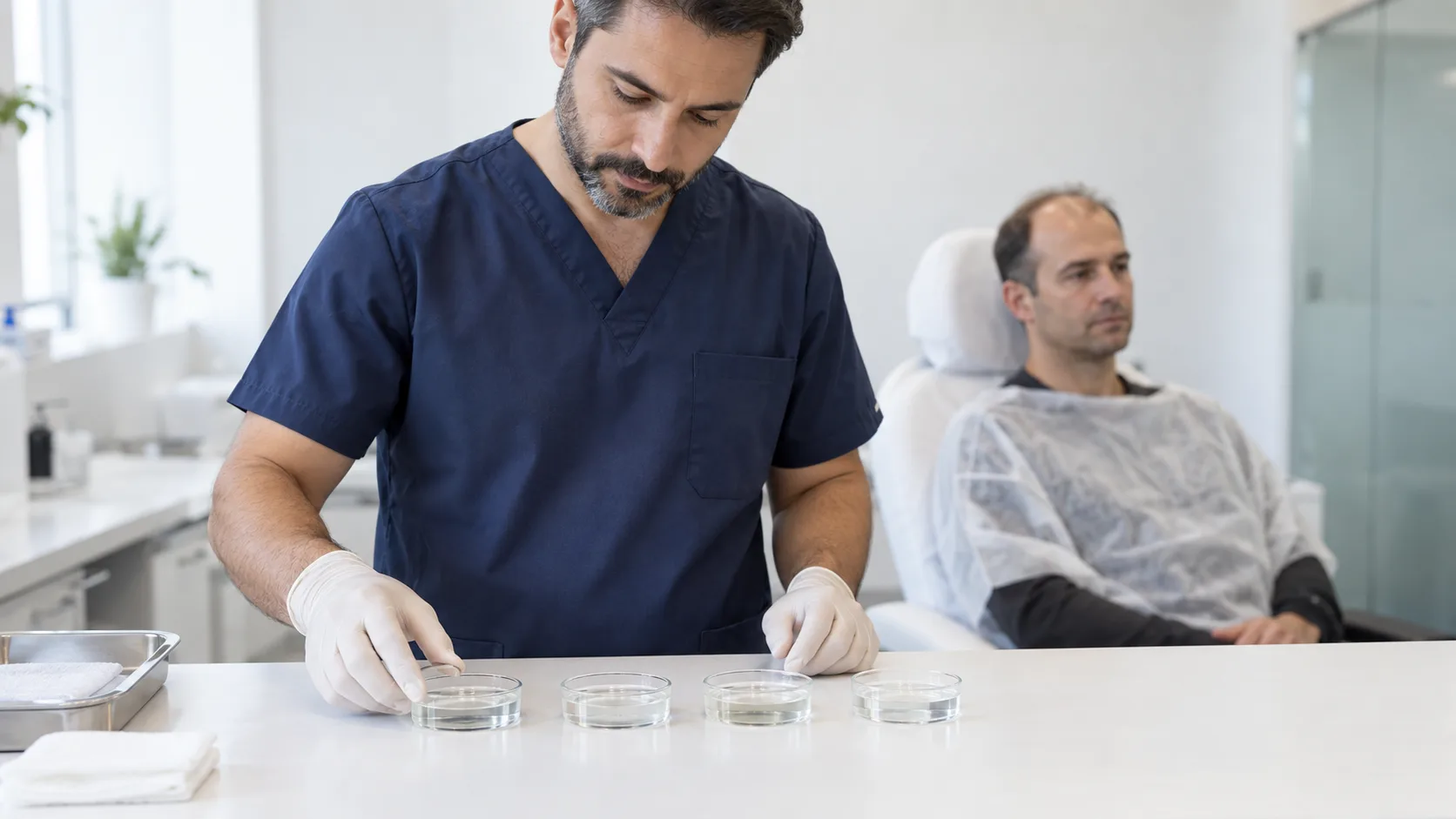
Researchers have evaluated normal saline, Ringer's lactate, HypoThermosol, Custodiol-HTK, PRP, DMEM, and custom formulations. Each solution shows different strengths and limitations in laboratory and clinical studies.
Is Normal Saline Effective for Hair Graft Storage?
Normal saline remains widely used because of its low cost and universal availability. However, it provides limited preservation properties. Extended storage in saline produces poor survival rates.
Normal saline dominates clinical practice for practical reasons. Every operating room stocks it. It costs approximately $44 per case of twelve one-liter bottles. It prevents dehydration. It maintains basic hydration.
But saline has significant biological limitations. Its pH of approximately 5.0 creates an acidic environment. It lacks buffers, nutrients, and osmotic protectants. It does not support cellular metabolism. Most importantly, chilling saline may cause cellular swelling due to pump failure.
Kim and colleagues studied saline at both room temperature and 4°C. They found that saline at room temperature produced 40% survival after twenty-four hours. Chilled saline produced 76% survival after twenty-four hours but only 50% after forty-eight hours (Kim et al. 2002). These results suggest that saline works adequately for short procedures but fails during extended storage.
Cooley conducted an extended-stress study comparing saline to HypoThermosol. Grafts stored in saline for five days showed 0% survival. Grafts in HypoThermosol alone showed 44% survival. Grafts in HypoThermosol plus ATP showed 72% survival (Cooley 2010). This dramatic difference highlights the limitations of saline for anything beyond brief holding periods.
Can Ringer's Lactate Be Used as a Graft-Holding Solution?
Ringer's lactate provides slightly better buffering than saline. However, like saline, it offers limited long-term preservation capacity. Some studies show poor follicle cell survival after extended storage.
Ringer's lactate contains electrolytes and lactate buffer. It more closely approximates physiological fluid than saline. It costs approximately $146 per case of sixteen one-liter bottles.
Garg and colleagues compared Ringer's lactate to autologous plasma in a split-scalp study. MTT staining showed poor hair follicle cell survival in Ringer's lactate at both twelve and seventy-two hours. In contrast, plasma maintained viable cells even after seventy-two hours. The plasma group also showed significantly higher hair count and density (Garg et al. 2019).
Another study by the Hair Science Institute compared saline, Ringer's lactate, and a custom preservation solution. After four hours of storage, trypan blue staining revealed higher viability in Ringer's lactate than in saline. However, the custom solution outperformed both (Gho and Dean 2014).
These findings suggest that Ringer's lactate offers modest advantages over saline but still falls short of specialized preservation media.
Can HypoThermosol Improve Hair Graft Survival?
HypoThermosol shows promising results in multiple studies. Its intracellular formulation protects against osmotic stress during chilling. Beehner's research demonstrated improved survival and hair shaft quality compared to chilled saline.
HypoThermosol represents the most extensively studied intracellular solution in hair transplantation. This FDA-cleared hypothermic storage solution contains buffers, colloids, antioxidants, and osmotic agents. It costs approximately $1,740 per case of thirty one-hundred-milliliter bottles.
Beehner conducted a landmark study comparing chilled HypoThermosol with ATP to chilled normal saline. He stored grafts for intervals ranging from two hours to ninety-six hours. At most time points, HypoThermosol with ATP produced better survival rates. The solution also produced more robust hair shafts as measured by follicular diameter. The only exception occurred at the six-hour mark, where results were similar (Beehner 2011).
Cooley's extended-storage study corroborated these findings. After five days at 4°C, HypoThermosol alone achieved 44% survival. HypoThermosol with liposomal ATP achieved 72% survival. Saline achieved 0% survival (Cooley 2010).
These studies establish a strong biological rationale for HypoThermosol. However, they also have limitations. Beehner's study used relatively small graft totals. Cooley's study involved only a single patient in the extended-stress model. Larger, multi-center trials would strengthen the evidence base.
Can Custodiol-HTK Preserve Hair Grafts?
Custodiol-HTK is a specialized organ-preservation solution with established use in multi-organ procurement. The four-solution FUE study included it as a comparator. It showed comparable results to a custom solution at some follow-up points.
Custodiol-HTK (Dr. Franz Kohler Chemie GmbH) serves as a multi-organ preservation solution for heart, liver, kidney, and pancreas transplantation. Its formulation includes histidine, tryptophan, and ketoglutarate. These components buffer acidosis and support cellular metabolism during ischemia.
Damkerngsuntorn and colleagues included Custodiol-HTK in their four-solution comparative study. They compared William E medium, a custom Dr. Kongkiat's solution, Custodiol-HTK, and chilled normal saline in four patients undergoing FUE. Grafts stored in Dr. Kongkiat's solution showed significantly higher survival at months 2, 4, 8, 10, and 12 compared to William E medium and chilled saline. However, Custodiol-HTK showed no significant difference from Dr. Kongkiat's solution at months 10 and 12. In terms of hair thickness, Dr. Kongkiat's solution outperformed all others at months 6 and 8 (Damkerngsuntorn et al. 2024).
This study suggests that Custodiol-HTK performs comparably to custom intracellular solutions in some respects. However, the small sample size of four patients limits the strength of these conclusions.
Can Platelet-Rich Plasma Be Used as a Hair Graft Storage Solution?
PRP contains autologous growth factors that may support follicular metabolism. Some studies show improved survival and faster recovery from shock effluvium. However, results have not been consistently reproduced across all studies.
Platelet-rich plasma (PRP) has gained attention as an autologous holding medium. The surgeon draws the patient's own blood, centrifuges it, and extracts the platelet-rich fraction. This fraction contains platelet-derived growth factor (PDGF), vascular endothelial growth factor (VEGF), transforming growth factor-beta (TGF-β), and other bioactive molecules.
Uebel performed an early study using PRP as a holding solution. He included twenty-three patients and compared PRP to a placebo. At one year, the PRP-treated area showed 18.7 follicular units per square centimeter versus 16.4 in the control area. This represented a 15.1% increase in follicular density (Uebel 2005).
Pathania and colleagues conducted a randomized controlled trial with twenty patients. They stored grafts in either PRP or chilled Ringer's lactate. The PRP group showed faster recovery from shock effluvium starting at week 4. At six months, 100% of PRP patients achieved hair shaft lengths greater than 10 mm, compared to only 20% in the non-PRP group. Hair density was also significantly higher in the PRP group (Pathania et al. 2021).
However, not all studies agree. Nerkar and colleagues compared PRP to DMEM, PBS, and injectable PRF in a 2025 in-vitro study. They found that 10% DMEM preserved hair follicles more effectively than PRP, PBS, or I-PRF. PRP did not outperform DMEM under their experimental conditions (Nerkar et al. 2025).
It is important to distinguish PRP as a holding solution from PRP injections performed as a separate hair-loss treatment. The holding solution bathes the grafts during surgery. The injection delivers growth factors to the scalp. Some protocols use both approaches simultaneously.
Can DMEM Preserve Hair Follicles?
DMEM is a nutrient-rich cell-culture medium. A 2025 in-vitro study found that 10% DMEM at 37°C preserved hair follicles more effectively than PBS, PRP, or injectable PRF. These findings have generated new interest in culture media for graft storage.
Dulbecco's Modified Eagle Medium (DMEM) is a standard cell-culture medium. It contains amino acids, vitamins, glucose, inorganic salts, and often fetal bovine serum. Laboratories use DMEM to grow cells in vitro. Its nutritional richness makes it theoretically attractive for graft preservation.
Nerkar and colleagues conducted the most recent comparative study. They harvested sixty hair follicles from three healthy volunteers. They stored the follicles in PBS, PRP, injectable PRF, or 10% DMEM. They also varied the temperature: 4°C, 26°C (room temperature), or 37°C. After twenty-four hours, they assessed viability using explant culture.
The results challenged conventional assumptions. Follicles stored at 4°C and 26°C showed no cell outgrowth after seven days. Follicles stored at 37°C showed cell outgrowth. Among the media tested at 37°C, 10% DMEM produced the best preservation. PRP also showed some outgrowth, but DMEM outperformed it. PBS and I-PRF showed no outgrowth (Nerkar et al. 2025).
These findings must be interpreted cautiously. The study was in vitro, not clinical. The sample size was small. The authors themselves noted that freezing graft storage options might not be the best option and that 37°C improved survival under their specific conditions. Clinical translation requires further validation.
How Does Temperature Affect Hair Graft Storage?
Temperature shapes metabolic rate, ATP consumption, and cellular stress. Lower temperatures slow metabolism but can damage cells in the wrong solution. Higher temperatures maintain metabolic activity but accelerate ATP depletion.
Should Hair Grafts Be Stored at Room Temperature?
Room temperature storage avoids cold-induced pump failure in extracellular solutions. It works adequately for short procedures. However, it does not slow metabolism, so ATP depletion continues.
Room temperature (approximately 26°C) offers one clear advantage. It prevents the sodium-potassium pump failure that occurs with chilling in extracellular solutions. Grafts stored in saline or Ringer's lactate at room temperature avoid the cellular swelling associated with cold extracellular media.
However, room temperature also maintains higher metabolic activity. Cells continue consuming ATP at near-normal rates. Toxic metabolites accumulate. Without a blood supply to clear these byproducts, the internal environment deteriorates.
Raposio and colleagues compared room temperature storage to cold storage at 1°C. They found no statistically significant difference in survival and growth rates between the two temperatures (Raposio et al. 1998). This suggests that for short storage times, room temperature may be perfectly acceptable.
Kim's research supports this view for brief periods. Grafts stored in saline at room temperature showed 92% survival at six hours. This dropped to 40% at twenty-four hours (Kim et al. 2002). Room temperature works for short cases but becomes risky for extended procedures.
Should Hair Grafts Be Chilled During a Hair Transplant?
Chilling reduces metabolic demand and extends viable out-of-body time. But chilling only helps when paired with intracellular solutions. Chilling extracellular solutions can cause cellular swelling and damage.
Hypothermic preservation (typically 2°–8°C) slows most metabolic reactions by approximately 50% for every 10°C decline from body temperature. This Q10 principle underlies virtually all organ preservation. Lower metabolism means slower ATP depletion. It means slower accumulation of toxic metabolites. It means slower progression of ischemic injury.
But hypothermia introduces its own stresses. Cell membranes change from fluid to gel states. Organelles become unstable. Free radical generation may actually increase. Most critically, the sodium-potassium ATPase pump fails without sufficient ATP. In extracellular solutions, this pump failure causes cellular edema.
Cole and Reed summarized the evidence clearly. They stated that chilling grafts should only occur with intracellular media. If a surgeon uses extracellular media, the tissue should not be chilled (Cole and Reed 2012).
Despite this theoretical framework, many clinics routinely chill grafts in saline. Some studies show acceptable results with this practice for short procedures. The interaction between temperature and solution type remains incompletely defined for hair follicles specifically.
What Is the Optimal Temperature for Hair Graft Storage?
No universally optimal temperature exists. Historical proposals suggest 8°–14°C. Commonly investigated temperatures include 1°–4°C, 4°–8°C, room temperature, and 37°C. The best temperature depends on the solution being used.
Parsley proposed an ideal temperature range of 8°–14°C for hair follicle grafts (Parsley and Perez-Meza 2010). This range slows metabolism without introducing the severe stresses of near-freezing temperatures. HypoThermosol manufacturers recommend 2°–8°C.
Other tissues have different optimal temperatures. Heart muscle tolerates 10°–20°C. Kidneys respond better to 10°C than to 5°C or below. Hair follicles likely have their own specific tolerance range, but researchers have not definitively established it.
The 2025 Nerkar study added an unexpected data point. It found that 37°C produced better in-vitro cell outgrowth than 4°C or 26°C when using DMEM. This challenges the assumption that colder is always better. However, the study authors cautioned that these findings apply to their specific experimental conditions and should not automatically translate to clinical practice (Nerkar et al. 2025).
What Does Recent Research Say About 4°C, 26°C, and 37°C?
The 2025 in-vitro study by Nerkar and colleagues found that 10% DMEM at 37°C produced the best follicular cell outgrowth. Grafts at 4°C and 26°C showed no outgrowth. These results challenge conventional cold-storage assumptions but require clinical validation.
Nerkar's study evaluated four media at three temperatures. The media were PBS, PRP, injectable PRF, and 10% DMEM. The temperatures were 4°C, 26°C, and 37°C. Sixty follicles from three volunteers provided the sample.
After twenty-four hours of storage, the researchers transferred the follicles to culture dishes with DMEM and 10% fetal bovine serum. They incubated the cultures at 37°C with 5% CO2. They monitored cell outgrowth for seven days.
The results were striking. No follicles stored at 4°C or 26°C showed cell outgrowth. Follicles stored at 37°C in DMEM and PRP showed outgrowth. DMEM produced substantially more outgrowth than PRP. PBS and I-PRF at 37°C showed no outgrowth (Nerkar et al. 2025).
The authors concluded that maintaining hair follicles in 10% DMEM at 37°C would prolong graft life and improve therapeutic outcomes. They also noted that freezing graft storage options might not be the best option. However, they acknowledged the study's limitations: it was in vitro, the sample was small, and clinical translation requires further research.
How Long Can Hair Grafts Stay Outside the Body?
Minimizing out-of-body time remains the safest approach. The commonly discussed six-hour threshold represents a research observation, not a universal cutoff. Extended procedures require careful preservation strategies.
Does Graft Storage Time Affect Follicular Survival?
Yes. Prolonged ischemia depletes ATP and increases cellular injury. Survival rates decline steadily as storage time increases. The relationship is time-dependent and solution-dependent.
Limmer first documented the steady decline in graft viability with increasing storage time. Kim and colleagues confirmed this relationship with precise data. Their study showed that grafts preserved at 4°C in saline maintained 94% survival at six hours, 76% at twenty-four hours, and 50% at forty-eight hours. Room temperature saline produced 92% at six hours but only 40% at twenty-four hours (Kim et al. 2002).
These numbers reveal two important patterns. First, survival declines with time regardless of temperature. Second, temperature matters more as time extends. At six hours, the difference between room temperature and 4°C is minimal. At twenty-four hours, the difference is dramatic.
The six-hour threshold appears frequently in the literature. Kim found that saline at 4°C did not improve survival unless grafts remained out of the body for more than six hours. After six hours, chilled grafts performed better. However, even chilled grafts showed decreased survival beyond six hours (Kim et al. 2002; Cole and Reed 2012).
What Happens to Grafts During Long Hair Transplant Procedures?
Long procedures increase ischemic time, ATP depletion, and oxidative stress. Large graft counts create logistical demands. Coordinated extraction, storage, preparation, and implantation become critical.
Modern hair transplants often involve thousands of grafts. A 3,000-graft FUE procedure may take eight to ten hours. During this entire period, extracted grafts remain outside the body. Early-extracted grafts may wait six hours or more before implantation.
This prolonged ischemia creates cumulative stress. ATP depletion worsens over time. Oxidative stress accumulates. Mechanical trauma from repeated handling compounds the damage. The grafts that sit longest in storage face the greatest risk.
Large procedures also create workflow challenges. The extraction team must work efficiently. The storage team must maintain proper conditions. The implantation team must place grafts promptly. Any bottleneck in this pipeline extends ischemic time for waiting grafts.
Clinics performing large cases should use the best available preservation protocols. Specialized solutions, temperature monitoring, and efficient teamwork all become more important as graft count and procedure duration increase.
Which Hair Graft Storage Solution Is Best?
Current evidence does not establish one universally superior solution. The best choice depends on procedure duration, graft count, available solutions, and the clinic's ability to maintain proper temperature control.
Is There One Universally Superior Graft Storage Solution?
No. Laboratory evidence, experimental studies, and clinical trials show different results. Small sample sizes, varying methodologies, and inconsistent outcome measures limit definitive conclusions.
The hair transplant literature contains no large, multi-center, randomized trial comparing all major storage solutions. Existing studies are small. Many are in vitro. Clinical studies often involve fewer than twenty patients. Outcome measures vary: some researchers count grafts, others measure hair density, others assess hair thickness, and still others use histological staining.
Cole and Reed reviewed the available literature in 2012. They found that many studies failed to show reproducible evidence that any specific protocol improves survival. They also noted that many study designs did not withstand statistical scrutiny (Cole and Reed 2012).
This uncertainty does not mean that storage solutions do not matter. It means that the field needs more rigorous research. Clinicians must make decisions based on the best available evidence while acknowledging the limitations of that evidence.
What Did the Four-Solution FUE Study Find?
The ISHRS-funded study compared William E medium, Dr. Kongkiat's custom solution, Custodiol-HTK, and chilled normal saline. Dr. Kongkiat's solution showed significantly better graft survival at most follow-up points. Custodiol-HTK performed comparably at later time points.
Damkerngsuntorn and colleagues conducted this comparative study with ISHRS funding. Four patients with male pattern hair loss underwent FUE. Grafts were stored in four different solutions and implanted in designated study boxes. Evaluators assessed graft survival and hair thickness at 2, 4, 6, 8, 10, and 12 months.
Storage Solution | General Category | Key Finding |
William E medium | Extracellular/culture medium | Investigated as nutrient-containing holding medium; lower survival than custom solution at multiple points |
Dr. Kongkiat's solution | Intracellular/custom | Showed significantly higher graft survival at months 2, 4, 8, 10, and 12; significantly greater hair thickness at months 6 and 8 |
Custodiol-HTK | Specialized preservation solution | Comparable to custom solution at months 10 and 12; no significant difference in hair thickness at later time points |
Chilled normal saline | Conventional extracellular solution | Demonstrated lower results than custom solution at months 8, 10, and 12 |
At month 2, Dr. Kongkiat's solution showed mean graft survival of 35.8% compared to 28.1% for William E, 28.8% for Custodiol-HTK, and 31.7% for chilled saline. By month 12, Dr. Kongkiat's solution reached 95.4% survival, while William E reached 89.6%, Custodiol-HTK reached 96.9%, and chilled saline reached 91.7% (Damkerngsuntorn et al. 2024).
The study's main limitation is its small sample size of four patients. The results are promising but require confirmation in larger trials.
How Should Hair Grafts Be Handled During Storage?
Gentle handling, temperature stability, and continuous hydration protect grafts during storage. Mechanical trauma, temperature fluctuations, and air exposure all reduce viability.
Why Is Gentle Graft Handling Important?
Mechanical trauma during extraction and preparation damages follicular structures. Crushing, transection, and manipulation injuries reduce survival. Proper handling technique matters as much as solution selection.
A 2021 study examined how minor injuries affect graft survival. Intact grafts showed approximately 71% take. Grafts with slight bulb injury dropped to 44%. Grafts fractured in half showed only 13% survival (Kwack et al. 2021). These numbers demonstrate that physical damage can be more devastating than storage conditions.
The bulge zone houses follicular stem cells. Damage to this region is particularly harmful. Blunt trauma to the bulb or dermal papilla also reduces survival. Forceps should grip the graft at the epidermal end only. Technicians should avoid crushing, twisting, or excessive paring of connective tissue.
Storage conditions influence how well grafts tolerate mechanical stress. Beehner found that cold storage in normal saline improved survival rates of grafts that experienced crush injury (Beehner 2005). Proper storage may partially buffer the effects of handling trauma.
Why Is Temperature Stability Important?
Repeated cooling and warming stress cells. Temperature fluctuations cause membrane phase changes and metabolic disruption. Controlled monitoring systems help maintain stable conditions.
Grafts experience multiple temperature transitions during a typical procedure. The surgeon extracts grafts from the warm scalp. Technicians place them in chilled solution. Grafts warm slightly during microscopic dissection under lamp light. They return to chilled storage. They warm again during implantation. Each transition stresses cellular membranes.
The lipid bilayer of cell membranes changes from fluid to gel state as temperature drops. Rapid or repeated transitions between these states can damage membrane integrity. Organelles may become unstable. Metabolic processes may become dysregulated.
Elite clinics use temperature control devices to minimize fluctuations. Some use graft chilling plates. Some use monitored storage containers. The goal is to maintain a stable temperature throughout the extraction-to-implantation pipeline.
Why Should Grafts Remain Hydrated?
Dehydration causes irreversible membrane damage. Grafts should remain submerged in solution at all times. Exposure to air for even brief periods reduces viability.
As noted earlier, Kim's research shows that grafts exposed to air for twenty minutes drop to 83% survival. At thirty minutes, survival falls to 68% (Kim et al. 2002). These data underscore the importance of continuous hydration.
Grafts should never sit on dry surfaces. They should not rest on gauze, gloves, or pads without solution coverage. Technicians should transfer grafts quickly from extraction to storage containers. Storage containers should maintain adequate fluid volume to cover all grafts completely.
Some clinics use petri dishes with shallow solution layers. This risks exposing grafts during movement. Deeper containers or containers with graft racks help ensure complete submersion.
How Do Storage Solutions Protect Hair Follicle Biology?
Storage solutions maintain cellular integrity through ionic balance, osmotic stability, membrane protection, mitochondrial support, ATP preservation, and pH regulation.
How Do Storage Solutions Help Maintain Cellular Integrity?
Effective solutions preserve ionic balance, osmotic stability, cell membrane integrity, mitochondrial function, ATP levels, and pH. Each factor contributes to graft survival.
Ionic balance ensures that sodium, potassium, calcium, and magnesium concentrations remain within ranges that cells can tolerate. The sodium-potassium gradient drives nerve function, muscle contraction, and nutrient transport. Disruption of this gradient causes cellular dysfunction.
Osmotic stability prevents cells from swelling or shrinking. Water moves across membranes toward areas of higher solute concentration. The storage solution must match intracellular osmotic pressure to prevent net water movement.
Cell membrane integrity depends on proper lipid composition and protein function. Dehydration, temperature extremes, and oxidative stress all damage membranes. Good storage solutions protect against these insults.
Mitochondrial function determines how well cells generate ATP. Some advanced solutions include substrates that mitochondria can use for energy production. Others protect mitochondria from calcium overload and membrane permeabilization.
ATP preservation is critical because ischemia halts ATP production. Some solutions include exogenous ATP. Others include precursors that cells can use to synthesize ATP. The Cooley study showed that adding liposomal ATP to HypoThermosol improved survival from 44% to 72% (Cooley 2010).
pH regulation prevents acidosis. Anaerobic metabolism produces lactic acid. Accumulation of acidic byproducts damages proteins and enzymes. Buffered solutions maintain pH closer to the physiological 7.4.
How Can Antioxidants Influence Graft Preservation?
Antioxidants neutralize reactive oxygen species generated during ischemia and reperfusion. Glutathione and related compounds offer theoretical protection. However, proven clinical benefit requires further study.
Oxidative stress occurs at multiple points during hair transplantation. Ischemia itself generates some free radicals. Reperfusion upon implantation generates a larger burst. These reactive oxygen species attack DNA, proteins, and lipid membranes.
Glutathione serves as a primary intracellular antioxidant. It donates electrons to neutralize free radicals. Some storage solutions include glutathione or glutathione precursors. Vitamin E, vitamin C, and other antioxidants may also provide protection.
Krugluger and colleagues investigated the role of antioxidants in graft preservation. They found that additives targeting oxidative stress and apoptosis pathways showed promise in preliminary studies (Krugluger et al. 2003, 2004). However, these findings require larger clinical validation.
The biological rationale for antioxidants is strong. The clinical evidence is preliminary. Clinicians should view antioxidant-containing solutions as potentially beneficial but not definitively proven.
Why Are ATP and Energy Metabolism Important for Graft Survival?
ATP powers ion pumps, membrane transport, and protein synthesis. Ischemia depletes ATP rapidly. Preservation media that include energy substrates or exogenous ATP may help maintain cellular function.
ATP is the universal energy currency of cells. The sodium-potassium pump consumes ATP to maintain ion gradients. The calcium pump consumes ATP to prevent calcium overload. Protein synthesis consumes ATP to build and repair cellular structures. Without ATP, these processes halt.
Ischemia stops mitochondrial ATP production. Anaerobic glycolysis produces some ATP but far less than oxidative phosphorylation. Cells begin consuming their ATP reserves. Within hours, ATP levels drop critically low.
Exogenous ATP may help bridge this gap. Cooley's study with liposomal ATP demonstrated a 28-percentage-point improvement in survival when added to HypoThermosol. The liposomal formulation helps ATP cross cell membranes, which naked ATP cannot do efficiently (Cooley 2010).
However, exogenous ATP supplementation is not an established standard of care. More research must confirm its benefits across different solutions, temperatures, and patient populations.
What Can Reduce Hair Graft Viability During Storage?
Dehydration, excessive cooling, temperature fluctuations, prolonged ischemia, mechanical trauma, and oxidative stress all threaten graft survival. Each factor compounds the others.
Can Dehydration Damage Hair Grafts?
Yes. Dehydration disrupts cell membranes and causes irreversible damage. Grafts exposed to air for twenty minutes show significantly reduced survival.
Can Excessive Cooling Harm Follicular Cells?
Yes. Temperatures below 2°C risk ice crystal formation. Ice crystals rupture cell membranes and destroy cellular architecture. Even above freezing, inappropriate cooling in extracellular solutions causes cellular edema.
Can Temperature Fluctuations Stress Hair Grafts?
Yes. Repeated warming and cooling cause membrane phase changes and metabolic disruption. Stable temperature maintenance produces better outcomes than fluctuating conditions.
Can Prolonged Ischemia Reduce Graft Survival?
Yes. Ischemia depletes ATP and accumulates toxic metabolites. Survival rates decline steadily after six hours regardless of storage method.
Can Mechanical Trauma Affect Stored Grafts?
Yes. Crushing, transection, and improper forceps use damage follicular structures. Even perfectly stored grafts fail if mechanically injured during extraction or handling.
Can Oxidative and Reperfusion Stress Affect Follicular Survival?
Yes. The sudden reoxygenation at implantation generates reactive oxygen species. These free radicals damage DNA, proteins, and membranes. Antioxidants may offer partial protection.
How Is Graft Viability Evaluated in Research?
Researchers use clinical graft survival counts, hair growth measurements, hair shaft thickness assessments, follicular cell outgrowth cultures, histological evaluation, dermoscopic analysis, and digital photographic analysis.
How Do Researchers Measure Hair Follicle Survival?
Multiple methods exist, each with strengths and limitations. Clinical counts measure visible hair growth. Histological stains assess cellular viability. In-vitro cultures evaluate cell outgrowth potential.
Clinical graft survival is the most direct measure. Researchers count the number of transplanted grafts that produce visible hair growth. This method reflects real-world outcomes but requires months of follow-up.
Hair growth measurements track the percentage of grafts in active growth phase. Trichoscan and similar devices provide objective density and thickness data.
Hair shaft thickness indicates graft quality. Thicker shafts suggest healthier follicles. Dermoscopic devices like FotoFinder measure thickness precisely.
Follicular cell outgrowth assesses viability in vitro. Researchers place stored follicles in culture medium and observe whether cells migrate and proliferate. Nerkar's 2025 study used this method to compare storage conditions (Nerkar et al. 2025).
Histological evaluation uses stains like trypan blue or MTT to distinguish viable from non-viable cells. These methods provide immediate results but require tissue destruction.
Dermoscopic assessment and digital photographic analysis offer non-invasive monitoring. Blinded evaluators compare baseline and follow-up images to assess growth patterns.
Why Do Laboratory Findings Not Always Predict Clinical Hair Growth?
In-vitro viability differs from graft survival after transplantation. Laboratory conditions simplify complex biological systems. Clinical outcomes depend on additional variables including surgical technique, recipient site vascularity, and patient factors.
In-vitro studies measure cellular activity under controlled conditions. They cannot replicate the full complexity of scalp biology. A follicle may show cell outgrowth in culture but fail to establish blood supply in the scalp. Conversely, a follicle with marginal in-vitro results might thrive if implanted skillfully into well-vascularized tissue.
The 2025 Nerkar study illustrates this gap clearly. It found that 37°C DMEM produced the best in-vitro cell outgrowth. But this does not mean that 37°C DMEM will produce superior clinical results. The study used only sixty follicles from three volunteers. It measured cell outgrowth, not actual hair growth. It lasted seven days, not twelve months (Nerkar et al. 2025).
Clinical validation requires randomized trials with adequate sample sizes, standardized surgical techniques, and long-term follow-up. Until such trials exist, clinicians should interpret laboratory findings cautiously.
What Should Patients Ask About Hair Graft Storage?
Patients should ask about the storage solution, temperature, monitoring methods, out-of-body time, dehydration prevention, and standardized handling protocols. These questions reveal whether a clinic approaches graft preservation systematically.
What Storage Solution Does the Clinic Use?
The answer reveals whether the clinic uses basic saline, Ringer's lactate, specialized intracellular solutions, culture media, or PRP. Each option has different evidence profiles.
At What Temperature Are the Grafts Stored?
Temperature should match the solution type. Intracellular solutions require chilling. Extracellular solutions should remain at room temperature. Mismatched temperature and solution can damage grafts.
How Is Temperature Monitored During the Procedure?
Elite clinics use active monitoring devices, not just ice baths. Continuous temperature tracking ensures stability rather than fluctuation.
How Long Do Grafts Typically Remain Outside the Body?
Shorter is better. For large procedures, ask how the clinic manages grafts extracted early in the day. Extended ischemic time increases risk.
How Does the Clinic Minimize Graft Dehydration and Mechanical Trauma?
Grafts should remain submerged at all times. Technicians should handle grafts gently with proper forceps technique. The clinic should have clear protocols for every handling step.
Does the Clinic Have a Standardized Graft-Handling Protocol?
Standardized protocols reduce variability and error. Ask whether every team member follows the same procedures or whether handling varies by technician.
Hair Graft Storage Solutions Compared: Key Differences at a Glance
Factor | Normal Saline | Ringer's Lactate | Specialized Intracellular Solutions | Culture Media (DMEM/William's E) | PRP/Autologous Plasma |
Composition | Extracellular | Extracellular | Intracellular-like | Nutrient-rich | Autologous |
Main Purpose | Basic hydration | Fluid/electrolyte support | Tissue preservation | Cellular support | Growth-factor environment |
Temperature | Room temperature recommended | Room temperature recommended | 2°–8°C | Varies by protocol | Varies by protocol |
Evidence Strength | Widely used but limited comparative evidence | Limited comparative evidence | Promising but not definitive | Increasing experimental interest | Mixed results |
Main Limitation | Limited preservation capacity; acidic pH | Limited long-term preservation evidence | Cost and limited large-scale clinical evidence | Primarily experimental; needs clinical validation | Variable evidence; preparation technique dependent |
Cost | Low (~$44/case) | Low (~$147/case) | High (~$1,740/case) | Moderate | Moderate (requires blood draw and processing) |
What Is the Current Scientific Consensus on Hair Graft Storage?
No gold-standard solution exists. Storage medium and temperature must be evaluated together. Specialized preservation solutions have strong biological rationale but need more clinical validation. Normal saline remains common. Recent research has expanded interest in DMEM, PRP, PRF, and customized media. More standardized, adequately powered clinical trials are needed.
The hair transplant community agrees on several points. First, graft storage matters. Second, no single solution has proven universally superior. Third, temperature and solution must be matched. Fourth, gentle handling and minimal ischemic time are essential regardless of solution choice.
The International Society of Hair Restoration Surgery has funded research in this area, including the four-solution comparative study. This investment reflects the field's recognition that storage science deserves rigorous investigation.
Emerging research directions include exosome therapy, stem cell-enriched grafts, and advanced biopreservation additives. These innovations may enhance survival further. But they must build upon solid foundational protocols. Additives cannot rescue fundamentally flawed handling or storage practices.
Conclusion: What Should You Know About Hair Graft Storage Solutions?
Graft preservation begins the moment extraction occurs. Hydration, osmotic stability, temperature control, limited ischemic time, gentle handling, and appropriate media all contribute to survival. No single solution or temperature has emerged as universally optimal. Hair graft viability depends on an integrated preservation protocol rather than the storage solution alone.
Hair transplantation has advanced dramatically over the past decades. Surgeons now extract smaller, more precise grafts. They implant with greater density and artistry. But these technical advances mean nothing if the grafts do not survive the journey from donor to recipient.
The science of graft preservation draws from organ transplantation, cell biology, and tissue engineering. It applies principles of hypothermic biopreservation, oxidative stress management, and metabolic support to the unique biology of the hair follicle.
Patients evaluating hair transplant clinics should look beyond marketing claims. They should ask specific questions about storage solutions, temperature protocols, and handling techniques. They should seek clinics that demonstrate systematic, evidence-based approaches to graft preservation.
The research continues to evolve. The 2025 Nerkar study challenged assumptions about cold storage. The four-solution FUE study highlighted the potential of custom intracellular formulations. Beehner's work established HypoThermosol as a biologically rational choice. Cole and Reed's review provided the theoretical framework linking solution type to temperature.
What remains constant is the need for careful, attentive preservation. Every graft represents a living follicular unit with the potential to produce hair for a lifetime. Protecting that potential requires scientific knowledge, technical skill, and unwavering attention to detail.
Frequently Asked Questions About Hair Graft Storage Solutions
What Is the Best Solution for Storing Hair Grafts?
No single best solution exists. The choice depends on procedure duration, graft count, and the clinic's ability to maintain proper temperature. Specialized intracellular solutions like HypoThermosol offer strong biological rationale. Recent research has also highlighted DMEM and custom formulations.
How Long Can Hair Grafts Stay in a Storage Solution?
Grafts tolerate short storage well. Survival declines after six hours and drops significantly after twenty-four hours. Minimizing out-of-body time remains the safest approach.
Should Hair Grafts Be Kept at 4°C?
4°C works well for intracellular solutions like HypoThermosol. It may damage grafts stored in extracellular solutions like saline. Recent in-vitro research has questioned whether body temperature might be preferable for certain nutrient-rich media.
Can Normal Saline Preserve Hair Grafts?
Normal saline works for short procedures but provides limited preservation. Extended storage in saline produces poor survival. Its acidic pH and lack of osmotic protectants are significant limitations.
Is HypoThermosol Better Than Saline for Hair Grafts?
Multiple studies suggest HypoThermosol outperforms saline, especially for extended storage. Beehner found better survival and hair quality with HypoThermosol plus ATP. Cooley found 72% survival with HypoThermosol/ATP versus 0% with saline after five days.
Can PRP Be Used to Store Hair Grafts?
Yes. PRP contains growth factors that may support follicular metabolism. Some clinical studies show improved survival and density. However, a 2025 in-vitro study found DMEM outperformed PRP. Results vary by preparation method and protocol.
Can DMEM Improve Hair Follicle Survival?
A 2025 study found that 10% DMEM at 37°C produced the best in-vitro cell outgrowth. These findings are preliminary and require clinical validation. DMEM is not yet an established standard for clinical hair transplantation.
Does Temperature Affect Hair Graft Survival?
Yes. Temperature shapes metabolic rate, ATP consumption, and cellular stress. The optimal temperature depends on the solution being used. Intracellular solutions require chilling. Extracellular solutions generally work better at room temperature.
Why Does Graft Hydration Matter?
Dehydration disrupts cell membranes and causes irreversible damage. Grafts exposed to air for twenty minutes show significantly reduced survival. Continuous submersion in solution is essential.
Does Faster Graft Implantation Improve Survival?
Yes. Minimizing ischemic time reduces ATP depletion and metabolic stress. Efficient workflows that extract, prepare, and implant grafts promptly produce better outcomes.
What Happens If Hair Grafts Become Dehydrated?
Dehydrated grafts lose membrane integrity. Ion transport fails. Metabolic function collapses. This damage is irreversible. Dehydrated grafts should not be implanted.
Can Poor Graft Storage Cause Hair Transplant Failure?
Poor storage reduces graft survival and hair quality. It may not cause complete failure if most grafts survive. But it can significantly diminish density, thickness, and overall cosmetic result.
References
Beehner, Michael L. "A Study Comparing Survival of Hair Follicles Stored Cold and at Room Temperature." Hair Transplant Forum International, vol. 31, no. 5, 2021, pp. 165-173.
Beehner, Michael L. "Notes from the Editor Emeritus." Hair Transplant Forum International, vol. 15, no. 6, 2005, pp. 193-195.
Cole, John P., and William M. Reed. "The Optimal Holding Solution and Temperature for Hair Follicle Grafts." Hair Transplant Forum International, vol. 22, no. 1, 2012, pp. 17-21.
Cooley, Jerry E. "Ischemia-Reperfusion Injury and Graft Storage Solutions." Hair Transplant Forum International, vol. 13, 2004, pp. 121, 127, 130.
Cooley, Jerry E. "Successful Extended Storage of Hair Follicles Using Hypothermic Media with Liposomal ATP." Translational Regenerative Medicine Forum, 2010.
Damkerngsuntorn, Wilawan, et al. "A Comparative Study of Four Different Storage Solutions on Graft Survival in Follicular Unit Extraction (FUE) Hair Transplantation." Journal of Cutaneous and Aesthetic Surgery, 2024.
Garg, Anil K., et al. "A Histological and Clinical Evaluation of Plasma as a Graft Holding Solution and Its Efficacy in Terms of Hair Growth and Graft Survival." Journal of Cutaneous and Aesthetic Surgery, vol. 12, no. 4, 2019, pp. 219-225.
Gho, Coen, and Dean, Phil. "The Influence of Preservation Solution on the Viability of Grafts in Hair Transplantation Surgery." Hair Transplant Forum International, 2014.
Kim, Jung Chul, et al. "The Effects of Dehydration, Preservation Temperature and Time on the Hair Grafts." Annals of Dermatology, vol. 14, no. 3, 2002, pp. 149-152.
Krugluger, Wolfgang, et al. "Enhancement of In Vitro Hair Shaft Elongation in Follicles Stored in Buffers That Prevent Follicle Cell Apoptosis." Dermatologic Surgery, vol. 30, 2004, pp. 1-5.
Krugluger, Wolfgang, et al. "New Storage Buffers for Micrografts Enhance Graft Survival and Clinical Outcome in Hair Restoration Surgery." Hair Transplant Forum International, vol. 13, 2003, p. 333-334.
Kwack, Myeung Hun, et al. "Comparative Graft Survival Study of Follicular Unit Excision Grafts With or Without Minor Injury." Dermatologic Surgery, vol. 47, no. 5, 2021, pp. e191-e194.
Nerkar, Gaurav Madhukar, et al. "An In Vitro Study Comparing the Survival of Hair Follicles in Various Storage Media at Different Temperatures for Hair Transplant Procedure." International Journal of Trichology, vol. 17, no. 2, 2025, pp. 1-8.
Parsley, William M., and David Perez-Meza. "Review of Factors Affecting the Growth and Survival of Follicular Grafts." Journal of Cutaneous and Aesthetic Surgery, vol. 3, no. 2, 2010, pp. 69-75.
Pathania, Vikas, et al. "Randomized Control Trial to Study the Efficacy and Safety of Platelet-Rich Plasma as Intraoperative Holding Solution in Hair Restoration Surgery: A Pilot Study." Medical Journal Armed Forces India, vol. 79, 2023, pp. 1-6.
Raposio, Edoardo, et al. "Power Boosting the Grafts in Hair Transplantation Surgery: Evaluation of a New Storage Medium." Dermatologic Surgery, vol. 24, 1998, pp. 1342-1346.
Uebel, Carlos O. "Platelet-Rich Plasma in Hair Transplantation." ISHRS Annual Meeting, Sydney, Australia, 2005.