What Is Trichotillomania and How Can It Be Treated?
Trichotillomania is a body-focused repetitive behavior (BFRB) that involves recurrent, hard-to-control urges to pull out one's own hair. It belongs to the obsessive-compulsive and related disorders category in the DSM-5, and it commonly affects the scalp, eyebrows, and eyelashes (American Psychiatric Association, 2013).
What Does the Term Trichotillomania Actually Mean?
The word trichotillomania comes from Greek roots meaning "hair," "pulling," and "madness." Clinicians now prefer the term "hair-pulling disorder" because it sounds less stigmatizing and describes the behavior directly.
The literal translation reflects an outdated view of the condition as madness or insanity. Modern science understands trichotillomania as a neurobehavioral disorder with identifiable triggers, patterns, and evidence-based treatments. The label changed, but the clinical reality stayed the same: a person repeatedly pulls hair despite attempts to stop (American Psychiatric Association, 2013).
What Is Trichotillomania as a Body-Focused Repetitive Behavior?
Trichotillomania is a body-focused repetitive behavior, a group of conditions in which a person repeatedly touches, pulls, picks, or bites parts of their own body. Pulling can happen consciously (focused) or automatically, and both patterns can occur in the same person.
Researchers classify hair pulling alongside skin picking, nail biting, and lip chewing because these behaviors share a common structure: an internal urge or tension, a repetitive motor act, and temporary relief afterward. This classification matters because it directs treatment toward behavioral strategies rather than willpower (American Psychiatric Association, 2013).
What Are the Physical Signs of Trichotillomania?
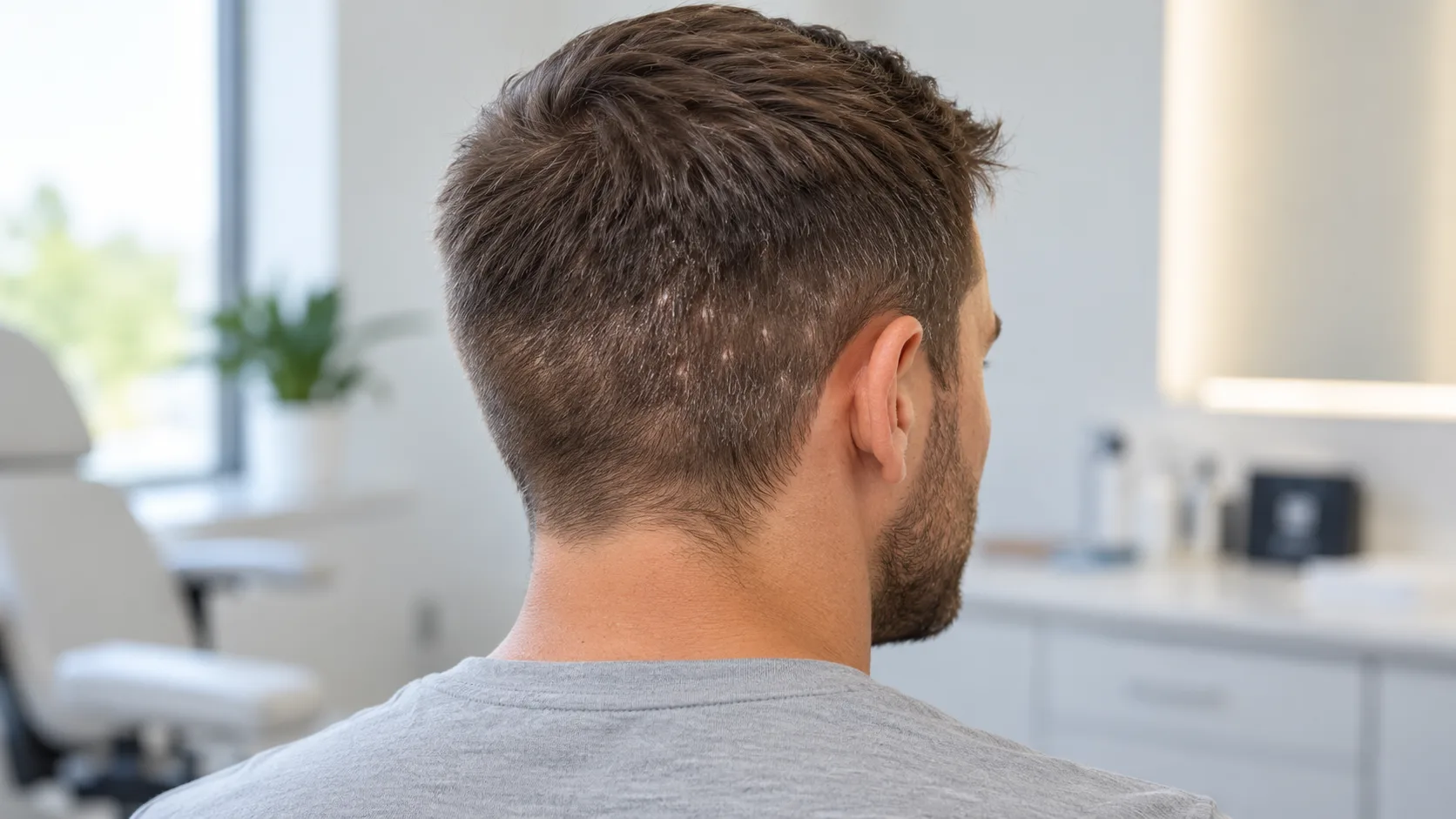
Trichotillomania produces uneven or broken hairs, bald or thinning patches, sparse eyebrows, shortened eyelashes, and irregular regrowth. Affected areas can shift over time as the person moves from one body site to another.
Mechanical pulling fractures the hair shaft at different lengths, which creates the characteristic stubbly texture. People often style hair, use makeup, or wear head coverings to conceal the damage. This concealment behavior is a clinical sign in itself because it signals distress tied to visible hair loss.
What Are the Core Symptoms of Trichotillomania?
The core symptoms are recurrent pulling that resists control, rising tension before pulling, relief after pulling, repeated failed attempts to stop, and hair-related rituals such as selecting specific hairs or chewing them.
Symptom domain | What it looks like |
Behavioral | Recurrent pulling, repeated attempts to quit, rituals around hair selection |
Sensory | Increasing tension or urge before the act |
Emotional | Relief, gratification, or pleasure after pulling |
Associated | Skin picking, nail biting, playing with or chewing pulled hairs |
Some individuals also pull hair from objects, pets, or dolls, which extends the behavior beyond the body. Clinicians document these associated behaviors during assessment because they shape the treatment plan (American Psychiatric Association, 2013).
How Does Hair Pulling Actually Happen?
Hair pulling occurs in two modes: focused pulling, where the person consciously feels the urge, and automatic pulling, which happens during sedentary activities like reading, watching television, or studying. Most people with trichotillomania experience both modes.
Automatic pulling thrives in low-attention states. The hand drifts toward the hair while the mind stays on the screen or page. Environmental cues such as resting the head on a hand or twirling a strand can trigger the sequence without any conscious decision. Treatment targets both modes separately because they require different awareness skills.
What Triggers Hair-Pulling Episodes?
The most common triggers are stress, anxiety, tension, boredom, and emotional discomfort. Activities, routines, sensations, and environments that pair with pulling can also become learned cues.
Pulling delivers temporary relief, and that relief reinforces the behavior through negative reinforcement. Each episode strengthens the habit loop. Symptom severity often tracks emotional states, and some people report fluctuations linked to hormonal changes, although the evidence for hormonal effects remains preliminary (Lamothe et al., 2019).
Why Does Trichotillomania Develop?
Researchers have not identified a single definitive cause. Evidence points to a combination of genetic vulnerability, stressful experiences, and difficulties with emotional regulation.
Family and twin studies suggest heritability contributes to risk. Neurocognitive research shows differences in planning and attention tasks compared with healthy controls, which supports the idea that emotion regulation deficits sustain the behavior (Wilton et al., 2020). These findings remain correlational, so researchers treat specific biological mechanisms as working hypotheses rather than established facts.
At What Age Does Trichotillomania Usually Begin?
Onset most often occurs between late childhood and early adolescence, roughly ages 10 to 13. Symptoms can persist into adulthood or first appear later in life.
Children frequently pull automatically and may not notice the damage. Adolescents and adults tend to report more focused pulling with stronger urges. Early recognition matters because habitual pulling becomes harder to interrupt as it consolidates, yet childhood onset is not universal, and late onset does not exclude the diagnosis (American Psychiatric Association, 2013).
Is Trichotillomania the Same as OCD?
No. Trichotillomania and obsessive-compulsive disorder both sit in the obsessive-compulsive and related disorders category, but they differ in key ways. OCD involves obsessions, which are intrusive unwanted thoughts, followed by compulsions performed to neutralize anxiety. Trichotillomania involves urges and sensory tension without obsessions.
Direct pediatric comparisons confirm overlap and divergence. Children with hair-pulling disorder and children with OCD both outperformed healthy controls on a planning task, yet only the OCD group showed a sustained-attention deficit (Wilton et al., 2020). Neuropsychological studies in adults found that only OCD patients showed additional impairments in cognitive flexibility and spatial working memory (Chamberlain et al., 2007).
How Do Trichotillomania and OCD Differ Clinically?
Trichotillomania centers on body-focused repetitive behavior with sensory urges, while OCD centers on intrusive thoughts and anxiety-driven rituals. Some evidence even suggests trichotillomania resembles tic disorders more closely than OCD in certain neurocognitive and imaging findings.
Feature | Trichotillomania | OCD |
Core driver | Urge and sensory tension | Obsessions and anxiety |
Behavior | Hair pulling toward relief | Compulsions toward neutralization |
Insight | Variable | Usually intact |
Neurocognitive profile | Attention and planning differences | Broader executive impairments |
A comprehensive review concluded that trichotillomania shows a closer neurocognitive relationship to tic disorders than to OCD, although the evidence base remains too limited for a final classification decision (Lamothe et al., 2019).
How Is Trichotillomania Diagnosed?

Diagnosis relies on clinical assessment. A clinician confirms recurrent hair pulling, repeated attempts to reduce or stop, and clinically significant distress or impairment, then rules out medical causes and other mental disorders that explain the behavior better.
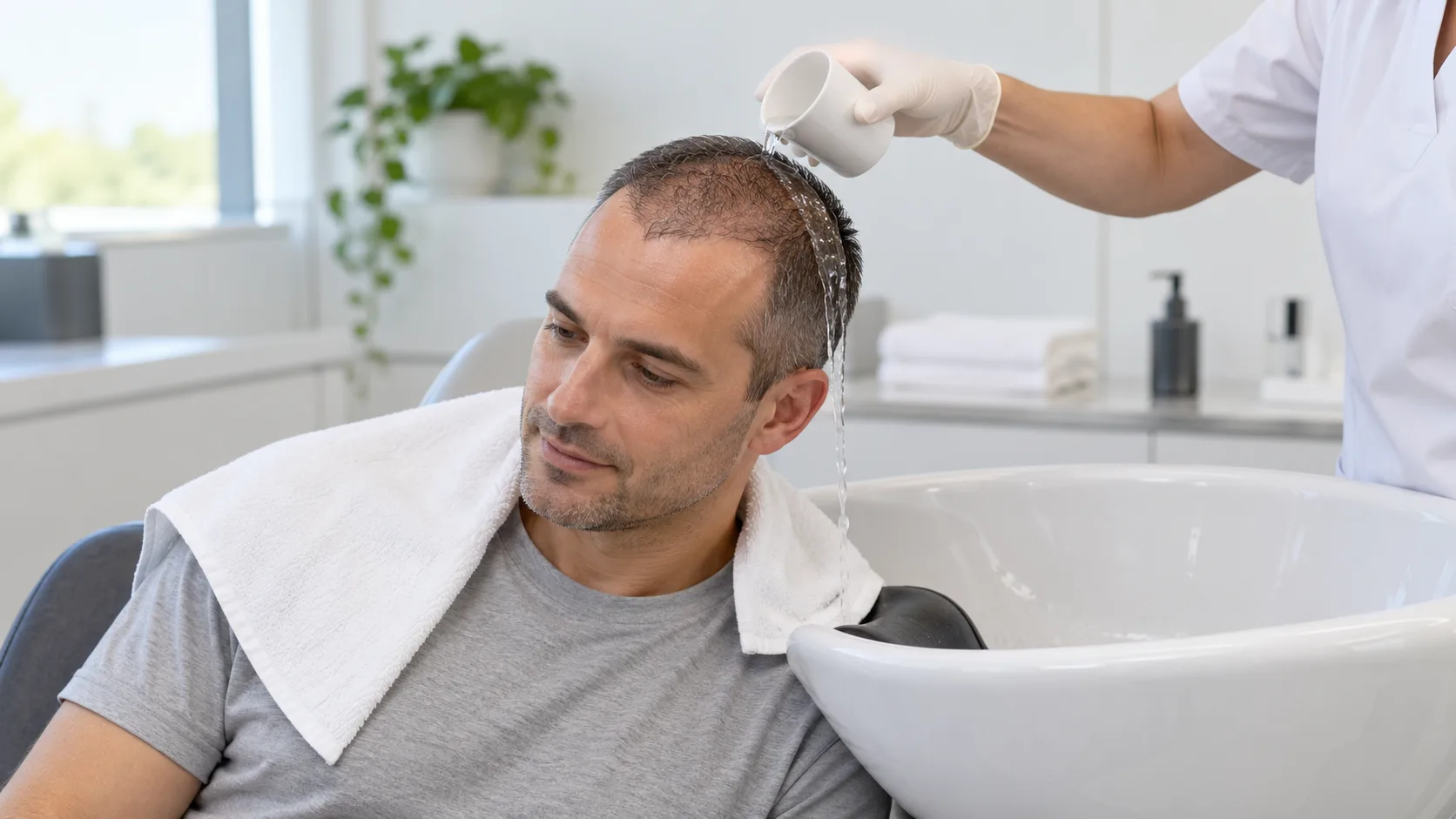
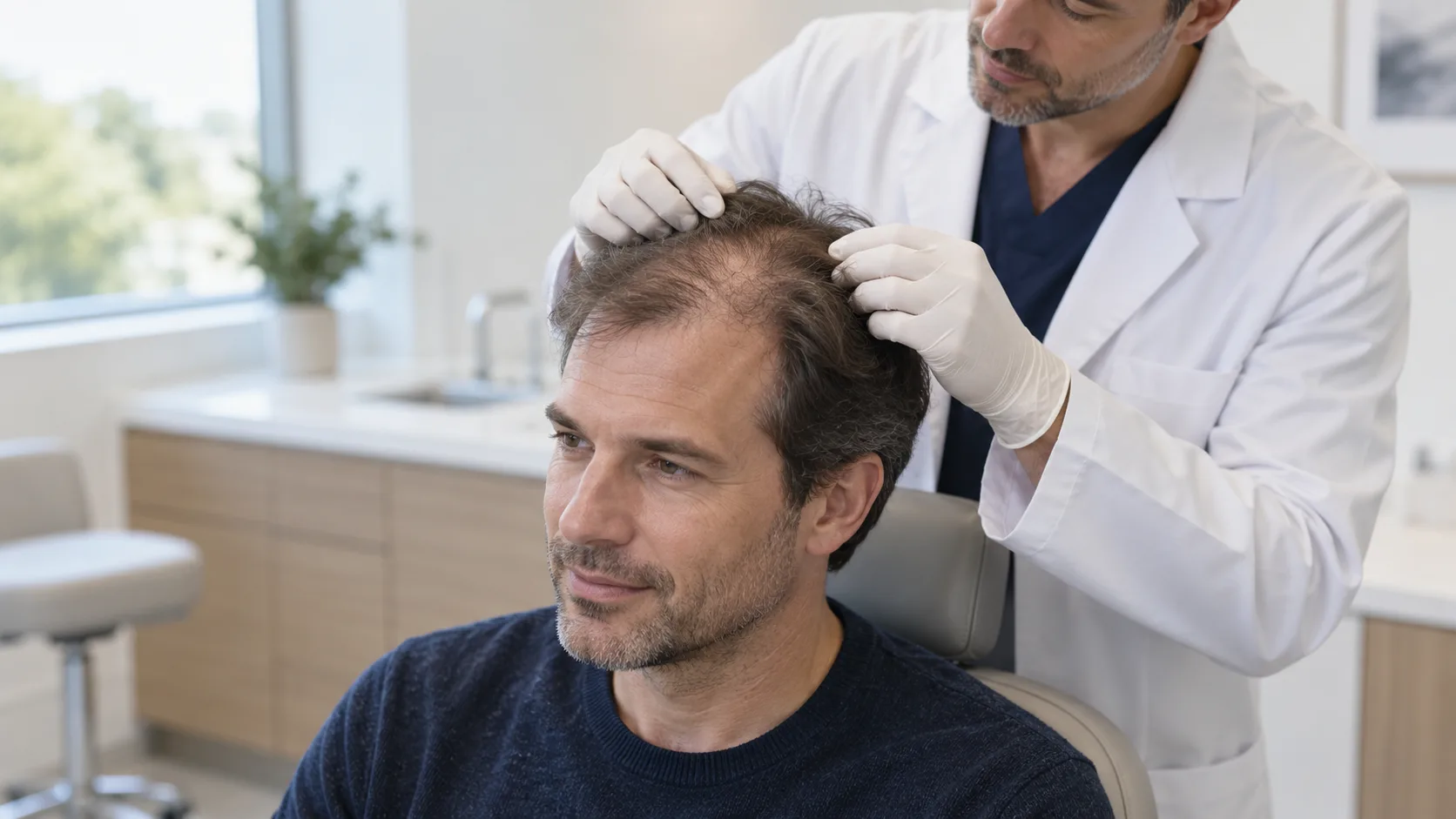
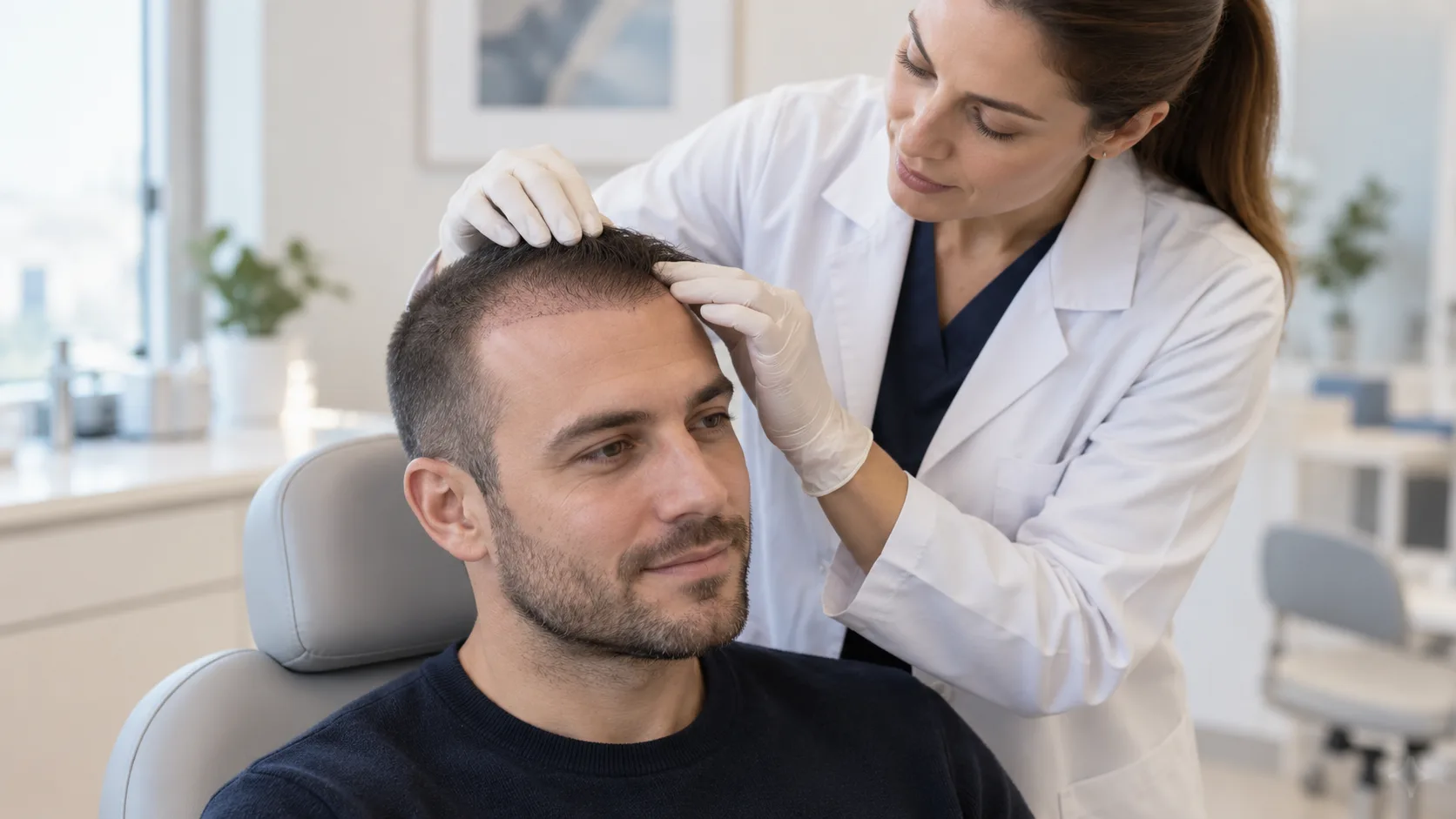
Evaluation of the hair and scalp often accompanies the psychological assessment. Broken hairs of different lengths, patches with intact follicles, and the absence of scalp inflammation point toward mechanical pulling. A dermatology examination helps exclude alopecia areata, tinea capitis, and other medical explanations before the behavioral diagnosis is finalized.
What Conditions Can Mimic Trichotillomania?
Alopecia areata, telogen effluvium, tinea capitis, traction alopecia, and androgenetic hair loss can all produce patchy or diffuse shedding. Unexplained hair loss should never automatically be labeled trichotillomania.
The distinction matters because treatments differ completely. Exclamation-point hairs and smooth bald patches suggest autoimmune alopecia. Regrowing white or stubbled hairs with a pulled appearance suggest mechanical trauma. When another medical cause is suspected, clinicians examine the scalp and may order laboratory tests or a biopsy.
Can Trichotillomania Cause Permanent Hair Loss?
Repeated pulling primarily breaks and shortens hairs, which is reversible when the follicle stays intact. Long-term, high-intensity pulling can damage follicles and produce persistent thinning in the most affected zones.
The pattern varies considerably between individuals. Some regrow fully after the behavior stops, while others retain irregular regrowth or reduced density. Ongoing pulling repeatedly disrupts the growth cycle, so the hair may return finer, lighter, or patchier than before. Early intervention protects follicle health.
Can Trichotillomania Affect Eyebrows and Eyelashes?
Yes. Hair pulling frequently targets eyebrows and eyelashes, not just scalp hair. Repeated pulling produces sparse eyebrows, shortened lashes, and gaps that shift across different body sites over time.
Clinicians include these areas in the physical examination because patients often underreport them. Eyelash pulling carries an added risk: loose hairs near the eye can irritate the conjunctiva. Documenting every affected site gives the treatment plan a complete target map.
How Does Trichotillomania Affect Mental and Emotional Well-Being?
Shame and embarrassment about visible hair loss drive concealment, social withdrawal, and isolation. The condition can impair school performance, work functioning, relationships, and self-image, and it often co-occurs with anxiety and depressive symptoms.
Concealment consumes time and energy. Some people avoid swimming, wind, or close contact because they fear exposure. Research reports a lifetime rate of comorbid major depression of approximately 43 percent in people with trichotillomania, which underscores why treatment addresses emotional health alongside the pulling behavior itself (Lamothe et al., 2019).
What Other Behaviors Occur Alongside Hair Pulling?
Skin picking, nail biting, and lip chewing frequently co-occur with trichotillomania because they belong to the same body-focused repetitive behavior family. Hair-related rituals such as examining, playing with, or chewing pulled hairs are also common.
Trichophagia, the ingestion of pulled hair, represents the most serious associated behavior. A person can display several of these behaviors simultaneously, and each one may require its own intervention target within the same treatment plan.
What Is the Main Treatment for Trichotillomania?
Behavioral therapy is the central treatment, and Habit Reversal Training is its most evidence-supported form. HRT identifies pulling patterns and replaces them with competing responses, while stimulus control reduces exposure to pulling cues. Treatment is individualized according to symptom pattern and associated conditions.
A systematic review of randomized trials found that HRT produced the largest effect size among studied interventions and outperformed both serotonergic medication and clomipramine (Bloch, Landeros-Weisenberger, and Dombrowski, 2007). A later meta-analysis confirmed strong support for HRT in both trichotillomania and skin picking (McGuire et al., 2017). HRT originated as a behavioral method for nervous habits and tics (Azrin and Nunn, 1973), and researchers adapted it for hair pulling.
How Does Habit Reversal Training Reduce Hair Pulling?
HRT works through three mechanisms: awareness training that identifies urges and high-risk moments, competing responses that physically block pulling, and stimulus control that changes environmental cues.
HRT component | Function |
Awareness training | Detects urges, sensations, and trigger situations |
Competing response | Replaces pulling with an incompatible hand action |
Stimulus control | Removes or modifies environmental cues |
Behavioral substitution | Builds alternative responses to stress and tension |
In a randomized trial of youth aged 7 to 17, eight weekly HRT sessions reduced symptom severity scores by more than half, while treatment as usual produced minimal change (Wilton et al., 2020). Patients learn to recognize situations associated with pulling and then practice a response, such as clenching fists or holding an object, that makes pulling impossible in that moment.
Can CBT and ACT Help Treat Trichotillomania?
Yes. Cognitive Behavioral Therapy addresses unhelpful thoughts that sustain pulling, and Acceptance and Commitment Therapy teaches patients to accept urges without acting on them. Both can complement HRT.
A randomized controlled trial of Acceptance and Commitment Therapy in adults and adolescents showed meaningful symptom reductions, supporting ACT as an evidence-based option (Lee et al., 2018). No single therapy works universally, so clinicians often combine HRT with CBT or ACT elements matched to the individual's symptom pattern.
Are Medications Used for Trichotillomania?
No medication carries FDA approval specifically for trichotillomania. Clinicians sometimes prescribe medication for associated anxiety, depression, or OCD, and researchers have tested several compounds in trials.
N-acetylcysteine, a glutamate-modulating supplement, showed benefit over placebo in a randomized trial (Grant, Odlaug, and Kim, 2014). However, pharmacological agents remain investigational rather than established first-line treatments, and behavioral therapy retains the strongest evidence base (Bloch, Landeros-Weisenberger, and Dombrowski, 2007).
What Complications Can Trichotillomania Cause?
The main complications are progressive hair loss, emotional and social impairment, and trichophagia. Swallowed hair can accumulate in the gastrointestinal tract and cause blockage, a rare but serious condition called trichobezoar.
Anyone who ingests pulled hair needs prompt professional assessment. Gastrointestinal symptoms such as pain, nausea, or early fullness in a person with trichophagia require medical evaluation because surgical removal may become necessary in advanced cases.
Can Trichotillomania Symptoms Come and Go?
Yes. Symptom intensity fluctuates with stress, routine changes, emotional states, and in some people hormonal shifts. Periods of improvement do not guarantee permanent resolution.
This fluctuating course explains why long-term management focuses on durable skills rather than short symptom-free stretches. A person who stops pulling during a calm month can relapse during a stressful one if the underlying habit loop remains intact.
What Is the Long-Term Outlook for Trichotillomania?
The course is variable. Some people achieve lasting remission, while others experience persistent or recurring symptoms. Early recognition and structured behavioral treatment improve outcomes, and long-term management typically combines ongoing behavioral strategies with professional support when needed.
How Can Someone Manage Hair-Pulling Urges Day to Day?
Effective self-management starts with trigger tracking, builds awareness of automatic pulling, applies competing responses, and modifies environmental cues that invite pulling.
A practical sequence looks like this. First, record when, where, and in what emotional state pulling occurs for one week. Second, place barriers such as hats, gloves, or fidget objects in the highest-risk locations. Third, practice a competing response the moment an urge appears. Fourth, replace pulling as a stress response with exercise, breathing techniques, or brief walks. If self-management fails to reduce the behavior, professional support is the evidence-based next step.
How Can Family Members Support a Loved One With Trichotillomania?
Families help most when they treat hair pulling as a recognized health condition, avoid shaming or demanding that the person "just stop," encourage professional care, and watch for signs of serious distress.
Demands to stop increase shame without changing behavior. Supportive responses include helping the person attend therapy sessions, reducing household triggers, and celebrating small reductions in pulling rather than policing every strand.
When Should Someone Seek Professional Help for Trichotillomania?
Seek assessment when pulling becomes hard to control, when visible hair loss develops, when the behavior causes distress or interferes with daily life, or immediately if pulled hair is being swallowed.
Dermatology and mental health professionals serve complementary roles. The dermatologist rules out medical causes and monitors scalp health. The mental health professional delivers behavioral treatment such as HRT. Early coordinated evaluation produces the best results for both hair regrowth and behavioral control.
Frequently Asked Questions About Trichotillomania
Is trichotillomania a mental illness?
Yes. It is a recognized mental health condition classified as an obsessive-compulsive and related disorder (American Psychiatric Association, 2013).
Is trichotillomania an OCD disorder?
It belongs to the same diagnostic category, but it is a distinct condition without obsessions (Wilton et al., 2020).
Can trichotillomania cause bald spots?
Yes. Repeated pulling produces broken hairs and bald or thinning patches, usually with stubbly regrowth.
Does hair grow back after trichotillomania?
Hair regrows when follicles remain intact. Long-term heavy pulling can damage follicles and limit regrowth.
Can trichotillomania affect eyebrows and eyelashes?
Yes. Eyebrows and eyelashes are among the most common pulling sites after the scalp.
What causes the urge to pull hair?
Urges arise from tension, sensory cues, and emotion-regulation difficulties. No single cause explains the condition.
Can stress make trichotillomania worse?
Yes. Stress and anxiety are the most frequently reported triggers for increased pulling.
Can trichotillomania go away on its own?
Symptoms can fluctuate or remit, but spontaneous permanent resolution is uncommon without treatment.
What is the most common treatment for trichotillomania?
Habit Reversal Training, a behavioral therapy with the strongest evidence base (Bloch, Landeros-Weisenberger, and Dombrowski, 2007).
Can Habit Reversal Training stop hair pulling?
HRT significantly reduces pulling and can eliminate it for many patients, though relapse prevention requires ongoing practice (McGuire et al., 2017).
Can medication treat trichotillomania?
No medication is FDA-approved for the condition. Some agents show promise in research but remain investigational.
Can trichotillomania cause permanent hair loss?
Persistent follicular damage from chronic pulling can cause lasting thinning, but most breakage is reversible.
What should I do if I cannot stop pulling my hair?
Consult a mental health professional trained in HRT, and consider a dermatology evaluation for hair loss. If you swallow pulled hair, seek medical attention promptly.
References
American Psychiatric Association. Diagnostic and Statistical Manual of Mental Disorders. 5th ed., American Psychiatric Association, 2013.
Azrin, Nathan H., and Richard G. Nunn. "Habit-Reversal: A Method of Eliminating Nervous Habits and Tics." Behaviour Research and Therapy, vol. 11, no. 4, 1973, pp. 619-628.
Bloch, Michael H., et al. "Systematic Review: Pharmacological and Behavioral Treatment for Trichotillomania." Biological Psychiatry, vol. 62, no. 8, 2007, pp. 839-846.
Chamberlain, Samuel R., et al. "A Neuropsychological Comparison of Obsessive-Compulsive Disorder and Trichotillomania." Neuropsychologia, vol. 45, no. 4, 2007, pp. 654-662.
Grant, Jon E., Brian L. Odlaug, and Suck Won Kim. "Double-Blind Placebo-Controlled N-Acetylcysteine in Trichotillomania." Journal of Clinical Psychiatry, vol. 75, no. 5, 2014, pp. 491-497.
Lamothe, Hugues, et al. "Trichotillomania Is More Related to Tourette Disorder than to Obsessive-Compulsive Disorder." Revista Brasileira de Psiquiatria, vol. 42, no. 3, 2020, pp. 282-288.
Lee, Eric B., et al. "Acceptance and Commitment Therapy for Trichotillomania: A Randomized Controlled Trial of Adults and Adolescents." Behavior Modification, vol. 44, no. 1, 2020, pp. 75-109.
McGuire, Joseph F., et al. "Treating Trichotillomania and Excoriation Disorder Using Habit Reversal Training: A Comprehensive Review and Meta-Analysis." Clinical Psychology Review, vol. 58, 2017, pp. 16-29.
Wilton, Emily P., et al. "A Neurocognitive Comparison of Pediatric Obsessive-Compulsive Disorder and Trichotillomania (Hair Pulling Disorder)." Journal of Abnormal Child Psychology, vol. 48, no. 5, 2020, pp. 733-744.