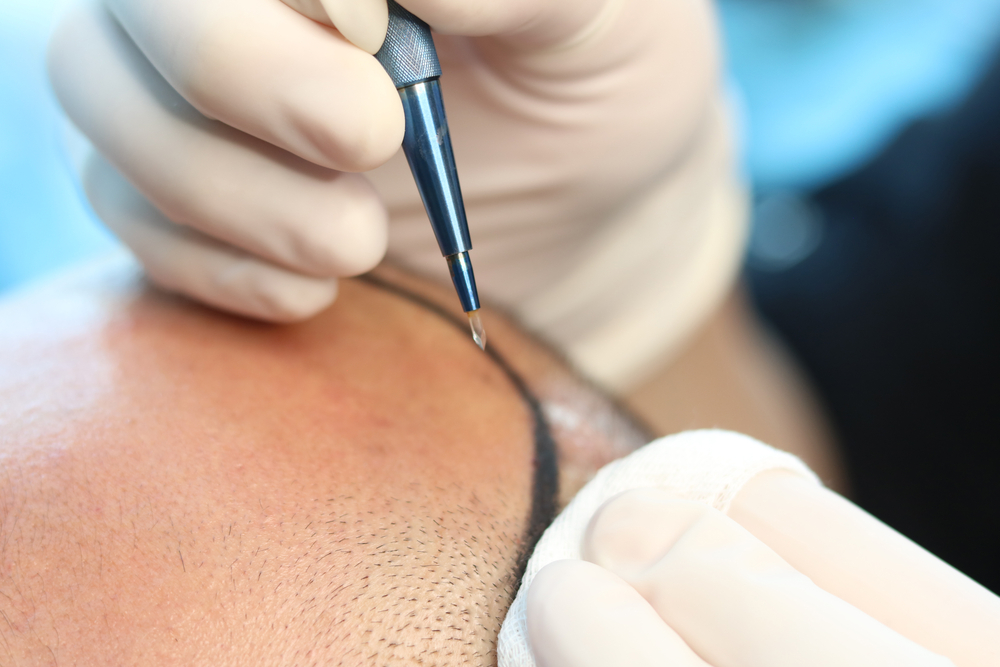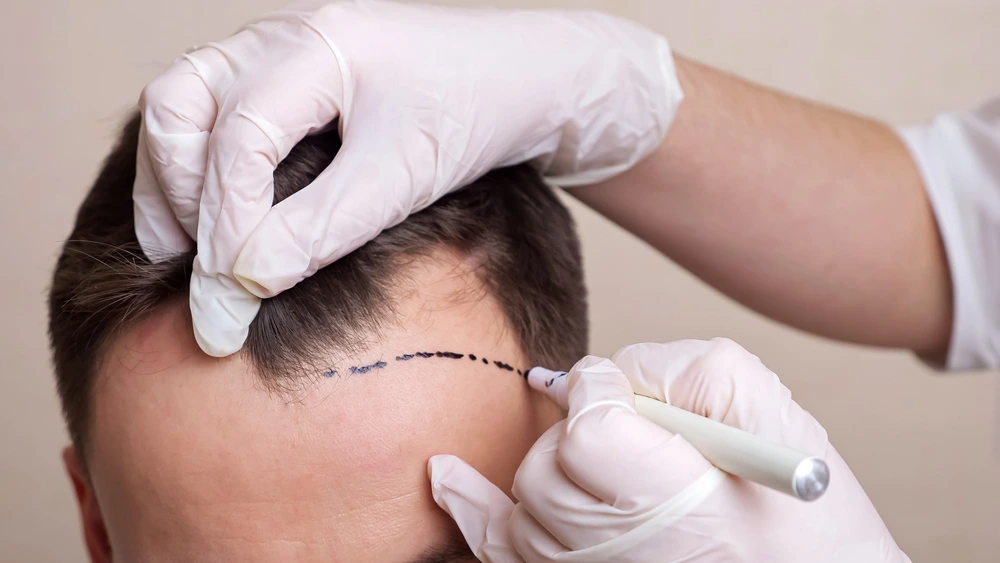
Patients search for hair transplant answers before surgery because they want facts, not marketing promises. The global demand for hair restoration keeps rising. More men and women want evidence-based information and qualified surgeon selection. Modern hair transplantationHair transplantation is a surgical procedure that involves the extraction of hair follicles from a designated donor site, followed by... offers real solutions for common concerns like pain, cost, permanence, recovery, success rate, donor areaThe Source of Restoration The donor area plays a critical role in hair transplantation, as it serves as the source... safety, and natural appearance. This guide answers every major question with science, not hype.
What Is a Hair Transplant?
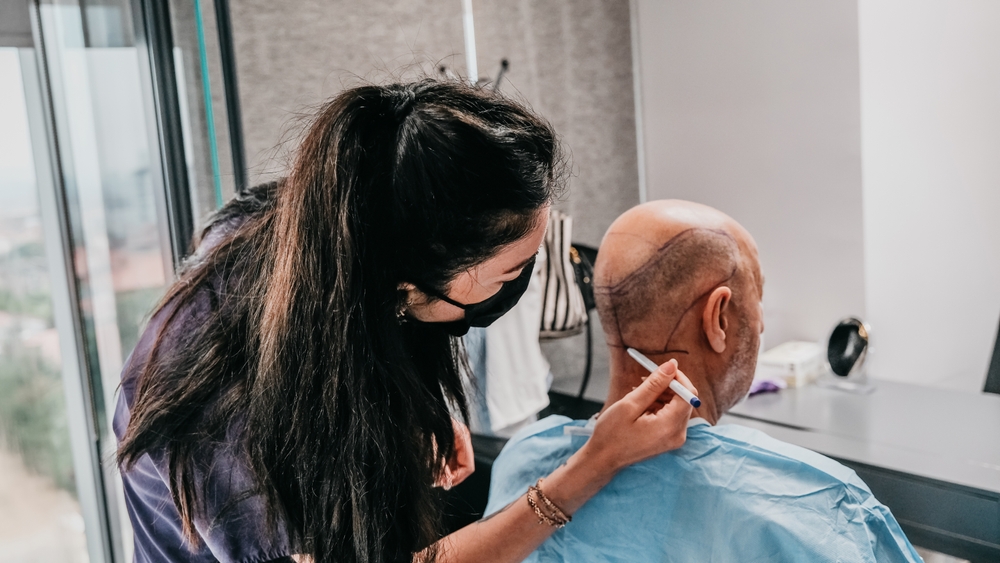
A hair transplant is a surgical procedure that moves hair follicles from one part of the body to another. Surgeons extract DHT-resistant follicles from the back or sides of the scalp. They implant these follicles into bald or thinning areas. The result is permanent hair restoration that grows naturally for life.
How Does Hair Transplant Surgery Work Scientifically?
Hair transplants work because of donor dominance theory. Hair follicles from the safe donor zone resist the hormone DHT. DHT causes pattern baldness in susceptible men and women. When surgeons move these resistant follicles to bald areas, the follicles keep their genetic resistance. They continue growing normally.
The hair growth cycle has three phases. Anagen is the active growth phase. Catagen is the transitional phase. Telogen is the resting phase. Surgeons prefer to extract follicles in the anagen phase because these grafts survive better. Graft survival biology depends on minimal handling, proper hydration, and quick implantation. Studies show that graft survival rates exceed 90% when surgeons follow best practices (Khatib, Skorochod, and Wolf 2025).
What Are the Main Types of Hair Transplant Techniques?
Sapphire FUE uses sapphire-tipped blades to create micro-channels. These blades are sharper than steel. They cause less tissue trauma and faster healing. DHI Hair Transplant uses Choi implanter pens. Surgeons implant grafts directly without pre-making channels. This reduces graft out-of-body time. FUT Strip Method removes a strip of scalp from the donor area. Surgeons dissect this strip into individual grafts. This method leaves a linear scar. Robotic hair transplantation uses automated systems to extract grafts. Beard and body hair transplantation uses non-scalp donor sources when scalp supply is limited.
Who Is a Good Candidate for Hair Transplant Surgery?
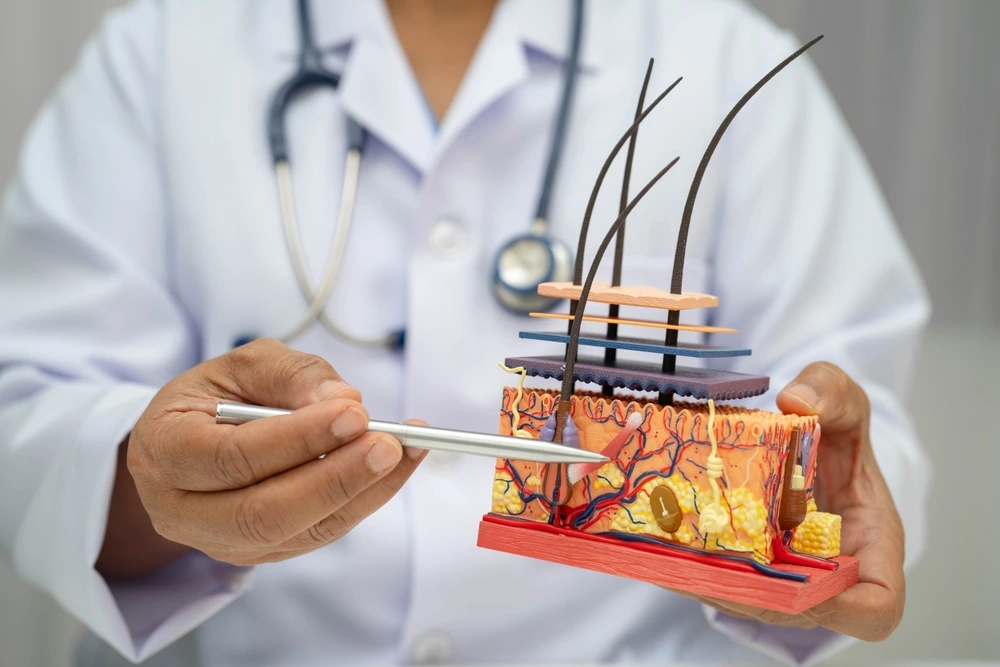
Good candidates have stable hair loss, adequate donor supply, and realistic expectations. Surgeons evaluate each patient individually. They check medical history, hair loss pattern, and donor area quality.
What Is the Best Age for a Hair Transplant?
The best age for hair transplant depends on hair loss stabilization. Younger patients in their early twenties may still lose native hair rapidly. Surgeons often recommend waiting until the mid-twenties or later. They use the Norwood scale to evaluate male pattern baldness. This scale ranges from stage 1 to stage 7. Stage 1 shows minimal recession. Stage 7 shows extensive baldness. Younger patients need careful planning. They may need multiple procedures over time as hair loss progresses.
How Do Male and Female Candidates Differ?
Male pattern baldness follows predictable patterns. Hair recedes at the temples and thins at the crown. Female diffuse thinning spreads across the entire scalp. Women rarely develop completely bald areas. Hormonal causes like polycystic ovary syndrome can trigger female hair loss. Women need thorough hormonal evaluation before surgery.
What Medical Conditions Affect Eligibility?
Alopecia areata causes patchy hair loss. This autoimmune condition makes patients poor candidates because the immune system attacks transplanted follicles too. Scalp diseases like psoriasis or severe dermatitis must resolve before surgery. Diabetes increases infection risk and slows healing. Smoking reduces blood flow to follicles and impairs graft survival. Autoimmune disorders require specialist evaluation before any surgical procedure.
How Do Doctors Evaluate the Donor Area?
Doctors measure donor density, hair caliber, scalp elasticity, and safe donor zone size. Donor density tells how many grafts are available per square centimeter. Hair caliber affects visual coverage. Thick hair covers more scalp than fine hair. Scalp elasticity matters for FUT procedures. The safe donor zone is the permanent hair-bearing area at the back and sides of the head. Surgeons plan extraction to maintain natural appearance in the donor area (Unger et al. 1994).
What Are the Most Common Questions Before Hair Transplant Surgery?
Patients ask the same questions repeatedly. They deserve clear, honest answers backed by clinical evidence.
Does a Hair Transplant Hurt?
No, the procedure itself does not hurt. Surgeons use local anesthesiaEnsuring Comfort During Hair Transplants Sedation is used in hair transplantation to help patients remain calm and comfortable throughout the... to numb the scalp. Patients feel pressure but not pain. Sedation options help anxious patients relax. The anesthesia injection causes brief discomfort. Pain after surgery is mild. Most patients manage it with standard pain relievers. Discomfort peaks in the first 48 hours. It fades quickly after that (Kim, Na, and Park 2019).
How Long Does Hair Transplant Surgery Take?
Average procedure duration ranges from 6 to 8 hours. Single-day sessions handle most cases. Multi-day sessions treat extensive baldness requiring 5000+ grafts. Factors affecting operation time include graft count, technique used, and team experience. DHI takes longer than Sapphire FUE because each graft implants individually.
Will I Need to Shave My Head?
Full shave is standard for most Sapphire FUE procedures. This gives surgeons maximum access and density. Unshaven FUE allows patients to keep longer hair. Surgeons work around existing hair. Long hair transplant options exist for women and men who want discretion. Gender-specific approaches vary. Women often prefer unshaven techniques for social reasons.
How Many Grafts Will I Need?
Graft needs depend on Norwood classification. Stage 2 needs 1000-1500 grafts. Stage 3 needs 1500-2500 grafts. Stage 4 needs 2500-3500 grafts. Stage 5 needs 3500-4500 grafts. Stage 6 needs 4500-5500 grafts. Stage 7 needs 5000+ grafts. Hairline design affects graft count. Lower, straighter hairlines need more grafts. Density goals matter. Natural density is 80-100 follicular units per square centimeter. Transplants achieve 35-50 grafts per square centimeter for natural appearance. Crown restoration planning requires extra grafts because the crown has the largest surface area.
Is Hair Transplant Safe?
Yes, hair transplant is safe when performed by qualified surgeons. FDA approves the tools and medications used. Infection prevention follows strict protocols. Complication rates are low. Studies report complication rates below 5% in experienced hands. Surgical standards require accredited facilities and trained teams (Khatib, Skorochod, and Wolf 2025).
What Are the Risks and Side Effects?
Swelling affects the forehead and eyes for 3-5 days. Redness lasts 1-2 weeks. Shock loss causes temporary shedding of native hair near transplant sites. It grows back within months. Itching signals healing. Patients must avoid scratching. Temporary numbness in the donor area resolves within weeks. Rare complications include infection, cyst formation, and graft necrosis. Proper technique and aftercare prevent most problems.
What Should Patients Know About Hair Transplant Results?
Results matter most to patients. They want permanence, natural appearance, and styling freedom.
Are Hair Transplant Results Permanent?
Yes, transplanted grafts last permanently. They come from DHT-resistant donor areas. Genetic resistance to hair loss persists after transplantation. However, future native hair thinning may continue. Patients need long-term planning. They may need medical therapy to preserve non-transplanted hair.
When Will Hair Start Growing After Transplant?
Hair growth follows a predictable timeline. The shedding phase occurs at 2-4 weeks. Transplanted hairs fall out. The follicles remain alive beneath the skin. At 1 month, nothing visible happens. At 3 months, fine new hairs emerge. At 6 months, significant growth becomes visible. At 12 months, most patients see 80% of final results. At 18 months, full maturation completes. Beard hair grows faster than scalp hair. Body hair takes longer to mature.
Will the Hair Look Natural?
Yes, modern hair transplants look completely natural. Natural hairline artistry requires skill. Surgeons design irregular, age-appropriate hairlines. They avoid straight, artificial-looking lines. Graft angle and direction match existing hair patterns. Single-hair grafts create soft frontal zones. Multi-hair grafts add density behind. Density balancing prevents the “pluggy” look of old techniques.
Can Transplanted Hair Fall Out?
Transplanted hair sheds temporarily during shock shedding. This is normal. Permanent graft survival exceeds 90% in skilled hands. Causes of failed grafts include poor handling, dehydration, and improper implantation. Studies show beard graft survival at 95%, scalp at 89%, and chest at 76% after one year (PMC 2019).
Can I Style, Cut, or Dye Transplanted Hair?
Yes, after full healing. Patients can treat transplanted hair exactly like native hair. They can cut, style, dye, and perm it. Barber visits resume after 3-4 weeks. Styling timeline varies by healing speed. Most patients enjoy full styling freedom after 6 months.
What Is the Recovery Timeline After Hair Transplant?
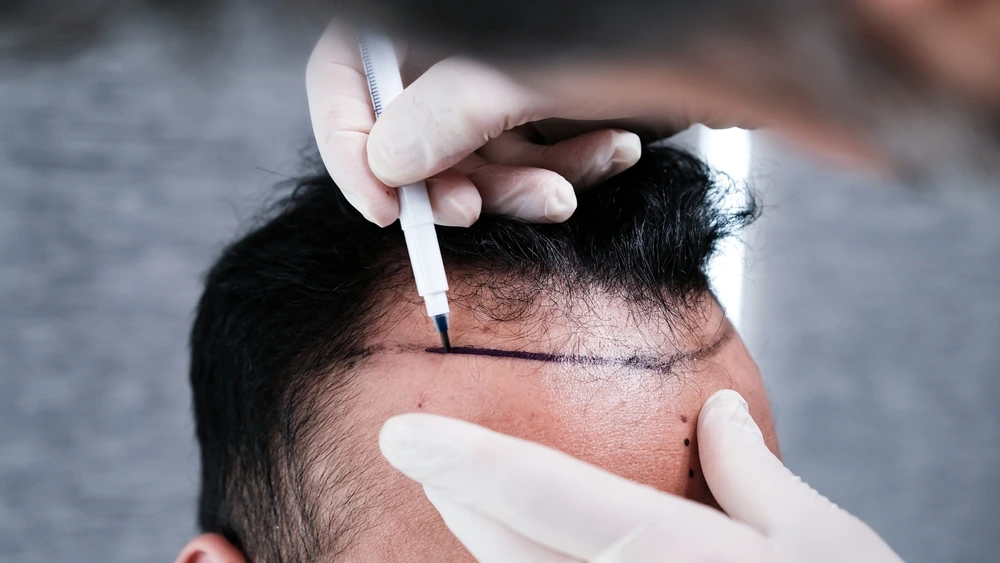
Recovery progresses in stages. Each stage has specific care requirements.
What Happens in the First 72 Hours?
The first 72 hours are critical. Grafts anchor into the scalp. Patients must avoid touching the recipient area. They sleep with head elevation to reduce swelling. Swelling reduction starts immediately. Most patients return home the same day.
What Happens in the First 2 Weeks?
Scabs form around grafts. They fall off naturally within 10-14 days. Patients should not pick at scabs. The donor area heals faster than the recipient area. Redness fades gradually. Most patients return to office work within 3-5 days.
What Happens in the First Month?
Shock shedding begins. Transplanted hairs fall out. This alarms patients but is completely normal. The follicles remain intact. Native hair may also shed temporarily. Patients should continue gentle washing. They avoid strenuous activity.
What About Long-Term Healing?
Full healing takes 12 months. Hair thickens and matures. The scalp returns to normal color and texture. Final density becomes apparent. Patients can resume all normal activities without restriction.
How Should I Sleep After Hair Transplant?
Sleep with head elevation at 45 degrees for the first week. Use a travel pillow to avoid pressure on grafts. Sleep on your back, not your side or stomach. Head elevation reduces swelling significantly. Most swelling resolves within 5 days.
When Can I Wash My Hair?
Post-op washing starts 48 hours after surgery. Surgeons provide specific shampoo recommendations. Patients use gentle, sulfate-free products. They pat the scalp dry. They avoid rubbing or scratching. Washing removes crusts and prevents infection.
When Can I Exercise or Return to Work?
Office workers return within 3-5 days. Physical laborers need 10-14 days. Gym restrictions last 2-4 weeks. Sweating precautions are important. Sweat can irritate healing grafts. Light walking is fine after 3 days. Heavy lifting and cardio resume after 2 weeks.
What Should Be Avoided After Surgery?
Smoking impairs healing for at least 2 weeks. Alcohol thins blood and increases bleeding risk for 1 week. Sun exposure damages healing skin for 1 month. Tight hats rub against grafts for 2 weeks. Swimming exposes grafts to bacteria and chlorine for 1 month.
How Much Does a Hair Transplant Cost?
Cost varies dramatically by country and clinic. Understanding pricing helps patients budget properly.
What Is the Average Cost by Country?
Country-based pricing differences are substantial. In the United States, per-graft pricing averages $5.44. A 3000-graft procedure costs $12,000-$18,000. In the United Kingdom, prices range from £7,500 to £14,000 for similar procedures. In Turkey, all-inclusive packages cost $2,500-$5,000. These packages include surgery, hotel, transfers, and aftercare. Cost per graft is lower in Turkey due to economic factors. Clinic reputation impacts price. Top surgeons charge more than average clinics.
Why Are Hair Transplants Cheaper in Some Countries?
Medical tourism drives lower costs in countries like Turkey. The Turkey hair transplant industry serves thousands of international patients monthly. Lower operating costs, favorable exchange rates, and government support for medical tourism create this advantage. However, risks of low-cost clinics exist. Some clinics use technicians instead of surgeons. They cut corners on sterilization and graft handling. Patients must research carefully.
What Factors Affect Hair Transplant Price?
Technique used affects cost. DHI costs more than standard FUE. Sapphire FUE falls in the middle. Number of grafts directly impacts price in per-graft markets. Surgeon experience commands premium fees. Technology like robotic systems increases costs. Clinic accreditation by JCI or ISO adds value but may increase price.
What Questions Should Patients Ask Their Hair Transplant Surgeon?
Asking the right questions prevents disappointment and complications.
Is the Surgeon Board-Certified?
International certifications matter. ISHRS membership indicates dedication to hair restoration. Surgical licensing proves legal authority to operate. Patients should verify credentials independently. Board certification in plastic surgery or dermatology provides relevant training.
Who Actually Performs the Procedure?
Surgeon vs technician roles vary by clinic. Ethical medical practices require surgeon involvement in critical steps. Some clinics delegate extraction and implantation to technicians. This reduces quality and increases risk. Patients should ask specifically who holds the tools during their procedure.
Can I See Before-and-After Results?
Real patient galleries show actual outcomes. Patients should look for cases similar to their own hair loss pattern. Similar hair loss cases demonstrate the surgeon’s ability to handle their specific situation. Consistent results across many patients indicate reliable skill.
What Technology and Techniques Are Used?
Sapphire blades offer sharper incisions than steel. DHI implanters provide precise placement. Micromotor extraction speeds up the process. PRP support may enhance healing and growth. Patients should understand what tools their surgeon will use.
What Is the Clinic’s Infection Control Protocol?
Sterilization standards must meet hospital-grade requirements. Emergency preparedness includes access to resuscitation equipment and trained staff. Accredited facilities maintain higher safety standards than unaccredited clinics.
How Do Hair Transplant Techniques Compare?
Technique selection depends on patient needs, not marketing hype.
How Does Sapphire FUE Compare to DHI?
Sapphire FUE creates channels first, then implants grafts. DHI implants grafts directly without pre-made channels. Sapphire FUE handles larger areas efficiently. DHI offers more precision for hairlines and dense packing. Density differences are technique-dependent. Healing comparison shows both methods heal quickly. Sapphire causes minimal trauma. DHI causes very minimal trauma.
How Does FUE Compare to FUT?
FUE leaves tiny dot scars. FUT leaves a linear scar. Recovery is faster with FUE. Graft yield is higher with FUT in some cases. Long-term outcomes are similar when performed well. Most patients prefer FUE for the scar advantage.
Can Beard Hair Be Used for Transplant?
Yes, beard hair serves as a secondary donor source. Beard-to-scalp transplantation works well. Beard hair is thick and grows robustly. Studies show 95% survival rate for beard grafts. This option helps patients with limited scalp donor supply.
Is PRP Necessary With Hair Transplant?
PRP contains growth factors that may accelerate healing. Studies show mixed results. Some randomized trials demonstrate improved graft survival and density with intraoperative PRP injection (Garg 2016). Other studies show modest benefits. PRP is not mandatory but may provide advantages. Patients should discuss this option with their surgeon.
What Is the Psychological Impact of Hair Restoration?
Hair loss affects more than appearance. It impacts mental health and social functioning.
Does Hair Transplant Improve Confidence?
Yes, significantly. Hair loss causes embarrassment and shame. It reduces self-confidence. Studies show hair transplantation improves self-esteem and emotional well-being. Patients report better social functioning after successful procedures. The psychological impact of hair loss is real and measurable. Self-esteem restoration occurs gradually as results mature (Tan and Jafferany 2025).
Is Hair Loss Emotionally Stressful?
Yes, absolutely. Anxiety affects many hair loss patients. Social confidence drops. Body image research confirms that visible hair loss triggers distress. Younger patients and women experience particularly intense emotional effects. Society associates hair with youth and vitality. Losing hair feels like losing identity.
How Should Patients Set Realistic Expectations?
Density limitations exist. Donor area limits total available grafts. Multiple session possibility should be discussed upfront. Patients cannot achieve teenage density if they have advanced baldness. Surgeons must explain these limits honestly. Realistic expectations prevent disappointment.
What Are Common Hair Transplant Myths?
Myths confuse patients. Facts clear the confusion.
Does Hair Transplant Look Fake?
No, modern techniques produce natural results. Old plug techniques looked fake. Current methods create undetectable outcomes.
Is Hair Transplant Extremely Painful?
No, local anesthesia eliminates pain during surgery. Post-op discomfort is mild and brief.
Are Results Instant?
No, results take 12-18 months to fully mature. Patience is essential.
Can Only Men Get Hair Transplants?
No, women make excellent candidates. Female hair transplant addresses diffuse thinning and hairline issues.
Does One Procedure Solve All Hair Loss?
No, ongoing hair loss may require future procedures. Medical therapy helps preserve native hair.
What Are the Latest Advances in Hair Restoration?
Research continues to improve outcomes.
What Is Stem Cell Hair Research?
Stem cell therapy shows promise for hair regeneration. Researchers explore ways to multiply hair follicles using stem cells. This technology is not yet clinically available but holds future potential (Gentile and Garcovich 2019).
What Are Hair CloningHair cloning is an emerging technique in hair restoration that aims to multiply hair follicle cells in a laboratory before... Developments?
Hair cloning aims to create unlimited donor supply. Scientists work on culturing follicle cells in laboratories. This remains experimental but represents the holy grail of hair restoration.
How Does AI Assist Hairline Planning?
Artificial intelligence analyzes facial symmetry and hair patterns. It suggests optimal hairline designs. AI-assisted planning improves precision and consistency. Surgeons use AI as a tool, not a replacement for artistic judgment (Gupta, Ivanova, and Renaud 2021).
What Is Regenerative Medicine and Exosome Therapy?
Exosomes are cell-derived vesicles that carry growth signals. Exosome therapy may enhance follicle regeneration. Early studies show promise for hair growth stimulation. This field is rapidly evolving (Al Ameer et al. 2025).
Frequently Asked Questions
How long does a hair transplant last? It lasts permanently. Transplanted grafts retain genetic resistance to hair loss.
Is a hair transplant permanent?
Yes, the transplanted hair is permanent. Native hair may continue thinning.
Can women get hair transplants?
Yes, women are excellent candidates for specific patterns of hair loss.
How painful is hair transplant surgery?
It is not painful during surgery. Post-op discomfort is mild.
When can I wear a hat after hair transplant?
Wait 10-14 days. Use loose-fitting hats only.
Can transplanted hair turn gray?
Yes, it ages like native hair. Graying is normal.
How many grafts are needed for full coverage?
It depends on baldness stage. Stage 7 needs 5000+ grafts.
What is shock loss after hair transplant?
It is temporary shedding of transplanted and native hair. It grows back.
Can I use minoxidil after hair transplant?
Yes, after 2-4 weeks. It helps native hair preservation.
Is Turkey safe for hair transplant surgery?
Yes, when patients choose accredited clinics with qualified surgeons.
What Are the Key Takeaways About Hair Transplant Questions?
Informed decision-making prevents regret. Patients must research thoroughly. Choosing qualified surgeons with proven track records is essential. Realistic expectations and long-term planning produce satisfaction. Combining surgical and medical hair loss management gives the best outcomes.
What Is the Final Expert Recommendation?
Consultation importance cannot be overstated. Personalized treatment planning addresses individual needs. Long-term hair preservation strategy includes medical therapy like finasteride and minoxidil. Patients should view hair transplantation as part of a comprehensive approach to hair health, not a one-time fix.
Works Cited
Al Ameer, Mohammed A., et al. “Exosomes and Hair Regeneration: A Systematic Review of Clinical Evidence Across Alopecia Types and Exosome Sources.” Clinical, Cosmetic and Investigational Dermatology, vol. 18, 2025, pp. 2215-2227. doi: 10.2147/CCID.S543451.
Garg, Sandeep. “Outcome of Intra-Operative Injected Platelet-Rich Plasma Therapy During Follicular Unit Extraction Hair Transplant: A Prospective Randomised Study in Forty Patients.” Journal of Cutaneous and Aesthetic Surgery, vol. 9, no. 3, 2016, pp. 157-164. doi: 10.4103/0974-2077.191657.
Gentile, Pietro, and Simone Garcovich. “Advances in Regenerative Stem Cell Therapy in Androgenic Alopecia and Hair Loss: Wnt Pathway, Growth-Factor, and Mesenchymal Stem Cell Signaling Impact Analysis on Cell Growth and Hair FollicleA hair follicle is a small, tube-like structure embedded in the scalp that produces and grows individual strands of hair.... Development.” Cells, vol. 8, no. 5, 2019, p. 466. doi: 10.3390/cells8050466.
Gupta, Aditya K., et al. “How Good Is Artificial Intelligence (AI) at Solving Hairy Problems? A Review of AI Applications in Hair Restoration and Hair Disorders.” Dermatologic Therapy, vol. 34, no. 3, 2021, e14811. doi: 10.1111/dth.14811.
Khatib, M., Skorochod, R., and Wolf, Y. “Complications Following Hair Transplantation: A Systematic Literature Review and Meta-Analysis.” Aesthetic Plastic Surgery, vol. 49, 2025, pp. 6393-6405. doi: 10.1007/s00266-025-05125-y.
Kim, Y.S., Na, Y.C., and Park, J.H. “Comparison of Postoperative Pain According to the Harvesting Method Used in Hair Restorative Surgery.” Archives of Plastic Surgery, vol. 46, no. 3, 2019, pp. 241-247. doi: 10.5999/aps.2018.00843.
Tan, I.J., and Jafferany, M. “Psychological Dimensions of Hair Transplantation: A Narrative Review of Current Evidence.” Journal of Cosmetic Dermatology, vol. 24, 2025, e70475. doi: 10.1111/jocd.70475.
Unger, W., et al. “Delineating the ‘Safe’ Donor Area for Hair Transplanting.” American Journal of Cosmetic Surgery, vol. 11, no. 4, 1994, pp. 239-243. doi: 10.1177/074880689401100402.