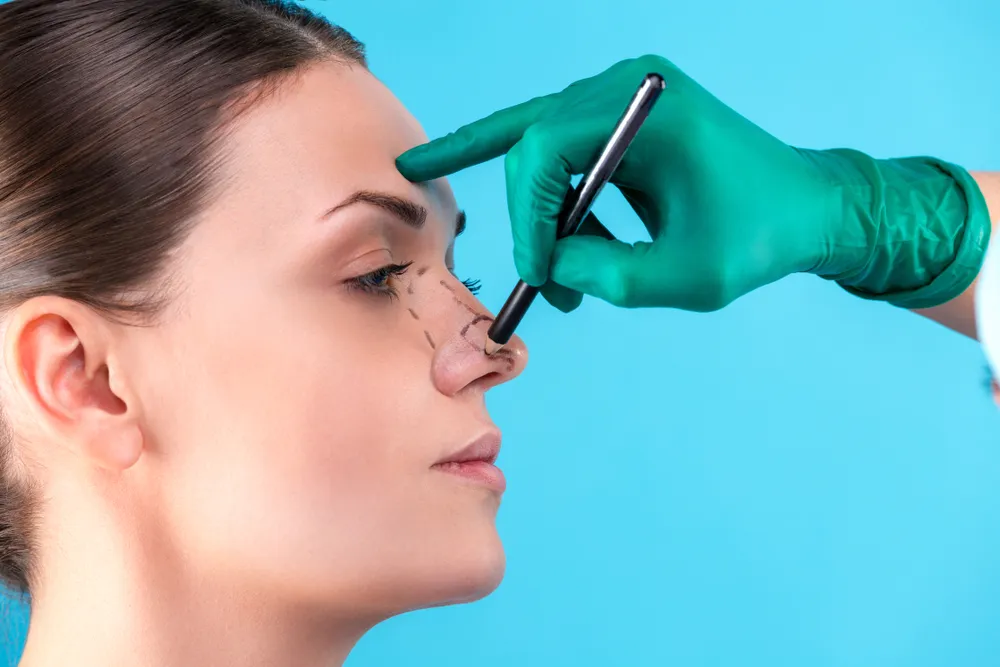
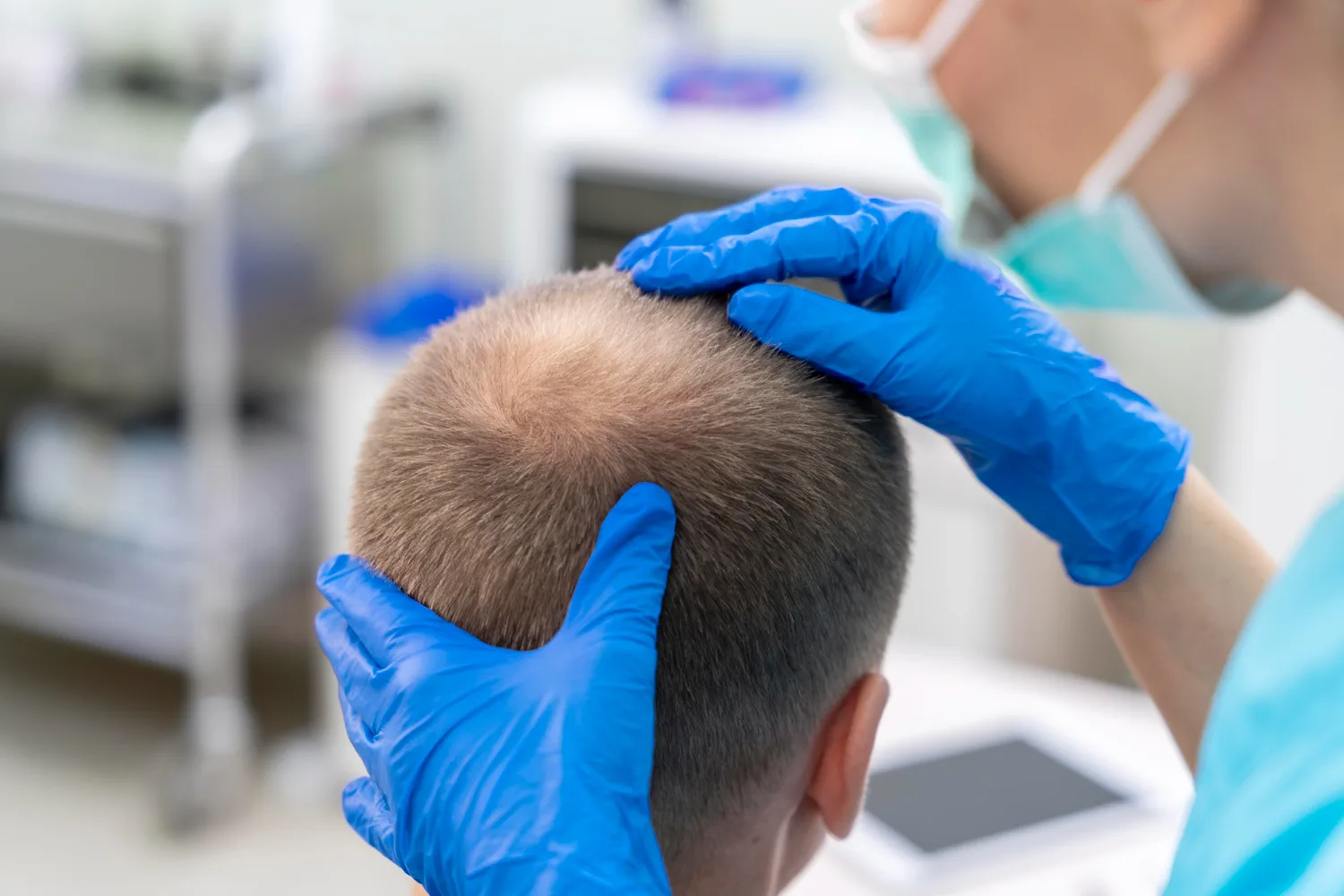
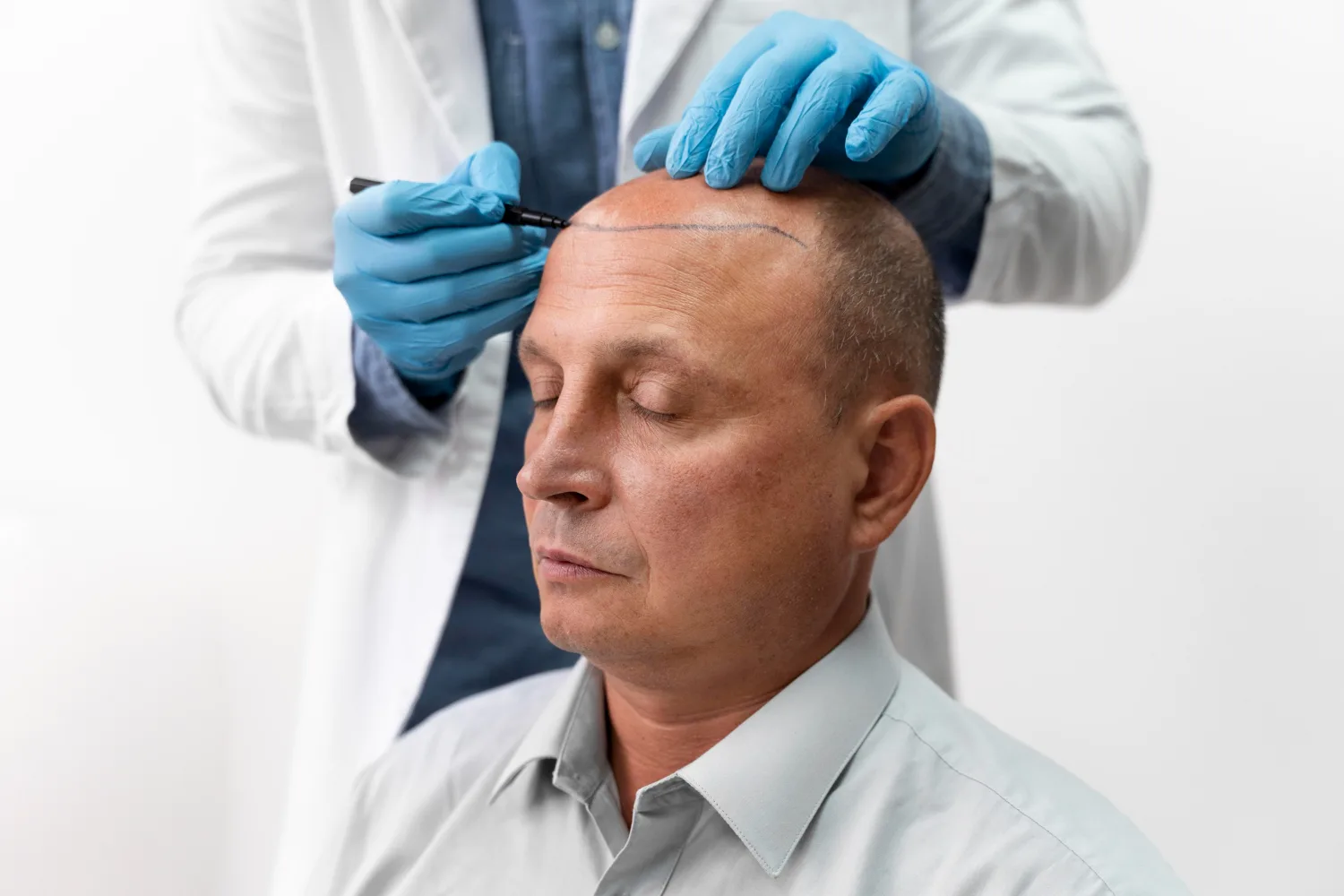
Revision rhinoplasty corrects problems that remain after a first nose surgery. Some patients need this second operation because their nose does not look right or does not work right. Turkey has become a leading destination for this complex surgery. Experienced surgeons there perform thousands of revision rhinoplasty procedures every year. This article explains when a second nose surgery becomes necessary. It covers the causes of failed primary rhinoplasty, the waiting period, surgical techniques, recovery, costs, and how patients can choose the right surgeon. The article also explains why international patients travel to Turkey for revision nose surgery. Every section answers a specific question with clear, evidence-based information.
What Is Revision Rhinoplasty?
Revision rhinoplasty is a second surgical procedure that corrects or improves the results of a previous nose surgery. Surgeons also call this secondary rhinoplasty. Some patients need a third operation, which doctors call tertiary rhinoplasty. This procedure addresses both cosmetic and functional problems. Cosmetic revision rhinoplasty improves the appearance of the nose. Functional revision rhinoplasty fixes breathing problems after the first surgery. Esteves et al. (2017) found that revision rhinoplasty accounts for about 12.1% of all rhinoplasty cases in major surgical centers. The procedure requires greater skill than primary rhinoplasty because the surgeon works with altered anatomy and scar tissue.
What Does Revision Rhinoplasty Mean?
Revision rhinoplasty means performing a new nose surgery to fix problems from an earlier operation. The first surgery changes the nasal framework. It removes cartilage, reshapes bone, and alters soft tissue. Sometimes these changes do not produce the desired result. The nose may look asymmetrical, crooked, or overdone. Sometimes the patient cannot breathe well. Revision nose surgery addresses these issues. It rebuilds support, corrects deformities, and restores function. The term "failed rhinoplasty correction" describes this process when the primary outcome falls below acceptable standards.
How Is Revision Rhinoplasty Different from Primary Rhinoplasty?
Primary rhinoplasty operates on natural nasal anatomy. The surgeon works with intact cartilage, clear landmarks, and predictable tissue behavior. Revision rhinoplasty operates on altered anatomy. Scar tissue after rhinoplasty obscures normal landmarks. Previous surgery may have removed too much cartilage. The blood supply changes. The skin envelope may be thinner or thicker than before. Alhadad et al. (2019) report that revision cases often require cartilage grafts because the primary surgery depleted the natural supply. The surgeon must reconstruct rather than simply reshape. This makes revision rhinoplasty more complex and more time-consuming.
|
Feature
|
Primary Rhinoplasty
|
Revision Rhinoplasty
|
|
Tissue condition
|
Natural anatomy intact
|
Scar tissue present; altered planes
|
|
Cartilage availability
|
Usually sufficient
|
Often depleted; grafts needed
|
|
Surgical complexity
|
Generally lower
|
Generally higher
|
|
Blood supply
|
Normal
|
May be compromised
|
|
Predictability
|
Higher
|
Lower
|
|
Average duration
|
1.5 to 2.5 hours
|
3 to 4 hours or more
|
When Is a Second Rhinoplasty Needed?
Patients need a second rhinoplasty when the first surgery produces unsatisfactory cosmetic results, functional problems, or structural complications. Not every imperfection requires revision. Minor swelling and bruising resolve naturally. However, some problems persist long after healing ends. These problems justify revision nose surgery.
What Are the Most Common Reasons for Revision Surgery?
The most common reasons fall into three categories: cosmetic concerns, functional problems, and structural complications.
Cosmetic concerns include asymmetry, a crooked nose, an over-rotated tip, a persistent hump, a wide bridge, and a pinched nose. Some patients feel their nose looks unnatural or overdone. Others notice that one side looks different from the other.
Functional problems include difficulty breathing, septal deviation, nasal valve collapse, and airway obstruction. Breathing problems after rhinoplasty affect daily life. Patients may snore, struggle with exercise, or develop chronic congestion.
Structural complications include saddle nose deformity, tip collapse, weak nasal support, and cartilage loss. These issues often stem from over-resection during the first surgery. When the surgeon removes too much cartilage or bone, the nose loses its structural integrity.
Hellings and Nolst Trenité (2007) studied long-term patient satisfaction after revision rhinoplasty. They found that patients who sought revision for both cosmetic and functional reasons reported the most significant quality-of-life improvements after successful correction.
What Causes Primary Rhinoplasty to Fail?
Primary rhinoplasty fails due to surgical factors, patient-related factors, and biological healing variations.
Surgical factors include over-resection, under-correction, inadequate support, and poor surgical planning. When a surgeon removes too much dorsal bone, the nose may develop a saddle deformity. When the surgeon fails to provide adequate tip support, the tip may droop or collapse.
Patient-related factors include thick skin, thin skin, trauma after surgery, and individual healing differences. Thick skin masks underlying changes and may lead to under-correction. Thin skin reveals every irregularity and may show minor imperfections clearly.
Biological healing variations include scar formation, tissue contraction, and swelling persistence. Each patient heals differently. Some patients form thick scar tissue that distorts the nasal shape. Others experience prolonged swelling that hides the final result for many months.
|
Cause Category
|
Specific Problems
|
|
Surgical factors
|
Over-resection, under-correction, poor planning, weak support
|
|
Patient factors
|
Thick skin, thin skin, post-surgical trauma, anatomy
|
|
Biological factors
|
Scar formation, tissue contraction, prolonged swelling
|
How Long Should Patients Wait Before Revision Rhinoplasty?
Patients should wait at least 12 months before undergoing revision rhinoplasty. This waiting period allows tissues to heal completely. It gives the surgeon a clear picture of the final result. Rushing into a second surgery increases the risk of further complications.
Why Is Waiting Important?
Waiting matters because tissues need time to stabilize. Scar tissue after rhinoplasty must mature. Swelling must resolve completely. The nasal framework must settle into its final position. During the first three months, inflammation dominates the healing process. From months three to six, collagen reorganizes but remains immature. From months six to twelve, scar tissue matures and softens. By the 12-month mark, approximately 90% of swelling has resolved. The nasal tip, which swells longest, shows its true shape. Operating too early means the surgeon works on a moving target. The final result may look different from what the surgeon sees at six months.
Is 12 Months the Recommended Waiting Period?
Yes, 12 months represents the standard recommendation for most patients. Esteves et al. (2017) note that primary and revision rhinoplasty show no significant difference in satisfaction scores when surgeons perform the revision at the appropriate time. However, some situations allow earlier intervention. If a patient develops a clear structural problem, such as a visible nasal valve collapse or severe asymmetry, a surgeon may consider limited revision at 9 to 10 months. Complex revisions requiring extensive grafting should wait the full 12 to 18 months. Patients with thick skin may need to wait even longer because swelling persists longer in these cases.
|
Timeframe
|
Healing Status
|
Suitability for Revision
|
|
0-3 months
|
Active inflammation; heavy swelling
|
Not suitable
|
|
3-6 months
|
Early collagen formation; moderate swelling
|
Generally not suitable
|
|
6-9 months
|
Maturing scar tissue; tip swelling persists
|
Limited cases only
|
|
9-12 months
|
Most swelling resolved; scar tissue softening
|
Minor revisions possible
|
|
12-18 months
|
Full tissue stabilization; final shape visible
|
Standard timing for most revisions
|
Who Is a Good Candidate for Revision Rhinoplasty?

A good candidate has stable healing, good general health, realistic expectations, and emotional preparedness. The patient must understand that revision rhinoplasty has limitations. Perfection is not always possible. The surgeon must evaluate the patient carefully before approving the procedure.
Medical requirements include complete healing from the first surgery, absence of active infection, and good overall health. Patients with uncontrolled diabetes, bleeding disorders, or autoimmune conditions face higher risks.
Psychological readiness matters greatly. Patients who feel angry, depressed, or desperate may not make good candidates. They need time to accept the situation and understand what revision can realistically achieve. Emotional preparedness helps patients cope with the recovery process and accept outcomes that improve but do not perfect their appearance.
Clinical evaluation includes a thorough nasal examination, airway assessment, and skin quality analysis. The surgeon inspects the nose inside and out. They assess breathing function. They evaluate whether the skin can tolerate another operation. They also review previous operative records to understand what the first surgeon did.
What Happens During a Revision Rhinoplasty Consultation?
During the consultation, the surgeon reviews the previous surgery in detail. They ask about the first surgeon's techniques, the date of the operation, and the specific concerns that developed. They perform a physical examination of the nose. They check for nasal valve collapse, septal deviation, and skin thickness. They conduct a functional breathing assessment. They may use imaging and photography to document the current state. Then they create a treatment plan. They set realistic expectations. They explain what they can improve and what they cannot fix. Adamson, Warner, and Becker (2014) emphasize that thorough preoperative assessment separates successful revision cases from disappointing ones.
Why Is Revision Rhinoplasty More Difficult Than the First Surgery?
Revision rhinoplasty is more difficult because scar tissue changes everything. The surgeon cannot simply follow normal anatomical landmarks. Scar tissue obscures the natural planes between skin, cartilage, and bone. It makes dissection harder and riskier. The surgeon may accidentally damage blood vessels or remaining cartilage.
Scar tissue is less pliable than normal tissue. It does not stretch or move the same way. This makes redraping the skin envelope more challenging. In thick-skinned patients, scar tissue may hide underlying changes. In thin-skinned patients, every irregularity shows through clearly.
Altered nasal anatomy presents another challenge. The first surgery may have removed or repositioned cartilage in ways that weaken the nasal framework. The surgeon must rebuild this support rather than simply refine it.
Reduced blood supply complicates healing. Previous surgery disrupts the normal vascular network. Less blood reaches the tissues. This increases the risk of poor healing, tissue necrosis, or graft failure.
Higher technical demands require advanced reconstructive techniques. The surgeon must harvest cartilage from distant sites such as the ear or rib. They must place grafts with extreme precision. They must stabilize the nasal valve and reconstruct the tip. Becker and Bloom (2008) describe five essential techniques that experienced surgeons use to overcome these challenges in revision rhinoplasty.
Which Surgical Techniques Are Used in Revision Rhinoplasty?
Surgeons use several techniques depending on the problem they need to correct. The two main approaches are open revision rhinoplasty and closed revision rhinoplasty.
Open revision rhinoplasty uses a small incision across the columella. This approach gives the surgeon full visibility. It allows precise placement of grafts and careful reconstruction of the tip. Most complex revision cases use this approach.
Closed revision rhinoplasty uses incisions inside the nostrils. This approach leaves no external scar. It works well for minor refinements. However, it limits visibility and access.
Structural reconstruction rebuilds the nasal framework. Surgeons use cartilage grafts to restore support. They may reconstruct the dorsum, the tip, or the nasal valves.
Cartilage grafting provides the building material for reconstruction. Surgeons prefer autologous cartilage because it integrates well and resists infection. The three main sources are:
- Septal cartilage: The surgeon uses remaining cartilage from the nasal septum. This works when enough cartilage remains.
- Ear cartilage: Surgeons harvest cartilage from the concha of the ear. This suits smaller grafts and tip refinement.
- Rib cartilage: Surgeons harvest cartilage from the sixth or seventh rib. This provides abundant, strong cartilage for major reconstruction. Kreutzer et al. (2017) demonstrated that free diced cartilage grafts offer excellent results in revision cases requiring dorsal augmentation.
Nasal valve reconstruction opens narrowed airway passages. The surgeon places spreader grafts or alar batten grafts to strengthen the sidewalls.
Tip reconstruction rebuilds a collapsed or over-rotated tip. The surgeon uses columellar strut grafts, tip grafts, and suture techniques to restore proper projection and rotation.
|
Technique
|
Best For
|
Approach
|
|
Open revision rhinoplasty
|
Complex cases; major reconstruction
|
External incision
|
|
Closed revision rhinoplasty
|
Minor refinements; no external scar
|
Internal incisions
|
|
Septal cartilage graft
|
Small to moderate support needs
|
Local harvest
|
|
Ear cartilage graft
|
Tip refinement; lateral support
|
Ear concha harvest
|
|
Rib cartilage graft
|
Major structural rebuilding
|
Rib harvest
|
|
Nasal valve reconstruction
|
Airway collapse; breathing problems
|
Graft placement
|
|
Tip reconstruction
|
Collapsed tip; poor projection
|
Strut and shield grafts
|
What Problems Can Revision Rhinoplasty Correct?
Revision rhinoplasty can correct many cosmetic and functional problems.
Cosmetic concerns include a crooked nose, a wide nose, a droopy tip, an over-projected tip, an under-projected tip, dorsal irregularities, and nostril asymmetry. The surgeon straightens the bones, refines the bridge, and reshapes the tip.
Functional concerns include airway obstruction, nasal collapse, septal deformity, and chronic breathing difficulty. The surgeon rebuilds the internal and external nasal valves. They straighten the septum. They reduce enlarged turbinates if necessary.
Alhadad et al. (2019) found that cartilage grafts, especially rib cartilage, serve as a "lifeboat" for revision rhinoplasty. These grafts provide the structural support needed to correct both cosmetic deformities and functional impairments.
What Are the Risks of Revision Rhinoplasty?
Revision rhinoplasty carries general surgical risks and specific risks related to the complexity of the procedure.
General surgical risks include infection, bleeding, and prolonged swelling. These risks exist in any surgery but may be slightly higher in revision cases due to altered blood supply.
Specific risks include persistent asymmetry, need for additional revision, and graft-related complications. The nose may not look perfectly symmetrical after surgery. Some patients require a third operation. Grafts may warp, resorb, or become visible under thin skin.
Brenner, McConnell, Evans, et al. (2006) studied the survival of diced cartilage grafts in experimental settings. They found that proper placement and adequate blood supply determine graft survival. Poor technique increases the risk of graft failure.
Patients must understand that revision rhinoplasty has a higher complication rate than primary rhinoplasty. However, experienced surgeons who specialize in revision cases achieve good to excellent results in the majority of patients.
|
Risk
|
Description
|
Mitigation Strategy
|
|
Infection
|
Bacterial contamination of surgical site
|
Antibiotics; sterile technique
|
|
Bleeding
|
Excessive blood loss during or after surgery
|
Careful dissection; proper hemostasis
|
|
Prolonged swelling
|
Swelling lasting beyond normal timeline
|
Patience; proper postoperative care
|
|
Persistent asymmetry
|
Uneven appearance after healing
|
Precise surgical planning
|
|
Graft complications
|
Warping, resorption, or visibility
|
Experienced graft placement
|
|
Need for further revision
|
Unsatisfactory outcome requiring more surgery
|
Realistic expectations; expert surgeon
|
What Is Recovery Like After Revision Rhinoplasty?
Recovery after revision rhinoplasty follows a similar timeline to primary rhinoplasty but often takes longer. Patients should expect more persistent swelling and a slower resolution of final results.
First week: Patients wear a nasal splint. Bruising and swelling peak during the first three days. Most patients feel congested but not in severe pain. They rest with their head elevated.
First month: The splint comes off after one week. External bruising fades. Swelling decreases significantly but remains present. Most patients return to work after two weeks. They avoid strenuous activity.
Three-month recovery: About 60% of swelling resolves. The nose begins to show its new shape. However, the tip remains swollen. Patients notice gradual improvements week by week.
Six-month recovery: Approximately 80% of swelling resolves. The nasal framework stabilizes. Breathing improves noticeably. The tip starts to refine.
One-year final outcome: By 12 months, most swelling has resolved. The nose reaches its final shape. Scar tissue has softened completely. Patients can fully evaluate the result.
Kandulu (2023) measured patient satisfaction after revision rhinoplasty using the Nasal Obstruction Symptom Evaluation (NOSE) scale. Preoperative scores averaged 68.06. Six months after surgery, scores dropped to 8.47. This dramatic improvement shows that revision rhinoplasty produces meaningful functional benefits when surgeons perform it correctly.
Recovery tips include sleeping with the head elevated for two weeks, applying cold compresses during the first 48 hours, avoiding glasses for six weeks, and attending all follow-up appointments. Patients should not blow their nose for at least two weeks. They should protect the nose from trauma for three months.
|
Recovery Phase
|
Timeframe
|
What to Expect
|
|
Immediate
|
Days 1-7
|
Splint on; bruising and swelling peak; rest needed
|
|
Early
|
Weeks 2-4
|
Splint removed; return to work; avoid heavy activity
|
|
Intermediate
|
Months 2-3
|
60% swelling resolved; shape emerging
|
|
Advanced
|
Months 4-6
|
80% swelling resolved; breathing improves
|
|
Final
|
Months 12-18
|
Full result visible; scar tissue matured
|
What Results Can Patients Expect?
Patients can expect functional improvements, cosmetic improvements, and long-term stability. Breathing should improve if the surgeon addressed airway issues. The appearance should improve if the surgeon corrected cosmetic deformities. However, results depend on many factors. Skin thickness, scar tissue quality, graft survival, and surgical skill all influence the outcome. Yang et al. (2018) conducted a systematic review and meta-analysis of rhinoplasty satisfaction. They found that patient-reported quality of life improves significantly after both primary and revision procedures. However, revision patients should maintain realistic expectations. Perfect symmetry or an exact ideal shape may not be achievable.
Why Do Many International Patients Choose Turkey for Revision Rhinoplasty?
International patients choose Turkey for several compelling reasons. Turkey offers experienced revision surgeons, high surgical volume, advanced reconstructive expertise, modern accredited hospitals, comprehensive treatment packages, and cost-effectiveness.
Experienced revision surgeons in Turkey perform a large number of rhinoplasty procedures annually. High volume leads to refined skills. Many Turkish surgeons specialize in complex revision cases and have handled severe deformities from failed surgeries worldwide.
Modern accredited hospitals meet international standards. Joint Commission International (JCI) accreditation ensures that facilities maintain the same infection control and safety standards as top hospitals in Europe and North America.
Comprehensive treatment packages simplify the medical tourism experience. Packages often include airport transfers, hotel accommodation, preoperative tests, surgery, anesthesia, hospital stay, medications, and follow-up appointments. Patients receive coordinated care from arrival to departure.
Cost-effectiveness attracts patients from Europe, North America, and the Middle East. Revision rhinoplasty in Turkey costs significantly less than in Western countries. Patients receive high-quality care while paying a fraction of the price they would pay at home.
How Much Does Revision Rhinoplasty Cost in Turkey?
Revision rhinoplasty cost in Turkey varies based on surgical complexity, graft requirements, hospital fees, surgeon expertise, accommodation, and aftercare. No fixed price applies to all patients. Each case requires individual evaluation.
Surgical complexity drives cost more than any other factor. A minor tip refinement costs less than a major reconstruction requiring rib cartilage grafts. Complex cases take longer and demand more resources.
Graft requirements add to the cost. Harvesting rib cartilage requires additional surgical time and expertise. Ear cartilage grafts cost less but still add a small fee.
Hospital fees depend on the facility's accreditation and location. JCI-accredited hospitals in major cities charge more than smaller clinics.
Surgeon expertise influences pricing. Highly experienced revision specialists with international training command higher fees. Their expertise reduces the risk of further complications.
Accommodation and aftercare vary by package. Some clinics include five-star hotel stays and private nursing. Others offer more basic arrangements.
Revision rhinoplasty usually costs more than primary rhinoplasty because it requires more time, more skill, and more materials. Patients should request itemized quotes that list every component of the price.
|
Cost Factor
|
Impact on Price
|
|
Surgical complexity
|
Major impact; complex cases cost significantly more
|
|
Graft requirements
|
Moderate impact; rib grafts add the most
|
|
Hospital fees
|
Moderate impact; accreditation level matters
|
|
Surgeon expertise
|
Moderate impact; top specialists charge premium rates
|
|
Accommodation
|
Minor impact; varies by package level
|
|
Aftercare duration
|
Minor impact; extended follow-up adds cost
|
How Should You Choose the Right Revision Rhinoplasty Surgeon?
Choosing the right surgeon requires careful research. Patients should evaluate several key factors before making a decision.
Experience with revision cases matters most. The surgeon should perform revision rhinoplasty regularly, not occasionally. Ask how many revision cases they handle each year. Ask about their specific experience with your type of problem.
Before-and-after photographs show the surgeon's actual results. Look for patients with similar problems to yours. Look for natural results, not overdone noses. Look for consistency across many cases.
Functional rhinoplasty expertise is essential if you have breathing problems. Surgeons with ENT and facial plastic surgery backgrounds understand both aesthetics and airway function. They can correct appearance and breathing simultaneously.
Transparent consultation process reveals the surgeon's professionalism. They should explain what they can and cannot do. They should discuss risks honestly. They should not promise perfection.
Hospital accreditation ensures safety. Choose surgeons who operate in JCI-accredited or internationally certified facilities. These hospitals maintain strict standards for equipment, staffing, and emergency protocols.
Patient reviews and outcomes provide real-world insight. Read reviews from international patients. Look for comments about communication, aftercare, and long-term results.
Frequently Asked Questions
Is Revision Rhinoplasty More Painful Than Primary Rhinoplasty?
No, revision rhinoplasty is not more painful. Most patients report similar or slightly less pain than their first surgery. The nasal tissues have already been operated on, but modern anesthesia and pain management techniques control discomfort effectively. Patients typically manage pain with standard medications for three to five days.
Can Breathing Problems Be Corrected During Revision Surgery?
Yes, surgeons can correct breathing problems during revision rhinoplasty. Functional revision rhinoplasty specifically addresses airway obstruction, nasal valve collapse, and septal deviation. Gerecci, Casanueva, Mace, et al. (2019) documented significant improvements in NOSE scores after septorhinoplasty. Revision surgeons can place spreader grafts, rebuild the nasal valves, and straighten the septum during the same operation that improves appearance.
Will Cartilage Grafts Always Be Necessary?
No, cartilage grafts are not always necessary. Minor revisions may require no grafts at all. However, most revision cases need at least one graft because the primary surgery removed or weakened natural support. The surgeon decides during consultation whether you need septal, ear, or rib cartilage grafts.
Yes, surgeons can perform revision rhinoplasty more than once. Some patients need tertiary rhinoplasty. However, each additional surgery increases complexity and risk. Scar tissue accumulates. Blood supply diminishes further. Surgeons recommend getting the second surgery right to avoid needing a third.
How Long Does Swelling Last?
Swelling lasts longer after revision rhinoplasty than after primary rhinoplasty. Most visible swelling fades within one month. However, subtle swelling, especially in the nasal tip, may persist for 12 to 18 months. Patients with thick skin experience longer swelling periods. Final results become clear only after full resolution.
Is Revision Rhinoplasty Permanent?
Yes, revision rhinoplasty produces permanent structural changes. The bone and cartilage modifications last a lifetime. However, the nose continues to age naturally. Skin changes, gravity, and tissue settling may cause minor shifts over decades. The grafts remain in place, but the surrounding soft tissue adapts to aging.
Can Thick Skin Affect Revision Results?
Yes, thick skin affects revision results significantly. Thick skin hides underlying changes and retains swelling longer. Surgeons may struggle to achieve sharp definition in thick-skinned patients. Thin skin shows every detail but also reveals minor imperfections. The surgeon must adapt their technique to your skin type.
What Is the Success Rate of Revision Rhinoplasty?
The success rate of revision rhinoplasty is high when an experienced surgeon performs the procedure. Studies show that 75% to 85% of patients achieve good to excellent results. Xiao, Zhao, Liu, et al. (2019) reviewed functional and aesthetic measures of patient satisfaction. They found that skilled surgeons produce reliable improvements in both appearance and breathing. The key is choosing a surgeon who specializes in revision cases.
Is Turkey Safe for Revision Rhinoplasty?
Yes, Turkey is safe for revision rhinoplasty when patients choose accredited facilities and qualified surgeons. JCI-accredited hospitals follow the same safety standards as hospitals in Western Europe and North America. Patients should verify surgeon credentials, hospital accreditation, and patient reviews before booking.
How Many Days Should International Patients Stay in Turkey?
International patients should stay in Turkey for 7 to 10 days. They need one or two preoperative days for consultation and tests. The surgery requires one day. Patients need at least five to seven postoperative days for initial recovery and a follow-up appointment before flying home. Surgeons usually remove the splint around day seven. Patients should not fly immediately after surgery due to pressure changes and swelling risks.
Conclusion
Revision rhinoplasty becomes necessary when primary nose surgery produces unsatisfactory cosmetic results, functional problems, or structural complications. This secondary procedure demands greater expertise than primary rhinoplasty because scar tissue, altered anatomy, and reduced cartilage availability create significant challenges. Patients must wait at least 12 months before pursuing revision. This waiting period allows tissues to stabilize and scar tissue to mature. Good candidates possess realistic expectations, good health, and emotional readiness.
Turkey has emerged as a leading destination for revision rhinoplasty. Experienced surgeons, modern hospitals, comprehensive packages, and cost advantages attract patients from around the world. However, success depends entirely on choosing the right surgeon. Patients should research experience, review outcomes, verify accreditation, and maintain realistic goals. Scientific evidence supports the safety and effectiveness of revision rhinoplasty when skilled surgeons perform it with proper planning and advanced techniques. Patients who approach this surgery with patience and informed expectations can achieve meaningful improvements in both appearance and breathing function.
References
Adamson, Paul A., Jeffrey Warner, and Daniel Becker. "Revision Rhinoplasty: Panel Discussion, Controversies, and Techniques." Facial Plastic Surgery Clinics of North America, vol. 22, no. 1, 2014, pp. 57-96.
Alhadad, Mohamed, Dalia El Sakka, Medhat Samy, and Ahmed Fergany. "Analysis of Revision Rhinoplasty; What Is the Problem and the Management?" International Surgery Journal, vol. 6, no. 12, 2019, pp. 5946-5952.
Becker, Daniel G., and Joshua Bloom. "Five Techniques That I Cannot Live Without in Revision Rhinoplasty." Facial Plastic Surgery, vol. 24, no. 3, 2008, pp. 358-364.
Brenner, Karen A., Michael P. McConnell, and Gregory R. Evans, et al. "Survival of Diced Cartilage Grafts: An Experimental Study." Plastic and Reconstructive Surgery, vol. 117, no. 1, 2006, pp. 105-115.
Esteves, Sena S., Gonçalves Ferreira M., Carvalho Almeida J., Abrunhosa J., and Almeida e Sousa C. "Evaluation of Aesthetic and Functional Outcomes in Rhinoplasty Surgery: A Prospective Study." Brazilian Journal of Otorhinolaryngology, vol. 83, 2017, pp. 552-557.
Gerecci, David, Casanueva F.J., Mace J.C., et al. "Nasal Obstruction Symptom Evaluation (NOSE) Score Outcomes After Septorhinoplasty." Laryngoscope, vol. 129, no. 4, 2019, pp. 841-846.
Hellings, Peter W., and Gilbert J. Nolst Trenité. "Long-Term Patient Satisfaction After Revision Rhinoplasty." Laryngoscope, vol. 117, 2007, pp. 985-989.
Kandulu, Hüseyin. "Revision Rhinoplasty with Free Diced Cartilage Grafts." Journal of Surgery and Medicine, 2023, pp. 1-5.
Kreutzer, Christian, Jana Hoehne, Wolfgang Gubisch, et al. "Free Diced Cartilage: A New Application of Diced Cartilage Grafts in Primary and Secondary Rhinoplasty." Plastic and Reconstructive Surgery, vol. 140, no. 3, 2017, pp. 461-470.
Xiao, H., Y. Zhao, L. Liu, et al. "Functional/Aesthetic Measures of Patient Satisfaction After Rhinoplasty: A Review." Aesthetic Surgery Journal, vol. 39, no. 10, 2019, pp. 1057-1062.
Yang, F., Y. Liu, H. Xiao, et al. "Evaluation of Preoperative and Postoperative Patient Satisfaction and Quality of Life in Patients Undergoing Rhinoplasty: A Systematic Review and Meta-Analysis." Plastic and Reconstructive Surgery, vol. 141, no. 3, 2018, pp. 603-611.