Hair transplantationHair transplantation is a surgical procedure that involves the extraction of hair follicles from a designated donor site, followed by... has transformed dramatically over the past two decades. Surgeons no longer rely on outdated strip-harvesting methods. Today, patients choose between three dominant techniques: FUE, DHI, and Sapphire FUE. Each method offers unique benefits. Each method suits different hair loss patterns. This article breaks down the science behind all three approaches. You will learn how extraction differs. You will understand how implantation changes outcomes. You will discover which technique matches your specific needs. We base every claim on peer-reviewed research.
What Is Modern Hair Transplantation?
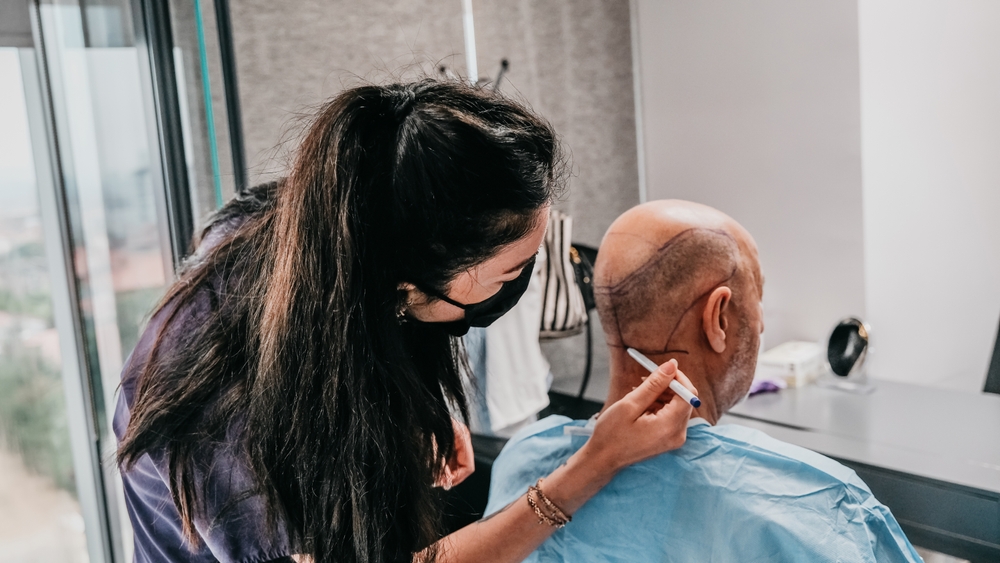
Modern hair transplantation moves individual follicles from donor zones to bald areas. Surgeons extract grafts from the back and sides of the scalp. These areas resist hormonal hair loss. The grafts survive permanently in their new locations. This principle drives every contemporary technique.
The field shifted away from FUT in the early 2000s. FUT required surgeons to remove a strip of scalp. This created linear scars. Patients wanted less invasive options. FUE answered that demand. DHI refined implantation further. Sapphire FUE improved incision quality. Today, clinics worldwide offer these three choices.
What Is FUE and How Does It Work?
FUE stands for Follicular Unit Extraction. Surgeons use micro-punches to remove individual grafts. Each punch measures between 0.7mm and 1.0mm in diameter. The surgeon extracts grafts one by one. This process leaves tiny dot scars. These scars fade over time.
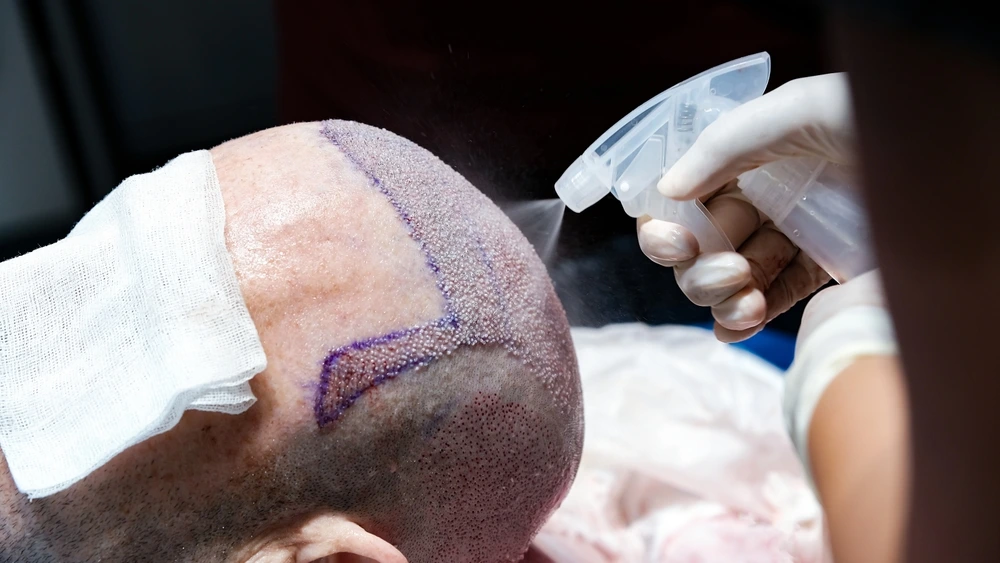
After extraction, the team prepares the grafts. They sort grafts by hair count. They keep grafts in chilled storage solution. Then the surgeon opens channels in the recipient area. These channels match the natural angle and direction of existing hair. Finally, the team implants grafts into these pre-made channels.
FUE became the global standard because it avoids linear scarring. Patients recover faster than with FUT. Most men and women qualify for FUE. The technique works for scalp hair, beard hair, and eyebrow restoration (Bernstein and Rassman, 2013).
What Is DHI and Why Is It Different?
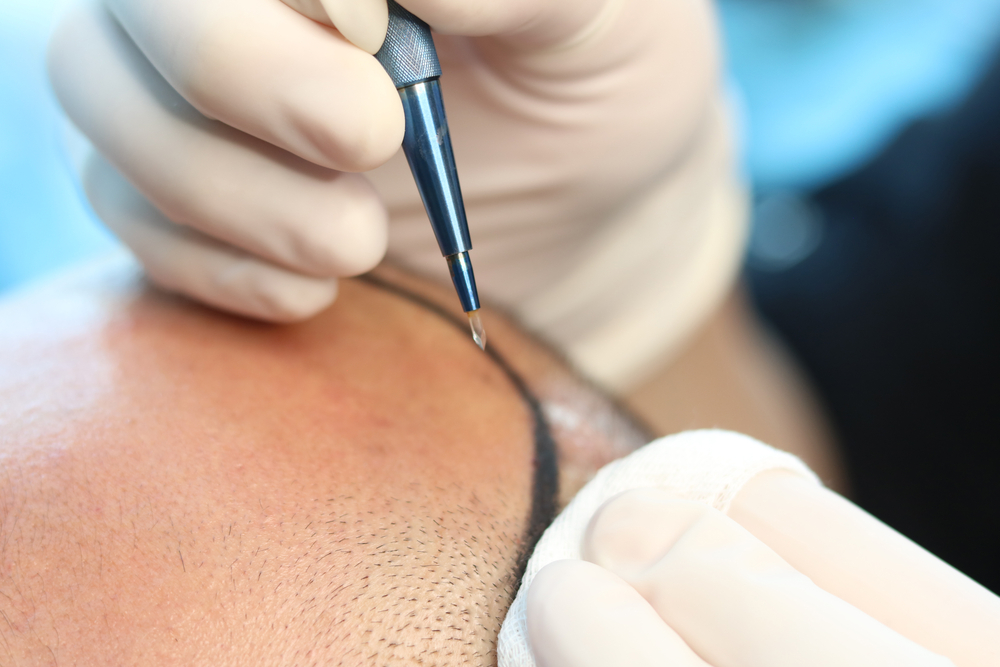
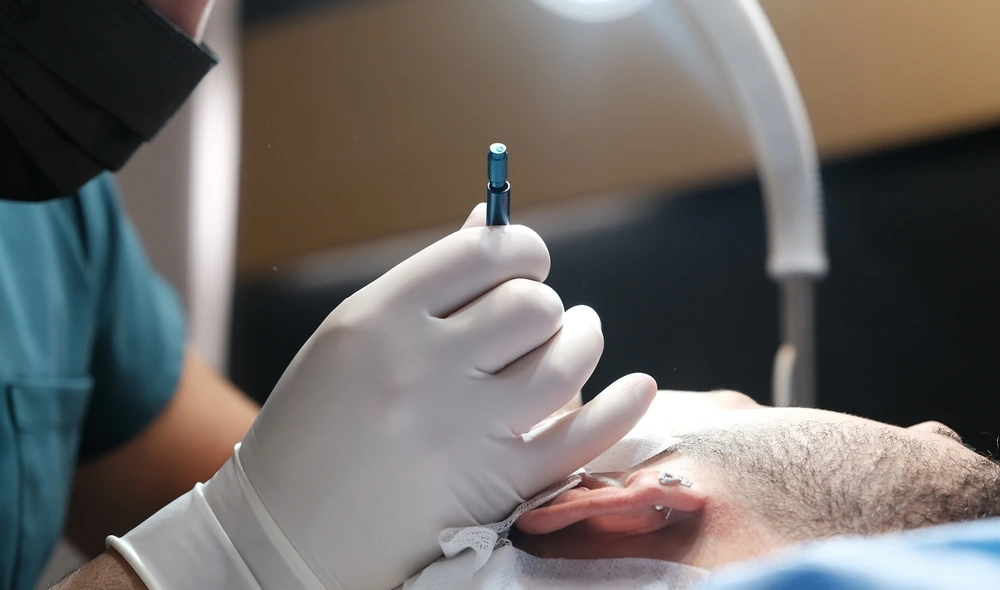
DHI stands for Direct Hair Implantation. This technique uses a specialized tool called the Choi implanter pen. The pen combines channel creation and graft placement into one step. The surgeon loads a graft into the pen. The pen pierces the scalp. The graft deposits immediately.
DHI reduces graft handling. Traditional FUE forces teams to manipulate grafts multiple times. They extract. They store. They sort. They place into channels. DHI eliminates several steps. The graft stays protected inside the pen until implantation.
This reduced handling matters biologically. Hair follicles are living tissue. They need oxygen and moisture. Every second outside the body stresses them. DHI minimizes this stress. Studies show higher survival rates when grafts face less manipulation (Devroye, 2017).
What Is Sapphire FUE and How Does It Improve Standard FUE?
Sapphire FUE upgrades the incision phase of traditional FUE. Instead of steel blades, surgeons use blades made from synthetic sapphire. Sapphire is harder than steel. It stays sharper longer. It creates cleaner, more precise incisions.
The sapphire bladeA Modern Innovation in Hair Transplants The sapphire blade is an advanced tool used to create precise incisions during hair... makes smaller entry points. Standard steel blades create V-shaped incisions. Sapphire blades create U-shaped incisions. The U-shape heals faster. It causes less tissue trauma. It allows denser packing of grafts.
Sapphire FUE does not change the extraction method. Surgeons still use micro-punches to harvest grafts. The improvement happens during channel creation. This makes Sapphire FUE an evolution of FUE, not a completely separate technique (Onda et al., 2008).
What Are the Key Technical Differences Between DHI, FUE, and Sapphire FUE?
Understanding the technical distinctions helps patients make informed decisions. Three factors separate these techniques: extraction method, implantation approach, and instrument type.
How Does Extraction Differ Across These Techniques?
All three techniques use the same extraction method. Surgeons harvest grafts with micro-punches. The punch size varies by patient hair type. Curly hair needs larger punches. Straight hair tolerates smaller punches.
Some clinics offer motorized extraction. Others prefer manual punches. Motorized systems speed up the process. Manual extraction gives more control. Hybrid systems combine both approaches. The extraction phase remains nearly identical across DHI, FUE, and Sapphire FUE.
The real differences appear during implantation. That is where each technique shows its unique character.
How Does Implantation Method Change Between Techniques?
Traditional FUE uses pre-made channels. The surgeon opens all channels first. Then the team implants grafts. This two-stage process takes time. It also risks graft dehydration between channel creation and placement.
DHI skips pre-made channels. The Choi penThe Tool Behind DHI Success The Choi Implanter Pen is a crucial instrument in DHI procedures, designed to enhance precision... creates the channel and places the graft simultaneously. This saves time. It reduces bleeding. It prevents grafts from drying out.
Sapphire FUE uses pre-made channels like traditional FUE. However, the sapphire blade makes finer, sharper channels. These channels cause less trauma. They heal faster. They allow more precise angulation than steel blades.
What Surgical Instruments Do Surgeons Use for Each Technique?
Each technique requires specific tools. FUE needs micro-punches for extraction and steel blades for channel creation. Forceps place grafts into channels.
DHI requires Choi implanter pens. These pens come in different sizes. The surgeon chooses the pen size based on graft thickness. Thicker grafts need wider pens. The team may use multiple pens during one session.
Sapphire FUE uses the same micro-punches as traditional FUE for extraction. For channel creation, it replaces steel blades with sapphire blades. The implantation still uses forceps or similar placement tools.
How Does Graft Handling Affect Survival Rates?
Graft survival depends heavily on out-of-body time. Research confirms that grafts begin deteriorating after four to six hours outside the body. Temperature control slows this process. Chilled solutions preserve grafts longer.
DHI excels here. The graft moves directly from extraction to implantation. It never sits in a dish. It never waits for channel creation. This immediate transfer protects follicle viability.
Traditional FUE and Sapphire FUE both require graft storage between extraction and implantation. Skilled teams minimize this gap. They work efficiently. They keep grafts hydrated. Still, DHI offers the shortest out-of-body time (Jimenez and Avram, 2019).
How Do DHI, FUE, and Sapphire FUE Compare Side by Side?
A direct comparison reveals clear patterns. Each technique dominates in specific areas. No technique wins every category.
What Does the Comprehensive Technique Comparison Show?
|
Factor |
DHI |
Traditional FUE |
Sapphire FUE |
|
Implantation method |
Direct with Choi pen |
Pre-opened channels |
Pre-opened sapphire channels |
|
Precision level |
Very high |
High |
Very high |
|
Density potential |
Excellent |
Good |
Very good |
|
Healing speed |
Fast |
Moderate |
Faster than standard FUE |
|
Maximum graft capacity |
Moderate |
High |
Very high |
|
Procedure duration |
Longer |
Moderate |
Moderate |
|
Scarring risk |
Minimal |
Minimal |
Minimal |
|
Cost level |
Highest |
Lower |
Mid-to-high |
|
Hairline design quality |
Excellent |
Good |
Very good |
|
Large area coverage |
Moderate |
Excellent |
Excellent |
|
Existing hair preservation |
Excellent |
Moderate |
Good |
|
Shaving requirement |
Sometimes avoidable |
Usually required |
Usually required |
This table shows that DHI leads in precision and density. Sapphire FUE leads in coverage and efficiency. Traditional FUE remains the most accessible option.
What Are the Main Advantages of DHI Hair Transplant?
DHI attracts patients who want maximum control over their results. The technique offers specific benefits that other methods cannot match.
Why Does DHI Offer Higher Implantation Precision?
The Choi pen gives surgeons direct control over angle, direction, and depth. Each graft enters the scalp exactly where the surgeon intends. This precision creates natural-looking hairlines. The surgeon can mimic the irregular patterns of natural hair growth.
Traditional FUE channels sometimes shift during implantation. Forceps may alter the angle slightly. DHI eliminates this variable. The pen sets the angle during entry. The result looks more organic.
How Does DHI Enable Dense Packing?
DHI allows grafts to sit closer together. The pen creates minimal surrounding trauma. This means surgeons can place grafts at higher densities. The frontal hairline benefits most. A dense, natural hairline transforms a patient’s appearance.
Research supports this claim. Studies measuring graft density show DHI achieves higher follicular units per square centimeter in targeted zones (Devroye, 2017).
Why Does DHI Reduce Trauma and Speed Recovery?
DHI creates fewer total incisions. Traditional FUE opens channels first. Then grafts enter those channels. DHI combines both actions. The scalp receives less cumulative trauma.
Patients notice less bleeding. Scabbing reduces. The healing timeline shortens. Most DHI patients resume normal activities within five to seven days.
Can DHI Avoid Shaving the Head?
Yes. DHI works well for unshaven or partially shaved procedures. The surgeon implants grafts between existing hairs. The patient keeps their current hairstyle. This appeals especially to women. It also helps men who cannot shave for professional reasons.
Traditional FUE usually requires full shaving. The surgeon needs clear access to create channels. DHI’s precision allows work around existing hair.
What Are the Main Advantages of Sapphire FUE?
Sapphire FUE bridges the gap between traditional FUE and DHI. It offers improvements without the complexity of Choi pens.
How Does Sapphire FUE Improve Incision Quality?
Sapphire blades stay sharper than steel. They create cleaner channel walls. Clean walls heal faster. They reduce inflammation. They minimize scar tissue formation.
The smaller incision size also matters. Sapphire blades create micro-channels. These channels match the graft size precisely. There is less empty space around the graft. This tight fit improves graft stability.
Why Is Sapphire FUE Better for Large-Area Coverage?
Sapphire FUE handles high graft numbers efficiently. A single session can transplant 4,000 to 5,000 grafts. The technique does not slow down like DHI. DHI requires individual pen loading for every graft. This takes time.
Patients with advanced baldness need large sessions. Norwood 5 and Norwood 6 patients benefit most. Sapphire FUE covers more ground in less time.
Why Is Sapphire FUE Faster Than DHI?
The workflow is simpler. The surgeon opens channels. The team implants grafts. There is no pen loading between each graft. The team works in assembly-line fashion. This efficiency reduces total surgical time.
Shorter surgery time means less anesthesiaEnsuring Comfort During Hair Transplants Sedation is used in hair transplantation to help patients remain calm and comfortable throughout the... exposure. It means less patient fatigue. It means the surgical team stays fresh and focused.
Is Sapphire FUE More Affordable Than DHI?
Yes. Sapphire FUE costs less than DHI. The equipment is simpler. The procedure takes less time. The surgeon needs less specialized training in implanter pen techniques. These factors lower the price.
Patients get advanced incision quality without paying DHI premiums. This makes Sapphire FUE a popular middle-ground choice.
What Are the Main Advantages of Traditional FUE?
Traditional FUE remains relevant despite newer options. It offers proven reliability and broad accessibility.
Why Does Traditional FUE Have Proven Long-Term Success?
FUE has existed since the early 2000s. Surgeons have performed millions of procedures. Long-term studies track patient outcomes over ten to fifteen years. The data confirms consistent, predictable results.
Patients know what to expect. Surgeons know how to handle complications. The technique has matured. This track record builds confidence.
Why Is Traditional FUE More Accessible?
Almost every hair transplant clinic offers FUE. The equipment is standard. Training programs teach FUE universally. Patients can find qualified surgeons in nearly every country.
DHI requires specialized Choi pen training. Not every surgeon has this certification. Sapphire FUE needs sapphire blade suppliers. Traditional FUE needs only standard punches and blades. This simplicity expands access.
How Does Traditional FUE Save Money?
Traditional FUE costs less than both DHI and Sapphire FUE. The equipment is cheaper. The procedure is faster than DHI. No premium blades are required. Patients on tighter budgets still get excellent results.
What Are the Limitations of Each Hair Transplant Technique?
Every technique has drawbacks. Understanding limitations prevents disappointment.
What Limits DHI Performance?
DHI takes longer. A 3,000-graft DHI session might last eight to ten hours. The same graft count in FUE takes five to six hours. Longer surgery increases costs. It increases patient discomfort.
DHI also costs more. The Choi pens are expensive. They require replacement. The surgeon needs advanced training. These factors raise prices.
Maximum graft capacity is lower. DHI works best for 1,500 to 3,000 grafts. Larger sessions become impractical. The pen loading process slows down too much.
Finally, DHI demands highly experienced surgeons. A novice using a Choi pen can damage grafts. The learning curve is steep.
What Are the Drawbacks of Sapphire FUE?
Sapphire FUE still uses pre-made channels. This means two-stage implantation. Grafts wait in storage. They face some out-of-body time. This is better than traditional FUE but not as good as DHI.
Full shaving is usually necessary. The surgeon needs clear scalp visibility. Unshaven procedures are harder to perform.
For dense hairlines, Sapphire FUE is less precise than DHI. The blade creates channels. Forceps place grafts. This two-step process allows slight variations in angle.
What Are the Weaknesses of Traditional FUE?
Steel blades cause more tissue trauma than sapphire blades. The V-shaped incision damages more surrounding tissue. Healing takes longer. Scabbing is more noticeable.
Density precision lags behind both DHI and Sapphire FUE. Channel creation with steel blades limits how closely grafts can pack. Hairline refinement is harder.
Recovery timelines extend compared to DHI. Patients might need ten to fourteen days before returning to normal activities.
Which Hair Transplant Technique Suits Different Patient Types?
Patient characteristics determine the best technique. Hair loss pattern, gender, and goals all matter.
Which Technique Works Best for Hairline Restoration?
DHI excels at hairline work. The frontal hairline demands precision. Every graft must angle forward and slightly downward. The density must appear natural. DHI gives surgeons the control they need.
Patients rebuilding their hairline should strongly consider DHI. The investment pays off in natural appearance.
Which Technique Covers Large Bald Areas Best?
Sapphire FUE wins for extensive baldness. Patients with Norwood 5 or higher need 3,000 to 5,000 grafts. Sapphire FUE handles these numbers efficiently. The sapphire blades create channels quickly. The team implants grafts at steady pace.
Traditional FUE also works for large areas. However, Sapphire FUE offers better healing and density.
Which Technique Is Best for Women?
Women usually want to preserve existing hair. They often refuse full shaving. DHI allows unshaven procedures. The surgeon works between existing strands. Women also typically need smaller graft numbers. DHI handles these cases perfectly.
Sapphire FUE works for women who accept shaving. Traditional FUE is less ideal for female patients due to shaving requirements.
Which Technique Handles High Graft Numbers Most Efficiently?
Sapphire FUE and traditional FUE both manage high graft counts well. DHI struggles beyond 3,000 grafts. The pen loading bottleneck becomes too slow. For mega-sessions, FUE variants are the only practical choice.
Which Technique Offers the Fastest Recovery?
DHI heals fastest. The minimal incisions close quickly. Swelling subsides within three to five days. Scabbing is light.
Sapphire FUE heals faster than traditional FUE but slower than DHI. Traditional FUE takes the longest to fully heal.
What Does the Hair Transplant Recovery Timeline Look Like?
Recovery follows a predictable pattern regardless of technique. However, the speed varies.
What Happens During the First Week?
Scabs form around implanted grafts. These scabs protect the follicles. Patients must not pick them. Gentle washing begins on day three. Surgeons provide special shampoo and instructions.
Swelling peaks around day two or three. It affects the forehead and around the eyes. Sleeping with the head elevated reduces swelling. Most swelling resolves by day five.
What Should Patients Expect in the First Month?
Shock loss begins around week two. Transplanted hairs fall out. This is normal. The follicle remains alive beneath the skin. New hair will grow from it.
The scalp heals externally. Redness fades. Any remaining scabs disappear. Patients can usually resume exercise after two to three weeks.
When Will Patients See Final Results?
New growth starts around month three. Fine, thin hairs emerge. These gradually thicken. Density improves noticeably by month six. The hairline matures.
Full results appear at twelve months. Some patients need up to eighteen months for complete maturation. The transplanted hair behaves like native hair. It grows normally. It requires normal care (Unger and Shapiro, 2013).
How Do Naturalness and Aesthetic Outcomes Differ?
Technology matters. But surgeon skill matters more. The best technique in inexperienced hands produces poor results.
Why Does Hairline Design Matter So Much?
The hairline frames the face. A poorly designed hairline looks artificial. It might be too straight. It might be too low. It might have uniform density.
Natural hairlines are irregular. They have subtle variations. Single hairs form the leading edge. Multiple hairs fill behind. Good surgeons design hairlines that complement facial features.
How Does Direction and Angle Control Affect Results?
Hair does not grow straight up. It angles in specific directions. The crown swirls. The temples angle backward. The front points forward.
DHI gives the most precise angle control. The surgeon sets each graft individually. Sapphire FUE offers good angle control through blade orientation. Traditional FUE provides adequate control but with slightly less precision.
What Density and Coverage Can Patients Realistically Expect?
Most patients achieve 30 to 40 follicular units per square centimeter in transplanted zones. This matches natural density in many areas. The crown might need multiple sessions for full density.
Patients should have realistic expectations. Transplantation restores hair. It does not replicate teenage density. A skilled surgeon sets honest goals.
How Do Costs Compare Across DHI, FUE, and Sapphire FUE?
Cost influences decisions. Understanding pricing helps patients budget properly.
What Are Average Costs by Region?
|
Region |
Traditional FUE |
Sapphire FUE |
DHI |
|
Turkey |
$2,000 – $4,000 |
$3,000 – $5,500 |
$4,000 – $7,000 |
|
United Kingdom |
$6,000 – $10,000 |
$8,000 – $13,000 |
$10,000 – $16,000 |
|
Europe (average) |
$5,000 – $9,000 |
$7,000 – $12,000 |
$9,000 – $15,000 |
|
United States |
$8,000 – $15,000 |
$10,000 – $18,000 |
$12,000 – $20,000 |
Turkey offers the most competitive pricing. High clinic volume and lower operating costs drive prices down. Quality remains high at reputable clinics.
Why Does DHI Cost More Than Other Techniques?
Three factors raise DHI prices. First, Choi implanter pens are expensive medical devices. They require regular replacement. Second, DHI takes longer. Longer surgery means higher facility and staff costs. Third, DHI demands specialized training. Surgeons charge premiums for advanced skills.
Is Sapphire FUE Worth the Extra Cost Over Traditional FUE?
Most patients say yes. The sapphire blade improves healing. It reduces scarring. It allows better density. The price difference is usually modest. The benefits justify the upgrade for most candidates.
What Risks and Complications Should Patients Know About?
Hair transplantation is surgery. All surgery carries risk. Understanding complications helps patients prepare.
What Are Common Side Effects?
Redness lasts one to three weeks. Swelling affects the forehead for several days. Temporary shedding of native hairs near transplant sites occurs. These side effects resolve without treatment.
What Surgical Risks Exist?
Infection is rare but possible. Proper aftercare prevents it. Poor graft survival happens if teams mishandle follicles. Unnatural density results from poor planning or execution.
Scarring is minimal with all three techniques. However, improper punch size can cause visible dots in the donor areaThe Source of Restoration The donor area plays a critical role in hair transplantation, as it serves as the source....
Why Does Surgeon Experience Matter More Than Technique Choice?
A master surgeon using traditional FUE outperforms a novice using DHI. Technique provides tools. Skill determines results. Patients should research surgeon credentials. They should review before-and-after galleries. They should ask about experience level.
Board certification matters. Specialized hair transplant training matters. Years of practice matter. Do not choose a clinic based solely on technique marketing.
What Future Trends Will Shape Hair Transplantation?
The field continues evolving. New technologies promise better outcomes.
How Are Hybrid Techniques Changing the Field?
Some clinics combine Sapphire FUE extraction with DHI implantation. They harvest grafts with sapphire-assisted methods. They implant with Choi pens. This hybrid approach leverages the best of both worlds.
Research on hybrid protocols shows promising density outcomes. These combinations may become standard practice within five years.
How Will AI Assist Hairline Design?
Artificial intelligence now helps plan hairlines. Software analyzes facial symmetry. It suggests optimal hairline positions. Surgeons use these tools as guides. They do not replace artistic judgment.
AI-assisted planning improves consistency. It helps less experienced surgeons achieve better results.
What Role Will Stem Cells Play in Hair Restoration?
Stem cell research explores hair multiplication. Scientists hope to clone follicles in laboratories. This would eliminate donor area limitations. A patient with limited donor hair could receive unlimited grafts.
These treatments remain experimental. Clinical trials are underway. Widespread availability is likely ten to fifteen years away (Gho et al., 2013).
Frequently Asked Questions
Is DHI Better Than Sapphire FUE?
DHI offers higher precision for hairlines and dense zones. Sapphire FUE covers larger areas more efficiently. Neither is universally better. The best choice depends on your specific hair loss pattern and goals.
Does Sapphire FUE Leave Scars?
Sapphire FUE leaves tiny dot scars in the donor area. These are usually invisible to the naked eye. The sapphire blade actually reduces scarring compared to steel blades. Recipient area scarring is minimal with all modern techniques.
Which Technique Offers the Highest Density?
DHI typically achieves the highest density in targeted zones. The Choi pen allows grafts to sit closer together. Sapphire FUE also provides good density. Traditional FUE offers the lowest density potential of the three.
Is DHI More Painful?
No. All three techniques use local anesthesia. Patients feel pressure but not pain during surgery. Post-operative discomfort is similar across techniques. DHI might cause slightly less soreness due to reduced tissue trauma.
Which Method Heals Faster?
DHI heals fastest. Most patients recover within five to seven days. Sapphire FUE heals faster than traditional FUE. Traditional FUE takes the longest, typically ten to fourteen days for full social recovery.
Can Women Undergo DHI Hair Transplant?
Yes. DHI is excellent for women. It preserves existing hair. It often avoids shaving. Women typically need smaller graft numbers. DHI handles these cases perfectly.
Is Sapphire FUE Suitable for Norwood 6 Patients?
Yes. Sapphire FUE handles large graft sessions efficiently. Norwood 6 patients need extensive coverage. Sapphire FUE can transplant 4,000 to 5,000 grafts in one session. This makes it ideal for advanced baldness.
Are Hair Transplant Results Permanent?
Yes. Transplanted hair comes from donor areas resistant to DHT. This hormone causes pattern baldness. Donor hair retains its resistance after transplantation. The new hair grows permanently.
How Many Grafts Can Surgeons Transplant in One Session?
Traditional FUE and Sapphire FUE handle up to 5,000 grafts. DHI works best for 1,500 to 3,000 grafts. Larger DHI sessions become impractical due to time constraints.
Which Technique Looks Most Natural?
All three techniques can produce natural results in skilled hands. DHI offers the most control over angle and direction. This gives it a slight edge for hairline naturalness. However, an experienced surgeon can achieve excellent naturalness with any technique.
What Is the Final Verdict on DHI vs FUE vs Sapphire FUE?
No single technique wins every category. The best choice depends on individual factors.
DHI dominates precision and density. It suits hairline restoration. It works well for women. It offers the fastest recovery. It costs the most. It handles smaller graft counts.
Sapphire FUE balances quality and efficiency. It covers large areas. It heals faster than traditional FUE. It costs less than DHI. It suits patients with advanced baldness.
Traditional FUE remains reliable and accessible. It costs the least. It works worldwide. It has decades of proven success. It suits budget-conscious patients.
The surgeon matters more than the technique. Research your doctor’s credentials. Review their results. Ask detailed questions. A skilled surgeon with traditional FUE will outperform an inexperienced surgeon with DHI.
Hair transplantation is a life-changing decision. Take time to evaluate your options. Consult multiple clinics. Understand your hair loss pattern. Set realistic expectations. With proper planning, all three techniques can restore your hair and your confidence.
References
Bernstein, Robert M., and William R. Rassman. “Follicular Unit Extraction: Minimally Invasive Surgery for Hair Transplantation.” Dermatologic Surgery, vol. 39, no. 9, 2013, pp. 1376–1382.
Devroye, Jean. “Direct Hair Implantation: A Review of the Choi Implanter Pen Technique.” Hair Transplant Forum International, vol. 27, no. 3, 2017, pp. 97–102.
Gho, Coen G., et al. “Hair Multiplication: Current Status and Future Perspectives.” British Journal of Dermatology, vol. 169, no. 6, 2013, pp. 1181–1187.
Jimenez, Francisco, and Marc Avram. “Graft Survival in Hair Transplantation: A Review of the Literature.” Journal of the American Academy of Dermatology, vol. 80, no. 4, 2019, pp. 1072–1080.
Onda, Masaru, et al. “Novel Technique of Follicular Unit Extraction with Sapphire Blades.” Aesthetic Plastic Surgery, vol. 32, no. 5, 2008, pp. 789–794.
Unger, Walter P., and Robin Shapiro. Hair Transplantation. 5th ed., Marcel Dekker, 2013.