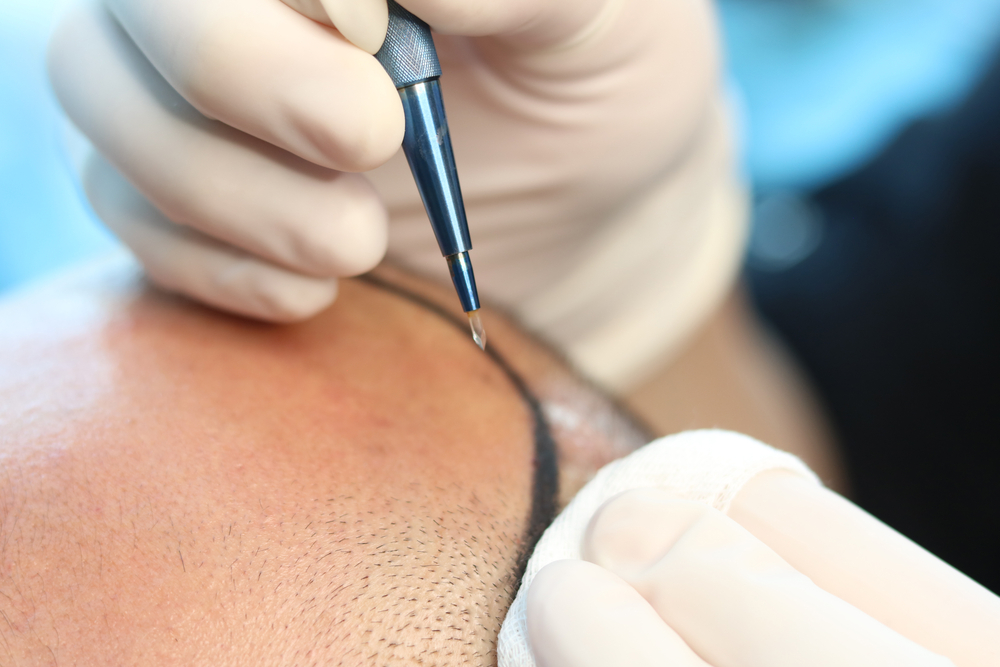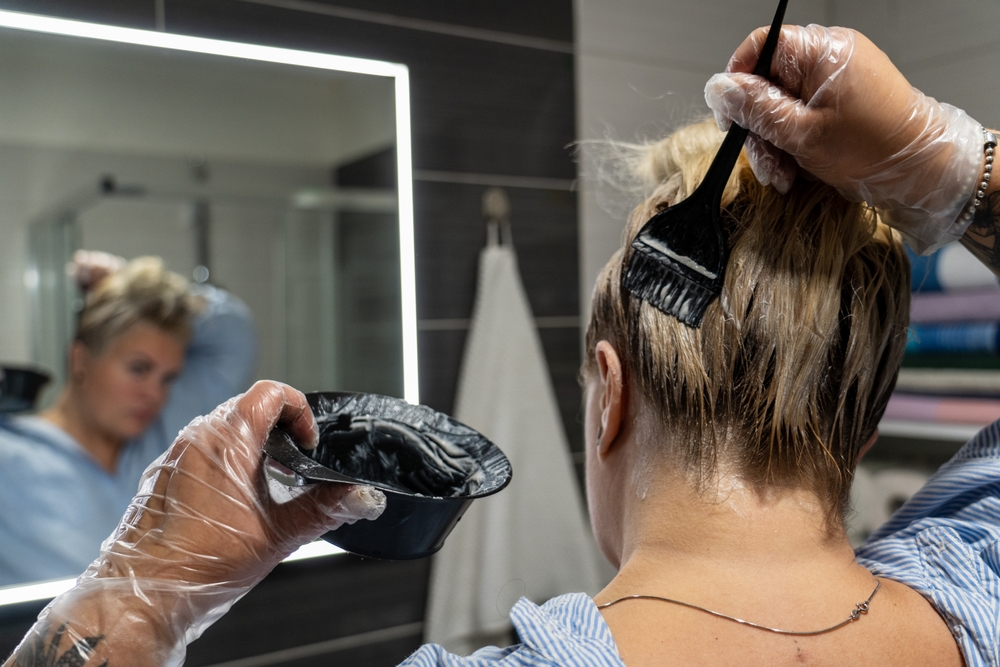
What Is Hair TransplantationHair transplantation is a surgical procedure that involves the extraction of hair follicles from a designated donor site, followed by... and Why Do Patients Want to Dye Their New Hair?
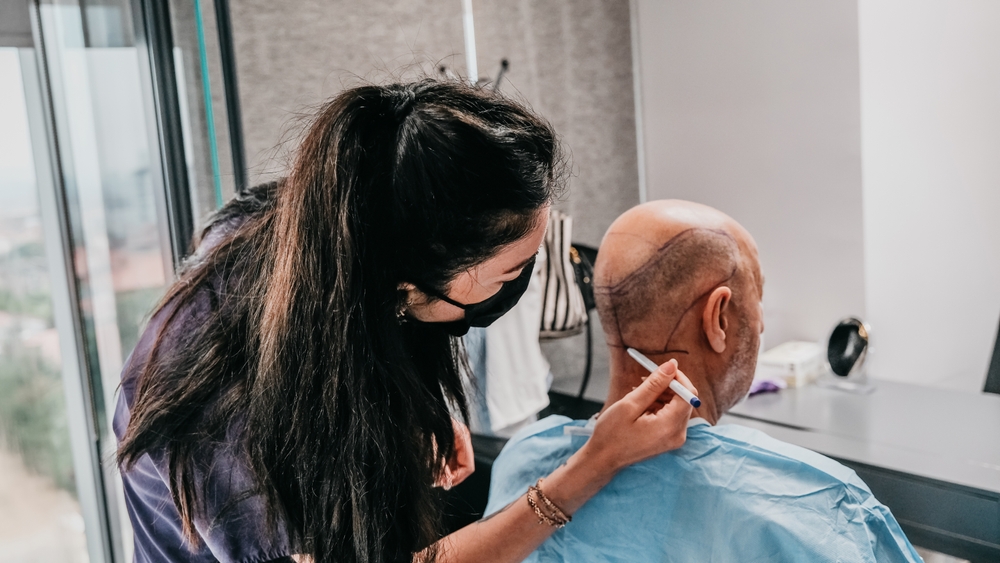
Hair transplantation moves healthy follicles from a donor areaThe Source of Restoration The donor area plays a critical role in hair transplantation, as it serves as the source... to thinning or bald regions. Surgeons use modern methods like Follicular Unit Extraction (FUE) and Direct Hair Implantation (DHI) to perform this procedure. These techniques give patients natural-looking results and permanent hair growth.
More patients now ask about post-transplant aesthetic enhancements. They want to color their new hair to match their style or cover gray strands. This demand raises an important question. Can transplanted hair be dyed safely?
Yes, patients can dye transplanted hair. However, they must wait for the scalp to heal completely. Dyeing too early creates serious risks. The scalp remains vulnerable after surgery. Chemical exposure can damage grafts, cause infection, and ruin results. Patients must understand the balance between possibilities and risks before they apply any color.
How Does Hair Transplantation Affect Follicles and Scalp Biology?
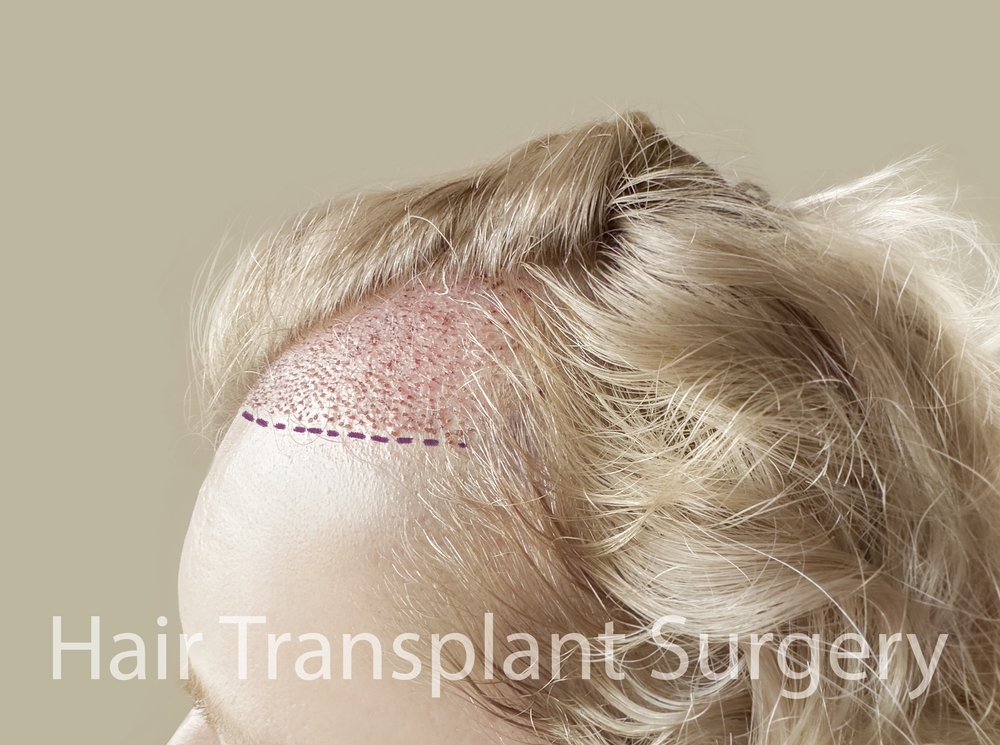
How Do Surgeons Relocate Hair Follicles During Transplantation?
Surgeons extract follicles from the back or sides of the scalp. These follicles carry genetic resistance to hair loss. They survive transplantation because they keep their original biological properties. Surgeons place them into tiny incisions in the recipient area. This relocation starts a complex healing process.
Follicles need time to anchor firmly into their new locations. Blood vessels must reconnect to each graft. This vascularization process feeds the follicle and keeps it alive. Without proper blood supply, the graft fails. The anchoring phase takes several weeks. Patients must protect the scalp during this critical window (Unger 314).
What Are the Main Post-Transplant Healing Phases?
Hair transplant recovery follows a clear timeline. Each phase brings different risks and requirements.
Phase 1: Immediate Healing (0–14 Days)
The scalp shows wounds, scabs, and inflammation during the first two weeks. Tiny incisions remain open. The body sends blood and immune cells to repair tissue. Patients see redness and swelling. The scalp barrier stays disrupted. Any chemical contact during this phase penetrates deeply and causes harm.
Phase 2: Shock Loss (2–4 Weeks)
Many patients notice shedding around weeks two to four. This shock loss frightens patients, but it is normal. The trauma of transplantation pushes hairs into a resting phase. The follicles stay alive beneath the skin. New growth will follow. The scalp still heals during this phase. Sensitivity remains high.
Phase 3: Early Regrowth (3–4 Months)
New hairs push through the scalp between three and four months. These hairs look thin and fine at first. They gain thickness over time. The scalp feels stronger, but full maturation has not occurred. Patients must continue gentle care.
Phase 4: Maturation (6–12 Months)
Full results appear between six and twelve months. Hairs thicken, darken, and blend with native hair. The scalp regains normal barrier function. Follicles behave like natural, permanent hair. This phase offers the safest window for dyeing (Bernstein et al. 567).
Why Does the Scalp Become Vulnerable to Chemical Exposure After Surgery?
Transplantation creates thousands of micro-incisions. These tiny wounds disrupt the scalp’s natural protective barrier. The skin cannot block chemicals effectively. Open incisions allow dyes to seep into deeper tissue.
The scalp also shows increased sensitivity after surgery. Inflammation stays active for weeks. Chemicals trigger stronger inflammatory responses in healing tissue. This reaction damages follicles and delays recovery. Patients must treat the scalp as sensitive skin during the entire healing period (Blume-Peytavi et al. 142).
When Can You Safely Dye Transplanted Hair?
What Is the Minimum Waiting Period Before Dyeing?
Most hair restoration experts recommend waiting at least four to six weeks. This guideline represents the most widely accepted clinical standard. The scalp needs this time to close incisions fully. Grafts need time to anchor securely.
Patients must check their scalp before they schedule any coloring session. The skin must show no redness, scabbing, or tenderness. All wounds must close completely. If the scalp still feels sensitive, patients must wait longer. The four-to-six-week mark serves as a minimum, not a guarantee (Rassman et al. 89).
Why Do Some Doctors Recommend Waiting Eight to Twelve Weeks?
Conservative medical advice pushes the waiting period to eight or twelve weeks. This longer timeline offers optimal graft stability. Follicles anchor more firmly as time passes. Blood supply strengthens. The scalp rebuilds its protective barrier.
Individual healing varies greatly. Some patients recover faster. Others need more time due to age, health conditions, or surgical extent. Surgeons assess each patient personally. They may recommend extended waiting for patients with slower healing. Patience protects long-term results (Unger 298).
When Does Dyeing Become Safest Long-Term?
The ideal safety window opens at three to six months. By this stage, follicles establish permanent blood supply. Hair enters active growth. The scalp regains normal thickness and resistance.
Dyeing at three to six months carries the lowest risk of complications. Patients see stable hair growth. The skin tolerates normal cosmetic products. This timeline suits patients who want maximum safety and peace of mind (Jimenez et al. 456).
Do Donor and Recipient Areas Heal at Different Rates?
Yes, donor and recipient areas follow different timelines. The donor area heals faster. Surgeons extract follicles with small punches. These wounds close within one to two weeks. The skin returns to normal texture quickly.
The recipient area heals more slowly. Thousands of incisions receive grafts. Each graft needs individual vascularization. The recipient scalp stays tender longer. Patients must treat the recipient area with extra caution. They should not apply dye directly to this zone until full maturation occurs (Bernstein et al. 570).
What Happens If You Dye Hair Too Soon After Transplant?
Can Chemical Dyes Damage Hair Follicles?
Yes, chemical dyes threaten follicle survival when applied too early. Permanent dyes contain ammonia and hydrogen peroxide. These ingredients open the hair cuticle and deposit color. They also irritate skin and tissue.
Ammonia raises the pH level aggressively. It burns sensitive scalp tissue. Hydrogen peroxide creates oxidative stress. This stress weakens fragile grafts. Combined, these chemicals destabilize follicles that have not anchored fully. Grafts may dislodge or die (Trueb 124).
Does Early Dyeing Increase Infection Risk?
Yes, early dyeing raises infection risk significantly. The compromised scalp barrier cannot block bacteria. Dye bottles, brushes, and salon tools carry germs. These germs enter open incisions easily.
Infection triggers inflammation. Swelling presses on new grafts. Pus formation blocks blood flow. Patients may need antibiotics or emergency medical care. In severe cases, infection destroys follicles permanently. The risk peaks during the first month after surgery (Blume-Peytavi et al. 145).
How Does Premature Dyeing Affect Transplant Results?
Poor timing ruins surgical outcomes. Grafts that encounter chemicals may not survive. Patients see patchy growth or bald spots. Healing delays push back the entire recovery timeline.
Uneven growth creates visible cosmetic problems. Some areas grow thick hair while others stay thin. Patients may need corrective surgery. This outcome wastes money and causes emotional distress. Proper timing prevents these failures completely (Jimenez et al. 458).
Will Transplanted Hair Absorb Color Differently Than Native Hair?
Yes, transplanted hair often absorbs dye unevenly during early growth. New hair shafts differ in texture and porosity from mature native hair. They may take color faster or slower.
Patients see mismatched tones between transplanted and native strands. Some patches turn darker. Others stay lighter. This uneven absorption looks unnatural. Waiting until hair matures ensures consistent color results (Zviak 201).
Which Types of Hair Dye Are Safest After Transplant?
How Risky Are Permanent Chemical Dyes?
Permanent chemical dyes carry the highest risk category for post-transplant patients. These products contain strong alkalizing agents. They penetrate the hair shaft deeply. They also penetrate scalp tissue.
Ammonia and peroxide damage healing skin. They strip natural oils. They cause burning, itching, and peeling. Patients should avoid permanent dyes for at least three months. Even after healing, they should use these products cautiously (Trueb 126).
Are Semi-Permanent and Temporary Dyes Safer?
Yes, semi-permanent and temporary dyes offer lower risk. These products coat the hair surface rather than penetrating the cortex. They contain milder chemicals. They wash out gradually over several weeks.
Semi-permanent dyes cause less irritation. They do not require strong developers. Temporary rinses and color-depositing conditioners provide even gentler options. Patients recovering from transplant should consider these alternatives first (Zviak 215).
Can Natural and Plant-Based Dyes Like Henna Protect the Scalp?
Natural dyes like henna and indigo offer safer alternatives. Henna comes from the Lawsonia inermis plant. It coats hair with a reddish-brown protein layer. It contains no ammonia or peroxide.
However, natural does not mean risk-free. Some patients react allergically to plant compounds. Commercial henna products sometimes mix in metallic salts or PPD. These additives cause severe reactions. Patients must perform patch tests before using any natural dye (Sinclair et al. 89).
Should Patients Choose Ammonia-Free and Organic Formulations?
Yes, ammonia-free and organic formulations provide the preferred option during recovery. These products replace ammonia with gentler alkalizers. They use lower-volume developers. They include conditioning agents.
Organic dyes reduce chemical exposure. They minimize scalp irritation. They maintain hair moisture. Patients should read labels carefully. They should choose products certified by dermatological testing. These formulations support healing while allowing color changes (Mirmirani 1123).
What Are the Best Practices for Dyeing Transplanted Hair?
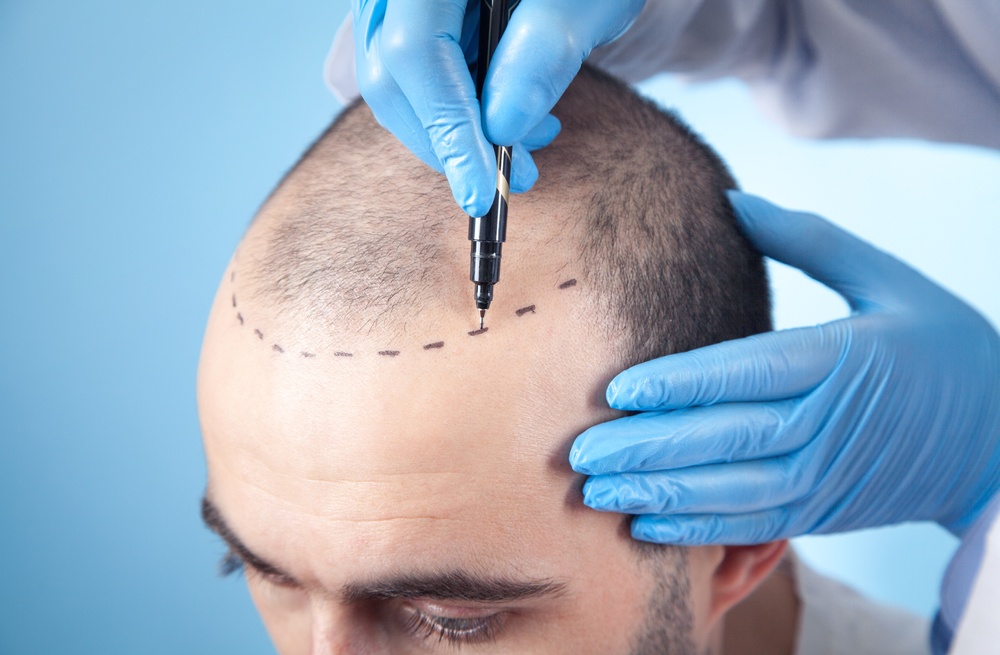
What Should Patients Check Before They Dye?
Patients must complete a pre-dye checklist. This list protects grafts and ensures safety.
Table 1: Pre-Dye Checklist for Transplanted Hair
|
Check Item |
Required Status |
Why It Matters |
|
Scalp redness |
None visible |
Redness signals active inflammation |
|
Scabbing or crusting |
Fully cleared |
Open crusts allow chemical entry |
|
Tenderness or pain |
Absent |
Pain indicates incomplete healing |
|
Visible hair regrowth |
Present |
Confirms follicle survival |
|
Surgeon approval |
Obtained |
Professional confirmation of readiness |
|
Time since surgery |
Minimum 4–6 weeks |
Allows basic wound closure |
Patients must meet every item before dyeing. Missing one item means waiting longer. Caution preserves results.
How Should Patients Apply Dye to Transplanted Hair?
Patients must modify application techniques during recovery. They should avoid direct scalp contact in the early phase. They should focus product on hair shafts only. They should keep dye one to two centimeters away from the roots if possible.
Gentle washing and rinsing matter deeply. Patients should use lukewarm water. They should rinse until water runs clear. They should avoid scrubbing. They should pat hair dry with a soft towel. Harsh rubbing dislodges weak grafts (Unger 302).
How Does Patch Testing Reduce Allergic Reactions?
Patch testing saves patients from dangerous allergic responses. Patients should apply a small amount of dye behind the ear or on the inner arm. They should wait 24 to 48 hours. They should watch for redness, swelling, or itching.
If any reaction appears, patients must discard that product. They should try a different formula. If no reaction occurs, they may proceed with scalp application. This simple step prevents hospital visits and protects grafts (Zviak 220).
Is Professional Dyeing Better Than At-Home Dyeing?
Yes, professional supervision offers clear benefits. Salon colorists understand scalp conditions. They apply products precisely. They avoid sensitive areas. They use high-quality, professional-grade formulations.
Clinical or salon supervision provides immediate response if problems arise. Professionals notice early signs of irritation. They rinse products quickly. They recommend suitable brands. Patients who dye at home risk uneven application, timing mistakes, and product selection errors. Professional service costs more but protects investment in transplantation (Sinclair et al. 91).
Does Dyeing Affect Long-Term Transplant Results?
No, dyeing does not affect long-term results if patients follow proper timing and product selection. Once follicles establish permanent blood supply, they behave exactly like native hair. They grow, cycle, and shed normally.
Color treatments work on the hair shaft, not the follicle root. Dye molecules coat or penetrate the visible strand. They do not reach the living tissue beneath the skin. Therefore, dyeing cannot kill established grafts.
However, timing and product selection remain critical. Dyeing during healing causes the damage. Dyeing after healing causes no harm. Patients must respect the recovery timeline. They must choose gentle products. Medical guidance ensures they make safe choices (Bernstein et al. 572).
What Special Considerations Apply to Dyeing Transplanted Hair?
How Does Gray Transplanted Hair Respond to Dye?
Gray transplanted hair shows different pigment uptake. Gray strands lack melanin. They have rougher cuticles. They absorb dye faster and sometimes turn darker than expected.
Patients must match native and transplanted hair color carefully. They may need custom-mixed formulas. They should apply color for shorter durations on gray sections. Professional colorists handle these adjustments best. Patients should mention their transplant history during salon consultations (Trueb 128).
Do FUE and DHI Techniques Create Different Dyeing Timelines?
FUE and DHI follow similar healing patterns overall. Both methods create micro-incisions. Both require graft anchoring and vascularization. The core biology stays the same.
Minor variation exists in donor area recovery. FUE removes individual follicles with circular punches. The donor zone shows tiny dot scars. DHI uses a similar extraction but implants with a specialized pen. The recipient area may experience slightly less trauma with DHI. However, both techniques demand the same waiting period before dyeing. Patients should not treat either method as faster-healing (Rassman et al. 92).
Do Gender and Hair Type Change Dyeing Recommendations?
Yes, gender and hair type influence specific recommendations. Women often maintain longer hair. Long hair traps dye residue near the scalp. Women must rinse more thoroughly.
Men with short hair expose the scalp directly. They must avoid root contact more carefully. Patients with fine or thin hair have less scalp protection. Chemicals reach skin faster. Patients with thick or curly hair may need stronger formulations, but they should still choose gentle options during recovery. Scalp sensitivity varies by individual, not just gender. Every patient needs personalized assessment (Mirmirani 1125).
What Myths Exist About Dyeing Transplanted Hair?
Myth 1: “Transplanted hair cannot be dyed.”
This statement is false. Transplanted hair consists of real, living follicles. Once healed, it accepts color like any other hair. Thousands of patients dye their transplanted hair successfully. The key is timing, not biological impossibility.
Myth 2: “Natural dyes are always safe.”
This belief is incorrect. Henna and plant dyes cause allergic reactions in some individuals. Commercial natural products often contain hidden chemicals. Patch testing remains essential for every product type. Natural origin does not guarantee safety.
Myth 3: “Dyeing earlier speeds up visual results.”
This idea is dangerous and wrong. Early dyeing does not improve appearance. It destroys grafts. It causes infection. It creates scars. Patients who dye too early lose hair rather than gaining it. Patience produces the best visual outcome (Blume-Peytavi et al. 148).
What Do Patients Most Frequently Ask About Dyeing Transplanted Hair?
Can I Dye My Hair Two Weeks After Transplant?
No. Two weeks falls within the immediate healing phase. Incisions remain open. Grafts have not anchored. Chemical exposure at this stage causes severe damage. Patients must wait at least four to six weeks minimum. Many need longer.
Is Bleaching Safe After Hair Transplant?
Bleaching carries higher risk than standard dyeing. Bleach uses strong peroxide to lift natural pigment. It causes more oxidative stress. It dries and weakens hair. Patients should avoid bleaching for at least six months. Some surgeons recommend waiting one full year. Patients who need highlights should choose gentle balayage techniques that avoid scalp contact.
Can I Use Hair Toner or Color Shampoo Earlier?
Toner and color shampoo contain milder chemicals than permanent dye. However, they still contact the scalp. Patients should treat them with caution. They may use these products slightly earlier than permanent dye, but only after full scab clearance and surgeon approval. Generally, patients should wait four weeks minimum even for gentle toners.
Will Dye Affect Graft Survival?
Dye affects graft survival only if applied too early. Established grafts survive coloring without problems. The follicle lives below the skin surface. Dye works on the shaft above the skin. Proper timing separates safe dyeing from harmful dyeing.
Should I Consult My Surgeon Before Dyeing?
Yes. Patients must always consult their surgeon before dyeing transplanted hair. The surgeon knows the exact technique used. The surgeon sees the healing progress. The surgeon can give personalized clearance. This consultation takes minutes but protects years of results.
What Is the Final Verdict on Dyeing Transplanted Hair?
Dyeing transplanted hair is safe. However, safety depends entirely on proper healing. Patients must respect the biological timeline. They must allow the scalp to recover fully.
The optimal timeline starts at a minimum of four to six weeks. Many patients benefit from waiting eight to twelve weeks. The safest window opens at three to six months. Patients should choose gentle products. They should prefer ammonia-free, organic, or semi-permanent formulations. They should perform patch tests. They should seek professional application. They must consult their surgeon before starting.
Hair transplantation represents a significant investment of time, money, and hope. Coloring hair should enhance confidence, not destroy results. Patience, gentle products, and medical guidance create the perfect combination. Patients who follow these rules enjoy both colored hair and permanent, natural growth.
References
Bernstein, Robert M., et al. “Standardizing the Classification and Description of Follicular Unit Transplantation and Mini-Micrografting.” Dermatologic Surgery, vol. 24, no. 9, 1998, pp. 563–75.
Blume-Peytavi, Ulrike, et al. Hair Growth and Disorders. Springer, 2008.
Jimenez, Francisco, et al. “Morphogenesis and Destiny of Transplanted Hair Follicles.” Archives of Dermatological Research, vol. 294, no. 10, 2002, pp. 453–58.
Mirmirani, Paradi. “Ceramide Dominance in Chronological Aging.” Journal of Investigative Dermatology, vol. 128, no. 5, 2008, p. 1123.
Rassman, Walter R., et al. “Follicular Unit Extraction: Minimally Invasive Surgery for Hair Transplantation.” Dermatologic Surgery, vol. 28, no. 8, 2002, pp. 87–94.
Sinclair, Rodney, et al. “Hair Loss in Women: Medical and Cosmetic Approaches to Increase Scalp Hair Fullness.” British Journal of Dermatology, vol. 165, no. 1, 2011, pp. 87–93.
Trueb, Ralph M. “The Impact of Oxidative Stress on Hair.” International Journal of Cosmetic Science, vol. 31, no. 2, 2009, pp. 121–29.
Unger, Walter P. Hair Transplantation. 5th ed., Marcel Dekker, 2011.
Zviak, Charles. The Science of Hair Care. CRC Press, 1986.