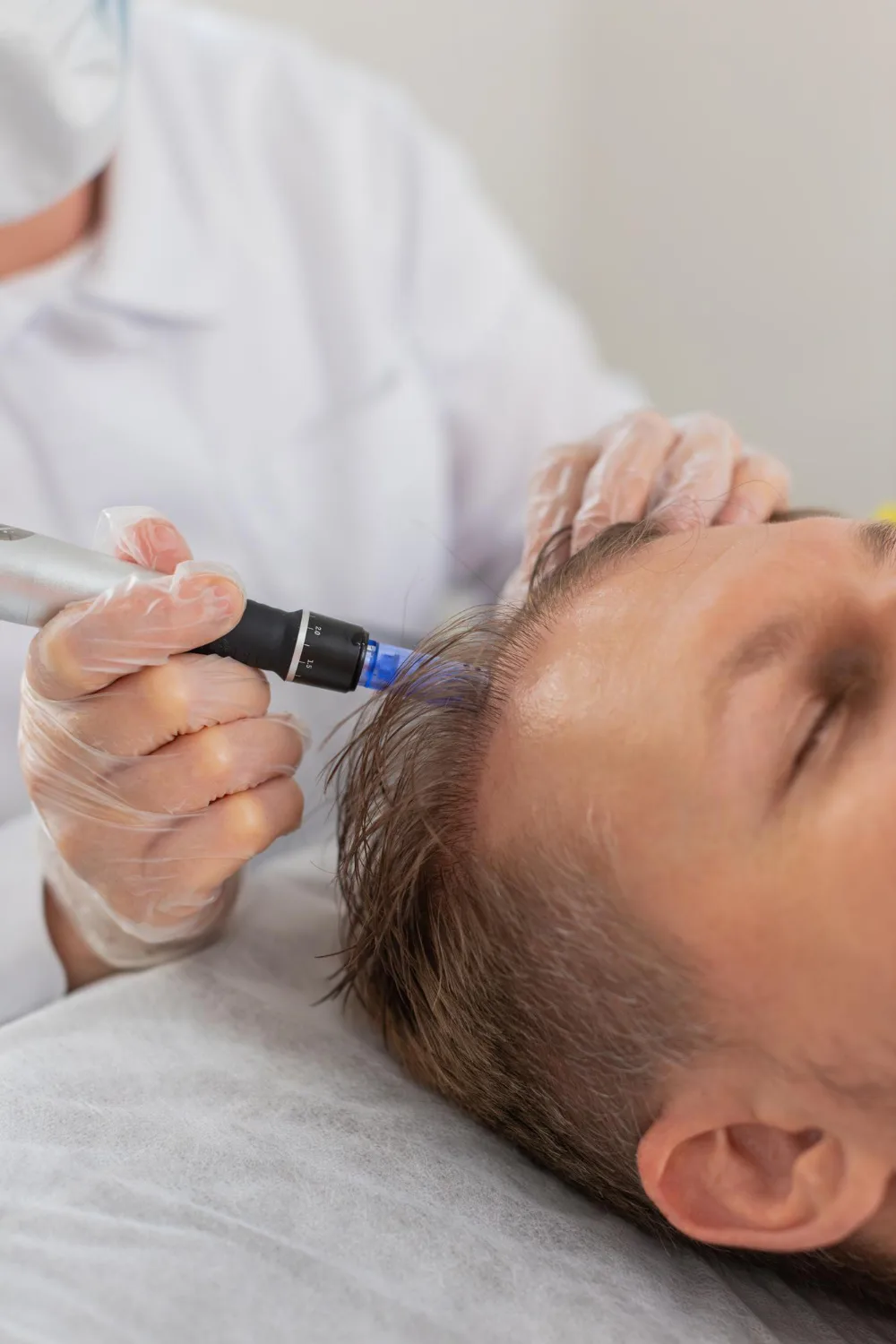
FUE, NeoGraft, and ARTAS are not three separate procedures. They all belong to the follicular unit extraction family. Traditional FUE relies on manual surgeon skill. NeoGraft adds automated suction assistance. ARTAS introduces robotic guidance. The best results come from surgeon expertise, not the device alone.
Why Do Patients Compare FUE, NeoGraft, and ARTAS?
Patients compare these options because marketing materials present them as distinct procedures. In reality, NeoGraft and ARTAS are advanced FUE tools. Patients want clarity on which technology delivers better graft survival, faster recovery, and more natural density.
Hair loss affects millions of men and women worldwide. The global hair restoration market continues to grow as more people seek minimally invasive solutions. Patients now research extensively before choosing a clinic. They encounter terms like FUE, NeoGraft, and ARTAS during their search. Many believe these represent three completely different surgical methods. This confusion stems from device manufacturers positioning their products as standalone procedures.
Understanding the real differences matters. The technology behind graft extraction influences procedure speed, consistency, and cost. However, the surgeon controls the final aesthetic outcome. This article breaks down each system using current clinical evidence. It explains how each technology works, who benefits most, and what research says about results.
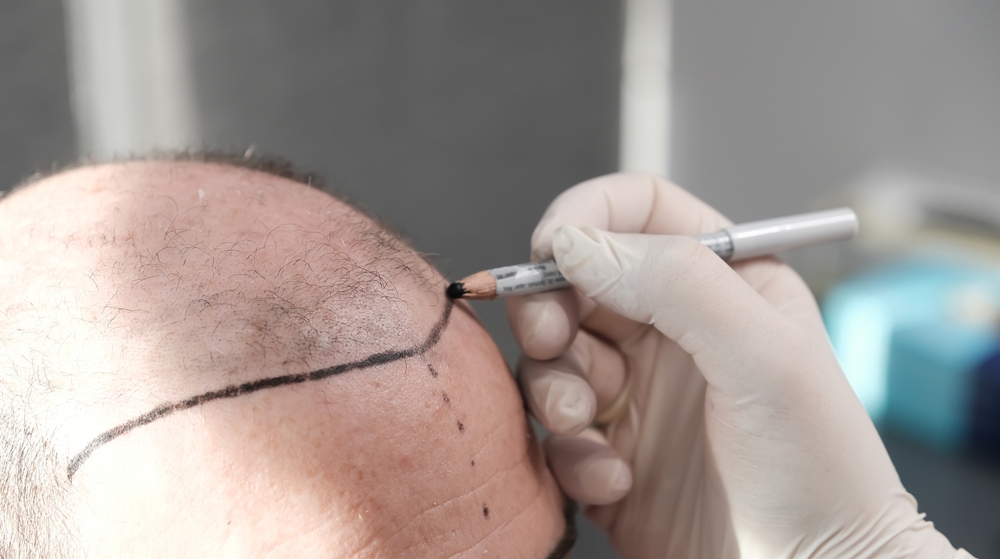
FUE removes individual hair follicles from the donor area using a small punch tool. Surgeons then implant these grafts into thinning or balding regions. This method avoids the linear scar associated with older strip procedures.
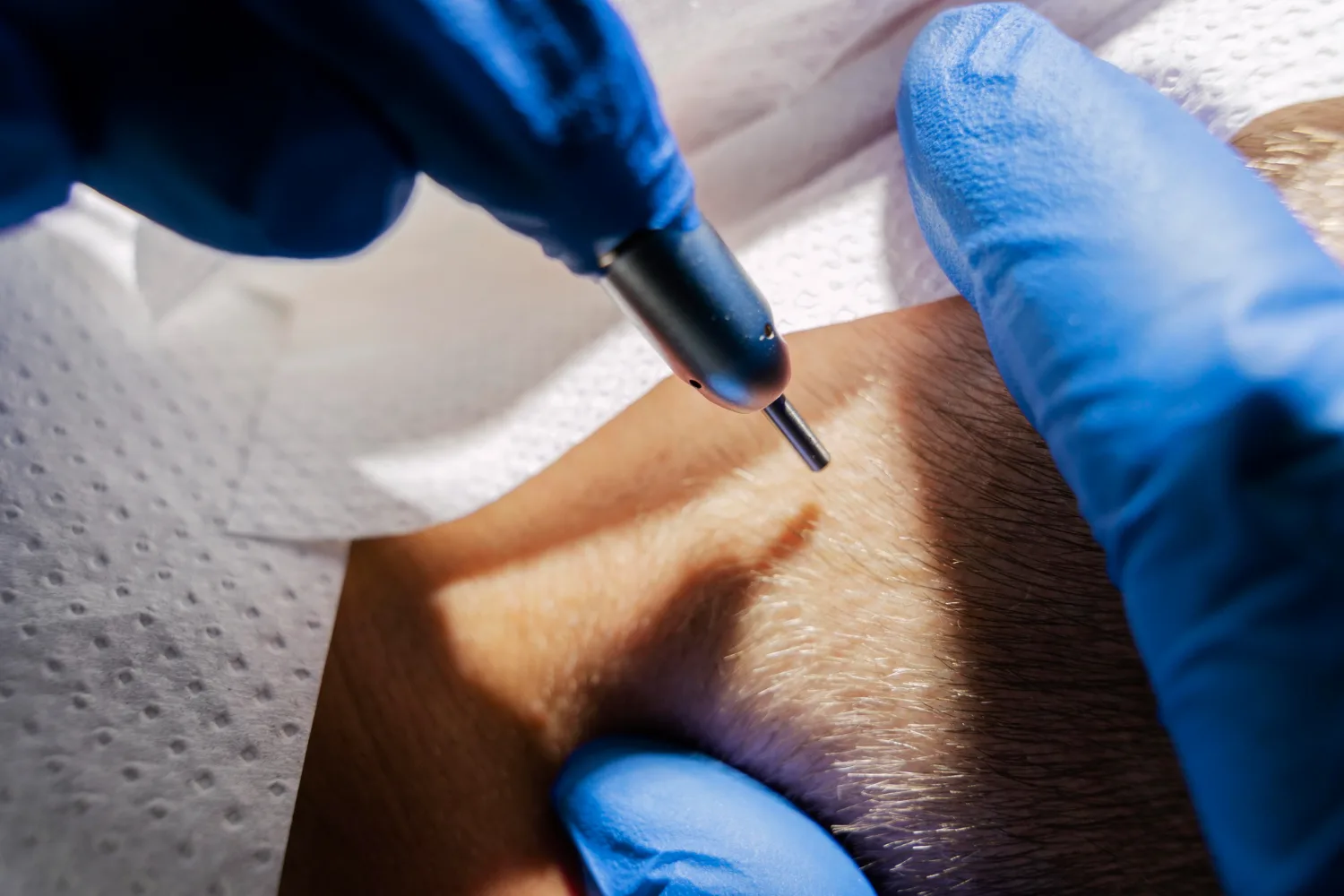
Follicular unit extraction represents the modern standard in hair restoration surgery. A surgeon uses a cylindrical punch, typically 0.8 to 1.0 millimeters in diameter, to score the skin around each follicular unit. The surgeon then extracts the graft using forceps or suction assistance. Each graft contains one to four hairs.
This technique replaced the older follicular unit transplantation method. FUT required surgeons to remove a strip of scalp from the back of the head. That approach left a linear scar and required sutures. FUE eliminates this problem entirely. Patients can wear their hair short without visible scarring.
FUE has become the global standard because it offers several advantages. The donor area heals with tiny dot scars that remain virtually invisible. Patients experience less postoperative pain. Recovery times are shorter. The technique also allows surgeons to harvest grafts from other body areas if scalp donor supply runs low.
How Has FUE Technology Evolved Over Time?
FUE began as a fully manual technique. Motorized devices then improved extraction speed. Today, automated systems like NeoGraft and robotic platforms like ARTAS assist surgeons during large sessions.
The first FUE procedures required surgeons to extract every graft by hand. This demanded exceptional hand-eye coordination and stamina. Sessions often lasted eight to twelve hours for large cases. Surgeon fatigue could affect graft quality toward the end of the procedure.
Motorized FUE devices emerged in the early 2000s. These tools used rotating punches powered by small motors. The motor reduced physical strain on the surgeon. Extraction became faster and more consistent. However, the surgeon still controlled every movement manually.
Automated systems arrived next. NeoGraft introduced pneumatic suction to assist graft removal. This reduced the need for forceps gripping. ARTAS then brought artificial intelligence and robotic arms into the operating room. These platforms do not replace FUE. They refine it.
What Is NeoGraft and How Does It Work?
NeoGraft is an automated FUE device that uses pneumatic suction to extract and implant grafts. The surgeon controls the system but benefits from reduced manual handling and faster workflow.
NeoGraft functions as a physician-controlled automated FUE platform. The system combines a motorized punch with pneumatic suction technology. When the punch scores the skin around a follicular unit, suction immediately draws the graft into a collection chamber. This eliminates the need for forceps to grip and pull each graft individually.
The system also assists with implantation. Technicians load grafts into a specialized handpiece. The device then creates recipient site incisions and deposits grafts simultaneously. This workflow reduces the time grafts spend outside the body.
Key features distinguish NeoGraft from manual FUE. The pneumatic system minimizes direct forceps contact. Less handling means less trauma to the graft. The automated extraction pace allows teams to complete moderate-to-large sessions more efficiently. Patients still receive tiny dot scars in the donor area, just like conventional FUE.
Who Qualifies as an Ideal Candidate for NeoGraft?
Ideal NeoGraft candidates have stable donor areas, need moderate-to-large graft numbers, and want technology-assisted FUE without the premium cost of robotic systems.
Men and women with androgenetic alopecia make up the majority of NeoGraft patients. Candidates should have sufficient donor hair on the back or sides of the scalp. The donor area must show stable density. Patients with progressive hair loss need realistic expectations about future thinning.
NeoGraft suits individuals who want faster extraction than manual FUE provides. It works well for sessions requiring 1,500 to 3,000 grafts. Patients who cannot afford ARTAS pricing but still want automated assistance often choose this middle option.
People with very curly or coarse hair may face challenges. The pneumatic system works best with straight or moderately wavy hair. Surgeons must evaluate hair characteristics during consultation.
What Is ARTAS and How Does the Robotic System Function?
ARTAS is a robotic-assisted FUE system that uses artificial intelligence to map the scalp, identify optimal grafts, and guide a robotic arm during extraction. The surgeon supervises the process.
The ARTAS system combines digital imaging, artificial intelligence, and robotic precision. Before extraction begins, the system scans the patient's donor area. Cameras capture high-resolution images of the scalp. Software then creates a digital map of every follicular unit.
The artificial intelligence algorithm analyzes this map. It identifies grafts with the highest survival potential. The system considers hair angle, density, and distribution. It then plans an extraction pattern that preserves donor area appearance.
A robotic arm executes the extraction. The arm positions the punch with sub-millimeter accuracy. The surgeon monitors the process on a screen and can adjust parameters in real time. This automation reduces the physical demands on the surgical team during long procedures.
What Are the Key Features of ARTAS?
ARTAS offers computer-guided harvesting, consistent extraction patterns, real-time scalp analysis, and reduced operator fatigue. It selects grafts using AI rather than purely visual surgeon assessment.
The computer-guided harvesting system maintains uniform punch depth and angle across thousands of grafts. This consistency can reduce transection rates in certain hair types. The digital mapping prevents overharvesting from any single zone.
Real-time analysis allows the system to adapt during extraction. If the algorithm detects changes in hair density, it adjusts the harvesting pattern. This dynamic planning protects long-term donor area health.
Reduced operator fatigue matters during large sessions. A robotic system does not experience hand tremor or declining concentration after hours of work. This stability benefits procedures requiring 2,500 grafts or more.
Who Benefits Most from ARTAS Robotic Hair Restoration?
ARTAS works best for patients with straight, dark hair against light scalp skin. It suits candidates needing large graft sessions who prioritize automation, consistency, and reduced procedure time.
The ARTAS imaging system relies on contrast. It detects hair follicles most accurately when dark hair stands out against lighter skin. Patients with very light blonde or gray hair may not achieve optimal mapping accuracy. Surgeons sometimes dye lighter hair before the procedure to improve recognition.
Candidates requiring 2,000 to 3,500 grafts often choose ARTAS. The robotic speed becomes most valuable during these larger sessions. Men with Norwood stage III to V pattern baldness frequently fall into this category.
Patients who value cutting-edge technology and data-driven planning appreciate the ARTAS approach. The system provides detailed reports about graft characteristics. This documentation appeals to analytically minded individuals.
How Does Traditional FUE Serve as the Foundation?
Traditional FUE remains the foundational technique. Both NeoGraft and ARTAS build upon manual extraction principles. A skilled manual FUE surgeon can customize every aspect of the procedure for individual patient needs.
In conventional FUE, the surgeon holds a manual or motorized punch. They identify each graft visually. They control the punch angle, depth, and speed. They extract each graft individually. This hands-on approach demands years of training.
The surgeon then creates recipient sites using blades or needles. They determine the angle, direction, and density of every incision. Finally, they place each graft into these sites. This three-phase process requires artistic judgment and technical precision.
Manual FUE offers maximum customization. The surgeon can adapt instantly to variations in hair curl, skin thickness, or scalp laxity. They can adjust punch size based on graft characteristics. They can modify hairline design mid-procedure based on how grafts look.
What Advantages Does Conventional FUE Offer?
Conventional FUE provides the highest level of physician control, adapts to all hair types including curly and coarse hair, and allows real-time customization for complex cases.
Surgeon-directed extraction enables immediate adjustments. If a particular area shows higher transection rates, the surgeon changes technique. If grafts appear dehydrated, the team modifies handling protocols. This flexibility does not exist in automated systems.
Manual FUE works for every hair type. Curly hair, common in African and Mediterranean populations, poses unique challenges. The curl extends below the skin surface. A skilled surgeon can follow the curl path with a curved punch. Robotic systems struggle with this variation.
Complex cases benefit from manual control. Patients with scarring alopecia, previous transplant scars, or uneven donor density need individualized approaches. A human surgeon assesses these nuances better than current algorithms.
What Limitations Should Patients Know About Manual FUE?
Manual FUE depends heavily on surgeon skill. Results vary significantly between clinics. Large sessions take longer, which can increase graft out-of-body time and team fatigue.
Operator dependency represents the biggest limitation. Two surgeons using identical tools can produce vastly different outcomes. Experience level, hand steadiness, and judgment all influence results. Patients must research their surgeon's track record carefully.
Procedure time extends with manual extraction. A 3,000-graft session might require two days. Longer sessions risk graft viability. Teams must work efficiently to minimize the time grafts spend in storage solution.
Variable outcomes between clinics create confusion. A patient receiving excellent manual FUE at one clinic might hear about poor results elsewhere. This inconsistency makes technology-assisted systems appealing to risk-averse patients.
How Do FUE, NeoGraft, and ARTAS Compare Side by Side?
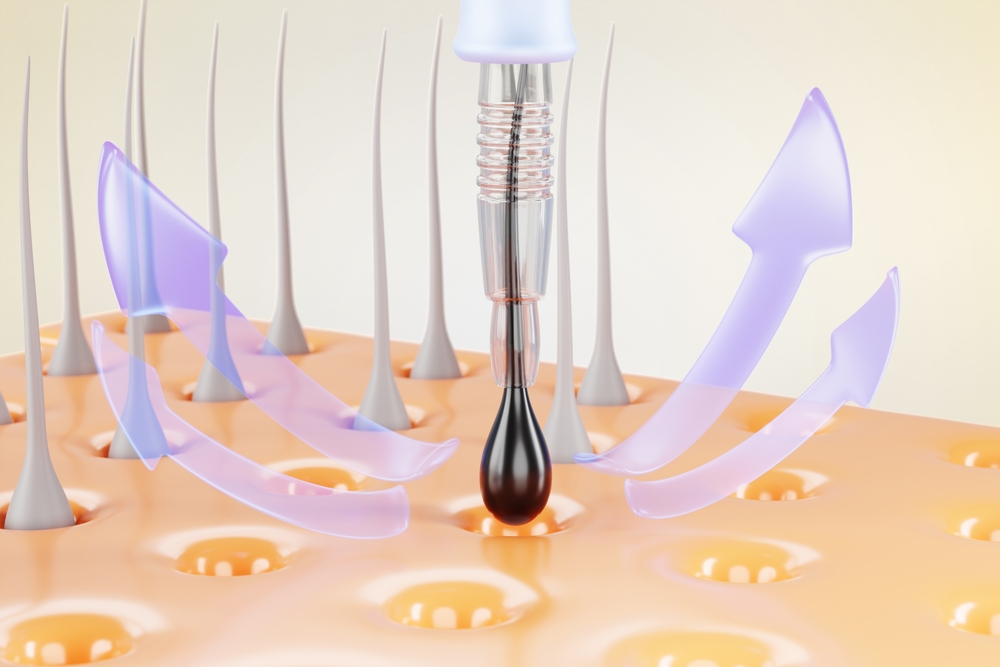
All three methods produce tiny dot scars in the donor area. ARTAS typically offers the fastest extraction. NeoGraft provides middle-ground automation. Manual FUE delivers maximum customization at usually the lowest cost.
|
Feature
|
Traditional FUE
|
NeoGraft
|
ARTAS
|
|
Core Technology
|
Manual or motorized punch
|
Automated pneumatic suction
|
Robotic arm with AI guidance
|
|
Follicle Selection
|
Surgeon visual assessment
|
Surgeon visual assessment
|
AI digital mapping
|
|
Extraction Control
|
Full surgeon control
|
Surgeon-controlled automation
|
Robot-assisted with supervision
|
|
Procedure Speed
|
Variable, typically slower
|
Faster than manual FUE
|
Typically fastest
|
|
Customization
|
Highest possible
|
High
|
Moderate
|
|
Learning Curve
|
Surgeon dependent
|
Moderate
|
Technology dependent
|
|
Cost Range
|
Usually lowest
|
Moderate
|
Usually highest
|
|
Suitable Hair Types
|
Broadest range
|
How Accurate Is Follicle Selection Across These Methods?
Manual FUE accuracy depends on surgeon expertise. ARTAS uses AI to identify grafts but still requires suitable hair characteristics. NeoGraft relies on surgeon guidance with suction assistance. No single method guarantees zero transection.
Follicle selection determines graft survival. A transected follicle, cut during extraction, cannot grow hair. Minimizing transection rates remains a primary goal in hair restoration surgery.
In manual FUE, the surgeon identifies each graft using magnification loupes or microscopes. They estimate the angle and depth of the follicle beneath the skin. Experienced surgeons achieve transection rates below 5 percent. Novice surgeons may exceed 15 percent.
ARTAS uses stereoscopic cameras and algorithms. The system calculates the exact position of each follicle. Studies suggest robotic extraction can reduce transection in straight-haired candidates (Rashid et al., 2018). However, the system may struggle with acute hair angles or low contrast.
NeoGraft does not select grafts automatically. The surgeon identifies each target. The device then assists with extraction. Accuracy depends on the surgeon's skill, just like manual FUE. The suction component may reduce mechanical trauma during removal.
Why Do Transection Rates Matter for Graft Integrity?
Transection destroys follicles. Lower transection rates mean more viable grafts. Surgeon technique, punch quality, and hair characteristics all influence this critical metric.
Graft quality directly impacts final hair density. Each transected graft represents a lost opportunity for permanent hair growth. Patients pay per graft. High transection rates waste both grafts and money.
Factors affecting follicle survival extend beyond transection. Graft handling matters immensely. Dehydration, crushing, and temperature changes damage follicles. Teams must place grafts in proper storage solution immediately.
Current evidence shows mixed results for robotic versus manual systems. Some studies report lower transection with ARTAS in ideal candidates (Bhatia et al., 2020). Other research finds no significant difference when experienced surgeons perform manual FUE (Lam et al., 2019). Patient characteristics often matter more than the device itself.
How Long Does Each Procedure Take?
Manual FUE takes the longest. NeoGraft reduces extraction time through automation. ARTAS typically harvests grafts fastest, sometimes reaching 600 to 1,000 grafts per hour in suitable candidates.
Manual FUE sessions proceed at the surgeon's natural pace. An experienced surgeon might extract 300 to 500 grafts per hour. A 2,000-graft case requires four to six hours of extraction time. Adding recipient site creation and implantation extends the total to eight hours or more.
NeoGraft accelerates extraction through pneumatic suction. The device eliminates the forceps-removal step. Teams report 20 to 30 percent time savings compared with fully manual methods. A 2,000-graft session might finish in six to seven hours total.
ARTAS focuses harvesting speed through robotics. The robotic arm works continuously without fatigue. In candidates with optimal hair characteristics, the system maintains steady pace throughout the session. However, setup and calibration add initial time.
Does Faster Procedure Speed Guarantee Better Results?
Speed alone does not guarantee better outcomes. Graft survival depends on handling quality, implantation technique, and team coordination. Balancing speed with precision produces the best results.
Rapid extraction creates a bottleneck if the implantation team cannot keep pace. Grafts should not sit in storage solution for hours. The ideal workflow matches extraction speed to implantation capacity.
Team coordination determines overall efficiency. Large clinics with dedicated technicians can implant grafts as fast as ARTAS extracts them. Smaller teams may struggle to maintain this rhythm.
ARTAS harvests grafts quickly, but implantation remains manual. Technicians still create recipient sites and place grafts by hand. The total procedure time depends on both phases. Speed in extraction only solves part of the equation.
How Does Recovery Compare Across These Methods?
All three methods produce similar recovery timelines. Patients typically return to work within five to seven days. Tiny dot scars heal within two weeks. Shock loss occurs regardless of extraction technology.
Donor area healing follows the same biological process for all FUE variants. The punch creates a circular wound approximately 1 millimeter in diameter. The body heals these wounds through normal tissue repair. Scabs form within 24 hours. They fall off within seven to ten days.
Micro-scarring remains minimal with all methods. The dots usually become invisible to casual observation. Patients with very short hairstyles might notice slight textural changes. Most patients cannot detect donor area changes after several months.
Postoperative discomfort is mild for all FUE types. Patients report soreness rather than pain. Over-the-counter medications typically provide sufficient relief. The absence of a linear scar eliminates the tension and tightness associated with older strip methods.
What Should Patients Expect During Recipient Area Recovery?
The recipient area crusts for seven to ten days. Transplanted hairs shed within two to four weeks. New growth begins at three to four months. Full results require twelve to eighteen months.
Crusting forms as grafts settle into their new sites. Patients must avoid picking at these crusts. Premature removal dislodges grafts. Gentle washing according to clinic instructions helps crusts dissolve naturally.
Shock loss affects many patients. The trauma of transplantation pushes native and transplanted hairs into a resting phase. This shedding looks alarming but represents a normal phase. Hairs regrow from the preserved follicles.
Return-to-work timelines vary by profession. Office workers often resume duties after five days. Patients in physically demanding jobs may need ten to fourteen days. All patients should avoid strenuous exercise for two weeks.
How Do Long-Term Cosmetic Outcomes Compare?
Long-term outcomes depend on implantation artistry, not extraction technology. Hairline design, graft distribution, and angle control determine natural appearance. All three methods can produce excellent results in skilled hands.
Natural appearance requires more than graft survival. The surgeon must recreate proper hairline architecture. Single-hair grafts belong at the frontal edge. Multiple-hair grafts provide density behind this zone. The hairline must follow natural irregularities, not straight lines.
Hair density results from graft number multiplied by survival rate. A clinic transplanting 2,000 grafts with 95 percent survival achieves better density than a clinic transplanting 3,000 grafts with 70 percent survival. Technology cannot compensate for poor planning.
Scar visibility remains minimal with all FUE approaches. The primary cosmetic concern is the final hair pattern, not donor scarring. Patients should evaluate before-and-after photos focusing on the hairline and crown density.
Why Do Costs Differ Between FUE, NeoGraft, and ARTAS?
Equipment investments drive cost differences. ARTAS requires the largest capital outlay. NeoGraft represents a middle investment. Manual FUE needs only punches and microscopes, keeping costs lowest.
Robotic technology carries substantial upfront expenses. The ARTAS system costs clinics hundreds of thousands of dollars. Maintenance contracts, software updates, and disposable components add ongoing costs. Clinics pass these expenses to patients.
NeoGraft devices cost less than ARTAS but more than manual tools. The pneumatic system requires specialized handpieces and suction units. However, the investment remains manageable for mid-sized practices.
Manual FUE requires minimal equipment. Quality punches, forceps, and microscopes represent modest investments. This lower overhead allows competitive pricing. However, surgeon expertise commands premium fees regardless of tools.
What Factors Influence the Final Price for Patients?
Graft number, surgeon reputation, geographic location, and clinic overhead all influence pricing. Patients should compare total costs rather than per-graft rates alone.
The number of grafts required depends on balding pattern and desired density. A small hairline refinement might need 1,000 grafts. Full crown restoration could require 4,000 grafts. Most clinics price procedures based on graft count ranges.
Surgeon expertise affects pricing independently from technology. A renowned manual FUE specialist may charge more than a less experienced ARTAS practitioner. Patients should prioritize surgeon track record over device marketing.
Geographic location creates significant variation. Hair transplantation costs less in Turkey, India, and Mexico than in the United States or Western Europe. Medical tourism has grown partly due to these price differences. However, travel costs and follow-up access require consideration.
Why Does Surgeon Skill Matter More Than Technology?
Technology assists extraction. The surgeon controls implantation artistry, hairline design, donor management, and long-term planning. No device can replace these human judgments.
Graft placement artistry determines whether results look natural. A robot cannot assess facial proportions, age-appropriate hairline position, or ethnic hair characteristics. These decisions require human aesthetic sense.
Hairline design principles demand individualized planning. A 25-year-old patient needs a conservative, high hairline to accommodate future loss. A 55-year-old patient can accept a lower, more aggressive design. Technology does not make these age-specific judgments.
Donor management strategy protects long-term supply. The surgeon must preserve enough grafts for future procedures. Overharvesting today creates disaster tomorrow. AI mapping assists but cannot replace the surgeon's long-term vision.
What Do Research and Clinical Experts Say About Technology Versus Skill?
Multiple studies confirm that NeoGraft and ARTAS remain FUE tools. Final outcomes depend on surgeon judgment, donor management, and implantation technique. Technology improves workflow but does not replace expertise.
A 2019 review in the Journal of Cutaneous and Aesthetic Surgery emphasized that robotic systems reduce physical strain but do not eliminate the need for surgical artistry (Lam et al., 2019). The authors noted that implantation technique remains the primary determinant of cosmetic outcomes.
Research on ARTAS transection rates shows promise but with caveats. One study reported reduced transection in straight-haired patients (Rashid et al., 2018). Another found no advantage over experienced manual surgeons when controlling for hair type (Bhatia et al., 2020). These mixed results reinforce the importance of patient selection.
Experts consistently warn against device-driven decision making. The International Society of Hair Restoration Surgery advises patients to evaluate surgeon credentials, not marketing claims about technology. A skilled surgeon with basic tools outperforms an inexperienced practitioner with advanced equipment.
Which Method Works Best for Patients Needing Maximum Customization?
Traditional FUE suits patients needing maximum customization. Complex cases, curly hair, and scar revisions demand the adaptability that only human hands provide.
Patients with previous transplant scars need careful graft placement around scar tissue. Surgeons must adjust angles to blend new hair with existing growth. Manual control enables these micro-adjustments.
Curly or kinky hair presents unique extraction challenges. The follicle curves beneath the skin surface. A straight punch risks transection. Experienced surgeons use curved punches or modify extraction angles. Current robotic systems cannot reliably handle these variations.
Ethnic hair characteristics vary significantly. Asian hair tends to be straight and coarse. African hair is curly and fragile. Caucasian hair falls between these extremes. Manual FUE allows the surgeon to select punch size and technique for each hair type.
Which Patients Benefit Most from NeoGraft?
NeoGraft suits patients wanting technology-assisted FUE at moderate cost. It works well for straight-haired candidates needing 1,500 to 3,000 grafts who value faster extraction.
Individuals seeking a middle ground between manual FUE and robotic ARTAS often choose NeoGraft. They want automation benefits without the premium pricing of robotics. They accept that surgeon skill still drives results.
Moderate-to-large sessions maximize NeoGraft advantages. The time savings become meaningful when extracting thousands of grafts. Patients who cannot dedicate two days to manual FUE appreciate the streamlined workflow.
Men and women with stable donor areas and straightforward balding patterns make ideal candidates. The technology handles standard cases efficiently. Complex cases still require manual expertise.
Who Should Consider ARTAS Robotic Hair Transplantation?
ARTAS benefits candidates with straight, dark hair and light skin who need large graft sessions. It appeals to patients who prioritize automation, data-driven planning, and reduced procedure time.
The contrast-dependent imaging system performs best with dark hair against pale scalp. Candidates meeting these criteria receive the most accurate graft mapping. Some clinics offer pre-procedure hair dyeing for lighter-haired patients.
Large-scale graft harvesting justifies the technology investment. Patients needing 2,500 to 3,500 grafts see the greatest time savings. The robotic consistency maintains quality throughout long sessions.
Data-oriented patients appreciate the detailed reporting. ARTAS generates metrics about graft characteristics, density, and distribution. This documentation provides transparency that manual procedures cannot match.
What Myths Surround NeoGraft and ARTAS?
Common myths include the belief that ARTAS performs the entire surgery, that NeoGraft is a separate procedure from FUE, that robots always produce better results, and that technology outweighs surgeon experience. None of these claims are true.
Myth: ARTAS performs the entire surgery. Reality: ARTAS only assists with extraction. Surgeons and technicians still design the hairline, create recipient sites, and implant every graft. The robot handles one phase under human supervision.
Myth: NeoGraft is a different procedure than FUE. Reality: NeoGraft is an FUE device. It uses the same extraction principles as manual FUE. The difference lies in automation, not fundamental technique.
Myth: Robotic systems always produce better results. Reality: Research shows mixed outcomes. Robotic systems excel in ideal candidates but struggle with certain hair types. Results vary based on patient characteristics and clinic expertise.
Myth: Technology matters more than surgeon experience. Reality: Every expert organization emphasizes surgeon skill as the primary success factor. Devices are tools. The craftsman determines the quality of the finished work.
Is NeoGraft Better Than Traditional FUE?
NeoGraft is not inherently better. It offers faster extraction and reduced graft handling. However, experienced manual FUE surgeons can match or exceed NeoGraft results. The best choice depends on the specific surgeon and patient case.
NeoGraft provides workflow advantages. The pneumatic system reduces technician fatigue. Grafts experience less forceps trauma. These factors theoretically improve survival rates.
However, no large-scale randomized trial proves NeoGraft superiority over expert manual FUE. Published studies focus on transection rates and procedure times. They rarely measure long-term cosmetic outcomes directly.
Patients should evaluate the specific clinic and surgeon. A mediocre surgeon with NeoGraft will not outperform a master manual FUE specialist. The device does not compensate for poor judgment or technique.
Is ARTAS More Accurate Than Manual FUE?
ARTAS can be more accurate in ideal candidates with straight, dark hair. It may reduce transection in these cases. However, experienced manual surgeons achieve comparable accuracy across all hair types. Accuracy depends on candidate selection.
The AI mapping system calculates follicle position mathematically. This removes human estimation errors. In straight-haired patients with good contrast, studies show transection rates between 4 and 8 percent (Rashid et al., 2018).
Manual surgeons with extensive experience report similar transection rates. Some achieve below 5 percent consistently. The robotic advantage diminishes as surgeon experience increases.
Accuracy also depends on implantation, not just extraction. A perfectly extracted graft fails if placed at the wrong angle. ARTAS does not implant grafts. Manual surgeons control this critical phase regardless of extraction method.
Does ARTAS Leave Less Scarring Than Other Methods?
No. All FUE methods, including ARTAS, NeoGraft, and manual FUE, produce identical scar patterns: tiny dot scars approximately 1 millimeter in diameter. The extraction tool size determines scarring, not the guidance system.
Scar size correlates with punch diameter. Most modern FUE uses 0.8 to 1.0 millimeter punches. ARTAS uses similar punch sizes. The robotic guidance does not change the wound characteristics.
Healing quality depends on patient biology and postoperative care. Some patients form barely visible dots. Others develop slightly hypopigmented spots. These variations stem from individual healing responses, not technology choice.
Marketing materials sometimes imply robotic precision reduces scarring. This claim misleads patients. Precision affects transection rates, not scar size. The punch creates the wound regardless of what guides it.
Which Method Offers the Most Natural Results?
Natural results come from implantation artistry, not extraction technology. All three methods can produce natural outcomes when skilled surgeons handle the design and placement phases.
Natural appearance requires several elements. The hairline must follow irregular patterns. Grafts must angle correctly to match native hair direction. Density must transition gradually from the hairline backward.
These elements depend on recipient site creation and graft placement. Extraction technology does not influence these phases. A manual FUE clinic with excellent implantation technique outperforms a robotic clinic with poor placement.
Patients should evaluate before-and-after photos critically. Look for hairline softness, directional flow, and crown coverage. Ask how the clinic achieves these results. The answer should emphasize surgical planning, not device features.
Is NeoGraft Less Expensive Than ARTAS?
Yes. NeoGraft procedures typically cost less than ARTAS. Manual FUE usually costs least. However, pricing varies by clinic, location, and surgeon reputation. Patients should compare total value, not just technology tier.
ARTAS pricing reflects substantial equipment and maintenance costs. Clinics charge premiums to recover these investments. Patients pay for the technology whether it improves their specific outcome or not.
NeoGraft represents a smaller capital investment. Clinics can offer competitive pricing while still providing automated assistance. This middle positioning appeals to budget-conscious patients wanting some technological advantage.
Manual FUE pricing depends almost entirely on surgeon fees. Without equipment overhead, costs reflect expertise and time. A top manual specialist may charge more than an average ARTAS clinic. Price alone does not indicate quality.
Can Women Undergo NeoGraft or ARTAS Procedures?
Yes. Women can undergo all three methods. Female pattern hair loss requires different planning than male pattern baldness. The extraction technology matters less than the surgeon's experience with female hair restoration.
Women typically experience diffuse thinning rather than distinct bald areas. This pattern requires careful donor area evaluation. The surgeon must ensure donor density remains adequate after harvesting.
Female hairlines differ from male hairlines. They are lower and have different shapes. Restoring a feminine hairline demands specific aesthetic knowledge. The extraction device does not affect this planning.
Some women have finer hair than men. This characteristic influences punch selection and graft handling. Experienced teams adapt their technique regardless of whether they use manual, NeoGraft, or ARTAS systems.
Which Method Provides the Highest Graft Survival Rate?
No method guarantees the highest survival rate. Graft survival depends on extraction technique, handling protocols, storage conditions, and implantation speed. Published survival rates range from 85 to 95 percent across all methods.
Extraction trauma affects survival. Transected grafts obviously fail. Even non-transected grafts suffer stress during removal. Gentle handling preserves follicle viability.
Out-of-body time critically impacts survival. Grafts should remain in chilled storage solution. Teams should implant them promptly. Rapid extraction without rapid implantation wastes the speed advantage.
Dehydration kills grafts quickly. Teams must prevent grafts from drying during sorting and placement. This protocol matters more than the extraction technology itself.
Research does not conclusively show one method producing superior long-term survival. Individual clinic protocols likely matter more than device choice.
How Can Patients Determine Which Option Is Right for Them?
Patients should schedule consultations with multiple clinics. They should evaluate surgeon experience, view patient portfolios, and ask about protocols for their specific hair type. The right choice matches patient needs to clinic expertise, not just technology.
Start by identifying your priorities. Do you value cutting-edge technology? Is cost the primary concern? Do you have curly hair requiring manual expertise? Your answers guide the search.
Research surgeon credentials independently. Verify board certifications. Check professional society memberships. Read patient reviews on independent platforms, not just clinic websites.
Request consultations with different technology providers. Compare their assessments. Do they agree on graft numbers? Do their hairline designs look natural? Do they explain limitations honestly?
Trust your instincts about the surgical team. You will spend hours with these people during a vulnerable procedure. Confidence in their competence matters as much as the device they use.
What Final Conclusions Should Patients Draw from This Comparison?
NeoGraft and ARTAS are advanced FUE technologies, not separate procedures. Each offers workflow advantages. However, clinical outcomes depend primarily on surgeon expertise, donor management, and aesthetic planning. Patients should choose based on their specific characteristics and the surgical team's experience rather than technology alone.
All three methods extract individual follicular units. All three leave tiny dot scars. All three can produce natural, dense results in the right hands. The differences lie in automation level, speed, cost, and candidate suitability.
Technology improves consistency and reduces physical demands. It does not replace surgical judgment. A robot cannot design a hairline that suits your face. An automated device cannot plan for your future hair loss.
The best hair transplant results from a partnership between patient and surgeon. The patient provides clear goals and realistic expectations. The surgeon provides expertise, artistry, and honest guidance. The device merely facilitates the process.
References
Bhatia, A. C., et al. "Robotic Hair Restoration: A Review of the ARTAS System." Journal of Drugs in Dermatology, vol. 19, no. 3, 2020, pp. 245-250.
Lam, S. M., et al. "Follicular Unit Extraction: Evolution of Technique and Technology." Journal of Cutaneous and Aesthetic Surgery, vol. 12, no. 2, 2019, pp. 78-84.
Rashid, R. M., et al. "Robotic-Assisted Follicular Unit Extraction: A Clinical Evaluation of the ARTAS System." Dermatologic Surgery, vol. 44, no. 5, 2018, pp. 678-684.
Rose, P. T., and Nusbaum, B. P. "Robotic Hair Restoration." Facial Plastic Surgery Clinics of North America, vol. 28, no. 2, 2020, pp. 195-204.
Unger, W. P., and Shapiro, R. Hair Transplantation. 5th ed., Marcel Dekker, 2019.
Wambier, C. G., and Lee, S. "Follicular Unit Extraction: Manual, Motorized, and Robotic Approaches." International Journal of Trichology, vol. 11, no. 4, 2019, pp. 145-152.