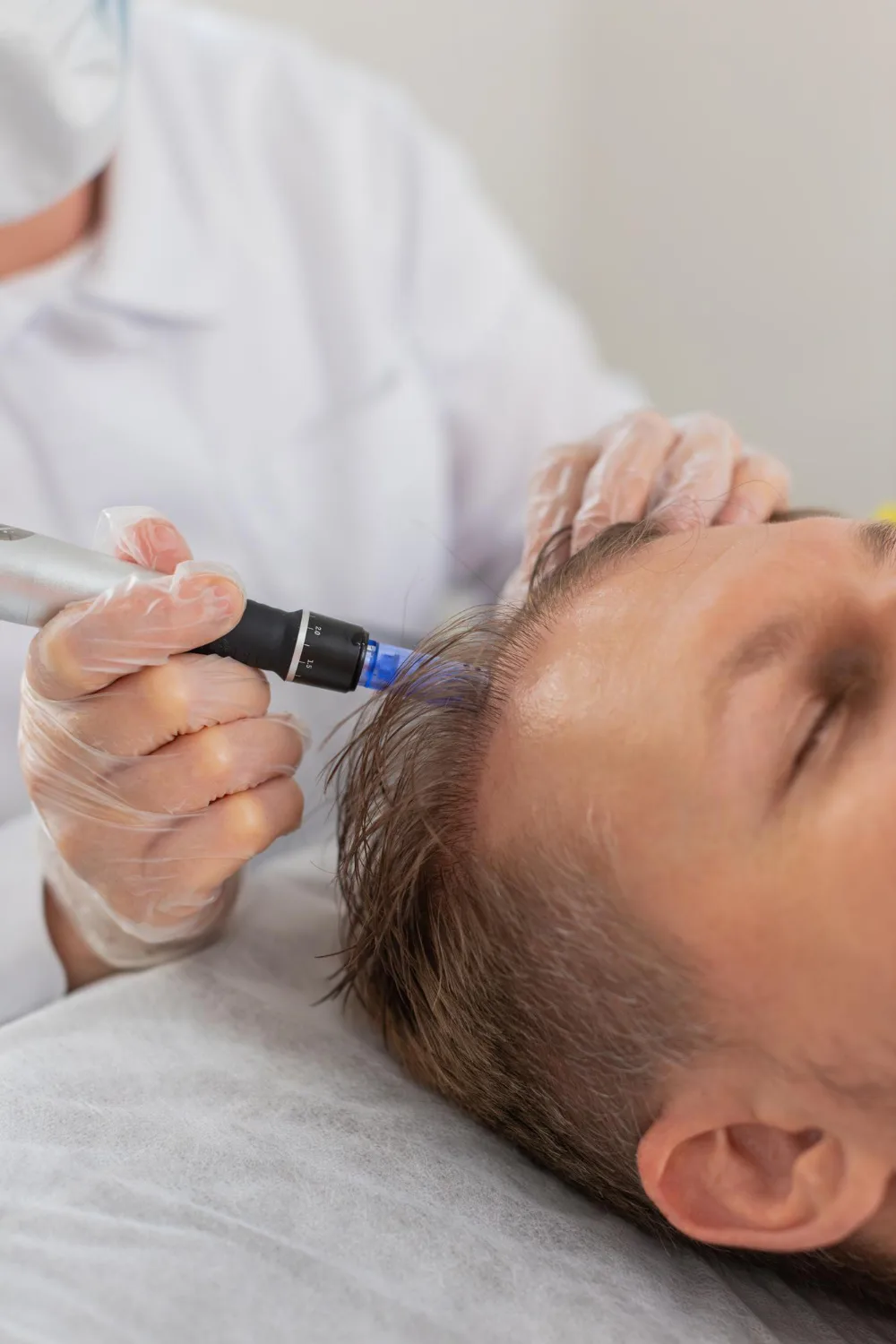
More women seek permanent solutions for hair loss every year. Turkey has emerged as a global leader in female hair restoration. This article explains the causes of female hair loss. It explores treatment options. It details costs. It outlines recovery. It shows expected results. Accurate diagnosis matters before any woman chooses surgery. Medical teams must distinguish temporary shedding from permanent baldness. Women deserve clear information. They need scientific facts. They need practical guidance. This guide helps women understand every aspect of female hair transplant in Turkey. It covers medical causes. It covers surgical techniques. It covers financial considerations. It covers aftercare protocols. Readers will learn why thousands of international patients choose Turkey annually. They will discover how modern science restores hair permanently. They will understand the full journey from consultation to final results.
What Causes Hair Loss in Women?
Genetics, hormones, and lifestyle factors trigger hair loss in women. Doctors must identify the exact cause before recommending surgery. Female hair loss treatment varies based on the underlying problem. Some women need medication. Others need hair restoration for women through transplantation. Understanding the root cause prevents wrong treatment choices. It saves money. It preserves existing hair.
Why Do Women Experience Hair Loss?
Genetics play a major role. Female pattern hair loss affects millions of women worldwide. Inui and Itami note that androgenetic alopecia in women stems from genetic sensitivity to hormones (2011). This sensitivity shrinks follicles gradually. Hair becomes thinner. The scalp becomes visible.
Hormonal imbalance disrupts the hair cycle. Polycystic ovary syndrome raises androgens. This elevation triggers shedding. Thyroid disorders slow metabolism. This slowdown starves hair follicles. The follicles produce weaker strands. Eventually they stop producing hair.
Pregnancy and postpartum hair loss shock many new mothers. Estrogen levels rise during pregnancy. This rise prolongs the growth phase. After delivery, estrogen drops sharply. This shift pushes thousands of hairs into the shedding phase simultaneously. Women notice clumps in shower drains. This condition usually resolves within six months. Persistent shedding requires medical evaluation.
Menopause reduces estrogen and progesterone levels. Androgens gain relative dominance. This hormonal shift triggers thinning at the crown. It widens the part line. It reduces overall density. Women often notice this change in their fifties.
Iron deficiency prevents proper oxygen delivery to follicles. Menstruating women face higher risk. Vegetarians face higher risk. Blood tests reveal ferritin levels. Low ferritin correlates with increased shedding.
Nutritional deficiencies weaken the hair shaft. Zinc supports protein synthesis. Biotin strengthens keratin. Vitamin D regulates follicle cycling. Poor diets lack these nutrients. Crash diets trigger telogen effluvium.
Autoimmune diseases attack follicles directly. Alopecia areata causes patchy bald spots. Lupus causes scarring. These conditions need immunosuppressive therapy first. Transplantation works only after stabilization.
Stress-induced hair loss floods the body with cortisol. Chronic stress maintains high cortisol levels. This hormone interrupts the growth cycle. It pushes hairs into resting phase. Trueb confirms that oxidative stress from chronic tension damages follicle stem cells (2010).
Traction alopecia damages edges from tight hairstyles. Ponytails pull. Braids pull. Extensions pull. Nusbaum states that chronic traction causes permanent scarring in severe cases (2013). Women must release tension early.
Chemical treatments burn the scalp and break strands. Bleach destroys protein bonds. Relaxers alter structure. Heat styling evaporates moisture. These practices compound genetic thinning.
How Can You Tell Temporary Hair Loss from Permanent Hair Loss?
Telogen effluvium causes temporary shedding. Stress or illness triggers this condition. Hair regrows within months. The trigger resolves. The follicle remains healthy. It simply rests longer than usual.
Androgenetic alopecia causes permanent thinning. Olsen states that this progressive condition shrinks follicles over time (2005). The follicle produces finer hair. Eventually it produces nothing. This process requires intervention.
Scarring alopecia destroys follicles permanently. Inflammation replaces follicles with scar tissue. No medication revives dead follicles. Transplantation helps only when the disease remains inactive for years.
Doctors must distinguish these types accurately. They examine the scalp. They pull hairs gently. They perform biopsies when uncertain. They recommend transplantation only for permanent non-scarring loss. They recommend medical treatment for active telogen effluvium. They wait for temporary shedding to resolve before considering hair transplant for women.
|
Feature
|
Telogen Effluvium
|
Androgenetic Alopecia
|
Scarring Alopecia
|
|
Cause
|
Stress, illness, hormones
|
Genetics, hormones
|
Autoimmune, inflammation
|
|
Duration
|
Temporary
|
Permanent
|
Permanent
|
|
Follicle Status
|
Alive and resting
|
Shrinking
|
Destroyed
|
|
Best Treatment
|
Medical therapy
|
Transplantation
|
Medical therapy first, then transplant
|
Who Qualifies for Female Hair Transplant in Turkey?
Not every woman with thinning hair needs surgery. Doctors evaluate each patient carefully. They check medical history. They run blood tests. They examine the scalp. Female hair transplant Turkey clinics follow strict protocols. Proper selection guarantees success. It prevents wasted grafts. It protects patient safety.
Medical teams collect detailed medical history. They ask about family hair loss patterns. They review previous surgeries. They document medication use. They note allergy history.
Blood tests reveal iron levels. They show thyroid function. They detect autoimmune markers. They check complete blood counts. They assess liver function. They assess kidney function. These panels rule out systemic disease.
Hormonal evaluation checks androgens. It checks estrogen. It checks prolactin. It checks cortisol. Elevated androgens suggest PCOS. High prolactin indicates pituitary issues. These conditions need treatment first.
Scalp examination uses dermoscopy. Doctors look at follicle openings. They check for inflammation. They identify scaling. They detect scarring. They measure the degree of miniaturization.
Hair density analysis measures donor area capacity. Teams count grafts per square centimeter. They calculate total available grafts. They estimate coverage potential. They compare donor density to recipient needs. These tests determine if female alopecia treatment requires surgery.
Which Women Make Ideal Candidates for Hair Transplant?
Stable female pattern baldness responds well to surgery. The pattern has remained unchanged for years. Doctors can predict future loss. They design conservative hairlines. They plan sustainable coverage.
Women with hairline recession see excellent results. Surgeons rebuild frames. They restore feminine proportions. They lower the hairline slightly. They create soft curves.
Temple hair loss improves through targeted grafting. Surgeons pack grafts into temple points. They follow the natural curve. They restore the youthful frame. Temple work demands precision. Each graft must match the existing angle.
Traction alopecia patients benefit greatly. They have stopped damaging hairstyles. Their donor areas remain healthy. Surgeons fill in edges. They rebuild the hairline.
Scar correction restores confidence. Previous surgeries or injuries leave marks. Surgeons implant grafts into scar tissue. They camouflage the damage.
Eyebrow restoration defines facial features. Thin brows age the face. Surgeons extract fine single hairs. They implant them at shallow angles. They follow the natural brow arch. Eyebrow transplantation reduces dependence on cosmetics.
Patients need healthy donor areas. The back of the head usually supplies strong grafts. This area resists hormonal loss. Women hair transplant Turkey specialists select candidates with adequate donor density. They measure carefully. They reject insufficient cases.
Who Should Avoid Hair Transplant Surgery?
Diffuse unpatterned alopecia makes surgery risky. Thinning affects the entire scalp. Doctors cannot locate stable donor zones. Transplanted hair may fall out too. These women need medical management.
Active autoimmune disorders reject grafts. The immune system attacks new hair. Transplantation fails. Patients must stabilize their condition first.
Untreated hormonal diseases continue damaging hair. PCOS patients need spironolactone. Thyroid patients need levothyroxine. Surgery cannot outpace active disease.
Severe donor hair insufficiency limits coverage. Women with fine hair have fewer grafts. They cannot achieve full coverage. They should consider alternative treatments. They may never qualify for transplantation.
Which Areas Do Surgeons Treat During Female Hair Transplant?
Women lose hair differently than men. They rarely develop complete baldness. Instead, they experience diffuse thinning. Surgeons target specific zones. They restore density. They rebuild hairlines. They camouflage scars. Each area requires unique strategy.
How Do Surgeons Restore the Frontal Hairline?
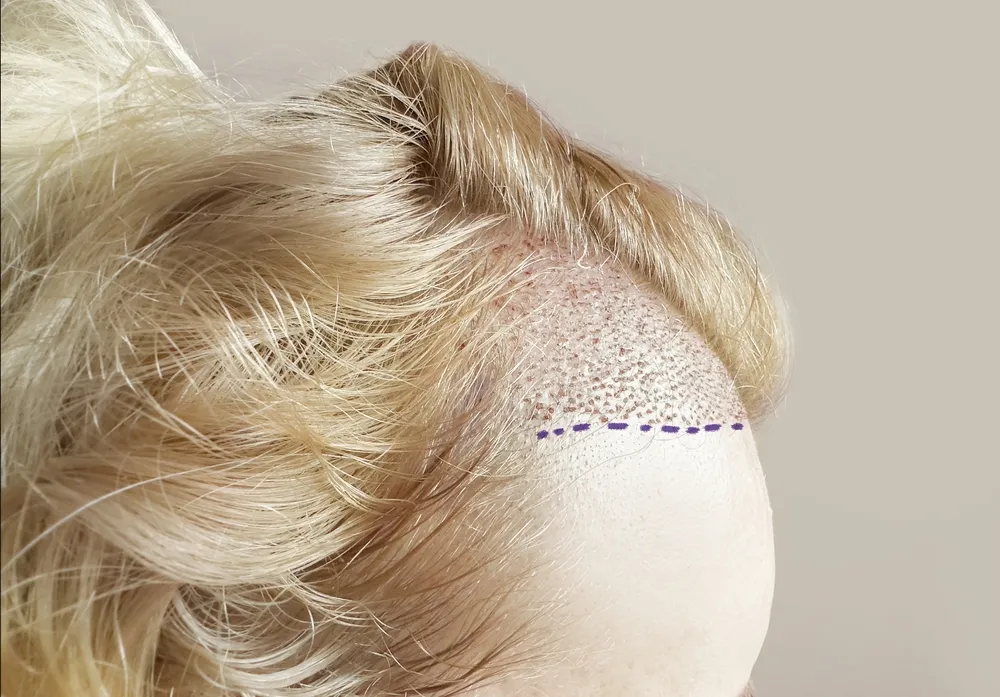
The frontal hairline frames the face. Recession here ages women prematurely. It creates a masculine appearance. Surgeons place single-hair grafts along the edge. They angle them naturally. They point slightly forward. They create a soft, irregular pattern. This approach mimics native hair growth. They avoid straight lines. They create micro-irregularities. Female hair transplant before and after photos show dramatic frontal improvements. Patients look younger. They look more feminine.
Why Do Women Need Temple Hair Restoration?
Temples thin in many women. This creates a see-through effect. It exposes the temporal artery. It widens the upper face. Surgeons pack grafts into temple points. They follow the natural curve. They restore the youthful frame. Temple work demands precision. Each graft must match the existing angle. They use fine single hairs. They create gradual transitions.
How Does Central Hair Density Improve?
Central thinning exposes the scalp. Women part their hair here. This area needs the most coverage. Surgeons place multi-hair grafts centrally. They increase volume. They eliminate the see-through look. They protect the part line. Central density defines successful hair restoration for women. Doctors often place two-thousand grafts in this zone alone.
Can Surgeons Treat the Crown Area in Women?
Crown thinning troubles many women. This swirl area requires careful graft direction. Surgeons follow the natural spiral. They avoid damaging existing follicles. They work outward from the center. Crown restoration adds fullness. It completes the balanced appearance. However, crown work needs more grafts. It offers less dramatic visual impact than hairline work.
How Does Scar Camouflage Work?
Injuries and previous surgeries leave scars. Scar tissue lacks hair follicles. It reflects light differently. It creates bald patches. Surgeons implant grafts directly into scarred zones. They break up the scar line. They blend the area with surrounding hair. This technique requires experienced hands. Graft survival in scars runs lower than in normal skin. Surgeons compensate by placing extra grafts.
What Happens During Eyebrow Hair Transplant?
Thin eyebrows affect facial expression. They reduce emotional communication. Surgeons extract fine single hairs from the nape. They implant them at shallow angles. They follow the natural brow arch. They create feathered patterns. Eyebrow transplantation defines features. It reduces dependence on cosmetics. It offers permanent results. Each brow needs fifty to one-hundred fifty grafts.
What Hair Transplant Techniques Work Best for Women?
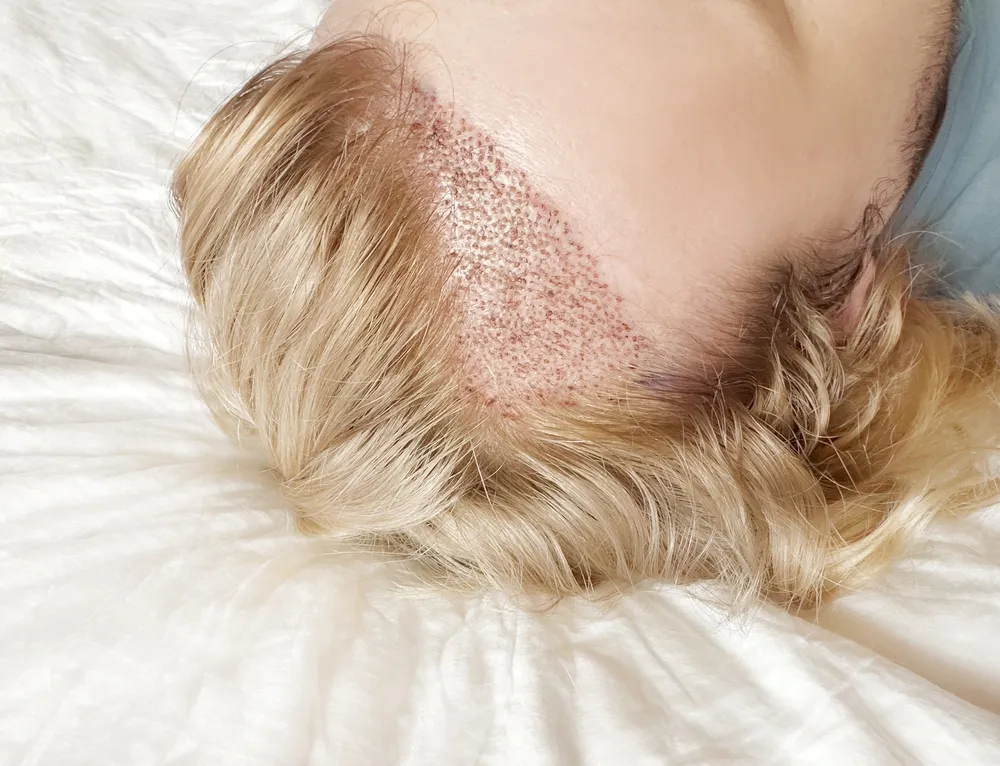
Modern techniques offer natural results. They minimize downtime. They preserve existing hair. Each method suits different needs. Women should understand their options. They should discuss choices with surgeons.
How Does FUE Work for Female Patients?
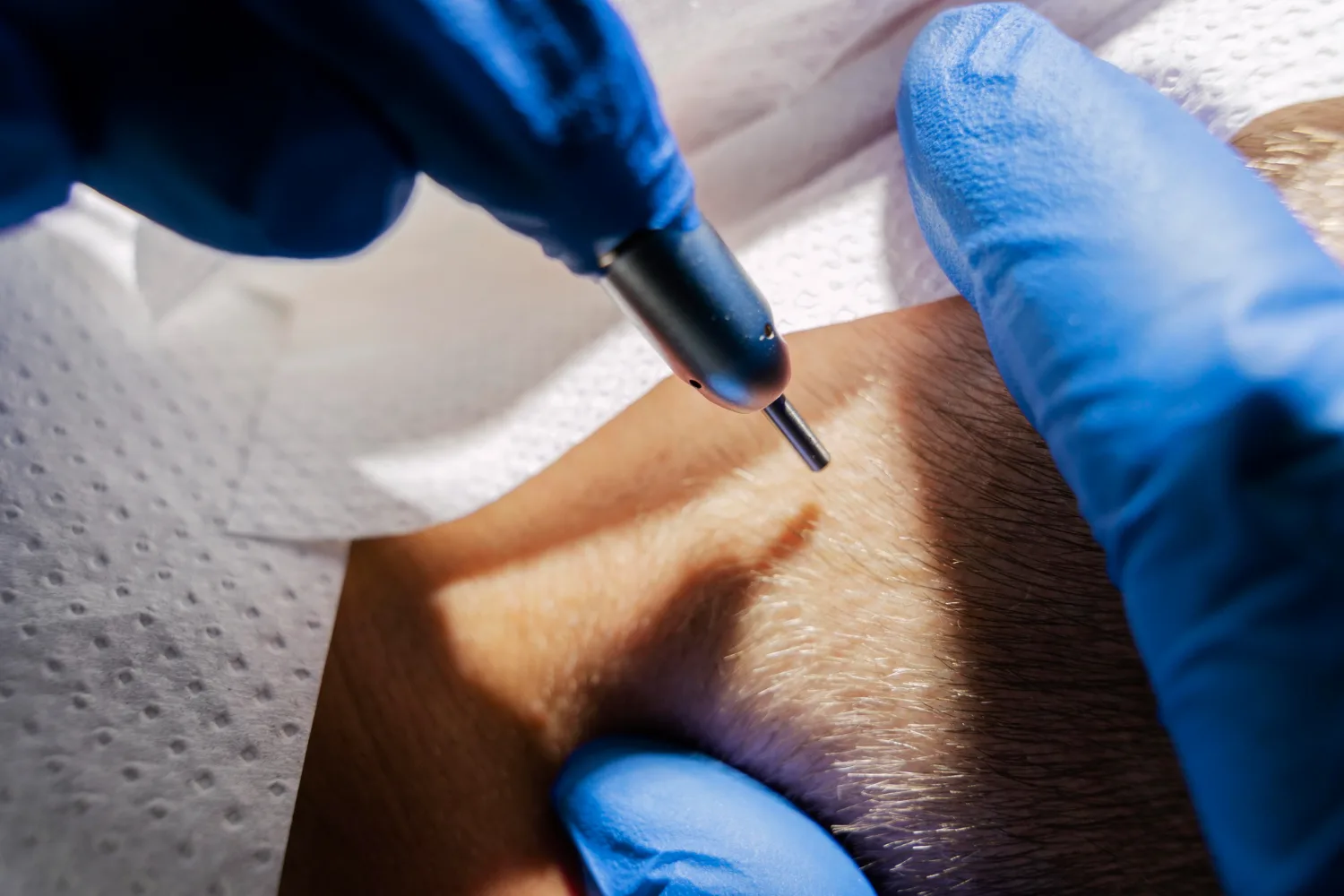
Follicular Unit Extraction remains the gold standard. Surgeons use micro punches. These punches measure 0.7 to 1.0 millimeters. They extract individual follicular units. They leave tiny dot scars. These scars hide easily. FUE hair transplant for women allows short hairstyles. Surgeons can harvest from wider zones. They cause minimal trauma. They avoid the linear scar of older methods. Bernstein and Rassman confirm that FUE revolutionized donor harvesting (2005). Most women qualify for this technique. It offers flexibility. It allows large sessions.
What Makes DHI Different from Other Techniques?
Direct Hair Implantation uses the Choi Implanter Pen. Surgeons load grafts into hollow needles. They insert grafts directly. They skip pre-made incisions. This method offers dense packing. It protects existing hair. It reduces bleeding. DHI hair transplant women prefer when they want maximum density. The pen controls depth. It controls direction. It controls angle precisely. Surgeons work faster. They place up to sixty grafts per square centimeter. This density exceeds standard FUE capabilities.
Why Do Surgeons Use Sapphire FUE?
Sapphire FUE uses blades made from synthetic sapphire. These blades create finer incisions. They measure 1.0 to 1.3 millimeters. They reduce tissue trauma. They speed up healing. Sapphire blades cause less scabbing. They lower infection risk. The material stays sharper than steel. It creates cleaner cuts. Women recover faster. They return to normal routines sooner. Sapphire FUE suits women with sensitive scalps. It suits women who want minimal social downtime.
How Does Unshaven Female Hair Transplant Work?
Unshaven transplantation preserves long hair. Surgeons shave only small donor zones. These zones measure one to two centimeters wide. They hide shaved zones under surrounding hair. They extract grafts from these hidden zones. Long hair covers the shaved patches completely. They implant grafts among existing strands. They trim recipient hairs slightly for access. This method requires more time. It demands greater skill. The team works around long hairs carefully. Unshaven female hair transplant appeals to working women. It appeals to public figures. It leaves no visible trace. Patients maintain their appearance throughout recovery.
Which Technique Should Women Choose?
|
Technique
|
Best For
|
Recovery Time
|
Visibility
|
Density
|
Cost Factor
|
|
Standard FUE
|
Most women
|
7-10 days
|
Minimal
|
Moderate to high
|
Standard
|
|
DHI
|
Dense packing needs
|
5-7 days
|
Very minimal
|
Very high
|
Premium
|
|
Sapphire FUE
|
Sensitive scalps
|
5-7 days
|
Minimal
|
High
|
Slightly premium
|
|
Unshaven FUE
|
Professional women
|
7-10 days
|
Hidden
|
Moderate
|
Higher
|
Doctors recommend FUE for general cases. They suggest DHI for maximum density. They choose Sapphire FUE for faster healing. They reserve unshaven methods for cosmetic concerns. Each technique delivers excellent hair transplant results for women when experts apply it. The surgeon's skill matters more than the tool itself.
Why Do Women Travel to Turkey for Hair Transplantation?
Turkey attracts thousands of female patients yearly. Hair transplant clinic Turkey facilities compete at global standards. They offer advantages other countries cannot match. Women from Europe, Asia, Africa, and the Americas choose Istanbul. They choose Ankara. They choose Izmir.
What Experience Do Turkish Hair Restoration Specialists Have?
Turkish surgeons perform thousands of cases annually. This volume builds expertise. They treat diverse hair types. They handle curly hair. They handle fine hair. They manage all ethnicities. High case numbers refine their skills. They predict results accurately. They manage complications calmly. They have seen nearly every variation. This experience surpasses many Western surgeons who perform fewer cases.
What Technologies Do Turkish Clinics Use?
Leading clinics invest in latest equipment. They use digital microscopes. They use automated punch devices. They use sapphire blades. They use implanter pens. They maintain sterile operating rooms. They follow international protocols. They update techniques constantly. They attend global conferences. They publish research. They bring innovations home quickly.
Why Is Treatment More Affordable in Turkey?
Lower operating costs reduce prices. The exchange rate favors foreign currencies. Rent costs less. Staff salaries remain reasonable. Clinics pass savings to patients. Female hair transplant cost Turkey rates run 60-70% lower than UK prices. This affordability does not mean lower quality. It reflects economic differences. Patients receive identical care. They pay far less.
What Do Patient Satisfaction Surveys Show?
International patients report high satisfaction. They praise natural results. They commend hospitality. They appreciate transparent pricing. Online forums contain thousands of positive reviews. Women hair transplant Turkey experiences often exceed expectations. Patients mention friendly staff. They mention comfortable hotels. They mention efficient transfers.
What Medical Tourism Advantages Does Turkey Offer?
Clinics provide airport transfers. They book hotel accommodations. They assign multilingual patient coordinators. They offer international patient services. Istanbul connects easily to Europe, Asia, and Africa. Direct flights arrive from hundreds of cities. Patients combine treatment with tourism. They visit historical sites. They enjoy Turkish cuisine. This convenience simplifies travel. It turns medical trips into positive experiences.
What Happens During Female Hair Transplant Step by Step?
Understanding the process reduces anxiety. Patients know what to expect. They prepare better. They recover smoother. Each step follows logical sequence. Teams execute methodically.
How Does Online Consultation Work?
Patients submit photos. They take shots from front, top, sides, and back. They complete medical questionnaires. They list medications. They describe hair loss history. Surgeons review cases remotely. They estimate graft numbers. They discuss expectations. They explain limitations. They quote prices. They answer questions. This step saves travel time. It filters unsuitable candidates.
What Happens During Hair Analysis?
In-person visits confirm online assessments. Doctors measure donor density. They use densitometers. They assess scalp laxity. They check for miniaturization. They look for scalp diseases. They photograph the scalp. They document baseline conditions. They finalize graft counts. They confirm technique selection. Patients sign consent forms. They pay deposits.
How Do Surgeons Design the Hairline?
Hairline design requires artistry. Surgeons mark the new line. They use surgical markers. They consider facial proportions. They measure from glabella to hairline. They respect ethnic features. They maintain age-appropriate positions. They avoid overly low lines. They show the design in a mirror. Patients approve before surgery begins. This collaboration ensures satisfaction.
What Type of Anesthesia Do Surgeons Use?
Local anesthesia numbs the scalp. Surgeons inject lidocaine with epinephrine. Epinephrine reduces bleeding. Patients stay awake. They feel no pain. They hear music. They watch movies. Some clinics offer sedation. Anesthesiologists administer mild sedatives. Patients relax deeply. They remember little.
The team positions the patient face down. They shave the donor area. They apply local anesthesia. They use micro punches. They extract grafts one by one. They follow random pattern. They avoid over-harvesting. They place grafts in chilled storage solution. This preservation keeps follicles alive. They maintain temperature at four degrees Celsius. Teams extract two thousand to four thousand grafts in one session.
How Do Teams Prepare the Grafts?
Technicians sort grafts under microscopes. They use stereoscopic lenses. They separate singles. They separate doubles. They separate triples. They trim excess tissue. They remove fat. They count every graft. They maintain strict quality control. They check for transection. They discard damaged grafts. This preparation takes two to four hours.
How Do Surgeons Create Recipient Sites?
Surgeons make tiny incisions. They use custom blades. They control depth carefully. They match natural angles. They plan density distribution. They place singles at the hairline. They place multis behind. They avoid damaging native follicles. This step determines final appearance. It requires extreme concentration.
How Do Surgeons Implant the Grafts?
Teams place grafts into sites. They use jeweler's forceps. They use implanter pens. They handle bulbs gently. They avoid crushing. They ensure proper orientation. They work methodically. They cover large areas efficiently. They take breaks. They check progress. They adjust density as needed.
Nurses apply antibiotic spray. They cover the donor area with bandages. They give medication instructions. They explain sleeping positions. Patients must sleep with heads elevated. They schedule washing protocols. They provide emergency contact numbers. They review do's and don'ts. They discharge patients to hotels.
Can Women Undergo Hair Transplant Without Shaving?
Yes, unshaven techniques make this possible. Many women prefer this option. It maintains their appearance during recovery. It eliminates social stigma.
How Does Unshaven Transplantation Work?
Surgeons shave only narrow strips in the donor zone. These strips hide under long hair. They extract grafts from these hidden zones. Long hair covers the shaved patches completely. They implant grafts among existing strands. They trim recipient hairs slightly for access. They leave most hair untouched.
What Benefits Does Unshaven Transplant Offer?
Women avoid dramatic appearance changes. They return to work faster. They maintain social confidence. They hide the procedure completely. They avoid questions from colleagues. They avoid family explanations. This privacy matters greatly. It reduces psychological stress.
What Limitations Does Unshaven Transplant Have?
The procedure takes longer. It costs more. It limits graft numbers. Surgeons cannot pack as densely. Visibility challenges increase operating time. Teams work slower. Not all clinics offer this service. It requires highly experienced technicians.
Who Qualifies for Unshaven Hair Transplant?
Women with adequate donor density qualify. They need surrounding hair to cover shaved zones. They must accept longer sessions. They should need moderate graft numbers. Doctors evaluate suitability case by case. They check hair length. They check donor density. They check scalp visibility.
What Does Recovery Look Like After Female Hair Transplant?
Recovery progresses in stages. Patience brings rewards. Hair transplant recovery for women follows a predictable timeline. Each stage shows different changes.
What Happens During the First Week?
Scabs form around grafts. These crusts protect new follicles. Mild swelling may appear. It affects the forehead. It affects the eyelids. Patients feel tightness. They avoid touching grafts. They sleep with heads elevated. They take prescribed antibiotics. They take anti-inflammatory drugs. They return to the clinic for washing. Nurses teach gentle cleaning. They use special shampoos. They avoid direct water pressure.
What Changes Occur in the First Month?
Scabs fall off naturally. Patients must not pick them. Transplanted hairs may shed. This shedding is normal. It surprises many women. The follicle remains alive. It enters resting phase. The scalp returns to normal color. Pinkness fades. Patients resume light exercise. They avoid heavy lifting. They avoid swimming. They avoid saunas.
What Is Shock Loss and Why Does It Happen?
Shock loss affects native hairs. Surgery trauma pushes them into resting phase. They fall out temporarily. They regrow within three months. This phenomenon surprises some patients. Doctors warn about it beforehand. It does not indicate failure. It represents temporary stress response.
What Growth Happens Between Three and Six Months?
New hairs emerge. They look fine and colorless at first. They resemble baby hair. They thicken gradually. They gain pigment. Patients see early coverage. Density improves visibly. This stage builds hope. Women style hair differently. They use less camouflage.
What Results Appear Between Six and Nine Months?
Hair gains substantial thickness. It darkens. It matches existing texture. Patients style normally. They use blow dryers. They use irons cautiously. The hairline looks natural. Crown coverage fills in. Women feel confident again. They return to normal social life.
What Does the Final Result Look Like at Twelve Months?
Full maturity arrives at one year. Hair reaches normal caliber. It grows at standard rates. It measures half an inch monthly. Patients see final density. They evaluate success. They plan future styling. They may need haircuts. Unger and Shapiro confirm that twelve months represent the standard evaluation point (2013). Some patients see continued improvement through eighteen months.
What Long-Term Maintenance Do Patients Need?
Transplanted hair resists balding. It comes from permanent zones. Native hair may continue thinning. Some patients use minoxidil. They apply it to native areas. They take finasteride if doctors approve. They maintain healthy diets. They manage stress. They avoid tight hairstyles. Regular checkups help. Doctors monitor native density. They plan future sessions if needed.
What Results Can Women Expect from Hair Transplant?
Realistic expectations prevent disappointment. Surgery restores density. It does not create hair out of nothing. It redistributes existing resources.
What Results Can Patients Realistically Expect?
Doctors restore visible density. They rebuild hairlines. They cover scars. They improve part width. They cannot match teenage hair thickness. They work with available grafts. Results look natural. They improve appearance significantly. They boost confidence. They reduce styling time.
How Much Does Hair Density Improve?
Density gains depend on graft numbers. Two thousand grafts add noticeable fullness. Three thousand grafts transform thinning areas. Four thousand grafts restore extensive loss. Each graft contains one to four hairs. Total hair count exceeds graft count. Surgeons aim for thirty to forty grafts per square centimeter in central areas.
How Do Surgeons Create Natural Hairlines?
Single-hair grafts form the edge. Surgeons create micro-irregularities. They avoid straight lines. They vary density. They respect natural whorls. They angle hairs forward and slightly down. This artistry separates good results from great ones. Female hair transplant before and after galleries demonstrate this skill.
What Factors Affect Success?
Surgeon experience tops the list. Expert hands place grafts perfectly. Donor quality determines graft survival. Young, healthy follicles survive better. Hair characteristics influence coverage. Curly hair covers more scalp. Fine hair requires more grafts. Aftercare compliance protects results. Patients must follow instructions exactly. They must avoid sun. They must avoid smoking.
How Much Does Female Hair Transplant Cost in Turkey?
Cost concerns many patients. Turkey offers transparent pricing. Packages include multiple services. Women receive complete care.
What Is the Average Price Range?
Female hair transplant cost Turkey ranges from $1,800 to $3,500 for standard cases. These prices include two thousand to three thousand grafts. Large sessions may reach $4,500. These prices include surgery. They include accommodation. They include transfers. They include medications.
What Factors Affect the Total Cost?
Technique selection changes price. DHI costs more than standard FUE. It requires specialized pens. It needs more staff. Sapphire FUE adds a premium. The blades cost more. Graft numbers determine workload. Two thousand grafts cost less than four thousand. Surgeons charge per graft. Surgeon expertise increases fees. Senior surgeons command higher prices. Clinic reputation reflects quality. Premium clinics invest more. Included services vary. Some offer luxury hotels. Others offer standard accommodations.
What Do All-Inclusive Packages Usually Include?
Packages cover surgery. They cover anesthesia. They cover medications. They cover blood tests. They cover hotel stays. They cover airport transfers. They cover postoperative washing. They cover translation services. They provide follow-up consultations. Patients face no hidden charges. They know total costs upfront.
How Do Turkey Prices Compare to Other Countries?
|
Location
|
Average Cost
|
Includes Package
|
Technique Options
|
Notes
|
|
Turkey
|
$2,000-$3,500
|
Yes
|
FUE, DHI, Sapphire, Unshaven
|
All-inclusive common
|
|
United Kingdom
|
$8,000-$15,000
|
No
|
FUE mainly
|
High labor costs
|
|
United States
|
$10,000-$20,000
|
No
|
FUE, DHI
|
Insurance rarely covers
|
|
Germany
|
$7,000-$12,000
|
Sometimes
|
FUE mainly
|
Strong regulations
|
|
France
|
$6,000-$10,000
|
Sometimes
|
FUE mainly
|
Limited DHI availability
|
Turkey offers the best value. Patients save thousands. They receive equal or better care. They enjoy vacation benefits.
What Risks and Complications Can Occur?
Hair transplantation is safe. Risks remain low. Patients should know possibilities. Awareness promotes prevention.
What Temporary Side Effects Are Normal?
Swelling lasts two to five days. It moves downward with gravity. Redness fades within two weeks. It resembles mild sunburn. Itching signals healing. Patients must not scratch. Shock loss affects some native hairs. It resolves spontaneously. These effects cause concern. They resolve naturally.
What Rare Complications Should Patients Know About?
Infection occurs in less than one percent of cases. Bacteria enter extraction sites. Antibiotics prevent most infections. Poor graft survival happens with improper handling. Desiccation kills follicles. Rough implantation damages bulbs. Folliculitis causes small pimples. It responds to topical treatment. Scarring affects susceptible individuals. Keloid formers face higher risk. Garg and Garg note that proper technique minimizes these issues (2020).
How Can Patients Reduce Their Risks?
Patients choose experienced surgeons. They verify clinic accreditation. They check surgeon credentials. They follow aftercare instructions exactly. They avoid smoking. Nicotine constricts vessels. It reduces blood flow. They avoid alcohol. It increases bleeding. They attend all follow-up appointments. Proper patient selection prevents most problems. Honest surgeons reject unsuitable candidates.
How Can Women Choose the Best Hair Transplant Clinic in Turkey?
Research prevents regret. Patients should verify credentials. They should visit facilities. They should ask questions. They should trust their instincts.
What Surgeon Qualifications Matter Most?
Surgeons need medical degrees. They need dermatology or plastic surgery training. They need specialized hair training. They need years of experience. They should belong to international societies. They should publish research. They should lecture at conferences. They should show certification. Patients should verify licenses.
Why Does Clinic Accreditation Matter?
Accredited clinics meet safety standards. They maintain sterile environments. They employ certified anesthesiologists. They carry malpractice insurance. They follow emergency protocols. They maintain fire safety. They store medications properly. Accreditation bodies inspect regularly.
How Should Patients Evaluate Before-and-After Galleries?
Galleries should show consistent lighting. They should show multiple angles. They should feature women with similar hair loss. They should display long-term results. They should include the surgeon's name. They should show diverse cases. They should include different ethnicities.
What Do Patient Reviews Reveal?
Reviews mention staff attitudes. They discuss pain management. They reveal hidden costs. They report communication quality. They describe hotel standards. They mention transfer efficiency. They note follow-up care. Patients should read negative reviews carefully. They should look for patterns.
What Technology Should Clinics Use?
Clinics need modern microscopes. They need calibrated punches. They need implanter pens. They need sapphire blades. They need proper storage solutions. They need emergency equipment. They need backup power. They need sterilization autoclaves.
Why Does Transparent Pricing Matter?
Honest clinics list all costs. They avoid bait-and-switch tactics. They explain package details. They disclose surgeon fees. They clarify revision policies. They state graft limits. They define included services. They provide written quotes.
What Aftercare Support Should Clinics Provide?
Clinics should offer 24-hour contact lines. They should schedule regular checkups. They should provide washing services. They should offer remote consultations. They should guarantee graft survival. They should offer touch-up policies. They should provide written care guides.
What Do Women Most Often Ask About Hair Transplant?
Is Female Hair Transplant Permanent?
Yes, transplanted hair comes from permanent zones. It resists hormonal loss. It grows for decades. The follicle retains genetic resistance. Patients may need future sessions for native thinning. They should preserve existing hair.
Can Women Undergo Hair Transplant Without Shaving?
Yes, unshaven methods exist. They cost more. They take longer. They suit women who need privacy. They suit professionals. They maintain appearance throughout recovery.
Does Transplanted Hair Continue Growing?
Yes, transplanted hair behaves like native hair. It grows continuously. It needs cutting. It grays naturally. It responds to styling. It requires shampoo. It requires conditioning.
How Many Grafts Do Women Usually Need?
Women need one thousand to three thousand grafts typically. Hairline work needs fewer grafts. Crown work needs more. Eyebrows need fifty to one hundred fifty. Doctors determine exact numbers during consultation. They measure recipient areas.
Is the Procedure Painful?
Local anesthesia blocks pain. Patients feel pressure. They feel tugging. Postoperative discomfort lasts two to three days. Pain medication controls it. Most patients rate pain as mild. They compare it to dental work.
How Soon Can Women Return to Work?
Most women return within five to seven days. Desk jobs allow earlier return. Physical jobs need two weeks. Unshaven patients return sooner. They show no visible signs. They resume normal routines quickly.
Can Diffuse Thinning Be Treated with Transplantation?
Diffuse thinning challenges surgeons. They must avoid damaging existing hairs. DHI works best here. Doctors may recommend medical therapy first. They may combine transplantation with minoxidil. Avram and Rogers caution that diffuse cases require careful evaluation (2003).
Can Women with Curly or Afro-Textured Hair Undergo Transplantation?
Yes, experienced surgeons handle all hair types. Curly hair requires larger punches. It covers more scalp per graft. Surgeons must account for curl direction. They must avoid transection. Specialized clinics excel here. They understand curl patterns.
What Is the Success Rate of Female Hair Transplantation?
Success rates exceed ninety percent in qualified candidates. Graft survival reaches ninety-five percent. Natural appearance depends on artistry. Patient satisfaction remains high. Proper selection drives success.
How Long Does Recovery Take?
Visible recovery takes seven to ten days. Social recovery takes one month. Full cosmetic results take twelve months. Hair transplant recovery for women requires patience. The wait rewards women with permanent density.
What Is the Final Verdict on Female Hair Transplant in Turkey?
Female hair transplantation offers a long-term solution. It helps carefully selected patients. It addresses permanent hair loss. It does not help everyone. Accurate diagnosis separates surgical candidates from medical patients. Doctors must identify the cause. They must stabilize disease. They must plan conservatively.
Modern techniques produce natural outcomes. FUE, DHI, Sapphire FUE, and unshaven methods minimize downtime. They maximize density. They preserve existing hair. They create undetectable results.
Turkey leads this field. Experienced specialists work there. They perform thousands of cases. Advanced technology abounds. Clinics invest in latest equipment. Comprehensive care packages simplify travel. They remove logistical stress. Competitive pricing opens access. Women save thousands of dollars. They receive world-class care.
Women worldwide choose Turkey for safe, effective hair restoration. They reclaim confidence. They restore identity. They enjoy lasting results. They recommend clinics to friends. They share positive experiences. Female hair transplant in Turkey represents a mature medical tourism option. It combines science, artistry, and hospitality. It transforms lives permanently.
References
Avram, Marc R., and Nicole E. Rogers. "Hair Transplantation in Women." Dermatologic Surgery, vol. 29, no. 11, 2003, pp. 1122-1124.
Bernstein, Robert M., and William R. Rassman. "Follicular Unit Transplantation: 2005." Dermatologic Surgery, vol. 31, no. 10, 2005, pp. 1234-1239.
Blume-Peytavi, Ulrike, et al. Hair Growth and Disorders. Springer, 2011.
Garg, Sandeep, and Anil Garg. "Complications in Hair Transplantation." Journal of Cutaneous and Aesthetic Surgery, vol. 13, no. 3, 2020, pp. 201-208.
Inui, Shigeki, and Satoshi Itami. "Androgenetic Alopecia in Women." Journal of Dermatology, vol. 38, no. 2, 2011, pp. 116-121.
Messenger, Andrew G., and Jan Rundegren. "Minoxidil: Mechanisms of Action on Hair Growth." British Journal of Dermatology, vol. 150, no. 2, 2004, pp. 186-194.
Mysore, Venkataram. "Hair Transplantation." Indian Journal of Dermatology, vol. 55, no. 4, 2010, pp. 337-344.
Nusbaum, Blaise P., et al. "Traction Alopecia." Journal of the American Academy of Dermatology, vol. 68, no. 3, 2013, pp. 515-516.
Olsen, Elise A., et al. "Evaluation and Treatment of Male and Female Pattern Hair Loss." Journal of the American Academy of Dermatology, vol. 52, no. 2, 2005, pp. 301-311.
Trueb, Ralph M. "Oxidative Stress in Ageing Hair." International Journal of Trichology, vol. 2, no. 1, 2010, pp. 6-14.
Unger, Walter P., and Ronald Shapiro. Hair Transplantation. 5th ed., Marcel Dekker, 2013.