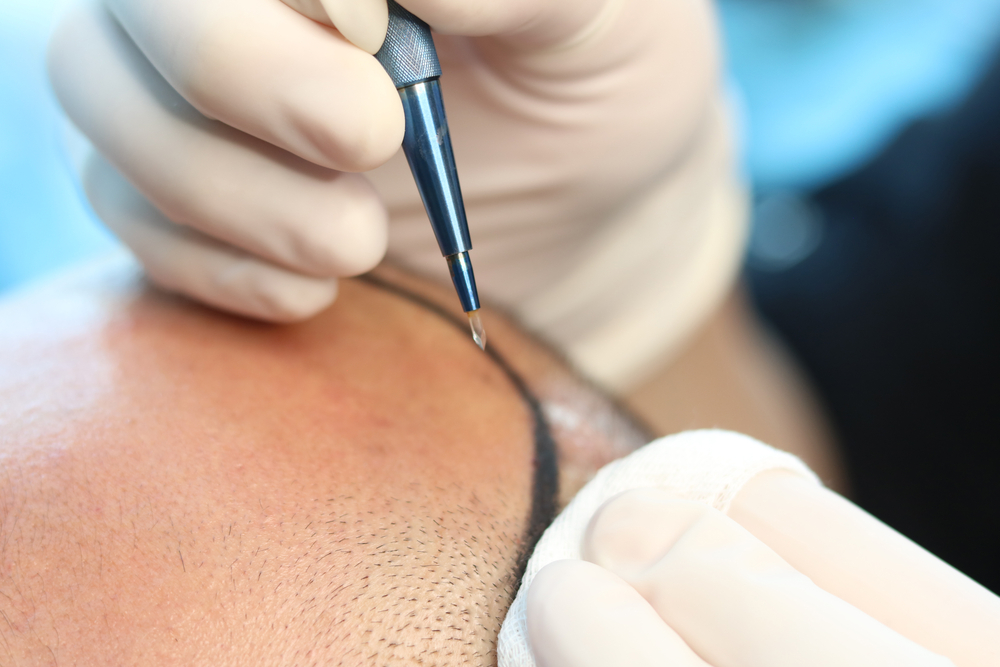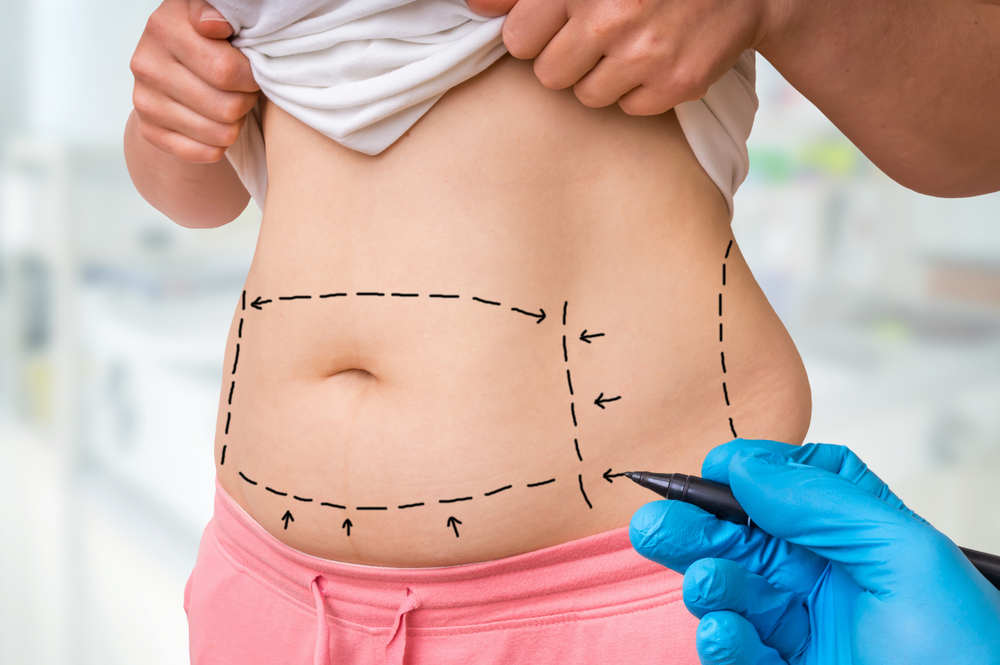
A tummy tuck in Turkey gives patients a flatter abdomen and stronger core muscles. Turkey has become one of the top destinations for abdominoplasty in Turkey. Thousands of international patients travel here every year for tummy tuck surgery Turkey. This guide explains everything patients need to know. Readers will learn about candidacy, procedure types, recovery, costs, and results. Patients should always consult a board-certified plastic surgeon before making final decisions.
What Is a Tummy Tuck (Abdominoplasty)?
A tummy tuck removes excess skin and tightens abdominal muscles. Surgeons call this procedure abdominoplasty. The surgery creates a smoother, firmer midsection.
Abdominoplasty ranks among the most popular plastic surgery in Turkey procedures. International patients choose this operation for many reasons. Some patients want a post-pregnancy tummy tuck. Others need post-weight loss surgery after bariatric procedures. The surgery addresses problems that diet and exercise cannot fix.
What Does Abdominoplasty Involve?
Abdominoplasty involves three main steps. The surgeon removes excess abdominal skin. The surgeon removes stubborn fat deposits. The surgeon tightens weakened abdominal muscles. This combination improves the abdominal contour significantly.
The procedure differs from weight loss surgery. Bariatric surgery helps patients shed pounds. Abdominoplasty reshapes the body after weight loss. Patients should reach a stable weight before they pursue body contouring surgery. The surgeon performs excess abdominal skin removal during the operation. This step eliminates the loose skin that hangs over the waistline.
How Does a Tummy Tuck Differ from Weight Loss Surgery?
Weight loss surgery reduces stomach size or changes digestion. A tummy tuck does not cause weight loss. The procedure removes excess abdominal skin that remains after massive weight loss. Patients often seek post-weight loss surgery to complete their transformation.
Surgeons frequently perform abdominal muscle repair during abdominoplasty. This repair corrects diastasis recti. Diastasis recti happens when the abdominal muscles separate down the middle. Pregnancy and obesity commonly cause this condition. Muscle repair restores core strength and improves posture.
What Cosmetic and Functional Benefits Does a Tummy Tuck Provide?
A tummy tuck delivers both cosmetic and functional improvements. The surgery improves body contour dramatically. The surgeon performs abdominal muscle repair during the procedure. This repair fixes diastasis recti. Many women develop diastasis recti after pregnancy. The repair improves posture and reduces back pain. Taylor et al. (2018) found that abdominoplasty improves low back pain and urinary incontinence in postpartum women (Taylor et al. 2018). Patients also report increased confidence after surgery.
Who Qualifies as a Good Candidate for Tummy Tuck in Turkey?
Good candidates have stable weight, good health, and realistic expectations. The surgeon evaluates each patient individually during consultation.
Ideal candidates share several characteristics. Women who completed their families often seek a post-pregnancy tummy tuck. Patients who lost massive weight need excess abdominal skin removal. People with diastasis recti benefit from muscle repair. Candidates should maintain a stable body weight for at least six months.
What Characteristics Define an Ideal Candidate?
Ideal candidates meet specific physical and health criteria. Patients should have loose abdominal skin that does not respond to exercise. Candidates should have separated abdominal muscles or a weak core. Women who finished having children make excellent candidates. Patients who achieved massive weight loss and kept it off qualify well. Good overall health supports safe surgery and smooth recovery.
Olsson et al. (2021) reviewed functional outcomes after diastasis recti surgery. Their analysis showed that surgical repair improves core stability, back pain, and quality of life (Olsson et al. 2021). Patients with functional disabilities from muscle separation gain measurable benefits from abdominoplasty.
Who Should Consider Delaying Surgery?
Some patients should wait before scheduling abdominoplasty. Women who plan future pregnancies should delay surgery. Pregnancy stretches the skin and muscles again. Active smokers must quit at least four weeks before surgery. Smoking reduces blood flow and impairs wound healing. Patients with uncontrolled diabetes or heart disease need medical clearance first. People with unstable weight should reach their goal weight before surgery.
What BMI Do Surgeons Recommend?
Surgeons prefer candidates with a BMI under 30. A BMI between 30 and 35 may still allow surgery. Patients with a BMI over 35 face higher complication rates. Winocour et al. (2015) reported that BMI greater than or equal to 30 increases relative risk of complications by 1.3 times (Winocour et al. 2015). Patients should aim for a healthy weight before they undergo body contouring surgery.
What Types of Tummy Tuck Procedures Can Patients Find in Turkey?
Turkish clinics offer several types of tummy tuck procedures. Each technique addresses different amounts of excess skin and muscle separation.
What Is a Mini Tummy Tuck?
A mini tummy tuck treats the lower abdomen only. The surgeon makes a shorter incision below the bikini line. This procedure removes a small amount of excess skin. The surgeon does not reposition the belly button. Recovery takes less time than a full abdominoplasty. Patients with mild skin laxityLaxity: Looseness or slackness in the skin or tissues, often referring to the loss of firmness and elasticity in aging... below the navel benefit most from this option.
What Is a Full Tummy Tuck?
A full tummy tuck addresses the entire abdominal area. The surgeon makes a hip-to-hip incision. This procedure removes excess skin from the upper and lower abdomen. The surgeon tightens the rectus muscles across the full length. The surgeon also repositions the belly button. Full abdominoplasty delivers the most dramatic transformation. Patients with significant skin laxity and muscle separation choose this technique.
What Is an Extended Tummy Tuck?
An extended tummy tuck extends the incision around the flanks. The surgeon removes excess skin from the abdomen and sides. This procedure targets the love handles and muffin top. Patients who lost massive weight often need this technique. Extended abdominoplasty creates a smoother contour around the entire midsection.
What Is a Fleur-de-Lis Tummy Tuck?
A fleur-de-lis tummy tuck adds a vertical incision. The surgeon removes skin in both horizontal and vertical directions. This technique suits patients with massive amounts of loose skin. The procedure leaves an additional vertical scar. Patients who lost over 100 pounds often qualify for this approach. Winocour et al. (2015) noted that fleur-de-lis abdominoplasty carries the highest complication rate among all tummy tuck types (Winocour et al. 2015).
What Is a Circumferential Body Lift?
A circumferential body lift removes skin around the entire torso. The surgeon treats the abdomen, flanks, and lower back in one procedure. This 360-degree approach creates a completely new body contour. Patients who lost massive weight benefit most from this comprehensive technique. The procedure takes longer and requires more recovery time.
Which Technique Suits Each Patient Best?
The surgeon recommends the best technique after physical examination. Patients with mild lower belly skin need a mini tummy tuck. Patients with full abdominal laxity need a full abdominoplasty. Patients with side rolls need an extended tummy tuck. Patients with extreme skin excess need a fleur-de-lis or circumferential approach.
|
Procedure Type |
Incision Pattern |
Best For |
Recovery Time |
|
Mini tummy tuck |
Short, below bikini line |
Mild lower skin laxity |
2-3 weeks |
|
Full tummy tuck |
Hip-to-hip |
Full abdominal laxity |
4-6 weeks |
|
Extended tummy tuck |
Hip-to-hip plus sides |
Abdomen and flanks |
6-8 weeks |
|
Fleur-de-lis tummy tuck |
Horizontal plus vertical |
Massive skin excess |
8-12 weeks |
|
Circumferential body lift |
Around entire waist |
360-degree excess skin |
8-12 weeks |
Can Surgeons Combine Liposuction with a Tummy Tuck?
Yes, surgeons frequently combine these procedures. This combination enhances body contouring results.
How Do Tummy Tuck and Liposuction Compare?
A tummy tuck removes skin and tightens muscles. Liposuction removes fat deposits only. Liposuction does not address loose skin or muscle separation. Some patients need both procedures for optimal results. Matarasso (2000) established that liposuction as an adjunct to full abdominoplasty produces superior contouring outcomes (Matarasso 2000).
What Benefits Does Combination Surgery Offer?
Combination surgery addresses multiple problems at once. The surgeon removes excess fat, excess skin, and tightens muscles in one operation. Patients enjoy comprehensive results from a single recovery period. The combination creates smoother transitions between the abdomen and surrounding areas. Many patients achieve better waist definition through combined techniques.
What Safety Factors Matter During Combined Procedures?
Combined procedures require careful planning. The surgeon must preserve blood supply to the skin flap. Longer surgery increases anesthesiaEnsuring Comfort During Hair Transplants Sedation is used in hair transplantation to help patients remain calm and comfortable throughout the... exposure. Winocour et al. (2015) found that abdominoplasty combined with liposuction increases complication risk from 3.1% to 3.8% (Winocour et al. 2015). Patients should choose experienced surgeons who perform combination procedures regularly.
What Happens During a Step-by-Step Tummy Tuck Procedure?
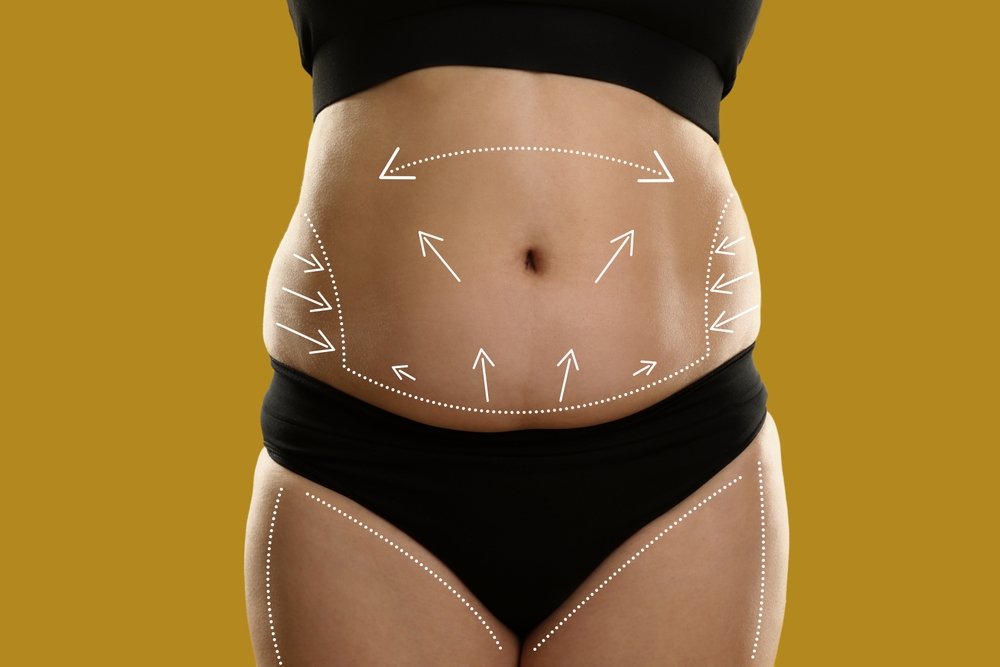
The surgeon follows a precise sequence during abdominoplasty. Each step builds toward a safer outcome and better contour.
What Occurs During the Initial Consultation?
The surgeon examines the abdomen and reviews medical history. The surgeon assesses skin quality, fat distribution, and muscle separation. The surgeon explains available techniques and recommends the best approach. Patients discuss goals and expectations openly. The surgeon takes photographs for medical records.
What Does Preoperative Assessment Include?
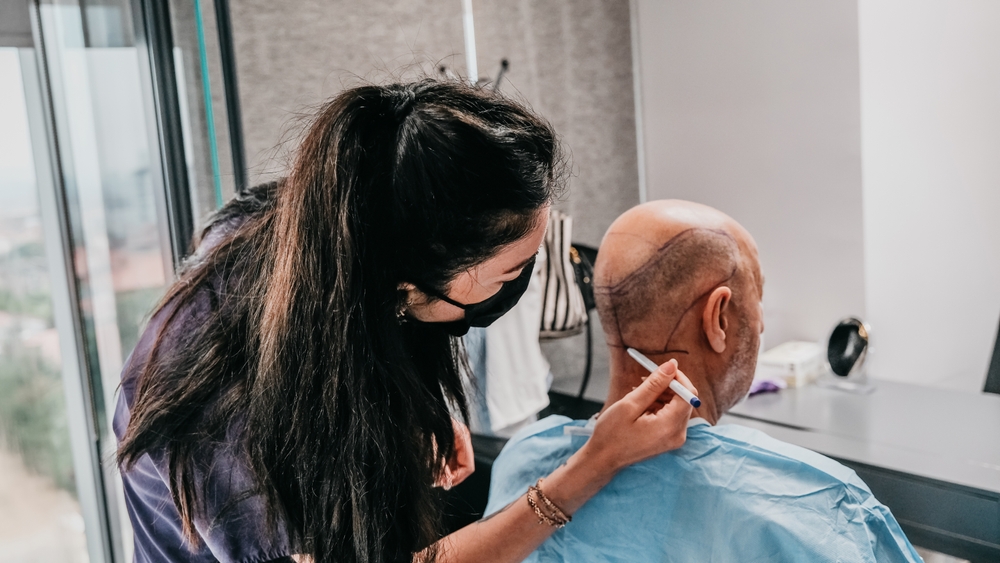
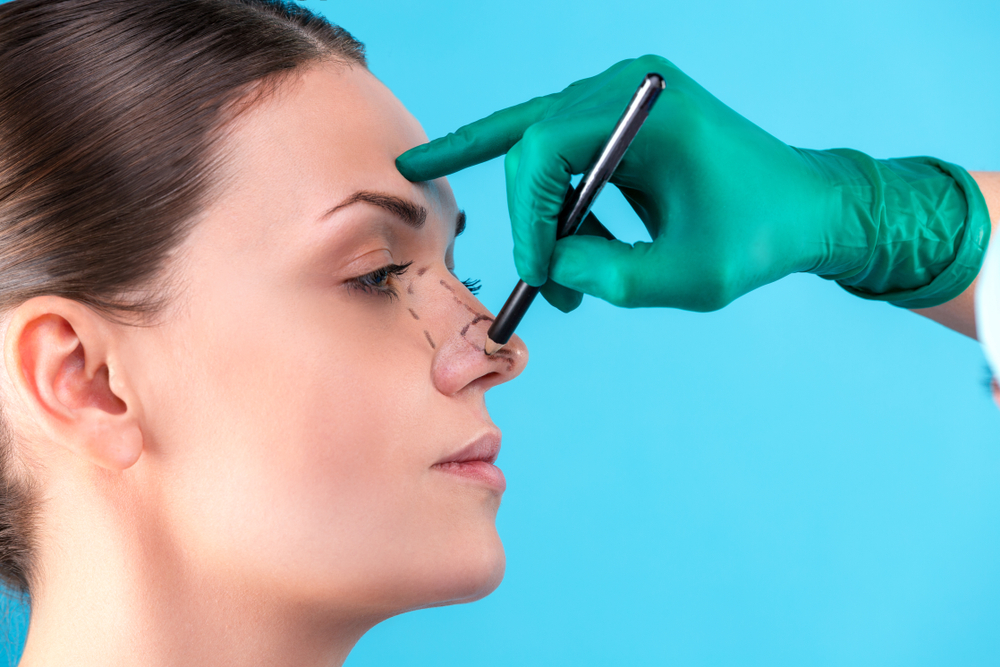
Patients complete blood tests and an electrocardiogram. The medical team checks blood clotting ability. Patients meet the anesthesiologist. The surgeon marks incision lines on the skin. Patients receive detailed instructions about eating, drinking, and medications.
What Anesthesia Do Surgeons Use?
Surgeons use general anesthesia for tummy tuck procedures. The patient sleeps through the entire operation. The anesthesiologist monitors vital signs continuously. General anesthesia ensures patient comfort during skin removal and muscle repair.
What Surgical Steps Does the Procedure Follow?
The surgeon makes the planned incision across the lower abdomen. The surgeon lifts the skin flap to expose the muscles. The surgeon tightens the separated muscles with sutures. The surgeon removes excess abdominal skin and fat. The surgeon repositions the belly button to a natural location. The surgeon closes the incision with layered sutures. Drain tubes may exit through small holes to prevent fluid buildup.
How Long Does Surgery Take?
A full tummy tuck takes two to four hours. A mini tummy tuck takes ninety minutes to two hours. An extended or fleur-de-lis procedure takes four to six hours. Combination procedures with liposuction take longer.
How Long Do Patients Stay in Hospital?
Most patients stay one to two nights in the hospital. The medical team monitors pain levels and drainage. Patients begin walking with assistance within 24 hours. The surgeon releases patients when they demonstrate stable vital signs and adequate mobility.
How Should Patients Prepare for Tummy Tuck Surgery in Turkey?
Proper preparation reduces risks and improves outcomes. Patients should follow all preoperative instructions carefully.
What Medical Tests Do Patients Need?
Patients need complete blood count, coagulation tests, and metabolic panel. The surgeon may request a chest X-ray or ECG for patients over 50. These tests reveal hidden health conditions that could complicate surgery.
Which Medications Should Patients Avoid?
Patients should stop blood thinners like aspirin and ibuprofen one week before surgery. These medications increase bleeding risk. Patients should avoid herbal supplements that affect clotting. The surgeon provides a complete list of prohibited medications.
Why Must Patients Stop Smoking and Drinking Alcohol?
Smoking constricts blood vessels and reduces oxygen delivery to tissues. Poor blood flow causes wound healing problems and tissue death. Alcohol thins the blood and increases bleeding risk. Patients must quit smoking at least four weeks before surgery. They must avoid alcohol for one week before and after the procedure.
What Nutrition Should Patients Follow Before Surgery?
Patients should eat a balanced diet rich in protein and vitamins. Protein supports tissue repair after surgery. Patients should stay well hydrated. They should avoid extreme diets or rapid weight changes before surgery.
How Should International Patients Plan Their Travel?
Medical tourism Turkey requires careful logistics. Patients should arrive two days before surgery. This buffer allows time for final consultations and preoperative tests. Patients should book a 10-day stay in Turkey. This timeline accommodates surgery, hospital recovery, and early postoperative monitoring. Patients should arrange a companion to assist during the first week.
What Does Recovery Look Like After Tummy Tuck Surgery?
Recovery progresses through predictable stages. Patients should follow their surgeon’s timeline for returning to normal activities.
What Happens During the First 24 to 48 Hours?
The first two days bring the most discomfort. Patients experience tightness, swelling, and soreness. Pain medication controls discomfort effectively. Nurses help patients walk to the bathroom. Early walking reduces blood clot risk. Patients wear compression garments immediately after surgery.
What Should Patients Expect During the First Week?
Swelling and bruising peak during days three to five. Patients manage drains that remove excess fluid. The surgeon removes drains when output decreases, usually within one week. Patients should rest but walk several times daily. They should avoid lifting anything heavier than five pounds.
What Is the Full Recovery Timeline?
Recovery unfolds gradually over several months. Each phase brings new milestones.
|
Time Period |
What Patients Experience |
Activity Level |
|
Week 1 |
Swelling, bruising, drain management |
Light walking only |
|
Week 2 |
Reduced pain, improved mobility |
Short walks, light household tasks |
|
Weeks 3-4 |
Decreasing swelling, returning energy |
Desk work, longer walks |
|
Weeks 6-8 |
Major swelling resolved |
Light exercise with surgeon approval |
|
Months 3-12 |
Final contour refinement, scar maturation |
Full activity, including core exercises |
Why Do Patients Wear Compression Garments?
Compression garments reduce swelling and support the healing tissues. The gentle pressure prevents fluid accumulation. Garments improve blood circulation in the surgical area. Patients typically wear compression garments for six to eight weeks.
How Do Patients Manage Surgical Drains?
Drains collect fluid that accumulates under the skin. Patients empty drain bulbs several times daily. They record fluid output and color. The surgeon removes drains when daily output drops below 30 milliliters. Proper drain care prevents infection and seromaSeroma: A pocket of clear serous fluid that sometimes develops in the body after surgery, which may require drainage.
formation.
When Can Patients Start Walking?
Patients should walk the same day as surgery. Short, frequent walks prevent blood clots and speed recovery. Patients should avoid standing completely straight for the first week. A slightly bent posture reduces tension on the incision.
What Sleeping Position Should Patients Use?
Patients should sleep on their back with pillows under their knees. This position reduces tension on the abdominal incision. Patients should avoid sleeping on their stomach for at least six weeks. Elevating the upper body slightly also helps reduce swelling.
When Can Patients Return to Work?
Patients with desk jobs return to work in two to three weeks. Patients with physically demanding jobs need four to six weeks. The surgeon clears each patient based on individual healing progress.
When Can Patients Resume Exercise?
Patients start light walking immediately. They add gentle stretching after four weeks. They resume cardio exercise after six weeks. They return to core training and heavy lifting after eight to twelve weeks. The surgeon provides personalized clearance for each activity level.
When Can Patients Fly Home Safely?
Patients should wait at least seven to ten days before flying. Long flights increase blood clot risk. Patients should walk the aisle every hour during the flight. They should wear compression stockings during travel. The surgeon clears each patient for air travel individually.
What Should Patients Know About Tummy Tuck Scars?
Every tummy tuck creates a permanent scar. Proper care helps scars fade and flatten over time.
Where Do Surgeons Place Incisions?
The surgeon places the main incision low on the abdomen. This location hides the scar beneath underwear and bikini lines. A full tummy tuck also creates a small scar around the belly button. Extended procedures add scars around the flanks. Fleur-de-lis techniques add a vertical midline scar.
How Long Does Scar Maturation Take?
Scars evolve over 12 to 18 months. Fresh scars appear red and raised during the first three months. Scars flatten and lighten between months six and twelve. Final scar appearance stabilizes after 18 months.
What Scar Care Tips Do Experts Recommend?
Patients should keep scars clean and moisturized. They should apply silicone gel sheets once the wound closes completely. Silicone reduces collagenA structural protein found in the skin and other connective tissues, which is responsible for skin firmness and elasticity.... overproduction by about 60%. The PMC (2021) meta-analysis confirmed that silicone gel and silicone sheets effectively improve scar appearance (PMC 2021). Patients should massage scars gently after week three. They should protect scars from sun exposure for 12 to 18 months.
How Can Patients Minimize Scarring?
Patients should avoid smoking, which delays healing and worsens scars. They should follow wound care instructions precisely. They should attend all follow-up appointments. Patients with a history of keloid scarring should inform their surgeon before surgery.
Why Should Patients Consider Getting a Tummy Tuck in Turkey?
Turkey offers excellent surgical care at competitive prices. International patients receive comprehensive support throughout their journey.
How Experienced Are Plastic Surgeons in Turkey?
Turkish plastic surgeons perform high volumes of abdominoplasty procedures. Many surgeons trained in Europe and the United States. They bring advanced techniques to their practice. High surgical volume builds expertise and refines skills.
What Standards Do Accredited Hospitals Maintain?
Top Turkish hospitals hold Joint Commission International (JCI) accreditation. This certification ensures compliance with international patient safety standards. Hospitals use modern equipment and sterile techniques. Accredited facilities maintain rigorous quality control protocols.
What Do Medical Tourism Packages Include?
Turkish clinics offer comprehensive tummy tuck packages. These packages typically include preoperative consultation, surgery, anesthesia, hospital stay, hotel accommodation, airport transfers, medications, compression garments, and follow-up visits. Patients receive coordinated care from arrival to departure.
How Short Are the Waiting Times?
Turkish clinics schedule surgery within days of consultation. Patients avoid the long waiting lists common in public healthcare systems. This efficiency appeals to international patients who need timely treatment.
What Cost Advantages Does Turkey Offer?
Tummy tuck cost in Turkey runs 50 to 70% lower than in the UK or USA. A full abdominoplasty package costs approximately $3,500 to $5,500. The same procedure costs $10,000 to $15,000 in the United States. Lower operating costs and favorable exchange rates enable these savings.
|
Country |
Average Cost (USD) |
Package Inclusions |
|
Turkey |
$3,500 – $5,500 |
Surgery, hospital, hotel, transfers, garments |
|
United Kingdom |
$8,500 – $12,000 |
Surgery and hospital only |
|
United States |
$10,000 – $15,000 |
Surgeon and facility fees only |
What Personalized Aftercare Can Patients Expect?
Turkish clinics provide dedicated patient coordinators. These coordinators speak multiple languages. Nurses visit patients at their hotels during recovery. Surgeons remain available for questions through messaging apps. This personalized attention supports smooth recovery.
What Risks and Complications Can Occur?
All surgeries carry risks. Patients should understand potential complications before they provide consent.
What Common Side Effects Should Patients Expect?
Normal side effects include swelling, bruising, numbness, and mild discomfort. These symptoms resolve gradually over four to six weeks. Patients may feel tightness in the abdomen for several months. These effects represent normal healing, not complications.
What Potential Surgical Risks Exist?
Serious complications occur in approximately 4% of tummy tuck cases. Winocour et al. (2015) analyzed 25,478 abdominoplasties and reported a 4.0% overall major complication rate (Winocour et al. 2015). Specific risks include:
|
Complication |
Description |
Prevention Strategy |
|
Infection |
Bacterial contamination of wound |
Antibiotics, sterile technique |
|
Bleeding |
Blood loss requiring transfusion |
Blood pressure control, avoidance of blood thinners |
|
Seroma |
Fluid collection under skin |
Drains, compression garments |
|
HematomaHematoma: A localized collection of blood outside the blood vessels, often causing swelling and discoloration, which can occur as a... |
Blood collection under skin |
Careful surgical technique |
|
Poor wound healing |
Incision breakdown or delayed closure |
Smoking cessation, diabetes control |
|
Blood clots |
Deep vein thrombosis or pulmonary embolism |
Early walking, blood thinners |
|
Scarring |
Hypertrophic or keloid scars |
Silicone sheets, sun protection |
|
Asymmetry |
Uneven contour or scar placement |
Experienced surgeon selection |
What Strategies Reduce These Risks?
Patients should choose board-certified plastic surgeons. They should follow all preoperative and postoperative instructions. They should maintain stable weight and good nutrition. They should stop smoking completely before surgery. They should walk frequently after surgery to prevent blood clots.
What Warning Signs Require Immediate Medical Attention?
Patients should contact their surgeon immediately if they experience fever over 38.5°C, severe increasing pain, wound redness spreading outward, foul-smelling drainage, shortness of breath, or calf pain and swelling. These symptoms may indicate infection, blood clots, or other serious complications.
What Results Can Patients Expect from a Tummy Tuck?
Patients enjoy dramatic improvements in abdominal contour and core function. Results develop gradually as healing progresses.
When Do Results Become Visible?
Patients see initial improvements immediately after surgery. Swelling masks the final result during the first two months. The contour refines significantly between months three and six. Final results emerge after 12 months when scars mature and swelling resolves completely.
How Long Do Results Last?
Tummy tuck results last many years with proper maintenance. The surgeon permanently removes excess skin and fat. Muscle repair provides lasting core strength. However, results depend on patient behavior after surgery.
How Can Patients Maintain Their Results?
Patients should maintain stable weight. Significant weight gain stretches the skin and muscles again. Patients should follow a balanced diet rich in nutrients. They should exercise regularly after clearance. Core strengthening exercises protect muscle repair. Healthy lifestyle choices preserve surgical outcomes for decades.
How Much Does a Tummy Tuck Cost in Turkey?
Turkey offers transparent, all-inclusive pricing for international patients. Packages provide excellent value compared to Western markets.
What Factors Affect the Price?
Several variables influence the final cost. The procedure type determines base price. Mini tummy tuck costs less than full or extended abdominoplasty. Surgeon experience and reputation affect fees. Hospital accreditation level influences facility charges. Combination procedures like liposuction add to the total. Hotel category and stay duration affect package pricing.
What Do Typical Packages Include?
Standard packages cover all essential services. Patients receive consultation, surgery, anesthesia, one to two hospital nights, five to seven hotel nights, airport transfers, medications, compression garments, and follow-up appointments. Some packages include lymphatic drainage massages.
Why Does Turkey Offer Such Competitive Pricing?
Turkey maintains lower overhead costs than Western countries. The cost of living supports affordable medical staffing. Favorable exchange rates give international patients more purchasing power. The Turkish government actively supports medical tourism Turkey infrastructure. High surgical volume allows clinics to optimize efficiency.
How Can Patients Choose the Right Clinic and Surgeon?
Selecting the right provider ensures safety and satisfaction. Patients should research thoroughly before booking.
What Surgeon Qualifications Should Patients Verify?
Patients should confirm board certification in plastic surgery. They should verify membership in professional societies like ISAPS or Turkish Plastic Surgery Association. They should ask about the surgeon’s specific experience with abdominoplasty. Surgeons should perform at least 100 tummy tuck procedures annually.
Why Does Hospital Accreditation Matter?
Accredited hospitals follow strict safety protocols. JCI accreditation represents the gold standard for international patients. Accredited facilities maintain proper emergency equipment and sterile environments. Patients should avoid unaccredited surgical centers.
How Should Patients Evaluate Before-and-After Photos?
Surgeons should provide extensive photo galleries. Patients should look for consistent lighting and poses. They should examine scar placement and quality. They should verify that results look natural and proportionate. Photos should demonstrate the surgeon’s range with different body types.
What Role Do Patient Reviews Play?
Reviews reveal real patient experiences. Patients should read reviews on independent platforms. They should look for comments about communication, pain management, and results. They should note how clinics handle complications or concerns.
What Questions Should Patients Ask During Consultation?
Patients should ask: How many tummy tucks do you perform each year? What technique do you recommend for my body? What complications have you encountered? What does your package include? How do you handle emergencies? What follow-up care do you provide after I return home?
What Does the International Patient Journey Involve?
Medical tourism Turkey follows a structured pathway. Patients receive support at every stage.
How Does the Online Consultation Work?
Patients submit photos and medical history through secure portals. The surgeon reviews these materials and recommends appropriate techniques. The coordinator explains package details and pricing. Patients receive preliminary surgical plans before they travel.
What Should Patients Know About Travel to Turkey?
Patients should book flights to Istanbul or their chosen city. The clinic arranges airport pickup. Patients should bring loose, comfortable clothing. They should pack medications they currently take. They should bring a travel companion for support.
What Happens on Surgery Day?
The patient arrives at the hospital fasting. The medical team completes final checks. The anesthesiologist administers general anesthesia. The surgeon performs the procedure. The patient wakes in the recovery room. Nurses monitor vital signs and pain levels.
What Does Hotel Recovery Involve?
Patients transfer to their hotel after hospital discharge. Nurses visit daily to check wounds and drains. The patient rests in a comfortable environment. The coordinator arranges transportation to follow-up appointments. Patients receive meals and assistance.
What Follow-Up Visits Do Patients Need?
The surgeon examines the incision and removes drains. The surgeon checks for complications. The surgeon changes dressings and reviews wound care. The surgeon provides clearance for travel home. Patients typically attend two to three follow-up visits before departure.
What Should Patients Know About Returning Home?
Patients should continue wound care at home. They should keep their surgeon’s contact information accessible. They should arrange follow-up with a local doctor if needed. They should send progress photos to their Turkish surgeon. Most surgeons provide remote consultation for six months after surgery.
What Do Patients Frequently Ask About Tummy Tuck in Turkey?
Patients have many questions before they commit to surgery. Clear answers reduce anxiety and build confidence.
How Painful Is Tummy Tuck Surgery?
Patients experience moderate discomfort, not severe pain. Pain medication controls symptoms effectively. Most patients describe the sensation as tightness rather than sharp pain. Discomfort decreases significantly after the first week.
How Long Should Patients Stay in Turkey?
Patients should stay 10 to 14 days. This timeline allows for surgery, hospital recovery, drain removal, and follow-up visits. Patients should not fly home before day seven.
Will Patients Lose Weight After a Tummy Tuck?
A tummy tuck does not cause significant weight loss. The surgeon removes only a few pounds of skin and fat. Patients should view this as a contouring procedure, not a weight loss method.
Can Patients Become Pregnant After Surgery?
Yes, patients can have healthy pregnancies after abdominoplasty. However, pregnancy stretches the skin and muscles again. Patients who plan future pregnancies should delay surgery.
How Long Do Scars Take to Fade?
Scars begin fading after six months. Significant lightening occurs between months 12 and 18. Scars never disappear completely, but they become thin, flat, and pale.
When Can Patients Drive Again?
Patients can drive after they stop taking prescription pain medication. Most patients resume driving after two to three weeks. Patients should test their ability to perform an emergency stop before driving.
When Can Patients Return to Work?
Desk workers return in two to three weeks. Manual laborers need four to six weeks. Patients should obtain written clearance from their surgeon.
Can a Tummy Tuck Remove Stretch Marks?
A tummy tuck removes stretch marks located on the lower abdomen. Stretch marks above the belly button may move lower but remain visible. The procedure does not eliminate all stretch marks.
How Long Should Patients Wear Compression Garments?
Patients wear compression garments for six to eight weeks. Some surgeons recommend longer wear for optimal results. Patients should follow their surgeon’s specific timeline.
What Happens If Patients Gain Weight Afterward?
Moderate weight gain affects results minimally. Significant weight gain stretches the skin and muscles. Patients may need revision surgery if they gain substantial weight.
What Final Thoughts Should Patients Consider?
A tummy tuck in Turkey offers patients a safe, affordable path to a flatter abdomen and stronger core. Turkey provides experienced surgeons, modern hospitals, and comprehensive medical tourism packages. Patients enjoy significant cost savings without sacrificing quality.
Success requires realistic expectations and commitment to healthy habits. Patients should choose board-certified surgeons with proven experience. They should follow all preoperative and postoperative instructions carefully. They should maintain stable weight through balanced nutrition and regular exercise.
The decision to undergo abdominoplasty represents a major investment in personal well-being. Patients who research thoroughly, prepare properly, and choose qualified providers achieve excellent outcomes. A tummy tuck transforms not only the abdomen but also confidence and quality of life.
References
Carrara, A., et al. “Prospective Observational Study of Abdominal Wall Reconstruction with THT Technique in Primary Midline Defects with Diastasis Recti.” Surgical Endoscopy, 2020.
Emanuelsson, Peter, et al. “Operative Correction of Abdominal Rectus Diastasis Reduces Pain and Improves Abdominal Wall Muscle Strength.” Surgery, vol. 160, no. 5, 2016, pp. 1367-1375.
Manetti, G., et al. “A New Minimally Invasive Technique for the Repair of Diastasis Recti: A Pilot Study.” Surgical Endoscopy, 2021.
Matarasso, Alan. “Liposuction as an Adjunct to a Full Abdominoplasty.” Plastic and Reconstructive Surgery, vol. 106, no. 5, 2000, pp. 1187-1192.
Olsson, Anna, et al. “Evaluation of Functional Outcomes Following Rectus Diastasis Repair – An Up-to-Date Literature Review.” BMC Surgery, vol. 21, 2021.
Pereira, Nivaldo, et al. “Effects of Abdominoplasty on Intra-Abdominal Pressure and Pulmonary Function.” Aesthetic Surgery Journal, vol. 36, no. 6, 2016, pp. 697-702.
Rodrigues, M. A., et al. “Ventilatory Function and Intra-Abdominal Pressure in Patients Who Underwent Abdominoplasty with Plication of the External Oblique Aponeurosis.” Aesthetic Plastic Surgery, vol. 37, 2013, pp. 993-999.
Taylor, David A., et al. “Abdominoplasty Improves Low Back Pain and Urinary Incontinence.” Plastic and Reconstructive Surgery, vol. 141, no. 4, 2018, pp. 637-645.
Temel, Mustafa, et al. “Improvements in Vertebral-Column Angles and Psychological Metrics After Abdominoplasty with Rectus Plication.” Aesthetic Surgery Journal, vol. 36, no. 5, 2016, pp. 577-587.
Wilhelmsson, S., et al. “Abdominal Plasty with and without Plication – Effects on Trunk Muscles, Lung Function, and Self-Rated Physical Function.” Journal of Plastic Surgery and Hand Surgery, vol. 51, 2017, pp. 199-204.
Winocour, Julian, et al. “Abdominoplasty: Risk Factors, Complication Rates, and Safety of Combined Procedures.” Plastic and Reconstructive Surgery, vol. 136, no. 5, 2015, pp. 597e-606e.
“Efficacy of Topical Silicone Gel in Scar Management.” PMC, National Institutes of Health, 2021.