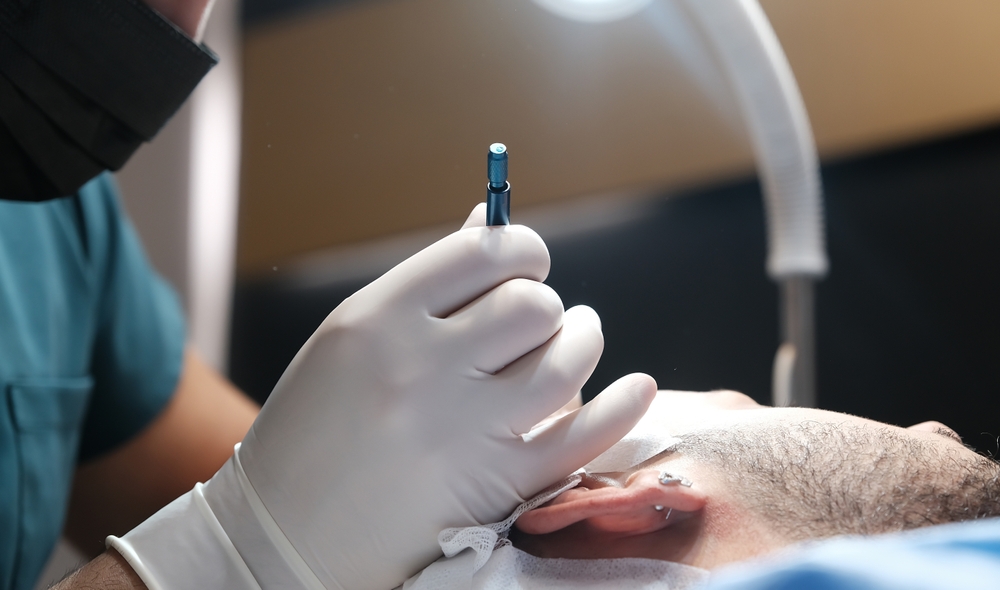
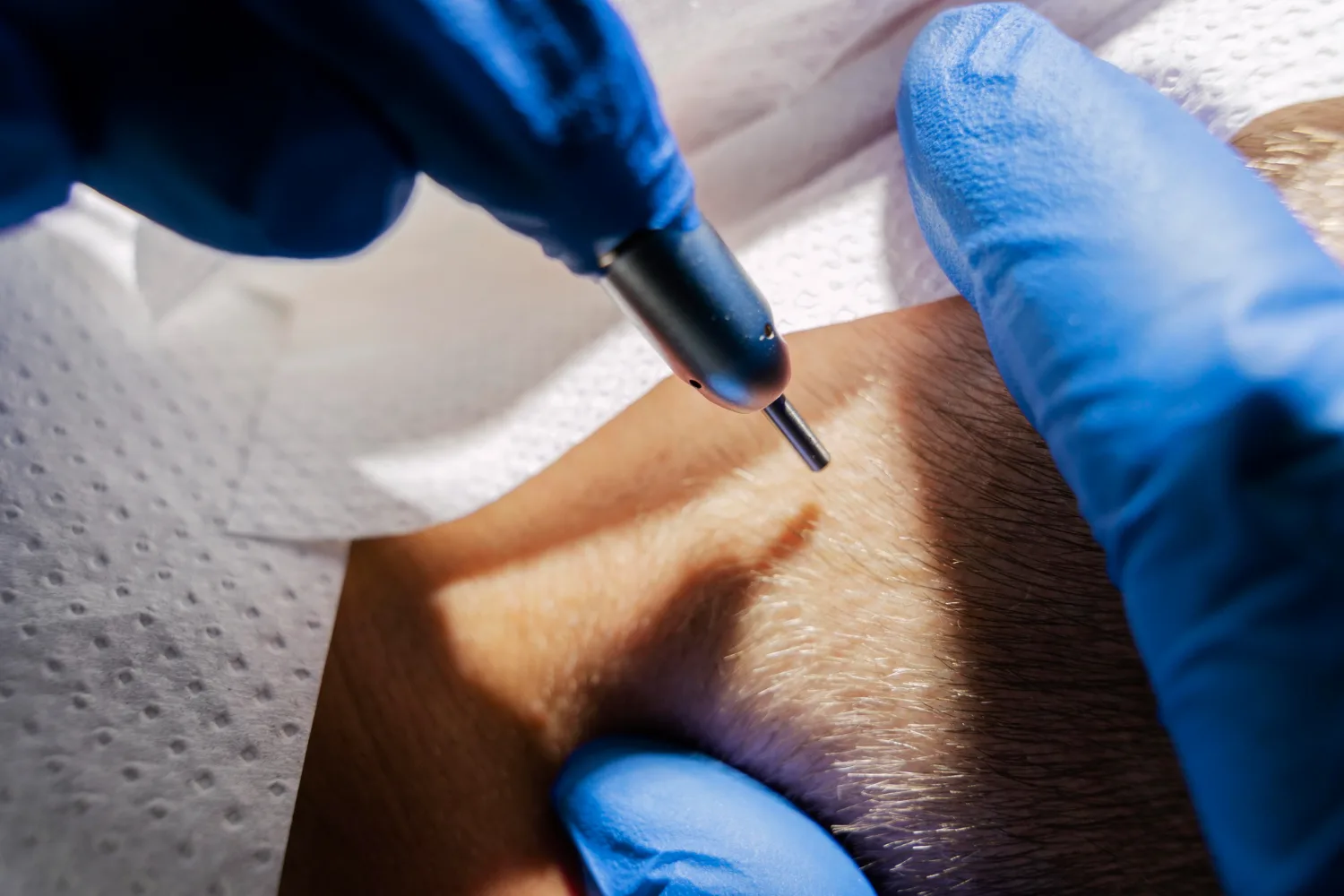
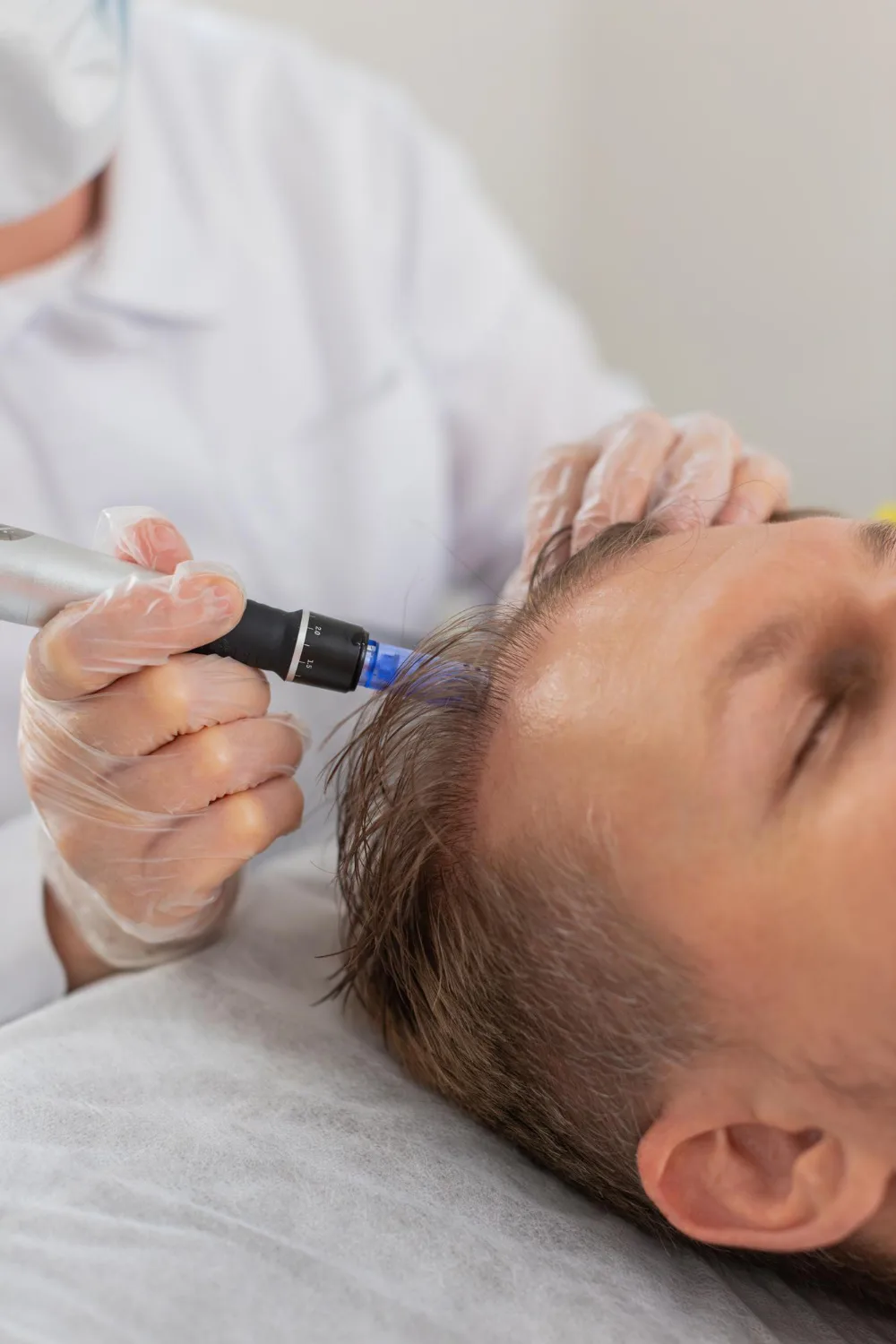
Sapphire FUE offers sharper blades and faster healing, but Standard FUE delivers proven results at lower costs. Both techniques extract individual follicles, yet the blade material creates the main difference.
Turkey leads the world in hair transplantation. Thousands of international patients visit Turkish clinics every year. They seek affordable solutions for hair loss. They also want natural results. Sapphire FUE has gained massive popularity among these patients. Many clinics now promote this technique as superior. However, Sapphire FUE represents a variation of traditional FUE. It does not constitute a completely different procedure. This guide explains both techniques in detail. It compares their benefits, risks, and costs. Patients will learn how to choose the right method. They will also discover how to select the best clinic in Turkey.
What Is the FUE Hair Transplant Technique?
FUE stands for Follicular Unit Extraction. It removes individual hair follicles from the donor area. The surgeon then implants these follicles into bald or thinning areas.
FUE has revolutionized hair restoration. It replaced older strip-harvesting methods. Patients now enjoy minimal scarring and faster recovery. The technique requires specialized training. It also demands precision instruments. Turkish surgeons have mastered this technique through years of high-volume practice. Patients researching FUE hair transplant Turkey find this method everywhere.
FUE removes hair follicles one by one. The surgeon uses a small circular punch. This punch measures between 0.7 and 1.0 millimeters. The surgeon places the punch around each follicular unit. The team then extracts the graft carefully.
Doctors developed FUE in the early 2000s. Rassman and colleagues introduced this minimally invasive approach in 2002 (Rassman 2002). The technique evolved rapidly. Cole refined extraction methods throughout the following decade (Cole 2009). Today, FUE dominates the global hair transplant market. Garg and Garg provided a comprehensive overview of follicular extraction in 2021 (Garg 2021).
The extraction process starts at the back of the head. This area contains permanent hair follicles. The surgeon trims the donor area short. The team administers local anesthesia. The surgeon then extracts each graft individually. Technicians place the grafts in a chilled holding solution. This solution preserves graft viability. Finally, the surgeon creates recipient channels and implants the grafts.
Why Did FUE Become the Global Gold Standard?
FUE became the gold standard for several reasons. It leaves no linear scar. It causes minimal pain. It allows faster return to normal activities.
Patients prefer FUE because it offers natural results. The surgeon places each graft at the correct angle. This mimics natural hair growth patterns. The procedure also suits patients who wear short hair. The tiny dot scars remain virtually invisible. Sattur reviewed modern surgical methods in 2011 and confirmed FUE's central role (Sattur 2011).
Mysore confirmed FUE's status as the current surgical standard in 2010 (Mysore 2010). Studies show high graft survival rates. Research also demonstrates excellent patient satisfaction. The technique works for various hair types. It handles straight, wavy, and curly hair effectively.
What Is Sapphire FUE?
Sapphire FUE uses sapphire blades instead of steel blades. The surgeon creates recipient channels with these specialized blades. Everything else matches Standard FUE.
This technique has gained traction in Turkey. Many clinics advertise it as the premium option. The sapphire blade creates V-shaped incisions. These incisions differ from the U-shaped cuts of steel blades. Patients often experience less trauma. They also report faster healing. Sapphire FUE Turkey has become a top search term for medical tourists.
How Does Sapphire FUE Differ from Standard FUE?
Sapphire FUE differs mainly in the blade material. Standard FUE uses steel blades. Sapphire FUE uses synthetic sapphire crystal blades. This change affects incision quality.
The sapphire blade creates smaller, sharper channels. These channels measure less than one millimeter. The V-shaped design reduces tissue displacement. It also minimizes surrounding damage. Surgeons can place channels closer together. This allows higher density implantation. Patients asking about the difference between Sapphire FUE and classic FUE should focus on this blade distinction.
The extraction phase remains identical. The surgeon still uses micro-punches to harvest grafts. The implantation phase also stays similar. Technicians place grafts into the pre-made channels. The difference lies entirely in channel creation.
What Materials Are Used in Sapphire Blades?
Manufacturers craft these blades from synthetic sapphire crystal. This material contains aluminum oxide. It ranks nine on the Mohs hardness scale. Only diamond surpasses it.
Sapphire blades maintain sharpness longer than steel. They resist corrosion completely. They also withstand repeated sterilization. The smooth surface reduces friction. This allows cleaner incisions. The material causes no allergic reactions. It remains biocompatible with human tissue. Sapphire blade technology offers real mechanical advantages over traditional steel.
What Are the Key Differences Between Sapphire FUE and Standard FUE?
Sapphire FUE and Standard FUE share the same foundation. Both extract individual follicles. Both implant grafts into recipient sites. However, several technical differences separate them.
Patients researching hair transplant comparison should understand these distinctions. The blade material affects every aspect of channel creation. It influences precision, trauma, healing, and final density. Both techniques succeed when skilled surgeons perform them.
How Does Blade Material Affect the Procedure?
Steel blades have served surgeons for decades. They offer reliability and low cost. However, steel loses sharpness during long procedures. It also creates U-shaped incisions.
Sapphire blades retain their edge throughout the session. They produce V-shaped incisions. These incisions require less tissue removal. They also cause less surrounding trauma. The harder material glides through the scalp smoothly. Surgeons report better visibility during channel creation. The sapphire blade vs steel blade hair transplant debate centers on this material difference.
How Does Incision Precision Compare?
Sapphire blades allow more precise control. The surgeon adjusts width, depth, and angle with greater accuracy. Standard steel blades offer less refinement.
The sapphire blade creates micro-channels as small as 0.5 millimeters. Steel blades typically produce slightly larger openings. This precision matters especially at the hairline. The surgeon must place angles carefully there. Small changes affect natural appearance significantly.
What Is Recipient Channel Design?
Recipient channels receive the transplanted grafts. Their design determines hair direction and density.
Sapphire blades create V-shaped channels. These channels hold grafts securely. They also allow closer placement. Surgeons can pack grafts more densely. Standard steel blades create U-shaped channels. These channels require more tissue removal. They also limit how closely surgeons can place grafts.
The V-shape reduces skin elevation around each channel. This creates a flatter surface after healing. Patients achieve a more natural scalp appearance.
How Does Tissue Trauma Differ?
Sapphire FUE reduces tissue trauma significantly. The sharper blade cuts cleanly. It does not tear or crush surrounding tissue.
Standard steel blades can cause more tissue vibration. They also compress adjacent skin. This compression damages tiny blood vessels. It also increases postoperative inflammation. Sapphire blades minimize these problems. They preserve the blood supply to the scalp. Better blood flow means better graft nutrition.
How Does the Healing Process Compare?
Sapphire FUE patients often heal faster. The smaller incisions close quickly. Scab formation remains minimal.
Standard FUE healing takes slightly longer. The U-shaped incisions need more time to seal. Patients may notice more crusting. They might also experience more redness.
Gholamali and colleagues studied postoperative healing in 2010 (Gholamali 2010). Their research confirmed that minimal tissue trauma accelerates recovery. Hashemi's 2015 review of wound healing also supported faster closure with cleaner incisions (Hashemi 2015). Patients asking does Sapphire FUE heal faster should know that evidence suggests quicker initial recovery.
How Does Bleeding During Surgery Differ?
Sapphire blades cause less bleeding. The sharp edge seals small vessels immediately. This improves surgical visibility.
Steel blades may produce more blood. The U-shaped cut disrupts more capillaries. Surgeons must rinse the area more frequently. Excess blood can obscure the field. Poor visibility increases placement errors. Sapphire FUE offers a cleaner surgical field.
What Does Science Say About Sapphire FUE and Standard FUE?
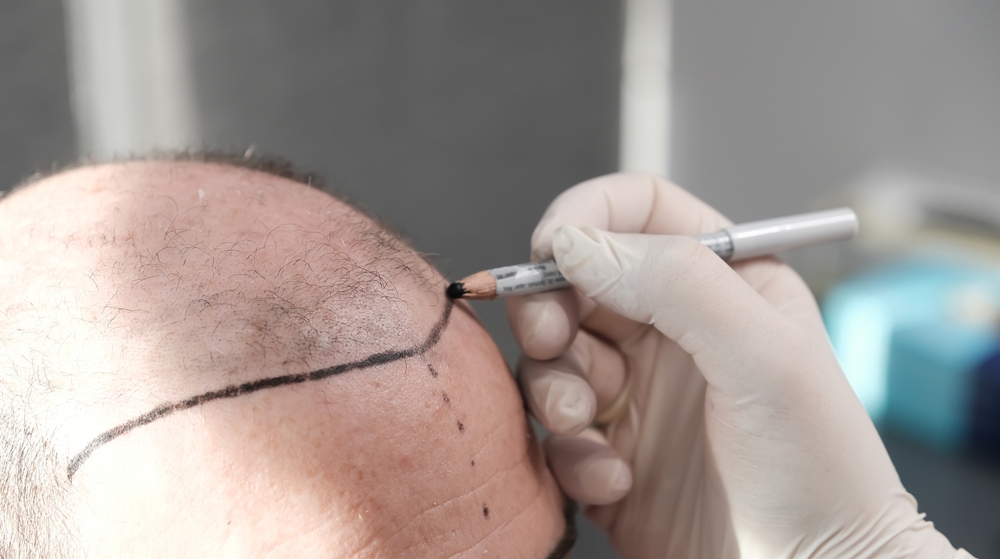
Scientific research supports both techniques. Studies compare graft survival, density, and long-term growth. The evidence shows that surgeon skill matters more than blade choice alone.
Patients should examine the data carefully. Marketing claims often exaggerate small differences. Real scientific studies provide clearer pictures. Evidence-based practice guides the best clinics.
What Are the Follicle Survival Rates?
Graft survival determines transplant success. Both techniques achieve high rates when surgeons perform them correctly.
Studies report survival rates between 90 and 95 percent for both methods. Bernstein and Rassman analyzed graft anchoring in 2006 (Bernstein 2006). Their work showed that proper handling preserves follicles. The blade material plays a secondary role. Extraction technique and storage conditions matter more. Patients comparing Sapphire FUE vs traditional FUE should know that survival rates remain similar.
What Hair Density Potential Exists?
Sapphire FUE may allow higher density. The smaller channels permit closer placement. Surgeons can pack more grafts per square centimeter.
Standard FUE also achieves excellent density. However, the U-shaped channels limit spacing slightly. Most patients achieve natural-looking density with either method. The surgeon's design plan determines final density more than the blade type.
How Does Natural Hairline Creation Compare?
The hairline requires the most artistic skill. Surgeons must angle grafts forward and downward. They must also vary density gradually.
Sapphire blades help here. The precision allows finer adjustments. Surgeons can create subtle transitions. Standard blades also work well in experienced hands. The difference remains subtle. A skilled surgeon creates natural hairlines with any quality instrument.
How Does Graft Handling Differ?
Graft handling affects survival more than blade choice. Technicians must keep grafts moist. They must also avoid crushing.
Both techniques use identical extraction and implantation tools. The holding solution remains the same. The out-of-body time creates equal risk. Dua emphasized proper graft handling in his 2010 analysis of FUE procedures (Dua 2010). His research highlighted that teams must minimize ischemia time regardless of blade type.
What About Postoperative Inflammation?
Inflammation peaks during the first week. Sapphire FUE may reduce this slightly. The cleaner incisions trigger less immune response.
Standard FUE produces more inflammation in some cases. The larger channels require more healing effort. However, both techniques cause manageable inflammation. Patients control it with prescribed medications and cold compresses.
Both techniques leave tiny dot scars. These scars measure less than one millimeter. They hide easily among existing hair.
Sapphire FUE may produce slightly smaller scars. The V-shaped incision removes less tissue. The scar contracts to a finer point. Standard FUE scars remain minimal too. Neither technique causes visible linear scarring.
What About Long-Term Hair Growth?
Long-term growth depends on graft quality and patient health. Both techniques yield permanent results. The transplanted hair comes from permanent donor zones.
Growth typically starts at three to four months. Full maturation requires twelve months. Studies show no significant difference in long-term growth between blade types. The surgeon's planning and the patient's adherence to aftercare determine success. Hair transplant Turkey Sapphire FUE results match Standard FUE results over the long term.
What Are the Advantages of Sapphire FUE?
Sapphire FUE offers several benefits. Patients should weigh these against the higher cost.
The technique creates more precise channels. It reduces tissue trauma. It speeds up healing. It lowers crust formation. It improves cosmetic appearance. It allows better implantation density. It enhances comfort during recovery. It also suits large graft sessions.
The table below summarizes the main Sapphire FUE advantages:
|
Advantage
|
Sapphire FUE
|
Standard FUE
|
|
Incision precision
|
Very high
|
High
|
|
Tissue trauma
|
Minimal
|
Moderate
|
|
Healing speed
|
Faster
|
Standard
|
|
Crust formation
|
Minimal
|
Moderate
|
|
Density potential
|
Excellent
|
Good
|
|
Recovery comfort
|
High
|
Moderate
|
|
Large session suitability
|
Excellent
|
Good
|
What Are the Advantages of Standard FUE?
Standard FUE remains a strong choice. It offers proven success. It costs less. It works well in experienced hands.
Doctors have performed Standard FUE for over two decades. Long-term data supports its safety. Clinics everywhere offer this technique. Patients find it easily. The lower price attracts budget-conscious medical tourists. Excellent outcomes still occur when skilled surgeons perform the procedure. Standard FUE benefits include wide availability and established track records.
Are the Results Really Different?
Results vary more by surgeon than by blade. Both techniques produce natural hair. Both techniques restore confidence. Patients should focus on clinic quality.
Marketing materials often claim dramatic differences. Reality shows smaller gaps. A top surgeon with Standard FUE outperforms a novice with Sapphire FUE. The blade enhances precision. It does not replace surgical expertise.
Does Sapphire Blade Technology Improve Hair Growth?
Sapphire blades do not directly increase hair growth. They improve the environment for growth. Cleaner incisions may reduce shock loss. They may also improve graft anchoring.
Bernstein and Rassman studied graft anchoring in 2006 (Bernstein 2006). Their research showed that secure placement matters more than blade material. The blade helps the surgeon place grafts precisely. The patient's biology drives actual growth.
What Should Patients Expect Before and After?
Patients should expect gradual transformation. Immediate results do not appear. Density builds over months. The hairline softens naturally.
Before surgery, patients meet with the surgeon. They discuss goals and examine donor supply. After surgery, they follow strict care instructions. They avoid strenuous activity. They protect the grafts from impact. Final results emerge after one year. Both techniques follow this same timeline.
Who Is a Good Candidate for Sapphire FUE?
Sapphire FUE suits many patients. It works especially well for specific groups.
Candidates need adequate donor hair. They also need realistic expectations. The technique benefits patients who want maximum density. It also helps those who prioritize fast recovery.
Can Patients with Advanced Hair Loss Choose Sapphire FUE?
Yes, patients with advanced hair loss benefit greatly. They often need 4000 to 5000 grafts. Sapphire FUE handles large sessions efficiently.
The smaller channels allow dense packing. This maximizes coverage. Surgeons can rebuild hairlines and fill crowns. Patients with Norwood 5 or 6 patterns see significant improvement.
Can Individuals Seeking Maximum Density Choose Sapphire FUE?
Yes, density seekers prefer Sapphire FUE. The precise channels allow tighter graft placement. This creates thicker-looking hair.
Patients with thinning but not bald areas need density. They want to fill gaps between existing hairs. Sapphire blades create channels without damaging neighboring follicles. This preserves native hair while adding new grafts.
Are Younger Patients Good Candidates?
Yes, younger patients often choose Sapphire FUE. They typically want natural, undetectable results. They also heal faster.
Younger patients may have early hairline recession. They need conservative, natural designs. Sapphire precision helps create subtle transitions. It avoids the pluggy look of older techniques.
Do Patients Need Good Donor Areas?
Yes, every FUE technique requires healthy donor hair. The surgeon harvests from the back and sides of the head. These areas resist balding.
Patients with limited donor supply need careful planning. The surgeon must extract grafts efficiently. Sapphire FUE does not create more donor hair. It only optimizes placement. Patients with poor donor areas may still need alternative approaches.
Can Medical Tourists Seeking Faster Recovery Choose Sapphire FUE?
Yes, medical tourists often prefer Sapphire FUE. They visit Turkey for limited time periods. They want to return home quickly.
Faster healing means less downtime. Patients can tour Istanbul sooner. They also return to work faster. The reduced crusting and swelling improve comfort during travel. This makes Sapphire FUE popular among international patients.
When May Standard FUE Be the Better Option?
Standard FUE suits certain patients perfectly. Budget constraints matter. Smaller sessions also fit this technique well.
Patients with mild hair loss may not need sapphire precision. They require fewer grafts. Standard FUE handles these cases easily. Highly experienced surgeons achieve excellent results with steel blades. They have mastered the technique over thousands of cases. Patients should not assume that Standard FUE offers inferior outcomes. Which FUE technique is best depends on individual needs and budget.
What Happens During a Sapphire FUE Procedure?
The procedure follows a strict sequence. Each step requires skill and attention. Patients remain awake throughout. Local anesthesia eliminates pain.
Understanding the process reduces anxiety. It also helps patients prepare properly. They know what to expect at each stage. The FUE procedure remains consistent across both techniques.
What Happens During Consultation?
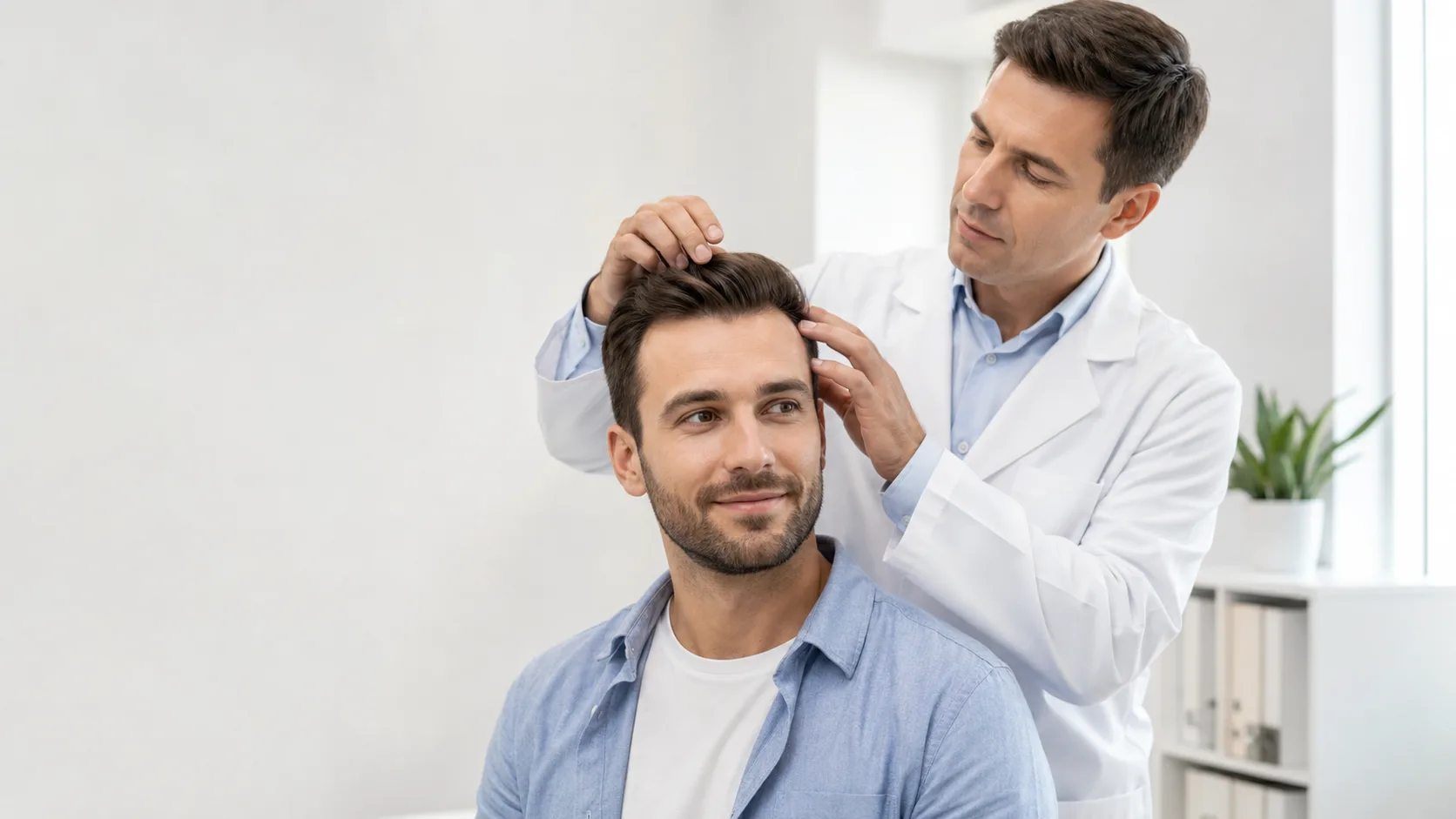
The consultation starts the journey. The surgeon examines the scalp. The team takes photographs. They measure donor density.
The surgeon discusses the patient's goals. They explain realistic outcomes. They also review medical history. Patients ask questions. They learn about aftercare requirements. The clinic provides a written quote. This quote includes graft count and price.
How Is Hairline Design Done?
Hairline design requires artistic vision. The surgeon marks the new hairline. They consider facial proportions. They also account for age and ethnicity.
A natural hairline is not straight. It contains irregularities. It also recedes slightly at the temples. The surgeon draws these details. They show the patient a mirror. Both parties agree on the design before proceeding.
How Is Donor Area Prepared?
The team trims the donor hair short. This allows clear visibility. It also helps the punch grip each follicle.
The patient lies face down or on their side. The nurse cleans the area. The surgeon administers local anesthesia. The patient feels pressure but no pain. The team waits for full numbness. Then extraction begins.
How Is Local Anesthesia Administered?
The surgeon injects anesthetic into the scalp. This contains lidocaine and epinephrine. It numbs the skin completely. It also reduces bleeding.
Patients feel brief pinches during injection. These last only seconds. Afterward, the scalp remains numb for several hours. The patient stays awake and comfortable. They can listen to music or watch television.
The surgeon uses a motorized punch. This punch rotates around each follicle. It separates the graft from surrounding tissue.
Technicians collect each graft immediately. They place it in a chilled solution. This solution preserves the graft. The team works methodically. They extract grafts from across the donor area. This prevents visible thinning in one spot. Extraction may take two to four hours.
How Are Recipient Channels Created?
The surgeon turns the patient onto their back. They prepare the recipient area. They administer more local anesthesia.
The sapphire blade enters the skin at a shallow angle. The surgeon controls depth precisely. They create thousands of channels. Each channel matches a specific graft size. The team works quickly. They want to minimize the time grafts spend outside the body. Recipient channel creation represents the key difference between the two techniques.
How Does Graft Implantation Work?
Technicians sort grafts by size. Single-hair grafts go to the hairline. Multi-hair grafts fill the crown and mid-scalp.
The surgeon places each graft into a channel. They use fine forceps. They avoid touching the follicle bulb. Each graft sits at the correct angle. The channel holds it firmly. The team implants all grafts systematically. This phase may take three to five hours.
What Recovery Instructions Do Patients Receive?
The clinic provides written instructions. Patients must follow them strictly. They sleep with their head elevated. They avoid touching the grafts.
Patients spray saline solution on the recipient area. They do this several times daily. They avoid strenuous exercise for two weeks. They also avoid alcohol and smoking. These habits impair healing. The clinic schedules follow-up appointments. Patients return for washing instructions on day three.
What Is the Recovery Timeline After Sapphire FUE vs Standard FUE?
Recovery progresses in stages. Patients should understand each phase. This helps them track normal healing.
Both techniques follow similar timelines. However, Sapphire FUE may accelerate some phases slightly. The cleaner incisions reduce early inflammation. Sapphire FUE recovery often moves faster during the first two weeks.
What Happens in the First 24 Hours?
The first day requires rest. Patients feel tightness in the scalp. Some swelling may start. The donor area wears a bandage.
Patients must keep the head elevated. This reduces swelling. They should not touch the grafts. The clinic provides pain medication. Most patients need only mild analgesics. Bleeding remains minimal with both techniques.
What Happens During Days 2–7?
Swelling peaks around day two or three. It may spread to the forehead and eyes. This looks dramatic but resolves quickly. Patients start gentle washing on day three.
Crusts form around each graft. These protect the healing sites. Sapphire FUE patients often notice fewer crusts. Standard FUE patients may see slightly more. Both groups must avoid picking at scabs. Picking dislodges grafts. Most patients return to light work by day five.
What Happens During Weeks 2–4?
The transplanted hairs shed. This shocks many patients. However, this shedding is normal. The follicles remain alive beneath the skin.
Redness fades gradually. The donor area heals completely. Patients resume normal exercise. They still avoid swimming and saunas. The scalp may feel itchy. This signals healing. Patients must not scratch aggressively.
What Happens During Months 1–3?
New growth begins around month three. Tiny hairs emerge. They look thin and wispy at first. This early growth provides hope.
The scalp feels normal again. Patients style their hair freely. They may use minoxidil if the surgeon approves. Some patients experience shock loss of native hair. This temporary thinning recovers over time.
What Happens During Months 4–6?
Growth accelerates. The hairs thicken. They also darken. Patients notice real coverage improvement.
The hairline looks more defined. The crown fills in gradually. Patients often feel more confident. They style their hair without concealers. The scalp shows no signs of recent surgery.
What Happens During Months 6–12?
Maturation continues. The hair gains volume. It also develops natural texture. By month twelve, patients see final results.
The table below compares hair transplant healing between the two techniques:
|
Recovery Stage
|
Standard FUE
|
Sapphire FUE
|
|
Swelling duration
|
3–5 days
|
2–4 days
|
|
Redness duration
|
7–10 days
|
5–7 days
|
|
Crusting severity
|
Moderate
|
Minimal
|
|
Healing time
|
10–14 days
|
7–10 days
|
|
Return to work
|
7–10 days
|
5–7 days
|
|
Final results
|
12 months
|
12 months
|
How Do Costs Compare in Turkey?
Turkey offers competitive pricing. Both techniques cost less than in Europe or North America. However, Sapphire FUE commands a premium.
Patients should understand price factors. They should also avoid suspiciously cheap offers. Quality surgery requires investment. Sapphire FUE cost Turkey remains affordable compared to Western markets.
What Are Average Standard FUE Prices?
Standard FUE in Turkey ranges from $1,500 to $2,500. This price often includes 3000 to 4000 grafts. It may also cover hotel and transfers.
Clinics structure packages differently. Some charge per graft. Others offer all-inclusive deals. Patients should confirm what the price includes. They should ask about medications and follow-up care.
What Are Average Sapphire FUE Prices?
Sapphire FUE costs more. Prices range from $2,000 to $3,500. The sapphire blades increase material costs. The technique also requires more training.
Some luxury clinics charge higher rates. They may ask $4,000 or more. These prices usually include premium accommodations. They may also offer personal translators and extended aftercare.
Why Do Prices Vary?
Several factors affect pricing. Clinic reputation matters. Surgeon expertise commands higher fees. Graft count determines workload. Included services add value.
The table below breaks down cost factors:
|
Cost Factor
|
Standard FUE
|
Sapphire FUE
|
|
Base procedure
|
$1,500–$2,500
|
$2,000–$3,500
|
|
Graft count
|
3000–4000 included
|
3000–4000 included
|
|
Hotel accommodation
|
Usually included
|
Usually included
|
|
Airport transfers
|
Usually included
|
Usually included
|
|
Postoperative medications
|
Sometimes extra
|
Sometimes extra
|
|
PRP therapy
|
Extra $200–$400
|
Extra $200–$400
|
Why Do Many International Patients Choose Turkey?
Turkey attracts medical tourists from across the globe. Hair transplantation drives much of this traffic. Patients choose Turkey for multiple reasons.
The country combines quality, experience, and affordability. Turkish surgeons perform more hair transplants than doctors in most other nations. This volume builds unmatched expertise. Best Sapphire FUE clinic in Turkey searches continue to rise each year.
Why Are Turkish Hair Transplant Surgeons So Experienced?
Turkish surgeons specialize in hair restoration. They focus exclusively on this field. Many perform several procedures daily.
This repetition hones their skills. They encounter diverse hair types. They treat various ethnicities. They manage complex cases regularly. Their experience exceeds that of general plastic surgeons elsewhere.
Why Does High Surgical Volume Matter?
High volume creates efficiency. Surgical teams coordinate seamlessly. Clinics optimize every step. They also refine their protocols.
Patients benefit from this efficiency. Procedures run smoothly. Teams handle emergencies calmly. High volume also lowers costs. Clinics spread overhead across many patients. They pass savings to consumers.
What Do Modern Hair Transplant Clinics Offer?
Turkish clinics invest in technology. They use advanced microscopes. They employ digital hairline design software. They also maintain sterile, accredited facilities.
Many clinics resemble luxury spas. They offer private rooms. They provide entertainment during surgery. They also serve meals. International patients feel comfortable throughout their stay.
Why Are Costs Lower Than in Europe and North America?
Lower operating costs explain the price difference. Rent, staff salaries, and insurance cost less in Turkey. The currency exchange rate also favors foreign patients.
However, lower cost does not mean lower quality. Turkish clinics use the same instruments as German or American clinics. They follow the same safety standards. The savings come from economic structure, not corner-cutting.
What Do All-Inclusive Medical Tourism Packages Include?
Packages simplify travel. They typically include surgery, hotel, and transfers. They also cover medications and first washing.
Some packages add city tours. They may include translation services. Others offer companion discounts. Patients should read contracts carefully. They should verify hidden costs. Reputable clinics provide transparent pricing.
How Does International Patient Support Work?
Top clinics employ multilingual staff. They speak English, Arabic, French, and Spanish. They assist with airport pickup. They also accompany patients to consultations.
Support continues after patients return home. Clinics offer video follow-ups. They answer questions via WhatsApp. They provide detailed aftercare guides. This support reassures international patients.
What Are the Risks and Limitations of Both Techniques?
Hair transplantation is surgery. It carries risks. Patients must understand these before booking.
Both techniques share similar risks. The blade type does not eliminate complications. Proper technique and aftercare minimize problems.
What Is Temporary Shock Loss?
Shock loss describes shedding of native hair. The surgery traumatizes surrounding follicles. They fall out temporarily.
This alarms patients. However, the hair usually regrows within three months. Surgeons minimize shock loss through gentle technique. They also avoid overharvesting. Patients can use minoxidil to speed recovery.
What Is the Infection Risk?
Infection remains rare. Clinics maintain strict sterility. They use disposable instruments. They also prescribe antibiotics.
Patients must keep the scalp clean. They should avoid dirty environments. They must not touch grafts with unwashed hands. Signs of infection include increasing redness, pus, and fever. Patients should contact the clinic immediately if these appear.
How Much Swelling Occurs?
Swelling affects most patients. It peaks at day two or three. It may spread to the face.
Elevation reduces swelling. Cold compresses help. Surgeons also administer steroids during surgery. Sapphire FUE may reduce swelling slightly. However, both techniques cause manageable edema. Gholamali's 2010 research confirmed that proper technique limits postoperative edema (Gholamali 2010).
What Is Folliculitis?
Folliculitis means inflammation of hair follicles. It appears as small pimples. It sometimes occurs weeks after surgery.
Bunagan and colleagues studied this condition in 2010 (Bunagan 2010). They found that it usually resolves with warm compresses. Occasionally, patients need topical antibiotics. It does not threaten graft survival. Good hygiene prevents most cases.
Can Poor Growth Result from Improper Technique?
Yes, poor growth occurs when teams mishandle grafts. Dehydration kills follicles. Crushing also destroys them.
Loganathan and colleagues analyzed complications in 2014 (Loganathan 2014). They identified improper extraction as a major cause of failure. Teams must extract grafts cleanly. They must also implant them quickly. The blade type cannot compensate for poor technique.
What About Unrealistic Expectations?
Unrealistic expectations disappoint patients. Some expect full density in one session. Others want celebrity hairlines.
Surgeons must educate patients honestly. They explain donor limitations. They also discuss future hair loss. Young patients may need multiple sessions over decades. Understanding these realities prevents dissatisfaction.
How Can Patients Choose the Right Hair Transplant Clinic in Turkey?
Choosing the right clinic determines success. Patients should research thoroughly. They should not rely solely on price.
Turkey hosts hundreds of hair transplant clinics. Quality varies widely. Some facilities prioritize volume over safety. Others employ technicians instead of surgeons. Patients must distinguish reputable clinics from risky operations.
What Surgeon Qualifications Should Patients Look For?
Patients should verify the surgeon's credentials. The doctor should hold a medical license. They should also specialize in hair restoration.
Membership in professional societies helps. The International Society of Hair Restoration Surgery (ISHRS) sets standards. Surgeons should perform the critical steps personally. They should not delegate extraction or channel creation to unlicensed technicians.
Why Does Accreditation Matter?
Accreditation proves that external bodies inspected the clinic. It confirms safety standards. It also verifies equipment quality.
Patients should look for Ministry of Health accreditation. Joint Commission International (JCI) accreditation adds extra assurance. Accredited clinics maintain clean environments. They also follow emergency protocols.
How Should Patients Evaluate Before-and-After Results?
Clinics publish result galleries. Patients should examine these carefully. They should look for consistent lighting and angles.
Results should show natural hairlines. They should also demonstrate density improvement. Patients should ask for cases similar to their own pattern. They should also request long-term results. Immediate postoperative photos show less than one-year outcomes.
How Important Are Patient Reviews?
Reviews reveal real experiences. Patients should read multiple platforms. They should check Google, Trustpilot, and RealSelf.
However, reviews can be manipulated. Patients should look for detailed accounts. Vague five-star ratings raise suspicion. They should also contact former patients directly. Many clinics connect prospects with past clients.
Why Does Surgical Team Experience Matter?
The surgeon leads the team. However, technicians play crucial roles. They extract grafts. They sort them. They also assist with implantation.
Experienced teams work faster. They cause less graft trauma. They also communicate better. Patients should ask about team tenure. High staff turnover signals problems.
How Does Technology Affect Outcomes?
Modern technology improves results. However, it does not replace skill. Patients should ask about microscopes. They should also inquire about storage solutions.
Sapphire blades represent useful technology. So do advanced punches. However, the surgeon's hand controls these tools. Patients should prioritize surgeon experience over gadget marketing.
Why Should Pricing Be Transparent?
Transparent pricing builds trust. Clinics should list all costs upfront. They should not add hidden fees later.
Patients should receive written quotes. These quotes should specify graft counts. They should also list included services. Vague estimates often lead to disappointment. Reputable clinics explain every charge clearly.
What Are the Most Common Questions About Sapphire FUE and Standard FUE?
Patients ask many questions before surgery. Clear answers reduce anxiety. This section addresses the most frequent concerns.
Medical tourists researching hair transplant techniques need reliable information. They want to compare Sapphire FUE vs Standard FUE in Turkey. They also seek clarity on costs, recovery, and results.
Is Sapphire FUE Better Than Standard FUE?
Sapphire FUE offers sharper blades and faster healing. However, it is not universally better. Standard FUE achieves excellent results in skilled hands.
The choice depends on patient priorities. Those wanting maximum density and fast recovery prefer Sapphire FUE. Budget-conscious patients may choose Standard FUE. Both techniques succeed when surgeons execute them properly.
Does Sapphire FUE Grow More Hair?
Sapphire FUE does not grow more hair per graft. It may improve graft survival slightly. It also allows denser placement.
The total hair count depends on donor supply. It also depends on graft survival. The blade cannot create new follicles. It only optimizes placement of existing ones.
Is Sapphire FUE Less Painful?
Both techniques use identical anesthesia. Patients feel no pain during surgery. Postoperative discomfort also remains similar.
Sapphire FUE may cause slightly less tenderness. The smaller incisions irritate fewer nerves. However, pain levels vary by individual. Most patients manage discomfort with standard painkillers.
How Long Does Recovery Take?
Initial healing takes seven to ten days for Sapphire FUE. Standard FUE needs ten to fourteen days. Full cosmetic recovery requires one month.
Final results emerge after twelve months. This timeline remains identical for both techniques. Hair growth biology does not change with blade material.
Is Sapphire FUE Worth the Additional Cost?
Sapphire FUE justifies its cost for many patients. The faster healing benefits working professionals. The potential density improvement also attracts younger patients.
However, Standard FUE offers better value for some. Patients with mild hair loss may not notice the difference. They should invest in surgeon quality rather than blade marketing.
Can Women Undergo Sapphire FUE?
Yes, women can choose Sapphire FUE. The technique suits female pattern hair loss. It also helps women with receding hairlines.
Women often need conservative density. They want to preserve existing hair. Sapphire precision helps here. However, women should discuss hormonal factors with their doctor. These factors affect long-term results.
How Many Grafts Can Be Transplanted in One Session?
Surgeons can transplant up to 5000 grafts in one session. Sapphire FUE handles these large numbers efficiently. Standard FUE also manages high graft counts.
Session length limits the number. Teams must complete surgery within eight to ten hours. Beyond this, graft survival drops. Patients needing more than 5000 grafts may require two sessions.
Is Sapphire FUE Permanent?
Yes, Sapphire FUE produces permanent results. The transplanted hair comes from permanent donor zones. These follicles resist balding hormones.
However, native hair may continue thinning. Patients may need future treatments. They should also consider maintenance therapies. These include finasteride and minoxidil.
Does Sapphire FUE Leave Scars?
Sapphire FUE leaves tiny dot scars. These measure less than one millimeter. They hide easily in short hair.
The scars are smaller than Standard FUE scars. However, both types remain virtually invisible. Patients who shave their heads completely may notice slight dots. Most people never see them.
Which Technique Offers More Natural-Looking Results?
Both techniques offer natural results. The surgeon's artistry matters more than the blade.
Sapphire FUE may help at the hairline. The precision allows finer angles. However, a master surgeon creates natural results with any tool. Patients should evaluate the surgeon's portfolio. They should not obsess over blade type.
What Is the Final Verdict on Sapphire FUE vs Standard FUE?
Both techniques extract individual follicles. They both implant grafts into recipient channels. The primary distinction involves blade material. Sapphire blades create sharper, smaller incisions. These incisions may offer faster healing and higher density. However, long-term success depends on surgical planning. It depends on graft handling. It depends on the surgeon's expertise and the team's coordination.
Patients should choose a reputable Turkish clinic. The clinic should prioritize evidence-based practices. It should also create individualized treatment plans. Comprehensive postoperative care matters as much as the surgery itself. Whether patients choose Sapphire FUE or Standard FUE, the right clinic and surgeon determine the outcome. Turkey offers world-class options for both. International patients can restore their hair and confidence with proper research and realistic expectations.
References
Abdelwahab, I. M., et al. "Evaluation of Follicular Unit Extraction Technique as a Method for Hair Restoration Problems." International Journal of Trichology, vol. 16, no. 1-6, 2024, pp. 25-30.
Bernstein, Robert M., and William R. Rassman. "Graft Anchoring in Hair Transplantation." Dermatologic Surgery, vol. 32, no. 2, 2006, pp. 198-204.
Bunagan, Marlou John, et al. "Recipient Area Folliculitis after Follicular-Unit Transplantation: Characterization of Clinical Features and Analysis of Associated Factors." Dermatologic Surgery, vol. 36, no. 7, 2010, pp. 1161-1165.
Cole, John P. "Status of Individual Follicular Group Harvesting." Hair Transplant Forum International, vol. 19, 2009, p. 20.
Dua, Aman. "Follicular Unit Extraction Hair Transplant." Journal of Cutaneous and Aesthetic Surgery, vol. 3, no. 2, 2010, pp. 76-81.
Garg, Anil, and Sandeep Garg. "Overview of Follicular Extraction." Indian Journal of Plastic Surgery, vol. 54, no. 4, 2021, pp. 456-462.
Gholamali, A., Sepideh, P., and Susan, E. "Hair Transplantation: Preventing Post-Operative Oedema." Journal of Cutaneous and Aesthetic Surgery, vol. 3, no. 2, 2010, pp. 87-89.
Hashemi, Seyed Ahmad, et al. "The Review on Properties of Aloe Vera in Healing of Cutaneous Wounds." BioMed Research International, vol. 2015, 2015, pp. 1-6.
Loganathan, E., et al. "Complications of Hair Restoration Surgery: A Retrospective Analysis." International Journal of Trichology, vol. 6, no. 4, 2014, pp. 168-172.
Mysore, Venkataram. "Hair Transplantation Surgery–Its Current Status." Journal of Cutaneous and Aesthetic Surgery, vol. 3, no. 2, 2010, pp. 67-68.
Rassman, Walter R., et al. "Follicular Unit Extraction: Minimally Invasive Surgery for Hair Transplantation." Dermatologic Surgery, vol. 28, no. 8, 2002, pp. 720-728.
Sattur, S. S. "A Review of Surgical Methods (Excluding Hair Transplantation) and Their Role in Hair Loss Management Today." Journal of Cutaneous and Aesthetic Surgery, vol. 4, no. 2, 2011, pp. 89-97.
Sethi, Priyanka, and Ankur Bansal. "Direct Hair Transplantation: A Modified Follicular Unit Extraction Technique." Journal of Cutaneous and Aesthetic Surgery, vol. 6, no. 2, 2013, pp. 100-105.
Shiell, Richard C. "A Review of Modern Surgical Hair Restoration Techniques." Journal of Cutaneous and Aesthetic Surgery, vol. 1, no. 1, 2008, pp. 12-16.
Thakur, Priyanka, et al. "A Study of Hair Follicular Transplantation as a Treatment Option for Vitiligo." Journal of Cutaneous and Aesthetic Surgery, vol. 8, no. 4, 2015, pp. 211-217.