Women around the world seek breast enhancement surgery more than ever before. The American Society of Plastic Surgeons reports that surgeons performed over 300,000 breast augmentation procedures in 2023 alone (ASPS 2024). Many patients walk into consultation rooms confused about two major options. They wonder whether they need a breast lift or breast implants. Some believe these procedures achieve the same results. This belief creates disappointment and poor surgical outcomes. A breast lift reshapes sagging breasts. Breast implants add volume and fullness. These procedures serve completely different purposes. Your anatomy determines the right choice, not your preference alone. This article explains every detail you need to know. You will learn how each procedure works. You will discover who qualifies for each surgery. You will understand the risks, recovery, costs, and long-term outcomes. You will also learn when combining both procedures creates the best results.
What Is a Breast Lift and How Does Mastopexy Work?
A breast lift raises and reshapes sagging breasts without adding artificial volume. Surgeons call this procedure mastopexy. The surgery removes excess skin. The surgeon tightens the remaining tissue. The nipple-areola complex moves to a higher position on the chest wall. This creates a more youthful breast contour.
What Does a Breast Lift Actually Do?
A breast lift corrects ptosis. Ptosis means breast sagging. The surgeon removes stretched skin. The surgeon reshapes the breast mound. The surgeon repositions the nipple upward. The breast becomes firmer and perkier. The procedure does not significantly change breast size. Some women notice a slight reduction in volume because the surgeon removes excess skin. Others notice a cup size increase due to the tighter, more compact shape. Spear explains that mastopexy addresses breast shape and nipple position rather than volume (Spear 2003).
Why Do Women Choose Breast Lift Surgery?
Pregnancy and breastfeeding stretch breast tissue. The skin loses elasticity. The breasts sag and deflate. Weight loss removes fat from the breasts. The skin remains loose. Aging reduces collagenA structural protein found in the skin and other connective tissues, which is responsible for skin firmness and elasticity.... production. The Cooper’s ligaments weaken. Gravity pulls the breasts downward. Genetics also play a role. Some women inherit poor skin elasticity. These women develop sagging breasts early in life. A breast lift corrects all these issues. The procedure restores a youthful breast position. It improves breast symmetry. It boosts patient confidence.
What Are Breast Implants and How Does Breast Augmentation Work?
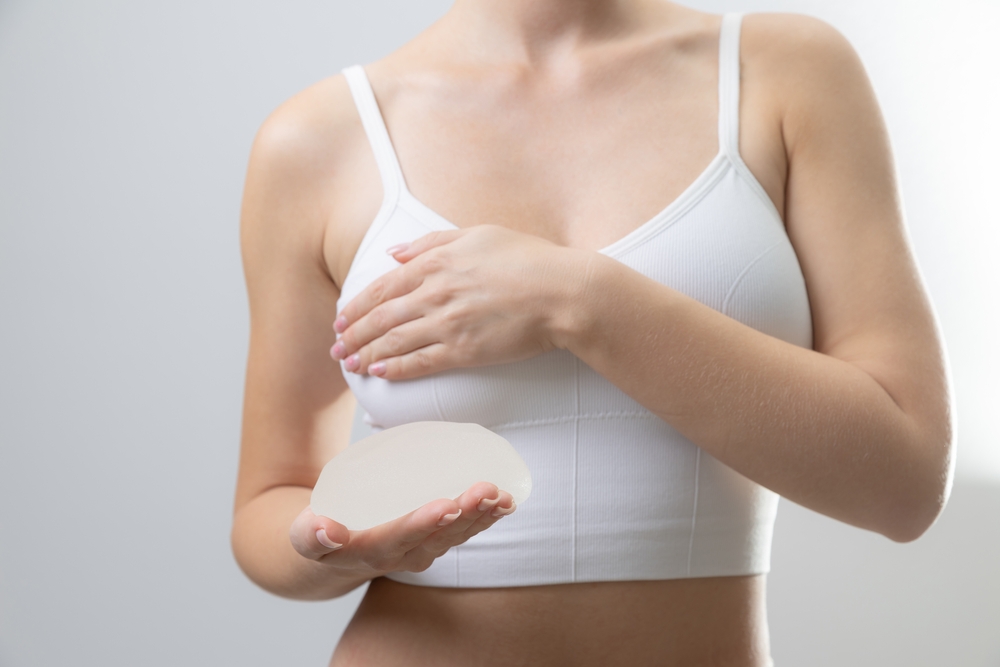
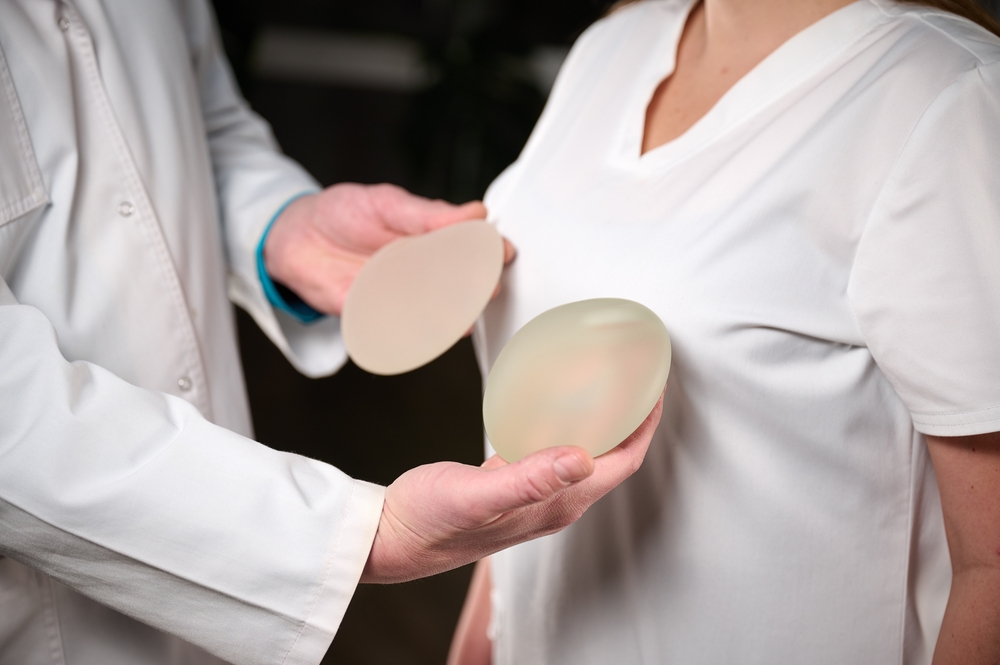
Breast augmentation increases breast size using implants. Surgeons place silicone or saline devices beneath the breast tissue or chest muscle. This procedure adds volume. It enhances cleavage. It improves breast shape. It does not significantly lift sagging breasts.
What Types of Breast Implants Exist?
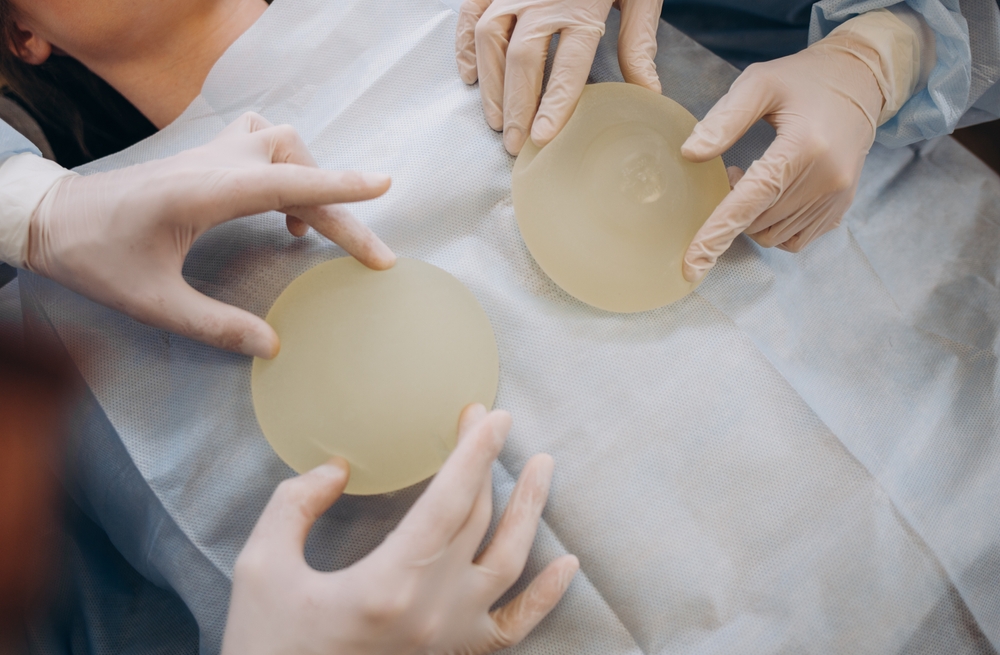
Surgeons use three main types of breast implants. Silicone implants contain cohesive silicone gel. They feel soft and natural. Saline implants contain sterile saltwater. The surgeon fills them during surgery. This allows smaller incision sizes. Gummy bear implants contain highly cohesive silicone gel. They maintain shape even if the shell breaks. Maxwell and Gabriel note that silicone implants remain the most popular choice worldwide (Maxwell and Gabriel 2009). Each type offers different benefits. Your surgeon will recommend the best option based on your tissue quality and desired outcome.
Where Do Surgeons Place Breast Implants?
Surgeons choose from three placement options. Subglandular placement positions the implant behind the breast tissue but above the muscle. This creates more lift and projection. Submuscular placement positions the implant beneath the pectoralis major muscle. This provides more tissue coverage. It reduces the risk of visible rippling. The dual plane technique places the implant partially under the muscle and partially under the breast tissue. This combines the benefits of both approaches. Tebbetts emphasizes that implant placement depends on patient tissue characteristics and chest anatomy (Tebbetts 2002).
What Goals Does Breast Implant Surgery Achieve?
Breast implants increase breast size. They enhance upper pole fullness. They create better cleavage. They correct breast asymmetry caused by volume differences. They restore breast volume lost after pregnancy or weight loss. However, implants alone cannot lift severely sagging breasts. Hidalgo confirms that breast augmentation primarily addresses volume deficiency rather than ptosis (Hidalgo 2017).
What Are the Main Differences Between Breast Lift and Breast Implants?

These procedures serve fundamentally different purposes. Understanding these differences prevents disappointment.
How Does Each Procedure Change Breast Volume?
A breast lift reshapes existing tissue. It removes excess skin. It may slightly reduce or redistribute volume. It does not add volume. Breast implants add significant volume. They increase cup size. They create fuller breasts. A breast lift changes shape. Breast implants change size.
Which Procedure Corrects Sagging Better?
A breast lift directly corrects ptosis. The surgeon removes loose skin. The surgeon tightens the breast envelope. The surgeon elevates the nipple. Breast implants provide minimal lifting. A small implant may create the illusion of a slight lift in mildly sagging breasts. However, implants alone cannot correct moderate to severe sagging. Stevens et al. confirm that implants alone fail to address significant ptosis (Stevens et al. 2014).
How Do These Procedures Affect Nipple Position?
A breast lift repositions the nipple-areola complex. The surgeon moves it to the center of the breast mound. This creates a youthful appearance. Breast implants rarely change nipple position. The implant adds volume below the nipple. This may cause the nipple to tilt slightly upward. However, the implant does not physically move the nipple higher on the chest wall.
What Are the Long-Term Outcomes?
Breast lift results last many years. Gravity and aging continue. The breasts may sag again over time. However, the improvement remains significant. Breast implants last 10 to 20 years. The FDA recommends regular monitoring. Implants may require replacement or removal. Capsular contracture or rupture may occur. Handel notes that long-term implant monitoring remains essential for patient safety (Handel 2017).
Who Qualifies as a Good Candidate for a Breast Lift?
Not every woman with sagging breasts needs a breast lift. Specific criteria determine candidacy.
What Signs Indicate You Need a Breast Lift?
Your nipples point downward. Your nipples sit below the breast crease. Your breasts look deflated. You have loose, stretched skin. Your breasts appear asymmetrical after pregnancy. You feel uncomfortable without a bra. These signs indicate breast ptosis. A breast lift addresses all these concerns.
What Characteristics Define an Ideal Mastopexy Patient?
You maintain a stable body weight. You do not plan future pregnancies. You have realistic expectations. You understand that scars will result. You possess good overall health. You do not smoke. Smoking delays wound healing. It increases complication risks. Your surgeon will evaluate your skin quality. Good skin elasticity improves outcomes. Poor skin elasticity may limit results.
Who Qualifies as a Good Candidate for Breast Implants?
Breast implants suit women who want larger breasts. Specific conditions make this procedure appropriate.
What Conditions Make Breast Implants the Right Choice?
You have naturally small breasts. You lost breast volume after pregnancy or weight loss. You desire fuller cleavage. You have breast asymmetry due to insufficient volume. You maintain stable body weight. You hold realistic expectations. You understand that implants require future monitoring. You do not have significant breast sagging. Bengtson emphasizes that patient selection determines implant success more than implant type (Bengtson 2010).
When Do You Need Both a Breast Lift and Breast Implants?
Some women need both procedures. Combining surgeries creates optimal results.
Why Do Surgeons Combine These Procedures?
A breast lift reshapes the breast. An implant adds volume. Together they restore shape and size. This combination addresses two problems simultaneously. The lift corrects sagging. The implant restores fullness. The result looks more complete. Stevens et al. report that combined mastopexy and augmentation produces high patient satisfaction (Stevens et al. 2014).
What Patients Benefit Most from Combined Surgery?
You have lost volume and developed sagging. Your breasts look deflated and droopy. You want larger, perkier breasts. You want to minimize recovery time. You want to avoid two separate surgeries. Combining procedures reduces total downtime. It lowers overall cost. It creates a more dramatic transformation. However, combined surgery increases complexity. Your surgeon must possess advanced expertise.
How Do Surgeons Decide Between Breast Lift and Breast Implants?
Surgeons use specific evaluation methods. These methods ensure the right recommendation.
What Factors Guide a Surgeon’s Recommendation?
The surgeon examines your breasts. The surgeon measures the degree of ptosis. The surgeon assesses skin quality. The surgeon evaluates existing breast volume. The surgeon considers your chest anatomy. The surgeon asks about your lifestyle. The surgeon asks about future pregnancy plans. The surgeon reviews your goals. Based on this evaluation, the surgeon recommends the appropriate procedure. Spear states that thorough breast examination remains the foundation of successful surgical planning (Spear 2003).
How Do Breast Lift and Breast Implants Compare?
The following comparison table clarifies the key differences.
|
Feature |
Breast Lift |
Breast Implants |
|
What is the primary goal? |
Lift and reshape sagging breasts |
Increase breast volume and fullness |
|
Does it correct sagging? |
Yes, directly |
Only minimally |
|
Does it add fullness? |
Minimal effect |
Yes, significantly |
|
Does it improve nipple position? |
Yes, repositions upward |
Rarely, slight tilt only |
|
Does it remove excess skin? |
Yes |
No |
|
Does it require an implant? |
No |
Yes |
|
Is it suitable after pregnancy? |
Yes |
Often, but sagging may persist |
|
How long do results last? |
Long-lasting, years |
10-20 years, may need replacement |
This table shows that breast lift and breast implants address different problems. Choose based on your specific anatomy and goals.
What Does Recovery Look Like After Breast Lift vs Breast Implants?
Recovery timelines differ slightly between procedures. Both require careful postoperative care.
What Is the Typical Recovery Timeline?
Most patients experience swelling and bruising for one to two weeks. Pain remains manageable with prescribed medication. Breast lift patients notice immediate shape changes. Implant patients notice immediate size changes. However, final results take months to appear. Swelling subsides gradually. Scars mature over 12 to 18 months. Henriksen et al. found that most patients resume normal activities within four to six weeks (Henriksen et al. 2003).
When Can Patients Return to Work and Exercise?
You can return to desk work within one to two weeks. You should avoid heavy lifting for four to six weeks. You should avoid strenuous exercise for six weeks. You must wear a surgical bra or compression garment. This support reduces swelling. It promotes proper healing. Your surgeon will provide specific guidelines. Follow these instructions precisely.
What Risks and Complications Can Occur?
All surgeries carry risks. Understanding these risks helps you make an informed decision.
What Risks Come with Breast Lift Surgery?
Scarring occurs at incision sites. Surgeons place scars around the areola, vertically down to the crease, and sometimes along the crease. Delayed wound healing may occur. Changes in nipple sensation happen in some patients. Breast asymmetry may result. Infection and bleeding remain rare but possible. AnesthesiaEnsuring Comfort During Hair Transplants Sedation is used in hair transplantation to help patients remain calm and comfortable throughout the... complications can occur.
What Risks Come with Breast Implant Surgery?
Capsular contracture causes scar tissue to tighten around the implant. This hardens the breast. Implant rupture releases silicone or saline into the surrounding tissue. Implant displacement shifts the implant from its position. Rippling creates visible wrinkles on the breast surface. The FDA monitors implant-associated complications closely. Handel recommends regular follow-up imaging to detect silent ruptures (Handel 2017).
What Risks Do Both Procedures Share?
Infection threatens any surgical site. Bleeding may require drainage. Anesthesia complications remain possible. Unsatisfactory cosmetic outcomes disappoint some patients. Choosing a board-certified plastic surgeon reduces these risks significantly. Your surgeon’s skill and experience matter more than any other factor.
What Results Can You Expect from Breast Lift vs Breast Implants?
Realistic expectations ensure satisfaction.
How Natural Will the Results Look?
A breast lift creates natural-looking contours. The surgeon uses your own tissue. The breasts move naturally. Breast implants can look natural. The result depends on implant size, placement, and your existing tissue. Large implants on small frames look less natural. Moderate implants with adequate tissue coverage look very natural. Your individual anatomy determines the final appearance.
How Long Do Results Last?
Breast lift results last many years. Aging continues. Gravity persists. Pregnancy and weight changes alter results. Breast implants last 10 to 20 years. The FDA recommends MRI or ultrasound screening to monitor implant integrity. Some patients need revision surgery. Others choose implant removal. Regular follow-up with your surgeon maintains long-term outcomes.
How Much Do Breast Lift and Breast Implants Cost?
Cost varies widely. Multiple factors affect the final price.
What Factors Affect the Price?
Surgeon expertise commands higher fees. Experienced surgeons charge more. Implant type affects cost. Silicone implants cost more than saline implants. Hospital fees vary by location. Geographic location influences pricing. Major cities charge more than rural areas. Combined procedures cost more than single procedures. However, combining surgeries often costs less than staging them separately. Insurance rarely covers cosmetic breast surgery. You must plan for out-of-pocket expenses.
Should You Choose Breast Lift or Breast Implants After Pregnancy?
Pregnancy and breastfeeding change breasts significantly.
What Changes Occur After Pregnancy and Breastfeeding?
Hormonal fluctuations enlarge the breasts. Breastfeeding stretches the tissue. After weaning, the breasts deflate. The skin remains stretched. The nipples may descend. These changes create sagging and volume loss. Some women need only a lift. Others need only implants. Many need both.
When Should You Schedule Surgery?
Wait at least six months after you stop breastfeeding. Your breast tissue needs time to stabilize. Your hormone levels must normalize. Your surgeon needs to evaluate your true breast shape. Future pregnancy may alter surgical results. Discuss family planning with your surgeon.
Can Breast Surgery Affect Your Ability to Breastfeed?
Many women worry about future breastfeeding.
What Does Current Research Say?
Research shows mixed results. Some women breastfeed successfully after breast surgery. Others experience reduced milk supply. Cruz-Korchin et al. found that periareolar incisions carry higher risks for breastfeeding difficulties than inframammary incisions (Cruz-Korchin et al. 2003). The surgical technique matters. Nipple repositioning may affect milk ducts. Implant placement behind the muscle reduces interference with breast tissue. Discuss your breastfeeding goals with your surgeon. Your surgeon will choose techniques that preserve lactation function.
Which Procedure Looks More Natural?
Natural appearance depends on multiple factors.
What Determines a Natural Appearance?
Implant size influences results. Oversized implants look artificial. Moderate implants blend better. Surgical planning matters. Your surgeon must match the implant to your chest width and tissue quality. Breast tissue quality affects coverage. Thin tissue reveals implant edges. Thick tissue hides the implant completely. Your individual anatomy sets the limits. A skilled surgeon works within these limits. The surgeon creates results that complement your body.
What Questions Should You Ask Your Plastic Surgeon?
Your consultation determines your surgical plan.
How Do You Prepare for Your Consultation?
Ask which procedure addresses your specific concerns. Ask whether you have breast ptosis. Ask whether implants alone will correct your sagging. Ask whether you should combine both procedures. Ask what results remain realistic for your anatomy. Ask to see before-and-after photos. Ask about the surgeon’s experience with your specific case. Ask about recovery protocols. Ask about complication rates. A board-certified plastic surgeon welcomes these questions. The surgeon provides clear, honest answers.
How Should You Prepare for Breast Enhancement Surgery?
Preparation improves outcomes and reduces risks.
What Steps Ensure the Best Outcome?
Complete a thorough medical evaluation. Your surgeon will review your health history. Stop smoking at least four weeks before surgery. Smoking impairs healing. Adjust medications as directed. Avoid blood thinners. Arrange help for the first few days. Stock your recovery area. Plan time off work. Follow all preoperative instructions. Proper preparation leads to smoother recovery.
Frequently Asked Questions
Is a Breast Lift Better Than Breast Implants?
Neither procedure is better. Each addresses different problems. A breast lift corrects sagging. Breast implants add volume. Your anatomy determines the better option.
Can Implants Lift Sagging Breasts?
Implants provide minimal lift. They create the illusion of lift in mildly sagging breasts. They cannot correct moderate to severe ptosis.
Will I Lose Breast Size After a Breast Lift?
You may lose a small amount of volume. The surgeon removes excess skin. Some tissue redistribution occurs. Most patients maintain similar cup sizes.
Can I Get a Breast Lift Without Implants?
Yes. Many women choose mastopexy alone. This works well when you have adequate breast volume but suffer from sagging.
How Long Do Breast Implants Last?
Implants last 10 to 20 years. The FDA recommends regular monitoring. Some implants last longer. Others require earlier replacement.
Is Combining Both Surgeries Safe?
Yes, when performed by an experienced surgeon. Combined surgery increases complexity. It also reduces total recovery time and cost.
Which Procedure Has a Shorter Recovery?
Recovery times are similar. Both procedures require one to two weeks off work. Both require four to six weeks of exercise restrictions.
Can I Breastfeed After Breast Surgery?
Many women breastfeed successfully. Some experience reduced supply. The surgical technique influences outcomes. Discuss your plans with your surgeon.
Will My Scars Be Visible?
Breast lift scars remain visible but fade over time. Implant scars are smaller. Surgeons place incisions in discreet locations. Scar care improves healing.
Which Procedure Provides More Natural-Looking Results?
A breast lift typically looks more natural. It uses your own tissue. Implants can look natural with proper sizing and placement.
What Is the Final Verdict on Breast Lift vs Breast Implants?
Breast lift and breast implants address completely different aesthetic concerns. A breast lift reshapes and elevates sagging breasts. Breast implants add volume and fullness. You cannot substitute one for the other. Your breast volume, skin elasticity, degree of ptosis, and personal goals determine the right procedure. Some patients achieve the best outcomes through combined breast lift with augmentation. This approach restores both shape and size. A comprehensive consultation with a board-certified plastic surgeon remains essential. The surgeon evaluates your anatomy. The surgeon listens to your goals. The surgeon creates an individualized treatment plan. Do not choose based on cost alone. Do not choose based on photos alone. Choose based on professional evaluation and realistic expectations. Your safety and satisfaction depend on making the right informed choice.
References
American Society of Plastic Surgeons. “2023 Plastic Surgery Statistics Report.” ASPS, 2024.
Bengtson, Bradley P. “Breast Implant Safety and Long-Term Outcomes.” Aesthetic Surgery Journal, vol. 30, no. 5, 2010, pp. 715-22.
Cruz-Korchin, N., et al. “Breastfeeding After Breast Augmentation.” Plastic and Reconstructive Surgery, vol. 112, no. 5, 2003, pp. 1400-05.
Handel, Neal. “Long-Term Safety and Efficacy of Breast Implants.” Aesthetic Surgery Journal, vol. 37, no. 8, 2017, pp. 892-900.
Henriksen, T. F., et al. “Surgical Outcome After Breast Augmentation.” Plastic and Reconstructive Surgery, vol. 112, no. 3, 2003, pp. 893-99.
Hidalgo, David A. “Breast Augmentation: Current Perspectives.” Plastic and Reconstructive Surgery, vol. 140, no. 4, 2017, pp. 621-32.
Maxwell, G. Patrick, and Allen Gabriel. “Breast Augmentation.” Plastic and Reconstructive Surgery, vol. 124, no. 4, 2009, pp. 1S-10S.
Spear, Scott L. “Mastopexy.” Plastic and Reconstructive Surgery, vol. 111, no. 2, 2003, pp. 872-82.
Stevens, W. Grant, et al. “Mastopexy and Augmentation: A Review of Combined Procedures.” Aesthetic Surgery Journal, vol. 34, no. 5, 2014, pp. 753-62.
Tebbetts, John B. “A System for Breast Implant Selection Based on Patient Tissue Characteristics.” Plastic and Reconstructive Surgery, vol. 109, no. 5, 2002, pp. 1726-37.