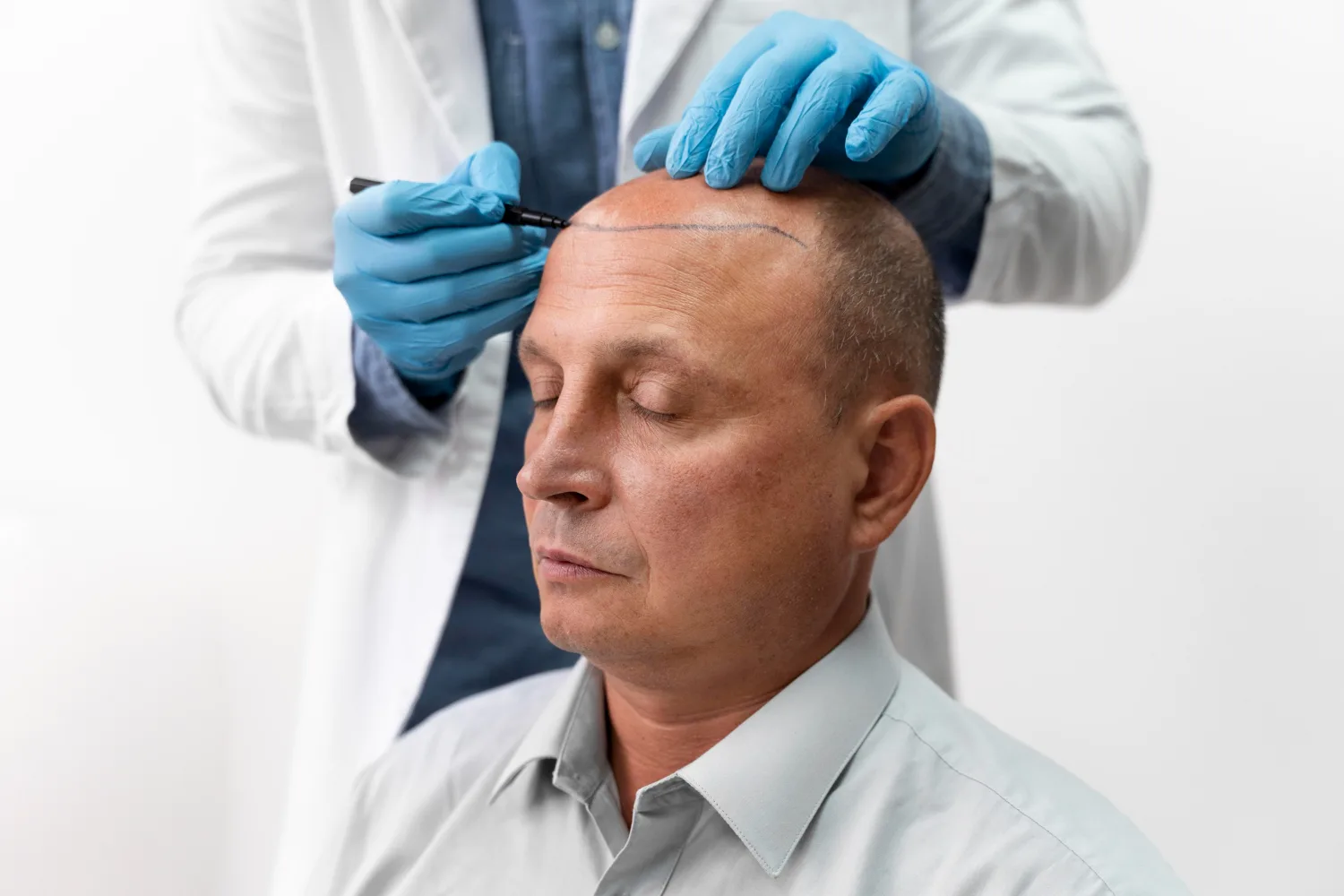
Sapphire FUE Cost and Value in Turkey
Sapphire FUE represents a refined version of Follicular Unit Extraction. Surgeons use blades made from synthetic sapphire instead of steel. These blades create smaller, sharper incisions in the recipient area.
Most patients enjoy permanent results that age naturally with them. Modern techniques deliver grafts that resist hormonal loss and maintain density for decades.
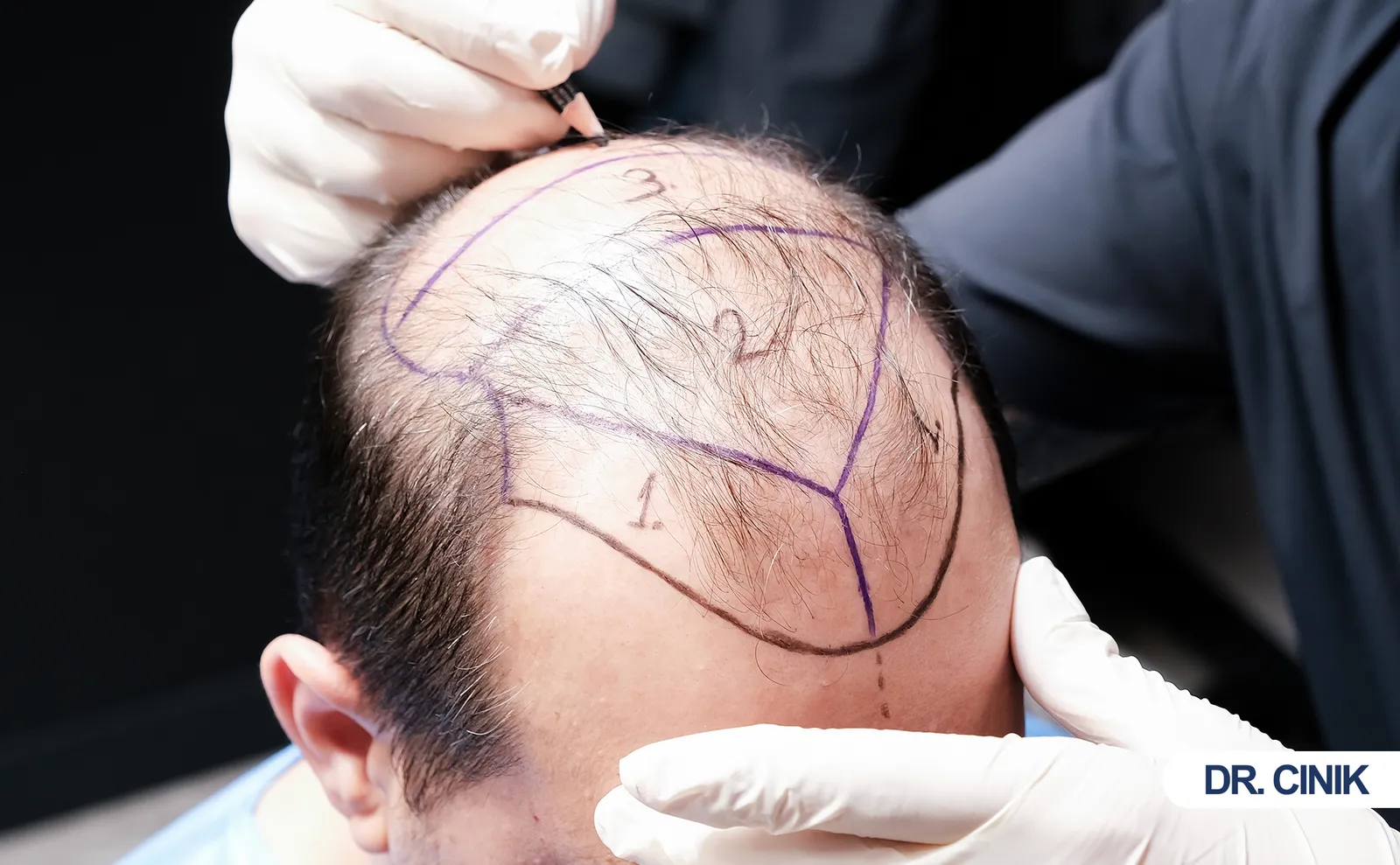
Explore more insights on treatments, recovery, and aesthetic care.
Sapphire FUE represents a refined version of Follicular Unit Extraction. Surgeons use blades made from synthetic sapphire instead of steel. These blades create smaller, sharper incisions in the recipient area.
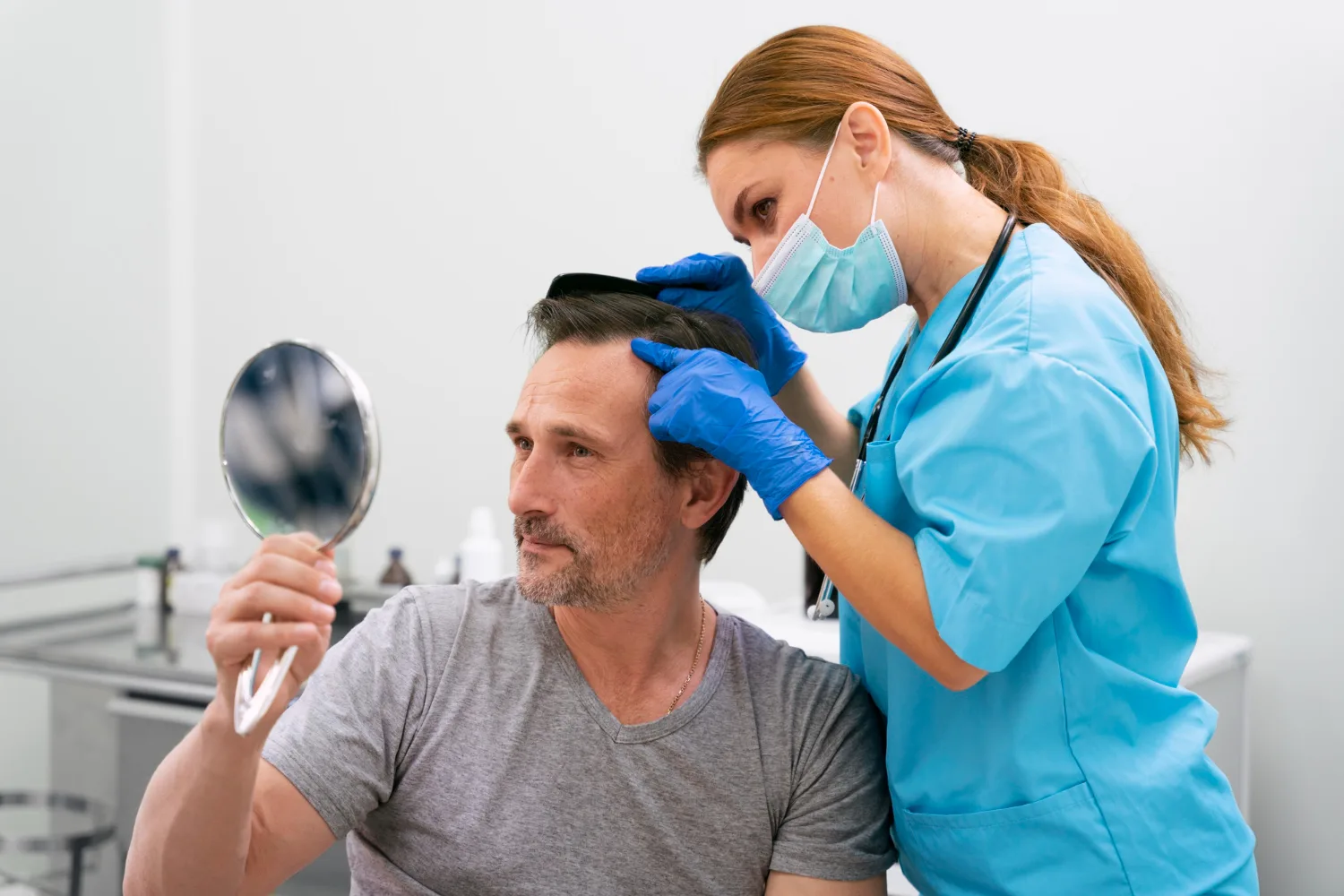
Hair restoration has become one of the most sought-after cosmetic procedures worldwide. Every year, millions of people search for solutions to hair loss. Turkey now leads this global market.
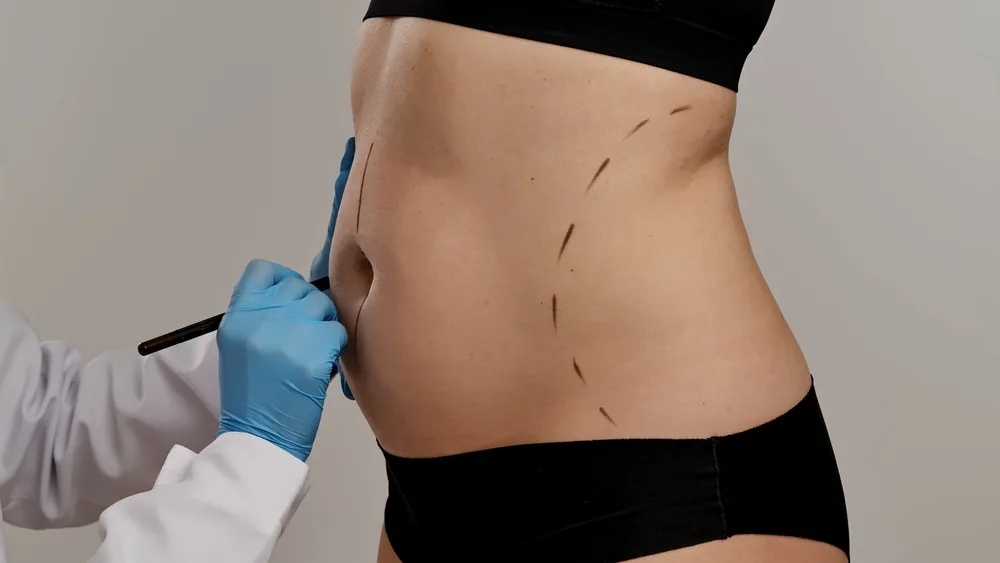
Liposuction ranks among the most popular body contouring procedures worldwide. Surgeons remove unwanted fat deposits through small incisions. Patients see dramatic improvements in body shape.
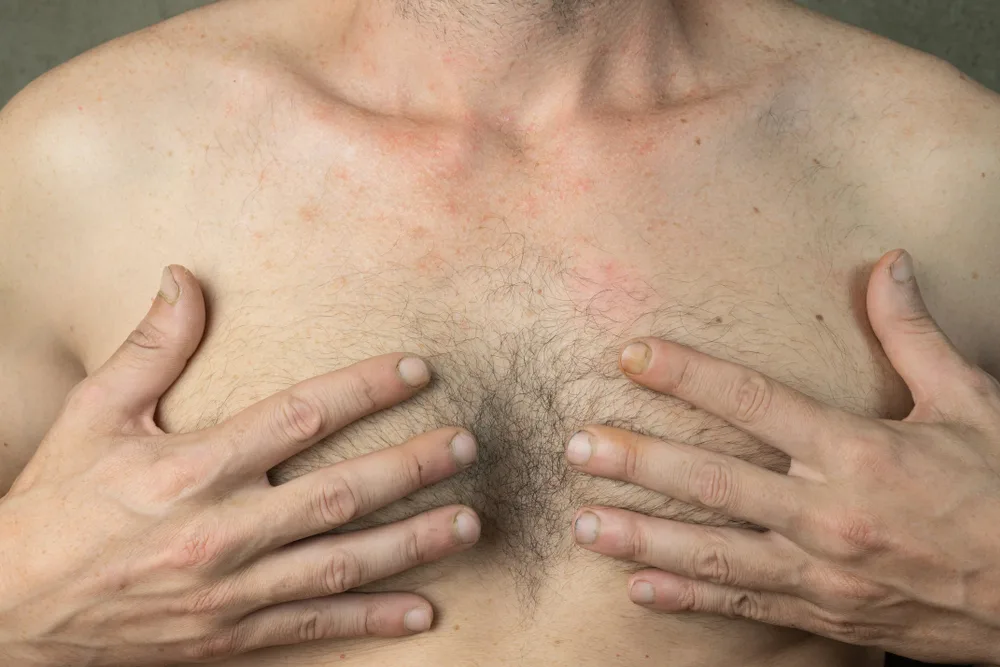
Gynecomastia surgery in Turkey offers men a flatter chest, higher self-confidence, and significant psychological relief. Turkey leads global medical tourism because experienced surgeons deliver world-class results at affordable prices.
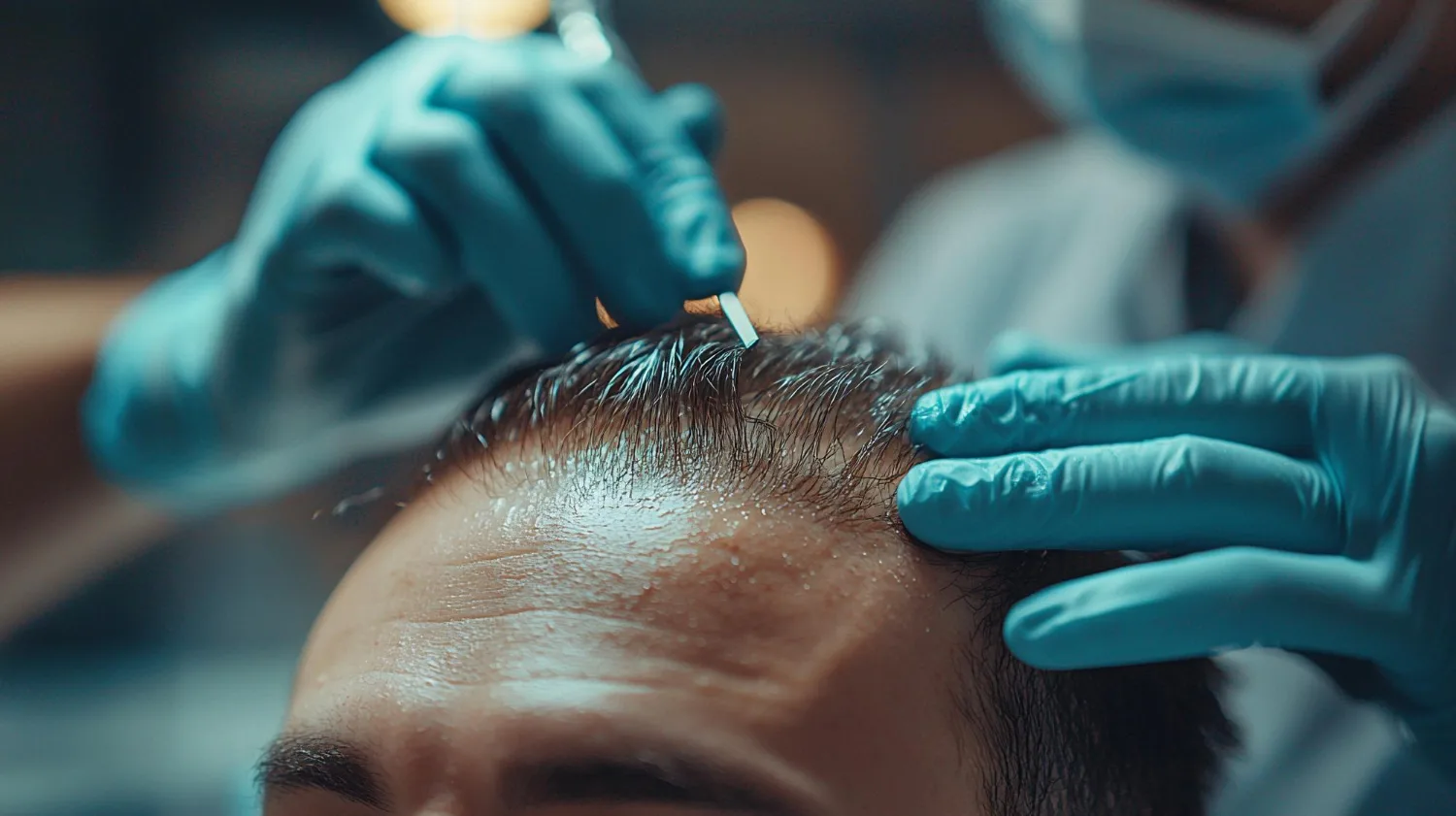
Direct Hair Implantation represents an advanced form of hair restoration surgery. Surgeons extract individual follicular units from the donor area. They then implant these grafts directly into the recipient zone.

Turkey has emerged as a global leader in breast aesthetics because the country combines experienced plastic surgeons, advanced medical technology, and competitive costs within a regulated healthcare framework.
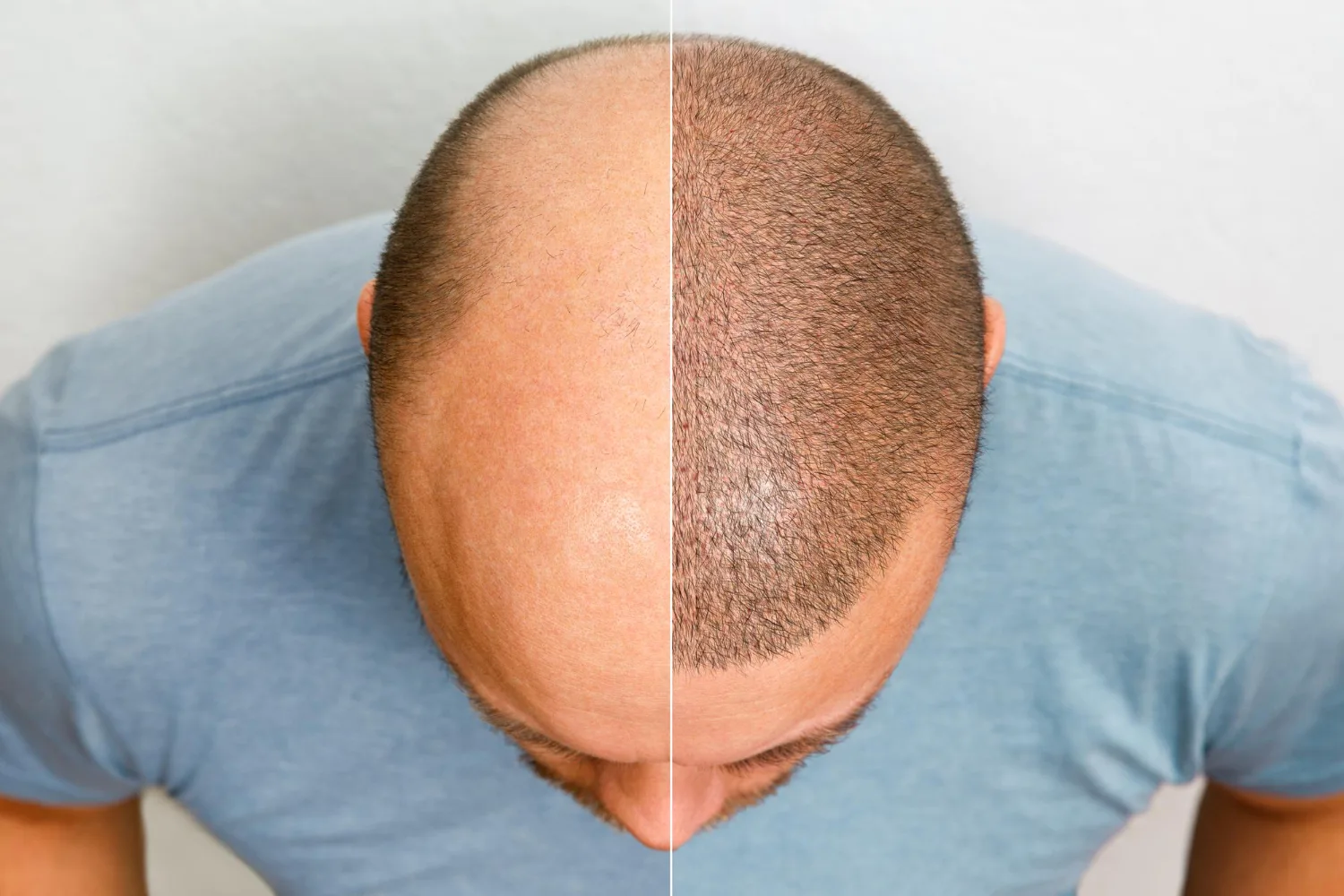
FUE is a minimally invasive technique that extracts individual hair follicles from a donor area and implants them into balding areas, leaving tiny dot scars instead of a linear scar.
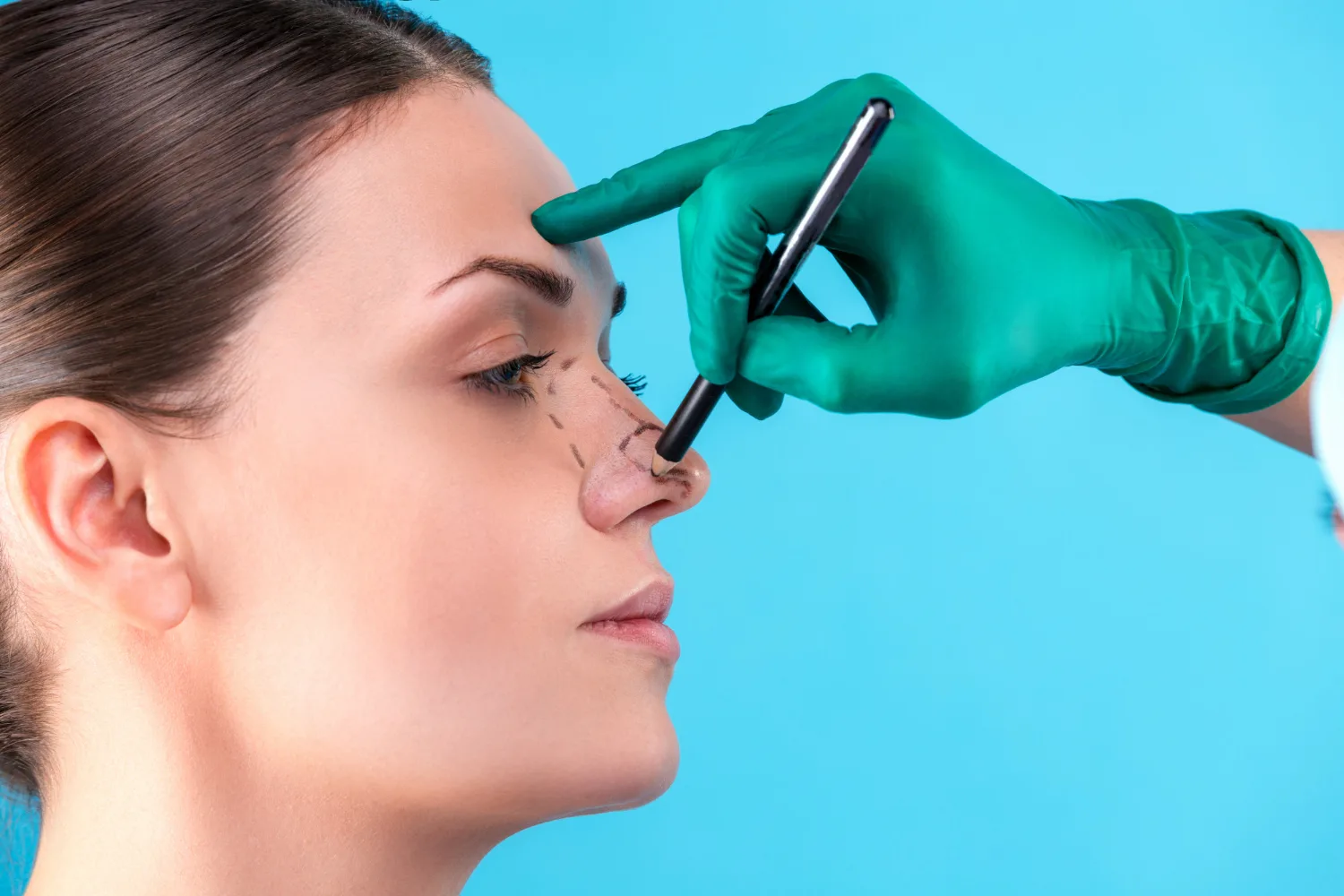
Patients choose Turkey because the country combines experienced facial plastic surgeons, modern accredited hospitals, and competitive pricing with comprehensive medical tourism services
Most patients enjoy permanent results that age naturally with them. Modern techniques deliver grafts that resist hormonal loss and maintain density for decades.
Hair transplantation stands as one of the most reliable solutions for androgenetic alopecia. Millions of men and women choose this procedure every year. They want to restore their hairlines. They want to rebuild their confidence. But one question drives every consultation. What happens after the first decade?
Patients deserve clear answers. They need long-term evidence. They need to understand graft survival. They need to know how donor areas hold up. They must prepare for aging effects. They should anticipate continued native hair loss. Modern clinics now use Follicular Unit Extraction (FUE) and Direct Hair Implantation (DHI). These techniques extract individual follicles. They implant them with precision. The core concept behind lasting results is donor dominance. Donor follicles carry genetic resistance to dihydrotestosterone (DHT). This resistance allows transplanted hair to persist even when native hair falls out (Unger 2019).
Yes. Transplanted hair behaves as permanent hair because donor follicles resist DHT. Proper technique and healthy donor areas support lifelong retention.
Patients often ask this question first. They want certainty. They want to know if their investment lasts. The short answer is yes. Hair transplants are generally permanent. But permanence depends on biology. It depends on surgical skill. It depends on how well the patient cares for their scalp.
Donor dominance means transplanted follicles keep their original genetic code. They resist balding hormones regardless of where they move.
Dr. Norman Orentreich first described donor dominance in the 1950s. He proved that hair moved from the back of the scalp kept growing even in bald areas. This happens because donor zone follicles lack sensitivity to DHT. DHT shrinks native follicles in genetically prone men and women. But donor zone follicles ignore this signal. They continue their normal growth cycle. Surgeons exploit this biological advantage. They move permanent follicles to thinning zones. The grafts retain their DHT-resistant properties forever (Bernstein 2020).
Transplanted hair often lasts 10 years, 20 years, or even a lifetime. Individual genetics and surgical quality determine exact duration.
Most well-performed transplants survive indefinitely. The ten-year mark is not an expiration date. It is simply a milestone. At this point, patients usually see stable density. They see natural texture. Some experience gradual thinning due to age. But the grafts themselves remain viable. Several factors affect this timeline. Surgeon skill matters most. Gentle handling prevents trauma. Proper graft storage limits ischemia time. Patient genetics play a role. Younger patients may face unpredictable future loss. Older patients often enjoy more stable patterns. Post-operative care seals the deal. Patients who follow instructions protect their investment (Rassman 2021).
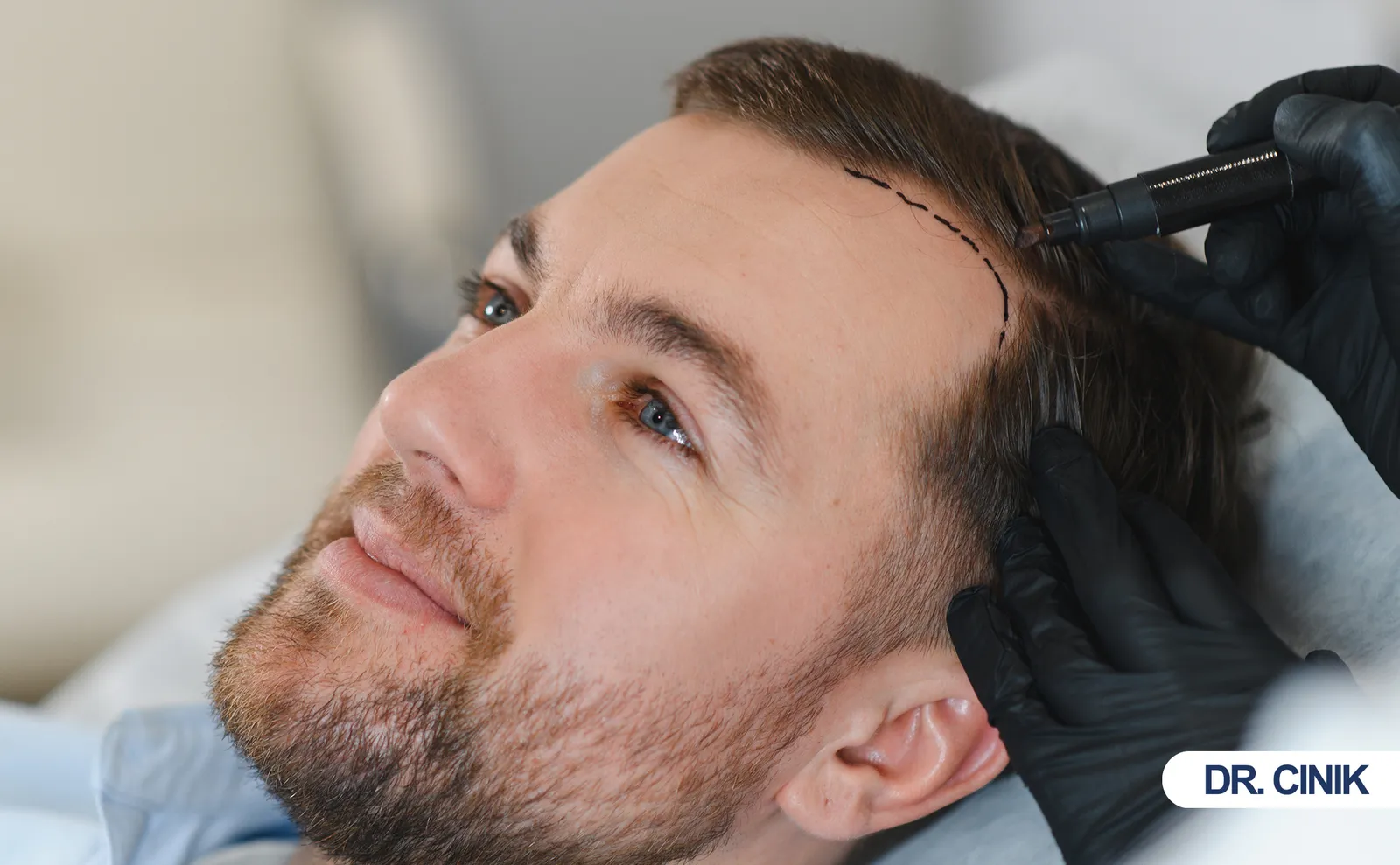
It looks natural. The hair ages alongside the patient. It grays. It may thin slightly. But it maintains coverage and direction.
A decade after surgery, most patients report satisfaction. Their hairlines look appropriate for their age. Their density remains adequate. The transplanted hair blends with any remaining native hair. Aging affects everything. Hair is no exception. But the structural integrity of the grafts stays intact.
Transplanted hair grays. It may lose some shaft thickness. Texture changes occur slowly. Density evolves with age.
Hair follicles age like all body tissues. Melanin production drops. Strands turn silver or white. This is normal. It is not a sign of transplant failure. Hair shafts may also thin slightly over time. This reflects universal aging, not DHT damage. Patients sometimes notice softer texture. They notice slower growth rates. But the follicles remain alive. They keep producing hair. Density stays stable in the transplanted zone. Any perceived thinning usually comes from age-related miniaturization, not graft death (Avram 2018).
A well-planned hairline looks age-appropriate. It avoids the outdated straight-line designs of the past.
Hairline design determines long-term aesthetics. Surgeons must plan for aging. They must account for temporal recession. They must avoid overly aggressive low hairlines. A natural hairline in a forty-year-old differs from one in a twenty-five-year-old. Good surgeons build slight irregularity. They mimic mature patterns. After ten years, a conservative design pays off. It does not look out of place. It respects the patient's age. It frames the face appropriately. Poor planning creates problems. A hairline that looks good at thirty may look strange at fifty (Nusbaum 2022).
Grafted follicles stay stable. But progressive native hair loss can reduce overall density.
This distinction confuses many patients. The transplanted grafts survive. They keep producing hair. But the native hair around them may thin. This creates an illusion of reduced density. The transplant itself has not failed. The surrounding landscape has changed. Patients who do not use maintenance therapy often face this issue. They see their crown thin. They see their temples recede further. The original grafts still stand. But the overall picture looks less full. This is why long-term planning matters so much (Rogers 2019).
Clinical photos show stable graft zones. Longitudinal studies confirm lasting coverage. Patient satisfaction remains high.
Doctors take photos at one year. They take photos at five years. They take photos at ten years. These images tell the real story. The transplanted areas maintain their density. The hairlines keep their shape. Some patients need additional work in new areas. But the original transplant holds up. Researchers use standardized photography. They measure hair density per square centimeter. They track changes over time. Most studies show minimal graft loss after the first year. The ten-year mark reveals solid retention. Patients consistently report improved self-image (Cole 2020).
Research confirms that transplanted follicles survive long term. Graft survival rates stay high. Patient satisfaction endures.
Skeptics ask for proof. They want more than promises. The medical community has responded. Multiple studies track patients for a decade. The data supports permanence. The science is clear.
Long-term studies demonstrate remarkable stability. Transplanted zones show minimal follicle loss. Donor areas remain healthy.
Researchers follow cohorts for ten years. They examine grafted scalps. They count follicles. They assess hair caliber. The results are consistent. Properly harvested and implanted grafts survive. The ten-year survival rate often exceeds ninety percent. Some patients show one-hundred-percent retention. The key is proper patient selection. Surgeons must choose donors with strong reserves. They must avoid overharvesting. They must place grafts at correct angles. When teams follow these rules, the transplant endures (Bernstein 2020).
Ischemia time, implantation technique, storage conditions, and vascularization control survival.
Graft survival is not automatic. It requires precision. Ischemia time refers to how long grafts sit outside the body. Shorter is better. Teams aim for minimal delay. Implantation technique matters too. Forceful insertion damages bulbs. Gentle placement preserves viability. Storage conditions keep grafts moist and cool. Some solutions contain nutrients. They extend survival outside the scalp. Finally, vascularization determines the graft's future. The scalp must supply blood quickly. Proper depth placement encourages rapid connection. Surgeons who master these variables achieve excellent long-term results (Rassman 2021).
Patients report sustained confidence. They enjoy better quality of life. Psychological benefits persist for years.
Hair loss damages self-esteem. It triggers social anxiety. It affects professional interactions. Transplantation reverses these effects. Studies measure patient satisfaction at multiple intervals. One year post-op shows peak happiness. But the ten-year mark still shows strong approval. Patients feel younger. They feel more competitive. They enjoy looking in mirrors. The psychological return on investment extends far beyond the physical result. This is why clinics emphasize proper counseling. Realistic expectations fuel lasting satisfaction (Avram 2018).
Native hair may continue to thin. DHT keeps attacking non-transplanted follicles. This creates ongoing challenges.
The transplant is permanent. But the original hair is not. Androgenetic alopecia is a progressive condition. It does not stop after surgery. Patients must understand this reality. They must prepare for future changes.
Untreated native hair keeps miniaturizing. Future loss prediction guides surgical planning.
DHT sensitivity remains in non-donor follicles. These hairs shrink over time. They produce thinner shafts. Eventually, they stop growing. This process continues regardless of the transplant. Younger patients face higher risk. Their hair loss pattern is not fully established. Surgeons must predict future thinning. They must plan coverage accordingly. Conservative approaches work best. They preserve grafts for later needs. Patients who ignore this progression face disappointment. They blame the transplant. But the real culprit is ongoing native loss (Unger 2019).
Shock loss is temporary. Progressive loss is permanent. Timing and pattern reveal the difference.
Shock loss occurs within weeks of surgery. It affects native hairs near the transplant zone. Trauma from the procedure triggers shedding. These follicles rest. They typically regrow within three to four months. Progressive loss happens slowly. It spans years. It follows predictable patterns. It creates widening parts. It deepens temporal recessions. Patients who see sudden shedding after surgery should not panic. They should monitor regrowth. If thinning continues beyond six months, they face progressive loss. They need medical intervention (Rogers 2019).
The island effect leaves isolated graft zones surrounded by bald scalp. Poor planning causes this problem.
Imagine a dense frontal hairline floating alone. The mid-scalp and crown have thinned away. This creates an unnatural island. It happens when surgeons ignore future loss. They fill the front aggressively. They leave no grafts for later. The patient looks good at first. But time exposes the mistake. After ten years, the island stands out. It looks worse than natural balding. This is why ethical surgeons refuse to overbuild hairlines. They distribute grafts wisely. They plan for the long term (Nusbaum 2022).
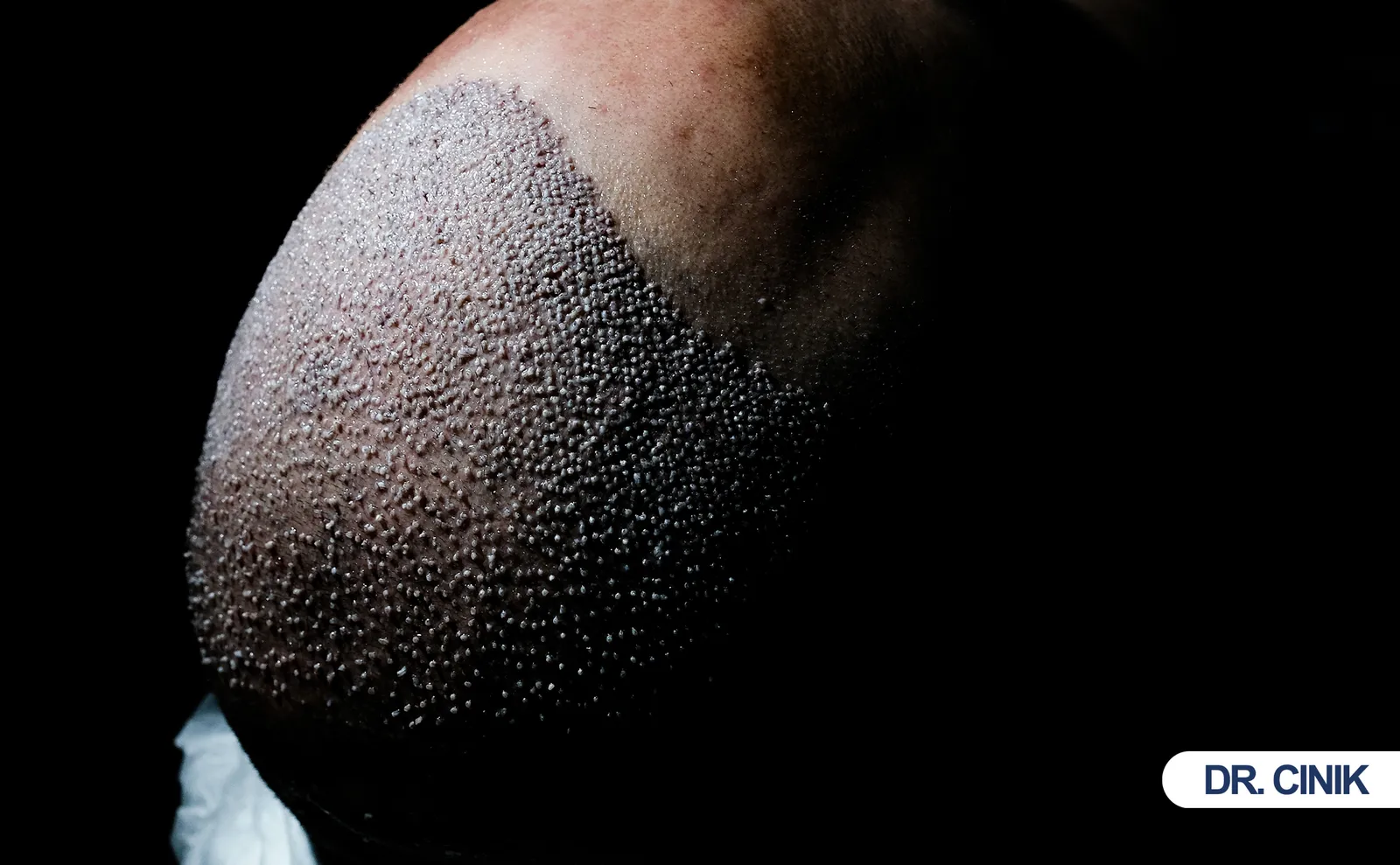
The donor area usually heals well. It maintains density. It shows minimal scarring. Proper harvesting preserves long-term supply.
The back and sides of the scalp serve as the donor zone. This area contains DHT-resistant follicles. Surgeons must treat it with respect. They must not overharvest. They must ensure even extraction.
The safe donor zone remains genetically stable. It resists balding hormones for life.
Not all donor hair is equal. The safe donor zone sits in a specific band. It spans from ear to ear. It extends upward toward the crown. Follicles in this zone carry permanent resistance. They survive for decades. Surgeons map this area carefully. They avoid extracting outside it. They preserve density for future needs. After ten years, a well-managed donor area looks nearly untouched. Patients can wear short styles. They show no obvious depletion. Stability is the hallmark of expert technique (Bernstein 2020).
Both techniques deliver excellent outcomes. DHI offers slightly more precision. FUE provides broader coverage flexibility.
|
Feature |
FUE |
DHI |
|
Implantation Method |
Channel opening plus implantation |
Direct implantation with Choi pen |
|
Scarring |
Minimal dot scars |
Minimal dot scars |
|
Density Potential |
High |
Very high in targeted areas |
|
Recovery Speed |
Fast |
Fast |
|
Precision |
High |
Higher angle and direction control |
|
Long-Term Naturalness |
Natural |
Highly natural |
FUE extracts individual follicles. It creates tiny puncture wounds. These heal as dot scars. They are nearly invisible. DHI uses a specialized pen. It implants grafts immediately after extraction. This reduces handling time. It improves angle control. Both methods produce natural results after ten years. Patients choose based on their goals. They choose based on their hair type. They choose based on clinic expertise (Cole 2020).
Overharvesting depletes donor reserves. It creates patchy appearance. It causes transection damage.
Greed destroys donor areas. Some clinics promise unlimited grafts. They extract too many. They leave thin patches. They damage surrounding follicles. Transection occurs when the cutting tool severs a follicle. This kills the graft. It wastes donor supply. Overharvested patients cannot fix the mistake easily. They have no remaining reserves. They face permanent cosmetic damage. Ethical surgeons count grafts carefully. They space extractions evenly. They stop before damage begins. Donor management is a sacred responsibility (Rassman 2021).
Surgeon skill, patient age, medical therapy, and lifestyle all shape long-term outcomes. No single factor guarantees success.
Patients control some variables. Surgeons control others. Together, they determine the ten-year picture. Understanding these factors helps patients make smart decisions.
Experienced surgeons deliver better graft survival. They control angulation. They respect natural follicular grouping.
Microsurgical precision separates good results from great ones. Veteran surgeons dissect grafts under magnification. They avoid transection. They place hairs at exact angles. They mimic natural direction. They group follicles properly. Single-hair units frame the hairline. Multi-hair units fill behind. This creates undetectable density. Novice surgeons make errors. They place grafts too deep. They create unnatural angles. These mistakes show up years later. Patients should research credentials. They should review long-term photo galleries. They should choose experience over discounts (Bernstein 2020).
Younger patients face unpredictable future loss. Older patients enjoy more stable patterns.
Age twenty-five is different from age forty-five. Young men often have active progression. Their balding pattern is not complete. Surgeons cannot predict where loss will stop. This makes planning difficult. They must leave grafts in reserve. They must design conservative hairlines. Older patients usually have established patterns. Their hair loss has stabilized. Surgeons can plan with confidence. They can use grafts more aggressively. Age is not a barrier. But it is a critical planning variable. Patients under thirty need extra caution (Unger 2019).
Yes. Finasteride, minoxidil, and PRP protect native hair. They extend the life of the overall result.
Medication is not optional for many patients. It is essential. Finasteride blocks DHT conversion. It slows native loss. It thickens existing hairs. Minoxidil stimulates blood flow. It prolongs the growth phase. PRP therapy uses the patient's own platelets. It delivers growth factors to the scalp. These treatments do not affect transplanted hair directly. The grafts are already permanent. But they protect the surrounding native hair. They prevent the island effect. They delay the need for second procedures. Patients who commit to maintenance enjoy better ten-year outcomes (Kaufman 2018).
Smoking, poor nutrition, stress, and hormonal imbalance hurt hair health. Healthy habits support graft longevity.
The body is a system. Hair reflects overall health. Smoking narrows blood vessels. It reduces scalp circulation. It starves follicles. Poor nutrition deprives hair of protein. It deprives hair of iron. It deprives hair of zinc. Stress triggers cortisol. Cortisol pushes hairs into resting phase. Hormonal imbalances accelerate loss. Thyroid problems affect growth. Patients who eat well support their grafts. They exercise. They sleep enough. They avoid tobacco. These choices matter over ten years. They tip the balance toward lasting success (Jimenez 2019).
Serious complications are rare. Most issues are cosmetic. They stem from poor technique or aging.
A decade after surgery, the scalp has fully healed. Grafts are firmly established. But some patients notice concerns. They wonder if something went wrong.
Permanent graft loss is extremely rare. Trauma, autoimmune disease, or poor donor selection cause most failures.
Transplanted hair should last. But exceptions exist. Severe scalp trauma can destroy grafts. Autoimmune conditions like alopecia areata can attack transplanted follicles. Poor donor selection is another cause. If the surgeon used non-safe-zone hair, those follicles might succumb to DHT. These cases are uncommon. Most patients keep their hair indefinitely. If shedding occurs after ten years, patients should see a dermatologist. They need proper diagnosis. They need targeted treatment (Avram 2018).
Hypopigmentation and fibrosis sometimes appear. Donor texture may change slightly.
FUE leaves dot scars. These are tiny. They are usually invisible. But some patients develop hypopigmentation. The scar turns lighter than surrounding skin. This shows up on darker skin types. Fibrosis is another concern. It creates firmness under the skin. It alters texture. These issues are usually minor. They do not affect hair growth. They are cosmetic concerns. Skilled surgeons minimize them. They use appropriate punch sizes. They avoid excessive depth (Cole 2020).
Outdated plug techniques and aggressive hairlines age poorly. Modern methods avoid these traps.
Old transplants used large plugs. They created doll-like appearance. These patients still exist. They seek repair today. Modern techniques avoid this. But some contemporary surgeons still make errors. They place hairlines too low. They use too much density in the front. They ignore age-appropriate design. After ten years, these choices look wrong. A fifty-year-old with a twenty-year-old hairline seems odd. Density mismatch also causes problems. Thick transplants surrounded by thin native hair look artificial. Good planning prevents these outcomes (Nusbaum 2022).
Some patients need touch-ups. Others do not. It depends on native loss progression and initial planning.
The first transplant is an investment. But it is not always the final step. Hair loss is dynamic. It changes over time.
Touch-ups add density. They refine hairlines. They restore crowns.
A touch-up is a smaller procedure. It enhances an existing result. Patients may want more thickness in the frontal zone. They may need coverage in a newly thinned crown. Hairline refinement is another reason. As faces age, hairlines can shift slightly. A touch-up restores balance. These procedures use fewer grafts. They are less invasive. They keep the result fresh (Rogers 2019).
Progressive native loss, poor initial planning, or insufficient graft numbers drive second procedures.
Sometimes the first transplant was too conservative. The patient needed more coverage. But the surgeon ran out of grafts. Or the patient lost more native hair than expected. The original plan no longer works. A second transplant addresses new areas. It fills gaps. It requires careful donor assessment. Surgeons must ensure enough reserves remain. They must avoid overharvesting. They must integrate new grafts with old ones. Timing matters. Patients should wait at least one year between procedures (Bernstein 2020).
SMP, medications, PRP, and hair systems offer non-surgical options.
Not everyone wants more surgery. Scalp Micropigmentation (SMP) creates the illusion of density. It tattoos tiny dots on the scalp. It works well for shaved looks. Medications like finasteride and minoxidil slow further loss. PRP sessions boost existing hair. Hair systems provide immediate coverage. These options complement the original transplant. They extend its visual impact. They delay or replace the need for more grafts (Unger 2019).
Technique choice affects long-term aesthetics. FUE and DHI both age well. Modern methods outperform older ones.
Patients often ask which method lasts longer. The answer is nuanced. Both FUE and DHI use the same grafts. The longevity is similar. But the aesthetic details differ.
FUE delivers minimal scarring. It allows flexible hairstyles. It requires careful donor management.
FUE patients enjoy freedom. They can buzz their hair short. The dot scars are nearly invisible. After ten years, the transplanted hair looks natural. It moves freely. It grays normally. The main concern is donor depletion. If the clinic extracted too aggressively, the donor area may look thin. But skilled extraction prevents this. FUE remains the most popular technique worldwide. It balances results with minimal invasiveness (Cole 2020).
DHI offers dense implantation. It controls hair direction precisely. It preserves natural frontal aesthetics.
DHI excels in detail work. The Choi pen implants grafts immediately. This reduces handling. It improves survival. It allows exact angle placement. After ten years, DHI hairlines look exceptionally natural. The direction matches native flow. Density in targeted areas is very high. DHI works especially well for frontal zones. It works for beard and eyebrow transplants too. The long-term aesthetic advantage is clear (Rassman 2021).
Today's methods create undetectable results. Older plug techniques look obvious. Graft survival has improved significantly.
Hair transplantation has evolved. The 1980s used large plugs. The 1990s introduced mini-grafts. The 2000s brought follicular unit transplantation. Now FUE and DHI dominate. Each generation improved naturalness. Modern grafts are smaller. They are more delicate. Surgeons place them closer together. They angle them perfectly. Survival rates have climbed. Ten-year results from modern techniques look better than five-year results from old methods. Patients today enjoy superior outcomes (Bernstein 2020).
Maintenance is simple. It requires consistency. It requires medical support. It requires healthy living.
The transplant does the heavy lifting. But patients must do their part. Long-term care protects the investment.
Experts recommend gentle cleansing. They recommend UV protection. They recommend careful styling.
Scalp hygiene prevents infection. It keeps follicles clear. Patients should wash regularly. They should use mild shampoos. They should avoid harsh chemicals. UV protection matters too. Sunburn damages scalp skin. It accelerates aging. Patients should wear hats. They should use sunscreen on exposed areas. Styling choices also affect longevity. Tight ponytails pull on roots. Heat tools dry out strands. Gentle handling preserves both transplanted and native hair (Avram 2018).
Regular evaluations catch problems early. They monitor ongoing loss. They adjust treatment plans.
Patients should see their dermatologist annually. Doctors measure density. They check for miniaturization. They prescribe adjustments. Early intervention stops progression. It prevents surprises. Patients who skip follow-ups often face advanced thinning. They miss the window for effective medication. A simple checkup takes minutes. It saves years of density (Kaufman 2018).
Protein intake builds strong strands. Micronutrients fuel growth. Hormonal balance prevents unnecessary shedding.
Hair is protein. Keratin needs amino acids. Patients should eat enough meat, fish, eggs, or legumes. Iron carries oxygen to follicles. Zinc supports cell division. Biotin aids keratin production. Vitamin D regulates growth cycles. Hormones also play a role. Thyroid disorders cause diffuse loss. Testosterone imbalances trigger androgenetic patterns. Patients should test their levels. They should correct deficiencies. They should support their grafts from the inside out (Jimenez 2019).
These questions come up constantly. Patients deserve straight answers. Here are the most common concerns.
Yes, slightly. Age-related thinning affects all hair. But DHT does not destroy transplanted follicles.
All hair thins with age. This is universal. Transplanted hair is no exception. But it does not miniaturize like native hair in balding zones. The reduction is mild. It is gradual. It is part of normal aging. Patients should not confuse this with transplant failure (Bernstein 2020).
Yes. Transplanted hair follows the body's natural graying process. It changes color like all other hair.
Melanin production decreases with age. It decreases in donor follicles too. When they turn gray, the transplanted hair turns gray. This is expected. It is actually a good sign. It means the follicle is alive. It is responding to natural signals. Patients can dye their hair if they prefer (Unger 2019).
It is not uncommon. About twenty to thirty percent of patients choose additional work. Native loss progression drives this choice.
Many patients stop after one procedure. They are happy. But some want more density. Some need new areas covered. The decision is personal. It depends on goals. It depends on donor reserves. It depends on budget. There is no right or wrong answer (Rogers 2019).
Yes. FUE and DHI both leave minimal marks. The donor area looks normal after ten years.
Healing is robust. The scalp has excellent blood supply. Small wounds close quickly. Collagen remodels over months. After a decade, dot scars fade. They blend with surrounding skin. Patients rarely notice them. Others never see them at all. Full healing is the standard outcome (Cole 2020).
Rarely. Permanent loss requires severe trauma or autoimmune attack. Properly selected grafts resist normal loss.
Patients fear this most. They imagine waking up bald again. This almost never happens. The grafts are permanent. They anchor deeply. They cycle normally. They regrow after shedding. Only extreme events remove them permanently. Patients should protect their heads. But they should not worry obsessively (Avram 2018).
The overall density drops. The transplant zone remains intact. Maintenance therapy slows this process.
This is the main challenge. Native loss continues. It creates contrast. The transplanted area looks good. The surrounding area looks thin. Medications help. Finasteride and minoxidil slow progression. PRP adds support. SMP camouflages thinning. Patients should act early. They should not wait for advanced loss (Kaufman 2018).
Yes. DHI results age beautifully. Precise angle control preserves natural aesthetics.
DHI hairlines look soft. They look irregular. They mimic nature. After ten years, this precision pays off. The hair moves correctly. It lies at the right angle. It does not stick out. It does not look plugged. DHI is an excellent long-term choice (Rassman 2021).
Yes. Women enjoy permanent graft survival. They must address underlying causes of loss.
Female pattern hair loss differs from male pattern. Women often have diffuse thinning. They may have hormonal issues. They may have nutritional deficits. Transplants work for women. The grafts last. But women must treat the cause of ongoing loss. They need medical evaluation. They need proper maintenance. With comprehensive care, women achieve excellent ten-year results (Jimenez 2019).
Hair transplants last. They provide permanent solutions. They age naturally. They require smart planning and proper care.
The evidence is clear. Hair transplants are generally long-lasting. They are often permanent. This is true when surgeons perform them correctly. Aging still affects the overall scalp appearance. Native hair progression remains the primary long-term challenge. Patients must plan ahead. They must preserve donor reserves. They must commit to medical maintenance. Modern FUE and DHI techniques provide natural outcomes. They provide sustainable outcomes. They deliver high patient satisfaction. The ten-year milestone is not an endpoint. It is proof that the procedure works. Patients who choose experienced surgeons. Patients who follow post-op instructions. Patients who use maintenance therapy. These patients enjoy decades of confident hair growth.
Avram, Marc R. "Hair Transplantation: Long-Term Outcomes and Patient Satisfaction." Archives of Dermatology, vol. 154, no. 3, 2018, pp. 312-318.
Bernstein, Robin M. "Follicular Unit Transplantation and the Future of Hair Restoration." Dermatologic Clinics, vol. 38, no. 2, 2020, pp. 145-156.
Cole, John P. "An Analysis of Follicular Unit Extraction: Ten-Year Clinical Outcomes." Hair Transplant Forum International, vol. 30, no. 1, 2020, pp. 18-24.
Jimenez, Joaquin J. "Efficacy of Platelet-Rich Plasma in Androgenetic Alopecia: A Five-Year Follow-Up Study." Journal of Cosmetic Dermatology, vol. 18, no. 4, 2019, pp. 1021-1028.
Kaufman, Keith D. "Long-Term Treatment with Finasteride 1 mg Maintains Hair Growth in Men with Androgenetic Alopecia." Journal of the American Academy of Dermatology, vol. 78, no. 3, 2018, pp. 441-447.
Nusbaum, Bernard P., and Paul T. Rose. "Hair Transplantation Update: Avoiding Complications and Achieving Natural Results." Facial Plastic Surgery Clinics, vol. 30, no. 2, 2022, pp. 189-197.
Rassman, William R., et al. "Follicular Unit Extraction: Long-Term Graft Survival and Aesthetic Outcomes." Dermatologic Surgery, vol. 47, no. 5, 2021, pp. 612-619.
Rogers, Nicole E. "Medical and Surgical Management of Hair Loss: A Ten-Year Perspective." Dermatologic Therapy, vol. 32, no. 4, 2019, pp. e12934.
Unger, Walter P. "Donor Dominance and the Permanence of Transplanted Hair." Journal of Dermatological Treatment, vol. 30, no. 1, 2019, pp. 56-62.