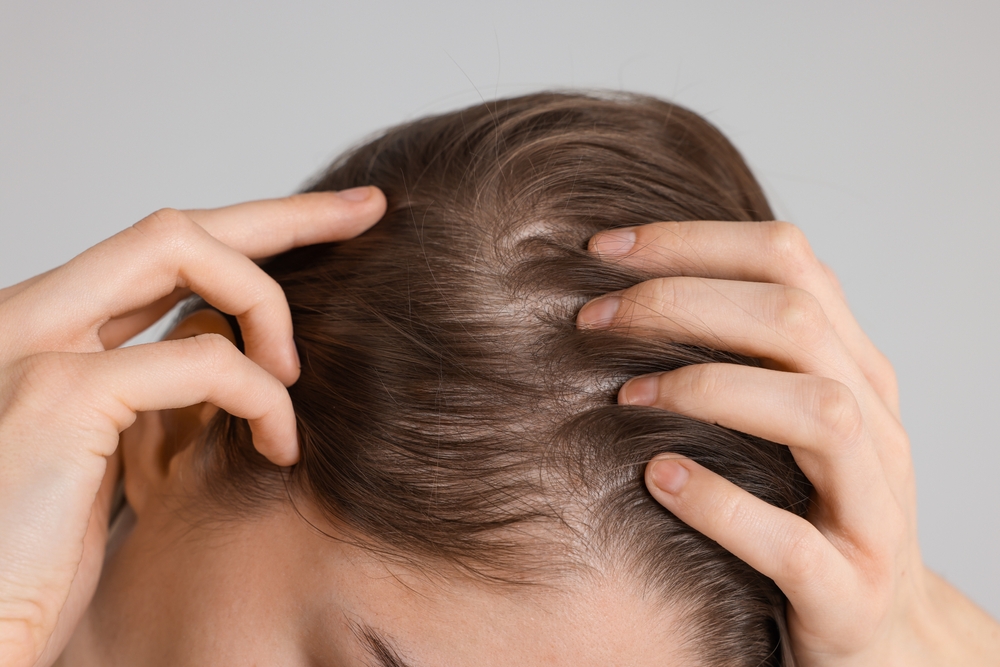
Shock loss is a temporary shedding of hair that occurs after a hair transplant. The hair shafts fall out, but the follicles stay alive. New hair grows back within three to four months. This is a normal part of recovery, not a sign of failure.
What Is Shock Loss, and Why Should Patients Understand It?
Shock loss means the temporary loss of hair shafts after a hair transplant. The follicles remain healthy underneath the scalp. Doctors also call this post-transplant shedding or reactive hair loss.
Shock loss scares many patients. They see hair falling out after surgery and panic. They think the transplant failed. But this reaction is wrong. The hair falls out, but the root stays alive.
Doctors classify shock loss as a form of localized telogen effluvium (Unger and Shapiro 2011). Sometimes it also includes parts of anagen effluvium. The key point is simple. The shaft falls. The follicle survives. This distinction matters. A dead follicle cannot grow back. A shocked follicle only sleeps.
Medical teams use several names for this event. They call it post-transplant shedding. They call it reactive hair loss. They call it shock loss. All these terms describe the same thing. The scalp reacts to surgery. The hair cycle shifts. The hair rests. Then it returns.
Patients must learn this definition early. Knowledge prevents fear. Fear causes stress. Stress can actually worsen hair loss. So education protects the patient. Education protects the result.
What Happens to the Hair Growth Cycle During Shock Loss?
Surgery disrupts the normal hair cycle. Active hairs shift into a resting phase. This shift is temporary. The follicles reactivate after the scalp heals.
How Does Surgical Trauma Disrupt the Hair Cycle?
Incisions and implantation stress the follicles. This stress pushes growing hairs into a resting state.
Hair grows in cycles. Doctors call these cycles anagen, catagen, and telogen. Anagen is the growth phase. Telogen is the resting phase. Normal scalps hold about 85% of hairs in anagen. About 15% rest in telogen.
Surgery traumatizes the scalp. The surgeon makes incisions. The team implants grafts. These actions disturb the local environment. Follicles sense this disturbance. They shift from anagen to telogen as a protective response (Jimenez and Yunis 1992). This shift is not damage. It is biology.
Think of it like pruning a tree. The tree looks bare after pruning. But the roots stay strong. New branches emerge later. The follicle works the same way. It pauses. It waits. Then it resumes.
What Role Does Reduced Blood Supply Play?
Surgery temporarily reduces oxygen flow to follicles. The body prioritizes healing. Hair growth pauses during this priority shift.
Every follicle needs blood. Blood brings oxygen. Blood brings nutrients. Surgery disrupts tiny blood vessels around the grafts. This disruption is minor. It is temporary. But it matters.
The body reacts to surgery with inflammation. Inflammation is part of healing. During healing, the body sends resources to repair tissue. It sends cells to fight infection. It sends signals to rebuild skin. Hair growth becomes a lower priority (Trueb 2008). The follicle gets less oxygen. It rests. This resting is a smart biological choice. The body heals the wound first. Then it returns to hair production.
How Do Inflammatory Cells Affect Follicles?
Inflammatory cells rush to the surgical site. They help healing. They also signal follicles to enter a resting phase.
After surgery, the scalp releases inflammatory signals. White blood cells arrive. Cytokines spread through the tissue. These chemicals clean the area. They also communicate with follicle stem cells. The message is clear. Stop growing. Rest now. Grow later.
This process is well-documented. Researchers note that microvascular disruption in both donor and recipient areas contributes to postoperative shedding (Krishnan and Kar 2012). The follicle does not die. It listens to the body’s signals. It obeys. Then it waits for the all-clear signal.
When Does Shock Loss Start, and How Long Does It Last?
Shock loss starts around day 10 to 14. It peaks between weeks 2 and 8. Recovery begins at months 3 to 4. Full results appear at 6 to 12 months.
What Happens During Days 10 to 14?
The first hairs may fall out around day 10. This is early but normal. Patients should not panic.
The second week brings the first visible changes. Some patients notice hairs on their pillow. Others see hairs in the shower. This shedding surprises them. They expected growth, not loss.
Doctors warn patients about this phase before surgery. The warning helps. Patients who know what to expect stay calm. They understand that the grafts are still alive under the skin. The visible hair is just the shaft. The shaft is not the follicle.
Why Do Weeks 2 to 8 Look So Thin?
Most visible shedding happens now. The scalp looks thinner. Doctors call this the ugly duckling phase. This phase is temporary.
Weeks 2 through 8 test patient patience. The transplanted area looks worse than before surgery. Native hairs may fall too. The scalp shows patchy thinning. This visual change triggers anxiety.
Doctors call this the ugly duckling phase. The name fits. The patient looks worse before looking better. But this is a phase. It passes. The follicles are alive. They are preparing. They are rebuilding energy for new growth.
What Changes Occur at Months 3 to 4?
New hair begins to sprout. The follicles re-enter the growth phase. Fine, thin hairs appear first.
Month 3 brings hope. Tiny hairs emerge from the scalp. They look soft. They look thin. They lack pigment at first. This is normal. Early hair is immature. It strengthens over time.
The follicle has completed its rest. It has healed. It has reconnected with blood vessels. It shifts back to anagen. The new hair pushes through the skin. Patients feel relief. The ugly duckling becomes a swan.
When Will the Final Results Show?
Full density and thickness appear between 6 and 12 months. The hair matures. The texture improves.
Months 6 through 12 reward patient patience. The hair thickens. The shafts gain diameter. The color deepens. The hair blends with native hair. The final density becomes visible.
Some patients need a full year. Others see final results at 9 months. Everyone heals differently. The timeline varies. But the endpoint is the same. Healthy, growing hair replaces the shed hair.
What Are the Different Types of Shock Loss?
Shock loss affects three areas. It affects transplanted grafts. It affects native hair. It affects the donor areaThe Source of Restoration The donor area plays a critical role in hair transplantation, as it serves as the source.... Each type has a different cause and outlook.
Do Transplanted Grafts Shed After Surgery?
Yes. Transplanted hairs often fall out within two to three weeks. The grafts stay alive under the skin.
This type is the most common. The surgeon moves grafts from donor to recipient. The grafts carry their hair shafts. These shafts fall out because the follicle enters telogen. The graft itself survives. It anchors into the new blood supply. It waits. Then it grows.
Studies show that graft shedding is nearly universal (Avram and Rogers 2013). Patients should expect it. They should plan for it. The shedding is not a complication. It is a step.
Can Native Hair Fall Out After a Transplant?
Yes. Existing weak hairs near the transplant site may fall. This happens because surgery stresses nearby follicles.
Native hair shock loss worries patients the most. They paid for a transplant. Now they see their original hair falling. They fear permanent loss.
This type occurs when native hairs are miniaturized. Miniaturized hairs are weak. They live in a fragile state. Surgery disrupts their environment. They cannot withstand the stress. They fall into telogen.
But most native hairs grow back. Strong follicles recover. They return to anagen. The patient regains density. Only permanently damaged follicles fail to return. These follicles were already dying before surgery.
Does the Donor Area Experience Shock Loss?
Yes, but rarely. Donor shock loss comes from harvesting trauma. It is usually temporary.
Donor area shock loss is less common. It happens when extraction traumatizes nearby follicles. FUE punches can disturb neighboring grafts. Strip harvesting can stress surrounding tissue.
Garg and Garg (2017) documented cases of donor area thinning after aggressive harvesting. The trauma pushes adjacent follicles into resting phase. The good news is recovery. Most donor areas fill back in within months. The follicles were strong before surgery. They remain strong after.
Is Shock Loss a Normal Event or a Surgical Complication?
Shock loss is normal. It is a physiological response. It is not a failure. Only rare cases link shock loss to true complications.
Most patients experience some degree of shock loss. Doctors consider it part of the healing process. The body reacts to surgery. The hair cycle shifts. This is biology, not error.
Complications can mimic or worsen shock loss. Infection damages follicles. Poor technique destroys grafts. Underlying scalp diseases interfere with healing. But these are complications. They are not shock loss itself.
Shock loss is predictable. Complications are not. Shock loss resolves. Complications may not. The distinction protects patient expectations.
How Common Is Shock Loss Among Hair Transplant Patients?
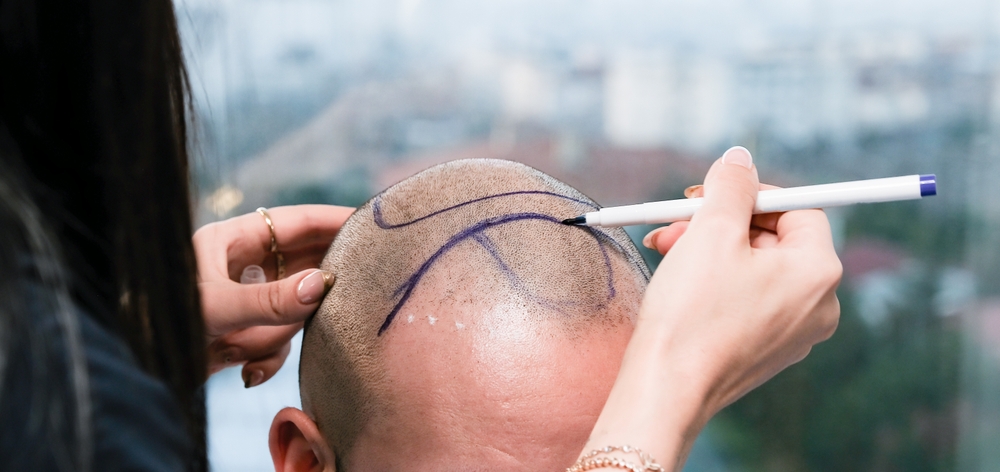
Shock loss occurs in a wide range of patients. Studies report rates from 5% to 90%. The definition and detection method cause this wide range.
No single number captures shock loss frequency. Some studies report 5% of patients. Others report 90%. Why the difference? Researchers define shock loss differently. Some count only visible bald patches. Some count any shed hair. Some use microscopes. Some use photos.
Factors that influence shock loss include:
|
Factor |
Effect on Shock Loss Risk |
|
High hair density |
Increases risk of native hair loss |
|
Miniaturized hairs present |
Increases risk of native hair loss |
|
Dense packing technique |
Increases trauma to surrounding follicles |
|
Aggressive extraction |
Increases donor area shock loss |
|
Poor scalp vascularity |
Slows recovery, extends shedding |
|
Smoking |
Reduces blood flow, worsens outcomes |
|
Patient stress response |
Individual biology affects severity |
Rose (2005) noted that patient healing response varies widely. Some scalps tolerate trauma well. Others react strongly. Genetics play a role. Age plays a role. Health plays a role.
What Causes Shock Loss After a Hair Transplant?
Multiple factors cause shock loss. Surgery, biology, and patient behavior all play roles.
How Do Surgical Techniques Influence Shock Loss?
Graft handling, implantation density, and surgical method all affect shock loss risk.
The surgeon controls many variables. Gentle handling protects grafts. Rough handling damages them. Proper hydration keeps grafts alive. Dehydration kills them.
Implantation density matters. Dense packing places grafts close together. This creates more trauma per square centimeter. More trauma means more shock loss. But patients want density. So surgeons balance density with safety.
Technique also matters. FUE leaves tiny scars. FUT leaves a linear scar. DHI uses implanter pens. Each technique traumatizes the scalp differently. Each technique affects shock loss differently. No technique eliminates shock loss entirely.
Bernstein et al. (1995) emphasized that follicular unit transplantation minimizes trauma compared to older methods. Modern techniques reduce shock loss. They do not remove it.
What Biological Factors Contribute to Shock Loss?
Telogen effluvium response, scalp blood flow, and pre-existing hair weakness all contribute.
Some patients have biology that favors shock loss. Their follicles are sensitive to stress. Their scalps have poor circulation. Their native hairs are already miniaturized.
Telogen effluvium is a well-known phenomenon. Stress, illness, or trauma pushes hairs into resting phase. Surgery is a form of trauma. The body reacts with telogen effluvium. This reaction is normal. It is protective.
Pre-existing hair weakness is critical. Patients with advanced thinning have fragile native hairs. These hairs cannot survive surgical neighbors. They fall. This is not the surgeon’s fault. It is the nature of the disease.
Can Patient Behavior Trigger or Worsen Shock Loss?
Yes. Smoking, poor aftercare, and physical trauma can worsen shock loss.
Patients control some risk factors. Smoking reduces blood flow. Nicotine constricts vessels. Less blood means less oxygen. Less oxygen means slower healing. Slower healing extends shock loss.
Poor aftercare hurts results. Patients must wash gently. They must avoid scratching. They must avoid direct sun. They must avoid sweating. Each violation increases trauma.
Physical trauma is dangerous. Bumping the head, wearing tight hats, or sleeping on the grafts can dislodge them. Dislodged grafts die. Dead grafts do not grow back. This is not shock loss. This is damage. But patients often confuse the two.
What Are the Common Myths and Real Facts About Shock Loss?
Many myths surround shock loss. Patients fear permanent loss. They fear total baldness. They fear failure. The facts tell a different story.
Does Shock Loss Mean the Transplant Failed?
No. The follicles remain alive. The hair will grow back. Shedding is part of success, not failure.
This myth causes the most panic. Patients see hair falling. They think the surgeon made a mistake. They think the grafts died. They think they wasted money.
The fact is simple. The follicle survives under the skin. It is alive. It is healthy. It is waiting. The visible hair is just a shaft. The shaft has no root function. Losing it does not harm the graft.
Zontos, Rose, and Feller (2016) confirmed that shock loss does not predict final transplant failure. The follicle’s survival depends on proper handling and placement. Not on whether the initial shaft falls.
Will the Lost Hair Grow Back?
Yes. Regrowth is expected. New hair appears within 3 to 4 months. Full density follows.
Patients fear permanent baldness. They think shed hair is gone forever. This fear is understandable but wrong.
The follicle retains its life cycle. It rests. Then it reactivates. It produces a new shaft. This new shaft may be finer at first. It may grow slowly. But it grows.
Doctors must communicate this fact clearly. Patients need reassurance. They need a timeline. They need to know what to expect.
Does Everyone Lose Severe Amounts of Hair?
No. Severity varies widely. Some patients shed a little. Some shed a lot. Most fall in between.
Media and forums show extreme cases. Patients see photos of severe shock loss. They assume this will happen to them. They assume the worst.
The reality is a spectrum. Some patients notice minimal shedding. Their transplanted hairs stay. Their native hairs stay. They never enter an ugly duckling phase. Others lose many hairs. They have a dramatic thin phase. Most patients are in the middle.
Individual biology determines severity. There is no universal experience.
How Long Does the Shock Loss Phase Typically Last?
Shock loss lasts 2 to 12 weeks for most patients. Regrowth starts at 3 to 4 months. Full recovery takes up to 12 months.
The duration depends on many factors. Surgical extent matters. A 2000-graft case creates more trauma than a 1000-graft case. Patient healing speed matters. Young patients heal faster. Healthy patients heal faster.
The typical pattern follows a curve. Shedding starts slowly. It accelerates. It peaks. Then it slows. Then it stops. Then regrowth begins.
Patients must remember the 12-month endpoint. No matter how bad month 2 looks, month 12 looks better. The timeline is reliable.
Can Patients Prevent or Minimize Shock Loss?
Patients cannot fully prevent shock loss. They can reduce its severity. They can support faster recovery.
What Should Patients Do Before Surgery?
Choose the right candidate profile. Strengthen existing hair with medical therapy. Stop smoking.
Proper patient selection helps. Surgeons should evaluate native hair density. They should identify miniaturized hairs. They should set realistic expectations. Patients with very weak native hair may need medical therapy first.
Medications like minoxidil and finasteride strengthen existing hairs before surgery. Strong hairs resist shock loss better. These medications require months of use. Patients must start early.
Smoking cessation is crucial. Patients should quit at least two weeks before surgery. They should stay smoke-free during recovery. This single change improves blood flow significantly.
How Can Surgeons Minimize Shock Loss?
Experienced surgeons use minimal trauma techniques. They handle grafts gently. They avoid over-packing.
Surgeon skill is the strongest prevention tool. Experienced hands cause less trauma. They make precise incisions. They place grafts efficiently. They avoid damaging native hairs.
Minimal trauma techniques include:
- Using sharp, fine punches for FUE
- Keeping grafts hydrated and cool
- Minimizing time outside the body
- Avoiding excessive density in one session
- Using proper angulation to avoid native follicle damage
Bouhanna (1996) stressed that surgical refinement reduces postoperative complications. Modern tools and methods continue this trend.
What Does Proper Aftercare Involve?
Gentle washing. Avoiding friction. Avoiding sweat. Using prescribed medications. Protecting from sun.
Aftercare is patient territory. The surgeon operates. The patient heals. Healing determines shock loss severity.
Patients must wash according to instructions. Usually, gentle rinsing starts at day 2 or 3. Patients must not rub. They must not pick scabs. Scabs protect grafts. Removing them early causes damage.
Friction is the enemy. Hats, helmets, and pillowcases must not rub the grafts. Patients should sleep with their head elevated. They should avoid rolling onto the transplant area.
Sweating irritates the scalp. Patients should avoid heavy exercise for two weeks. They should avoid saunas and steam rooms.
Medications help. Minoxidil can restart growth faster. Finasteride protects native hairs from further miniaturization. PRP injections may accelerate healing. Patients should follow their doctor’s prescription exactly.
When Should Patients Worry About Shock Loss?
Patients should watch for red flags. No regrowth after 6 months signals a problem. Infection, inflammation, and patchy permanent loss are warning signs.
Normal shock loss follows a timeline. It sheds. It rests. It regrows. Complications break this timeline.
Red flags include:
- No new growth at 6 months
- Pus, redness, or severe pain
- Patchy bald areas that do not fill in
- Fever or systemic illness
- Graft dislodgement with bleeding
These signs indicate complications, not shock loss. Patients must contact their surgeon immediately. Early intervention saves grafts.
Differentiating shock loss from complications requires patience and knowledge. Shock loss is diffuse. It affects wide areas. Complications are often localized. They create distinct patterns. A surgeon can examine the scalp and tell the difference.
How Does Shock Loss Affect Patient Psychology?
Shock loss triggers anxiety. Patients feel distress during the shedding phase. Doctors must manage expectations. Communication reduces fear.
The psychological impact is real. Patients invest money. They invest hope. They invest time. Then they see hair falling. This visual contradicts their expectation. They expected immediate improvement.
Anxiety peaks during weeks 3 to 6. The mirror shows thinning. The shower shows shedding. The pillow shows hairs. Social situations become stressful. Patients avoid photos. They avoid mirrors.
Doctors play a key role. They must prepare patients before surgery. They must explain shock loss in detail. They must provide written timelines. They must offer reassurance during follow-ups.
Communication is prevention. A well-informed patient handles shock loss better. They trust the process. They wait for the timeline. They do not panic.
Support groups help. Online forums connect patients. They share experiences. They normalize the ugly duckling phase. They provide peer reassurance.
What Is the Clinical Prognosis for Shock Loss?
Shock loss is a predictable healing phase. It does not affect final success. Long-term density depends on graft survival, hair thickness, and patient biology.
Shock loss resolves. That is the prognosis. The follicles survive. They regrow. The transplant succeeds.
Final density depends on:
- Graft survival rate
- Hair caliber (thick vs. thin)
- Number of grafts placed
- Patient’s natural hair characteristics
- Ongoing hair loss in untreated areas
Graft survival is the top factor. Well-handled grafts survive at rates above 90%. Poorly handled grafts die. Dead grafts do not grow back. This is why surgeon selection matters.
Hair caliber matters too. Thick hairs create more visual density than thin hairs. A patient with coarse hair achieves better coverage than a patient with fine hair. This is genetics. It is not changeable.
Ongoing hair loss is important. Shock loss is temporary. But androgenetic alopecia is progressive. Native hairs may continue to miniaturize. Patients need long-term plans. Medications help. Future procedures may help.
What Do Latest Research and Expert Insights Say About Shock Loss?
Research on shock loss pathophysiology is limited but growing. New approaches include PRP, regenerative medicine, and improved implantation tools.
The medical literature on shock loss is smaller than literature on transplantation itself. Doctors know shock loss happens. They know it resolves. But the exact cellular mechanisms need more study.
Emerging approaches show promise. Platelet-rich plasma (PRP) therapy uses the patient’s own blood. It concentrates growth factors. Surgeons inject PRP into the scalp. This may accelerate healing. It may reduce shock loss duration. It may improve graft survival.
Regenerative medicine explores stem cells and exosomes. These treatments aim to protect follicles during stress. They aim to shorten the resting phase. Research is early. Results are promising but not definitive.
Improved implantation techniques also help. DHI implanter pens reduce handling. Robotic systems improve precision. Better tools mean less trauma. Less trauma means less shock loss.
Experts agree on one point. Shock loss is not a research priority because it is temporary and benign. But patient anxiety makes it worthy of attention. Better understanding leads to better counseling.
What Questions Do Patients Most Often Ask About Shock Loss?
Patients ask about permanence, normal amounts, medications, dense packing, and gender differences.
Does Shock Loss Affect Transplanted Hair Permanently?
No. Transplanted follicles survive shock loss. They regrow. The loss is temporary.
This is the most common question. Patients need certainty. They need to know their investment is safe. The answer is yes. The grafts survive. The hair returns.
How Much Hair Loss Is Normal After a Transplant?
Losing most or all transplanted shafts is normal. Losing some native hairs is also common. The amount varies by patient.
There is no exact number. Some patients lose 90% of visible hair. Others lose 30%. Both are normal. The key is follicle survival, not shaft count.
Can Medications Reduce Shock Loss?
Yes. Minoxidil and finasteride may help. PRP may help. These are not guarantees, but they are tools.
Minoxidil increases blood flow. It may push follicles back to anagen faster. Finasteride protects native hairs from DHT. It prevents permanent miniaturization during the stress period. PRP provides growth factors. It supports healing.
Is Shock Loss Worse With Dense Packing?
Yes. Dense packing increases trauma per area. It increases risk of native hair shock loss. Surgeons balance density with safety.
Dense packing places more grafts in less space. This creates more incisions. More incisions mean more trauma. More trauma means more shock loss. Patients who want maximum density in one session accept higher shock loss risk.
Does Shock Loss Happen in Women?
Yes. Women experience shock loss after transplants. The mechanisms are the same. The psychology may differ due to social stigma.
Women undergo hair transplants too. Their shock loss follows the same timeline. Their regrowth follows the same pattern. But women may face more emotional distress. Society accepts bald men more than thinning women. Doctors must provide extra support for female patients.
Conclusion: What Is the Real Truth About Shock Loss?
Shock loss is normal, temporary, and biologically expected. Shedding is part of growth. It is not failure. Patients need realistic expectations and patience.
Shock loss frightens patients. It should not. It is a sign of healing. The body protects the follicle. It pauses hair production. It focuses on repair. Then it resumes growth.
The truth is simple. Hair falls. Follicles live. Hair grows back. The timeline is reliable. The outcome is predictable.
Patients must choose experienced surgeons. They must follow aftercare instructions. They must avoid smoking and trauma. They must trust the process.
Doctors must educate patients. They must set timelines. They must offer reassurance. They must distinguish normal shock loss from complications.
Shock loss is not a side effect to fear. It is a milestone to expect. It is the darkness before dawn. The patient who understands this will heal with confidence. The patient who panics will suffer unnecessarily.
Knowledge is the best medicine. Patience is the best treatment. Time is the best healer.
References
Avram, Marc R., and Nicole Rogers. “Contemporary Hair TransplantationHair transplantation is a surgical procedure that involves the extraction of hair follicles from a designated donor site, followed by....” Facial Plastic Surgery Clinics of North America, vol. 21, no. 3, 2013, pp. 437-443.
Bernstein, Robert M., William R. Rassman, W. Szaniawski, and A. Halperin. “Follicular Transplantation.” Dermatologic Surgery, vol. 21, no. 7, 1995, pp. 567-574.
Bouhanna, Pierre. “Androgenetic Alopecia.” Hair Replacement Surgery, Springer, 1996, pp. 45-62.
Garg, Anil K., and Seema Garg. “Donor Area Shock Loss.” Journal of Cutaneous and Aesthetic Surgery, vol. 10, no. 2, 2017, pp. 112-114.
Jimenez, Joaquin J., and Alba A. Yunis. “Telogen Effluvium.” International Journal of Dermatology, vol. 31, no. 10, 1992, pp. 711-712.
Krishnan, Anisha, and Sujata Kar. “Shock Loss After Hair Transplant.” Journal of Cutaneous and Aesthetic Surgery, vol. 5, no. 4, 2012, pp. 278-279.
Rose, Paul T. “Hair Restoration Surgery: Issues and Answers.” Facial Plastic Surgery Clinics of North America, vol. 13, no. 2, 2005, pp. 247-255.
Trueb, Ralph M. “Telogen Effluvium.” Hair Growth and Disorders, Springer, 2008, pp. 259-270.
Unger, Walter P., and Ronald Shapiro. Hair Transplantation. 5th ed., Marcel Dekker, 2011.
Zontos, George, Paul T. Rose, and Michael Feller. “Shock Loss in Hair Transplantation.” Hair Transplant Forum International, vol. 26, no. 3, 2016, pp. 14-16.