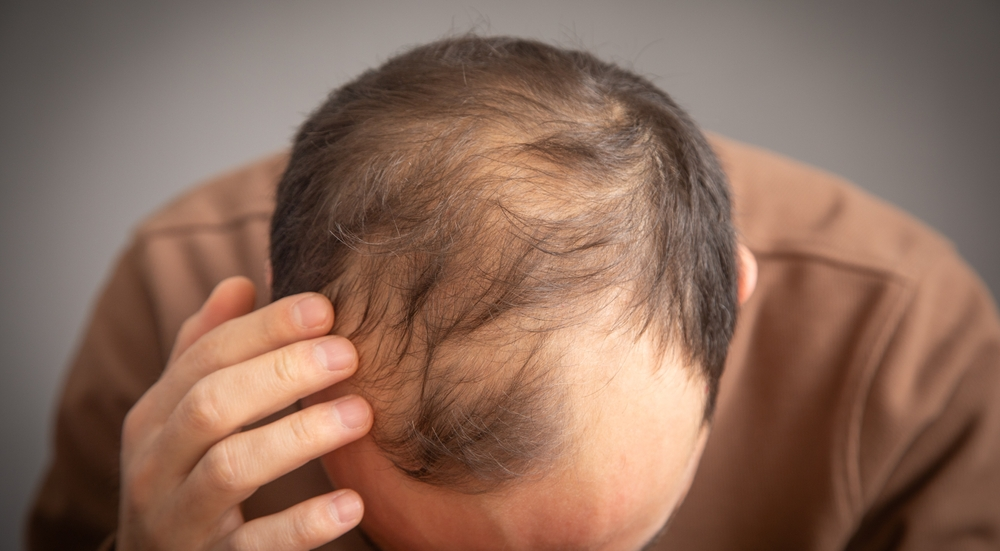
Androgenetic alopecia affects more than 80 percent of men and 40 percent of women throughout their lifetimes. Despite this staggering prevalence, treatment innovation has remained frustratingly stagnant for decades. Current therapies like Minoxidil and Finasteride offer limited results, require lifelong commitment, and carry significant side effect profiles. The emergence of regenerative medicine has opened new frontiers in hair restoration research. PP405, a novel topical therapy developed by Pelage Pharmaceuticals, represents a paradigm shift in how science approaches dormant hair follicles. This investigational treatment targets the metabolic machinery inside hair follicleA hair follicle is a small, tube-like structure embedded in the scalp that produces and grows individual strands of hair.... stem cells rather than manipulating hormones or blood flow. Understanding PP405 requires a deep dive into stem cell biology, clinical trial data, and the evolving landscape of regenerative hair medicine.
What Is PP405 Hair Loss Treatment?
PP405 is an investigational topical treatment for androgenetic alopecia. It belongs to a first-in-class category of regenerative medicine approaches. Unlike conventional therapies, PP405 does not primarily target dihydrotestosterone or vascular dilation. Instead, it focuses on reactivating dormant hair follicle stem cells through metabolic reprogramming. The compound is a small molecule designed for daily topical application as a 0.05 percent gel.
Pelage Pharmaceuticals, a clinical-stage regenerative medicine biotechnology company, developed PP405. The company traces its origins to groundbreaking stem cell and metabolism research conducted at the University of California, Los Angeles. Scientific founders Dr. William Lowry, Dr. Heather Christofk, and Michael Jung discovered that hair follicle stem cells possess a unique metabolic switch. This discovery formed the foundation of Pelage’s therapeutic platform. The company has secured over 120 million dollars in financing, with Google Ventures leading multiple funding rounds.
PP405 differs fundamentally from traditional hair loss treatments. Minoxidil works as a vasodilator, improving blood flow to existing follicles. Finasteride blocks the conversion of testosterone to DHT, slowing follicular miniaturization. Both approaches treat secondary symptoms rather than addressing the root cause of follicular dormancy. PP405 takes a direct approach. It targets the primary biological pathway that controls the natural hair growth cycle. By acting on hair follicle stem cells, which remain present even in balding areas, PP405 offers potential applicability for both men and women. This non-hormonal mechanism eliminates the systemic side effects associated with Finasteride, including sexual dysfunction and mood alterations.
The Science Behind PP405
Hair follicle stem cells reside in the bulge region of each follicle. These cells normally remain dormant during the telogen phase, which is the resting period of the hair cycle. When activated, they divide and generate new hair shafts during the anagen phase, which is the active growth period. The catagen phase serves as the transitional regression period between these two states. In androgenetic alopecia, follicles progressively miniaturize. The anagen phase shortens, and terminal hairs transform into fine vellus hairs. Eventually, the follicle enters a prolonged dormancy state.
The critical insight from UCLA research reveals that these dormant follicles are not dead. They retain intact stem cell reservoirs. The cells have simply fallen asleep due to metabolic changes. Flores and colleagues demonstrated in 2017 that hair follicle stem cells utilize glycolytic metabolism and produce significantly more lactate than other epidermal cells (Flores et al., 2017). Lactate generation appears critical for stem cell activation. When researchers deleted lactate dehydrogenase in these cells, activation stopped completely. Conversely, genetically promoting lactate production through mitochondrial pyruvate carrier deletion accelerated activation and the hair cycle.
PP405 operates through mitochondrial pyruvate carrier inhibition. The mitochondrial pyruvate carrier transports pyruvate, a glucose metabolite, into mitochondria for energy production. When PP405 inhibits this carrier, pyruvate cannot enter the mitochondria. The cell reroutes pyruvate toward lactate production instead. This metabolic shift increases lactate dehydrogenase activity. The resulting lactate surge signals dormant stem cells to divide and re-enter the growth cycle. This process represents metabolic reprogramming rather than hormonal intervention.
The stem cell activation process restores natural hair cycling. Increased Ki67 signaling, a well-established marker of stem cell proliferation, appears in biopsied follicles within days of treatment. PP405 has the potential to stimulate terminal hair growth instead of merely thickening existing vellus hairs. Early trial observations suggest new hair growth from previously inactive follicular units, which validates the regenerative potential of this approach.
Regenerative medicine in hair restoration encompasses multiple strategies. Stem cell therapy involves injecting living cells into the scalp. Exosome treatments deliver nano-vesicles containing growth factors. Hair cloningHair cloning is an emerging technique in hair restoration that aims to multiply hair follicle cells in a laboratory before... remains in experimental stages. PP405 offers distinct advantages over these approaches. It is a topical pharmaceutical with precise dosing, standardized manufacturing, and regulatory oversight. Unlike stem cell injections, PP405 does not require invasive procedures. Unlike exosome therapies, which vary significantly between providers, PP405 delivers consistent molecular targeting. The future implications for follicular rejuvenation extend beyond androgenetic alopecia to potentially include chemotherapy-induced hair loss and other forms of alopecia.
PP405 Clinical Trials and Research Data
Phase 1 clinical trials established the initial safety and tolerability profile of PP405. These early studies demonstrated proof of mechanism and target engagement in patients with androgenetic alopecia. Researchers observed statistically significant stem cell activation in hair follicles after just one week of treatment. The compound showed no systemic absorption in blood plasma, which confirmed its localized action.
Phase 2a trial results provided the first comprehensive efficacy data. The randomized, multicenter, double-blind, vehicle-controlled trial enrolled 78 men and women aged 18 to 55 years. Participants represented diverse skin phototypes and hair textures. Subjects applied either 0.05 percent PP405 topical gel or placebo once daily for four weeks. Follow-up monitoring continued through 12 weeks. Exclusion criteria included additional alopecia diagnoses, concurrent hair loss treatments, and certain medications or medical conditions.
The study met its primary safety endpoint. No systemic absorption of PP405 was detected in the blood. The therapy demonstrated a robust safety profile with no serious adverse events reported. On the efficacy front, preliminary results showed rapid and statistically significant clinical response. At week eight, 31 percent of men with a higher degree of hair loss who received PP405 exhibited a greater than 20 percent increase in hair density. The placebo group showed 0 percent response at the same threshold.
The magnitude of these results deserves careful analysis. Typically, visible hair regrowth requires 6 to 12 months of continuous therapy with existing treatments. PP405 showed measurable biological activity within eight weeks after only four weeks of treatment. This speed of response exceeds conventional expectations. The trial also revealed that PP405 induced new hair growth from follicles where no hair was previously present. This finding suggests genuine regenerative capability rather than mere maintenance of existing follicles.
Safety data from the Phase 2a trial reinforced the favorable profile. Short-term safety assessments showed excellent tolerability. Local side effects remained minimal, with no reports of significant scalp irritation. The absence of systemic exposure eliminates concerns about hormonal disruption, cardiovascular effects, or organ toxicity. Following the randomized portion, placebo patients enrolled in a three-month open-label extension to evaluate long-term safety. Pelage Pharmaceuticals expects to share the full dataset at a future medical meeting in 2026.
PP405 Before and After Expectations
Early timelines from clinical trials suggest visible results may appear within eight weeks of initiating treatment. This timeframe contrasts sharply with Minoxidil, which typically requires four to six months before users notice cosmetic improvement. The difference between biological activity and cosmetic improvement matters. Biological activity, measured through stem cell markers like Ki67, appears within days. Visible hair density changes require time for new shafts to emerge and grow to cosmetic significance.
Potential hair density improvements extend beyond simple follicle counts. PP405 may increase hair thickness by converting miniaturized vellus hairs back to terminal hairs. Terminal hairs are thick, pigmented, and cosmetically visible. Vellus hairs are fine, short, and nearly transparent. The distinction between these hair types determines the visual impact of treatment. Early trial data suggests PP405 may promote terminal hair regrowth rather than merely increasing vellus hair counts.
Multiple factors influence individual results. The stage of androgenetic alopecia plays a critical role. Early-stage patients with intact but dormant follicles respond more robustly than those with advanced miniaturization. The presence of intact follicles determines whether metabolic reactivation can succeed. Age, genetics, and scalp condition all contribute to treatment outcomes. Younger patients with shorter histories of hair loss typically show better responses. Genetic variations in metabolic pathways may affect how individual patients process the compound.
Advanced baldness presents significant limitations. PP405 cannot reverse scarring alopecia or regenerate follicles that have been completely destroyed. If fibrosis has replaced follicular structures, no stem cells remain to reactivate. Early intervention remains crucial. Patients who begin treatment while follicles still retain dormant stem cells stand the best chance of meaningful regrowth. Waiting until complete baldness develops may render the treatment ineffective.
PP405 vs Existing Hair Loss Treatments
Minoxidil, the most widely used topical hair loss treatment, works through vasodilation. It opens blood vessels in the scalp, improving nutrient delivery to existing follicles. This mechanism supports hair maintenance but does not address the fundamental dormancy of stem cells. PP405 takes a fundamentally different approach. It activates stem cells directly through metabolic reprogramming. The response time also differs significantly. Minoxidil requires months of continuous use before visible results appear. PP405 showed measurable density increases within eight weeks in clinical trials.
Finasteride operates through hormonal pathways. It inhibits 5-alpha reductase, the enzyme that converts testosterone to DHT. By lowering DHT levels, Finasteride slows follicular miniaturization. However, this hormonal intervention carries significant side effects. Sexual dysfunction, mood changes, and gynecomastia affect a subset of users. PP405 avoids these concerns entirely. Its non-hormonal mechanism targets mitochondria within the hair follicle rather than androgen receptors throughout the body. This makes PP405 potentially suitable for women, who cannot safely use Finasteride due to teratogenic risks.
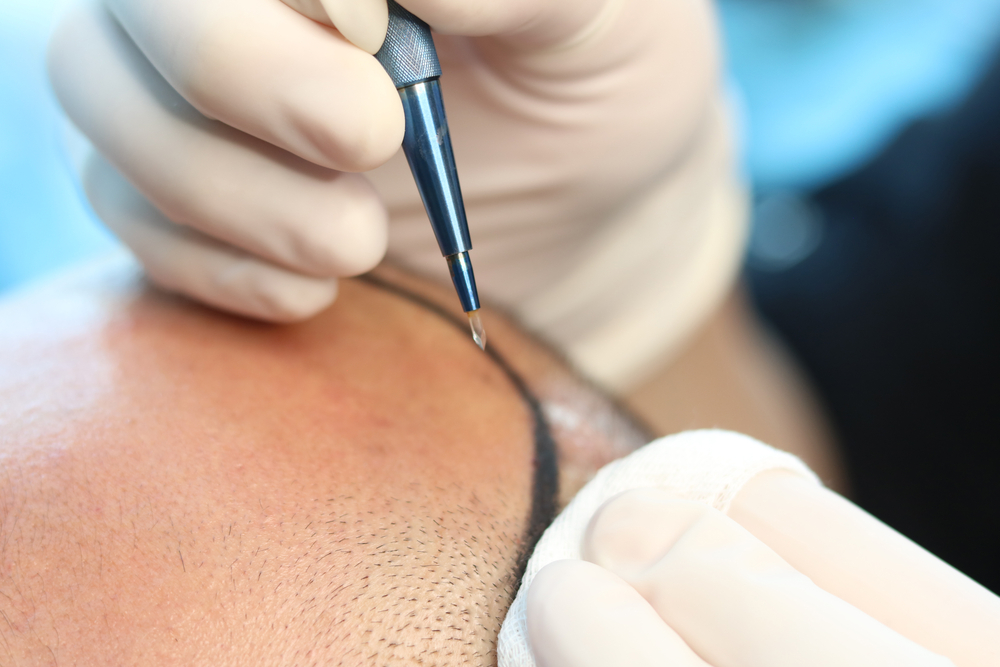
Hair transplantHair transplantation is a surgical procedure that involves the extraction of hair follicles from a designated donor site, followed by... surgery offers a permanent solution for advanced baldness. Surgeons redistribute existing follicles from donor areas to balding regions. This procedure provides immediate cosmetic improvement but does not address ongoing hair loss in untreated areas. PP405 offers a non-invasive alternative for patients who prefer topical maintenance. It may also serve as a complementary therapy for transplant patients, protecting native hair and potentially enhancing graft survival. Long-term maintenance considerations favor PP405 for patients seeking ongoing follicular health without surgical intervention.
Emerging experimental therapies present additional competition. GT20029, a topical androgen receptor degrader, targets hormonal pathways locally. Pyrilutamide, another anti-androgen compound, shows promise in early trials. Hair cloning remains theoretical, with no human clinical data available. Stem cell injections require invasive procedures and lack standardized protocols. Exosome therapies show encouraging results but suffer from significant variability in preparation and delivery methods. PP405 distinguishes itself through its pharmaceutical-grade consistency, non-invasive application, and unique metabolic mechanism.
Comparison Table: PP405 vs Existing Treatments
|
Treatment |
Mechanism |
Application |
Response Time |
Suitability for Women |
Systemic Side Effects |
|
PP405 |
MPC inhibition, metabolic reprogramming |
Topical gel, once daily |
8 weeks |
Yes |
None detected |
|
Minoxidil |
Vasodilation |
Topical solution, twice daily |
4-6 months |
Yes |
Minimal |
|
Finasteride |
DHT inhibition |
Oral tablet, once daily |
6-12 months |
No (teratogenic risk) |
Sexual dysfunction, mood changes |
|
Hair Transplant |
Follicular redistribution |
Surgical procedure |
Immediate |
Yes |
Surgical risks |
|
Exosome Therapy |
Growth factor delivery |
Injection or microneedling |
Variable |
Yes |
Minimal, but variable |
Who May Be a Good Candidate for PP405?

Male pattern hair loss follows the Norwood-Hamilton classification system. Early to moderate androgenetic alopecia, corresponding to Norwood types III through V, represents the ideal candidate profile. Men in these stages retain dormant follicles with intact stem cell reservoirs. The 31 percent response rate observed in Phase 2a trials specifically involved men with higher degrees of hair loss, suggesting efficacy across multiple severity levels.
Female pattern hair loss presents unique challenges. The Savin classification system grades female androgenetic alopecia from type I to type III. Current treatments offer limited options for women. Finasteride carries teratogenic risks and is not approved for female use. Minoxidil provides modest results with inconsistent response rates. PP405 offers significant potential benefits for women. Its non-hormonal mechanism eliminates reproductive safety concerns. The Phase 2a trial included female participants, though specific subgroup data remains pending.
Patients unsuitable for Finasteride represent a particularly important demographic. Sexual side effects deter many men from hormonal therapy. Hormone-sensitive individuals, including those with prostate concerns or endocrine disorders, cannot safely use anti-androgen treatments. PP405 provides a viable alternative for these patients. Its localized metabolic action avoids systemic hormonal disruption.
Patients seeking non-invasive hair restoration increasingly prefer topical therapies. The convenience of daily gel application appeals to individuals who reject pills, injections, or surgery. Maintenance-oriented hair loss management suits patients who view treatment as a long-term lifestyle commitment rather than a one-time fix. PP405 aligns with this preference through its simple topical regimen.
Potential Advantages of PP405
The non-invasive topical application eliminates needles, surgery, and systemic drug exposure. Patients apply a small amount of gel once daily to affected scalp areas. This simplicity improves compliance compared to complex multi-step regimens. The stem cell-based regenerative approach addresses the root cause of hair loss rather than masking symptoms. By reactivating dormant follicles, PP405 potentially reverses the balding process rather than merely slowing it.
The potential for faster visible results distinguishes PP405 from existing therapies. Eight-week response timelines contrast with the six to twelve months required for Minoxidil or Finasteride. This rapid action may improve patient satisfaction and treatment adherence. The possibility of broader patient eligibility extends to women, hormone-sensitive individuals, and those who have failed previous treatments. The reduced hormonal side effects compared to Finasteride eliminate the most common reason patients discontinue medical therapy.
Limitations and Concerns About PP405
The lack of long-term data represents the most significant limitation. Phase 2a trials lasted only four weeks of treatment with twelve weeks of follow-up. Extended follow-up studies must determine whether regrown hair persists or whether continuous treatment is required to maintain results. The durability of hair regrowth remains unknown. Patients may need lifelong application, similar to current topical therapies.
Regulatory approval status keeps PP405 in the investigational drug category. The FDA has not approved PP405 for commercial use. Phase 3 trials, planned for 2026, will provide the large-scale safety and efficacy data required for New Drug Application submission. The approval pathway typically requires two successful Phase 3 trials demonstrating superiority over placebo or non-inferiority to existing standards of care.
Unknown long-term side effects require careful pharmacovigilance. While short-term safety appears excellent, rare adverse events may emerge only after years of widespread use. The importance of Phase 3 trials cannot be overstated. These studies will enroll hundreds of patients across multiple centers for extended treatment periods. Only through this rigorous process can the medical community confirm the true risk-benefit profile.
Variability in patient response remains a concern. Genetic factors influence metabolic pathways and may affect individual sensitivity to MPC inhibition. Biological differences in scalp environment, follicular health, and inflammatory status contribute to inconsistent outcomes. Advanced follicular fibrosis presents an absolute limitation. Once scar tissue replaces follicular structures, no stem cells remain to reactivate.
PP405 Approval Timeline and Future Availability
Current development stage places PP405 at the Phase 2a completion point. Pelage Pharmaceuticals has announced plans to initiate Phase 3 trials in 2026. These pivotal studies will enroll substantially larger patient populations across multiple international sites. The Phase 3 design will likely compare PP405 against both placebo and active comparators like Minoxidil over six to twelve month treatment periods.
Estimated market release timeline depends on Phase 3 success and regulatory review speed. If Phase 3 trials complete by 2027, FDA submission could occur in 2027 or 2028. Regulatory review typically requires 10 to 18 months for novel therapeutics. This timeline suggests potential commercialization between 2028 and 2029. European Medicines Agency review would follow a similar schedule, with potential approval in 2029 or 2030.
Geographic availability expectations start with the United States market. FDA approval would enable prescription access through dermatologists and hair restoration specialists. Europe and international expansion would follow through mutual recognition procedures or separate regulatory submissions. Pricing and accessibility remain speculative. Market positioning will likely target the premium segment, given the innovative mechanism and limited competition in the regenerative category. Insurance coverage for cosmetic indications remains unlikely, placing the cost burden on patients. Accessibility may be limited initially to specialized clinics and compounding pharmacies.
Expert Opinions and Industry Reactions
Dermatologists express cautious optimism regarding regenerative therapies. Dr. Arash Mostaghimi, Vice Chair of Clinical Trials and Innovation at Brigham and Women’s Hospital, stated that PP405 brings scientific rigor to a field that has needed it for decades. He noted that a well-tolerated, topically delivered therapy showing measurable biological activity this early is rare. This perspective reflects the broader medical community’s interest in evidence-based interpretation rather than premature hype.
The biotechnology industry has responded with significant investment activity. Pelage Pharmaceuticals secured 120 million dollars in Series B funding led by ARCH Venture Partners and Google Ventures. This financial backing validates the commercial potential of regenerative hair medicine. The growth of hair regeneration research extends beyond Pelage to include competitors like Eirion Therapeutics with ET-02 and multiple exosome therapy developers.
Public and media attention has generated both excitement and concern. Online hair loss communities actively discuss PP405 trial results and speculate about availability timelines. Social media discussions often amplify expectations beyond what clinical data supports. Concerns about premature hype are valid. The 31 percent response rate, while promising, means nearly 70 percent of treated patients did not achieve the primary efficacy threshold in early trials. Managing realistic expectations remains essential for maintaining scientific credibility.
Frequently Asked Questions About PP405 Hair Loss Treatment
Is PP405 FDA approved?
No. PP405 remains an investigational drug undergoing clinical trials. It has not received FDA approval for commercial sale or medical use.
How does PP405 work?
PP405 inhibits the mitochondrial pyruvate carrier in hair follicle stem cells. This metabolic shift increases lactate production, which activates dormant stem cells and restarts the hair growth cycle.
Is PP405 better than Minoxidil?
Direct head-to-head comparisons have not been conducted. PP405 showed faster biological activity in early trials, with visible results at eight weeks versus six to twelve months for Minoxidil. However, long-term comparative efficacy remains unknown.
Can women use PP405?
Yes. The non-hormonal mechanism makes PP405 theoretically suitable for women. Phase 2a trials included female participants, though detailed subgroup results are pending.
Does PP405 have side effects?
Short-term trials showed excellent tolerability with no systemic absorption. Local side effects were minimal. Long-term side effects remain unknown pending Phase 3 data.
How long does PP405 take to work?
Early trial data suggests measurable biological activity within days and visible density improvements within eight weeks. Individual results vary based on alopecia stage and follicular health.
Will PP405 replace hair transplants?
No. PP405 cannot regenerate follicles in completely bald or scarred areas. Hair transplants remain necessary for advanced baldness. PP405 may complement surgery by protecting native hair.
Can PP405 regrow hair on completely bald areas?
No. PP405 requires intact dormant follicles with viable stem cells. Completely bald areas with destroyed follicles cannot respond to metabolic reactivation.
When will PP405 be available?
Phase 3 trials begin in 2026. If successful, FDA approval and commercial launch may occur between 2028 and 2029. European availability would likely follow in 2029 or 2030.
Conclusion
PP405 represents a paradigm shift in alopecia treatment. By targeting the metabolic machinery of hair follicle stem cells, this investigational therapy moves beyond symptom management to address the biological root of dormancy. The importance of follicular stem cell biology cannot be overstated. Decades of research have revealed that balding scalps retain intact stem cell reservoirs. These cells have simply fallen asleep. PP405 offers a molecular alarm clock.
The scientific perspective must remain balanced. Promising early clinical findings support continued development. The 31 percent response rate in Phase 2a trials, the absence of systemic absorption, and the rapid onset of biological activity all point toward genuine therapeutic potential. However, the necessity for larger long-term studies remains absolute. Phase 3 trials will determine whether early signals translate into durable, clinically meaningful outcomes.
The potential impact on hair restoration medicine extends beyond PP405 itself. This compound validates the metabolic approach to follicular rejuvenation. Future therapies may build upon this foundation, combining MPC inhibition with complementary mechanisms. The next generation of alopecia therapies will likely feature multiple regenerative options targeting different aspects of follicular biology. PP405 stands at the forefront of this revolution, offering hope to millions who have waited decades for genuine innovation in hair loss treatment.
References
Flores, Aimee, et al. “Lactate Dehydrogenase Activity Drives Hair Follicle Stem Cell Activation.” Nature Cell Biology, vol. 19, no. 9, 2017, pp. 1017-1026. doi:10.1038/ncb3575.
Dehghani, Leila, et al. “Efficacy of Placental-Derived Mesenchymal Stem Cell Exosome Therapy in Treating Androgenetic Alopecia: A Clinical Trial Study.” Journal of Cosmetic Dermatology, 2024.
Nadeem, H., et al. “Exploring the Efficacy and Therapeutic Potential of Mesenchymal Stem Cell-Derived Exosomes for the Treatment of Androgenic Alopecia.” Journal of Population Therapeutics and Clinical Pharmacology, vol. 31, no. 8, 2024, pp. 1752-1760.
Wan, J., et al. “A Prospective Study of Exosome Therapy for Androgenetic Alopecia.” Aesthetic Plastic Surgery, vol. 49, no. 11, 2025, pp. 3151-3156. doi:10.1007/s00266-025-04817-9.
Ersan, M., et al. “Effectiveness of Exosome Treatment in Androgenetic Alopecia: Outcomes of a Prospective Study.” Aesthetic Plastic Surgery, vol. 48, no. 21, 2024, pp. 4262-4271. doi:10.1007/s00266-024-04332-3.
Gentile, P., et al. “Autologous Micrografts Containing Nanovesicles, Exosomes, and Follicle Stem Cells in Androgenetic Alopecia: In Vitro and In Vivo Analysis Through a Multicentric, Observational, Evaluator-Blinded Study.” Aesthetic Plastic Surgery, vol. 49, no. 1, 2025, pp. 43-58. doi:10.1007/s00266-024-04439-7.
Park, B. S., et al. “Effects of Exosome from Adipose-Derived Stem Cell on Hair Loss: A Retrospective Analysis of 39 Patients.” Journal of Cosmetic Dermatology, vol. 21, no. 5, 2022, pp. 2282-2284. doi:10.1111/jocd.14846.
Sasaki, G. H. “Clinical Use of Extracellular Vesicles in the Management of Male and Female Pattern Hair Loss: A Preliminary Retrospective Institutional Review Board Safety and Efficacy Study.” Aesthetic Surgery Journal Open Forum, vol. 4, 2022, ojac045.
Chen, X., et al. “Mesenchymal Stem Cell Exosomes Therapy for Acquired Trichorrhexis Nodosa: A Case Series.” Journal of Cosmetic Dermatology, vol. 24, no. 2, 2025, e16683. doi:10.1111/jocd.16683.
Norooznezhad, A. H., et al. “Treatment of Persistent Chemotherapy-Induced Hair Loss (Alopecia) with Human Mesenchymal Stromal Cells Exosome Enriched Extracellular Vesicles: A Case Report.” Heliyon, vol. 9, no. 4, 2023, e15165. doi:10.1016/j.heliyon.2023.e15165.